CMP Journal 2025-11-19
Statistics
Nature: 18
Nature Physics: 2
Physical Review Letters: 20
Physical Review X: 1
arXiv: 50
Nature
The Asymmetric Synthesis of an Acyclic N-Stereogenic Amine
Original Paper | Asymmetric catalysis | 2025-11-18 19:00 EST
Chendan Zhu, Sayantani Das, Marie Sophie Sterling, Nobuya Tsuji, Spencer J. Léger, Frank Neese, Chandra Kanta De, Benjamin List
Most molecules of chemistry and biology are chiral, leading to mirror image variants, so called enantiomers. However, while the selective chemical synthesis of molecules where the stereogenicity arises from a carbon atom is well-established, enantioselective approaches to nitrogen-stereogenic molecules are much less common,1-3 and in case of acyclic, N-stereogenic amines, even elusive, due to their rapid pyramidal inversion. We describe here the catalytic asymmetric synthesis of stable, acyclic N-stereogenic amines by the addition of enol silanes to nitronium ions that ion pair to a confined chiral anion. In the produced so-called anomeric amines, the commonly observed isomerization is slowed down by two N-oxy-substituents, which hamper nitrogen inversion. The critical stereogenicity creating step challenges previously established stereochemical descriptors of enantiodifferentiation. Computational studies provide additional insight into the origin of the observed stereocontrol. Our work opens up a new avenue to investigate the fascinating and previously underexplored chemistry of enantiopure anomeric amines.
Asymmetric catalysis, Synthetic chemistry methodology
Connectivity underlying motor cortex activity during goal-directed behaviour
Original Paper | Motor cortex | 2025-11-18 19:00 EST
Arseny Finkelstein, Kayvon Daie, Márton Rózsa, Ran Darshan, Karel Svoboda
Neural representations of information are shaped by long-range input and local network interactions. Previous studies linking neural coding and cortical connectivity have focused on input-driven activity in the sensory cortex1,2,3. Here we studied neural activity in the motor cortex while mice gathered rewards with multidirectional tongue reaching. This behaviour does not require training, allowing us to probe neural coding and connectivity before activity is shaped by extended learning. Motor cortex neurons were tuned to target location and reward outcome, and typically responded during and after movements. We studied the underlying network interactions in vivo by estimating causal neural connections using an all-optical method3,4,5,6. Mapping connectivity between more than 20,000,000 excitatory neuron pairs showed a multi-scale columnar architecture in layer 2/3 of the motor cortex. Neurons displayed local (less than 100 µm) like-to-like excitatory connectivity according to target-location tuning, and inhibition over longer spatial scales. Connectivity patterns comprised a continuum, with abundant sparsely connected neurons and rare densely connected neurons that function as network hubs. Hub neurons were weakly tuned to target location and reward outcome but influenced more neighbouring neurons. This network of neurons, encoding location and outcome of movements to different motor goals, may be a general substrate for rapid learning of complex, goal-directed behaviours.
Motor cortex, Neural circuits, Reward
Prime editing-installed suppressor tRNAs for disease-agnostic genome editing
Original Paper | CRISPR-Cas9 genome editing | 2025-11-18 19:00 EST
Sarah E. Pierce, Steven Erwood, Keyede Oye, Meirui An, Nicholas Krasnow, Emily Zhang, Aditya Raguram, Davis Seelig, Mark J. Osborn, David R. Liu
Precise genome-editing technologies such as base editing1,2 and prime editing3 can correct most pathogenic gene variants, but their widespread clinical application is impeded by the need to develop new therapeutic agents for each mutation. For diseases that are caused by premature stop codons, suppressor tRNAs (sup-tRNAs) offer a more general strategy. Existing approaches to use sup-tRNAs therapeutically, however, require lifelong administration4,5 or show modest potency, necessitating potentially toxic overexpression. Here we present prime editing-mediated readthrough of premature termination codons (PERT), a strategy to rescue nonsense mutations in a disease-agnostic manner by using prime editing to permanently convert a dispensable endogenous tRNA into an optimized sup-tRNA. Iterative screening of thousands of variants of all 418 human tRNAs identified tRNAs with the strongest sup-tRNA potential. We optimized prime editing agents to install an engineered sup-tRNA at a single genomic locus without overexpression and observed efficient readthrough of premature termination codons and protein rescue in human cell models of Batten disease, Tay-Sachs disease and cystic fibrosis. In vivo delivery of a single prime editor that converts an endogenous mouse tRNA into a sup-tRNA extensively rescued disease pathology in a model of Hurler syndrome. PERT did not induce detected readthrough of natural stop codons or cause significant transcriptomic or proteomic changes. Our findings suggest the potential of disease-agnostic therapeutic genome-editing approaches that require only a single composition of matter to treat diverse genetic diseases.
CRISPR-Cas9 genome editing, Gene therapy
ZAK activation at the collided ribosome
Original Paper | Cryoelectron microscopy | 2025-11-18 19:00 EST
Vienna L. Huso, Shuangshuang Niu, Marco A. Catipovic, James A. Saba, Timo Denk, Eugene Park, Jingdong Cheng, Otto Berninghausen, Thomas Becker, Rachel Green, Roland Beckmann
Ribosome collisions activate the ribotoxic stress response mediated by the MAP3K ZAK, which in turn regulates cell-fate consequences through downstream phosphorylation of the MAPKs p38 and JNK1. Despite the critical role of ZAK during cellular stress, a mechanistic and structural understanding of ZAK-ribosome interactions and how these lead to activation remain elusive. Here we combine biochemistry and cryo-electron microscopy to discover distinct ZAK-ribosome interactions required for constitutive recruitment and for activation. We find that upon induction of ribosome collisions, interactions between ZAK and the ribosomal protein RACK1 enable its activation by dimerization of its SAM domains at the collision interface. Furthermore, we discover how this process is negatively regulated by the ribosome-binding protein SERBP1 to prevent constitutive ZAK activation. Characterization of novel SAM variants as well as a known pathogenic variant of the SAM domain of ZAK supports a key role of the SAM domain in regulating kinase activity on and off the ribosome, with some mutants bypassing the ribosome requirement for ZAK activation. Collectively, our data provide a mechanistic blueprint of the kinase activity of ZAK at the collided ribosome interface.
Cryoelectron microscopy, Ribosome
Semantic design of functional de novo genes from a genomic language model
Original Paper | Computational models | 2025-11-18 19:00 EST
Aditi T. Merchant, Samuel H. King, Eric Nguyen, Brian L. Hie
Generative genomic models can design increasingly complex biological systems1. However, controlling these models to generate novel sequences with desired functions remains challenging. Here, we show that Evo, a genomic language model, can leverage genomic context to perform function-guided design that accesses novel regions of sequence space. By learning semantic relationships across prokaryotic genes2, Evo enables a genomic ‘autocomplete’ in which a DNA prompt encoding genomic context for a function of interest guides the generation of novel sequences enriched for related functions, which we refer to as ‘semantic design’. We validate this approach by experimentally testing the activity of generated anti-CRISPR proteins and type II and III toxin-antitoxin systems, including de novo genes with no significant sequence similarity to natural proteins. In-context design of proteins and non-coding RNAs with Evo achieves robust activity and high experimental success rates even in the absence of structural priors, known evolutionary conservation or task-specific fine-tuning. We then use Evo to complete millions of prompts to produce SynGenome, a database containing over 120 billion base pairs of artificial intelligence-generated genomic sequences that enables semantic design across many functions. More broadly, these results demonstrate that generative genomics with biological language models can extend beyond natural sequences.
Computational models, Genetic databases, Machine learning, Protein design
Repulsions instruct synaptic partner matching in an olfactory circuit
Original Paper | Axon and dendritic guidance | 2025-11-18 19:00 EST
Zhuoran Li, Cheng Lyu, Chuanyun Xu, Ying Hu, David J. Luginbuhl, Asaf B. Caspi-Lebovic, Jessica M. Priest, Engin Özkan, Liqun Luo
Neurons exhibit extraordinary precision in selecting synaptic partners. Although cell-surface proteins (CSPs) that mediate attractive interactions between developing axons and dendrites have been shown to instruct synaptic partner matching1,2, the degree to which repulsive interactions have a role is less clear. Here, using a genetic screen guided by single-cell transcriptomes3,4, we identified three CSP pairs, Toll2-Ptp10D, Fili-Kek1 and Hbs/Sns-Kirre, that mediate repulsive interactions between non-partner olfactory receptor neuron (ORN) axons and projection neuron (PN) dendrites in the developing Drosophila olfactory circuit. Each CSP pair exhibits inverse expression patterns in the select ORN-PN partners. Loss of each CSP in ORNs led to similar synaptic partner matching deficits as the loss of its partner CSP in PNs, and mistargeting phenotypes caused by overexpressing one CSP could be suppressed by loss of its partner CSP. All CSP pairs are also differentially expressed in other brain regions. Together, our data reveal that multiple repulsive CSP pairs work together to ensure precise synaptic partner matching during development by preventing neurons from forming connections with non-cognate partners.
Axon and dendritic guidance, Olfactory system
Structural basis of regulated N-glycosylation at the secretory translocon
Original Paper | Cryoelectron microscopy | 2025-11-18 19:00 EST
Melvin Yamsek, Mengxiao Ma, Roshan Jha, Yu Wan, Qianru Li, Frank Zhong, Katherine DeLong, Zhe Ji, Rajat Rohatgi, Robert J. Keenan
Most human secretory pathway proteins are N-glycosylated by oligosaccharyltransferase (OST) complexes as they enter the endoplasmic reticulum (ER)1,2,3. Recent work revealed a substrate-assisted mechanism by which N-glycosylation of the chaperone glucose-regulated protein 94 (GRP94) is regulated to control cell surface receptor signalling4. Here we report the structure of a natively isolated GRP94 folding intermediate tethered to a specialized CCDC134-bound translocon. Together with functional analysis, the data reveal how a conserved N-terminal extension in GRP94 inhibits OST-A and how structural rearrangements within the translocon shield the tethered nascent chain from inappropriate OST-B glycosylation. These interactions depend on a hydrophobic CCDC134 groove, which recognizes a non-native conformation of nascent GRP94. Our results define a mechanism of regulated N-glycosylation and illustrate how the nascent chain remodels the translocon to facilitate its own biogenesis.
Cryoelectron microscopy, Endoplasmic reticulum, Glycosylation, Protein translocation
Tumour-reactive heterotypic CD8 T cell clusters from clinical samples
Original Paper | Cancer microenvironment | 2025-11-18 19:00 EST
Sofía Ibáñez-Molero, Johanna Veldman, Juan Simon Nieto, Joleen J. H. Traets, Austin George, Kelly Hoefakker, Anita Karomi, Rolf Harkes, Bram van den Broek, Su Min Pack, Liselotte Tas, Nils L. Visser, Susan E. van Hal-van Veen, Paula Alóndiga-Mérida, Maartje Alkemade, Iris M. Seignette, Renaud Tissier, Marja Nieuwland, Martijn van Baalen, Joanna Poźniak, Erik Mul, Simon Tol, Sofia Stenqvist, Lisa M. Nilsson, Jonas A. Nilsson, John B. A. G. Haanen, Winan J. van Houdt, Daniel S. Peeper
Emerging evidence suggests a correlation between CD8+ T cell-tumour cell proximity and anti-tumour immune response1,2. However, it remains unclear whether these cells exist as functional clusters that can be isolated from clinical samples. Here, using conventional and imaging flow cytometry, we show that from 21 out of 21 human melanoma metastases, we could isolate heterotypic clusters, comprising CD8+ T cells interacting with one or more tumour cells and/or antigen-presenting cells (APCs). Single-cell RNA-sequencing analysis revealed that T cells from clusters were enriched for gene signatures associated with tumour reactivity and exhaustion. Clustered T cells exhibited increased TCR clonality indicative of expansion, whereas TCR-matched T cells showed more exhaustion and co-modulation when conjugated to APCs than when conjugated to tumour cells. T cells that were expanded from clusters ex vivo exerted on average ninefold increased killing activity towards autologous melanomas, which was accompanied by enhanced cytokine production. After adoptive cell transfer into mice, T cells from clusters showed improved patient-derived melanoma control, which was associated with increased T cell infiltration and activation. Together, these results demonstrate that tumour-reactive CD8+ T cells are enriched in functional clusters with tumour cells and/or APCs and that they can be isolated and expanded from clinical samples. Typically excluded by single-cell gating in flow cytometry, these distinct heterotypic T cell clusters are a valuable source to decipher functional tumour-immune cell interactions and may also be therapeutically explored.
Cancer microenvironment, Tumour immunology
Integrator dynamics in the cortico-basal ganglia loop for flexible motor timing
Original Paper | Basal ganglia | 2025-11-18 19:00 EST
Zidan Yang, Miho Inagaki, Charles R. Gerfen, Lorenzo Fontolan, Hidehiko K. Inagaki
Flexible control of motor timing is crucial for behaviour1,2,3,4. Before volitional movement begins, the frontal cortex and striatum exhibit ramping spiking activity, with variable ramp slopes anticipating movement onsets5,6,7,8,9,10,11,12. This activity in the cortico-basal ganglia loop may function as an adjustable ‘timer,’ triggering actions at the desired timing. However, because the frontal cortex and striatum share similar ramping dynamics and are both necessary for timing behaviours, distinguishing their individual roles in this timer function remains challenging. Here, to address this, we conducted perturbation experiments combined with multi-regional electrophysiology in mice performing a flexible lick-timing task. Following transient silencing of the frontal cortex, cortical and striatal activity swiftly returned to pre-silencing levels and resumed ramping, leading to a shift in lick timing close to the silencing duration. Conversely, briefly inhibiting the striatum caused a gradual decrease in ramping activity in both regions, with ramping resuming from post-inhibition levels, shifting lick timing beyond the inhibition duration. Thus, inhibiting the frontal cortex and striatum effectively paused and rewound the timer, respectively. These findings are consistent with a model in which the striatum is part of a network that temporally integrates input from the frontal cortex and generates ramping activity that regulates motor timing.
Basal ganglia, Dynamical systems, Neural circuits, Premotor cortex
Hepatic zonation determines tumorigenic potential of mutant β-catenin
Original Paper | Cancer genetics | 2025-11-18 19:00 EST
Alexander Raven, Kathryn Gilroy, Hu Jin, Joseph A. Waldron, Holly Leslie, June Munro, Holly Hall, Rachel A. Ridgway, Catriona A. Ford, Doga C. Gulhan, Nikola Vlahov, Megan L. Mills, Andrew Hartley, Eve Anderson, Sheila Bryson, Nathalie Sphyris, Miryam Müller, Stephanie May, Barbara Cadden, Colin Nixon, Scott H. Waddell, Rachel Guest, Luke Boulter, Nick Barker, Hans Clevers, Hao Zhu, Johanna Ivaska, Douglas Strathdee, Crispin J. Miller, Nigel B. Jamieson, Martin Bushell, Peter J. Park, Thomas G. Bird, Owen J. Sansom
Oncogenic mutations in phenotypically normal tissue are common across adult organs1,2. This suggests that multiple events need to converge to drive tumorigenesis and that many processes such as tissue differentiation may protect against carcinogenesis. WNT-β-catenin signalling maintains zonal differentiation during liver homeostasis3,4. However, the CTNNB1 oncogene–encoding β-catenin–is also frequently mutated in hepatocellular carcinoma, resulting in aberrant WNT signalling that promotes cell growth5,6. Here we investigated the antagonistic interplay between WNT-driven growth and differentiation in zonal hepatocyte populations during liver tumorigenesis. We found that β-catenin mutations co-operate with exogenous MYC expression to drive a proliferative translatome. Differentiation of hepatocytes to an extreme zone 3 fate suppressed this proliferative translatome. Furthermore, a GLUL and Lgr5-positive perivenous subpopulation of zone 3 hepatocytes were refractory to WNT-induced and MYC-induced tumorigenesis. However, when mutant CTNNB1 and MYC alleles were activated sporadically across the liver lobule, a subset of mutant hepatocytes became proliferative and tumorigenic. These early lesions were characterized by reduced WNT pathway activation and elevated MAPK signalling, which suppresses zone 3 differentiation. The proliferative lesions were also dependent on IGFBP2-mTOR-cyclin D1 pathway signalling, in which inhibition of either IGFBP2 or mTOR suppressed proliferation and tumorigenesis. Therefore, we propose that zonal identity dictates hepatocyte susceptibility to WNT-driven tumorigenesis and that escaping WNT-induced differentiation is essential for liver cancer.
Cancer genetics, Cancer models, Liver cancer, Mutation
Electro-generated excitons for tunable lanthanide electroluminescence
Original Paper | Electronic devices | 2025-11-18 19:00 EST
Jing Tan, Peng Zhang, Xiaoqing Song, Chunmiao Han, Feng Wang, Jing Zhang, Chunbo Duan, Zhilong Zhang, Sanyang Han, Hui Xu, Xiaogang Liu
Lanthanide nanocrystals offer unique advantages for electroluminescence (EL) applications, including narrow-band emission, high colour purity and compositionally tunable output1,2,3,4. However, their insulating nature poses a challenge for carrier transport and injection, impeding their application in electrically driven optoelectronic devices5. Here we demonstrate efficient EL from insulating lanthanide fluoride nanocrystals (4 nm; NaGdF4:X; X = Tb3+, Eu3+ or Nd3+) coated with a series of functionalized 2-(diphenylphosphoryl)benzoic acids (ArPPOA). These ligands, featuring donor-phosphine oxide acceptor hybrids with carboxyl and P=O coordination sites, effectively sensitize the luminescence of lanthanide nanocrystals by modulating the intraligand charge transfer characteristics. Ultrafast spectroscopic investigations reveal that strong coupling between ArPPOA and lanthanide nanocrystals facilitates intersystem crossing (ISC; <1 ns) and highly efficient triplet energy transfer to nanocrystals (up to 96.7%). Through careful control of dopant composition and concentration in nanocrystals, we also achieve wide-ranging multicolour EL without altering the device architecture, reaching an external quantum efficiency exceeding 5.9% for Tb3+. This ligand-functionalized nanocrystal platform provides a modular strategy for exciton control in insulating nanocrystal systems, offering a pathway for spectrally precise electroluminescent materials.
Electronic devices, Inorganic LEDs
Rewiring an olfactory circuit by altering cell-surface combinatorial code
Original Paper | Axon and dendritic guidance | 2025-11-18 19:00 EST
Cheng Lyu, Zhuoran Li, Chuanyun Xu, Jordan Kalai, Liqun Luo
Proper brain function requires the precise assembly of neural circuits during development. Despite the identification of many cell-surface proteins (CSPs) that help guide axons to their targets1,2, it remains mostly unknown how multiple CSPs work together to assemble a functional circuit. Here we used synaptic partner matching in the Drosophila olfactory circuit3,4 to address this question. By systematically altering the combination of differentially expressed CSPs in a single type of olfactory receptor neuron (ORN), which senses a male pheromone that inhibits male-male courtship, we switched its connection nearly completely from its endogenous postsynaptic projection neuron (PN) type to a new PN type that promotes courtship. From this switch, we deduced a combinatorial code including CSPs that mediate both attraction between synaptic partners and repulsion between non-partners5,6. The anatomical switch changed the odour response of the new PN partner and markedly increased male-male courtship. We generalized three manipulation strategies from this rewiring–increasing repulsion with the old partner, decreasing repulsion with the new partner and matching attraction with the new partner–to successfully rewire a second ORN type to multiple distinct PN types. This work shows that manipulating a small set of CSPs is sufficient to respecify synaptic connections, paving the way to investigations of how neural systems evolve through changes of circuit connectivity.
Axon and dendritic guidance, Neural circuits
Triplets electrically turn on insulating lanthanide-doped nanoparticles
Original Paper | Electronic devices | 2025-11-18 19:00 EST
Zhongzheng Yu, Yunzhou Deng, Junzhi Ye, Lars van Turnhout, Tianjun Liu, Alasdair Tew, Rakesh Arul, Simon Dowland, Yuqi Sun, Xinjuan Li, Linjie Dai, Yang Lu, Caterina Ducati, Jeremy J. Baumberg, Richard H. Friend, Robert L. Z. Hoye, Akshay Rao
Insulating nanomaterials have large energy gaps and are only electrically accessible under extreme conditions, such as high-intensity radiation and high temperature, pressure or voltage1,2. Lanthanide-doped insulating nanoparticles (LnNPs) are widely studied owing to their exceptional luminescence properties, including bright, narrow-linewidth, non-blinking and non-bleaching emission in the second near-infrared (NIR-II) range3,4. However, it has not been possible to electrically generate excited states in these insulating nanomaterials under low biases and, therefore, not possible to fabricate optoelectronic devices from these systems. Here we report an electrical excitation pathway to obtain emission from LnNPs. By forming LnNP@organic molecule nanohybrids, in which the recombination of electrically injected charges on the organic molecule is followed by efficient triplet energy transfer (TET) to the LnNP, it is possible to turn on LnNPs under a low operating bias. We demonstrate this excitation pathway in light-emitting diodes (LEDs), with low turn-on voltages of about 5 V, very narrow electroluminescence (EL) spectra and a peak external quantum efficiency (EQE) greater than 0.6% in the NIR-II window5. Our LnNP-based LEDs (LnLEDs) also allow for widely tunable EL properties, by changing the type and concentration of lanthanide dopants. These results open up a new field of hybrid optoelectronic devices and provide new opportunities for the electrically driven excitation sources based on lanthanide nanomaterials for biomedical and optoelectronic applications.
Electronic devices, Electronics, photonics and device physics, Lasers, LEDs and light sources, Optical spectroscopy
A skin-permeable polymer for non-invasive transdermal insulin delivery
Original Paper | Biomedical engineering | 2025-11-18 19:00 EST
Qiuyu Wei, Zhi He, Zifan Li, Zhuxian Zhou, Ying Piao, Jianxiang Huang, Yu Geng, Runnan Zhang, Yaqi Fu, Jiayi Ye, Yue Yuan, Haoru Zhu, Jiaheng Zeng, Yan Zhang, Quan Zhou, Mingyu Xu, Shiqun Shao, Jianbin Tang, Jiajia Xiang, Rongjun Chen, Ruhong Zhou, Youqing Shen
Non-invasive skin permeation is widely used for convenient transdermal delivery of small-molecule therapeutics (less than 500 Da) with appropriate hydrophobicities1. However, it has long been deemed infeasible for large molecules–particularly polymers, proteins and peptides2,3–due to the formidable barrier posed by the skin structure. Here we show that the fast skin-permeable polyzwitterion poly[2-(N-oxide-N,N-dimethylamino)ethyl methacrylate] (OP) can efficiently penetrate the stratum corneum, viable epidermis and dermis into circulation. OP is protonated to be cationic and is therefore enriched in the acidic sebum and paracellular stratum corneum lipids containing fatty acids, and subsequently diffuses through the intercorneocyte lipid lamella. Beneath the stratum corneum, at the normal physiological pH, OP becomes a neutral polyzwitterion, ‘hopping’ on cell membranes, enabling its efficient migration through the epidermis and dermis and ultimately entering dermal lymphatic vessels and systemic circulation. As a result, OP-conjugated insulin efficiently permeates through the skin into the blood circulation; transdermal administration of OP-conjugated insulin at a dose of 116 U kg-1 into mice with type 1 diabetes quickly lowers their blood glucose levels to the normal range, and a transdermal dose of 29 U kg-1 normalizes the blood glucose levels of diabetic minipigs. Thus, the skin-permeable polymer may enable non-invasive transdermal delivery of insulin, relieving patients with diabetes from subcutaneous injections and potentially facilitating patient-friendly use of other protein- and peptide-based therapeutics through transdermal delivery.
Biomedical engineering, Drug delivery, Peptide delivery, Protein delivery
Topological nodal i-wave superconductivity in PtBi2
Original Paper | Superconducting properties and materials | 2025-11-18 19:00 EST
Susmita Changdar, Oleksandr Suvorov, Andrii Kuibarov, Setti Thirupathaiah, Grigory Shipunov, Saicharan Aswartham, Sabine Wurmehl, Iryna Kovalchuk, Klaus Koepernik, Carsten Timm, Bernd Büchner, Ion Cosma Fulga, Sergey Borisenko, Jeroen van den Brink
Most superconducting materials are well understood and conventional–that is, the pairs of electrons that cause the superconductivity by their condensation have the highest possible symmetry. Famous exceptions are the enigmatic high-temperature (high-Tc) cuprate superconductors1. Nodes in their superconducting gap are the fingerprint of their unconventional character and imply superconducting pairing of d-wave symmetry. Here, by using angle-resolved photoemission spectroscopy, we observe that the Weyl semimetal PtBi2 harbours nodes in its superconducting gap, implying unconventional i-wave pairing symmetry. At temperatures below 10 K, the superconductivity in PtBi2 gaps out its topological surface states, the Fermi arcs, whereas its bulk states remain normal2. The nodes in the superconducting gap that we observe are located exactly at the centre of the Fermi arcs and imply the presence of topologically protected Majorana cones around this locus in momentum space. From this, we infer theoretically that robust zero-energy Majorana flat bands emerge at surface step edges. This establishes PtBi2 surfaces not only as unconventional, topological i-wave superconductors but also as a promising material platform in the ongoing effort to generate and manipulate Majorana bound states.
Superconducting properties and materials, Topological matter
Rare microbial relict sheds light on an ancient eukaryotic supergroup
Original Paper | Classification and taxonomy | 2025-11-18 19:00 EST
Marek Valt, Tomáš Pánek, Seda Mirzoyan, Alexander K. Tice, Robert E. Jones, Vít Dohnálek, Pavel Doležal, Jiří Mikšátko, Johana Rotterová, Pavla Hrubá, Matthew W. Brown, Ivan Čepička
During the past decade, our understanding of eukaryotic evolution has increased immensely. Newly recognized eukaryotic supergroups have been established1,2,3, and most enigmatic orphan lineages have had their relationships resolved4,5,6. Studies on unicellular protist eukaryotes have also been key to understanding the evolution of mitochondria, the fundamental organelles of the eukaryotic cell, which originated from an alphaproteobacterial ancestor. The retention of ancestral alphaproteobacterial pathways in some protist lineages reveals that the mitochondrion of the last eukaryotic common ancestor was more metabolically versatile than are the highly derived mitochondria that are found in most modern eukaryotes7,8. Here we report the discovery of such a unicellular eukaryote, Solarion arienae gen. et sp. nov., an inconspicuous, free-living heterotrophic protist with two morphologically distinct cell types and a novel type of predatory extrusome. We assign Solarion to the new phylum Caelestes. Together with Provora, hemimastigophoreans and Meteora, they form a new eukaryotic supergroup, Disparia. Moreover, S. arienae has some noteworthy traits associated with the mitochondrial genome; in particular, the mitochondrially encoded secA gene, a remnant of an ancestral alphaproteobacterial protein secretion pathway, which has been lost almost entirely in extant mitochondria9,10. The discovery of S. arienae broadens our understanding of early eukaryotic evolution and facilitates the study of proto-mitochondrial metabolic remnants, shedding light on the complexity of ancestral eukaryotic life.
Classification and taxonomy, Microbiology, Mitochondrial genome, Phylogenetics, Taxonomy
Genetic elements promote retention of extrachromosomal DNA in cancer cells
Original Paper | Cancer genetics | 2025-11-18 19:00 EST
Venkat Sankar, King L. Hung, Aditi Gnanasekar, Ivy Tsz-Lo Wong, Quanming Shi, Katerina Kraft, Matthew G. Jones, Britney Jiayu He, Xiaowei Yan, Julia A. Belk, Kevin J. Liu, Sangya Agarwal, Sean K. Wang, Anton G. Henssen, Paul S. Mischel, Howard Y. Chang
Extrachromosomal DNA (ecDNA) is a prevalent and devastating form of oncogene amplification in cancer1,2. Circular megabase-sized ecDNAs lack centromeres, stochastically segregate during cell division3,4,5,6 and persist over many generations. It has been more than 40 years since ecDNAs were first observed to hitchhike on mitotic chromosomes into daughter cell nuclei, but the mechanism underlying this process remains unclear3,7. Here we identify a family of human genomic elements, termed retention elements, that tether episomes to mitotic chromosomes to increase ecDNA transmission to daughter cells. Using Retain-seq, a genome-scale assay that we developed, we reveal thousands of human retention elements that confer generational persistence to heterologous episomes. Retention elements comprise a select set of CpG-rich gene promoters and act additively. Live-cell imaging and chromosome conformation capture show that retention elements physically interact with mitotic chromosomes at regions that are mitotically bookmarked by transcription factors and chromatin proteins. This activity intermolecularly recapitulates promoter-enhancer interactions. Multiple retention elements are co-amplified with oncogenes on individual ecDNAs in human cancers and shape their sizes and structures. CpG-rich retention elements are focally hypomethylated. Targeted cytosine methylation abrogates retention activity and leads to ecDNA loss, which suggests that methylation-sensitive interactions modulate episomal DNA retention. These results highlight the DNA elements and regulatory logic of mitotic ecDNA retention. Amplifications of retention elements promote the maintenance of oncogenic ecDNA across generations of cancer cells, and reveal the principles of episome immortality intrinsic to the human genome.
Cancer genetics, Cell division, Oncogenes
Shared and language-specific phonological processing in the human temporal lobe
Original Paper | Language | 2025-11-18 19:00 EST
Ilina Bhaya-Grossman, Matthew K. Leonard, Yizhen Zhang, Laura Gwilliams, Keith Johnson, Junfeng Lu, Edward F. Chang
All spoken languages are produced by the human vocal tract, which defines the limited set of possible speech sounds. Despite this constraint, however, there exists incredible diversity in the world’s 7,000 spoken languages, each of which is learned through extensive experience hearing speech in language-specific contexts1. It remains unknown which elements of speech processing in the brain depend on daily language experience and which do not. In this study, we recorded high-density cortical activity from adult participants with diverse language backgrounds as they listened to speech in their native language and an unfamiliar foreign language. We found that, regardless of language experience, both native and foreign languages elicited similar cortical responses in the superior temporal gyrus (STG), associated with shared acoustic-phonetic processing of foundational speech sound features2,3, such as vowels and consonants. However, only during native language listening did we observe enhanced neural encoding in the STG for word boundaries, word frequency and language-specific sound sequence statistics. In a separate cohort of bilingual participants, this encoding of word- and sequence-level information appeared for both familiar languages in the same individual and in the same STG neural populations. These results indicate that experience-dependent language processing involves dynamic integration of both shared acoustic-phonetic and language-specific sequence- and word-level information in the STG.
Language, Neural encoding, Perception
Nature Physics
A charge transfer mechanism for optically addressable solid-state spin pairs
Original Paper | Magnetic properties and materials | 2025-11-18 19:00 EST
Islay O. Robertson, Benjamin Whitefield, Sam C. Scholten, Priya Singh, Alexander J. Healey, Philipp Reineck, Mehran Kianinia, Gergely Barcza, Viktor Ivády, David A. Broadway, Igor Aharonovich, Jean-Philippe Tetienne
Bright point-defect emitters in hexagonal boron nitride have potential applications in quantum sensing and other technologies. However, it can be difficult to correctly identify the microscopic nature of observed defects, creating challenges for further development. A class of bright emitters exhibiting optically detected magnetic resonance with no resolvable zero-field splitting has been observed in hexagonal boron nitride across a broad range of wavelengths. However, the microscopic structure of the defects and the physical origin of their optically detected magnetic resonance signal have still not been identified. Here we describe a model that accounts for and provides a physical explanation for all key experimental features of the spin-resolved photodynamics of ensembles and single emitters. The model, inspired by the radical-pair mechanism from spin chemistry, assumes a pair of nearby point defects, one of which is optically active. Using first-principles calculations, we show that simple defect pairs made of common carbon defects provide a plausible realization of our model. As well as addressing open questions about defects in hexagonal boron nitride, our model may also explain similar phenomena observed in other wide-bandgap semiconductors.
Magnetic properties and materials, Single photons and quantum effects
Observation of a dynamic transition in bulk supercooled water
Original Paper | Chemical physics | 2025-11-18 19:00 EST
R. Tyburski, M. Shin, S. You, K. Nam, M. Soldemo, A. Girelli, M. Bin, S. Lee, I. Andronis, Y. Han, S. Jeong, R. A. Oggenfuss, R. Mankowsky, D. Babich, X. Liu, S. Zerdane, T. Katayama, H. Lemke, F. Perakis, A. Nilsson, K. H. Kim
The fragile-to-strong transition in supercooled water, where the relaxation dynamics shift from non-Arrhenius to Arrhenius behaviour, has been hypothesized to explain its anomalous dynamic properties. However, this transition remains unresolved, as previous ultrafast experimental studies of bulk water dynamics were limited to temperatures far from the proposed transition due to rapid crystallization. Here we use an infrared laser pump and an ultrashort X-ray probe to measure the structural relaxation in micrometre-sized water droplets, evaporatively cooled at timescales ranging from femtoseconds to nanoseconds. Our experimental data show a dynamic crossover at around 233 K. Below this temperature, the relaxation dynamics deviate from simple power-law fits and follow a shallower temperature dependence. Molecular dynamics simulations successfully reproduce our findings.
Chemical physics, Phase transitions and critical phenomena
Physical Review Letters
Quantum-Enhanced Quickest Change Detection of Transmission Loss
Article | Quantum Information, Science, and Technology | 2025-11-19 05:00 EST
Saikat Guha, Tiju Cherian John, Zihao Gong, and Prithwish Basu
Augmenting a train of bright phase-modulated laser-light pulses of a coherent communications system with infinitesimally small quantum photons per pulse--entangled across several time bins--prepared by splitting squeezed light in a temporal-mode interferometer can dramatically enhance a homodyne recei…
Phys. Rev. Lett. 135, 210801 (2025)
Quantum Information, Science, and Technology
Search for Postinflationary QCD Axions with a Quantum-Limited Tunable Microwave Receiver
Article | Cosmology, Astrophysics, and Gravitation | 2025-11-19 05:00 EST
G. Sardo Infirri, D. Alesini, C. Braggio, G. Cappelli, G. Carugno, D. D’Agostino, A. D’Elia, D. Di Gioacchino, R. Di Vora, M. Esposito, P. Falferi, U. Gambardella, A. Gardikiotis, C. Gatti, C. Ligi, G. Lilli, A. Lombardi, G. Maccarrone, D. Maiello, A. Ortolan, A. Ranadive, A. Rettaroli, N. Roch, S. Tocci, and G. Ruoso (QUAX Collaboration)
A search for cosmological axions has been performed by scanning a frequency region of 38 MHz centered at about 10.2 GHz, corresponding to an axion mass . The QUAX experimental apparatus, a haloscope comprised of a 1-liter volume tunable cavity immersed in an 8 T magnetic field and a quantu…
Phys. Rev. Lett. 135, 211002 (2025)
Cosmology, Astrophysics, and Gravitation
Leading Bounds on Micrometer to Picometer Fifth Forces from Neutron Star Cooling
Article | Cosmology, Astrophysics, and Gravitation | 2025-11-19 05:00 EST
Damiano F. G. Fiorillo, Alessandro Lella, Ciaran A. J. O’Hare, and Edoardo Vitagliano
The equivalence principle and the inverse-square law of gravity could be violated at short distances () by scalars sporting a coupling to nucleons and mass . We show for the first time that stringent bounds on the existence of these scalars can be derived from the observed c…
Phys. Rev. Lett. 135, 211003 (2025)
Cosmology, Astrophysics, and Gravitation
Exact 3D Conformal Blocks from Fractional Calculus
Article | Particles and Fields | 2025-11-19 05:00 EST
Chaoming Song
We uncover a striking connection between conformal blocks and fractional calculus. By employing a modified form of half derivatives, we derive explicitly the exact form of the three-dimensional conformal block, expressed as the product of two hypergeometric functions. This result provides a rigo…
Phys. Rev. Lett. 135, 211603 (2025)
Particles and Fields
Cooling of an Optically Levitated Nanoparticle via Measurement-Free Coherent Feedback
Article | Atomic, Molecular, and Optical Physics | 2025-11-19 05:00 EST
Bruno Melo, Daniël Veldhuizen, Grégoire F. M. Tomassi, Nadine Meyer, and Romain Quidant
We demonstrate coherent, measurement-free optical feedback control of a levitated nanoparticle, achieving phonon occupations down to a few hundred phonons. Unlike measurement-based feedback, this all-optical scheme preserves the correlations between mechanical motion and the feedback signal. Adjustm…
Phys. Rev. Lett. 135, 213603 (2025)
Atomic, Molecular, and Optical Physics
Observation of Quantum-Criticality-Class Crossover at the ${\mathrm{LaAlO}}{3}/{\mathrm{KTaO}}{3}$ (111) Interface
Article | Condensed Matter and Materials | 2025-11-19 05:00 EST
Jia Liu, Long Cheng, Mingyue Zhang, Junkun Zha, Fei Ye, and Xiaofang Zhai
In the two-dimensional (2D) limit, the quantum fluctuation is significantly enhanced which could induce a quantum phase transition. Investigating the quantum criticality is an effective approach to elucidate the underlying physics of 2D superconductivity. Here we report the observation of different …
Phys. Rev. Lett. 135, 216202 (2025)
Condensed Matter and Materials
Automated In Situ Optimization and Disorder Mitigation in a Quantum Device
Article | Condensed Matter and Materials | 2025-11-19 05:00 EST
Jacob Benestad, Torbjørn Rasmussen, Bertram Brovang, Oswin Krause, Saeed Fallahi, Geoffrey C. Gardner, Michael J. Manfra, Charles M. Marcus, Jeroen Danon, Ferdinand Kuemmeth, Anasua Chatterjee, and Evert van Nieuwenburg
We investigate automated in situ optimization of the potential landscape in a quantum point contact device, using a gate array patterned atop the constriction. Optimization is performed using the covariance matrix adaptation evolutionary strategy, for which we introduce a metric for how "steplik…
Phys. Rev. Lett. 135, 216301 (2025)
Condensed Matter and Materials
Orbital Description of Landau Levels
Article | Condensed Matter and Materials | 2025-11-19 05:00 EST
Huan Wang (王欢), Rui Shi, Zhaochen Liu, and Jing Wang (王靖)
The pursuit of a lattice analog for Landau levels has been a central theme in condensed matter physics. Although the correspondence between Chern bands and the lowest Landau level has been widely studied, a lattice realization of the first Landau level remains elusive. Here, we construct a minimal l…
Phys. Rev. Lett. 135, 216604 (2025)
Condensed Matter and Materials
Coherent Spin Pumping Originated from Sub-Terahertz Néel Vector Dynamics in Easy Plane $α\text{-}{\mathrm{Fe}}{2}{\mathrm{O}}{3}/\mathrm{Pt}$
Article | Condensed Matter and Materials | 2025-11-19 05:00 EST
Gregory Fritjofson, Junyu Tang, Atul Regmi, Jacob Hanson-Flores, Justin Michel, Fengyuan Yang, Ran Cheng, and Enrique Del Barco
We present a thorough study of spin-to-charge current interconversion in bulk and thin films of (0001) heterostructures by means of all-optical polarization-controlled microwave excitation at subterahertz frequencies. Our results demonstrate that coherent spin pumping is generated through…
Phys. Rev. Lett. 135, 216704 (2025)
Condensed Matter and Materials
Extreme-Temperature Single-Particle Heat Engine
Article | Statistical Physics; Classical, Nonlinear, and Complex Systems | 2025-11-19 05:00 EST
M. Message, F. Cerisola, J. D. Pritchett, K. O’Flynn, Y. Ren, M. Rashid, J. Anders, and J. Millen
A levitated bead is driven to behave like a heat engine, revealing strong fluctuations that seemingly defy thermodynamic principles.
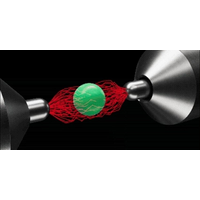
Phys. Rev. Lett. 135, 217101 (2025)
Statistical Physics; Classical, Nonlinear, and Complex Systems
Entanglement-Minimized Orbitals Enable Faster Quantum Simulation of Molecules
Article | Quantum Information, Science, and Technology | 2025-11-18 05:00 EST
Zhendong Li
Quantum computation offers significant potential for accelerating the simulation of molecules and materials through algorithms such as quantum phase estimation (QPE). However, the expected speedup in ground-state energy estimation depends critically on the ability to efficiently prepare an initial s…
Phys. Rev. Lett. 135, 210601 (2025)
Quantum Information, Science, and Technology
Search for Light Dark Matter with 259 Days of Data in PandaX-4T
Article | Cosmology, Astrophysics, and Gravitation | 2025-11-18 05:00 EST
Minzhen Zhang et al. (PandaX Collaboration)
World-leading bounds are placed on dark matter in the 2.5 to 5.0 GeV mass range.
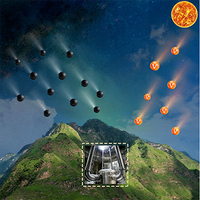
Phys. Rev. Lett. 135, 211001 (2025)
Cosmology, Astrophysics, and Gravitation
Higher-Spin Effects in Black Hole and Neutron Star Binary Dynamics: Worldline Supersymmetry beyond Minimal Coupling
Article | Cosmology, Astrophysics, and Gravitation | 2025-11-18 05:00 EST
Domenico Bonocore, Anna Kulesza, and Johannes Pirsch
The inclusion of spin effects in the binary dynamics for black holes and neutron stars is crucial for the computation of gravitational wave observables. Worldline supersymmetric models have been shown to be particularly efficient at this task up to quadratic order in spin, but progress at higher ord…
Phys. Rev. Lett. 135, 211404 (2025)
Cosmology, Astrophysics, and Gravitation
Localization and Delocalization of a Single Molecule in a Helium Nanodroplet
Article | Atomic, Molecular, and Optical Physics | 2025-11-18 05:00 EST
Zhengjun Ye, Haomai Hou, Linqian Zeng, Lianrong Zhou, Zhejun Jiang, Menghang Shi, Chenxu Lu, Shengzhe Pan, Ruolin Gong, Peifen Lu, Hongcheng Ni, Wenbin Zhang, Feng He, and Jian Wu
An optical technique reveals the spatial extent of a molecule's wave function when the molecule is embedded in a tiny helium droplet.
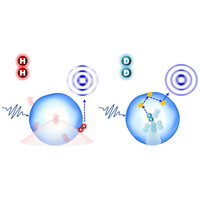
Phys. Rev. Lett. 135, 213202 (2025)
Atomic, Molecular, and Optical Physics
Ising Superconductivity in Bulk Layered Noncentrosymmetric $4H\text{-}{\text{NbSe}}_{2}$
Article | Condensed Matter and Materials | 2025-11-18 05:00 EST
Chandan Patra, Tarushi Agarwal, Rahul Verma, Poulami Manna, Shashank Srivastava, Ravi Shankar Singh, Mathias S. Scheurer, Bahadur Singh, and Ravi Prakash Singh
Transition-metal dichalcogenides exhibit multiple polymorphs that enable the exploration of diverse quantum states, including valley-selective spin polarization, the valley Hall effect, Ising superconductivity, and nontrivial topology. Monolayer is a promising candidate for realizing Ising …
Phys. Rev. Lett. 135, 216002 (2025)
Condensed Matter and Materials
Experimental Realization of Synthetic $π$-Flux Photonic Crystals
Article | Condensed Matter and Materials | 2025-11-18 05:00 EST
Renwen Huang, Haotian Li, Shiyin Jia, Junzheng Hu, Shiqi Li, Jing Li, Biye Xie, Minghui Lu, Peng Zhan, Yanfeng Chen, and Zhenlin Wang
An experimental demonstration of -flux photonic crystals, a fundamental theoretical construct, reveals Mobius and nonsymmorphic topological phases.
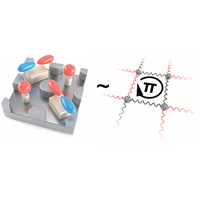
Phys. Rev. Lett. 135, 216603 (2025)
Condensed Matter and Materials
Hot-Phonon-Induced Distortion of Diamond Defects on Ultrafast Timescales
Article | Condensed Matter and Materials | 2025-11-18 05:00 EST
Terng Junn Keat, Jiahui Zhao, Jack M. Woolley, Partha Malakar, Gregory M. Greetham, Xuxu Wu, Jonathan P. Goss, Robin J. Cruddace, Christopher B. Hartland, Matthew W. Dale, Vasilios G. Stavros, Mark E. Newton, and James Lloyd-Hughes
Vibrational excitation of a defect in diamond creates a transient hot ground state, challenging the long-standing assumption of rigid lattice behavior during defect relaxation.
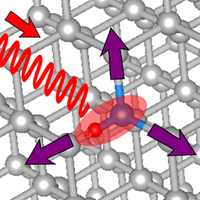
Phys. Rev. Lett. 135, 216902 (2025)
Condensed Matter and Materials
When Does Population Diversity Matter? A Unified Framework for Binary-Choice Dynamics
Article | Statistical Physics; Classical, Nonlinear, and Complex Systems | 2025-11-18 05:00 EST
Arkadiusz Jędrzejewski and José F. F. Mendes
We propose a modeling framework for binary-choice dynamics in which agents update their states using two mechanisms selected based on individual preference drawn from an arbitrary distribution. We compare annealed dynamics, where preferences change over time, and quenched dynamics, where they remain…
Phys. Rev. Lett. 135, 217401 (2025)
Statistical Physics; Classical, Nonlinear, and Complex Systems
Dynamic Avalanches: Rate-Controlled Switching and Race Conditions
Article | Polymers, Chemical Physics, Soft Matter, and Biological Physics | 2025-11-18 05:00 EST
Lishuai Jin and Martin van Hecke
Avalanches are rapid cascades of rearrangements driven by cooperative flipping of hysteretic local elements. Here, we show that flipping dynamics and race conditions--where multiple elements become unstable simultaneously--give rise to dynamic avalanches that cannot be captured by static models of int…
Phys. Rev. Lett. 135, 218201 (2025)
Polymers, Chemical Physics, Soft Matter, and Biological Physics
Role of Hydrodynamics in the Synchronization of Chlamydomonas Flagella
Article | Polymers, Chemical Physics, Soft Matter, and Biological Physics | 2025-11-18 05:00 EST
Luc Zorrilla, Antoine Allard, Krish Desai, and Marco Polin
Using a tipless AFM cantilever to selectively block hydrodynamic coupling between flagella of a single cell reveals a subtle balance of the intracellular forces and hydrodynamic interactions that underlies the coordination of flagella within a single-cell microswimmer.
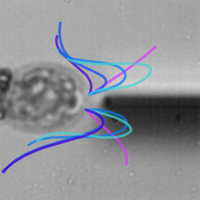
Phys. Rev. Lett. 135, 218402 (2025)
Polymers, Chemical Physics, Soft Matter, and Biological Physics
Physical Review X
Splitting and Connecting Singlets in Atomic Quantum Circuits
Article | 2025-11-18 05:00 EST
Zijie Zhu, Yann Kiefer, Samuel Jele, Marius Gächter, Giacomo Bisson, Konrad Viebahn, and Tilman Esslinger
Neutral-atom qubits in optical lattices can be linked over long distances using topological pumping, robustly moving entangled atoms in their own "quantum lanes" to enable scalable, programmable quantum circuits.
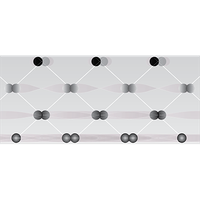
Phys. Rev. X 15, 041032 (2025)
arXiv
Hyperelastic stability landscape: A check for HILL stability of isotropic, incompressible hyperelasticity depending on material parameters
New Submission | Materials Science (cond-mat.mtrl-sci) | 2025-11-19 20:00 EST
In this paper, we describe a uniform and standardized approach for analytically verifying the stability of isotropic, incompressible hyperelastic material models. Here, we address stability as fulfillment of the Hill’s condition - i.e. the positive definiteness of the material modulus in the Kirchhoff stress - log-strain relation. For incompressible material behavior, all mathematically and mechanically possible deformations lie within a range bounded, on the one hand, by uniaxial states and, on the other hand, by biaxial states; shear {deformation} states lie in between. This becomes particularly clear when the possible states are represented in the invariant plane. This very representation is now also used to visualize the regions of unstable material behavior depending on the selected strain energy function and the respective data set of material parameters. This demonstrates how, for some constellations of energy functions, with appropriate selection or calibration of parameters, stable and unstable regions can be observed. If such cases occur, it is no longer legitimate to use them to initiate, for example, finite element simulations. This is particularly striking when, for example, a fit appears stable in uniaxial tension, but the same parameter set for shear states results in unstable behavior without this being specifically investigated. The presented approach can reveal simple indicators for this.
Materials Science (cond-mat.mtrl-sci)
Non-invertible defects in generalized Ising models via strange correlator
New Submission | Strongly Correlated Electrons (cond-mat.str-el) | 2025-11-19 20:00 EST
Aswin Parayil Mana, Yaman Sanghavi
Defects associated with non-invertible symmetries have attracted significant attention in recent years. Among them, Kramers-Wannier (KW) duality defects have been investigated in both classical statistical systems and quantum Hamiltonian models. Aasen et al. analyzed duality defects in the 2D Ising model and in statistical models built from fusion categories, while Koide et al. later constructed a duality defect in 4D lattice gauge theory. In this work, we extend these developments by providing a systematic construction of KW duality defects/KW defects for a broad class of models formulated within the chain complex framework. Our construction employs the strange correlator, an overlap between a topologically ordered state and a product state, to realize these KW defects.
Strongly Correlated Electrons (cond-mat.str-el), Statistical Mechanics (cond-mat.stat-mech), High Energy Physics - Theory (hep-th), Quantum Physics (quant-ph)
57 pages, 19 figures
Lessons from $α$-RuCl3 for pursuing quantum spin liquid physics in atomically thin materials
New Submission | Strongly Correlated Electrons (cond-mat.str-el) | 2025-11-19 20:00 EST
Claudia Ojeda-Aristizabal, Xiaohu Zheng, Changsong Xu, Zohar Nussinov, Yukitoshi Motome, Arnab Banerjee, Adam W. Tsen, Michael Knap, Rui-Rui Du, Gajadhar Joshi, Andy Mounce, Youngwook Kim, Benjamin M. Hunt, Dmitry Shcherbakov, Boyi Zhou, Ran Jing, Mengkun Liu, Hui Zhao, Bolin Liao, Martin Claassen, Onur Erten, Yong P. Chen, Erik A. Henriksen
Quantum spin liquids can arise from Kitaev magnetic interactions, and exhibit fractionalized excitations with the potential for a topological form of quantum computation. This review surveys recent experimental and theoretical progress on the pursuit of phenomena related to Kitaev magnetism in layered and exfoliatable materials, which offer numerous opportunities to apply powerful techniques from the field of atomically thin materials. We primarily focus on the antiferromagnetic Mott insulator $ \alpha$ -RuCl3, which exhibits Kitaev couplings and is readily exfoliated to single- or few-layer sheets, and thus serves as a test bed for developing probes of Kitaev phenomena in atomically thin materials and devices. We introduce the Kitaev model and how it is realized in $ \alpha$ -RuCl3 and other material candidates; and cover $ \alpha$ -RuCl3 synthesis and fabrication into van der Waals heterostructure devices. A key discovery is a work-function-mediated charge transfer that heavily dopes both the $ \alpha$ -RuCl3 and proximate materials, and can enhance Kitaev interactions by up to 50%. We further discuss a wide range of recent results in electronic transport and optical and tunneling spectroscopies of $ \alpha$ -RuCl3 devices. The experimental techniques and theoretical insights developed for $ \alpha$ -RuCl3 establish a framework for discovering and engineering superior two-dimensional Kitaev materials that may ultimately realize elusive quantum spin liquid phases.
Strongly Correlated Electrons (cond-mat.str-el), Mesoscale and Nanoscale Physics (cond-mat.mes-hall), Materials Science (cond-mat.mtrl-sci)
53 pages, 27 figures
Tunable dynamics of flexible magnetic microcrosses: synchronous rotation, breathing and out-of-plane arm overtaking
New Submission | Soft Condensed Matter (cond-mat.soft) | 2025-11-19 20:00 EST
Joseph Tavacoli, Andris P. Stikuts, Mihir Dass, Tim Liedl, Pietro Tierno
We combine colloidal self-assembly and soft-lithography techniques to realize flexible magnetic microcrosses that can be manipulated via external, time dependent magnetic fields. The crosses are characterized by a central domain connected via four flexible arms. When subjected to an in-plane, rotating magnetic field, the crosses transit from a synchronous to an asynchronous spinning motion where their average rotation decreases with the driving frequency. In the asynchronous regime and at low field amplitudes, the crosses display a breathing mode, characterized by relative oscillations between the arms, while remaining localized in the two dimensional plane. In contrast, for high field amplitudes, we observe an arm overtaking regime where two opposite filaments surpass the remaining ones forcing the cross to perform a three-dimensional gyroscopic-like rotation. Using slender body theory and balancing the effect of magnetic and elastic interactions, we recover the experimental findings and show that the overtaking regime occurs due to different arm magnetizations. Our engineered microscopic colloidal rotors characterized by multiple flexible filaments may find potential applications for precise lab-on-a-chip operations or as stirrers dispersed within microfluidic or biological channels.
Soft Condensed Matter (cond-mat.soft)
Soft Matter, 2025,21, 8368-8378
Universal negative magnetoresistance in antiferromagnetic metals caused by symmetry breaking of electron wave functions
New Submission | Strongly Correlated Electrons (cond-mat.str-el) | 2025-11-19 20:00 EST
Pavel D. Grigoriev, Nikita S. Pavlov, Igor A. Nekrasov, Igor R. Shein, Andrey V. Sadakov, Oleg A. Sobolevskiy, Evgeny Maltsev, Vladimir M. Pudalov
Layered van der Waals crystals of topologically non-trivial and trivial semimetals with antiferromagnetic (AFM) ordering of magnetic sublattice are known to exhibit a negative magnetoresistance that is well correlated with AFM magnetization changes in a magnetic field. This effect is reported in several experimental studies with EuFe2As2, EuSn2As2, EuSn2P2, etc., where the resistance decreases quadratically with field by about 5% up to the spin-polarization field. Although this effect is well documented experimentally, its theoretical explanation is missing up to date. Here, we propose a theoretical mechanism describing the observed magnetoresistance that is inherent in AFM metals and is based on violation the binary T2 symmetry. It is almost isotropic to the field and current directions, contrary to the known mechanisms such as giant magnetoresistance and chiral anomaly. The proposed intrinsic mechanism of magnetoresistance is strong in a wide class of the layered AFM-ordered semimetals. The theoretically calculated magnetoresistance is qualitatively consistent with experimental data for crystals of various composition.
Strongly Correlated Electrons (cond-mat.str-el), Mesoscale and Nanoscale Physics (cond-mat.mes-hall)
10 pages main paper + 7 pages Supplemental Materials. This study extends arXiv:2405.18046
Commun Mater 6, 252 (2025)
Effect of substrate miscut angle on critical thickness, structural and electronic properties of MBE-grown NbN films on c-plane sapphire
New Submission | Superconductivity (cond-mat.supr-con) | 2025-11-19 20:00 EST
Anand Ithepalli, Saumya Vashishtha, Naomi Pieczulewski, Qiao Liu, Amit Rohan Rajapurohita, Matthew Barone, Darrell Schlom, David A. Muller, Huili Grace Xing, Debdeep Jena
We report the structural and electronic properties of niobium nitride (NbN) thin films grown by molecular beam epitaxy on c-plane sapphire with miscut angles of $ 0.5^\text{o}$ , $ 2^\text{o}$ , $ 4^\text{o}$ , and $ 10^\text{o}$ towards m-axis. X-ray diffraction (XRD) scans reveal that the full width at half maximum of the rocking curves around the 1 1 1 reflection of these NbN films decreases with increasing miscut. Starting from 76 arcsecs on $ 0.5^\text{o}$ miscut, the FWHM reduces to almost 20 arcsecs on $ 10^\text{o}$ miscut sapphire indicating improved structural quality. Scanning transmission electron microscopy (STEM) images indicate that NbN on c-sapphire has around 10 nm critical thickness, irrespective of the substrate miscut, above which it turns columnar. The improved structural property is correlated with a marginal increment in superconducting transition temperature $ T_\text{c}$ from 12.1 K for NbN on $ 0.5^\text{o}$ miscut sapphire to 12.5 K for NbN on $ 10^\text{o}$ miscut sapphire.
Superconductivity (cond-mat.supr-con), Materials Science (cond-mat.mtrl-sci)
Screw-dislocation-engineered quantum dot: geometry-tunable nonlinear optics, orbital qubit addressability, and torsion metrology
New Submission | Mesoscale and Nanoscale Physics (cond-mat.mes-hall) | 2025-11-19 20:00 EST
We study a single electron confined in a uniform-torsion medium, a continuum model of a screw dislocation density, in a perpendicular magnetic field, and in the presence of an Aharonov–Bohm flux. Torsion alone produces radial confinement without any \textit{ad hoc} potential, while the Aharonov–Bohm phase breaks the usual $ m\leftrightarrow -m$ symmetry. From the exact spectrum and wave functions, we find: (i) a torsion-controlled optical transition whose energy blue-shifts from $ \sim 6.8$ to $ \sim 15.5$ meV and whose saturation intensity varies by an order of magnitude, enabling geometry-programmable optical switching; (ii) an Aharonov–Bohm-tunable ``angular pseudospin’’ formed by the $ m=\pm1$ states, with flux-controlled level splitting and asymmetric oscillator strengths that allow selective optical addressability; and (iii) an approximately linear torsion dependence of the transition energy that enables nanoscale torsion metrology with an estimated resolution of $ \sim 10^{5}\mathrm{m}^{-1}$ . In this context, ``torsion’’ refers to the experimentally relevant continuum limit of a uniform density of parallel screw dislocations, i.e., a crystal with finite torsion but vanishing curvature, which can, in practice, be engineered and probed in twisted nanowires and strained semiconductor heterostructures. We also show how torsion provides \textit{in situ} control of emitter–cavity detuning and light–matter coupling in cavity QED, in direct analogy with strain tuning of semiconductor quantum dots in nanocavities, but here arising from a purely geometric/topological parameter.
Mesoscale and Nanoscale Physics (cond-mat.mes-hall), Quantum Physics (quant-ph)
10 pages, 5 figures
Dynamical behavior of compound vesicles in wall-bounded shear flow
New Submission | Soft Condensed Matter (cond-mat.soft) | 2025-11-19 20:00 EST
We report a numerical study addressing the dynamics of compound vesicles confined in a channel under shear flow. The system comprises a smaller vesicle embedded within a larger one and can be used to mimic, for example, leukocytes or nucleate cells. A two-dimensional model, which combines molecular dynamics and mesoscopic hydrodynamics including thermal fluctuations, is adopted to perform an extended investigation. We are able to vary independently the swelling degree and the relative size of vesicles, the viscosities of fluids internal and external to vesicles, and the Capillary number, so to observe a rich dynamical phenomenology which goes well beyond what observed for single vesicles, matching quantitatively with experimental findings. Tank-treading, tumbling, and trembling motions are enriched by dynamical states where inner and outer vesicles can perform different motions. We show that thermal fluctuations are crucial during trembling and swinging dynamics, as observed in experiments. Undulating motion of the external vesicle, characterized by periodic oscillation of the inclination and buckling of the membrane, is observed at high filling fractions. This latter state exhibits features that are shown to depend on the relative size, the swelling degree of both vesicles as well as on thermal noise lacking in previous analytical and numerical studies.
Soft Condensed Matter (cond-mat.soft), Computational Physics (physics.comp-ph)
Accepted for publication in Soft Matter
Spin-singlet dimer phase in a frustrated square lattice under a magnetic field
New Submission | Strongly Correlated Electrons (cond-mat.str-el) | 2025-11-19 20:00 EST
L. M. Ramos, M. Schmidt, F. M. Zimmer
We investigated the isotropic spin-1/2 Heisenberg model on an anisotropic square lattice with competing exchange interactions, motivated by the unconventional magnetic behavior observed in the verdazyl-based compound (o-MePy-V)PF6. Using a cluster mean-field approach, we explore a field-induced phase stabilized by the interplay between frustration and quantum fluctuations, focusing on the role of exchange interactions. We identify: (i) the formation of spin singlet pairs, signaled by enhanced spin-spin correlations in specific field regimes; and (ii) a one-half magnetization plateau, emerging from a subtle balance between competing exchange couplings and field-enhanced quantum fluctuations. Our results reveal that an enhancement of frustration, achieved by tuning small variations in the spatially anisotropic exchange interactions of the compound (o-MePy-V)PF6, can stabilize a field-induced quantum phase where ferromagnetism coexists with antiferromagnetic dimers. Our results provide microscopic insight into the mechanisms driving these nontrivial phases and offer theoretical support for interpreting experimental observations in this class of low-dimensional quantum magnets.
Strongly Correlated Electrons (cond-mat.str-el), Materials Science (cond-mat.mtrl-sci), Statistical Mechanics (cond-mat.stat-mech)
11 pages, 7 figures
Journal of Magnetism and Magnetic Materials, 2025
Twin-boundary-induced nonrelativistic spin splitting
New Submission | Materials Science (cond-mat.mtrl-sci) | 2025-11-19 20:00 EST
Kristoffer Eggestad, Marc Vila, Sverre M. Selbach, Sinéad M. Griffin
Nonrelativistic spin splitting (NRSS) in compensated magnetic materials is drawing considerable attention due to its potential impact in next-generation spintronic devices. While NRSS is typically restricted to materials with particular symmetry constraints, here we demonstrate, using density functional theory (DFT) and tight-binding transport calculations, that twin boundaries can induce NRSS in magnetic systems where it is otherwise forbidden. We focus on two representative material systems: the tetragonal perovskite oxide BiCoO$ _3$ with $ 90^{\circ}$ ferroelastic domain walls, and the rhombohedral layered delafossite-type oxide CoO$ _2$ , supporting $ 71^{\circ}$ , $ 109^{\circ}$ , and $ 135^{\circ}$ twin boundaries. Our results reveal that, if these boundaries coexist with ferromagnetic domain walls, they consistently produce NRSS similar to that of d-wave altermagnets, with nodal surfaces dictated by the underlying symmetry of the supercell containing the twin boundary. Tight-binding models further elucidate how the NRSS and derived transport properties scale with domain size and density. Our results put forward twin boundary engineering as a versatile route to realize and control spin splitting in a broader class of materials.
Materials Science (cond-mat.mtrl-sci)
Universal regimes of strong turbulence in the multi-component Gross-Pitaevskii model
New Submission | Quantum Gases (cond-mat.quant-gas) | 2025-11-19 20:00 EST
Vladimir Rosenhaus, Natalia Vladimirova, Gregory Falkovich
The Gross-Pitaevskii (GP) model, also known as the nonlinear Schrödinger equation, is arguably the most universal model in classical and quantum physics, describing spectrally narrow or long-wavelength distributions of interacting waves or particles. Modern applications – from oceanic and atmospheric flows to photonics and cold atoms – predominantly involve states that are far from equilibrium, culminating in the regime of fully developed turbulence. To date, a consistent theoretical description of such states has only existed for weakly interacting quasiparticles. Here we present a theory of strong turbulence in the two-dimensional $ N$ -component Gross-Pitaevskii model for both repulsive and attractive interactions, corresponding to the defocusing and focusing cases, respectively. In the focusing case, we show that attraction is enhanced by multi-wave effects, leading to a critical-balance state independent of the pumping level. In the defocusing case, repulsion is suppressed by collective effects, giving rise to another type of universality in strong turbulence – independence from the bare coupling constant. The theory is confirmed by analytical results in the many-component limit and by direct numerical simulations of the single-component GP model.
Quantum Gases (cond-mat.quant-gas), High Energy Physics - Theory (hep-th), Chaotic Dynamics (nlin.CD), Fluid Dynamics (physics.flu-dyn), Plasma Physics (physics.plasm-ph)
15 pages
Pressure-Induced B1 to B2 Phase Transition in CeN Studied by ab initio Correlation Matrix Renormalization Theory Calculations
New Submission | Strongly Correlated Electrons (cond-mat.str-el) | 2025-11-19 20:00 EST
Jianhua Zhang, Jun Liu, Yongxin Yao, Kai-Ming Ho, Cai-Zhuang Wang
We apply correlation matrix renormalization theory (CMRT) to cerium nitride (CeN) under pressure. For B1 (NaCl-type) phase, CMRT gives an equation of state consistent with ambient pressure experiments. It produces electronic density-of-state (DOS) characterized by a sharp 4f quasi-particle resonance peak pinned at the Fermi level and two subbands formed by strong hybridization between the localized Ce-4f electrons and the itinerant Ce-5d and N-2p electrons below the Fermi level, consistent with XPS experiments. Upon compression, CMRT predicts a first-order B1 to B2 (CsCl-type) transition with ~11% volume collapse. Across the transition, the 4f spectral weight broadens, the 4f orbital occupancy increases, and the hybridization with conduction states enhances, signaling a crossover from partially localized to more itinerant 4f behavior. These features are in excellent agreement with experimental observations, demonstrating that CMRT provides a parameter-free description and prediction of correlation-driven structural and electronic transitions in rare-earth compounds.
Strongly Correlated Electrons (cond-mat.str-el)
Dynamics of entanglement asymmetry for space-inversion symmetry of free fermions on honeycomb lattices
New Submission | Quantum Gases (cond-mat.quant-gas) | 2025-11-19 20:00 EST
Ryogo Hara, Shimpei Endo, Shion Yamashika
We study the entanglement asymmetry for the space-inversion symmetry of free fermions on a two-dimensional honeycomb lattice with an on-site energy imbalance between the two sublattices. We show that the entanglement asymmetry of a local subsystem exhibits nonanalytic dependence on the energy imbalance, due to the presence of Dirac points in the Brillouin zone. We also study the quench dynamics from the ground state into the inversion-symmetric point at which the energy imbalance vanishes. Under certain conditions on the subsystem geometry, the entanglement asymmetry relaxes to a finite value after the quench, revealing that the inversion-symmetry breaking in the initial ground state can persist even under the symmetric dynamics. We attribute the absence of symmetry restoration to the presence of a flat energy dispersion (flat band) in a specific direction.
Quantum Gases (cond-mat.quant-gas), Statistical Mechanics (cond-mat.stat-mech), Quantum Physics (quant-ph)
13 pages, 5 figures
Topological transition induced by selective random defects on a honeycomb lattice
New Submission | Disordered Systems and Neural Networks (cond-mat.dis-nn) | 2025-11-19 20:00 EST
Sogen Ikegami, Kiyu Fukui, Shun Okumura, Yasuyuki Kato, Yukitoshi Motome
We investigate how the spectral and topological properties of electron systems evolve on a lattice that interpolates between the honeycomb and its 1/6-depleted structures through the introduction of selective random defects. We find that in certain parameter regimes, the topological properties of the two lattice systems are smoothly connected, whereas in other regimes, selective random defects induce a topological transition. Analysis based on an effective model reveals that the effect of selective random defects can be understood as a modulation of hopping amplitudes. Our results highlight the potential for designing and controlling the spectral and even topological properties of electronic systems across a wide range of material platforms.
Disordered Systems and Neural Networks (cond-mat.dis-nn), Mesoscale and Nanoscale Physics (cond-mat.mes-hall), Strongly Correlated Electrons (cond-mat.str-el)
11 pages, 9 Figures
Chemical vapor deposition growth of continuous monolayer antiferromagnetic CrOCl films
New Submission | Mesoscale and Nanoscale Physics (cond-mat.mes-hall) | 2025-11-19 20:00 EST
Chao Chen, Yulu Liu, Hongyan Lu, Zihao Wang, Bowen Zheng, Qian Guo, Jingkuan Xiao, Ping Wang, Wanting Xu, Yulin Han, Mingxuan Chen, Xiaofan Cai, Jiabei Huang, Yaqing Han, Di Zhang, Renjun Du, Alexander S. Mayorov, Ziying Li, Shuai Zhang, Yi Huang, Tingting Cheng, Zhaolong Chen, Ronghua Liu, Nujiang Tang, Haibo Ni, Di Wu, Libo Gao, Xiaoxiang Xi, Qianghua Wang, Lei Wang, Kostya S. Novoselov, Geliang Yu
The discovery of two-dimensional magnetic materials has provided an ideal platform for exploring physical phenomena in the two-dimensional limit. However, intrinsic two-dimensional antiferromagnetic materials have been rarely reported, limiting systematic studies of their electronic properties. The discovery of novel intrinsic two-dimensional antiferromagnets and the development of robust synthesis strategies, therefore, remain significant challenges. Here, we report the chemical vapor deposition synthesis of CrOCl monolayer films and nanosheets that exhibit excellent air stability. The CrOCl morphology is tunable, ranging from two-dimensional nanosheets to three-dimensional flower-like structures, with lateral sizes ranging from several microns to continuous monolayer films. Structural characterization confirms the materials composition and high crystalline quality. Furthermore, magnetic measurements, supported by theoretical calculations, reveal a Néel temperature for CrOCl of ~14 K. This work provides a reliable route for preparing two-dimensional antiferromagnetic materials.
Mesoscale and Nanoscale Physics (cond-mat.mes-hall)
Mass-imbalance effect on the cluster formation in a one-dimensional Fermi gas with coexistent $s$- and $p$-wave interactions
New Submission | Quantum Gases (cond-mat.quant-gas) | 2025-11-19 20:00 EST
We consider the mass-imbalance effect on the clustering in a one-dimensional two-component Fermi gas with coexistent even- and odd-wave interactions resulting in different configurations of clustering phases. We obtain the solutions of both stable two- and three-body cluster states with different mass ratios and configurations by solving the corresponding variational equations. We feature out phase diagrams consisting of the $ s$ - and $ p$ -wave pairing phases, and tripling phase with different configurations, in a plane of $ s$ - and $ p$ -wave pairing strengths. As for the in-vacuum case, the three-body clustering is always the lowest-lying phase. While for the in-medium case, the Cooper tripling phase dominates over the pairing phases when both $ s$ - and $ p$ -wave interactions are moderately strong. There is also a competition between different clustering configurations of three-body clustering.
Quantum Gases (cond-mat.quant-gas), Strongly Correlated Electrons (cond-mat.str-el), Superconductivity (cond-mat.supr-con), Nuclear Theory (nucl-th)
8 pages, 6 figures
Strongly Electric Field Dependent Conductivity in Quantum Dot Solids
New Submission | Disordered Systems and Neural Networks (cond-mat.dis-nn) | 2025-11-19 20:00 EST
Morteza Shokrani, Xinlu Wu, Ebbo Krahmer, Martijn Kemerink
Charge transport in QD solids is typically understood as thermally activated tunneling or hopping between states that are localized on individual QDs. Here, we show that the slow relaxation that is associated with the disorder-broadened density of (localized) states leads to a strong electric field F dependence of the charge carrier mobility. We interpret the results in terms of an increased effective electronic temperature T_eff that exceeds that of the lattice. We use a heat balance model to derive an analytical expression for T_eff (F) that is similar to, and puts a physical basis under the phenomenological expression proposed by Marianer and Shklovskii [Phys. Rev. B 46, 13100 (1992)]. We apply this model to analyze the field- and temperature-dependent conductivity in ZnO QDs with varying ligand length and depletion shell thickness and find (effective) localization lengths ranging from 2 to 5 nm. Both experimental and analytical results compare favorably to numerical simulations by kinetic Monte Carlo. Due to the large value of the effective localization length, the field dependence already becomes relevant at modest fields around 1-10 V/micron, that are typical for operational conditions of photovoltaic and light emitting devices based on quantum dot solids.
Disordered Systems and Neural Networks (cond-mat.dis-nn)
-
Integrating electronic structure into generative modeling of inorganic materials
New Submission | Materials Science (cond-mat.mtrl-sci) | 2025-11-19 20:00 EST
Junkil Park, Junyoung Choi, Yousung Jung
Recent advances in generative models have introduced a new paradigm for the inverse design of inorganic materials, enabling the discovery of new crystalline structures with desired properties. However, existing generative models focus solely on structural aspects of materials during generation, while overlooking the underlying electronic behavior that fundamentally governs materials’ stability and functionality. In this work, we present ChargeDIFF, the first generative model for inorganic materials that explicitly incorporates electronic structure into the generation process. Specifically, ChargeDIFF leverages charge density, a direct spatial representation of a material’s electronic structure, as an additional modality for generation. ChargeDIFF demonstrates exceptional performance in both unconditional and conditional generation tasks compared to baseline models, with ablation studies revealing that this improvement is directly due to its ability to capture the material’s electronic structure during generation. Moreover, the ability to control charge density during generation allows ChargeDIFF to introduce a novel inverse design method based on three-dimensional charge density, illustrating the potential to generate lithium-ion battery cathode materials with desired ion migration pathways, as validated by physics-based simulations. By highlighting the importance of accounting for electronic characteristics during material generation, ChargeDIFF offers new possibilities in the generative design of stable and functional materials.
Materials Science (cond-mat.mtrl-sci)
30 pages main text, 32 pages supplementary information
Current-driven switching of topological spin chirality in a van der Waals antiferromagnet
New Submission | Materials Science (cond-mat.mtrl-sci) | 2025-11-19 20:00 EST
Kai-Xuan Zhang, Seungbok Lee, Woonghee Cho, Je-Geun Park
Magnetic topology is central to modern quantum magnet, where spin chirality governs exotic spin winding, real-space Berry phase, and topological Hall effect. A key unresolved challenge is how to electrically switch topological spin chirality and its associated gauge flux, an essential requirement for manipulating its topological quantum properties. In this work, we propose and experimentally demonstrate the concept of current-switching spin chirality. We identify the new vdW antiferromagnet Co1/3TaS2 as an ideal platform, hosting a topological 3Q state with a minimum chirality cell, an ultrahigh skyrmion density, a non-centrosymmetric geometry, and a strong Berry curvature. Using a Co1/3TaS2/Pt heterostructure, we achieve the nonvolatile and reversible switching by current via current-driven spin-orbit torque based on Pts spin Hall effect. Beyond this conventional route, we further discover intrinsic self-torque-induced chirality switching within Co1/3TaS2, driven purely by current, without a magnetic field, and with high energy efficiency. These complementary pathways establish a unified framework for electrically creating and controlling spin chirality. Our results demonstrate a practical route toward chiral spintronics. They can be naturally generalised to other skyrmion systems, offering new opportunities in symmetry control, topological manipulation, and spin-chirality-based quantum functionalities.
Materials Science (cond-mat.mtrl-sci), Applied Physics (physics.app-ph), Quantum Physics (quant-ph)
Heat Capacity of Thermally Reduced Graphene Oxide: Compaction and Thermal Annealing Effects
New Submission | Materials Science (cond-mat.mtrl-sci) | 2025-11-19 20:00 EST
A.I. Krivchikov (1), A. Jezowski (2), M.S. Barabashko (1), A.V. Dolbin (1), N.A. Vinnikov (1), S.V. Cherednichenko (1), Yu. Horbatenko (1), O. Korolyuk (1), O. Bezkrovnyi (2), O. Romantsova (1 and 2), D. Szewczyk (2) ((1) B. Verkin Institute for Low Temperature Physics and Engineering, NAS of Ukraine, Ukraine, (2) Institute of Low Temperature and Structure Research PAS, Poland)
We present a comprehensive investigation of the low-temperature heat capacity of thermally reduced graphene oxide (trGO) as a function of compaction pressure and annealing temperature. Graphene oxide was synthesized using a modified Hummers method and subsequently thermally reduced at 300,°C, 500,°C, and 700,°C under vacuum to systematically vary the oxygen content and structural ordering. The specific heat data in the 2–300,K range reveal that the thermal response is governed by phonons, including contributions from a Schottky-type anomaly, a defect-related linear term, a Debye term, and a dispersive term with a negative coefficient associated with out-of-plane flexural (ZA) phonons. Increasing compaction pressure alters interlayer coupling and leads to non-monotonic changes in heat capacity, while higher annealing temperatures enhance graphitization, reduce disorder, and modify phonon dispersion. The absence of a boson peak – similar to that observed in carbon nanotubes – supports the dominance of two-dimensional vibrational modes. These findings elucidate the relationship between dimensionality, structural disorder, and processing parameters in shaping the phonon dynamics of trGO, providing guidance for tailoring its thermal behavior in advanced carbon-based functional materials.
Materials Science (cond-mat.mtrl-sci), Mesoscale and Nanoscale Physics (cond-mat.mes-hall)
Stability of current-carrying states in hard-core bosons with long-range hopping on a square lattice
New Submission | Quantum Gases (cond-mat.quant-gas) | 2025-11-19 20:00 EST
Yoshihiro Yabuuchi, Ippei Danshita
We investigate the stability of current-carrying states with quasi-momentum $ K$ in the Bose-condensed phase of the hard-core Bose-Hubbard model on a square lattice, where particles transfer between two sites separated by distance $ r$ with hopping amplitude decaying algebraically with $ r$ as $ \propto r^{-\alpha}$ . Using a mean-field theory, we analyze the excitation spectrum and determine the critical quasi-momenta associated with Landau and dynamical instabilities. We find that the long-range hopping suppresses the critical quasi-momenta and makes them vanish at $ \alpha=3$ . Near $ \alpha=3$ , we show that the critical quasi-momentum $ K_{\mathrm{c}}$ for the dynamical instability exhibits the scaling behavior $ K_\mathrm{c} \propto \Delta^{1+\Delta}$ with $ \Delta=\alpha-3$ , where the scaling exponent explicitly depends on $ \Delta$ , as a consequence of the long-range nature of the hopping.
Quantum Gases (cond-mat.quant-gas)
8 pages, 5 figures
Molecular dynamics simulations reveal internal tension in native state collagen fibrils
New Submission | Soft Condensed Matter (cond-mat.soft) | 2025-11-19 20:00 EST
Konstantinos Steiakakis, Alan Pichard, Maxime Vassaux
Collagen fibrils are the building block of many biological tissues, which viability depend on the fibrils properties. Altered properties of collagen fibrils are central to the appearance of many diseases, and physiological or native properties must be reproduced for tissue engineering. Yet, the self-assembly, the structure, and therefore the properties of collagen fibrils remain elusive. One main reason is the extreme sensitivity of the fibrils to their environmental conditions, and in particular hydration which is only loosely bound by experimental measurements. Furthermore, mechanics are an integral part of the self-assembly process and may result in internal stresses in collagen fibrils in native conditions. Here, we propose to investigate internal stresses in collagen fibrils by means of molecular dynamics simulations of the collagen microfibril model. Our simulations reveal the quantitative evolution of internal stresses in collagen fibrils with hydration. We establish a value of native hydration of collagen fibrils at 0.78 g/g based on an absence of cross-sectional stresses. In turn, we determine a quantitative estimate of internal longitudinal stresses in collagen fibrils in native conditions of 210 MPa. We find that internal longitudinal stresses are caused by an over-extended protein backbone rather than partial hydration, which appears remnant of the local forces driving collagen self-assembly. We also demonstrate the consequences of internal longitudinal stresses on the mechanical properties of collagen fibrils, which the absence of induces more than a 20% decrease in the Young’s modulus. Overall, our findings provide insights into the native structure and properties of collagen fibrils. More than ever, collagen fibrils appear to be assembled via an out-of-equilibrium process key for the synthesis of viable tissues.
Soft Condensed Matter (cond-mat.soft), Materials Science (cond-mat.mtrl-sci)
Two-component anomalous Hall and Nernst effects in anisotropic Fe$_{4-x}$Ge$_x$N thin films
New Submission | Materials Science (cond-mat.mtrl-sci) | 2025-11-19 20:00 EST
R.K. Paul, J. Vít, P. Levinský, J. Hejtmánek, O. Kaman, M. Pashchenko, L. Kubíčková, K. Ahn, M. Jarošová, J. More Chevalier, S. Cichoň, T. Kmječ, J. Kohout, M. Hans, S. Mráz, J.M. Schneider, E. Adabifiroozjaei, L. Molina-Luna, O. Gutfleisch, I. Dirba, K. Knížek
A series of thin films Fe$ _{4-x}$ Ge$ _x$ N (x=0-1) was fabricated onto MgO substrates by magnetron sputtering with the aim of studying the possible enhancement of the anomalous Nernst effect (ANE), envisaged based on Density Functional Theory (DFT) calculations. The Nernst and Hall effects of the series were systematically analyzed, complemented with resistivity, magnetic, electron microscopy and Mössbauer experiments, and DFT calculations including elastic properties. The Fe$ _4$ N phase crystallizes in the cubic symmetry with Pm3m space group, whereas a small tetragonal distortion is realized in for x>0.35. From the comparison of the experimental isomer shift with DFT calculations, we conclude that Ge occupies the 4b site in the tetragonal I4/mcm tructure. Ferromagnetic T$ _C$ decreases rapidly from 750 K for x=0 to 100 K for x=1. The tetragonal samples with x=0.8 and 1 display two-component behavior in the Hall and Nernst effects hysteresis loops, which can be analyzed as a sum of positive and negative loops with different saturation fields. This unusual behavior is a product of a combination of several factors. (1) Co-existence of two different crystallographic orientations in the tetragonal thin film, namely with the majority of c-axis and minority of a-axis normal to the film surface. (2) Opposite sign of the anomalous Hall and Nernst effects for the direction of magnetization along the a and c-axis revealed by DFT calculation. (3) The magnetocrystalline anisotropy characterized by an easy ab-plane, which is responsible for the different saturation fields for a and c-axis. The maximum ANE was determined to be 0.9 $ \mu$ V/K for x=0 at room temperature, and -0.85 $ \mu$ V/K for x=1 at T=50 K. The rapid increase of ANE of Fe$ _3$ GeN from low temperatures indicates that, were it not for its low T$ _C$ , it could surpass ANE of Fe$ _4$ N.
Materials Science (cond-mat.mtrl-sci)
26 pages, 12 figures + 6 figures in SM
Full Shapiro spectroscopy of current-phase relationships
New Submission | Superconductivity (cond-mat.supr-con) | 2025-11-19 20:00 EST
Maxim Tjøtta, Devashish Shah, Kanishk Modi, Marco Valentini, Rubén Seoane Souto, Georgios Katsaros, Jeroen Danon
Extracting the current-phase relationship (CPR) of a single superconducting junction is challenging in practice and traditionally involves embedding the junction in a larger superconducting circuit containing SQUIDs and/or resonators. Applying ac driving to the junction has proven to be a viable and less invasive way to extract information about the few lowest harmonics of the CPR, by locating the integer and fractional Shapiro steps in the IV-curve of the driven junction. Here, we present an alternative driving-based method that allows to extract the full harmonic content of a CPR in a non-invasive way, by fitting the measured critical currents of the driven junction as a function of driving power. We test our method, both using numerical simulations and in experiments, and we show that it works very accurately, also in the presence of noise.
Superconductivity (cond-mat.supr-con), Mesoscale and Nanoscale Physics (cond-mat.mes-hall)
Numerical analysis of heat transport in classical one-dimensional systems
New Submission | Statistical Mechanics (cond-mat.stat-mech) | 2025-11-19 20:00 EST
Numerical studies of some unidimensional systems provide evidence of finite thermal conductivity, where theory predicts a divergence with the system size. Some models are here reviewed under the working hypothesis that the energy flux across a nonequilibrium stationary state may be the sum of two contributions: the former responsible for normal conductivity, the latter accounting for the anomalous component. I conclude that in the thermodynamic limit, the diverging component is indeed present, although the crossover to a regime dominated by the anomalous component may occur at extremely long system sizes.
Finally, I study a variant of the ding-a-ling model, previously claimed to satisfy Fourier law, showing that it too exhibits a diverging conductivity in the thermodynamic limit.
Statistical Mechanics (cond-mat.stat-mech)
13 pages, 7 figures
Hybrid ab initio and empirical machine learning models for the potential energy surface
New Submission | Statistical Mechanics (cond-mat.stat-mech) | 2025-11-19 20:00 EST
Pablo Peña-Cano, Pablo M. Piaggi
We propose a methodology to generate hybrid machine learning models for the potential energy surface trained simultaneously on data from ab initio electronic structure calculations and on thermodynamic and/or structural observables from experiment. The approach is based on the use of a loss function that includes the mean square error of observables with respect to their experimental values, in addition to the usual terms involving the mean square error of the energies and forces with respect to ab initio data. We employ a reweighting procedure that allows for the calculation of ensemble averages of observables during training for arbitrary values of the model parameters and on the fly. The method is general and can be applied to any set of static observables. We illustrate the usefulness of this approach by applying it to the generation of hybrid models for liquid water that reproduce accurately the experimental density maximum, the density isobar at 1 bar, and the radial distribution function in molecular dynamics simulations.
Statistical Mechanics (cond-mat.stat-mech)
6 pages, 4 figures, data on Zenodo
On the First Quantum Correction to the Second Virial Coefficient of a Generalized Lennard-Jones Fluid
New Submission | Statistical Mechanics (cond-mat.stat-mech) | 2025-11-19 20:00 EST
We derive an explicit analytic expression for the first quantum correction to the second virial coefficient of a $ d$ -dimensional fluid whose particles interact via the generalized Lennard-Jones $ (2n,n)$ potential. By introducing an appropriate change of variable, the correction term is reduced to a single integral that can be evaluated in closed form in terms of parabolic cylinder or generalized Hermite functions. The resulting expression compactly incorporates both dimensionality and stiffness, providing direct access to the low- and high-temperature asymptotic regimes. In the special case of the standard Lennard-Jones fluid ($ d=3$ , $ n=6$ ), the formula obtained is considerably more compact than previously reported representations based on hypergeometric functions. The knowledge of this correction allows us to determine the first quantum contribution to the Boyle temperature, whose dependence on dimensionality and stiffness is explicitly analyzed. Moreover, the same methodology can be systematically extended to obtain higher-order quantum corrections.
Statistical Mechanics (cond-mat.stat-mech), Soft Condensed Matter (cond-mat.soft), Classical Physics (physics.class-ph)
7 pages, 2 figures
Shape dependence of Edelstein and magnetoelectric effects in the V-shaped model
New Submission | Mesoscale and Nanoscale Physics (cond-mat.mes-hall) | 2025-11-19 20:00 EST
We theoretically investigate the shape dependence and microscopic mechanism of the magnetoelectric effect, including both nonmagnetic (Edelstein-type) and magnetic origins, in a V-shaped one-dimensional chain model. Numerical calculations based on the Kubo formula reveal that the magnitude of the nonmagnetic-driven magnetoelectric response reaches a maximum at an apex angle of $ \theta \approx 0.6\pi$ . To clarify the microscopic origin of this behavior, we construct a low-energy effective Hamiltonian by projecting onto the $ s$ -orbital subspace and demonstrate that the polarity induced by the V-shaped geometry manifests as an effective spin–orbit interaction. An analytical derivation of the Green’s function shows that the geometric effect appears as a $ T$ -matrix contribution, reflecting the local breaking of translational symmetry at the V-shaped edge. Furthermore, by employing a multipole-basis representation, we identify the selection rules that govern the magnetoelectric tensor and reveal that the coupling between the effective spin–orbit interaction and the orbital angular momentum generated across the apex plays an essential role. The resulting angular dependence, $ \sin{\theta}\sin{\theta/2}$ , peaks at $ \theta = 2\tan^{-1}\sqrt{2} \approx 0.608\pi$ , in good agreement with the numerical results. We also analyze a ferromagnetic V-shaped model including the Zeeman interaction and show that the magnetic-driven magnetoelectric response originates from the spin magnetization induced by the coupling between the electric-field–driven charge-potential gradient and the Zeeman term. These findings demonstrate that the V-shaped geometry gives rise to distinct magnetoelectric mechanisms depending on the presence or absence of time-reversal symmetry and provide a microscopic framework for understanding shape-induced multipole phenomena in mesoscopic and bulk systems.
Mesoscale and Nanoscale Physics (cond-mat.mes-hall)
Scaling of Low-Temperature Heat Capacity in Cryocrystals
New Submission | Mesoscale and Nanoscale Physics (cond-mat.mes-hall) | 2025-11-19 20:00 EST
M. Barabashko (1), A. Jeżowski (2), A. Krivchikov (1,2) ((1) <a href=”http://B.Verkin“ rel=”external noopener nofollow” class=”link-external link-http”>this http URL</a> Institute for Low Temperature Physics and Engineering of the National Academy of Sciences of Ukraine, Kharkiv, Ukraine, (2) Institute of Low Temperature and Structure Research PAS, Wrocław, Poland)
The low-temperature isochoric heat capacity of cryocrystals was scaled using the universal scaling function. This universality links the magnitude of the anomaly and the characteristic temperature of the hump $ T_{\mathrm{max}}$ in heat capacity, which is related to the first van Hove singularity in the phonon spectrum. For atomic, molecular, and quantum cryocrystals, $ T_{\mathrm{max}}$ systematically shifts with molar volume, reflecting Brillouin zone scaling and revealing a common vibrational origin. These findings for the scaling function bridge thermodynamics with the vibrational density of states, highlighting fundamental universality in lattice dynamics.
Mesoscale and Nanoscale Physics (cond-mat.mes-hall), Quantum Gases (cond-mat.quant-gas)
Inertial active particles in a Poiseuille flow: negative mobility and particle separation
New Submission | Soft Condensed Matter (cond-mat.soft) | 2025-11-19 20:00 EST
The diffusive behavior of small entities is strongly influenced by the flow of the surrounding medium, which is ubiquitous in natural and artificial environments. In this study, we investigate the transport characteristics of the inertial active Brownian particles (ABPs) in a microfluidic channel under a Poiseuille flow. The interplay between the inertia of the particles and the imposed fluid flow leads to interesting diffusive behaviors. For instance, in the overdamped regime ($ m \to 0$ ), particles exhibit a negative average velocity $ \langle v \rangle$ due to upstream movement. As $ m$ increases, particles tend to move along the flow direction with an increase in $ \langle v \rangle$ in the positive direction, exhibiting a maximum at optimal $ m$ , and diminish for higher $ m$ values. The effective diffusion coefficient $ D_{eff}$ also shows a peak at this optimal $ m$ . Interestingly, at higher $ m$ values, $ D_{eff}$ decreases with increasing the noise strength. The self-propelled velocity of the particles further enhances the upstream movement. Further, the rotation rate of the particles also contributes positively to the upstream motion, and enhances the diffusion of the particles by many orders in the limit of higher $ m$ . This study reveals that inertia not only modifies swimmer flow interactions but also enables new dynamical regimes, where mass-dependent trajectories can be harnessed for selective control. Such control holds promise for mass based particle separation in precisely engineered environments and lab on a chip devices for technological applications.
Soft Condensed Matter (cond-mat.soft), Biological Physics (physics.bio-ph), Computational Physics (physics.comp-ph), Fluid Dynamics (physics.flu-dyn)
Spintronics in antiferromagnetic helix: A new prescription
New Submission | Mesoscale and Nanoscale Physics (cond-mat.mes-hall) | 2025-11-19 20:00 EST
Suparna Sarkar, Santanu K. Maiti
The occurrence of a finite mismatch between the up and down spin energy channels due to the application of an electric field, leading to the generation of a polarized spin current from an unpolarized beam in antiferromagnetic materials, has already been established. But, in this work, we report for the first time that even in the absence of any electric field, spin polarization can be achieved. We choose a tight-binding antiferromagnetic helix, where the strengths of magnetic moments at different lattice sites are non-uniform. The non-uniformity is introduced in two distinct forms, correlated and uncorrelated, and in each case we find a high degree of spin polarization. The Greens formalism is used to compute the results under various input conditions, and the results are valid for a broad range of physical parameters. Our analysis can open up a new direction of getting spin selectivity in different magnetic systems with zero net magnetization, in the absence of an electric field.
Mesoscale and Nanoscale Physics (cond-mat.mes-hall)
Observation of the surface hybridization gap in the electrical transport properties of the ultrathin topological insulator (Bi${1-x}$Sb${x}$)$_2$Te$_3$
New Submission | Mesoscale and Nanoscale Physics (cond-mat.mes-hall) | 2025-11-19 20:00 EST
Feike van Veen, Sofie Kölling, Stijn R. de Wit, Roel Metsch, Daniel Rosenbach, Chuan Li, Alexander Brinkman
We study the three-dimensional topological insulator (Bi$ _{1-x}$ Sb$ _{x}$ )$ _{2}$ Te$ _{3}$ in its ultrathin limit i.e. when the thickness is of the same order as the surface state penetration depth. It is expected that in this limit a hybridization gap opens at the Dirac point, which gives rise to a quantum spin Hall (QSH) or insulating phase, depending on the material thickness. We fabricate (Bi$ _{1-x}$ Sb$ _{x}$ )$ _{2}$ Te$ _{3}$ Hall bars with a thicknesses of 6 and 9 nm and measure an insulating phase around the Dirac point for low bias and at sub-Kelvin temperatures only in samples fabricated from the 6 nm films, which indicates the presence of a hybridization gap. The effect of a perpendicular magnetic field on the hybridization gap is studied but remains partially unresolved. The results form an important step towards experimentally realizing the quantum spin Hall state via hybridization in ultrathin films of (Bi$ _{1-x}$ Sb$ _{x}$ )$ _{2}$ Te$ _{3}$ , yet, they also expose a knowledge gap regarding transport measurements in these systems.
Mesoscale and Nanoscale Physics (cond-mat.mes-hall)
8 + 7 pages, 8 + 4 figures
Phys. Rev. B 112, 045425 (2025)
Composition-Dependent Properties of $\mathrm{Ce_{x}La_{0.95-x}Tb_{0.05}F_{3}}$ Nanopowders Tailored for X-Ray Photodynamic Therapy and Cathodoluminescence Imaging
New Submission | Materials Science (cond-mat.mtrl-sci) | 2025-11-19 20:00 EST
Xenie Lytvynenko, Marie Urbanová, Ondřej Lalinský, Vilém Vojta, Jan Bárta, Lenka Prouzová Procházková, Václav Čuba
This study investigates the synthesis and luminescence behavior of $ \mathrm{Ce_{x}La_{0.95-x}Tb_{0.05}F_{3}}$ nanoparticles with varying $ \mathrm{Ce^{3+}}$ content. The materials were prepared via a wet chemical route and thermally annealed to improve crystallinity and reduce defects. Phase composition and structural parameters were examined by X-ray diffraction (XRD), while elemental composition was determined by X-ray fluorescence (XRF). Cathodoluminescence (CL) intensity mapping was used to evaluate emission uniformity and monitor the degradation of luminescence under electron beam exposure. Photoluminescence (PL) and radioluminescence (RL) spectroscopy confirmed energy transfer from $ \mathrm{Ce^{3+}}$ to $ \mathrm{Tb^{3+}}$ ions. Luminescence intensities were found to depend strongly on both Ce content and thermal treatment. The results contribute to the understanding of defect-related quenching mechanisms and are relevant for the design of rare-earth-based luminescent nanomaterials for biomedical applications.
Materials Science (cond-mat.mtrl-sci), Medical Physics (physics.med-ph)
Neural network impurity solver for real-frequency dynamical mean-field theory
New Submission | Strongly Correlated Electrons (cond-mat.str-el) | 2025-11-19 20:00 EST
Fenglin Deng, Yi Lu, Xiaodong Cao, Zhicheng Zhong
We introduce a neural network impurity solver for real-frequency DMFT that employs a multihead cross-attention mechanism to map hybridization functions to spectral functions, conditioned on impurity parameters. Trained on high-quality MPS data from complex contour time evolution and incorporating derivative constraints with respect to the complex-time angle, our model achieves smooth generalization to the real-frequency axis. Benchmarking on the single-band Hubbard model for the Bethe lattice demonstrates quantitative accuracy across metallic, strongly correlated, and insulating regimes.
Strongly Correlated Electrons (cond-mat.str-el)
9 pages, 9 figures
Analytic theory of shear localization in amorphous solids confined by Couette geometry
New Submission | Soft Condensed Matter (cond-mat.soft) | 2025-11-19 20:00 EST
Yang Fu, Yuliang Jin, Itamar Procaccia
``Couette geometry’’ refers to two concentric rings in 2-dimensions (or cylinders in 3-dimensions with a medium in between. Typically the inner and outer rings (or cylinders) rotate at different rates and the response of the medium is studied. Here we study a medium which is a twodimensional amorphous solid, and we rotate the inner ring quasi-statically. As stress accumulates, plastic avalanches can result in shear localization, characterized by adjacent parts of the system rotating in opposite directions, with the maximum shear localized between them. We derive an analytic theory that describes and explains the shear localization, providing a-priori predictions for the displacement field associated with the plastic drops and the shear localization.
Soft Condensed Matter (cond-mat.soft), Statistical Mechanics (cond-mat.stat-mech)
Main text: 5 pages, 4 figures; Supplementary Material: 12 pages, 1 figure
Precise, efficient and flexible modeling of crystallizing elastomers based on physics-augmented neural networks
New Submission | Materials Science (cond-mat.mtrl-sci) | 2025-11-19 20:00 EST
Konrad Friedrichs, Franz Dammaß, Karl A. Kalina, Markus Kästner
We propose a precise and efficient physics-augmented neural network (PANN) to model strain-induced crystallization in natural rubber (NR). The approach is based on a two potential framework, similar to the concept of generalized standard materials (GSMs). To describe the material behavior, neural network-based free energy and dissipation potentials are employed. The evolution of crystallinity is derived from the two potentials and resembles a classical GSM-type equation. Two additional Lagrange multipliers together with the corresponding Karush-Kuhn-Tucker conditions are introduced to ensure boundedness of the crystallinity, such that it can be interpreted as a variable of concentration type. The neural network-based potentials ensure all physically desirable properties by construction. Most importantly, objectivity, material symmetry, and thermodynamic consistency are automatically fulfilled. In addition, an alternative derivation of the governing model equations in time-discrete form is presented based on an incremental variational framework, which also serves as the basis for a finite element implementation. We demonstrate the predictive capability of the PANN using three different experimental data sets from literature, considering both stress and crystallinity evolution at material point level as well as the corresponding field distributions in a notched specimen. Moreover, we demonstrate that our model can be flexibly employed for both unfilled and filled NR.
Materials Science (cond-mat.mtrl-sci)
Nonlinearity-induced transition in heat conduction through a topological metamaterial of rotors
New Submission | Statistical Mechanics (cond-mat.stat-mech) | 2025-11-19 20:00 EST
We investigate heat conduction in a one-dimensional chain of rigid rotors. The rotors are constrained to rotate in a plane about fixed pivot points and coupled by springs, such that in equilibrium, the neighboring rotors lie on opposite sides of the chain axis. The linearized limit of this model valid for small angular displacements, was first introduced by Kane and Lubensky (KL) as a topological mechanical insulator hosting zero-energy vibrational edge modes. We show that the linearized KL chain behaves as a thermal insulator at low temperature in both the topological phases with a finite band gap, and the heat current falls exponentially with the chain length. When the gap vanishes at the topological phase transition, the KL chain becomes a good thermal conductor and conducts heat ballistically. The chain of rotors for arbitrary angular displacements hosts nonlinear solitary waves and distinct topological mechanical phases. Our numerical analysis shows normal (diffusive) heat conduction in all topological phases of the nonlinear chain. Nevertheless, a finite thermal conductivity is achieved for different system sizes in different topological phases of this nonlinear chain.
Statistical Mechanics (cond-mat.stat-mech), Mesoscale and Nanoscale Physics (cond-mat.mes-hall)
11 pages, 3 figures
Interlayer Coupling Driven Correlated and Charge-Ordered Electronic States in a Transition Metal Dichalcogenide Superlattice
New Submission | Strongly Correlated Electrons (cond-mat.str-el) | 2025-11-19 20:00 EST
Yiwei Li, Lixuan Xu, Shihao Zhang, Lanxin Liu, Yifan Zhou, Qiang Wan, Shiwei Chen, Shiheng Liang, Yulin Chen, Yi-feng Yang, Xuan Luo, Yuping Sun, Nan Xu, Zhongkai Liu
4Hb-TaS_2, a van der Waals superlattice comprising alternate stacked Ising superconducting 1H-TaS_2 and cluster Mott insulating 1T-TaS_2, exhibits emergent properties beyond those of its constituent layers. Notable phenomena include time-reversal-symmetry-breaking superconductivity and spontaneous vortex phases, which are driven by nontrivial interlayer interactions that remain debated. Using area-selective angle-resolved photoemission spectroscopy, we provide direct spectroscopic evidence of such interaction by systematically probing the electronic structures of 1T- and 1H-terminted surfaces of 4Hb-TaS_2. The metallic states of subsurface 1H-layers are folded to the Brillouin zone center by the sqrt(13) by sqrt(13) modulation of the surface 1T-layer, forming chiral “windmill” Fermi surfaces via Umklapp scattering. These conducting states further hybridize with the incipient flat band of the surface 1T-layer, producing a Kondo-like peak at the Fermi level. Interlayer charge transfer induces distinct 3 by 3 and 2 by 2 charge orders on the surface and subsurface 1H-layers, respectively, which result in characteristic segmented Fermi surfaces and dichotomously shift the van Hove singularities. These findings reconcile the competing Kondo and Mott-Hubbard models in this material and emphasize the interplay of flat bands, van hove singularities, charge orders, and unconventional superconductivity in correlated superlattices.
Strongly Correlated Electrons (cond-mat.str-el), Materials Science (cond-mat.mtrl-sci)
Collective modes, Yb-valence instability and metal-insulator transition in the cage-cluster borides RB12 (R- Ho, Er, Tm, Yb, Lu, Zr)
New Submission | Strongly Correlated Electrons (cond-mat.str-el) | 2025-11-19 20:00 EST
Gennady Komandin, Elena Zhukova, Boris Gorshunov, Alexander Melentyev, Ludmila Alyabyeva, Andrey Azarevich, Andrey Muratov, Yurii Aleshchenko, Nikolay Sluchanko
A thorough study of the wide-range (40-35000 cm-1) dynamic conductivity spectra of the rare-earth (RE) dodecaborides RB12 (R- Ho, Er and Tm) and Tm1-xYbxB12 substitutional solid solutions was carried out at room temperature. Both the Drude-type components and overdamped excitations have been separated and analyzed. An additional absorption band observed above 200 cm-1 in these RB12 with magnetic RE ions is attributed to the cooperative Jahn-Teller dynamics of the B12 complexes, which depends crucially on the RE-ion cage space and is compared with the same effect found in the non-magnetic LuB12 and ZrB12. It was shown that non-equilibrium (hot) electrons participating in the formation of the collective JT modes dominate in charge transport, and portion of Drude-type carriers changes by 20-40% in these compounds with unstable boron lattice. Strong renormalization of the infrared response is observed in Tm1-xYbxB12 solid solutions with metal-insulator transition (MIT) and is discussed in terms of localized collective modes caused by Yb-ion valence instability. We demonstrate that even at room temperature the MIT is accompanied with simultaneous decrease in concentration of Drude-type electrons and redistribution of carriers to localized JT collective modes.
Strongly Correlated Electrons (cond-mat.str-el)
14 pages, 5 figures
Non-Fermi-liquid behaviour and Fermi-surface expansion induced by van Hove-driven ferromagnetic fluctuations: the D-TRILEX analysis
New Submission | Strongly Correlated Electrons (cond-mat.str-el) | 2025-11-19 20:00 EST
Ilia S. Dedov, Andrey A. Katanin, Evgeny A. Stepanov
We consider the electronic and magnetic properties of the Hubbard model on a square lattice with the ratio of the next-nearest-neighbor and nearest-neighbor hoppings $ t’/t=-0.45$ , which favours the ferromagnetic instability. We find, that a self-consistent consideration of the ferromagnetic fluctuations within the D-TRILEX approach results in the splitting of the electronic spectral function at low temperatures. This splitting exhibits only a weak momentum dependence, and only one of the split bands crosses the Fermi level. As a result, the Fermi surface itself remains unsplit, but its area increases, reflecting the presence of non-Fermi-liquid electronic excitations. We show that both the self-consistent account of the non-local contributions to the electronic self-energy and the proper treatment of electron interaction vertices in D-TRILEX are important to obtain this behaviour.
Strongly Correlated Electrons (cond-mat.str-el)
8 pages, 6+1 figures
Active Matter as a framework for living systems-inspired Robophysics
New Submission | Soft Condensed Matter (cond-mat.soft) | 2025-11-19 20:00 EST
Giulia Janzen, Gaia Maselli, Juan F. Jimenez, Lia Garcia-Perez, D A Matoz Fernandez, Chantal Valeriani
Robophysics investigates the physical principles that govern living-like robots operating in complex, realworld environments. Despite remarkable technological advances, robots continue to face fundamental efficiency limitations. At the level of individual units, locomotion remains a challenge, while at the collective level, robot swarms struggle to achieve shared purpose, coordination, communication, and cost efficiency. This perspective article examines the key challenges faced by bio-inspired robotic collectives and highlights recent research efforts that incorporate principles from active-matter physics and biology into the modeling and design of robot swarms.
Soft Condensed Matter (cond-mat.soft), Artificial Intelligence (cs.AI), Robotics (cs.RO)
Interplay of Electron Phonon Coupling Dissipative Phonon Bath and Electron Electron Interaction in a Triangular Quantum-Dot Trimer
New Submission | Mesoscale and Nanoscale Physics (cond-mat.mes-hall) | 2025-11-19 20:00 EST
Nonequilibrium charge transport through a trimer molecular transistor composed of three quantum dots arranged in a triangular geometry, which is placed on a substrate, has been studied in the presence of electron electron and electron phonon interactions. The entire system is described by an extended Anderson Holstein Caldeira Leggett Hamiltonian, in which the Caldeira Leggett term accounts for phonon damping arising from the coupling between the molecular vibrations and the substrate phonon bath. The electron phonon interaction is treated nonperturbatively using the Lang Firsov canonical transformation, while the electron electron interaction is incorporated at the mean field level. Keldysh nonequilibrium Greens function framework is used to study the transport properties, allowing us to calculate the spectral function, tunneling current, ad differential conductance of the trimer molecular transistor. The formalism enables systematic evaluation of the effects of Coulomb interaction, electron phonon coupling, and dissipation on the devices electronic transport characteristics.
Mesoscale and Nanoscale Physics (cond-mat.mes-hall)
Search by Return: Stochastic Resetting in Fluctuating Harmonic Potentials
New Submission | Statistical Mechanics (cond-mat.stat-mech) | 2025-11-19 20:00 EST
We study a class of stochastic resetting (SR) processes in which a diffusing particle alternates between free motion and confinement by an externally controlled potential. When the particle is recaptured, it undergoes a return trajectory that drives it toward a designated reset point. In standard SR, such returns are treated as instantaneous, but in realistic setups they have finite duration and introduce imprecision in the starting points of subsequent search attempts. We analyze a fluctuating harmonic potential in which return trajectories are forcibly terminated the moment the particle reaches the origin, ensuring that all outward (diffusive) trajectories begin from the same point. This is implemented through instantaneous positional information: a feedback signal that shortens the return phase without incurring additional mechanical energetic cost. We examine several search protocols built on this controlled return mechanism and determine their mean first-passage times (MFPTs). Of particular interest is a protocol in which outward diffusion is eliminated entirely and the return motion itself becomes the search mechanism. This “search by return” perspective reverses the conventional logic of SR and yields a closed-form MFPT that highlights the efficiency of using return dynamics as the primary search strategy.
Statistical Mechanics (cond-mat.stat-mech), Soft Condensed Matter (cond-mat.soft)
Automated Prediction of Thermodynamic Properties via Bayesian Free-Energy Reconstruction from Molecular Dynamics
New Submission | Materials Science (cond-mat.mtrl-sci) | 2025-11-19 20:00 EST
Ekaterina Spirande (1,2,3), Timofei Miryashkin (3), Andrei Kolmakov (1,2), Alexander Shapeev (3,2) ((1) Moscow Institute of Physics and Technology, Dolgoprudny, Russia, (2) Digital Materials LLC, Odintsovo, Russia, (3) Skolkovo Institute of Science and Technology, Moscow, Russia)
Accurate free-energy calculations are essential for predicting thermodynamic properties and phase stability, but existing methods are limited: phonon-based approaches neglect anharmonicity and liquids, while molecular dynamics (MD) is computationally demanding, neglects low-temperature quantum effects, and often requires manual planning and post-processing of simulations. We present a unified workflow that reconstructs the Helmholtz free-energy surface from MD data using Gaussian Process Regression (GPR), augmented with zero-point energy corrections from harmonic/quasi-harmonic theory. The framework propagates statistical uncertainties, mitigates finite-size effects, and employs active learning to optimize sampling in the volume-temperature space. It applies seamlessly to both crystalline and liquid phases. We demonstrate the methodology by computing heat capacities, thermal expansion, isothermal and adiabatic bulk moduli, and melting properties for nine elemental FCC and BCC metals using 20 classical and machine-learned interatomic potentials, with all predictions accompanied by quantified confidence intervals. Automated, general, and uncertainty-aware, the workflow advances high-throughput thermodynamics and provides a systematic benchmark for interatomic potentials.
Materials Science (cond-mat.mtrl-sci), Chemical Physics (physics.chem-ph), Computational Physics (physics.comp-ph)
48 pages (34 pages main text), 62 figures, 2 tables
Computational Condensed Matter 45 (2025) e01163
Giant enhancement of attosecond tunnel ionization competes with disorder-driven decoherence in silicon
New Submission | Materials Science (cond-mat.mtrl-sci) | 2025-11-19 20:00 EST
D. N. Purschke, D. Vick, A. Cárdenas, N. Haram, P. Bastani, S. Gholam-Mirzaei, S. Mokhtari, V. Jelic, J. Chen, J. Canlas, J. Tordiff, Md. W. Rahman, A. Yu. Naumov, D. M. Villeneuve, A. Staudte, M. Salomons, R. E. F. Silva, Á. Jiménez-Galán, G. Vampa
High-harmonic generation (HHG) is a strong-field phenomenon that is sensitive to the attosecond dynamics of tunnel ionization and coherent transport of electron-hole pairs in solids. While the foundations of solid HHG have been established, a deep understanding into the nature of decoherence on sub-cycle timescales remains elusive. Furthermore, there is a growing need for tools to control ionization at the nanoscale. Here, we study HHG in silicon along a crystalline-to-amorphous (c-Si to a-Si) structural phase transition and observe a dramatic reshaping of the spectrum, with enhanced lower-order harmonic yield accompanied by quenching of the higher-order harmonics. Modelling the real-space quantum dynamics links our observations to a giant enhancement (>250 times) of tunnel ionization yield in the amorphous phase and a disorder-induced decoherence that damps the electron-hole polarization over approximately six lattice sites. HHG spectroscopy also reveals remnant order that was not apparent with conventional probes. Finally, we observe a rapid and targeted non-resonant laser annealing of amorphous silicon islands. Our results offer a unique insight into attosecond decoherence in strong-field phenomena, establish HHG spectroscopy as a probe of structural disorder, and pave the way for new opportunities in lightwave nanoelectronics.
Materials Science (cond-mat.mtrl-sci)
Compensating random transition-detection blackouts in Markov networks
New Submission | Statistical Mechanics (cond-mat.stat-mech) | 2025-11-19 20:00 EST
Alexander M. Maier, Benjamin Häsler, Udo Seifert
In Markov networks, measurement blackouts with unknown frequency compromise observations such that thermodynamic quantities can no longer be inferred reliably. In particular, the observed currents neither discern equilibrium from non-equilibrium nor can they be used in extant estimators of entropy production. Our strategy to eliminate these effects is based on formally attributing the blackouts to a second channel connecting states. The unknown frequency of blackouts and the true underlying transition rates can be determined from the short-time limit of observed waiting-time distributions. A post-modification of observed trajectory data yields a virtual effective dynamics from which the lower bound on entropy production based on thermodynamic uncertainty relations can be recovered fully. Moreover, the post-processed data can be used in waiting-time based estimators. Crucially, our strategy does neither require the blackouts to occur homogeneously nor symmetrically under time-reversal.
Statistical Mechanics (cond-mat.stat-mech)
On the Modified Eguchi-Oki-Matsumura System
New Submission | Statistical Mechanics (cond-mat.stat-mech) | 2025-11-19 20:00 EST
P.O. Mchedlov-Petrosyan, L.N. Davydov
To describe the simultaneous order-disorder transformation and phase separation Eguchi, Oki and Matsumura [\doi{https://doi.org/10.1557/proc-21-589}] introduced the system of two equations: one equation, governing the evolution of a conserved order parameter, and the second equation for the non-conserved order parameter. The key feature of their model is the free energy functional, which contains the square gradient terms of the both order parameters and a fourth power polynomial depending on both order parameters. According to the general Hohenberg-Halperin classification it is the type C model. We show that if the dynamics of the conserved order parameter is governed by the convective-viscous Cahn-Hilliard equation, this system allows exact traveling wave solution.
Statistical Mechanics (cond-mat.stat-mech), Mathematical Physics (math-ph)
11 pages and no figures
Cell Shape Emerges from Motion
New Submission | Soft Condensed Matter (cond-mat.soft) | 2025-11-19 20:00 EST
Gautham Gopinath, Emmanuel Y. Mintah, Aashrith Saraswathibhatla, Jonah J. Spencer, Shahar Nahum, Lior Aria, Jacob Notbohm, Mark D. Shattuck, Corey S. O’Hern
We perform cell segmentation on images from experimental studies of confluent, mobile cells in epithelial monolayers and show that these systems possess a broad, positively-skewed shape parameter distribution $ P(\mathcal{A})$ , where $ \mathcal{A}=p^2/4\pi a$ , $ p$ is the perimeter, and $ a$ is area of each cell. $ P(\mathcal{A})$ is peaked at a value higher than the typical shape parameter $ \mathcal{A}^\ast \sim 1.15$ that occurs for randomly packed, static confluent cell monolayers. The distribution does not arise from a heterogeneous population of cells with different {\it fixed} $ \mathcal{A}$ , nor can it arise from cell shape fluctuations from strains below the elastic limit. Instead, we find that all cells in each monolayer sample $ \mathcal{A}$ values that span the full shape parameter distribution. We develop a deformable particle model that allows cell perimeter to adapt to local forces during cell motion, and this model recovers $ P(\mathcal{A})$ to within $ 5%$ for both MDCK and HaCaT epithelial cell monolayers. These results emphasize that confluent epithelial monolayers of mobile cells generate a well-defined broad shape parameter distribution that is independent of the initial cell shapes.
Soft Condensed Matter (cond-mat.soft)
12 pages and 13 figures
From Equilibrium Multistability to Spatiotemporal Chaos in Channel Flows of Nematic Fluids
New Submission | Soft Condensed Matter (cond-mat.soft) | 2025-11-19 20:00 EST
Rahil N. Valani, Sumesh Thampi, Julia M. Yeomans
We investigate channel-confined, nematic liquid crystals using the Beris-Edwards model of nematohydrodynamics. Using strong homeotropic anchoring at the walls, we find multistability i.e. multiple coexisting states where the uniform nematic state coexists with states having spatially varying scalar nematic order and director fields. When a pressure gradient is applied, flows develop, and the inherent multistability of the system organizes a variety of complex dynamics. For low pressure gradients, steady flows are established, and the director fields that emerge from the multistable states at equilibrium correspond to Bowser and Dowser configurations similar to those reported in experiments. An increasing pressure-gradient destabilizes steady Bowser and Dowser flow states sequentially, leading to unsteady periodic and chaotic regimes featuring cyclical topological transitions, pulsating flows, advecting defects and spatiotemporal chaos. These findings demonstrate that modest variations in the scalar nematic order, as captured by the Beris-Edwards model, can qualitatively modify equilibrium structures and give rise to complex nonequilibrium behaviour in confined nematics-contrasting with the Ericksen-Leslie model, which assumes a constant scalar order parameter. Our key model predictions - multistability, periodically oscillating states and advecting defect-mediated turbulence can be experimentally investigated in pressure-driven channel flows of nematic fluids.
Soft Condensed Matter (cond-mat.soft)
20 pages, 7 figures
Observation of critical scaling in the Bose gas universality class
New Submission | Quantum Gases (cond-mat.quant-gas) | 2025-11-19 20:00 EST
Leon Kleebank, Frank Vewinger, Arturo Camacho-Guardian, Victor Romero-Rochín, Rosario Paredes, Martin Weitz, Julian Schmitt
Critical exponents characterize the divergent scaling of thermodynamic quantities near phase transitions and allow for the classification of physical systems into universality classes. While quantum gases thermalizing by interparticle interactions fall into the XY model universality class, the ideal Bose gas has been predicted to form a distinct universality class whose signatures have not yet been revealed experimentally. Here, we report the observation of critical scaling in a two-dimensional quantum gas of essentially noninteracting photons, which thermalize by radiative contact to a reservoir of molecules inside a microcavity. By measuring the spatial correlations near the condensation transition, we determine the critical exponent for the correlation length to be $ \nu = 0.52(3)$ . Our results constitute a first experimental test of the long-standing scaling predictions for the Bose gas universality class.
Quantum Gases (cond-mat.quant-gas), Quantum Physics (quant-ph)
10 pages, 6 figures