CMP Journal 2025-11-15
Statistics
Physical Review Letters: 5
Physical Review X: 2
arXiv: 77
Physical Review Letters
Compatibility of Binary Qubit Measurements
Article | Quantum Information, Science, and Technology | 2025-11-14 05:00 EST
Dmitry Grinko and Roope Uola
Deciding which sets of quantum measurements allow a simultaneous readout is a central problem in quantum measurement theory. The problem is relevant not only from the foundational perspective, but also has direct applications in quantum correlation problems fueled by incompatible measurements. Altho…
Phys. Rev. Lett. 135, 200201 (2025)
Quantum Information, Science, and Technology
Cavity Cooling Using Ultrafast Electrons
Article | Quantum Information, Science, and Technology | 2025-11-14 05:00 EST
D. E. Maison, L. Stettiner, S. Even-Haim, A. Gorlach, and I. Kaminer
We propose a method to cool a thermal photonic state in a cavity by passing electrons through it. Electrons are coherently split into two paths, with one path traversing the cavity, becoming entangled with its photonic state. A sequence of such entanglement interactions can achieve cooling of the ca…
Phys. Rev. Lett. 135, 200406 (2025)
Quantum Information, Science, and Technology
Entropic Costs of Extracting Classical Ticks from a Quantum Clock
Article | Quantum Information, Science, and Technology | 2025-11-14 05:00 EST
Vivek Wadhia, Florian Meier, Federico Fedele, Ralph Silva, Nuriya Nurgalieva, David L. Craig, Daniel Jirovec, Jaime Saez-Mollejo, Andrea Ballabio, Daniel Chrastina, Giovanni Isella, Marcus Huber, Mark T. Mitchison, Paul Erker, and Natalia Ares
Experiments reveal the surprisingly large amount of entropy--and thus heat--generated by a clock that could be part of a quantum processor.

Phys. Rev. Lett. 135, 200407 (2025)
Quantum Information, Science, and Technology
Unmasking Charge Transfer in the Misfits: ARPES and Ab Initio Prediction of Electronic Structure in Layered Incommensurate Systems without Artificial Strain
Article | Condensed Matter and Materials | 2025-11-14 05:00 EST
Drake Niedzielski, Brendan D. Faeth, Berit H. Goodge, Mekhola Sinha, Tyrel M. McQueen, Lena F. Kourkoutis, and Tomás A. Arias
Common belief is that the large band shifts observed in incommensurate misfit compounds, e.g., , are due to interlayer charge transfer. By contrast, our analysis, based on both angle-resolved photoemission spectroscopy (ARPES) measurements and a specialized ab initio framework empl…
Phys. Rev. Lett. 135, 206202 (2025)
Condensed Matter and Materials
Giant Nonreciprocal Band Structure Effect in a Multiferroic Material
Article | Condensed Matter and Materials | 2025-11-14 05:00 EST
Srdjan Stavrić, Giuseppe Cuono, Baishun Yang, Álvaro R. Puente-Uriona, Julen Ibañez-Azpiroz, Paolo Barone, Andrea Droghetti, and Silvia Picozzi
Multiferroic materials, combining ferroelectricity and ferromagnetism, can host complex band phenomena. Using density functional theory and symmetry analysis, we identify the multiferroic EuO as a prototypical system exhibiting a giant, switchable nonreciprocal band structure effect, that is an asym…
Phys. Rev. Lett. 135, 206401 (2025)
Condensed Matter and Materials
Physical Review X
Hydrogenated ${\mathrm{PdCoO}}_{2}$: A layered Metallic Oxide with Robust Room-Temperature Ferromagnetism
Article | 2025-11-14 05:00 EST
Di Tian, Haotian Zheng, Zewei Huang, Sijie Wu, Pengcheng Li, Cong Li, Jianbing Zhang, Xinyu Shu, Jinling Zhou, Yang Liu, Yanhong Gu, Meng Wang, Di Yi, Tianxiang Nan, Zhen Chen, Qing He, Huaqiang Wu, Shuyun Zhou, Weidong Luo, and Pu Yu
Hydrogenation treatment unlocks robust room-temperature ferromagnetism in the highly conductive layered oxide PdCoO, creating a natural superlattice of metallic and magnetic layers for potential spintronic applications.
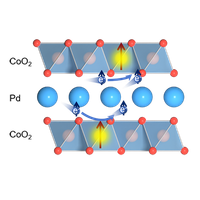
Phys. Rev. X 15, 041030 (2025)
Attosecond X-Ray Core-Level Chronoscopy of Aromatic Molecules
Article | 2025-11-14 05:00 EST
Jia-Bao Ji et al.
Attosecond x-ray measurements reveal that electrons escape more slowly from nitrogen than from carbon atoms in molecules, showing how atomic composition and symmetry shape ultrafast, element-specific electron dynamics.
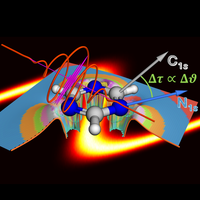
Phys. Rev. X 15, 041031 (2025)
arXiv
Resolving the phase of a Dirac topological state via interferometric photoemission
New Submission | Mesoscale and Nanoscale Physics (cond-mat.mes-hall) | 2025-11-14 20:00 EST
Shiri Gvishi, Ittai Sidilkover, Shaked Rosenstein, Nir Hen Levin, Adi Peled, Omer Pasternak, Costel R. Rotundu, Ido Biran, Semën Gorfman, Naaman Amer, Hadas Soifer
The electronic wavefunction is at the heart of physical phenomena, defining the frontiers of quantum materials research. While the amplitude of the electron wavefunction in crystals can be measured with state-of-the-art probes in unprecedented resolution, its phase has remained largely inaccessible, obscuring rich electronic information. Here we develop a quantum-path electron interferometer based on time- and angle-resolved photoemission spectroscopy, that enables the reconstruction of the phase of electronic states in quantum materials - with energy and momentum resolution. We demonstrate the scheme by resolving the phase along the Dirac electronic band of a prototypical topological insulator and observe a resonance-associated phase jump as well as a momentum and phase synchronized inversion revealing the helicity of the Dirac cone. We show the interferometer can be optically controlled by the polarization of the absorbed light, allowing a differential measurement of the phase - a crucial component for extracting phase information from an interferogram. This photo-electron-interferometer is a purely experimental scheme and does not rely on any specific theoretical model. It can be extended to a variety of materials, opening up the phase dimension in quantum materials research.
Mesoscale and Nanoscale Physics (cond-mat.mes-hall), Materials Science (cond-mat.mtrl-sci), Quantum Physics (quant-ph)
25 pages, 6 figures
Superdiffusive transport protected by topology and symmetry in all dimensions
New Submission | Mesoscale and Nanoscale Physics (cond-mat.mes-hall) | 2025-11-14 20:00 EST
Shaofeng Huang, Yu-Peng Wang, Jie Ren, Chen Fang
Superdiffusion is an anomalous transport behavior. Recently, a new mechanism, termed the ``nodal mechanism,” has been proposed to induce superdiffusion in quantum models. However, existing realizations of the nodal mechanism have so far been proposed on fine-tuned, artificial Hamiltonians, posing a significant challenge for experimental observation. In this work, we propose a broad class of models for generating superdiffusion potentially realizable in condensed matter systems across different spatial dimensions. A robust nodal structure emerges from the hybridization between the itinerant electrons and the local impurity orbitals, protected by the intrinsic symmetry and topology of the electronic band. We derive a universal scaling law for the conductance, $ G \sim L^{-\gamma}$ , revealing how the exponent is dictated by the dimensionality of the nodal structure ($ D_{\text{node}}$ ) and its order $ n$ , and the dimensionality of the system $ (D)$ at high temperatures or that of the Fermi surface ($ D^F$ ) at low temperatures. Through numerical simulations, we validate these scaling relations at zero temperature for various models, including those based on graphene and multi-Weyl semimetals, finding excellent agreement between our theory and the computed exponents. Beyond the scaling of conductance, our framework predicts a suite of experimentally verifiable signatures, notably a new mechanism for linear-in-temperature resistivity ($ \rho \sim T$ ) and a divergent low-frequency optical conductivity ($ \sigma(\omega) \sim \omega^{\gamma -1}$ ), establishing a practical route to discovering and engineering anomalous transport in quantum materials.
Mesoscale and Nanoscale Physics (cond-mat.mes-hall), Quantum Physics (quant-ph)
25 pages, 7 figures
Nonequilibrium Probes of Quantum Geometry in Gapless Systems
New Submission | Strongly Correlated Electrons (cond-mat.str-el) | 2025-11-14 20:00 EST
Bastien Lapierre, Per Moosavi, Blagoje Oblak
Much of our understanding of gapless many-body quantum systems stems from their low-energy descriptions as conformal field theories. This is especially true in 1+1 dimensions, where such theories have an infinite-dimensional parameter space induced by their conformal symmetry. We reveal the associated quantum geometry by considering finite systems driven by time-dependent conformal transformations. For small deformations, perturbation theory predicts absorption rates and linear responses that are intrinsically related to components of the quantum geometric tensor. For arbitrarily large but adiabatic deformations, we show that periodic drives give rise to nontrivial return amplitudes involving the quantum metric, beyond the familiar leading order that only features a Berry phase. Our field-theoretic findings are universal, comprising general relations between measurable quantities and quantum geometry that only depend on the central charge of the conformal symmetry. This is supported by both analytical results for quantum dynamics under certain Floquet drives, and numerical simulations of gapless lattice models.
Strongly Correlated Electrons (cond-mat.str-el), Statistical Mechanics (cond-mat.stat-mech), High Energy Physics - Theory (hep-th), Quantum Physics (quant-ph)
38 pages, LaTeX, 6 figures
Functional renormalization group study of a dissipative Bose–Hubbard model
New Submission | Quantum Gases (cond-mat.quant-gas) | 2025-11-14 20:00 EST
Oscar Bouverot-Dupuis, Vincent Grison, Nicolas Paris
We investigate the phase diagram of a one-dimensional dissipative Bose-Hubbard model using the nonperturbative functional renormalization group (FRG). Each lattice site is coupled to an independent bath, generating long-range temporal interactions that encode non-Markovian dissipation. For a broad class of bath spectra – ohmic, sub-ohmic, and super-ohmic – we identify two competing low-energy regimes: a Luttinger-liquid line of fixed points and a dissipative fixed point characterized by finite compressibility, vanishing superfluid stiffness, and universal scaling exponents, separated by a Berezinskii-Kosterlitz-Thouless transition. The FRG framework is essential here, as it provides access to the complete renormalization group flow and all fixed points from a single microscopic action, beyond the reach of perturbative or variational methods. This work establishes a unified and systematically improvable framework for describing dissipative quantum phases in one dimension.
Quantum Gases (cond-mat.quant-gas), Strongly Correlated Electrons (cond-mat.str-el)
17 pages, 5 figures
Green Function Invariants for Floquet Topological Superconductivity Induced by Proximity Effects
New Submission | Mesoscale and Nanoscale Physics (cond-mat.mes-hall) | 2025-11-14 20:00 EST
Mohamed Assili, Panagiotis Kotetes
We bring forward a Green function approach for the prediction of Floquet topological phases in driven superconductor-semiconductor hybrids. Although it is common to treat the superconducting component as a mere Cooper-pair reservoir, it was recently pointed out that such an approximation breaks down in the presence of driving, due to the emergence of level broadening. Here, we go beyond these recent works and prescribe how to construct the Floquet topological invariants for such driven hybrids. Specifically, we propose to first obtain the midgap quasi-energy spectra by including the hermitian part of the semiconductor’s self-energy and, subsequently, read out the respective level broadenings by projecting the anti-hermitian part of the self-energy onto the quasi-energy eigenvectors. We exemplify our approach for a Rashba nanowire coupled to a superconductor and a time-dependent Zeeman field. Using our method, we obtain the Floquet band structure, the respective level broadenings, and the topological invariants. Our analysis reinforces the need to properly account for the self-energy, and corroborates that broadening effects can hinder the observation of the Floquet topological phases and especially of those harboring Majorana $ \pi$ modes.
Mesoscale and Nanoscale Physics (cond-mat.mes-hall), Superconductivity (cond-mat.supr-con), Quantum Physics (quant-ph)
15 pages, 7 figures, 6 appendices; Editor’s Pick in APL Quantum; Published in the Special Collection: Quantum Dynamics in Theory, Numerics and in Experimental Research; Submitted 18 July 2025; Accepted 24 October 2025; Published online 10 November 2025
APL Quantum 2, 046109 (2025)
Electrostatic, Luminescent, and Paramagnetic Responses of Fresh BN Nanopowders Synthesized under Concentrated Light
New Submission | Materials Science (cond-mat.mtrl-sci) | 2025-11-14 20:00 EST
This study explores the properties of nanopowders synthesized under high-temperature, non-equilibrium conditions in a high-flux optical furnace in a nitrogen flow. Boron powders served as the starting material, and the intense thermal gradients during synthesis led to incomplete chemical reactions. As a result, the surface of the resulting nanoparticles is covered with a thin layer of sassolite, followed by boron oxides, beneath which lies a boron nitride shell. The subsurface contains boron-rich nitride phases, while the core consists of elemental boron. For reference, commercial platelet-like h-BN powders from the “Chempur” company were also analyzed. Initially, all synthesized nanopowders displayed pronounced electrostatic charging, photoluminescence (PL), and paramagnetic activity, attributable to high surface defect densities and unsaturated chemical bonds. However, after two years of exposure to ambient air, these nanopowders exhibited complete loss of electrostatic charging, absence of photoluminescence (PL), and disappearance of the characteristic single EPR resonance line. Similarly, commercial h-BN nanopowder from the “Chempur” company does not exhibit a single EPR resonance line too. FTIR analysis revealed progressive surface oxidation and hydroxylation of this powder, suggesting that atmospheric moisture and oxygen effectively passivated defect states. These findings underscore the critical role of surface chemistry in governing the electrostatic, optical, and magnetic behavior of BN-based nanomaterials and highlight the importance of defect stabilization for preserving functional properties over time.
Materials Science (cond-mat.mtrl-sci)
11 pages, 6 figures
Probing Topological Stability with Nonlocal Quantum Geometric Markers
New Submission | Mesoscale and Nanoscale Physics (cond-mat.mes-hall) | 2025-11-14 20:00 EST
Quentin Marsal, Hui Liu, Emil J. Bergholtz, Annica M. Black-Schaffer
Spatially resolved local quantum geometric markers play a crucial role in the diagnosis of topological phases without long-range translational symmetry, including amorphous systems. Here, we focus on the nonlocality of such markers. We demonstrate that they behave as correlation functions independently of the material’s structure, showing sharp variations in the vicinity of topological transitions and exhibiting a unique pattern in real space for each transition. Notably, we find that, even within the same Altland-Zirnbauer class, distinct topological transitions generate qualitatively different spatial signatures, enabling a refined, class-internal probe of topological stability. As such, nonlocal quantum geometric indicators provide a more efficient and versatile tool to understand and predict the stability of topological phase transitions.
Mesoscale and Nanoscale Physics (cond-mat.mes-hall), Quantum Physics (quant-ph)
pH Regulates Ion Dynamics in Carboxylated Mixed Conductors
New Submission | Materials Science (cond-mat.mtrl-sci) | 2025-11-14 20:00 EST
Zeyuan Sun, Mengting Sun, Rajiv Giridharagopal, Robert C. Hamburger, Siyu Qin, Haoxuan Li, Mitchell C. Hausback, Yulong Zheng, Bohyeon Kim, Heng Tan, Thomas E. Gartner III, Elizabeth R. Young, Christopher J Takacs, David S. Ginger, Elsa Reichmanis
Coupled ionic and electronic transport underpins processes as diverse as electrochemical energy conversion, biological signaling, and soft adaptive electronics. Yet, how chemical environments such as pH modulate this coupling at the molecular scale remains poorly understood. Here, we show that the protonation state of carboxylated polythiophenes provides precise chemical control over ion dynamics, doping efficiency, solvent uptake and mechanical response. The findings establish molecular acidity as a general strategy to program ionic preference and mechanical stability, offering design principles for pH-responsive mixed conductors and soft electronic materials that couple ionic, electronic, and mechanical functionality.
Materials Science (cond-mat.mtrl-sci), Soft Condensed Matter (cond-mat.soft)
46 pages, 5 figures, 16 supplemental figures, 3 supplemental tables
Time-Dependent Oxidation and Scale Evolution of a Wrought Co/Ni-based Superalloy
New Submission | Materials Science (cond-mat.mtrl-sci) | 2025-11-14 20:00 EST
Cameron Crabb, Zachary. T. Kloenne, Samuel. R. Rogers, Chi-Hang. D. Kwok, Michelle. S. Conroy, David. Dye
Understanding how protective oxide scales evolve over time is necessary for improving the long term resistance of superalloys. This work investigates the time-dependent oxidation behavior of an ingot-processable Co/Ni-based superalloy oxidized in air at $ 800^\circ\mathrm{C}$ for $ 20$ , $ 100$ , and $ 1000\mathrm{h}$ . Mass-gain and white-light interferometry measurements quantified oxidation kinetics, surface roughness, and spallation, while high-resolution STEM-EDX characterized oxide morphology and nanoscale elemental partitioning. Atom probe tomography captured the key transition regions between the chromia and alumina scales, and X-ray diffraction was used to identify a gradual transition from NiO and (Ni,Co)-spinel phases to a compact, dual phase chromia and alumina-rich scale. The oxidation rate evolved from near-linear to parabolic behavior with time, consistent with diffusion-controlled growth once a continuous Cr$ _2$ O$ _3$ /$ \alpha$ -Al$ _2$ O$ _3$ scale formed. These observations help link kinetics, structure and chemistry, showing how an originally porous spinel layer transforms into a dense, adherent chromia + alumina scale that provides long-term protection in wrought Co/Ni-based superalloys.
Materials Science (cond-mat.mtrl-sci)
10 pages, 8 figures
High-dimensional dynamical systems: co-existence of attractors, phase transitions, maximal Lyapunov exponent and response to periodic drive
New Submission | Disordered Systems and Neural Networks (cond-mat.dis-nn) | 2025-11-14 20:00 EST
Samantha J. Fournier, Pierfrancesco Urbani
We study the dynamical properties of a broad class of high-dimensional random dynamical systems exhibiting chaotic as well as fixed point and periodic attractors. We consider cases in which attractors can co-exists in some regions of the phase diagrams and we characterize their nature by computing the maximal Lyapunov exponent. For a specific choice of the dynamical system we show that this quantity can be computed explicitly in the whole chaotic phase due to an underlying integrability of a properly defined Schrödinger problem. Furthermore, we consider the response of this dynamical systems to periodic perturbations. We show that these dynamical systems act as filters in the frequency-amplitude spectrum of the periodic forcing: only in some regions of the frequency-amplitude plane the periodic forcing leads to a synchronization of the dynamics. All in all, the results that we present mirror closely the ones observed in the past forty years in the study of standard models of random recurrent neural networks. However, the dynamical systems that we consider are easier to study and we believe that this may be an advantage if one wants to go beyond random dynamical systems and consider specific training strategies.
Disordered Systems and Neural Networks (cond-mat.dis-nn)
Controlling Metastability through Annealing of High-Entropy Nanoalloy Electrocatalysts to Boost Performance towards the Oxygen Evolution Reaction
New Submission | Materials Science (cond-mat.mtrl-sci) | 2025-11-14 20:00 EST
Varatharaja Nallathambi, Aneeta Jose Puthussery, Andrea M. Mingers, Robert Stuckert, André Olean-Oliveira, Sven Reichenberger, Dierk Raabe, Viktor Čolić, Baptiste Gault, Stephan Barcikowski
Low-cost transition metal high-entropy nanoalloys are emerging as sustainable alternatives to platinum group electrocatalysts. Synthesis conditions of single-phase solid solutions can alter phase stability, causing surface composition changes that affect electrocatalytic performance. Here, we propose to exploit the metastability of carbon-doped Cantor alloy-based amorphous high-entropy alloy nanoparticles produced by nanosecond-pulsed laser synthesis in organic solvents. In situ electron microscopy reveals crystallization and partitioning of elements upon heating to 600 °C, forming heterostructured nanoparticles with reinforced carbon shells that exhibit a 5- to 7-fold enhancement of the electrocatalytic activity compared to the as-synthesized counterparts for the oxygen evolution reaction. We demonstrate the strategic utilization of phase metastability in high-entropy nanoalloys through post-synthesis annealing to enhance the electrochemical activity of laser-generated nanoparticles.
Materials Science (cond-mat.mtrl-sci)
Mediated interactions in mixtures of ultracold atoms
New Submission | Quantum Gases (cond-mat.quant-gas) | 2025-11-14 20:00 EST
Henry Ando, Geyue Cai, Cheng Chin, Tilman Enss
We describe recent theoretical and experimental developments on mediated interactions in mixtures of bosonic and fermionic atoms. We discuss how particle-hole excitations of a Fermi sea can induce long-range interactions between heavy impurities or atoms in a Bose-Einstein condensate. Conversely, phonon excitations of a Bose-Einstein condensate induce interactions between fermionic atoms. These mediated interactions exhibit different short-range and long-range scaling regimes with distance and, if strong enough, can induce fermion superfluidity. We discuss the prospects for observing new phenomena that could arise from mediated interactions. Experimentally, we outline recent studies of the 133Cs-6Li Bose-Fermi mixture, a platform well-suited for investigating fermion-mediated interactions. A Cs Bose-Einstein condensate immersed in a degenerate Li Fermi gas is prepared with tunable interspecies interactions. In the weak-coupling regime, precision measurements of condensate properties reveal fermion-mediated attractions between bosons, matching theoretical predictions. In the strong-coupling regime, we observe suppression and revival of sound modes and novel many-body resonances. Altogether, we aim to highlight both instances where experiment and theory agree well, and promising prospects to engineer long-range interactions in atomic quantum gases.
Quantum Gases (cond-mat.quant-gas)
This chapter will appear in the Springer book entitled “Short and Long Range Quantum Atomic Platforms - Theoretical and Experimental Developments.”
Structure of Antiphase boundaries in Ni-M-Ga: multiscale modelling
New Submission | Materials Science (cond-mat.mtrl-sci) | 2025-11-14 20:00 EST
Jan Zemen, František Máca, Václav Drchal, Martin Veis, Oleg Heczko
Antiphase boundaries (APBs) are ubiquitous in ordered Heusler alloys and strongly influence magnetic coercivity in Ni-Mn-Ga, yet the link between their atomic-scale exchange interactions and micrometer-scale magnetic contrast measured by magnetic force microscopy (MFM) remains unclear. We combine density functional theory (DFT) and finite-element magnetostatics to bridge these scales in Ni-Mn-Ga. DFT calculations on supercells containing planar APBs show that the lowest-energy configuration comprises a pair of parallel APBs enclosing a nanoscale region - only three Mn-Ga atomic layers thick - whose magnetization is antiparallel to the surrounding matrix due to strong antiferromagnetic exchange across each APB (in contrast to ferromagnetic coupling in bulk martensite). According to our magnetostatic finite element model, this thin region with antiparallel magnetization generates the characteristic MFM contrast extending approx. 100 nm from the APB pair. When the APBs are further apart than 50 nm, dipole-dipole penalties outweigh exchange gains, preventing formation of an extended antiparallel domain, in agreement with experimental evidence. These results identify APB pairs as the origin of the observed MFM contrast and offer an interpretation of the modest strengths of domain-wall pinning by APBs, informing the design of magnetic shape-memory alloys with tailored coercivity.
Materials Science (cond-mat.mtrl-sci)
15 pages, 7 figures in main text, 2 figures in appendinx
An optically enhanced crystalline silicon allotrope: hydrogen passivated type II silicon clathrate
New Submission | Materials Science (cond-mat.mtrl-sci) | 2025-11-14 20:00 EST
Yinan Liu, Joseph P. Briggs, Sam Saiter, Meenakshi Singh, Carolyn A. Koh, P. Craig Taylor, Michael Walker, Khalid Mateen, Moussa Kane, Reuben T. Collins
While Si clathrates have been explored as promising direct bandgap semiconductors, their practical optoelectronic performance has been limited by high doping levels and structural defects. Hydrogen has long been used to improve the optoelectronic quality of conventional Si, yet its role in clathrate structures remains unexplored. In this study, we demonstrate that hydrogen (deuterium) can be incorporated into type II Si clathrate framework using remote plasma treatment. This process leads to the formation of NaD and SiD complexes, which significantly reduce both the Na donor density and dangling bond defects. Electron paramagnetic resonance confirms nearly a tenfold decrease in Na-related donor states, resulting in the lowest doping level reported in Si clathrates to date. Following passivation, the integrated photoluminescence intensity increases by a factor of 40, accompanied by a blue shift of the main emission peak, consistent with a transition closer to the intrinsic band edge. A new emission peak at 930 nm, attributed to hydrogen-related recombination centers, also appears. These improvements remain stable up to 400 oC. Altogether, this work establishes hydrogen passivation as a viable strategy for enhancing light emission in Si clathrates and opens a new pathway toward their application in Si-based light-emitting diodes and other direct-bandgap optoelectronic devices.
Materials Science (cond-mat.mtrl-sci)
A Brief Perspective on Piezotronic and Thermoelectric Coupling: Flexible Platforms for Synergistic Energy Scavenging and Peltier-Caloric Effects
New Submission | Materials Science (cond-mat.mtrl-sci) | 2025-11-14 20:00 EST
Advances in the development of flexible piezoelectric and thermoelectric materials have provided an important avenue for the exploration of energy scavenging through the thermodynamic-coupling of orthogonal energy-scavenging modalities. This has led to a body of work creating hybrid thermo/piezo-electric generator devices (T/PEGs) in which the two effects become thermodynamically entangled. Based on hetero- thin film architectures, such devices can exhibit a surprising power generation characteristic which is non-additive between the two energy-scavenging effects. For example, when the thermoelectric and piezoelectric effects are strongly coupled by their proximal fields, the efficacy of energy scavenging can be made to exceed that of the two effects independently. In this review of such effects, a basic coupled heat engine model is shown to provide insight into the origins of synergistic power generation. These models however, suggest the emergence of other combined thermodynamic properties such as the kinetic Peltier-Caloric Effect (PCE) traced to Onsager reciprocity. The recent observation of this effect in multicomponent systems is confirmation of the limited perspective of thermodynamic separability.
Materials Science (cond-mat.mtrl-sci), Mesoscale and Nanoscale Physics (cond-mat.mes-hall)
Circling crystals in chiral active matter with self-alignment
New Submission | Soft Condensed Matter (cond-mat.soft) | 2025-11-14 20:00 EST
Marco Musacchio, Alexander P. Antonov, Hartmut Löwen, Lorenzo Caprini
We study a crystal composed of active units governed by self-alignment and chirality. The first mechanism acts as an effective torque that aligns the particle orientation with its velocity, while the second drives individual particles along circular orbits. We find that even a weak degree of chirality, when coupled with self-alignment, induces collective motion of the entire crystal along circular trajectories in space. We refer to this phase as a circling crystal. When chirality outweigh self-alignment, the circular global motion is suppressed in favor of vortex-like regions of coordinated motion. This state is characterized by oscillating spatial velocity correlations, a power law decay of the energy spectrum, and oscillatory temporal correlations. Our findings can be tested experimentally in systems ranging from epithelial tissues to swarming robots, governed by chirality and self-alignment.
Soft Condensed Matter (cond-mat.soft), Statistical Mechanics (cond-mat.stat-mech)
Impact of Contact Gating on Scaling of Monolayer 2D Transistors Using a Symmetric Dual-Gate Structure
New Submission | Mesoscale and Nanoscale Physics (cond-mat.mes-hall) | 2025-11-14 20:00 EST
Victoria M. Ravel, Sarah R. Evans, Samantha K. Holmes, James L. Doherty, Md Sazzadur Rahman, Tania Roy, Aaron D. Franklin
The performance and scalability of two-dimensional (2D) field-effect transistors (FETs) are strongly influenced by geometry-defined electrostatics. In most 2D FET studies, the gate overlaps with the source and drain electrodes, allowing the gate potential to modulate the 2D semiconductor underneath the electrodes and ultimately effect carrier transport at the metal-semiconductor interface - a phenomenon known as contact gating. Here, a symmetric dual-gate structure with independently addressable back and top gates is employed to elucidate the impact of contact gating on a monolayer MoS2 channel. Unlike previous studies of contact gating, this symmetric structure enables quantification of the phenomena through a contact gating factor, revealing a 2x enhancement in on-state performance in long-channel devices. At scaled dimensions (50 nm channel and 30 nm contact length), the influence of contact gating becomes amplified, yielding a 5x increase in on-state performance and a 70% reduction in transfer length when contact gating is present. Since many reported record-performance 2D FETs employ back-gate geometries that inherently include contact gating, these results establish contact gating as a critical and previously underappreciated determinant of device performance in the 2D FET landscape.
Mesoscale and Nanoscale Physics (cond-mat.mes-hall), Applied Physics (physics.app-ph)
Cryogenic UV detection using stress-engineered zero-bias ZnO-thin film based Piezo-Photonic detector
New Submission | Materials Science (cond-mat.mtrl-sci) | 2025-11-14 20:00 EST
P. Sau, N. Hancock, I. Tzoka, V. Khichar, A. Barajas, G. Gansle, N. Hozhabri, V.A. Chirayath, J. Asaadi
We demonstrate a zero-bias ultraviolet (UV) detector using zinc oxide (ZnO) thin films as the active semiconductor layer, specifically for application in cryogenic conditions. The zero-bias device utilizes the piezoelectric potential developed through interfacial stress in the active semiconductor layer for charge transport. We explored two vertically stacked metal-semiconductor-metal (MSM) configurations: Sample I, a device comprised of chromium (Cr)/ZnO/Cr layers, and Sample II, a ZnO-silicon nitride (Si3N4) device comprised of Cr/Si3N4/ZnO/Cr layers. The Si3N4 layer in Sample II was introduced in the form of pillars, with the aim of increasing the residual stress in the active region. These fabricated devices were tested at both room and cryogenic temperatures to characterize their UV-detection performance in a custom test stand using a 365 nm UV LED source. We observe a higher UV-induced voltage signal for Sample II in comparison to Sample I at both temperature regimes. Grazing-incidence X-ray diffraction (GIXRD) measurements showed approximately 40% higher residual stress in Sample II than in Sample I. A higher residual stress suggests a higher induced piezopotential in Sample II, explaining the enhancement in the UV-induced signal. Our results demonstrate that through appropriate in-device stress engineering, UV photoinduced signals can be enhanced, increasing detector sensitivity. A zero-bias photodetector with in-device stress engineering, as demonstrated here, can have applications in extreme environments, like cryogenic liquid noble elements or high radiation space environments, where low or zero-power detection may be required.
Materials Science (cond-mat.mtrl-sci), High Energy Physics - Experiment (hep-ex)
26 pages, 16 figures
Control of Extraordinary Optical Transmission in Resonant Terahertz Gratings via Lateral Depletion in an AlGaN-GaN Heterostructure
New Submission | Materials Science (cond-mat.mtrl-sci) | 2025-11-14 20:00 EST
Geofrey Nyabere, Hunter Ellis, Miguel Gomez, Wei Jia, Yizheng Liu, Karli Ann Higley, Sriram Krishnamoorthy, Steve Blair, Kai Fu, Berardi Sensale-Rodriguez
Periodic metallic gratings on substrates can support a range of electromagnetic modes, such as leaky waveguide, guided-resonant, and Fabry-Perot (FP) cavity modes, which can strongly modulate optical transmission under resonant excitation. Here, we investigate how this coupling can be dynamically manipulated through charge-density control in a laterally patterned AlGaN/GaN heterostructure. The structure comprises metallic stripes separated by regions containing a two-dimensional electron gas (2DEG), forming a periodically modulated interface whose electromagnetic response is governed by the charge density between the stripes. In the unbiased state, the conductive 2DEG screens the incident terahertz field and suppresses excitation of guided modes. When the 2DEG is depleted, the change in boundary conditions allows efficient coupling into substrate resonances, producing a strong modulation at particular frequencies where extraordinary optical transmission (EOT) through the structure takes place. The results highlight the sensitive dependence of guided-mode-resonance (GMR) mediated EOT on inter-stripe charge distribution and demonstrate a direct interplay between carrier dynamics and resonant electromagnetic phenomena in the terahertz regime.
Materials Science (cond-mat.mtrl-sci)
12 pages, 4 figures
Multibit Ferroelectric Memcapacitor for Non-volatile Analogue Memory and Reconfigurable Filtering
New Submission | Materials Science (cond-mat.mtrl-sci) | 2025-11-14 20:00 EST
Deepika Yadav, Spyros Stathopoulos, Patrick Foster, Andreas Tsiamis, Mohamed Awadein, Hannah Levene, Themis Prodromakis (University of Edinburgh)
Tuneable capacitors are vital for adaptive and reconfigurable electronics, yet existing approaches require continuous bias or mechanical actuation. Here we demonstrate a voltage-programmable ferroelectric memcapacitor based on HfZrO that achieves more than eight stable, reprogrammable capacitance states (3-bit encoding) within a non-volatile window of 24pF. The device switches at low voltages (3V), with each state exhibiting long retention (10^5s) and high endurance (10^6 cycles), ensuring reliable multi-level operation. At the nanoscale, multistate charge retention was directly visualised using atomic force microscopy, confirming the robustness of individual states beyond macroscopic measurements. As a proof of concept, the capacitor was integrated into a high-pass filter, where the programmed capacitive states shift the cutoff frequency over 5kHz, establishing circuit-level viability. This work demonstrates the feasibility of CMOS-compatible, non-volatile, analogue memory based on ferroelectric HfZrO, paving the way for adaptive RF filters, reconfigurable analogue front-ends, and neuromorphic electronics.
Materials Science (cond-mat.mtrl-sci), Applied Physics (physics.app-ph)
14 Pages, 5 figures, 1 Supplementary ( 3 Pages, 3 figures, 1 table)
Interaction-induced Dimension Reduction for Bound States in Microwave-Shielded Ultracold Molecules
New Submission | Quantum Gases (cond-mat.quant-gas) | 2025-11-14 20:00 EST
Haitian Wang, Tingting Shi, Xiaoling Cui
We investigate tetratomic and hexatomic bound states of ultracold molecules dressed by an elliptic microwave field. We show that these bound states can be accurately described by effective one-dimensional (1D) models incorporating high-order angular fluctuations, despite the physical system is in three-dimensional (3D) free space. By comparing with exact solutions of the full 3D system, we identify the validity region of such 1D description in the parameter plane of ellipticity and coupling strength of microwave field. The hard-core character of these effective models enables a duality between bosonic and fermionic molecules in real and spectral space, while their momentum distributions remain distinct. Our results have demonstrated an effective dimension reduction in microwave-shielded molecular systems, which is purely due to the intrinsic interaction anisotropy rather than any external confinement. Extending to large systems, our results suggest a self-bound single-molecule array as the ground state of both bosonic and fermionic molecular gases.
Quantum Gases (cond-mat.quant-gas)
13 pages, 8 figures
Learning of Statistical Field Theories
New Submission | Statistical Mechanics (cond-mat.stat-mech) | 2025-11-14 20:00 EST
Shreya Shukla, Abhijith Jayakumar, Andrey Y. Lokhov
Recovering microscopic couplings directly from data provides a route to solving the inverse problem in statistical field theories, one that complements the traditional-often computationally intractable-forward approach of predicting observables from an action or Hamiltonian. Here, we propose an approach for the inverse problem that uniformly accommodates systems with discrete, continuous, and hybrid variables. We demonstrate accurate parameter recovery in several benchmark systems-including Wegner’s Ising gauge theory, $ \phi^4$ theory, Schwinger and Sine-Gordon models, and mixed spin-gauge systems, and show how iterating the procedure under coarse-graining reconstructs full non-perturbative renormalization-group flows. This gives direct access to phase boundaries, fixed points, and emergent interactions without relying on perturbation theory. We also address a realistic setting where full gauge configurations may be unavailable, and reformulate learning algorithms for multiple field theories so that they are recovered directly using observables such as correlations from scattering data or quantum simulators. We anticipate that our methodology will find widespread use in practical learning of field theories in strongly coupled regimes where analytical tools might fail.
Statistical Mechanics (cond-mat.stat-mech), Computational Physics (physics.comp-ph), Quantum Physics (quant-ph)
Quantum fluctuations associated with first-order magnetic transition in a frustrated kagome lattice antiferromagnet
New Submission | Strongly Correlated Electrons (cond-mat.str-el) | 2025-11-14 20:00 EST
Zhongchen Xu, Xinyang Liu, Cuiwei Zhang, Shuai Zhang, Feng Jin, Junsen Xiang, Quansheng Wu, Xianmin Zhang, Peijie Sun, Youguo Shi
Intense quantum fluctuations arising from geometrical frustrations in kagome-lattice magnets provide a feasible approach to exotic quantum states. Here, we document an unexpected isosymmetric first-order magnetic transition in the recently synthesized frustrated kagome-lattice antiferromagnet Nd3ScBi5, which is characterized by significant latent heat and a pronounced magnetocaloric effect, as well as discontinuous Raman shifts and negligible hysteresis. Employing the magnetocaloric effect as a detection method, in conjunction with systematical field-dependent physical properties, we uncover a distinctive 1/2 magnetization plateau phase with significant quantum fluctuations. Our study unveils Nd3ScBi5 as a prototypical model with an emerging phase of enhanced quantum fluctuations triggered by first-order magnetic transitions.
Strongly Correlated Electrons (cond-mat.str-el)
13+20 pages, 6+12 figures. Submitted to Physical Review B
Potential-Programmed Operando Ensembles Govern Nitrate Electroreduction
New Submission | Materials Science (cond-mat.mtrl-sci) | 2025-11-14 20:00 EST
Xue-Chun Jiang, Jia-Lan Chen, Wei-Xue Li, Jin-Xun Liu
Electrocatalyst surfaces continuously reorganize on the timescale of catalytic turnover, obscuring the identification of active sites under operando conditions and hindering rational catalyst design. Here, we resolve the operando Cu(111) electrolyte interface for nitrate-to-ammonia electroreduction (NO3RR) via a multiscale modeling framework accelerated by a coverage-aware machine-learning potential. Rather than a single “average coverage” site, the working interface is a potential-gated statistical ensemble of 34 interconverting adsorbate motifs between -0.10 and -1.00 V (vs. SHE). Potential-driven shifts in motif populations produce a volcano-shaped activity trend peaking at -0.70 V, where the site-normalized turnover frequency reaches 0.015 s-1 with nearly 100% Faradaic efficiency to ammonia. The activation barriers across >150 transition states collapse into a single linear relationship with the excess charge on the reacting Cu atoms ({\Delta}qCu), identifying interfacial charge redistribution as a unifying kinetic descriptor. The maximum activity arises not from uniform moderate coverage but from a 2NO/2NH2 quadrilateral microensemble that tunes {\Delta}qCu to an intermediate value, simultaneously lowering the N-O cleavage and N-H formation barriers. Reconceptualizing “coverage” as an ensemble of local microenvironments decouples thermodynamic stability from catalytic productivity. This perspective furnishes a parameter-free strategy by controlling motif populations and interfacial charge via the potential to program high-coverage electrocatalysis beyond the NO3RR.
Materials Science (cond-mat.mtrl-sci), Statistical Mechanics (cond-mat.stat-mech)
6 figures
Observation of Shapiro Steps in the Charge Density Wave State Induced by Strain on a Piezoelectric Substrate
New Submission | Mesoscale and Nanoscale Physics (cond-mat.mes-hall) | 2025-11-14 20:00 EST
Koji Fujiwara, Takuya Kawada, Natsumi Nikaido, Jihoon Park, Nan Jiang, Shintaro Takada, Yasuhiro Niimi
Recent development in nanotechnology has enabled us to investigate the dynamic properties of van der Waals materials on a piezoelectric substrate. Here we report on the dynamics of charge density wave (CDW) in NbSe$ _{3}$ nanowires induced by surface acoustic waves (SAWs). Clear peaks in the differential resistance were observed at the resonant frequency of the SAW device. These peaks known as Shapiro steps are typically observed by applying an rf current to NbSe$ _{3}$ nanowires. We found that the Shapiro steps induced by SAWs show several distinct features from the ones induced by an rf current. Our detailed study revealed that a strain induced by SAWs plays a significant role in the Shapiro steps. The result clearly demonstrates the importance of the strain in CDW materials and paves the way for strain-induced device applications.
Mesoscale and Nanoscale Physics (cond-mat.mes-hall)
7 pages, 4 figures
Enhanced Thermoelectricity in Nanowires with inhomogeneous Helical states
New Submission | Mesoscale and Nanoscale Physics (cond-mat.mes-hall) | 2025-11-14 20:00 EST
Zahra Aslani, Fabio Taddei, Fabrizio Dolcini, Alessandro Braggio
Semiconductor nanowires (NWs) with strong Rashba spin-orbit coupling (RSOC), when exposed to a suitably applied Zeeman field, exhibit one-dimensional helical channels with a spin orientation locked to the propagation direction within the magnetic energy gap. Here, by adopting a scattering-matrix approach applied to a tight-binding model of the NW, we demonstrate that the thermoelectric (TE) properties can be widely controlled by tuning the misalignment angle $ \phi$ between the spin-orbit directions of two NW segments. In particular, when the RSOC vectors are antiparallel (Dirac paradox configuration) we predict a significant violation of the Wiedemann-Franz law, and a strong enhancement of the Seebeck coefficient and the $ ZT$ figure of merit. We also show that the Zeeman gap determines the optimal energy window for doping and temperatures. These results suggest that controlling the spin-orbit field direction, which can be achieved with suitably applied wrap gates, is a promising alternative for tuning and optimizing the TE response in quantum-coherent semiconducting NW devices.
Mesoscale and Nanoscale Physics (cond-mat.mes-hall)
15 pages, 8 figures
Beyond empirical models: Discovering new constitutive laws in solids with graph-based equation discovery
New Submission | Materials Science (cond-mat.mtrl-sci) | 2025-11-14 20:00 EST
Hao Xu, Yuntian Chen, Dongxiao Zhang
Constitutive models are fundamental to solid mechanics and materials science, underpinning the quantitative description and prediction of material responses under diverse loading conditions. Traditional phenomenological models, which are derived through empirical fitting, often lack generalizability and rely heavily on expert intuition and predefined functional forms. In this work, we propose a graph-based equation discovery framework for the automated discovery of constitutive laws directly from multisource experimental data. This framework expresses equations as directed graphs, where nodes represent operators and variables, edges denote computational relations, and edge features encode parametric dependencies. This enables the generation and optimization of free-form symbolic expressions with undetermined material-specific parameters. Through the proposed framework, we have discovered new constitutive models for strain-rate effects in alloy steel materials and the deformation behavior of lithium metal. Compared with conventional empirical models, these new models exhibit compact analytical structures and achieve higher accuracy. The proposed graph-based equation discovery framework provides a generalizable and interpretable approach for data-driven scientific modelling, particularly in contexts where traditional empirical formulations are inadequate for representing complex physical phenomena.
Materials Science (cond-mat.mtrl-sci), Machine Learning (cs.LG), Applied Physics (physics.app-ph), Data Analysis, Statistics and Probability (physics.data-an)
Re-refinement of the structure of the planar hexagonal phase of ZnO nanocrystals
New Submission | Materials Science (cond-mat.mtrl-sci) | 2025-11-14 20:00 EST
Musen Li, Lingyao Zhang, Wei Ren, Jeffrey R. Reimers
The planar hexagonal phase of ZnO, known as h-ZnO, g-ZnO, alpha-ZnO, the Bk structure, the 5-5 phase, the alpha-BN phase, etc., has P63/mmc symmetry and is implicated in ferroelectric switching mechanisms for wurtzite-ZnO. It is well-known in thin films on substrates, to be pressure stabilized, etc., but critical is its possible existence in high-purity nanocrystals under ambient conditions. Indeed, a crystal structure has been reported, but this work remains controversial as first-principles calculations predict very different structural properties. Herein, the original experimental data is re-refined, using more sophisticated techniques, to yield lattice parameters of a = 3.45+/-0.02 Å and c = 4.46+/-0.02 Å that are 0.35 Å and 0.80 Å, respectively, larger than those previously reported and in good agreement with computational predictions. This confirms that ZnO can form a metastable planar hexagonal phase. It provides key information pertaining to polarization switching in ZnO, its derivatives, and general wurtzite-structured materials.
Materials Science (cond-mat.mtrl-sci)
9 pages, 4 figures, 1 table
Chiral orbital/spin textures and Edelstein effects in monolayer Janus TMDs
New Submission | Other Condensed Matter (cond-mat.other) | 2025-11-14 20:00 EST
Pratik Sahu, Sashi Satpathy, Birabar Ranjit Kumar Nanda
We investigate the orbital and spin Edelstein effect(OEE and SEE) in two-dimensional Janus transition metal dichalcogenides (TMDs) of the form MXX$ ^\prime$ $ (M = Mo,\ W,\ Nb;\ X/X^\prime = S,\ Se,\ Te)$ with the aid of density functional theory calculations and tight-binding model Hamiltonian studies. The chalcogen layers $ X$ and $ X^\prime$ , break the mirror symmetry to introduce an internal electric field $ E_{int}$ normal to the plane, which is responsible for OEE and SEE. Our results show that in a non-Janus framework, the wavefunctions at the valence and conduction bands are dominated with the $ |x^2-y^2>$ , $ |xy>$ , and $ |z^2>$ orbitals. Due to the $ E_{int}$ of the Janus system, these orbitals are now intermixed with the $ |xz>$ and $ |yz>$ orbitals to produce a robust orbital texture around the valleys $ \Gamma,K$ and $ K^\prime$ . The spin orbit coupling, in addition to the formation of a spin texture, introduces a chirality reversal to the orbital texture. An applied in plane electric field creates both OEE and SEE with the former being one order higher in magnitude. This makes the Janus materials promising for spin-orbitronics. Our work paves the way for further experimental exploration for orbital and spin orbital torque in Janus TMDs.
Other Condensed Matter (cond-mat.other)
Electric Field-Induced Phase Transitions and Hysteresis in Ferroelectric HfO2 Captured with Machine Learning Potential
New Submission | Materials Science (cond-mat.mtrl-sci) | 2025-11-14 20:00 EST
Po-Yen Chen, Teruyasu Mizoguchi
Electric field-induced studies, including phase transition and polarization hysteresis, for ferroelectric HfO2 at the atomic scale are critical since they can largely affect its application in ferroelectric and dielectric devices. However, conventional first-principles approaches are computationally limited in capturing large-scale atomic dynamics under realistic field conditions. Here, to enable electric-field-driven molecular dynamics simulations, we develop a machine learning potential (MLP) tailored for HfO2, coupled with an in-situ Born effective charge (BEC) model. This framework enables us to capture key phenomena, including field-induced phase transitions, polarization switching, and strain-dependent dielectric responses, with high fidelity and computational efficiency. Notably, we reproduce hysteresis loops and phase transition barriers consistent with AIMD results and reveal possible electric-field-induced polarization activation in the monoclinic phase. Our approach offers a scalable and transferable tool for atomistic exploration of functional oxides and paves the way for data-driven design of ferroelectric devices.
Materials Science (cond-mat.mtrl-sci)
35 pages, 10 figures, 1 table. Submitted to Materials Today Electronics
Competition between Weak Localization and Antilocalization of Dirac-like Fermions in a Spin-Polarized Two-Dimensional Electron Gas at KTaO3 (111) Interface
New Submission | Strongly Correlated Electrons (cond-mat.str-el) | 2025-11-14 20:00 EST
Hui Zhang, Daming Tian, Xiaobing Chen, Lu Chen, Min Li, Yetong Bai, Fengxia Hu, Baogen Shen, Jirong Sun, Weisheng Zhao
Quantum transport phenomena in two-dimensional electron gases (2DEGs) at oxide interfaces have garnered significant interest owing to their potential in spintronic and quantum information technologies. Here, we systematically investigate the quantum conductance corrections of spin-polarized 2DEGs formed at the interfaces between two insulating oxides, ferromagnetic EuTiO3 (ETO) films and (111)-oriented KTaO3 (KTO) substrates. The anomalous Hall effect and hysteretic magnetoresistance provide clear evidence for long-range ferromagnetic order in the 2DEGs, which could be attributed to interfacial Eu doping in combination with the magnetic proximity effect of the ETO layer. The breaking of time-reversal symmetry by ferromagnetism in the 2DEGs, and with the assistance of spin-orbit coupling effect, gives rise to a nontrivial Berry phase. This results in a competition between weak localization (WL) and weak antilocalization (WAL) in the quantum transport of Dirac-like fermions at the KTO (111) interfaces. Notably, this competitive behavior can be effectively tuned by optical gating via a photoexcitation-induced shift of the Fermi level. Our findings demonstrate a controllable platform based on spin-polarized oxide 2DEGs for quantum transport, opening new avenues for spin-orbitronic and topological electronic applications.
Strongly Correlated Electrons (cond-mat.str-el)
Numerical Modeling of Cu2MnSnS4/FeSi2 Dual-Absorber Solar Cell Achieving High Efficiency
New Submission | Materials Science (cond-mat.mtrl-sci) | 2025-11-14 20:00 EST
Hasib Md Abid Bin Farid, Md Tashfiq Bin Kashem
Dual-absorber solar cells represent a promising approach to surpass the efficiency limit of single-junction devices by extending spectral absorption and minimizing thermalization losses. Among earth-abundant thin-film materials, kesterites have attracted considerable interest, however, the well-studied Cu2ZnSnS4 (CZTS) continues to face challenges related to antisite disorder and secondary phase formation. Replacing Zn with Mn in Cu2MnSnS4 (CMTS) mitigates these limitations, improving cation ordering and electronic quality while maintaining favorable optical properties. Yet, despite its potential, CMTS remains largely unexplored in multi-absorber configurations-only one prior study has reported a CMTS-based dual-absorber device. In this work, we present a comprehensive numerical investigation of a CMTS-FeSi2 dual-absorber thin-film solar cell using the one-dimensional solar cell capacitance simulator (SCAPS-1D). FeSi2, with its narrow band gap (0.87 eV) and strong near-infrared absorption, serves as an ideal bottom absorber to complement CMTS, enabling broader spectral utilization. The study systematically examines the effects of geometrical, electronic, and interfacial parameters on carrier transport, and overall device performance. The optimized device delivers an impressive power conversion efficiency of 34.9%, with VOC = 0.79 V, JSC = 51.07 mA/cm2, and a fill factor of 85.91%. These findings demonstrate that integrating FeSi2 with CMTS not only enhances carrier collection and spectral harvesting but also establishes a new pathway toward high-efficiency, sustainable, and environmentally benign thin-film photovoltaics.
Materials Science (cond-mat.mtrl-sci)
Giant tunneling magnetoresistance based on spin-valley-mismatched ferromagnetic metals
New Submission | Materials Science (cond-mat.mtrl-sci) | 2025-11-14 20:00 EST
Kan Yan, Li Cheng, Yizhi Hu, Junjie Gao, Xiaolong Zou, Xiaobin Chen
Half metals, which are amenable to perfect spin filtering, can be utilized for high-magnetoresistive devices. However, available half metals are very limited. Here, we demonstrate that materials with intrinsic spin-valley-mismatched (SVM) states can be used to block charge transport, resembling half metals and leading to giant tunneling magnetoresistance. As an example, by using first-principles transport calculations, we show that ferromagnetic 1\emph{T}-VSe$ _2$ , 1\emph{T}-VS$ _2$ , and 2\emph{H}-VS$ _2$ are such spin-valley-mismatched metals, and giant magnetoresistance of more than 99% can be realized in spin-valve van der Waals (vdW) junctions using these metals as electrodes. Owing to the intrinsic mismatch of spin states, the central-layer materials for the vdW junctions can be arbitrary nonmagnetic materials, in principle. Our research provides clear physical insights into the mechanism for high magnetoresistance and opens new avenues for the search and design of high-magnetoresistance devices.
Materials Science (cond-mat.mtrl-sci)
5 pages, 4 figures, 1 table
Phys. Rev. Lett. 134, 036302 (2025)
Graphene assisted III-V epitaxy towards substrate recycling
New Submission | Materials Science (cond-mat.mtrl-sci) | 2025-11-14 20:00 EST
Naomie Messudom, Antonella Cavanna (C2N), Ali Madouri (C2N), Carlos Macias (IPVF, C2N), Nathalie Bardou (C2N (UMR_9001)), Laurent Travers (C2N), Stéphane Collin (C2N, IPVF, IPVF), Jean-Christophe Harmand (C2N, LPN, CNET Bagneux), Amaury Delamarre (C2N)
Re-using the substrate is identified as a method for reducing the cost of high efficiency III-V solar cells. The approach investigated here consists in inserting a graphene layer onto a (001)GaAs substrate prior to the epitaxial growth of GaAs. To obtain a monocrystalline GaAs grown layer, the graphene layer is patterned, followed by a two-step epitaxial growth, here performed by molecular beam epitaxy (MBE). The first step is a selective area growth of GaAs in graphene openings, followed by a lateral overgrowth, under a modulated Ga flux. The second step, after reaching coalescence, consists in a regular growth under continuous Ga supply. It is observed that the pattern orientations relative to the crystallographic direction of the GaAs substrate below the graphene have an influence on GaAs morphology and quality. The best result was obtained for patterns oriented along [1__10]+22.5{\textdegree} with a graphene coverage of 50%, with a significantly reduced roughness down to 3.3 nm.
Materials Science (cond-mat.mtrl-sci)
SPIE Photonics West, Jan 2025, San Francisco, France. pp.13
pynxtools: A Python framework for generating and validating NeXus files in experimental data workflows
New Submission | Materials Science (cond-mat.mtrl-sci) | 2025-11-14 20:00 EST
Sherjeel Shabih, Lukas Pielsticker, Florian Dobener, Andrea Albino, Theodore Chang, Carola Emminger, Lev Ginzburg, Ron Hildebrandt, Markus Kühbach, Rubel Mozumder, Tommaso Pincelli, Martin Aeschlimann, Marius Grundman, Walid Hetaba, Carlos-Andres Palma, Laurenz Rettig, Markus Scheidgen, José Antonio Márquez Prieto, Claudia Draxl, Sandor Brockhauser, Christoph Koch, Heiko B. Weber
Scientific data across physics, materials science, and materials engineering often lacks adherence to FAIR principles (Barker et al., 2022; Jacobsen et al., 2020; M. D. Wilkinson et al., 2016; S. R. Wilkinson et al., 2025) due to incompatible instrument-specific formats and diverse standardization practices. pynxtools is a Python software development framework with a command line interface (CLI) that standardizes data conversion for scientific experiments in materials science to the NeXus format (Klosowski et al., 1997; Könnecke, 2006; Könnecke et al., 2015) across diverse scientific domains. NeXus defines data storage specifications for different experimental techniques through application definitions. pynxtools provides a fixed, versioned set of NeXus application definitions that ensures convergence and alignment in data specifications across, among others, atom probe tomography, electron microscopy, optical spectroscopy, photoemission spectroscopy, scanning probe microscopy, and X-ray diffraction. Through its modular plugin architecture pynxtools provides conversion of data and metadata from instruments and electronic lab notebooks to these unified definitions, while performing validation to ensure data correctness and NeXus compliance. pynxtools can be integrated directly into Research Data Management Systems (RDMS) to facilitate parsing and normalization. We detail one example for the RDM system NOMAD. By simplifying the adoption of NeXus, the framework enables true data interoperability and FAIR data management across multiple experimental techniques.
Materials Science (cond-mat.mtrl-sci)
MATAI: A Generalist Machine Learning Framework for Property Prediction and Inverse Design of Advanced Alloys
New Submission | Materials Science (cond-mat.mtrl-sci) | 2025-11-14 20:00 EST
Yanchen Deng, Chendong Zhao, Yixuan Li, Bijun Tang, Xinrun Wang, Zhonghan Zhang, Yuhao Lu, Penghui Yang, Jianguo Huang, Yushan Xiao, Cuntai Guan, Zheng Liu, Bo An
The discovery of advanced metallic alloys is hindered by vast composition spaces, competing property objectives, and real-world constraints on manufacturability. Here we introduce MATAI, a generalist machine learning framework for property prediction and inverse design of as-cast alloys. MATAI integrates a curated alloy database, deep neural network-based property predictors, a constraint-aware optimization engine, and an iterative AI-experiment feedback loop. The framework estimates key mechanical propertie, sincluding density, yield strength, ultimate tensile strength, and elongation, directly from composition, using multi-task learning and physics-informed inductive biases. Alloy design is framed as a constrained optimization problem and solved using a bi-level approach that combines local search with symbolic constraint programming. We demonstrate MATAI’s capabilities on the Ti-based alloy system, a canonical class of lightweight structural materials, where it rapidly identifies candidates that simultaneously achieve lower density (<4.45 g/cm3), higher strength (>1000 MPa) and appreciable ductility (>5%) through only seven iterations. Experimental validation confirms that MATAI-designed alloys outperform commercial references such as TC4, highlighting the framework’s potential to accelerate the discovery of lightweight, high-performance materials under real-world design constraints.
Materials Science (cond-mat.mtrl-sci), Artificial Intelligence (cs.AI)
Generalized Gross-Pitaevskii Equation for 2D Bosons with Attractive Interactions
New Submission | Quantum Gases (cond-mat.quant-gas) | 2025-11-14 20:00 EST
Michał Suchorowski, Fabian Brauneis, Hans-Werner Hammer, Michał Tomza, Artem G. Volosniev
We introduce and investigate a generalized Gross-Pitaevskii equation for two-dimensional (2D) attractive Bose systems. First, we demonstrate that it accurately captures key properties of universal bound states in free space commonly referred to as quantum droplets. We then apply the framework to predict the existence of universal excited states, including vortex configurations, which may be more accessible to experimental investigation than the ground state. Additionally, we investigate breathing modes and quench dynamics in trapped geometries. Our results establish a robust theoretical foundation for exploring both static and dynamical phenomena in finite 2D Bose systems, offering guidance for the design of future experimental protocols.
Quantum Gases (cond-mat.quant-gas), Pattern Formation and Solitons (nlin.PS), Nuclear Theory (nucl-th), Atomic and Molecular Clusters (physics.atm-clus)
Emergent electronic insulating states in a one-dimensional moiré superlattice
New Submission | Mesoscale and Nanoscale Physics (cond-mat.mes-hall) | 2025-11-14 20:00 EST
Jianfeng Bi, Masaki Minamikawa, Ruige Dong, DongJun Kang, Zihan Weng, Shaoqi Sun, Kenji Watanabe, Takashi Taniguchi, Ryosuke Okumura, Huizhen Wu, Naoto Nakatsuji, SeokJae Yoo, Mikito Koshino, Sihan Zhao
Two-dimensional (2D) van der Waals (vdW) moiré superlattices have provided a powerful knob to engineer a plethora of new quantum states. However, extending such moiré engineering to one-dimensional (1D) vdW systems has remained challenging. Here we report the moiré-engineered electronic insulating states in a new 1D moiré superlattice, by crystallographically aligning an armchair single-walled carbon nanotube (SWNT) to 2D hexagonal boron nitride (hBN) substrate. Remarkably, we observe the emergence of pronounced insulating states at charge neutrality point (CNP), full and half moiré fillings in lattice-aligned armchair SWNT/hBN heterostructures by low-temperature electrical transport measurements. In strong contrast, armchair SWNT devices without hBN alignment do not show any of these insulating behaviors, providing compelling evidence for the significant 1D moiré effect. Our density functional theory (DFT) and tight-binding calculations reveal that synergetic nanotube partial flattening and in-plane lattice reconstruction at 1D moiré interface expand the most stable AB’ stacking regions (carbon on top of boron) and open sizable band gaps at both CNP and full moiré fillings at the single-particle level. Our one-body theory predicts no band gaps at half moiré fillings, suggesting that electron correlation and/or electron-phonon interaction may give rise to these emergent insulating behaviors in our 1D moiré systems. Our work establishes a new and definite moiré engineering route for 1D vdW materials and opens an exciting avenue for exploring interaction-induced quantum phases in 1D.
Mesoscale and Nanoscale Physics (cond-mat.mes-hall)
28 pages; 4 figures, 13 supplementary data figures, etc
Competing Localizations on Disordered Non-Hermitian Random Graph Lattice
New Submission | Disordered Systems and Neural Networks (cond-mat.dis-nn) | 2025-11-14 20:00 EST
Phase transitions in one-dimensional lattice systems are well established and have been extensively studied within both Hermitian and non-Hermitian frameworks. In this work, we extend this understanding to a more general setting by investigating localization and delocalization transitions and the behavior of the non-Hermitian skin effect (NHSE) using a tight binding model on a generalized random graph lattice. Our model incorporates three key parameters, asymmetric hopping $ \Delta$ , on site disorder $ W$ , and a random long-range coupling $ p$ that render the underlying nature of random graph. By varying $ p,$ $ \Delta$ and the disorder, we explore the interplay between topology, randomness, and non-Hermiticity in determining localization properties. Our results show the competition between skin effect driven and Anderson driven localizations in the parameter regimes. Despite the presence of large disorder, the skin effect driven localization coexists with Anderson driven localization.
Disordered Systems and Neural Networks (cond-mat.dis-nn), Mesoscale and Nanoscale Physics (cond-mat.mes-hall), Quantum Physics (quant-ph)
Comments and Suggestions are welcome
Magnetic Frustration Enforced Electronic Reconstruction in Ni intercalated NbSe$_{2}$: Suppression of Electronic Orders
New Submission | Materials Science (cond-mat.mtrl-sci) | 2025-11-14 20:00 EST
Ashutosh S. Wadge, Alexander Kazakov, Xujia Gong, Daniel Jastrzebski, Bogdan J. Kowalski, Artem Lynnyk, Lukasz Plucinski, Amar Fakhredine, Ryszard Diduszko, Marta Aleszkiewicz, Jedrzej Korczak, Dawid Wutke, Marcin Rosmus, Rafal Kurleto, Natalia Olszowska, Carmine Autieri, Andrzej Wisniewski
We investigate the single crystals of Ni$ _{0.19}$ NbSe$ _2$ , revealing that Ni intercalation profoundly alters the physical properties of NbSe$ _2$ . Magnetic measurements clearly show that the system is magnetically frustrated with antiferromagnetic ordering below 23.5,K, with an irreversibility temperature near 10,K, and a magnetic hysteresis with a small net magnetic moment. Overall, the system can be described as an inhomogeneous antiferromagnetic phase with magnetic disorder and magnetic frustration. We found two Curie-Weiss temperatures of -80,K for the field in the {\it ab}-plane and -137,K for the field out of plane, which are a consequence of anisotropic interactions in spin space and favor an orientation of the spin along the {\it c}-axis. Temperature-dependent resistivity shows a complete suppression of both charge density waves and superconducting order down to 300,mK. Angle-resolved photoemission spectroscopy at 84,K reveals a $ \overline{\Gamma}$ -centered electron pocket in Ni$ _{0.19}$ NbSe$ _2$ , which is absent in pristine NbSe$ _2$ . The electronic structure results show a shift of the van Hove singularity (VHS), which is the main cause of the suppression of the electronic orders. These results align with recent theoretical predictions that Ni intercalation with cationic disorder favors frustrated antiferromagnetic stripe states, shifts the VHS and reconstructs the Fermi surface in NbSe$ _2$ . Our findings position Ni$ _{0.19}$ NbSe$ _2$ within a magnetically frustrated, non-superconducting regime, highlighting how partial intercalation and disorder drive complex magnetic order and the Fermi surface reconstruction in low-dimensional quantum materials.
Materials Science (cond-mat.mtrl-sci)
11 pages, 8 figures
Measurement protocol for detecting correlated topological insulators in synthetic quantum systems
New Submission | Strongly Correlated Electrons (cond-mat.str-el) | 2025-11-14 20:00 EST
Yixin Ma, Chao Xu, Shenghan Jiang
Two-dimensional topological insulators, characterized by symmetry-protected anomalous boundary modes, have been generalized to the strongly correlated regime for both bosonic and fermionic systems. As correlated topological insulators (TI) approach experimental realization in quantum simulators, conventional probes, such as transport measurements, are not easily applicable to these synthetic platforms. In this study, we focus on two examples of correlated TI: a bosonic TI protected by $ \mathbb{Z}_2\times U(1)$ symmetry and the fermionic quantum spin Hall insulator protected by time-reversal symmetry. We propose a unified, readily implementable protocol based on measuring the disorder parameter $ \langle\exp(\mathrm{i}\theta \hat{Q}_A)\rangle$ for a large subregion $ A$ , with $ \hat{Q}_A$ the total charge operator within $ A$ . Our key finding is that this quantity exhibits non-analytical dependence on $ \theta$ for correlated TI, a signature robust against decoherence. We establish this diagnostic through both numerical simulations and analytical derivations. This protocol is well-suited for implementation on near-term quantum simulation platforms, providing a direct route to experimentally confirm correlated TI.
Strongly Correlated Electrons (cond-mat.str-el)
7+11 pages, 4+2 figures
Wavelength-commensurate anatase TiO_2 particles for ro-bust and functional Mie resonances across the visible and near infrared
New Submission | Materials Science (cond-mat.mtrl-sci) | 2025-11-14 20:00 EST
Pedro Tartaj, Yurena Luengo, Pedro Moronta, Luisina Forzani, Alvaro Blanco, Cefe López
Earth-abundant materials exhibiting Mie resonances across the visible and near-infrared offer opportunities for efficient and sustainable sensing, thermal regulation, and sunlight harvesting. For anatase TiO$ _2$ , a broadband optical and abundant material, Mie calculations indicate that robust resonances require size tunability and monodispersity (standard deviation, $ \lesssim$ 5%) over an extended range (0.5-2 $ \mu$ m) not yet experimentally covered, while maintaining a refractive index above 2 to ensure optical contrast, for example with biomolecules. Here, we demonstrate that a simple UV-assisted thermal hydrolysis route yields anatase particles that meet all these criteria and remain aqueous-processable. Consequently, the materials display intense and modulable Mie resonances across the visible/near-infrared regions (including biological windows), outperforming previous results that were limited by size. Strong optical resonances combined with ambient-temperature processability enable robust, broadband, label-free detection of transparent biomolecules. Our insights advance precise synthesis and Mie-based photonics of an earth-abundant material, and indicate the potential for cost-effective and rapid-on-demand integration via printing technologies, further enhanced by anatase’s biocompatibility and photochemical properties.
Materials Science (cond-mat.mtrl-sci)
Contains Supplementary Information
Scalable data-driven modeling of microstructure evolution by learning local dependency and spatiotemporal translation invariance rules in phase field simulation
New Submission | Materials Science (cond-mat.mtrl-sci) | 2025-11-14 20:00 EST
Zishuo Lan, Qionghuan Zeng, Weilong Ma, Xiangju Liang, Yue Li, Yu Chen, Yiming Chen, Xiaobing Hu, Junjie Li, Lei Wang, Jing Zhang, Zhijun Wang, Jincheng Wang
Phase-field (PF) simulation provides a powerful framework for predicting microstructural evolution but suffers from prohibitive computational costs that severely limit accessible spatiotemporal scales in practical applications. While data-driven methods have emerged as promising approaches for accelerating PF simulations, existing methods require extensive training data from numerous evolution trajectories, and their inherent black-box nature raises concerns about long-term prediction reliability. This work demonstrates, through examples of grain growth and spinodal decomposition, that a minimalist Convolutional Neural Network (CNN) trained with a remarkably small dataset even from a single small-scale simulation can achieve seamless scalability to larger systems and reliable long-term predictions far beyond the temporal range of the training data. The key insight of this work lies in revealing that the success of CNN-based models stems from the alignment between their inductive biases and the physical priors of phase-field simulations specifically, locality and spatiotemporal translation invariance. Through effective receptive field analysis, we verify that the model captures these essential properties during training. Therefore, from a reductionist perspective, the surrogate model essentially establishes a spatiotemporally invariant regression mapping between a grid point’s local environment and its subsequent state. Further analysis of the model’s feature space demonstrates that microstructural evolution effectively represents a continuous redistribution of a finite set of local environments. When the model has already encountered nearly all possible local environments in the early-stage training data, it can reliably generalize to much longer evolution timescales, regardless of the dramatic changes in global microstructural morphology.
Materials Science (cond-mat.mtrl-sci)
Magnetotransport properties of an unconventional Rashba spin-orbit coupled two-dimensional electronic system
New Submission | Mesoscale and Nanoscale Physics (cond-mat.mes-hall) | 2025-11-14 20:00 EST
We study the magnetotransport properties of a two-dimensional electronic system with unconventional Rashba spin-orbit coupling in which the system is described by a pair of chiral spin texture in each spin branch, and the chirality is opposite in two spin branches. We obtain the Landau levels analytically and find that intra-spin and/or inter-spin Landau level crossing occurs. We compute the longitudinal conductivity and quantum Hall conductivity using the Kubo formalism based on linear response theory. We find that the usual Shubnikov-de Haas oscillation in longitudinal conductivity appears that can be made purely spin polarized by adjusting the Fermi level suitably. We observe a beating pattern in the Shubnikov-de Hass oscillation in the intra-spin branches, which arises due to the superposition of Shubnikov-de Hass oscillations corresponding to two bands in each spin branch. This is contrary to the conventional Rashba system, where such beating is due to the superposition of Shubnikov-de Hass oscillations corresponding to the two spin-branches. On the other hand, we note that quantum-Hall conductivity exhibits usual quantization in units of $ e^2/h$ corresponding to each spin dependent Landau level. However, the Landau level crossing gives rise to the double jump in the Hall conductivity if the Fermi level is placed precisely at the crossing point.
Mesoscale and Nanoscale Physics (cond-mat.mes-hall)
12 pages and 18 figures. Comments are welcome
Dual-Mode Luminescent Thermometry in LiYO2:Nd3+,Yb3+ Enabled by Structural Phase Transition and Phonon-Assisted Energy Transfer
New Submission | Materials Science (cond-mat.mtrl-sci) | 2025-11-14 20:00 EST
M. Tahir Abbas, M. Szymczak, D. Szymanski, M. Drozd, G. Chen, L. Marciniak
In this work, a dual-mode luminescent thermometer operating via both ratiometric and lifetime-based readout strategies was developed, enabled by the coexistence of two thermally driven effects: a structural phase transition in LiYO2 and a phonon-assisted energy transfer from Yb3+ to Nd3+. As demonstrated, changes in the shape of the emission band of Yb3+ ions corresponding to the 2F5/2 -> 2F7/2 electronic transition, induced by the phase transition, enabled the design of a ratiometric thermometer with a maximum relative sensitivity (SR) of 3.1% K^-1 for LiYO2 doped with 10% Yb3+ and 1% Nd3+ at 290 K. In contrast, the temperature-dependent Yb3+ -> Nd3+ energy transfer facilitated the development of a lifetime-based thermometer with a maximum SR of 1.5% K^-1 for 20% Nd3+ at 378 K. In both approaches, tuning the Nd3+ concentration allowed modulation of both the sensitivity and the temperature at which the maximum SR occurred. This was achieved by shifting the phase transition temperature and increasing the probability of interionic energy transfer, respectively.
Notably, the temperature ranges corresponding to the maximum SR for the ratiometric and lifetime modes were distinct, effectively broadening the thermal operating window of the sensor. Additionally, it was shown that LiYO2 doped with Nd3+ and Yb3+ can also be used as a temperature sensor through the ratio of luminescence intensities recorded at two different time gates. Furthermore, the results confirmed that the phonon-assisted energy transfer process plays the dominant role in shaping the luminescence kinetics, surpassing the influence of the structural phase transition. Overall, this study identifies LiYO2:Nd3+,Yb3+ as a promising candidate for multimodal luminescent temperature sensing applications.
Materials Science (cond-mat.mtrl-sci)
Exact fluctuation relation for open systems beyond the Jarzynski equality
New Submission | Statistical Mechanics (cond-mat.stat-mech) | 2025-11-14 20:00 EST
Mohammad Rahbar, Christopher J. Stein
We derive exact fluctuation equalities for open systems that recover free energy differences between two equilibrium endpoints connected by nonequilibrium processes with arbitrary dynamics and coupling. The exponential of the free energy difference is expressed in terms of ensemble averages of the Hamiltonian of mean force (HMF) shift and the chi-squared divergence between the initial and final marginal probability distribution of the open system. A trajectory counterpart of this relation follows from an asymptotic equilibration postulate, which treats relaxation to the final stationary canonical state as a boundary condition rather than as a consequence of constraints on the driven dynamics. In the frozen-coupling regime, the HMF shift reduces to the bare-system Hamiltonian shift, yielding a clear heat-work decomposition. The Jarzynski equality (JE) is recovered under the assumption of Hamiltonian dynamics for the combined system. We validate the theory on a dissipative, phase-space-compressing drive followed by an underdamped Langevin relaxation, where the assumptions underlying the JE break down, whereas our equality reproduces the exact free energy differences.
Statistical Mechanics (cond-mat.stat-mech), Chemical Physics (physics.chem-ph), Data Analysis, Statistics and Probability (physics.data-an)
10 pages, 3 figures
Direct Raman observation of the quantum metric in a quantum magnet
New Submission | Materials Science (cond-mat.mtrl-sci) | 2025-11-14 20:00 EST
Chao-Fan Wang, Han Ge, Jun-Yang Chen, Liusuo Wu, Xiaobin Chen, Jia-Wei Mei, Mingyuan Huang
The quantum geometric tensor (QGT) unifies the Berry curvature (its imaginary part) and the quantum metric (its real part), yet Raman studies of chiral phonons have so far accessed only the former. We perform circularly polarized Raman spectroscopy on the quantum magnet K2Co(SeO3)2, where the field-odd chiral splitting and the field-even center-frequency shift collapse onto a single curve across temperature and magnetic field, revealing a common microscopic origin for both observables. Since the chiral splitting reflects the Berry curvature, the concomitant even component, arising from the same microscopic origin, captures the field-induced change of the quantum metric, corresponding to the diagonal Born-Oppenheimer correction. Across two resolvable Eg modes, the unified data are well captured by a simple empirical quadratic relation. These results establish Raman spectroscopy as a direct probe of the quantum metric and an operational decomposition of quantum geometry within a single measurement.
Materials Science (cond-mat.mtrl-sci), Strongly Correlated Electrons (cond-mat.str-el), Quantum Physics (quant-ph)
6 pages, 4 figures
Effect of Concentration Fluctuations on Material Properties of Disordered Alloys
New Submission | Materials Science (cond-mat.mtrl-sci) | 2025-11-14 20:00 EST
Han-Pu Liang, Chuan-Nan Li, Xin-Ru Tang, Xun Xu, Chen Qiu, Qiu-Shi Huang, Su-Huai Wei
Alloying compound AX with another compound BX is widely used to tune material properties. For disordered alloys, due to the lack of periodicity, it has been challenging to calculate and study their material properties. Special quasi-random structure (SQS) method has been developed and widely used to treat this issue by matching averaged atomic correlation functions to those of ideal random alloys, enabling accurate predictions of macroscopic material properties such as total energy and volume. However, in AxB1-x alloys, statistically allowed local concentration fluctuations can give rise to defect-like minority configurations, such as bulk-like AX or BX regions in the extreme, which could strongly affect calculation of some of the material properties such as semiconductor bandgap, if it is not defined properly, leading to significant discrepancies between theory and experiment. In this work, taking the bandgap as an example, we demonstrate that the calculated alloy bandgap can be significantly underestimated in standard SQS calculations when the SQS cell size is increased to improve the structural model and the bandgap is defined conventionally as the energy difference between the lowest unoccupied state and the highest occupied state, because the rare event motifs can lead to wavefunction localization and become the dominant factor in determining the “bandgap”, contrary to experiment. To be consistent with experiment, we show that the bandgap of the alloy should be extracted from the majority configurations using a density-of-states fitting (DOSF) method. This DOSF approach resolves the long-standing issue of calculating electronic structure of disordered semiconductor alloys. Similar approaches should also be developed to treat material properties that depends on localized alloy wavefunctions.
Materials Science (cond-mat.mtrl-sci), Computational Physics (physics.comp-ph)
Probing the Liquid Solid Interfaces of 2D SnSe MXene Battery Anodes at the Nanoscale
New Submission | Materials Science (cond-mat.mtrl-sci) | 2025-11-14 20:00 EST
Lukas Worch, Kavin Arunasalam, Neil Mulcahy, Syeda Ramin Jannat, James Douglas, Baptiste Gault, Valeria Nicolosi, Michele Shelly Conroy
Understanding degradation processes in lithium ion batteries is essential for improving long term performance and advancing sustainable energy technologies. Tin selenide (SnSe) has emerged as a promising anode material due to the high theoretical capacity of tin. Unlike conventional intercalation based electrodes, SnSe undergoes conversion and alloying reactions with lithium to form Li4.4Sn, Sn, and Li2Se, enabling high lithium storage but inducing large volume changes that cause mechanical instability and capacity fading. Embedding SnSe nanoparticles within a Ti3C2Tx MXene framework offers a strategy to mitigate these effects by enhancing conductivity and structural resilience. Here, cryogenic focused ion beam (cryo FIB) slice and view revealed progressive material redistribution and morphological transformation during cycling, underscoring the need for site specific chemical analysis. Cryogenic atom probe tomography (cryo APT) of selected regions provided high spatial and chemical resolution while preserving beam sensitive phases, uncovering nanoscale degradation mechanisms including phase transformations, partial dissolution of active material, and, importantly, the first direct evidence of copper corrosion and copper ion migration from the current collector into the electrode. The observation of copper redistribution demonstrates that current collector degradation contributes directly to chemical contamination and capacity fading in composite electrodes. Together, cryo FIB and cryo APT provide a powerful workflow for elucidating electrode degradation in reactive, beam sensitive systems, offering critical insights for designing more durable and stable next generation battery materials.
Materials Science (cond-mat.mtrl-sci)
Long-range propagating paramagnon-polaritons in organic free radicals
New Submission | Mesoscale and Nanoscale Physics (cond-mat.mes-hall) | 2025-11-14 20:00 EST
Sebastian Knauer, Roman Verba, Rostyslav O. Serha, Denys Slobodianiuk, David Schmoll, Andreas Ney, Sergej Demokritov, Andrii Chumak
Materials are commonly distinguished by their magnetic response into diamagnetic, paramagnetic, and magnetically ordered (ferro-, ferri-, and antiferromagnetic) phases. Diamagnets and paramagnets lack spontaneous long-range order, whereas ordered magnets develop such order below their Curie or Néel temperature and support single spin-wave excitations (magnons). Magnons have found applications in radio-frequency technologies and computation, magneto-optics, and foundational quantum experiments. Above the Curie/Néel temperature, long-range order is lost and the material transitions to a paramagnetic phase, with localised spin alignment in small patches, producing paramagnons with only short-range propagation. Here we show that long-range coherence is preserved in the organic free radical 2,2,6,6-tetramethylpiperidin-1-oxyl above the Néel temperature using all-electrical propagating spin-wave spectroscopy in external magnetic fields. We observe coherently excited low-energy paramagnon-polaritons up to $ \mathbf{23,\mathrm{GHz}}$ , propagating over $ \mathbf{8,\mathrm{mm}}$ at supersonic group velocities exceeding $ \mathbf{100,\mathrm{km,s^{-1}}}$ . Using free radicals as magnon carriers integrates organic materials with spintronics and opens the way to organic electronics, dense information storage, and quantum technologies.
Mesoscale and Nanoscale Physics (cond-mat.mes-hall), Chemical Physics (physics.chem-ph)
Modification of Hanle and polarization recovery curves under interplay of hopping and quantum measurement back action
New Submission | Mesoscale and Nanoscale Physics (cond-mat.mes-hall) | 2025-11-14 20:00 EST
A. L. Zibinskiy, D. S. Smirnov
The measurements of Hanle and polarization recovery effects for localized charge carriers are the basic tools for determining parameters of the spin dynamics, such as strength of the hyperfine interaction, for example, in quantum dots. We describe the dependence of the spin polarization of localized electrons on transverse and longitudinal magnetic fields taking into account the interplay between electron hopping and measurement back action. We show that these two have a qualitatively similar effect in the Faraday geometry, but compete in the Voigt geometry. This allows one to describe a broad range of the experimental results and study the fundamental effects of quantum measurements.
Mesoscale and Nanoscale Physics (cond-mat.mes-hall), Quantum Physics (quant-ph)
9 pages, 3 figures
Out-of-Plane Nonlinear Orbital Hall Torque
New Submission | Materials Science (cond-mat.mtrl-sci) | 2025-11-14 20:00 EST
Hui Wang, Xukun Feng, Jin Cao, Huiying Liu, Weibo Gao, Cong Xiao, Shengyuan A. Yang, Lay Kee Ang
Despite recent advances in orbitronics, generating out-of-plane orbital torques essential for field-free deterministic switching of perpendicular magnetization remains a key challenge. Here, we propose a strategy to produce such unconventional torques across broad classes of materials, by leveraging the nonlinear orbital Hall effect. We demonstrate that this nonlinear orbital response is dramatically amplified by topological band degeneracies, where it overwhelmingly dominates the spin response even in systems with strong spin-orbit coupling. These features are confirmed via a quantitative investigation of representative topological metals RhSi, YPtBi, and PbTaSe$ _2$ , by combining our theory with first-principles calculations. The resulting orbital torques substantially surpass those from linear mechanisms reported thus far. These findings propel the research of orbital transport into the nonlinear regime, broaden the scope of orbital source materials, and establish a new pathway towards high-performance orbitronic devices.
Materials Science (cond-mat.mtrl-sci)
Nonlinear morphoelastic energy based theory for stimuli responsive elastic shells
New Submission | Soft Condensed Matter (cond-mat.soft) | 2025-11-14 20:00 EST
Matteo Taffetani, Matteo Pezzulla
Large deformations play a central role in the shape transformations of slender active and biological structures. A classical example is the eversion of the Volvox embryo, which demonstrates the need for shell theories that can describe large strains, rotations, and the presence of incompatible stimuli. In this work, a reduced two-dimensional morphoelastic energy is derived from a fully nonlinear three-dimensional formulation. The resulting model describes the mechanics of naturally curved shells subjected to non-elastic stimuli acting through the thickness, thereby extending previous morphoelastic theories developed for flat plates to curved geometries. Two representative constitutive laws, corresponding to incompressible Neo-Hookean and compressible Ciarlet-Geymonat materials, are examined to highlight the influence of both geometric and constitutive nonlinearities. The theory is applied to the eversion of open and closed spherical shells and to vesiculation processes in biological systems. The results clarify how compressibility, curvature, and through-the-thickness kinematics govern snap-through and global deformation, extending classical morphoelastic shell models. The framework provides a consistent basis for analyzing large deformations in elastic and biological shells driven by non-mechanical stimuli.
Soft Condensed Matter (cond-mat.soft)
Stochastic Thermodynamics of Cooperative Biomolecular Machines: Fluctuation Relations and Hidden Detailed Balance Breaking
New Submission | Statistical Mechanics (cond-mat.stat-mech) | 2025-11-14 20:00 EST
We examine a biomolecular machine involving a driven, observable process coupled to a hidden process in a kinetically cooperative manner. A stochastic thermodynamics framework is employed to analyze a fluctuation theorem for the first-passage time of the observable process under nonequilibrium steady-state conditions. Based on a generic kinetic model, we demonstrate that, along first-passage trajectories, entropy production remains constant when the changes in stochastic entropy and free energy of the machine are balanced, which corresponds to zero net hidden flux through the initial state manifold. Under this condition, which we define quite generally, this first-passage time fluctuation theorem can be established, with its violation serving as an experimentally detectable signature of hidden detailed balance breaking (which we subsequently characterize). In addition, using an enzymatic model, we show that the violation of our first-passage time fluctuation theorem can be thought of as a consequence of the breakdown of local detailed balance in the steps linking coarse-grained states that correspond to the initial and intermediate state manifolds. In the absence of hidden current, the fluctuation theorem is restored, and a mesoscopic local detailed balance condition can be established, which has implications for the thermodynamic analysis of driven, coarse-grained systems. This work sheds significant light on the unique connections between stochastic thermodynamic quantities and kinetic measurements in complex cooperative networks.
Statistical Mechanics (cond-mat.stat-mech), Biological Physics (physics.bio-ph), Chemical Physics (physics.chem-ph), Molecular Networks (q-bio.MN)
k-Selective Electrical-to-Magnon Transduction with Realistic Field-distributed Nanoantennas
New Submission | Mesoscale and Nanoscale Physics (cond-mat.mes-hall) | 2025-11-14 20:00 EST
Andreas Höfinger, Andrey A. Voronov, David Schmoll, Sabri Koraltan, Florian Bruckner, Claas Abert, Dieter Suess, Morris Lindner, Timmy Reimann, Carsten Dubs, Andrii V. Chumak, Sebastian Knauer
The excitation and detection of propagating spin waves with lithographed nanoantennas underpin both classical magnonic circuits and emerging quantum technologies. Here, we establish a framework for all-electrical propagating spin-wave spectroscopy (AEPSWS) that links realistic electromagnetic drive fields to micromagnetic dynamics. Using finite-element (FE) simulations, we compute the full vector near-field of electrical impedance-matched, tapered coplanar and stripline antennas and import this distribution into finite-difference (FD) micromagnetic solvers. This approach captures the antenna-limited wave-vector spectrum and the component-selective driving fields (perpendicular to the static magnetisation) that simplified uniform-field models cannot. From this coupling, we derive how realistic current return paths and tapering shapes, k-weighting functions, for Damon-Eshbach surface spin waves in yttrium-iron-garnet (YIG) films are, for millimetre-scale matched CPWs and linear tapers down to nanometre-scale antennas. Validation against experimental AEPSWS on a $ 48,nm$ YIG film shows quantitative agreement in dispersion ridges, group velocities, and spectral peak positions, establishing that the antenna acts as a tunable k-space filter. These results provide actionable design rules for on-chip magnonic transducers, with immediate relevance for low-power operation regimes and prospective applications in quantum magnonics.
Mesoscale and Nanoscale Physics (cond-mat.mes-hall), Applied Physics (physics.app-ph)
Microwave Dressed States and Vacuum Fluctuations in a Superconducting Condensate
New Submission | Superconductivity (cond-mat.supr-con) | 2025-11-14 20:00 EST
Anoop Dhillon, A. Hamed Majedi
Microwave dressed states are found to emerge within the superconducting condensate when coupled to a quantized electromagnetic field due to photon-Cooper pair entanglement. The renormalized energy separation between these states exceeds the prediction of BCS theory, with the enhancement depending on the number of photons and also arising from electromagnetic vacuum fluctuations. Our work introduces an equilibrium quantum model of microwave-enhanced superconductivity, expanding the theoretical description beyond Eliashberg’s non-equilibrium theory. We further demonstrate that the superconducting condensate exerts a back-action on the electromagnetic field, suppressing electric field fluctuations, including those from the vacuum state. This result is consistent with Glauber and Lewenstein’s field quantization in dielectric media.
Superconductivity (cond-mat.supr-con)
Point defects and their dynamic behaviors in silver monolayer intercalated between graphene and SiC
New Submission | Mesoscale and Nanoscale Physics (cond-mat.mes-hall) | 2025-11-14 20:00 EST
Van Dong Pham, Arpit Jain, Chengye Dong, Li-Syuan Lu, Joshua A. Robinson, Achim Trampert, Roman Engel-Herbert
Point defects or impurities can give rise to sharp local modifications in the structure and electronic properties of two-dimensional metals, serving as an intriguing atomic-level solid-state model for both fundamental and application research. In this work, we investigated atomic-scale defects in a two-dimensional silver monolayer intercalated at the interface between epitaxial graphene and SiC using a scanning tunneling microscope. Distinct dark and bright defects are identified as in-plane vacancies and substitutional impurities within the silver monolayer, each hosting a localized electronic state induced solely by the defect. Remarkably, under excitation of tunneling electrons assisted by a negative bias voltage, the defects can hop inelastically which is reminiscent of the hydrogen switching in the cavity of an organic molecule. The hopping can be reversibly controlled by the scanning tunneling microscope tip, allowing the defects to function as atomic-scale two-level conductance switches. Defect hopping further allows us to gain a deeper understanding of their origins and the relationship between dark and bright defect species. This study constitutes a pathway toward understanding and controlling defects in two-dimensional metals with atomic precision, revealing previously unexplored dynamic behavior with potential applications in nanoelectronics.
Mesoscale and Nanoscale Physics (cond-mat.mes-hall)
30 pages, 5 main figures and 5 supplementary figures
Flocking transition in phoretically interacting active particles with pinning disorder
New Submission | Soft Condensed Matter (cond-mat.soft) | 2025-11-14 20:00 EST
Sagarika Adhikary, Arvin Gopal Subramaniam, Rajesh Singh
Recent studies in the collective behavior of active colloids have shown that a global polar order may emerge due to long-ranged chemo-repulsive interactions between them. Here, we report the role of pinning disorder in the flocking transition for such a system. To this end, we study the problem of chemically interacting active colloids with some fraction of the colloids randomly pinned over space such that they can only rotate while phoretically interacting with other particles. Using this model, we investigate the sustenance of global polar order in the presence of quenched disorder. We quantify the flocking transition by studying the global polarization, and the role of finite-size effects. We find that in the crystalline flocking phase, even a small fraction of pinning can destroy spatial crystalline order, although polar order in the form of a liquid phase is maintained. It is observed that polar order is sustained in a system with a higher pinning fraction if the long-ranged repulsive force is subsequently increased. However, in absence of chemo-repulsive forces between particles, polar order drastically decreases even with a smaller pinning fraction. Overall, this work suggests a novel route of solid-to-liquid transition that can be induced via “translationally inert” obstacles, that rotate but do not translate whilst interacting with the bulk.
Soft Condensed Matter (cond-mat.soft), Statistical Mechanics (cond-mat.stat-mech)
10 pages, 5 figures
Backbone three-point correlation function in the two-dimensional Potts model
New Submission | Statistical Mechanics (cond-mat.stat-mech) | 2025-11-14 20:00 EST
Ming Li, Youjin Deng, Jesper Lykke Jacobsen, Jesús Salas
We study the three-point correlation function of the backbone in the two-dimensional $ Q$ -state Potts model using the Fortuin-Kasteleyn (FK) representation. The backbone is defined as the bi-connected skeleton of an FK cluster after removing all dangling ends and bridges. To circumvent the severe critical slowing down in direct Potts simulations for large $ Q$ , we employ large-scale Monte Carlo simulations of the O$ (n)$ loop model on the hexagonal lattice, which is regarded to correspond to the Potts model with $ Q=n^2$ . Using a highly efficient cluster algorithm, we compute the universal three-point amplitude ratios for the backbone ($ R_\text{BB}$ ) and FK clusters ($ R_\text{FK}$ ). Our computed $ R_\text{FK}$ exhibits excellent agreement with exact conformal field theory predictions, validating the reliability of our numerical approach. In the critical regime, we find that $ R_\text{BB}$ is systematically larger than $ R_\text{FK}$ . Conversely, along the tricritical branch, $ R_\text{BB}$ and $ R_\text{FK}$ coincide within numerical accuracy, strongly suggesting that $ R_\text{BB}=R_\text{FK}$ holds throughout this regime. This finding mirrors the known equality of the backbone and FK cluster fractal dimensions at tricriticality, jointly indicating that both structures share the same geometric universality.
Statistical Mechanics (cond-mat.stat-mech)
The document contains the paper (pdflatex, 14 pages) and 7 pdf figures
Spin and lattice dynamics at the spin-reorientation transitions in the rare-earth orthoferrite Sm${0.55}$Tb${0.45}$FeO$_{3}$
New Submission | Materials Science (cond-mat.mtrl-sci) | 2025-11-14 20:00 EST
R.M. Dubrovin, A.I. Brulev, N.R. Vovk, I.A. Eliseyev, N.N. Novikova, V.A. Chernyshev, A.N. Smirnov, V.Yu. Davydov, Anhua Wu, Liangbi Su, R.V. Mikhaylovskiy, A.M. Kalashnikova, R.V. Pisarev
Linear and non-linear couplings of magnetic and lattice excitations are at the heart of many fascinating magnetophononic phenomena observed in rare-earth orthoferrites, the distinctive feature of which is the tendency to spin-reorientation transitions. Here we report the results of the experimental study of the spin and lattice dynamics in the Brillouin zone center of the rare-earth orthoferrite Sm$ {0.55}$ Tb$ {0.45}$ FeO$ {3}$ by using polarized infrared reflectivity and Raman scattering spectroscopic techniques. The obtained results were supported by the first-principles calculations, which allowed us to reliably identify the parameters of most infrared- and Raman-active phonons. We reveal the spin-reorientation transitions $ \Gamma{4}(G{a}F{c}) \overset{T_{1}}\longleftrightarrow \Gamma_{24}(G_{ac}F_{ac}) \overset{T_{2}}\longleftrightarrow \Gamma_{2}(G_{c}F_{a})$ at $ T_{1} \simeq 220$ K and $ T_{2} \simeq 130$ K and carefully studied the following evolution of Raman scattering on magnetic excitations at these transitions. Notably, the intermediate magnetic structure $ \Gamma_{24}$ displays an exceptionally broad temperature range $ \Delta{T} = T_{1} - T_{2} \simeq 90$ K in mixed Sm$ _{0.55}$ Tb$ {0.45}$ FeO$ {3}$ compared to pure rare-earth orthoferrites. We attribute this broadening of the intermediate phase to the modification of the magnetocrystalline anisotropy as a result of the inhomogeneous magnetic structure caused by the random distribution of rare-earth $ \mathrm{Sm}^{3+}$ and $ \mathrm{Tb}^{3+}$ ions. We found neither change in the parameters of Raman-active $ B{1g}$ phonons nor the appearance of new phonons induced by spin-reorientation transitions, which have been reported in $ \mathrm{SmFeO}{3}$ . We assume that our results provide a solid basis for more deeper understanding of magnetophononic phenomena in rare-earth orthoferrites.
Materials Science (cond-mat.mtrl-sci)
15 pages, 8 figures, 5 tables
Phys. Rev. B (2025)
Chromatic Zeros on the Limit $G^{(p,\ell)}_\infty$ of the Family $G^{(p,\ell)}_m$ of Hierarchical Graphs
New Submission | Statistical Mechanics (cond-mat.stat-mech) | 2025-11-14 20:00 EST
Shu-Chiuan Chang, Robert Shrock
We calculate the continuous accumulation set $ {\cal B}_q(p,\ell)$ of zeros of the chromatic polynomial $ P(G^{(p,\ell)}m,q)$ in the limit $ m \to \infty$ , on a family of graphs $ G^{(p,\ell)}m$ defined such that $ G^{(p,\ell)}m$ is obtained from $ G^{(p,\ell)}{m-1}$ by replacing each edge (i.e., bond) on $ G^{(p,\ell)}m$ by $ p$ paths each of length $ \ell$ edges, starting with the tree graph $ T_2$ . Our method uses the property that the chromatic polynomial $ P(G,q)$ of a graph $ G$ is equal to the $ v=-1$ evaluation of the partition function of the $ q$ -state Potts model, together with (i) the property that $ Z(G^{(p,\ell)}m,q,v)$ can be expressed via an exact closed-form real-space renormalization (RG) group transformation in terms of $ Z(G^{(p,\ell)}{m-1},q,v’)$ , where $ v’=F{(p,\ell),q}(v)$ is a rational function of $ v$ and $ q$ and (ii) $ {\cal B}q(p,\ell)(v)$ is the locus in the complex $ q$ -plane that separates regions of different asymptotic behavior of the $ m$ -fold iterated RG transformation $ F{(p,\ell),q}(v)$ in the $ m \to \infty$ limit. Thus, our results involve calculations of region diagrams in the complex $ q$ -plane showing the type of behavior that occurs in the $ m \to \infty$ limit of the $ m$ -fold iterated RG transformation mapping $ F{(p,\ell),q}(v)$ starting with the initial value $ v=v_0=-1$ . Calculations are presented of the maximal point $ q_c(G^{(p,\ell)}\infty)$ at which the locus $ {\cal B}_q$ crosses the real-$ q$ axis, as well as several other points at which, depending on $ p$ and $ \ell$ , the locus $ {\cal B}q$ crosses this axis. We give explicit results for a variety of $ (p,\ell)$ cases and observe a number of interesting features. Calculations of the ground-state degeneracy of the Potts antiferromagnet at $ q_c(G^{(p,\ell)}\infty)$ are presented. This work extends a previous study with R. Roeder of the $ (p,\ell)=(2,2)$ case to higher $ p$ and $ \ell$ values.
Statistical Mechanics (cond-mat.stat-mech)
78 pages, 40 figures
Routes to the density profile and structural inconsistency
New Submission | Soft Condensed Matter (cond-mat.soft) | 2025-11-14 20:00 EST
S. M. Tschopp, H. Vahid, J. M. Brader
Classical density functional theory (DFT) is the primary method for investigations of inhomogeneous fluids in external fields. It requires the excess Helmholtz free energy functional as input to an Euler-Lagrange equation for the one-body density. A variant of this methodology, the force-DFT, uses instead the Yvon-Born-Green equation to generate density profiles. It is known that the latter are consistent with the virial route to the thermodynamics, while DFT is consistent with the compressibility route. In this work we will show an alternative DFT scheme using the Lovett-Mou-Buff-Wertheim (LMBW) equation to obtain density profiles, that are shown to be also consistent with the compressibility route. However, force-DFT and LMBW DFT can both be implemented using a closure relation on the level of the two-body correlation functions. This is proven to be an advantageous feature, opening the possibility of an optimisation scheme in which the structural inconsistency between different routes to the density profile is minimized. (Structural inconsistency is a generalization of the notion of thermodynamic inconsistency, familiar from bulk integral equation studies.) Numerical results are given for the density profiles of two-dimensional systems of hard-core Yukawa particles with a repulsive or an attractive tail, in planar geometry.
Soft Condensed Matter (cond-mat.soft)
Exploring the Role of Interfacial Dzyaloshinskii-Moriya Interaction in Write Error Rate Anomalies of Spin-Transfer Torque Magnetic Tunnel Junctions
New Submission | Mesoscale and Nanoscale Physics (cond-mat.mes-hall) | 2025-11-14 20:00 EST
Prosenjit Das, Md Mahadi Rajib, Jayasimha Atulasimha
The performance and reliability of spin-transfer torque magnetic random-access memory (STT-MRAM) can be compromised by anomalous switching behavior, especially during high-speed operations. One such anomaly, known as the “ballooning effect” is characterized by an unexpected non-monotonic increase in the write error rate (WER) with increase in STT current at specific current pulse durations. In this study, we systematically investigate the role of the interfacial Dzyaloshinskii-Moriya interaction (DMI) on such WER anomaly using micromagnetic simulations of 20 nm and 50 nm magnetic tunnel junctions (MTJs). We show that DMI promotes incoherent magnetization reversal, prolongs the switching time and creates intermediate multidomain states that result in incomplete reversal. At high DMI values, these states persist even under large switching current densities, reproducing ballooning-like anomalies reported experimentally. In contrast, longer pulses overcome these effects by allowing the system sufficient time to reach a stable state. Our findings show that interfacial DMI can play a role in the ballooning effect and point to interfacial engineering as a practical strategy for improving the reliability of next-generation STT-MRAM.
Mesoscale and Nanoscale Physics (cond-mat.mes-hall), Materials Science (cond-mat.mtrl-sci)
The True Parent Phase of K1.9Fe4.2Se5: A Stripe-type Orthorhombic Phase Requiring a Superconducting Distortion
New Submission | Superconductivity (cond-mat.supr-con) | 2025-11-14 20:00 EST
Chih-Han Wang, Jie-Yu Yang, Wu Phillip M, Gwo-Tzong Huang, Ming-Jye Wang, Maw-Kuen Wu
The origin of the four-fold Tc amplification in A_xFe_{2-y}Se_2 (>30 K) compared to FeSe (8 K) remains a central puzzle, complicated by a debate over the true superconducting (SC) parent phase–the I4/m (245) insulating matrix or a supposed I4/mmm metallic phase. Here, we resolve this ambiguity by identifying a novel “stripe-type orthorhombic phase” as the true parent phase of the high-Tc state, whose diffraction signature is the d2 peaks. Through decisive experiments, we demonstrate that this d2 parent phase is not intrinsically superconducting. Instead, superconductivity emerges only after this stripe phase undergoes a subsequent structural distortion, the definitive signature of which is the asymmetric broadening of the d1 main peaks. Our findings establish that the d2 peaks signal the formation of the parent phase, while the broadening of d1 peaks signals the transition into the superconducting state. This discovery of a two-step transition–formation of a stripe parent phase, followed by a superconducting distortion–provides a new mechanism for Tc amplification via controlled heterogeneity.
Superconductivity (cond-mat.supr-con)
19 pages, 4 main figures. Includes Supplementary Information (3 figures, 4 tables)
Time-resolved splitting of magnons into vortex gyration and Floquet spin waves
New Submission | Materials Science (cond-mat.mtrl-sci) | 2025-11-14 20:00 EST
T. Devolder, R. Lopes Seeger, C. Heins, A. Jenkins, L. C. Benetti, A. Schulman, R. Ferreira, G. Philippe, C. Chappert, H. Schultheiss, K. Schultheiss, J.-V. Kim
Forced excitations at frequencies in the range of the first order azimuthal spin waves of a magnetic disk in the vortex state are known to scatter into the vortex gyration mode, thereby allowing the growth of Floquet spin waves forming a frequency comb. We study the temporal emergence of this dynamical state using time-resolved microwave electrical measurements. The most intense Floquet mode emerges synchronously with the gyration mode after a common incubation delay which diverges at the scattering threshold. This delay is minimal when the drive is resonant with one of the first order azimuthal spin waves. It can be as short as 3 ns for the maximum investigated power. We conclude that the first-to-occur scattering mechanism is the three-wave splitting of a regular azimuthal eigenmode into a coherent pair formed by a gyration magnon and a Floquet spin wave.
Materials Science (cond-mat.mtrl-sci), Mesoscale and Nanoscale Physics (cond-mat.mes-hall)
Elastic Dislocation-based Skyrmion Traps: Fundamentals and Applications
New Submission | Mesoscale and Nanoscale Physics (cond-mat.mes-hall) | 2025-11-14 20:00 EST
Martín Latorre, Joaquín Barra, Juan Pablo Vera, Joaquín Martinez, Mario Castro, Sebastián Allende, Alvaro S. Nunez
Topologically secure spin configurations, such as skyrmions and bimerons, offer a compelling alternative to conventional magnetic domains, potentially enabling high-density, low-power spintronic devices. These pseudo-particles, characterized by their swirling spin textures and nontrivial topological charges, are prevalent and notably influence their electronic, magnetic, and mechanical traits. This paper provides an in-depth overview of the interaction between a screw dislocation within a distorted magnetic lattice, exploring possible coupling mechanisms and establishing a promising link between two disparate topics in materials science: topological magnetism and topological elasticity. We first provide a classical analysis of skyrmion motion that reveals the dislocations as shallow traps on the magnetic texture. Afterwards, we provide an analysis of the quantized motion of the skyrmion and identify its quantum states. We conclude by illustrating how the ideas in our paper can be implemented in simple yet compelling devices based on the shallow traps from an array of dislocations acting as frets in a race-track, controlling the motion with a low current activation mechanism.
Mesoscale and Nanoscale Physics (cond-mat.mes-hall)
Broadband nonlinear Hall response and multiple wave mixing in a room temperature altermagnet
New Submission | Mesoscale and Nanoscale Physics (cond-mat.mes-hall) | 2025-11-14 20:00 EST
Soumya Sankar, Xingkai Cheng, Xinyu Chen, Xizhi Fu, Takahiro Urata Wataru Hattori, Wenlong Lu, Zihan Lin, Dong Chen, Claudia Felser, Hiroshi Ikuta, Junzhang Ma, Junwei Liu, Berthold Jäck
Crystalline symmetries determine the linear and nonlinear response of materials to external stimuli such as mechanical pressure and electromagnetic fields, governing phenomena such as piezoelectricity, optical activity, and multiple wave mixing with wide ranging technological applications. Altermagnets present a new class of materials with magnetic crystalline order where specific crystal symmetry operations connect antiferromagnetic sublattices, leading to non-relativistic spin-splitting of the electronic band structure. Hence, the electric material properties of altermagnets should uniquely mirror these underlying symmetry properties, potentially giving rise to novel phenomena in response to external driving fields. Here, we report the discovery of a broadband third-order nonlinear anomalous Hall effect in altermagnetic CrSb at room temperature. The comparison of our observations with symmetry analyses and model calculations shows that this nonlinear Hall response is induced by the nonlinear electric susceptibility of a Berry curvature quadrupole, which exists within the spin-split band structure of CrSb and is characterized by the underlying crystalline and magnetic symmetries. We then utilize this third-order nonlinear electric susceptibility of CrSb to realize a multiple wave mixing device with pronounced four wave mixing output, which could, in principle, be extended to THz frequencies. Our study discovers that the crystalline magnetic order of altermagnets determines their nonlinear electric material properties, which could facilitate applications in high-frequency electronics, THz generation, communication networks, and energy harvesting.
Mesoscale and Nanoscale Physics (cond-mat.mes-hall)
Relaxation approach to quantum-mechanical modeling of ferroelectric and antiferroelectric phase transitions
New Submission | Materials Science (cond-mat.mtrl-sci) | 2025-11-14 20:00 EST
Nikhilesh Maity, Sergey Lisenkov, Arlies Valdespino, Milan Haddad, Lewys Jones, Amit Kumar, Nazanin Bassiri-Gharb, Inna Ponomareva
Ferroelectrics and antiferroelectrics are the electric counterparts of ferromagnets and antiferromagnets. These materials undergo temperature- and electric-field-induced phase transitions that give rise to their characteristic hysteresis loops. Modeling such hysteresis loops and associated phase transitions enables both a deeper fundamental understanding and reliable property predictions for this important class of materials. To date, modeling has largely relied on classical approaches, often remaining qualitative and/or empirical. Traditional interpretation of these transitions rests on two assumptions: (i) they are activated Arrhenius-type processes and (ii) they occur well within the classical regime. Here, we demonstrate that a model can instead be built on two ‘’orthogonal`` assumptions: (i) the phase transitions are relaxational processes and (ii) they require a quantum mechanical treatment. Applying this model to both antiferroelectrics and ferroelectrics overcomes the limitations of traditional models and enables efficient first-principles simulations of phase transitions. Furthermore, the success of our unconventional approach highlights the significance of quantum mechanics in transitions long regarded as purely classical. We anticipate that this framework will be applicable to a broad range of phase transitions, including magnetic, elastic, multiferroic, and electronic, along with modeling of quantum tunneling, rates of chemical reactions, and others.
Materials Science (cond-mat.mtrl-sci)
Spin Liquids on the Tetratrillium Lattice
New Submission | Strongly Correlated Electrons (cond-mat.str-el) | 2025-11-14 20:00 EST
Matías G. Gonzalez, Johannes Reuther
The tetratrillium lattice has recently been proposed as responsible for the dynamical properties observed in the $ S=1$ langbeinite compound K$ _2$ Ni$ _2$ (SO$ _4$ )$ _3$ . Here, we study in detail the classical spin liquid properties of this lattice of tri-coordinated tetrahedra using classical Monte Carlo and large-$ N$ theory calculations. In the large-$ N$ limit, we find that the system presents a gapped spectrum with flat bottom bands, giving rise to a fragile spin liquid with exponentially decaying correlations according to the classification of classical spin liquids. We confirm that this scenario also holds in the more realistic Ising and Heisenberg cases, for which the system does not exhibit any finite-temperature phase transition, and the low-temperature spin structure factors exhibit excellent quantitative agreement with the large-$ N$ theory. We also provide insight into the quantum $ S=1/2$ limit by performing pseudo-Majorana functional renormalization group calculations at finite temperatures, and discuss the possible phases that can arise in the ground state due to quantum fluctuations.
Strongly Correlated Electrons (cond-mat.str-el)
Tuning the Critical Current in Toroidal Superfluids via Controllable Impurities
New Submission | Quantum Gases (cond-mat.quant-gas) | 2025-11-14 20:00 EST
K. Xhani, G. Del Pace, N. Grani, D. Hernández-Rajkov, B. Donelli, G. Roati, L. Pezzè
We combine numerical and experimental approaches to study how impurities affect the maximum superflow in an annular Bose-Einstein condensate. By tuning the impurity density, we achieve precise control over the stability of persistent currents which increases with the impurity number. In the unstable regime, the complex vortex motion within the impurity landscape, characterized by pinning and unpinning events, governs the timescale of the current decay and its final value. Our work establishes atomic superfluids as a pristine platform for exploring universal mechanisms of superflow stabilization and decay, paving the way for atomtronic quantum technologies.
Quantum Gases (cond-mat.quant-gas), Quantum Physics (quant-ph)
7 pages, 3 figure
From One to Two Dimensions: Magnetic Phases in Weakly Coupled Spin Ladders
New Submission | Strongly Correlated Electrons (cond-mat.str-el) | 2025-11-14 20:00 EST
Mateo Cárdenes Wuttig, Andrew J. Millis
A large variety of materials can be approximately described by means of spin-1/2 Heisenberg ladders. Here, the Density Matrix Renormalization Group (DMRG) algorithm together with a previously established numerical self-consistent mean-field approximation is used to investigate the magnetic properties of spin ladders coupled in a second dimension. The full ground state phase diagram including spin-gapped, antiferromagnetic, ferrimagnetic and fully polarized phases is presented as a function of interladder and intraladder coupling and magnetic field. Measurement of the dependence of magnetization on applied magnetic field is shown to enable location of a material on the phase diagram and determination of the Hamiltonian parameters. These results provide a practical route toward identifying and characterizing magnetic materials composed of coupled spin ladders.
Strongly Correlated Electrons (cond-mat.str-el), Other Condensed Matter (cond-mat.other)
In-vacuum surface flashover of SiN, AlN, and etched SiO2 thin films at micrometre scales
New Submission | Materials Science (cond-mat.mtrl-sci) | 2025-11-14 20:00 EST
Vijay Kumar, Martin Siegele-Brown, Matthew Aylett, Sebastian Weidt, Winfried Karl Hensinger
We investigate the surface flashover voltage threshold for SiO$ _2$ , SiN, and AlN thin films over micrometre scale lengths. Furthermore, we test the effects of different etching chemistries on SiO$ _2$ layers. We find that there is little significant difference between untreated SiO$ _2$ samples and those that have been etched with hydrogen fluoride or Transene AlPad Etch 639. SiN and AlN samples performed significantly better than all SiO$ _2$ samples giving a 45% increase in surface flashover voltage at a distance of 5 $ \mu$ m with the difference increasing with electrode spacing.
Materials Science (cond-mat.mtrl-sci), Quantum Physics (quant-ph)
4 pages, 4 figures
Excitonic Landscapes in Monolayer Lateral Heterostructures Revealed by Unsupervised Machine Learning
New Submission | Materials Science (cond-mat.mtrl-sci) | 2025-11-14 20:00 EST
Maninder Kaur, Nicolas T. Sandino, Jason P. Terry, Mahdi Ghafariasl, Yohannes Abate
Two-dimensional (2D) in-plane heterostructures including compositionally graded alloys and lateral heterostructures with defined interfaces display rich optoelectronic properties and offer versatile platforms to explore one-dimensional interface physics and many-body interaction effects. Graded (\mathrm{Mo}x\mathrm{W}{1-x}\mathrm{S}_2) alloys show smooth spatial variations in composition and strain that continuously tune excitonic emission, while (\mathrm{MoS}_2)–(\mathrm{WS}_2) lateral heterostructures contain atomically sharp interfaces supporting one-dimensional excitonic phenomena. These single-layer systems combine tunable optical and electronic properties with potential for stable, high-performance optoelectronic devices. Hyperspectral and nano-resolved photoluminescence (PL) imaging enable spatial mapping of optical features along with local variations in composition, strain, and defects, but manual interpretation of such large datasets is slow and subjective. Here, we introduce a fast and scalable unsupervised machine-learning (ML) framework to extract quantitative and interpretable information from hyperspectral PL datasets of graded (\mathrm{Mo}x\mathrm{W}{1-x}\mathrm{S}_2) alloys and (\mathrm{MoS}_2)–(\mathrm{WS}_2) heterostructures. Combining principal-component analysis (PCA), t-distributed stochastic neighbor embedding (t-SNE), and density-based spatial clustering (DBSCAN), we uncover spectrally distinct domains associated with composition, strain, and defect variations. Decomposition of representative spectra reveals multiple emission species, including band-edge excitons and defect-related transitions, demonstrating that ML-driven analysis provides a robust and automated route to interpret rich optical properties of 2D materials.
Materials Science (cond-mat.mtrl-sci)
Competition of fermion pairing, magnetism, and charge order in the spin-doped attractive Hubbard gas
New Submission | Quantum Gases (cond-mat.quant-gas) | 2025-11-14 20:00 EST
Thomas Hartke, Botond Oreg, Chunhan Feng, Carter Turnbaugh, Jens Hertkorn, Yuan-Yao He, Ningyuan Jia, Ehsan Khatami, Shiwei Zhang, Martin Zwierlein
The tension between fermion pairing and magnetism affects numerous strongly correlated electron systems, from high-temperature cuprates to twisted bilayer graphene. Exotic forms of fermion pairing and superfluidity are predicted when attraction between fermions competes with spin doping. Here, we follow the evolution of fermion pairing and charge and spin order in a spin-imbalanced attractive Hubbard gas of fermionic $ ^{40}$ K atoms, covering a wide range of densities, magnetizations, and interactions with single-atom resolution. At low spin imbalance and weak interactions, we find a mixture of nonlocal fermion pairs coexisting with itinerant excess fermions. For stronger interactions an effective hard-core Bose-Fermi mixture emerges. Spin doping drives a crossover from charge-density wave correlations to a Fermi liquid of polarons. Beyond a certain spin imbalance and interaction strength, we find evidence for the onset of combined spin- and pair-density wave order, a possible precursor for the existence of magnetized superfluidity in the attractive Hubbard system.
Quantum Gases (cond-mat.quant-gas), Strongly Correlated Electrons (cond-mat.str-el), Superconductivity (cond-mat.supr-con)
7 pages, 5 figures
Uniaxial strain tuning of polar lattice vibrations in KTaO$_3$ and SrTiO$_3$
New Submission | Materials Science (cond-mat.mtrl-sci) | 2025-11-14 20:00 EST
I. Khayr, N. Somun, S. Hameed, Z. Van Fossan, X. He, R. Spieker, S. Chi, E. Clements, D. M. Pajerowski, M. Minola, B. Keimer, T. Birol, D. Pelc, M. Greven
The interplay of electronic and structural degrees of freedom is a prominent feature of many quantum materials and of particular interest in systems with strong ferroelectric fluctuations, such as SrTiO$ _3$ (STO) and KTaO$ _3$ (KTO). Both materials are close to a ferroelectric transition, but despite six decades of extensive research, pivotal questions regarding the nature of this transition and of the associated fluctuations remain debated. Here we combine inelastic neutron scattering, Raman spectroscopy, and ab initio calculations to study the evolution of soft polar phonons across the strain-induced ferroelectric transition in STO and KTO. We find that the modes remain underdamped and at nonzero energy, consistent with a first-order quantum phase transition. We also reveal a strong violation of the well-known Lyddane-Sachs-Teller relation between the phonon energies and static dielectric permittivities in insulating KTO and STO, which is not captured by ab initio calculations and points to the presence of slow mesoscale fluctuations induced by long-range interactions. In metallic STO, we uncover a first-order transition at a remarkably low critical stress, in qualitative agreement with recent theoretical predictions. The present work resolves several long-standing questions pertaining to the model systems STO and KTO and is relevant to numerous other materials with soft polar phonons.
Materials Science (cond-mat.mtrl-sci), Strongly Correlated Electrons (cond-mat.str-el)
36 pages, supplementary information included
Supernematic
New Submission | Strongly Correlated Electrons (cond-mat.str-el) | 2025-11-14 20:00 EST
Quantum theory of geometrically frustrated systems is usually approached as a gauge theory where the local conservation law becomes the Gauss law. Here we show that it can do something fundamentally different: enforce a global conserved quantity via a non-perturbative tiling invariant, rigorously linking microscopic geometry to a new macroscopically phase-coherent state. In a frustrated bosonic model on the honeycomb lattice in the cluster-charging regime at fractional filling, this mechanism protects a conserved global quantum number, the sublattice polarization $ \tilde{N} = N_A - N_B$ . Quantum fluctuation drives the spontaneous symmetry breaking of this global U(1) symmetry to result in a supernematic (SN) phase – an incompressible yet phase-coherent quantum state that breaks rotational symmetry without forming a superfluid or realizing topological order. This establishes a route to a novel quantum many-body state driven by combinatorial constraints.
Strongly Correlated Electrons (cond-mat.str-el), Combinatorics (math.CO), Quantum Physics (quant-ph)
17 + 7 pages, 9 + 7 figures
Ordinary lattice defects as probes of topology
New Submission | Mesoscale and Nanoscale Physics (cond-mat.mes-hall) | 2025-11-14 20:00 EST
Aiden J. Mains, Jia-Xin Zhong, Yun Jing, Bitan Roy
In addition to topological lattice defects such as dislocations and disclinations, crystals are also accompanied by unavoidable ordinary defects, devoid of any non-trivial geometry or topology, among which vacancies, Schottky defects, substitutions, interstitials, and Frenkel pairs are the most common. In this work, we demonstrate that these ubiquitous ordinary lattice defects, though topologically trivial, can nonetheless serve as universal probes of the non-trivial topology of electronic Bloch bands, and any change in the local topological environment in an otherwise normal insulator in terms of mid-gap bound states in their vicinity. We theoretically establish these generic findings by implementing a minimal model Hamiltonian describing time-reversal symmetry breaking topological and normal insulators on a square lattice, fostering such point defects. The defect-bound mid-gap modes are also shown to be robust against weak point-like charge impurities. Furthermore, we showcase experimental observation of such bound states by embedding ordinary crystal defects in two-dimensional acoustic Chern lattices, where precision-controlled hopping amplitudes are implemented via active meta-atoms and Green’s-function-based spectroscopy is used to reconstruct spectra and eigenstates. Our combined theory-experiment study establishes ordinary lattice defects as probes of topology that should be germane in crystals of any symmetry and dimension, raising the possibility of arresting localized Majorana modes near such defects in the bulk of topological superconductors and to emulate ordinary-defect-engineered topological devices.
Mesoscale and Nanoscale Physics (cond-mat.mes-hall), Disordered Systems and Neural Networks (cond-mat.dis-nn), Quantum Physics (quant-ph)
17 Pages and 12 Figures