CMP Journal 2025-11-13
Statistics
Nature: 2
Science: 20
Physical Review Letters: 48
Physical Review X: 3
arXiv: 65
Nature
Multi-omics analysis of a pig-to-human decedent kidney xenotransplant
Original Paper | Predictive medicine | 2025-11-12 19:00 EST
Eloi Schmauch, Brian D. Piening, Alexa K. Dowdell, Maedeh Mohebnasab, Simon H. Williams, Alexey Stukalov, Fred L. Robinson, Robin Bombardi, Ian Jaffe, Karen Khalil, Jacqueline Kim, Imad Aljabban, Tal Eitan, Darragh P. O’Brien, Mercy Rophina, Chan Wang, Alexandra Q. Bartlett, Francesca Zanoni, Jon Albay, David Andrijevic, Berk Maden, Vincent Mauduit, Susanna Vikman, Diana Argibay, Zasha Zayas, Leah Wu, Kiana Moi, Billy Lau, Weimin Zhang, Loren Gragert, Elaina Weldon, Hui Gao, Lauren Hamilton, Larisa Kagermazova, Brendan R. Camellato, Divya Gandla, Riyana Bhatt, Sarah Gao, Rudaynah A. Al-Ali, Alawi H. Habara, Andrew Chang, Shadi Ferdosi, Han M. Chen, Jennifer D. Motter, Fiorella A. Chacon, Scott C. Thomas, Deepak Saxena, Robert L. Fairchild, Alexandre Loupy, Adriana Heguy, Ali Crawford, Serafim Batzoglou, Michael P. Snyder, Asim Siddiqui, Michael V. Holmes, Anita S. Chong, Minna U. Kaikkonen, Suvi Linna-Kuosmanen, David Ayares, Marc Lorber, Anoma Nellore, Edward Y. Skolnik, Aprajita Mattoo, Vasishta S. Tatapudi, Ryan Taft, Massimo Mangiola, Qian Guo, Ramin S. Herati, Jeffrey Stern, Adam Griesemer, Manolis Kellis, Jef D. Boeke, Robert A. Montgomery, Brendan J. Keating
Organ shortage remains a major challenge in transplantation, and gene-edited pig organs offer a promising solution1-3. Despite gene-editing, the immune reactions following xenotransplantation can still cause transplant failure4. To understand the immunological response of a pig-to-human kidney xenotransplantation, we conducted large-scale multi-omics profiling of the xenograft and the host’s blood over a 61-day procedure in a brain-dead human (decedent) recipient. Blood plasmablasts, natural killer (NK) cells, and dendritic cells increased between postoperative day (POD)10 and 28, concordant with expansion of IgG/IgA B-cell clonotypes, and subsequent biopsy-confirmed antibody-mediated rejection (AbMR) at POD33. Human T-cell frequencies increased from POD21 and peaked between POD33-49 in the blood and xenograft, coinciding with T-cell receptor diversification, expansion of a restricted TRBV2/J1 clonotype and histological evidence of a combined AbMR and cell-mediated rejection at POD49. At POD33, the most abundant human immune population in the graft was CXCL9+ macrophages, aligning with IFN-γ-driven inflammation and a Type I immune response. In addition, we see evidence of interactions between activated pig-resident macrophages and infiltrating human immune cells. Xenograft tissue showed pro-fibrotic tubular and interstitial injury, marked by S100A65, SPP16 (Osteopontin), and COLEC117, at POD21-POD33. Proteomics profiling revealed human and pig complement activation, with decreased human component after AbMR therapy with complement inhibition. Collectively, these data delineate the molecular orchestration of human immune responses to a porcine kidney, revealing potential immunomodulatory targets for improving xenograft survival.
Predictive medicine, Proteomics, Transcriptomics, Translational immunology, Transplant immunology
Physiology and immunology of pig-to-human decedent kidney xenotransplant
Original Paper | Preclinical research | 2025-11-12 19:00 EST
Robert A. Montgomery, Jeffrey M. Stern, Farshid Fathi, Nathan Suek, Jacqueline I. Kim, Karen Khalil, Benjamin Vermette, Vasishta S. Tatapudi, Aprajita Mattoo, Edward Y. Skolnik, Ian S. Jaffe, Imad Aljabban, Tal Eitan, Shivani Bisen, Elaina P. Weldon, Valentin Goutaudier, Erwan Morgand, Fariza Mezine, Alessia Giarraputo, Idris Boudhabhay, Patrick Bruneval, Aurelie Sannier, Kevin Breen, Yasmeen S. Saad, Constanza Bay Muntnich, Simon H. Williams, Weimin Zhang, Larisa Kagermazova, Eloi Schmauch, Chandra Goparaju, Rebecca Dieter, Nikki Lawson, Amy Dandro, Ana Laura Fazio-Kroll, Lars Burdorf, David Ayares, Marc Lorber, Dorry Segev, Nicole Ali, David S. Goldfarb, Victoria Costa, Timothy Hilbert, Sapna A. Mehta, Ramin S. Herati, Harvey I. Pass, Ming Wu, Jef D. Boeke, Brendan Keating, Massimo Mangiola, Philip M. Sommer, Alexandre Loupy, Adam Griesemer, Megan Sykes
Xenotransplantation of genetically-modified pig kidneys offers a solution to the scarcity of organs for end-stage renal disease patients.1 We performed a 61-day alpha-Gal knock-out pig kidney and thymic autograft transplant into a nephrectomized brain-dead human using clinically approved immunosuppression, without CD40 blockade or additional genetic modification. Hemodynamic and electrolyte stability and dialysis independence were achieved. Post-operative day (POD) 10 biopsies revealed glomerular IgM and IgA deposition, activation of early complement components and mesangiolysis with stable renal function without proteinuria, a phenotype not seen in allotransplantation. On POD 33, an abrupt increase in serum creatinine was associated with antibody-mediated rejection and increased donor-specific IgG. Plasma exchange, C3/C3b inhibition and rabbit anti-thymocyte globulin (rATG), completely reversed xenograft rejection. Pre-existing donor-reactive T cell clones expanded progressively in the circulation post-transplant, acquired an effector transcriptional profile and were detected in the POD 33 rejecting xenograft prior to rATG treatment. This study provides the first long-term physiologic, immunologic, and infectious disease monitoring of a pig-to-human kidney xenotransplant and indicates that pre-existing xenoreactive T cells and induced antibodies to unknown epitope(s) present a major challenge, despite significant immunosuppression. It also demonstrates that a minimally gene-edited pig kidney can support long-term life-sustaining physiologic functions in a human.
Preclinical research, Translational research, Transplant immunology
Science
Targeting formyl peptide receptor 1 reduces brain inflammation and neurodegeneration
Research Article | Neuroimmunology | 2025-11-13 03:00 EST
Yulin Li, Zhiguo Li, Pei Zheng, Shuzhen Guan, Yan Li, Nan Yao, Zhihui Qi, Xueyu Zhang, Lei Su, Jing Jing, Siting Wu, Xue Zhao, Meng Wang, Chotima Böttcher, Hans-Gustaf Ljunggren, Friedemann Paul, Luc Van Kaer, Alexei Verkhratsky, Fu-Dong Shi
Multiple sclerosis (MS) progresses through brain region-specific inflammation and degeneration, with poorly defined mechanisms. In individuals with MS, we identified increased expression of formyl peptide receptor 1 (FPR1) in central nervous system (CNS)-resident microglia and CNS-infiltrating macrophages. Blood amounts of N-formylated peptides, which are endogenous agonists of FPR1, correlated with disease progression in patients with MS. In MS mouse models, signaling through FPR1 promoted microglial mitochondrial dysfunction, causing axonal loss and apoptosis. FPR1-expressing microglia sustained the clonal expansion of myelin-reactive CD4+ T cells in the CNS. A CNS-penetrating small molecule FPR1 antagonist, T0080, mitigated autoimmune responses and axonal degeneration. Our study identifies FPR1 signaling as a potential mechanism for MS progression and suggests antagonizing FPR1 as a therapeutic approach.
Branched actin networks mediate macrophage-dependent host-microbiota homeostasis
Research Article | Immunology | 2025-11-13 03:00 EST
Luiz Ricardo C. Vasconcellos, Shaina Chor Mei Huang, Alejandro Suarez-Bonnet, Simon Priestnall, Probir Chakravarty, Sunita Varsani-Brown, Matthew L. Winder, Kathleen Shah, Naoko Kogata, Brigitta Stockinger, Michael Way
Branched actin networks formed by the Arp2/3 complex are essential for immune system function. Patients with loss-of-function mutations in the ARPC5 subunit of the Arp2/3 complex develop inflammation and immunodeficiency after birth, leading to early mortality. The basis for these phenotypes remains obscure. We found that loss of ARPC5, but not the ARPC5L isoform, in the mouse hematopoietic system caused early-onset intestinal inflammation after weaning. This condition was initiated by microbiota breaching the ileal mucosa and led to systemic inflammation. ARPC5-deficient macrophages and neutrophils infiltrated the ileum but failed to restrict microbial invasion. Specifically, macrophages that lack ARPC5 struggled to phagocytose and kill intracellular bacteria. Our results highlight the indispensable role of ARPC5-containing, but not ARPC5L-containing, Arp2/3 complexes in mononuclear phagocyte function and host-microbiota homeostasis.
The emergence and diversification of dog morphology
Research Article | Dog domestication | 2025-11-13 03:00 EST
Allowen Evin, Carly Ameen, Colline Brassard, Sophie Dennis, Ekaterina E. Antipina, Vincent Bonhomme, Myriam Boudadi-Maligne, Kate Britton, Francisco Gil Cano, Ruth F. Carden, Julien Claude, Lídia Colominas, Stefan Curth, Sergey Egorovich Fedorov, Joan Frances, Daniela C. Kalthoff, Andrew C. Kitchener, Rick Knecht, Pavel Kosintsev, Anna Linderholm, Robert Losey, Ilia Merts, Viktor Merts, Maria Mostadius, Mark Omura, Vedat Onar, Alan K. Outram, Joris Peters, André Rehazek, Erika Rosengren, Mikhail Sablin, Paul Sciulli, Maria Seguí, Z. Jack Tseng, Emma Usmanova, Victor Varfolomeev, Susan Crockford, Yaroslav Kuzmin, Laurent Frantz, Keith Dobney, Greger Larson
Dogs exhibit an exceptional range of morphological diversity as a result of their long-term association with humans. Attempts to identify when dog morphological variation began to expand have been constrained by the limited number of Pleistocene specimens, the fragmentary nature of remains, and difficulties in distinguishing early dogs from wolves on the basis of skeletal morphology. In this study, we used three-dimensional geometric morphometrics to analyze the size and shape of 643 canid crania spanning the past 50,000 years. Our analyses show that a distinctive dog morphology first appeared at about 11,000 calibrated years before present, and substantial phenotypic diversity already existed in early Holocene dogs. Thus, this variation emerged many millennia before the intense human-mediated selection shaping modern dog breeds beginning in the 19th century.
Genomic evidence for the Holocene codispersal of dogs and humans across Eastern Eurasia
Research Article | Dog domestication | 2025-11-13 03:00 EST
Shao-Jie Zhang, Lachie Scarsbrook, Haoran Li, Alberto Carmagnini, Sophy Charlton, Tatiana Feuerborn, Gennady Boeskorov, Guoke Chen, Jean-Marc Deom, Evangelos A. Dimopoulos, Keith Dobney, Jiajia Dong, Linyao Du, Anders Johannes Hansen, Alex Harris, Germán Hernández-Alonso, Xin Jia, Alexander Kim, Gui-Mei Li, Ruli Li, Anna Linderholm, Alan Outram, Menghan Qiu, Lele Ren, Qiurong Ruan, Renato Sala, Alexander Stepanov, Yonggang Sun, Kristina Tabbada, Olaf Thalmann, Victor Varfolomeev, Lu Wang, Qianqian Wang, Shan Wang, Wenyu Wei, Yishi Yang, Jiangxian Yin, Viktor Zaibert, Zhixiong Zhang, Guanghui Dong, Erika Rosengren, Mikkel-Holger S. Sinding, Elaine A. Ostrander, Greger Larson, Minmin Ma, Laurent A. F. Frantz, Guo-Dong Wang
As the first domestic species, dogs likely dispersed with different cultural groups during the Late Pleistocene and Holocene. To test this hypothesis, we analyzed 73 ancient dog genomes, including 17 newly sequenced individuals sampled from East Asia to the West Eurasian Steppe spanning nearly 10,000 years. Our results indicate correlations between the ancestry of dogs and specific ancient human populations from eastern Europe to Eastern Siberia, including Ancient Paleo-Siberians, Eastern hunter-gatherers, East Asians, and Steppe pastoralists. We also identify multiple shifts in the ancestry of dogs that coincide with specific dispersals of hunter-gatherers, farmers, and pastoralists. Combined, our results reveal the long-term and integral role that dogs played in a multitude of human societies.
Electrolytes that reduce electro-osmotic drag improve fast charging of lithium-ion batteries
Research Article | Electrochemistry | 2025-11-13 03:00 EST
Chang-Xin Zhao, Zeyi Wang, David Jacobson, Yue Li, Boris Khaykovich, Sean Fayfar, Lei Zheng, Jacob LaManna, Xilin Chen, Daniel S. Hussey, Fu Chen, Gabriel M. Veith, Chunsheng Wang
Fast charging (at rates greater than 4 C) is essential for high-energy lithium-ion batteries in electric vehicles yet remains challenging owing to a lack of understanding of fast-charging barriers. Conventional optimization strategies concentrate on shortening lithium-ion transport pathways through electrode structure modification, which often compromises energy densities. In this work, we demonstrate that thick-electrode fast charging is constrained by solvent withdrawal within porous electrodes and the resulting electro-osmotic drag polarization, which is driven by cation-induced electro-osmotic drag. To reduce electro-osmotic drag polarization, we designed electrolytes with weak cation solvation and strong anion solvation, where a difluorinated solvent weakens lithium-cation solvation and its difluoromethyl hydrogen atoms enhance anion solvation through hydrogen bonding. This electrolyte enables thick-electrode, energy-dense batteries to achieve 80% charge within 13 minutes.
Flexible nanoelectronics reveal arrhythmogenesis in transplanted human cardiomyocytes
Research Article | Cardiology | 2025-11-13 03:00 EST
Junya Aoyama, Ren Liu, Xinhe Zhang, Anthony Y. Zhu, Pichayathida Luanpaisanon, Nivedhitha Velayutham, Jessica C. Garbern, Fang Cao, Irving Barrera, Hannah Fandl, Morgan Sokol, Satvik Dasariraju, Eun Seok Gil, Elton Aleksi, Toshi Amanuma, Jeffrey J. Saucerman, Fei Chen, Jia Liu, Richard T. Lee
The transplantation of human induced pluripotent stem cell-derived cardiomyocytes (hiPSC-CMs) offers a potential treatment for heart failure, but arrhythmogenic automaticity can arise from these transplanted cells. In this study, we investigated the effects of RADA16, a clinically approved self-assembling peptide that forms nanofibers after injection, on the vascularization, myofibril structure, and electrophysiological adaptation of hiPSC-CMs transplanted into rat hearts. RADA16 accelerated the transition of hiPSC-CMs toward adultlike gene expression profiles, enhanced sarcomere organization, and improved vascularization in the transplanted site. Flexible mesh nanoelectronics revealed fibrillation of transplanted hiPSC-CMs within the beating recipient heart, and RADA16 drastically reduced the automaticity of hiPSC-CMs. Our findings demonstrate the potential of self-assembling nanofibers to advance cardiac cell therapy and how flexible mesh nanoelectronics technology could improve safety.
Termination of the integrated stress response
Research Article | 2025-11-13 03:00 EST
Claudia De Miguel, Sigurdur R. Thorkelsson, Agnieszka Fatalska, George Hodgson, Chao Wang, Anne Bertolotti
Stress responses enable cells to detect, adapt to, and survive challenges. The benefit of these signaling pathways depends on their reversibility. The integrated stress response (ISR) is elicited by phosphorylation of translation initiation factor eIF2, which traps and inhibits rate-limiting translation factor eIF2B thereby attenuating translation initiation. Termination of this pathway thus requires relieving eIF2B from P-eIF2 inhibition. Here, we found that eIF2 phosphatase subunits PPP1R15A and PPP1R15B (R15B) bound P-eIF2 in complex with eIF2B. Biochemical investigations guided by cryo-EM structures of native eIF2-eIF2B and P-eIF2-eIF2B complexes bound to R15B demonstrated that R15B enabled dephosphorylation of otherwise dephosphorylation-incompetent P-eIF2 on eIF2B. This sheds light on ISR termination, revealing that R15B rescues eIF2B from P-eIF2 inhibition, thereby safeguarding translation and cell fitness.
Integrative phylogenomics positions sponges at the root of the animal tree
Research Article | Phylogenetics | 2025-11-13 03:00 EST
Jacob L. Steenwyk, Nicole King
Determining whether sponges or ctenophores root the animal tree has important implications for understanding early animal evolution. Here, we examined support for these competing hypotheses by constructing large and highly informative data matrices containing sequences from sponges, ctenophores, cnidarians, bilaterians, and diverse animal relatives. The new data matrices and 10 published datasets were analyzed in 785 topology tests conducted using integrative phylogenomics, a method that unifies concatenation and coalescence to identify genes with a consistent phylogenetic signal. All 490 statistically significant tests supported the sponge-sister hypothesis and none supported the ctenophore-sister hypothesis; the remaining 295 tests were inconclusive. These results provide compelling evidence for the sponge-sister hypothesis and suggest that integrative phylogenomics provides a robust and powerful approach for disentangling branches in the tree of life.
Clinically ready magnetic microrobots for targeted therapies
Research Article | Medical robotics | 2025-11-13 03:00 EST
Fabian C. Landers, Lukas Hertle, Vitaly Pustovalov, Derick Sivakumaran, Cagatay M. Oral, Oliver Brinkmann, Kirstin Meiners, Pascal Theiler, Valentin Gantenbein, Andrea Veciana, Michael Mattmann, Silas Riss, Simone Gervasoni, Christophe Chautems, Hao Ye, Semih Sevim, Andreas D. Flouris, Josep Puigmartí-Luis, Tiago Sotto Mayor, Pedro Alves, Tessa Lühmann, Xiangzhong Chen, Nicole Ochsenbein, Ueli Moehrlen, Tilman Schubert, Zsolt Kulcsar, Philipp Gruber, Miriam Weisskopf, Quentin Boehler, Salvador Pané, Bradley J. Nelson
Systemic drug administration often causes off-target effects, limiting the efficacy of advanced therapies. Targeted drug delivery approaches increase local drug concentrations at the diseased site while minimizing systemic drug exposure. We present a magnetically guided microrobotic drug delivery platform capable of precise navigation under physiological conditions. This platform integrates a clinical electromagnetic navigation system, a custom-designed release catheter, and a dissolvable capsule for accurate therapeutic delivery. In vitro tests showed precise navigation in human vasculature models, and in vivo experiments confirmed tracking under fluoroscopy and successful navigation in large animal models. The microrobot balances magnetic material concentration, contrast agent loading, and therapeutic drug capacity, offering a promising solution for precise targeted drug delivery.
Layer-by-layer epitaxial growth of perovskite heterostructures with tunable band offsets
Research Article | Optoelectronics | 2025-11-13 03:00 EST
Yang Lu, Young-Kwang Jung, Milos Dubajic, Xinjuan Li, Shabnum Maqbool, Qichun Gu, Xinyu Bai, Yorrick Boeije, Xian Wei Chua, Alessandro J. Mirabelli, Taeheon Kang, Lars Sonneveld, Youcheng Zhang, Thomas A. Selby, Capucine Mamak, Kan Tang, Zhongzheng Yu, Tianjun Liu, Miguel Anaya, Stephen Barlow, Seth R. Marder, Bruno Ehrler, Caterina Ducati, Richard H. Friend, Samuel D. Stranks
Halide perovskites exhibit superior optoelectronic properties but lack precise thickness and band offset control in heterojunctions, which is critical for modular multilayer architectures such as multiple quantum wells. We demonstrate vapor-phase, layer-by-layer heteroepitaxial growth exemplified by CsPbBr3 deposition on single crystals of PEA2PbBr4 (PEA: 2-phenylethylammonium). Angstrom-level thickness control and subangstrom smooth layers enable quantum-confined photoluminescence of CsPbBr3 from monolayer, bilayer, and through to bulk. The interfacial structure controls the electronic structure from a Cs‒PEA-terminated interface (type II heterojunction) to a PEA‒PEA-terminated interface (type I heterojunction), with a layer-tunable band offset shift exceeding 0.5 electron volts. Electron transfer from CsPbBr3 to PEA2PbBr4 for a type II Cs‒PEA heterojunction results in delayed electron-hole recombination beyond 10 microseconds. Precise quantum confinement control and large band offset tunability unlock perovskite heterojunctions as platforms for scalable, superlattice-based optoelectronic applications.
Earliest oceanic tetrapod ecosystem reveals rapid complexification of Triassic marine communities
Research Article | Paleontology | 2025-11-13 03:00 EST
Aubrey J. Roberts, Maciej Rucinski, Benjamin P. Kear, Øyvind Hammer, Victoria S. Engelschiøn, Thomas Holm Scharling, Rudi B. Larsen, Jørn H. Hurum
Tetrapods invaded oceanic environments after the cataclysmic end-Permian mass extinction (EPME), with temnospondyl amphibian to reptile-dominated assemblages succeeding across the Early Triassic [~251.9 to 247.2 million years ago (Ma)]. However, conflicting fossil occurrences, divergence estimates, and stratigraphic time averaging make the tempo of this landmark evolutionary transition uncertain. In this work, we describe an oceanic tetrapod ecosystem from a condensed mid-Early Triassic (early Spathian, ~249 Ma) bone bed on the arctic island of Spitsbergen. Apex predator ichthyosaurians, small-bodied ichthyopterygians, durophagous ichthyosauriforms, semiaquatic archosauromorphs, euryhaline temnospondyls, coelacanths, lungfish, ray-finned fish, and sharks formed an unexpectedly complex trophic network. Comparative diversity analyses further show that heterogeneous marine vertebrate communities were well established by the late-earliest Triassic (Dienerian-Smithian, ~251 Ma) and integrated fully variegate tetrapod niches by ~3 million years after the EPME.
Metagenomic editing of commensal bacteria in vivo using CRISPR-associated transposases
Research Article | Synthetic biology | 2025-11-13 03:00 EST
Diego Rivera Gelsinger, Carlotta Ronda, Junjie Ma, Om B. Kar, Madeline Edwards, Yiming Huang, Chrystal F. Mavros, Yiwei Sun, Tyler Perdue, Phuc Leo Vo, Ivaylo I. Ivanov, Samuel H. Sternberg, Harris H. Wang
Although metagenomic sequencing has revealed a rich microbial biodiversity in the mammalian gut, methods to genetically alter specific species in the microbiome are highly limited. Here, we introduce Metagenomic Editing (MetaEdit) as a platform technology for microbiome engineering that uses optimized CRISPR-associated transposases delivered by a broadly conjugative vector to directly modify diverse native commensal bacteria from mice and humans with new pathways at single-nucleotide genomic resolution. Using MetaEdit, we achieved in vivo genetic capture of native murine Bacteroides by integrating a metabolic payload that enables tunable growth control in the mammalian gut with dietary inulin. We further show in vivo editing of segmented filamentous bacteria, an immunomodulatory small-intestinal microbial species recalcitrant to cultivation. Collectively, this work provides a paradigm to precisely manipulate individual bacteria in native communities across gigabases of their metagenomic repertoire.
Engineered geminivirus replicons enable rapid in planta directed evolution
Research Article | Plant biotechnology | 2025-11-13 03:00 EST
Haocheng Zhu, Xu Qin, Leyan Wei, Dandan Jiang, Qiao Zhang, Wenqian Wang, Ronghong Liang, Rui Zhang, Kang Zhang, Guanwen Liu, Kevin Tianmeng Zhao, Kunling Chen, Jin-Long Qiu, Caixia Gao
Directed evolution can rapidly generate genetic variants with new and enhanced properties, yet efficient platforms for performing such evolution directly in plant cells have been lacking. We developed geminivirus replicon-assisted in planta directed evolution (GRAPE), a system that links gene function to geminivirus rolling circle replication to enable high-throughput selection for desired activities. GRAPE supports the screening of up to 105 variants on a single Nicotiana benthamiana leaf within 4 days. Using GRAPE, we evolved the immune receptor NRC3 to resist inhibition by the nematode effector SPRYSEC15 and broadened the recognition spectrum of the rice (Oryza sativa) immune receptor Pikm-1 to recognize all six alleles of the fungal effector AVR-Pik. GRAPE provides a rapid, scalable, and generalizable platform for directed evolution of diverse genes in the plant cellular context.
PIEZO channels link mechanical forces to uterine contractions in parturition
Research Article | Reproduction | 2025-11-13 03:00 EST
Yunxiao Zhang, Sejal A. Kini, Sassan A. Mishkanian, Oleg Yarishkin, Renhao Luo, Saba Heydari Seradj, Verina H. Leung, Yu Wang, M. Rocío Servín-Vences, William T. Keenan, Utku Sonmez, Manuel Sanchez-Alavez, Yuejia Liu, Xin Jin, Darren J. Lipomi, Li Ye, Michael Petrascheck, Antonina I. Frolova, Sarah K. England, Ardem Patapoutian
Mechanical forces are extensively involved in pregnancy and parturition, but their precise roles and mechanisms remain poorly understood. We identified mechanically activated ion channels PIEZO1 and PIEZO2 as key mechanotransducers required for labor progression. Genetic deletion of Piezo1 and Piezo2 in mice resulted in weakened uterine contractions and severe parturition defects. Tissue-specific knockouts revealed that deletion in either uterus or sensory neurons alone caused modest defects whereas combined loss markedly impaired labor, demonstrating additive effects. Single-nuclei sequencing indicated that loss of PIEZO function reduced expression of connexin43 (Gja1), a gap junction protein in uterine smooth muscle cells, suggesting a mechanistic link to impaired contraction. These findings highlight the critical role of PIEZO channels in mechanotransduction during parturition and suggest therapeutic targets for labor dysfunction.
Transposable elements are vectors of recurrent transgenerational epigenetic inheritance
Research Article | Plant epigenetics | 2025-11-13 03:00 EST
Pierre Baduel, Louna De Oliveira, Erwann Caillieux, Grégoire Bohl-Viallefond, Ciana Xu, Mounia El messaoudi, Aurélien Petit, Maëva Draï, Matteo Barois, Vipin Singh, Alexis Sarazin, Felipe K. Teixeira, Martine Boccara, Elodie Gilbault, Antoine de France, Leandro Quadrana, Olivier Loudet, Vincent Colot
DNA methylation loss at transposable elements (TEs) can affect neighboring genes and be epigenetically inherited in plants, yet the determinants and importance of this additional system of inheritance are unknown. In this work, we demonstrate in Arabidopsis thaliana that transgenerational stability of experimentally induced hypomethylation at TE loci is constrained by small RNAs derived from related copies. Using data from more than 700 strains collected worldwide, we uncover similar and recurrent hypomethylation at hundreds of these TE loci, often near genes. Most natural epivariants that we tested can be inherited without DNA sequence changes and are therefore bona fide epialleles, although genetic factors modulate their recurrence or persistence. Epiallelic variants often cause gene expression changes and may be targets of selection, revealing their contribution to heritable phenotypic variation in nature.
Ms4a7 expression in cDC1s determines cross-presentation and antitumor immunity
Research Article | Cancer immunology | 2025-11-13 03:00 EST
Bowen Xie, Bowen Yuan, Xiaohong Zhao, Tian Xie, Ruifeng Li, Peng Wei, Qinli Sun, Wenbo Hu, Birui Pan, Yongzhen Chen, Kun Wei, Zixuan Zhao, Lei Yuan, Xuan Zhong, Xue Bai, Qiuyan Lan, Lei Qin, Ling Ni, Chen Dong
Conventional type 1 dendritic cells (cDC1s) capture antigens in peripheral tissues and migrate to draining lymph nodes (dLNs) to prime antigen-specific CD8+ T cells. How tumor antigens are processed to activate CD8+ T cell immunity is not well understood. In this work, we show that Ms4a7 is up-regulated in cDC1s after tumor antigen uptake or exposure to exogenous stimuli and is required for their cross-priming ability. Although Ms4a7-/- mice showed normal cDC1 development and turnover, they failed to prime antigen-specific CD8+ T cells following infection or tumor development. In human cancers, MS4A7 was expressed in a subset of cDC1s, preferentially enriched in dLNs, and correlated with patient survival. Our findings suggest a critical role for Ms4a7 in cDC1-mediated cross-presentation and antitumor CD8+ T cell responses.
Different repair pathways support intact or truncated insertions by R2 retrotransposon protein
Research Article | 2025-11-13 03:00 EST
Jeremy J. R. McIntyre, Connor A. Horton, Kathleen Collins
Non-LTR retrotransposon proteins copy their RNA template into a genome via coordinated nicking and reverse transcriptase activities of target-primed reverse transcription. Mechanisms by which the first-strand cDNA becomes stably inserted duplex, including requirements for junction formation at the cDNA 3’ end and second-strand synthesis, are unknown. We screened for cellular factors that influence site-specific transgene synthesis into the human genome by an R2 retrotransposon protein. We discover that insertion lengths and junction signatures differ based on alternative repair processes involving ATR-dependent Polymerase θ end-joining, 53BP1-directed Shieldin/CST-Polα-primase fill-in synthesis, or limited strand annealing dependent on CtIP-MRN. These insights shed light on how genome-primed cDNA synthesis by a non-LTR retrotransposon protein can support stable new gene insertion, with major implications for native retrotransposon mobility and genome engineering.
A whole-brain single-cell atlas of circadian neural activity in mice
Research Article | 2025-11-13 03:00 EST
Katsunari Yamashita, Fukuaki L. Kinoshita, Shota Y. Yoshida, Katsuhiko Matsumoto, Tomoki T. Mitani, Hiroshi Fujishima, Yoichi Minami, Eiichi Morii, Rikuhiro G. Yamada, Seiji Okada, Hiroki R. Ueda
The mammalian brain comprises numerous anatomical regions with distinct functions despite their extensive connectivity. However, how spontaneous neural activity is coordinated across regions over the circadian cycle remains elusive. We employed tissue clearing and whole-brain c-Fos immunostaining on 144 mouse brains collected over two days under constant darkness. Time-series analysis revealed brain-wide circadian rhythmicity at single-cell resolution, with 79% of the 642 anatomically defined regions oscillating in diverse circadian phases that delineate functional specializations. Voxel-wise analyses further highlighted distinct subregions, suggesting intricate spatiotemporal coordination within regions. Additionally, brain circadian time can be accurately inferred from global c-Fos patterns using omics-derived prediction methods. This whole-brain circadian atlas enhances our understanding of neural coordination and provides a resource for integrating time-of-day information into functional and pharmacological research.
Recurrent acquisition of nuclease-protease pairs in antiviral immunity
Research Article | 2025-11-13 03:00 EST
Owen T. Tuck, Jason J. Hu, Santiago C. Lopez, Benjamin A. Adler, Claire E. O’Brien, Kendall Hsieh, Charlotte Meredith, Kenneth J. Loi, Peter H. Yoon, Erin E. Doherty, Arushi Lahiri, Jennifer A. Doudna
Antiviral immune systems diversify by integrating new genes into existing pathways, creating new mechanisms of viral resistance. We identified genes encoding a predicted nuclease paired with a trypsin-like protease repeatedly acquired by multiple, otherwise unrelated antiviral immune systems in bacteria. Cell-based and biochemical assays revealed the nuclease is a proenzyme that cleaves DNA only after activation by its partner protease. Two distinct immune systems, Hachiman and AVAST (antiviral adenosine triphosphatase/nucleoside triphosphatase of the STAND superfamily, Avs), use the same mechanism of proteolytic activation despite their independent evolutionary origins. Examination of nuclease-protease inheritance patterns identified caspase-nuclease (canu) genomic loci that confer antiviral defense in a pathway reminiscent of eukaryotic caspase activation. These results uncover the coordinated activities of pro-nucleases and their activating proteases within different immune systems and show how coevolution enables defense system innovation.
Three-component assembly and structure-function relationships of (-)-gukulenin A
Research Article | 2025-11-13 03:00 EST
Vaani Gupta, Zechun Wang, Joshua B. Combs, Timothy Wright, Lei Chen, Boxu Lin, Ryan Holmes, Bo Qin, Joonseok Oh, Jason M. Crawford, Seth B. Herzon
α-Tropolones comprise an unsaturated seven-membered ring bearing a hydroxyl substituent adjacent to a polarized carbon-oxygen π-bond. This polarization imparts a permanent molecular dipole and aromatic stabilization to the ring, resulting in unique physical properties, including affinity for divalent metals and ambiphilic reactivity. Among secondary metabolites that contain α-tropolones, the pseudodimeric isolate (-)-gukulenin A (7) stands out for its complexity and has shown promise in treating murine models of ovarian cancer. Here we describe an enantioselective synthesis of (-)-gukulenin A (7). Key steps include a directed C-H arylation, a tandem Grob fragmentation-alkylation, an innovative synthesis of methyl tropolone ethers, a multicomponent cross-coupling, and a thermal carbonyl-ene reaction. Structure-function studies establish the dimeric tropolone and aldehyde substructures as drivers of cytotoxicity.
Physical Review Letters
Bell Sampling in Quantum Monte Carlo Simulations
Article | Quantum Information, Science, and Technology | 2025-11-13 05:00 EST
Poetri Sonya Tarabunga and Yi-Ming Ding
Quantum Monte Carlo (QMC) methods are essential for the numerical study of large-scale quantum many-body systems, yet their utility has been significantly hampered by the difficulty in computing key quantities such as off-diagonal operators and entanglement. This Letter introduces Bell-QMC, a novel …
Phys. Rev. Lett. 135, 200403 (2025)
Quantum Information, Science, and Technology
Protocols for Creating Anyons and Defects via Gauging
Article | Quantum Information, Science, and Technology | 2025-11-13 05:00 EST
Anasuya Lyons, Chiu Fan Bowen Lo, Nathanan Tantivasadakarn, Ashvin Vishwanath, and Ruben Verresen
Anyon and symmetry defect ribbons are derived from a comprehensive framework utilizing Kramers-Wannier duality.
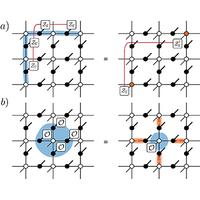
Phys. Rev. Lett. 135, 200405 (2025)
Quantum Information, Science, and Technology
Quantum Advantage via Efficient Postprocessing on Qudit Classical Shadow Tomography
Article | Quantum Information, Science, and Technology | 2025-11-13 05:00 EST
Yu Wang
Computing inner products of the form , where is a -dimensional density matrix [with , ] and is a bounded-norm observable [Hermitian with and known], is fundamental across quantum science and artificial intelligence. Classically, both computing and stor…
Phys. Rev. Lett. 135, 200601 (2025)
Quantum Information, Science, and Technology
Randomized Benchmarking of a Remote cnot Gate Via a Meter-Scale Microwave Link
Article | Quantum Information, Science, and Technology | 2025-11-13 05:00 EST
Kentaro Heya, Timothy Phung, Moein Malekakhlagh, Rachel Steiner, Marco Turchetti, William Shanks, John Mamin, Wen-Sen Lu, Yadav Prasad Kandel, Neereja Sundaresan, and Jason Orcutt
High-fidelity, meter-scale microwave interconnects between superconducting quantum processor modules are a key technology for extending the system size beyond constraints imposed by device manufacturing equipment, yield, and signal delivery. Although tomographic experiments have been used in previou…
Phys. Rev. Lett. 135, 200801 (2025)
Quantum Information, Science, and Technology
Quantum-Enhanced Parameter Estimation in Multilevel Systems: Experimental Verification in a Superconducting Qutrit Sensor
Article | Quantum Information, Science, and Technology | 2025-11-13 05:00 EST
Sai Li, Yuan-Ke Zhu, Wei-Xin Zhang, De-Jian Pan, Wen-Cui Liao, Qing-Xian Lv, Hai-Feng Yu, Yang Yu, Zheng-Yuan Xue, Hui Yan, and Shi-Liang Zhu
As a cornerstone of advanced quantum techniques, parameter estimation is fundamental to precision measurement in physics. Although quantum-enhanced estimation of single parameter has been demonstrated in various two-level systems, measurable parameters remain highly limited. While multilevel quantum…
Phys. Rev. Lett. 135, 200802 (2025)
Quantum Information, Science, and Technology
Flux-Tunable Cavity for Dark Matter Detection
Article | Cosmology, Astrophysics, and Gravitation | 2025-11-13 05:00 EST
Fang Zhao, Ziqian Li, Akash V. Dixit, Tanay Roy, Andrei Vrajitoarea, Riju Banerjee, Alexander Anferov, Kan-Heng Lee, David I. Schuster, and Aaron Chou
Developing a dark matter detector with wide mass tunability is an immensely desirable property, yet, it is challenging due to maintaining strong sensitivity. Resonant cavities for dark matter detection have traditionally employed mechanical tuning, moving parts around to change electromagnetic bound…
Phys. Rev. Lett. 135, 201002 (2025)
Cosmology, Astrophysics, and Gravitation
New Exceptional Effective Field Theories in de Sitter Space from Generalized Energy Conservation
Article | Cosmology, Astrophysics, and Gravitation | 2025-11-13 05:00 EST
Zong-Zhe Du and David Stefanyszyn
We discover a surprising relationship between exceptional effective field theories (EFTs) in de Sitter space and a notion of generalized energy conservation (GEC) of an matrix defined in an extended Poincaré patch of four-dimensional de Sitter. By demanding that such an matrix has support only w…
Phys. Rev. Lett. 135, 201501 (2025)
Cosmology, Astrophysics, and Gravitation
Enhancement of Electromagnetic Memory Effects
Article | Particles and Fields | 2025-11-13 05:00 EST
Jann Zosso
The first explicit calculation of electromagnetic memory from a Lorentz symmetry-breaking wave equation reveals a novel mechanism that enhances the amplitude of electromagnetic memory by orders of magnitude.
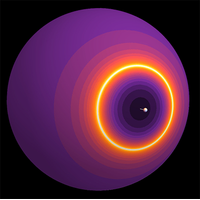
Phys. Rev. Lett. 135, 201602 (2025)
Particles and Fields
Observation of Modulation-Induced Feshbach Resonance
Article | Atomic, Molecular, and Optical Physics | 2025-11-13 05:00 EST
Tongkang Wang, Yuqi Liu, Jundong Wang, Youjia Huang, Wenlan Chen, Zhendong Zhang, and Jiazhong Hu
In this Letter, we observe a novel resonant mechanism, namely, the modulation-induced Feshbach resonance. By applying a far-detuned laser to the cesium transition with intensity modulation, we periodically modulate the energy levels of atomic collisional states. This periodic modulation connects …
Phys. Rev. Lett. 135, 203201 (2025)
Atomic, Molecular, and Optical Physics
Microsecond-Scale High-Survival and Number-Resolved Detection of Ytterbium Atom Arrays
Article | Atomic, Molecular, and Optical Physics | 2025-11-13 05:00 EST
A. Muzi Falconi, R. Panza, S. Sbernardori, R. Forti, R. Klemt, O. Abdel Karim, M. Marinelli, and F. Scazza
Scalable atom-based quantum platforms for simulation, computing, and metrology require fast high-fidelity, low-loss imaging of individual atoms. Standard fluorescence detection methods rely on continuous cooling, limiting the detection range to one atom and imposing long imaging times that constrain…
Phys. Rev. Lett. 135, 203402 (2025)
Atomic, Molecular, and Optical Physics
Observation and Manipulation of Optical Parametric Downconversion in the Langevin Regime
Article | Atomic, Molecular, and Optical Physics | 2025-11-13 05:00 EST
Yen-Ju Chen, Chun-Yuan Cheng, Tien-Dat Pham, Tzu-An Chen, Chang-Hau Kuo, Yen-Hung Chen, and Chih-Sung Chuu
Quantum fluctuation plays a key role in parametric down-conversion in the Langevin regime. In this Letter, we report the experimental realization of optical parametric down-conversion in the Langevin regime on a chip. By precisely controlling the loss inherently tied to fluctuation, we observe the a…
Phys. Rev. Lett. 135, 203601 (2025)
Atomic, Molecular, and Optical Physics
Observation of Quantum Noise Reduction in a Raman Amplifier via Quantum Correlation between Atom and Light
Article | Atomic, Molecular, and Optical Physics | 2025-11-13 05:00 EST
Jianmin Wang, Rong Zhu, Yue Li, and Z. Y. Ou
Any amplifier requires coupling to its internal degrees of freedom for energy gain. This coupling introduces extra quantum noise to the output. On the other hand, if the internal degree of the amplifier can be accessed and manipulated, we can manage and even reduce the quantum noise of the amplifier…
Phys. Rev. Lett. 135, 203602 (2025)
Atomic, Molecular, and Optical Physics
Kerr-Induced Synchronization of a Broadband Magnon-Phonon Hybrid Frequency Comb
Article | Atomic, Molecular, and Optical Physics | 2025-11-13 05:00 EST
Guan-Ting Xu, Zhen Shen, Mai Zhang, Yu Wang, Shuai Wan, Yucong Yang, Tianchi Zhang, Lei Bi, Fang-Wen Sun, Guang-Can Guo, and Chun-Hua Dong
Nonlinear magnonics has emerged as a prominent area of research, with a particular focus on on-chip Kerr nonlinearity. This effect is valuable both for its potential to manipulate magnon states and for its role in addressing the scalability challenges that magnonic devices face. In this Letter, we e…
Phys. Rev. Lett. 135, 203604 (2025)
Atomic, Molecular, and Optical Physics
Antiferroelectric-like Switching inside Ferroelastic Domain Walls
Article | Condensed Matter and Materials | 2025-11-13 05:00 EST
Guangming Lu, Gustau Catalan, and Ekhard K. H. Salje
Ferroelastic materials (materials with switchable spontaneous strain) can be centrosymmetric, but their domain walls are always polar, as their internal strain gradients cause flexoelectricity. This flexoelectric polarization of the walls is not switchable by voltage, because reversing their polarit…
Phys. Rev. Lett. 135, 206103 (2025)
Condensed Matter and Materials
Entropy of a Double Quantum Dot
Article | Condensed Matter and Materials | 2025-11-13 05:00 EST
David Kealhofer, Christoph Adam, Max J. Ruckriegel, Petar Tomić, Benedikt Kratochwil, Christian Reichl, Yigal Meir, Werner Wegscheider, Thomas Ihn, and Klaus Ensslin
Researchers have taken a step toward using entropy to probe the quantum physics of nanoscopic many-electron systems.
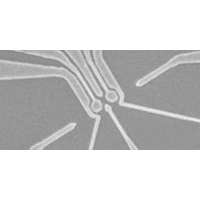
Phys. Rev. Lett. 135, 206303 (2025)
Condensed Matter and Materials
Electron Tunneling Enhances Thermal Conductance through Metal-Insulator-Semiconductor Junctions
Article | Condensed Matter and Materials | 2025-11-13 05:00 EST
Yizhe Liu and Bo Sun
The presence of interfaces in semiconductor devices substantially hinders thermal transport, contributing disproportionately to the overall thermal resistance. However, approaches to enhance interfacial thermal transport remain scarce without changing the interface structure, as the intrinsic electr…
Phys. Rev. Lett. 135, 206304 (2025)
Condensed Matter and Materials
Categorical Symmetries in Spin Models with Atom Arrays
Article | Condensed Matter and Materials | 2025-11-13 05:00 EST
Alison Warman, Fan Yang, Apoorv Tiwari, Hannes Pichler, and Sakura Schäfer-Nameki
Categorical symmetries have recently been shown to generalize the classification of phases of matter, significantly broadening the traditional Landau paradigm. To test these predictions, we propose a simple spin chain model that encompasses all gapped phases and second-order phase transitions govern…
Phys. Rev. Lett. 135, 206503 (2025)
Condensed Matter and Materials
Polarization-Driven Charge Frustration and Emergent Phases in the One-Dimensional Extended Hubbard Model
Article | Condensed Matter and Materials | 2025-11-13 05:00 EST
Sourabh Saha, Jeroen van den Brink, Manoranjan Kumar, and Satoshi Nishimoto
Charge frustration stemming from polarization-induced competing interactions drives unconventional insulating behavior in a one-dimensional extended Hubbard model.
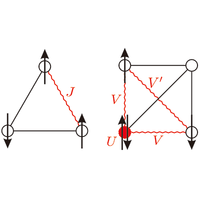
Phys. Rev. Lett. 135, 206504 (2025)
Condensed Matter and Materials
Demonstration of Returning Thouless Pump in a Berry Dipole System
Article | Condensed Matter and Materials | 2025-11-13 05:00 EST
Qingyang Mo, Shanjun Liang, Xiangke Lan, Jie Zhu, and Shuang Zhang
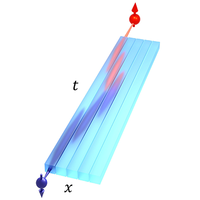
A returning Thouless pump driven by a Berry dipole in an acoustic system reveals dynamics driven by higher-order topological singularities where quantized spin inversion occurs without net displacement.
Phys. Rev. Lett. 135, 206603 (2025)
Condensed Matter and Materials
Linearly Polarized Few-Cycle Pulses Drive Carrier-Envelope Phase-Sensitive Coherent Magnetization Injection
Article | Condensed Matter and Materials | 2025-11-13 05:00 EST
Ofer Neufeld
Circularly polarized light is well known to induce, or flip the direction of, magnetization in solids. At its heart, this arises from time-reversal symmetry breaking by the vector potential, causing inverse-Faraday or analogous physical effects. We show here that very short few-cycle pulses can caus…
Phys. Rev. Lett. 135, 206902 (2025)
Condensed Matter and Materials
Comment on “Hydrodynamic Equations for Space-Inhomogeneous Aggregating Fluids with First-Principle Kinetic Coefficients”
Article | 2025-11-13 05:00 EST
Arkady Pikovsky
Phys. Rev. Lett. 135, 209701 (2025)
Osinsky and Brilliantov Reply:
Article | 2025-11-13 05:00 EST
A. I. Osinsky and N. V. Brilliantov
Phys. Rev. Lett. 135, 209702 (2025)
Opening Krylov Space to Access All-Time Dynamics via Dynamical Symmetries
Article | Quantum Information, Science, and Technology | 2025-11-12 05:00 EST
Nicolas Loizeau, Berislav Buča, and Dries Sels
Solving short- and long-time dynamics of closed quantum many-body systems is one of the main challenges of both atomic and condensed matter physics. For locally interacting closed systems, the dynamics of local observables can always be expanded into (pseudolocal) eigenmodes of the Liouvillian, so-c…
Phys. Rev. Lett. 135, 200401 (2025)
Quantum Information, Science, and Technology
Hardness of Observing Strong-to-Weak Symmetry Breaking
Article | Quantum Information, Science, and Technology | 2025-11-12 05:00 EST
Xiaozhou Feng, Zihan Cheng, and Matteo Ippoliti
Spontaneous symmetry breaking (SSB) is the cornerstone of our understanding of quantum phases of matter. Recent works have generalized this concept to the domain of mixed states in open quantum systems, where symmetries can be realized in two distinct ways dubbed strong and weak. Novel intrinsically…
Phys. Rev. Lett. 135, 200402 (2025)
Quantum Information, Science, and Technology
Fundamental Precision Limits in Finite-Dimensional Quantum Thermal Machines
Article | Quantum Information, Science, and Technology | 2025-11-12 05:00 EST
Yoshihiko Hasegawa
Enhancing the precision of a thermodynamic process inevitably necessitates a thermodynamic cost. This notion was recently formulated as the thermodynamic uncertainty relation, which states that the lower bound on the relative variance of thermodynamic currents decreases as entropy production increas…
Phys. Rev. Lett. 135, 200404 (2025)
Quantum Information, Science, and Technology
Black Hole Quasinormal Mode Resonances
Article | Cosmology, Astrophysics, and Gravitation | 2025-11-12 05:00 EST
Yiqiu Yang, Emanuele Berti, and Nicola Franchini
Black hole quasinormal mode frequencies can be very close to each other ("avoided crossings") or even completely degenerate ("exceptional points") when the system is characterized by more than one parameter. We investigate this resonant behavior and demonstrate that near exceptional points, the two …
Phys. Rev. Lett. 135, 201401 (2025)
Cosmology, Astrophysics, and Gravitation
Factorizing Defects from Generalized Pinning Fields
Article | Particles and Fields | 2025-11-12 05:00 EST
Fedor K. Popov and Yifan Wang
We introduce generalized pinning fields in conformal field theory that model a large class of critical impurities at large distance, enriching the familiar universality classes. We provide a rigorous definition of such defects as certain unbounded operators on the Hilbert space and prove that when i…
Phys. Rev. Lett. 135, 201601 (2025)
Particles and Fields
Lattice QCD Benchmark of Proton Helicity and Flavor-Dependent Unpolarized Transverse Momentum-Dependent Parton Distribution Functions at Physical Quark Masses
Article | Particles and Fields | 2025-11-12 05:00 EST
Dennis Bollweg, Xiang Gao, Swagato Mukherjee, and Yong Zhao
We present the first lattice QCD calculations of the isovector helicity transverse momentum-dependent parton distribution function (TMDPDF) and the flavor-dependent unpolarized TMDPDFs for up and down quarks in the proton. Our computations utilize domain-wall fermion discretization with physical qua…
Phys. Rev. Lett. 135, 201901 (2025)
Particles and Fields
Spectroscopy and Ground-State Transfer of Ultracold Bosonic $\text{ }{^{39}\mathrm{K}}^{133}\mathrm{Cs}$ Molecules
Article | Atomic, Molecular, and Optical Physics | 2025-11-12 05:00 EST
Krzysztof P. Zamarski, Charly Beulenkamp, Yi Zeng, Manuele Landini, and Hanns-Christoph Nägerl
Observation of KCs molecules in their rovibrational ground state establishes a new viable species for ultracold molecule research.

Phys. Rev. Lett. 135, 203401 (2025)
Atomic, Molecular, and Optical Physics
Antidispersion in Flows in Leaky Channels
Article | Physics of Fluids, Earth & Planetary Science, and Climate | 2025-11-12 05:00 EST
Yiming Gan, Yisen Guo, John H. Thomas, Kimberly A. Boster, Jessica K. Shang, and Douglas H. Kelley
Solute transport in a channel has important implications in industrial processes, biomechanics, and drug delivery. When flow is driven down a channel by a pressure gradient, solute is spread axially by shear and laterally by molecular diffusion. The combination causes the effective axial diffusivity…
Phys. Rev. Lett. 135, 204001 (2025)
Physics of Fluids, Earth & Planetary Science, and Climate
Faraday Wave Singularities Trigger Microbubble Jetting
Article | Physics of Fluids, Earth & Planetary Science, and Climate | 2025-11-12 05:00 EST
Marco Cattaneo, Louan Presse, and Outi Supponen
Wall-attached bubbles can produce repeated jets under gentle ultrasound stimulation through the Faraday instability. We identify three distinct jetting regimes defined by the jetting frequency and the bubble surface topology. We demonstrate that these jets form via flow-focusing singularities follow…
Phys. Rev. Lett. 135, 204002 (2025)
Physics of Fluids, Earth & Planetary Science, and Climate
Adhesive Forces in Droplet Kinetic Friction on Liquidlike Surfaces
Article | Physics of Fluids, Earth & Planetary Science, and Climate | 2025-11-12 05:00 EST
Glen McHale, Sara Janahi, Hernán Barrio-Zhang, Yaofeng Wang, Jinju Chen, Gary G. Wells, and Rodrigo Ledesma-Aguilar
Kinetic frictional forces resisting droplet motion often appear to be separate from surface wettability and adhesive forces. Here we show that such friction arises from a simple combination of the contact angle hysteresis and adhesive force. We show theoretically, and confirm using tilt angle experi…
Phys. Rev. Lett. 135, 204003 (2025)
Physics of Fluids, Earth & Planetary Science, and Climate
From Distributed Damage to Strain Localization in Rocks during Brittle Creep
Article | Physics of Fluids, Earth & Planetary Science, and Climate | 2025-11-12 05:00 EST
Lintong Jiang, Shihuai Zhang, and Shunchuan Wu
The transition from distributed damage to strain localization in rocks during brittle creep remains mechanistically unclear. Through uniaxial creep experiments on polystyrene plates with a preexisting closed crack, we demonstrate that low-stress creep is governed by frictional slip with shear stress…
Phys. Rev. Lett. 135, 204101 (2025)
Physics of Fluids, Earth & Planetary Science, and Climate
Coherent Synchrotron Radiation by Excitation of Surface Plasmon Polariton on Near-Critical Solid Microtube Surface
Article | Plasma and Solar Physics, Accelerators and Beams | 2025-11-12 05:00 EST
Bifeng Lei, Hao Zhang, Daniel Seipt, Alexandre Bonatto, Bin Qiao, Javier Resta-López, Guoxing Xia, and Carsten Welsch
Coherent synchrotron radiation (CSR) is crucial for the development of powerful ultrashort light sources. We present a mechanism for generating CSR in the form of generalised superradiance, based on surface plasmon polaritons (SPPs), which are resonantly excited on a solid, near-critical-density inn…
Phys. Rev. Lett. 135, 205001 (2025)
Plasma and Solar Physics, Accelerators and Beams
Oxygen Opacity Measurements at High-Energy-Density Conditions
Article | Plasma and Solar Physics, Accelerators and Beams | 2025-11-12 05:00 EST
J. E. Bailey, D. C. Mayes, G. P. Loisel, T. Nagayama, D. Aberg, C. Blancard, J. Colgan, Ph. Cossé, G. S. Dunham, G. Faussurier, C. J. Fontes, F. Gilleron, I. Golovkin, T. A. Gomez, M. F. Gu, S. B. Hansen, H. Huang, C. A. Iglesias, C. Monton, J.-C. Pain, R. Santana, and B. W. Wilson
Experiments with oxygen plasma at extreme densities and temperatures give new transparency to our picture of the Sun's interior.

Phys. Rev. Lett. 135, 205101 (2025)
Plasma and Solar Physics, Accelerators and Beams
Antiferroelectricity in ${\mathrm{BiFeO}}_{3}$ Thin Films
Article | Condensed Matter and Materials | 2025-11-12 05:00 EST
Menghui Xia, Sukriti Mantri, L. Bellaiche, and Bin Xu
Antiferroelectric (AFE) materials are rarer than ferroelectrics (FEs). Yet they hold great potential for niche applications, mostly thanks to the electric-field induced reversible transformation between the AFE and FE states. In addition to the extrinsic method of chemical doping, intrinsically conv…
Phys. Rev. Lett. 135, 206101 (2025)
Condensed Matter and Materials
Latent Phase Transition in Two-Dimensional ${\mathrm{PdSe}}_{2}$
Article | Condensed Matter and Materials | 2025-11-12 05:00 EST
Qishuo Yang, Yabei Wu, Liang Zhu, Junjie Shan, Gang Wang, Xingxing Li, Erding Zhao, Shaolong Jiang, Xiao-lei Shi, Zhi-gang Chen, Jin Zou, Shi-Jun Liang, Feng Miao, Wenqing Zhang, and Junhao Lin
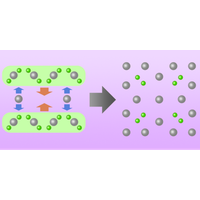
Adding extra atoms between sheets of PdSe doesn't affect the material's layered structure--until it does.
Phys. Rev. Lett. 135, 206102 (2025)
Condensed Matter and Materials
Deployable Nanoelectromechanical Bound States in the Continuum in GHz Lamb Wave Phononic Crystals on ${\mathrm{LiNbO}}_{3}$ Thin Films
Article | Condensed Matter and Materials | 2025-11-12 05:00 EST
Sheng-Nan Liang, Zhen-Hui Qin, Shu-Mao Wu, Hua-Yang Chen, Si-Yuan Yu, and Yan-Feng Chen
Bound states in the continuum (BICs) are a fascinating class of eigenstates that trap energy within the continuum, enabling breakthroughs in ultra-low-threshold lasing, high- sensing, and advanced wave-matter interactions. However, their stringent symmetry requirements hinder practical integration,…
Phys. Rev. Lett. 135, 206201 (2025)
Condensed Matter and Materials
Superballistic Paradox in Electron Fluids: Relevance of Tomographic Transport
Article | Condensed Matter and Materials | 2025-11-12 05:00 EST
Jorge Estrada-Álvarez, Elena Díaz, and Francisco Domínguez-Adame
Electron hydrodynamics encompasses the exotic fluidlike behavior of electrons in two-dimensional materials such as graphene. It accounts for superballistic conduction, also known as the Gurzhi effect, where increasing temperature reduces the electrical resistance. In analogy with conventional fluids…
Phys. Rev. Lett. 135, 206301 (2025)
Condensed Matter and Materials
Tunable Exciton Transport in Fully Hybridized van der Waals Trilayers
Article | Condensed Matter and Materials | 2025-11-12 05:00 EST
Huan Liu, Shihong Chen, Haowen Xu, Rui Han, Zejun Sun, Shuchun Huang, Xiushuo Zhang, Jianbin Luo, and Dameng Liu
Controlling exciton transport in van der Waals heterostructures opens new pathways for exploring quantum phenomena and advancing optoelectronic devices. Previous studies have primarily focused on bilayer structures, where exciton transport is governed by limited electronic hybridization between laye…
Phys. Rev. Lett. 135, 206302 (2025)
Condensed Matter and Materials
Effects of Landau Level Mixing on Various Fractional Quantum Hall States in Trilayer Graphene
Article | Condensed Matter and Materials | 2025-11-12 05:00 EST
Simrandeep Kaur, Harsimran Singh, Kenji Watanabe, Takashi Taniguchi, Unmesh Ghorai, Manish Jain, Rajdeep Sensarma, and Aveek Bid
We present a detailed experimental study of the effect of Landau level mixing on various fractional quantum Hall states (FQHs) about half filling in a multiband system, namely, Bernal stacked trilayer graphene (TLG). In pristine TLG, the excitation energy gaps, Landé factor, effective mass, and di…
Phys. Rev. Lett. 135, 206501 (2025)
Condensed Matter and Materials
Non-Hermitian Numerical Renormalization Group: Solution of the Non-Hermitian Kondo Model
Article | Condensed Matter and Materials | 2025-11-12 05:00 EST
Phillip C. Burke and Andrew K. Mitchell
Non-Hermitian (NH) Hamiltonians describe open quantum systems, nonequilibrium dynamics, and dissipative processes. Although a rich range of single-particle NH physics has been uncovered, many-body phenomena in strongly correlated NH systems have been far less well studied. The Kondo effect, an impor…
Phys. Rev. Lett. 135, 206502 (2025)
Condensed Matter and Materials
Electric-Field Control of Zero-Dimensional Topological States in Ultranarrow Germanene Nanoribbons
Article | Condensed Matter and Materials | 2025-11-12 05:00 EST
Lumen Eek, Esra D. van ‘t Westende, Dennis J. Klaassen, Harold J. W. Zandvliet, Pantelis Bampoulis, and Cristiane Morais Smith
Reversible, all-electric control of symmetry-protected zero-dimensional modes has been a long-standing goal. In buckled honeycomb lattices, a perpendicular field couples to the staggered sublattice potential providing the required handle. We combine scanning tunneling microscopy and tight-binding th…
Phys. Rev. Lett. 135, 206601 (2025)
Condensed Matter and Materials
Quantized Decay Charges in Non-Hermitian Networks Characterized by Directed Graphs
Article | Condensed Matter and Materials | 2025-11-12 05:00 EST
Wenwen Liu, Junyao Wu, Li Zhang, Oubo You, Ye Tian, Hongsheng Chen, Bumki Min, Yihao Yang, and Shuang Zhang
Non-Hermitian physics has unveiled a realm of exotic phenomena absent in Hermitian systems, with the non-Hermitian skin effect (NHSE) showcasing boundary-localized eigenstates driven by non-reciprocal interactions. Here, we introduce a new class of non-Hermitian systems exhibiting pure decay modes--e…
Phys. Rev. Lett. 135, 206602 (2025)
Condensed Matter and Materials
All-Electrical Self-Switching of van der Waals Chiral Antiferromagnet
Article | Condensed Matter and Materials | 2025-11-12 05:00 EST
Junlin Xiong, Jiawei Jiang, Yanwei Cui, Han Gao, Ji Zhou, Zijia Liu, KuiKui Zhang, Shaobo Cheng, Kehui Wu, Sang-Wook Cheong, Kai Chang, Zhongkai Liu, Hongxin Yang, Shi-Jun Liang, Bin Cheng, and Feng Miao
Antiferromagnets have garnered significant attention due to their negligible stray field and ultrafast magnetic dynamics, which are promising for high-density and ultrafast spintronic applications. Their dual functionality as both spin sources and information carriers could enable all-electrical sel…
Phys. Rev. Lett. 135, 206701 (2025)
Condensed Matter and Materials
Exciton-Exciton Annihilation Mediated by Many-Body Coulomb and Phonon Interactions: An Ab Initio Study
Article | Condensed Matter and Materials | 2025-11-12 05:00 EST
Guy Vosco and Sivan Refaely-Abramson
Exciton-exciton annihilation, in which two excitons interact to generate high-energy excitations, is an important nonradiative channel in light-induced excited-state relaxation. When efficient, this process offers an alternative route to exciton emission, potentially allowing extended energetically …
Phys. Rev. Lett. 135, 206901 (2025)
Condensed Matter and Materials
Inferring Higher-Order Couplings with Neural Networks
Article | Statistical Physics; Classical, Nonlinear, and Complex Systems | 2025-11-12 05:00 EST
Aurélien Decelle, Alfonso de Jesús Navas Gómez, and Beatriz Seoane
Maximum entropy methods, rooted in the inverse Ising or Potts problem of statistical physics, have been fundamental in inferring pairwise interaction models of complex systems. These models have found impactful applications in fields such as bioinformatics, where they are used to infer protein struc…
Phys. Rev. Lett. 135, 207301 (2025)
Statistical Physics; Classical, Nonlinear, and Complex Systems
Freezing-Induced Deformation in Water and Hydrogel Droplets
Article | Polymers, Chemical Physics, Soft Matter, and Biological Physics | 2025-11-12 05:00 EST
Lila Séguy, Axel Huerre, and Suzie Protière
We performed experiments to directionally freeze agar hydrogel drops on a copper substrate maintained at low temperature. Unlike the water droplets studied in the literature, where the liquid part can reorganize during freezing, these droplets present a strictly vertical expansion. This is due to th…
Phys. Rev. Lett. 135, 208201 (2025)
Polymers, Chemical Physics, Soft Matter, and Biological Physics
Physical Review X
Time-Cost-Error Trade-Off Relation in Thermodynamics: The Third Law and Beyond
Article | 2025-11-13 05:00 EST
Tan Van Vu and Keiji Saito
A universal trade-off links time, cost, and error in thermodynamic processes, showing that perfection requires infinite resources. This limit applies to both classical and quantum systems, guiding the design of efficient control and information processing.
Phys. Rev. X 15, 041029 (2025)
Critical Transition between Intensive and Extensive Active Droplets
Article | 2025-11-12 05:00 EST
Jonathan Bauermann, Giacomo Bartolucci, Job Boekhoven, Frank Jülicher, and Christoph A. Weber
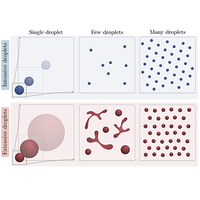
Analytical and numerical analyses show that chemically active droplets can either stabilize at a fixed size or grow indefinitely, revealing fundamental rules that may govern droplet dynamics in living cells.
Phys. Rev. X 15, 041027 (2025)
Persistence of Charge Ordering Instability to Coulomb Engineering in the Excitonic Insulator Candidate ${\mathrm{TiSe}}_{2}$
Article | 2025-11-12 05:00 EST
Sebastian Buchberger, Yann in ‘t Veld, Akhil Rajan, Philip A. E. Murgatroyd, Brendan Edwards, Bruno K. Saika, Naina Kushwaha, Maria H. Visscher, Jan Berges, Dina Carbone, Jacek Osiecki, Craig Polley, Tim Wehling, and Phil D. C. King
Experiments on monolayer TiSe grown on different substrates show that its charge-density wave persists even when exciton formation is suppressed, proving that lattice effects--not excitons--drive the ordered state.
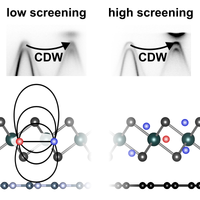
Phys. Rev. X 15, 041028 (2025)
arXiv
High-quality nanostructured diamond membranes for nanoscale quantum sensing
New Submission | Mesoscale and Nanoscale Physics (cond-mat.mes-hall) | 2025-11-13 20:00 EST
Alexander Pakpour Tabrizi, Artur Lozovoi, Sean Karg, Tecla Bottinelli Mondandon, Melody Leung, Kai-Hung Cheng, Nathalie P. de Leon
Deploying nitrogen vacancy (NV) centers in diamond as nanoscale quantum sensors for condensed matter and materials physics requires placing the NV centers close to the sensing target. One solution is to fabricate diamond nanostructures and integrate them with materials and devices. However, diamond etching and ion milling can introduce subsurface damage and surface defects that degrade the charge stability and spin coherence of NV centers near the surface. Here we report a procedure for fabricating low-damage nanostructured diamond membranes, and we show that this fabrication scheme preserves the optical and spin properties of state-of-the-art shallow NV center quantum sensors, within nanometers of the diamond surface, while providing significant photonic enhancement. Furthermore, we demonstrate a pick-and-place transfer method, which enables integration with diverse sensing targets.
Mesoscale and Nanoscale Physics (cond-mat.mes-hall), Materials Science (cond-mat.mtrl-sci), Quantum Physics (quant-ph)
Dephasing-induced Quantum Hall Criticality in the Quantum Anomalous Hall system
New Submission | Mesoscale and Nanoscale Physics (cond-mat.mes-hall) | 2025-11-13 20:00 EST
Conventional wisdom holds that static disorder is indispensable to the integer quantum Hall effect, underpinning both quantized plateaus and the plateau-plateau transition. We show that pure dephasing, without elastic disorder, is sufficient to generate the same $ \theta$ driven criticality. Starting from a Keldysh formulation, we derive an open system nonlinear $ \sigma$ model (NL$ \sigma$ M) for class A with a topological $ \theta$ term but no Cooperon sector, and we demonstrate that nonperturbative instantons still govern a two parameter flow of $ (\sigma_{xx},\sigma_{xy})$ . Evaluating $ \theta$ in a dephasing quantum anomalous Hall setting, we predict a quantum Hall critical point at $ \sigma_{xy}=1/2$ with finite $ \sigma_{xx}$ the hallmark of the integer quantum Hall universality class realized without Anderson localization. Boundary driven simulations of the Qi_Wu_Zhang model with local dephasing confirm this prediction and provide an experimentally aligned protocol to extract $ (\sigma_{xx},\sigma_{xy})$ from Hall potential maps. By establishing dephasing as a self contained route to Hall criticality, our framework reframes plateau physics in open solid state and cold atom platforms and offers practical diagnostics for topological transport in nonunitary matter.
Mesoscale and Nanoscale Physics (cond-mat.mes-hall), Quantum Gases (cond-mat.quant-gas), Statistical Mechanics (cond-mat.stat-mech)
13 pages, 6 figures
Analytical Solution and Lie Algebra of the Relativistic Boltzmann Equation
New Submission | Statistical Mechanics (cond-mat.stat-mech) | 2025-11-13 20:00 EST
Yi Wang, Xuan Zhao, Zhe Xu, Jin Hu
In this work, we present a novel and more efficient approach to constructing the relativistic BKW (Bobylev, Krook, and Wu) solution. By introducing a class of ansatz functions for the distribution function, we demonstrate that within this specific ansatz space, only the equilibrium and BKW-type forms yield exact solutions to the nonlinear Boltzmann equation. Furthermore, guided by physical insight and drawing upon the framework of relativistic kinetic theory, we derive the Lie algebra of invariant transformations admitted by the relativistic Boltzmann equation. From this algebra, the corresponding symmetry group transformations can be systematically constructed.
Statistical Mechanics (cond-mat.stat-mech), High Energy Physics - Phenomenology (hep-ph), High Energy Physics - Theory (hep-th), Nuclear Theory (nucl-th)
Universality and weak-ergodicity breaking in quantum quenches
New Submission | Statistical Mechanics (cond-mat.stat-mech) | 2025-11-13 20:00 EST
Guido Giachetti, Andrea Solfanelli, Nicolò Defenu
Sudden quenches in quantum many-body systems often lead to dynamical evolutions that unveil surprising physical behaviors. In this work, we argue that the emergence of weak ergodicity breaking following quantum quenches in certain local many-body systems is a direct consequence of lattice discretization. To support this claim, we investigate the out-of-equilibrium dynamics of quantum $ O(n)$ models on a lattice. In doing so, we also revisit two puzzling results in the literature on quantum $ O(n)$ models, concerning universal scaling and equilibration, and demonstrate how these apparent contradictions can be resolved by properly accounting for lattice effects.
Statistical Mechanics (cond-mat.stat-mech), Quantum Physics (quant-ph)
Polaron and Strain Effects on Ion Migration in WO$_3$
New Submission | Materials Science (cond-mat.mtrl-sci) | 2025-11-13 20:00 EST
Matthäus Siebenhofer, Pjotrs Žguns, Bilge Yildiz
Ion migration in WO$ _3$ is a critical process for various technological applications, such as in batteries, electrochromic devices and energy-efficient brain-inspired computing devices. In this study, we investigate the migration mechanisms of H$ ^+$ , Li$ ^+$ , and Mg$ ^{2+}$ ions in monoclinic WO$ _3$ , and how energy barriers are affected by the presence of electron polarons and by lattice strain. Our approach in calculating the migration paths and barriers is based on density functional theory methods. The results show that the presence of polarons leads to association effects and lattice deformations that increase ion migration barriers. Therefore, the consideration of polarons is critical to accurately predict activation energies of ion migration. We further show that lattice strain modulates ion migration barriers, however, the impact of strain depends on the migrating ion. For protons that are embedded in the oxygen ion electronic shells and hop from donor to acceptor oxygens, compressive lattice strain accelerates migration by reducing the donor-acceptor distance. In contrast, the migration barriers of larger ions decrease with tensile lattice strain that increases the free space for the ion in the transition state. These insights into the effects of polarons and lattice strain are important for understanding and tuning properties of WO$ _3$ when aiming for optimized device characteristics.
Materials Science (cond-mat.mtrl-sci)
Mechanical and electrical properties of a nano-gap or how to play the nano-accordion
New Submission | Mesoscale and Nanoscale Physics (cond-mat.mes-hall) | 2025-11-13 20:00 EST
In-situ transmission electron microscopy (TEM) has become an important technique to study dynamic processes at highest spatial resolution and one branch is the investigation of phenomena related with electrical currents. Here, we present experimental results obtained from a peculiar in-situ TEM device, which was prepared with the aim to analyze the relationship between (thermo)electric properties and specific crystal orientations of a misfit layered compound. The formation of a nano-sized gap at a grain boundary facilitated a precisely controllable mechanical bending of the device by application of differential heating currents. The devices’ electrical properties were found to be substantially influenced by the gap, leading to a high intrinsic voltage. This voltage additionally depends on the vacuum environment and on the history of applied heating currents. These findings are largely attributed to the presence of adsorbed molecules within the gap region. The electrical in-situ TEM studies of this work illustrate that interior surfaces can strongly influence electrical properties even under high vacuum conditions.
Mesoscale and Nanoscale Physics (cond-mat.mes-hall)
Decoupling Composition and Band Gap in $κ$-Ga$_2$O$_3$ Heterostructures via STEM-EELS
New Submission | Materials Science (cond-mat.mtrl-sci) | 2025-11-13 20:00 EST
Annett Thøgersen, Georg Muntingh, Lasse Vines, Øystein Prytz, Max Kneiß, Marius Grundmann, Holger von Wenckstern, Ingvild J. T. Jensen
High-resolution mapping of electronic properties at oxide heterointerfaces remains challenging due to probe delocalization and overlapping signals. In this work, we employ monochromated, probe-corrected scanning transmission electron microscopy combined with electron energy-loss spectroscopy (STEM-EELS) to resolve band gap variations across $ \kappa$ -Ga$ _2$ O$ _3$ -based multilayers with nanometer-scale precision. A custom automated quantitative-based EELS analysis framework enabled automated band gap fitting and visualization, ensuring reproducibility and high spatial resolution. By optimizing acquisition parameters and quantifying inelastic delocalization, we demonstrate reliable extraction of band gap excitations from layers only a few nanometers thick. For heterostructures grown on ITO templates, strain at defect-free interfaces induces a gradual band gap transition from $ 5.08\mathrm{eV}$ to $ 4.28\mathrm{eV}$ over $ \sim 10~\mathrm{nm}$ , despite an abrupt compositional change. In contrast, ZnO-based templates introduce structural defects that relieve strain, yielding band gaps consistent with composition. These results establish STEM-EELS as a powerful tool for nanoscale electronic characterization and highlight the dominant role of interfacial strain over composition in governing local band structure.
Materials Science (cond-mat.mtrl-sci), Applied Physics (physics.app-ph)
Lyapunov exponents explain disorder-induced polarization and soliton teleportation in a mechanical Markov system
New Submission | Soft Condensed Matter (cond-mat.soft) | 2025-11-13 20:00 EST
Will Stephenson, Nan Cheng, Kai Sun, Xiaoming Mao
Using a mapping between spatial disorder and temporal stochasticity, we develop a new framework using Lyapunov exponents to explain exotic wave localization and mobility phenomena in disordered one-dimensional (1D) mechanical systems that can be constructed via a spatial analog of a Markov process, which we call ``mechanical Markov systems.’’ We show that disorder induces robust polarization of zero modes (ZMs) in these mechanical Markov systems, and this phenomenon is explained using Lyapunov exponents. Remarkably, these ZMs become mobile solitons in the nonlinear regime despite the disorder-controlled localization of all other modes, and display a set of new nonlinear dynamics features including reflectionless chirality-dependent teleportation, which can also be explained using Lyapunov exponents. Our results establish the Markov formalism as a powerful tool to explain and design localization and dynamics in disordered mechanical systems, opening opportunities for programmable metamaterials with novel linear and nonlinear responses.
Soft Condensed Matter (cond-mat.soft), Disordered Systems and Neural Networks (cond-mat.dis-nn)
16 pages, 8 figures
Average density of Bloch electrons in a homogeneous magnetic field: a second-order response
New Submission | Materials Science (cond-mat.mtrl-sci) | 2025-11-13 20:00 EST
We compute the average density of a three-dimensional multiband crystal of arbitrary symmetry, metal or insulator, to first and second order in a weak static magnetic field. To linear order and for insulators, the density follows the well-known Streda formula, but for metals there is an extra contribution from the orbital magnetic moments at the Fermi surface. To second order, we find that the average density depends on several microscopic processes. Among these, the quantum metric tensor plays an important role by generating a pseudo-magnetic moment resulting from the rotation of the Bloch wave functions in the complex projective plane. We also discuss the implications of our results for the volume and pressure. The method we develop is explicitly gauge invariant, considers intraband and interband processes on equal footing, accommodates relaxation processes, and can be readily extended to other observables.
Materials Science (cond-mat.mtrl-sci)
14 pages, 1 figure
Probing short-range gravity using quantum reflection
New Submission | Quantum Gases (cond-mat.quant-gas) | 2025-11-13 20:00 EST
Quantum reflection occurs when ultra-cold atoms are incident on a material surface with sufficiently low velocity. The reflecting matter wave can interfere with the incident wave to form a detectable pattern, and this pattern contains information about atom-surface interactions at micrometer scales. We discuss how such an interferometer could be used to probe for anomalous short-range forces that are predicted by some beyond-standard model theories. We compare a simple analytical model for the anomalous phase to numerical solution of both the linear and non-linear Schrodinger equations, finding good agreement. With interactions, the phase does depend on the atomic density, which can be a source of noise. We nonetheless predict that under realistic conditions, the reflection technique can reach sensitivities approaching those obtained with macroscopic objects, and significantly improve the limits on anomalous coupling to atoms.
Quantum Gases (cond-mat.quant-gas), Quantum Physics (quant-ph)
8 pages, 5 figures
The mechanical latching memory of an adhesive tape
New Submission | Soft Condensed Matter (cond-mat.soft) | 2025-11-13 20:00 EST
Sebanti Chattopadhyay, Carys Chase-Mayoral, Nathan Keim
The storage and retrieval of mechanical imprints from past perturbations is a central theme in soft matter physics. Here we study this effect in the partial peeling of an ordinary adhesive tape, which leaves a line of strong adhesion at the stopping point. We show how this behavior can be used to mechanically store and retrieve the amplitudes of successive peeling cycles. This multiple-memory behavior resembles the well-known return-point memory found in many systems with hysteresis, but crucially the driving here is rectified: peeling is unidirectional, where each cycle begins and ends with the tape flat on the substrate. This condition means that the tape demonstrates a distinct principle for multiple memories. By considering another mechanism that was recently proposed, we establish ``latching’’ as a generic principle for memories formed under rectified driving, with multiple physical realizations. We show separately that tape can be tuned to erase memories partially and also demonstrate the function of tape as a mechanical computing device that extracts features from input sequences and compares successive values.
Soft Condensed Matter (cond-mat.soft)
TEM Agent: enhancing transmission electron microscopy (TEM) with modern AI tools
New Submission | Materials Science (cond-mat.mtrl-sci) | 2025-11-13 20:00 EST
Morgan K. Wall, Alexander J. Pattison, Edward S. Barnard, Stephanie M. Ribet, Peter Ercius
Recent improvements in large language models (LLMs) have had a dramatic effect on capabilities and productivity across many disciplines involving critical thinking and writing. The development of the model context protocol (MCP) provides a way to extend the power of LLMs to a specific set of tasks or scientific equipment with help from curated tools and resources. Here, we describe a framework called TEM Agent designed for transmission electron microscopy (TEM) that leverages the benefits of LLMs through a MCP approach. We simultaneously access and control several subsystems of the TEM, a data management platform, and high performance computing resources through text-based instructions. We demonstrate the abilities of the TEM Agent to set up and complete intricate workflows using a simplified set of MCP tools and resources accompanying a commercial LLM without any additional training. The use of a framework such as the TEM Agent simplifies access to complex microscope ecosystems comprised of several vendor and custom systems enhancing the ability of users to accomplish microscopy experiments across a range of difficulty levels.
Materials Science (cond-mat.mtrl-sci)
22 pages, 4 figures
Material-Based Intelligence: Self-organizing, Autonomous and Adaptive Cognition Embodied in Physical Substrates
New Submission | Soft Condensed Matter (cond-mat.soft) | 2025-11-13 20:00 EST
Vladimir A. Baulin, Rudolf M. Füchslin, Achille Giacometti, Helmut Hauser, Marco Werner
The design of intelligent materials often draws parallels with the complex adaptive behaviors of biological organisms, where robust functionality stems from sophisticated hierarchical organization and emergent long-distance coordination among a myriad local components. Current synthetic materials, despite integrating advanced sensors and actuators, predominantly demonstrate only simple, pre-programmed stimulus-response functionalities, falling short of robustly autonomous intelligent behavior. These systems typically execute tasks determined by rigid design or external control, fundamentally lacking the intricate internal feedback loops, dynamic adaptation, self-generated learning, and genuine self-determination characteristic of biological agents. This perspective proposes a fundamentally different approach focusing on architectures where material-based intelligence is not pre-designed, but arises spontaneously from self-organization harnessing far-from-equilibrium dynamics. This work explores interdisciplinary concepts from material physics, chemistry, biology, and computation, identifying concrete pathways toward developing materials that not only react, but actively perceive, adapt, learn, self-correct, and potentially self-construct, moving beyond biomimicry to cultivate fully synthetic, self-evolving systems without external control. This framework outlines the fundamental requirements for, and constraints upon, future architectures where complex, goal-directed functionalities emerge synergistically from integrated local processes, distinguishing material-based intelligence from traditional hardware-software divisions. This demands that concepts of high-level goals and robust, replicable memory mechanisms are encoded and enacted through the material’s inherent dynamics, inherently blurring the distinction between system output and process.
Soft Condensed Matter (cond-mat.soft), Materials Science (cond-mat.mtrl-sci)
Complex Eigenvalues in a pseudo-Hermitian \b{eta}-Laguerre ensemble
New Submission | Statistical Mechanics (cond-mat.stat-mech) | 2025-11-13 20:00 EST
Cleverson Andrade Goulart, Gleb Oshanin, Mauricio Porto Pato
Non-Hermitian PT-symmetric models have been extensively studied in recent years. Following the seminal work that reduced classical random matrix ensembles to a tridiagonal form, several efforts have aimed to generalize this framework to non-Hermitian extensions of the so-called \b{eta}-ensembles. In particular, while the transition of eigenvalues from the real axis to the complex plane has been well characterized for the \b{eta}-Hermite ensemble under symmetry breaking, the behavior of the \b{eta}-Laguerre ensemble in a similar non-Hermitian setting remains
less understood. In this work, we investigate an ensemble of unstable matrices isospectral to the \b{eta}-Laguerre ensemble. Introducing a small non-Hermitian perturbation breaks the symmetry and drives the eigenvalues into the complex plane. We derive analytical expressions for the loci of complex-conjugate eigenvalue pairs, which organize into a balloon-like structure in the complex plane, followed by a discrete finite line of real eigenvalues. The asymptotic behavior of these eigenvalues is analyzed in the large matrix-size limit, and our theoretical predictions are supported by numerical simulations.
Statistical Mechanics (cond-mat.stat-mech), Mathematical Physics (math-ph), Quantum Physics (quant-ph)
33 pages, 13 figures
Mobile chemical cage: Revealing the origin of anomalous lithium diffusion in liquid $Li_{17}Pb_{83}$ alloy
New Submission | Materials Science (cond-mat.mtrl-sci) | 2025-11-13 20:00 EST
Sensen Lin, Yang Gao, Yongheng Lu, Yongkuan Zhang, Yiqiang Sun
The high-temperature performance of liquid $ Li_{17}Pb_{83}$ , a key fusion reactor material, is governed by its atomic-scale dynamics. Using ab initio molecular dynamics, we discover that lithium diffusion is not free but confined within cages formed by lead atoms, a phenomenon we term the chemical cage effect. Structurally, RDF and CSRO analyses confirm a stable local environment where Li is preferentially surrounded by Pb. Dynamically, the MSD and NGP reveal anomalous, heterogeneous lithium diffusion characterized by repeated cage-breaking events. The double-exponential relaxation of the Li-Pb bond probability further distinguishes the escape dynamics of Li from surface and bulk cages. ELF and DOS analyses identify the polar covalent Li-Pb bond as the electronic origin of this cage. This study establishes the chemical bond-directed synergistic cage effect as the core mechanism in $ Li_{17}Pb_{83}$ , moving beyond traditional geometric constraint models and providing a new paradigm to understand transport in multi-component liquid alloys.
Materials Science (cond-mat.mtrl-sci)
Quasi-linear magnetoresistance and paramagnetic singularity in Hypervalent Bismuthide
New Submission | Materials Science (cond-mat.mtrl-sci) | 2025-11-13 20:00 EST
Zhongchen Xu, Yi Yan, Zhihao Liu, Jie Pang, Guohao Dong, Xiutong Deng, Shengnan Zhang, Xianmin Zhang, Youguo Shi, Quansheng Wu
Materials featuring hypervalent bismuth motifs have generated immense interest due to their extraordinary electronic structure and exotic quantum transport. In this study, we synthesized high-quality single crystals of La3ScBi5 characterized by one-dimensional hypervalent bismuth chains and performed a systematic investigation of the magnetoresistive behavior and quantum oscillations. The metallic La3ScBi5 exhibits a low-temperature plateau of electrical resistivity and quasi-linear positive magnetoresistance, with anisotropic magnetoresistive behaviors suggesting the presence of anisotropic Fermi surfaces. This distinctive transport phenomenon is perfectly elucidated by first-principles calculations utilizing the semiclassical Boltzmann transport theory. Furthermore, the nonlinear Hall resistivity pointed towards a multiband electronic structure, characterized by the coexistence of electron and hole carriers, which is further supported by our first-principles calculations. Angle-dependent de Haas-van Alphen oscillations are crucial for further elucidating its Fermiology and topological characteristics. Intriguingly, magnetization measurements unveiled a notable paramagnetic singularity at low fields, which might suggest the nontrivial nature of the surface states. Our findings underscore the interplay between transport phenomena and the unique electronic structure of hypervalent bismuthide La3ScBi5, opening avenues for exploring novel electronic applications.
Materials Science (cond-mat.mtrl-sci), Strongly Correlated Electrons (cond-mat.str-el)
15+30 pages, 7+ 13 figures
npj Quantum Mater. 10, 41 (2025)
Phonon Thermal Hall Effect: The Roles of Disorder, Annealing, and Metallic Contacts
New Submission | Strongly Correlated Electrons (cond-mat.str-el) | 2025-11-13 20:00 EST
Qiaochao Xiang, Xiaokang Li, Xiaodong Guo, Kamran Behnia, Zengwei Zhu
The phonon thermal Hall effect (THE) is a ubiquitous yet poorly understood phenomenon in insulators. Its microscopic origin remains debated, partly due to significant sample-dependent variations that hint at uncontrolled experimental parameters. Using SrTiO$ _3$ as a model system, we identify disorder and uncontrolled strain as suppressors of a thermal Hall signal. Crystals with high thermal conductivity exhibit a substantial thermal Hall angle $ \nabla T_y / \nabla T_x$ (up to 0.3% at 9 T), whereas the effect is virtually absent in disordered samples. Crucially, annealing (in air atmosphere) these disordered samples partially restores the THE (approximately 0.1% at 9 T) with little effect on the longitudinal thermal conductivity. This decoupling reveals that the amplitude of THE is not simply set by the phonon mean free path. Furthermore, measurements performed with metallic and insulating contacts yield identical results on the same sample. This definitively rules out parasitic signals as the effect’s origin. Our work, by establishing the phonon THE as an intrinsic property of the crystal lattice and extremely sensitive to disorder, sharply constrains theoretical scenarios.
Strongly Correlated Electrons (cond-mat.str-el), Materials Science (cond-mat.mtrl-sci)
9 pages, 4 figures
Introduction to the Modern Theory of Bose-Einstein Condensation, Superfluidity, and Superconductivity
New Submission | Statistical Mechanics (cond-mat.stat-mech) | 2025-11-13 20:00 EST
The modern theory of Bose-Einstein condensation, superfluidity, and superconductivity is reviewed. The thermodynamic principle for superfluid flow and the equation of motion for condensed bosons are given. Computer simulations of Lennard-Jones $ ^4$ He give the $ \lambda$ -transition and the superfluid viscosity. The statistical mechanical theory of high-temperature superconductivity is presented. Critical comparison is made with older approaches, such as ground energy state condensation, irrotational superfluid flow, and the macroscopic wavefunction.
Statistical Mechanics (cond-mat.stat-mech), Quantum Gases (cond-mat.quant-gas), Superconductivity (cond-mat.supr-con), Chemical Physics (physics.chem-ph), Quantum Physics (quant-ph)
Review, 36 pages, 22 figures
MicroEvoEval: A Systematic Evaluation Framework for Image-Based Microstructure Evolution Prediction
New Submission | Materials Science (cond-mat.mtrl-sci) | 2025-11-13 20:00 EST
Qinyi Zhang, Duanyu Feng, Ronghui Han, Yangshuai Wang, Hao Wang
Simulating microstructure evolution (MicroEvo) is vital for materials design but demands high numerical accuracy, efficiency, and physical fidelity. Although recent studies on deep learning (DL) offer a promising alternative to traditional solvers, the field lacks standardized benchmarks. Existing studies are flawed due to a lack of comparing specialized MicroEvo DL models with state-of-the-art spatio-temporal architectures, an overemphasis on numerical accuracy over physical fidelity, and a failure to analyze error propagation over time. To address these gaps, we introduce MicroEvoEval, the first comprehensive benchmark for image-based microstructure evolution prediction. We evaluate 14 models, encompassing both domain-specific and general-purpose architectures, across four representative MicroEvo tasks with datasets specifically structured for both short- and long-term assessment. Our multi-faceted evaluation framework goes beyond numerical accuracy and computational cost, incorporating a curated set of structure-preserving metrics to assess physical fidelity. Our extensive evaluations yield several key insights. Notably, we find that modern architectures (e.g., VMamba), not only achieve superior long-term stability and physical fidelity but also operate with an order-of-magnitude greater computational efficiency. The results highlight the necessity of holistic evaluation and identify these modern architectures as a highly promising direction for developing efficient and reliable surrogate models in data-driven materials science.
Materials Science (cond-mat.mtrl-sci), Computer Vision and Pattern Recognition (cs.CV), Machine Learning (cs.LG)
Accepted by AAAI 2026
AC magnetometry of van der Waals magnets using ultrasensitive Graphene Hall sensors
New Submission | Materials Science (cond-mat.mtrl-sci) | 2025-11-13 20:00 EST
Eugene Park, Jihoon Keum, Ji-Hwan Baek, Hyuncheol Kim, Kenji Watanabe, Takashi Taniguchi, Gwan-Hyoung Lee, Je-Geun Park
Probing the dynamical magnetic properties of two-dimensional (2D) materials requires sensitive techniques capable of detecting small magnetic fields from nanoscale samples. We demonstrate quantitative AC and DC magnetometry of a ferromagnetic Fe3-xGeTe2 nanoflakes using ultrasensitive graphene Hall sensors. These devices achieve record-low magnetic field detection noise at both cryogenic and room temperature, enabled by hBN encapsulation, low-resistance fluorographene contacts, and a novel fabrication process. We perform quantitative AC susceptibility measurements up to 1 kHz, resolving both real and imaginary components with nanotesla-scale sensitivity and milliradian phase accuracy, the first such measurement in a van der Waals magnet. Our results establish graphene Hall sensors as a powerful and broadly applicable platform for studying magnetic and superconducting phases near the 2D limit.
Materials Science (cond-mat.mtrl-sci), Mesoscale and Nanoscale Physics (cond-mat.mes-hall)
27 pages, 5 figures
Higher-order topological superconductivity in type-II time-reversal-symmetric Weyl semimetals with a hybrid pairing
New Submission | Superconductivity (cond-mat.supr-con) | 2025-11-13 20:00 EST
Junkang Huang, Z. D. Wang, Tao Zhou
We employed the self-consistent method on a two-orbital type-II time-reversal-symmetric Weyl semimetal, revealing a hybrid pairing of singlet $ s$ -wave and triplet $ p$ -wave. We present a detailed analysis of the normal-state electronic structure and the self-consistent results. Our findings indicate that the selection of hybrid pairings is governed by distinct surface Fermi-arc configurations: specifically, $ s$ -wave pairing dominates on the bottom surface, while $ p$ -wave pairing prevails on the top. Furthermore, the emergent superconducting state is a second-order topological superconductors with hinge states in the system. Our results identify type-II time-reversal-invariant Weyl semimetals as a promising intrinsic platform for realizing unconventional and topological superconductivity.
Superconductivity (cond-mat.supr-con)
High-speed, High-Resolution, Three-Dimensional Imaging of Threading Dislocations in beta-$Ga_{2}O_{3}$ via Phase-Contrast Microscopy
New Submission | Materials Science (cond-mat.mtrl-sci) | 2025-11-13 20:00 EST
Yukari Ishiakwa, Daiki Katsube, Yongzhao Yao, Koji Sato, Kohei Sasaki
This study presents a nondestructive, high-resolution method for three-dimensional imaging of threading dislocations in beta-$ Ga_{2}O_{3}$ (010) using phase-contrast microscopy (PCM). A one-to-one correspondence between dislocation contrasts in PCM images and synchrotron X-ray topography (SR-XRT) images confirms the detection capability of PCM. Compared to SR-XRT, PCM provides enhanced spatial resolution, enabling the distinction of closely spaced dislocations with sub-10-micrometer separation. PCM facilitates direct visualization of dislocation propagation paths along the depth (z) direction by systematically shifting the focal plane into the crystal. In addition, the projection of stacked PCM images enables in-plane (XY) tracing of dislocation lines, providing insight into the preferred slip systems in beta-$ Ga_{2}O_{3}$ . This work establishes PCM as a versatile and laboratory-accessible technique for three-dimensional, nondestructive characterization of dislocations across entire wide-bandgap semiconductor wafers within a practically acceptable time frame.
Materials Science (cond-mat.mtrl-sci)
High-throughput, Non-Destructive, Three-Dimensional Imaging of GaN Threading Dislocations with in-Plane Burgers Vector Component via Phase-Contrast Microscopy
New Submission | Materials Science (cond-mat.mtrl-sci) | 2025-11-13 20:00 EST
Yukari Ishiakwa, Ryo Hattori, Yongzhao Yao, Daiki Katsube, Koji Sato
We demonstrate a nondestructive, high-throughput method for observing dislocations in GaN (0001) using phase-contrast microscopy (PCM). The PCM images (359x300 $ \mu$ m$ ^2$ ) analyzed in this study were acquired with an exposure time of 3 ms per image. The one-to-one correspondence between threading dislocation (TD) contrasts in PCM images and the corresponding contrasts in multiphoton excitation photoluminescence (MPPL) images provides clear evidence that PCM can detect TDs with in-plane Burgers vector components. The contrast shape in PCM reflects the inclination of dislocations with respect to the surface normal: dot contrasts correspond to vertical dislocations, whereas line contrasts correspond to inclined dislocations. By shifting the focal plane from the top surface to the back surface, the three-dimensional propagation paths of dislocations can be visualized. The PCM image obtained represents a projection of threading dislocations within a thickness of approximately 43 $ \mu$ m. Dislocations spaced as close as 1.3 $ \mu$ m can be individually resolved. In addition, the capability of PCM to detect scratches, subsurface scratches, facet boundaries, and voids was demonstrated. This study establishes PCM as a versatile and laboratory-accessible technique for three-dimensional, nondestructive characterization of dislocations and other defects in wide-bandgap semiconductors.
Materials Science (cond-mat.mtrl-sci)
Control and optimisation of irreversible processes in non-equilibrium systems
New Submission | Statistical Mechanics (cond-mat.stat-mech) | 2025-11-13 20:00 EST
This thesis is devoted to the study of physical systems embedded within the field of non-equilibrium statistical mechanics. Specifically, the state of the systems of interest constitutes a stochastic process that can be externally driven by a set of controllable parameters. On the one hand, for systems in contact with a thermal bath, we have studied the emergence of strong memory effects and glassy behaviour upon varying the bath temperature, and how these are related to the existence of non-equilibrium attractors governing the dynamics. On the other hand, for overdamped harmonic systems, we have studied the problem of minimising the connection time between arbitrary stationary (either equilibrium or non-equilibrium) states, by suitably varying either the bath temperature or the stiffnesses of the potential.
Statistical Mechanics (cond-mat.stat-mech), Mathematical Physics (math-ph)
Stability, electronic disruption, and anisotropic superconductivity of hydrogenated trilayer metal tetraborides (MB$_{4}$H; M=Be, Mg, Ca, Al)
New Submission | Superconductivity (cond-mat.supr-con) | 2025-11-13 20:00 EST
Jakkapat Seeyangnok, Udomsilp Pinsook, Graeme J. Ackland
The discovery of superconductivity in MgB$ _2$ ((T_c = 39) K) \cite{nagamatsu2001superconductivity} established metal diborides (MB$ _2$ ) as a promising class of conventional superconductors. Recent advances in fabrication techniques have enabled the synthesis of 2D MgB$ _2$ with a (T_c) of 36 K \cite{cheng2018fabrication}, reigniting interest in layered metal borides. This has led to predictions of superconductivity in various 2D metal borides, including MB$ _4$ (M = Be, Mg, Ca, Al), with CaB$ _4$ exhibiting the highest estimated (T_c) of 36.1 K. To explore the impact of hydrogenation on superconductivity, we systematically investigate two-dimensional hydrogenated trilayer metal borides (MB$ _4$ H; M = Be, Mg, Ca, Al). Our results reveal that these materials retain a metallic nature dominated by boron (p)-orbitals, while hydrogenation significantly alters their band dispersion and Fermi surface topology. Phonon calculations confirm their dynamical stability and reveal strong electron-phonon interactions, leading to multi-gap superconductivity. Among the studied compounds, MgB$ _4$ H, AlB$ _4$ H, and CaB$ _4$ H exhibit possible two superconducting gaps, with CaB$ _4$ H showing the strongest electron-phonon coupling, resulting in an intrinsic superconducting transition temperature of 64 K. In contrast, AlB$ _4$ H shows the weakest coupling, with (T_c = 22) K. The calculated electron-phonon coupling constants ((\lambda)) range from 0.62 to 0.99, demonstrating the tunability of superconducting properties through elemental substitution. These findings provide valuable insights into superconductivity in hydrogenated metal borides and highlight their potential for high-(T_c) applications.
Superconductivity (cond-mat.supr-con)
15 pages, 8 figures
Magnetization plateau and anisotropic magnetoresistance in the frustrated Kondo-lattice compound Ce3ScBi5
New Submission | Strongly Correlated Electrons (cond-mat.str-el) | 2025-11-13 20:00 EST
Zhongchen Xu, Yaxian Wang, Cuiwei Zhang, Hongxiong Liu, Xin Han, Liusuo Wu, Xianmin Zhang, Quansheng Wu, Youguo Shi
Kondo metals with geometric frustration offer fertile ground for exploring exotic states of matter with a field-induced fractional magnetization platform and nonsaturating magnetoresistance. Herein, a Ce3ScBi5 single crystal with anti-Hf5Sn3Cu hexagonal structure was successfully synthesized via the bismuth self-flux method, leading to the formation of cerium cations arranged in a frustrated structure within a distorted kagome lattice. Magnetic measurements exhibit two distinct antiferromagnetic transitions at 4.1 and 5.9 K. Specifically, the occurrence of multiple metamagnetic transitions between magnetization plateaus is evidenced upon applying magnetic fields perpendicular to the c axis. Transport measurements highlight remarkable Kondo-lattice characteristics and anisotropic magnetoresistance in Ce3ScBi5. The anomalous Hall contributions are observed at low temperatures under critical fields, suggesting Fermi surface reconstruction in a subset of the metamagnetic transitions. We have constructed a temperature-field phase diagram to provide comprehensive information on the complex magnetic structures arising from competitive interactions. Our work establishes Ce3ScBi5 and related materials as a unique platform for exploring low-dimensional quantum fluctuations in bulk crystals, and analyzes the critical role of geometric frustration in Kondo and Ruderman-Kittel-Kasuya-Yosida physical frameworks.
Strongly Correlated Electrons (cond-mat.str-el)
14+13 pages,7+7 figures
Phys. Rev. B. 110, 165106, 2024
Evidence for spontaneous breaking of a continuous symmetry at a non-conformal quantum critical point
New Submission | Statistical Mechanics (cond-mat.stat-mech) | 2025-11-13 20:00 EST
In this work, we present evidence for the spontaneous breaking of a continuous symmetry in a nearest-neighbour interacting spin-1 chain tuned to a quantum critical point at $ T=0$ between two XY quasi-long-range order phases differing by the spontaneous breaking of a $ \mathbb{Z}_2$ symmetry. Despite the one-dimensional nature of the system, which typically prevents such a continuous symmetry breaking due to the Hohenberg-Mermin-Wagner theorem, the presence of a Berry phase term in the quantum model allows us to observe, using matrix product state methods, a finite perpendicular magnetization. Moreover, the quasi-long-range decay of the correlation function becomes truly long-range order, and the dynamical structure factor displays a characteristic Bragg peak together with sharp gapless modes. Our results imply the quantum phase transition has an anomalous dimension of $ \eta \simeq 1$ together with the dynamical critical exponent $ z\simeq 3/2$ , known from the Kardar-Parisi-Zhang universality class in one dimension. We perform a perturbative renormalization group calculation about the upper critical dimension $ d_c=2$ that we could close at second loop order. We find an interacting fixed point with critical exponents distinct from the Ising ones. Together, our findings suggest the nature of the fixed point to be non-perturbative. We propose a field-theory that we believe to improve the quantitative results.
Statistical Mechanics (cond-mat.stat-mech), Quantum Gases (cond-mat.quant-gas), Strongly Correlated Electrons (cond-mat.str-el), Mathematical Physics (math-ph)
Stability Frontiers and Mixed-dimensional physics in the Kagome Intermetallics Ln3ScBi5 (Ln = La-Nd, Sm)
New Submission | Strongly Correlated Electrons (cond-mat.str-el) | 2025-11-13 20:00 EST
Zhongchen Xu, Wenbo Ma, Shijun Guo, Ziyi Zhang, Quansheng Wu, Xianmin Zhang, Xiuliang Yuan, Youguo Shi
Low-dimensional physics provides profound insights into strongly correlated interactions, leading to enhanced quantum effects and the emergence of exotic quantum states. The Ln3ScBi5 family stands out as a chemically versatile kagome platform with mixed low-dimensional structural framework and tunable physical properties. Our research initiates with a comprehensive evaluation of the currently known Ln3ScBi5 (Ln = La-Nd, Sm) materials, providing a robust methodology for assessing their stability frontiers within this system. Focusing on Pr3ScBi5, we investigate the influence of the zigzag chains of quasi-one-dimensional (Q1D) motifs and the distorted kagome layers of quasi-two-dimensional (Q2D) networks in the mixed-dimensional structure on the intricate magnetic ground states and unique spin fluctuations. Our study reveals that the noncollinear antiferromagnetic (AFM) moments of Pr3+ ions are confined within the Q2D kagome planes, displaying minimal in-plane anisotropy. In contrast, a strong AFM coupling is observed within the Q1D zigzag chains, significantly constraining spin motion. Notably, the magnetic frustration is partially the consequence of coupling to conduction electrons via the Ruderman-Kittel-Kasuya Yosida (RKKY) interaction, highlighting a promising framework for future investigations into mixed-dimensional frustration in Ln3ScBi5 systems.
Strongly Correlated Electrons (cond-mat.str-el)
12+12 pages, 5+7 figures
Chin. Phys. Lett. 42, 100704, 2025
Discovery of a new magnesium iron boride Mg4Fe1.1B13.9 in the Mg-Fe-B-N system
New Submission | Materials Science (cond-mat.mtrl-sci) | 2025-11-13 20:00 EST
A new boron-rich ternary phase, Mg4Fe1.1B13.9, was discovered in the Mg-Fe-B-N quaternary system. This novel phase appears in the form of plate-like shaped crystals formed on the surface of Fe-substituted MgB2 during high-pressure, high-temperature (HPHT) solution growth at 3 GPa and 1960 C. Mg4Fe1.1B13.9 crystallizes in an orthorhombic structure with space group Pnam (No. 62) and lattice parameters a = 10.95(2) A, b = 7.07(1) A, and c = 8.72(1) A. Structural refinement reveals a layered architecture composed of alternating layers of Mg-Fe and boron, with boron atoms forming 5-, 6-, and 7-membered ring motifs. A structural comparison indicates that Mg4Fe1.1B13.9 is closely related to the Y2ReB6-type borides. This discovery highlights the effectiveness of the HPHT synthesis in accessing new, complex boron-rich phases. As research in the binary Mg-B system approaches saturation, the identification of Mg4Fe1.1B13.9 offers new insights into the formation of phases in the Mg-Fe-B-N system. This paves the way for the guided synthesis of novel borides with unique properties in other multicomponent systems.
Materials Science (cond-mat.mtrl-sci)
J. Cryst. Growth 673 (2026) 128406
Enhanced spectral range of strain-induced tuning of quantum dots in circular Bragg grating cavities
New Submission | Materials Science (cond-mat.mtrl-sci) | 2025-11-13 20:00 EST
Ivan Gamov, Matthias Sauter, Samuel Huber, Quirin Buchinger, Peter Gschwandtner, Ulrike Wallrabe, Sven Höfling, Tobias Huber-Loyola
Tunable sources of entangled and single photons are essential for implementing entanglement-based quantum information protocols, as quantum teleportation and entanglement swapping depend on photon indistinguishability. Tunable devices are fabricated from indium arsenide (InAs) quantum dots (QDs) embedded in gallium arsenide (GaAs) nanomembranes placed on monolithic piezoelectric substrates. Circular Bragg grating (CBG) resonators enhance emission brightness and exploit the Purcell effect; however, the inclusion of CBGs reduces strain-mediated tunability compared to planar nanomembranes. A simple and effective solution is introduced: filling the CBG trenches with a stiff dielectric (aluminum oxide) via atomic layer deposition (ALD) restores up to 95% of the tunability of planar structures. Finite element analysis (FEA) confirms that the tunability loss originates from bending in the device layers due to strain relief in the CBG geometry. Lowering the stiffness of intermediate layers between the QDs and the piezoelectric actuator, such as in bonding or reflector layers, further increases strain losses in uncoated CBGs. Coated devices maintain 98-99% strain-tuning efficiency across all simulated underlayer stiffnesses. The results demonstrate that advantageous optical cavity properties can be effectively combined with piezoelectric strain tuning, enabling scalable, bright, and tunable quantum light sources.
Materials Science (cond-mat.mtrl-sci), Applied Physics (physics.app-ph), Quantum Physics (quant-ph)
Measuring irreversibility in stochastic systems by categorizing single-molecule displacements
New Submission | Statistical Mechanics (cond-mat.stat-mech) | 2025-11-13 20:00 EST
Alvaro Lanza, Inés Martínez-Martín, Rafael Tapia-Rojo, Stefano Bo
Quantifying the irreversibility and dissipation of non-equilibrium processes is crucial to understanding their behavior, assessing their possible capabilities, and characterizing their efficiency. We introduce a physical quantity that quantifies the irreversibility of stochastic Langevin systems from the observation of individual molecules’ displacements. Categorizing these displacements into a few groups based on their initial and final position allows us to measure irreversibility precisely without the need to know the forces and magnitude of the fluctuations acting on the system. Our model-free estimate of irreversibility is related to entropy production by a conditional fluctuation theorem and provides a lower bound to the average entropy production. We validate the method on single-molecule force spectroscopy experiments of proteins subject to force ramps. We show that irreversibility is sensitive to detailed features of the energy landscape underlying the protein folding dynamics and suggest how our methods can be employed to unveil key properties of protein folding processes.
Statistical Mechanics (cond-mat.stat-mech), Biomolecules (q-bio.BM), Quantitative Methods (q-bio.QM)
12 pages Main Text, 5 pages Appendix, 18 pages Supplementary Material
Mean-field theory of the DNLS equation at positive and negative absolute temperatures
New Submission | Statistical Mechanics (cond-mat.stat-mech) | 2025-11-13 20:00 EST
Michele Giusfredi, Stefano Iubini, Antonio Politi, Paolo Politi
The Discrete Non Linear Schrödinger (DNLS) model, due to the existence of two conserved quantities, displays an equilibrium transition between a homogeneous phase at positive absolute temperature and a localized phase at negative absolute temperature. Here, we provide a mean-field theory of DNLS and show that this approximation is semi-quantitatively correct in the whole phase diagram, becoming exact in proximity of the transition. Our mean-field theory shows that the passage from stable positive-temperature to metastable negative-temperature states is smooth.
Statistical Mechanics (cond-mat.stat-mech), Chaotic Dynamics (nlin.CD)
11 pages, 10 figures
Determining extended Markov parameterizations for vector-valued generalized Langevin Equations
New Submission | Statistical Mechanics (cond-mat.stat-mech) | 2025-11-13 20:00 EST
Niklas Bockius, Maximilian Braun, Kay Hofmann, Friederike Schmid, Martin Hanke
The generalized Langevin equation is used as a model for various coarse-grained physical processes, e.g., the time evolution of the velocity of a given larger particle in an implicitly represented solvent, when the relevant time scales of the dynamics of the larger particle and the solvent particles are not strictly separated. Since this equation involves an integrated history of past velocities, considerable efforts have been made to approximate this dynamics by data-driven Markov models, where auxiliary variables are used to compensate for the memory term. In recent works we have developed two algorithms which can be used for this purpose, provided the dynamics in question are scalar processes. Here we extend these algorithms to vector-valued processes. As a physical test bed we consider an S-shaped particle sliding on a planar substrate, which gives rise to a truly two-dimensional velocity process. The two algorithms provide Markov approximations of this process with 10-20 auxiliary variables and a very accurate fit of the given autocorrelation data over the entire time interval where these data are non-negligible.
Statistical Mechanics (cond-mat.stat-mech)
First-principles evidence for conventional superconductivity in a quasicrystal approximant
New Submission | Superconductivity (cond-mat.supr-con) | 2025-11-13 20:00 EST
Pedro N. Ferreira, Roman Lucrezi, Sangmin Lee, Lucy Nathwani, Matthew Julian, Rohit P. Prasankumar, Warren E. Pickett, Chris J. Pickard, Philip Kim, Christoph Heil
Quasicrystals (QCs) host long-range order without translational symmetry, a regime in which the very foundations of BCS theory are not straightforwardly applicable, yet experiments on QCs and their approximant crystals (ACs) point to conventional, $ s$ -wave, electron-phonon coupled superconductivity. With this work we directly address this seeming contradiction from first principles. Using state-of-the-art \textit{ab initio} methods, we compute the superconducting properties of the recently discovered AC Al$ {13}$ Os$ 4$ and quantitatively reproduce its bulk $ T\text{c}$ . This constitutes, to our knowledge, the first \emph{ab initio} determination of $ T\text{c}$ for an AC and establishes that the electron-phonon framework is predictive in these systems as well. Using the generalized quasichemical approximation for alloy modeling in the decagonal Al-Os family, we predict tunable superconductivity in Al$ _{13}$ Os$ _{4-x}$ Re$ _x$ and Al$ _{13}$ Os$ _{4-x}$ Ir$ _x$ ; in particular, Al$ _{13}$ Re$ 4$ is dynamically stable and estimated to have a $ T\text{c}$ about 30% above Al$ {13}$ Os$ 4$ . Finally, we argue that $ T\text{c}$ obtained for ACs provides practical bounds for the $ T\text{c}$ of their parent QCs, suggesting that the quasicrystalline counterparts of Al$ _{13}$ Os$ _4$ and Al$ _{13}$ Re$ 4$ could harbor the highest $ T\text{c}$ among QCs yet.
Superconductivity (cond-mat.supr-con), Materials Science (cond-mat.mtrl-sci)
Discontinuous transition in explosive percolation via local suppression
New Submission | Statistical Mechanics (cond-mat.stat-mech) | 2025-11-13 20:00 EST
We study an explosive percolation model in which a link is randomly added and neighboring nodes sequentially rewire their links to suppress the growth of large clusters. In this manner, the rewiring nodes spread outward starting from the initial node closest to the added link. We show that a discontinuous transition emerges even when the total number of rewiring nodes after each link addition is finite. This finding implies that adding a link using the information of the cluster sizes attached to a finite set of link candidates (local information) can lead to a discontinuous transition if link rewiring is allowed. This result thus extends the previous result that a discontinuous transition arises only when a link is added using the information of the cluster sizes attached to an infinite number of link candidates (global information) in the absence of rewiring.
Statistical Mechanics (cond-mat.stat-mech), Disordered Systems and Neural Networks (cond-mat.dis-nn)
8 pages, 7 figures
Assessing Band Gap Stability of Organic Semiconductor Thin Films for Flexible Electronic Applications
New Submission | Materials Science (cond-mat.mtrl-sci) | 2025-11-13 20:00 EST
Mahya Ghorab, Ayush K. Ranga, Arnulf Materny, Veit Wagner, Mojtaba Joodaki
Integration of organic semiconductors into flexible electronics requires that their optoelectronic properties remain stable under mechanical deformation. Among these, the optical band gap governs exciton generation and limits photovoltaic voltage, making it a key parameter for strain-resilient design. In this work, we investigate band gap shifts in poly(3-hexylthiophene-2,5-diyl) (P3HT) and poly(3,4-ethylenedioxythiophene):poly(styrenesulfonate) (PEDOT:PSS)/P3HT thin films deposited on flexible poly(ethylene terephthalate) (PET) substrates under uniaxial tensile strain ranging from 1% to 10%. Samples were subjected to mechanical deformation and then characterized by ultraviolet–visible (UV–Vis) absorption spectroscopy. The optical band gaps extracted using a standardized Tauc analysis and statistically validated through equivalence testing and robust regression models. We find that up to 7% strain, the band gap shift ($ \Delta E_g$ ) remains effectively invariant, independent of annealing condition or stack configuration, demonstrating electronic stability. However, at 10% strain, all groups exhibit a reproducible widening of $ \sim$ 4–5~meV. This threshold-like behavior marks a transition from mechanical accommodation to electronic perturbation. These findings confirm that the optical band gap in semicrystalline P3HT-based thin films is robust under practical deformation, which provides clear strain thresholds to inform mechanical modeling and device-level simulation of flexible organic optoelectronic systems.
Materials Science (cond-mat.mtrl-sci), Applied Physics (physics.app-ph)
Phase transformations in metastable $β$ Zr15Nb alloy revealed by in-situ methods
New Submission | Materials Science (cond-mat.mtrl-sci) | 2025-11-13 20:00 EST
Anna Veverková, Kristína Bartha, Jozef Veselý, Pere Barriobero-Vila, Jiří Kozlík, Petr Doležal, Jiří Pospíšil, Jana Šmilauerová, Josef Stráský
This study examines the phase transitions occurring during linear heating of the Zr15Nb alloy through a comprehensive, multi-technique methodology comprising in-situ high-energy synchrotron X-ray diffraction (HEXRD), electrical resistance measurements, differential scanning calorimetry (DSC), and thermal expansion analysis, supplemented by ex-situ transmission electron microscopy (TEM). The findings reveal a complex sequence of phase transformations and corresponding structural changes over a broad temperature range (from room temperature up to 800 $ °$ C). Two distinct body-centered cubic (bcc) $ \beta$ phases - $ \beta_{Zr}$ and $ \beta_{Nb}$ - with closely related lattice parameters are identified. At room temperature, the microstructure is characterized by a mixture of the metastable $ \beta_{Zr}$ + $ \omega_{ath}$ phase. Upon heating, $ \beta_{Zr}$ progressively decomposes, giving rise to the formation of $ \beta_{Nb}$ . TEM observation revealed the cuboidal shape of the $ \omega_{iso}$ particles resulting from the high lattice misfit between $ \beta$ and $ \omega$ phase. The $ \omega$ solvus temperature is determined to be approximately 555 $ °$ C, as evidenced by in situ HEXRD and abrupt changes in the alloy’s thermal and electrical properties. The growth of the $ \alpha$ phase occurs after the dissolution of the $ \omega$ phase, resulting in a pronounced increase in thermal expansion.
Materials Science (cond-mat.mtrl-sci)
Copyright - 2025 The Authors. This is the authors’ accepted manuscript (AAM) of the article published in Journal of Materials Science under the CC BY 4.0 license
Hydrogen permeability prediction in palladium alloys and virtual screening of B2-phase stabilized Pd(100-x-y)CuxMy ternary alloys using machine learning
New Submission | Materials Science (cond-mat.mtrl-sci) | 2025-11-13 20:00 EST
Eric Kolor, Edoardo Magnone, Muhammad Harussani Moklis, Md. Rubel, Sasipa Boonyubol, Koichi Mikami, Jeffrey S. Cross
We present a forward prediction material screening framework designed to discover Pd-Cu alloys with improved B2 phase stability, thereby unlocking simultaneous $ H_2$ generation and utilization. First, we trained CatBoost models with literature-derived Pd alloy data to predict $ H_2$ permeability from composition and testing conditions. We evaluated fractional, composition-based, and physics-informed descriptors, individually and in combination, and showed that sequential Pearson filtering and fold-wise SHAP-based recursive feature elimination with cross-fold aggregation reduced errors while controlling complexity. Guided by the one-SE rule, a narrower domain-informed set of 13 features provided the best accuracy parsimony trade-off ($ R^2=0.81$ ), only 0.01 below the max. $ R^2$ achievable with 3x the number of features. SHAP analysis indicated that high permeability is promoted by elevated temperature, lattice expansion relative to Pd, atomic size mismatch, and favorable mixing tendencies. Second, the selected model was applied to screen $ Pd_{(100-x-y)}Cu_{x}M_{y}$ spanning 16 co-dopants M for B2 stabilization. For each M system, we obtained the Pareto set of compositions that minimize Pd content and Miedema heat of formation and maximize the permeability, then picked three compounds, including that with the highest predicted permeability, the lowest Miedema heat of formation, and the lowest Pd content. With a final filter considering M concentration for single-phase Pd-M solution formation, we recommend Pd48.48Cu43.00Y8.52, Pd49.08Cu42.45Sc8.47, Pd56.09Cu33.70La10.21, and Pd52.68Cu40.44Mg6.88 for experimental validation. We predict those alloys to exhibit permeabilities 1.7 to 1.9 higher than B2 Pd60Cu40. Our framework provides plausible experimental targets and a scalable pathway for designing stable, high-temperature, H2-selective Pd-alloy membranes.
Materials Science (cond-mat.mtrl-sci)
29 pages, 8 figures, submitted to journal
Dynamical Orbital Angular Momentum Induced by Chiral Phonons
New Submission | Mesoscale and Nanoscale Physics (cond-mat.mes-hall) | 2025-11-13 20:00 EST
Dapeng Yao, Dongwook Go, Yuriy Mokrousov, Shuichi Murakami
We show that the orbital angular momentum (OAM) of electrons is dynamically induced by chiral phonons. The induced OAM originates from the adiabatic evolution in which electrons dynamically acquire Berry phase. By introducing a tight-binding model with p orbitals on a honeycomb lattice, we show a microscopic picture that chiral phonons modulate orbital overlaps of electrons, and calculate the generated OAM, whose sign depends on phonon chirality. We then construct an effective model for valley phonons with different phonon pseudoangular momenta (PAM) and identity their distinct intervalley-scattering channels. Our model obeys the selection rule between phonons and electrons with the orbital degree of freedom. Extending this framework to d-orbital electrons, our model is applied to describe the induced OAM in monolayer transition metal dichalcogenides. Our results reveal a direct lattice-OAM transfer mechanism that emerges even in materials with weak spin-orbital coupling, opening a new promising way for orbitronics applications.
Mesoscale and Nanoscale Physics (cond-mat.mes-hall)
8 pages, 4 figures
Quantum-droplet interferometry
New Submission | Quantum Gases (cond-mat.quant-gas) | 2025-11-13 20:00 EST
Sriganapathy Raghav, Boris Malomed, Utpal Roy
We propose atom interferometers based on quantum droplet (QD), which is also being reported as a superior platform for interferometry. The emphasis has been given to harmonic-oscillator (HO) or ring-shaped potentials. In the HO trap, a Gaussian barrier induces coherent splitting; in the ring, one or two barriers guide the splitting and subsequent recombination. The atom number and relative mean-field interaction strength critically affect the interferometric performance. The transmission-coefficient analysis identifies values of the barrier parameters for the balanced $ 50:50$ splitting. The post-recombination atom-number imbalance serves as a sensitive indicator of the relative phase between merging daughter QDs. We demonstrate that the HO-based setup may serve as a tilt-meter and target detector, and the ring geometry may be used as a compact QD Sagnac interferometer for rotation sensing.
Quantum Gases (cond-mat.quant-gas), Pattern Formation and Solitons (nlin.PS)
24 pages, 15 figures. To be published in New Journal of Physics
Infinite-component $BF$ field theory: Nexus of fracton order, Toeplitz braiding, and non-Hermitian amplification
New Submission | Strongly Correlated Electrons (cond-mat.str-el) | 2025-11-13 20:00 EST
Building on the recent study of Toeplitz braiding by Li et al. [Phys. Rev. B 110, 205108 (2024)], we introduce \textit{infinite-component} $ BF$ (i$ BF$ ) theories by stacking topological $ BF$ theories along a fourth ($ w$ ) spatial direction and coupling them in a translationally invariant manner. The i$ BF$ framework captures the low-energy physics of 4D fracton topological orders in which both particle and loop excitations exhibit restricted mobility along the stacking direction, and their particle-loop braiding statistics are encoded in asymmetric, integer-valued Toeplitz $ K$ matrices. We identify a novel form of particle-loop braiding, termed \textit{Toeplitz braiding}, originating from boundary zero singular modes (ZSMs) of the $ K$ matrix. In the thermodynamic limit, nontrivial braiding phases persist even when the particle and loop reside on opposite 3D boundaries, as the boundary ZSMs dominate the nonvanishing off-diagonal elements of $ K^{-1}$ and govern boundary-driven braiding behavior. Analytical and numerical studies of i$ BF$ theories with Hatano-Nelson-type and non-Hermitian Su-Schrieffer-Heeger-type Toeplitz $ K$ matrices confirm the correspondence between ZSMs and Toeplitz braiding. The i$ BF$ construction thus forges a bridge between strongly correlated topological field theory and noninteracting non-Hermitian physics, where ZSMs underlie the non-Hermitian amplification effect. Possible extensions include 3-loop and Borromean-rings Toeplitz braiding induced by twisted topological terms, generalized entanglement renormalization, and foliation structures within i$ BF$ theories. An intriguing analogy to the scenario of parallel universes is also briefly discussed.
Strongly Correlated Electrons (cond-mat.str-el), Mesoscale and Nanoscale Physics (cond-mat.mes-hall), High Energy Physics - Theory (hep-th), Quantum Physics (quant-ph)
This paper is part of a series of work with arXiv:2406.02482
Dynamic structure factor of a monatomic cubic crystal
New Submission | Statistical Mechanics (cond-mat.stat-mech) | 2025-11-13 20:00 EST
Arsene Yerle, Pierre Gaspard, Joel Mabillard
The spectral function of density fluctuations, also known as the dynamic structure factor, of a monatomic cubic crystal with vacancies is derived from the macroscopic equations describing transport in crystalline solids. The resonances of the spectral function are identified as a Brillouin doublet of sound propagation, a central Rayleigh peak of heat diffusion, as for perfect crystals, and another central sharp peak associated with vacancy diffusion. Analytical expressions for the heat and vacancy diffusivities, speeds of sound, and sound damping coefficients are obtained. The theoretical results are compared to molecular dynamics simulations of a face-centered cubic crystal of hard spheres.
Statistical Mechanics (cond-mat.stat-mech)
26 pages, 4 figures, 2 tables
Tunable laser-generated GHz surface acoustic waves during magnetostructural phase transition in FeRh thin films
New Submission | Materials Science (cond-mat.mtrl-sci) | 2025-11-13 20:00 EST
Ia. A. Mogunov (1), A. Yu. Klokov (2), N. Yu. Frolov (2), A. V. Protasov (3), G. E. Zhezlyaev (3), D. I. Devyaterikov (3), R. R. Gimaev (4), V. I. Zverev (5), A. M. Kalashnikova (1) ((1) Ioffe Institute, (2) P.N. Lebedev Physical Institute of the RAS, (3) Institute of Metal Physics of the Ural Branch of the RAS, (4) Faculty of Mechanical Engineering, University of Ljubljana, (5) Lomonosov Moscow State University)
Laser-generated surface acoustic waves (SAW) facilitate an efficient information processing in modern spintronics and magnonics. The ability to tune SAW parameters is crucial to achieve an acoustic control over magnonic properties. Such tunability can be achieved in phase-changing magnetic materials accommodating both spin waves and SAWs. A promising material is FeRh alloy, a metallic antiferromagnet at room temperature undergoing a phase transition into ferromagnetic state accompanied by a crystal lattice expansion at 370 K. This transition can also be induced by femtosecond laser pulses. In this paper we use the phase transition in 60 nm Fe49Rh51 film to optically generate pulses of Gigahertz quasi-Rayleigh SAWs. We detect them via photoelastic effect and show that the lattice transformation during phase transition is a dominant strain-generation mechanism for above-threshold excitation. The weight of this contribution rises as the sample is heated closer to AFM-FM transition temperature and ‘switches off’ when heated above it allowing to control the SAW amplitude. A model based on thermodynamical parameters of Fe49Rh51 shows that the lattice transformation occurring within 95 ps effectively contributes to SAW generation happening at a comparable timescale, while non-equilibrium fast kinetics of the phase transition does not.
Materials Science (cond-mat.mtrl-sci)
10 pages, 4 figures
Low-Temperature Heat Capacity and Phonon Dynamics in Expanded Graphite and EG–MWCNTs Composites
New Submission | Materials Science (cond-mat.mtrl-sci) | 2025-11-13 20:00 EST
A.I. Krivchikov (1,2), A. Jeżowski (2), M.S. Barabashko (1), G. Dovbeshko (2,3), D.E. Hurova (1), N.N. Galtsov (1), V. Boiko (2,3), Yu. Sementsov (4), A. Glamazda (1), V. Sagan (1), Yu. Horbatenko (1), O.A. Korolyuk (1), O.O. Romantsova (1,2), D. Szewczyk (2) ((1) B. Verkin Institute for Low Temperature Physics and Engineering, NAS of Ukraine, Kharkiv, Ukraine, (2) Institute of Low Temperature and Structure Research PAS, Wrocław, Poland, (3) Institute of Physics, NAS of Ukraine, Kyiv, Ukraine, (4) Chuiko Institute of Surface Chemistry, NAS of Ukraine, Kyiv, Ukraine)
The specific heat of expanded graphite (EG) and EG–multiwalled carbon nanotube (MWCNT) composites (1.0 and 3.0 wt.% MWCNTs) was measured between 2 and 300~K. The low-temperature heat capacity is dominated by out-of-plane flexural phonons with quadratic dispersion, characteristic of two-dimensional layered systems. Compared with crystalline graphite, EG exhibits enhanced heat capacity due to increased defect density and reduced interlayer coupling. Structural characterization (XRD, Raman, EDS) confirmed variations in stacking order and defect concentration. The data were fitted using a three-term model ($ C_{1}T + C_{3}T^{3} + C_{5}T^{5}$ ), where the negative $ C_{5}$ term indicates quadratic phonon dispersion. The results demonstrate the influence of MWCNT integration and structural disorder on phonon dynamics and anisotropic heat capacity in EG-based composites.
Materials Science (cond-mat.mtrl-sci)
8 figures, 5 tables, submitted to Journal of Applied Physics. Corresponding author is D. Szewczyk. E-mail: this http URL@intibs.pl
Broadband Dielectric and THz Spectroscopy on Bio-Related Matter: Water, Amino Acids, Proteins, and Blood
New Submission | Soft Condensed Matter (cond-mat.soft) | 2025-11-13 20:00 EST
Peter Lunkenheimer, Sebastian Emmert, Martin Wolf, Alois Loidl
In the present work, we examine the relevance and proper interpretation of broadband-dielectric and THz-spectroscopy data for the investigation of various types of biological matter. We provide an overview of the rich variety of different dynamic processes that can be detected by these experimental methods. Several experimental examples are discussed in detail, helping to understand the information that can be drawn from such studies. This includes dielectric spectra, extending well into the GHz region, for pure water, which can be considered as a simple but highly important biological molecule. We also discuss results for a prototypical aqueous solution of a protein, belonging to one of the most important classes of biological macromolecules. Moreover, we examine broadband dielectric spectra on blood as an example of functional biological matter in organisms. To demonstrate the relevance of THz spectroscopy for the investigation of biological molecules, we finally treat such experiments applied to different amino acids.
Soft Condensed Matter (cond-mat.soft), Biological Physics (physics.bio-ph)
38 pages, 11 figures
Interface tuned Enhanced and Low Temperature Quenching of Orbital Hall Currents Induce Torque and magnetoresistance in Light Metal/Nickel Bilayers
New Submission | Mesoscale and Nanoscale Physics (cond-mat.mes-hall) | 2025-11-13 20:00 EST
Dhananjaya Mahapatra, Harekrishna Bhunia, Manu S Pattelath, Partha Mitra
We investigate orbital current induced effects arising from the orbital Hall effect in light-metal/ferromagnet bilayers. Thin films of Ti in ohmic contact with Ni were studied using second-harmonic longitudinal and transverse voltage measurements under an applied a.c. current. From these signals, we extract the orbital Hall torque (OHT) efficiency and the unidirectional orbital magnetoresistance (UOMR). Insertion of a Cu interlayer between the Ni/Ti interface leads to an enhancement of both OHT efficiency and UOMR compared to both Ni/Ti and Ni/Cu bilayers. Furthermore, systematic variation of Ti thickness reveals that both OHT efficiency and UOMR increase with increasing Ti thickness, indicating that the observed phenomena predominantly originate from the bulk orbital Hall effect rather than purely from interfacial mechanisms and Lowering the temperature leads to a clear reduction in both the orbital Hall torque (OHT) efficiency and the unidirectional orbital magnetoresistance (UOMR). The nearly linear and correlated temperature dependence of both parameters suggests a common underlying mechanism, namely, the orbital Hall effect in the light-metal layer, which governs both the generation of orbital current and its subsequent influence on the ferromagnet through orbital torque and orbital magnetoresistance.
Mesoscale and Nanoscale Physics (cond-mat.mes-hall), Materials Science (cond-mat.mtrl-sci)
Probing the Critical Behavior of a Sign-Problematic Model with Monte Carlo Simulations
New Submission | Strongly Correlated Electrons (cond-mat.str-el) | 2025-11-13 20:00 EST
Ye Ling, Yuting Wang, Wenan Guo, Yhhai Liu
The sign-problematic generalized Baxter-Wu (GBW) model with asymmetric complex couplings is mapped onto a one-dimensional quantum model. Utilizing the model’s exactly known critical properties, we study the relation between the conventional and the modified average signs and the phase transitions in the GBW model. We find that the average sign develops a negative peak near the critical point, but it is not a unique indicator of phase transition, as similar features can appear in non-critical regions. While the average modified sign provides a viable probe for the phase transition, the practical effectiveness of this method is limited by the exponential scaling of computational cost with the system’s volume. We propose that the universal properties of the original model can be investigated through simulating the related reference model, based on the universality assumption. Using finite-size scaling analysis based on Monte Carlo simulations, we confirm the validity of this method, which thereby provides a novel framework for investigating phase transitions in systems plagued by the sign problem.
Strongly Correlated Electrons (cond-mat.str-el), Statistical Mechanics (cond-mat.stat-mech)
8 pages, 8 figures
Tree-graph based construction of quantum spin models with exact ground state
New Submission | Statistical Mechanics (cond-mat.stat-mech) | 2025-11-13 20:00 EST
We propose a protocol to generate an antiferromagnetic S=1/2 Heisenberg model with the exact ground state based on a tree graph. The generated model has a correspondence with a tree graph and possesses the product state of singlet dimers as its unique ground state. A procedure for constructing a model with exact, massively degenerate ground states is also introduced.
Statistical Mechanics (cond-mat.stat-mech)
5 pages, 5 figures
Emergent long-tail dynamics in driven magnets with dynamical frustration
New Submission | Statistical Mechanics (cond-mat.stat-mech) | 2025-11-13 20:00 EST
Chenyue Guo, Hongzheng Zhao, Zi Cai
In this study, we show that dynamical frustration can spontaneously emerge in frustration-free magnetic systems under periodic driving. Specifically, we consider a classical spin system and demonstrate the emergence of spin-ice physics when drive-induced heating is well suppressed. In particular, we focus on the dynamics of magnetic monopole excitations, which, in sharp contrast to their equilibrium counterparts, exhibit a non-ergodic stochastic random-walk process with long-tailed, power-law distributed waiting times, where the power-law exponent is tunable by the system’s effective temperature. Heating is accelerated at intermediate driving frequencies, and the system eventually heats up to an infinite-temperature state. However, the heating time is extremely sensitive to different initial-state realizations and also follows a long-tailed power-law distribution. We show that a drive-induced short-range attractive interaction between monopoles is responsible for the long-tailed distributions observed in both monopole and heating dynamics.
Statistical Mechanics (cond-mat.stat-mech), Strongly Correlated Electrons (cond-mat.str-el)
The parent state in kagome metals and superconductors: Chiral-nematic Fermi liquid state
New Submission | Superconductivity (cond-mat.supr-con) | 2025-11-13 20:00 EST
Zihao Huang, Hengxing Tan, Zhen Zhao, Zhan Wang, Chengmin Shen, Haitao Yang, Bent Weber, Binghai Yan, Hui Chen, Ziqiang Wang, Hong-Jun Gao
The kagome metals and superconductors hosting rich correlated and topological electronic states have captivated quantum materials research. These states are triggered by an unconventional chiral charge density wave (CDW) wherein a chiral superconductivity emerges at low temperatures, yet the origin of this chiral CDW order, the parent state, is unresolved. Here, we report the discovery of a parent chiral-nematic Fermi liquid state in kagome metals and superconductors. We use spectroscopic-imaging scanning tunneling microscopy to study Ti-doped CsV3Sb5 where the CDW is suppressed, and find that multiorbital Fermi surfaces break all mirror reflections and exhibit handedness. We observe the chiral low-energy quasiparticle dispersions, providing direct evidence for a chiral-nematic electronic structure. We further observe the direct transition from the parent state to a chiral-nematic superconducting state. Moreover, in the samples with chiral CDW, we also observe the residual chiral-nematic QPI features, demonstrating that the CDW-triggered exotic states descend from the chiral-nematic Fermi liquid. Our findings not only provide a plausible chiral-nematic parent state, but also establish a new conceptual framework for exploring the emergence and consequences of such exotic quantum phases.
Superconductivity (cond-mat.supr-con), Strongly Correlated Electrons (cond-mat.str-el)
23 pages, 4 figures
A scalable kinetic Monte Carlo platform enabling comprehensive simulations of charge transport dynamics in polymer-based memristive systems
New Submission | Materials Science (cond-mat.mtrl-sci) | 2025-11-13 20:00 EST
Gerliz M. Gutiérrez-Finol, Kirill Zinovjev, Alejandro Gaita-Ariño, Salvador Cardona-Serra
Polymer-assisted ion transport underpins both energy storage technologies and emerging neuromorphic computing devices. Efficient modeling of ion migration is essential for understanding the performance of batteries and memristors, but it remains challenging because of the interplay of drift, diffusion, and electrostatic interactions, as well as the limitations of continuum and molecular dynamics approaches. Addressing these challenges is particularly relevant in the context of the climate and energy crisis, where high-performance, low-carbon technologies require optimized ion-conducting materials and devices. Here, we introduce a scalable and flexible stochastic simulation platform that uses Markov chain Monte Carlo methodology to model ion migration in solid-state systems. The platform employs a vectorized, rail-based representation of device geometry, enabling rapid simulation of lateral ion transport and space-charge effects while preserving the stochastic nature of hopping events. It accommodates a wide range of material systems and can integrate experimental input parameters without code modification. We also provide an implementation of the model that takes advantage of highly energy-efficient GPUs, improving the performance and reducing the carbon footprint of the simulations. Validation using polymer-based memristive devices demonstrates the simulator’s ability to capture key behaviors, including relaxation decay, current-voltage hysteresis, spike-timing-dependent plasticity, and learning/forgetting rates. By balancing computational efficiency with mesoscale physical considerations, the platform provides a versatile tool for exploring ion-driven phenomena in energy storage and neuromorphic devices, supporting exploratory research.
Materials Science (cond-mat.mtrl-sci), Mesoscale and Nanoscale Physics (cond-mat.mes-hall)
Analytical Analysis of the Conformational and Rheological Properties of Flexible Active Polar Linear Polymers under Shear Flow
New Submission | Soft Condensed Matter (cond-mat.soft) | 2025-11-13 20:00 EST
Arindam Panda, Sunil P Singh, Roland G. Winkler
The conformational and rheological properties of active polar linear polymers (APLPs) under linear shear flow are studied analytically. We describe a discrete APLP as an inextensible flexible Gaussian bead-spring chain supplemented by active forces along the bonds. The linear, non-Hermitian equations of motion are solved by an eigenfunction expansion in terms of a biorthogonal basis set. The model reveals an intimate coupling between activity and shear flow, which implies activity-enhanced polymer conformational and rheological properties. Compared to a passive polymer, we find a significantly enhanced shrinkage transverse to the flow direction with increasing shear rate, with a power-law exponent $ -4/3$ , compared to the passive values of $ -2/3$ . This conformational change is tightly linked with a strongly amplified shear-thinning behavior, where the shear viscosity exhibits the same power law. The characteristic shear rate for the onset of these effects is determined by the activity. In the asymptotic limit of large activities, the shear-induced features become independent of activity and equal to those of passive polymers.
Soft Condensed Matter (cond-mat.soft)
12 pages, 10 figures
First-Principles Investigation of Surface-Induced Effects on the Properties of Divacancy Qubits in 3C-SiC
New Submission | Materials Science (cond-mat.mtrl-sci) | 2025-11-13 20:00 EST
Rosario G. Viglione, Giovanni Castorina, Gaetano Calogero, Giuseppe Fisicaro, Damiano Ricciarelli, Ioannis Deretzis, Antonino La Magna
Near-surface divacancy defects in cubic silicon carbide exhibit modified properties due to surface-induced symmetry breaking, as revealed by our first-principles calculations. The spin Hamiltonian is modulated by the defect’s depth and orientation, providing key insights for engineering robust SiC-based quantum devices and nanoscale sensors.
Materials Science (cond-mat.mtrl-sci), Mesoscale and Nanoscale Physics (cond-mat.mes-hall)
10 pages, 5 figures, submitted to Physica Status Solidi B
Spatio-temporal dynamics of surfactant driven secondary invasion in Gaussian pore networks
New Submission | Soft Condensed Matter (cond-mat.soft) | 2025-11-13 20:00 EST
Debanik Bhattacharjee, Guy Z. Ramon, Yaniv Edery
Capillarity-dominated two-phase displacement in porous media often continues beyond the initial invasion-percolation (IP) breakthrough, as surfactants alter interfacial properties and reopen pathways once sealed by capillary forces. This study examines such secondary invasion, where adsorption-driven reductions in interfacial tension and contact-angle shifts lower entry thresholds in yet uninvaded throats, enabling further displacement at a fixed inlet pressure. To capture this process, we employ a time-dependent pore-network framework that couples IP with a reduced-order transport-adsorption module. Local fluxes are governed by Poiseuille flow, interfacial adsorption follows a Langmuir isotherm, and wettability evolution is modeled through a calibrated phenomenological relation. Heterogeneity is prescribed by Gaussian throat-size distributions whose variance controls structural disorder. The resulting invasion trajectories are sigmoidal, consistent with Gaussian cumulative statistics, indicating that surfactant mass-transfer kinetics and network variance primarily rescale invasion timescales while preserving the overall functional form. The framework thus connects interfacial conditioning to time-varying capillary thresholds and reveals how surfactant-mediated processes govern post-breakthrough dynamics in heterogeneous porous systems.
Soft Condensed Matter (cond-mat.soft), Fluid Dynamics (physics.flu-dyn), Geophysics (physics.geo-ph)
Spatial and Temporal Cluster Tomography of Active Matter
New Submission | Statistical Mechanics (cond-mat.stat-mech) | 2025-11-13 20:00 EST
Leone V. Luzzatto, Mathias Casiulis, Stefano Martiniani, István A. Kovács
Critical phase transitions have proven to be a powerful concept to capture the phenomenology of many systems, including deeply non-equilibrium ones like living systems. The study of these phase transitions has overwhelmingly relied on two-point correlation functions. In this Letter, we show that cluster tomography – the study of one-dimensional cross-sections of the clusters that emerge near a phase transition – is an alternative higher-order tool that efficiently locates and characterizes phase transitions in active systems. First, using motility-induced phase separation as a paradigmatic example, we show how complex geometric features of clusters, captured by spatial cluster tomography, can be used to measure critical exponents in active systems without explicitly introducing system-specific order parameters. Second, we introduce temporal cluster tomography, an analogous cluster-based measurement that characterizes the dynamical behavior of active systems. We show that cluster dynamics can be captured by a generalization of burstiness analysis in complex temporal networks. Both spatial and temporal cluster tomography are easy to implement yet powerful approaches to study non-equilibrium systems, making them useful additions to the standard toolbox of statistical physics.
Statistical Mechanics (cond-mat.stat-mech)
7 pages, 4 figures
Impact of Electron Correlations on Infinite-Layer Cuprates and Nickelates
New Submission | Superconductivity (cond-mat.supr-con) | 2025-11-13 20:00 EST
Xunyang Hong, Yuetong Wu, Ying Chan, Sze Tung Li, I. Biało, L. Martinelli, A. Drewanowski, Qiang Gao, Xiaolin Ren, Xingjiang Zhou, Zhihai Zhu, A. Galdi, D. G. Schlom, K. M. Shen, J. Choi, M. Garcia Fernandez, Ke-Jin Zhou, N. B. Brookes, H. M. Rønnow, Qisi Wang, J. Chang
Optimization of unconventional superconductivity involves a balance of interaction strengths. Precise determination of correlation strength across different material families is therefore important. Here, we present a combined X-ray absorption spectroscopy (XAS) and resonant inelastic X-ray scattering (RIXS) study of infinite-layer PrNiO$ _2$ and SrCuO$ _2$ that enables fair comparison of their interaction strengths. For both compounds, we study the orbital and magnetic excitations and extract their dispersions along high-symmetry directions. Using a single-band Hubbard model and including higher-order exchange interactions, we derive the correlation factor $ U/t$ for both compounds. A key finding is that despite a smaller Coulomb repulsion $ U$ , PrNiO$ _2$ exhibits a correlation strength that is 20% stronger than that of its isostructural cuprate counterpart SrCuO$ _2$ . This indicates that a moderation of the correlation strength may further optimize superconductivity in nickelates.
Superconductivity (cond-mat.supr-con), Strongly Correlated Electrons (cond-mat.str-el)
Supplementary information available upon request
Finite size scaling and edge effects in the Takayasu model of aggregation diffusion with input
New Submission | Statistical Mechanics (cond-mat.stat-mech) | 2025-11-13 20:00 EST
Rohan Banerjee Ravindran, R. Rajesh
We analytically and numerically study the effect of finite spatial boundaries on the Takayasu model of diffusing and aggregating particles with steady monomer input in one dimension. Exact expressions are derived for the steady-state density profile, two-point correlation functions, and mean-squared density under both open and periodic boundary conditions. The single-site mass distribution exhibits a crossover from a bulk power law $ P(m)\sim m^{-4/3}$ to an edge power law $ P(m)\sim m^{-5/3}$ , occurring near the boundaries or the condensate that forms in periodic systems. The equivalence between the two boundary conditions is shown to break down in the case of multipoint probability distributions near the edge. The exact solution identifies a distinct boundary layer and shows that the edge anomaly arises when spatial mass currents, which scale as $ \mathcal{O}(L)$ , dominate over the $ \mathcal{O}(1)$ constant flux in mass space. We further generalize these results to mass-dependent diffusion.
Statistical Mechanics (cond-mat.stat-mech)
14 pages, 14 figures
Dynamic Permeability in Metastable Droplet Interfacial Bilayers
New Submission | Soft Condensed Matter (cond-mat.soft) | 2025-11-13 20:00 EST
Nivedina A. Sarma, David A. King, Xuefei Wu, Brett A. Helms, Paul D. Ashby, Thomas P. Russell, Ahmad K. Omar
Membrane pores are implicated in several critical functions, including cell fusion and the transport of signaling molecules for intercellular communication. However, these structural features are often difficult to probe directly. Droplet interfacial bilayers offer a synthetic platform to study such membrane properties. We develop a theory that links size-selective transport across a metastable membrane with its transient structural properties. The central quantity of our theory is a dynamic permeability that depends on the mechanism of pore growth, which controls the transient distribution of pore sizes in the membrane. We present a mechanical perspective to derive pore growth dynamics and the resulting size distribution for growth \textit{via} Ostwald ripening and discuss how these dynamics compare to other growth mechanisms such as coalescence and growth through surfactant desorption. We find scaling relations between the transported particle size, the pore growth rate, and the time for a given fraction of particles to cross the membrane, from which one may deduce the dominant mechanism of pore growth, as well as material properties and structural features of the membrane. Finally, we suggest experiments using droplet interfacial bilayers to validate our theoretical predictions.
Soft Condensed Matter (cond-mat.soft)
Spin and orbital-to-charge conversion in noncentrosymmetric materials: Hall versus Rashba-Edelstein effects
New Submission | Mesoscale and Nanoscale Physics (cond-mat.mes-hall) | 2025-11-13 20:00 EST
Diego Garcia Ovalle, Aurelien Manchon
We investigate spin- and orbital-to-charge conversion phenomena in nonmagnetic materials with broken inversion symmetry, treating the contributions from the Hall effect and the Rashba-Edelstein effect on an equal footing. We develop a general formalism for this interconversion based solely on macroscopic observables. The theory is validated through a case study of ferroelectric GeTe, where we find that the effective Rashba parameter obtained is smaller than previously reported values for the same material. Incorporating these parameters into a drift-diffusion model, we show that the generated charge current is primarily governed by the Rashba-Edelstein effect, rather than by the spin or orbital Hall effects. Our work redefines the spin- and orbit-to-charge interconversion coefficients in terms of directly measurable observables, encouraging the community to revisit these processes in other quantum materials lacking inversion symmetry.
Mesoscale and Nanoscale Physics (cond-mat.mes-hall)
9 pages, 7 figures
Force-induced Elastic Softening and Conformational Transitions in a Polyampholyte Chain
New Submission | Soft Condensed Matter (cond-mat.soft) | 2025-11-13 20:00 EST
Rakesh Palariya, Sunil P. Singh
The mechanical response of intrinsically disordered proteins (IDPs) and polyampholyte (PA) chains is vital for understanding their biological functions and designing functional materials. We investigate the force-extension behavior of a PA chain with distinct charge sequences using molecular dynamics simulations and a theoretical approach based on the generalized random-phase approximation (GRPA). A diblock PA chain under extensional force undergoes a continuous coil-to-stretch transition at weak electrostatic coupling, which sharpens into a globule-coil-like transition at stronger coupling. The GRPA theory quantitatively captures these behaviors, including the sharp conformational transition and its dependence on electrostatic strength. Simulations reveal pronounced hysteresis during the force-extension and relaxation processes. Additionally, the elastic modulus exhibits four regimes: an initial plateau, stress stiffening, an exponential stress-softening behavior, and a stress stiffening regime. Using the theoretical model and structural input of the PA chain, we have demonstrated that the elastic modulus in the elastic softening regime decreases exponentially, $ E\sim \exp(-\alpha_0 f/\Gamma_e)$ , as a function of $ f$ , which aligns with the simulation results. The elastic response of the PA chain is further examined across different charge sequences, where both elastic softening and sharp transitions are absent at smaller block lengths. Finally, coarse-grained models of IDPs such as LAF-1 and DDX4 exhibit similar nonlinear elasticity, highlighting the universality of these mechanisms. Our results establish a fundamental link between electrostatic correlations, charge sequence, and nonlinear elasticity, bridging molecular interactions and macroscopic mechanics.
Soft Condensed Matter (cond-mat.soft)
49 pages, 16 figures
Photo-Switchable Cross-Linking in Polymer Gels: Effects on Surface Creasing and Network Relaxation during Swelling
New Submission | Soft Condensed Matter (cond-mat.soft) | 2025-11-13 20:00 EST
Alyssa VanZanten, Surbhi Punhani-Schillinger, M. Reed Blocksome, Aditya Ketkar, Shih-Yuan Chen, Michelle M. Driscoll, Robert C. Ferrier Jr., Caroline R. Szczepanski
Polymer gels with photo-responsive cross-links enable tunable mechanics and surface morphologies, making them promising for adaptive materials. While prior work on coumarin cross-linked gels has focused on photo-mediated events in dilute solution, their network-level mechanical responses remain unclear. Here, we design PEG hydrogels with both permanent covalent and dynamic coumarin cross-links, allowing in situ modulation of cross-linking under wavelength specific UV light. Real-time FTIR and dynamic mechanical analysis show that post-cure 365 nm irradiation drives rapid dimerization, increasing storage modulus by up to 69%, whereas cleavage of coumarin cross-links via 254 nm post-cure irradiation has a more limited effect due to attenuation in bulk samples. Surface imaging reveals that dynamic cross-linking governs swelling-induced crease formation and evolution. Together, these results establish design principles for hydrogels with programmable mechanics and adaptive surface topographies, advancing application in smart coatings, actuators, and responsive biomaterials.
Soft Condensed Matter (cond-mat.soft)
Role of Wadsley Defects and Cation Disorder to Enhance MoNb12O33 Diffusion
New Submission | Materials Science (cond-mat.mtrl-sci) | 2025-11-13 20:00 EST
CJ Sturgill, Manish Kumar, Nima Karimitari, Iva Milisavljevic, Coby S. Collins, Aaron Hegler, Hsin-Yun Joy Chao, Santosh Kiran Balijepalli, Scott Misture, Christopher Sutton, Morgan Stefik
Wadsley-Roth (WR) niobates have emerged as high-rate anode materials that can combine rapid ionic diffusion with good electronic conductivity. WR compounds have been defect-enhanced by limited annealing, however, such materials often contain multiple types of defects. In particular, both Wadsley defects (variable block size) and transition metal disorder have the potential to modify transport rates, however the corresponding effects are not well understood mechanistically. Here, MoNb12O33 (MNO) was calcined at two different temperatures to compare a defect-rich condition (MNO-800) with a proximal order-rich condition (MNO-900) as assessed through XRD, XANES, EXAFS, and STEM characterizations. Galvanostatically cycled lithium half cells of MNO-800 exhibited additional capacity (307 mAh/g at 0.1C, 4.66% higher) and improved high- rate capacity of 200 mAhg-1 at 10C. ICI-based overpotential analysis identified solid state diffusion as the dominant rate limiting process where MNO-800 correspondingly exhibited ~3X faster capacity-weighted diffusivity. A machine-learning interatomic potential was trained to density functional theory and then applied with molecular dynamics (MLIP-MD) to examine the possible roles of Wadsley defects and transition metal disorder. For both defect-types, Li was found to populate and activate fast diffusion paths from window sites at lower extents of lithiation as compared to the order-rich model.
Materials Science (cond-mat.mtrl-sci)
Typicality of thermal states in isolated quantum systems corresponds to ubiquity of global minima in deep artificial neural networks
New Submission | Statistical Mechanics (cond-mat.stat-mech) | 2025-11-13 20:00 EST
The Neural Tangent Kernel theory theoretically guarantees the existence of a global minima of the cost function in the neighborhood of an arbitrary random initialization in deep artificial neural networks. In this paper, we show that the ubiquity of the global minima directly corresponds to the typicality of pure thermal states in isolated quantum systems by showing a common underlying mechanism, involving a few observables and the role of a Wishart-type matrix. Moreover, we demonstrate that the increase in distinguishability of the reduced density matrices of typical pure states with subsystem size corresponds to the double descent phenomenon observed by varying the width of layers in finite-width artificial neural networks.
Statistical Mechanics (cond-mat.stat-mech)
4 pages
Accelerating two-dimensional tensor network optimization by preconditioning
New Submission | Strongly Correlated Electrons (cond-mat.str-el) | 2025-11-13 20:00 EST
Xing-Yu Zhang, Qi Yang, Philippe Corboz, Jutho Haegeman, Wei Tang
We revisit gradient-based optimization for infinite projected entangled pair states (iPEPS), a tensor network ansatz for simulating many-body quantum systems. This approach is hindered by two major challenges: the high computational cost of evaluating energies and gradients, and an ill-conditioned optimization landscape that slows convergence. To reduce the number of optimization steps, we introduce an efficient preconditioner derived from the leading term of the metric tensor. We benchmark our method against standard optimization techniques on the Heisenberg and Kitaev models, demonstrating substantial improvements in overall computational efficiency. Our approach is broadly applicable across various contraction schemes, unit cell sizes, and Hamiltonians, highlighting the potential of preconditioned optimization to advance tensor network algorithms for strongly correlated systems.
Strongly Correlated Electrons (cond-mat.str-el), Statistical Mechanics (cond-mat.stat-mech), Computational Physics (physics.comp-ph)
8 pages,4 figures
Probing the features of electron dispersion by tunneling between slightly twisted bilayer graphene sheets
New Submission | Mesoscale and Nanoscale Physics (cond-mat.mes-hall) | 2025-11-13 20:00 EST
Alexey A. Sokolik, Azat F. Aminov, Evgenii E. Vdovin, Yurii N. Khanin, Mikhail A. Kashchenko, Denis A. Bandurin, Davit A. Ghazaryan, Sergey V. Morozov, Kostya S. Novoselov
Tunneling conductance between two bilayer graphene (BLG) sheets separated by 2 nm-thick insulating barrier was measured in two devices with the twist angles between BLGs less than 1°. At small bias voltages, the tunneling occurs with conservation of energy and momentum at the points of intersection between two relatively shifted Fermi circles. Here, we experimentally found and theoretically described signatures of electron-hole asymmetric band structure of BLG: since holes are heavier, the tunneling conductance is enhanced at the hole doping due to the higher density of states. Another key feature of BLG that we explore is gap opening in a vertical electric field with a strong polarization of electron wave function at van Hove singularities near the gap edges. This polarization, by shifting electron wave function in one BLG closer to or father from the other BLG, gives rise to asymmetric tunneling resonances in the conductance around charge neutrality points, which result in strong sensitivity of the tunneling current to minor changes of the gate voltages. The observed phenomena are reproduced by our theoretical model taking into account electrostatics of the dual-gated structure, quantum capacitance effects, and self-consistent gap openings in both BLGs.
Mesoscale and Nanoscale Physics (cond-mat.mes-hall)