CMP Journal 2025-11-07
Statistics
Nature Materials: 1
Nature Physics: 2
Nature Reviews Physics: 1
Physical Review Letters: 26
Physical Review X: 2
Review of Modern Physics: 1
arXiv: 66
Nature Materials
Mechanical non-reciprocity programmed by shear jamming in soft composite solids
Original Paper | Actuators | 2025-11-06 19:00 EST
Chang Xu, Shuaihu Wang, Hong Wang, Xu Liu, Zemin Liu, Yiqiu Zhao, Wenqi Hu, Qin Xu
Mechanical non-reciprocity, manifested as asymmetric responses to opposing mechanical stimuli, has traditionally been achieved through intricate structural nonlinearities in metamaterials. However, continuum solids with inherent non-reciprocal mechanics remain underexplored, despite their potential in applications such as wave guiding, robotics and adaptive materials. Here we engineer non-reciprocal mechanics in soft composite solids by using the shear jamming transition from granular physics. Through the control of the interplay between inclusion contact networks and matrix elasticity, we achieve tunable, direction-dependent asymmetry in both shear and normal mechanical responses. In addition to static regimes, we demonstrate programmable non-reciprocal dynamics by combining responsive magnetic profiles with the anisotropic characteristics of shear-jammed systems. This method enables asymmetric spatiotemporal control over motion transmission, a previously challenging feat in soft materials. Our work establishes a strategy for designing non-reciprocal matter, bridging granular physics with soft material engineering to realize functionalities essential for mechano-intelligent systems.
Actuators, Composites, Mechanical engineering, Soft materials, Statistical physics, thermodynamics and nonlinear dynamics
Nature Physics
Fractional quantization in insulators from Hall to Chern
Review Paper | Quantum Hall | 2025-11-06 19:00 EST
B. A. Bernevig, L. Fu, L. Ju, A. H. MacDonald, K. F. Mak, J. Shan
The discovery of the integer and fractional quantum Hall effects naturally prompted the question of whether these effects can be realized without a magnetic field. Answering this is fundamentally important and requires a synthesis of the concepts of band topology, quantum geometry and electronic correlations. Here we summarize the basic concepts of both fractional Chern and fractional topological insulators and illustrate them with the theoretical lattice models that support the flat Chern bands in which the states were first predicted. We then examine their experimental realizations in twisted bilayer transition metal dichalcogenides and moiré rhombohedral few-layer graphene. We also discuss the future challenges and opportunities in this research field.
Quantum Hall, Topological insulators
Quantum light drives electrons strongly at metal needle tips
Original Paper | Attosecond science | 2025-11-06 19:00 EST
Jonas Heimerl, Andrei Rasputnyi, Jonathan Pölloth, Stefan Meier, Maria Chekhova, Peter Hommelhoff
Attosecond science relies on driving photoemitted electrons with the strong optical field of a laser pulse, which represents an intense classical coherent state of light. Bright squeezed vacuum is a quantum state of light that is also intense enough to drive strong-field physics. However, its mean optical electric field is zero, suggesting that, in a semi-classical view, electrons should not experience strong driving. The question arises if and how this quantum state of light can generate signatures of attosecond dynamics in strong-field photoemission. Here we show that the key signatures of strong-field physics–the high energy plateau and subsequent cut-off–also appear under driving of a needle tip by bright squeezed vacuum, but only when we post-select electron energy spectra on the individual photon number of each pulse. When averaging over many shots, we observe broad energy spectra without a plateau. This suggests that electrons driven by bright squeezed vacuum behave as if driven by an ensemble of coherent states of light. Our findings bridge strong-field physics and quantum optics, offering insights into bright squeezed vacuum and other quantum light states, and suggest the use of strongly driven electrons as quantum light sensors.
Attosecond science, Matter waves and particle beams, Single photons and quantum effects, Surfaces, interfaces and thin films
Nature Reviews Physics
Quantum correlation behaviour in single-molecule junctions
Review Paper | Chemical physics | 2025-11-06 19:00 EST
Yuxin Zhao, Wenjie Liang, Yanli Zhao
Single-molecule junctions (SMJs), representing the ultimate limit of electronic device miniaturization, show fascinating quantum phenomena due to the dominance of quantum effects at this scale. Although theoretical frameworks have provided valuable insights into SMJ behaviour, the complexity of real-world molecular junctions necessitates a more comprehensive understanding of the interplay between various factors, including molecule-electrode interfaces, electron-phonon interactions, spin-orbit coupling and electron-electron correlations. This Review explores the interplay between quantum correlation effects, such as quantum interference, vibrational effects, molecular exciton behaviour on electronic transport and quantum spin phenomena through discussion of experimental breakthroughs alongside a critical analysis of the relevant theoretical models. A unified perspective on the diverse range of quantum phenomena observable in SMJs is provided, with the aim of stimulating further research and the development of novel device functionalities exploiting these effects.
Chemical physics, Electronics, photonics and device physics, Single photons and quantum effects
Physical Review Letters
From Light-Cone to Supersonic Propagation of Correlations by Competing Short- and Long-Range Couplings
Article | Quantum Information, Science, and Technology | 2025-11-07 05:00 EST
Catalin-Mihai Halati, Ameneh Sheikhan, Giovanna Morigi, Corinna Kollath, and Simon B. Jäger
We investigate the dynamical spreading of correlations in many-body quantum systems with competing short- and global-range couplings. We monitor the nonequilibrium dynamics of the correlations following a quench, showing that for strong short-range couplings the propagation of correlations is domina…
Phys. Rev. Lett. 135, 190402 (2025)
Quantum Information, Science, and Technology
Clock Precision beyond the Standard Quantum Limit at ${10}^{-18}$ Level
Article | Atomic, Molecular, and Optical Physics | 2025-11-07 05:00 EST
Y. A. Yang, Maya Miklos, Yee Ming Tso, Stella Kraus, Joonseok Hur, and Jun Ye
An entanglement-enhanced optical clock achieves unprecedented precision of 10 with 2dB quantum noise squeezing.
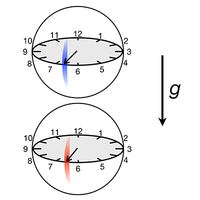
Phys. Rev. Lett. 135, 193202 (2025)
Atomic, Molecular, and Optical Physics
Breaking a Superfluid Harmonic Dam: Observation and Theory of Riemann Invariants and Accelerating Sonic Horizons
Article | Atomic, Molecular, and Optical Physics | 2025-11-07 05:00 EST
Shashwat Sharan, Judith Gonzalez Sorribes, Patrick Sprenger, Mark A. Hoefer, P. Engels, Boaz Ilan, and M. E. Mossman
An experimental and theoretical study of sonic horizons emerging from the dam-break problem in a Bose-Einstein condensate confined in an anisotropic harmonic trap is presented. Measurements, analysis, and numerics reveal the formation of a sonic horizon that undergoes acceleration due to harmonic co…
Phys. Rev. Lett. 135, 193402 (2025)
Atomic, Molecular, and Optical Physics
Why and When Merging Surface Nanobubbles Jump
Article | Physics of Fluids, Earth & Planetary Science, and Climate | 2025-11-07 05:00 EST
Yixin Zhang, Xiangyu Zhang, and Detlef Lohse
Molecular dynamics simulations and theory show how pressure energy, together with surface tension, drives coalescence-induced nanobubble release, offering fresh insights for enhancing gas evolution in key physicochemical processes.
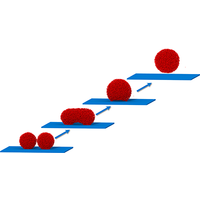
Phys. Rev. Lett. 135, 194001 (2025)
Physics of Fluids, Earth & Planetary Science, and Climate
Anomalous Nodal Gap in a Doped Spin-$1/2$ Antiferromagnetic Mott Insulator
Article | Condensed Matter and Materials | 2025-11-07 05:00 EST
Yong Hu, Christopher Lane, Xiang Chen, Shuting Peng, Zeliang Sun, Makoto Hashimoto, Donghui Lu, Tao Wu, Robert S. Markiewicz, Xianhui Chen, Arun Bansil, Stephen D. Wilson, and Junfeng He
Many emergent phenomena appear in doped Mott insulators near the insulator-to-metal transition. In high-temperature cuprate superconductors, superconductivity arises when antiferromagnetic (AFM) order is gradually suppressed by carrier doping, and a -wave superconducting gap forms when an enigmatic…
Phys. Rev. Lett. 135, 196403 (2025)
Condensed Matter and Materials
Semiclassical Approach to Quantum Fisher Information
Article | Quantum Information, Science, and Technology | 2025-11-06 05:00 EST
Mahdi RouhbakhshNabati, Daniel Braun, and Henning Schomerus
Quantum sensors driven into the quantum chaotic regime can have dramatically enhanced sensitivity, which, however, depends intricately on the details of the underlying classical phase space. Here, we develop an accurate semiclassical approach that provides direct and efficient access to the phase-sp…
Phys. Rev. Lett. 135, 190202 (2025)
Quantum Information, Science, and Technology
Simplest Kochen-Specker Set
Article | Quantum Information, Science, and Technology | 2025-11-06 05:00 EST
Adán Cabello
Kochen-Specker (KS) sets are fundamental in physics. Every time nature produces bipartite correlations attaining the nonsignaling limit, or two parties always win a nonlocal game impossible to always win classically, it is because the parties are measuring a KS set. The simplest quantum system in wh…
Phys. Rev. Lett. 135, 190203 (2025)
Quantum Information, Science, and Technology
Dynamical Complexity of Non-Gaussian Many-Body Systems with Dissipation
Article | Quantum Information, Science, and Technology | 2025-11-06 05:00 EST
Guillermo González-García, Alexey V. Gorshkov, J. Ignacio Cirac, and Rahul Trivedi
We characterize the dynamical state of many-body bosonic and fermionic many-body models with intersite Gaussian couplings, on-site non-Gaussian interactions, and local dissipation comprising incoherent particle loss, particle gain, and dephasing. We first establish that, for fermionic systems, if th…
Phys. Rev. Lett. 135, 190401 (2025)
Quantum Information, Science, and Technology
Noise Constraints on Sensitivity Scaling in Quantum Nonlinear Metrology
Article | Quantum Information, Science, and Technology | 2025-11-06 05:00 EST
Noah Lordi, John Drew Wilson, Murray J. Holland, and Joshua Combes
Quantum-enhanced metrology surpasses classical metrology by improving estimation precision scaling with a resource (e.g., particle number or energy) from to . Through the use of nonlinear effects, Roy and Braunstein [Exponentially enhanced quantum metrology, Phys. Rev. Lett. 100, 220501 (20…
Phys. Rev. Lett. 135, 190802 (2025)
Quantum Information, Science, and Technology
Sub-GeV Dark Matter Direct Detection with Neutrino Observatories
Article | Cosmology, Astrophysics, and Gravitation | 2025-11-06 05:00 EST
Rebecca K. Leane and John F. Beacom
We present a new technique for sub-GeV dark matter (DM) searches and a new use of neutrino observatories. DM-electron scattering in an observatory can excite or ionize target molecules, which then produce light that can be detected by the photomultiplier tubes (PMTs). While individual DM scatterings…
Phys. Rev. Lett. 135, 191003 (2025)
Cosmology, Astrophysics, and Gravitation
Black Hole Airy Tail
Article | Cosmology, Astrophysics, and Gravitation | 2025-11-06 05:00 EST
Stefano Antonini, Luca V. Iliesiu, Pratik Rath, and Patrick Tran
In Jackiw-Teitelboim (JT) gravity, which is dual to a random matrix ensemble, the annealed entropy differs from the quenched entropy at low temperatures and goes negative. However, computing the quenched entropy in JT gravity requires a replica limit that is poorly understood. To circumvent this, we…
Phys. Rev. Lett. 135, 191501 (2025)
Cosmology, Astrophysics, and Gravitation
Gravitational Wave Scattering via the Born Series: Scalar Tidal Matching to $\mathcal{O}({G}^{7})$ and Beyond
Article | Particles and Fields | 2025-11-06 05:00 EST
Simon Caron-Huot, Miguel Correia, Giulia Isabella, and Mikhail Solon
We introduce a novel method to compute gravitational wave amplitudes within the framework of effective field theory. By reinterpreting the Feynman diagram expansion as a Born series, our method offers several key advantages. It directly yields partial wave amplitudes, streamlining the matching with …
Phys. Rev. Lett. 135, 191601 (2025)
Particles and Fields
Spin Polarization in Strong-Field Ionization as Sensor of Trapped Electron Orbits
Article | Atomic, Molecular, and Optical Physics | 2025-11-06 05:00 EST
Linxuan Zhang, Stefanos Carlström, Olga Smirnova, Misha Ivanov, and Difa Ye
We show how spin polarization of photoelectrons produced in strong-field ionization of noble-gas atoms can be used to detect highly unexpected electron orbits created in strong, circularly polarized near-infrared fields. In such fields, ionization is expected to generate photoelectrons rapidly movin…
Phys. Rev. Lett. 135, 193201 (2025)
Atomic, Molecular, and Optical Physics
Mass-Gap Description of Heavy Impurities in Fermi Gases
Article | Atomic, Molecular, and Optical Physics | 2025-11-06 05:00 EST
Xin Chen, Eugen Dizer, Emilio Ramos Rodríguez, and Richard Schmidt
We present a unified theory that connects the quasiparticle picture of Fermi polarons for mobile impurities to the Anderson orthogonality catastrophe for static impurities. By operator reordering of the underlying many-body Hamiltonian, we obtain a modified fermionic dispersion relation that feature…
Phys. Rev. Lett. 135, 193401 (2025)
Atomic, Molecular, and Optical Physics
Proposal to Use Laser-Accelerated Electrons to Probe the Axion-Electron Coupling
Article | Plasma and Solar Physics, Accelerators and Beams | 2025-11-06 05:00 EST
Georgios Vacalis, Atsushi Higuchi, Robert Bingham, and Gianluca Gregori
The axion is a hypothetical particle associated with a possible solution to the strong CP problem and is a leading candidate for dark matter. In this Letter we investigate the emission of axions by accelerated electrons. We find the emission probability and energy within the WKB approximation for an…
Phys. Rev. Lett. 135, 195003 (2025)
Plasma and Solar Physics, Accelerators and Beams
Gyromorphs: A New Class of Functional Disordered Materials
Article | Condensed Matter and Materials | 2025-11-06 05:00 EST
Mathias Casiulis, Aaron Shih, and Stefano Martiniani
Gyromorphs are a new class of functional correlated disordered materials with high rotational order that exhibit deeper isotropic bandgaps.
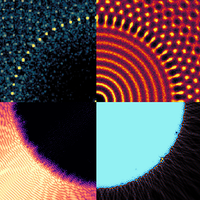
Phys. Rev. Lett. 135, 196101 (2025)
Condensed Matter and Materials
Circular Dichroism in Resonant Inelastic X-Ray Scattering: Probing Altermagnetic Domains in MnTe
Article | Condensed Matter and Materials | 2025-11-06 05:00 EST
D. Takegami, T. Aoyama, T. Okauchi, T. Yamaguchi, S. Tippireddy, S. Agrestini, M. García-Fernández, T. Mizokawa, K. Ohgushi, Ke-Jin Zhou, J. Chaloupka, J. Kuneš, A. Hariki, and H. Suzuki
Two new techniques use circularly polarized x rays to characterize a new and potentially useful form of magnetism.
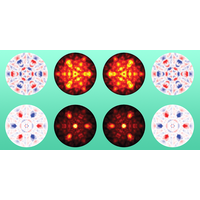
Phys. Rev. Lett. 135, 196502 (2025)
Condensed Matter and Materials
Orbital Magnetic Field Driven Metal-Insulator Transition in Strongly Correlated Electron Systems
Article | Condensed Matter and Materials | 2025-11-06 05:00 EST
Georg Rohringer and Anton Markov
Orbital effects of the magnetic field trigger metal-insulator transitions in correlated systems.
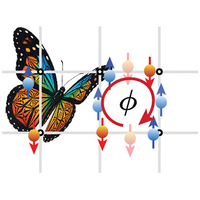
Phys. Rev. Lett. 135, 196503 (2025)
Condensed Matter and Materials
Circular Dichroism in Resonant Photoelectron Diffraction as a Direct Probe of Sublattice Magnetization in Altermagnets
Article | Condensed Matter and Materials | 2025-11-06 05:00 EST
Peter Krüger
Two new techniques use circularly polarized x rays to characterize a new and potentially useful form of magnetism.
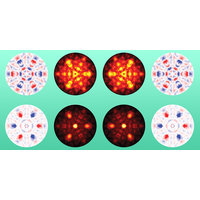
Phys. Rev. Lett. 135, 196703 (2025)
Condensed Matter and Materials
Spin-Torque-Driven Subterahertz Antiferromagnetic Resonance Dynamics
Article | Condensed Matter and Materials | 2025-11-06 05:00 EST
Yichen Su, Chunyan Geng, Deyin Kong, Lei Han, Lin Huang, Feng Pan, Fei Dai, Xiaojun Wu, and Cheng Song
Spin torque antiferromagnetic resonance (ST-AFMR) is fundamental to high-frequency spintronic devices, such as ultrafast magnetic storage and terahertz spin nano-oscillators. However, limited by generating terahertz spin torques, it has been confined to the gigahertz in-plane linearly polarized low-…
Phys. Rev. Lett. 135, 196704 (2025)
Condensed Matter and Materials
Predictive Indicator of Critical Point in Equilibrium and Nonequilibrium Magnetic Systems
Article | Condensed Matter and Materials | 2025-11-06 05:00 EST
Tianyi Zhang, Caihua Wan, and Xiufeng Han
Determining critical points of phase transitions from partial data is essential to avoid abrupt system collapses and to reduce experimental or computational costs. However, the complex physical systems and phase transition phenomena have long hindered the development of unified approaches applicable…
Phys. Rev. Lett. 135, 196705 (2025)
Condensed Matter and Materials
Spin-Disorder-Induced Angular Anisotropy in Polarized Magnetic Neutron Scattering
Article | Condensed Matter and Materials | 2025-11-06 05:00 EST
Ivan Titov, Mathias Bersweiler, Michael P. Adams, Evelyn Pratami Sinaga, Venus Rai, Štefan Liščák, Max Lahr, Thomas L. Schmidt, Vladyslav M. Kuchkin, Andreas Haller, Kiyonori Suzuki, Nina-Juliane Steinke, Diego Alba Venero, Dirk Honecker, Joachim Kohlbrecher, Luis Fernández Barquín, and Andreas Michels
We experimentally report a hitherto unseen angular anisotropy in the polarized small-angle neutron scattering (SANS) cross section of a magnetically strongly inhomogeneous material. Based on an analytical prediction using micromagnetic theory, the difference between the spin-up and spin-down SANS cr…
Phys. Rev. Lett. 135, 196706 (2025)
Condensed Matter and Materials
Clustering Does Not Always Imply Latent Geometry
Article | Statistical Physics; Classical, Nonlinear, and Complex Systems | 2025-11-06 05:00 EST
Roya Aliakbarisani, Marián Boguñá, and M. Ángeles Serrano
The latent space approach to complex networks has revealed fundamental principles and symmetries, enabling geometric methods. However, the conditions under which network topology implies geometricity remain unclear. We provide a mathematical proof and empirical evidence showing that multiscale self-…
Phys. Rev. Lett. 135, 197402 (2025)
Statistical Physics; Classical, Nonlinear, and Complex Systems
Finite-Disorder Critical Point in the Brittle-to-Ductile Transition of Amorphous Solids in the Presence of Particle Pinning
Article | Polymers, Chemical Physics, Soft Matter, and Biological Physics | 2025-11-06 05:00 EST
Anoop Mutneja, Bhanu Prasad Bhowmik, and Smarajit Karmakar
Using particle based simulation of a model glass former, we demonstrate a transition from brittle yielding to ductile yielding in amorphous solids by introducing quenched disorder in the form of randomly pinned particles. The well-annealed samples, which exhibit brittle yielding, undergo a transitio…
Phys. Rev. Lett. 135, 198201 (2025)
Polymers, Chemical Physics, Soft Matter, and Biological Physics
Pure Hydrodynamic Instabilities in Active Jets of Puller Microalgae
Article | Polymers, Chemical Physics, Soft Matter, and Biological Physics | 2025-11-06 05:00 EST
Isabelle Eisenmann, Marco Vona, Nicolas Desprat, Takuji Ishikawa, Eric Lauga, and Raphaël Jeanneret
Using phototaxis to control cell orientation, various instabilities can be induced in jets of motile microalgae.
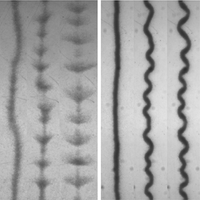
Phys. Rev. Lett. 135, 198301 (2025)
Polymers, Chemical Physics, Soft Matter, and Biological Physics
Interdependent Scaling Exponents in the Human Brain
Article | Polymers, Chemical Physics, Soft Matter, and Biological Physics | 2025-11-06 05:00 EST
Daniel M. Castro, Ernesto P. Raposo, Mauro Copelli, and Fernando A. N. Santos
We apply the phenomenological renormalization group to resting-state fMRI time series of brain activity in a large population. By recursively coarse graining the data, we compute scaling exponents for the series variance, log probability of silence, and largest covariance eigenvalue. The scaling exp…
Phys. Rev. Lett. 135, 198401 (2025)
Polymers, Chemical Physics, Soft Matter, and Biological Physics
Physical Review X
Temporal Entanglement from Holographic Entanglement Entropy
Article | 2025-11-06 05:00 EST
Michal P. Heller, Fabio Ori, and Alexandre Serantes
An approach for defining and computing temporal entanglement extends holographic methods from space to time, overcoming previously unsolved ambiguities and revealing how quantum information can be understood for systems extending in the time direction.
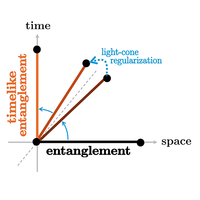
Phys. Rev. X 15, 041022 (2025)
Demonstration of Two-Dimensional Connectivity for a Scalable Error-Corrected Ion-Trap Quantum Processor Architecture
Article | 2025-11-06 05:00 EST
M. Valentini, M. W. van Mourik, F. Butt, J. Wahl, M. Dietl, M. Pfeifer, F. Anmasser, Y. Colombe, C. Rössler, P. C. Holz, R. Blatt, A. Bermudez, M. Müller, T. Monz, and P. Schindler
A two-dimensional trapped-ion architecture called the quantum spring array offers a novel method for hosting a large quantum computer.

Phys. Rev. X 15, 041023 (2025)
Review of Modern Physics
Statistical mechanics for networks of real neurons
Article | Biological physics | 2025-11-06 05:00 EST
Leenoy Meshulam and William Bialek
Our ability to perceive, think, or act relies on coordinated activity in large networks of neurons in the brain. This review examines recent progress in connecting ideas from statistical physics, such as maximum entropy methods and the renormalization group, to quantitative experiments that record the electrical activity of thousands of neurons simultaneously. This quantitative bridge between the new data and statistical physics models uncovers new, quantitatively reproducible behaviors and makes clear that abstract theoretical principles in studies of the brain can have the level of predictive power that we expect in other areas of physics.

Rev. Mod. Phys. 97, 045002 (2025)
Biological physics
arXiv
Electron-phonon coupling of one-dimensional (3,0) carbon nanotube
New Submission | Superconductivity (cond-mat.supr-con) | 2025-11-07 20:00 EST
Zhenfeng Ouyang, Jing Jiang, Jian-Feng Zhang, Miao Gao, Kai Liu, Zhong-Yi Lu
A very recent report claims that ambient-pressure high-temperature ($ T_c$ ) superconductivity was found in boron-doped three-dimensional networks of carbon nanotubes (CNTs). Here, we systematically study the electron-phonon coupling (EPC) of one-dimensional (1D) (3,0) CNT under ambient pressure. Our results show that the EPC constant $ \lambda$ of the undoped 1D (3,0) CNT is 0.70, and reduces to 0.44 after 1.3 holes/cell doping. Further calculations show that the undoped (3,0) CNT is a two-gap superconductor with a superconducting $ T_c$ $ \sim$ 33 K under ambient pressure. Additionally, we identify three characteristic phonon modes with strong EPC, establishing that the pristine (3,0) CNT is a high-$ T_c$ superconducting unit, and further suggest that searching for those superconducting units with strong EPC phonon mode would be an effective way to discover high-$ T_c$ phonon-mediated superconductors. Our study not only provide a crucial and timely theoretical reference for the recent report regarding superconducting CNTs, but also uncover that the pristine (3,0) CNT hosts the highest record of superconducting $ T_c$ among the elemental superconductors under ambient pressure.
Superconductivity (cond-mat.supr-con), Materials Science (cond-mat.mtrl-sci)
6 pages, 5 figures, 1 table
Expert Evaluation of LLM World Models: A High-$T_c$ Superconductivity Case Study
New Submission | Superconductivity (cond-mat.supr-con) | 2025-11-07 20:00 EST
Haoyu Guo, Maria Tikhanovskaya, Paul Raccuglia, Alexey Vlaskin, Chris Co, Daniel J. Liebling, Scott Ellsworth, Matthew Abraham, Elizabeth Dorfman, N. P. Armitage, Chunhan Feng, Antoine Georges, Olivier Gingras, Dominik Kiese, Steven A. Kivelson, Vadim Oganesyan, B. J. Ramshaw, Subir Sachdev, T. Senthil, J. M. Tranquada, Michael P. Brenner, Subhashini Venugopalan, Eun-Ah Kim
Large Language Models (LLMs) show great promise as a powerful tool for scientific literature exploration. However, their effectiveness in providing scientifically accurate and comprehensive answers to complex questions within specialized domains remains an active area of research. Using the field of high-temperature cuprates as an exemplar, we evaluate the ability of LLM systems to understand the literature at the level of an expert. We construct an expert-curated database of 1,726 scientific papers that covers the history of the field, and a set of 67 expert-formulated questions that probe deep understanding of the literature. We then evaluate six different LLM-based systems for answering these questions, including both commercially available closed models and a custom retrieval-augmented generation (RAG) system capable of retrieving images alongside text. Experts then evaluate the answers of these systems against a rubric that assesses balanced perspectives, factual comprehensiveness, succinctness, and evidentiary support. Among the six systems two using RAG on curated literature outperformed existing closed models across key metrics, particularly in providing comprehensive and well-supported answers. We discuss promising aspects of LLM performances as well as critical short-comings of all the models. The set of expert-formulated questions and the rubric will be valuable for assessing expert level performance of LLM based reasoning systems.
Superconductivity (cond-mat.supr-con), Strongly Correlated Electrons (cond-mat.str-el), Artificial Intelligence (cs.AI)
(v1) 9 pages, 4 figures, with 7-page supporting information. Accepted at the ICML 2025 workshop on Assessing World Models and the Explorations in AI Today workshop at ICML’25
Krylov Complexity Meets Confinement
New Submission | Statistical Mechanics (cond-mat.stat-mech) | 2025-11-07 20:00 EST
Xuhao Jiang, Jad C. Halimeh, N. S. Srivatsa
In high-energy physics, confinement denotes the tendency of fundamental particles to remain bound together, preventing their observation as free, isolated entities. Interestingly, analogous confinement behavior emerges in certain condensed matter systems, for instance, in the Ising model with both transverse and longitudinal fields, where domain walls become confined into meson-like bound states as a result of a longitudinal field-induced linear potential. In this work, we employ the Ising model to demonstrate that Krylov state complexity–a measure quantifying the spread of quantum information under the repeated action of the Hamiltonian on a quantum state–serves as a sensitive and quantitative probe of confinement. We show that confinement manifests as a pronounced suppression of Krylov complexity growth following quenches within the ferromagnetic phase in the presence of a longitudinal field, reflecting slow correlation dynamics. In contrast, while quenches within the paramagnetic phase exhibit enhanced complexity with increasing longitudinal field, reflecting the absence of confinement, those crossing the critical point to the ferromagnetic phase reveal a distinct regime characterized by orders-of-magnitude larger complexity and display trends of weak confinement. Notably, in the confining regime, the complexity oscillates at frequencies corresponding to the meson masses, with its power-spectrum peaks closely matching the semiclassical predictions.
Statistical Mechanics (cond-mat.stat-mech), Strongly Correlated Electrons (cond-mat.str-el), High Energy Physics - Lattice (hep-lat), High Energy Physics - Theory (hep-th), Quantum Physics (quant-ph)
5 pages, 4 figures, Supplemental Material
Dynamics of the Schmid-Higgs Mode in $d$-wave superconductors
New Submission | Superconductivity (cond-mat.supr-con) | 2025-11-07 20:00 EST
We study the dynamics of the longitudinal collective mode in an unconventional superconductor. For concreteness, we assume that the superconductor is described by a $ d$ -wave order parameter with $ d_{x^2-y^2}$ symmetry. After the superconductor has been suddenly subjected to a perturbation at time $ t=0$ , the order parameter exhibits a peculiar oscillatory behavior, with the amplitude of the oscillations slowly decaying with time in a power-law fashion. Assuming that the initial perturbation is weak, we use a formalism based on quasi-classical approach to superconductivity to determine both the frequency of the oscillations as well as how fast these oscillations decay with time by evaluating the time dependence of the pairing susceptibility. We find that the frequency of the oscillations is given by twice the value of the pairing amplitude in the anti-nodal direction and its amplitude decays as $ 1/t^2$ . The results are also verified by a direct calculation of the order parameter dynamics by numerically solving the equations of motion for the Anderson pseudospins.
Superconductivity (cond-mat.supr-con)
8 pages, 3 figures
Fermionic spinon theory of the hourglass spin excitation spectrum of the cuprates
New Submission | Strongly Correlated Electrons (cond-mat.str-el) | 2025-11-07 20:00 EST
Alexander Nikolaenko, Pietro M. Bonetti, Subir Sachdev
We present a theory for the spin fluctuation spectrum of the hole-doped cuprates in a ground state with period 4 unidirectional charge density wave (stripe') order. Motivated by recent experimental evidence for a fractionalized Fermi liquid (FL\ast) description of the intermediate temperature pseudogap metal, we employ a theory of fermionic spinons which are confined with the onset of stripe order at low temperatures. The theory produces the hourglass’ spectrum near stripe-ordering wavevector observed by neutron scattering. Additional scattering from spinon continua and bound states appears at higher energies and elsewhere in the Brillouin zone, and could be observed by neutron or X-ray scattering.
Strongly Correlated Electrons (cond-mat.str-el)
18 pages, 11 figures
Dynamics of Josephson junctions beyond the tunneling limit
New Submission | Mesoscale and Nanoscale Physics (cond-mat.mes-hall) | 2025-11-07 20:00 EST
Jacob F. Steiner, Larissa Melischek, Felix von Oppen
The dynamics of the superconducting phase difference across a Josephson junction can be described within the resistively and capacitively shunted Josephson junction (RCSJ) model. Microscopic derivations of this model traditionally rely on the tunneling limit. Here, we present a derivation of a generalized version of the RCSJ model, which accounts for dissipative currents with nonlinear current-voltage characteristics as well as supercurrents with arbitrary current-phase relations. This requires a generalized fluctuation-dissipation theorem to describe the Langevin current, which we deduce along the lines of fluctuation theorems for mesoscopic conductors. Our work is motivated in particular by recent theories of the Josephson diode effect, which is not captured within the RCSJ model in the tunneling limit.
Mesoscale and Nanoscale Physics (cond-mat.mes-hall), Superconductivity (cond-mat.supr-con)
A data-driven quest for room-temperature bulk plastically deformable ceramics
New Submission | Materials Science (cond-mat.mtrl-sci) | 2025-11-07 20:00 EST
Iwo Słodczyk, Alexander Frisch, Xufei Fang, Inna Gitman, Fengxian Liu
The growing number of ceramics exhibiting bulk plasticity at room temperature has renewed interest in revisiting plastic deformation and dislocation-mediated mechanical and functional properties in these materials. In this work, a data-driven approach is employed to identify the key parameters governing room-temperature bulk plasticity in ceramics. The model integrates an existing dataset of 55 ceramic materials, 38 plastically deformable and 17 brittle, and achieves accurate classification of bulk plasticity. The analysis reveals several key parameters essential for predicting bulk plasticity: i) Poisson’s ratio and Pugh’s ratio as macroscopic indicators reflecting the balance between shear and volumetric deformation resistance, and ii) Burgers vector, crystal structure and melting temperature as crystallographic descriptors associated with lattice geometry, slip resistance and thermal stability, and iii) Bader charge as a microscopic measure of bonding character. Together, these parameters define a multiscale descriptor space linking intrinsic materials properties to bulk room-temperature plasticity in ceramics, bridging the gap between empirical ductility criteria and atomistic mechanisms of dislocation-mediated plasticity. While preliminary, this study provides the first systematic, data-driven mapping of the governing factors of ceramic plasticity. The resulting framework establishes a foundation for unifying experimental and computational studies through shared datasets and descriptors, fostering collective progress toward understanding and designing intrinsically ductile ceramics.
Materials Science (cond-mat.mtrl-sci)
Crystallization Behavior of ZBLAN Glass Under Combined Thermal and Vibrational Effects: Part II - COMSOL Simulation and Apparatus Redesign
New Submission | Materials Science (cond-mat.mtrl-sci) | 2025-11-07 20:00 EST
Ayush Subedi, Anthony Torres, Jeff Ganley
In Part I of this study, vibration assisted heat treatments of ZBLAN glass revealed irregular crystallization at higher vibration levels, attributed to intermittent loss of thermal contact between the sample and the inner silica ampoule wall. The present work (Part II) investigates this mechanism through finite element modeling (FEM) and experimental this http URL Multiphysics simulations incorporating conduction, radiation, and contact resistance confirm that intermittent contact markedly reduces heat transfer efficiency, lowering the sampletemperature. To mitigate this effect, the experimental setup was redesigned with a four-degree inclination to maintain stable contact during vibration. Subsequent experiments at vibration levels H3-H5 demonstrated uniform heating and consistent crystallization this http URL microscopic, Scanning Electron Microscopy (SEM), Energy Dispersive X-ray Spectroscopy (EDS), and Atomic Force Microscopy (AFM) analyses revealed that even at subtle vibration levels (50 Hz), partially crystallized ZBLAN transformed into well-developed crystalline structures near 360C. With increasing vibration amplitude, amorphous ZBLAN began forming incipient crystalline phases around 330C, and at higher frequencies (100 Hz), partial crystallization initiated at approximately 350C. These results indicate that higher vibration frequencies accelerate nucleation, enhance heat transfer, and reduce the effective fiber-drawing temperature window by about 30C. Prolonged exposure above 330C under vibration promotes unwanted phase transitions, emphasizing the need for precise thermal and vibrational control. This study establishes a predictive framework for vibration-resistant ZBLAN processing applicable to both terrestrial and microgravity environments.
Materials Science (cond-mat.mtrl-sci)
24 pages, 16 figures
Unconventional quantization of 2D plasmons in cavities formed by gate slots
New Submission | Mesoscale and Nanoscale Physics (cond-mat.mes-hall) | 2025-11-07 20:00 EST
Ilia Moiseenko, Olga Polischuk, Viacheslav Muravev, Dmitry Svintsov
We demonstrate that the slot between parallel metal gates placed above two-dimensional electron system (2DES) forms a plasmonic cavity with unconventional mode quantization. The resonant plasmon modes are excited when the slot width $ L$ and the plasmon wavelength $ \lambda$ satisfy the condition $ L = \lambda/8 +n \times \lambda/2$ , where $ n=0, 1, 2 \ldots$ . The lowest resonance occurs at a surprisingly small cavity size, specifically one eighth of the plasmon wavelength, which contrasts with the conventional half-wavelength Fabry-Perot cavities in optics. This unique quantization rule arises from a non-trivial phase shift of $ -\pi/4$ acquired by the 2D plasmon upon reflection from the edge of the gate. The slot plasmon modes exhibit weak decay into the gated 2DES region, with the decay rate being proportional to the square root of the separation between the gate and the 2DES. Absorption cross-section by such slots reaches $ \sim 50$ % of the fundamental dipole limit without any matching strategies, and is facilitated by field enhancement at the metal edges.
Mesoscale and Nanoscale Physics (cond-mat.mes-hall), Optics (physics.optics)
11 pages, 4 figures
Resolution of Loschmidts Paradox via Geometric Constraints on Information Accessibility
New Submission | Statistical Mechanics (cond-mat.stat-mech) | 2025-11-07 20:00 EST
We resolve Loschmidt’s paradox – the apparent contradiction between time-reversible microscopic dynamics and irreversible macroscopic evolution – including the long-standing puzzle of the thermodynamic arrow of time. The resolution: entropy increases not because dynamics are asymmetric, but because information accessibility is geometrically bounded. For Hamiltonian systems (conservative dynamics), Lyapunov exponents come in positive-negative pairs ($ {\lambda_i, -\lambda_i}$ ) due to symplectic structure. Under time reversal these pairs flip ($ \lambda_i \to -\lambda_i$ ), but stable manifolds contract below quantum resolution $ \lambda = \hbar/\sqrt{mk_BT}$ , becoming physically indistinguishable. We always observe only unstable manifolds where trajectories diverge. Hence information loss proceeds at the same rate $ h_{KS} = \frac{1}{2}\sum_{\text{all } i}|\lambda_i|$ in both time directions, resolving the arrow of time: forward'' simply means where we observe expansion,’’ which is universal because stable manifolds always contract below measurability. Quantitatively, for N$ 2$ gas at STP with conservative estimates ($ h{KS} \sim 10^{10}$ s$ ^{-1}$ ), time reversal at $ t = 1$ nanosecond requires momentum precision $ \sim 10^{-13}$ times quantum limits – geometrically impossible. At macroscopic times, the precision requirement becomes $ \sim 10^{-10^{10}}$ times quantum limits. This framework preserves microscopic time-reversal symmetry, requires no special initial conditions or Past Hypothesis, and extends to quantum systems (OTOCs) and black hole thermodynamics.
Statistical Mechanics (cond-mat.stat-mech), Chaotic Dynamics (nlin.CD), History and Philosophy of Physics (physics.hist-ph), Quantum Physics (quant-ph)
4 pages, 1 figure
Vortex-Controlled Quasiparticle Multiplication and Self-Growth Dynamics in Superconducting Resonators
New Submission | Superconductivity (cond-mat.supr-con) | 2025-11-07 20:00 EST
Joong M. Park, Martin Mootz, Richard H. J. Kim, Zhixiang Chong, Samuel Haeuser, Randall K. Chan, Liang Luo, Dominic P. Goronzy, Mark C. Hersam, Ilias E. Perakis, Akshay A Murthy, Alexander Romanenko, Anna Grassellino, Jigang Wang
Even in the quantum limit, non-equilibrium quasiparticle (QP) populations induce QP poisoning that irreversibly relaxes the quantum state and significantly degrades the coherence of transmon qubits. A particularly detrimental yet previously unexplored mechanism arises from QP multiplication facilitated by vortex trapping in superconducting quantum circuits, where a high-energy QP relaxes by breaking additional Cooper pairs and amplifying the QP population due to the locally reduced excitation gap and enhanced quantum confinement within the vortex core. Here we directly resolve this elusive QP multiplication process by revealing vortex-controlled QP self-generation in a highly nonequilibrium regime preceding the phonon bottleneck of QP relaxation. At sufficiently low fluence, femtosecond-resolved magneto-reflection spectroscopy directly reveals a continuously increasing QP population that is strongly dependent on magnetic-field-tuned vortex density and absent at higher excitation fluences. Quantitative analysis of the emergent QP pre-bottleneck dynamics further reveals that, although the phonon population saturates within $ \simeq$ 10~ps, both free and trapped QPs continue to grow in a self-sustained manner–hallmarks of the long-anticipated QP-vortex interactions in nonequilibrium superconductivity. We estimate a substantial increase of $ \sim$ 34% in QP density at vortex densities of $ \sim$ 100 magnetic flux quanta per $ \mathrm{\mu m^{2}}$ . Our findings establish a powerful spectroscopic tool for uncovering QP multiplication and reveal vortex-assisted QP relaxation as a critical materials bottleneck whose mitigation will be essential for resolving QP poisoning and enhancing coherence in superconducting qubits.
Superconductivity (cond-mat.supr-con), Materials Science (cond-mat.mtrl-sci), Strongly Correlated Electrons (cond-mat.str-el)
Modeling Memristor-Based Neural Networks with Manhattan Update: Trade-offs in Learning Performance and Energy Consumption
New Submission | Mesoscale and Nanoscale Physics (cond-mat.mes-hall) | 2025-11-07 20:00 EST
Walter Quiñonez, María José Sánchez, Diego Rubi
We present a systematic study of memristor based neural networks trained with the hardware-friendly Manhattan update rule, focusing on the trade offs between learning performance and energy consumption. Using realistic models of potentiation/depression (P/D) curves, we evaluate the impact of nonlinearity (NLI), conductance range, and number of accessible levels on both a single perceptron (SP) and a deep neural network (DNN) trained on the MNIST dataset. Our results show that SPs tolerate P/D nonlinearity up to NLI $ \leq 0.01$ , while DNNs require stricter conditions of NLI $ \leq$ 0.001 to preserve accuracy. Increasing the number of discrete conductance states improves convergence, effectively acting as a finer learning rate. We further propose a strategy where one memristor of each differential pair is fixed, reducing redundant memristor conductance updates. This approach lowers training energy by nearly 50% in DNN with little to no loss in accuracy. Our findings highlight the importance of device algorithm codesign in enabling scalable, low power neuromorphic hardware for edge AI applications.
Mesoscale and Nanoscale Physics (cond-mat.mes-hall)
22 pages, 6 figures. Suplementary Material upon request
AI-Driven Discovery of High-Temperature Superconductors via Materials Genome Initiative and High-Throughput Screening
New Submission | Strongly Correlated Electrons (cond-mat.str-el) | 2025-11-07 20:00 EST
H. Gashmard, H. Shakeripour, M. Alaei
Inspired by nature, this study employs the Materials Genome Initiative to identify key components of HTSC superconductors. Integrating AI with high-throughput screening, we uncover crucial superconducting “genes”. Through HTS techniques and advanced machine learning models, we demonstrate that Functional Convolutional Neural Networks (CNNs) ensure accurate extrapolation of potential compounds. Leveraging extensive datasets from the ICSD, the Materials Project and COD, our implemented HTS pipeline classifies superconductors, with CNN and long short-term memory (LSTM) models predicting Tc and their foundational elements. We address the scarcity of non-superconducting material data by compiling a dataset of 53,196 non-superconducting materials (DataG Non-Sc) and introduce a novel neural network architecture using Functional API for improved prediction, offering a powerful tool for future superconductor discovery. Our findings underscore the transformative potential of combining HTS with AI-driven models in advancing HTSC materials, highlighting Pu and H elements (with Tc nearly 100 K) as significant predictors of high-temperature superconductivity, suggesting their role as a crucial gene in these materials.
Strongly Correlated Electrons (cond-mat.str-el), Superconductivity (cond-mat.supr-con)
10 figures, 11 supplementary figures
Scalable Autoregressive Deep Surrogates for Dendritic Microstructure Dynamics
New Submission | Materials Science (cond-mat.mtrl-sci) | 2025-11-07 20:00 EST
Kaihua Ji, Luning Sun, Shusen Liu, Fei Zhou, Tae Wook Heo
Microstructural pattern formation, such as dendrite growth, occurs widely in materials and energy systems, significantly influencing material properties and functional performance. While the phase-field method has emerged as a powerful computational tool for modeling microstructure dynamics, its high computational cost limits its integration into practical materials design workflows. Here, we introduce a machine-learning framework using autoregressive deep surrogates trained on short trajectories from quantitative phase-field simulations of alloy solidification in limited spatial domains. Once trained, these surrogates accurately predict dendritic evolution at scalable length and time scales, achieving a speed-up of more than two orders of magnitude. Demonstrations in isothermal growth and in directional solidification of a dilute Al-Cu alloy validate their ability to predict microstructure evolution. Quantitative comparisons with phase-field benchmarks further show excellent agreement in the tip-selection constant, morphological symmetry, and primary spacing evolution.
Materials Science (cond-mat.mtrl-sci)
Measuring non-Abelian quantum geometry and topology in a multi-gap photonic lattice
New Submission | Mesoscale and Nanoscale Physics (cond-mat.mes-hall) | 2025-11-07 20:00 EST
Martin Guillot, Cédric Blanchard, Martina Morassi, Aristide Lemaître, Luc Le Gratiet, Abdelmounaim Harouri, Isabelle Sagnes, Robert-Jan Slager, F. Nur Ünal, Jacqueline Bloch, Sylvain Ravets
Recent discoveries in semi-metallic multi-gap systems featuring band singularities have galvanized enormous interest in particular due to the emergence of non-Abelian braiding properties of band nodes. This previously uncharted set of topological phases necessitates novel approaches to probe them in laboratories, a pursuit that intricately relates to evaluating non-Abelian generalizations of the Abelian quantum geometric tensor (QGT) that characterizes geometric responses. Here, we pioneer the direct measurement of the non-Abelian QGT. We achieve this by implementing a novel orbital-resolved polarimetry technique to probe the full Bloch Hamiltonian of a six-band two-dimensional (2D) synthetic lattice, which grants direct experimental access to non-Abelian quaternion charges, the Euler curvature, and the non-Abelian quantum metric associated with all bands. Quantum geometry has been highlighted to play a key role on macroscopic phenomena ranging from superconductivity in flat-bands, to optical responses, transport, metrology, and quantum Hall physics. Therefore, our work unlocks the experimental probing of a wide phenomenology of multi-gap systems, at the confluence of topology, geometry and non-Abelian physics.
Mesoscale and Nanoscale Physics (cond-mat.mes-hall), Quantum Gases (cond-mat.quant-gas), Optics (physics.optics)
Learning to shine: Neuroevolution enables optical control of phase transitions
New Submission | Materials Science (cond-mat.mtrl-sci) | 2025-11-07 20:00 EST
Sraddha Agrawal, Stephen Whitelam, Pierre Darancet
We address the problem of active optical steering of structural phase transitions in solids. We demonstrate that existing reinforcement learning approaches can derive optimal time-dependent electric fields in optically-driven dissipative classical systems far beyond the harmonic regime, enabling the stabilization of non-thermal structural phases. Our approach relies on experimentally extractable metrics of the phase-space evolution and physically-interpretable Fourier Neural Network surrogates of the time-dependent electric field. Using first-principles simulations, we demonstrate the stabilization of a symmetric phase in bismuth through impulsive Raman scattering under continuous and pulsed light sources in the presence of dissipation. Importantly, the method is gradient-free, which enables optimization loops based solely on experimental data, such as the measures of half-periods of oscillations in transient spectroscopy. Our framework thus provides a practical route for controlling non-equilibrium structural dynamics with light, opening pathways to stabilize hidden and metastable phases in quantum materials.
Materials Science (cond-mat.mtrl-sci)
Description of the orbital Hall effect from orbital magnetic moments of Bloch states: the role of a new correction term in bilayer systems
New Submission | Mesoscale and Nanoscale Physics (cond-mat.mes-hall) | 2025-11-07 20:00 EST
Tarik P. Cysne, Ivo Souza, Tatiana G. Rappoport
We present a rigorous derivation of the matrix elements of the orbital magnetic moment (OMM) of Bloch states. Our calculations include the Berry connection term in the k-derivatives of Bloch states, which was omitted in previous works. The resulting formula for the OMM matrix elements applies to any non-degenerate Bloch states within Hilbert space. We identify two new contributions: the first restores gauge covariance for non-degenerate states, while the second, being itself gauge covariant, can provide significant quantitative corrections depending on the system under study. We examine their impact on the orbital Hall effect in two bilayer systems: a 2H transition metal dichalcogenide bilayer and a biased bilayer graphene. In both cases, these new terms reduce the orbital Hall conductivity plateau compared with results that neglect them, suggesting that multi-layered van der Waals materials may be particularly susceptible to the derived OMM corrections. Our findings may contribute to the formal understanding of electronic OMM transport and to the conceptual foundations of the emerging field of orbitronics.
Mesoscale and Nanoscale Physics (cond-mat.mes-hall)
13 pages, 2 figures, 74 references
Unconventional cross sections in zinc phosphide nanowires grown using exclusively earth-abundant components
New Submission | Materials Science (cond-mat.mtrl-sci) | 2025-11-07 20:00 EST
Simon Escobar Steinvall, Hampus Thulin, Nico Kawashima, Francesco Salutari, Jonas Johansson, Aidas Urbonavicius, Sebastian Lehmann, Maria Chiara Spadaro, Jordi Arbiol, Silvana Botti, Kimberly A. Dick
To enable lightweight and flexible solar cell applications it is imperative to develop direct bandgap absorber materials. Moreover, to enhance the potential sustainability impact of the technologies there is a drive to base the devices on earth-abundant and readily available elements. Herein, we report on the epitaxial growth of Zn3P2 nanowires using exclusively earth-abundant components, using Sn as the nanowire catalyst and Si (111) as the substrate. We observe that the nanowires exhibit a triangular cross section at lower temperatures, a pseudo-pentagonal cross section at intermediate temperatures, and a hexagonal cross section in a twin plane superlattice configuration at high temperatures and high V/II ratios. At low temperatures, the surface facets are constricted into a metastable configuration, yielding the triangular morphology due to the symmetry of the substrate, while intermediate temperatures facilitate the formation of a pseudo-pentagonal morphology with lower surface to volume ratio. The twin plane superlattice structure can only be observed at conditions that facilitate the incorporation of Sn into Zn3P2, which is needed to form heterotwins in the tetragonal structure, namely at high temperatures and high phosphine partial pressures. These findings show a clear pathway to use Zn3P2 nanowires in sustainable solar energy harvesting using exclusively earth-abundant components, as well as opening up a novel route of fabricating quantum wells inside nanowires using heterotwins.
Materials Science (cond-mat.mtrl-sci)
Competitive Orders in Altermagnetic Chiral Magnons
New Submission | Strongly Correlated Electrons (cond-mat.str-el) | 2025-11-07 20:00 EST
In altermagnets, magnons-the quanta of collective spin excitations-exhibit chiral splitting even in the absence of spin-orbit coupling and external magnetic fields. Typically, this chiral splitting behavior can be well described by alternating isotropic spin exchanges (ISE) in the low-temperature regime; however, its dynamic behavior at a finite temperature remains unclear. In this study, we reveal that, when including magnon-magnon interactions, long range anisotropic spin exchange (ASE) can also induce chiral splitting of magnons at a finite temperature. Crucially, the chiral splitting induced by ASE competes with that arising from ISE, leading to a pronounced temperature dependent modulation of the altermagnetic chiral splitting. Moreover, this competition is intimately connected to spin fluctuations, and can reverse the spin current driven by the band splitting as temperature increases. Our work uncovers the intrinsic competition governing collective spin excitations in altermagnets, providing new insights into their finite-temperature dynamical behavior.
Strongly Correlated Electrons (cond-mat.str-el)
All-optical magnetization reversal via x-ray magnetic circular dichroism
New Submission | Materials Science (cond-mat.mtrl-sci) | 2025-11-07 20:00 EST
Kihiro T. Yamada, Akira Izumi, Tetsuya Ikebuchi, Sumiyuki Okabe, Masaki Kubo, Ryusei Obata, Rei Kobayashi, Yuya Kubota, Takuo Ohkochi, Naomi Kawamura, Kotaro Higashi, Yoichi Shiota, Takahiro Moriyama, Teruo Ono, Iwao Matsuda, Tadashi Togashi, Yoshihito Tanaka, Motohiro Suzuki
Light polarization is one of the most fundamental features, equivalent to energy and coherence. Magnetism changes light polarization, and vice versa. The irradiation of intense circularly polarized femtosecond pules to magnetic materials can alter the magnetic orders and elementary excitations, particularly in the visible to infrared spectral regions. Furthermore, the recent development of x-ray free-electron laser enables the element-specific trace of the ultrafast dynamics with high time and spatial resolution. However, the light helicity of x-ray photons has not yet been used to control order parameters in condensed matter materials, not limited to such magnetic phenomenon. Here, we demonstrate the deterministic magnetization reversal of a ferromagnetic Pt/Co/Pt multilayer solely by irradiating femtosecond pulses of circularly polarized hard x-rays. The observed all-optical magnetization switching depends on the helicity of incident x-ray pulses and is strongly resonant with the photon energy at the Pt $ L_3$ edge. These results originate in the x-ray magnetic circular dichroism of Pt, involving helicity-dependent excitation from the 2$ p_{3/2}$ core level to the exchange-split 5$ d$ valence states owing to the magnetic proximity effect with Co. These findings mark a new frontier for examining interactions between light and matter in the x-ray region.
Materials Science (cond-mat.mtrl-sci)
36 pages, 10 figures, 4 tables
Thermal hot-carrier breakdown in metasurface structures based on coplanar arrays of graphene microribbons connected with wide-gap bridges
New Submission | Mesoscale and Nanoscale Physics (cond-mat.mes-hall) | 2025-11-07 20:00 EST
V. Ryzhii, M. Ryzhii, M. S. Shur, T. Otsuji, C. Tang
We analyze the thermal and electrical characteristics of the metasurface consisting of
the coplanar interdigital array of the graphene microribbons (GMRs) connected by nanobridges (NBs). These nanobridges could be implemented using graphene nanoribbons (GNRs), single-wall semiconducting carbon nanotubes (CNTs), or black-arsenic-phosphorus (b-AsP) nanostructures. The bias voltage applied between neighboring GMRs indices electron and hole two-dimensional systems in the GMRs and induces thermionic currents flowing through connecting NBs. The resulting self-heating increases thermionic currents providing an effective positive feadback between the carrier effective temperature and the injected currents. This mechanism may lead to thermal breakdown enabling threshold behavior of current-voltage characteristics and resulting in the S-shape of these characteristics. The devices based on the GMR/GNR, GMR/CNT, and GMR/AsP metasurface structures can be used as fast voltage-controlled current switches, sensors, thermal terahertz and infrared sources, and other devices.
Mesoscale and Nanoscale Physics (cond-mat.mes-hall)
12 pages, 11 figures
Experimental confirmation of the magnetic ordering transition induced by an electronic structure change in the metallic triangular antiferromagnet Co$_{1/3}$TaS$_2$
New Submission | Strongly Correlated Electrons (cond-mat.str-el) | 2025-11-07 20:00 EST
Han-Jin Noh, En-Jin Cho, Byeong-Gyu Park, Hyowon Park, Ivar Martin, Cristian D. Batista, Pyeongjae Park, Woonghee Cho, Je-Guen Park
We report ARPES studies combined with DFT+DMFT calculations to confirm that the magnetic ordering vector transition from \textbf{Q}=(1/2,0,0) to \textbf{Q}=(1/3,0,0) in the metallic triangular antiferromagnets Co$ _{1/3\pm\epsilon}$ TaS$ _2$ ($ \epsilon\approx$ 0.007) is induced by the electronic structure change in the system. The ARPES-measured Fermi surface (FS) maps of Co$ _{0.325}$ TaS$ _2$ show two hexagonal and one circular hole-like FSs around $ \Gamma$ , which matches well with the triple-\textbf{Q} state by taking into account the contribution of nesting vectors occurring between Co 3$ d$ and Ta 5$ d$ orbitals. In the case of Co$ _{0.340}$ TaS$ _2$ , a new electron pocket around K appears and the FS geometry changes as a result of the correlation effect of Co$ _4$ S$ _{18}$ tripods forming in the system. The magnetic susceptibility calculations based on the DFT+DMFT band structure indicate that the most stable magnetic ordering vector changes to (1/3,0,0) from (1/2,0,0), which is very consistent with the magnetic phase transition around $ x$ =1/3 in Co$ _{x}$ TaS$ _2$ .
Strongly Correlated Electrons (cond-mat.str-el)
5 figures
Enhanced stochasticity in irradiated vanadium oxide oscillators
New Submission | Disordered Systems and Neural Networks (cond-mat.dis-nn) | 2025-11-07 20:00 EST
Nareg Ghazikhanian, David J. Alspaugh, Pavel Salev, Lorenzo Fratino, Marcelo J. Rozenberg, Ivan K. Schuller
Insulator-to-metal transition materials are highly sensitive to even minute deviations of stoichiometry, lattice defects, and disorder, which provides opportunities to engineer their electrical switching characteristics. Using V2O3 as a prototypical metal-insulator transition resistive switching material, we demonstrate that localized focused ion beam irradiation can induce stochastic oscillatory dynamics in simple two-terminal switching devices. After irradiating the material, we observed an unusual dynamic regime where the voltage induced metallic state momentarily collapses into an insulating state, which results in a rapid current flickering that is qualitatively different from the conventional current spiking in a Pearson-Anson type oscillatory circuit implemented using the pristine material. Furthermore, the current flickering timing in the irradiated devices becomes progressively more random and more sparse with increasing input voltage, resulting in nonlinear and nondeterministic oscillatory behavior. The irradiation also leads to a dramatic reduction in switching power required to induce the current oscillations. These results are elucidated through random resistor network simulations which indicate that a small number of local sites can control the electrical metal-insulator transition switching properties in large devices with high defect concentration. Our results show that selective focused ion beam irradiation provides exciting prospects for engineering and tuning novel stochastic behaviors in emergent technologies that rely on the intrinsic randomness of physical processes.
Disordered Systems and Neural Networks (cond-mat.dis-nn), Materials Science (cond-mat.mtrl-sci), Strongly Correlated Electrons (cond-mat.str-el)
14 pages, 4 figures
KAN-Enhanced Contrastive Learning Accelerating Crystal Structure Identification from XRD Patterns
New Submission | Materials Science (cond-mat.mtrl-sci) | 2025-11-07 20:00 EST
Chenlei Xu, Tianhao Su, Jie Xiong, Yue Wu, Shuya Dong, Tian Jiang, Mengwei He, Shuai Chen, Tong-Yi Zhang
Accurate determination of crystal structures is central to materials science, underpinning the understanding of composition-structure-property relationships and the discovery of new materials. Powder X-ray diffraction is a key technique in this pursuit due to its versatility and reliability. However, current analysis pipelines still rely heavily on expert knowledge and slow iterative fitting, limiting their scalability in high-throughput and autonomous settings. Here, we introduce a physics-guided contrastive learning framework termed as XCCP. It aligns powder diffraction patterns with candidate crystal structures in a shared embedding space to enable efficient structure retrieval and symmetry recognition. The XRD encoder employs a dual-expert design with a Kolmogorov-Arnold Network projection head, one branch emphasizes low angle reflections reflecting long-range order, while the other captures dense high angle peaks shaped by symmetry. Coupled with a crystal graph encoder, contrastive pretraining yields physically grounded representations. XCCP demonstrates strong performance across tasks, with structure retrieval reaching 0.89 and space group identification attains 0.93 accuracy. The framework further generalizes to compositionally similar multi principal element alloys and demonstrates zero-shot transfer to experimental patterns. These results establish XCCP as a robust, interpretable, and scalable approach that offers a new paradigm for X-ray diffraction analysis. XCCP facilitates high-throughput screening, rapid structural validation and integration into autonomous laboratories.
Materials Science (cond-mat.mtrl-sci), Disordered Systems and Neural Networks (cond-mat.dis-nn)
Fast Transport of Trapped Ultracold Atoms Using Shortcuts-to-Adiabaticity by Counterdiabatic Driving
New Submission | Quantum Gases (cond-mat.quant-gas) | 2025-11-07 20:00 EST
Denuwan Vithanage, Skyler Wright, Edith Luveina-Joseph, Christopher Larson, Edward Carlo Samson
We numerically study the fast spatial transport of a trapped Bose-Einstein condensate (BEC) using shortcuts-to-adiabaticity (STA) by counterdiabatic driving (CD). The trapping potential and the required auxiliary potential were simulated as painted potentials. We compared STA transport to transport that follows a constant-acceleration scheme (CA). Experimentally feasible values of trap depth and atom number were used in the 2D Gross-Pitaevskii equation (GPE) simulations. Different transport times, trap depths, and trap lengths were investigated. In all simulations, there exists a minimum amount of time necessary for fast transport, which is consistent with previous results from quantum speed limit studies.
Quantum Gases (cond-mat.quant-gas), Atomic Physics (physics.atom-ph), Quantum Physics (quant-ph)
13 pages, 5 figures
TXL Fusion: A Hybrid Machine Learning Framework Integrating Chemical Heuristics and Large Language Models for Topological Materials Discovery
New Submission | Materials Science (cond-mat.mtrl-sci) | 2025-11-07 20:00 EST
Arif Ullah, Rajibul Islam, Ghulam Hussain, Zahir Muhammad, Xiaoguang Li, Ming Yang
Topological materials–including insulators (TIs) and semimetals (TSMs)–hold immense promise for quantum technologies, yet their discovery remains constrained by the high computational cost of first-principles calculations and the slow, resource-intensive nature of experimental synthesis. Here, we introduce TXL Fusion, a hybrid machine learning framework that integrates chemical heuristics, engineered physical descriptors, and large language model (LLM) embeddings to accelerate the discovery of topological materials. By incorporating features such as space group symmetry, valence electron configurations, and composition-derived metrics, TXL Fusion classifies materials across trivial, TSM, and TI categories with improved accuracy and generalization compared to conventional approaches. The framework successfully identified new candidates, with representative cases further validated through density functional theory (DFT), confirming its predictive robustness. By uniting data-driven learning with chemical intuition, TXL Fusion enables rapid and interpretable exploration of complex materials spaces, establishing a scalable paradigm for the intelligent discovery of next-generation topological and quantum materials.
Materials Science (cond-mat.mtrl-sci)
this https URL
Statistics of leaves in growing random trees
New Submission | Statistical Mechanics (cond-mat.stat-mech) | 2025-11-07 20:00 EST
Harrison Hartle, P. L. Krapivsky
Leaves, i.e., vertices of degree one, can play a significant role in graph structure, especially in sparsely connected settings in which leaves often constitute the largest fraction of vertices. We consider a leaf-based counterpart of the degree, namely, the leaf degree – the number of leaves a vertex is connected to – and the associated leaf degree distribution, analogous to the degree distribution. We determine the leaf degree distribution of random recursive trees (RRTs) and trees grown via a leaf-based preferential attachment mechanism that we introduce. The RRT leaf degree distribution decays factorially, in contrast with its purely geometric degree distribution. In the one-parameter leaf-based growth model, each new vertex attaches to an existing vertex with rate $ \ell$ + a, where $ \ell$ is the leaf degree of the existing vertex, and a > 0. The leaf degree distribution has a powerlaw tail when 0 < a < 1 and an exponential tail (with algebraic prefactor) for a > 1. The critical case of a = 1 has a leaf degree distribution with stretched exponential tail. We compute a variety of additional characteristics in these models and conjecture asymptotic equivalence of degree and leaf degree powerlaw tail exponent in the scale free regime. We highlight several avenues of possible extension for future studies.
Statistical Mechanics (cond-mat.stat-mech), Social and Information Networks (cs.SI), Probability (math.PR)
20 pages, 15 figures
Phase diagrams of S=1/2 bilayer Models of SU(2) symmetric antiferromagnets
New Submission | Strongly Correlated Electrons (cond-mat.str-el) | 2025-11-07 20:00 EST
Fan Zhang, Nisheeta Desai, Wenan Guo, Ribhu K. Kaul
We study the $ T=0$ phase diagrams of models of bilayers of $ S=1/2$ square lattices antiferromagnets with SU(2) Heisenberg symmetry that have 2, 4, and 6 spin exchanges. We study two families of bilayer models with distinct internal symmetries and, hence, different phase diagram topologies. A traditional bilayer model in which the interlayer interaction is Heisenberg so that the two layers can exchange spin (and energy) with each other, making it possible to achieve a simple dimerized valence bond liquid-like state. The resulting phase diagram is rich with Néel, valence bond solid and simple dimer phases, and both first-order and continuous transitions, which we demonstrate are consistent with the conventional Landau theory of order parameters. In the second family of models in which the layers can exchange only energy but no spin (reminiscent of the Ashkin-Teller coupling), the simple dimer state cannot occur. The phase diagrams reveal a number of phase transitions that are accessed for the first time. We find that the phase transition between Néel and VBS is first order in both the spin-spin and energy-energy coupled models, although they have strikingly distinct finite-size scaling behavior and that the transition from VBS to dimer in the spin-spin coupling model deviates from the expected scenario of an XY model with dangerously irrelevant four-fold anisotropy.
Strongly Correlated Electrons (cond-mat.str-el)
10 pages, 5 figures
Dynamical spin susceptibility of $d$-wave Hatsugai-Kohmoto altermagnet
New Submission | Strongly Correlated Electrons (cond-mat.str-el) | 2025-11-07 20:00 EST
We investigate the interplay between altermagnetic band structures and electronic correlations by focusing on the $ d_{x^2-y^2}$ altermagnetic generalization of the Hatsugai-Kohmoto model. We find that with increasing interaction, a many-body Lifshitz transition takes place when doubly occupied regions disappear from the Fermi surface and each momentum state becomes fully spin polarized. The spin susceptibility is directly evaluated from the Kubo formula in terms of many-body occupation probabilities. We find that the dynamical susceptibility, which possesses only transverse non-zero components for small wavevectors, develops a gap proportional to the interaction strength, and displays a sharp peak at a frequency increasing with the interaction. %with increasing frequency. Above the Lifshitz transition, this peak moves to the lower gap edge and becomes log-divergent. The signal intensity increases with the interaction up until the Lifshitz transition and saturates afterwards. The static susceptibility remains unaffected by the correlations and altermagnetism reduces the static transverse response.
Strongly Correlated Electrons (cond-mat.str-el), Mesoscale and Nanoscale Physics (cond-mat.mes-hall)
7 pages, 3 figures
Unconventional Thermal Expansion in quasi-one-dimensional monoclinic BaIrO$_3$
New Submission | Materials Science (cond-mat.mtrl-sci) | 2025-11-07 20:00 EST
Jeong Jinwon, Chang Bin, Noh Han-Jin, Lee Seongsu
We have investigated the temperature dependence of the crystal structure of quasi-one-dimensional monoclinic BaIrO$ _3$ using X-ray diffraction. Diffraction patterns were measured across a temperature range from 13 K to 300 K, with 5-degree steps, and Rietveld refinements were performed to extract the relevant lattice parameters. The resulting cell volumes exhibit a significant deviation from the Debye model predictions for lattice-specific heat within a reasonable range of the Debye temperature, Gr{ü}neisen parameter, and bulk modulus. This suggests an invar-like, unconventional thermal expansion behavior. The deviation begins near the weak ferromagnetic transition temperature, indicating a strong correlation with changes in the electronic and magnetic structure of monoclinic BaIrO$ _3$ .
Materials Science (cond-mat.mtrl-sci)
6 figures
J. Kor. Phys. Soc. vol. 86, page 1072 (2025)
Nonequilibrium dynamics of membraneless active droplets
New Submission | Soft Condensed Matter (cond-mat.soft) | 2025-11-07 20:00 EST
Chenxi Liu, Ding Cao, Siyu Liu, Yilin Wu
Membraneless droplets or liquid condensates formed via liquid-liquid phase separation (LLPS) play a pivotal role in cell biology and hold potential for biomedical engineering. While membraneless droplets are often studied in the context of interactions between passive components, it is increasingly recognized that active matter inclusions, such as molecular motors and catalytic enzymes in cells, play important roles in the formation, transport and interaction of membraneless droplets. Here we developed a bacteria-polymer active phase separation system to study the nonequilibrium effect of active matter inclusions on the LLPS dynamics. We found that the presence of bacterial active matter accelerated the initial condensation of phase-separated liquid droplets but subsequently arrested the droplet coarsening process, resulting in a stable suspension of membraneless active droplets packed with motile bacterial cells. The arrested phase separation of the bacterial active droplet system presumably arises from anti-phase entrainment of interface fluctuations between neighboring droplets, which reduces the frequency of inter-droplet contact and suppresses droplet coarsening. In addition, the active stresses generated by cells within the droplets give rise to an array of nonequilibrium phenomena, such as dominant long-wavelength fluctuations and enhanced droplet transport with short-term persistent motion due to spontaneous symmetry breaking. Our study reveals a unique mechanism for arrested phase separation and long-term stability in membraneless droplet systems. The bacteria-polymer active phase separation system opens a new avenue for studying the dynamics of membraneless active droplets relevant to non-equilibrium LLPS in cells and in biomedical engineering applications.
Soft Condensed Matter (cond-mat.soft), Biological Physics (physics.bio-ph)
Feedback-controlled epithelial mechanics: emergent soft elasticity and active yielding
New Submission | Soft Condensed Matter (cond-mat.soft) | 2025-11-07 20:00 EST
Pengyu Yu, Fridtjof Brauns, M. Cristina Marchetti
Biological tissues exhibit distinct mechanical and rheological behaviors during morphogenesis. While much is known about tissue phase transitions controlled by structural order and cell mechanics, key questions regarding how tissue-scale nematic order emerges from cell-scale processes and influences tissue rheology remain unclear. Here, we develop a minimal vertex model that incorporates a coupling between active forces generated by cytoskeletal fibers and their alignment with local elastic stress in solid epithelial tissues. We show that this feedback loop induces an isotropic–nematic transition, leading to an ordered solid state that exhibits soft elasticity. Further increasing activity drives collective self-yielding, leading to tissue flows that are correlated across the entire system. This remarkable state, that we dub plastic nematic solid, is uniquely suited to facilitate active tissue remodeling during morphogenesis. It fundamentally differs from the well-studied fluid regime where macroscopic elastic stresses vanish and the velocity correlation length remains finite, controlled by activity. Altogether, our results reveal a rich spectrum of tissue states jointly governed by activity and passive cell deformability, with important implications for understanding tissue mechanics and morphogenesis.
Soft Condensed Matter (cond-mat.soft), Biological Physics (physics.bio-ph)
15 pages, 11 figures
Superconducting Properties on Two-dimensional Quasicrystal (Ta${0.95}$Cu${0.05}$)$_{1.6}$Te Studied with $^{125}$Te-NMR
New Submission | Superconductivity (cond-mat.supr-con) | 2025-11-07 20:00 EST
H. Matsudaira, S. Kitagawa, K. Ishida, Y. Tokumoto, K. Tomiyama, K. Edagawa
Physical properties in the normal and superconducting (SC) state are investigated with $ ^{125}$ Te-nuclear magnetic resonance (NMR) measurements in a quasicrystal $ \mathrm{(Ta_{0.95}Cu_{0.05}){1.6}Te}$ , which was a recently discovered superconductor with the SC transition temperature $ T{\mathrm{c}}$ = 0.94 K. The nuclear spin-lattice relaxation rate $ 1/T_1$ shows a coherence peak just below $ T_{\mathrm{c}}$ , followed by an exponential decrease down to 0.1 K. The overall temperature dependence of $ 1/T_1$ is in good agreement with an $ s$ -wave SC model with a SC gap slightly smaller than the BCS value. However, the coherence peak is unusually small, which may be attributable to a reduced Bogoliubov peak theoretically predicted for quasicrystals. Furthermore, $ ^{125}$ Te-NMR spectra show almost no broadening nor shift in the SC state, suggesting that an unusual SC state such as parity mixing might be realized in the Ta$ _{1.6}$ Te superconductor.
Superconductivity (cond-mat.supr-con)
Multimodal Physical Learning in Brain-Inspired Iontronic Networks
New Submission | Soft Condensed Matter (cond-mat.soft) | 2025-11-07 20:00 EST
Monica Conte, René van Roij, Marjolein Dijkstra
Inspired by the brain, we present a physical alternative to traditional digital neural networks – a microfluidic network in which nodes are connected by conical, electrolyte-filled channels acting as memristive iontronic synapses. Their electrical conductance responds not only to electrical signals, but also to chemical, mechanical, and geometric changes. Leveraging this multimodal responsiveness, we develop a training algorithm where learning is achieved by altering either the channel geometry or the applied stimuli. The network performs forward passes physically via ionic relaxation, while learning combines this physical evolution with numerical gradient descent. We theoretically demonstrate that this system can perform tasks like input-output mapping and linear regression with bias, paving the way for soft, adaptive materials that compute and learn without conventional electronics.
Soft Condensed Matter (cond-mat.soft)
8 pages, 3 figures
High-Tc superconductivity above 130 K in cubic MH4 compounds at ambient pressure
New Submission | Superconductivity (cond-mat.supr-con) | 2025-11-07 20:00 EST
Xinxin Li, Weishuo Xu, Zengguang Zhou, Jingming Shi, Hanyu Liu, Yue-Wen Fang, Wenwen Cui, Yinwei Li, Miguel A. L. Marques
Hydrides have long been considered promising candidates for achieving room-temperature superconductivity; however, the extremely high pressures typically required for high critical temperatures remain a major challenge in experiment. Here, we propose a class of high-Tc ambient-pressure superconductors with MH4 stoichiometry. These hydrogen-based compounds adopt the bcc PtHg4 structure type, in which hydrogen atoms occupy the one-quarter body-diagonal sites of metal lattices, with the metal atoms acting as chemical templates for hydrogen assembly. Through comprehensive first-principles calculations, we identify three promising superconductors, PtH4, AuH4 and PdH4, with superconducting critical temperatures of 84 K, 89 K, and 133 K, respectively, all surpassing the liquid-nitrogen temperature threshold of 77 K. The remarkable superconducting properties originate from strong electron-phonon coupling associated with hydrogen vibrations, which in turn arise from phonon softening in the mid-frequency range. Our results provide crucial insights into the design of high-Tc superconductors suitable for future experiments and applications at ambient pressure.
Superconductivity (cond-mat.supr-con), Materials Science (cond-mat.mtrl-sci), Quantum Physics (quant-ph)
9 pages, 5 figures
Polariton XY-simulators revisited
New Submission | Mesoscale and Nanoscale Physics (cond-mat.mes-hall) | 2025-11-07 20:00 EST
Junhui Cao, Denis Novokreschenov, Alexey Kavokin
Arrays of bosonic condensates of exciton-polaritons have emerged as a promising platform for simulating classical XY models, capable of rapidly reaching phase-locked states that may be mapped to arrays of two-dimensional classical spins. However, it remains unclear whether these states genuinely minimize the corresponding XY Hamiltonian and how the convergence time scales with the system size. Here, we develop an analytical model revealing that an array of $ N$ condensates possesses $ N$ stable phase configurations. The system selectively amplifies a specific configuration dependent on the pump power: at low power, the state with the smallest eigenvalue of an effective XY Hamiltonian is favored, while at high power, the state with the largest eigenvalue prevails. At intermediate pump powers, the system visits all eigenstates of the Hamiltonian. Crucially, the formation rate for any of these phase-locked states remains on the order of 100 ps, independent of the size of the array, demonstrating the exceptional speed and scalability of polariton-based XY simulators.
Mesoscale and Nanoscale Physics (cond-mat.mes-hall)
Phase behavior and percolation properties of the primitive model of Laponite suspension. TPT of Wertheim with ISM reference system
New Submission | Soft Condensed Matter (cond-mat.soft) | 2025-11-07 20:00 EST
Computation of the properties of associative fluids with the particles highly anisotropic in shape, using multi-density perturbation theory of Wertheim, has long been a challenge. We propose a simple and efficient scheme that allow us to perform such computations. The scheme is based on a combination of thermodynamic perturbation theory and the interaction site model approach for molecular fluids due to Chandler and Andersen. Our method is illustrated by its application to calculation of the phase diagram and percolation properties of a primitive model of Laponite suspension proposed recently.
Soft Condensed Matter (cond-mat.soft)
6 pages,3 figures
Revealing the impact of ambient molecular contamination on scanning tunneling microscopy and spectroscopy of layered materials
New Submission | Mesoscale and Nanoscale Physics (cond-mat.mes-hall) | 2025-11-07 20:00 EST
György Kálvin, Péter Vancsó, Márton Szendrő, Konrád Kandrai, András Pálinkás, Levente Tapasztó, Péter Nemes-Incze
Hydrocarbon contamination is an ever-present factor to consider in surface science measurements. In the case of van der Waals material surfaces, the structure of this contamination has become known in recent years as a self-assembled layer of normal-alkanes, resulting from a few days’ exposure to ambient air. Knowledge of its composition and structure enables systematic investigation of its influence on surface properties. Here, we investigate the effect of this contamination on scanning tunneling microscopy (STM) and spectroscopy measurements by comparing clean and ambient alkane-contaminated surfaces of graphite. Our results reveal that the ambient alkane layer suppresses the well-known phonon-induced gap near the Fermi energy, resolving a long-standing inconsistency in STM studies, where this feature is often absent. Furthermore, we show that the presence of the contamination layer alters the current-distance ($ I(z)$ ) characteristics, flattening its exponential decay by a factor of 1.5 to 5 compared to the clean surface. This change arises from extra conductance channels through the alkane layer alongside the tunnel junction, as the tip penetrates the contaminant overlayer. Finally, based on the $ I(z)$ characteristics, we provide a practical guide to detect the presence of surface contamination in STM measurements.
Mesoscale and Nanoscale Physics (cond-mat.mes-hall), Other Condensed Matter (cond-mat.other)
13 pages, 4 figures. Data at Zenodo DOI: https://doi.org/10.5281/zenodo.17469441
Directed autonomous motion of active Janus particles induced by wall-particle alignment interactions
New Submission | Soft Condensed Matter (cond-mat.soft) | 2025-11-07 20:00 EST
Poulami Bag, Tanwi Debnath, Shubhadip Nayak, Pulak K. Ghosh
We propose a highly efficient mechanism to rectify the motion of active particles by exploiting particle-wall alignment interactions. Through numerical simulations of active particles’ dynamics in a narrow channel, we demonstrate that a slight difference in alignment strength between the top and bottom walls or a small gravitational drag suffices to break upside-down symmetry, leading to rectifying the motion of chiral active particles with over 60% efficiency. In contrast, for achiral swimmers to achieve rectified motion using this protocol, an unbiased fluid flow is necessary that can induce orbiting motion in the particle’s dynamics. Thus, an achiral particle subject to Couette flow exhibits spontaneous directed motion due to an upside-down asymmetry in particle-wall alignment interaction. The rectification effects caused by alignment we report are robust against variations in self-propulsion properties, particle’s chirality, and the most stable orientation of self-propulsion velocities relative to the walls. Our findings offer insights into controlled active matter transport and could be useful to sort artificial as well as natural microswimmers (such as bacteria and sperm cells) based on their chirality and self-propulsion velocities.
Soft Condensed Matter (cond-mat.soft)
Physics of Fluids, 2025
Spin responses of a disordered helical superconducting edge under Zeeman field
New Submission | Strongly Correlated Electrons (cond-mat.str-el) | 2025-11-07 20:00 EST
Zeinab Bakhshipour, Mir Vahid Hosseini
We investigate analytically and numerically the effects of disorder on the helical edge of the 2D topological insulator in the presence of the Zeeman field and superconductivity. Employing bosonization and a renormalization-group analysis, we study how impurity potentials modify charge- and spin-density wave correlations as well as superconducting pair correlations. Our results reveal that the Zeeman field controls the competition: in the attractive regime, it amplifies the superconducting gap, while in the repulsive regime, it stabilizes impurity effects by keeping the system longer in the relevant regime for disorder. We also find that disorder induces logarithmic suppression of transverse density-wave correlations, while at the same time introducing positive logarithmic corrections that enhance superconducting pair correlations and contribute to their stability. These effects directly modify the scaling of spin conductance, providing experimentally accessible signatures of the interplay between disorder and superconductivity in topological edge channels.
Strongly Correlated Electrons (cond-mat.str-el), Mesoscale and Nanoscale Physics (cond-mat.mes-hall)
18 pages, 7 figures
Revealing the innate sub-nanometer porous structure of carbon nanomembranes with molecular dynamics simulations and highly charged ion spectroscopy
New Submission | Materials Science (cond-mat.mtrl-sci) | 2025-11-07 20:00 EST
Filip Vuković, Anna Niggas, Levin Mihlan, Zhen Yao, Armin Gölzhäuser, Louise Fréville, Vladislav Stroganov, Andrey Turchanin, Jürgen Schnack, Nigel A. Marks, Richard A. Wilhelm
Carbon nanomembranes (CNMs) are nanometer-thin disordered carbon materials that are suitable for a range of applications, from energy generation and storage, through to water filtration. The structure-property relationships of these nanomembranes are challenging to study using traditional experimental characterization techniques, primarily due to the radiation-sensitivity of the free-standing membrane. Highly charged ion spectroscopy is a novel characterization method that is able to infer structural details of the carbon nanomembrane without concern of induced damage affecting the measurements. Here we employ molecular dynamics simulations to produce candidate structural models of terphenylthiol-based CNMs with varying degrees of nanoscale porosity, and compare predicted ion charge exchange data and tensile moduli to experiment. The results suggest that the in-vacuum CNM composition likely comprises a significant fraction of under-coordinated carbon, with an open sub-nanometer porous structure. Such a carbon network would be reactive in atmosphere and would be presumably stabilized by hydrogen and oxygen groups under atmospheric conditions.
Materials Science (cond-mat.mtrl-sci)
Supplementary information provided as an additional PDF
T-square electric resistivity and its thermal counterpart in RuO$_2$
New Submission | Strongly Correlated Electrons (cond-mat.str-el) | 2025-11-07 20:00 EST
Yu Ling, Florent Pawula, Ramzy Daou, Benoît Fauqué, Kamran Behnia
We present a study of low-temperature electric and thermal transport in RuO$ _2$ , a metallic oxide which has attracted much recent attention. Careful scrutiny of electric resistivity reveals a quadratic temperature dependence below $ \sim$ 20 K undetected in previous studies of electronic transport in this material. The prefactor of this T$ ^2$ resistivity, given the electronic specific heat, corresponds to what is expected by the Kadowaki-Woods scaling. The variation of its amplitude across 4 different samples is negligible despite an eightfold variation of residual resistivity. There is also a T$ ^5$ resistivity due to scattering by phonons. By measuring thermal conductivity, $ \kappa$ , at zero field and at 12 T, we separated its electronic and the phononic components and found that the electronic component respects the Wiedemann-Franz law at zero temperature and deviates downward at finite temperature. The latter corresponds to a threefold discrepancy between the prefactors of the two (thermal and electric) T-square resistivities. Our results, establishing RuO$ _2$ as a weakly correlated Fermi liquid, provide new input for the ongoing theoretical attempt to give a quantitative account of electron-electron scattering in metallic oxides starting from first principles.
Strongly Correlated Electrons (cond-mat.str-el), Mesoscale and Nanoscale Physics (cond-mat.mes-hall), Materials Science (cond-mat.mtrl-sci), Statistical Mechanics (cond-mat.stat-mech)
7 pages, 4 figures
High luminescence efficiency of multi-valley excitonic complexes in heavily doped WSe2 monolayer
New Submission | Mesoscale and Nanoscale Physics (cond-mat.mes-hall) | 2025-11-07 20:00 EST
Sébastien Roux, Tilly Guyot, Abraao Cefas Torres-Dias, Delphine Lagarde, Laurent Lombez, Dinh Van Tuan, Junghwan Kim, Kenji Watanabe, Xavier Marie, Takashi Taniguchi, Hanan Dery, Cedric Robert
Monolayers of group-VI transition-metal dichalcogenides (TMDs) are two-dimensional semiconductors that exhibit exceptionally strong light-matter coupling yet typically suffer from low emission quantum yields. In this letter, we investigate the heavily n-doped regime of a WSe$ _2$ monolayer and show that multi-particle excitonic complexes produce photoluminescence signals up to two orders of magnitude stronger than in the neutral state. Time-resolved photoluminescence and differential reflectivity measurements reveal that the quantum yield rises with carrier density and exceeds 50% for electron concentrations above 10$ ^{13}$ cm$ ^{-2}$ . These findings establish TMD monolayers as a platform for exploring excitonic complexes in high-density electron gases and point toward new opportunities for efficient, atomically thin light emitters.
Mesoscale and Nanoscale Physics (cond-mat.mes-hall), Materials Science (cond-mat.mtrl-sci)
Many-body interferometry with semiconductor spins
New Submission | Mesoscale and Nanoscale Physics (cond-mat.mes-hall) | 2025-11-07 20:00 EST
Daniel Jirovec, Stefano Reale, Pablo Cova-Fariña, Christian Ventura-Meinersen, Minh T. P. Nguyen, Xin Zhang, Stefan D. Oosterhout, Giordano Scappucci, Menno Veldhorst, Maximilian Rimbach-Russ, Stefano Bosco, Lieven M. K. Vandersypen
Quantum simulators enable studies of many-body phenomena which are intractable with classical hardware. Spins in devices based on semiconductor quantum dots promise precise electrical control and scalability advantages, but accessing many-body phenomena has so far been restricted by challenges in nanofabrication and simultaneous control of multiple interactions. Here, we perform spectroscopy of up to eight interacting spins using a 2x4 array of gate-defined germanium quantum dots. The spectroscopy protocol is based on Ramsey interferometry and adiabatic mapping of many-body eigenstates to single-spin eigenstates, enabling a complete energy spectrum reconstruction. As the interaction strength exceeds magnetic disorder, we observe signatures of the crossover from localization to a chaotic phase marking a step towards the observation of many-body phenomena in quantum dot systems.
Mesoscale and Nanoscale Physics (cond-mat.mes-hall)
Microfluidic platform for biomimetic tissue design and multiscale rheological characterization
New Submission | Soft Condensed Matter (cond-mat.soft) | 2025-11-07 20:00 EST
Majid Layachi, Remi Merindol, Laura Casanellas
The way living tissues respond to external mechanical forces is crucial in physiological processes like embryogenesis, homeostasis or tumor growth. Providing a complete description across length scales which relates the properties of individual cells to the rheological behavior of complex 3D-tissues remains an open challenge. The development of simplified biomimetic tissues capable of reproducing essential mechanical features of living tissues can help achieving this major goal. We report in this work the development of a microfluidic device that enables to achieve the sequential assembly of biomimetic prototissues and their rheological characterization. We synthesize prototissues by the controlled assembly of Giant Unilamellar Vesicles (GUVs) for which we can tailor their sizes and shapes as well as their level of GUV-GUV adhesion. We address a rheological description at multiple scales which comprises an analysis at the local scale of individual GUVs and at the global scale of the prototissue. The flow behavior of prototissues ranges from purely viscous to viscoelastic for increasing levels of adhesion. At low adhesion the flow response is dominated by viscous dissipation, which is mediated by GUV spatial reorganizations at the local scale, whereas at high adhesion the flow is viscoelastic, which results from a combination of internal reorganizations and deformation of individual GUVs. Such multiscale characterization of model biomimetic tissues provides a robust framework to rationalize the role of cell adhesion in the flow dynamics of living tissues.
Soft Condensed Matter (cond-mat.soft), Biological Physics (physics.bio-ph)
Quantum dot thermal machines - a guide to engineering
New Submission | Mesoscale and Nanoscale Physics (cond-mat.mes-hall) | 2025-11-07 20:00 EST
Eugenia Pyurbeeva, Ronnie Kosloff
Continuous particle exchange thermal machines require no time-dependent driving, can be realised in solid-state electronic devices, and miniaturised to nanometre scale. Quantum dots, providing a narrow energy filter and allowing to manipulate particle flow between the hot and cold reservoirs are at the heart of such devices. It has been theoretically shown that by mitigating passive heat flow, Carnot efficiency can be approached arbitrarily closely in a quantum dot heat engine, and experimentally, values of 0.7{\eta}C have been reached. However, for practical applications, other parameters of a thermal machine, such as maximum power, efficiency at maximum power, and noise - stability of the power output or heat extraction - take precedence over maximising efficiency. We explore the effect of internal microscopic dynamics of a quantum dot on these quantities and demonstrate that its performance as a thermal machine depends on few parameters - the overall conductance and three inherent asymmetries of the dynamics. These parameters will act as a guide to engineering the quantum states of the quantum dot, allowing to optimise its performance beyond that of the simplest case of a two-fold spin-degenerate transmission level.
Mesoscale and Nanoscale Physics (cond-mat.mes-hall), Quantum Physics (quant-ph)
32 pages, 7 figures
Geometry and universal scaling of Pareto-optimal signal compression
New Submission | Statistical Mechanics (cond-mat.stat-mech) | 2025-11-07 20:00 EST
I investigate the generic problem of lossy compression of a fluctuating stochastic signal $ X$ into a discrete representation $ Z$ through optimal thresholding. The signal modulates transition rates of a two-state system described by a binary variable $ Y$ . Optimising the retained mutual information between $ Z$ and $ Y$ under a constraint on fixed encoding cost of $ Z$ reveals Pareto-optimal trade-offs, determined numerically using genetic algorithms. In the small-noise regime, these fronts are either concave or exhibit piecewise convex ``intrusions’’ separated by first-order transitions in the optimal protocol. An analytical high-rate expansion shows that the optimal threshold density follows a universal cube-root scaling with the product of the prior distribution and the Fisher information associated with the response, which holds qualitatively even for few discrete states. Extending the analysis to non-Gaussian fluctuations reveals that for some parameters optimal encoders can yield strictly better information-cost trade-offs than Gaussian surrogates, meaning the same information content can often be achieved with fewer discrete readout states.
Statistical Mechanics (cond-mat.stat-mech), Disordered Systems and Neural Networks (cond-mat.dis-nn)
6 pages, 4 figures + supplemental material
Emergent Dynamical Translational Symmetry Breaking as a Dynamical Order Principle for Localization and Topological Transitions
New Submission | Disordered Systems and Neural Networks (cond-mat.dis-nn) | 2025-11-07 20:00 EST
Localization transitions represent a fundamental class of continuous phase transitions, yet they occur without any accompanying symmetry breaking. We resolve this by introducing the concept of dynamical translational symmetry (DTS), which is defined not by the Hamiltonian but by the long-time dynamics of local observables. Its order parameter, the time-averaged local translational contrast (TLTC), quantitatively diagnoses whether evolution restores or breaks translational equivalence. We demonstrate that the TLTC universally captures the Anderson localization transition, the many-body localization transition, and topological phase transitions, revealing that these disparate phenomena are unified by the emergent breaking of DTS. This work establishes a unified dynamical-symmetry framework for phases transitions beyond the equilibrium paradigm.
Disordered Systems and Neural Networks (cond-mat.dis-nn), Statistical Mechanics (cond-mat.stat-mech), Quantum Physics (quant-ph)
Stability of dark solitons in a bubble Bose-Einstein condensate
New Submission | Quantum Gases (cond-mat.quant-gas) | 2025-11-07 20:00 EST
Raphael Wictky Sallatti, Lauro Tomio, Dmitry Pelinovsky, Arnaldo Gammal
The dynamic stability of dark solitons trapped on the surface of a two-dimensional spherical bubble is investigated. In this spherical geometry of the Bose-Einstein condensate, dark solitons are found to be unstable for the interaction parameter $ {\epsilon} \gtrsim 8.37$ , since discrete angular modes drive snake instabilities, with the generation of vortex dipoles. We show analytically and numerically that, for each angular mode $ m \ge 2$ , there exists exactly one unstable mode whose dominance determines the number m of vortex dipoles. Time-dependent simulations confirm the formation of vortex dipoles.
Quantum Gases (cond-mat.quant-gas)
11 pages , 5 figures
Enhancement of magnon flux toward a Bose-Einstein condensate
New Submission | Quantum Gases (cond-mat.quant-gas) | 2025-11-07 20:00 EST
Franziska Kühn, Matthias R. Schweizer, Tamara Azevedo, Vitaliy I. Vasyuchka, Georg von Freymann, Victor S. L’vov, Burkard Hillebrands, Alexander A. Serga
We present a combined theoretical and experimental study of angle-dependent parametric pumping of magnons in Yttrium Iron Garnet films, with a focus on the mechanisms that transfer parametrically injected magnons toward the spectral minimum where Bose-Einstein condensation occurs. Using a classical Hamiltonian formalism, we analyze the threshold conditions for parametric instability as a function of the angle between the microwave pumping field and the external magnetic field, continuously tracing the transition between parallel and transverse pumping. We also describe two competing four-magnon scattering mechanisms that transfer parametric magnons toward the bottom of their frequency spectrum: The step-by-step Kolmogorov-Zakharov cascade, which is allowed for all magnetic field values, and the kinetic instability mechanisms that provide a much more efficient single-step channel in transferring magnons directly to the lowest-energy states, but occurs within specific regions of the pumping angle and the external magnetic field where the conservation laws permit it. In the experimental part, we employ microfocused Brillouin light scattering spectroscopy in combination with a vector magnet, allowing for angle-resolved mapping of the magnon population spectrum under controlled pumping angle. We observe that transverse pumping, although characterized by a higher instability threshold, yields a markedly stronger population at the spectral minimum compared to parallel pumping. These observations demonstrate that the kinetic instability channel plays a dominant role in transferring magnons to the spectral minimum under such conditions. These results reveal the crucial role of pumping geometry in shaping the magnon distribution and provide guidelines for optimizing the flux of magnons into the condensate, thereby advancing the control of magnon Bose-Einstein condensation in magnetic insulators.
Quantum Gases (cond-mat.quant-gas)
Symmetry-enriched topological order and quasi-fractonic behavior in $\mathbb{Z}_N$ stabilizer codes
New Submission | Strongly Correlated Electrons (cond-mat.str-el) | 2025-11-07 20:00 EST
We study a broad class of qudit stabilizer codes, termed $ \mathbb{Z}_N$ bivariate-bicycle (BB) codes, arising either as two-dimensional realizations of modulated gauge theories or as $ \mathbb{Z}_N$ generalizations of binary BB codes. Our central finding, derived from the polynomial representation, is that the essential topological properties of these $ \mathbb{Z}_N$ codes can be determined by the properties of their $ \mathbb{Z}_p$ counterparts, where $ p$ are the prime factors of $ N$ , even when $ N$ contains prime powers ($ N = \prod_i p_i^{k_i}$ ). This result yields a significant simplification by leveraging the well-studied framework of codes with prime qudit dimensions. In particular, this insight directly enables the generalization of the algebraic-geometric methods (e.g., the Bernstein-Khovanskii-Kushnirenko theorem) to determine anyon fusion rules in the general qudit situation. Moreover, we analyze the model’s symmetry-enriched topological order (SET) to reveal a quasi-fractonic behavior, resolving the anyon mobility puzzle in this class of models. We also present a computational algebraic method using Gröbner bases over the ring of integers to efficiently calculate the topological order and its SET properties.
Strongly Correlated Electrons (cond-mat.str-el), Mathematical Physics (math-ph), Quantum Physics (quant-ph)
21 pages, 7 figures
The Moving Beam Diffraction Geometry: the DIAD Application of a Diffraction Scanning-Probe
New Submission | Materials Science (cond-mat.mtrl-sci) | 2025-11-07 20:00 EST
Alberto Leonardi, Andrew James, Christina Reinhard, Michael Drakopoulos, Ben Williams, Hans Dehyle, Jacob Filik, Liam Perera, Sharif Ahmed
Understanding the interactions between microstructure, strain, phase, and material behavior is crucial in many scientific fields. However, quantifying these correlations is challenging, as it requires the use of multiple instruments and techniques, often separated by space and time. The Dual Imaging And Diffraction (DIAD) beamline at Diamond is designed to address this challenge. DIAD allows its users to visualize internal structures, identify compositional/phase changes, and measure strain. DIAD provides two independent beams combined at one sample position, allowing quasi-simultaneous X-ray Computed Tomography and X-ray Powder Diffraction. A unique functionality of the DIAD configuration is the ability to perform image-guided diffraction, where the micron-sized diffraction beam is scanned over the complete area of the imaging field of view without moving the specimen. This moving beam diffraction geometry enables the study of fast-evolving and motion-susceptible processes and samples. Here, we discuss the novel moving beam diffraction geometry presenting the latest findings on the reliability of both geometry calibration and data reduction routines used. Our measures confirm diffraction is most sensitive to the moving geometry for the detector position downstream normal to the incident beam. The observed data confirm that the motion of the KB mirror coupled with a fixed aperture slit results in a rigid translation of the beam probe, without affecting the angle of the incident beam path to the sample. Our measures demonstrate a nearest-neighbour calibration can achieve the same accuracy as a self-calibrated geometry when the distance between calibrated and probed sample region is smaller or equal to the beam spot size. We show the absolute error of the moving beam diffraction geometry remains below 0.0001, which is the accuracy we observe for the beamline with stable beam operation.
Materials Science (cond-mat.mtrl-sci), Data Analysis, Statistics and Probability (physics.data-an), Instrumentation and Detectors (physics.ins-det)
Accepted for publication in Journal of Applied Crystallography
Machine learning-driven elasticity prediction in advanced inorganic materials via convolutional neural networks
New Submission | Materials Science (cond-mat.mtrl-sci) | 2025-11-07 20:00 EST
Yujie Liu, Zhenyu Wang, Hang Lei, Guoyu Zhang, Jiawei Xian, Zhibin Gao, Jun Sun, Haifeng Song, Xiangdong Ding
Inorganic crystal materials have broad application potential due to excellent physical and chemical properties, with elastic properties (shear modulus, bulk modulus) crucial for predicting materials’ electrical conductivity, thermal conductivity and mechanical properties. Traditional experimental measurement suffers from high cost and low efficiency, while theoretical simulation and graph neural network-based machine learning methods–especially crystal graph convolutional neural networks (CGCNNs)–have become effective alternatives, achieving remarkable results in predicting material elastic properties. This study trained two CGCNN models using shear modulus and bulk modulus data of 10987 materials from the Matbench v0.1 dataset, which exhibit high accuracy (mean absolute error <13, coefficient of determination R-squared close to 1) and good generalization ability. Materials were screened to retain those with band gaps between 0.1-3.0 eV and exclude radioactive element-containing compounds. The final predicted dataset comprises two parts: 54359 crystal structures from the Materials Project database and 26305 crystal structures discovered by Merchant et al. (2023 Nature 624 80). Ultimately, this study completed the prediction of shear modulus and bulk modulus for 80664 inorganic crystals. This work enriches existing material elastic data resources and provides robust support for material design, with all data openly available at this https URL.
Materials Science (cond-mat.mtrl-sci), Computational Physics (physics.comp-ph)
21 pages, 7 figures,All the data presented in this paper are openly available at this https URL in Acta Physica Sinica
Correlated electronic structure and local spin in lead-copper-vanadium-bromine apatite: a DMFT study
New Submission | Strongly Correlated Electrons (cond-mat.str-el) | 2025-11-07 20:00 EST
Ihor Sukhenko, Volodymyr Karbivskyy
We study the correlated electronic structure and local spin behaviour of the copper-substituted lead-vanadium bromine apatite Pb$ _9$ Cu(VO$ _4$ )$ _6$ Br$ _2$ using DFT+DMFT with a two-orbital Cu-centred low-energy model. Simulations are done for several temperatures (20, 60, 100 K) and a broad range of band fillings 2.46 $ \leq$ n $ \leq$ 3.54. We find that the present compound stays metallic even once correlations are treated dynamically around the stoichiometric filling (n $ \simeq$ 3). Away from n $ \simeq$ 3, both hole and electron doping drive the system toward non-Fermi-liquid behaviour, and spectral weight is transferred from the low-energy peak into upper and lower Hubbard-like features. By analysing the low-frequency self-energy exponent and the dynamical part of the local spin susceptibility, we identify a narrow window of enhanced spin fluctuations on the slightly hole-doped side (n $ \simeq$ 2.94), i.e. a spin-freezing-crossover regime of the kind reported in the literature for multiorbital Hund metals. This places Pb$ _9$ Cu(VO$ _4$ )$ _6$ Br$ _2$ among the promising members of the Cu-substituted apatite family.
Strongly Correlated Electrons (cond-mat.str-el)
Upper critical in-plane magnetic field in quasi-2D layered superconductors
New Submission | Superconductivity (cond-mat.supr-con) | 2025-11-07 20:00 EST
Huiyang Ma, Dmitry V. Chichinadze, Cyprian Lewandowski
The study of the interplay of applied external magnetic field and superconductivity has been invigorated by recent works on Bernal bilayer and rhombohedral multilayer graphene. These studies, with and without proximitized spin-orbit coupling, have opened up a new frontier in the exploration of unconventional superconductors as they offer a unique platform to investigate superconductivity with high degree of in-plane magnetic field resilience and even magnetic field-induced superconductivity. Here, we present a framework for analyzing the upper critical in-plane magnetic field data in multilayer superconductors. Our framework relies on an analytically tractable superconducting pairing model that captures the normal state phenomenology of these systems and applies it to calculate the relationship between the upper critical field $ H_{c2}$ and the corresponding critical temperature $ T_{c}$ . We study the $ H_{c2}-T_{c}$ critical curve as a function of experimental parameters (Ising and Rashba spin-orbit coupling) and depairing mechanisms (Zeeman and orbital coupling) for both spin-singlet and spin-triplet pairing. By applying our framework to analyze four recent Bernal bilayer graphene-WSe$ _2$ experiments [1-4], we identify an apparent discrepancy between fitted and measured spin-orbit parameters, which we propose can be explained by an enhancement of the Landé g factor in the Bernal bilayer graphene experiments.
Superconductivity (cond-mat.supr-con), Mesoscale and Nanoscale Physics (cond-mat.mes-hall)
8 pages, 2 figures, supplement will be uploaded soon, comments welcome!
A copper sulfide-hydroxypropyl $β$-Cyclodextrin-reduced graphene oxide composite for highly sensitive electrochemical detection of 5-hydroxytryptamine in biological samples
New Submission | Materials Science (cond-mat.mtrl-sci) | 2025-11-07 20:00 EST
Aravindan Santhan, Kuo Yuan Hwa, Slava V. Rotkin, Cheng-Han Wang, Chun-Wei Ou
The precise identification of neurotransmitters is essential for comprehending cerebral function, detecting neurological conditions, and formulating successful therapeutic approaches. The present work investigates the electrochemical detection of serotonin with the excellent hybrid electrocatalyst $ Cu_2S/H{\beta}cd-rGO$ . $ Cu_2S$ , with its significant features as improved catalytic activity and enhanced charge transfer when combined with $ H{\beta}cd-rGO$ , will enhance the performance. The integration of $ Cu_2S$ with $ H{\beta}cd-rGO$ , regulated by the van der Waals force and the electrostatic interaction, makes it a stable catalyst without disrupting the composite structure. Also, the aggregation of the $ Cu_2S/H{\beta}cd$ with the layered sheets of rGO can be highly reduced and resulting in the improvement of the conductivity. Thus, the above features resulted in the improved oxidation response current when fabricated over the glassy carbon electrode (GCE). The SR showed sensitive response at a broad linear range of 0.019 to 0.299 $ \mu$ M and 4.28 to 403.14 $ \mu$ M, resulting in a lower limit of detection (LOD) of 1.2 nM or 0.0012 $ \mu$ M and a sensitivity of about 15.9 $ \mu$ A $ {\mu}M^{-1}$ $ cm^{-2}$ . The sensor demonstrated excellent selectivity against common interferents, including aminophenol, dopamine, epinephrine, hydroquinone, melatonin, and chlorine. The real sample studies in the biological samples show good recovery values, showing the effectiveness of the as-fabricated sensor. Thus, the cost-efficient and straightforward integration of $ Cu_2S/H{\beta}cd-rGO$ will be an outstanding electrocatalyst for detecting SR.
Materials Science (cond-mat.mtrl-sci), Mesoscale and Nanoscale Physics (cond-mat.mes-hall), Chemical Physics (physics.chem-ph)
Electrochimica Acta, 2025
Band Alignment Tuning from Charge Transfer in Epitaxial SrIrO$_3$/SrCoO$_3$ Superlattices
New Submission | Materials Science (cond-mat.mtrl-sci) | 2025-11-07 20:00 EST
Jibril Ahammad, Brian B. Opatosky, Tanzila Tasnim, John W. Freeland, Gabriel Calderon Ortiz, Jinwoo Hwang, Gaurab Rimal, Boris Kiefer, Ryan B. Comes
Understanding charge transfer at oxide interfaces is crucial for designing materials with emergent electronic and magnetic properties, especially in systems where strong electron correlations and spin-orbit coupling coexist. SrIrO$ _3$ /SrCoO$ _3$ (SIO/SCO) superlattices offer a unique platform to explore these effects due to their contrasting electronic structures and magnetic behaviors. Building on past theory based on continuity of O 2p band alignment, we employ density functional theory (DFT) to model electron transfer from Ir to Co across the SIO/SCO interface. To characterize these effects, we synthesized epitaxial SIO/SCO superlattices via molecular beam epitaxy. Structural and transport measurements confirmed high crystallinity, metallic behavior, and suppression of Kondo scattering that has been reported in uniform SIO films. Further characterization via X-ray absorption spectroscopy (XAS) revealed orbital anisotropy and valence changes consistent with interfacial charge transfer. Co K- and L$ _{2,3}$ -edge and Ir L$ _2$ -edge spectra verified electron donation from Ir to Co, stabilizing the perovskite SCO phase and tuning the electronic structure of SIO via hole-doping. O K-edge XAS showed band alignment shifts in the SIO layer consistent with DFT predictions. Our work here provides a pathway for engineering oxide heterostructures with tailored magnetic and electronic properties.
Materials Science (cond-mat.mtrl-sci)
17 pages, 5 figures; Supplementary information: 9 pages, 9 figures
Hysteresis in the freeze-thaw cycle of emulsions and suspensions
New Submission | Soft Condensed Matter (cond-mat.soft) | 2025-11-07 20:00 EST
Wilfried Raffi, Jochem G. Meijer, Detlef Lohse
Freeze-thaw cycles can be regularly observed in nature in water and are essential in industry and science. Objects present in the medium will interact with either an advancing solidification front during freezing or a retracting solidification front, i.e., an advancing melting front, during thawing. It is well known that objects show complex behaviours when interacting with the advancing solidification front, but the extent to which they are displaced during the retraction of the solid-liquid interface is less well understood. To study potential hysteresis effects during freeze-thaw cycles, we exploit experimental model systems of oil-in-water emulsions and polystyrene (PS) particle suspensions, in which a water-ice solidification front advances and retracts over an individual immiscible (and deformable) oil droplet or over a solid PS particle. We record several interesting hysteresis effects, resulting in non-zero relative displacements of the objects between freezing and thawing. PS particles tend to migrate further and further away from their initial position, whereas oil droplets tend to return to their starting positions during thawing. We rationalize our experimental findings by comparing them to our prior theoretical model of Meijer, Bertin & Lohse, Phys. Rev. Fluids (2025), yielding a qualitatively good agreement. Additionally, we look into the reversibility of how the droplet deforms and re-shapes throughout one freeze-thaw cycle, which will turn out to be remarkably robust.
Soft Condensed Matter (cond-mat.soft), Fluid Dynamics (physics.flu-dyn)
9 pages, 4 figures
Automatic tuning of a donor in a silicon quantum device using machine learning
New Submission | Mesoscale and Nanoscale Physics (cond-mat.mes-hall) | 2025-11-07 20:00 EST
Brandon Severin, Tim Botzem, Federico Fedele, Xi Yu, Benjamin Wilhelm, Holly G. Stemp, Irene Fernández de Fuentes, Daniel Schwienbacher, Danielle Holmes, Fay E. Hudson, Andrew S. Dzurak, Alexander M. Jakob, David N. Jamieson, Andrea Morello, Natalia Ares
Donor spin qubits in silicon offer one- and two-qubit gates with fidelities beyond 99%, coherence times exceeding 30 seconds, and compatibility with industrial manufacturing methods. This motivates the development of large-scale quantum processors using this platform, and the ability to automatically tune and operate such complex devices. In this work, we present the first machine learning algorithm with the ability to automatically locate the charge transitions of an ion-implanted donor in a silicon device, tune single-shot charge readout, and identify the gate voltage parameters where tunnelling rates in and out the donor site are the same. The entire tuning pipeline is completed on the order of minutes. Our results enable both automatic characterisation and tuning of a donor in silicon devices faster than human experts.
Mesoscale and Nanoscale Physics (cond-mat.mes-hall), Quantum Physics (quant-ph)
12 pages, 6 figures, includes main and supplemental information
High-Temperature Quantum Anomalous Hall Effect in Buckled Honeycomb Antiferromagnets
New Submission | Strongly Correlated Electrons (cond-mat.str-el) | 2025-11-07 20:00 EST
Mohsen Hafez-Torbati, Götz S. Uhrig
We propose Néel antiferromagnetic (AF) Mott insulators with a buckled honeycomb structure as potential candidates to host a high-temperature AF Chern insulator (AFCI). Using a generalized Kondo lattice model we show that the staggered potential induced by a perpendicular electric field due to the buckling can drive the AF Mott insulator to an AFCI phase. We address the temperature evolution of the Hall conductance and the chiral edge states. The quantization temperature $ T_q$ , below which the Hall conductance is quantized, depends essentially on the strength of the spin-orbit coupling and the hopping parameter, independent of the specific details of the model. The deviation of the Hall conductance from the quantized value $ e^2/h$ above $ T_q$ is found to be accompanied by a spectral broadening of the chiral edge states, reflecting a finite life-time, i.e., a decay. Using parameters typical for heavy transition-metal elements we predict that the AFCI can survive up to room temperature. We suggest Sr$ _3$ CaOs$ _2$ O$ _9$ as a potential compound to realize a high-$ T$ AFCI phase.
Strongly Correlated Electrons (cond-mat.str-el)
6+5 pages, 6+5 figures
Superfluid Fraction of a 2D Bose-Einstein Condensate in a Triangular Lattice
New Submission | Quantum Gases (cond-mat.quant-gas) | 2025-11-07 20:00 EST
F. Rabec, G. Brochier, S. Wattellier, G. Chauveau, Y. Li, S. Nascimbene, J. Dalibard, J. Beugnon
We experimentally investigate the superfluid properties of a two-dimensional, weakly interacting Bose-Einstein condensate in the zero-temperature regime, when it is subjected to a triangular optical lattice potential. We implement an original method, which involves solving the hydrodynamic continuity equation to extract the superfluid fraction tensor from the measured in situ density distribution of the fluid at rest. In parallel, we apply an independent dynamical approach that combines compressibility and sound velocity measurements to determine the superfluid fraction. Both methods yield consistent results in good agreement with simulations of the Gross-Pitaevskii equation as well as with the Leggett bounds determined from the measured density profiles.
Quantum Gases (cond-mat.quant-gas), Atomic Physics (physics.atom-ph), Quantum Physics (quant-ph)
KTaO3-Based Supercurrent Diode
New Submission | Superconductivity (cond-mat.supr-con) | 2025-11-07 20:00 EST
Muqing Yu, Jieun Kim, Ahmed Omran, Zhuan Li, Jiangfeng Yang, Sayanwita Biswas, Chang-Beom Eom, David Pekker, Patrick Irvin, Jeremy Levy
The supercurrent diode effect (SDE), characterized by nonreciprocal critical currents, represents a promising building block for future dissipationless electronics and quantum circuits. Realizing SDE requires breaking both time-reversal and inversion symmetry in the device. Here we use conductive atomic force microscopy (c-AFM) lithography to pattern reconfigurable superconducting weak links (WLs) at the LaAlO3/KTaO3 (LAO/KTO) interface. By deliberately engineering the WL geometry at the nanoscale, we realize SDE in these devices in the presence of modest out-of-plane magnetic fields. The SDE polarity can be reversed by simply changing the WL position, and the rectification efficiency reaches up to 13% under optimal magnetic field conditions. Time-dependent Ginzburg-Landau simulations reveal that the observed SDE originates from asymmetric vortex motion in the inversion-symmetry-breaking device geometry. This demonstration of SDE in the LAO/KTO system establishes a versatile platform for investigating and engineering vortex dynamics, forming the basis for engineered quantum circuit elements.
Superconductivity (cond-mat.supr-con)
The phase-field model of fracture incorporating Mohr-Coulomb, Mogi-Coulomb, and Hoek-Brown strength surfaces
New Submission | Materials Science (cond-mat.mtrl-sci) | 2025-11-07 20:00 EST
S Chockalingam, Adrian Buganza Tepole, Aditya Kumar
Classical phase-field theories of brittle fracture capture toughness-controlled crack propagation but do not account for the material’s strength surface, which governs fracture nucleation in the absence of cracks. The phase-field formulation of Kumar et al. (2020) proposed a blueprint for incorporating the strength surface while preserving toughness-controlled propagation by introducing a nucleation driving force and presented results for the Drucker–Prager surface. Following this blueprint, Chockalingam (2025) recently derived a general driving-force expression that incorporates arbitrary strength surfaces. The present work implements this driving force within a finite-element framework and incorporates representative strength surfaces that span diverse mathematical and physical characteristics – the Mohr–Coulomb, 3D Hoek–Brown, and Mogi–Coulomb surfaces. Through simulations of canonical fracture problems, the formulation is comprehensively validated across fracture regimes, capturing (i) nucleation under uniform stress, (ii) crack growth from large pre-existing flaws, and (iii) fracture governed jointly by strength and toughness. While the strength surfaces examined here already encompass a broad range of brittle materials, the results demonstrate the generality and robustness of the proposed driving-force construction for materials governed by arbitrary strength surfaces.
Materials Science (cond-mat.mtrl-sci), Other Condensed Matter (cond-mat.other), Computational Physics (physics.comp-ph)
Pair-mixing induced Time-reversal-breaking superconductivity
New Submission | Superconductivity (cond-mat.supr-con) | 2025-11-07 20:00 EST
Experimental evidences of spontaneous time-reversal (TR) symmetry breaking have been reported for the superconducting ground state in the transition metal dichalcogenide (TMD) superconductor 4H$ _b$ -TaS$ _2$ or chiral molecule intercalated TaS$ _2$ hybrid superlattices, and is regarded as evidence of emergent chiral superconductivity. However, the $ T_c$ of these TMD superconductors is of the same order as pristine 1H or 2H-TaS$ _2$ , which do not show any signature of TR breaking and are believed to be conventional Bardeen-Cooper-Schrieffer superconductors. To resolve this puzzle, we propose a new type of pair-mixing state that mixes the dominant conventional s-wave pairing channel with the subdominant chiral p-wave pairing channel via a finite Cooper-pair momentum, based on symmetry analysis within the Ginzburg-Landau theory. Our analysis shows that the fourth-order terms in the chiral p-wave channel can lead to a variety of pair-mixing states with spontaneous TR breaking. These TR-breaking superconducting states also reveal a zero-field, junction-free superconducting diode effect that is observed in chiral molecule intercalated TaS$ _2$ superlattices.
Superconductivity (cond-mat.supr-con)
42 pages, 7 figures
Universality Classes with Strong Coupling in Conserved Surface Roughening: Explicit vs Emergent Symmetries
New Submission | Statistical Mechanics (cond-mat.stat-mech) | 2025-11-07 20:00 EST
Pedro Gatón-Pérez, Enrique Rodriguez-Fernandez, Rodolfo Cuerno
The occurrence of strong coupling or nonlinear scaling behavior for kinetically rough interfaces whose dynamics are conserved, but not necessarily variational, remains to be fully understood. Here we formulate and study a family of conserved stochastic evolution equations for one-dimensional interfaces, whose nonlinearity depends on a parameter n, thus generalizing that of the stochastic Burgers equation, whose behavior is retrieved for n=0. This family of equations includes as particular instances a stochastic porous medium equation and other continuum models relevant to various hard and soft condensed matter systems. We perform a one-loop dynamical renormalization group analysis of the equations, which contemplates strong coupling scaling exponents that depend on the value of $ n$ and may or may not imply vertex renormalization. These analytical expectations are contrasted with explicit numerical simulations of the equations with n=1,2, and 3. For odd n, numerical stability issues have required us to generalize the scheme originally proposed for n=0 by T. Sasamoto and H. Spohn. Precisely for n=1 and 3, and at variance with the n=0 and 2 cases (whose numerical exponents are consistent with non-renormalization of the vertex), numerical strong coupling exponent values are obtained which suggest vertex renormalization, akin to that reported for the celebrated conserved KPZ equation. We also study numerically the statistics of height fluctuations, whose probability distribution function turns out (at variance with cKPZ) to have zero skewness for long times and at saturation, irrespective of the value of n. However, the kurtosis is non-Gaussian, further supporting the conclusion on strong coupling asymptotic behavior. The zero skewness seems related with space symmetries of the n=0 and 2 equations, and with an emergent symmetry at the strong coupling fixed point for odd values of n.
Statistical Mechanics (cond-mat.stat-mech), Mathematical Physics (math-ph)
XYZ integrability the easy way
New Submission | Statistical Mechanics (cond-mat.stat-mech) | 2025-11-07 20:00 EST
Paul Fendley, Sascha Gehrmann, Eric Vernier, Frank Verstraete
Sutherland showed that the XYZ quantum spin-chain Hamiltonian commutes with the eight-vertex model transfer matrix, so that Baxter’s subsequent tour de force proves the integrability of both. The proof requires parametrising the Boltzmann weights using elliptic theta functions and showing they satisfy the Yang-Baxter equation. We here give a simpler derivation of the integrability of the XYZ chain by explicitly constructing an extensive sequence of conserved charges from a matrix-product operator. We show that they commute with the XYZ Hamiltonian with periodic boundary conditions or an arbitrary boundary magnetic field. A straightforward generalisation yields impurity interactions that preserve the integrability. Placing such an impurity at the edge gives an integrable generalisation of the Kondo problem with a gapped bulk. We make contact with the traditional approach by relating our matrix-product operator to products of the eight-vertex model transfer matrix.
Statistical Mechanics (cond-mat.stat-mech), High Energy Physics - Theory (hep-th), Mathematical Physics (math-ph)
17 pages