CMP Journal 2025-11-06
Statistics
Nature: 1
Nature Materials: 1
Science: 21
Physical Review Letters: 15
Physical Review X: 1
Review of Modern Physics: 1
arXiv: 59
Nature
An ATP-gated molecular switch orchestrates human messenger RNA export
Original Paper | Biochemistry | 2025-11-05 19:00 EST
Ulrich Hohmann, Max Graf, László Tirián, Belén Pacheco-Fiallos, Ulla Schellhaas, Laura Fin, Dominik Handler, Alex W. Philipps, Daria Riabov-Bassat, Rupert W. Faraway, Thomas Pühringer, Michael-Florian Szalay, Elisabeth Roitinger, Julius Brennecke, Clemens Plaschka
The nuclear export of messenger RNA (mRNA) is an important step in eukaryotic gene expression1. Despite recent molecular insights into how newly transcribed mRNAs are packaged into ribonucleoprotein complexes (mRNPs)2,3, the subsequent events that govern mRNA export are poorly understood. Here, we uncover the molecular basis underlying key events of human mRNA export, including the remodeling of mRNP-bound transcription-export complexes (TREX), the formation of export-competent mRNPs, the docking of mRNPs at the nuclear pore complex (NPC), and the release of mRNPs at the NPC to initiate their export. Our biochemical and structural data show that the ATPase DDX39/UAP56 acts as a central molecular switch that directs nucleoplasmic mRNPs from TREX to NPC-anchored TREX-2 complexes through its ATP-gated mRNA-binding cycle. Collectively, these findings establish a mechanistic framework for a general and evolutionarily conserved mRNA export pathway.
Biochemistry, Electron microscopy, Kinetics, Protein structure predictions, RNA transport
Nature Materials
Non-invasive bioinert room-temperature quantum sensor from silicon carbide qubits
Original Paper | Electronic properties and materials | 2025-11-05 19:00 EST
Pei Li, Ji-Yang Zhou, Song Li, Péter Udvarhelyi, Jin-Shi Xu, Chuan-Feng Li, Bing Huang, Guang-Can Guo, Adam Gali
Room-temperature shallow defect spin qubits acting as a quantum sensor with favourable properties towards the biological environment are sought after, with promising impacts on bioimaging, radical detection and nanoscale nuclear spin sensing. Here we show that alkene-terminated silicon carbide hosting divacancy qubits located a few nanometres below the surface leads to a stable operation with superior sensitivity in which the host is a bioinert semiconductor with existing wafer-scale chip technology. The read-out of the qubit occurs at near-infrared wavelengths, which exhibit a minimum absorption by the organic molecules or water. We show that the divacancy qubit can realize multiple quantum sensor schemes under ambient conditions in which the suggested surface termination can be readily tailored towards the desired application. The combination of the paramount host, surface functionalization and qubit properties may significantly advance room-temperature quantum sensing, as well as provide a platform for quantum simulation and optoelectronic devices.
Electronic properties and materials, Quantum metrology, Surfaces, interfaces and thin films
Science
Repair of DNA double-strand breaks leaves heritable impairment to genome function
Research Article | Molecular biology | 2025-11-06 03:00 EST
Susanne Bantele, Irene Mordini, Alva Biran, Nicolas Alcaraz, Gijs Zonderland, Alice Wenger, Nils Krietenstein, Anja Groth, Jiri Lukas
Upon DNA breakage, a genomic locus undergoes alterations in three-dimensional chromatin architecture to facilitate signaling and repair. Although cells possess mechanisms to repair damaged DNA, it is unknown whether the surrounding chromatin is restored to its naïve state. We show that a single DNA double-strand break (DSB) within a topologically associated domain (TAD) harboring conformation-sensitive genes causes lasting chromatin alterations, which persist after completion of DNA repair and feature topological rearrangements and loss of local RNA species. These newly acquired features of postrepair chromatin are transmitted to daughter cells and manifest as heritable impairments of gene expression. These findings uncover a hitherto concealed dimension of DNA breakage, which we term postrepair chromatin fatigue and which confers heritable impairment of gene function beyond DNA repair.
Probing critical phenomena in open quantum systems using atom arrays
Research Article | Quantum simulation | 2025-11-06 03:00 EST
Fang Fang, Kenneth Wang, Vincent S. Liu, Yu Wang, Ryan Cimmino, Julia Wei, Marcus Bintz, Avery Parr, Jack Kemp, Kang-Kuen Ni, Norman Y. Yao
At continuous phase transitions, quantum many-body systems exhibit complex, emergent behavior. Most notably, at a quantum critical point, correlations decay as a power law, with exponents determined by a set of universal scaling dimensions. Experimentally probing such power law correlations is extremely challenging, owing to the interplay between decoherence, the vanishing energy gap, and boundary effects. In this work, we used a Rydberg quantum simulator to adiabatically prepare critical ground states of both a one-dimensional ring and a two-dimensional square lattice. By accounting for and tuning the openness of our quantum system, which is well-captured by a single phenomenological length scale, we directly observed power law correlations and extracted the corresponding scaling dimensions. Our work complements recent studies of quantum criticality that use the Kibble-Zurek mechanism and digital quantum circuits.
Extreme warming of Amazon waters in a changing climate
Research Article | Climate impacts | 2025-11-06 03:00 EST
Ayan Santos Fleischmann, Fabrice Papa, Stephen K. Hamilton, John Melack, Bruce Forsberg, Adalberto Val, Walter Collischonn, Leonardo Laipelt, Júlia Brusso Rossi, Bruno Comini de Andrade, Bruna Mendel, Priscila Alves, Maiby Bandeira, Lady Custódio, Maria Cecília Gomes, Débora Hymans, Isabela Keppe, Raize Mendes, Renan Nascimento, Paula dos Santos Silva, Camila Vieira, Rodrigo Xavier, André Zumak, Anderson Ruhoff, Wencai Zhou, Sally MacIntyre, Eduardo G. Martins, Naziano Filizola, Rogério Marinho, Ednaldo Bras Severo, Mariana Frias, Renata D. Alquezar, Lucas Lauretto, Waleska Gravena, André Coelho, Hilda Chávez-Pérez, Susana Braz-Mota, Michel Chamy, Daniel Medeiros Moreira, Leandro Guedes Santos, José R. Pacheco Peleja, Miriam Marmontel
In 2023, an unprecedented drought and heat wave severely affected Amazon waters, leading to high mortality of fishes and river dolphins. Five of 10 lakes monitored had exceptionally high daytime water temperatures (over 37°C), with one large lake reaching up to 41°C in the entire approximately 2-meter-deep water column and up to 13°C of diel variation. Modeling showed that high solar radiation, reduced water depth and wind speed, and turbid waters were the main drivers of the high temperatures. This extreme heating of Amazon waters follows a long-term increase of 0.6°C/decade revealed by satellite estimates across the region’s lakes between 1990 and 2023. With ongoing climate change, temperatures that approach or exceed thermal tolerances for aquatic life are likely to become more common in tropical aquatic systems.
Deep generative models design mRNA sequences with enhanced translational capacity and stability
Research Article | Synthetic biology | 2025-11-06 03:00 EST
He Zhang, Hailong Liu, Yushan Xu, Haoran Huang, Yiming Liu, Jia Wang, Yan Qin, Haiyan Wang, Lili Ma, Zhiyuan Xun, Xuzhuang Hou, Timothy K. Lu, Jicong Cao
Despite the success of messenger RNA (mRNA) COVID-19 vaccines, extending this modality to more diseases necessitates substantial enhancements. We present GEMORNA, a generative RNA model that uses transformer architectures tailored for mRNA coding sequences (CDSs) and untranslated regions (UTRs) to design mRNAs with enhanced expression and stability. GEMORNA-designed full-length mRNAs exhibited up to a 41-fold increase in firefly luciferase expression compared with an optimized benchmark in vitro. GEMORNA-generated therapeutic mRNAs achieved up to a 15-fold enhancement in human erythropoietin (EPO) expression and substantially elicited antibody titers of COVID vaccine in mice. Additionally, GEMORNA’s versatility extends to circular RNA, substantially enhancing circular EPO expression and boosting antitumor cytotoxicity in chimeric antigen receptor T cells. These advancements highlight the vast potential of deep generative artificial intelligence for mRNA therapeutics.
Adipogenin promotes the development of lipid droplets by binding a dodecameric seipin complex
Research Article | Cell biology | 2025-11-06 03:00 EST
Chao Li, Xue-Nan Sun, Jan-Bernd Funcke, Lauri Vanharanta, Xavier Prasanna, Kaitlynn Gov, Yan Li, Megan Virostek, Chanmin Joung, Nolwenn Joffin, Kristiina Kanerva, Abel Szkalisity, Waldemar Kulig, Leon Straub, Shiuhwei Chen, Joselin Velasco, Ayanna Cobb, Davide La Padula, May-Yun Wang, Toshiharu Onodera, Csaba Vörös, Dae-Seok Kim, Min Kim, Oleg Varlamov, Yang Li, Chen Liu, Andrea R. Nawrocki, Shangang Zhao, Da Young Oh, Zhao V. Wang, Ruth Gordillo, Joel M. Goodman, R. Max Wynn, W. Mike Henne, Ilpo Vattulainen, Yan Han, Elina Ikonen, Philipp E. Scherer
The microprotein adipogenin (Adig) is predominantly expressed in adipose tissues. Here, we found that Adig interacts with seipin to form a stable, rigid complex. We present the structure of the seipin-Adig complex at an overall resolution of ~3.0 angstroms. The structure revealed that mammalian seipin assembles into two distinct oligomeric forms: undecamers and dodecamers. Adig selectively bound to the dodecameric form and enhanced seipin assembly by bridging and stabilizing adjacent subunits. Functionally, this complex promoted lipid droplet development at both early and late stages. In transgenic mice, adipocyte-specific overexpression of Adig increased fat mass and enlarged lipid droplets, whereas Adig deletion disrupted triglyceride accumulation in brown adipose tissues. Thus, Adig can modulate lipid storage through its structural and functional interactions with seipin.
Direct targeting and regulation of RNA polymerase II by cell signaling kinases
Research Article | Molecular biology | 2025-11-06 03:00 EST
Preeti Dabas, Meritxell B. Cutrona, Wojciech Rosikiewicz, Ryan P. Kempen, Patrick Rodrigues, John Bowling, Mollie S. Prater, Walter H. Lang, Adithi Danda, Zhi Yuan, Beisi Xu, Shondra M. Pruett-Miller, Gang Wu, Taosheng Chen, Aseem Z. Ansari
Distinct phosphorylation marks are placed on the carboxyl-terminal domain (CTD) of RNA polymerase II (Pol II) during different stages of gene transcription. These phospho-CTD marks function as a molecular recognition code for the recruitment of stage-specific effector proteins. Querying ~80% of the human kinome, we identified 117 kinases that phosphorylate the CTD with a high degree of positional selectivity. The unifying characteristic linking these diverse kinases is that they selectively regulate Pol II at signal-responsive genes. An example of such “direct-at-gene” Pol II regulation is displayed by epidermal growth factor receptor (EGFR), a cell surface receptor tyrosine kinase. More broadly, our atlas of CTD kinases implicates Pol II as a direct regulatory end point for signal-transducing kinases that govern cellular physiology and contribute to the etiology of numerous diseases.
Multi-timescale frequency-phase matching for high-yield nonlinear photonics
Research Article | Nonlinear photonics | 2025-11-06 03:00 EST
Mahmoud Jalali Mehrabad, Lida Xu, Gregory Moille, Christopher J. Flower, Supratik Sarkar, Apurva Padhye, Shao-Chien Ou, Daniel G. Suárez-Forero, Mahdi Ghafariasl, Yanne Chembo, Kartik Srinivasan, Mohammad Hafezi
Integrated nonlinear photonics struggles to deliver wafer-scale functional device yields: Nanometer-level fabrication variations compromise the strict frequency-phase matching mandated by energy- and momentum-conserving nonlinear processes. We introduce nested frequency-phase matching, a passive scheme that relaxes these constraints, and implement it in a two-timescale lattice of commercially available silicon nitride (SiN) coupled ring resonators for harmonic generation. The nested lattice simultaneously generates ultrabroad bandwidth light in the fundamental-, second-, third-, and fourth-harmonic bands and achieves 100% multifunctional wafer-scale device yield, all passively and without geometry fine-tuning. Distinct spatial and spectral signatures confirm the predicted relaxation of frequency-phase matching, establishing a scalable route for chip-scale nonlinear optics. Our approach provides possibilities for integrated frequency conversion and synchronization, self-referencing, precision metrology, squeezed-light sources, and nonlinear optical computing.
River metabolism in the contiguous United States: A West of extremes
Research Article | Hydroecology | 2025-11-06 03:00 EST
Taylor Maavara, Zimin Yuan, Andrew M. Johnson, Shuang Zhang, Kelly S. Aho, Craig B. Brinkerhoff, Laura A. Logozzo, Peter Raymond
River metabolism is among the most uncertain fluxes in the global carbon cycle. We present estimates for gross primary productivity (GPP) and ecosystem respiration (ER) for more than 175,000 rivers across the contiguous United States (CONUS), including metabolic responses to extreme hydrological conditions. Our model predicts an annual GPP in CONUS rivers of 10.1 teragrams of carbon per year and an ER of 18.7 teragrams of carbon per year, which implies that net ecosystem productivity (NEP; where NEP = GPP - ER) is a small contributor to river carbon dioxide emissions. More than 70% of river metabolism occurs in the West, where regions of both extreme heterotrophy and autotrophy exist. Autotrophy is prominent across the West and is sensitive to drought, particularly in understudied biomes such as arid desert shrublands, which may indicate that global riverine uptake of carbon dioxide is higher than hypothesized.
The anti-inflammatory activity of IgG is enhanced by co-engagement of type I and II Fc receptors
Research Article | Immunology | 2025-11-06 03:00 EST
Andrew T. Jones, Alessandra E. Marino, Tetyana Martynyuk, Stylianos Bournazos, Jeffrey V. Ravetch
Intravenous immunoglobulin (IVIG) administered at high doses is used to treat a wide array of autoimmune diseases. Studies in murine models have identified that the anti-inflammatory activity of IVIG is dependent on sialylation of the N-linked glycan on the CH2 domain of immunoglobulin G (IgG), the type I IgG inhibitory Fc receptor FcγRIIB, and the type II Fc receptor dendritic cell-specific intercellular adhesion molecule-3-grabbing non-integrin (DC-SIGN). We hypothesized that DC-SIGN, a C-type lectin, may directly interact with glycans on FcγRIIB, augmenting its ability to bind sialylated IgG. We found that Fc-engineering sialylated IgG1 to enhance its affinity for FcγRIIB resulted in a molecule that was more potent than IVIG in reducing the inflammatory sequelae of antibody or T cell-mediated autoimmune diseases, providing the basis for a class of potent anti-inflammatory therapeutics.
A non-enzymatic role of Nudix hydrolase 5 in repressing purine de novo synthesis
Research Article | 2025-11-06 03:00 EST
Tuan-Anh Nguyen, Jung-Ming G. Lin, Anne-Sophie M. C. Marques, Maximilian Fottner, Ludwig G. Bauer, Andreas Reicher, Diana Daum, Lorenzo Scrofani, Yusi Liu, Carol Cheng, Luna D’Angelo L.d.D., Juan Sanchez, Christoph Bueschl, Nara Marella, Pisanu Buphamalai, Florian Traversi, Maša Bereš, Herwig P. Moll, Marton Siklos, Jakob-Wendelin Genger, Gerald Hofstaetter, Ludovica Villanti, Monika Malik, Christoph Klimek, Kathrin Runggatscher, Bettina Guertl, Jesper S. Hansen, Sarah Dobner, Olga Babosova, Tina Becirovic, Laura P. M. H. de Rooij, Emilio Casanova, Anna Koren, D. Sean Froese, David S. Rosenblatt, Kristaps Klavins, Andreas Bergthaler, Jörg Menche, J. Thomas Hannich, Miriam Abele, Sara Sdelci, Kathrin Lang, Kilian V. M. Huber, Stefan Kubicek
Folate metabolism is intricately linked to purine de novo synthesis through the incorporation of folate-derived one-carbon units into the purine scaffold. By investigating chemical and genetic dependencies caused by mutations in methylenetetrahydrofolate dehydrogenase, cyclohydrolase and formyltetrahydrofolate synthetase 1 (MTHFD1), we discovered a key role for Nudix hydrolase 5 (NUDT5) in regulating purine de novo synthesis. Genetic depletion and selective chemical degradation showed that a scaffolding role, rather than NUDT5 enzymatic activity, was causing this phenotype. NUDT5 interacted with phosphoribosyl pyrophosphate amidotransferase (PPAT), the rate-limiting enzyme of purine de novo synthesis, to repress the pathway in response to increased purine abundance. Through this mechanism, loss of NUDT5 mediates resistance to purine analogs in cancer treatment and prevents adenosine toxicity in MTHFD1 deficiency.
Cosmic dust reveals dynamic shifts in central Arctic sea-ice coverage over the past 30,000 years
Research Article | Sea ice | 2025-11-06 03:00 EST
Frank J. Pavia, Jesse R. Farmer, Laura Gemery, Thomas M. Cronin, Jonathan Treffkorn, Kenneth A. Farley
Arctic sea-ice loss affects biological productivity, sustenance in coastal communities, and geopolitics. Forecasting these impacts requires mechanistic understanding of how Arctic sea ice responds to climate change, but this is limited by scarce long-term records. We present continuous 30,000-year reconstructions of sea-ice coverage from the Arctic Ocean based on measurements of two isotopes, thorium-230 and extraterrestrial helium-3, whose burial ratio changes with sea-ice coverage. We found that the central Arctic was perennially covered by sea ice during the last glaciation. Sea-ice cover retreated during the deglaciation approximately 15,000 years ago, culminating in seasonal sea-ice coverage in the warm early Holocene, before ice coverage increased into the late Holocene. Sea-ice changes closely correlate with biological nutrient consumption, supporting projections of a nutrient-starved central Arctic Ocean with continued sea-ice loss.
The origin of hepatocellular carcinoma depends on metabolic zonation
Research Article | 2025-11-06 03:00 EST
Jason Guo, Roger Liang, Andrew Chung, Zhijie Li, Boyuan Li, Eric Chen, Lin Li, Jingjing Wang, Meng-Hsiung Hsieh, Ivy Xiangyi Fang, Benjamin Kroger, Yunguan Wang, Min Zhu, Xiongzhao Ren, Greg Mannino, Yuemeng Jia, Yonglong Wei, Stephen Moore, Daniel J. Siegwart, Stephen S. Chung, Zixi Wang, Tripti Sharma, Suman Komjeti, Yi Han, Purva Gopal, Guanghua Xiao, Tao Wang, Hao Zhu
The origin of cancer is poorly understood because premalignant cells are rarely followed in their native environments. While the spatial compartmentalization of metabolic functions is critical for proper liver function, it is unknown if cancers arise from some zones but not others, and if there are metabolic determinants of cancer risk. Zone-specific, mosaic introduction of Ctnnb1 and Arid2 mutations, commonly co-mutated genes in hepatocellular carcinoma (HCC), showed that position and metabolic context determine clone fates. Ctnnb1/Arid2-driven cancers were much more likely to arise in zone 3. The zone 3 genes Gstm2 and Gstm3 were required for efficient HCC initiation, in part through inhibition of ferroptosis. In the liver, the zonal determinants of HCC development can reveal metabolic vulnerabilities of cancer.
Experimental evidence for nodal superconducting gap in moiré graphene
Research Article | 2025-11-06 03:00 EST
Jeong Min Park, Shuwen Sun, Kenji Watanabe, Takashi Taniguchi, Pablo Jarillo-Herrero
Understanding the nature of superconductivity in magic-angle graphene remains challenging. A key difficulty lies in discerning the different energy scales in this strongly interacting system, particularly the superconducting gap. Here, we report simultaneous tunneling spectroscopy and transport measurements of magic-angle twisted trilayer graphene. This approach allows us to identify two coexisting V-shaped tunneling gaps with different energy scales: a distinct low-energy superconducting gap that vanishes at the superconducting critical temperature and magnetic field, and a higher-energy pseudogap. The superconducting tunneling spectra display a linear gap-filling behavior with temperature and magnetic field and exhibit the Volovik effect, consistent with a nodal order parameter. Our work suggests an unconventional nature of the superconducting gap and establishes an experimental framework for multidimensional investigation of tunable quantum materials.
Preventing hypocontractility-induced fibroblast expansion alleviates dilated cardiomyopathy
Research Article | Cardiology | 2025-11-06 03:00 EST
Ross C. Bretherton, Isabella M. Reichardt, Kristin A. Zabrecky, Abigail Nagle, Logan R. J. Bailey, Darrian Bugg, Sasha Smolgovsky, Amy L. Gifford, Timothy S. McMillen, Alex J. Goldstein, Kristina B. Kooiker, Galina V. Flint, Amy Martinson, Jagdambika Gunaje, Franziska Koser, Elizabeth Plaster, Wolfgang A. Linke, Michael Regnier, Farid Moussavi-Harami, Nathan J. Sniadecki, Cole A. DeForest, Jennifer Davis
Cardiomyocyte hypocontractility underlies inherited dilated cardiomyopathy (DCM). Yet, whether fibroblasts modify DCM phenotypes remains unclear despite their regulation of fibrosis, which strongly predicts disease severity. Expression of a hypocontractility-linked sarcomeric variant in mice triggered cardiac fibroblast expansion from the de novo formation of hyperproliferative mechanosensitized fibroblast states, which occurred prior to eccentric myocyte remodeling. Initially, this fibroblast response reorganized fibrillar collagen and stiffened the myocardium, albeit without depositing fibrotic tissue. These adaptations coincided with heightened matrix-integrin receptor interactions and diastolic tension sensation at focal adhesions within fibroblasts. Targeted p38 deletion arrested these cardiac fibroblast responses in DCM mice, which prevented cardiomyocyte remodeling and improved contractility. p38-mediated fibroblast responses were essential regulators of DCM severity, marking a potential cellular target for therapeutic intervention.
Shear-induced bubble nucleation in magmas
Research Article | Volcanoes | 2025-11-06 03:00 EST
Olivier Roche, Jean-Michel Andanson, Alain Dequidt, Christian Huber, Olivier Bachmann, David Pinel
The nucleation of gas bubbles in magmas is fundamental to controlling the dynamics of volcanic eruptions. In this study, we addressed nucleation in a volatile-saturated liquid triggered by viscous shear, which is ubiquitous in volcanic environments. By combining laboratory experiments, theoretical analysis, and numerical simulations, we investigated the conditions under which the mechanical energy associated with shearing favors the formation and growth of gas molecule nuclei in a liquid supersaturated with volatiles. Our results reveal that the critical shear stress for nucleation decreases as the volatile supersaturation increases. Dimensional analysis applied to natural systems shows that shear-induced nucleation is likely to occur in volcanic conduits, which has implications for magma degassing processes and eruptive styles.
Homogenized chlorine distribution for >27% power conversion efficiency in perovskite solar cells
Research Article | Solar cells | 2025-11-06 03:00 EST
Zhuang Xiong, Qian Zhang, Kai Cai, Haitao Zhou, Qi Song, Zhaoyang Han, Shuaiqing Kang, Yaowen Li, Qi Jiang, Xingwang Zhang, Jingbi You
The spatial heterogeneity of halogen distribution in perovskite thin films represents a critical factor currently limiting both the power conversion efficiency and stability of solar cells. We identified pronounced through-film inhomogeneity in chlorine distribution in formamidinium lead iodide films, with the generally used additive methylammonium chloride. We demonstrated that incorporating alkali metal oxalates could effectively homogenize the chlorine distribution. These compounds underwent thermal dissociation, releasing alkali metal cations that selectively bound chloride ions, which considerably suppressed surface defects and eliminated interfacial barriers. A certified steady-state power conversion efficiency (PCE) of 27.2% (device area and measured mask area: 0.108 square cm and 0.074 square cm, respectively) in perovskite solar cells was achieved, and devices retained 86.3% of their initial PCE after 1529 hours of continuous maximum power point tracking (MPPT) under 1 Sun condition. Moreover, the unpassivated device maintained 82.8% of its original PCE under MPPT at 85°C aging under 1 Sun illumination after 1000 hours.
Postdomestication selection of MKK3 shaped seed dormancy and end-use traits in barley
Research Article | 2025-11-06 03:00 EST
Morten E. Jørgensen, Dominique Vequaud, Yucheng Wang, Christian B. Andersen, Micha Bayer, Amanda Box, Katarzyna B. Braune, Yuanyang Cai, Fahu Chen, Jose A. Cuesta-Seijo, Haoran Dong, Geoffrey B. Fincher, Zoran Gojkovic, Zihao Huang, Benjamin Jaegle, Sandip M. Kale, Flavia Krsticevic, Pierre-Marie Le Roux, Antoine Lozier, Qiongxian Lu, Martin Mascher, Emiko Murozuka, Shingo Nakamura, Martin Ude Simmelsgaard, Pai R. Pedas, Pierre A. Pin, Dagmara Podzimska-Sroka, Kazuhiro Sato, Manuel Spannagl, Magnus W. Rasmussen, Joanne Russell, Miriam Schreiber, Hanne C. Thomsen, Nina W. Thomsen, Sophia Tulloch, Cynthia Voss, Birgitte Skadhauge, Nils Stein, Eske Willerslev, Robbie Waugh, Christoph Dockter
Anthropogenic selection of grain traits such as dormancy has shaped the developmental trajectories of crops. In cereals, shortening dormancy provides rapid and even post-harvest germination, but increases the risk of weather-induced pre-harvest sprouting (PHS) with yearly harvest losses beyond 1 billion USD. Our understanding of how, why, when and where cereal dormancy diversification arose is fragmentary. Here, we show in the founder crop barley (Hordeum vulgare) that dormancy is primarily regulated through a mosaic of locus haplotypes comprising copy-number variation and inherent kinase activity of Mitogen-activated protein kinase kinase 3 (MKK3). We provide evidence supporting the historical selection of specific MKK3 haplotypes that shape dormancy levels according to changing climatic pressures and outline a genetic framework for breeders to balance grain dormancy and PHS-avoidance.
NUDT5 regulates purine metabolism and thiopurine sensitivity by interacting with PPAT
Research Article | 2025-11-06 03:00 EST
Zheng Wu, Phong T Nguyen, Varun Sondhi, Run-Wen Yao, Zhifang Lu, Tao Dai, Jui-Chung Chiang, Feng Cai, Imani M Williams, Eliot B Blatt, Zengfu Shang, Ling Cai, Jing Zhang, Mya D Moore, Islam Alshamleh, Xiangyi Li, Tamaratare Ogu, Lauren G Zacharias, Rainah Winston, Joao S Patricio, Xandria Johnson, Wei-Min Chen, Qian Cong, Thomas P Mathews, Yuanyuan Zhang, Limei Zhang, Ralph J DeBerardinis
Cells generate purine nucleotides through de novo purine biosynthesis (DNPB) and purine salvage. Purine salvage represses DNPB to prevent excessive purine nucleotide synthesis through mechanisms that are incompletely understood. We identified Nudix hydrolase 5 (NUDT5) as a DNPB regulator. During purine salvage, NUDT5 suppresses DNPB independently of its catalytic function but through interaction with phosphoribosyl pyrophosphate amidotransferase (PPAT), the rate-limiting enzyme in the DNPB pathway. The NUDT5-PPAT interaction promoted PPAT oligomerization, suppressed PPAT’s enzymatic activity, and facilitated disassembly of the purinosome, a metabolon that functions in DNPB. Disrupting the NUDT5-PPAT interaction overcame DNPB suppression during purine salvage, permitting excessive DNPB and inducing thiopurine resistance. Therefore, NUDT5 governs the balance between DNPB and salvage to maintain appropriate cellular purine nucleotide concentrations.
Ultrafast inverse chirality-induced spin selectivity observed by THz emission
Research Article | Ultrafast dynamics | 2025-11-06 03:00 EST
Yifan Dong, Aeron McConnell, Matthew P. Hautzinger, Md Azimul Haque, Andrew H. Comstock, Pius M. Theiler, Joseph M. Luther, Peter C. Sercel, Dali Sun, Matthew C. Beard
Chirality-induced spin selectivity (CISS) phenomena arise from an interplay among structural chirality, electron spin orientation, and charge current. Steady-state observations such as magnetoresistance offer little insight into the timescales that govern the spin-charge interconversion and often conflate interfacial and bulk phenomena. By contrast, inverse CISS involves the conversion of spin to a charge current. Using terahertz (THz) emission spectroscopy, we directly measured an ultrafast charge current due to inverse CISS with picosecond time resolution. Polarity and polarization analysis of the THz emission map the induced charge current direction upon spin injection. We found that a charge current is generated along the spin orientation that changes direction with stereochemical configuration. These observations directly demonstrate the inherent coupling between spin and charge currents in chiral systems, offering key insights into their fundamental dynamics.
Cryo-electron microscopy visualization of RAD51 filament assembly and end-capping by XRCC3-RAD51C-RAD51D-XRCC2
Research Article | 2025-11-06 03:00 EST
Luke A. Greenhough, Lorenzo Galanti, Chih-Chao Liang, Simon J. Boulton, Stephen C. West
Homologous recombination repairs DNA double strand breaks and protects stalled replication forks, but how the five RAD51 paralogs contribute to these processes remains unclear. Mutations in the RAD51 paralogs are linked to heritable breast and ovarian cancers and the cancer-prone disease Fanconi anemia. In this work, we show that the RAD51 paralogs assemble into two distinct heterotetrameric complexes, RAD51B-RAD51C-RAD51D-XRCC2 (RAD51B complex) and XRCC3-RAD51C-RAD51D-XRCC2 (XRCC3 complex). The RAD51B complex promotes dynamic adenosine triphosphate hydrolysis-dependent assembly of RAD51 filaments, whereas the XRCC3 complex stably caps the 5’-termini of RAD51 filaments to promote homologous pairing, as visualized by cryo-electron microscopy. Highly conserved across evolution, these complexes reveal insights into RAD51 filament formation and capping during DNA repair and replication fork stabilization.
Strengthening Ni alloys with nanoscale interfaces of negative excess energy
Research Article | Metallurgy | 2025-11-06 03:00 EST
J. X. Li, Z. H. Jin, X. Y. Li, K. Lu
The strength of nanograined and nanotwinned metals is limited by the inherent instability of grain or twin boundaries below a length scale of typically about 10 nanometers. From experimental and density functional theory calculations, we found that the coherent interfaces between face-centered-cubic and hexagonal-close-packing lattices with a negative excess energy were more stable than twin boundaries in supersaturated Ni(Mo) solution. The negative excess-energy interface can be produced at extremely high density in Ni(Mo) solution with average spacing as small as about 1 nanometer, which inhibits plastic deformation and elevates the strength close to the theoretical value of the alloys. The measured Young’s modulus of the Ni(Mo) alloys increases obviously with the interface density, reaching 254.5 gigapascals, well above that of the same compositional metallic glass and intermetallic compound (Ni3Mo).
Physical Review Letters
Semiclassical Approach to Quantum Fisher Information
Article | Quantum Information, Science, and Technology | 2025-11-06 05:00 EST
Mahdi RouhbakhshNabati, Daniel Braun, and Henning Schomerus
Quantum sensors driven into the quantum chaotic regime can have dramatically enhanced sensitivity, which, however, depends intricately on the details of the underlying classical phase space. Here, we develop an accurate semiclassical approach that provides direct and efficient access to the phase-sp…
Phys. Rev. Lett. 135, 190202 (2025)
Quantum Information, Science, and Technology
Simplest Kochen-Specker Set
Article | Quantum Information, Science, and Technology | 2025-11-06 05:00 EST
Adán Cabello
Kochen-Specker (KS) sets are fundamental in physics. Every time nature produces bipartite correlations attaining the nonsignaling limit, or two parties always win a nonlocal game impossible to always win classically, it is because the parties are measuring a KS set. The simplest quantum system in wh…
Phys. Rev. Lett. 135, 190203 (2025)
Quantum Information, Science, and Technology
Gravitational Wave Scattering via the Born Series: Scalar Tidal Matching to $\mathcal{O}({G}^{7})$ and Beyond
Article | Particles and Fields | 2025-11-06 05:00 EST
Simon Caron-Huot, Miguel Correia, Giulia Isabella, and Mikhail Solon
We introduce a novel method to compute gravitational wave amplitudes within the framework of effective field theory. By reinterpreting the Feynman diagram expansion as a Born series, our method offers several key advantages. It directly yields partial wave amplitudes, streamlining the matching with …
Phys. Rev. Lett. 135, 191601 (2025)
Particles and Fields
Spin Polarization in Strong-Field Ionization as Sensor of Trapped Electron Orbits
Article | Atomic, Molecular, and Optical Physics | 2025-11-06 05:00 EST
Linxuan Zhang, Stefanos Carlström, Olga Smirnova, Misha Ivanov, and Difa Ye
We show how spin polarization of photoelectrons produced in strong-field ionization of noble-gas atoms can be used to detect highly unexpected electron orbits created in strong, circularly polarized near-infrared fields. In such fields, ionization is expected to generate photoelectrons rapidly movin…
Phys. Rev. Lett. 135, 193201 (2025)
Atomic, Molecular, and Optical Physics
Circular Dichroism in Resonant Inelastic X-Ray Scattering: Probing Altermagnetic Domains in MnTe
Article | Condensed Matter and Materials | 2025-11-06 05:00 EST
D. Takegami, T. Aoyama, T. Okauchi, T. Yamaguchi, S. Tippireddy, S. Agrestini, M. García-Fernández, T. Mizokawa, K. Ohgushi, Ke-Jin Zhou, J. Chaloupka, J. Kuneš, A. Hariki, and H. Suzuki
Two new techniques use circularly polarized x rays to characterize a new and potentially useful form of magnetism.
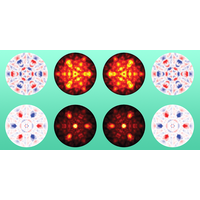
Phys. Rev. Lett. 135, 196502 (2025)
Condensed Matter and Materials
Circular Dichroism in Resonant Photoelectron Diffraction as a Direct Probe of Sublattice Magnetization in Altermagnets
Article | Condensed Matter and Materials | 2025-11-06 05:00 EST
Peter Krüger
Two new techniques use circularly polarized x rays to characterize a new and potentially useful form of magnetism.
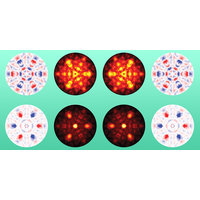
Phys. Rev. Lett. 135, 196703 (2025)
Condensed Matter and Materials
Spin-Torque-Driven Subterahertz Antiferromagnetic Resonance Dynamics
Article | Condensed Matter and Materials | 2025-11-06 05:00 EST
Yichen Su, Chunyan Geng, Deyin Kong, Lei Han, Lin Huang, Feng Pan, Fei Dai, Xiaojun Wu, and Cheng Song
Spin torque antiferromagnetic resonance (ST-AFMR) is fundamental to high-frequency spintronic devices, such as ultrafast magnetic storage and terahertz spin nano-oscillators. However, limited by generating terahertz spin torques, it has been confined to the gigahertz in-plane linearly polarized low-…
Phys. Rev. Lett. 135, 196704 (2025)
Condensed Matter and Materials
Spin-Disorder-Induced Angular Anisotropy in Polarized Magnetic Neutron Scattering
Article | Condensed Matter and Materials | 2025-11-06 05:00 EST
Ivan Titov, Mathias Bersweiler, Michael P. Adams, Evelyn Pratami Sinaga, Venus Rai, Štefan Liščák, Max Lahr, Thomas L. Schmidt, Vladyslav M. Kuchkin, Andreas Haller, Kiyonori Suzuki, Nina-Juliane Steinke, Diego Alba Venero, Dirk Honecker, Joachim Kohlbrecher, Luis Fernández Barquín, and Andreas Michels
We experimentally report a hitherto unseen angular anisotropy in the polarized small-angle neutron scattering (SANS) cross section of a magnetically strongly inhomogeneous material. Based on an analytical prediction using micromagnetic theory, the difference between the spin-up and spin-down SANS cr…
Phys. Rev. Lett. 135, 196706 (2025)
Condensed Matter and Materials
Pure Hydrodynamic Instabilities in Active Jets of Puller Microalgae
Article | Polymers, Chemical Physics, Soft Matter, and Biological Physics | 2025-11-06 05:00 EST
Isabelle Eisenmann, Marco Vona, Nicolas Desprat, Takuji Ishikawa, Eric Lauga, and Raphaël Jeanneret
Using phototaxis to control cell orientation, various instabilities can be induced in jets of motile microalgae.
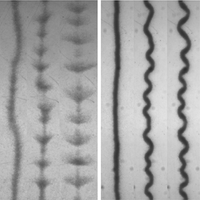
Phys. Rev. Lett. 135, 198301 (2025)
Polymers, Chemical Physics, Soft Matter, and Biological Physics
Subsystem Decompositions of Quantum Evolutions and Transformations between Causal Perspectives
Article | Quantum Information, Science, and Technology | 2025-11-05 05:00 EST
Julian Wechs and Ognyan Oreshkov
One can theoretically conceive of processes in which quantum operations are composed cyclically in a way that is incompatible with a well-defined causal order. Some of these processes can be realized within standard quantum temporal evolutions on systems that are delocalized in time. In this Letter,…
Phys. Rev. Lett. 135, 190201 (2025)
Quantum Information, Science, and Technology
Phase-Space Nonseparability, Partial Coherence, and Optical Beam Shifts
Article | Atomic, Molecular, and Optical Physics | 2025-11-05 05:00 EST
Yahong Chen and Sergey A. Ponomarenko
As a paraxial wave packet is reflected or refracted from a planar interface separating two material media, it experiences spatial and angular shifts of its center position with respect to predictions of the geometrical ray picture. These in-plane and out-of-plane beam shifts are known as Goos-Hänche…
Phys. Rev. Lett. 135, 193801 (2025)
Atomic, Molecular, and Optical Physics
Beam Realignment with Emittance Preservation in a Plasma Wakefield-Accelerator Stage
Article | Plasma and Solar Physics, Accelerators and Beams | 2025-11-05 05:00 EST
Lance Hildebrand, Yujian Zhao, Weiming An, Fei Li, Qianqian Su, Xinlu Xu, Chan Joshi, and Warren B. Mori
Plasma-based acceleration linear collider designs consist of many plasma stages where a drive beam drives a wake that accelerates a witness beam. Misalignment between the drive and witness beams can lead to the hosing instability, large emittance growth, and difficulty colliding beams at the final f…
Phys. Rev. Lett. 135, 195002 (2025)
Plasma and Solar Physics, Accelerators and Beams
Moiré Band Theory for M-Valley Twisted Transition Metal Dichalcogenides
Article | Condensed Matter and Materials | 2025-11-05 05:00 EST
Chao Lei, Perry T. Mahon, and A. H. MacDonald
We propose twisted bilayers of certain group IV and IVB trigonal transition metal dichalcogenides (TMDs) (, Hf, Sn and , Se) as moiré materials. In monolayer form, these TMDs have conduction band minima near the three inequivalent Brillouin zone points and negligible spin-orbit coupling…
Phys. Rev. Lett. 135, 196402 (2025)
Condensed Matter and Materials
Zero-Point Motion of Polar Optical Phonons Revealed by Up-Converted Photoluminescence from a Single Perovskite Nanocrystal at Cryogenic Temperatures
Article | Condensed Matter and Materials | 2025-11-05 05:00 EST
Rentong Duan, Fengrui Hu, Chunyang Yin, Yan Lv, Chunfeng Zhang, Min Xiao, Zhi-Gang Yu, and Xiaoyong Wang
A nanocrystal cooled to near absolute zero produces an unexpected light emission, which is shown to arise from quantum fluctuations in the crystal's atomic lattice.
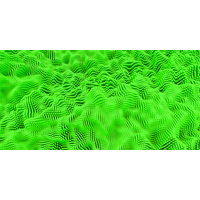
Phys. Rev. Lett. 135, 196901 (2025)
Condensed Matter and Materials
Interpretable Disorder-Promoted Synchronization and Coherence in Coupled Laser Networks
Article | Statistical Physics; Classical, Nonlinear, and Complex Systems | 2025-11-05 05:00 EST
Ana Elisa D. Barioni, Arthur N. Montanari, and Adilson E. Motter
Coupled lasers offer a promising approach to scaling the power output of photonic devices for applications demanding high frequency precision and beam coherence. However, maintaining coherence among lasers remains a fundamental challenge due to desynchronizing instabilities arising from time delay i…
Phys. Rev. Lett. 135, 197401 (2025)
Statistical Physics; Classical, Nonlinear, and Complex Systems
Physical Review X
Spin Squeezing with Itinerant Magnetic Dipoles
Article | 2025-11-05 05:00 EST
Alec Douglas, Vassilios Kaxiras, Lin Su, Michal Szurek, Vikram Singh, Ognjen Marković, and Markus Greiner
Quantum sensors can surpass their current limits by using entanglement. A method to create entangled states with fermionic erbium atoms reduces measurement noise fivefold while opening paths to advanced sensing and fundamental physics tests.
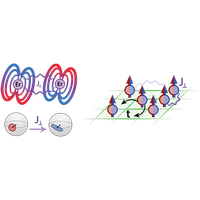
Phys. Rev. X 15, 041021 (2025)
Review of Modern Physics
Statistical mechanics for networks of real neurons
Article | Biological physics | 2025-11-06 05:00 EST
Leenoy Meshulam and William Bialek
Our ability to perceive, think, or act relies on coordinated activity in large networks of neurons in the brain. This review examines recent progress in connecting ideas from statistical physics, such as maximum entropy methods and the renormalization group, to quantitative experiments that record the electrical activity of thousands of neurons simultaneously. This quantitative bridge between the new data and statistical physics models uncovers new, quantitatively reproducible behaviors and makes clear that abstract theoretical principles in studies of the brain can have the level of predictive power that we expect in other areas of physics.

Rev. Mod. Phys. 97, 045002 (2025)
Biological physics
arXiv
Dynamics of excitons in CdSe nanoplatelets
New Submission | Mesoscale and Nanoscale Physics (cond-mat.mes-hall) | 2025-11-06 20:00 EST
We show how to calculate the linear and nonlinear optical functions of CdSe nanoplatelets, taking into account the effect of a dielectric confinement on excitonic states. We consider both stationary and non-stationary excitation regime. We obtain obtain analytical expressions for the absorption coefficient, the exciton resonance energy and binding energy of nanoplatelets. The impact of plate geometry (thickness, lateral dimension) on the spectrum is discussed. In the nonlinear case we analyze the impact of temperature. For the short-pulse excitation the time dependence of the spectra is considered. The results are compared with the available experimental data.
Mesoscale and Nanoscale Physics (cond-mat.mes-hall)
24 pages, 21 figures
Dynamics of Cu2O Rydberg Excitons – Kerr Effect and Quantum Beats
New Submission | Mesoscale and Nanoscale Physics (cond-mat.mes-hall) | 2025-11-06 20:00 EST
We investigate the nonlinear refraction and the nonlinear Kerr phase shift which are due to Rydberg excitons induced in Cu2O crystal by short-time pulses. We observe the phenomenon of quantum beats, analogous to that observed in exciton emission spectra, obtained in the same conditions. The calculated temporal evolution show dependence on the exciton state number, the applied laser power, and quantities related to dissipative processes.
Mesoscale and Nanoscale Physics (cond-mat.mes-hall)
15 pages, 10 figures
J. Biomed Res Environ Sci. 2025 Oct 08; 6(10); 1401-1407
A model for positron annihilation in multi-layer systems by solving the diffusion equation using different positron affinities
New Submission | Materials Science (cond-mat.mtrl-sci) | 2025-11-06 20:00 EST
Lucian Mathes, Michael Göldl, Michael Leitner, Bettina Kohlhaas, Maximilian Suhr, Vassily Vadimovitch Burwitz, Armin Manhard, Christoph Hugenschmidt
We present a method for solving the positron diffusion equation in multi-layer systems. Our approach incorporates material-specific implantation profiles, diffusion parameters, and positron affinities. It utilizes a Markov chain approach to model annihilation probabilities and provides fitting capabilities for experimental S (lineshape) parameter data. We have implemented this algorithm in Python and made it available for free under the name LIMPID. To demonstrate its performance, we analyze depth-resolved Doppler-Broadening Spectroscopy measurements of a Cu layer on a Si substrate, achieving excellent agreement with the experimental profiles. The LIMPID tool enhances the reproducibility and comparability of positron defect characterization measurements across different research groups.
Materials Science (cond-mat.mtrl-sci), Data Analysis, Statistics and Probability (physics.data-an)
Structure and interactions of atoms and diatomic molecules: from ultracold gases to doped solids
New Submission | Quantum Gases (cond-mat.quant-gas) | 2025-11-06 20:00 EST
Maxence Lepers (Laboratory ICB, CNRS and University of Burgundy, Dijon, France)
This is the manuscript of my “Habilitation à diriger des recherches”, where I present the research work that I have done after my PhD, defended in 2009. The manuscript is divided in two parts. The first one is dedicated to atomic-structure calculations with neutral and trivalent lanthanides, in the contexts of ultracold gases and rare-earth doped solids. The second part deals with long-range interactions in ultracold gases of alkali-metal atoms and diatomic molecules, as well as lanthanide atoms. The detailed description of long-range interactions serves to characterize ultralow-temperature phenomena, like photoassociation and collisional shielding.
Quantum Gases (cond-mat.quant-gas), Atomic Physics (physics.atom-ph), Chemical Physics (physics.chem-ph), Optics (physics.optics), Quantum Physics (quant-ph)
188 pages, 43 figures
Low-temperature entropies and possible states in geometrically frustrated magnets
New Submission | Strongly Correlated Electrons (cond-mat.str-el) | 2025-11-06 20:00 EST
Siyu Zhu, Arthur P. Ramirez, Sergey Syzranov
The entropy that an insulating magnetic material releases upon cooling can reveal important information about the properties of spin states in that material. In many geometrically frustrated (GF) magnetic compounds, the heat capacity exhibits a low-temperature peak that comes from the spin states continuously connected to the ground states of classical models, such as the Ising model, on the same GF lattice, which manifests in the amount of entropy associated with this heat-capacity peak. In this work, we simulate numerically the values of entropy released by higher-spin triangular-lattice layered systems and materials on SCGO lattices. We also compare the experimentally measured values of entropy in several strongly GF compounds, $ NiGa_2S_4$ , $ FeAl_2Se_4$ and SCGO/BSZCGO, with possible theoretical values inferred from the classical models to which the quantum states of those materials may be connected. This comparison suggests that the lowest-energy states of higher-spin layered triangular-lattice compounds can be described in terms of doublet states on individual magnetic sites. Our analyses demonstrate how the values of entropy can reveal the structure of low-energy magnetic states in GF compounds and call for more accurate thermodynamic measurement in GF magnetic materials.
Strongly Correlated Electrons (cond-mat.str-el), Mesoscale and Nanoscale Physics (cond-mat.mes-hall), Materials Science (cond-mat.mtrl-sci), Quantum Gases (cond-mat.quant-gas), Statistical Mechanics (cond-mat.stat-mech)
10 pages, 6 figures
Revisiting Nishimori multicriticality through the lens of information measures
New Submission | Statistical Mechanics (cond-mat.stat-mech) | 2025-11-06 20:00 EST
Zhou-Quan Wan, Xu-Dong Dai, Guo-Yi Zhu
The quantum error correction threshold is closely related to the Nishimori physics of random statistical models. We extend quantum information measures such as coherent information beyond the Nishimori line and establish them as sharp indicators of phase transitions. We derive exact inequalities for several generalized measures, demonstrating that each attains its extremum along the Nishimori line. Using a fermionic transfer matrix method, we compute these quantities in the 2d $ \pm J$ random-bond Ising model-corresponding to a surface code under bit-flip noise-on system sizes up to $ 512$ and over $ 10^7$ disorder realizations. All critical points extracted from statistical and information-theoretic indicators coincide with high precision at $ p_c=0.1092212(4)$ , with the coherent information exhibiting the smallest finite-size effects. We further analyze the domain-wall free energy distribution and confirm its scale invariance at the multicritical point.
Statistical Mechanics (cond-mat.stat-mech), Disordered Systems and Neural Networks (cond-mat.dis-nn), Strongly Correlated Electrons (cond-mat.str-el), Quantum Physics (quant-ph)
5+13 pages, 7 figures
Niobium’s intrinsic coherence length and penetration depth revisited using low-energy muon spin spectroscopy
New Submission | Superconductivity (cond-mat.supr-con) | 2025-11-06 20:00 EST
Ryan M. L. McFadden, Jonathan W. Angle, Eric M. Lechner, Michael J. Kelley, Charles E. Reece, Matthew A. Coble, Thomas Prokscha, Zaher Salman, Andreas Suter, Tobias Junginger
We report measurements of the London penetration depth ($ \lambda_L$ ) and Bardeen-Cooper-Schrieffer (BCS) coherence length ($ \xi_0$ ) in oxygen-doped niobium, with impurity concentrations spanning the “clean” to “dirty” limits. Depth-resolved low-energy muon spin spectroscopy (LE-$ \mu$ SR) was used to quantify the element’s Meissner screening profiles, analyzed within a framework that accounts for nonlocal electrodynamics. The analysis indicates intrinsic length scales of $ \lambda_L = 29.1(10)$ nm and $ \xi_0 = 39.9(25)$ nm, corresponding to a Ginzburg-Landau (GL) parameter of $ \kappa = 0.70(5)$ . The obtained $ \lambda_L$ and $ \kappa$ value are smaller than values commonly used in applications and modeling, indicating that clean niobium lies at the boundary between type-I and type-II superconductivity, supporting the contemporary view that its intrinsic state may be type-I.
Superconductivity (cond-mat.supr-con), Mesoscale and Nanoscale Physics (cond-mat.mes-hall), Materials Science (cond-mat.mtrl-sci)
Main manuscript: 8 pages, 3 figures, 2 tables. Supporting material: 17 pages, 6 figures, 7 tables
Electron and hole $g$ factors in semiconductors and nanostructures (Review)
New Submission | Materials Science (cond-mat.mtrl-sci) | 2025-11-06 20:00 EST
A.V. Rodina, M.A. Semina, E.L. Ivchenko
We present a review of experimental and theoretical studies of the spin response of charge carriers to an external magnetic field in bulk semiconductors and semiconductor nanostructures. The linear response is quantitatively characterized by the magnitude of the electron or hole g factor. Various experimental methods for measuring the electron g factor are considered, beginning with historical works and including modern research. A detailed analysis of theoretical methods for calculating the electron and hole g factors in bulk semiconductors and nanostructures of various shapes also includes fundamental work from previous years and the present time.
Materials Science (cond-mat.mtrl-sci)
Review
The theory of planar ballistic SNS junctions
New Submission | Superconductivity (cond-mat.supr-con) | 2025-11-06 20:00 EST
The paper presents the theory of planar ballistic SNS junctions with equal Fermi velocities and effective masses in all layers. The theory takes into account phase gradients in superconducting layers commonly ignored in the past. At $ T=0$ the current-phase relation was derived for any thickness $ L$ of the normal layer in the model of the steplike pairing potential model analytically. The obtained current-phase relation is essentially different from that in theory neglecting phase gradients, especially in the limit $ L\to 0$ (short junction). The analysis resolves the problem with the charge conservation law in the steplike pairing potential model. The current-phase relation at temperatures exceeding the energy spacing between Andreev levels but less than the critical temperature was also calculated numerically. The current at these temperatures is temperature independent and decreases with growing $ L$ as $ 1/L^4$ . The previous theory predicted the current exponentially decreasing with growing $ T$ and $ L$ . Possible implications of the analysis for planar junctions with non-equal Fermi velocities and for non-planar junctions (narrow normal bridge between two bulk superconductors) are also discussed.
Superconductivity (cond-mat.supr-con)
27 pages, 5 figures. arXiv admin note: text overlap with arXiv:2503.21583
Analog-to-Digital Converter Based on Voltage-controlled Superconducting Device
New Submission | Superconductivity (cond-mat.supr-con) | 2025-11-06 20:00 EST
Md Mazharul Islam, Connor A. Good, Diego Ferrer, Juan P. Mendez, Denis Mamaluy, Wei Pan, Kathleen E Hamilton, Ahmedullah Aziz
The increasing demand for cryogenic electronics in superconducting and quantum computing systems calls for ultra energy efficient data conversion architectures that remain functional at deep cryogenic this http URL this work, we present the first design of a voltage-controlled superconducting flash analog-to-digital converter (ADC) based on a novel quantum enhanced Josephson junction field effect transistor (JJFET).Exploiting its strong gate tunability and transistor-like behavior, the JJFET offers a scalable alternative to conventional current controlled superconducting devices while aligning naturally with CMOS style design this http URL on our previously developed Verilog A compact model calibrated to experimental data, we design and simulate a three bit JJFET based flash this http URL core comparator block is realized through careful bias current selection and augmented with a three terminal nanocryotron to precisely define reference this http URL JJFET comparators ensure robust voltage gain, cascadability, and logic level restoration across this http URL results demonstrate accurate quantization behavior with ultra-low power dissipation, underscoring the feasibility of voltage driven superconducting mixed signal this http URL work establishes a critical step toward unifying superconducting logic and data conversion, paving the way for scalable cryogenic architectures in quantum classical co-processors, low-power AI accelerators, and next generation energy constrained computing platforms.
Superconductivity (cond-mat.supr-con), Emerging Technologies (cs.ET)
Taming polymorphism of tubule self-assembly using templated growth
New Submission | Soft Condensed Matter (cond-mat.soft) | 2025-11-06 20:00 EST
Sirui Liu, Thomas E. Videbæk, W. Benjamin Rogers
Self-closing assembly is prone to polymorphism due to thermally-excited bending fluctuations, which permit the formation of off-target assemblies at the point of self-closure. One way to overcome this source of polymorphism is to use templated growth, a process in which assembly initiates from a precisely-defined seed rather than by spontaneous nucleation. We explore this approach to quelling polymorphism in the self-closing assembly of cylindrical tubules assembled from DNA-origami subunits with user-specified inter-subunit binding angles and specific interactions. We develop two strategies to create seeds with precisely-defined diameters and helicity: 1) using multicomponent assembly; and 2) purifying a specific seed-type from a polymorphic mixture using gel electrophoresis and gel extraction. By tuning the seed and monomer concentrations, and adjusting the assembly temperature, we determine the conditions under which tubules grow from the seed while avoiding spontaneous nucleation. We observe that templated tubules tend to follow the guidance of the seed, thereby increasing the selectivity of the target geometry. Also, we find that by tuning the diameter of the seed, one can template the growth of monodisperse tubules over a range of target diameters, even while using a single monomer type with a single preferred local curvature. Our results demonstrate that employing precisely defined seeds to guide assembly can significantly decrease polymorphism in self-closing assembly in a controllable and economical way.
Soft Condensed Matter (cond-mat.soft)
8 Pages, 4 Figures, Supplement 27 Pages, 23 Figures, 8 Tables
An Atomistically Informed Device Engineering (AIDE) Method Realized: A case study in GaAs
New Submission | Materials Science (cond-mat.mtrl-sci) | 2025-11-06 20:00 EST
Leopoldo Diaz, Harold P. Hjalmarson, Jesse J. Lutz, Peter A. Schultz
Radiation-induced defects can have a significant impact on the longevity and performance of semiconductor devices. We present an Atomistically Informed Device Engineering (AIDE) method that integrates first-principles defect properties and experimentally measured parameters into a device model to dynamically simulate the defect chemistry in semiconductors. For a silicon-doped gallium arsenide (GaAs) material, we showcase three capabilities: (i) Fermi level $ E_F$ movement including its component electron and hole Fermi levels, (ii) dynamical charge equilibration with the arsenic vacancy serving as an example, and a (iii) diffusion-driven reaction between Coulomb attracted gallium interstitial ($ Ga_i$ ) and arsenic vacancy ($ v_{As}$ ). Governed by charge carrier reactions, the electron and hole Fermi levels remained dissimilar until equilibrium was achieved at $ E_F\approx1.32$ eV. The equilibrium Fermi level was verified by successfully identifying $ v_{As}^{3-}$ as the most populated charge state within the arsenic vacancy defect. Lastly, a Coulomb attraction, created by the shifted Fermi level and the charge equilibration process, between $ Ga_i^{1+}$ and $ v_{As}^{3-}$ resulted in the formation of a doubly negative gallium antisite ($ Ga_{As}^{2-}$ ). The AIDE method can access experimentally inaccessible short-time and low-concentration regimes, is generalizable to other more complex systems (e.g., indium gallium arsenide), and, after solving open problems in GaAs, will serve as a virtual experiment to bound estimates for difficult-to-measure physical quantities.
Materials Science (cond-mat.mtrl-sci)
Intrinsic viscous liquid dynamics
New Submission | Soft Condensed Matter (cond-mat.soft) | 2025-11-06 20:00 EST
When liquids are cooled, their dynamics are slowed, and if crystallization is avoided, they will solidify into an amorphous structure referred to as a glass. Experiments show that chemically distinct glass-forming liquids have universal features of the spectrum and temperature dependence of the main structural relaxation. We introduce Randium, a generic energetically coarse-grained model of viscous liquids, and demonstrate that the intrinsic dynamics of viscous liquids emerges. These results suggest that Randium belongs to a universal class of systems whose dynamics capture the essential physics of viscous liquid relaxation, bridging microscopic molecular models and coarse-grained theoretical descriptions.
Soft Condensed Matter (cond-mat.soft), Disordered Systems and Neural Networks (cond-mat.dis-nn), Materials Science (cond-mat.mtrl-sci)
7 pages, 7 figures
Dirac semimetal strontium iridate thin films with strong spin-orbit interaction for magnetic heterostructures
New Submission | Materials Science (cond-mat.mtrl-sci) | 2025-11-06 20:00 EST
Gennady A. Ovsyannikov, Nikita V. Dubitskiy, Georgi D. Ulev, Karen Y. Constantinian, Ivan E. Moskal, Victoria A. Baydikova, Andrei M. Petrzhik, Anton V. Shadrin, Alexei V. Mashirov
The structural crystal features, electron transport and magnetotransport of the epitaxial strontium iridate (SrIrO$ _3$ ) and iridate/manganite SrIrO$ _3$ /La$ _{0.7}$ Sr$ _{0.3}$ MnO$ _3$ heterostructure have been investigated. The influence of epitaxial strain relaxation caused by the lattice mismatch between SrIrO$ _3$ films and five substrates: SrTiO$ _3$ , NdGaO$ _3$ , (LaAlO$ _3$ )$ _{0.3}$ (Sr$ _2$ TaAlO$ _6$ )$ _{0.7}$ , LaAlO$ _3$ , and Pb(Mg$ _{1/3}$ Nb$ _{2/3}$ )O$ _3$ -PbTiO$ _3$ on electron and magnetic transport has been observed. A pronounced impact of strong spin-orbit interaction on characteristics of SrIrO$ _3$ films has been revealed by means of X-ray photoelectron spectroscopy, magnetoresistance and Hall-resistance measurements at temperatures T = 2-300 K. These findings highlight the tunability of spin-orbit-driven transport phenomena in strain-controlled SrIrO$ _3$ -based epitaxial systems, relevant for future spintronic oxide heterostructures. The contribution of Kondo scattering on temperature dependence of SrIrO$ _3$ films resistance was observed.
Materials Science (cond-mat.mtrl-sci)
23 pages, 12 figures, 3 tables. Epitaxial SrIrO$3$ films and SrIrO$3$/La${0.7}$Sr${0.3}$MnO$_3$ heterostructures on perovskite substrates showing strain-controlled spin-orbit coupling, Kondo effect, magnetoresistance and Hall measurements for oxide spintronics applications. Submitted to Journal of Alloys and Compounds
Critical Disconnect Between Structural and Electronic Recovery in Amorphous GaAs during Recrystallization
New Submission | Materials Science (cond-mat.mtrl-sci) | 2025-11-06 20:00 EST
Ellis Rae Kennedy, Adric Jones, Yongqiang Wang, Miguel Pena, Hyosim Kim, Chengyu Song, Farida Selim, Blas P. Uberuaga, Samuel Greer
Understanding the evolution of structure and functionality through amorphous to crystalline phase transitions is critical for predicting and designing devices for application in extreme conditions. Here, we consider both aspects of recrystallization of irradiated GaAs. We find that structural evolution occurs in two stages, a low temperature regime characterized by slow, epitaxial front propagation and a high-temperature regime above dominated by rapid growth and formation of dense nanotwin networks. We link aspects of this structural evolution to local ordering, or paracrystallinity, within the amorphous phase. Critically, the electronic recovery of the materials is not commensurate with this structural evolution. The electronic properties of the recrystallized material deviate further from the pristine material than do those of the amorphous phase, highlighting the incongruence between structural and electronic recovery and the contrasting impact of loss of long range order versus localized defects on the functionality of semiconducting materials.
Materials Science (cond-mat.mtrl-sci)
Main text: 16 pages, 8 figures; SI: 6 pages, 6 figures
A Normalized Descriptor for Unbiased Screening of Second-Order Nonlinear Optical Materials
New Submission | Materials Science (cond-mat.mtrl-sci) | 2025-11-06 20:00 EST
Aubrey G. J. Nyiri, Michael J. Waters, James M. Rondinelli
Second-order nonlinear optical materials enable frequency doubling of light (second-harmonic generation, SHG), which is essential for optoelectronic applications ranging from materials characterization to quantum technologies. However, comparing SHG performance across materials remains challenging as the second-order nonlinear susceptibility $ \chi^{(2)}$ spans several orders of magnitude and strongly depends on the band gap $ E_g$ . To address this, we empirically validate a theoretical upper bound on $ \chi^{(2)}$ using new databases of \textit{ab initio}-computed nonlinear optical (NLO) properties. We then formulate a normalized descriptor, $ \hat{d}$ , which expresses the NLO response of a material relative to the band gap-dependent physical limit. We show that $ \hat{d}$ exhibits a similar distribution across a wide range of band gap energies. This universality supports the use of $ \hat{d}$ as a robust, generalizable descriptor for data-driven and chemistry-informed machine learning models of NLO response, enabling accelerated materials discovery and optimization across broad application frequencies.
Materials Science (cond-mat.mtrl-sci), Optics (physics.optics)
20 pages, 3 figures
EGMOF: Efficient Generation of Metal-Organic Frameworks Using a Hybrid Diffusion-Transformer Architecture
New Submission | Materials Science (cond-mat.mtrl-sci) | 2025-11-06 20:00 EST
Seunghee Han, Yeonghun Kang, Taeun Bae, Varinia Bernales, Alan Aspuru-Guzik, Jihan Kim
Designing materials with targeted properties remains challenging due to the vastness of chemical space and the scarcity of property-labeled data. While recent advances in generative models offer a promising way for inverse design, most approaches require large datasets and must be retrained for every new target property. Here, we introduce the EGMOF (Efficient Generation of MOFs), a hybrid diffusion-transformer framework that overcomes these limitations through a modular, descriptor-mediated workflow. EGMOF decomposes inverse design into two steps: (1) a one-dimensional diffusion model (Prop2Desc) that maps desired properties to chemically meaningful descriptors followed by (2) a transformer model (Desc2MOF) that generates structures from these descriptors. This modular hybrid design enables minimal retraining and maintains high accuracy even under small-data conditions. On a hydrogen uptake dataset, EGMOF achieved over 95% validity and 84% hit rate, representing significant improvements of up to 57% in validity and 14% in hit rate compared to existing methods, while remaining effective with only 1,000 training samples. Moreover, our model successfully performed conditional generation across 29 diverse property datasets, including CoREMOF, QMOF, and text-mined experimental datasets, whereas previous models have not. This work presents a data-efficient, generalizable approach to the inverse design of diverse MOFs and highlights the potential of modular inverse design workflows for broader materials discovery.
Materials Science (cond-mat.mtrl-sci), Artificial Intelligence (cs.AI), Machine Learning (cs.LG)
Surface wakes on ultra-soft solids
New Submission | Soft Condensed Matter (cond-mat.soft) | 2025-11-06 20:00 EST
Aditi Chakrabarti, Divya Jaganathan, Robert Haussman, L. Mahadevan
We explore the dynamical response of the free surface of an ultra-soft solid driven by a localized moving pressure disturbance. Experiments reveal a steady V-shaped wake analogous to a surface Mach wedge. A simple geometric argument provides a qualitative explanation consistent with observations. A theoretical framework combining elastodynamic, capillary, and gravitational effects yields a generalized dispersion relation that smoothly interpolates between Kelvin’s theory of liquid interface wakes and Rayleigh’s theory of elastic surface waves. Together, our experiments and theory reveal the existence of a soft wake regime that bridges fluid and solid surface wave physics, offering new routes for probing the dynamics of soft surfaces.
Soft Condensed Matter (cond-mat.soft), Classical Physics (physics.class-ph), Fluid Dynamics (physics.flu-dyn)
Commutative Algebra Modeling in Materials Science – A Case Study on Metal-Organic Frameworks (MOFs)
New Submission | Materials Science (cond-mat.mtrl-sci) | 2025-11-06 20:00 EST
Caleb Simiyu Khaemba, Hongsong Feng, Dong Chen, Chun-Long Chen, Guo-Wei Wei
Metal-organic frameworks (MOFs) are a class of important crystalline and highly porous materials whose hierarchical geometry and chemistry hinder interpretable predictions in materials properties. Commutative algebra is a branch of abstract algebra that has been rarely applied in data and material sciences. We introduce the first ever commutative algebra modeling and prediction in materials science. Specifically, category-specific commutative algebra (CSCA) is proposed as a new framework for MOF representation and learning. It integrates element-based categorization with multiscale algebraic invariants to encode both local coordination motifs and global network organization of MOFs. These algebraically consistent, chemically aware representations enable compact, interpretable, and data efficient modeling of MOF properties such as Henry’s constants and uptake capacities for common gases. Compared to traditional geometric and graph-based approaches, CSCA achieves comparable or superior predictive accuracy while substantially improving interpretability and stability across data sets. By aligning commutative algebra with the chemical hierarchy, the CSCA establishes a rigorous and generalizable paradigm for understanding structure and property relationships in porous materials and provides a nonlinear algebra-based framework for data-driven material discovery.
Materials Science (cond-mat.mtrl-sci), Commutative Algebra (math.AC)
Extrinsic anomalous Hall effect in altermagnets
New Submission | Mesoscale and Nanoscale Physics (cond-mat.mes-hall) | 2025-11-06 20:00 EST
A. Osin, A. Levchenko, M. Khodas
We find the extrinsic anomalous Hall conductivity (AHC) to be comparable to the intrinsic one in roughly half of the altermagnetic spin Laue groups in the limit of large exchange splitting. In materials with a finite Dzyaloshinskii-Moriya type interaction, the extrinsic contribution is essential even in the clean limit. In other altermagnets it is mostly negligible. This peculiar behavior is linked to the nonanalytic dependence of the intrinsic AHC on spin-orbit coupling. Both originate from the lifting of the spin degeneracy along the nodal planes as the weak spin-orbit coupling breaks the nonrelativistic spin symmetry.
Mesoscale and Nanoscale Physics (cond-mat.mes-hall), Strongly Correlated Electrons (cond-mat.str-el)
22 pages, 6 figures
Finding the stable mechanism of ring solitons in two-dimensional Fermi superfluids
New Submission | Quantum Gases (cond-mat.quant-gas) | 2025-11-06 20:00 EST
Hao-Xuan Sun, Liu-Yang Cheng, Shi-Guo Peng, Yan-Qiang Li, Peng Zou
We theoretically investigate the stable mechanism of a ring soliton in two-dimensional Fermi superfluids by solving the Bogoliubov-de Gennes equations and their time-dependent counterparts. In the uniform situation, we discover that the ring soliton is always driven away from its initial location, and moves towards the edge due to a curvature-induced effective potential. The ring soliton is impossible to remain static at any location in the uniform system. To balance the density difference between the ring soliton’s two sides, a harmonic trap is introduced, which can exert an effect to counterbalances the curvature-induced effective potential. This enables the ring dark soliton to become a stable state at a particular equilibrium position r_s, where the free energy of the ring dark soliton just reaches the maximum value. Once ring soliton is slightly deviated from r_s, some stable periodic oscillations of ring soliton around r_s will turn out. Some dissipation will possibly occur to ring soliton once its minimum radius is comparable to the healing length of soliton’s Friedel oscillation. This dissipation will increase the oscillation amplitude and finally make the ring soliton decay into sound ripples. Our research lays the groundwork for a more in-depth understanding of the stable mechanism of a ring dark soliton in the future.
Quantum Gases (cond-mat.quant-gas)
7 pages, 8 figures
Bistability and Exact Reflectionless States in Nonlinear Scattering of a Bose–Einstein Condensate
New Submission | Quantum Gases (cond-mat.quant-gas) | 2025-11-06 20:00 EST
Feilong Wang, Jinlin Fan, Ruolin Chai, Zhibin Zhao, Qiongtao Xie
We investigate the mean-field scattering dynamics of a quasi-one-dimensional Bose–Einstein condensate interacting with a Rosen–Morse potential. For specific potential and nonlinearity parameters, we derive analytically exact, degenerate scattering states (doubly or triply degenerate) exhibiting perfect transmission. Using the Bogoliubov–de Gennes approach, we analyze the stability of these reflectionless degenerate states, demonstrating that only one solution within each degenerate manifold is dynamically stable. Furthermore, we study a configuration with spatially localized nonlinearity, identifying an exact reflectionless state under specific conditions. Numerical analysis shows that this state marks the system’s transition from monostability to bistability as the incident wave amplitude increases. Our work establishes an analytic framework for these multistable transmission phenomena, directly relevant to coherent matter-wave transport in ultracold atomic systems and optical propagation in engineered photonic lattices.
Quantum Gases (cond-mat.quant-gas), Quantum Physics (quant-ph)
Mysterious Role of Cap Configuration in Single-Walled Carbon Nanotube Catalytic Growth
New Submission | Materials Science (cond-mat.mtrl-sci) | 2025-11-06 20:00 EST
Understanding the role of cap structure during the nucleation and growth of single-walled carbon nanotubes (SWCNTs) is essential for achieving chirality-controlled synthesis. In this work, we propose a novel and intuitive algorithm to determine the chirality of nascent carbon caps by tracking the relative shifts of six pentagons within a topological coordinate system. Based on this algorithm, we propose three routes of pentagon shifts for the chirality mutations from armchair (AC) to near-AC caps, namely the transverse shift (n,n) to (n+1,n-1), inward shift (n,n) to (n-1), and outward shift (n,n) to (n+1,n), can occur according to the energy profiles calculated based on the density function theory (DFT), providing a new perspective to explain the experimental abundance of near-AC SWCNTs. After that, we construct 24 representative short caps and long SWCNTs with different chiralities and symmetries, and perform DFT calculations to evaluate their thermodynamic stability and deformation behaviors on flat Ni(111) surfaces and curved Ni55 particle, respectively. The results reveal that cap topology and catalyst curvature together induce dual deformations that significantly influence the formation and interface energies. Notably, AC and near-AC caps exhibit superior flexibility and robust energetic advantages, especially the (6,6) cap with C6v symmetry. A linear correlation between cap-induced deformation and formation energy is established through a defined shape factor, highlighting the interaction between cap structure and catalyst interface as a key driver of chirality selection. This study theoretically reveals the cap evolution mechanism and lays the foundation for the rational design of SWCNT growth strategies.
Materials Science (cond-mat.mtrl-sci), Mesoscale and Nanoscale Physics (cond-mat.mes-hall)
Tunable Multistage Refrigeration via Geometrically Frustrated Triangular Lattice Antiferromagnet for Space Cooling
New Submission | Materials Science (cond-mat.mtrl-sci) | 2025-11-06 20:00 EST
Jianqiao Wang, Chushu Fang, Zhibin Qiu, Yang Zhao, Quan Xiao, Xiying Sun, Zhaoyi Li, Laifeng Li, Yuan Zhou, Changzhao Pan, Shu Guo
Low-temperature refrigeration technology constitutes a crucial component in space exploration. The small-scale, low-vibration Stirling-type pulse tube refrigerators hold significant application potential for space cooling. However, the efficient operation of current Stirling-type pulse tube cryocoolers in space cooling applications remains challenging due to the rapid decay of the heat capacity of regenerative materials below 10 K. This study adopts a novel material strategy: using a novel high-spin S = 7/2 magnetic regenerative material, Gd2O2Se, we construct a multistage tunable regenerative material structure to achieve an efficient cooling approach to the liquid helium temperature range. Under substantial geometric frustration from a double-layered triangular lattice, it exhibits two-step specific heat transition peaks at 6.22 K and 2.11 K, respectively. Its ultrahigh specific heat and broad two-step transition temperature range effectively bridge the gap between commercially used high-heat-capacity materials. Experimental verification shows that when Gd2O2Se is combined with Er3Ni and HoCu2 in the Stirling-type pulse tube cryocooler, the cooling efficiency of the pulse tube increases by 66.5 % at 7 K, and the minimum achievable temperature reaches 5.85 K. These results indicate that Gd2O2Se is an ideal magnetic regenerative material for space cooling
Materials Science (cond-mat.mtrl-sci)
Lorentz Skew Scattering Nonreciprocal Magneto-Transport
New Submission | Mesoscale and Nanoscale Physics (cond-mat.mes-hall) | 2025-11-06 20:00 EST
Xiu Fang Lu, Xue-Jin Zhang, Naizhou Wang, Jin Cao, Dan Zhao, Hui Wang, Tao Wu, Xian Hui Chen, Shen Lai, Cong Xiao, Shengyuan A. Yang, Weibo Gao
In materials with broken inversion symmetry, nonreciprocal magneto-transport (NRMT) manifests as a bilinear dependence of charge conductivity on applied electric (E) and magnetic (B) fields. This phenomenon is deeply rooted in symmetry and electronic quantum geometry, holding promise for novel rectification and detector technologies. Existing experimental studies generally attribute NRMT to Zeeman-driven mechanisms and exhibit quadratic scaling with conductivity. Here, we report a previously unknown NRMT microscopic mechanism - Lorentz skew scattering (LSK) - revealed through the discovery of an unprecedented quartic scaling law of NRMT as well as quantitative agreement between theory and experiment in BiTeBr. LSK emerges from the interplay of Lorentz force and skew scattering, bridging classical field effect to quantum scattering effect on the Fermi surface. We demonstrate that the LSK dominates NRMT in BiTeBr, and elucidate that this dominance over other possible contributions stems from high mobility and strong Rashba splitting. The finding of LSK mechanism is of unique importance because it unveils the leading NRMT effect in high-mobility systems and suggests a universal principle towards strong NRMT by enhancing electronic relaxation time in topological materials, rendering a new designing idea for low-dissipation rectifiers and high-performance quantum electronics.
Mesoscale and Nanoscale Physics (cond-mat.mes-hall), Materials Science (cond-mat.mtrl-sci)
20 pages, 4 figures
The nexus between negative charge-transfer and reduced on-site Coulomb energy in correlated topological metals
New Submission | Strongly Correlated Electrons (cond-mat.str-el) | 2025-11-06 20:00 EST
A. R. Shelke, C.-W. Chuang, S. Hamamoto, M. Oura, M. Yoshimura, N. Hiraoka, C.-N. Kuo, C.-S. Lue, A. Fujimori, A. Chainani
The layered $ 3d$ transition metal dichalcogenides (TMDs) CoTe$ 2$ and NiTe$ 2$ are topological Dirac Type-II metals. Their $ d$ -bands do not exhibit the expected correlation-induced band narrowing seen in CoO and NiO. We address this conundrum by quantifying the on-site Coulomb energy $ U{dd}$ via single-particle partial density of states and the two-hole correlation satellite using valence band resonant photoemission spectroscopy (PES), and obtain $ U{dd}$ = 3.0 eV/3.7 eV for CoTe$ _2$ /NiTe$ _2$ . Charge-transfer (CT) cluster model simulations of the measured core-level PES and x-ray absorption spectra of CoTe$ 2$ and CoO validate their contrasting electronic parameters:$ U{dd}$ and CT energy $ \Delta$ are (3.0 eV, -2.0 eV) for CoTe$ 2$ , and (5.0 eV, 4.0 eV) for CoO, respectively. The $ d$ -$ p$ hybridization strength $ T{eg}$ for CoTe$ _2$ <$ CoO, and indicates that the reduced $ U_{dd}$ in CoTe$ _2$ is not due to $ T_{eg}$ . The increase in $ d^n$ -count$ \sim$ 1 by CT from ligand to Co site in CoTe$ _2$ is due to a negative-$ \Delta$ and reduced $ U_{dd}$ . Yet, only because $ U_{dd}$ >$ \big|\Delta\big|$ , CoTe$ {2}$ becomes a topological metal with $ p$ \rightarrow$ {p}$ type lowest energy excitations. Similarly, we obtain a negative-$ \Delta$ and reduced $ U{dd}$ in NiTe$ 2$ compared to NiO. The study reveals the nexus between negative-$ \Delta$ and reduced $ U{dd}$ required for setting up the electronic structure framework for achieving topological behavior via band inversion in correlated metals.
Strongly Correlated Electrons (cond-mat.str-el), Materials Science (cond-mat.mtrl-sci)
8 pages + 5 figures(main) and 10 pages + 9 figures (SM) (submitted to PRB)
Moiré modulated quantum spin liquid candidate 1T-TaSe$_2$
New Submission | Strongly Correlated Electrons (cond-mat.str-el) | 2025-11-06 20:00 EST
Ziying Wang, Adolfo O. Fumega, Ana Vera Montoto, Mohammad Amini, Büşra Gamze Arslan, Aleš Cahlík, Yuxiao Ding, Jose L. Lado, Robert Drost, Peter Liljeroth
Quantum spin liquids are quantum phases of matter featuring collectively entangled states and emergent fractional many-body excitations. While methods exist to probe three-dimensional quantum spin liquids experimentally, these techniques lack the sensitivity to probe two-dimensional quantum spin liquids. This seriously hampers the study of potential monolayer quantum spin liquid candidates such as $ \alpha$ -RuCl$ _3$ and 1T-TaSe$ _2$ . Scanning tunneling microscopy (STM) and spectroscopy (STS) have recently been suggested as promising probes of the quantum spin liquid state, as they can access the spinon spectrum through inelastic tunneling spectroscopy (IETS). In this work, we employ this approach on the quantum spin liquid candidate material 1T-TaSe$ _2$ and directly measure its low-energy inelastic excitations. We observe the emergence of a $ \sqrt{3}\times\sqrt{3}$ reconstruction driven by the substrate, equivalent spectroscopy across all spin sites and coexistence of zero and finite energy excitations. We show that these observations are consistent with a modulated $ \sqrt{3}\times\sqrt{3}$ spin liquid ground state. Our results demonstrate that IETS provides a powerful route to obtain atomic-scale insight into the magnetic excitations of two-dimensional materials, allowing to explore the effects of moiré modulations on potential quantum liquid phases.
Strongly Correlated Electrons (cond-mat.str-el), Mesoscale and Nanoscale Physics (cond-mat.mes-hall), Materials Science (cond-mat.mtrl-sci)
Axial phono-magnetic effects
New Submission | Materials Science (cond-mat.mtrl-sci) | 2025-11-06 20:00 EST
Natalia Shabala, Finja Tietjen, R. Matthias Geilhufe
Axial or circularly polarized phonons are collective lattice vibrations with angular momentum. Over the past decade they have emerged as a promising mechanism for the manipulation of magnetism, in parallel to well established optical protocols. In particular, coherent axial phonons were shown to induce magnetization in materials without spin-ordering, making them a viable tool for ultrafast magnetic switching. The experimental evidence suggests that the size of this magnetization is significant, opening a new research area on the phono-magnetic effect. Remarkably, the coupling of axial phonons to magnetism has been observed a broad class of materials, pointing to a universal nature of the underlying mechanisms. In this review article, we present the recent progress in the field. We give an introduction to the phenomenological perspective and an overview of the experimental evidence for the magnetization emerging from axial phonons, which includes discussing the observations of phonon Zeeman effect, the magneto-optical Kerr effect and the proximity-induced magnetization switching. We present recently proposed microscopic theories for the phono-magnetic effects, based on perturbation theory, adiabatic motion and Floquet theory as well as the emergence of the phonon magnetic moment due to artificial gauge fields or inertial effects. This summary allows us to see correspondences between the seemingly different theoretical approaches, facilitating a more complete perspective of the effect.
Materials Science (cond-mat.mtrl-sci)
21 pages, 7 figures
Core-Shell Confinement Blocks Hydride Formation: The Impact of Surface Oxides on Hydrogen Sorption in Nanoporous FeTi
New Submission | Materials Science (cond-mat.mtrl-sci) | 2025-11-06 20:00 EST
Lukas Schweiger, Florian Spieckermann, Michael Burtscher, Stefan Wurster, Sebastian Stock, Nikolaos Kostoglou, Oskar Paris, Alexander Schökel, Fahim Karimi, Gökhan Gizer, Claudio Pistidda, Daniel Kiener, Jürgen Eckert
Metal hydrides remain an intriguing alternative to conventional gaseous and liquid hydrogen storage methods, offering high volumetric storage density and enhanced hydrogen storage safety at ambient conditions. In this regard, the intermetallic compound FeTi is one of the most promising storage materials. However, its widespread industrial application remains challenging due to the need for activation, slow initial kinetics, large hysteresis, and high material costs. In this study, we aim to overcome these limitations by devising an alternative synthesis pathway to prepare nanoporous and ultra-fine porous FeTi with controlled grain and ligament sizes, allowing us to study the obtained well-defined microstructures in detail. In particular, we observe the confinement of the FeTi phase by surface oxides, which can be correlated with the hydrogen sorption properties of the respective material. These experimental results are further supported by an analytical model allowing the calculation of the absorption pressure as a function of microstructure-dependent elastic stresses. Additionally, we show that such stresses also influence the absorption-desorption hysteresis. This study lays the groundwork for the controlled and systematic study of the processing-structure-properties relations in metal hydrides and FeTi in particular, thereby paving the way to cost-effective and efficient hydrogen storage solutions based on metal hydrides.
Materials Science (cond-mat.mtrl-sci)
Enhancing composition-based materials property prediction by cross-modal knowledge transfer
New Submission | Materials Science (cond-mat.mtrl-sci) | 2025-11-06 20:00 EST
Ivan Rubtsov, Ivan Dudakov, Yuri Kuratov, Vadim Korolev
Crystal graph neural networks are widely applicable in modeling experimentally synthesized compounds and hypothetical materials with unknown synthesizability. In contrast, structure-agnostic predictive algorithms allow exploring previously inaccessible domains of chemical space. Here we present a universal approach for enhancing composition-based materials property prediction by means of cross-modal knowledge transfer. Two formulations are proposed: implicit transfer involves pretraining chemical language models on multimodal embeddings, whereas explicit transfer suggests generating crystal structures and implementing structure-aware predictors. The proposed approaches were benchmarked on LLM4Mat-Bench and MatBench tasks, achieving state-of-the-art performance in 25 out of 32 cases. In addition, we demonstrated how another modeling aspect of chemical language models - interpretability - benefits from applying a game-theoretic approach, which is able to incorporate high-order feature interactions.
Materials Science (cond-mat.mtrl-sci), Computational Physics (physics.comp-ph)
7 pages, 2 figures, 1 table
Free Majorana Modes in Superconducting Quantum Wires
New Submission | Strongly Correlated Electrons (cond-mat.str-el) | 2025-11-06 20:00 EST
An s-wave superconducting wire with attractive interactions can admit a zero-energy bound state equation (solution) at an edge similar to the Jackiw-Rebbi model; this is a specific aspect of low-dimensional quantum systems, Dirac equation and e.g. of the Luther-Emery liquid with a spin gap. In this Letter, K. Le Hur Europhys. Lett., 49 (6), pp. 768-774 (2000), I introduced a magnetic spin-1/2 impurity interacting with such a (spin) bound state in a Luther-Emery wire representing then a Hubbard ladder in a d-wave superconducting state. This method is general and show how Majorana fermions at zero energy, i.e. Majorana zero modes, can take place in a superconducting wire model from the two-channel Kondo effect. Within these two channels (wires), the Luther-Emery form of the superconducting term can be reached within the weak-coupling attractive limit. Due to the interest in Majorana zero modes from magnetic impurities interacting with an s-wave superconductor, I take time to analyze zero-energy edge solutions in my model and present a correspondence with the p-wave superconducting wire in the topological phase through alternatives versions of the quantum field theory. I develop the relation between the edge magnetic susceptibility and the local capacitance measure in a p-wave superconducting wire. I elaborate on the idea that Majorana zero modes, i.e. free Majorana fermions, can be realized with magnetic impurities bridging the gap between two s-wave superconducting wires. The spin gap and the resonance with the impurity can protect the free Majorana solutions when including perturbations.
Strongly Correlated Electrons (cond-mat.str-el), Mesoscale and Nanoscale Physics (cond-mat.mes-hall), Superconductivity (cond-mat.supr-con)
Giant field-tunable nonlinear Hall effect by Lorentz skew scattering in a graphene moire superlattice
New Submission | Mesoscale and Nanoscale Physics (cond-mat.mes-hall) | 2025-11-06 20:00 EST
Pan He, Min Zhang, Yue-Xin Huang, Jingru Li, Ruibo Wang, Shiwen Zhao, Chaoyu Pan, Yuxiao Gao, Takashi Taniguchi, Kenji Watanabe, Junxiong Hu, Yinyan Zhu, Cong Xiao, X. C. Xie, Shengyuan A. Yang, Jian Shen
The nonlinear Hall effect (NHE) can enable rectification and energy harvesting, and its control by external fields, including gate, strain and magnetic field, has been pursued intensively. However, existing tuning pathways rely predominantly on fully quantum mechanical effects and are typically inefficient, resulting in weak NHE signals that limit further progress. In this work, we report the discovery of a distinct type of NHE in a graphene-hBN moire superlattice, which arises from a classical-quantum cooperative effect called Lorentz skew scattering (LSK), induced by a perpendicular magnetic field. This field-driven NHE exhibits a linear dependence on magnetic field and a pronounced unidirectional angular dependence. Remarkably, its magnitude reaches up to 32% of the linear Hall signal. We show that this giant, field-tunable NHE originating from LSK follows a unique quartic scaling law and produces a record-high nonlinear Hall conductivity (36000 {\mu}mV-1{\Omega}-1) near van Hove singularities of moire minibands, which is over an order of magnitude larger than all previously reported NHEs. Our findings establish an efficient, magnetic-field-driven route to giant Hall rectification in high-mobility materials, offering a broadly applicable paradigm for modulating the NHE beyond electrostatic gating.
Mesoscale and Nanoscale Physics (cond-mat.mes-hall)
Development of a magnetic interatomic potential for cubic anti-ferromagnets: the case of NiO
New Submission | Materials Science (cond-mat.mtrl-sci) | 2025-11-06 20:00 EST
Ievgeniia Korniienko, Pablo Nieves, Jakub Sebesta, Roberto Iglesias, Dominik Legut
Interatomic potentials are essential for molecular dynamics simulations of magnetic materials, yet incorporating magnetic features into potentials for complex antiferromagnets remains challenging. Nickel oxide (NiO), a prototypical cubic antiferromagnet, exemplifies this difficulty. Here we develop a methodology to integrate magnetic properties into interatomic potentials for cubic antiferromagnets by adding a magnetic Hamiltonian which includes both the Heisenberg exchange and Néel model. We apply this approach to NiO by constructing two potentials: one based on the Born model of ionic solids and another using a reference-free modified embedded atom method. Both potentials include magnetoelastic interactions and are validated against Density Functional Theory calculations, showing excellent agreement in mechanical and magnetic properties at zero temperature. These models enable large-scale simulations of magnetoelastic phenomena in antiferromagnets and open avenues for molecular dynamics studies involving coupled electric and magnetic fields in metal oxides.
Materials Science (cond-mat.mtrl-sci)
On the dynamics of the Meissner and the Becker-London effects
New Submission | Superconductivity (cond-mat.supr-con) | 2025-11-06 20:00 EST
It is generally accepted that the most fundamental property of a superconductor is that it exhibits the Meissner effect. Of similar importance is the Becker-London effect, i.e. generation of magnetic field inside a rotating superconductor. Hirsch has recently pointed out that, within the conventional theory of superconductivity, the question about how these effects are generated dynamically has not even been asked yet. Here we fill in this gap in the literature by a detailed study of the evolution of the electromagnetic field for both of these effects. To this end, we solve the Maxwell equations supplemented by the simplest conventional constitutive equation for a superconductor, namely the London equation. We demonstrate that, contrary to the expectations of Hirsch, the conventional theory does correctly describe the dynamics of both, the Meissner and the Becker-London effect. We find that the dynamics of the studied processes is quite rich and interesting even at this level of description.
Superconductivity (cond-mat.supr-con)
Statistical imaging of NV centers reveals clustered defect formation in diamond
New Submission | Materials Science (cond-mat.mtrl-sci) | 2025-11-06 20:00 EST
Jason Shao, Richard Monge, Tom Delord, Carlos A. Meriles
The sharp optical resonances of NV- centers in diamond at cryogenic temperatures offer powerful new capabilities for material characterization, but extracting the most detailed information typically requires careful calibration of individual sensors, limiting scalability. In this work, we use resonant photoluminescence excitation imaging to optically resolve and monitor hundreds of individual NVs across large fields of view, enabling statistical analysis of their spatial distribution with sub-diffraction resolution. This multiplexed, non-destructive approach allows quantum sensors to characterize the material platform they inhabit. Focusing on CVD-grown diamond, we uncover significant deviations from random distributions, including an unexpectedly high occurrence of closely spaced clusters comprising two or more NVs. These findings suggest non-Poissonian formation dynamics and point to spatially correlated defect generation mechanisms. Beyond offering insight into diamond growth and NV center formation, our approach enables the scalable identification of naturally occurring NV clusters - configurations that are promising for entanglement-assisted quantum information protocols and correlated sensing - and establishes a path toward structural and electronic defect analysis in various material hosts at the single-emitter level.
Materials Science (cond-mat.mtrl-sci)
SC$^*$ Superconductivity and Spin Stiffnesses in the SU(2) Gauge Theory of the Two-Dimensional Hubbard Model
New Submission | Strongly Correlated Electrons (cond-mat.str-el) | 2025-11-06 20:00 EST
Demetrio Vilardi, Pietro M. Bonetti
We consider the SU(2) gauge theory for spin fluctuations in the two-dimensional Hubbard model, where the electron field is fractionalized in terms of spinons and chargons. In this theory, spinons are described by a non-linear sigma model, while chargons are treated as fermions at a mean-field level. We investigate the instability to a superconducting state SC\ast, arising from a fractionalized Fermi liquid (FL\ast) where pairing between chargons occurs. Consistent with previous studies, our analysis reveals a coexisting phase characterized by both magnetic and superconducting order for the chargons. The central contribution of this work is the calculation of the feedback of superconductivity on spatial and temporal spin stiffnesses, thereby quantifying its impact on spin fluctuations. Our key finding is that superconductivity significantly suppresses these spin stiffnesses, enhancing quantum spin fluctuations. This enhancement suggests that superconductivity can play a crucial role in stabilizing quantum disorder against long-range magnetic ordering.
Strongly Correlated Electrons (cond-mat.str-el), Superconductivity (cond-mat.supr-con)
Discovery of Slot Plasma Excitations in a AlGaN/GaN Plasmonic Crystal
New Submission | Mesoscale and Nanoscale Physics (cond-mat.mes-hall) | 2025-11-06 20:00 EST
A.R. Khisameeva, A. Shuvaev, I.M. Moiseenko, P.A. Gusikhin, A.S. Astrakhantseva, A. Pimenov, D.A. Svintsov, I.V. Kukushkin, V.M. Muravev
We experimentally investigate the terahertz spectrum of plasma excitations in a plasmonic crystal based on AlGaN/GaN two-dimensional electron system (2DES). While screened plasmon modes with linear dispersion are readily observed in the plasmonic crystals, the existence of unscreened modes localized in the slots between the gates has remained unobserved until now. We discover this slot plasma excitation exhibiting square-root dispersion. It turned out that these slot plasmons follow an unconventional wave-vector quantization rule, $ q_u=(N + 1/4) \times \pi/l_u$ for even integers $ N$ , and require the condition for excitation $ q_u h \ll 1$ , where $ h$ is the gate-to-2DES distance and $ l_u$ is the slot width. We develop an analytical model that accurately captures the found dispersion and relaxation, revealing a non-trivial $ -\pi/4$ phase shift upon plasmon reflection at the gate edge. Experiments demonstrate that the slot plasmons persist up to room temperature, thereby enabling a broad range of opportunities for the advancement of plasmonic devices.
Mesoscale and Nanoscale Physics (cond-mat.mes-hall)
Unraveling Deconfined Quantum Criticality in Non-Hermitian Easy-Plane $J$-$Q$ Model
New Submission | Strongly Correlated Electrons (cond-mat.str-el) | 2025-11-06 20:00 EST
Xuan Zou, Shuai Yin, Zi-Xiang Li, Hong Yao
Deconfined quantum critical point (DQCP) characterizes the continuous transition beyond Landau-Ginzburg-Wilson paradigm, occurring between two phases that exhibit distinct symmetry breaking. The debate over whether genuine DQCP exists in physical SU(2) spin systems or the transition is weakly first-order has persisted for many years. In this letter, we construct a non-Hermitian easy-plane $ J$ -$ Q$ model and perform sign-problem-free quantum Monte Carlo (QMC) simulation to explore the impact of non-Hermitian microscopic interactions on the transition that potentially features a DQCP. Our results demonstrate that the intensity of the first-order transitions significantly diminishes with the amplification of non-Hermitian interactions, serving as numerical evidence to support the notion that the transition in $ J$ -$ Q$ model is quasi-critical, possibly in the vicinity of the fixed point governing DQCP in the complex plane, described by a non-unitary conformal field theory (CFT). The non-Hermitian interaction facilitates the approach towards such a complex fixed point in the parameter regime. Furthermore, our QMC study on the non-Hermitian J-Q model opens a new route to numerically investigating the nature of complex CFT in the microscopic model.
Strongly Correlated Electrons (cond-mat.str-el)
4.5 pages, 4 figures
Integrability of a family of clean SYK models from the critical Ising chain
New Submission | Statistical Mechanics (cond-mat.stat-mech) | 2025-11-06 20:00 EST
We establish the integrability of a family of SYK models with uniform $ p$ -body interactions. We derive the R-matrix and mutually commuting transfer matrices that generate the Hamiltonians of these models, and obtain their exact eigenspectra and eigenstates. Remarkably, the R-matrix is that of the critical transverse-field Ising chain. This work reveals an unexpected connection between the SYK model, central to many-body quantum chaos, and the critical Ising chain, a cornerstone of statistical mechanics.
Statistical Mechanics (cond-mat.stat-mech), Strongly Correlated Electrons (cond-mat.str-el), High Energy Physics - Theory (hep-th), Quantum Physics (quant-ph)
17 pages
Structural characterization and bonding energy analysis for plasma-activated bonding of SiCN films: A reactive molecular dynamics study
New Submission | Materials Science (cond-mat.mtrl-sci) | 2025-11-06 20:00 EST
Juheon Kim, Minki Jang, Junhyeok Park, Byungjo Kim, Hayoung Chung
Plasma-activated bonding of SiCN films offers high bonding strength at the hybrid-bonding interface, thereby enhancing mechanical reliability. Although experimental studies have shown that the interfacial bonding properties of SiCN films vary with SiCN composition and plasma treatment parameters, a clear correlation between these parameters and the resulting bonding properties has not yet been established. This study presents an atomistic investigation of SiCN-SiCN plasma-activated bonding with controlled SiCN composition and plasma fluence, which performs O2 plasma surface activation, surface hydroxylation, direct bonding, post-bonding annealing, and debonding using reactive molecular dynamics. The structural characterization of the plasma-activated SiCN surface, including density of various covalent bonds and surface roughness, exhibits composition- and plasma fluence-dependent chemical and morphological modification. Bonding energy evaluated from atomic traction-separation responses in cohesive zone volume elements (CZVE) during debonding simulations shows a positive correlation with the interfacial Si-O-Si density. Since the interfacial Si-O-Si density reflects the combined effects of these chemical and morphological modifications, the dependence of bonding energy on composition and plasma fluence is successfully elucidated by the structural characterization. These results establish an atomic-level material-process-property relationship and offer practical guidance for optimizing SiCN composition and plasma treatment parameters for SiCN-SiCN plasma-activated bonding.
Materials Science (cond-mat.mtrl-sci)
Topological transition and emergent elasticity of dislocation in skyrmion lattice: Beyond Kittel’s magnetic-polar analogy
New Submission | Materials Science (cond-mat.mtrl-sci) | 2025-11-06 20:00 EST
Kohta Kasai, Akihiro Uematsu, Tatsuki Kawakane, Yu Wang, Tao Xu, Chang Liu, Susumu Minami, Takahiro Shimada
Magnetic and polar skyrmions exhibit topologically protected quasiparticle behavior, including emergent fields, deformation, and the formation of a densely packed skyrmion lattice, beyond conventional domain configurations described by Kittel’s law. Analogous to atomic crystals, lattice defects, especially dislocations and their associated strain fields, are crucial for understanding the lattice behavior of skyrmions; however, their features and roles remain insufficiently understood. Here, we show that magnetic skyrmion dislocations develop a core-split structure due to a significant skyrmion elongation up to 180% of their original length, reaching a topological transition from a single skyrmion to two half-skyrmions. Despite such a distinct structure, the long-range strain fields around the dislocation perfectly obey conventional Volterra’s elasticity theory, in contrast to polar skyrmion lattices, where skyrmion deformations cause a breakdown of the elasticity theory. Furthermore, an energetic analysis shows that Dzyaloshinskii-Moriya interaction drives the large skyrmion deformation of the dislocation core. Our findings not only clarify the coexistence of topological core-reconstruction and a robust long-range elastic field of dislocations in magnetic skyrmion lattices, but also reveal that magnetic and electric domains, long regarded as dual and analogous, exhibit fundamental differences when extended into the regime of collective topological quasiparticles.
Materials Science (cond-mat.mtrl-sci)
24 pages, 5 figures
Switching perpendicular magnets for Processing-in-memory with voltage gated Weyl Semimetals
New Submission | Mesoscale and Nanoscale Physics (cond-mat.mes-hall) | 2025-11-06 20:00 EST
Youjian Chen, Hamed Vakili, Md Golam Morshed, Avik W. Ghosh
Processing-in-memory (PIM) reduces data transfer latency by rolling memory and logic elements into one compute location. As an emergent material candidate for such an architecture, we propose a strained Weyl semimetal based spin-orbit-torque random-access memory (SWSM-SOTRAM) device. The spin-orbit torque (SOT) originates from two mechanisms: (1) the inverse spin Galvanic effect (iSGE), which generates nonequilibrium in-plane spin accumulation at interfaces, and (2) a bulk spin Hall effect (SHE), which produces a transverse spin current carrying out-of-plane spin angular momentum. The latter is tunable via an exchange Zeeman field. Both effects are evaluated using the tight-binding model coupled with a nonequilibrium Green’s function (TB-NEGF) formalism for quantum transport. Information write is achieved through SOT switching of an out-of-plane free magnet. A piezo attached to a magnetostrictive selector modulates the strain in the latter, leading to the rotation of the magnetization and hence the exchange Zeeman field exerted on the Weyl semimetal. This strain-controlled exchange field enables the symmetry tuning of the Weyl semimetal and modulation of its spin Hall effect. The TB-NEGF calculations of SHE and iSGE, combined with Landau-Lifshitz-Gilbert (LLG) simulations of magnetization dynamics, establish the SOT switching mechanism and demonstrate a pathway toward the SWSM-SOTRAM PIM device.
Mesoscale and Nanoscale Physics (cond-mat.mes-hall)
Inertial Repulsion from Quantum Geometry
New Submission | Other Condensed Matter (cond-mat.other) | 2025-11-06 20:00 EST
Maike Fahrensohn, R. Matthias Geilhufe
We derive a repulsive, charge-dipole-like interaction for a Dirac particle in a rotating frame, arising from a geometric $ U(1)$ gauge symmetry associated with the Berry phase. The Lagrangian of this system includes a non-inertial correction due to centrifugal field coupling. By imposing gauge symmetry and treating it as a full gauge theory, the Lagrangian is extended to include Berry connection and curvature terms. Upon integrating out the geometric gauge field, the effective action is obtained. This leads to the emergence of a repulsive, long-range effective interaction in the Lagrangian. Explicitly, in the non-inertial frame of the observer, the geometric gauge invariance effectively leads to a repulsive Coulomb-interaction in momentum space. In real space, the inertial repulsion manifests in a $ 1/\vert r\vert^{2}$ potential, which is symmetric about the origin of rotation and mirrors charge-dipole interaction.
Other Condensed Matter (cond-mat.other), High Energy Physics - Theory (hep-th), Quantum Physics (quant-ph)
5 pages, 5 pages supplementary material, 1 figure
Quantum effects in the magnon spectrum of 2D altermagnets via continuous similarity transformations
New Submission | Strongly Correlated Electrons (cond-mat.str-el) | 2025-11-06 20:00 EST
Raymond Wiedmann, Dag-Björn Hering, Vanessa Sulaiman, Matthias R. Walther, Kai P. Schmidt, Götz S. Uhrig
We investigate quantum effects on magnon excitations in a minimal spin-1/2 Heisenberg model for 2D altermagnets on the square lattice. A continuous similarity transformation is applied in momentum space to derive an effective Hamiltonian that conserves the number of magnon excitations. This allows us to quantitatively calculate the one-magnon dispersion, the effects of magnon-magnon interactions, and the dynamic structure factor in a certain range of parameters. In particular, we focus on the altermagnetic spin splitting of the magnon bands and the size of the roton minimum. We further map out divergencies of the continuous similarity transformation for different types of generators, which signal either the breakdown of the Néel-ordered phase or the presence of significant magnon decay.
Strongly Correlated Electrons (cond-mat.str-el), Quantum Physics (quant-ph)
31 pages, 10 figures
Realization of repulsive polarons in the strongly correlated regime
New Submission | Quantum Gases (cond-mat.quant-gas) | 2025-11-06 20:00 EST
René Henke, Jesper Levinsen, Meera M. Parish, Jordi Boronat, Grigori E. Astrakharchik, Henning Moritz, Cesar R. Cabrera
Mobile impurities interacting with a quantum medium form quasiparticles known as polarons, a central concept in many-body physics. While the quantum impurity problem has been extensively studied with ultracold atomic gases, repulsive polarons in the strongly correlated regime have remained elusive. Typically, the impurity atoms bind into molecules or rapidly decay into deeper lying states before they can acquire an appreciable dressing cloud. Here, we report on the realization of polarons in a strongly repulsive quasi-two-dimensional quantum gas. Using a superfluid of $ ^6$ Li dimers, we introduce impurities by promoting a small fraction of the dimers into higher levels of the transverse confining potential. These novel synthetic-spin polarons give access to the strongly repulsive regime where common decay channels are suppressed. We extract key polaron properties - the energy, quasiparticle residue, and effective mass - using trap modulation and Bragg spectroscopy. Our measurements are well captured by a microscopic T-matrix approach and quantum Monte Carlo simulations, revealing deviations from mean-field predictions. In particular, we measure a significant enhancement of the polaron mass, with values exceeding twice the free dimer mass. Our demonstration of a stable repulsive Bose polaron establishes a platform for studying impurity physics in low-dimensional and strongly correlated systems.
Quantum Gases (cond-mat.quant-gas)
17 pages, 6 figures
Sufficient conditions for localized vibrational modes in one- and two-dimensional discrete lattices
New Submission | Other Condensed Matter (cond-mat.other) | 2025-11-06 20:00 EST
Jaden Thomas-Markarian, Rodrigo Arrieta, Shu-Ching Yang, Arthur J. Parzygnat, Steven G. Johnson
This paper presents a rigorous proof that arbitrarily weak perturbations produce localized vibrational (phonon) modes in one- and two-dimensional discrete lattices, inspired by analogous results for the Schr{ö}dinger and Maxwell equations, and complementing previous explicit solutions for specific perturbations (e.g., decreasing a single mass). In particular, we study monatomic crystals with nearest-neighbor harmonic interactions, corresponding to square lattices of masses and springs, and prove that arbitrary localized perturbations that decrease the net mass lead to localized vibrating modes. The proof employs a straightforward variational method that should be extensible to other discrete lattices, interactions, and perturbations.
Other Condensed Matter (cond-mat.other)
11 pages, 3 figures
Emergence of Ferromagnetism from Planar Defects in EuSn2As2 Antiferromagnet
New Submission | Strongly Correlated Electrons (cond-mat.str-el) | 2025-11-06 20:00 EST
A. Yu. Levakhova, A. L. Vasiliev, N. S. Pavlov, A. V. Ovcharov, V. I. Bondarenko, A. V. Sadakov, K. S. Pervakov, V. A. Vlasenko, V. M. Pudalov
We report a study of nano-scale structural peculiarities of the antiferromagnetic layered semimetal EuSn2As2, and show that they are responsible for its puzzling magnetic properties. The high resolution transmission electron microscopy revealed the presence of planar defects in the lattice of the studied single crystals. Using a combination of microstructural and DFT analysis we demonstrated that a single planar nano-defects forms a layer of a distinct phase EuSnAs2, that is different from the EuSn2As2 phase of the bulk lattice. The smaller distance between Eu layers in the planar nano-defect promotes formation of local ferromagnetic (FM) ordering of the Eu atoms. On average, the planar defects form a weak ferromagnetic phase in the antiferromagnetic (AFM) host lattice. The obtained results explain several puzzling features in magnetic properties of A-type AFM materials: the nonlinear magnetization in low in-plane fields, ferromagnetic-type hysteresis in low field, and the upturn of the magnetic susceptibility in the AFM state at temperatures approaching zero.
Strongly Correlated Electrons (cond-mat.str-el)
13 pages, 8 figures
Coherent Phonon Negative Refraction via Interfacial Momentum Compensation
New Submission | Mesoscale and Nanoscale Physics (cond-mat.mes-hall) | 2025-11-06 20:00 EST
Hao Chen, Zhong-Ke Ding, Nannan Luo, Jiang Zeng, Li-Ming Tang, Ke-Qiu Chen
Negative refraction of coherent phonons is crucial for thermal management and quantum information processing, but it remains unrealized because achieving the suitable dispersion for negative refraction simultaneously with long-range coherence is challenging. In this letter, we overcome this limitation by introducing a momentum compensation mechanism mediated by discrete translational symmetry. Interfacial reciprocal lattice vectors provide momentum compensation during phonon tunneling and induce asymmetric mode matching, resulting in negative refraction without requiring strong dispersion anisotropy or a negative-curvature band. Using non-equilibrium Green’s function formalism, we demonstrate coherent negative refraction of isotropic acoustic phonons in graphene/hexagonal boron nitride heterostructures. This general mechanism enables active control of phonon flow via interfacial design, paving the way for applications in atomic-scale phonon lenses and directional thermal transport.
Mesoscale and Nanoscale Physics (cond-mat.mes-hall), Materials Science (cond-mat.mtrl-sci)
Real Chern Insulators in Two-Dimensional Altermagnetic Fe$_2$S$_2$O and Fe$_2$Se$_2$O
New Submission | Materials Science (cond-mat.mtrl-sci) | 2025-11-06 20:00 EST
Yong-Kun Wang, Shifeng Qian, An-Dong Fan, Si Li
Altermagnets (AMs), recently identified as a third class of collinear magnetic materials, have attracted significant attention in condensed matter physics. Despite this growing interest, the realization of real Chern insulators in intrinsic altermagnetic systems has rarely been reported. In this work, based on first-principles calculations and theoretical analysis, we identify monolayer Fe$ _2$ S$ _2$ O and Fe$ _2$ Se$ _2$ O as a novel class of two-dimensional altermagnetic real Chern insulators. We demonstrate that these materials possess altermagnetic ground states and host a nontrivial mirror real Chern number, leading to the emergence of symmetry-protected zero-dimensional corner states. Notably, these corner modes are spin-polarized, giving rise to a unique spin-corner coupling effect. We further show that the real Chern insulating phases and their associated corner states remain robust against spin-orbit coupling, as well as under both uniaxial and biaxial strain. Additionally, these materials exhibit pronounced linear dichroism and strong optical absorption. Our findings uncover the novel topological character of Fe$ _2$ S$ _2$ O and Fe$ _2$ Se$ _2$ O, establishing them as promising platforms for exploring real Chern insulators in altermagnetic systems.
Materials Science (cond-mat.mtrl-sci)
9 pages, 7 figures
pH-Responsive Glyphosate Adsorption on Hydroxylated Carbon Nanotubes: From Electronic Structure to Molecular Dynamics
New Submission | Materials Science (cond-mat.mtrl-sci) | 2025-11-06 20:00 EST
H.T. Silva, L.C.S. Faria, T.A. Aversi-Ferreira, I. Camps
This computational study investigates glyphosate adsorption mechanisms on hydroxyl-functionalized carbon nanotubes (CNTs) as an alternative approach for environmental remediation. Single-walled CNTs with (10,0) zigzag chirality were functionalized with hydroxyl groups at concentrations of 5-25% and evaluated for interactions with glyphosate in five different ionization states (G1-G5) corresponding to pH-dependent protonation. Using semi-empirical tight-binding methods implemented in xTB software, molecular geometry optimization, electronic property calculations, topological analyses via Quantum Theory of Atoms in Molecules (QTAIM), and molecular dynamics simulations at 300K were performed. Results demonstrate that functionalization significantly enhances adsorption capacity, with binding energies becoming increasingly negative at higher OH concentrations and with more deprotonated glyphosate forms (G4 and G5). Electronic coupling analyses reveal optimized charge reactivity and transport in systems with 20-25% OH functionalization. Topological characterization identified 477 bond critical points, confirming donor-acceptor interactions with strong covalent contributions, particularly in highly functionalized systems. Radial distribution function profiles from molecular dynamics simulations demonstrate that functionalization promotes spatial organization on nanotube surfaces, increasing contact regions and reducing molecular mobility. Systems with moderate interactions (CNT+OHx+G1 and CNT+OHx+G3) present environmentally and economically viable solutions, enabling adsorbent regeneration and reuse. The findings indicate that OH-functionalized carbon nanotubes show significant promise for glyphosate detection and capture applications in environmental monitoring and remediation, regardless of the pesticide’s ionization state.
Materials Science (cond-mat.mtrl-sci)
Elimination of the acoustoelectric domain and increasing of the emission intensity by means of shunting the lateral current in the InGaAs/GaAs heterostructures
New Submission | Mesoscale and Nanoscale Physics (cond-mat.mes-hall) | 2025-11-06 20:00 EST
P.A. Belevskii, M.N. Vinoslavskii, O.S. Pylypchuk
There has been experimentally implemented a technique of neutralization of an acoustoelectric domain under the conditions of the lateral transport of charge carriers in strong electric fields in the multilayer InGaAs/GaAs heterostructures with quantum wells. The technique is implemented by means of deposition of a shunting semi opaque silver film on the heterostructure surface between the ohmic contacts. In absence of shunting the domain appearance leads to current decrease, current oscillations and also to a strong decrease of the band-to-band emission during a voltage pulse applied to the sample. The shunting eliminated the current decrease and enabled it to strongly enlarge the band-to-band emission intensity.
Mesoscale and Nanoscale Physics (cond-mat.mes-hall)
18 pages, 8 figures
Burgers dynamics for Poisson point process initial conditions
New Submission | Statistical Mechanics (cond-mat.stat-mech) | 2025-11-06 20:00 EST
We investigate the statistical properties of one-dimensional Burgers dynamics evolving from stochastic initial conditions defined by a Poisson point process for the velocity potential, with a power-law intensity. Thanks to the geometrical interpretation of the solution in the inviscid limit, in terms of first-contact parabolas, we obtain explicit results for the multiplicity functions of shocks and voids, and for velocity and density one- and two-point correlation functions and power spectra. These initial conditions gives rise to self-similar dynamics with probability distributions that display power-law tails. In the limit where the exponent $ \alpha$ of the Poisson process that defines the initial conditions goes to infinity, the power-law tails steepen to Gaussian falloffs and we recover the spatial distributions obtained in the classical study by Kida (1979) of Gaussian initial conditions with vanishing large-scale power.
Statistical Mechanics (cond-mat.stat-mech), Cosmology and Nongalactic Astrophysics (astro-ph.CO), Fluid Dynamics (physics.flu-dyn)
24 pages
Gate-tunable single terahertz meta-atom ultrastrong light-matter coupling
New Submission | Mesoscale and Nanoscale Physics (cond-mat.mes-hall) | 2025-11-06 20:00 EST
Elsa Jöchl, Anna-Lydia Vieli, Lucy Hale, Felix Helmrich, Deniz Turan, Mona Jarrahi, Mattias Beck, Jérôme Faist, Giacomo Scalari
We study the electrical tunability of ultrastrong light-matter interactions between a single terahertz circuit-based complementary split ring resonator (cSRR) and a two-dimensional electron gas. For this purpose, transmission spectroscopy measurements are performed under the influence of a strong magnetic field at different set points for the electric gate bias. The resulting Landau polariton dispersion depends on the applied electric bias, as the gating technique confines the electrons in-plane down to extremely sub-wavelength dimensions as small as d = 410 nm. This confinement allows for the excitation of standing plasma waves at zero magnetic field and an effective tunability of the electron number coupled to the THz resonator. This allows the normalized coupling strength to be tuned in-situ from $ \eta$ = 0.46 down to $ \eta$ = 0.18. This is the first demonstration of terahertz far-field spectroscopy of an electrically tunable interaction between a single terahertz resonator and electrons in a GaAs quantum well heterostructure.
Mesoscale and Nanoscale Physics (cond-mat.mes-hall), Optics (physics.optics)
Single photon emitters in hBN: Limitations of atomic resolution imaging and potential sources of error
New Submission | Materials Science (cond-mat.mtrl-sci) | 2025-11-06 20:00 EST
David Lamprecht, Shrirang Chokappa, Alissa M. Freilinger, Barbara Maria Mayer, Maximilian Melchior, Jana Dzíbelová, Darwin Lorber, Luiz H. G. Tizei, Mathieu Kociak, Clemens Mangler, Lado Filipovic, Jani Kotakoski
There is a growing interest in identifying the origin of single-photon emission in hexagonal boron nitride (hBN), with proposed candidates including boron and nitrogen vacancies as well as carbon substitutional dopants. Because photon emission intensity often increases with sample thickness, hBN flakes used in these studies commonly exceed 30 atomic layers. To identify potential emitters at the atomic scale, annular dark-field scanning transmission electron microscopy (ADF-STEM) is frequently employed. However, due to the intrinsic AA’ stacking of hBN with vertically alternating boron and nitrogen atoms, this approach is complicated even in few-layer systems. Here, we demonstrate using STEM image simulations and experiments that, even under idealized conditions, the intensity differences between boron- and nitrogen-dominated columns and carbon substitutions become indistinguishable at thicknesses beyond 17 atomic layers (ca. 6 nm). While vacancy-type defects can remain detectable at somewhat larger thicknesses, also their detection becomes unreliable at thicknesses typically used in photonic studies. We further show that common residual aberrations, particularly threefold astigmatism, can lead to artificial contrast differences between columns, which may result in misidentification of atomic defects. We systematically study the effects of non-radially symmetric aberrations on multilayer hBN and demonstrate that even small residual threefold astigmatism can significantly distort the STEM contrast, leading to misleading interpretations.
Materials Science (cond-mat.mtrl-sci), Mesoscale and Nanoscale Physics (cond-mat.mes-hall)
Efficient GPU Parallelization of Electronic Transport and Nonequilibrium Dynamics from Electron-Phonon Interactions in the Perturbo Code
New Submission | Materials Science (cond-mat.mtrl-sci) | 2025-11-06 20:00 EST
Shiyu Peng, Donnie Pinkston, Jia Yao, Sergei Kliavinek, Ivan Maliyov, Marco Bernardi
The Boltzmann transport equation (BTE) with electron-phonon (e-ph) interactions computed from first principles is widely used to study electronic transport and nonequilibrium dynamics in materials. Calculating the e-ph collision integral is the most important step in the BTE, but it remains computationally costly, even with current MPI+OpenMP parallelization. This challenge makes it difficult to study materials with large unit cells and to achieve high resolution in momentum space. Here, we show acceleration of BTE calculations of electronic transport and ultrafast dynamics using graphical processing units (GPUs). We implement a novel data structure and algorithm, optimized for GPU hardware and developed using OpenACC, to process scattering channels and efficiently compute the collision integral. This approach significantly reduces the overhead for data referencing, movement, and synchronization. Relative to the efficient CPU implementation in the open-source package Perturbo (v2.2.0), used as a baseline, this approach achieves a speed-up of 40 times for both transport and nonequilibrium dynamics on GPU hardware, and achieves nearly linear scaling up to 100 GPUs. The novel data structure can be generalized to other electron interactions and scattering processes. We released this GPU implementation in the latest public version (v3.0.0) of Perturbo. The new MPI+OpenMP+GPU parallelization enables sweeping studies of e-ph physics and electron dynamics in conventional and quantum materials, and prepares Perturbo for exascale supercomputing platforms.
Materials Science (cond-mat.mtrl-sci), Computational Physics (physics.comp-ph)
An Extensible Julia Toolkit for Symmetry-Aware Dual Space Phasing in Arbitrary Dimensions
New Submission | Other Condensed Matter (cond-mat.other) | 2025-11-06 20:00 EST
We present an open-source Julia-based software toolkit for solving the phase problem using dual-space iterative algorithms. The toolkit is specifically designed for aperiodic crystals and quasicrystals, supporting general space group symmetries in arbitrary dimensions. A key feature is the symmetry-breaking anti-aliasing sampling scheme, optimized for computational efficiency when working with strongly anisotropic diffraction data, common for quasicrystals. This scheme avoids sampling redundancy caused by symmetry constraints, imposed during phasing iterations. The toolkit includes a reference implementation of the charge flipping algorithm and also allows users to implement custom phasing algorithms with fine-grained control over the iterative process.
Other Condensed Matter (cond-mat.other)
Submitted to Acta Cryst A
Intercalation induced quasi-freestanding layer in TiSe$_2$
New Submission | Materials Science (cond-mat.mtrl-sci) | 2025-11-06 20:00 EST
Turgut Yilmaz, Yi Sheng Ng, Anil Rajapitamahuni, Asish Kundu, Hui-Qiong Wang, Jin-Cheng Zheng, Elio Vescovo
Angle-resolved photoemission spectroscopy is employed to study the electronic structure of bulk TiSe2 before and after doping with potassium impurities. A splitting in the conduction band into two branches is observed after room-temperature deposition. The splitting energy increases to approximately 130 meV when the sample is cooled to 40 K. One branch exhibits a non-dispersive two-dimensional feature, while other one shows the characteristics of three dimensional bulk band dispersion. Core level spectroscopy suggests that the K impurities predominantly occupy the intercalated sites within the van derWaals gap. The results indicate the formation of a quasi-freestandingTiSe2 layer. Additionally, doping completely suppresses the periodic lattice distortion in the surface region. These findings are further supported by density functional theory calculations, which compare the band structure of monolayer and bulk TiSe2 with experimental data. Thus, the dimensional and intrinsic electronic properties of 1T-TiSe2 can be controlled through the intercalation procedure used in this work.
Materials Science (cond-mat.mtrl-sci)
Observation of phase memory and dynamical phase transitions in spinor gases
New Submission | Quantum Gases (cond-mat.quant-gas) | 2025-11-06 20:00 EST
J. O. Austin-Harris, P. Sigdel, C. Binegar, S. E. Begg, T. Bilitewski, Y. Liu
Utilizing ultracold spinor gases as large-scale, many-body quantum simulation platforms, we establish a toolbox for the precise control, characterization, and detection of nonequilibrium dynamics via internal spinor phases. We develop a method to extract the phase evolution from the observed spin population dynamics, allowing us to define an order parameter that sharply identifies dynamical phase transitions over a wide range of conditions. This work also demonstrates a technique for inferring spin-dependent interactions from a single experimental time trace, in contrast to the standard approach that requires mapping a cross section of the phase diagram, with immediate applications to systems experiencing complex time-dependent interactions. Additionally, we demonstrate experimental access to and control over non-ergodic relaxation dynamics, where states in the (nominally) thermal region of the energy spectrum retain memory of the initial state, via the manipulation of spinor phases, enabling the study of non-ergodic thermalization dynamics connected to quantum scarring.
Quantum Gases (cond-mat.quant-gas)
Magnetism and Peierls distortion in Dirac semimetal CaMnBi$_2$
New Submission | Materials Science (cond-mat.mtrl-sci) | 2025-11-06 20:00 EST
Aashish Sapkota, Niraj Aryal, Xiao Hu, Masaaki Matsuda, Yan Wu, Guangyong Xu, John M. Wilde, Andreas Kreyssig, Paul C. Canfield, Cedomir Petrovic, John M. Tranquada, Igor A. Zaliznyak
Dirac semimetals of the form $ A$ Mn$ X_2$ ($ A =$ alkaline-earth or divalent rare earth; $ X =$ Bi, Sb) host conducting square-net Dirac-electron layers of $ X$ atoms interleaved with antiferromagnetic Mn$ X$ layers. In these materials, canted antiferromagnetism can break time-reversal symmetry (TRS) and produce a Weyl semimetallic state. CaMnBi$ _2$ was proposed to realize this behavior below $ T^{\ast}\sim 50$ K, where anomalies in resistivity and optical conductivity were reported. We investigate single-crystal CaMnBi$ _{2}$ using polarized and unpolarized neutron diffraction, x-ray diffraction, and density functional theory (DFT) calculations to elucidate the underlying crystal and magnetic structures. The results show that the observed anomalies do not originate from spin canting or weak ferromagnetism; no measurable uniform Mn spin canting is detected. Instead, CaMnBi$ _2$ undergoes a coupled structural and magnetic symmetry-lowering transition at $ T^{\ast} = 46(2)$ K, from a tetragonal lattice with C-type antiferromagnetism to an orthorhombic phase with unit-cell doubling along the $ c$ axis and minimal impact on magnetism. Analysis of superlattice peak intensities and lattice distortion reveals a continuous second-order transition governed by a single order parameter. The refined atomic displacements correspond to a zigzag bond-order-wave (BOW) modulation of Bi-Bi bonds, consistent with an electronically driven Peierls-type instability in the Dirac-electron Bi layer, long anticipated by Hoffmann and co-workers [W.Tremel and R.Hoffmann, \textit{J. Am. Chem. Soc.} \textbf{109}, 124 (1987); G.A.Papoian and R.~Hoffmann, \textit{Angew. Chem. Int. Ed.} \textbf{39}, 2408 (2000)]. %\textcite{TremelHoffman_JACS1987} [JACS {\bf 109}, 124 (1987)].
Materials Science (cond-mat.mtrl-sci), Strongly Correlated Electrons (cond-mat.str-el)
25 pages with 19 figures including appendices; 15 pages, 11 figs main text