CMP Journal 2025-11-05
Statistics
Nature: 27
Nature Materials: 1
Nature Nanotechnology: 2
Physical Review Letters: 12
Physical Review X: 2
arXiv: 61
Nature
Myriad Aryne Derivatives from Carboxylic Acids
Original Paper | Organic chemistry | 2025-11-04 19:00 EST
Chris M. Seong, Sallu S. Kargbo, Chia-Ling Yu, Daniel Gibney, Jan-Niklas Boyn, Courtney C. Roberts
Densely substituted aromatic rings are ubiquitous in pharmaceuticals and agrochemicals1. For making aromatic molecules, aryne intermediates have synthetic potential that rivals most functional groups2. They readily react with nucleophiles, participate in pericyclic reactions, and activate inert σ-bonds. Despite their potential, arynes are currently used by a specialized community for mainly niche applications. The lack of widespread adoption of arynes is due to the undesirable means to generate them. Here, we report the design of an aryne precursor to overcome this prohibitive barrier. Readily available carboxylic acids are derivatized in a single step to a make a precursor which is then activated by blue light or by heat. Dozens of previously unknown aminated arynes, including pyridynes, are generated in this work, opening the door to drug discovery using aryne intermediates. We envision that future development of this precursor platform will allow even more decorated arynes to be accessed, further expanding the reach of aryne chemistry.
Organic chemistry, Photochemistry
Dispersion-engineered multipass optical parametric amplification
Original Paper | Applied optics | 2025-11-04 19:00 EST
Jan H. Nägele, Tobias Steinle, Johann Thannheimer, Philipp Flad, Harald Giessen
The amplification of extremely short laser pulses (under 100 fs) presents a fundamental challenge due to the trade-off between amplification bandwidth, efficiency and gain1. Conventional methods rely on complex optical set-ups with preprocessing and postprocessing steps2. Optical parametric amplification3 offers a high optical gain that scales with the length of the nonlinear medium at the expense of bandwidth, limiting its effectiveness for extremely short and intrinsically broadband ultrashort pulses, whose amplification requires a broad gain-bandwidth, high single-pass gain and simultaneously strong nonlinear interaction. Here we introduce a new multipass4 optical parametric amplification system that leverages dispersion-engineered dielectric mirrors to repeatedly focus the laser into a nonlinear gain crystal. The coatings simultaneously compensate for the group delay5 after each multipass step and suppress the idler wave and, therefore, backconversion. This approach achieves ×1,500 higher gain compared with single-pass amplification, a photon conversion efficiency of up to 81% (52% system conversion efficiency) and near Fourier-limited time-bandwidth products of the amplified pulses, while fully preserving the spatial beam quality. Our concept breaks the gain versus bandwidth barrier and achieves 12 THz at 41 dB gain. As our concept does not require specific gain materials, it is versatile and broadly applicable to ultrafast6 laser systems in quantum technologies7,8,9, attosecond physics10,11,12, material processing and ultrabroadband low-cost bio-imaging systems13,14. Our concept offers device sizes in the single-digit cubic centimetre range.
Applied optics, Nonlinear optics, Ultrafast lasers, Ultrafast photonics
Targeting FSP1 triggers ferroptosis in lung cancer
Original Paper | Cancer models | 2025-11-04 19:00 EST
Katherine Wu, Alec J. Vaughan, Jozef P. Bossowski, Yuan Hao, Aikaterini Ziogou, Seon Min Kim, Tae Ha Kim, Mari N. Nakamura, Ray Pillai, Mariana Mancini, Sahith Rajalingam, Mingqi Han, Toshitaka Nakamura, Lidong Wang, Suckwoo Chung, Diane Simeone, David Shackelford, Yun Pyo Kang, Marcus Conrad, Thales Papagiannakopoulos
Emerging evidence indicates that cancer cells are susceptible to ferroptosis, a form of cell death that is triggered by uncontrolled lipid peroxidation1,2,3. Despite broad enthusiasm about harnessing ferroptosis as a novel anti-cancer strategy, whether ferroptosis is a barrier to tumorigenesis and can be leveraged therapeutically remains unknown4,5. Here, using genetically engineered mouse models of lung adenocarcinoma, we performed tumour-specific loss-of-function studies of two key ferroptosis suppressors, GPX46,7 and ferroptosis suppressor protein 1 (FSP1)8,9, and observed increased lipid peroxidation and robust suppression of tumorigenesis, suggesting that lung tumours are highly sensitive to ferroptosis. Furthermore, across multiple pre-clinical models, we found that FSP1 was required for ferroptosis protection in vivo, but not in vitro, underscoring a heightened need to buffer lipid peroxidation under physiological conditions. Lipidomic analyses revealed that Fsp1-knockout tumours had an accumulation of lipid peroxides, and inhibition of ferroptosis with genetic, dietary or pharmacological approaches effectively restored the growth of Fsp1-knockout tumours in vivo. Unlike GPX4, expression of FSP1 (also known as AIFM2) was prognostic for disease progression and poorer survival in patients with lung adenocarcinoma, highlighting its potential as a viable therapeutic target. To this end, we demonstrated that pharmacologic inhibition of FSP1 had significant therapeutic benefit in pre-clinical lung cancer models. Our studies highlight the importance of ferroptosis suppression in vivo and pave the way for FSP1 inhibition as a therapeutic strategy for patients with lung cancer.
Cancer models, Cell death, Non-small-cell lung cancer
Secretome translation shaped by lysosomes and lunapark-marked ER junctions
Original Paper | Endoplasmic reticulum | 2025-11-04 19:00 EST
Heejun Choi, Ya-Cheng Liao, Young J. Yoon, Jonathan Grimm, Nan Wang, Luke D. Lavis, Robert H. Singer, Jennifer Lippincott-Schwartz
The endoplasmic reticulum (ER) is a highly interconnected membrane network that serves as a central site for protein synthesis and maturation1. A crucial subset of ER-associated transcripts, termed secretome mRNAs, encode secretory, lumenal and integral membrane proteins, representing nearly one-third of human protein-coding genes1. Unlike cytosolic mRNAs, secretome mRNAs undergo co-translational translocation, and thus require precise coordination between translation and protein insertion2,3. Disruption of this process, such as through altered elongation rates4, activates stress response pathways that impede cellular growth, raising the question of whether secretome translation is spatially organized to ensure fidelity. Here, using live-cell single-molecule imaging, we demonstrate that secretome mRNA translation is preferentially localized to ER junctions that are enriched with the structural protein lunapark and in close proximity to lysosomes. Lunapark depletion reduced ribosome density and translation efficiency of secretome mRNAs near lysosomes, an effect that was dependent on eIF2-mediated initiation and was reversed by the integrated stress response inhibitor ISRIB. Lysosome-associated translation was further modulated by nutrient status: amino acid deprivation enhanced lysosome-proximal translation, whereas lysosomal pH neutralization suppressed it. These findings identify a mechanism by which ER junctional proteins and lysosomal activity cooperatively pattern secretome mRNA translation, linking ER architecture and nutrient sensing to the production of secretory and membrane proteins.
Endoplasmic reticulum, Lysosomes, Ribosome, Single-molecule biophysics, Super-resolution microscopy
Assessing phylogenetic confidence at pandemic scales
Original Paper | Classification and taxonomy | 2025-11-04 19:00 EST
Nicola De Maio, Nhan Ly-Trong, Samuel Martin, Bui Quang Minh, Nick Goldman
Phylogenetics has a central role in evolutionary biology and genomic epidemiology1. Assessing phylogenetic confidence and reliability is therefore crucial and the methods that do this, such as those derived from Felsenstein’s bootstrap2, are among the most widely used in modern science. However, these methods require enormous computational capacity, and are unsuitable for large datasets. Furthermore, most of these methods emerge from a focus on the membership of clades (groupings of taxa), which makes their results difficult to interpret in the context of genomic epidemiology. Here we propose subtree pruning and regrafting-based tree assessment (SPRTA), an efficient and interpretable approach to assess confidence in phylogenetic trees. SPRTA shifts the paradigm of phylogenetic support measurement from evaluating the confidence in clades to evolution histories and phylogenetic placement–for example, assessing whether a lineage evolved from another considered lineage, which is particularly valuable in genomic epidemiology. We use SPRTA to investigate a global public SARS-CoV-2 phylogenetic tree relating more than two million genomes, highlighting plausible alternative evolutionary origins of many SARS-CoV-2 variants, assessing reliability in the Pango outbreak lineage classification system3, and demonstrating the effect of phylogenetic uncertainty on inferred mutation rates. Our results show that SPRTA enables pandemic-scale and detailed probabilistic assessment of transmission and mutational histories. Our method introduces a new approach to assessing phylogenetic confidence, enhancing the interpretability of pandemic-scale phylogenetic analyses and improving our ability to prepare for and respond to future pandemics.
Classification and taxonomy, Molecular evolution, Phylogenetics, Phylogeny, Statistical methods
Vector-stimuli-responsive magnetorheological fibrous materials
Original Paper | Actuators | 2025-11-04 19:00 EST
Junhong Pu, Haiqiong Li, Jin Liu, Ke Li, Xiaoming Tao
Fibrous materials that provide reversible actuation1,2 or adapt mechanical properties3,4 in response to external stimuli hold great promise for smart textiles5, soft robotics6 and wearable technologies7. Although considerable progress has been made in creating fibrous materials responsive to scalar stimuli such as voltage8, temperature6, humidity2 and ion concentration9, these technologies often lack directional controllability and functional diversity10,11,12,13,14. Here we report a class of vector-stimuli-responsive magnetorheological fibrous materials, guided by our engineering model integrating the structural mechanics of textiles with the magnetics of soft magnetic materials. We mass-produced soft magnetic polymer composite fibres with optimized mechanical and magnetic properties, which we then assembled into concentric helical yarns. These yarns exhibited pronounced bending and stiffening properties controlled by the direction and magnitude of magnetic fields, allowing for customized fabrics with various actuation and stiffening functionalities. We demonstrated innovative smart textiles derived from those fabrics, including an active ventilation fabric for personal moisture management, an integrated conformable gripper for handling objects of varying shapes and stiffness, and a compact remote-controllable haptic finger glove that replicates the sensation of fabric hardness and smoothness. Our work provides insights into stimuli-responsive fibrous materials, elevating them from scalar to sophisticated vector control, heralding an era of smart textile innovation.
Actuators, Composites, Polymers
The new frontier in understanding human and mammalian brain development
Review Paper | Cell fate and cell lineage | 2025-11-04 19:00 EST
Tomasz J. Nowakowski, Patricia R. Nano, Katherine S. Matho, Xiaoyin Chen, Emily K. Corrigan, Wubin Ding, Yuan Gao, Matthew Heffel, Jaikishan Jayakumar, Harris S. Kaplan, Fae N. Kronman, Rothem Kovner, Camiel C. A. Mannens, Mengyi Song, Marilyn R. Steyert, Sridevi Venkatesan, Jenelle L. Wallace, Li Wang, Jonathan M. Werner, Di Zhang, Guohua Yuan, Guolong Zuo, Seth A. Ament, Carlo Colantuoni, Catherine Dulac, Rong Fan, Jesse Gillis, Arnold R. Kriegstein, Fenna M. Krienen, Yongsoo Kim, Sten Linnarsson, Partha P. Mitra, Alex A. Pollen, Nenad Sestan, Daniel J. Tward, Cindy T. J. van Velthoven, Zizhen Yao, Aparna Bhaduri, Hongkui Zeng
Neurodevelopmental disorders that cause cognitive, behavioural or motor impairments affect around 15% of children and adolescents worldwide1, with diagnoses of profound autism and attention deficit hyperactivity disorder increasing in the USA and contributing to a major economic burden2,3. Yet the origins and mechanisms of these conditions remain poorly understood, limiting progress in therapies. Comprehensive cell atlases of the developing human brain, alongside those of model organisms such as mice and non-human primates, are now providing high-resolution measures of gene expression, cell-type abundance and spatial distribution. In this Perspective, we highlight recent studies that have identified novel developmental cell populations, revealed conserved and divergent patterns of cell genesis, migration and maturation across species, and begun testing hypotheses that link them to processes ranging from transcriptional control of cell fate specification to the emergence of complex behaviours. We present remaining conceptual and technical challenges and provide an outlook on how further studies of human and mammalian brain development can empower a deeper understanding of neurodevelopmental and neuropsychiatric disorders. Future efforts expanding to additional developmental stages, including adolescence, as well as whole-brain, multimodal and cross-species integration, will yield new insights into how development shapes the brain. These atlases promise to serve as essential references for unravelling mechanisms of brain function and disease vulnerability, and for advancing precision medicine.
Cell fate and cell lineage, Developmental neurogenesis
Lymph node environment drives FSP1 targetability in metastasizing melanoma
Original Paper | Cancer metabolism | 2025-11-04 19:00 EST
Mario Palma, Milena Chaufan, Cort B. Breuer, Sebastian Müller, Marie Sabatier, Cameron S. Fraser, Krystina J. Szylo, Mahsa Yavari, Alanis Carmona, Mayher Kaur, Luiza Martins Nascentes Melo, Feyza Cansiz, June Monge-Lorenzo, Midori Flores, Eikan Mishima, Toshitaka Nakamura, Bettina Proneth, Marcos Labrado, Yanshan Liang, Nicole Cayting, Lan Zheng, Tatiana Cañeque, Ludovic Colombeau, Adam Wahida, José Pedro Friedmann Angeli, Alpaslan Tasdogan, Sheng Hui, Raphaël Rodriguez, Marcus Conrad, Nathan E. Reticker-Flynn, Jessalyn M. Ubellacker
Ferroptosis has emerged as an actionable target to eliminate therapy-resistant and metastatic cancers1. However, which ferroptosis surveillance systems may offer a therapeutic window to leverage redox maladaptation in cancer remains unclear. In melanoma, glutathione peroxidase 4 (GPX4) impedes ferroptosis during haematogenous metastasis, but is dispensable during lymphatic metastasis2. Here, using a metastatic mouse melanoma model selected for lymph node metastasis, we show that lymph-node-derived metastatic cells exhibit markedly diminished expression of glutamate-cysteine ligase (GCLC) and reduced glutathione (GSH) levels relative to their parental counterparts. This metabolic shift occurs within the hypoxic lymphatic niche. Under comparable low-oxygen conditions, GPX4 undergoes ubiquitination and proteasomal degradation. In response, lymph node metastatic cells acquire increased reliance on ferroptosis suppressor protein 1 (FSP1), which is localized with perinuclear lysosomes. These findings reveal that the reduced reliance on the GPX4 axis enables melanoma cells to shift toward FSP1 dependency. Notably, intratumoural monotherapy with selective FSP1 inhibitors (viFSP1 and FSEN1) effectively suppresses melanoma growth in lymph nodes, but not in subcutaneous tumours, emphasizing a microenvironment-specific dependency on FSP1. Thus, targeting FSP1 in the lymph nodes holds strong potential for blocking melanoma progression.
Cancer metabolism, Cancer microenvironment
Fair human-centric image dataset for ethical AI benchmarking
Original Paper | Computer science | 2025-11-04 19:00 EST
Alice Xiang, Jerone T. A. Andrews, Rebecca L. Bourke, William Thong, Julienne M. LaChance, Tiffany Georgievski, Apostolos Modas, Aida Rahmattalabbi, Yunhao Ba, Shruti Nagpal, Orestis Papakyriakopoulos, Dora Zhao, Jinru Xue, Victoria Matthews, Linxia Gong, Austin T. Hoag, Mircea Cimpoi, Swami Sankaranarayanan, Wiebke Hutiri, Morgan K. Scheuerman, Albert S. Abedi, Peter Stone, Peter R. Wurman, Hiroaki Kitano, Michael Spranger
Computer vision is central to many artificial intelligence (AI) applications, from autonomous vehicles to consumer devices. However, the data behind such technical innovations are often collected with insufficient consideration of ethical concerns<a data-test=”citation-ref” data-track=”click” data-track-action=”reference anchor” data-track-label=”link” href=”https://www.nature.com/articles/s41586-025-09716-2#ref-CR1“ id=”ref-link-section-d25791916e585” title=”Sambasivan, N. et al. “Everyone wants to do the model work, not the data work”: data cascades in high-stakes AI. In Proc. ACM CHI Conference on Human Factors in Computing Systems (ACM, 2021).”>1,2,3. This has led to a reliance on datasets that lack diversity, perpetuate biases and are collected without the consent of data rights holders. These datasets compromise the fairness and accuracy of AI models and disenfranchise stakeholders4,5,6,7,8. Although awareness of the problems of bias in computer vision technologies, particularly facial recognition, has become widespread9, the field lacks publicly available, consensually collected datasets for evaluating bias for most tasks3,10,11. In response, we introduce the Fair Human-Centric Image Benchmark (FHIBE, pronounced ‘Feebee’), a publicly available human image dataset implementing best practices for consent, privacy, compensation, safety, diversity and utility. FHIBE can be used responsibly as a fairness evaluation dataset for many human-centric computer vision tasks, including pose estimation, person segmentation, face detection and verification, and visual question answering. By leveraging comprehensive annotations capturing demographic and physical attributes, environmental factors, instrument and pixel-level annotations, FHIBE can identify a wide variety of biases. The annotations also enable more nuanced and granular bias diagnoses, enabling practitioners to better understand sources of bias and mitigate potential downstream harms. FHIBE therefore represents an important step forward towards trustworthy AI, raising the bar for fairness benchmarks and providing a road map for responsible data curation in AI.
Computer science, Databases, Ethics, Interdisciplinary studies
Global satellite survey reveals uncertainty in landfill methane emissions
Original Paper | Atmospheric science | 2025-11-04 19:00 EST
Matthieu Dogniaux, Joannes D. Maasakkers, Marianne Girard, Dylan Jervis, Jason McKeever, Berend J. Schuit, Shubham Sharma, Ana Lopez-Noreña, Daniel J. Varon, Ilse Aben
Methane is a potent but short-lived greenhouse gas and rapid reductions of its anthropogenic emissions could help decrease near-term warming1. Solid waste emits methane through the decay of organic material, which amounts to about 10% of total anthropogenic methane emissions2. Satellite instruments3 enable monitoring of strong methane hotspots4, including many strongly emitting urban areas that include solid waste disposal sites as most prominent sources5. Here we present a survey of methane emissions from 151 individual waste disposal sites across six continents using high-resolution satellite observations that can detect localized methane emissions above 100 kg h-1. Within this dataset, we find that our satellite-based estimates generally show no correlation with reported or modelled emission estimates at facility scale. This reveals major uncertainties in the current understanding of methane emissions from waste disposal sites, warranting further investigations to reconcile bottom-up and top-down approaches. We also observe that managed landfills show lower emission per area than dumping sites, and that detected emission sources often align with the open non-covered parts of the facility where waste is added. Our results highlight the potential of high-resolution satellite observations to detect and monitor methane emissions from the waste sector globally, providing actionable insights to help improve emission estimates and focus mitigation efforts.
Atmospheric science, Climate-change mitigation, Element cycles
Synthetic α-synuclein fibrils replicate in mice causing MSA-like pathology
Original Paper | Cryoelectron microscopy | 2025-11-04 19:00 EST
Domenic Burger, Marianna Kashyrina, Lukas van den Heuvel, Hortense de La Seiglière, Amanda J. Lewis, Francesco De Nuccio, Inayathulla Mohammed, Jérémy Verchère, Cécile Feuillie, Mélanie Berbon, Marie-Laure Arotcarena, Aude Retailleau, Erwan Bezard, Marie-Hélène Canron, Wassilios G. Meissner, Antoine Loquet, Luc Bousset, Christel Poujol, K. Peter R. Nilsson, Florent Laferrière, Thierry Baron, Dario Domenico Lofrumento, Francesca De Giorgi, Henning Stahlberg, François Ichas
Multiple-system atrophy (MSA) is a rapidly progressive neurodegenerative disease of unknown cause, typically affecting individuals aged 50-60 years and leading to death within a decade1,2,3. It is characterized by glial cytoplasmic inclusions (GCIs) composed of fibrillar α-synuclein (aSyn)4,5,6,7,8, the formation of which shows parallels with prion propagation9,10. While fibrils extracted from brains of individuals with MSA have been structurally characterized11, their ability to replicate in a protein-only manner has been questioned12, and their ability to induce GCIs in vivo remains unexplored. By contrast, the synthetic fibril strain 1B13,14, assembled from recombinant human aSyn, self-replicates in vitro and induces GCIs in mice15–suggesting direct relevance to MSA–but lacks scrutiny at the atomic scale. Here we report high-resolution structural analyses of 1B fibrils and of fibrils extracted from diseased mice injected with 1B that developed GCIs (1BP). We show in vivo that conformational templating enables fibril strain replication, resulting in MSA-like inclusion pathology. Notably, the structures of 1B and 1BP are highly similar and mimic the fold of aSyn observed in one protofilament of fibrils isolated from patients with MSA11. Moreover, reinjection of crude mouse brain homogenates containing 1BP into new mice reproduces the same MSA-like pathology induced by the parent synthetic seed 1B. Our findings identify 1B as a synthetic pathogen capable of self-replication in vivo and reveal structural features of 1B and 1BP that may underlie MSA pathology, offering insights for therapeutic strategies.
Cryoelectron microscopy, Diseases of the nervous system
Lymphoid gene expression supports neuroprotective microglia function
Original Paper | Alzheimer’s disease | 2025-11-04 19:00 EST
Pinar Ayata, Jessica M. Crowley, Matthew F. Challman, Vinaya Sahasrabuddhe, Maud Gratuze, Sebastian Werneburg, Diogo Ribeiro, Emma C. Hays, Violeta Durán-Laforet, Travis E. Faust, Philip Hwang, Francisco Mendes Lopes, Chrysa Nikopoulou, Sarah Buchholz, Robert E. Murphy, Taoyu Mei, Anna A. Pimenova, Carmen Romero-Molina, Francesca Garretti, Tulsi A. Patel, Claudia De Sanctis, Angie V. Ramirez Jimenez, Megan Crow, Felix D. Weiss, Jason D. Ulrich, Edoardo Marcora, John W. Murray, Felix Meissner, Andreas Beyer, Dan Hasson, John F. Crary, Dorothy P. Schafer, David M. Holtzman, Alison M. Goate, Alexander Tarakhovsky, Anne Schaefer
Microglia, the innate immune cells of the brain, play a defining role in the progression of Alzheimer’s disease (AD)1. The microglial response to amyloid plaques in AD can range from neuroprotective to neurotoxic2. Here we show that the protective function of microglia is governed by the transcription factor PU.1, which becomes downregulated following microglial contact with plaques. Lowering PU.1 expression in microglia reduces the severity of amyloid disease pathology in mice and is linked to the expression of immunoregulatory lymphoid receptor proteins, particularly CD28, a surface receptor that is critical for T cell activation3,4. Microglia-specific deficiency in CD28, which is expressed by a small subset of plaque-associated PU.1low microglia, promotes a broad inflammatory microglial state that is associated with increased amyloid plaque load. Our findings indicate that PU.1low CD28-expressing microglia may operate as suppressive microglia that mitigate the progression of AD by reducing the severity of neuroinflammation. This role of CD28 and potentially other lymphoid co-stimulatory and co-inhibitory receptor proteins in governing microglial responses in AD points to possible immunotherapy approaches for treating the disease by promoting protective microglial functions.
Alzheimer’s disease, Epigenetics in the nervous system, Microglia, Molecular neuroscience, Neuroimmunology
Atomically accurate de novo design of antibodies with RFdiffusion
Original Paper | Cryoelectron microscopy | 2025-11-04 19:00 EST
Nathaniel R. Bennett, Joseph L. Watson, Robert J. Ragotte, Andrew J. Borst, DéJenaé L. See, Connor Weidle, Riti Biswas, Yutong Yu, Ellen L. Shrock, Russell Ault, Philip J. Y. Leung, Buwei Huang, Inna Goreshnik, John Tam, Kenneth D. Carr, Benedikt Singer, Cameron Criswell, Basile I. M. Wicky, Dionne Vafeados, Mariana Garcia Sanchez, Ho Min Kim, Susana Vázquez Torres, Sidney Chan, Shirley M. Sun, Timothy T. Spear, Yi Sun, Keelan O’Reilly, John M. Maris, Nikolaos G. Sgourakis, Roman A. Melnyk, Chang C. Liu, David Baker
Despite the central role of antibodies in modern medicine, no method currently exists to design novel, epitope-specific antibodies entirely in silico. Instead, antibody discovery currently relies on immunization, random library screening or the isolation of antibodies directly from patients1. Here we demonstrate that combining computational protein design using a fine-tuned RFdiffusion2 network with yeast display screening enables the de novo generation of antibody variable heavy chains (VHHs), single-chain variable fragments (scFvs) and full antibodies that bind to user-specified epitopes with atomic-level precision. We experimentally characterize VHH binders to four disease-relevant epitopes. Cryo-electron microscopy confirms the binding pose of designed VHHs targeting influenza haemagglutinin and Clostridium difficile toxin B (TcdB). A high-resolution structure of the influenza-targeting VHH confirms atomic accuracy of the designed complementarity-determining regions (CDRs). Although initial computational designs exhibit modest affinity (tens to hundreds of nanomolar Kd), affinity maturation using OrthoRep3 enables production of single-digit nanomolar binders that maintain the intended epitope selectivity. We further demonstrate the de novo design of scFvs to TcdB and a PHOX2B peptide-MHC complex by combining designed heavy-chain and light-chain CDRs. Cryo-electron microscopy confirms the binding pose for two distinct TcdB scFvs, with high-resolution data for one design verifying the atomically accurate design of the conformations of all six CDR loops. Our approach establishes a framework for the computational design, screening and characterization of fully de novo antibodies with atomic-level precision in both structure and epitope targeting.
Cryoelectron microscopy, Protein design
Lineage-resolved atlas of the developing human cortex
Original Paper | Development of the nervous system | 2025-11-04 19:00 EST
Matthew G. Keefe, Marilyn R. Steyert, Tomasz J. Nowakowski
The human neocortex is composed of diverse cell types1 that are generated during development according to spatially and temporally organized programmes initiated by neural stem cells2,3,4,5. Despite the growing number of studies that have captured snapshots of gene expression of single cells along the axis of differentiation and maturation, the underlying map of lineage relationships that link individual progenitor cells to specific subtypes of neurons and glia remains unknown, especially in humans. Here we applied prospective lineage tracing to map the manifold of human neural stem and progenitor cell differentiation across the developmental window encompassing neurogenesis and gliogenesis in human primary tissue. By profiling the clonal output of 6,402 progenitor cells, we created a lineage-resolved map of human cortical development. Here we show that cortical progenitors switch from glutamatergic to GABAergic (involving γ-aminobutyric acid) neurogenesis around midgestation, which coincides with an onset of oligodendrocyte generation. Additionally, we find that truncated radial glia maintain a glutamatergic neurogenic potential for a protracted period during human cortical development. Unexpectedly, we find that late-born glutamatergic neurons derived from truncated radial glia exhibit molecular features of deep cortical layer neurons and may contribute to the expansion of the subplate region during midgestation.
Development of the nervous system, Neurogenesis
Continuous cell-type diversification in mouse visual cortex development
Original Paper | Cell type diversity | 2025-11-04 19:00 EST
Yuan Gao, Cindy T. J. van Velthoven, Changkyu Lee, Emma D. Thomas, Rémi Mathieu, Angela P. Ayala, Stuard Barta, Darren Bertagnolli, Jazmin Campos, Trangthanh Cardenas, Daniel Carey, Tamara Casper, Anish Bhaswanth Chakka, Rushil Chakrabarty, Megan Chiang, Lindsey Ching, Michael Clark, Marie J. Desierto, Rebecca Ferrer, Jessica Gloe, Jeff Goldy, Nathan Guilford, Junitta Guzman, Carliana R. Halterman, Samantha D. Hastings, Daniel Hirschstein, Windy Ho, Katelyn James, Zoe Juneau, Naomi Martin, Rachel McCue, Emma Meyerdierks, Amanda C. Mitchell, Josh S. Nagra, Beagan Nguy, Thuc Nghi Nguyen, Paul Olsen, Alana A. Oyama, Nick Pena, Jacob Quon, Qingzhong Ren, Augustin Ruiz, Nadiya V. Shapovalova, Josef Sulc, Amy Torkelson, Alex Tran, Herman Tung, Nasmil Valera Cuevas, Justin Wang, Jeanelle Ariza, Delissa A. M. McMillen, Jack Waters, Michael Kunst, Kara Ronellenfitch, Boaz Levi, Michael J. Hawrylycz, Chelsea Pagan, Nick Dee, Kimberly A. Smith, Bosiljka Tasic, Zizhen Yao, Hongkui Zeng
The mammalian cortex is composed of a highly diverse set of cell types and develops through a series of temporally regulated events1,2,3. Single-cell transcriptomics enables a systematic study of cell types across the entire timeline of cortical development. Here we present a comprehensive and high-resolution transcriptomic and epigenomic cell-type atlas of the developing mouse visual cortex. The atlas is built from a single-cell RNA sequencing dataset of 568,654 high-quality single-cell transcriptomes and a single-nucleus Multiome dataset of 200,061 high-quality nuclei, which were densely sampled across the embryonic and postnatal developmental stages (from embryonic day 11.5 to postnatal day 56). We computationally reconstructed a transcriptomic developmental trajectory map of all excitatory, inhibitory and non-neuronal cell types in the visual cortex. Branching points that mark the emergence of new cell types at specific developmental ages and molecular signatures of cellular diversification are identified. The trajectory map shows that neurogenesis, gliogenesis and early postmitotic maturation in the embryonic stage give rise to all cell classes and nearly all subclasses in a staggered parallel manner. Increasingly refined cell types emerge throughout the postnatal differentiation process, including the late emergence of many cell types during the eye-opening stage and the onset of critical period, suggesting that there is continuous cell-type diversification at different stages of cortical development. Throughout development, there are cooperative dynamic changes in gene expression and chromatin accessibility in specific cell types. We identify cell-type-specific and temporally resolved gene regulatory networks that link transcription factors and downstream target genes through accessible chromatin motifs. Collectively, our study provides a detailed dynamic molecular map directly associated with individual cell types and specific temporal events that can reveal the molecular logic underlying the complex and multifaceted cortical cell type and circuit development.
Cell type diversity, Molecular neuroscience, Striate cortex
Structural snapshots capture nucleotide release at the μ-opioid receptor
Original Paper | Cryoelectron microscopy | 2025-11-04 19:00 EST
Saif Khan, Aaliyah S. Tyson, Mohsen Ranjbar, Zixin Zhang, Jaskaran Singh, Gye Won Han, Cornelius Gati
As a member of the G protein-coupled receptor superfamily, the μ-opioid receptor (MOR) activates heterotrimeric G proteins by opening the Gα α-helical domain (AHD) to enable GDP-GTP exchange, with GDP release representing the rate-limiting step1,2. Here, using pharmacological assays, we show that agonist efficacy correlates with decreased GDP affinity, promoting GTP exchange, whereas antagonists increase GDP affinity, dampening activation. Further investigating this phenomenon, we provide 8 unique structural models and 16 cryogenic electron microscopy maps of MOR with naloxone or loperamide, capturing several intermediate conformations along the activation pathway. These include four GDP-bound states with previously undescribed receptor-G protein interfaces, AHD arrangements and transitions in the nucleotide-binding pocket required for GDP release. Naloxone stalls MOR in a ‘latent’ state, whereas loperamide promotes an ‘engaged’ state, which is structurally poised for opening of the AHD domain and subsequent GDP release. These findings, supported by molecular dynamics simulations, identify GDP-bound intermediates and AHD conformations as key determinants of nucleotide exchange rates, providing structural and mechanistic insights into G protein activation and ligand efficacy with broad implications for G protein-coupled receptor pharmacology.
Cryoelectron microscopy, Receptor pharmacology
Conservation and alteration of mammalian striatal interneurons
Original Paper | Evolutionary developmental biology | 2025-11-04 19:00 EST
Emily K. Corrigan, Michael DeBerardine, Aunoy Poddar, Miguel Turrero García, Sean de la O, Siting He, Harsha Sen, Mariana Duhne, Shanti Lindberg, Menygi Song, Matthew T. Schmitz, Karen E. Sears, Ricardo Mallarino, Joshua D. Berke, Corey C. Harwell, Mercedes F. Paredes, Fenna M. Krienen, Alex A. Pollen
Mammalian brains vary in size, structure and function, but the extent to which evolutionarily novel cell types contribute to this variation remains unresolved1,2,3,4. Previous studies suggest that there is a primate-specific population of striatal inhibitory interneurons–the TAC3 interneurons5. However, broader taxonomic and developmental characterization is required to address novelty in cell-type evolution. Here we examine gene expression in inhibitory neurons across 10 mammalian species, spanning 160 million years of divergence from primates. We find that the initial class of newborn TAC3 interneurons specified during development represents an ancestral, medial ganglionic eminence (MGE)-derived striatal population that is also present in pig and ferret cortex. This discovery prompted a re-examination of Glires, including mice, which are thought to lack the TAC3 type5,6. Targeted enrichment of MGE precursors in mice revealed conservation of the TAC3 initial class, camouflaged by reduced expression of Tac2 (the mouse orthologue of TAC3) and a gain of Th expression. Extending our analysis to the adult striatum further supported the homology of primate TAC3 and mouse Th striatal interneurons, and also uncovered a rare Tac2 subpopulation in the mouse ventromedial striatum. This study suggests that initial classes of telencephalic inhibitory neurons are largely conserved, and that during evolution, neuronal types in the mammalian brain change through redistribution and fate refinement, rather than by derivation of novel precursors early in development.
Evolutionary developmental biology, Neuronal development
Two residues reprogram immunity receptors for nitrogen-fixing symbiosis
Original Paper | Pattern recognition receptors in plants | 2025-11-04 19:00 EST
Magdalini Tsitsikli, Bine Simonsen, Thi-Bich Luu, Maria M. Larsen, Camilla G. Andersen, Kira Gysel, Damiano Lironi, Christina Krönauer, Henriette Rübsam, Simon B. Hansen, René Bærentsen, Jesper Lundsgaard Wulff, Sarah Holt Johansen, Gülendam Sezer, Jens Stougaard, Kasper Røjkjær Andersen, Simona Radutoiu
Receptor signalling determines cellular responses and is crucial for defining specific biological outcomes. In legume root cells, highly similar and structurally conserved chitin and Nod factor receptor kinases activate immune or symbiotic pathways, respectively, when chitinous ligands are perceived1. Here we show that specific amino acid residues in the intracellular part of the Nod factor receptor NFR1 control signalling specificity and enable the distinction of immune and symbiotic responses. Functional investigation of CERK6, NFR1 and receptor variants thereof revealed a conserved motif that we term Symbiosis Determinant 1 in the juxtamembrane region of the kinase domain, which is key for symbiotic signalling. We show that two residues in Symbiosis Determinant 1 are indispensable hallmarks of NFR1-type receptors and are sufficient to convert Lotus CERK6 and barley RLK4 kinase outputs to enable symbiotic signalling in Lotus japonicus.
Pattern recognition receptors in plants, Rhizobial symbiosis
Eight millennia of continuity of a previously unknown lineage in Argentina
Original Paper | Archaeology | 2025-11-04 19:00 EST
Javier Maravall-López, Josefina M. B. Motti, Nicolás Pastor, María Pía Tavella, Mariana Fabra, Pilar Babot, Mariano Bonomo, Silvia E. Cornero, Guillermo N. Lamenza, Diego Catriel Leon, Paula C. Miranda de Zela, Gustavo G. Politis, Sofía C. Angeletti, G. Roxana Cattáneo, Mariana Dantas, Hilton Drube, Lucia G. Gonzalez Baroni, Salomón Hocsman, Andrés D. Izeta, Reinaldo A. Moralejo, Verónica Aldazabal, Diego M. Basso, Cristina Bayón, María Guillermina Couso, Ulises D’Andrea, Paula Del Río, Germán G. Figueroa, Romina Frontini, Mariela Edith Gonzalez, Andrés G. Laguens, Jorge G. Martínez, Pablo G. Messineo, Beatriz Nores, Daniel E. Olivera, Gisela M. Sario, Analía Sbattella, Clara Scabuzzo, Aldana M. Tavarone, Rodrigo Vecchi, Kim Callan, Ella Caughran, Oscar Estrada, Trudi Frost, Lora Iliev, Aisling Kearns, Jack Kellogg, Kim-Louise Krettek, Ann Marie Lawson, Matthew Mah, Nihal Manjila, Adam Micco, Iris Patterson, Lijun Qiu, Xavier Roca-Rada, Gregory Soos, Peter A. Webb, J. Noah Workman, Nadin Rohland, Nick Patterson, Iosif Lazaridis, Lars Fehren-Schmitz, Cosimo Posth, Bastien Llamas, Swapan Mallick, Darío A. Demarchi, Graciela S. Cabana, David Reich, Rodrigo Nores
The central Southern Cone of South America was one of the last regions of the globe to become inhabited by people1, and remains under-represented in studies of ancient DNA. Here we report genome-wide data from 238 ancient individuals spanning ten millennia. The oldest, from the Pampas region and dating to 10,000 years before present (bp), had distinct genetic affinity to Middle Holocene Southern Cone individuals, showing that differentiation from the central Andes and central east Brazil had begun by this time. Individuals dating to 4,600-150 bp primarily descended from a previously unsampled deep lineage of which the earliest representative is an individual dating to around 8,500 bp. This central Argentina lineage co-existed with two other lineages during the Mid-Holocene and, within central Argentina, this ancestry persisted for thousands of years with little evidence of inter-regional migration. Central Argentina ancestry was involved in three distinct gene flows: it mixed into the Pampas by 3,300 bp and seemingly became the main component there after 800 bp, with central Andes ancestry in northwest Argentina, and with tropical and subtropical forest ancestry in the Gran Chaco. In northwest Argentina, there was an increased rate of close-kin unions by 1,000 bp, paralleling the pattern in the central Andes. In the Paraná River region, a 400 bp individual with a Guaraní archaeological association clusters with Brazilian groups, consistent with Guaraní presence by this time.
Archaeology, Evolutionary biology, Evolutionary genetics, Population genetics
Anti-progestin therapy targets hallmarks of breast cancer risk
Original Paper | Breast cancer | 2025-11-04 19:00 EST
Bruno M. Simões, Robert Pedley, Curtis W. McCloskey, Matthew Roberts, Austin D. Reed, Alecia-Jane Twigger, Pirashaanthy Tharmapalan, Amanda Caruso, Sara Cabral, Anthony J. Wilby, Hannah Harrison, Yuxi Zhou, Alice Greenhalgh, Suad A. Alghamdi, Martina Forestiero, Jesica Lopez-Muñoz, Jasmin Roche, Ren Jie Tuieng, Muhammad A. Khan, Steven Squires, Susan M. Astley, Elaine F. Harkness, Angélica Santiago-Gómez, Katherine Spence, Jessica Ritchie, Susan Pritchard, Yit Lim, Michael J. Sherratt, Sebastiano Andò, Anthony Howell, D. Gareth Evans, Andrew P. Gilmore, Walid T. Khaled, Rama Khokha, Robert B. Clarke, Sacha J. Howell
Breast cancer is the leading cause of cancer-related death in women worldwide1. Here, in the Breast Cancer-Anti-Progestin Prevention Study 1 (BC-APPS1; NCT02408770), we assessed whether progesterone receptor antagonism with ulipristal acetate for 12 weeks reduces surrogate markers of breast cancer risk in 24 premenopausal women. We used multilayered OMICs and live-cell approaches as readouts for molecular features alongside clinical imaging and tissue micromechanics correlates. Ulipristal acetate reduced epithelial proliferation (Ki67) and the proportion, proliferation and colony formation capacity of luminal progenitor cells, the putative cell of origin of aggressive breast cancers2. MRI scans showed reduction in fibroglandular volume with treatment, whereas single-cell RNA sequencing, proteomics, histology and atomic force microscopy identified extracellular matrix remodelling with reduced collagen organization and tissue stiffness. Collagen VI was the most significantly downregulated protein after ulipristal acetate treatment, and we uncovered an unanticipated spatial association between collagen VI and SOX9high luminal progenitor cell localization, establishing a link between collagen organization and luminal progenitor activity. Culture of primary human breast epithelial cells in a stiff environment increased luminal progenitor activity, which was antagonized by anti-progestin therapy, strengthening this mechanistic link. This study offers a template for biologically informed early-phase therapeutic cancer prevention trials and demonstrates the potential for premenopausal breast cancer prevention with progesterone receptor antagonists through stromal remodelling and luminal progenitor suppression.
Breast cancer, Cancer prevention, Mechanisms of disease, Risk factors
A probabilistic histological atlas of the human brain for MRI segmentation
Original Paper | Biomedical engineering | 2025-11-04 19:00 EST
Adrià Casamitjana, Matteo Mancini, Eleanor Robinson, Loïc Peter, Roberto Annunziata, Juri Althonayan, Shauna Crampsie, Emily Blackburn, Benjamin Billot, Alessia Atzeni, Oula Puonti, Yaël Balbastre, Peter Schmidt, James Hughes, Jean C. Augustinack, Brian L. Edlow, Lilla Zöllei, David L. Thomas, Dorit Kliemann, Martina Bocchetta, Catherine Strand, Janice L. Holton, Zane Jaunmuktane, Juan Eugenio Iglesias
In human neuroimaging, brain atlases are essential for segmenting regions of interest (ROIs) and comparing subjects in a common coordinate frame. State-of-the-art atlases derived from histology1,2,3 provide exquisite three-dimensional cytoarchitectural maps but lack probabilistic labels throughout the whole brain: that is, the likelihood of each location belonging to a given ROI. Here we present NextBrain, a probabilistic histological atlas of the whole human brain. We developed artificial intelligence-enabled methods to align roughly 10,000 histological sections from five whole brain hemispheres into three-dimensional volumes and to produce delineations for 333 ROIs on these sections. We also created a companion Bayesian tool for automatic segmentation of these ROIs in magnetic resonance imaging (MRI) scans. We showcase two applications of the atlas: segmentation of ultra-high-resolution ex vivo MRI and volumetric analysis of Alzheimer’s disease using in vivo MRI. We publicly release raw and aligned data, an online visualization tool, the atlas, the segmentation tool, and ground truth delineations for a high-resolution ex vivo hemisphere used in validation. By enabling researchers worldwide to automatically analyse brain MRIs at a higher level of granularity, NextBrain holds promise to increase the specificity of findings and accelerate our quest to understand the human brain in health and disease.
Biomedical engineering, Biophysical models
Spatial dynamics of brain development and neuroinflammation
Original Paper | Biological techniques | 2025-11-04 19:00 EST
Di Zhang, Leslie A. Rubio Rodríguez-Kirby, Yingxin Lin, Wenqi Wang, Mengyi Song, Li Wang, Lijun Wang, Shigeaki Kanatani, Tony Jimenez-Beristain, Yonglong Dang, Mei Zhong, Petra Kukanja, Shuozhen Bao, Shaohui Wang, Xinyi Lisa Chen, Fu Gao, Dejiang Wang, Hang Xu, Cong Ma, Xing Lou, Yang Liu, Jinmiao Chen, Nenad Sestan, Per Uhlén, Arnold Kriegstein, Hongyu Zhao, Gonçalo Castelo-Branco, Rong Fan
The ability to spatially map multiple layers of omics information across developmental timepoints enables exploration of the mechanisms driving brain development1, differentiation, arealization and disease-related alterations. Here we used spatial tri-omic sequencing, including spatial ATAC-RNA-protein sequencing and spatial CUT&Tag-RNA-protein sequencing, alongside multiplexed immunofluorescence imaging (co-detection by indexinng (CODEX)) to map dynamic spatial remodelling during brain development and neuroinflammation. We generated a spatiotemporal tri-omic atlas of the mouse brain from postnatal day 0 (P0) to P21 and compared corresponding regions with the human developing brain. In the cortex, we identified temporal persistence and spatial spreading of chromatin accessibility for a subset of layer-defining transcription factors. In the corpus callosum, we observed dynamic chromatin priming of myelin genes across subregions and identified a role for layer-specific projection neurons in coordinating axonogenesis and myelination. In a lysolecithin neuroinflammation mouse model, we detected molecular programs shared with developmental processes. Microglia exhibited both conserved and distinct programs for inflammation and resolution, with transient activation observed not only at the lesion core but also at distal locations. Overall, this study reveals common and differential mechanisms underlying brain development and neuroinflammation, providing a rich resource for investigating brain development, function and disease.
Biological techniques, Developmental biology, Epigenomics, Neuroscience, RNA sequencing
The importance of past rifting in large igneous province development
Original Paper | Geodynamics | 2025-11-04 19:00 EST
R. Kounoudis, I. D. Bastow, C. J. Ebinger, S. Goes, P. Zhou, M. Musila, C. S. Ogden, A. Ayele
Lithospheric thin zones, such as recently failed rifts, are generally assumed to be weak spots where magmatism and deformation can concentrate during rifting and large igneous province development1,2,3. Yet, the Turkana Depression in East Africa, the site of the failed 66-million-year-old Anza Rift, did not experience the widespread flood magmatism seen on the adjacent Ethiopian Plateau, despite being a lithospheric thin spot when the region encountered hot plume material around 45 million years ago4. Here we jointly invert surface-wave and receiver function data to constrain crustal and upper-mantle seismic structure below the Depression to evaluate lithospheric thermo-mechanical modification. Evidence for thick lower crustal intrusions, ubiquitous below the uplifted Ethiopian Plateau5,6, is comparatively lacking below the Depression’s failed Anza Rift system, which ongoing East African rifting is circumnavigating, not exploiting. The mantle lithosphere below the Depression has also retained its cool, fast-wavespeed ‘lid’ character, contrasting the Ethiopian Plateau. Volatile depletion during failed Anza rifting probably rendered the thinned lithosphere refractory without later rejuvenation. Subsequent rifting and magmatism thus initiated away from the still-thin Anza Rift, in regions where fertile lithosphere enabled melting and the sufficient lowering of plate yield strength. Areas of thinned lithosphere are thus not necessarily persistent weak zones where significant extension and magmatic provinces will develop.
Geodynamics, Geophysics, Seismology, Tectonics, Volcanology
Specificity, length and luck drive gene rankings in association studies
Original Paper | Evolutionary biology | 2025-11-04 19:00 EST
Jeffrey P. Spence, Hakhamanesh Mostafavi, Mineto Ota, Nikhil Milind, Tamara Gjorgjieva, Courtney J. Smith, Yuval B. Simons, Guy Sella, Jonathan K. Pritchard
Standard genome-wide association studies (GWAS) and rare variant burden tests are essential tools for identifying trait-relevant genes1. Although these methods are conceptually similar, by analysing association studies of 209 quantitative traits in the UK Biobank2,3,4, we show that they systematically prioritize different genes. This raises the question of how genes should ideally be prioritized. We propose two prioritization criteria: (1) trait importance – how much a gene quantitatively affects a trait; and (2) trait specificity – the importance of a gene for the trait under study relative to its importance across all traits. We find that GWAS prioritize genes near trait-specific variants, whereas burden tests prioritize trait-specific genes. Because non-coding variants can be context specific, GWAS can prioritize highly pleiotropic genes, whereas burden tests generally cannot. Both study designs are also affected by distinct trait-irrelevant factors, complicating their interpretation. Our results illustrate that burden tests and GWAS reveal different aspects of trait biology and suggest ways to improve their interpretation and usage.
Evolutionary biology, Genetics research, Genome-wide association studies, Population genetics, Statistical methods
Millisecond lifetimes and coherence times in 2D transmon qubits
Original Paper | Qubits | 2025-11-04 19:00 EST
Matthew P. Bland, Faranak Bahrami, Jeronimo G. C. Martinez, Paal H. Prestegaard, Basil M. Smitham, Atharv Joshi, Elizabeth Hedrick, Shashwat Kumar, Ambrose Yang, Alexander C. Pakpour-Tabrizi, Apoorv Jindal, Ray D. Chang, Guangming Cheng, Nan Yao, Robert J. Cava, Nathalie P. de Leon, Andrew A. Houck
Materials improvement is a powerful approach to reducing loss and decoherence in superconducting qubits, because such improvements can be readily translated to large-scale processors. Recent work improved transmon coherence by using tantalum as a base layer and sapphire as a substrate1. The losses in these devices are dominated by two-level systems with comparable contributions from both the surface and bulk dielectrics2, indicating that both must be tackled to achieve substantial improvements in the state of the art. Here we show that replacing the substrate with high-resistivity silicon markedly decreases the bulk substrate loss, enabling 2D transmons with time-averaged quality factors (Qavg) of 9.7 × 10⁶ across 45 qubits. For our best qubit, we achieve a Qavg of 1.5 × 10⁷, reaching a maximum Q of 2.5 × 10⁷, corresponding to a lifetime (T1) up to 1.68 ms. This low loss also allows us to observe decoherence effects related to the Josephson junction, and we use an improved, low-contamination junction deposition to achieve Hahn echo coherence times (T2E) exceeding T1. We achieve these materials improvements without any modifications to the qubit architecture, allowing us to readily incorporate standard quantum control gates. We demonstrate single-qubit gates with 99.994% fidelity. The tantalum-on-silicon platform comprises a simple material stack that can potentially be fabricated at the wafer scale and therefore can be readily translated to large-scale quantum processors.
Qubits, Superconducting properties and materials
Transcriptomic and spatial organization of telencephalic GABAergic neurons
Original Paper | Cell type diversity | 2025-11-04 19:00 EST
Cindy T. J. van Velthoven, Yuan Gao, Michael Kunst, Changkyu Lee, Delissa McMillen, Anish Bhaswanth Chakka, Tamara Casper, Michael Clark, Rushil Chakrabarty, Scott Daniel, Tim Dolbeare, Rebecca Ferrer, Jessica Gloe, Jeff Goldy, Junitta Guzman, Carliana Halterman, Windy Ho, Mike J. Huang, Katelyn James, Rachel McCue, Beagan Nguy, Trangthanh Cardenas, Kara Ronellenfitch, Emma D. Thomas, Amy Torkelson, Chelsea M. Pagan, Lauren Kruse, Nick Dee, Lydia Ng, Jack Waters, Kimberly A. Smith, Bosiljka Tasic, Zizhen Yao, Hongkui Zeng
The telencephalon of the mammalian brain contains multiple regions and circuits that have adaptive and integrative roles in a variety of brain functions. GABAergic neurons in the telencephalon are diverse; they have many circuit functions, and dysfunction of these neurons has been implicated in various brain disorders1,2,3. Here we conducted a systematic and in-depth analysis of the transcriptomic and spatial organization of GABAergic neuronal types in all regions of the mouse telencephalon and their developmental origins. This was accomplished using 611,423 young adult single-cell transcriptomes and 614,569 single-cell transcriptomes collected from multiple prenatal and postnatal developmental timepoints. We present a hierarchically organized adult telencephalic GABAergic neuronal cell-type taxonomy of 7 classes, 52 subclasses, 284 supertypes and 1,051 clusters, as well as a corresponding developmental taxonomy of 1,688 clusters across ages from embryonic day 7 to postnatal day 14. Detailed charting efforts reveal extraordinary complexity whereby relationships among cell types reflect both spatial locations and developmental origins. Transcriptomically and developmentally related cell types are often found in distant and diverse brain regions, indicating that long-distance migration and dispersion is a common characteristic of nearly all classes of telencephalic GABAergic neurons. Moreover, we find various spatial dimensions of both discrete and continuous variation among related cell types that are correlated with gene expression gradients. Lastly, we find that cortical, striatal and some pallidal GABAergic neurons undergo extensive postnatal diversification, whereas septal, preoptic and most pallidal GABAergic neuronal types emerge in a burst during the embryonic stage with limited postnatal diversification. Overall, the telencephalic GABAergic cell-type taxonomy will serve as a foundational reference for molecular, structural and functional studies of cell types and circuits by the entire community.
Cell type diversity, Molecular neuroscience
Adenosine signalling drives antidepressant actions of ketamine and ECT
Original Paper | Depression | 2025-11-04 19:00 EST
Chenyu Yue, Na Wang, Haojiang Zhai, Zhengwei Yuan, Yuting Cui, Jing Quan, Yu Zhou, Xiaofeng Fan, Hongshuang Wang, Zhaofa Wu, Huijie Mi, Wooping Ge, Yulong Li, Xiaohui Wang, Minmin Luo
Ketamine and electroconvulsive therapy (ECT) achieve rapid remission in treatment-resistant depression. However, their mechanisms of action–the understanding of which is essential for refining therapeutic precision–remain unclear1,2,3. Here, using mouse models, we identify adenosine signalling as a central pathway that underlies the antidepressant effects of these interventions. Results from genetically encoded adenosine sensor experiments and real-time optical recordings reveal that both therapies induce strong adenosine surges in key mood-regulatory regions, including the medial prefrontal cortex and the hippocampus. Genetic or pharmacological disruption of A1 and A2A adenosine receptors abolishes their therapeutic effects, which establishes the essential role of adenosine signalling in antidepressant efficacy. Notably, adenosine signalling specifically in the medial prefrontal cortex drives antidepressant actions. Ketamine increases adenosine by modulating cellular metabolism to increase intracellular adenosine levels without causing neuronal hyperactivity. Leveraging this mechanism, we develop ketamine derivatives that enhance adenosine signalling and exhibit improved antidepressant efficacy with reduced side effects at therapeutic doses. Furthermore, acute intermittent hypoxia, a non-pharmacological intervention involving controlled reductions in oxygen levels, increases brain adenosine levels and produces antidepressant effects, paralleling the actions of ketamine and ECT. Our findings establish adenosine as a pivotal mediator of rapid-acting antidepressants and a tractable target for scalable, noninvasive therapeutics in major depressive disorder.
Depression, Predictive markers, Prefrontal cortex
Nature Materials
Mechano-induced patterned domain formation by monocytes
Original Paper | Computational biophysics | 2025-11-04 19:00 EST
Wenxuan Du, Jingyi Zhu, Yufei Wu, Hongyi Liu, Ashley L. Kiemen, Zeqi Wan, Eban Andrew Hanna, Hui Zhang, Sean X. Sun, Denis Wirtz
Matrix stiffness and the corresponding mechanosignalling play indispensable roles in cellular phenotypes and functions. How tissue stiffness influences the behaviour of monocytes, a major circulating leukocyte of the innate system, and how it may promote the emergence of collective cell behaviour is less understood. Here we show that human primary monocytes, uniquely among key immune cells, undergo a dynamic local phase separation to form highly regular, reversible, multicellular, multilayered domains on soft collagen-coated hydrogels of physiological stiffnesses. Local activation of the β2 integrin-ICAM-1 complex initiates intercellular adhesion, while global soluble inhibitory factors maintain the steady-state domain pattern over days. While inhibiting their phagocytic capability, domain formation promotes the survival of monocytes. A computational model incorporating the Cahn-Hilliard equation of phase separation with the Turing mechanism of local activation and global inhibition suggests that cell seeding density and chemotactic and random cell migration contribute to domain pattern formation, which is experimentally validated. This work reveals that cells can generate complex phases by exploiting their mechanosensing abilities and combined short-range interactions and long-range signals to enhance their survival.
Computational biophysics, Mechanotransduction
Nature Nanotechnology
On-chip quantum interference of indistinguishable single photons from integrated independent molecules
Original Paper | Quantum information | 2025-11-04 19:00 EST
Tailin Huang, Miaomiao Xu, Wei Jin, Weixi Liu, Yixuan Chi, Jianwei Tang, Penglong Ren, Shangming Wei, Zhengxuan Bai, Yaocheng Shi, Xue-Wen Chen
On-chip integration of independent channels of indistinguishable single photons is a prerequisite for scalable optical quantum information processing. This requires separate solid-state single-photon emitters to exhibit identical lifetime-limited transitions. This challenging task is usually further exacerbated by spectral diffusion due to complex charge noise near material surfaces made by nanofabrication processes. Here we develop a molecular quantum photonic chip and demonstrate on-chip Hong-Ou-Mandel quantum interference of indistinguishable single photons from independent molecules. The molecules are embedded in a single-crystalline organic nanosheet and integrated with single-mode waveguides without nanofabrication, thereby ensuring stable, lifetime-limited transitions. With the aid of Stark tuning, we show how 100 waveguide-coupled molecules can be tuned to the same frequency and achieve on-chip Hong-Ou-Mandel interference visibilities exceeding 0.97 for 2 molecules separately coupled to 2 waveguides. For two molecules with a controlled frequency difference, we unveil over 100-µs-long quantum beating in the interference, showing both excellent single-photon purity (particle nature) and long coherence (wave nature) of the emission. Our results showcase a possible strategy towards constructing scalable optical universal quantum processors and a promising platform for studying waveguide quantum electrodynamics with identical single emitters wired via photonic circuits.
Quantum information, Quantum optics, Single photons and quantum effects
Supramolecular chemical recycling of dynamic polymers
Original Paper | Polymer chemistry | 2025-11-04 19:00 EST
Yuanxin Deng, Ling Liu, Hong-Xi Luo, He Tian, Da-Hui Qu, Ben L. Feringa, Qi Zhang
Current chemical approaches for recycling synthetic plastics rely on either catalytic reactions to break covalent bonds or introducing weaker bonds in the plastic structure. In the former approach, depolymerization remains an energetically demanding step due to the thermodynamic stability of the plastic, whereas in the latter approach, the recyclability of plastic usually compromises mechanical properties. Here we present a supramolecular chemistry principle that results in a catalyst-free and solvent-free polymer-to-monomer transformation of a series of kinetically stable poly(disulfide)s. The coupling of two dynamic chemical equilibria–H-bond self-assembed stacking of the sidechains and dynamic covalent polymerization of the backbone–reversibly regulates the monomer-polymer equilibrium through simple solvation/desolvation cycles. Following this principle, we synthesize thermodynamically metastable, yet kinetically stable, poly(disulfide)s with high crystallinity and tunable mechanical properties. Upon mild thermal activation at 120 °C, the plastic can be readily recycled into crystalline monomers with quantitative yields and monomer purity >90%. The monomers can then be used to regenerate origin-quality polymers. Our findings offer a supramolecular route for designing closed-loop recyclable synthetic polymers.
Polymer chemistry, Supramolecular chemistry
Physical Review Letters
Subsystem Decompositions of Quantum Evolutions and Transformations between Causal Perspectives
Article | Quantum Information, Science, and Technology | 2025-11-05 05:00 EST
Julian Wechs and Ognyan Oreshkov
One can theoretically conceive of processes in which quantum operations are composed cyclically in a way that is incompatible with a well-defined causal order. Some of these processes can be realized within standard quantum temporal evolutions on systems that are delocalized in time. In this Letter,…
Phys. Rev. Lett. 135, 190201 (2025)
Quantum Information, Science, and Technology
Beam Realignment with Emittance Preservation in a Plasma Wakefield-Accelerator Stage
Article | Plasma and Solar Physics, Accelerators and Beams | 2025-11-05 05:00 EST
Lance Hildebrand, Yujian Zhao, Weiming An, Fei Li, Qianqian Su, Xinlu Xu, Chan Joshi, and Warren B. Mori
Plasma-based acceleration linear collider designs consist of many plasma stages where a drive beam drives a wake that accelerates a witness beam. Misalignment between the drive and witness beams can lead to the hosing instability, large emittance growth, and difficulty colliding beams at the final f…
Phys. Rev. Lett. 135, 195002 (2025)
Plasma and Solar Physics, Accelerators and Beams
Moiré Band Theory for M-Valley Twisted Transition Metal Dichalcogenides
Article | Condensed Matter and Materials | 2025-11-05 05:00 EST
Chao Lei, Perry T. Mahon, and A. H. MacDonald
We propose twisted bilayers of certain group IV and IVB trigonal transition metal dichalcogenides (TMDs) (, Hf, Sn and , Se) as moiré materials. In monolayer form, these TMDs have conduction band minima near the three inequivalent Brillouin zone points and negligible spin-orbit coupling…
Phys. Rev. Lett. 135, 196402 (2025)
Condensed Matter and Materials
Zero-Point Motion of Polar Optical Phonons Revealed by Up-Converted Photoluminescence from a Single Perovskite Nanocrystal at Cryogenic Temperatures
Article | Condensed Matter and Materials | 2025-11-05 05:00 EST
Rentong Duan, Fengrui Hu, Chunyang Yin, Yan Lv, Chunfeng Zhang, Min Xiao, Zhi-Gang Yu, and Xiaoyong Wang
A nanocrystal cooled to near absolute zero produces an unexpected light emission, which is shown to arise from quantum fluctuations in the crystal's atomic lattice.
Phys. Rev. Lett. 135, 196901 (2025)
Condensed Matter and Materials
Interpretable Disorder-Promoted Synchronization and Coherence in Coupled Laser Networks
Article | Statistical Physics; Classical, Nonlinear, and Complex Systems | 2025-11-05 05:00 EST
Ana Elisa D. Barioni, Arthur N. Montanari, and Adilson E. Motter
Coupled lasers offer a promising approach to scaling the power output of photonic devices for applications demanding high frequency precision and beam coherence. However, maintaining coherence among lasers remains a fundamental challenge due to desynchronizing instabilities arising from time delay i…
Phys. Rev. Lett. 135, 197401 (2025)
Statistical Physics; Classical, Nonlinear, and Complex Systems
Can Premature Collapse Form Black Holes in the Upper and Lower Mass Gaps?
Article | Cosmology, Astrophysics, and Gravitation | 2025-11-04 05:00 EST
Thomas W. Baumgarte and Stuart L. Shapiro
Observations of gravitational waves from binary black hole mergers, including the recent signals GW231123 and GW230529, have revealed multiple progenitor black holes in the so-called upper and lower mass gaps, respectively. It is generally assumed that massive stars cannot form black holes in the up…
Phys. Rev. Lett. 135, 191401 (2025)
Cosmology, Astrophysics, and Gravitation
Unraveling the Structure of $\mathrm{Λ}$ Hyperons with Polarized $\mathrm{Λ}\overline{\mathrm{Λ}}$ Pairs
Article | Particles and Fields | 2025-11-04 05:00 EST
M. Ablikim et al. (BESIII Collaboration)
With data collected in a dedicated energy scan from 2.3864 up to 3.0800 GeV, the BESIII Collaboration provides the first complete energy-dependent measurements of the electromagnetic form factors in the timelike region. By combining double-tag and single-tag events from the reacti…
Phys. Rev. Lett. 135, 191902 (2025)
Particles and Fields
Laser-Modulation-Driven X-Ray Pulse Shaping in Regenerative Amplifier Free-Electron Lasers
Article | Plasma and Solar Physics, Accelerators and Beams | 2025-11-04 05:00 EST
Zhen Zhang, Jingyi Tang, Erik Hemsing, and Zhirong Huang
In this Letter, we present a robust method for generating custom-shaped, coherent hard x-ray pulses in regenerative amplifier free-electron lasers (RAFELs) using laser-induced energy modulation of the electron beam. A temporally shaped optical modulation imprints an optical-wavelength energy pattern…
Phys. Rev. Lett. 135, 195001 (2025)
Plasma and Solar Physics, Accelerators and Beams
Josephson Junction Tuning Described by Depinning Physics
Article | Condensed Matter and Materials | 2025-11-04 05:00 EST
Oscar W. Kennedy, Jared H. Cole, and Connor D. Shelly
Resistance optimization guided by a new theoretical model of qubit resistance leads to improved tuning of Josephson junctions used in the manufacture of superconducting qubits and quantum processors.
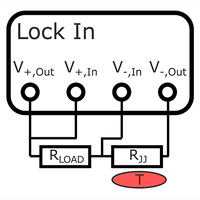
Phys. Rev. Lett. 135, 196202 (2025)
Condensed Matter and Materials
Chiral Graviton Modes on the Lattice
Article | Condensed Matter and Materials | 2025-11-04 05:00 EST
Hernan B. Xavier, Zeno Bacciconi, Titas Chanda, Dam Thanh Son, and Marcello Dalmonte
Chiral graviton modes are elusive excitations arising from the hidden quantum geometry of fractional quantum Hall states. It remains unclear, however, whether this picture extends to lattice models, where continuum translations are broken and additional quasiparticle decay channels arise. We present…
Phys. Rev. Lett. 135, 196501 (2025)
Condensed Matter and Materials
Multiphoton Spectroscopy of a Dynamical Axion Insulator
Article | Condensed Matter and Materials | 2025-11-04 05:00 EST
Olivia Liebman, Jonathan B. Curtis, Ioannis Petrides, and Prineha Narang
The unusual magnetoelectric transport present in Weyl semimetals and 3D topological insula- tors can be compactly understood as manifestations of a background axion field, which itself is determined by the microscopic band structure. In the presence of correlations, an additional axion quasiparticle…
Phys. Rev. Lett. 135, 196601 (2025)
Condensed Matter and Materials
Topological Magneto-optics in the Noncoplanar Antiferromagnet ${\mathrm{Co}}{1/3}{\mathrm{NbS}}{2}$: Imaging and Writing Chiral Magnetic Domains
Article | Condensed Matter and Materials | 2025-11-04 05:00 EST
E. Kirstein, H. Park, I. Martin, J. F. Mitchell, N. J. Ghimire, and S. A. Crooker
Researchers use a magneto-optical technique to image and manipulate magnetic domains in a chiral antiferromagnet, opening new routes for spin-based electronics.
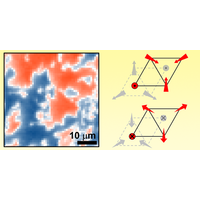
Phys. Rev. Lett. 135, 196702 (2025)
Condensed Matter and Materials
Physical Review X
Spin Squeezing with Itinerant Magnetic Dipoles
Article | 2025-11-05 05:00 EST
Alec Douglas, Vassilios Kaxiras, Lin Su, Michal Szurek, Vikram Singh, Ognjen Marković, and Markus Greiner
Quantum sensors can surpass their current limits by using entanglement. A method to create entangled states with fermionic erbium atoms reduces measurement noise fivefold while opening paths to advanced sensing and fundamental physics tests.
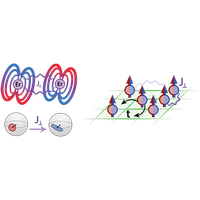
Phys. Rev. X 15, 041021 (2025)
Diagnosing Electronic Phases of Matter Using Photonic Correlation Functions
Article | 2025-11-04 05:00 EST
Gautam Nambiar, Andrey Grankin, and Mohammad Hafezi
By linking quantum optical measurements to electronic correlations, a new framework shows how photon correlations can reveal hidden properties of quantum materials, opening new ways to probe phenomena like spin chirality and anyons.

Phys. Rev. X 15, 041020 (2025)
arXiv
Some remarks on the objectivity and thermodynamic consistency of Korteweg-type fluids
New Submission | Statistical Mechanics (cond-mat.stat-mech) | 2025-11-05 20:00 EST
In this note we compare the entropy principle and the objectivity arguments in the methodologies of Dunn and Serrin [1] and in the more recent weakly nonlocal thermodynamic analysis of Korteweg-type fluids in [2]. It is concluded that the different objectivity approaches lead to the same constitutive functions, and that the difference in the thermodynamically compatible pressure tensors of perfect Korteweg fluids is due to different symmetry requirements.
Statistical Mechanics (cond-mat.stat-mech), Fluid Dynamics (physics.flu-dyn)
11 pages, no figures
Nuclear spin-free 70Ge/28Si70Ge quantum well heterostructures grown on industrial SiGe-buffered wafers
New Submission | Materials Science (cond-mat.mtrl-sci) | 2025-11-05 20:00 EST
P. Daoust, N. Rotaru, D. Biswas, S. Koelling, E. Rahier, A. Dubé-Valade, P. Del Vecchio, M. S. Edwards, M. Tanvir, E. Sajadi, J. Salfi, O. Moutanabbir
The coherence of hole spin qubits in germanium planar heterostructures is limited by the hyperfine coupling to the nuclear spin bath due to 29Si and 73Ge isotopes. Thus, removing these nuclear spin-full isotopes is essential to extend the hyperfine-limited coherence times needed to implement robust quantum processors. This work demonstrates the epitaxial growth of device-grade nuclear spin-free 70Ge/28Si70Ge heterostructures on industrial SiGe buffers while minimizing the amounts of highly purified 70GeH4 and 28SiH4 used. The obtained 70Ge/28Si70Ge heterostructures exhibit a dislocation density of 5.3 x 10e6 cm-2 and an isotopic purity exceeding 99.99%, with carbon and oxygen impurities below the detection sensitivity, as revealed by atom probe tomography. Magnetotransport measurements on gated Hall bars demonstrate effective gate control of hole density in nuclear spin-free quantum wells. Negative threshold gate voltages confirm the absence of intentional doping in the wells, while Hall and Shubnikov-de Haas analyses yield consistent carrier densities (1.4 x 10e11 cm-2) and high mobilities (2.4 x 10e5 cm2/Vs). Mobility trends reveal interfacetrap- limited scattering and percolation concentration below 7 x 10e10 cm-2. These analyses, along with atomic-level studies, confirm the high quality of epitaxial 70Ge/28Si70Ge heterostructures and their relevance as a platform for long-coherence spin qubits.
Materials Science (cond-mat.mtrl-sci), Mesoscale and Nanoscale Physics (cond-mat.mes-hall), Applied Physics (physics.app-ph)
A supplementary material file is available for this article
Mittag-Leffler Quantum Statistics and Thermodynamic Anomalies
New Submission | Statistical Mechanics (cond-mat.stat-mech) | 2025-11-05 20:00 EST
Maryam Seifi, Zahra Ebadi, Hamzeh Agahi, Hossein Mehri-Dehnavi, Hosein Mohammadzadeh
Building upon the framework established in our recent work [M. Seifi et al., Phys. Rev. E 111, 054114 (2025)], wherein a generalized Maxwell Boltzmann distribution was formulated using the Mittag Leffler function within the superstatistical formalism, we extend this approach to the quantum domain. Specifically, we introduce two statistical distributions,termed the Mittag Leffler Bose Einstein (MLBE) and Mittag Leffler Fermi Dirac (MLFD) distributions, constructed by generalizing the conventional Bose-Einstein and Fermi-Dirac distributions through the Mittag-Leffler function. This generalization incorporates a deformation parameter (\alpha), which facilitates a continuous interpolation between bosonic and fermionic statistics, while inherently capturing nonequilibrium effects and generalized thermodynamic behavior. We analyze the thermodynamic geometry associated with these distributions and identify significant departures from standard statistical models. Notably, the MLBE distribution manifests a Bose-Einstein-like condensation even in the absence of interactions, whereas the MLFD distribution exhibits unconventional features, such as negative heat capacity in the low-temperature regime. These findings highlight the pivotal role of statistical deformation in determining emergent macroscopic thermodynamic phenomena.
Statistical Mechanics (cond-mat.stat-mech)
15 pages, 10 figures
Posterior corrections for systematic distortions in atomic-resolution images from hexagonal crystals
New Submission | Materials Science (cond-mat.mtrl-sci) | 2025-11-05 20:00 EST
Digital images from crystals, as projected from the third spatial dimension and recorded in atomic resolution with any kind of real-world microscope, feature necessarily broken symmetries of the translation-periodicity-restricted Euclidean plane. The symmetry breakings are due to both the imaging process and the real structure of the imaged crystal, with the former cause typically dominating. A posterior algorithmic reduction of the symmetry breaking in such images constitutes, thus, often a correction for many of the distortions that were introduced by the imaging processes. Numerically quantified restorations of such symmetries can, therefore, be used to demonstrate the efficacy of a newly implemented posterior correction method for atomic-resolution images from hexagonal crystals. Recently developed information theory based methods are here shown to be suitable for this purpose. Thirteen experimental atomic-resolution images from graphite and monolayer molybdenite (MoS2), as respectively obtained by scanning tunneling microscopy, atomic force microscopy in the torsional resonance mode, and aberration-corrected parallel illumination transmission electron microscopy served as test cases in our larger (in its totality so far unpublished) study, from which we quote here. The source code of the software that was used for our distortion corrections and the whole report on that study are freely available on GitHub.
Materials Science (cond-mat.mtrl-sci)
6 pages, 6 figures, submitted as part of Lanano 2025
Dynamical Phase Transitions Across Slow and Fast Regimes in a Two-Tone Driven Duffing Resonator
New Submission | Mesoscale and Nanoscale Physics (cond-mat.mes-hall) | 2025-11-05 20:00 EST
Soumya S. Kumar, Javier del Pino, Letizia Catalini, Alexander Eichler, Oded Zilberberg
The response of nonlinear resonators to multifrequency driving reveals rich dynamics beyond conventional single-tone theory. We study a Duffing resonator under bichromatic excitation and identify a competition between the two drives, governed by their detuning and relative amplitudes. In the slow-beating regime, where the tones are closely spaced, the secondary drive acts as a modulation that induces dynamical phase transitions between coexisting stationary states. We introduce the cycle-averaged amplitude as an order parameter and map the resulting phase diagram as a function of the drive detuning and amplitude ratio, capturing the pronounced asymmetry observed for blue versus red detuning in experiment. We devise a model to link the onset of these transitions to the resonance properties around the nonlinear stationary mode of the system. Our results provide a framework for controlling driven nonlinear systems, enabling state manipulation, and sensing in nanomechanical, optical, and superconducting circuit platforms.
Mesoscale and Nanoscale Physics (cond-mat.mes-hall), Adaptation and Self-Organizing Systems (nlin.AO), Classical Physics (physics.class-ph), Quantum Physics (quant-ph)
Collective excitations and divergent spin currents in non-centrosymmetric superconductors
New Submission | Superconductivity (cond-mat.supr-con) | 2025-11-05 20:00 EST
Markus Lysne, Philipp Werner, Nikolaj Bittner
We study the collective modes in a non-centrosymmetric superconductor with Rashba spin-orbit coupling under laser irradiation. The concept of Anderson Pseudospin Resonance allows to reveal how laser driving gives rise not only to the established resonant enhancement of the third harmonic response, but also to a resonant enhancement in the second harmonic response of the spin current. We propose a theory which explains the phenomenon without including interband transitions. The theory is corroborated by numerical simulations which incorporate interband effects and allow us to clarify the signatures of the collective modes in the long-time dynamics of the superconductor.
Superconductivity (cond-mat.supr-con), Strongly Correlated Electrons (cond-mat.str-el)
16 pages, 9 figures
Marginal Fermi liquids from Fermi surfaces coupled via matrix boson gas
New Submission | Strongly Correlated Electrons (cond-mat.str-el) | 2025-11-05 20:00 EST
We propose a model of metallic critical point which we study at $ T=0$ in the large-$ N$ limit. We start with two species of fermions $ c_i, f_i$ , each with $ N$ flavors and matrix bosons $ b_{ij}$ with $ N^2$ components. They interact with each other via slave-boson like interaction $ \int b_{ij}^{\dagger} , c_i^{\dagger}f_j$ . The bosons have a bare dispersion of $ \varepsilon_{\textbf{q}}^b = \lambda_z |\textbf{q}|^z$ and we study the problem in $ d$ spatial dimensions. We show that for $ d = z+1,$ the electronic self energy shows marginal Fermi liquid behavior. We first evaluate the fermionic self energy $ \Sigma(i\omega)$ using the standard approximate boson self energy $ \Pi(\textbf{q}, i\nu) \propto |\nu|/|\textbf{q}|$ and find that $ \Sigma(i\omega) \sim \omega \ln(N/|\omega|)$ which shows a much weaker dependence on $ N$ when compared with similar results from non-SYK large-$ N$ Ising-nematic models. Then we evaluate $ \Sigma(i\omega)$ again using a more precise form of $ \Pi$ which allows us to study the interplay between $ N \rightarrow \infty$ limit for which $ \Sigma(i\omega) \sim \omega \ln(1/|\omega|)$ , and the $ \omega \rightarrow 0$ limit where we recover $ \Sigma(i\omega) \sim \omega \ln(N/|\omega|)$ . We also use the full bosonic self energy to obtain the correction to the bosonic specific heat as $ \frac{T}{N} \ln(1/T)$ . Since there are $ N^2$ bosons and $ N$ fermions, the bulk heat capacity for both fermions and bosons show nearly similar functional form $ NVT \ln(N/T)$ and $ NVT \ln(1/T)$ respectively for $ T \rightarrow 0$ .
Strongly Correlated Electrons (cond-mat.str-el)
Nonequilibrium Macroscopic Response Relations for Counting Statistics
New Submission | Statistical Mechanics (cond-mat.stat-mech) | 2025-11-05 20:00 EST
Understanding how macroscopic nonequilibrium systems respond to changes in external or internal parameters remains a fundamental challenge in physics. In this work, we report a parameter transitional symmetry valid for macroscopic dynamics arbitrarily far from equilibrium. The symmetry leads to exact response relations and gives meaningful expansions in both linear and short-time regimes. This framework provides a universal description of macroscopic response phenomena arbitrarily far from equilibrium - including non-stationary processes and time-dependent attractors. The theory is validated and demonstrated numerically using the Willamowski-Rossler model, which exhibits rich dynamical behaviors including limit cycles and chaos.
Statistical Mechanics (cond-mat.stat-mech)
Current Cross-Correlation Spectroscopy of Majorana Bound States
New Submission | Mesoscale and Nanoscale Physics (cond-mat.mes-hall) | 2025-11-05 20:00 EST
Michael Ridley, Eliahu Cohen, Christian Flindt, Riku Tuovinen
The clock speed of topological quantum computers based on Majorana zero mode (MZM)-supporting nanoscale devices is determined by the time taken for electrons to traverse the device. We employ the time-dependent Landauer-B{ü}ttiker transport theory for current cross-lead correlations in a superconducting nanowire junction hosting MZMs. From the time-dependent quantum noise, we are able to extract traversal times for electrons crossing the system. After demonstrating a linear scaling of traversal times with nanowire length, we present a heuristic formula for the traversal times which accurately captures their behaviour. We then connect our framework to a proposed experimental verification of this discriminant between spurious and genuine MZMs utilizing time-resolved transport measurements.
Mesoscale and Nanoscale Physics (cond-mat.mes-hall), Quantum Physics (quant-ph)
Exact Mapping of Nonequilibrium to Equilibrium Phase Transitions for Systems in Contact with Two Thermal Baths
New Submission | Statistical Mechanics (cond-mat.stat-mech) | 2025-11-05 20:00 EST
Iago N. Mamede, Carlos E. Fiore, Gustavo A. L. Forão, Karel Proesmans, André P. Vieira
We show that a large class of nonequilibrium many-body systems in contact with two thermal baths admit an exact mapping onto equivalent equilibrium systems. This mapping provides direct access to nonequilibrium phase transition points from known equilibrium results, irrespective of the model, interaction topology, or distance from equilibrium. We verify the universality of this correspondence using paradigmatic models (Ising, Potts, and Blume-Capel), and highlight distinctive features in entropy production close to critical and tricritical points. Our findings connect equilibrium and nonequilibrium statistical mechanics, with implications for microscopic thermal machines and stochastic thermodynamics.
Statistical Mechanics (cond-mat.stat-mech)
15 pages, 5 figures
Equivalence of charged and neutral density functional formulations for correcting the many-body self-interaction of polarons
New Submission | Materials Science (cond-mat.mtrl-sci) | 2025-11-05 20:00 EST
Stefano Falletta, Jennifer Coulter, Joel B. Varley, Daniel Aberg, Babak Sadigh, Boris Kozinsky, Alfredo Pasquarello
The electron self-interaction problem in density functional theory affects the accurate modeling of polarons, particularly their localization and formation energy. Charged and neutral density functional formulations have been developed to address this issue, yet their relationship remains unclear. Here, we demonstrate their equivalence in treating the many-body self-interaction of the polaron state. In particular, we connect with each other piecewise-linear functionals based on adding an extra charge to the supercell, the pSIC approach derived from the energetics of the neutral defect with polaronic distortions in a supercell, and the unit-cell method for polarons based on electron-phonon couplings. We show that these approaches lead to the same formal expression of the self-interaction corrected energy, which is fully defined by the energetics of the neutral charge state of the charged polaronic structure. Residual differences between these methods solely arise from the achieved polaronic structure, which is affected by different treatments of electron-screening and finite-size effects. We apply these methods to a set of prototypical small hole and electron polarons, including the hole polaron in MgO, the hole polaron in $ \beta$ -Ga$ _2$ O$ 3$ , the $ V\text{k}$ center in NaI, the electron polaron in BiVO$ _4$ , and the electron polaron in TiO$ _2$ . We show that the ground-state properties of polarons obtained using charged and neutral density functional formulations are in excellent agreement.
Materials Science (cond-mat.mtrl-sci)
21 pages, 4 figures
Fabrication and characterization of high-Q silicon nitride membrane resonators
New Submission | Mesoscale and Nanoscale Physics (cond-mat.mes-hall) | 2025-11-05 20:00 EST
Atkin D. Hyatt, Oscar A. Flores, Aman R. Agrawal, Charles A. Condos, Dalziel J. Wilson
Silicon nitride membranes are a powerful and ubiquitous optomechanical resonator technology, enabling high mechanical Q, low optical loss, and enhanced optomechanical coupling via a panoply of strain-, phononic-, and photonic-crystal engineering techniques. Fabrication and characterization of silicon nitride membranes has become a form of tacit knowledge in optomechanics research groups. Here we present a video run-through of the design, fabrication, and characterization of a contemporary silicon nitride membrane resonator (specifically, a centimeter-scale Si3N4 nanoribbon supporting $ Q>10^8$ torsion modes). Our tutorial can serve as a starting point or refresher for practitioners in the field.
Mesoscale and Nanoscale Physics (cond-mat.mes-hall), Applied Physics (physics.app-ph)
16 pages, 5 figures
J. Vis. Exp. (222), e68706, (2025)
Beyond Spin Coating: Homogeneous All-Inorganic Perovskite Films via High-Pressure Recrystallization
New Submission | Materials Science (cond-mat.mtrl-sci) | 2025-11-05 20:00 EST
Trong Tam Nguyen, José Penuelas, Aziz Benamrouche, Céline Chevalier, Thi Kim Anh Hoang, Gaëlle Trippé-Allard, Elsa Cassette, Brice Devif, Emmanuel Drouard, Emmanuelle Deleporte, Hong Hanh Mai, Abdelaziz Bouazizi, Christian Seassal, Hai Son Nguyen
Metal halide perovskites are promising materials for optoelectronic applications owing to their outstanding optical and electronic properties. Among them, all-inorganic perovskites such as CsPbBr$ _3$ offer superior thermal and chemical stability. However, obtaining high-quality CsPbBr$ _3$ thin films via solution processing remains challenging due to the precursor’s low solubility, and current additive or solvent engineering strategies are often complex and poorly reproducible. High-pressure recrystallization has recently emerged as a promising route to improve film quality, yet its impact on film properties remains insufficiently explored. Here, we systematically investigate the morphological, structural, and optical properties of CsPbBr$ _3$ thin films prepared by high-pressure recrystallization, in comparison with standard non-recrystallized films. Optimized recrystallization at 300 bar produces smooth, pinhole-free, single-phase 3D perovskite layers with sub-nanometer roughness, while the film thickness is precisely tunable via precursor concentration. The process enhances both grain and crystallite sizes, leading to amplified spontaneous emission with a reduced excitation threshold and improved photostability. Temperature-dependent X-ray diffraction further reveals the orthorhombic–tetragonal–cubic phase transition, consistent with single-crystal behavior. This study provides fundamental insights into pressure-driven recrystallization and establishes a reproducible, scalable approach for fabricating high-quality CsPbBr$ _3$ films for optoelectronic devices.
Materials Science (cond-mat.mtrl-sci), Applied Physics (physics.app-ph)
Nanofluidic logic based on chiral skyrmion flows
New Submission | Mesoscale and Nanoscale Physics (cond-mat.mes-hall) | 2025-11-05 20:00 EST
Xichao Zhang, Jing Xia, Yan Zhou, Guoping Zhao, Xiaoxi Liu, Yongbing Xu, Masahito Mochizuki
Particle-like chiral magnetic skyrmions can flow in nanotracks and behave like chiral fluids. Using interacting flows to perform logical operations is an important topic in microfluidics and nanofluidics. Here, we report a basic nanofluidic logic computing system based on chiral magnetic skyrmions flowing in parallel pipelines connected by an H-shaped junction. The flow behaviors could be manipulated by adjusting the spin polarization angle, which controls the intrinsic skyrmion Hall angle. We demonstrate that within certain range of the spin polarization angle, fully developed skyrmion flows could lead to fluidic logical operations, which significantly reduce the complexity of skyrmion logic as there is no need for deterministic creation, precise control, and detection of a single isolated skyrmion. Our results suggest that the chiral flow behaviors of magnetic quasiparticles may offer possibilities for spintronic and nanofluidic functions.
Mesoscale and Nanoscale Physics (cond-mat.mes-hall), Soft Condensed Matter (cond-mat.soft), Applied Physics (physics.app-ph), Fluid Dynamics (physics.flu-dyn)
23 pages, 5 figures. Please refer to published version: this https URL
Proc. Natl. Acad. Sci. U.S.A. 122, e2506204122 (2025)
Quasi-Solid and Supersolid from Quasiperiodic Long-Range Interactions
New Submission | Quantum Gases (cond-mat.quant-gas) | 2025-11-05 20:00 EST
We investigate hard-core bosons in one dimension with quasiperiodic long-range interactions defined by V_ij = V0 cos(pi \ast alpha \ast i) cos(pi \ast alpha \ast j), where alpha = (sqrt(5) - 1)/2 is the inverse golden ratio. Large-scale quantum Monte Carlo simulations reveal incompressible density plateaus at incommensurate fillings tied to Fibonacci ratios. These plateaus feature emergent nonuniform density profiles and robust long-range correlations, as captured by the structure factor. Depending on filling and interaction strength, the system realizes either a quasi-solid phase with suppressed superfluidity, a quasi-supersolid phase where density order coexists with finite superfluid density, or a superfluid phase. Our results demonstrate that purely interaction-induced quasiperiodicity, without external potential or disorder, can stabilize novel quantum phases that simultaneously break translational symmetry and sustain quantum coherence.
Quantum Gases (cond-mat.quant-gas), Quantum Physics (quant-ph)
Origin of sublattice particle-hole asymmetry in monolayer FeSe superconductors
New Submission | Superconductivity (cond-mat.supr-con) | 2025-11-05 20:00 EST
Mercè Roig, Kazi Ranjibul Islam, Basu Dev Oli, Huimin Zhang, P. M. R. Brydon, Aline Ramires, Yue Yu, Michael Weinert, Lian Li, Daniel F. Agterberg
In iron-based superconductors, the two Fe atoms in the unit cell are typically related by crystal symmetries; therefore, we expect no intra-unit cell variations in the superconducting gap. However, recent experiments have challenged this expectation, reporting intra-unit cell variations in the gap with an unusual particle-hole asymmetry. Here, we examine the origin of this asymmetry between the two Fe sublattices in monolayer FeSe grown on SrTiO$ _3$ . We reveal that, in addition to the substrate-induced broken inversion symmetry, substrate nematic symmetry breaking is key to observing this asymmetry. We further identify two possible mechanisms through which this can occur. The first is through an odd-parity gap function that coexists with an extended $ s$ -wave function. The second is via a nodeless $ d$ -wave gap function that develops in the presence of a symmetry-breaking substrate. We argue that the latter mechanism is more physical. To test our theory, we performed scanning tunneling spectroscopy measurements across the nematic domain walls, which exhibit a clear enhancement of the asymmetry between the two Fe sublattices. In addition, we reveal that the observed sublattice particle-hole asymmetry is associated with odd-frequency pairing correlations, providing an experimental realization of this unusual pairing correlation.
Superconductivity (cond-mat.supr-con), Strongly Correlated Electrons (cond-mat.str-el)
5 pages
Embedding independent length scale of flat bands
New Submission | Mesoscale and Nanoscale Physics (cond-mat.mes-hall) | 2025-11-05 20:00 EST
Seokju Lee, Seung Hun Lee, Bohm-Jung Yang
In flat band systems with quenched kinetic energy, most of the conventional length scales related to the band dispersion become ineffectual. Although a few geometric length scales, such as the quantum-metric length, can still be defined, because of their embedding dependence, i.e., the dependence on the choice of orbital positions used to construct the tight-binding model, they cannot serve as a universal length scale of the flat band systems. Here, we introduce an embedding-independent length scale $ \xi_\text{flat}$ of a flat band that is defined as the localization length of an in-gap state proximate to the flat band. Because $ \xi_\text{flat}$ is derived from the intrinsic localization of compact localized states, it is solely determined by the Hamiltonian and provides a robust foundation for embedding-independent observables. We show analytically that the superconducting coherence length in a flat-band superconductor is given by $ \xi_\text{flat}$ in the weak-coupling limit, thereby identifying $ \xi_\text{flat}$ as the relevant length scale for many-body phenomena. Numerical simulations on various lattice models confirm all theoretical predictions, including the correspondence between $ \xi_\text{flat}$ and the superconducting coherence length. Our results highlight $ \xi_\text{flat}$ as a universal length scale for flat bands and open a pathway to embedding-independent characterization of strongly interacting flat-band materials.
Mesoscale and Nanoscale Physics (cond-mat.mes-hall)
Role of on-site Coulomb energy and negative-charge transfer in a Dirac semi-metal
New Submission | Strongly Correlated Electrons (cond-mat.str-el) | 2025-11-05 20:00 EST
A. R. Shelke, C.-W. Chuang, S. Hamamoto, M. Oura, M. Yoshimura, N. Hiraoka, C.-N. Kuo, C.-S. Lue, A. Fujimori, A. Chainani
Angle-resolved photoemission spectroscopy in combination with band structure calculations have shown that the layered transition metal dichalcogenide NiTe$ _2$ is a type-II Dirac semimetal. However, there are conflicting conclusions in the literature regarding the role of electron correlations in NiTe$ 2$ . We study the core-level and valence band electronic structure of single crystal NiTe$ 2$ using soft and hard X-ray photoemission spectroscopy (SXPES, HAXPES), X-ray absorption spectroscopy (XAS) and Ni $ 2p-3d$ resonant photoemission spectroscopy(resonant-PES) to quantify electronic parameters in NiTe$ 2$ . The on-site Coulomb energy ($ U{dd}$ ) in the Ni $ 3d$ states is quantified from measurements of the Ni $ 3d$ single particle density of states and the two-hole correlation satellite. The Ni $ 2p$ core level and $ L$ -edge XAS spectra are analyzed by charge transfer cluster model calculations using the experimentally estimated $ U{dd}$ (= 3.7 eV), and the results show that NiTe$ 2$ exhibits a negative charge-transfer energy ($ \Delta$ = -2.8 eV). The same type of cluster model analysis of NiO $ L$ -edge XAS confirms its well-known strongly correlated charge-transfer insulator character, with $ U{dd}$ = 7.0 eV and $ \Delta$ = 6.0 eV. The $ d$ -$ p$ hybridization strength $ T{eg}$ for NiTe$ 2$ <$ NiO, and indicates that the reduced $ U_{dd}$ in NiTe\textsubscript{2} compared to NiO is not due to an increase in $ T_{eg}$ . The increase in $ d^n$ count on the Ni site in NiTe$ _{2}$ by nearly one electron is attributed to negative-$ \Delta$ and a reduced $ U_{dd}$ . However, since $ U_{dd}$ >$ |\Delta|$ , the results indicate the important role of a finite repulsive $ U{dd}$ in making NiTe$ _{2}$ a moderately correlated $ p$ -type Dirac semi-metal.
Strongly Correlated Electrons (cond-mat.str-el), Materials Science (cond-mat.mtrl-sci)
10 pages, 10 figures (submitted to Physical Review B)
Schrödinger-invariance in phase-ordering kinetics
New Submission | Statistical Mechanics (cond-mat.stat-mech) | 2025-11-05 20:00 EST
Stoimen Stoimenov, Malte Henkel
The generic shape of the single-time and two-time correlators in non-equilibrium phase-ordering kinetics with $ {z}=2$ is obtained from the co-variance of the four-point response functions. Their non-equilibrium scaling forms follow from a new non-equilibrium representation of the Schrödinger algebra.
Statistical Mechanics (cond-mat.stat-mech), High Energy Physics - Theory (hep-th), Mathematical Physics (math-ph)
Latex2e, 13 pages, 3 figures. Conference proceedings LT-16, based on arXiv:2508.08963
Hybridization Gap and Edge States in Strain-layer InAs/In0.5Ga0.5Sb Quantum Spin Hall Insulator
New Submission | Materials Science (cond-mat.mtrl-sci) | 2025-11-05 20:00 EST
Wenfeng Zhang, Peizhe Jia, Wen-kai Lou, Xinghao Wang, Shaokui Su, Kai Chang, Rui-Rui Du
The hybridization gap in strained-layer InAs/InxGa1-xSb quantum spin Hall insulators (QSHIs) is significantly enhanced compared to binary InAs/GaSb QSHI structures, where the typical indium composition, x, ranges between 0.2 and 0.4. This enhancement prompts a critical question: to what extent can quantum wells (QWs) be strained while still preserving the fundamental QSHI phase? In this study, we demonstrate the controlled molecular beam epitaxial (MBE) growth of highly strained-layer QWs with an indium composition of x = 0.5. These structures possess a substantial compressive strain within the In0.5Ga0.5Sb QW. Detailed crystal structure analyses confirm the exceptional quality of the resulting epitaxial films, indicating coherent lattice structures and the absence of visible dislocations. Transport measurements further reveal that the QSHI phase in InAs/In0.5Ga0.5Sb QWs is robust and protected by time-reversal symmetry. Notably, the edge states in these systems exhibit giant magnetoresistance when subjected to a modest perpendicular magnetic field. This behavior is in agreement with the Z2 topological property predicted by the Bernevig-Hughes-Zhang (BHZ) model, confirming the preservation of topologically protected edge transport in the presence of enhanced bulk strain.
Materials Science (cond-mat.mtrl-sci)
12 pages, 4 figures
From data to design: Random forest regression model for predicting mechanical properties of alloy steel
New Submission | Materials Science (cond-mat.mtrl-sci) | 2025-11-05 20:00 EST
This study investigates the application of Random Forest Regression for predicting mechanical properties of alloy steel-Elongation, Tensile Strength, and Yield Strength-from material composition features including Iron (Fe), Chromium (Cr), Nickel (Ni), Manganese (Mn), Silicon (Si), Copper (Cu), Carbon (C), and deformation percentage during cold rolling. Utilizing a dataset comprising these features, we trained and evaluated the Random Forest model, achieving high predictive performance as evidenced by R2 scores and Mean Squared Errors (MSE). The results demonstrate the model’s efficacy in providing accurate predictions, which is validated through various performance metrics including residual plots and learning curves. The findings underscore the potential of ensemble learning techniques in enhancing material property predictions, with implications for industrial applications in material science.
Materials Science (cond-mat.mtrl-sci), Artificial Intelligence (cs.AI)
Book Chapter in: Fundamental Frontiers: Expanding Core Sciences, Editors: Dr. P. Saikia, Dr. D. Core, and J. Mahanta, Dr. J. Gogoi, First Edition, October 2024, ISBN: 978-93-91883-69-0
Benchmarking Non-perturbative Many-Body Approaches in the Exactly Solvable Hatsugai-Kohmoto Model
New Submission | Strongly Correlated Electrons (cond-mat.str-el) | 2025-11-05 20:00 EST
The accurate simulation of strongly correlated electron systems remains a central challenge in condensed matter physics, motivating the development of various non-perturbative many-body methods. Such methods are typically benchmarked against the numerical exact determinant quantum Monte Carlo (DQMC) in the Hubbard model; however, DQMC is limited by the fermionic sign problem and the uncertainties of numerical analytic continuation. To address these issues, we use the exactly solvable Hatsugai-Kohmoto (HK) model as a benchmarking platform to evaluate three many-body approximations: $ GW$ , $ HGW$ , and $ SGW$ . We compare the Green’s functions, spectral functions, and response functions obtained from these approximations with the exact solutions. Our analysis shows that the $ GW$ approximation, often considered insufficient for describing strong correlation, exhibits a previously unreported solution branch that accurately reproduces Mott physics in the HK model. In addition, using a covariant formalism, we find that $ HGW$ provides an accurate description of charge response, while $ SGW$ performs well for spin correlations. Overall, our work demonstrates that the HK model can effectively benchmark many-body approximations and helps refine the understanding of $ GW$ methods in strongly correlated regimes.
Strongly Correlated Electrons (cond-mat.str-el)
Electronic state of superconductivity in line nodal material CaSb2 under pressure up to 4.2 GPa
New Submission | Superconductivity (cond-mat.supr-con) | 2025-11-05 20:00 EST
Shumpei Oguchi, Kenji Ishida, Atsutoshi Ikeda, Yoshiteru Maeno, Shunsaku Kitagawa
We report the results of resistance measurements under pressure up to $ 4.2,\mathrm{GPa}$ on single-crystalline $ \mathrm{CaSb}2$ , which shows the maximum of superconducting transition temperature $ T\mathrm{c}$ at $ 3.1,\mathrm{GPa}$ . At room temperature, $ R(P)$ shows a subtle anomaly at $ 3.1,\mathrm{GPa}$ . However, Bloch-Grüneisen analysis of $ R(T)$ indicates that the electronic state does not change significantly across $ 3.1,\mathrm{GPa}$ .
Superconductivity (cond-mat.supr-con)
2 pages, 2figures
Pressure-Driven Phase Evolution and Optoelectronic Properties of Lead-free Halide Perovskite Rb$_2$TeBr$_6$
New Submission | Materials Science (cond-mat.mtrl-sci) | 2025-11-05 20:00 EST
Suvashree Mukherjee, Asish Kumar Mishra, K.A. Irshad, Boby Joseph, Goutam Dev Mukherjee
The structural, vibrational, and optical properties of Rb$ _2$ TeBr$ _6$ have been investigated under high pressure using synchrotron X-ray diffraction, Raman spectroscopy, photoluminescence (PL), and optical absorption measurements. At ambient conditions, Rb$ _2$ TeBr$ _6$ crystallizes in the cubic Fm-3m structure, which remains stable below 8.0 GPa. Within this pressure range, subtle inter-octahedral rotations develop, producing a gradual localized deviation from the ideal cubic framework. This local reorientation facilitates radiative recombination, leading to a pronounced enhancement of PL intensity with pressure up to 2.4 GPa. Beyond this pressure point, enhancement of nonradiative relaxation channels result in gradual PL quenching. Additionally, the PL intensity increases upon the application of an external weak magnetic field. A structural transition to the orthorhombic Pnnm phase occurs at around 8.0 GPa, followed by a monoclinic P$ 2_1/m$ phase above 10.7 GPa, and eventual amorphization beyond 25.5 GPa. Optical absorption spectra reveal continuous band-gap narrowing upon compression. These findings demonstrate the strong coupling among lattice dynamics, electronic structure, and optical response in Rb$ _2$ TeBr$ _6$ , underscoring its potential as a pressure-tunable optoelectronic material
Materials Science (cond-mat.mtrl-sci)
$C_{3}$-Symmetry-induced Antisymmetric Planar Hall effect and Magnetoresistance in Single-Crystalline Ferromagnets
New Submission | Materials Science (cond-mat.mtrl-sci) | 2025-11-05 20:00 EST
W. J. Qin, B. Yang, Y. Z. Tian, B. W. Zheng, K. Y. Wang, B. Y. Huang, Y. B. Yang, W. Q. Zou, D. Wu, P. Wang
The planar Hall effect (PHE) is typically symmetric under magnetic field reversal, as required by the Onsager reciprocity relations. Recent advances have identified the antisymmetric PHE (under magnetic field reversal) as an intriguing extension in magnetic systems. While new mechanisms have been proposed, the role of conventional anisotropic magnetoresistance (AMR) in this phenomenon remains unclear. Here, we report the experimental discovery of an antisymmetric (with respect to both magnetic field and magnetization) PHE and magnetoresistance in single-crystal $ Co_{30}Pt_{70}$ (111) thin films with $ C_{3}$ rotational symmetry and perpendicular magnetic anisotropy (PMA). We demonstrate that both antisymmetric effects arise naturally from the intrinsic fourth-rank AMR tensor inherent to C3-symmetric planes, assisted by PMA. Our findings link conventional AMR to antisymmetric galvanomagnetic responses, offering new insights into symmetry-governed transport in crystalline ferromagnets.
Materials Science (cond-mat.mtrl-sci)
Multi-Particle Quantum Walks in a Dipole-Conserving Bose-Hubbard Model
New Submission | Quantum Gases (cond-mat.quant-gas) | 2025-11-05 20:00 EST
Sooshin Kim, Byungmin Kang, Perrin Segura, Yanfei Li, Ethan Lake, Brice Bakkali-Hassani, Markus Greiner
When particles move through a crystal or optical lattice, their motion can sometimes become frozen by strong external forces – yet collective motion may still emerge through subtle many-body effects. In this work, we explore such constrained dynamics by realizing a dipole-conserving Bose-Hubbard model, where single atoms are immobile but pairs of particles can move cooperatively while preserving the system’s center of mass, i.e. the overall dipole moment of the particle distribution. Starting from a one-dimensional chain of ultracold bosonic atoms in an optical lattice, we generate localized dipole excitations consisting of a hole and a doublon using site-resolved optical potentials and characterize their quantum walks and scattering dynamics. Our study provides a bottom-up investigation of a Hamiltonian with kinetic constraints, and paves the way for exploring low-energy phases of fractonic matter in existing experimental platforms.
Quantum Gases (cond-mat.quant-gas), Quantum Physics (quant-ph)
7+11 pages, 4+7 figures
Charge glass from supercooling topological-ordered liquid
New Submission | Statistical Mechanics (cond-mat.stat-mech) | 2025-11-05 20:00 EST
Kouki Kimata, Harukuni Ikeda, Masafumi Udagawa
Topological order characterizes a class of quantum and classical many-body liquid states that escape the conventional classification by spontaneous symmetry breaking. Many properties of the topological-ordered states still await a clear understanding, and nature of phase transition dynamics is one of them. Normally, when a liquid freezes into a solid, crystallization starts with nucleation and a solid domain quickly grows on the surface of the expanding nucleus, and the domains evolve into macroscopic size. In this work, we reveal that the crystallization of the topological-ordered liquid proceeds in a fundamentally different way. The topological-ordered phase is characterized by a global conserved quantity and its conjugate fractional charge, which we call a flux and a triplet in our working system of the charge Ising model on a triangular lattice. In contrast to the normal crystallization process, the phase transition is driven by the diffusive motion of triplets, which is required to change the value of conserved fluxes to exit the topological-ordered phase. In order to complete crystallization, triplets must spend a divergently long time to diffuse over a macroscopic distance across the system, which results in glassy behavior. Reflecting the diffusive motion of triplets, the initial crystallization process shows slowing down with unusually small Avrami exponent $ \sim0.5$ . These anomalous dynamics are specific to the crystallization from topological-ordered liquid, and well account for the main features of charge glass behavior exhibited by the organic conductors, $ \theta$ -(BEDT-TTF)$ _2$ X(SCN)$ _4$ .
Statistical Mechanics (cond-mat.stat-mech), Strongly Correlated Electrons (cond-mat.str-el)
11 pages, 7 figures
Strain-Tunable Opto-electronics in PdS$_2$ Monolayer: the Role of Band Nesting and Carrier-Phonon Scattering
New Submission | Materials Science (cond-mat.mtrl-sci) | 2025-11-05 20:00 EST
Hongfa Wang, Yancheng Gong, Subrahmanyam Pattamatta, Junwen Li, Hailong Wang, Zhizi Guan
Strain engineering is a powerful strategy for tuning the optoelectronic properties in two-dimensional materials, yet the underlying mechanisms governing their strain response are often not fully elucidated. In this work, our first-principle calculations show that the penta-orthorhombic PdS$ _2$ monolayer exhibits two key strain-tunable properties: a continuous redshift of its main optical absorption peak from $ \sim$ 2.0 to $ \sim$ 1.6~eV and enhancement in carrier mobility, with a more than threefold increase for electron under 0–4% biaxial tensile strain. Subsequent analysis reveals that the tunable optical response originates from a robust band nesting feature between the highest valence and lowest conduction bands, which is preserved across the Brillouin zone under biaxial strain. For the carrier transport, deformation potential theory predicts mobility increasing with strain, strongly correlating with the reduction of carrier effective mass. Our first-principles calculations show a strain-induced monotonic decrease in carrier linewidths near the band edges, indicating suppressed carrier-phonon scattering and longer carrier lifetime as the origin of the mobility enhancement. Our work establishes a pathway for engineering the optoelectronic response in 2D semiconductors where strong band nesting governs the optical properties and paves the way for the rational design of continuously tunable flexible optoelectronic devices.
Materials Science (cond-mat.mtrl-sci)
Acoustic orbital Hall effect and orbital pumping in light-metal-ferromagnet bilayers
New Submission | Mesoscale and Nanoscale Physics (cond-mat.mes-hall) | 2025-11-05 20:00 EST
Mingxing Wu, Shilei Ding, Hiroki Matsumoto, Pietro Gambardella
Orbital currents provide a new degree of freedom for controlling magnetism, yet their interaction with lattice dynamics remains largely unexplored. Here we report a systematic investigation of the acoustic orbital Hall effect in light metals such as Ti and Cr, where surface acoustic waves generate orbital currents through phonon-orbital coupling. The acoustic orbital current in Ti exhibits higher efficiency and longer diffusion length compared to the acoustic spin current in Pt. The sign and magnitude of the rectified acoustic voltages in nonmagnetic (Ti, Cr)/ferromagnetic (Ni, Co, Fe$ _x$ Co$ _{1-x}$ ) bilayers are determined by the product of orbital-to-spin conversion and magnetoelastic coupling efficiencies of the ferromagnet. Additionally, we find evidence for acoustic orbital pumping, whereby the excitation of ferromagnetic resonance by surface acoustic waves injects an orbital current from the ferromagnet into the nonmagnet. These results establish lattice dynamics as an efficient driver of orbital transport, opening opportunities for low-dissipation orbitronic devices that harness and sense phonons.
Mesoscale and Nanoscale Physics (cond-mat.mes-hall)
18 pages, 9 figures
The bulk modulus of three-dimensional quantum droplets
New Submission | Quantum Gases (cond-mat.quant-gas) | 2025-11-05 20:00 EST
Zibin Zhao, Guilong Li, Zhaopin Chen, Huan-Bo Luo, Bin Liu, Boris A. Malomed, Yongyao Li
Quantum droplets (QDs), formed by ultra-dilute quantum fluids under the action of Lee-Huang-Yang (LHY) effect, provide a unique platform for investigating a wide range of macroscopic quantum effects. Recent studies of QDs’ breathing modes and collisional dynamics have revealed their compressibility and extensibility, which suggests that their elasticity parameters can be identified. In this work, we derive the elastic bulk modulus (BM) of QDs by means of the theoretical analysis and numerical simulations, and establish a relation between the BM and the eigenfrequency of QD’s intrinsic vibrations. The analysis reveals the dependence of the QD’s elasticity on the particle number and the strength of interparticle interactions. We conclude that the BM of QDs can be less than $ 1~\mathrm{\mu Pa}$ , implying that QDs are ultra-soft quantum elastic media. These findings suggest new perspectives for realizing elastic media governed by the LHY effect.
Quantum Gases (cond-mat.quant-gas), Pattern Formation and Solitons (nlin.PS)
9 pages, 5 figures, and 66 References
On the supra-linear storage in dense networks of grid and place cells
New Submission | Disordered Systems and Neural Networks (cond-mat.dis-nn) | 2025-11-05 20:00 EST
Adriano Barra, Martino S. Centonze, Michela Marra Solazzo, Daniele Tantari
Place-cell networks, typically forced to pairwise synaptic interactions, are widely studied as models of cognitive maps: such models, however, share a severely limited storage capacity, scaling linearly with network size and with a very small critical storage. This limitation is a challenge for navigation in 3-dimensional space because, oversimplifying, if encoding motion along a one-dimensional trajectory embedded in 2-dimensions requires $ O(K)$ patterns (interpreted as bins), extending this to a 2-dimensional manifold embedded in a 3-dimensional space -yet preserving the same resolution- requires roughly $ O(K^2)$ patterns, namely a supra-linear amount of patterns. In these regards, dense Hebbian architectures, where higher-order neural assemblies mediate memory retrieval, display much larger capacities and are increasingly recognized as biologically plausible, but have never linked to place cells so far. Here we propose a minimal two-layer model, with place cells building a layer and leaving the other layer populated by neural units that account for the internal representations (so to qualitatively resemble grid cells in the MEC of mammals): crucially, by assuming that each place cell interacts with pairs of grid cells, we show how such a model is formally equivalent to a dense Battaglia-Treves-like Hebbian network of grid cells only endowed with four-body interactions. By studying its emergent computational properties by means of statistical mechanics of disordered systems, we prove -analytically- that such effective higher-order assemblies (constructed under the guise of biological plausibility) can support supra-linear storage of continuous attractors; furthermore, we prove -numerically- that the present neural network is capable of recognition and navigation on general surfaces embedded in a 3-dimensional space.
Disordered Systems and Neural Networks (cond-mat.dis-nn), Statistical Mechanics (cond-mat.stat-mech), Mathematical Physics (math-ph)
38 pages, 10 figures
Parity Anomalous Semimetal with Minimal Conductivity Induced by an In-Plane Magnetic Field
New Submission | Materials Science (cond-mat.mtrl-sci) | 2025-11-05 20:00 EST
Binbin Wang, Jiayuan Hu, Bo Fu, Jiaqi Li, Yunchuan Kong, Kai-Zhi Bai, Shun-Qing Shen, Di Xiao
The interplay between topological materials and local symmetry breaking gives rise to diverse topological quantum phenomena. A notable example is the parity anomalous semimetal (PAS), which hosts a single unpaired gapless Dirac cone with a half-integer quantized Hall conductivity. Here, we realize this phase in a magnetic topological sandwich structure by applying an in-plane magnetic field. This configuration aligns the magnetization of one surface in-plane while preserving magnetization out-of-plane on the opposite surface, satisfying the condition for a gapless surface state near the Fermi level on only one surface. Our key evidence is a distinctive two-stage evolution of the conductivity tensor ($ \sigma_{xy}$ , $ \sigma_{xx}$ ). The first stage culminates in the PAS at the fixed point ($ \frac{e^2}{2h}$ , $ m \frac{e^2}{h}$ ), where $ m \approx 0.6$ corresponds to the minimal longitudinal conductivity of a single gapless Dirac cone of fermions on a 2D lattice. This PAS state remains stabilized and is superposed with a gapped band flow in the second stage. This observation demonstrates that this state stabilized by the in-plane field resists localization–contrary to conventional expectations for 2D electron systems with broken time reversal symmetry. The dynamic transition from an integer quantized insulator to a half-integer quantized semimetal establishes this material system as a versatile platform for exploring parity anomaly physics.
Materials Science (cond-mat.mtrl-sci), Mesoscale and Nanoscale Physics (cond-mat.mes-hall)
Non-altermagnetic spin texture in MnTe
New Submission | Materials Science (cond-mat.mtrl-sci) | 2025-11-05 20:00 EST
Meng Zeng, Pengfei Liu, Ming-Yuan Zhu, Naifu Zheng, Xiang-Rui Liu, Yu-Peng Zhu, Tian-Hao Shao, Yu-Jie Hao, Xiao-Ming Ma, Gexing Qu, Rafał Kurleto, Dawid Wutke, Rong-Hao Luo, Yue Dai, Xiaoqian Zhang, Koji Miyamoto, Kenya Shimada, Taichi Okuda, Kiyohisa Tanaka, Yaobo Huang, Qihang Liu, Chang Liu
Recently, altermagnets have emerged as promising candidates in spintronics, uniquely combining large spin-polarized electronic states with zero net magnetization. A prominent example is $ \alpha$ -MnTe, whose altermagnetic spin splitting, i.e., the degeneracy lift in momentum space induced by collinear magnetic order, has been experimentally observed. However, the direct evidence of its $ g$ -wave spin polarization, the key property for altermagnetic spintronics, is thus far lacking. By combining high-resolution spin- and angle-resolved photoemission spectroscopy (SARPES) with first-principles calculations, we reveal a $ k_z$ -independent, Rashba-like spin texture in $ \alpha$ -MnTe. Our results indicate that the observed spin polarization is primarily governed by spin-orbit coupling, whereas the magnetic order contributes to the splitting of energy bands but plays a much less dominant role in spin polarization due to the multi-domain nature. From this result, we further establish a way to prescreen altermagnet candidates that favor the formation of large antiferromagnetic domains based on symmetry analysis. Our work elucidates the interplay between magnetic order and spin-orbit coupling in governing spin polarization in altermagnet candidates, and thereby advances the materials design paradigm for spin-functional devices.
Materials Science (cond-mat.mtrl-sci)
19 pages, 4 figures
Spin and orbital excitations in undoped infinite layers: a comparison between superconducting PrNiO2 and insulating CaCuO2
New Submission | Superconductivity (cond-mat.supr-con) | 2025-11-05 20:00 EST
Francesco Rosa, Hoschang Sahib, Giacomo Merzoni, Leonardo Martinelli, Riccardo Arpaia, Nicholas B. Brookes, Daniele Di Castro, Maryia Zinouyeva, Marco Salluzzo, Daniele Preziosi, Giacomo Ghiringhelli
Infinite-layer nickelates are among the most promising cuprate-akin superconductors, although relevant differences from copper oxides have been reported. Here, we present momentum- and polarization-resolved RIXS measurements on chemically undoped, superconducting PrNiO2, and compare its magnetic and orbital excitations with those of the reference infinite layer cuprate CaCuO2. In PrNiO2, the in-plane magnetic exchange integrals are smaller than in CaCuO2, whereas the out-of-plane values are similar, indicating that both materials support a three-dimensional antiferromagnetic order. Orbital excitations, associated to the transitions within 3d states of the metal, are well reproduced within a single-ion model and display similar characteristics, except for the Ni-dxy peak which, besides lying at significantly lower energy, shows an opposite dispersion to that of Cu-dxy. This is interpreted as a consequence of orbital superexchange coupling between nearest neighbor sites, which drives the orbiton propagation. Our observations demonstrate that infinitelayer cuprates and nickelates share most of the spin and orbital properties, despite their markedly different charge-transfer energy Delta.
Superconductivity (cond-mat.supr-con), Strongly Correlated Electrons (cond-mat.str-el)
12 pages, 5 figures, 3 tables
Ultrafast magnetic moment transfer and bandgap renormalization in monolayer \ce{FeCl2}
New Submission | Materials Science (cond-mat.mtrl-sci) | 2025-11-05 20:00 EST
Yu-Hui Song, Huan-Cheng Yang, Kai Liu, Zhong-Yi Lu
The microscopic origin of laser-induced ultrafast demagnetization remains an open question, to which the non-thermal electronic distribution plays a vital role at the initial stage. Herein, we investigate the connection between the non-thermal electronic distribution and the ultrafast spin dynamics as well as the electronic structure evolution in ferromagnetic \ce{FeCl2} monolayer using real-time time-dependent density functional theory (rt-TDDFT) with self-consistent Hubbard $ U$ correction. Our simulations reveal that femtosecond laser pulses induce ultrafast magnetic moment transfer from Fe to Cl atoms. More importantly, through a comprehensive analysis of orbital-resolved electronic structure, we elucidate the microscopic origin of this transfer, attributing it to specific intra-atomic and inter-atomic charge transfer pathways driven by non-thermal excitations. The extent of demagnetization of Fe atoms exhibits a non-monotonic dependence on the laser photon energy, reaching a maximum at the resonant excitation. In addition, the dynamical evolution of the band structure was studied based on the eigenstates of the instantaneous Hamiltonian. Under resonant excitation, the bandgap reduction reaches up to $ 41%$ within tens of fs. These findings provide fundamental insights into ultrafast spin control and suggest a strategy to optically engineer the magnetism in two-dimensional magnetic materials.
Materials Science (cond-mat.mtrl-sci), Computational Physics (physics.comp-ph)
8 pages, 8 figures
Granular drag and lift force on a flexible fiber
New Submission | Soft Condensed Matter (cond-mat.soft) | 2025-11-05 20:00 EST
Antonio Pol, Sara Storti, Fabio Gabrieli
In this work, we investigate the forces acting on a flexible fiber dragged through a granular bed. Using discrete element simulations, we observe that, after a sufficiently large displacement, the system reaches a steady state in which both the fiber’s shape and the forces acting on it become, on average, constant. Under these conditions, we identify two characteristic lengths that describe the fiber’s shape and propose unique scaling laws for the drag and lift forces, valid across a wide range of fiber flexibilities, from highly deformable to nearly rigid, based on these lengths. We highlight that the fiber-grains interaction is governed by a single dimensionless elastogranular parameter, defined as the ratio of the fiber’s elastic properties to the granular pressure. Finally, we demonstrate that both the forces and the characteristic lengths can be expressed solely as functions of this dimensionless parameter. Our findings offer a fundamental insight into the behavior of a flexible fiber interacting with a granular medium.
Soft Condensed Matter (cond-mat.soft)
Physical Review E 112 (4) (2025) 045425
Deterministic generation of single B centers in hBN by one-to-one conversion from UV centers
New Submission | Other Condensed Matter (cond-mat.other) | 2025-11-05 20:00 EST
Andrés Núñez Marcos, Christophe Arnold, Julien Barjon, Stéphanie Buil, Jean-Pierre Hermier, Aymeric Delteil
Among the variety of quantum emitters in hexagonal boron nitride (hBN), blue-emitting color centers, or B centers, have gathered a particular interest owing to their excellent quantum optical properties. Moreover, the fact that they can be locally activated by an electron beam makes them suitable for top-down integration in photonic devices. However, in the absence of a real-time monitoring technique sensitive to individual emitters, the activation process is stochastic in the number of emitters, and its mechanism is under debate. Here, we implement an in-situ cathodoluminescence monitoring setup capable of detecting individual quantum emitters in the blue and ultraviolet (UV) range. We demonstrate that the activation of individual B centers is spatially and temporally correlated with the deactivation of individual UV centers emitting at 4.1 eV, which are ubiquitous in hBN. We then make use of the ability to detect individual B center activation events to demonstrate the controlled creation of an array with only one emitter per irradiation site. Additionally, we demonstrate a symmetric technique for heralded selective deactivation of individual emitters. Our results provide insights into the microscopic structure and activation mechanism of B centers, as well as versatile techniques for their deterministic integration.
Other Condensed Matter (cond-mat.other), Optics (physics.optics), Quantum Physics (quant-ph)
Theoretical analysis of photon detection mechanism in superconducting single-photon detectors
New Submission | Superconductivity (cond-mat.supr-con) | 2025-11-05 20:00 EST
Yusuke Masaki, Hiroaki Matsueda
To elucidate the photon detection mechanism of superconducting single-photon detectors, we theoretically examine the dynamics of type-II superconductors with a bias current using the two-dimensional time-dependent Ginzburg-Landau and the Maxwell equations. The photon injection that weakens the superconducting order parameter is treated phenomenologically as a local temperature increase, and the amount of injection is controlled by the initial hotspot radius. The photon is detected by the voltage change between two electrodes attached to the left and right edges of the superconductor. We find that certain parameter ranges can be explained by the traditionally considered hotspot model, while other parameter ranges are governed by the generation and annihilation of superconducting vortex and antivortex pairs. The photon detection is possible for an initial hotspot radius that exceeds a threshold value. We find that the generation of a vortex–antivortex pair occurs near the threshold. The flow of the pair perpendicular to the current direction finally creates a normal region for the photon detection. The voltage change for the Ginzburg–Landau parameter close to the transition point from type-II to type-I superconductor shows anomalous behavior that is not associated with the dynamics of the vortex–antivortex pair. We also examine the effects of spatially non-uniform current density on the voltage change and the superconducting order parameter to provide a hint to understand the behavior of wide-strip single-photon detectors. The estimated values of incident photon energy and response time for photon detection are reasonable in comparison with experiments. The present comprehensive examination provides useful guidelines for flexible design of device structures.
Superconductivity (cond-mat.supr-con)
10 pages, 12 figures
Vorticity-induced surfing and trapping in porous media
New Submission | Soft Condensed Matter (cond-mat.soft) | 2025-11-05 20:00 EST
Pallabi Das, Mirko Residori, Axel Voigt, Suvendu Mandal, Christina Kurzthaler
Microorganisms often encounter strong confinement and complex hydrodynamic flows while navigating their habitats. Combining finite-element methods and stochastic simulations, we study the interplay of active transport and heterogeneous flows in dense porous channels. We find that swimming always slows down the traversal of agents across the channel, giving rise to robust power-law tails of their exit-time distributions. These exit-time distributions collapse onto a universal master curve with a scaling exponent of $ \approx 3/2$ across a wide range of packing fractions and motility parameters, which can be rationalized by a scaling relation. We further identify a new motility pattern where agents alternate between surfing along fast streams and extended trapping phases, the latter determining the power-law exponent. Unexpectedly, trapping occurs in the flow backbone itself – not only at obstacle boundaries – due to vorticity-induced reorientation in the highly-heterogeneous fluid environment. These findings provide a fundamentally new active transport mechanism with direct implications for biofilm clogging and the design of novel microrobots capable of operating in heterogeneous media.
Soft Condensed Matter (cond-mat.soft), Biological Physics (physics.bio-ph), Fluid Dynamics (physics.flu-dyn)
Adhesive strength of bio-inspired fibrillar arrays in the presence of contact defects
New Submission | Soft Condensed Matter (cond-mat.soft) | 2025-11-05 20:00 EST
Agostinelli Daniele, Shojaeifard Mohammad, Bacca Mattia
The performance of bio-inspired fibrillar adhesives can be compromised by surface roughness, manufacturing imperfections or impurities. Previous studies investigated the cases of distributed defects on the array, and defects at the level of single fibrils. However, the influence of localized, macroscopic defects remains largely unexplored. Using numerical simulations of a discrete mechanical model for a fibrillar adhesive with a thick backing layer, we investigate how the size and location of a single circular defect affect the established scaling law between the adhesion force ($ F$ ) and the effective compliance of the system ($ \beta$ ), \ie, $ F \propto \beta^{-1/2}$ . We find that edge defects are generally more detrimental than central ones, as they act as pre-cracks that amplify stress concentrations at the adhesive’s edge, accelerating a crack-like failure. Consequently, the established adhesion scaling law is preserved, with the defect only reducing the effective contact area. In contrast, a central defect fundamentally alters the mechanics of detachment. By transforming the contact geometry into an annulus, it promotes more uniform load sharing across the remaining fibrils and mitigates the edge-dominated failure mechanism. This change makes the adhesive strength less sensitive to the compliance of the system, as reflected by a less negative scaling exponent. The transition between these two regimes appears to occur for defects whose boundary merges with the one of the adhesive. These results provide practical guidance for the design, engineering and quality control of bio-inspired fibrillar adhesives.
Soft Condensed Matter (cond-mat.soft), Materials Science (cond-mat.mtrl-sci)
Mean field magnetism and spin frustration in a double perovskite oxide with compositional complexity
New Submission | Materials Science (cond-mat.mtrl-sci) | 2025-11-05 20:00 EST
Nandana Bhattacharya, Ravi Kiran Dokala, Sourav Chowdhury, Suresh Chandra Joshi, Subha Dey, Jayjit Kumar Dey, Subhajit Nandy, Daniel Perez Salinas, Manuel Valvidares, Moritz Hoesch, Roland Mathieu, Srimanta Middey
The rise of high-entropy oxides as a major functional materials design principle in recent years has prompted us to investigate how compositional disorder affects long-range magnetic ordering in double perovskite oxides. Since ferromagnetic insulators are emerging as an important platform for lossless spintronics, we consider the $ RE_2$ NiMnO$ _6$ ($ RE$ : rare-earth) family and investigate single-crystalline films of (La$ _{0.4}$ Nd$ _{0.4}$ Sm$ _{0.4}$ Gd$ _{0.4}$ Y$ _{0.4}$ )NiMnO$ {6}$ grown on SrTiO$ 3$ (001) substrates in this work. Despite configurational disorder and high cationic size variance at the $ RE$ site, the material exhibits robust ferromagnetic ordering with a Curie temperature ($ T\mathrm{c}$ ) of approximately 150 K. This $ T\mathrm{c}$ is consistent with the expectation based on consideration of the average ionic radii of the rare-earth ($ RE$ ) sites in the bulk $ RE_2$ NiMnO$ 6$ . Below $ T\mathrm{c}$ , Raman spectroscopy measurement finds a deviation from anharmonic behavior, where the phonon renormalization aligns with a mean-field approximation of spin-spin correlation. At lower temperature, magnetic $ RE$ ions also contributed to the magnetic behavior and the system displays a reentrant spin-glass-like behavior. This study demonstrates that while a mean-field approach serves as a viable starting point for predicting the long-range transition temperature, microscopic details of the complex magnetic interactions are essential for understanding the low-temperature phase.
Materials Science (cond-mat.mtrl-sci), Strongly Correlated Electrons (cond-mat.str-el)
21 pages, 6 figures
Macroscopic active matter under confinement: dynamical heterogeneity, bursts, and glassy behavior in a few-body system of self-propelling camphor surfers
New Submission | Soft Condensed Matter (cond-mat.soft) | 2025-11-05 20:00 EST
Marco Leoni, Matteo Paoluzzi, Christian Alistair Dumaup, Farbod Movagharnemati, Lauren Nguyen-Leon, Tiffany Nguyen, Sarah Eldeen, Wylie W. Ahmed
We study a few-body system composed of self-propelling camphor surfers confined within a circular boundary. These millimeter-sized particles move in a regime where inertia and long-ranged interactions play a significant role, leading to surprisingly complex and subtle collective dynamics. These dynamics include self-organized bursts and glassy behavior at intermediate densities–phenomena not apparent from ensemble-averaged steady-state measures. By analyzing quantities like the overlap order parameter, we observe that the system exhibits dynamical slowing down as particle density increases. This slowdown is also reflected in the bursting activity, where both the amplitude and frequency of bursts decrease with increasing particle density. A minimal inertial active-particle model reproduces these dynamical steady states, revealing the importance of a new intermediate length scale–larger than the particle size. This intermediate scale is critical for the formation of structures resembling caging and plays a key role in the glass-like transition. Our results describe a macroscopic analog of an active glass with the additional phenomena of bursting.
Soft Condensed Matter (cond-mat.soft), Statistical Mechanics (cond-mat.stat-mech)
8 pages, 9 figures
Structure-property relation in the cuprates: a possible explanation for the pseudogap
New Submission | Superconductivity (cond-mat.supr-con) | 2025-11-05 20:00 EST
We propose a structure-property relation that could be key to the pseudogap phenomenology in cuprates. The underlying nonsymmorphic crystal structure in the low-temperature orthogonal phase endows the lattice with a sublattice structure that gives rise to two electronic bands near the Fermi surface. In the presence of spin-orbit coupling, the hybridization of these two bands generates small Fermi pockets and, correspondingly, a change in the number of free carriers. A sublattice structure also leads to angle-resolved photoemission spectroscopy (ARPES) matrix-element interference, naturally explaining the emergence of Fermi arcs and their consistency with closed Fermi pockets. We employ a symmetry analysis to highlight the expected Fermi surface properties, and complement it with density functional theory (DFT) for a quantitative discussion and comparison with recent experiments in doped La$ _2$ CuO$ _4$ . The proposed mechanism can consistently account for the most salient features of the pseudogap in the cuprates, namely, the Fermi surface reconstruction with the formation of small Fermi pockets and the corresponding change in carrier density, and the observation of Fermi arcs by ARPES.
Superconductivity (cond-mat.supr-con), Materials Science (cond-mat.mtrl-sci)
Polarization-controlled pattern formation in antiparallel dipolar binary condensates
New Submission | Quantum Gases (cond-mat.quant-gas) | 2025-11-05 20:00 EST
Zhijun Zhang, Weijing Bao, Changjian Yu, Jinbin Li, Gentaro Watanabe, Kui-Tian Xi
We investigate non-equilibrium pattern formation in an antiparallel two-component dipolar Bose-Einstein condensate by varying the polarization angle and the trap aspect ratio. At finite tilt, the condensate supports stripe order. Quenching the angle to zero triggers a roton-assisted, mushroom-like corrugation that destroys translational order and drives the system into labyrinthine textures, whereas a slow linear ramp produces long-lived curved stripes that ultimately converge to labyrinths. Population imbalance strongly biases the evolution: the minority component preferentially fragments into a stable droplet array while the majority remains comparatively diffuse; once formed, the droplet crystal is robust under polarization hysteresis with largely reversible shape changes and unchanged lattice topology. The trap aspect ratio controls both the initial stripe number and the instability timescale, with tighter axial confinement accelerating corrugation and yielding denser labyrinths at late times. All behaviors arise within a quasi-two-dimensional mean-field regime where beyond-mean-field corrections are negligible; accordingly, the droplets reported here are not self-bound in free space. The observed textures (such as stripes, curved stripes, and labyrinths) mirror the taxonomy and instability pathways of nuclear “pasta” morphologies (rods and slabs) known from neutron-star and supernova matter, highlighting polarization angle, trap geometry, and population imbalance as practical, experimentally accessible controls for selecting and steering patterns in dipolar mixtures.
Quantum Gases (cond-mat.quant-gas), Pattern Formation and Solitons (nlin.PS), Fluid Dynamics (physics.flu-dyn)
9 pages, 8 figures
Theory of In-Plane-Magnetic-Field-Dependent Excitonic Spectra in Atomically Thin Semiconductors
New Submission | Mesoscale and Nanoscale Physics (cond-mat.mes-hall) | 2025-11-05 20:00 EST
Michiel Snoeken, Paul Steeger, Robert Schmidt, Steffen Michaelis de Vasconcellos, Rudolf Bratschitsch, Andreas Knorr, Henry Mittenzwey
The linear absorption spectrum of excitons in TMDC monolayers under the influence of an in-plane magnetic field is theoretically studied. We demonstrate that in-plane magnetic fields induce a hybridization between spin-bright and spin-dark exciton transitions, resulting in a brightening of spin-dark excitons. We analytically investigate spectral features including resonance energy shifts, broadening and amplitudes ratios. In particular, for a MoSe$ _2$ monolayer with radiatively-limited linewidth, we find a complex interplay of dark-bright splitting and linewidth difference of both involved spin-bright and spin-dark excitons.
Mesoscale and Nanoscale Physics (cond-mat.mes-hall)
Haldane-Inspired Generalized Statistics
New Submission | Statistical Mechanics (cond-mat.stat-mech) | 2025-11-05 20:00 EST
M. H. Naghizadeh Ardabili, Omid Yahyayi Monem, Morteza Nattagh Najafi, Hosein Mohammadzadeh
We propose and study a generalized quantum statistical framework, referred to as \emph{alpha statistics}, that continuously interpolates between Bose–Einstein and Fermi–Dirac statistics and naturally extends into the hyperbosonic regime for $ \alpha < 0$ . Inspired by Haldane’s exclusion statistics, this formulation introduces a modified occupation weight function that encodes effective statistical interactions via the parameter $ \alpha$ . Using thermodynamic geometry, we analyze the sign and singular behavior of the thermodynamic curvature as a diagnostic of underlying interactions and phase structures. A crossover temperature $ T^{\ast}$ , at which the curvature changes sign, marks the transition between effectively attractive (Bose-like) and repulsive (Fermi-like) statistical regimes. When expressed relative to the Bose–Einstein condensation temperature $ T_{c}$ , the ratio $ T^{\ast}/T_{c}$ depends universally on $ \alpha$ . For negative $ \alpha$ , corresponding to hyperbosonic statistics, we find curvature singularities at specific fugacities, indicating modified condensation phenomena distinct from conventional Bose condensation. These results highlight the geometric and thermodynamic consequences of alpha statistics and establish a link between fractional exclusion principles and curvature-induced interaction signatures in statistical thermodynamics.
Statistical Mechanics (cond-mat.stat-mech), Mathematical Physics (math-ph), Quantum Physics (quant-ph)
12 pages, 7 figures
First-principles Prediction of Carrier Mobility in Semiconductor Nanowires Based on the Spatially Dependent Boltzmann Transport Equation
New Submission | Materials Science (cond-mat.mtrl-sci) | 2025-11-05 20:00 EST
Zirui He, Shang-Peng Gao, Meng Chen
Carrier mobility in bulk semiconductors is typically governed by electron-phonon (e-ph) scattering. In nanostructures, spatial confinement can lead to significant surface scattering, lowering mobility and breaking the spatial homogeneity assumption of conventional models. In this work, a fully ab initio framework based on the spatially dependent Boltzmann transport equation for one-dimensional nanowires is developed. We apply it to Si and GaN assuming diffusive surface scattering, and reveal the mobility-diameter relation: $ \mu_\mathrm{1D} = \mu_\mathrm{bulk} \left[1-\left(d/d_0\right)^{-\beta}\right]$ . The parameter $ d_0$ , comparable to the carrier mean free path, defines a boundary layer exhibiting a considerable mobility gradient, and also quantifies the competition between e-ph and surface scattering together with $ \beta$ . We further discuss the effects of orientation, cross-sectional shape, and temperature. Moreover, experimental data are generally lower than our predictions, possibly due to structural imperfections, systematic errors from measurements, etc. Therefore, our theoretical method can provide an intrinsic benchmark toward optimized experimental realizations.
Materials Science (cond-mat.mtrl-sci)
Universal behavior at the Lifshitz Points of an active Malthusian Ising model
New Submission | Soft Condensed Matter (cond-mat.soft) | 2025-11-05 20:00 EST
Lifshitz points (LPs) are multicritical points where ordered, disordered, and patterned phases meet. Originally studied in equilibrium magnetic systems, LPs have since been identified in soft matter and even cosmological settings. Their role in active, living matter, however, remains entirely unexplored. Here we address this gap by introducing and analyzing LPs in the Active Malthusian Ising Model (AMIM) – a minimal model of living matter that incorporates motility together with birth-death dynamics. Despite its simplicity, the AMIM provides direct experimental relevance. We show that the system generically exhibits two distinct LPs and elucidate their universal behavior using a dynamic renormalization group analysis with the $ \epsilon$ -expansion method at one loop. Our results yield testable predictions for future simulations and experiments, establishing LPs as a fertile testing ground for novel physics in active matter.
Soft Condensed Matter (cond-mat.soft), Statistical Mechanics (cond-mat.stat-mech)
4 pages of main text + 17 pages of Supplemental Material
Noises in a two-channel charge Kondo model
New Submission | Mesoscale and Nanoscale Physics (cond-mat.mes-hall) | 2025-11-05 20:00 EST
T. K. T. Nguyen, J. Rech, T. Martin, M. N. Kiselev
We investigate fluctuations of electric and heat currents, along with their cross-correlations, in a two-channel charge Kondo circuit driven by either a voltage bias or a temperature gradient applied across the weak link. The ratios of voltage-driven electric/heat noise to the applied voltage $ V$ exhibit oscillations with the gate voltage $ N$ , resembling the behavior of the thermoelectric coefficient $ G_T$ . In contrast, the ratios of temperature-driven electric/heat noise to the temperature difference $ \Delta T$ vary with $ N$ in a manner analogous to the thermal coefficient $ G_H$ or the electric conductance $ G$ . The mixed noise, which is defined as the correlation function between electric and heat currents, displays behavior opposite to that of the above noises. The logarithmic temperature dependence of these noises signals non-Fermi-liquid behavior, while their oscillations with gate voltage reflect the roles of particle-hole and time-reversal symmetries in thermoelectric transport. Our results demonstrate that the fundamental relations linking voltage- and temperature-induced noises to thermoelectric transport across a tunnel junction persist beyond the Fermi-liquid paradigm.
Mesoscale and Nanoscale Physics (cond-mat.mes-hall), Strongly Correlated Electrons (cond-mat.str-el)
15 pages, 5 figures
Suppression of auxetic behavior in black phosphorus with sulfur substitution
New Submission | Materials Science (cond-mat.mtrl-sci) | 2025-11-05 20:00 EST
Hayden Groeschel, Arjyama Bordoloi, Sobhit Singh
Sulfur-doped black phosphorus (b-P) has recently emerged as a promising candidate for next-generation electronic and optoelectronic technologies owing to its enhanced environmental stability and tunable electronic properties. In this work, we systematically investigate the effects of sulfur substitution on the elastic, mechanical, and electronic properties of b-P, with a particular focus on its auxetic behavior (that is, negative Poisson’s ratio), using first-principles density functional theory calculations. Our results unveil the fundamental origin of the intrinsic auxetic response in pristine b-P and elucidate how sulfur incorporation alters this behavior. We find that sulfur atoms distort the characteristic bow-tie structural motif responsible for the negative Poisson’s ratio in b-P, thereby suppressing the in-plane auxeticity. Moreover, the resulting charge redistribution also effectively quenches the out-of-plane auxetic response of b-P. With increasing sulfur content, the bulk modulus and Poisson’s ratio increase, whereas the Young’s modulus, shear modulus, and Debye temperature decrease. Additionally, sulfur substitution suppresses the semiconducting properties of b-P, giving rise to metallicity. These findings highlight that although sulfur substitution enhances the environmental stability of b-P, it also substantially modifies its elastic and mechanical properties, particularly the auxetic behavior, which is an important consideration in the design of nanoscale electronic devices.
Materials Science (cond-mat.mtrl-sci)
Exploring mechanisms leading to composition errors in monazite (CePO4) analysed with atom probe tomography
New Submission | Materials Science (cond-mat.mtrl-sci) | 2025-11-05 20:00 EST
Tom Veret, Fabien Delaroche, Ivan Blum, Jonathan Houard, Benjamin Klaes, Isabelle Mouton, Frederic De-Geuser, Anne-Magali Seydoux-Guillaume, François Vurpillot
Monazite (CePO4) is widely used in U-Th-Pb geochronology due to its reliable age determinations, although isotopic disturbances often require nanoscale investigation to better understand the mechanisms at play. Atom Probe Tomography (APT) offers unique capabilities for nanoscale chemical analysis and 3D atomic reconstruction but presents challenges for insulating materials such as CePO4, particularly due to oxygen loss during field evaporation. This study investigates the effects of laser wavelength, energy, metallic coatings and detection device on mass spectrum optimization and compositional accuracy in synthetic CePO4 samples. Results show that shorter laser wavelengths (260 nm) enhance peak resolution, particularly when combined with advanced reflectron configurations, as demonstrated with the LEAP 6000 XR. Chromium coatings further improve thermal dissipation and reduce noise levels. However, compositional measurements reveal systematic underestimation of oxygen and overestimation of P and Ce, likely influenced by preferential low-field element evaporation. These findings highlight the need to carefully tune experimental parameters to mitigate quantification biases and enhance the reliability of APT analyses for geological materials.
Materials Science (cond-mat.mtrl-sci), Instrumentation and Detectors (physics.ins-det)
46 pages, 12 figures
Post-quench relaxation dynamics of Gross-Neveu lattice fermions
New Submission | Statistical Mechanics (cond-mat.stat-mech) | 2025-11-05 20:00 EST
Domenico Giuliano, Reinhold Egger, Bidyut Dey, Andrea Nava
We study the quantum relaxation dynamics for a lattice version of the one-dimensional (1D) $ N$ -flavor Gross-Neveu (GN) model after a Hamiltonian parameter quench. Allowing for a system-reservoir coupling $ \gamma$ , we numerically describe the system dynamics through a time-dependent self-consistent Lindblad master equation. For a closed ($ \gamma=0$ ) finite-size system subjected to an interaction parameter quench, the order parameter dynamics exhibits oscillations and revivals. In the thermodynamic limit, our results imply that the order parameter reaches its post-quench stationary value in accordance with the eigenstate thermalization hypothesis (ETH). However, time-dependent finite-momentum correlation matrix elements equilibrate only if $ \gamma>0$ . Our findings highlight subtle yet important aspects of the post-quench relaxation dynamics of quantum many-body systems.
Statistical Mechanics (cond-mat.stat-mech), Quantum Gases (cond-mat.quant-gas), Quantum Physics (quant-ph)
13 pages, 10 figures
Exciton dynamics, Fano quantum interference and d-d excitation in the single crystal of two-dimensional antiferromagnetic Fe2P2S6
New Submission | Other Condensed Matter (cond-mat.other) | 2025-11-05 20:00 EST
Nasaru Khan, Yuliia Shemerliuk, Sebastian Selter, Bernd Buchner, Saicharan Aswartham, Pradeep Kumar
Excitonic quasiparticle and their interactions with phonons, magnons and charge carriers may play a pivotal role in governing the optical properties and their correlation with magnetic interactions in two-dimensional (2D) magnetic semiconductors. Further, in transition metal compounds, d-d electronic transitions, arising from excitations between crystal-field split d-orbitals, significantly influence the optical and magnetic properties, particularly in strongly correlated and low-dimensional systems. Fe2P2S6, a layered antiferromagnetic semiconductor, offers a rich platform for studying the interplay between spin, charge, and lattice degrees of freedom in these 2D systems. In this work, we investigate the photoluminescence (PL) properties of Fe2P2S6 to probe the exciton dynamics, intra-atomic transitions, and their temperature evolution. Two prominent d-d emission peaks are observed at ~ 1.63 eV (D1) and ~ 1.80 eV (D2), attributed to the crystal field-split Fe2+ states. An excitonic emission near the band edge is also identified, which exhibits a characteristic Fano asymmetric line shape. This asymmetry is attributed to the quantum interference between the discrete excitonic state and the d-d transition induced continuum (D2), revealing a Fano resonance behaviour. This exciton peak disappears well before the Neel temperature, indicating its faster destabilization than magnetic ordering. Temperature-dependent PL measurements show a quenching of the excitonic peak with increasing temperature. Our findings provide detailed insight into the optical excitation pathways in Fe2P2S6.
Other Condensed Matter (cond-mat.other), Strongly Correlated Electrons (cond-mat.str-el)
This is the originally submitted version (pre-peer-review) of the manuscript later accepted for publication in Physica Status Solidi (RRL)- Rapid Research Letters (Wiley, 2025)
Angular momentum of rotating fermionic superfluids by Sagnac phonon interferometry
New Submission | Quantum Gases (cond-mat.quant-gas) | 2025-11-05 20:00 EST
Marcia Frómeta Fernández, Diego Hernández Rajkov, Giulia Del Pace, Nicola Grani, Massimo Inguscio, Francesco Scazza, Sandro Stringari, Giacomo Roati
Fermionic many-body systems provide an unrivaled arena to investigate how interactions drive the emergence of collective quantum behavior, such as macroscopic coherence and superfluidity. Central to these phenomena is the formation of Cooper pairs, correlated states of two fermions that behave as composite bosons and condense below a critical temperature. However, unlike elementary bosons, these pairs retain their internal structure set by underlying fermionic correlations, essential for understanding superfluid properties throughout the so-called Bose-Einstein condensate (BEC) to Bardeen-Cooper-Schrieffer (BCS) crossover– a cornerstone of strongly correlated fermionic matter. Here, we harness a sonic analog of the optical Sagnac effect to disclose the composite nature of fermionic condensates across the BEC-BCS crossover. We realize an in-situ loop interferometer by coherently exciting two counter-propagating long-wavelength phonons of an annular fermionic superfluid with tuneable interparticle interactions. The frequency degeneracy between clock- and anticlock-wise sound modes is lifted upon controllably injecting a quantized supercurrent in the superfluid ring, resulting in a measurable Doppler shift that enables us to probe the elementary quantum of circulation and the angular momentum carried by each particle in the fermionic fluid. Our observations directly reveal that the superflow circulation is quantized in terms of $ h/2m$ , where $ m$ is the mass of the constituents, in striking contrast to bosonic condensates where $ h/m$ is the relevant circulation quantum. Further, by operating our interferometer at tunable temperature, we measure the thermal depletion of the superfluid in the unitary Fermi gas, demonstrating phonon interferometry as a powerful technique for probing fundamental properties of strongly-correlated quantum systems.
Quantum Gases (cond-mat.quant-gas), Atomic Physics (physics.atom-ph), Quantum Physics (quant-ph)
Time-Reversed Superfluorescence in a Polaronic Quantum Material
New Submission | Materials Science (cond-mat.mtrl-sci) | 2025-11-05 20:00 EST
Arnab Ghosh, Patrick Brosseau, Dmitry N. Dirin, Maksym V. Kovalenko, Patanjali Kambhampati
Superfluorescence, the cooperative burst of spontaneous emission from an ensemble of dipoles, arises when microscopic oscillators spontaneously synchronize their phases. Here we show that this process can be reversed in time within quantum materials. Coherent multidimensional spectroscopy of halide perovskite quantum dots reveals a delayed cooperative absorption burst, the mirror image of superfluorescent emission, driven by transient polaron fields that phase-lock unit-cell dipoles within 100 fs. The effect scales systematically with quantum-dot size and halide composition, reaching near-unity coherence fidelity even at 300 K. A microscopic exciton-polaron model reproduces the buildup and decay of the coherent state, identifying lattice polarons as the mediators of synchronization. These results demonstrate that many-body temporal coherence can self-organize and persist at room temperature, opening routes toward engineered collective optical states and superabsorbing quantum devices.
Materials Science (cond-mat.mtrl-sci), Quantum Physics (quant-ph)
Self-Consistent Theoretical Framework for Third-Order Nonlinear Susceptibility in CdSe/ZnS–MOF Quantum Dot Composites
New Submission | Mesoscale and Nanoscale Physics (cond-mat.mes-hall) | 2025-11-05 20:00 EST
Jingxu Wu, Yifan Yang, Jie Shi, Yuwei Yin, Yifan He, Chenjia Li
This work presents a fully theoretical and self consistent framework for calculating the third-order nonlinear susceptibility of CdSe/ZnS–MOF composite quantum dots. The approach unifies finite-potential quantum confinement,the Liouville von Neumann density matrix expansion to third order, and effective-medium electrodynamics (Maxwell–Garnett and Bruggeman) within a single Hamiltonian-based model, requiring no empirical fitting. Electron hole quantized states and dipole matrix elements are obtained under the effective-mass approximation with BenDaniel–Duke boundary conditions; closed analytic forms for(including Lorentzian/Voigt broadening) follow from the response expansion. Homogenization yields macroscopic scaling laws that link microscopic descriptors (core radius, shell thickness, dielectric mismatch) to bulk coefficients and. A Kramers–Kronig consistency check confirms causality and analyticity of the computed spectra with small residuals. The formalism provides a predictive, parameter-transparent route to engineer third-order nonlinearity in hybrid quantum materials,clarifying how size and environment govern the magnitude and dispersion of.
Mesoscale and Nanoscale Physics (cond-mat.mes-hall)
15pages,6figures,5table
Model for charge-carriers spectra in topological semimetals of TaAs family
New Submission | Mesoscale and Nanoscale Physics (cond-mat.mes-hall) | 2025-11-05 20:00 EST
We propose a four-bands model describing the electron energy spectra near the Weyl points in the topological semimetals of the TaAs family (TaAs, TaP, NbAs, NbP). This model takes into account the fact that these Weyl points result from the band-contact lines which would exist in the mirror-reflection planes of these materials if the spin-orbit interaction were absent in them. Within this model, we obtain conditions for the existence of the Weyl points, determine their positions in the Brillouin zone, and derive the explicit formula for dispersion of the bands along the straight line connecting the two close Weyl points with opposite topological charges. Using NbP as an example, the values of the parameters defining the model spectrum are found. The obtained results show that for the semimetals of the TaAs family, the charge-carriers spectrum in the vicinity of the two close Weyl points can be analyzed without complex band-structure calculations.
Mesoscale and Nanoscale Physics (cond-mat.mes-hall), Materials Science (cond-mat.mtrl-sci)
15 pages, 9 figures
Bandgap Engineering On Demand in GaAsN Nanowires by Post-Growth HydrogennImplantation
New Submission | Materials Science (cond-mat.mtrl-sci) | 2025-11-05 20:00 EST
Nadine Denis, Akant Sharma, Elena Blundo, Francesca Santangeli, Paolo De Vincenzi, Riccardo Pallucchi, Mitsuki Yukimune, Alexander Vogel, Ilaria Zardo, Antonio Polimeni, Fumitaro Ishikawa, Marta DeLuca
Bandgap engineering in semiconductors is required for the development of photonic and optoelectronic devices with optimized absorption and emission energies. This is usually achieved by changing the chemical or structural composition during growth or by dynamically applying strain. Here, the bandgap in GaAsN nanowires grown on Si is increased post-growth by up to 460 meV in a reversible, tunable, and non-destructive manner through H implantation. Such a bandgap tunability is unattained in epilayers and enabled by relaxed strain requirements in nanowire heterostructures, which enables N concentrations of up to 4.2% in core-shell GaAs/GaAsN/GaAs nanowires resulting in a GaAsN bandgap as low as 0.97 eV. Using micro-photoluminescence measurements on individual nanowires, it is shown that the high bandgap energy of GaAs at 1.42 eV is restored by hydrogenation through formation of N-H complexes. By carefully optimizing the hydrogenation conditions, the photoluminescence efficiency increases by an order of magnitude. Moreover, by controlled thermal annealing, the large shift of the bandgap is not only made reversible, but also continuously tuned by breaking up N-H complexes in the hydrogenated GaAsN. Finally, local bandgap tuning by laser annealing is demonstrated, opening up new possibilities for developing novel, locally and energy-controlled quantum structures in GaAsN nanowires.
Materials Science (cond-mat.mtrl-sci)
The two-dimensional optical Su-Schrieffer-Heeger model: ground state and thermodynamic properties
New Submission | Strongly Correlated Electrons (cond-mat.str-el) | 2025-11-05 20:00 EST
Jadson L. Portela e Silva, Gabriel Rein, Sebastião dos A. Sousa-Júnior, Fakher F. Assaad, Natanael C. Costa
We investigate the two-dimensional optical Su-Schrieffer-Heeger (SSH) model, in which the electron hopping amplitude is modulated by the difference between neighboring phonon coordinates. Using sign-problem-free auxiliary-field quantum Monte Carlo simulations, complemented by mean-field analysis, we determine the long-range ordered phases as a function of the electron-phonon coupling and phonon frequency. By examining both adiabatic and antiadiabatic regimes, we reveal the emergence of staggered and armchair valence bond solid (VBS) phases, as well as the O(4) antiferromagnetic phase. In addition, finite-temperature simulations show that the VBS transition occurs at critical temperatures significantly higher than in models with local electron-phonon coupling, consistent with the presence of lighter polarons in the metallic regime. These findings establish the ground-state and finite-temperature phase diagrams of the optical SSH model, which emphasize its similarities and contrasts with other electron-phonon systems.
Strongly Correlated Electrons (cond-mat.str-el)
14 Figures, 13 pages
Anomalous Hall effect in metallic collinear antiferromagnets
New Submission | Mesoscale and Nanoscale Physics (cond-mat.mes-hall) | 2025-11-05 20:00 EST
Vladimir P. Golubinskii, Vladimir A. Zyuzin
In this paper we propose and theoretically study minimal models of all Néel ordered collinear antiferromagnets which show the anomalous Hall effect. For simplicity we consider two-dimensional models of antiferromagnets with two magnetic sublattices on a square lattice. Examples of Néel ordered ferrimagnet and of Dzyaloshinskii’s weak ferromagnet are given. Turov’s invariants of existence of the magnetization in Néel ordered antiferromagnets for proposed systems are analyzed. As a result, we obtain that the anomalous Hall effect is allowed only for certain directions of the Néel order defined by the crystal lattice symmetries. We derive the mechanism of the anomalous Hall effect in antiferromagnets to be the interplay of momentum-dependent exchange interaction of conducting fermions with the Néel order, and the spin-orbit coupling consistent with the broken symmetries that allowed for the Turov’s invariant in the system.
Mesoscale and Nanoscale Physics (cond-mat.mes-hall)
Majorana string simulation of nonequilibrium dynamics in two-dimensional lattice fermion systems
New Submission | Quantum Gases (cond-mat.quant-gas) | 2025-11-05 20:00 EST
Matteo D’Anna, Jannes Nys, Juan Carrasquilla
The study of real-time dynamics of fermions remains one of the last frontiers beyond the reach of classical simulations and is key to our understanding of quantum behavior in chemistry and materials, with implications for quantum technology. Here we introduce a Heisenberg-picture algorithm that propagates observables expressed in a Majorana-string basis using a truncation scheme that preserves Trotter accuracy and aims at maintaining computational efficiency. The framework is exact for quadratic Hamiltonians–remaining restricted to a fixed low-weight sector determined by the physical observable–admits variational initial states, and can be extended to interacting regimes via systematically controlled truncations. We benchmark our approach on one- and two-dimensional Fermi-Hubbard quenches, comparing against tensor network methods (MPS and fPEPS) and recent experimental data. The method achieves high accuracy on timescales comparable to state-of-the-art variational techniques and experiments, demonstrating that controlled Majorana-string truncation is a practical tool for simulating two-dimensional fermionic dynamics.
Quantum Gases (cond-mat.quant-gas), Strongly Correlated Electrons (cond-mat.str-el), Quantum Physics (quant-ph)