CMP Journal 2025-11-04
Statistics
Physical Review Letters: 19
Physical Review X: 2
arXiv: 127
Physical Review Letters
Can Premature Collapse Form Black Holes in the Upper and Lower Mass Gaps?
Article | Cosmology, Astrophysics, and Gravitation | 2025-11-04 05:00 EST
Thomas W. Baumgarte and Stuart L. Shapiro
Observations of gravitational waves from binary black hole mergers, including the recent signals GW231123 and GW230529, have revealed multiple progenitor black holes in the so-called upper and lower mass gaps, respectively. It is generally assumed that massive stars cannot form black holes in the up…
Phys. Rev. Lett. 135, 191401 (2025)
Cosmology, Astrophysics, and Gravitation
Unraveling the Structure of $\mathrm{Λ}$ Hyperons with Polarized $\mathrm{Λ}\overline{\mathrm{Λ}}$ Pairs
Article | Particles and Fields | 2025-11-04 05:00 EST
M. Ablikim et al. (BESIII Collaboration)
With data collected in a dedicated energy scan from 2.3864 up to 3.0800 GeV, the BESIII Collaboration provides the first complete energy-dependent measurements of the electromagnetic form factors in the timelike region. By combining double-tag and single-tag events from the reacti…
Phys. Rev. Lett. 135, 191902 (2025)
Particles and Fields
Laser-Modulation-Driven X-Ray Pulse Shaping in Regenerative Amplifier Free-Electron Lasers
Article | Plasma and Solar Physics, Accelerators and Beams | 2025-11-04 05:00 EST
Zhen Zhang, Jingyi Tang, Erik Hemsing, and Zhirong Huang
In this Letter, we present a robust method for generating custom-shaped, coherent hard x-ray pulses in regenerative amplifier free-electron lasers (RAFELs) using laser-induced energy modulation of the electron beam. A temporally shaped optical modulation imprints an optical-wavelength energy pattern…
Phys. Rev. Lett. 135, 195001 (2025)
Plasma and Solar Physics, Accelerators and Beams
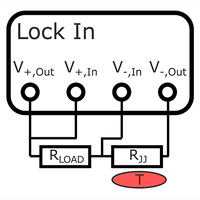
Josephson Junction Tuning Described by Depinning Physics
Article | Condensed Matter and Materials | 2025-11-04 05:00 EST
Oscar W. Kennedy, Jared H. Cole, and Connor D. Shelly
Resistance optimization guided by a new theoretical model of qubit resistance leads to improved tuning of Josephson junctions used in the manufacture of superconducting qubits and quantum processors.
Phys. Rev. Lett. 135, 196202 (2025)
Condensed Matter and Materials
Chiral Graviton Modes on the Lattice
Article | Condensed Matter and Materials | 2025-11-04 05:00 EST
Hernan B. Xavier, Zeno Bacciconi, Titas Chanda, Dam Thanh Son, and Marcello Dalmonte
Chiral graviton modes are elusive excitations arising from the hidden quantum geometry of fractional quantum Hall states. It remains unclear, however, whether this picture extends to lattice models, where continuum translations are broken and additional quasiparticle decay channels arise. We present…
Phys. Rev. Lett. 135, 196501 (2025)
Condensed Matter and Materials
Multiphoton Spectroscopy of a Dynamical Axion Insulator
Article | Condensed Matter and Materials | 2025-11-04 05:00 EST
Olivia Liebman, Jonathan B. Curtis, Ioannis Petrides, and Prineha Narang
The unusual magnetoelectric transport present in Weyl semimetals and 3D topological insula- tors can be compactly understood as manifestations of a background axion field, which itself is determined by the microscopic band structure. In the presence of correlations, an additional axion quasiparticle…
Phys. Rev. Lett. 135, 196601 (2025)
Condensed Matter and Materials
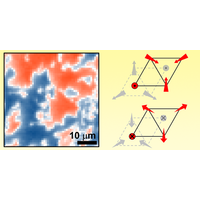
Topological Magneto-optics in the Noncoplanar Antiferromagnet ${\mathrm{Co}}{1/3}{\mathrm{NbS}}{2}$: Imaging and Writing Chiral Magnetic Domains
Article | Condensed Matter and Materials | 2025-11-04 05:00 EST
E. Kirstein, H. Park, I. Martin, J. F. Mitchell, N. J. Ghimire, and S. A. Crooker
Researchers use a magneto-optical technique to image and manipulate magnetic domains in a chiral antiferromagnet, opening new routes for spin-based electronics.
Phys. Rev. Lett. 135, 196702 (2025)
Condensed Matter and Materials
Device-Independent Quantum Key Activation
Article | Quantum Information, Science, and Technology | 2025-11-03 05:00 EST
Bora Ulu, Nicolas Brunner, and Mirjam Weilenmann
Device-independent quantum key distribution (DIQKD) allows two distant parties to establish a secret key, based only on the observed Bell nonlocal distribution. It remains unclear, however, what the minimal resources for enabling DIQKD are and how to maximize the key rate from a given distribution. …
Phys. Rev. Lett. 135, 190801 (2025)
Quantum Information, Science, and Technology
Search for Axion Dark Matter from 1.1 to 1.3 GHz with ADMX
Article | Cosmology, Astrophysics, and Gravitation | 2025-11-03 05:00 EST
G. Carosi et al. (ADMX Collaboration)
Axion dark matter can satisfy the conditions needed to account for all of the dark matter and solve the strong problem. The Axion Dark Matter eXperiment (ADMX) is a direct dark matter search using a haloscope to convert axions to photons in an external magnetic field. Key to this conversion is th…
Phys. Rev. Lett. 135, 191001 (2025)
Cosmology, Astrophysics, and Gravitation
Mirages and Large TeV Halo-Pulsar Offsets from Cosmic-Ray Propagation
Article | Cosmology, Astrophysics, and Gravitation | 2025-11-03 05:00 EST
Yiwei Bao, Gwenael Giacinti, Ruo-Yu Liu, Hai-Ming Zhang, and Yang Chen
The study of extended -ray sources usually assumes symmetric diffusion of cosmic rays. However, recent observations of multiple sources near single pulsars and significant offsets between TeV halo centroids and their parent pulsars suggest that this assumption is overly simplistic. In this Letter, …
Phys. Rev. Lett. 135, 191002 (2025)
Cosmology, Astrophysics, and Gravitation
Window Observables for Benchmarking Parton Distribution Functions
Article | Particles and Fields | 2025-11-03 05:00 EST
Joe Karpie, Christopher J. Monahan, Kostas Orginos, and Savvas Zafeiropoulos
Global analysis of collider and fixed-target experimental data and calculations from lattice quantum chromodynamics (QCD) are used to gain complementary information on the structure of hadrons. We propose novel "window observables" that allow for higher precision cross-validation between the differe…
Phys. Rev. Lett. 135, 191901 (2025)
Particles and Fields
Measurement of the $g$ Factor of Ground-State $^{87}\mathrm{Sr}$ at the Parts-per-Million Level Using Co-Trapped Ultracold Atoms
Article | Atomic, Molecular, and Optical Physics | 2025-11-03 05:00 EST
Premjith Thekkeppatt, Digvijay, Alexander Urech, Florian Schreck, and Klaasjan van Druten
We demonstrate nuclear magnetic resonance of optically trapped ground-state ultracold atoms. Using a scheme in which a cloud of ultracold is co-trapped nearby, we improve the determination of the nuclear factor, , of atomic by more than two orders of magnitude, reaching accuracy a…
Phys. Rev. Lett. 135, 193001 (2025)
Atomic, Molecular, and Optical Physics
Dynamics of Fractal Ice Grains in Cryogenic Plasmas
Article | Plasma and Solar Physics, Accelerators and Beams | 2025-11-03 05:00 EST
André Nicolov, Seth Pree, and Paul M. Bellan
Ice grains formed in a cryogenically cooled plasma exhibit fractal morphologies that drive distinct collective dynamics. By measuring and quantifying the dynamics of these grains in a plasma afterglow, we observe a new fundamental dynamical regime induced by fractal scalings of ice mass and collisio…
Phys. Rev. Lett. 135, 195301 (2025)
Plasma and Solar Physics, Accelerators and Beams
Ab Initio Electron-Phonon-Coupling Theory of Elastic Helium-Atom Scattering
Article | Condensed Matter and Materials | 2025-11-03 05:00 EST
Cristóbal Méndez, C. J. Thompson, M. F. Van Duinen, S. J. Sibener, and Tomás A. Arias
We propose a fully ab initio approach to predicting thermal attenuation in elastic helium atom scattering amplitudes, validated through strong agreement with experiments on Nb(100) and surfaces. Our results reveal the relative contributions from bulk, resonant, and surface phonon mod…
Phys. Rev. Lett. 135, 196201 (2025)
Condensed Matter and Materials
Orientation-Dependent Ionic-Current Rectification in Colloidal Crystals
Article | Condensed Matter and Materials | 2025-11-03 05:00 EST
Santiago F. Bonoli, Leandro L. Missoni, Yamila A. Perez Sirkin, and Mario Tagliazucchi
Nonreciprocal transport (current rectification) in bulk materials is rarer and more complex than at interfaces. We theoretically demonstrate ion current rectification in binary superlattices of oppositely charged nanoparticles and show that this effect strongly depends on the direction of the applie…
Phys. Rev. Lett. 135, 196301 (2025)
Condensed Matter and Materials
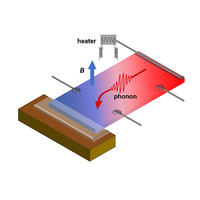
Discovery of Universal Phonon Thermal Hall Effect in Crystals
Article | Condensed Matter and Materials | 2025-11-03 05:00 EST
X. B. Jin, X. Zhang, W. B. Wan, H. R. Wang, Y. H. Jiao, and S. Y. Li
Observation of the thermal Hall effect in nonmagnetic insulators and semiconductors characterized by a universal scaling behavior of the thermal Hall coefficient and the longitudinal thermal conductivity might point towards an intrinsic effect purely driven by phonons.
Phys. Rev. Lett. 135, 196302 (2025)
Condensed Matter and Materials
General First-Principles Approach to Crystals in Finite Magnetic Fields
Article | Condensed Matter and Materials | 2025-11-03 05:00 EST
Chengye Lü, Yingwei Chen, Yuzhi Wang, Zhihao Dai, Zhong Fang, Xin-Gao Gong, Quansheng Wu, and Hongjun Xiang
We introduce a general first-principles methodology for computing electronic structure in a finite uniform magnetic field that allows for an arbitrary rational magnetic flux and nonlocal pseudopotentials at a comparable time complexity to conventional plane-wave pseudopotential approaches in zero-fi…
Phys. Rev. Lett. 135, 196401 (2025)
Condensed Matter and Materials
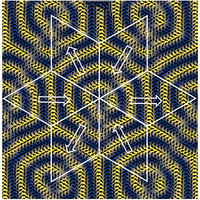
Moiré-Induced Magnetoelectricity in Twisted Bilayer ${\mathrm{NiI}}_{2}$
Article | Condensed Matter and Materials | 2025-11-03 05:00 EST
Haiyan Zhu, Hongyu Yu, Weiqin Zhu, Guoliang Yu, Changsong Xu, and Hongjun Xiang
Twist-induced structural distortions induce ferroelectricity and polar magnetic topologies in bilayer NiI.
Phys. Rev. Lett. 135, 196701 (2025)
Condensed Matter and Materials
Gapless Single-Spin Qubit
Article | Condensed Matter and Materials | 2025-11-03 05:00 EST
Maximilian Rimbach-Russ, Valentin John, Barnaby van Straaten, and Stefano Bosco
All-electrical baseband control of qubits facilitates scaling up quantum processors by removing issues of crosstalk and heat generation. In semiconductor quantum dots, this is enabled by multispin qubit encodings, such as the exchange-only qubit. However, their performance is limited by unavoidable …
Phys. Rev. Lett. 135, 197001 (2025)
Condensed Matter and Materials
Physical Review X
A Polynomial-Time Classical Algorithm for Noisy Quantum Circuits
Article | 2025-11-03 05:00 EST
Thomas Schuster, Chao Yin, Xun Gao, and Norman Y. Yao
A new classical algorithm shows that noise restricts non-error-corrected quantum computational power more generally than previously recognized.
Phys. Rev. X 15, 041018 (2025)
Connectivity Structure and Dynamics of Nonlinear Recurrent Neural Networks
Article | 2025-11-03 05:00 EST
David G. Clark, Owen Marschall, Alexander van Meegen, and Ashok Litwin-Kumar
The structure of brain connectivity predicts collective neural activity, with a small number of connectivity features determining activity dimensionality, linking circuit architecture to network-level computations.
Phys. Rev. X 15, 041019 (2025)
arXiv
Thermodynamics of MacMillan’s liquid crystal model
New Submission | Statistical Mechanics (cond-mat.stat-mech) | 2025-11-04 20:00 EST
Hervé Le Dret (LJLL), Annie Raoult (MAP5 - UMR 8145)
We study liquid crystal models with bulk free energy from the point of view of the second law of thermodynamics. We formulate these models as objective internal variable models. Examples of application are given for the de Gennes free energy.
Statistical Mechanics (cond-mat.stat-mech)
Approximate Approach to Compute Characteristics of Inhomogeneous TASEP with Open Boundaries
New Submission | Statistical Mechanics (cond-mat.stat-mech) | 2025-11-04 20:00 EST
Marina V. Yashina, Alexander G. Tatashev
A discrete-time totally asymmetric simple exclusion process on a lattice with open boundaries is considered. There are particles of different types. The type of a particle is characterized by the probability that a particle moves to a vacant site and the probability that a particle occupying the rightmost site departs the system. An approximate approach to compute the particle flow rate and density in sites is proposed. A version of the approach is proposed for an analogous continuous-time process. The accuracy of the approximation is estimated. The approach can be used in traffic models and models of statistical physics.
Statistical Mechanics (cond-mat.stat-mech), Optimization and Control (math.OC)
11 pages
Generating Arrow of Time from Three-Particle System with Classical Mechanics
New Submission | Statistical Mechanics (cond-mat.stat-mech) | 2025-11-04 20:00 EST
This study investigates the mechanical origin of the arrow of time by analyzing a one-dimensional three-particle system with elastic collisions. By mapping the system to a contact between finite heat baths through a thermal wall, we show that the energy exchange follows an exponential relaxation law, even though the underlying equations of motion are time-reversal symmetric. The loss of time-reversal symmetry emerges from the coarse-graining of dynamical variables, specifically the omission of velocity signs in energy representation. This result suggests that the arrow of time originates from information reduction in the transition from microscopic to macroscopic descriptions.
Statistical Mechanics (cond-mat.stat-mech)
7 pages, no figures
Chimeric states of matter: Meissner effect without superconductivity
New Submission | Superconductivity (cond-mat.supr-con) | 2025-11-04 20:00 EST
Symmetry is central to how we classify phases of matter: solids break spatial translations, superfluids break particle-number conservation, and superconductors “break” gauge symmetry. Mixed anomalies involving higher-form symmetries, however, present a generalization of spontaneous symmetry breaking that admits a wider and more versatile set of possibilities. We introduce chimeric states of matter, in which aspects of broken and unbroken phases coexist. We find that the Meissner effect – usually regarded as the defining hallmark of superconductivity – can occur in media that are resistive or even insulating when probed by electric fields. We demonstrate this by constructing an effective field theory of “symmetry chimerization” and propose that Josephson junction networks could provide a laboratory realization. These results broaden the landscape of possible phases of matter, showing that physical media can mix features of symmetry-restored and symmetry-broken states in a single substrate.
Superconductivity (cond-mat.supr-con), Materials Science (cond-mat.mtrl-sci), High Energy Physics - Lattice (hep-lat), High Energy Physics - Theory (hep-th), Quantum Physics (quant-ph)
7 pages, 3 figures
The hybrid exact scheme for the simulation of first-passage times of jump-diffusions with time-dependent thresholds
New Submission | Statistical Mechanics (cond-mat.stat-mech) | 2025-11-04 20:00 EST
Sascha Desmettre, Devika Khurana, Amira Meddah
The first-passage time is a key concept in stochastic modeling, representing the time at which a process first reaches a specified threshold. In this work, we consider a jump-diffusion (JD) model with a time-dependent threshold, providing a more flexible framework for describing stochastic dynamics. We are interested in the Exact simulation method developed for JD processes with constant thresholds, where the Exact method for pure diffusion is applied between jump intervals. An adaptation of this method to time-dependent thresholds has recently been proposed for a more general stochastic setting. We show that this adaptation can be applied to JD models by establishing a formal correspondence between the two frameworks. A comparative analysis is then performed between the proposed approach and the constant-threshold version in terms of algorithmic structure and computational efficiency. Finally, we show the applicability of the method by predicting neuronal spike times in a JD model driven by two independent Poisson jump mechanisms.
Statistical Mechanics (cond-mat.stat-mech), Probability (math.PR)
Visualizing interaction-driven restructuring of quantum Hall edge states
New Submission | Mesoscale and Nanoscale Physics (cond-mat.mes-hall) | 2025-11-04 20:00 EST
Jiachen Yu, Haotan Han, Kristina G. Wolinski, Ruihua Fan, Amir S. Mohammadi, Tianle Wang, Taige Wang, Liam Cohen, Kenji Watanabe, Takashi Taniguchi, Andrea F. Young, Michael P. Zaletel, Ali Yazdani
Many topological phases host gapless boundary modes that can be dramatically modified by electronic interactions. Even for the long-studied edge modes of quantum Hall phases, forming at the boundaries of two-dimensional (2D) electron systems, the nature of such interaction-induced changes has been elusive. Despite advances made using local probes, key experimental challenges persist: the lack of direct information about the internal structure of edge states on microscopic scales, and complications from edge disorder. Here, we use scanning tunneling microscopy (STM) to image pristine electrostatically defined quantum Hall edge states in graphene with high spatial resolution and demonstrate how correlations dictate the structures of edge channels on both magnetic and atomic length scales. For integer quantum Hall states in the zeroth Landau level, we show that interactions renormalize the edge velocity, dictate the spatial profile for copropagating modes, and induce unexpected edge valley polarization that differ from those of the bulk. While some of our findings can be understood by mean-field theory, others show breakdown of this picture, highlighting the roles of edge fluctuations and inter-channel couplings. We also extend our measurements to spatially resolve the edge state of fractional quantum Hall phases and detect spectroscopic signatures of interactions in this chiral Luttinger liquid. Our study establishes STM as a promising tool for exploring edge physics of the rapidly expanding 2D topological phases, including newly realized fractional Chern insulators.
Mesoscale and Nanoscale Physics (cond-mat.mes-hall)
Constructing a bifunctional platform based on Mn2+-doped Mg2Y8(SiO4)6O2 phosphors for multi-parameter optical thermometry and manometry
New Submission | Materials Science (cond-mat.mtrl-sci) | 2025-11-04 20:00 EST
Zhiyu Pei, Shuailing Ma, Maja Szymczak, Lukasz Marciniak, Tian Cui, Laihui Luo, Peng Du
Series of the Mn2+-doped Mg2Y8(SiO4)6O2 phosphors were synthesized. Upon excitation at 408 nm, these phosphors exhibited intense orange emission originating from Mn2+, with concentration quenching observed beyond x = 0.07, and they also demonstrated excellent thermal stability. For optical thermometry, two independent parameters, emission band centroid ({\lambda}) and lifetime, were employed as thermal indicators, yielding sensitivities of d{\lambda}/dT = 0.053 nm K-1 and SR = 0.86% K-1, respectively. High-pressure in-situ X-ray diffraction revealed that the phosphors retained structural integrity under compression, accompanied by a progressive lattice contraction. With increasing pressure (0.13-10.89 GPa), a spectral red-shift was observed, corresponding to a pressure sensitivity of d{\lambda}/dp = 4.75 nm GPa-1. Additionally, pressure-dependent shifts in color coordinates allowed the development of a colorimetric manometric response, achieving a relative sensitivity of 3.27% GPa-1. Remarkably, the pressure-induced spectral shift of Mn2+ emission, characterized by low thermal cross-sensitivity, enabled a highly reliable ratiometric manometric strategy, with a relative sensitivity of 72% GPa-1. Notably, the system delivered the highest TIMF reported to date above 3 GPa, peaking at 1940 K GPa-1 at 7 GPa. These results position Mn2+-doped Mg2Y8(SiO4)6O2 phosphors as a highly promising bifunctional material for next-generation, multi-parameter optical sensing applications under extreme conditions.
Materials Science (cond-mat.mtrl-sci)
Transfer learning discovery of molecular modulators for perovskite solar cells
New Submission | Materials Science (cond-mat.mtrl-sci) | 2025-11-04 20:00 EST
Haoming Yan, Xinyu Chen, Yanran Wang, Zhengchao Luo, Weizheng Huang, Hongshuai Wang, Peng Chen, Yuzhi Zhang, Weijie Sun, Jinzhuo Wang, Qihuang Gong, Rui Zhu, Lichen Zhao
The discovery of effective molecular modulators is essential for advancing perovskite solar cells (PSCs), but the research process is hindered by the vastness of chemical space and the time-consuming and expensive trial-and-error experimental screening. Concurrently, machine learning (ML) offers significant potential for accelerating materials discovery. However, applying ML to PSCs remains a major challenge due to data scarcity and limitations of traditional quantitative structure-property relationship (QSPR) models. Here, we apply a chemical informed transfer learning framework based on pre-trained deep neural networks, which achieves high accuracy in predicting the molecular modulator’s effect on the power conversion efficiency (PCE) of PSCs. This framework is established through systematical benchmarking of diverse molecular representations, enabling lowcost and high-throughput virtual screening over 79,043 commercially available molecules. Furthermore, we leverage interpretability techniques to visualize the learned chemical representation and experimentally characterize the resulting modulator-perovskite interactions. The top molecular modulators identified by the framework are subsequently validated experimentally, delivering a remarkably improved champion PCE of 26.91% in PSCs.
Materials Science (cond-mat.mtrl-sci), Machine Learning (cs.LG), Applied Physics (physics.app-ph)
Interface-mediated softening and deformation mechanics in amorphous/ amorphous nanolaminates
New Submission | Materials Science (cond-mat.mtrl-sci) | 2025-11-04 20:00 EST
Vivek Devulapalli, Fedor F. Klimashin, Manuel Bärtschi, Stephan Waldner, Silvia Schwyn Thöny, Johann Michler, Xavier Maeder
Interfaces govern the unique mechanical response of amorphous multilayers. Here, we examine nanoindentation hardness and deformation behaviour of amorphous-amorphous Ta$ _2$ O$ _5$ /SiO$ _2$ nanolaminates with bilayer thicknesses ranging from 2 nm to 334 nm. Whilst monolithic SiO$ _2$ exhibits catastrophic failure through a single dominant shear band, multilayer architectures demonstrate varied deformation mechanisms. Hardness decreases with reduced bilayer thickness, from 7.7 GPa at 334 nm to 5.5 GPa at 2 nm spacing, contrasting with crystalline systems, which strengthen with decreasing spacing. Cross-sectional transmission electron microscopy reveals that fine bilayer spacings promote closely spaced vertical shear bands with bilayer compression, while coarser spacings show fewer, widely spaced shear bands with chemical intermixing. Scanning electron diffraction mapping demonstrates significant densification beneath indents. The high interface density facilitates strain accommodation that prevents catastrophic failure typical of brittle amorphous materials.
Materials Science (cond-mat.mtrl-sci)
Dragging of electric current by hydrodynamic flow at charge neutrality
New Submission | Mesoscale and Nanoscale Physics (cond-mat.mes-hall) | 2025-11-04 20:00 EST
Dmitry Zverevich, Alex Levchenko, A. V. Andreev
We develop a theory of drag in graphene double layers near charge neutrality. We work in the regime of electron hydrodynamics and account for interlayer correlations of charge puddle disorder. The drag resistivity is expressed in terms of the viscosity, intrinsic conductivity of the electron liquid, and the correlation function of the puddle disorder. The contributions of the interlayer transfer of momentum and energy to drag have opposite signs. This leads to a nonmonotonic dependence of the drag resistivity on the carrier density. For layer-symmetric doping, the drag resistivity changes sign as a function of the carrier density. At interlayer separations shorter than the disorder correlation length, the transconductivity saturates to the disorder-induced enhancement of the intralayer conductivity. We provide quantitative estimates of the effect for Dirac electron liquids in monolayer graphene and bilayer graphene double-layer devices.
Mesoscale and Nanoscale Physics (cond-mat.mes-hall), Plasma Physics (physics.plasm-ph)
6 pages, 2 figures
Emergent clusters in strongly confined systems
New Submission | Soft Condensed Matter (cond-mat.soft) | 2025-11-04 20:00 EST
Pamud Akalanka Bethmage, Ryker Fish, Brennan Sprinkle, Michelle Driscoll
Driven suspensions, where energy is input at a particle scale, are a framework for understanding general principles of out-of-equilibrium organization. A large number of simple interacting units can give rise to non-trivial structure and hierarchy. Rotationally driven colloidal particles are a particularly nice model system for exploring this pattern formation, as the dominant interaction between the particles is hydrodynamic. Here, we use experiments and large-scale simulations to explore how strong confinement alters dynamics and emergent structure at the particle scale in these driven suspensions. Surprisingly, we find that large-scale (many times the particle size) density fluctuations emerge as a result of confinement, and that these density fluctuations sensitively depend on the degree of confinement. We extract a characteristic length scale for these fluctuations, demonstrating that the simulations quantitatively reproduce the experimental pattern. Moreover, we show that these density fluctuations are a result of the large-scale recirculating flow generated by the rotating particles inside a sealed chamber. This surprising result shows that even when system boundaries are far away, they can cause qualitative changes to mesoscale structure and ordering.
Soft Condensed Matter (cond-mat.soft), Fluid Dynamics (physics.flu-dyn)
I. Magnetic, thermal and transport properties of YbCu$_{5-x}$Zn$_x$ alloys
New Submission | Strongly Correlated Electrons (cond-mat.str-el) | 2025-11-04 20:00 EST
I. Čurlik, F. Akbar, S. Gabani, M. Giovannini, J. G. Sereni
Within the family of cubic YbCu$ _4$ X compounds ($ X$ = Ni, Au and Zn), we have investigated the YbCu$ _{5-x}$ Zn$ _x$ ($ 1\geq x \geq 0.7$ ) alloys by means of structural, magnetic, thermal and transport measurements. In the $ \tau 1-$ YbCu$ _{5-x}$ Zn$ _x$ (cubic AuBe$ _5$ type, $ 0.7 \leq x \leq 1.5$ ) structural phase, Yb ion is in its Yb$ ^{3+}$ magnetic configuration. However, by increasing Zn content the unit cell grows faster than a reference computed as a Cu by Zn atoms substitution, which indicates a shift of Yb ions towards the larger Yb$ ^{2+}$ configuration. The magnetic behavior confirms such tendency with a clear decrease of the saturation magnetization and effective moment between $ x=0.7$ and $ x=1$ . The specific heat at low temperature shows a logarithmic dependence characteristic for a non-fermi-liquid behavior. The characteristic energies of all studied parameters, including magneto resistivity, show notably low values as an indication that these alloys are close to a quantum critical point, which is approached from the non-magnetic side as the Zn content decreases.
Strongly Correlated Electrons (cond-mat.str-el)
6 pges, 6 figures
Ambient-Induced Selenium Segregation and Nanoparticle Formation in 2H-HfSe2: An Experimental and Theoretical Study
New Submission | Materials Science (cond-mat.mtrl-sci) | 2025-11-04 20:00 EST
Stefany P. Carvalho, Guilherme S. L. Fabris, Ana Carolina F. de Brito, Raphael B. de Oliveira, Wesley Kardex C. de Oliveira, Catalina Ruano-Merchan, Carlos A. R. Costa, Luiz F. Zagonel, Douglas Galvao, Ingrid D. Barcelos
We investigate the air-induced degradation of few-layer hafnium diselenide (HfSe$ _2$ ) through combined experimental and theoretical approaches. AFM and SEM reveal the formation of selenium-rich spherical features upon ambient exposure, while EDS confirms Se segregation. \textit{Ab initio} molecular dynamics simulations show that Se atoms migrate to flake edges and that O/O$ _2$ exposure leads to selective Hf oxidation, breaking Se–Hf bonds and expelling Se atoms. No stable Se–O bonds are observed, indicating structural reorganization rather than oxidation. These findings emphasize the material’s instability in air and the importance of encapsulation for preserving HfSe$ _2$ in practical applications. Scanning tunneling spectroscopy confirms the semiconducting character of the nanoparticles, with an electronic bandgap compatible with that of elemental Se. These results highlight the critical role of lattice defects and oxidation dynamics in the degradation process and underscore the need for encapsulation strategies to preserve the integrity of HfSe$ _2$ -based devices.
Materials Science (cond-mat.mtrl-sci), Other Condensed Matter (cond-mat.other)
Temperature-driven polarization rotation and triclinic phase at morphotropic phase boundary of Pb(Mg1/3Nb2/3)O3-PbTiO3 crystals
New Submission | Materials Science (cond-mat.mtrl-sci) | 2025-11-04 20:00 EST
Alexei A. Bokov, Haiyan Guo, Zuo-Guang Ye
Information about the crystal structures in the range of morphotropic phase boundary of ferroelectric perovskite solid solutions is important for understanding their intricate properties which result in wide opportunities for practical applications. However, for the (1-x)Pb(Mg1/3Nb2/3)O3-xPbTiO3 solid solution system this information is contradictory. Different composition-temperature phase diagrams have been reported for this system in literature based on the investigations of single crystals and ceramics using various experimental techniques. In this work we apply polarized light microscopy (PLM), X-ray diffraction (XRD) and dielectric spectroscopy to study the crystal structure and phase transitions in the 0.68Pb(Mg1/3Nb2/3)O3-0.32PbTiO3 single crystal. We confirm the monoclinic MB symmetry (space group Cm) of the room-temperature phase. According to PLM, it transforms with increasing temperature into a triclinic (Tr) phase rather than the previously reported monoclinic MC or tetragonal phase. XRD data are consistent with the presence of Tr phase. The Tr phase transforms to the monoclinic MC (Pm) phase and then to the cubic phase. Ergodic relaxor behavior is observed above the Curie temperature. The unit cell in the MC phase is pseudotetragonal with the lattice parameters a = b < c and small monoclinic angle. In the MB phase the direction of spontaneous polarization is temperature independent and close to the <111> pseudocubic direction. In the Tr and MC phases it changes with temperature so that near the Curie point it is close to [001] axis. No significant anomalies in the dielectric properties or changes in the domain structure are observed at the MB to Tr and Tr to MC phase transitions. The domain structure changes dramatically when the temperature varies within the Tr phase, causing a sharp change in birefringence.
Materials Science (cond-mat.mtrl-sci)
21 pages, 17 figures, submitted to Phsys. Rev B
Impact of Oxygen Plasma Surface Treatment on Photoresist Adhesion in BaTiO3-Based Photonic Device Fabrication
New Submission | Materials Science (cond-mat.mtrl-sci) | 2025-11-04 20:00 EST
Weiyou Kong, Weijia Kong, Lukas Chrostowski, Xin Xin
Oxygen-plasma pre-cleans are routine before fabrication, but on BaTiO3 thin films we observed catastrophic photoresist lift-off during mild rinsing and sonication. To explain the failure, we combined optical microscopy, EDS, and XPS. EDS showed no meaningful bulk stoichiometry change, whereas XPS revealed a nanometer-scale, plasma-induced shift in surface chemistry: hydroxylation and carbonate formation consistent with a BaCO3-rich interphase at the resist/BaTiO3 boundary. This chemically weak interphase, recreated upon each plasma step and removable by simple solvent cleaning, provides the mechanism for delamination. The key takeaway for practitioners is process guidance: avoid uncritical O2-plasma use on BTO; if cleaning is required, use alternative chemistries (e.g., UV-ozone) or carefully tuned plasma windows that preserve adhesion. More broadly, the study illustrates how lightweight analytics at the surface (correlative microscopy + surface spectroscopy) can pinpoint the root cause of yield-limiting defects in oxide photonics and translate directly into higher-reliability process recipes.
Materials Science (cond-mat.mtrl-sci)
Equal contribution: Weiyou Kong and Weijia Kong. Corresponding author: Xin Xin (xinx1@ece.this http URL)
Quasiperiodicity-induced bulk localization with self similarity in non-Hermitian lattices
New Submission | Mesoscale and Nanoscale Physics (cond-mat.mes-hall) | 2025-11-04 20:00 EST
Yu-Peng Wang, Chuo-Kai Chang, Ryo Okugawa, Chen-Hsuan Hsu
We analyze the localization behavior in a non-Hermitian lattice subject to a quasiperiodic onsite potential. We characterize localization transitions using multiple quantitative indicators, including inverse participation ratio (IPR), eigenstate fractal dimension (EFD), extended eigenstate ratio (EER), and spectral survival ratio. Despite the breaking of self-dual symmetry due to non-Hermiticity, our results reveal the existence of a critical potential strength, with its value increasing linearly with the nearest-neighbor antisymmetric hopping term. On the other hand, the inclusion of longer-range hopping not only enriches the topological properties but also gives rise to novel localization phenomena. In particular, it induces the emergence of mobility edges, as evidenced by both IPR and EFD, along with distinct features in the spectrum fractal dimension, which we extract using the box-counting method applied to the complex energy spectrum. Additionally, we uncover self-similar structures in various quantities, such as EER and complex eigenvalue ratio, as the potential strength varies. These findings highlight important aspects of localization and fractal phenomena in non-Hermitian quasiperiodic systems.
Mesoscale and Nanoscale Physics (cond-mat.mes-hall)
15 pages, 19 figures
Low-Frequency Noise and Resistive Switching in $β$-Na$_{0.33}$V$_2$O$_5$
New Submission | Strongly Correlated Electrons (cond-mat.str-el) | 2025-11-04 20:00 EST
Nitin Kumar, Nicholas Jerla, John Ponis, Sarbajit Banerjee, G. Sambandamurthy
The interplay between charge ordering and its manifestation in macroscopic electrical transport in low-dimensional materials is crucial for understanding resistive switching mechanisms. In this study, we investigate the electronic transport and switching behavior of single-crystalline $ \beta$ -Na$ _{0.33}$ V$ 2$ O$ 5$ , focusing on low-frequency resistance noise dynamics of charge-order-driven resistive switching. Using electrical transport, low frequency noise spectroscopy, and X-ray diffraction, we probe electron dynamics across the Na-ion- ordering (IO) and charge-ordering (CO) transitions. Near room temperature, the weak temperature dependence of the noise spectral density points to a dominance of nearest-neighbor polaron hopping. Below IO transition temperature (( T{IO} \sim 240 , \text{K} )), structural analysis reveals that Na-ions adopt a zig-zag occupancy pattern, breaking the two-fold rotational symmetry and influencing the electronic ground state. Subsequently, a sharp drop in resistance noise below the CO transition temperature (( T{CO} \sim 125 , \text{K} )) indicates the emergence of correlated electron behavior. Furthermore, application of sufficient electric field leads to the destabilization of the CO state, and a transition to a high-conducting state. The material exhibits distinct resistive switching between 35K and 110K, with a resistance change spanning two orders of magnitude, primarily driven by electronic mechanisms rather than Joule heating. These findings provide new insights into charge-order-induced switching and electronic correlations in quasi-one-dimensional systems, with potential applications in cryogenic memory and neuromorphic computing devices owing to the low noise levels in their stable resistive states.
Strongly Correlated Electrons (cond-mat.str-el)
Physics-informed digital twins of brainbots
New Submission | Soft Condensed Matter (cond-mat.soft) | 2025-11-04 20:00 EST
Isa Mammadli, Jayant Pande, Martial Noirhomme, Felix Novkoski, Andreas Maier, Nicolas Vandewalle, Ana-Suncana Smith
A brainbot is a robotic device powered by a battery-driven motor that induces horizontal vibrations which lead to controlled two-dimensional motion. While the physical design and capabilities of a brainbot have been discussed in previous work, here we present a detailed theoretical analysis of its motion. We show that the various autonomous trajectories executed by a brainbot – linear, spinning, orbital and helical – are explained by a kinematic model that ascribes angular and translational velocities to the brainbot’s body. This model also uncovers some trajectories that have not so far been observed experimentally. Using this kinematic framework, we present a simulation system that accurately reproduces the experimental trajectories. This can be used to parameterize a digital twin of a brainbot that executes synthetic trajectories that faithfully mimic the required statistical features of the experimental trajectories while being as long as required, such as for machine learning applications.
Soft Condensed Matter (cond-mat.soft)
10 pages, 5 figures
Absence of magnetic order and magnetic fluctuations in RuO$_{2}$
New Submission | Strongly Correlated Electrons (cond-mat.str-el) | 2025-11-04 20:00 EST
Jiabin Song, Chao Mu, Shilin Zhu, Xuebo Zhou, Wei Wu, Yun-ze Long, Jianlin Luo, Zheng Li
A novel magnetic class blending ferromagnetism and antiferromagnetism, termed altermagnetism, has gained significant attention for its staggered order in coordinate and momentum spaces, time-reversal symmetry-breaking phenomena, and promising applications in spintronics. Ruthenium dioxide (RuO$ _{2}$ ) has been considered a candidate material for altermagnetism, yet the presence of magnetic moments on Ru atoms remains a subject of debate. In this study, we systematically investigated the magnetic properties of RuO$ _{2}$ powder using nuclear quadrupole resonance (NQR) measurements. The NQR spectra show that there is no internal magnetic field. Furthermore, the temperature independence of spin-lattice relaxation rate, $ 1/T_1T$ , proves that there are no magnetic fluctuations. Our results unambiguously demonstrate that Ru atoms in RuO$ _{2}$ possess neither static magnetic moments nor fluctuating magnetic moments, and thus RuO$ _{2}$ does not possess the magnetic characteristics essential for altermagnetism.
Strongly Correlated Electrons (cond-mat.str-el)
4 figures
Phys. Rev. B 112, 144444(2025)
Narrow magneto-optical transitions in Erbium implanted silicon carbide-on-insulator
New Submission | Materials Science (cond-mat.mtrl-sci) | 2025-11-04 20:00 EST
Alexey Lyasota, Joshua Bader, Shao Qi Lim, Brett C. Johnson, Jeffrey C. McCallum, Qing Li, Sven Rogge, Stefania Castelletto
Solid state spin photon interfaces operating in the near telecom and telecom bands are a key resource for long distance quantum communication and scalable quantum networks. However, their optical transitions often suffer from spectral diffusion that hampers the generation of coherent spin photon entanglement. Here we demonstrate narrow magneto-optical transitions of erbium dopants implanted into thin film silicon carbide (SiC)-on-insulator, a viable platform for industrially scalable quantum networks. Using high-resolution resonant spectroscopy and spectral hole burning at cryogenic temperatures, we reveal sub megahertz homogeneous linewidths and identify two lattice sites that best stabilise the emitters. We further characterise their optical lifetimes and magneto-optical response, establishing erbium doped SiC-on-insulator as a robust and scalable platform for on-chip quantum networks.
Materials Science (cond-mat.mtrl-sci)
20 pages, 4 figures
Cu-spin Correlation in the Electron-overdoped High-Tc Cuprate Thin Films of La_2-x_Ce_x_CuO_4_ Probed by Low-energy Muons
New Submission | Superconductivity (cond-mat.supr-con) | 2025-11-04 20:00 EST
S.E. Park, Y. Kawai, A. Suter, H. Okabe, J. G. Nakamura, H. Kuwahara, Z. Salman, T. Prokscha, R. Kadono, T. Adachi
We investigated the Cu-spin correlation in the overdoped regime of the electron-doped high-Tc cuprate thin films of La_2-x_Ce_x_CuO_4_, changing the reduction condition from muon spin relaxation using low-energy muons. The Cu-spin correlation developed at low temperatures for optimally reduced films with x=0.13 as well as x=0.17 where the superconductivity was almost suppressed. These results are contrary to those observed in the hole-doped high-Tc cuprates where the development of the antiferromagnetic Cu-spin correlation disappears together with the suppression of superconductivity. The Cu-spin correlation developed at low temperatures in x=0.17 may be understood in terms of antiferromagnetism, but it may be related to a ferromagnetic order recently suggested in the nonsuperconducting heavily overdoped La$ 2-x_Ce_x_CuO_4 with x~0.18.
Superconductivity (cond-mat.supr-con), Strongly Correlated Electrons (cond-mat.str-el)
6 pages, 6 figures, J. Phys. Soc. Jpn., in press
Elastic and Strain–Tunable Electronic and Optical Properties of La2AlGaO6 Hybrid Perovskite: A First-Principles Study
New Submission | Materials Science (cond-mat.mtrl-sci) | 2025-11-04 20:00 EST
Chaithanya Purushottam Bhat, Joyti Dagar, Ashwin K. Godbole, Debashis Bandyopadhyay
Perovskite materials, known for their structural versatility and multifunctional properties, continue to draw interest for advanced electronic and optoelectronic applications. In this study, we investigate the elastic and strain–engineered mechanical, electronic properties and optical properties of the orthorhombic La2AlGaO6 (LAGO) hybrid perovskite using first–principles quantum mechanical calculations based on density functional theory (DFT). Structural optimizations were performed using both the local density approximation (LDA) and the generalized gradient approximation (GGA). The mechanical stability of LAGO was confirmed through the Born–Huang criteria, and key elastic constants (C11, C12, C33, C44, and C66) were evaluated. These constants were further used to derive mechanical parameters such as Young’s modulus, bulk modulus, shear modulus, Poisson’s ratio, Cauchy’s pressure, and anisotropic factor, offering insights into the material’s ductility, hardness, and elastic anisotropy. Crucially, we explored the influence of biaxial strain on the electronic band structure, DOS/PDOS, and Fermi energy, revealing significant band gap modulation under compressive and tensile strain, and hence, varying the optical properties. The coupling between elastic response and electronic structure highlights LAGO’s potential for tunable device applications, where mechanical stimuli can be employed to tailor its electronic functionality.
Materials Science (cond-mat.mtrl-sci), Computational Physics (physics.comp-ph)
30 Pages, 5 figures
Improved treatment of relativistic effects in linear augmented plane wave (LAPW) method: application to Ac, Th, ThO2 and UO2
New Submission | Materials Science (cond-mat.mtrl-sci) | 2025-11-04 20:00 EST
A. V. Nikolaev, U. N. Kurelchuk, E. V. Tkalya
We examine the influence of the relativistic effects within the linear augmented plane wave method (LAPW) with the potential of general shape for solids and suggest a few ways to account them more accurately: (1) we introduce new radial wave functions based on two actual radial solutions of the Dirac equation for j=l-1/2 and j=l+1/2 one-electron states; (2) the canonical LAPW matrix elements for the spherically symmetric component of the potential, assuming non-relativistic radial wave functions, should be corrected; (3) we argue that for a realistic spin-orbit energy splitting of the semicore 6p-states the spin-orbit interaction constant zeta(p) should be calculated with the 6p3/2 radial component; (4) in cases when two j=l +/- 1/2 components are occupied (for example for the 6p states of actinides) the electron density, associated with the small components of valence electrons, can be taken into the calculation scheme. We demonstrate that the new treatment for the relativistic effects is capable to change the equilibrium lattice constant up to 0.15~Å and the bulk modulus up to 26 GPa. We find that the electron density of valence electrons at the nucleus increases by 2.3-4.3 times due to the inclusion of small components, which can be essential for precise description of the potential and density close to the nuclear region, important for nuclear spectroscopies. In contrast to the common believe that in plain band structure treatment UO2 is a metal, we show that in the presence of the spin-orbit coupling UO2 has a small gap of forbidden states (0.2-0.4 eV) at the Fermi level, where the highest occupied and the lowest unoccupied $ 5f$ bands slightly overlap, as in calculations of the conduction and valence band in solid Ge.
Materials Science (cond-mat.mtrl-sci)
13 pages, 5 figures
Phase Separation Dynamics and Active Turbulence in a Binary Fluid Mixture
New Submission | Soft Condensed Matter (cond-mat.soft) | 2025-11-04 20:00 EST
Sohail Ahmed, Zixiang Lin, Zijie Qu
Active matter, encompassing natural systems, converts surrounding energy to sustain autonomous motion, exhibiting unique non-equilibrium behaviors such as active turbulence and motility-induced phase separation (MIPS). In this study, we present a novel two-fluids model considering dynamics of the Cahn-Hilliard (CH) model for phase separation with Beris-Edwards nematohydrodynamics equation for orientational order and two distinct momentum equations for active and passive fluids coupled by viscous drag. A phase field-based lattice Boltzmann method is used to investigate the existence of active turbulence and phase separation in the binary mixture. We analyze micro-phase separated domain under extensile and contractile stresses, long the statistical properties of turbulent flow. Key parameters, like active parameter, tumbling parameter and elastic constant, affect the characteristic scale of flow. Our findings show that the interaction of active stress and two-fluid hydrodynamics leads to complex non-equilibrium pattern formation. This offers insights into biological and synthetic active materials.
Soft Condensed Matter (cond-mat.soft), Fluid Dynamics (physics.flu-dyn)
10 pages, 7 figures
Connected correlations in cold atom experiments
New Submission | Quantum Gases (cond-mat.quant-gas) | 2025-11-04 20:00 EST
Thomas Chalopin, Igor Ferrier-Barbut, Thierry Lahaye, Antoine Browaeys, David Clément
The recent development of single-atom-resolved probes has made full counting statistics measurements accessible in quantum gas experiments. This capability provides access to high-order moments of physical observables, from which cumulants, or equivalently connected correlations, can be precisely determined. Through a selection of recent cold atom experiments, this article illustrates the significance of connected correlations in characterizing ensembles of interacting quantum particles. First, non-zero connected correlations of order n > 2 unambiguously identify non-Gaussian quantum states. Second, connected correlations of order n identify clusters made of n elements whose statistical properties are irreducible to combinations of smaller clusters. The ability to identify such multi-particle clusters offers a an interesting perspective on strongly correlated quantum states of matter at the microscopic scale.
Quantum Gases (cond-mat.quant-gas), Quantum Physics (quant-ph)
Contribution to the special issue “Quantum measurements” of the Comptes Rendus de l’Académie des Sciences
Exact Solution and Correlation Functions of Generalized Double Ising Chains
New Submission | Statistical Mechanics (cond-mat.stat-mech) | 2025-11-04 20:00 EST
Pavel Khrapov, Stepan Shchurenkov
In this paper the exact solution and correlation functions for a double-chain Ising model with multi-spin interactions and symmetric Hamiltonian density are obtained. The study employs the transfer matrix method to derive fundamental thermodynamic characteristics of the system. The main results include exact expressions for the partition function, free energy, internal energy, specific heat capacity, magnetization, susceptibility, and entropy in a strip of finite length and in the thermodynamic limit. The work provides explicit formulas for the eigenvalues and shows structure of eigenvectors of the transfer matrix. The expression for magnetization in the thermodynamic limit using components of normalized eigenvector corresponding to the maximum eigenvalue is obtained. A detailed analysis is conducted for a special case of interactions involving all kinds of two- and four-spin interactions. This gives the simplified formula for free energy, it is calculated using the root of quadratic equation. The research reveals properties of the system, including specific features of ground states and phase diagram characteristics. Particular attention is given to the behavior of physical quantities near frustration points and the investigation of spin correlation functions. Plots of physical characteristics, including inverse correlation length, illustrating the obtained results are constructed.
Statistical Mechanics (cond-mat.stat-mech)
7 pages, 6 figures
Atomic-Scale Roughness of Freestanding Oxide Membranes Revealed by Electron Ptychography
New Submission | Materials Science (cond-mat.mtrl-sci) | 2025-11-04 20:00 EST
Huaicheng Yuan, Yu-Chen Liu, Li-Shu Wang, Zehao Dong, Jan-Chi Yang, Zhen Chen
Freestanding oxide films offer significant potential for integrating exotic quantum functionalities with semiconductor technologies. However, their performance is critically limited by surface roughness and interfacial imperfection caused by dangling bonds, which disrupt coherent interactions and suppress quantum phenomena at heterointerfaces. To address the challenge of structural characterization of surfaces and interfaces, we develop a metrological approach achieving atomic-scale precision in mapping the topography of both free surfaces and buried interfaces within ultrathin oxide heterostructures leveraging three-dimensional structures reconstructed from multislice electron ptychography. This method also allows for counting the number of atoms, even including light elements such as oxygen, along the electron trajectory in electron microscopy, leading to the identification of surface termination in oxide films. The planar-view of measurement geometry, allowing for large field-of-view imaging, provides remarkably rich information and high statistics about the atomic-scale structural inhomogeneities in freestanding membranes. This quantitative analysis provides unprecedented capabilities for correlating structural imperfection with quantum device performance, offering critical insights for engineering robust heterointerfaces in next-generation oxide electronics.
Materials Science (cond-mat.mtrl-sci), Mesoscale and Nanoscale Physics (cond-mat.mes-hall), Strongly Correlated Electrons (cond-mat.str-el)
28 pages, 4 figures, 12 SI items
Short-time dynamics in phase-ordering kinetics
New Submission | Statistical Mechanics (cond-mat.stat-mech) | 2025-11-04 20:00 EST
Short-time dynamics in the $ 2D$ Blume-Capel model, with a non-conserved order-parameter and short-ranged interactions, is analysed. For non-equilibrium dynamics, both at a critical point in the $ 2D$ Ising universality class and at the tricritical point, we reproduce the values $ \Theta=0.190({5})$ and $ \Theta=-0.542({5})$ , respectively, of the critical initial slip exponent. These agree with more early estimates and with the Janssen-Schaub-Schmittmann scaling relation. In phase-ordering kinetics, after a quench into the ordered phase, we establish the validity of short-time dynamics. In the $ 2D$ Ising universality class, we find $ \Theta=0.39({1})$ in agreement with the scaling relation $ \lambda=d-2\Theta$ .
Statistical Mechanics (cond-mat.stat-mech), High Energy Physics - Theory (hep-th), Mathematical Physics (math-ph), Quantum Physics (quant-ph)
Latex 2e, 1+23 pages, 11 figures, 1 table
Applicability of Electrical Conductivity Ratio Method to Complicated Band Structure and the Carrier Scattering Mechanisms of SnSe
New Submission | Materials Science (cond-mat.mtrl-sci) | 2025-11-04 20:00 EST
Pan Ren, Junling Gao, Guiying Xu, Bohang Nan, Tao Guo, Quanxin Yang, Fanchen Meng, Myles McKenna, Jian He, Sitong Niu
The electrical conductivity ratio (ECR) method can be used to analyze carrier scattering mechanism (CSM) without the need of magenetic transport measurements. In this work, the applicability of the ECR method in the analysis of complex energy band structures is discussed. Combined with the thermoelectric properties of SnSe, the feasibility using ECR method of ideal single band transport model to study the CSM of semiconductor materials with complicated band structure is studied. The results indicate that ECR method is not only applicable to idea band structure as reported before but also to the complicated band structure. The analysis results of the CSM of single crystal SnSe by ECR method using ideal single-band model agree with the carrier mobility temperature dependence in the nonphase transition temperature range. The CSM along three direction of single crystal SnSe are different because of its anisotropic crystal structure. The difference between dislocation scattering (DS) and charged impurity scattering (CIS) is that DS is always accompanied by polar optical phonon scattering (POP), such as the CSM of SnSe along b axis direction. The difference between CIS and DS can be more easily distinguished by the ECR method than the carrier mobility temperature dependent method. DS and POP might be one of the approaches to improve thermoelectric property because the scattering factor for DS or POP is larger than that of acoustic phonon scattering (APS) and alloy scattering (AS). For polycrystalline SnSe, the carrier scattering mechanisms varies with the crystal structure and the temperature. This indicates that the ECR method can better reflect the variation of carrier scattering mechanisms with temperature compared to the carrier mobility temperature dependence method.
Materials Science (cond-mat.mtrl-sci), Strongly Correlated Electrons (cond-mat.str-el)
Altermagnetism and Anomalous Transport in Ag$^{2+}$ Fluorides: KAgF$_3$ and K$_2$AgF$_4$
New Submission | Materials Science (cond-mat.mtrl-sci) | 2025-11-04 20:00 EST
Xiao Nan Chen, Sining Zhang, Zhengxuan Wang, Minping Zhang, Guangtao Wang
Compounds containing Ag$ ^{2+}$ ion with 4d$ ^9$ configuration will cause significant Jahn-Teller distortions and orbital ordering. Such orbital order is closely related to the magnetic coupling, according to Goodenough-Kanamori Ruels. Our first-principles calculations reveal that the ground state of KAgF$ _3$ exhibits collinear A-type antiferromagnetic (A-AFM) ordering accompanied by C-type orbital ordering. In contrast, K$ _2$ AgF$ _4$ adopts a collinear intralayer antiferromagnetic configuration coupled with ferromagnetic orbital ordering. The A-AFM KAgF$ _3$ presents distinct altermagnetic responses, including: (i) prominent anomalous transport effects, such as anomalous Hall conductivity (AHC), anomalous Nernst conductivity (ANC), and thermal anomalous Hall conductivity (TAHC); and (ii) strong magneto-optical responses, manifested through pronounced Kerr and Faraday effects. On the other hand, K$ _2$ AgF$ _4$ behaves as a conventional collinear antiferromagnet preserving $ \mathcal{PT}$ symmetry, hence precluding the emergence of an anomalous Hall response.
Materials Science (cond-mat.mtrl-sci)
Complex dynamics of nano-oscillators with dual vortex free layers mutually coupled via spin-torques
New Submission | Mesoscale and Nanoscale Physics (cond-mat.mes-hall) | 2025-11-04 20:00 EST
Spin-torque vortex oscillators (STVOs) have been shown to exhibit rich and complex dynamical regimes, which are strongly dependent on the polarizer’s configuration. Here, we give an overview of the dynamics in an STVO comprising two vortex free layers, where each layer serves as a dynamic polarizer for the other, increasing the number of degrees of freedom and therefore, the complexity of the system. The dynamics are studied through extensive micromagnetic simulations, performed using our own implementation of the coupled equations of motion, implemented in the open-source micromagnetics code Mumax3. We explore the roles of relative vortex configurations and layer asymmetry on the current-driven dynamics, and find several complex regimes, including self-modulated gyration, the emergence of C-state dynamics, as well as chaotic transitions between regular gyration and this C-state.
Mesoscale and Nanoscale Physics (cond-mat.mes-hall)
10 pages, 7 figures
Long-range frustration in Minimal Vertex Cover Problem on random graphs
New Submission | Statistical Mechanics (cond-mat.stat-mech) | 2025-11-04 20:00 EST
Yu-Tao Li, Chun-Yan Zhao, Jin-Hua Zhao
A vertex cover on a graph is a set of vertices in which each edge of the graph is adjacent to at least one vertex in the set. The Minimal Vertex Cover (MVC) Problem concerns finding vertex covers with a smallest cardinality. The MVC problem is a typical computationally hard problem among combinatorial optimization on graphs, for which both developing fast algorithms to find solution configurations on graph instances and constructing an analytical theory to estimate their ground-state properties prove to be difficult tasks. Here, by considering the long-range frustration (LRF) among MVC configurations and formulating it into a theoretical framework of a percolation model, we analytically estimate the energy density of MVCs on sparse random graphs only with their degree distributions. We test our framework on some typical random graph models. We show that, when there is a percolation of LRF effect in a graph, our predictions of energy densities are slightly higher than those from a hybrid algorithm of greedy leaf removal (GLR) procedure and survey propagation-guided decimation algorithm on graph instances, and there are still clearly closer to the results from the hybrid algorithm than an analytical theory based on GLR procedure, which ignores LRF effect and underestimates energy densities. Our results show that LRF is a proper mechanism in the formation of complex energy landscape of MVC problem and a theoretical framework of LRF helps to characterize its ground-state properties.
Statistical Mechanics (cond-mat.stat-mech), Disordered Systems and Neural Networks (cond-mat.dis-nn)
18 pages, including 9 figures
Inverse Purcell Suppression of Decoherence in Majorana Qubits via Environmental Engineering
New Submission | Mesoscale and Nanoscale Physics (cond-mat.mes-hall) | 2025-11-04 20:00 EST
We propose a novel approach for optimizing topological quantum devices: instead of merely isolating qubits from environmental noise, we engineer the environment to actively suppress decoherence. For a Majorana qubit in a topological superconducting wire, we show that coupling via a parity-flipping operator ($ \gamma_L$ ) to a broadband bosonic environment yields a decoherence rate scaling as $ \Gamma \propto \rho(\epsilon)/\epsilon$ , where $ \rho(\epsilon)$ is the environmental density of states at the qubit splitting energy $ \epsilon \sim e^{-L/\xi}$ . By designing environments with suppressed density of states at low frequencies (e.g., using photonic bandgap materials or Josephson junction arrays), we achieve an ‘’inverse Purcell effect’’ that leads to a suppression factor $ F_P \propto (\epsilon/\omega_c)^\alpha$ , dramatically reducing decoherence. This provides a quantitative design principle where environmental engineering transforms detrimental noise into a tool for coherence stabilization. Our work establishes environmental engineering as a powerful approach for enhancing topological quantum devices.
Mesoscale and Nanoscale Physics (cond-mat.mes-hall)
5 pages
Quasi-two-dimensional superconductivity in 1$T$-Ti$_{1-x}$Ta$_x$Se$_2$
New Submission | Superconductivity (cond-mat.supr-con) | 2025-11-04 20:00 EST
P. Manna, S. Sharma, T. Agarwal, S. Srivastava, P. Mishra, R. P. Singh
The emergence of two-dimensional (2D) superconductivity in bulk transition metal dichalcogenides (TMDs) is a fascinating area of research, as their weak interlayer coupling leads to novel superconducting behavior and offers a rich platform to host nontrivial gap structures and interactions with other electronic orders. In this work, we present a comprehensive study of the superconducting properties of bulk single-crystalline $ 1T$ -Ti$ _{1-x}$ Ta$ _x$ Se$ _2$ for x = 0.2. Our results confirm the weakly coupled anisotropic superconductivity. Angle-dependent upper critical field measurements and observation of a Berezinskii-Kosterlitz-Thouless transition confirm the quasi-2D nature of the superconducting state. These results position $ 1T$ -Ti$ _{1-x}$ Ta$ _x$ Se$ _2$ as a promising platform for exploring low-dimensional superconducting physics and highlight bulk TMD crystals as a promising platform for realizing intrinsic 2D superconductivity, opening avenues for future quantum applications.
Superconductivity (cond-mat.supr-con)
8 pages, 4 figures
Polariton-induced superconductivity in two-dimensional metals
New Submission | Strongly Correlated Electrons (cond-mat.str-el) | 2025-11-04 20:00 EST
Riccardo Riolo, Frank H.L. Koppens, Pablo Jarillo-Herrero, Giacomo Mazza, Allan H. MacDonald, Marco Polini
The electronic properties of two-dimensional (2D) metals are altered by changes in their three-dimensional dielectric environment. In this Letter we propose that superconductivity can be induced in a 2D metal by resonant coupling between its plasmonic collective modes and optical phonons in a nearby polar dielectric. Specifically, we predict that relatively high-temperature superconductivity can be induced in bilayer graphene twisted to an angle somewhat larger than the magic value by surrounding it with a THz polar dielectric. Our conclusions are based on numerical solutions of Eliashberg equations for massless Dirac fermions with tunable Fermi velocities and Fermi energies, and can be understood qualitatively in terms of a generalized McMillan formula.
Strongly Correlated Electrons (cond-mat.str-el), Superconductivity (cond-mat.supr-con)
16 pages, 9 figures
Conventional and practical metallic superconductivity arising from repulsive Coulomb coupling
New Submission | Superconductivity (cond-mat.supr-con) | 2025-11-04 20:00 EST
Sankar Das Sarma, Jay D. Sau, Yi-Ting Tu
A concrete question is discussed: Can there be conventional $ s$ -wave superconductivity in regular 3D metals, i.e., electrons in a jellium background, interacting via the standard Coulomb coupling? We are interested in ‘practical’ superconductivity that can in principle be observed in experiments, so the $ T=0$ ground state being superconducting is not of interest, or for that matter a $ T_c$ which is exponentially small and therefore ‘impractical’ is also not of interest in the current work. We find that almost any theory based on the BCS-Migdal-Eliashberg paradigm, with some form of screened Coulomb coupling replacing the electron-phonon coupling in the BCS or Eliashberg theory, would uncritically predict absurdly high $ T_c\sim100$ K in all metals (including the alkali metals, which are well-described by the jellium model) arising from the unavoidable fact that the Fermi, plasmon, and Coulomb potential energy scales are all $ >10^4$ K. Therefore, we conclude, based on reduction ad absurdum, that the violation of the venerable Migdal theorem in this problem is sufficiently disruptive that no significance can be attached to numerous existing theoretical publications in the literature claiming plasmon-induced (or other similar Coulomb coupling-induced) practical SC. Using a careful analysis of the Eliashberg gap equations we find that the superconducting $ T_c$ of the 3D electron gas can be reduced below the $ \sim1$ K range depending on choices of frequency and momentum cut-off parameters that are introduced to satisfy Migdall’s theorem but are apriori unknown. The only believable result is the one discovered sixty years ago by Kohn and Luttinger predicting non-$ s$ -wave SC arising from Friedel oscillations with exponentially (and unobservably) low $ T_c$ . We provide several theoretical approaches using both BCS and Eliashberg theories and different screening models to make our point.
Superconductivity (cond-mat.supr-con)
15 pages, 6 figures
Accessing Energetically Restricted Optical Transitions in a Single Free-Base Porphyrin Molecule
New Submission | Mesoscale and Nanoscale Physics (cond-mat.mes-hall) | 2025-11-04 20:00 EST
Eve Ammerman, Nils Krane, Bruno Schuler
Characterizing the electronic properties of single atoms, molecules, and nanostructures is the hallmark of scanning tunneling microscopy (STM). Recently, exploration of a complex manifold of nonequilibrium many-body electron configurations has been enabled by the development of STM electroluminescence methods (STML). STML provides access to optical properties of individual molecules through a cascade of relaxation processes between many-body states that obey energy conservation. Insufficient charge attachment energies quench the relaxation cascade via optically excited states, causing even intrinsically bright molecules to remain dark in STML. Here, we leverage substrate work function control and tip-induced gating of the double barrier tunnel junction to induce an energy shift of the ionic transition state of a single free-base tetrabenzoporphyrin (H2TBP) to gain access to optically excited states and bright exciton emission. The experimental observations are validated by a rate equation and polaron model considering the relaxation energy of the NaCl decoupling layer upon charging of the molecule.
Mesoscale and Nanoscale Physics (cond-mat.mes-hall)
The correspondence theory: How supercompatibility conditions, transformations twins, and austenite-martensite interfaces are determined directly from correspondence, metrics and symmetries
New Submission | Materials Science (cond-mat.mtrl-sci) | 2025-11-04 20:00 EST
The phenomenological theory of martensite crystallography (PTMC) explains the main crystallographic and microstructural features of martensite in shape memory alloys, such as the transformation twins between the martensite variants, and the interfaces between austenite and martensite bi-variant laminates. It also permits to determine which austenite and martensite lattice parameters should be targeted to get supercompatibility, which has driven over the last decades important research and development of new shape memory alloys with low hysteresis and high cyclability. First, we show that the cofactor conditions generally used to define supercompatibility are not necessary because they are redundant with the invariant plane condition. Second, we develop an alternative to the PTMC, called correspondence theory (CT). The mathematical tools of the PTMC come from continuum mechanics (pole decompositions and stretch tensors); they are advantageously replaced here by pure crystallographic tools (metric tensors, group of symmetries and correspondence), which allow direct calculations of the transformation twins and their generic and non-generic characters. A new symmetric matrix, called compatibility of metrics by correspondence (CMC) is also introduced. The supercompatibility condition can now be understood and written as the degeneracy of a quadratic form of the CMC, or geometrically as the degeneracy of double-cone into a double-plane, a plane, or the full space. We also show that for usual martensitic transformations, the different types of habit planes formed by bi-variant laminates can be determined from the CMC matrix, in a more rigorous and efficient way than that proposed by the PTMC. The CT does not differ from the PTMC in its foundations, but is represents a good alternative to understand and calculate the crystallographic properties of martensite in shape memory alloys.
Materials Science (cond-mat.mtrl-sci)
29 pages, 6 figures, 3 tables, 53 equations, 33 references
Controlling Vortex Rotation in Dry Active Matter
New Submission | Soft Condensed Matter (cond-mat.soft) | 2025-11-04 20:00 EST
Felipe P. S. Júnior, Jorge L. C. Domingos, W. P. Ferreira, F. Q. Potiguar
We investigate the rotation of a vortex around a circular obstacle in dry active matter in the presence of M half-circles distributed around the obstacle. To quantify this effect, we define the parameter {\Pi}M , which is the ratio between the mean angular velocity of the controlled vortex and the root-mean-square angular velocity of the isolated vortex. We identify two rotational regimes determined by the obstacle configuration. In the first regime, where {\Pi}M < 0 corresponding to the flat side of the half-circles facing the vortex, the rotation is clockwise. In the second regime ({\Pi}M > 0), it corresponding to the curved sides facing the vortex, the rotation becomes counterclockwise. We further analyze the impact of this control on vortex stability, showing that the configuration of semi-circles can enhance or suppress stability depending on their geometry and distance from the central obstacle. Our results demonstrate a possible setup to control the spontaneous rotation of dry active matter around circular obstacles.
Soft Condensed Matter (cond-mat.soft), Statistical Mechanics (cond-mat.stat-mech)
submitted article
Diode effect in a skyrmion-coupled high-temperature Josephson junction
New Submission | Superconductivity (cond-mat.supr-con) | 2025-11-04 20:00 EST
Digvijay Singh, Pankaj Sharma, Narayan Mohanta
We show that a planar Josephson junction having $ d$ -wave superconducting regions, with a skyrmion crystal placed underneath, produces a robust gate-tunable superconducting diode effect. The spatially-varying exchange field of the skyrmion crystal breaks both inversion and time-reversal symmetries, leading to an asymmetric current-phase relation with an anomalous phase shift. Our theoretical calculations, obtained using resistively and capacitively shunted junction model combined with Bogoliubov-de Gennes method, reveal that the diode efficiency is largely tunable by controlling external gate voltage and skyrmion radius. Incorporation of a $ d$ -wave superconductor such as high-$ T_c$ Cuprate enables the diode to function at higher operating temperatures. Our results establish a unique and practically-realizable mechanism for devising tunable field-free superconducting diodes based on magnetic texture-superconductor hybrid platforms.
Superconductivity (cond-mat.supr-con)
8 pages, 4 figures
Charged impurity scattering in two-dimensional topological insulators with Mexican-hat dispersion
New Submission | Mesoscale and Nanoscale Physics (cond-mat.mes-hall) | 2025-11-04 20:00 EST
Bagun S. Shchamkhalova, Vladimir A. Sablikov
Scattering by charged impurities is known to mainly determine transport properties of electrons in modern quantum materials, but it remains poorly studied for materials with Mexican hat dispersion. Due to such nontrivial features as a singular density of states and a ring-shaped Fermi surface, electron-electron interaction and electron transitions between different isoenergetic contours are of key importance in this materials. We show that these factors significantly affect both the spatial profile of the screened potential of Coulomb centers and the dependence of mobility on temperature and electron density. The screened potential is calculated within the random phase approximation. The transport properties are determined without using the usual relaxation time approximation, since the distribution function in energy space is a vector defined by a system of two equations.
Mesoscale and Nanoscale Physics (cond-mat.mes-hall)
5 pages, 5 figures
Crystalline and vitreous tellurides of silicon
New Submission | Materials Science (cond-mat.mtrl-sci) | 2025-11-04 20:00 EST
This monograph presents the results of experimental and theoretical studies of binary and ternary crystalline and vitreous silicon tellurides. It provides a detailed description of the methods for synthesizing and growing bulk and nanostructured binary crystals of Si2Te3, SiTe2, and ternary crystals known in the M-Si-Te systems (M = Na, K, Cu, Ag, Al, In), as well as sodium-silicon and tellurium-silicon clathrates. Significant attention is paid to the results of investigations into their electronic structure, optical, electrical, photoelectric, and photoluminescent this http URL publication is intended for researchers and specialists in the fields of semiconductor materials science, physics, and semiconductor technology, as well as lecturers, postgraduate students, and students of relevant specialties.
Materials Science (cond-mat.mtrl-sci), Atomic and Molecular Clusters (physics.atm-clus)
Monography, 327 pages, in Ukrainian language. ISBN 978-617-8390-87-7
Negative dynamic conductance of a quantum wire with unscreened Coulomb interaction
New Submission | Mesoscale and Nanoscale Physics (cond-mat.mes-hall) | 2025-11-04 20:00 EST
Bagun S. Shchamkhalova, Vladimir A. Sablikov
Dynamic conductance and time-of-flight current instability in a quantum wire connected to electron reservoirs under DC bias voltage are studied in the absence of a gate screening the Coulomb interaction of electrons. Due to a strong electron-electron interaction, dramatic rearrangements of the charge density distribution and the potential landscape in the wire occur at a sufficiently high DC bias voltage. The applied voltage is screened mainly near the cathode contact, and an almost flat potential profile is established in the most of the wire. Thus, the size of the region of a population inversion of electronic states greatly increases, and the band of wave vectors that form unstable modes of electronic waves significantly reduces. As a result, the conditions for the occurrence of the time-of-flight instability are greatly facilitated and the negative dynamic conductivity increases.
Mesoscale and Nanoscale Physics (cond-mat.mes-hall)
7 pages,5 figures
Tuning the Electronic Structure of Graphene by Controlling Spatial Confinement
New Submission | Mesoscale and Nanoscale Physics (cond-mat.mes-hall) | 2025-11-04 20:00 EST
Mohammadamir Bazrafshan, Thomas. D. Kühne
The electronic properties of a material depend on the spatial freedom of the electron wavefunction. A well-known example is graphite, which is a conventional gapless semiconductor, while a single layer of it, graphene, exhibits extremely high electronic conductivity. Nevertheless, graphene ribbons can have different physical properties, such as a tunable band gap, from gapless to large band gap semiconductor. The purpose of this study is to investigate the electronic structure of graphene few-layers composed of a layer of graphene nanoribbons and graphene sheet(s), %\textcolor{blue}{or a Sheebbon}, where quasi-one-dimensional nanoribbons can interact with two-dimensional sheet of graphite. Using the tight-binding model for graphite, we show how different configuration of such heterostructures can affect the electronic structure, in which is different from their components electronic structure. Namely, a gap of ~0.6 eV can be opened in a bilayer configuration composed of a layer of gapless armchair nanoribbon stacked on graphene.
Mesoscale and Nanoscale Physics (cond-mat.mes-hall), Materials Science (cond-mat.mtrl-sci)
Geomimicry: Emergent Dynamics in Earth-Mediated Complex Materials
New Submission | Soft Condensed Matter (cond-mat.soft) | 2025-11-04 20:00 EST
Shravan Pradeep, Emanuela del Gado, Douglas J. Jerolmack, Paulo E. Arratia
Soils and sediments are soft, amorphous materials with complex microstructures and mechanical properties, that are also building blocks for industrial materials such as concrete. These Earth-mediated materials evolve under prolonged environmental pressures like mechanical stress, chemical gradients, and biological activity. Here, we introduce geomimicry, a new paradigm for designing sustainable materials by learning from the emergent and adaptive dynamics of Earth-mediated matter. Drawing a parallel to biomimicry, we posit that these geomaterials follow evolutionary design rules, optimizing their structure and function in response to persistent natural forces. Our central argument is that by decoding these rules: primarily through understanding the emergence of novel exotic properties from multiscale interactions between heterogenous components, we can engineer a new class of adaptive, sustainable matter. We propose two complementary approaches here. The top-down approach looks to nature to identify building blocks and map them to functional groups defined by their mechanical (rather than chemical) behaviors, and then examine how environmental training tunes interactions among these groups. The bottom up approach seeks to leverage and test this framework, building earth materials one component at a time under prescribed fluctuating stresses that guide assembly of complex and out-of-equilibrium materials. The goal is to create materials with programmed functionalities, such as erosion resistance or self-healing capabilities. Geomimicry offers a pathway to truly design Earth-mediated circular materials, with potential applications ranging from climate-resilient soils and smart agriculture to new insights into planetary terraforming, fundamentally shifting the focus from static compositions to dynamic, evolving systems that are mediated via their environment.
Soft Condensed Matter (cond-mat.soft)
19 pages, 4 figures
Ferroelectricity-driven altermagnetism in two-dimensional van der Waals multiferroics
New Submission | Materials Science (cond-mat.mtrl-sci) | 2025-11-04 20:00 EST
Bo Zhao, Fu Li, Wei Ren, Hao Wang, Hongbin Zhang
Altermagnets (AMs) are a recently identified class of unconventional collinear compensated antiferromagnets that exhibit momentum-dependent spin splitting despite having zero net magnetization. This unconventional magnetic order gives rise to a range of phenomena, including the anomalous Hall effect, chiral magnons, and nonlinear photocurrents. Here, using spin space group (SSG) symmetry analysis and first-principles calculations, we demonstrate an efficient strategy to control altermagnetism in two-dimensional multiferroics through ferroelectric polarization and interlayer sliding. For material realization, we find that monolayer and bilayer FeCuP2S6 exhibit finite spin splitting when ferroelectric sublattices are connected by nonsymmorphic screw-axis operations rather than pure translation or inversion symmetry. Interlayer sliding further enables reversible switching or suppression of spin splitting through modifications of the SSG. Our calculations further reveal that the anomalous Hall response serves as a direct probe of these spin-split states. These findings establish two-dimensional van der Waals multiferroics as promising platforms for realizing electrically controllable altermagnetism and advancing next-generation spintronic and magnetoelectric technologies.
Materials Science (cond-mat.mtrl-sci)
The stability and topological behaviors in lanthanide antiperovskite nitrides: a high-throughput study
New Submission | Materials Science (cond-mat.mtrl-sci) | 2025-11-04 20:00 EST
Shuxiang Zhou, Kevin Vallejo, Krzysztof Gofryk
Antiperovskite (APV) nitrides exhibit a diverse range of electronic properties, including superconductivity, magnetic effects, and nontrivial topological behaviors. In this study, we propose a new family of APV nitrides by incorporating 4$ f$ -electron metals, known for strong electron correlations, localized magnetic moments, and spin-orbit coupling, to further explore the unique properties of APVs. A high-throughput density functional theory (DFT) calculation was utilized to identify stable lanthanide APV nitride compounds. To address the challenge of strong electron correlation, we developed a double-screening framework that assumes either a fully itinerant or localized nature of the $ f$ -electrons during calculations. Using this approach, we systematically identified 37 stable lanthanide APV nitride compounds from both thermodynamic and dynamical perspectives. Furthermore, we report nontrivial topological behaviors observed among these stable lanthanide APV nitride compounds, as computed by DFT. Notably, Dirac and semi-Dirac cones are observed near the Fermi level for Er$ _3$ TlN. This study opens a pathway to investigate lanthanide APVs, revealing potential novel physical properties by leveraging the rich physics of both APVs and $ f$ -electrons.
Materials Science (cond-mat.mtrl-sci), Strongly Correlated Electrons (cond-mat.str-el)
Correspondence Between Ising Machines and Neural Networks
New Submission | Disordered Systems and Neural Networks (cond-mat.dis-nn) | 2025-11-04 20:00 EST
Computation with the Ising model is central to future computing technologies like quantum annealing, adiabatic quantum computing, and thermodynamic classical computing. Traditionally, computed values have been equated with ground states. This paper generalizes computation with ground states to computation with spin averages, allowing computations to take place at high temperatures. It then introduces a systematic correspondence between Ising devices and neural networks and a simple method to run trained feed-forward neural networks on Ising-type hardware. Finally, a mathematical proof is offered that these implementations are always successful.
Disordered Systems and Neural Networks (cond-mat.dis-nn), Emerging Technologies (cs.ET), Machine Learning (cs.LG), Quantum Physics (quant-ph)
22 pages, 4 figures
A CN complex as an alternative to the T center in Si
New Submission | Materials Science (cond-mat.mtrl-sci) | 2025-11-04 20:00 EST
J. K. Nangoi, M. E. Turiansky, C. G. Van de Walle
We present a first-principles study of a carbon-nitrogen (CN) impurity complex in silicon as an isoelectronic alternative to the T center [(CCH)$ _\mathrm{Si}$ ]. The latter has been pursued for applications in quantum information science, yet its sensitivity to the presence of hydrogen is still problematic. Our proposed complex has no hydrogen, thereby eliminating this issue. First, we show that the CN complex is stable against decomposition into substitutional and interstitial defects. Next, we show that due to being isoelectronic to the T center, the CN complex has a similar electronic structure, and therefore could be used in similar applications. We assess several low-energy configurations of the CN complex, finding (CN)$ _\mathrm{Si}$ to be stable and have the largest Debye-Waller factor. We predict a zero-phonon line (ZPL) of 828 meV (in the telecom S-band) and a radiative lifetime of 4.2 $ \mu$ s, comparable to the T center. Due to the presence of a bound exciton, choice of the exchange-correlation functional and also supercell-size scaling of the ZPL and transition dipole moment require special scrutiny; we rigorously justify our extrapolation schemes that allow computing values in the dilute limit.
Materials Science (cond-mat.mtrl-sci)
Submitted to Physical Review B
Characterising Atomic-Scale Surface Disorder on 2D Materials Using Neutral Atoms
New Submission | Materials Science (cond-mat.mtrl-sci) | 2025-11-04 20:00 EST
Chenyang Zhao, Sam M. Lambrick, Ke Wang, Shaoliang Guan, Aleksandar Radic, David J. Ward, Andrew P. Jardine, Boyao Liu
Two-dimensional (2D) transition metal dichalcogenides (TMDs), such as MoS2, have the potential to be widely used in electronic devices and sensors due to their high carrier mobility and tunable band structure. In 2D TMD devices, surface and interface cleanness can critically impact the performance and reproducibility. Even sample surfaces prepared under ultra-high vacuum (UHV) can be contaminated, causing disorder. On such samples, trace levels of submonolayer contamination remain largely overlooked, and conventional surface characterisation techniques have limited capability in detecting such adsorbates. Here, we apply scanning helium microscopy (SHeM), a non-destructive and ultra-sensitive technique, to investigate the surface cleanness of 2D MoS2. Our measurements reveal that even minute amounts of adventitious carbon induce atomic-scale disorder across MoS2 surfaces, leading to the disappearance of helium diffraction. By tracking helium reflectivity over time, we quantify the decay of surface order across different microscopic regions and find that flat areas are more susceptible to contamination than regions near edges. These findings highlight the fragility of surface order in 2D materials, even under UHV, and establish SHeM as a powerful tool for non-damaging microscopic 2D material cleanness characterisation. The approach offers a new route to wafer-scale characterisation of 2D material quality.
Materials Science (cond-mat.mtrl-sci), Applied Physics (physics.app-ph)
Detecting active Lévy particles using differential dynamic microscopy
New Submission | Soft Condensed Matter (cond-mat.soft) | 2025-11-04 20:00 EST
Mingyang Li, Yu’an Li, H. P. Zhang, Yongfeng Zhao
Detecting Lévy flights of cells has been a challenging problem in experiments. The challenge lies in accessing data in spatiotemporal scales across orders of magnitude, which is necessary for reliably extracting a power-law scaling. Differential dynamic microscopy has been shown to be a powerful method that allows one to acquire statistics of cell motion across scales, which is a potentially versatile method for detecting Lévy walks in biological systems. In this article, we extend the differential dynamic microscopy method to self-propelled Lévy particles, whose run-time distribution has a algebraic tail. We validate our protocol using synthetic imaging data and show that a reliable detection of active Lévy particles requires accessing length scales of one order of magnitude larger than its persistence length. Applying the protocol to experimental data of E. coli and E. gracilis, we find that E. coli exhibits no signature of Lévy walks, while E. gracilis is better described as active Lévy particles.
Soft Condensed Matter (cond-mat.soft), Quantitative Methods (q-bio.QM)
11 pages, 5 figures
Gate Dielectric Engineering with an Ultrathin Silicon-oxide Interfacial Dipole Layer for Low-Leakage Oxide-Semiconductor Memories
New Submission | Materials Science (cond-mat.mtrl-sci) | 2025-11-04 20:00 EST
Fabia F. Athena, Jonathan Hartanto, Matthias Passlack, Jack C. Evans, Jimmy Qin, Didem Dede, Koustav Jana, Shuhan Liu, Tara Peña, Eric Pop, Greg Pitner, Iuliana P. Radu, Paul C. McIntyre, H.-S. Philip Wong
We demonstrate a gate dielectric engineering approach leveraging an ultrathin, atomic layer deposited (ALD) silicon oxide interfacial layer (SiL) between the amorphous oxide semiconductor (AOS) channel and the high-k gate dielectric. SiL positively shifts the threshold voltage (V$ T$ ) of AOS transistors, providing at least four distinct $ V_T$ levels with a maximum increase of 500 mV. It achieves stable $ V_T$ control without significantly degrading critical device parameters such as mobility, on-state current, all while keeping the process temperature below 225 $ ^{\circ}$ C and requiring no additional heat treatment to activate the dipole. Positive-bias temperature instability tests at 85 $ ^{\circ}$ C indicate a significant reduction in negative $ V{T}$ shifts for SiL-integrated devices, highlighting enhanced reliability. Incorporating this SiL gate stack into two-transistor gain-cell (GC) memory maintains a more stable storage node voltage ($ V_{SN}$ ) (reduces $ V_{SN}$ drop by 67%), by limiting unwanted charge losses. SiL-engineered GCs also reach retention times up to 10,000 s at room temperature and reduce standby leakage current by three orders of magnitude relative to baseline device, substantially lowering refresh energy consumption.
Materials Science (cond-mat.mtrl-sci), Mesoscale and Nanoscale Physics (cond-mat.mes-hall), Applied Physics (physics.app-ph)
Time Reversal Symmetry Broken Electronic Phases in Thin Films of Bi$_2$Sr$_2$CaCu$2$O${8+δ}$
New Submission | Superconductivity (cond-mat.supr-con) | 2025-11-04 20:00 EST
Sohini Guin, Naresh Shyaga, Jagadish Rajendran, Aryaman Das, Subhransu Kumar Negi, Saisab Bhowmik, Pankaj Bhardwaj, U. Chandni, Dhavala Suri
High-temperature superconductors (high-Tc SCs) host a rich landscape of electronic phases encompassing the pseudogap, strange metal, superconducting, antiferromagnetic insulating, and Fermi-liquid regimes. The superconducting phase is notable for non-dissipative electronic functionality at relatively high temperatures. These phases are commonly probed in thermodynamic phase space by varying temperature or current through the sample. They can also be probed by breaking time-reversal symmetry (TRS) with an external magnetic field, which yields transition signatures distinct from those arising solely from temperature or current tuning. Here we show that electron transport in Bi$ _2$ Sr$ _2$ CaCu$ _2$ O$ _{8+\delta}$ is primarily governed by two-dimensional superconductivity consistent with a Berezinskii-Kosterlitz-Thouless (BKT) topological phase transition, as supported by current-voltage characteristics measured under temperature variation; these measurements preserve TRS. In contrast, when an external magnetic field is applied, the superconducting state is consistently preceded by weak antilocalization (WAL), where bound vortex-antivortex pairs dissociate into a normal metallic state through an intermediate localized phase. We further establish that highly disordered films exhibit transport dominated by three-dimensional weak localization, with superconductivity entirely suppressed.
Superconductivity (cond-mat.supr-con)
Magneto-Chiral Anisotropy in Josephson Diode Effect of All-Metallic Lateral Junctions with Interfacial Rashba Spin-Orbit Coupling
New Submission | Superconductivity (cond-mat.supr-con) | 2025-11-04 20:00 EST
Maximilian Mangold, Lorenz Bauriedl, Johanna Berger, Chang Yu-Cheng, Thomas N.G. Meier, Matthias Kronseder, Pertti Hakonen, Christian H. Back, Christoph Strunk, Dhavala Suri
We explore the role of interfacial Rashba spin-orbit coupling (SOC) for the Josephson diode effect in all-metal diffusive Josephson junctions. Devices with Fe/Pt and Cu/Pt weak links between Nb leads reveal a Josephson diode effect in an in-plane magnetic field with magneto-chiral anisotropy according to the symmetry of Rashba SOC. The Rashba SOC originates from inversion symmetry breaking at the metal-metal interfaces. A control sample with a plain Cu-layer as weak link exhibits also a finite diode efficiency that, in contrast, is independent of the angle between current and field. The Fraunhofer patterns display an apparent inverted hysteresis which can be traced back to stray fields resulting from the conventional hysteretic vortex pinning in the Nb contacts.
Superconductivity (cond-mat.supr-con)
Exchange operation of Majorana zero modes in topological insulator-based Josephson trijunctions
New Submission | Mesoscale and Nanoscale Physics (cond-mat.mes-hall) | 2025-11-04 20:00 EST
Yunxiao Zhang, Zhaozheng Lyu, Xiang Wang, Yukun Shi, Duolin Wang, Xiaozhou Yang, Enna Zhuo, Bing Li, Yuyang Huang, Zenan Shi, Anqi Wang, Heng Zhang, Fucong Fei, Xiaohui Song, Peiling Li, Bingbing Tong, Ziwei Dou, Jie Shen, Guangtong Liu, Fanming Qu, Fengqi Song, Li Lu
Majorana zero modes are anyons obeying non-Abelian exchange statistics distinct from fermions or bosons. While significant progresses have been achieved in the past two decades in searching for these exotic excitations in solid-state systems, their non-Abelian nature remains unverified, as definitive proof requires braiding operations. Here, we report preliminarily experimental advances in creating, manipulating, and exchanging the presumed Majorana zero modes in an envelope-shaped Josephson device composed of multiple trijunctions on a topological insulator surface. We observed the signatures of in-gap states migration consistent with the expectations of the Fu-Kane model, supporting the realization of an exchange operation. This work would establish a critical pathway toward ultimately braiding Majorana zero modes in the Fu-Kane scheme of topological quantum computation.
Mesoscale and Nanoscale Physics (cond-mat.mes-hall), Superconductivity (cond-mat.supr-con), Quantum Physics (quant-ph)
4 pages, 4 figures
Instability toward Superconducting Stripe Phase in Altermagnets with Strong Rashba Spin-Orbit Coupling
New Submission | Superconductivity (cond-mat.supr-con) | 2025-11-04 20:00 EST
We numerically investigate finite-momentum superconductivity in noncentrosymmetric metallic altermagnets with $ d$ -wave spin-splitting and strong Rashba-type spin-orbit coupling. Focusing on a stripe phase in which Cooper pairs acquire multiple center-of-mass momenta, we construct phase diagrams that reveal phase boundaries between the stripe phase and a helical phase characterized by a single center-of-mass momentum. Our results show that the stripe phase emerges at low temperatures and exhibits a reentrant behavior as a function of the strength of the altermagnetic splitting. We further analyze the stripe phase within a linearized gap equation, and uncover the mechanism of the pairing formation unique to the stripe phase. This mechanism originates from the anisotropic deformation of the Fermi surfaces induced by the altermagnetic splitting, highlighting the intriguing interplay between the spin-orbit coupling and the altermagnets.
Superconductivity (cond-mat.supr-con)
12 pages, 3 figures
Competition between Glassy Five-Fold Structures and Locally Dense Packing Structures Governs Two-Stage Compaction of Granular Hexapods
New Submission | Soft Condensed Matter (cond-mat.soft) | 2025-11-04 20:00 EST
Rudan Luo, Houfei Yuan, Yi Xing, Yeqiang Huang, Jiahao Liu, Wei Huang, Haiyang Lu, Zhuan Ge, Yonglun Jiang, Chengjie Xia, Zhikun Zeng, Yujie Wang
Using X-ray tomography, we experimentally investigate the structural evolution of packings composed of 3D-printed hexapod particles, each formed by three mutually orthogonal spherocylinders, during tap-induced compaction. We identify two distinct structural compaction mechanisms: an initial stage dominated by enhanced particle interlocking, which yields local mechanically stable structures through strong geometric entanglement, and a later stage characterized by the formation of dense polytetrahedral aggregates and a sharp increase in the number of five-ring motifs. The emergence of these five-fold symmetric structures indicates that, despite their highly concave geometry, hexapod packings can be effectively treated as hard-sphere-like systems and exhibit similar glass-like disordered configurations. The frustration between local mechanically stable structures and global glassy order suggests a universal organizational principle underlying the structure of uniform and isotropic disordered granular materials.
Soft Condensed Matter (cond-mat.soft)
24 pages, 9 figures
Optimized mouldboard design for efficient soil inversion using the discrete element method
New Submission | Other Condensed Matter (cond-mat.other) | 2025-11-04 20:00 EST
Vinay Badewale, Sujith Reddy Jaggannagari, Prasad Avilala, Ratna Kumar Annabattula
The design of a mouldboard (MB) plough is critical for achieving efficient soil inversion, which directly impacts soil aeration, weed control, and overall agricultural productivity. In this work, a design modification of the cylindroid-shaped MB plough is proposed, focusing on optimizing its surface profile to enhance performance. The discrete element method is used to simulate the ploughing process and evaluate the performance of the modified plough profile. The modified plough profile is compared against a previously proposed design to assess its impact on soil inversion efficiency, wear reduction, and stress distribution. A novel methodology is introduced to evaluate the plough’s performance in soil inversion. The modified design demonstrates superior soil inversion efficiency, with improvements of up to $ 32.95%$ in the inversion index for different velocities. The modified design achieves a notable reduction in wear up to $ 23.7%$ , compared to the original design. Although a slight increase in stress is observed in the modified design due to higher forces, the induced stresses remain well within the permissible limits for the plough material. Overall, the findings highlight the advantages of the modified plough design, including enhanced soil inversion efficiency and reduced wear, underscoring its potential for improved performance in tillage applications. However, the current study is limited to simulation-based analysis without experimental or field validation. Future work will focus on full-scale physical experiments to validate the simulation outcomes and incorporate additional factors such as depth-dependent moisture, soil cohesion, and multi-factor wear models for improved predictive accuracy.
Other Condensed Matter (cond-mat.other)
Representation of the Luttinger Liquid with Single Point-like Impurity as a Field Theory for the Phase of Scattering
New Submission | Strongly Correlated Electrons (cond-mat.str-el) | 2025-11-04 20:00 EST
A new approach describing Luttinger Liquid with point-like impurity as field theory for the phase of scattering is developed. It based on a matching of the electron wave functions at impurity position point. As a result of the approach, an expression for non-local action has been taken. The non-locality of the theory leads to convergence of the observed values in an ultraviolet region. It allows studying conductance of the channel up to electron-electron interaction strength of the order of unit. Expansion of the non-local action in small frequency powers makes possible to develop a new approach to the renormalization group analysis of the problem. This method differs from the “poor man’s” approach widely used in solid-state physics. We have shown, in the Luttinger Liquid “poor man’s” approach breaks already in two-loop approximation. We analyse the reason of this discrepancy. The qualitative picture of the phenomenon is discussed.
Strongly Correlated Electrons (cond-mat.str-el)
64 pages, 3 figures
Field-Tunable Anisotropic Fulde-Ferrell Phase in NbSe$_2$/CrSiTe$_3$ Heterostructures
New Submission | Superconductivity (cond-mat.supr-con) | 2025-11-04 20:00 EST
Jiadian He, Xin-Zhi Li, Chen Xu, Yifan Ding, Yueshen Wu, Jinghui Wang, Peng Dong, Yan-Fang Li, Wei Li, Xiang Zhou, Yanfeng Guo, Yulin Chen, Wen-Yu He, Jun Li
The emergence of superconductivity in two-dimensional transition metal dichalcogenides with strong spin orbit coupling (SOC) has opened new avenues for exploring exotic superconducting states. Here, we report experimental observation of an anisotropic Fulde-Ferrell (FF) phase in few-layer NbSe$ _2$ /CrSiTe$ _3$ heterostructures under in-plane magnetic fields. Through combined magnetoresistance and nonreciprocal transport measurements, we find that due to the couplings from the ferromagnetic CrSiTe$ _3$ , a half-dome-shaped region emerges in the magnetic field-temperature ($ B$ -$ T$ ) diagram. Importantly, the half-dome-shaped region exhibits finite second harmonic resistance with in-plane anisotropy, indicating that the superconducting state is an anisotropic FF phase. Through a symmetry analysis combined with mean field calculations, we attribute the emergent anisotropic FF phase to the CrSiTe$ _3$ layer induced Rashba SOC and three-fold rotational symmetry breaking. These results demonstrate that heterostructure stacking is a powerful tool for symmetry engineering in superconductors, which can advance the design of quantum devices in atomically thin superconducting materials.
Superconductivity (cond-mat.supr-con)
19 pages, 5 figures
Point-contact enhanced superconductivity in trigonal PtBi2: quest for the origin of high-Tc
New Submission | Superconductivity (cond-mat.supr-con) | 2025-11-04 20:00 EST
O. E. Kvitnitskaya, L. Harnagea, G. Shipunov, S. Aswartham, V. V. Fisun, D. V. Efremov, B. Büchner, Yu. G. Naidyuk
We studied enhanced superconductivity in point contacts (PCs) based on a type-I Weyl semimetal t-PtBi2 using both normal metal (Ag, Cu, Pt) and ferromagnetic (Fe, Co, Ni) tips by measuring the differential resistance dV/dI(V) curves. In most cases, the value of the superconducting critical temperature Tc ranges between 3 and 5 K, which is several times higher than the maximal bulk Tc. At the same time, among dozens of PCs with higher Tc, a few of them reach Tc up to 8 K, including those with both normal and ferromagnetic tips. The critical magnetic field is also highly enhanced in PCs and reaches up to several Tesla. The common reason for the Tc increase may be related to pressure/strain caused at the PC’s formation. Moreover, a greater increase in Tc is observed for PCs formed at the edge of the sample flake than for those formed on the plane. The results also reveal that the growth of Tc in PCs based on t-PtBi2 is compatible with ferromagnetism in Fe, Co, and Ni tips, initiating discussion as to the possible non-trivial nature of enhanced superconductivity. Anyway, our findings suggest that t-PtBi2 is a promising candidate for realizing topological superconductivity at more accessible temperatures
Superconductivity (cond-mat.supr-con), Mesoscale and Nanoscale Physics (cond-mat.mes-hall)
12 pages, 6 figures, with Supplement
Validation of Semi-Empirical xTB Methods for High-Throughput Screening of TADF Emitters: A 747-Molecule Benchmark Study
New Submission | Materials Science (cond-mat.mtrl-sci) | 2025-11-04 20:00 EST
Jean-Pierre Tchapet Njafa, Elvira Vanelle Kameni Tcheuffa, Aissatou Maghame, Serge Guy Nana Engo
Thermally activated delayed fluorescence (TADF) emitters are essential for next-generation, high-efficiency organic light-emitting diodes (OLEDs), yet their rational design is hampered by the high computational cost of accurate excited-state predictions. Here, we present a comprehensive benchmark study validating semi-empirical extended tight-binding (xTB) methods – specifically sTDA-xTB and sTD-DFT-xTB – for the high-throughput screening of TADF materials. Using an unprecedentedly large dataset of \num{747} experimentally characterized emitters, our framework demonstrates a computational cost reduction of over \qty{99}{\percent} compared to conventional TD-DFT, while maintaining strong internal consistency between methods (Pearson $ r \approx \num{0.82}$ for \deltaest), validating their utility for relative molecular ranking. Validation against \num{312} experimental \deltaest values reveals a mean absolute error of approximately \qty{0.17}{\electronvolt}, a discrepancy attributed to the vertical approximation inherent to the HTS protocol, underscoring the methods’ role in screening rather than quantitative prediction. Through large-scale data analysis, we statistically validate key design principles, confirming the superior performance of Donor-Acceptor-Donor (D-A-D) architectures and identifying an optimal D-A torsional angle range of \qtyrange{50}{90}{\degree} for efficient TADF. Principal Component Analysis reveals that the complex property space is fundamentally low-dimensional, with three components capturing nearly \qty{90}{\percent} of the variance. This work establishes these semi-empirical methods as powerful, cost-effective tools for accelerating TADF discovery and provides a robust set of data-driven design rules and methodological guidelines for the computational materials science community.
Materials Science (cond-mat.mtrl-sci)
47 pages, 14 figures
Exploring the limit of the Lattice-Bisognano-Wichmann form describing the Entanglement Hamiltonian: A quantum Monte Carlo study
New Submission | Strongly Correlated Electrons (cond-mat.str-el) | 2025-11-04 20:00 EST
Siyi Yang, Yi-Ming Ding, Zheng Yan
The entanglement Hamiltonian (EH) encapsulates the essential entanglement properties of a quantum many-body system and serves as a powerful theoretical construct. From the EH, one can extract a variety of entanglement quantities, such as entanglement entropies, negativity, and the entanglement spectrum. However, its general analytical form remains largely unknown. While the Bisognano-Wichmann theorem gives an exact EH form for Lorentz-invariant field theories, its validity on lattice systems is limited, especially when Lorentz invariance is absent. In this work, we propose a general scheme based on the lattice-Bisognano-Wichmann (LBW) ansatz and multi-replica-trick quantum Monte Carlo methods to numerically reconstruct the entanglement Hamiltonian in two-dimensional systems and systematically explore its applicability to systems without translational invariance, going beyond the original scope of the primordial Bisognano-Wichmann theorem. Various quantum phases–including gapped and gapless phases, critical points, and phases with either discrete or continuous symmetry breaking–are investigated, demonstrating the versatility of our method in reconstructing entanglement Hamiltonians. Furthermore, we find that when the entanglement boundary of a system is ordinary (i.e., free from surface anomalies), the LBW ansatz provides an accurate approximation well beyond Lorentz-invariant cases. Our work thus establishes a general framework for investigating the analytical structure of entanglement in complex quantum many-body systems.
Strongly Correlated Electrons (cond-mat.str-el), Statistical Mechanics (cond-mat.stat-mech), Computational Physics (physics.comp-ph), Quantum Physics (quant-ph)
Minimum Action Principle for Entropy Production Rate of Far-From-Equilibrium Systems
New Submission | Statistical Mechanics (cond-mat.stat-mech) | 2025-11-04 20:00 EST
Atul Tanaji Mohite, Heiko Rieger
The Boltzmann distribution connects the energetics of an equilibrium system with its statistical properties, and it is desirable to have a similar principle for non-equilibrium systems. Here, we derive a variational principle for the entropy production rate (EPR) of far-from-equilibrium discrete state systems, relating it to the action for the transition probability measure of discrete state processes. This principle leads to a tighter, non-quadratic formulation of the dissipation function, speed limits, the thermodynamic-kinetic uncertainty relation, the large deviation rate functional, and the fluctuation relation, all within a unified framework of the thermodynamic length. Additionally, the optimal control of non-conservative transition affinities using the underlying geodesic structure is explored, and the corresponding slow-driving and finite-time optimal driving exact protocols are analytically computed. We demonstrate that discontinuous endpoint jumps in optimal protocols are a generic, model-independent physical mechanism that reduces entropy production during finite-time driving of far-from-equilibrium systems.
Statistical Mechanics (cond-mat.stat-mech)
Thermodynamic Length in Stochastic Thermodynamics of Far-From-Equilibrium Systems: Unification of Fluctuation Relation and Thermodynamic Uncertainty Relation
New Submission | Statistical Mechanics (cond-mat.stat-mech) | 2025-11-04 20:00 EST
Atul Tanaji Mohite, Heiko Rieger
The Boltzmann distribution for an equilibrium system constrains the statistics of the system by the energetics. Despite the non-equilibrium generalization of the Boltzmann distribution being studied extensively, a unified framework valid for far-from-equilibrium discrete state systems is lacking. Here, we derive an exact path-integral representation for discrete state processes and represent it using the exponential of the action for stochastic transition dynamics. Solving the variational problem, the effective action is shown to be equal to the inferred entropy production rate (a thermodynamic quantity) and a non-quadratic dissipation function of the thermodynamic length (TL) defined for microscopic stochastic currents (a dynamic quantity). This formulates a far-from-equilibrium analog of the Boltzmann distribution, namely, the minimum action principle. The non-quadratic dissipation function is physically attributed to incorporating non-Gaussian fluctuations or far-from-equilibrium non-conservative driving. Further, an exact large deviation dynamical rate functional is derived. The equivalence of the variational formulation with the information geometric formulation is proved. The non-quadratic TL recovers the non-quadratic thermodynamic-kinetic uncertainty relation (TKUR) and the speed limits, which are tighter than the close-to-equilibrium quadratic formulations. Moreover, if the transition affinities are known, the non-quadratic TL recovers the fluctuation relation (FR). The minimum action principle manifests the non-quadratic TKUR and FR as two faces corresponding to the thermodynamic inference and partial control descriptions, respectively. In addition, the validity of these results is extended to coarse-grained observable currents, strengthening the experimental/numerical applicability of them.
Statistical Mechanics (cond-mat.stat-mech)
Generalized Finite-time Optimal Control Framework in Stochastic Thermodynamics
New Submission | Statistical Mechanics (cond-mat.stat-mech) | 2025-11-04 20:00 EST
Atul Tanaji Mohite, Heiko Rieger
Optimal processes in stochastic thermodynamics are a frontier for understanding the control and design of non-equilibrium systems, with broad practical applications in biology, chemistry, and nanoscale/mesoscale systems. Optimal mass transport theory and thermodynamic geometry have emerged as optimal control methodology, but they are based on slow-driving and close to equilibrium assumptions. An optimal control framework in stochastic thermodynamics for finite time driving is still elusive. Therefore, we solve in this paper an optimal control problem for changing the control parameters of a discrete-state far-from-equilibrium process from an initial to a final value in finite-time. Optimal driving protocols are derived that minimize the total finite-time dissipation cost for the driving process. Our framework reveals that discontinuous endpoint jumps are a generic, model-independent physical mechanism that minimizes the optimal driving entropy production, whose importance is further amplified for far-from-equilibrium systems. The thermodynamic and dynamic physical interpretation and understanding of discontinuous endpoint jumps is formulated. An exact mapping between the finite-time to slow driving optimal control formulation is elucidated, developing the state-of-the-art of optimal mass transport theory and thermodynamic geometry, which has been the current paradigm for studying optimal processes in stochastic thermodynamics that relies on slow driving assumptions. Our framework opens up a plethora of applications to the thermodynamically efficient control of a far-from-equilibrium system in finite-time, which opens up a way to their efficient design principles.
Statistical Mechanics (cond-mat.stat-mech)
Intrinsic Moiré Higher-Order Topology Beyond Effective Moiré Lattice Models
New Submission | Mesoscale and Nanoscale Physics (cond-mat.mes-hall) | 2025-11-04 20:00 EST
Xianliang Zhou, Yifan Gao, Laiyuan Su, Z. F. Wang, Li Huang, Angel Rubio, Zhiwen Shi, Lede Xian
Moiré superlattices provide a compelling platform for exploring exotic correlated physics. Electronic interference within these systems often results in flat bands with localized electrons, which are typically described by effective moiré lattice models. While conventional models treat moiré sites as indivisible, analogous to atoms in a crystal, this picture overlooks a crucial distinction: unlike a true atom, a moiré site is composed of tens to thousands of atoms and is therefore spatially divisible. Here, we introduce a universal mechanism rooted in this spatial divisibility to create topological boundary states in moiré materials. Through tight-binding and density functional theory calculations, we demonstrate that cutting a moiré site with a physical boundary induces bulk topological polarization, generating robust boundary states with fractional charges. We further show that when the net edge polarization is canceled, this mechanism drives the system into an intrinsic moiré higher-order topological insulator (mHOTI) phase. As a concrete realization, we predict that twisted bilayer tungsten disulfide ($ WS_2$ ) is a robust mHOTI with experimentally detectable corner states when its boundaries cut through moiré hole sites. Our findings generalize the theoretical framework of moiré higher-order topology, highlight the critical role of edge terminations, and suggest new opportunities for realizing correlated HOTIs and higher-order superconductivity in moiré platforms.
Mesoscale and Nanoscale Physics (cond-mat.mes-hall)
Polaronic-Distortion-Driven Enhancement of Excitonic Auger Recombination in ZnO Nanoparticles
New Submission | Materials Science (cond-mat.mtrl-sci) | 2025-11-04 20:00 EST
Fuyong Hua, Zheng Zhang, Zhong Wang, Yang Liu, Changchang Gong, Chunlong Hu, Yinhua Zhou, Wenxi Liang
The surface effect and quantum confinement render nanomaterials the optoelectronic properties more susceptible to nonradiative processes than their bulk counterparts. These nonradiative processes usually contain a series of interwoven and competing sub-processes, which are challenging to disentangle. Here, we investigate the structural origin of Auger recombination in ZnO nanoparticles using transient absorption spectroscopy and ultrafast electron diffraction. The photogenerated hot holes are captured by oxygen vacancies through an Auger mechanism, inducing significant local structural distortions around the oxygen vacancy and its neighboring zinc tetrahedron on a sub-picosecond timescale. The recombination of trapped holes accelerates the lattice thermalization and stabilizes the formed small hole polarons. Subsequently, the recombination of localized polarons forms a confined exciton-polaron complex that may account for the long-lived (>7 ns) visible luminescence observed in ZnO nanoparticles. Our findings are potentially applicable to other transition metal oxide nanomaterials, bringing insights for the optimization of their functional properties.
Materials Science (cond-mat.mtrl-sci), Chemical Physics (physics.chem-ph)
39 pages, 11 figures
Superlinear Hall angle and carrier mobility from non-Boltzmann magnetotransport in the spatially disordered Yukawa-SYK model on a square lattice
New Submission | Strongly Correlated Electrons (cond-mat.str-el) | 2025-11-04 20:00 EST
Davide Valentinis, Jörg Schmalian, Subir Sachdev, Aavishkar A. Patel
Exact numerical results for the DC magnetoconductivity tensor of the two-dimensional spatially disordered Yukawa-Sachdev-Ye-Kitaev (2D-YSYK) model on a square lattice, at first order in applied perpendicular magnetic field, are obtained from the self-consistent disorder-averaged solution of the 2D-YSYK saddle-point equations. This system describes fermions endowed with a Fermi surface and coupled to a bosonic scalar field through spatially random Yukawa interactions. The resulting local and energy-dependent fermionic self-energies are employed in the Kubo formalism to calculate the longitudinal and Hall conductivities, the Hall coefficient, the carrier mobility, and the cotangent of the Hall angle, at fixed fermion density. From the interplay between YSYK interactions and square-lattice embedding, and the non-Boltzmann frequency-dependent self energies, we find nontrivial evolution of the magnetotransport coefficients as a function of temperature and YSYK interaction strength, notably a superlinear evolution of the Hall-angle cotangent and the inverse carrier mobility with temperature, concomitant with linear-in-temperature resistivity, in an extended crossover regime above the low-temperature Marginal Fermi Liquid (MFL) ground state. Our model and results provide a controlled theoretical framework to interpret linear magnetotransport experiments in strange-metal phases found in strongly correlated solid-state electron systems.
Strongly Correlated Electrons (cond-mat.str-el)
32 pages, 14 figures
Improved contraction of finite projected entangled pair states
New Submission | Strongly Correlated Electrons (cond-mat.str-el) | 2025-11-04 20:00 EST
We present an improved version of the algorithm contracting and optimizing finite projected entangled pair states (fPEPS) in conjunction with projected entangled pair operators (PEPOs). Our work has two components to it. First, we explain in detail the characteristic contraction patterns that occur in fPEPS calculations and how to slice them such that peak memory occupation remains minimal while ensuring efficient parallel computation. Second, we combine controlled bond expansion [A. Gleis, J.-W. Li, and J. von Delft, Phys. Rev. Lett. 130, 246402 (2023)] with randomized singular value decomposition [V. Rokhlin, A. Szlam, and M. Tygert, SIAM J. Matrix Anal. Appl. (2009)] and apply it throughout the fPEPS algorithm. We present benchmark results for the Hubbard model for system sizes up to 8x8 and SU(2) symmetric bond dimension of up to D = 6 for PEPS bonds and $ \chi$ = 500 for the environment bonds. Finally, we comment on the state and future of the fPEPS-PEPO framework.
Strongly Correlated Electrons (cond-mat.str-el)
Non Fermi-Liquid Magnetoresistance Oscillations in Quasi-One-Dimensional Conductors
New Submission | Strongly Correlated Electrons (cond-mat.str-el) | 2025-11-04 20:00 EST
We theoretically demonstrate that strong non Fermi-liquid magnetic oscillations of electron-electron scattering time can exist in quasi-one-dimensional (Q1D) conductors under condition of the magnetic breakdown between two open electron orbits. They are shown to be due to electron-electron interactions in a metallic phase under condition of the magnetic breakdown and they are beyond the Fermi-liquid theory. In particular, we consider as example the organic conductor (TMTSF)$ _2$ ClO$ _4$ and perform both analytical and numerical calculations for its known electron spectrum. We also argue that similar oscillations of resistivity can exist in a metallic phase of another Q1D organic conductor - (Per)$ _2$ Au(mnt)$ _2$ .
Strongly Correlated Electrons (cond-mat.str-el)
3 figures
JETP Letters, vol. 121, p. 459 (2025)
Strongly Forbidden Thermodynamic Oscillations in Quasi-One-Dimensional Conductors
New Submission | Strongly Correlated Electrons (cond-mat.str-el) | 2025-11-04 20:00 EST
We theoretically show that strongly forbidden oscillations of a specific heat have to exist in metallic phases of some quasi-one-dimensional (Q1D) conductors. They appear due to electron-electron interactions under condition of the magnetic breakdown phenomenon between the so-called open interference electron orbits. We argue that such forbidden thermodynamic oscillations can exist in Q1D conductors (TMTSF)$ _2$ ClO$ _4$ and (Per)$ _2$ Au(mnt)$ _2$ , where TMTSF stands for tetramethyltetraselenafulvalene, Per is polycyclic aromatic hydrocarbon and mnt is mononitrotoluene,
and suggest to discover them.
Strongly Correlated Electrons (cond-mat.str-el)
6 figures
Physical Review B, vol. 111, 235122 (2025)
Domain Morphology, Electrocaloric Response, and Negative Capacitance States of Ferroelectric Nanowires Array
New Submission | Materials Science (cond-mat.mtrl-sci) | 2025-11-04 20:00 EST
Anna N. Morozovska, Oleksii V. Bereznykov, Maksym V. Strikha, Oleksandr S. Pylypchuk, Zdravko Kutnjak, Eugene A. Eliseev, Dean R. Evans
We analyzed the domain morphology, electrocaloric response, and negative capacitance states in a one-dimensional array of uniformly oriented, radial symmetric ferroelectric nanowires, whose spontaneous polarization is normal to their symmetry axis. The wires are densely packed between flat electrodes. Using finite element modeling based on the Landau-Ginzburg-Devonshire approach, electrostatics, and elasticity theory, we calculated the distributions of spontaneous polarization, domain structures, electric potential, electric field, dielectric permittivity, and electrocaloric response in the nanowires. Due to size and depolarization effects, the paraelectric and ferroelectric (poly-domain or single-domain) states of the wires can be stable, depending on their radius and the dielectric permittivity of the surrounding medium. It is demonstrated that dipole-dipole interaction between the nanowires determines the stability of the polar (or anti-polar) state in the array when the wire radius is significantly smaller than the critical size of the paraelectric transition in an isolated wire. We reveal that a large region of a mixed state, characterized by poly-domain ferroelectric states with nonzero average polarization inside each wire and zero average polarization of the whole array, can be stable. By selecting the dielectric permittivity of the surrounding medium and the nanowire radius, one can maximize the negative capacitance effect in the capacitor with densely packed wires. It is also possible to achieve maximal enhancement of the electrocaloric response due to size effects in the wires. The underlying physics of the predicted enhancement is the combined action of size effects and the long-range electrostatic interactions between the ferroelectric dipoles in the nanowires and the image charges in the electrodes
Materials Science (cond-mat.mtrl-sci), Applied Physics (physics.app-ph)
31 pages, 6 figures and Supplementary Materials
Exposing Altermagnetism through Momentum Density Spectroscopy
New Submission | Materials Science (cond-mat.mtrl-sci) | 2025-11-04 20:00 EST
Wenhan Chen, Alyn D. N. James, Stephen B. Dugdale
Materials which show a strong time-reversal symmetry-breaking response leading to spin-polarization phenomena, in conjunction with antiparallel magnetic alignments producing zero net magnetization, have recently been identified, classified, and been given the name ‘altermagnets’. However, measuring and diagnosing possible candidates as altermagnetics still remains a challenge. From the uncertainty of the material being an altermagnet, additional experimental probes are essential to resolve this. Here, we propose using spin-dependent and magnetic momentum density probes such as spin-polarised positron annihilation and revisiting magnetic Compton scattering. By looking at the previously claimed altermagnetic candidates RuO2, CrSb and MnTe, we present theoretical altermagnetic calculations of the experimental quantities measured by these probes. We show that these quantities should produce a measurable signal and unequivocally confirm the altermagnetic state. We also highlight the additional benefits from these probes such as extracting spin-resolved Fermi surfaces which are key for further understanding the nature of the altermagnetic state.
Materials Science (cond-mat.mtrl-sci), Strongly Correlated Electrons (cond-mat.str-el)
Machine learning descriptors for predicting the high temperature oxidation of refractory complex concentrated alloys
New Submission | Materials Science (cond-mat.mtrl-sci) | 2025-11-04 20:00 EST
Akhil Bejjipurapu, Alejandro Strachan, Kenneth H. Sandhage, Michael S. Titus
Refractory Complex Concentrated Alloys (RCCAs) can exhibit exceptional high-temperature strength, making such alloys promising candidates for high-temperature structural applications. However, current RCCAs do not possess the high-temperature oxidation resistance required to survive in oxidizing environments for more than a few hours at or above 1000$ ^\circ$ C, without relying primarily on an environmental barrier coating. Here, we present a machine-learning framework designed to predict the oxidation-induced specific mass changes of RCCAs exposed for 24 h at 1000$ ^\circ$ C in air, in order to support the search for oxidation-resistant alloys over a wide range of compositions. A database was constructed of experimental specific mass change data, upon oxidation at 900-1000$ ^\circ$ C for 24 h in air, for 77 compositions comprised of simple elements, binary alloys, and higher-order elemental systems. We then developed a Gaussian Process Regression (GPR) model with physics-informed descriptors based on oxidation products, capturing the fundamental chemistry of oxide formation and stability. Application of this GPR model to the database yielded a MAE (mean absolute error) test score of 5.78 mg/cm$ ^2$ , which was a significant improvement in accuracy relative to models only utilizing traditional alloy-based descriptors. Our model was used to screen over 5,100 quaternary RCCAs, revealing compositions with significantly lower predicted specific mass changes compared to existing literature sources. Overall, this work establishes a versatile and efficient strategy to accelerate the discovery of next-generation RCCAs with enhanced resistance to extreme environments.
Materials Science (cond-mat.mtrl-sci)
Glass Patterns in Twisted Disordered Crystals
New Submission | Disordered Systems and Neural Networks (cond-mat.dis-nn) | 2025-11-04 20:00 EST
Twisting and stacking two copies of a 2D crystal can produce a long-wavelength periodic interference pattern known as a moiré pattern. Performing the same procedure with an aperiodic structure instead generates a single moiré spot at the rotation center, known as a Glass pattern. We explore the implications of these patterns across a variety of models: they allow measurement of microscopic parameters from mesoscopic resistivity measurements; they generate an impurity that modifies the properties of a moiré lattice at the rotation center; and they allow for domain formation in amorphous magnets. These results establish Glass patterns as a generic feature of twisted disordered systems and provide a framework for future theoretical and experimental exploration.
Disordered Systems and Neural Networks (cond-mat.dis-nn), Mesoscale and Nanoscale Physics (cond-mat.mes-hall), Statistical Mechanics (cond-mat.stat-mech)
A microscopic model of fractionalized Fermi liquid
New Submission | Strongly Correlated Electrons (cond-mat.str-el) | 2025-11-04 20:00 EST
P. Coleman, A. Panigrahi, A. Tsvelik
In this short letter we identify a relationship between the Kondo lattice model formulated in Coleman {\it this http URL}, Phys. Rev. Lett. {\bf 129}, 177601 (2022) and Ancilla Layer formulation of the Hubbard model recently proposed by Zhang and Sachdev.
Strongly Correlated Electrons (cond-mat.str-el)
3 pages, 2 figures
Generative Machine Learning Models for the Deconvolution of Charge Carrier Dynamics in Organic Photovoltaic Cells
New Submission | Materials Science (cond-mat.mtrl-sci) | 2025-11-04 20:00 EST
Li Raymond, Salim Flora, Wang Sijin, Wright Brendan
Charge carrier dynamics critically affect the efficiency and stability of organic photovoltaic devices, but they are challenging to model with traditional analytical methods. We introduce \b{eta}-Linearly Decoded Latent Ordinary Differential Equations (\b{eta}-LLODE), a machine learning framework that disentangles and reconstructs extraction dynamics from time-resolved charge extraction measurements of P3HT:PCBM cells. This model enables the isolated analysis of the underlying charge carrier behaviour, which was found to be well described by a compressed exponential decay. Furthermore, the learnt interpretable latent space enables simulation, including both interpolation and extrapolation of experimental measurement conditions, offering a predictive tool for solar cell research to support device study and optimisation.
Materials Science (cond-mat.mtrl-sci), Machine Learning (cs.LG)
Outstanding figure of merit at high temperature for DFT-based predicted double perovskite oxides, Ba2GaXO6 (X = V, Nb, Ta)
New Submission | Materials Science (cond-mat.mtrl-sci) | 2025-11-04 20:00 EST
S. S. Saif, M. M. Hossain, M. A. Ali
Thermoelectric materials with a high figure of merit (ZT) are highly demanded for a sustainable solution to the energy crisis. In this study, we have predicted three new double perovskite oxides (DPOs), Ba2GaXO6 (X = V, Nb, Ta), with high ZT values using density functional theory (DFT) calculations and investigated their structural, electronic, thermoelectric, and mechanical properties. The electronic properties, such as electronic band structure, density of states (DOS), and charge density mapping, are used to disclose the conductive nature, chemical bonding within these compounds, which exhibit direct band gaps of 0.924, 2.354, and 3.279 eV for Ba2GaVO6, Ba2GaNbO6, and Ba2GaTaO6, respectively, as calculated using the TB mBJ potential. The thermoelectric performance of the new DPOs, Ba2GaXO6 (X = V, Nb, Ta), was assessed using the BoltzTrap2 code, which yielded outstanding ZT values of 2.36, 1.78, and 1.91 at 1500 K for Ba2GaVO6, Ba2GaNbO6, and Ba2GaTaO6, respectively, indicating their potential for waste heat management. The high ZT values are attributed to an ultra low lattice thermal conductivity, arising from strong scattering of acoustic and optical phonon modes. The changes in thermoelectric parameters with temperature were analyzed and explained.
Materials Science (cond-mat.mtrl-sci)
38 pages
A nonequilibrium quantum Otto engine enhanced via multi-parameter control
New Submission | Quantum Gases (cond-mat.quant-gas) | 2025-11-04 20:00 EST
Raymon S. Watson, Karen V. Kheruntsyan
Advances in experimental control of interacting quantum many-body systems with multiple tunable parameters–such as ultracold atomic gases and trapped ions–are driving rapid progress in quantum thermodynamics and enabling the design of quantum thermal machines. In this work, we utilize a sudden quench approximation as a means to investigate the operation of a quantum thermodynamic Otto cycle in which multiple parameters are simultaneously controllable. The method applies universally to many-body systems where such control is available, and therefore provides general principles for investigating their operation as a working medium in quantum thermal machines. We investigate application of this multi-parameter quench protocol in an experimentally realistic one-dimensional Bose gas as the working fluid, with control over both the frequency of an external harmonic trap and the interparticle interaction strength. We derive a general inequality for the net work of this two-parameter Otto cycle, demonstrating that this protocol out-performs its constituent single-parameter Otto cycles when operating as an engine, and additionally implying an enhancement to the coefficient of performance when operating as a refrigerator. Further, we demonstrate that multi-parameter control can exhibit dramatically improved performance of the Otto engine when compared not only to single-parameter constituent quenches but also to the combined effect of its constituent engine cycles.
Quantum Gases (cond-mat.quant-gas), Statistical Mechanics (cond-mat.stat-mech), Quantum Physics (quant-ph)
Novel $H_{\rm c2}$ suppression mechanism in a spin triplet superconductor – Application to UTe$_2$–
New Submission | Superconductivity (cond-mat.supr-con) | 2025-11-04 20:00 EST
A novel $ H_{\rm c2}$ suppression mechanism is theoretically proposed in a spin triplet superconductor (SC) with equal spin pairs. We show that the upper critical field $ H_{\rm c2}$ can be reduced from the orbital depairing limit $ H^{\rm orb}{\rm c2}$ to arbitrarily small value, keeping the second order phase transition nature. This mechanism is sharply different from the known Pauli-Clogston limit for a spin singlet SC where the reduction is limited to $ \sim$ 0.3$ H^{\rm orb}{\rm c2}$ with the first order transition when the Maki parameter goes infinity. This novel $ H_{\rm c2}$ suppression mechanism is applied to UTe$ 2$ , which is a prime candidate for a spin triplet SC, to successfully analyze the $ H{\rm c2}$ data for various crystalline orientations both under ambient and applied pressure, and to identify the pairing symmetry. It is concluded that the non-unitary spin triplet state with equal spin pairs is realized in UTe$ _2$ , namely $ (\hat b+i\hat c)k_a$ in $ ^3$ B$ _{\rm 3u}$ which is classified under finite spin orbit coupling scheme.
Superconductivity (cond-mat.supr-con)
41pages, 14figures
Parastatistics revealed: Peierls phase twists and shifted conformal towers in interacting periodic chains
New Submission | Statistical Mechanics (cond-mat.stat-mech) | 2025-11-04 20:00 EST
We consider interacting paraparticle chains with a constant $ R$ -matrix where the Hamiltonian sums over the internal degrees (flavors) of the paraparticles. For such flavor-blind Hamiltonians we show a general factorization of the Hilbert space into occupation and flavor parts with the Hamiltonian acting non-trivially only on the former. For open boundaries, the spectrum therefore coincides with that of the occupation Hamiltonian $ H_{\rm occ}$ with the flavor part merely adding degeneracies. For periodic boundaries, a cyclic reordering of the flavors leads to a separation of $ H_{\rm occ}$ into flux sectors at fixed particle number, thus making the parastatistics directly observable in the energy spectrum. For important exemplary cases, $ H_{\rm occ}$ reduces to the XXZ chain with flux allowing for an exact solution. In the gapless regime, this solution shows flux-shifted $ c=1$ conformal towers in the low-energy spectrum and a temperature-dependent chemical potential in the bulk thermodynamics.
Statistical Mechanics (cond-mat.stat-mech), Strongly Correlated Electrons (cond-mat.str-el), Mathematical Physics (math-ph)
5 pages
Interference dislocations adjacent to emission spot
New Submission | Mesoscale and Nanoscale Physics (cond-mat.mes-hall) | 2025-11-04 20:00 EST
J. R. Leonard, L. H. Fowler-Gerace, Zhiwen Zhou, E. A. Szwed, D. J. Choksy, L. V. Butov
We studied interference dislocations (forks) adjacent to an emission spot in an interference pattern. The adjacent interference dislocations are observed in emission of excitons in a monolayer transition metal dichalcogenide and in emission of spatially indirect excitons, also known as interlayer excitons, in a van der Waals heterostructure. The simulations show that the adjacent interference dislocations appear due to the moiré effect in combined interference patterns produced by constituting parts of the emission spot. The adjacent interference dislocations can appear in interference images for various spatially modulated emission patterns.
Mesoscale and Nanoscale Physics (cond-mat.mes-hall)
7 pages, 10 figures
Strong coupling between coherent ferrons and cavity acoustic phonons
New Submission | Materials Science (cond-mat.mtrl-sci) | 2025-11-04 20:00 EST
Yujie Zhu, Jiaxuan Wu, Anna N. Morozovska, Eugene A. Eliseev, Yulian M. Vysochanskii, Venkatraman Gopalan, Long-Qing Chen, Xufeng Zhang, Wei Zhang, Jia-Mian Hu
Coherent ferrons, the quanta of polarization waves, can potentially be hybridized with many other quasiparticles for achieving novel control modalities in quantum communication, computing, and sensing. Here, we theoretically demonstrate a new hybridized state resulting from the strong coupling between fundamental-mode (wavenumber is zero) coherent ferrons and cavity bulk acoustic phonons. Using a van der Waals ferroelectric CuInP2S6 membrane as an example, we predict an ultra-strong ferron-phonon coupling at room temperature, where the coupling strength g_c reaches over 10% of the resonant frequency {\omega}_0. We also predict an in-situ electric-field-driven bistable control of mode-specific ferron-phonon hybridization via ferroelectric switching. We further show that, CuInP2S6 allows for reaching the fundamentally intriguing but challenging deep strong coupling regime (i.e., g_c/{\omega}_0>1) near the ferroelectric-to-paraelectric phase transition. Our findings establish the theoretical basis for exploiting coherent ferrons as a new contender for hybrid quantum system with strong and highly tunable coherent coupling.
Materials Science (cond-mat.mtrl-sci), Applied Physics (physics.app-ph)
Modulation of Quantum Transport in Complex Oxide Heterostructures with Proton Implantation
New Submission | Materials Science (cond-mat.mtrl-sci) | 2025-11-04 20:00 EST
Haidong Liang, Ganesh Ji Omar, Kun Han, Andrew A. Bettiol, Zhen Huang, A. Ariando
The interfacial electronic properties of complex oxides are governed by a delicate balance between charge transfer, lattice distortions, and electronic correlations, posing a key challenge for controlled tunability in materials research. Here, we demonstrate that proton implantation serves as a precise tool for modulating interfacial transport in SrTiO3-based heterostructures. By introducing protons into the SrTiO3 substrate beneath an amorphous (La,Sr)(Al,Ta)O3 capping layer, we uncover a competition between disorder and charge doping induced by implantation. At low implantation fluences below 1x10¹⁵ protons/cm2 (1E15), charge doping dominates, leading to an increase in carrier density and mobility, analogous to electrostatic gating effect. This enables the emergence of quantum transport oscillations at low temperature. Conversely, at higher fluences (above 1E15), disorder scattering prevails, suppressing carrier mobility and inducing an insulating state. The nonmonotonic evolution of transport with implantation fluence underscores the critical interplay between electronic correlations and disorder, offering a new paradigm for the controlled engineering of interfacial quantum states in SrTiO3-based oxide heterostructures.
Materials Science (cond-mat.mtrl-sci), Strongly Correlated Electrons (cond-mat.str-el)
Total 27 Pages and 11 figures in the main article including supplementary information
Journal: Nanoscale, Published 2025
Rheological Behavior of Colloidal Silica Dispersion: Irreversible Aging and Thixotropy
New Submission | Soft Condensed Matter (cond-mat.soft) | 2025-11-04 20:00 EST
In this work, we study the rheological behavior of colloidal dispersion of charge-screened nanoparticles of silica suspended in aqueous media that exhibits soft solid-like consistency. We observe that the system shows various characteristics of physical aging wherein it undergoes time evolution of rheological properties such as elastic modulus, relaxation time, and yield stress subsequent to shear melting of the same. Notably, the relaxation time increases more strongly than linearly with time, which is suggestive of hyper-aging dynamics. When considered along with the time-dependent yield stress, this behavior indicates the steady state shear stress-shear rate flow curve to be non-monotonic with a negative slope in a lower shear rate region. Performing shear melting on this system at a later date since the preparation of the dispersion (rest time) results in higher viscosity as well as yield stress, and the corresponding evolution of the elastic modulus shifts to lower times. This implies that physical aging in studied silica dispersion, while reversible over short time scales (of the order of hours), becomes irreversible over longer durations (days) owing to the inability of strong shear to break interparticle bonds that have strengthened over long durations. We also develop a thixotropic structural kinetic model within a time-dependent Maxwell framework that captures the experimentally observed rheological behavior well.
Soft Condensed Matter (cond-mat.soft)
Kumar, Vivek, and Yogesh M. Joshi. “Rheological behavior of colloidal silica dispersion: Irreversible aging and thixotropy.” Langmuir 41.34 (2025): 22804-22819
Interaction of moire-induced quantum Hall channels in a locally gated graphene junction
New Submission | Mesoscale and Nanoscale Physics (cond-mat.mes-hall) | 2025-11-04 20:00 EST
Won Beom Choi, Myungjin Jeon, K. Watanabe, T. Taniguchi, Joonho Jang
Manipulating electron quantum 1D channels is an important element in the field of quantum information due to their ballistic and phase coherence properties. In GaAs and graphene based two dimensional gas systems, these edge channels have been investigated with both integer and fractional quantum Hall effects, contributing to the realization of electron interferometer and anyon braiding. Often, at the p-n junction in the quantum Hall (QH) regime, the presence of a depletion region due to a band gap or the formation of gaps between the zeroth Landau levels (zLL) suppresses interaction between the co-propagating edge channels of opposing doping regimes and helps to preserve the phase coherence of the channels. Here, we observe a new type of p-n junction in hexagonal boron nitride aligned graphene that lacks both the zLL and band gap. In this system, a van Hove singularity (vHS) emerges at the p-n junctions under magnetic fields of several Tesla, owing to the doping inversion near the secondary Dirac point. By fabricating devices with independently tunable global bottom and local top gates, we enable the study of interactions between p-type and n-type QH edge channels through magnetic breakdown associated with the vHS. These findings provide valuable insights into the interactions of superlattice-induced QH edge channels in hBN-aligned graphene.
Mesoscale and Nanoscale Physics (cond-mat.mes-hall)
18 pages, 4 figures
Orbital magnetization in the Nb-substituted Kagome metal CsV$_3$Sb$_5$
New Submission | Materials Science (cond-mat.mtrl-sci) | 2025-11-04 20:00 EST
H.J. Elmers, O. Tkach, Y. Lytvynenko, H. Agarwal, D. Biswas, J. Liu, A.-A. Haghighirad, M. Merz, S. Pakhira, G. Garbarino, T.-L. Lee, J. Demsar, G. Schonhense, M. Le Tacon, O. Fedchenko
This study uses angle-resolved photoemission spectroscopy to examine the low-temperature electronic structure of Cs(V$ _{0.95}$ Nb$ _{0.05}$ )$ _3$ Sb$ _5$ , demonstrating that partially substituting V atoms with isoelectronic Nb atoms results in \blue{an increase of the band width} and enhanced gap opening at the Dirac-like crossings due to the resulting chemical pressure. This increases the magnetic circular dichroism signal in the angular distribution (MCDAD) compared to CsV$ _3$ Sb$ _5$ , enabling detailed analysis of magnetic circular dichroism in several bands near the Fermi level. These results \blue{substantiate} the predicted coupling of orbital magnetic moments to three van Hove singularities near the Fermi level at M points. Previous studies have observed that Nb doping \blue{lowers the charge density transition temperature} and increases the critical temperature for superconductivity. This article demonstrates that Nb doping concomitantly increases the magnetic circular dichroism signal attributed to orbital moments.
Materials Science (cond-mat.mtrl-sci)
Switchable Polarization in an A-site Deficient Perovskite through Vacancy and Cation Engineering
New Submission | Materials Science (cond-mat.mtrl-sci) | 2025-11-04 20:00 EST
Suguru Yoshida, Olivier Hernandez, Jinsuke Miyake, Kei Nakayama, Ryo Ishikawa, Hajime Hojo, Yuichi Ikuhara, Venkatraman Gopalan, Katsuhisa Tanaka, Koji Fujita
While defects are unavoidable in crystals and often detrimental to material performance, they can be a key ingredient for inducing functionalities when tailored. Here, we demonstrate that an A-site-deficient perovskite Y$ _{1/3}$ TaO$ _3$ exhibits room-temperature ferroelectricity in a $ Pb2_1m$ phase, enabled by ordered vacancies coupled with TaO$ _6$ octahedral rotations. Defect-ordered perovskites are frequently trapped in centrosymmetric incommensurate states due to competing structural instabilities; we circumvent this by favoring rotational over polar instability through compositional selection. Unlike canonical improper ferroelectrics that are \textit{ferrielectric}, the vanishing dipoles on vacancy layers in Y$ _{1/3}$ TaO$ _3$ allow for a net ferroelectric alignment of local dipoles, resulting in enhanced polarization. Upon heating, Y$ _{1/3}$ TaO$ _3$ transforms to a paraelectric incommensurate phase at $ \simeq$ 750 K, whose atomic arrangement mirrors the domain topology observed in hybrid improper ferroelectrics. Superspace analysis of the modulated phase reveals a route to improve room-temperature polarization, achieved through epitaxial strain, as confirmed by our lattice-dynamics calculations. This defect-ordering strategy should be generalizable to other improper ferroelectrics, including magnetoelectric multiferroics, providing a pathway to amplify otherwise limited macroscopic polarization.
Materials Science (cond-mat.mtrl-sci)
11 pages, 10 figures
Local thermodynamic DOS measurement and twist-angle mapping in graphene-hBN superlattices
New Submission | Mesoscale and Nanoscale Physics (cond-mat.mes-hall) | 2025-11-04 20:00 EST
Namkyung Lee, Hangyeol Park, Seungwon Jung, Baeksan Jang, Seonyu Lee, Joonho Jang
Moiré patterns arising from twisted van der Waals stacks fundamentally reshape their electronic properties, enabling band-structure engineering that has driven rapidly growing interest in this field. In studying electronic properties, however, structural disorder present in real devices often leads to twist-angle inhomogeneity and obscures angle-dependent electronic effects when measured with bulk-averaged measurements. Probes that can access local thermodynamic response of the electronic systems with high sensitivity would be highly valuable. Here, we adopt Kelvin probe force microscopy (KPFM) to locally investigate graphene-hBN superlattices. By additionally modulating the chemical potential of the system, we obtain the inverse compressibility with high signal-to-noise ratio, enabling extraction of the local thermodynamic DOS. From this information, we determine the local twist angle along the device and find that twist-angle deviations are strongly correlated with bubble-induced strain features. Furthermore, by simultaneously tracking the offsets in the contact potential difference and in the net charge, we identify which interface within the heterostructure hosts the trapped bubbles. This capability to identify local electro-chemical environments provides a practical tool for strain-based studies and future device designs utilizing nanoscale engineering in moiré systems.
Mesoscale and Nanoscale Physics (cond-mat.mes-hall)
15 pages, 4 figures
Large-Area Atomically Flat Monocrystalline Gold Flakes: Recent Advances, Applications, and Future Potential
New Submission | Mesoscale and Nanoscale Physics (cond-mat.mes-hall) | 2025-11-04 20:00 EST
Amro O. Sweedan, Kefan Zhang, Muhammad Y. Bashouti, Thorsten Feichtner
High aspect ratio oblate polygonal gold crystals - such as triangular and hexagonal platelets - have attracted considerable interest due to their extraordinary physical, chemical, and mechanical properties. Commonly referred to as “gold flakes,” these structures exhibit atomically flat surfaces, $ \mu$ m$ ^2$ areas with nanometric thickness, and a monocrystalline morphology. Since their first discovery by John Turkevich in 1951, considerable progress has been made in shape-controlled synthesis and large-scale production, unlocking steadily new opportunities for ever more advanced applications. This review explores large-area gold flakes with lateral dimensions spanning from hundreds of nanometers to millimeters, emphasizing their unique properties. We provide a comprehensive overview of key developments, from early discoveries, synthesis approaches, and fabrication techniques to recent breakthroughs. Emphasis is placed on the integration of gold flake as functional building blocks in photonics (e.g., for nanoantennas), sensing, nanoelectronics, biomedicine, and beyond. We conclude with a discussion of emerging roles and future developments of this unique class of materials.
Mesoscale and Nanoscale Physics (cond-mat.mes-hall)
58 pages, 12 Figure, 6 Tabels
Robust structural superlubricity of twisted graphene bilayer and domain walls between commensurate moiré pattern domains from first-principles calculations
New Submission | Mesoscale and Nanoscale Physics (cond-mat.mes-hall) | 2025-11-04 20:00 EST
Irina V. Lebedeva, Andrey M. Popov, Yulia G. Polynskaya, Andrey A. Knizhnik, Sergey A. Vyrko, Nikolai A. Poklonski
Twisted graphene layers exhibit extremely low friction for relative sliding. Nevertheless, previous studies suggest that the area contribution to friction for commensurate moiré systems is finite and might restrict macroscopic superlubricity for large layer overlaps. In this paper, we investigate the potential energy surface (PES) for relative displacement of the layers forming moiré patterns (2,1) and (3,1) by accurate density functional theory calculations using the vdW-DF3 functional. The amplitudes of PES corrugations on the order of 0.4 and 0.03 $ \mu$ eV per atom of one layer, respectively, are obtained. The account of structural relaxation doubles this value for the (2,1) pattern, while causing only minimal changes for the (3,1) pattern. We show that different from aligned graphene layers, for moiré patterns, PES minima and maxima can switch their positions upon changing the interlayer distance. The PES shape is closely described by the first spatial Fourier harmonics both with and without account of structural relaxation. A barrier for relative rotation of the layers to an incommensurate state that can make superlubricity robust is estimated based on the approximated PES. We also derive a set of measurable physical properties related to interlayer interaction including shear mode frequency, shear modulus and static friction force. Furthermore, we predict that it should be possible to observe domain walls separating commensurate domains, each comprising a large number of moiré pattern unit cells, and provide estimates of their characteristics.
Mesoscale and Nanoscale Physics (cond-mat.mes-hall), Materials Science (cond-mat.mtrl-sci)
13 pages, 6 figures
Physica E 175, 116399 (2026)
Experimental signature of transient symmetry breaking in a cavity superconductor
New Submission | Superconductivity (cond-mat.supr-con) | 2025-11-04 20:00 EST
Siyu Duan, Jingbo Wu, Xiaoqing Jia, Huabing Wang, Ilya M. Eremin, Götz S. Uhrig, Biaobing Jin, Zhe Wang
Transient states of matter far from equilibrium may exhibit physical properties beyond those allowed by the equilibrium-state crystalline symmetries. We explore ultrafast and direct electronic excitations of transient states in a cavity superconductor by using time-resolved terahertz-pump terahertz-probe spectroscopy. Our results show that the strong terahertz field can transiently modify the symmetries of the electronic subsystems via the injection of a transient supercurrent, leading to high-order nonlinear dynamical responses that are not compatible with the equilibrium-state symmetries, which evidences for transient symmetry breaking on the picosecond time scale. Our study also finds that the strong coupling of the superconductor to the designed microcavities enables the sensitive detection of the nonlinear responses associated to the transient symmetry breaking.
Superconductivity (cond-mat.supr-con), Strongly Correlated Electrons (cond-mat.str-el)
6 pages, 4 figures, supplemental material is available upon request
Intertwined Hyperferroelectricity, Tunable Multiple Topological Phases and Giant Rashba Effect in Wurtzite LiZnAs
New Submission | Materials Science (cond-mat.mtrl-sci) | 2025-11-04 20:00 EST
Saurav Patel, Paras Patel, Shaohui Qiu, Prafulla K. Jha
Composite quantum compounds offer a fertile ground for uncovering the complex interrelations between seemingly distinct phenomena in condensed matter physics for advanced nonvolatile and spintronics applications. Beyond topological superconductors and axion insulators, the idea of intertwined Hyperferroelectricity (HyFE), multiple topological phases and Rashba spin-splitting with reversible spin textures represents the local, global and symmetry-driven characteristics of quantum materials, respectively, offering unique pathways for enhanced functionalities. We unveiled a unified framework to achieve this synergy through the presence of crystalline symmetries and spin-orbit coupling in LiZnAs compound using first-principles calculations. HyFE exhibits ability to maintain spontaneous polarization under open-circuit boundary conditions, even with existence of depolarization field while Rashba effect exhibits paradigmatic spin texture in momentum space with tangential vector field. The presence of unstable $ A_{2u}(LO)$ mode leads to free energy minimum with significant well depth and polarization of -66 meV and $ P_{HyFE} = 0.282~C/m^2$ , respectively indicating stable HyFE. The robust HyFE stem from mode-specific effective charges and larger high-frequency dielectric constants. This study also addresses the subtle question of whether critical point of topological phase transition shifts in response to drastically different Rashba spin-splitting values obtained from VASP and WIEN2k. Moreover, biaxial strain (BAS) induced Weyl semimetal (at 3.4% BAS) and topological insulating phase (after 3.4% BAS) is observed with giant Rashba coefficient of 5.91 eV Å and 2.42 eV Å, respectively. Furthermore, switching of bulk polarization leads to spin texture reversal, providing a robust mechanism to leverage spin degrees of freedom in these Hyperferroelectric Rashba topological materials.
Materials Science (cond-mat.mtrl-sci), Computational Physics (physics.comp-ph)
Building granular structures with elasto-active systems
New Submission | Soft Condensed Matter (cond-mat.soft) | 2025-11-04 20:00 EST
Yuchen Xi, Tom Marzin, P.-T. Brun
Natural active systems routinely reshape and reorganize their environments through sustained local interactions. Examples of decentralized collective construction are common in nature, e.g., many insects achieve large-scale constructions through indirect communication. While synthetic realizations of self-organization exist, they typically rely on rigid agents that require some kind of sensors and direct programming to achieve their function. Understanding how soft, deformable active matter navigates and remodels crowded landscapes remains an open challenge. Here we show that connecting rigid microbots to elastic beams yields elasto-active structures that can restructure and adapt to heterogeneous surroundings. We investigate the dynamics of these agents in environments with varying granular densities, rationalizing how they can aggregate or carve the medium through gentle interactions. At low density, the system compacts dispersed obstacles into clusters, a process modeled by a modified Smoluchowski coagulation theory. At high density, our agents carve voids whose size is predicted by a force-limited argument. These results establish a framework for understanding how activity, elasticity, and deformability can influence active navigation and environmental reconfiguration in granular media.
Soft Condensed Matter (cond-mat.soft)
Low-field magnetization processes of hexagonal easy-plane altermagnet $α$-MnTe
New Submission | Materials Science (cond-mat.mtrl-sci) | 2025-11-04 20:00 EST
Sahana Rößler, Victoria Ginga, Marcus Schmidt, Yurii Prots, Helge Rosner, Ulrich Burkhardt, Ulrich K. Rößler, Alexander A. Tsirlin
Single crystals of $ \alpha$ -MnTe were synthesized by chemical vapor transport using iodine as the transport reagent. Structural characterization by powder x-ray diffraction confirmed the hexagonal structure (space group P6$ _{3}$ /mmc). Magnetization $ M(T)$ and specific heat $ C_p(T)$ measurements revealed an antiferromagnetic phase transition at $ T_N \approx307$ K. The magnetic entropy derived from the $ C_p(T)$ data is consistent with the $ S = 5/2$ spin state of Mn$ ^{2+}$ ions. Angle- and field-dependent magnetization measurements indicate complex magnetic responses associated with domains, and show an anomaly around 1 T. These features are analyzed using a phenomenological micromagnetic model that includes higher-order anisotropic exchange interactions coupling the weak ferromagnetic component and the antiferromagnetic order parameter. The model captures the generic behavior of magnetic states and demonstrates that the observed uniaxial and unidirectional anisotropies arise from metastable domain configurations and irreversible magnetization processes.
Materials Science (cond-mat.mtrl-sci)
12 pages, 9 figures
Raman Spectroscopy Insights into the Reorientational Dynamics of Polyanions in Solid Electrolytes
New Submission | Materials Science (cond-mat.mtrl-sci) | 2025-11-04 20:00 EST
Jianghai Chen, Yu Yang, Ya Tang, Hong Zhu, Wenqian Chen
The interaction between cation diffusion and polyanion rotational dynamics has garnered significant attention, yet characterizing the rotational dynamics of polyanions remains challenging. Previous studies have primarily relied on complex techniques such as Nuclear Magnetic Resonance and Quasi-Elastic Neutron Scattering. In this work, we use ab initio molecular dynamics (AIMD) simulations and temperature-dependent Raman spectroscopy to investigate the reorientational dynamics of the NO2- polyanion in Na3ONO2 and NaNO2. Our findings reveal distinct reorientational behaviors and establish a clear correlation between molecular reorientation and Raman spectral features in polyanion-based solid electrolytes. AIMD simulations show that NO2- rotates easily in Na3ONO2, while its rotational dynamics are hindered in NaNO2. Raman spectroscopy confirms these results, with temperature-dependent shifts in the internal vibrational modes of the polyanion. In Na3ONO2, the full width at half maximum (FWHM) of these modes increases with temperature, while NaNO2 exhibits a constant FWHM until a significant jump at the ordered-disordered phase transition. These insights enhance our understanding of polyanion reorientation and offer a framework for characterizing similar dynamics in other solid electrolytes.
Materials Science (cond-mat.mtrl-sci)
Pd/Cu single atom alloys for catalysis: from single crystalline to nanostructured model systems for highly selective butanol dehydrogenation
New Submission | Materials Science (cond-mat.mtrl-sci) | 2025-11-04 20:00 EST
Philipp Haugg, Jan Smyczek, Carsten Schröder, Paul Fröhlich, Paul Kohlmorgen, Stephan Appelfeller, Konstantin Neyman, Swetlana Schauermann
Heterogeneous catalysts based on Single Atom Alloys (SAA) play a significant role in numerous technical processes. The fundamental working principles of these systems, however, remain poorly understood, especially the aspects related to the nanoscopic nature of bimetallic particles and the associated structure-reactivity relationships. In this study, we developed for the first time well-defined SAA catalysts consisting of Pd atomically dispersed in Cu nanoparticles prepared under ultra-high vacuum (UHV) conditions on model Al2O3/NiAl(110) support. Employing a unique combination of surface sensitive techniques - scanning tunneling microscopy (STM), infrared reflection absorption spectroscopy (IRAS), molecular beams - and density functional theory (DFT) calculations, we performed detailed structural characterization of these systems at the microscopic level. We demonstrate that Pd disperses atomically in Cu nanoparticles and becomes partly negatively charged. Importantly, these Pd/Cu nanostructured systems show an outstanding catalytic performance in selective dehydrogenation of butanol and exhibit 100 % selectivity toward butanal over a broad range of Pd loadings - the property that cannot be reproduced employing simplified single crystalline Pd/Cu(111) counterparts. The developed approach for preparation and characterization of these nanostructured SAA-catalysts lays a foundation for further fundamental-level catalytic studies on this important class of materials and their rational design for practical applications.
Materials Science (cond-mat.mtrl-sci)
Automated Workflow for Non-Empirical Wannier-Localized Optimal Tuning of Range-Separated Hybrid Functionals
New Submission | Materials Science (cond-mat.mtrl-sci) | 2025-11-04 20:00 EST
Stephen E. Gant (1), Francesco Ricci (2,3,4), Guy Ohad (5), Ashwin Ramasubramaniam (6,7), Leeor Kronik (5), Jeffrey B. Neaton (1,2,8) ((1) Department of Physics, University of California Berkeley, Berkeley CA, United States, (2) Materials Sciences Division, Lawrence Berkeley National Laboratory, Berkeley, CA 94720, United States, (3) Université catholique de Louvain, Institute of Condensed Matter and Nanosciences, B-1348 Louvain-la-Neuve, Belgium, (4) Matgenix SRL, A6K Advanced Engineering Centre, 6000 Charleroi, Belgium, (5) Department of Molecular Chemistry and Materials Science, Weizmann Institute of Science, Rehovoth 76100, Israel, (6) Department of Mechanical and Industrial Engineering, University of Massachusetts Amherst, Amherst, MA 01003, United States, (7) Materials Science and Engineering Graduate Program, University of Massachusetts Amherst, Amherst, MA 01003, Unites States, (8) Kavli Energy NanoScience Institute at Berkeley, Berkeley, United States)
We introduce an automated workflow for generating non-empirical Wannier-localized optimally-tuned screened range-separated hybrid (WOT-SRSH) functionals. WOT-SRSH functionals have been shown to yield highly accurate fundamental band gaps, band structures, and optical spectra for bulk and 2D semiconductors and insulators. Our workflow automatically and efficiently determines the WOT-SRSH functional parameters for a given crystal structure and composition, approximately enforcing the correct screened long-range Coulomb interaction and an ionization potential ansatz. In contrast to previous manual tuning approaches, our tuning procedure relies on a new search algorithm that only requires a few hybrid functional calculations with minimal user input. We demonstrate our workflow on 23 previously studied semiconductors and insulators, reporting the same high level of accuracy. By automating the tuning process and improving its computational efficiency, the approach outlined here enables applications of the WOT-SRSH functional to compute spectroscopic and optoelectronic properties for a wide range of materials.
Materials Science (cond-mat.mtrl-sci)
16 pages (31 including references), 2 figures, 4 tables. Submitted to Computer Physics Communications. This version includes reviewers comments
Machine-learned tuning to protected states by probing noise resilience
New Submission | Mesoscale and Nanoscale Physics (cond-mat.mes-hall) | 2025-11-04 20:00 EST
Rodrigo A. Dourado, Nicolás Martínez-Valero, Jacob Benestad, Martin Leijnse, Jeroen Danon, Rubén Seoane Souto
Protected states are promising for quantum technologies due to their intrinsic resilience against noise. However, such states often emerge at discrete points or small regions in parameter space and are thus difficult to find in experiments. In this work, we present a machine-learning method for tuning to protected regimes, based on injecting noise into the system and searching directly for the most noise-resilient configuration. We illustrate this method by considering short quantum dot-based Kitaev chains which we subject to random parameter fluctuations. Using the covariance matrix adaptation evolutionary strategy we minimize the typical resulting ground state splitting, which makes the system converge to a protected configuration with well-separated Majorana bound states. We verify the robustness of our method by considering finite Zeeman fields, electron-electron repulsion, asymmetric couplings, and varying the length of the Kitaev chain. Our work provides a reliable method for tuning to protected states, including but not limited to isolated Majorana bound states.
Mesoscale and Nanoscale Physics (cond-mat.mes-hall)
Explosive connectivity and mechanical rigidity in cubic lattice structures
New Submission | Statistical Mechanics (cond-mat.stat-mech) | 2025-11-04 20:00 EST
We study explosive connectivity and mechanical rigidity in three-dimensional cubic lattice structures under Achlioptas-type product-rule dynamics. Our work combines extensive numerical simulation with the development of a new theoretical framework. For connectivity, we rigorously establish the presence of sublinear-width merger-cascade windows for $ k\ge 2$ , which drive macroscopic jumps in the order parameter and imply a first-order transition. For rigidity, we discover numerically that for richly-connected hosts, increasing the number of choices $ k$ monotonically enhances the efficiency of rigidification. To explain this phenomenon, we propose a theoretical model centered on a conditional progress function that links an edge’s local product-rule score to its global mechanical utility. We show that this function becomes non-increasing, thus explaining the observed monotonic efficiency, under two physically-motivated assumptions. Altogether, our work provides new insights into the relationship between local dynamics and global connectivity and rigidity in cubic lattice structures via both theory and computation.
Statistical Mechanics (cond-mat.stat-mech), Materials Science (cond-mat.mtrl-sci), Probability (math.PR)
Toward Spectroscopic Accuracy in Quantum Dynamics Simulations with Fourth-Generation High-Dimensional Committee Neural Network Potentials
New Submission | Materials Science (cond-mat.mtrl-sci) | 2025-11-04 20:00 EST
Md Omar Faruque, Dil K. Limbu, Nathan London, Mohammad R. Momeni
Predictive simulation of vibrational spectra of complex condensed phases and interfaces with thousands of degrees of freedom has long been a challenging task of modern condensed matter theory. In this work, fourth-generation high-dimensional committee neural network potentials (4G-HDCNNPs) are developed for the first time, using active learning and query-by-committee, and introduced to the essential nuclear quantum effects (NQEs) as well as conformational entropy and anharmonicities from path integral (PI) molecular dynamics simulations. Using representative bulk water and air-water interface systems, we demonstrate the accuracy of the developed framework in infrared and vibrational sum frequency generation spectral simulations. Specifically, by seamlessly integrating non-local charge transfer interactions from 4G-HDCNNPs with the NQEs from PI methods, our introduced methodology yields accurate infrared spectra using predicted charges from the 4G-HDCNNP architecture without explicit training of dipole moments. Our vibrational sum frequency generation spectra also illustrate high accuracy for the considered air-water interface system. The introduced framework in this work is general and offers a benchmark tool and a simple, practical paradigm for predictive spectral simulations of complex condensed phases and interfaces, free from empirical parameterizations and/or ad hoc fittings.
Materials Science (cond-mat.mtrl-sci), Chemical Physics (physics.chem-ph)
High-temperature superconducting Majorana fermions platforms in the layered Kitaev Materials: Case study of $Li_2IrO_3$
New Submission | Mesoscale and Nanoscale Physics (cond-mat.mes-hall) | 2025-11-04 20:00 EST
Elnaz Rostampour, Badie Ghavami
Recent advances in Kitaev materials have highlighted their potential to host Majorana fermions without or high-temperature of superconductivity. In this research, we propose $ Li_2IrO_3$ as a promising High-temperature superconducting platform supporting Majorana edge modes due to its strong spin-orbit coupling, honeycomb lattice structure, and proximity to a quantum spin liquid (QSL) phase. A theoretical and numerical framework based on the Kitaev-Heisenberg Hamiltonian is developed to model spin interactions in $ Li_2IrO_3$ . Here, the existence of topological zero-energy states is demonstrated, and their signatures in the edge-localized spectral weight are identified. A device concept based on this material is also proposed with potential industrial applications in spintronics, magnetic field sensing, and topological quantum memory.
Mesoscale and Nanoscale Physics (cond-mat.mes-hall), Materials Science (cond-mat.mtrl-sci), Quantum Physics (quant-ph)
Current-Gated Orthogonal Superconducting Transistor
New Submission | Superconductivity (cond-mat.supr-con) | 2025-11-04 20:00 EST
Ruo-Peng Yu, Jin-Xin Hu, Zi-Ting Sun
Nonreciprocal charge transport in superconductors enables rectification but is usually limited to the longitudinal direction. In this work, we show that a direct current bias injected off principal axes in two-dimensional anisotropic superconductors converts anisotropy into transverse nonreciprocity, enabling supercurrent diode effect measurement. This is demonstrated within both a Ginzburg-Landau framework and self-consistent mean-field calculations. When the control bias exceeds its critical value, the transverse dissipationless currents can only flow unidirectionally. This mechanism motivates the design of a multi-terminal current-gated orthogonal superconducting transistor (CGOST) and yields simple, bias direction angle-dependent design rules for device optimization. As direct applications, we propose a tunable supercurrent range controller and a half-wave rectifier based on the CGOST. Our findings open new avenues for developing nonreciprocal superconducting electronic devices.
Superconductivity (cond-mat.supr-con), Applied Physics (physics.app-ph)
9 pages, 5 figures, with Supplementary
From Wavefunction Sign Structure to Static Correlation
New Submission | Strongly Correlated Electrons (cond-mat.str-el) | 2025-11-04 20:00 EST
Static correlation, the breakdown of mean-field theory in correlated many-fermion systems, can be reframed as a quantitative gauge of the fermion-sign problem. The variational energy gap between correlated wavefunctions constrained by mean-field and exact Dirichlet nodes defines a nodal penalty driven by their topological differences. Method-agnostic and dictated solely by the sign structure of the wavefunction, this penalty measures the intrinsic complexity of fermionic correlations. This framework unifies orbital and real-space views and opens a general route toward a rigorous, method-independent decomposition of electron correlation, guiding topology-aware approaches and future node-centric strategies.
Strongly Correlated Electrons (cond-mat.str-el), Chemical Physics (physics.chem-ph)
Coherent control of Floquet-engineered magnon frequency combs
New Submission | Mesoscale and Nanoscale Physics (cond-mat.mes-hall) | 2025-11-04 20:00 EST
Christopher Heins, Amelie Fehrmann, Lukas Körber, Joo-Von Kim, Attila Kákay, Jürgen Fassbender, Katrin Schultheiss, Helmut Schultheiss
Frequency combs represent a hallmark of coherence emerging from nonlinear dynamics, where periodic driving organizes energy into a precisely spaced spectral structure. Extending this concept to collective excitations in solids such as magnons, the quanta of spin waves in magnetically ordered materials, offers a powerful route to control energy flow, coherence, and information processing in condensed matter systems. Here, we demonstrate deterministic control of Floquet-engineered magnon frequency combs in magnetic vortices using nanosecond voltage pulses. By tuning the pulse duration and timing, we control the nonlinear energy transfer between magnons and the vortex core, enabling the Floquet-engineered initiation or suppression of magnon frequency combs far below their spontaneous instability threshold. This pulse-programmable interaction allows the vortex to sustain magnon-driven auto-oscillation with high phase stability, or to revert to its static ground state on demand. Our results establish vortex-based magnetic systems as a robust solid-state platform for Floquet engineering, bridging nonlinear spin dynamics with frequency conversion and coherent spin-based quantum devices.
Mesoscale and Nanoscale Physics (cond-mat.mes-hall)
Nonlinear transport fingerprints of tunable Fermi-arc connectivity in magnetic Weyl semimetal Co$_3$Sn$_2$S$_2$
New Submission | Mesoscale and Nanoscale Physics (cond-mat.mes-hall) | 2025-11-04 20:00 EST
K. X. Jia, H. C. Li, M. H. Zou, H. Geng, Hua Jiang
Fermi arcs in Weyl semimetals provide a unique platform for surface-state engineering, yet di rectly tracking of their evolution under surface tuning remains experimentally challenging. Here we
theoretically propose that nonreciprocal charge transport can serve as a direct probe of Fermi arc
Lifshitz transitions (FALT). We show that different surface terminations in Co3Sn2S2 can produce
f
inite and highly tunable second-order nonreciprocal signals, which can be further modulated by
adjusting the surface potential. Strikingly, we show that the second-order conductivity exhibits sign
changes as the Fermi arc connectivity is tuned across FALT driven by gating or chemical potential
variation. This behavior arises from the chiral nature of electron velocities on the Fermi arcs, and is
highly sensitive to surface termination and symmetry breaking. Our findings establish nonreciprocal
transport as an electrically measurable fingerprint of FALT and propose new strategies that could be
directly applied in devices for in situ engineering and detecting transport properties in topological
materials.
Mesoscale and Nanoscale Physics (cond-mat.mes-hall)
On the Fibonacci-Lucas Ground State Degeneracies of the One-Dimensional Antiferromagnetic Ising Model at Criticality
New Submission | Statistical Mechanics (cond-mat.stat-mech) | 2025-11-04 20:00 EST
Bastian Castorene, Francisco J. Peña, Patricio Vargas
This work examines the one-dimensional antiferromagnetic Ising model in a longitudinal magnetic field, comparing open-chain and closed-ring geometries. At the nontrivial quantum critical point (QCP) $ B_{\mathrm{crit}} = B/J = 2$ , we perform a microcanonical analysis of the ground-state manifold and explicitly count the number of degenerate configurations. The enumeration reveals that ground states follow the $ N$ th Fibonacci sequence for open chains and the $ N$ th Lucas sequence for periodic rings, establishing a clear correspondence between critical degeneracy, topology, and the golden ratio. This combinatorial duality exposes a number-theoretic structure underlying quantum criticality and highlights the role of topological constraints in shaping residual entropy. Beyond its conceptual relevance, the result provides a compact framework for analyzing degeneracy scaling in one-dimensional spin systems and may inform future studies of critical phenomena and quantum thermodynamic devices operating near critical regimes.
Statistical Mechanics (cond-mat.stat-mech), Quantum Physics (quant-ph)
5 pages, 2 Fig
Is ruthenium dioxide altermagnet?
New Submission | Strongly Correlated Electrons (cond-mat.str-el) | 2025-11-04 20:00 EST
Alexander A. Tsirlin, Ece Uykur, Oleg Janson
Ruthenium dioxide was named as one of the first and most promising altermagnetic candidates with $ d$ -wave symmetry. We summarize key findings for this material and critically discuss prospects of making it altermagnetic.
Strongly Correlated Electrons (cond-mat.str-el), Materials Science (cond-mat.mtrl-sci)
invited Perspective for National Science Review, comments welcome
Quantum critical behavior of diluted quasi-one-dimensional Ising chains
New Submission | Strongly Correlated Electrons (cond-mat.str-el) | 2025-11-04 20:00 EST
CoNb$ _2$ O$ _6$ is a unique magnetic material. It features bulk three-dimensional magnetic order at low temperatures, but its quantum critical behavior in a magnetic field is well described by the one-dimensional transverse-field Ising universality class. This behavior is facilitated by the structural arrangement of magnetic Co$ ^{2+}$ ions in nearly isolated zig-zag chains. In this work, we investigate the effect of random site dilution on the critical properties of such a quasi-one-dimensional quantum Ising system. To this end, we introduce an anisotropic site-diluted three-dimensional transverse-field Ising model. We find that site dilution leads to unconventional activated scaling behavior at the quantum phase transition. Interestingly, the critical exponents of the quantum critical point are in good agreement with those of the disordered three-dimensional transverse-field Ising universality class, despite the strong spatial anisotropy. We discuss the generality our findings as well as implications for experiments.
Strongly Correlated Electrons (cond-mat.str-el), Disordered Systems and Neural Networks (cond-mat.dis-nn)
15 pages, 10 figures embedded, submitted to Annalen der Physik
Fano resonance as detection of low-damping magnon pairs: Theory and experiment
New Submission | Mesoscale and Nanoscale Physics (cond-mat.mes-hall) | 2025-11-04 20:00 EST
Qian-Nan Huang, Zhiping Xue, Tao Yu
We probe the broadband nonlinear magnetization dynamics of a high-quality magnetic sphere under a strong microwave drive using microwave spectroscopy. We observe a \textit{Fano resonance} in the microwave transmission when the driven amplitude of the magnetization is large and the drive frequency $ \omega_d$ is close to but not at the ferromagnetic resonance. When the drive frequency is very close to the ferromagnetic resonance, the microwave transmission splits into two absorption dips. We interpret the unexpected Fano resonance by a scattering theory of photons considering the three-magnon interaction between the Kittel magnon and magnon pairs with opposite wave vectors of frequency $ \omega_d/2$ . The theoretical model suggests that the microwave spectroscopy measures the dynamics of the fluctuation $ \delta \hat{\alpha}$ of the Kittel magnon and $ \delta\hat{\beta}{\pm k}$ of the magnon pairs over the driven steady states, which are coupled coherently by the steady-state amplitudes. When the damping of $ \delta\hat{\beta}{\pm k}$ is much smaller than that of $ \delta \hat{\alpha}$ , the theoretical calculation can well reproduce the observed Fano resonance. Mode fluctuations with a low damping should be useful for quantum information and logic operations in future magnonic devices.
Mesoscale and Nanoscale Physics (cond-mat.mes-hall), Materials Science (cond-mat.mtrl-sci)
12 pages, 8 figures
Unconventional relativistic spin polarization of electronic bands in an altermagnet
New Submission | Mesoscale and Nanoscale Physics (cond-mat.mes-hall) | 2025-11-04 20:00 EST
A. Dal Din, D.A. Usanov, L. Šmejkal, S. W. D’Souza, F. Guo, O. J. Amin, E. M. Dawa, R. P. Campion, K. W. Edmonds, B. Kiraly, A. W. Rushforth, C. Polley, M. Leandersson, E. Golias, Y. Niu, S. Telkamp, F. Krizek, A. Birk Hellenes, J. Priessnitz, W. H. Campos, J. Krempaský, J. Minár, T. Jungwirth, J. H. Dil, P. Wadley
Altermagnetism is a recently identified phase with a d, g or i-wave spin symmetry of magnetic ordering. Its discovery opens new research fronts at intersections of magnetism and spintronics with fields ranging from superconductivity to topological and relativistic quantum physics. Here we demonstrate an unconventional relativistic spin polarization in an altermagnet by spin and angle resolved photoemission spectroscopy of electronic bands in single-domain MnTe. The relativis- tic spin-orbit coupling origin is revealed by observing that the alternating momentum-dependent spin polarization is orthogonal to the magnetic-ordering vector. The collinearity, even-parity and time-reversal-odd nature of the demonstrated relativistic spin polarization in the altermagnet is un- paralleled in conventional forms of the relativistic spin polarization. Our experimental results and methodology are supported by non-relativistic spin-symmetry and relativistic magnetic-symmetry analyses, and microscopic ab initio ground-state and photoemission theory.
Mesoscale and Nanoscale Physics (cond-mat.mes-hall), Materials Science (cond-mat.mtrl-sci)
14 pages, 4 figures
Phason-driven temperature-dependent transport in moiré graphene
New Submission | Mesoscale and Nanoscale Physics (cond-mat.mes-hall) | 2025-11-04 20:00 EST
Alex Boschi, Alejandro Ramos-Alonso, Vaidotas Mišeikis, Kenji Watanabe, Takashi Taniguchi, Fabio Beltram, Stiven Forti, Antonio Rossi, Camilla Coletti, Rafael M. Fernandes, Héctor Ochoa, Sergio Pezzini
The electronic and vibrational properties of 2D materials are dramatically altered by the formation of a moiré superlattice. The lowest-energy phonon modes of the superlattice are two acoustic branches (called phasons) that describe the sliding motion of one layer with respect to the other. Considering their low-energy dispersion and damping, these modes may act as a significant source of scattering for electrons in moiré materials. Here, we investigate temperature-dependent electrical transport in minimally twisted bilayer graphene, a moiré system developing multiple weakly-dispersive electronic bands and a reconstructed lattice structure. We measure a linear-in-temperature resistivity across the band manyfold above $ T\sim{10}$ K, preceded by a quadratic temperature dependence. While the linear-in-temperature resistivity is up to two orders of magnitude larger than in monolayer graphene, it is reduced (approximately by a factor of three) with respect to magic-angle twisted bilayer graphene. Moreover, it is modulated by the recursive band filling, with minima located close to the full filling of each band. Comparing our results with a semiclassical transport calculation, we show that the experimental trends are compatible with scattering processes mediated by longitudinal phasons, which dominate the resistivity over the contribution from conventional acoustic phonons of the monolayer. Our findings highlight the close relation between vibrational modes unique to moiré materials and carrier transport therein.
Mesoscale and Nanoscale Physics (cond-mat.mes-hall)
Spontaneous Raman Scattering under Vibrational Strong Coupling: The Critical Role of Polariton Spatial Mode Coherence
New Submission | Mesoscale and Nanoscale Physics (cond-mat.mes-hall) | 2025-11-04 20:00 EST
Maxime Dherbécourt, Joël Bellessa, Clémentine Symonds, Guillaume Weick, David Hagenmüller
Resonant coupling of a vibration to a cavity mode has been reported to dramatically modify spontaneous Raman scattering, but subsequent studies have produced conflicting results. In this Letter, we develop a microscopic quantum framework that captures the spatial structure of polaritonic modes. In a homogeneously filled cavity, spatial overlap between polaritons and cavity resonances enforces selection rules that suppress the initially reported polaritonic Raman peaks, consistent with most experiments. In contrast, for a quasi-two-dimensional (2d) molecular layer, these rules are lifted, yielding Raman peaks at the polariton energies. Our work clarifies that the Raman response under vibrational strong coupling is determined by cavity-vibration spatial mode overlap and offers a framework for Raman studies of strongly coupled quasi-2d systems.
Mesoscale and Nanoscale Physics (cond-mat.mes-hall), Quantum Physics (quant-ph)
Critical theory of Pomeranchuk transitions via high-dimensional bosonization
New Submission | Strongly Correlated Electrons (cond-mat.str-el) | 2025-11-04 20:00 EST
Zhengfei Hu, Jaychandran Padayasi, Oğuz Türker, Kun Yang
We use high-dimensional bosonization to derive an effective field theory that describes the Pomeranchuck transition in isotropic two-dimensional Fermi liquids. We find that the transition is triggered by the softening of an eigenmode that leads to spontaneous Fermi surface distortion. The resultant theory in terms of this critical mode has dynamical critical exponent $ z = 2$ and the upper critical dimension is $ d_c = 4-z= 2$ . As a result the system is at the upper critical dimension in 2D, resulting in a Gaussian fixed point with a marginally irrelevant quartic perturbation.
Strongly Correlated Electrons (cond-mat.str-el), High Energy Physics - Theory (hep-th)
8 pages, 2 figures
Emergence of charge-2$e$ bosonic carriers and pseudogaps in the dynamics of residual electrons
New Submission | Strongly Correlated Electrons (cond-mat.str-el) | 2025-11-04 20:00 EST
Emergence of charge-2$ e$ bosonic carriers as tightly bound electrons presents perhaps the simplest route to understand the non-Fermi liquid behaviors widely observed in functional materials. However, such scenario is typically discarded when unbound electrons are observed near the chemical potential. Here, using attractive Hubbard model as a representative example, we demonstrate the emergence of such ‘’bosonic’’ bound pairs in the presence of residual low-energy electrons through determinant quantum Monte Carlo computation of their propagators. Furthermore, above the superfluid temperature the electronic spectral function is found to display a typical non-Fermi liquid behavior, namely a pseudogap near the chemical potential. This study provides the microscopic foundation for scenarios of boson-fermion mixed liquid as effective descriptions for some of the strongly correlated functional materials.
Strongly Correlated Electrons (cond-mat.str-el)
5 pages, 3 figures
Intrinsic Nonlinear Planar Thermal Hall effect
New Submission | Materials Science (cond-mat.mtrl-sci) | 2025-11-04 20:00 EST
We introduce the intrinsic nonlinear planar thermal Hall effect (NPTHE)– a dissipationless thermal response proportional to $ (\nabla T)^2B$ , which arises when the temperature gradient $ \nabla T$ and magnetic field $ \mathbf{B}$ lie within the same plane. The effect originates from a thermal gradient induced correction to the Berry curvature, characterized by the thermal Berry connection polarizability (TBCP) tensor, leading to a nonlinear transverse heat current independent of scattering time. A symmetry analysis shows that the intrinsic NPTHE is permitted only in noncentrosymmetric crystal point groups lacking horizontal mirror symmetry. Using a tilted Dirac model, we demonstrate that its characteristic angular dependence provides an effective means to control the nonlinear thermal response. Our results establish a new class of quantum geometry driven intrinsic nonlinear thermal transport, offering both a sensitive probe of band geometry and a pathway toward nonlinear thermal functionalities in quantum materials.
Materials Science (cond-mat.mtrl-sci)
Charge disproportionation driven polar magnetic metallic double-layered perovskite Sr$_3$Co$_2$O$_7$
New Submission | Materials Science (cond-mat.mtrl-sci) | 2025-11-04 20:00 EST
Hong-Fei Huang, Houssam Sabri, Jiadong Zang, Jie-Xiang Yu
Strong coupling among spontaneous structural symmetric breaking, magnetism and metallicity in an intrinsic polar magnetic metal can give rise to novel physical phenomena and holds great promise for applications in spintronics. Here, we elucidate the mechanism of metallic ferroelectricity in the recently discovered polar metal Sr$ _3$ Co$ _2$ O$ _7$ . Our first-principles calculations reveal that both the spontaneous ferroelectric displacements and the metallicity originate from charge disproportionation of Co ions. This is characterized by an inverted ligand-field splitting of the Co $ t_2g$ orbitals at one site, while the metallic behavior is preserved by the t$ _2g$ orbitals at both sites. The charge disproportionation stabilizes the asymmetric phase Within the framework of the on-site Hubbard U interaction. We thus propose that in related transition metal oxides, charge disproportionation within specific orbitals can concurrently drive metallicity and ferroelectricity, enabling strong coupling between these properties. More remarkably, this mechanism allows for the coexistence of magnetism, as evidenced in Sr$ _3$ Co$ _2$ O$ _7$ . Our findings highlight a promising avenue for realizing polar magnetic metals and provide a new design principle for exploring multifunctional materials.
Materials Science (cond-mat.mtrl-sci)
4 figures
Comparison between first-principles supercell calculations of polarons and the ab initio polaron equations
New Submission | Materials Science (cond-mat.mtrl-sci) | 2025-11-04 20:00 EST
Zhenbang Dai, Donghwan Kim, Jon Lafuente-Bartolome, Feliciano Giustino
Polarons are composite quasiparticles formed by excess charges and the accompanying lattice distortions in solids, and play a critical role in transport, optical, and catalytic properties of semiconductors and insulators. The standard approach for calculating polarons from first principles relies on density functional theory and periodic supercells. An alternative approach consists of recasting the calculation of polaron wavefunction, lattice distortion, and energy as a coupled nonlinear eigenvalue problem, using the band structure, phonon dispersions, and the electron-phonon matrix elements as obtained from density functional perturbation theory. Here, we revisit the formal connection between these two approaches, with an emphasis on the handling of self-interaction correction, and we establish a compact formal link between them. We perform a quantitative comparison of these methods for the case of small polarons in the prototypical insulators TiO2, MgO, and LiF. We find that the polaron wavefunctions and lattice distortions obtained from these methods are nearly indistinguishable in all cases, and the formation energies are in good (TiO2) to fair (MgO) agreement. We show that the residual deviations can be ascribed to the neglect of higher-order electron-phonon couplings in the density functional perturbation theory approach.
Materials Science (cond-mat.mtrl-sci), Applied Physics (physics.app-ph), Chemical Physics (physics.chem-ph)
Capillary and priming pressures control the penetration of yield-stress fluids through non-wetting 2D meshes
New Submission | Soft Condensed Matter (cond-mat.soft) | 2025-11-04 20:00 EST
Manon Bourgade, Nicolas Bain, Loïc Vanel, Mathieu Leocmach, Catherine Barentin
Forcing hydrophilic fluids through hydrophobic porous solids is a recurrent industrial challenge. If the penetrating fluid is Newtonian, the imposed pressure has to overcome the capillary pressure at the fluid-air interface in a pore. The presence of a yield-stress, however, makes the pressure transfer and the penetration significantly more complex. In this study, we experimentally investigate the forced penetration of a water based yield-stress fluid through a regular hydrophobic mesh under quasi-static conditions, combining quantitative pressure measurements and direct visualisation of the penetration process. We reveal that the penetration is controlled by a competition between the yield-stress and two distinct pressures. The capillary pressure, that dictates the threshold at which the yield-stress fluid penetrates the hydrophobic mesh, and a priming pressure, that controls how the fluid advances through it. The latter corresponds to a pressure drop ensuing a local capillary instability, never reported before. Our findings shine a new light on forced imbibition processes, with direct implications on their fundamental understanding and practical engineering.
Soft Condensed Matter (cond-mat.soft), Fluid Dynamics (physics.flu-dyn)
including supplementary text and figures
Soft Matter, 2025,21, 8140-8147
Excitons in moiré superlattices with disordered electrons
New Submission | Materials Science (cond-mat.mtrl-sci) | 2025-11-04 20:00 EST
Junghwan Kim, Dinh Van Tuan, Hanan Dery
Moiré superlattices in transition metal dichalcogenides (TMDs) heterobilayers exhibit various correlated insulating states driven by long-range Coulomb interactions, and these states crucially alter exciton resonances, particularly at fractional fillings. We revisit a theoretical framework to investigate the doping dependence of exciton spectra by extending hydrogenic exciton wavefunctions, systematically analyzing how the 1$ s$ , 2$ s$ , and 3$ s$ Rydberg states respond to moiré-induced mixing of $ s$ - and $ p$ -type orbitals. Notably, while the 1$ s$ state remains relatively robust against doping, higher Rydberg excitons show strong redshifts and oscillator-strength quenching near specific fractional fillings. We incorporate both defect-induced quasi-ordering and thermal fluctuations to capture realistic device conditions, employing a large supercell approach. By selectively randomizing a subset of electrons or utilizing classical Monte Carlo simulations, we present direct calculations of exciton spectra under varying defect densities and temperatures. Our results emphasize how even moderate disorder or finite temperature can partially or completely suppress characteristic moiré exciton physics. Especially, we show how the 2$ s$ exciton states respond to the phase transition in correlated electron states. This comprehensive picture not only clarifies recent experimental observations but also provides a framework to guide the design of moiré-based optoelectronic devices.
Materials Science (cond-mat.mtrl-sci)
18 pages, 8 figures. We welcome your feedback
Thermal tuning of dynamic response in Ag-based nanowire networks
New Submission | Materials Science (cond-mat.mtrl-sci) | 2025-11-04 20:00 EST
J.I. Diaz Schneider, C. Gomez, C. Acha, P.E. Levy, E.D. Martínez, C.P. Quinteros
Self-assembled networks of metallic nanowires (NWs) are being intensively explored as test benches for neuromorphic proposals. In this work, we study the electric transport properties of dense self-assembled networks of Ag-based NWs (AgNWNs) coated with a thin insulating layer, using DC and AC stimuli. The building blocks of this network are the metallic NWs and the NW-NW junctions, either metallic or memristive. In the pristine state, frequency independence of the impedance reveals an over-percolated purely resistive network. A combination of low-temperature annealing and AC stimulus is shown to drastically affect the resistivity of the sample (interpreted as a depopulation of purely metallic junctions), unveiling a rich dynamic response. This procedure triggers the achievement of a capacitive response, which is successfully rationalized using a previously introduced ‘two junction model’. Thermal treatment appears to be an indirect strategy to effectively modify the humidity content at the NW-NW intersections and, consequently, enable multiple switching schemes suitable for brain-like processing alternatives.
Materials Science (cond-mat.mtrl-sci), Computational Physics (physics.comp-ph)
Superconductivity of bilayer two-orbital Hubbard model for La${3}$Ni${2}$O$_{7}$ under high pressure
New Submission | Superconductivity (cond-mat.supr-con) | 2025-11-04 20:00 EST
Wei-Yang Chen, Cui-Qun Chen, Meng Wang, Shou-Shu Gong, Dao-Xin Yao
By combining density functional theory (DFT) and density matrix renormalization group calculations, we investigate the unusual pressure dependence of superconducting transition temperature ($ T_c$ ) in the nickelate superconductor La$ {3}$ Ni$ {2}$ O$ {7}$ . Using the hopping integrals and on-site potentials obtained by fitting the DFT band structures, we map a quantum phase diagram of a bilayer two-orbital Hubbard model with increasing pressure in a ladder geometry, which has an intermediate Hubbard repulsion and a Hund’s coupling. Near $ 3/8$ filling, we find a strong spin density wave order, which at $ 3/8$ filling shows a real-space spin pattern similar to the spin-charge stripe order along a lattice direction. At $ 21/64$ filling, we find a superconducting phase with interlayer superconductivity (SC) in both the $ d{z^2}$ and $ d{x^2-y^2}$ orbitals, as well as in-plane SC in the $ d{z^2}$ orbital. Intriguingly, the SC is weakened with increasing pressure and transits to a Luttinger liquid above $ 80$ GPa, which qualitatively agrees with the experimental observations of decreasing $ T_c$ with increasing pressure and a transition to Fermi liquid above $ 80$ GPa in La$ _{3}$ Ni$ _{2}$ O$ _{7}$ . Through a comparative study, we further show that the ratio of interaction to hopping integral, which reduces moderately with increasing pressure, may play a dominant role in the weakening of SC. Our results of this experimentally relevant model not only find a robust SC through suppressing the competing spin density wave order, but also give new insight into the unusual pressure dependence of SC in La$ _{3}$ Ni$ _{2}$ O$ _{7}$ .
Superconductivity (cond-mat.supr-con)
Finite-frequency admittance and noise of a helical edge coupled to a magnet
New Submission | Mesoscale and Nanoscale Physics (cond-mat.mes-hall) | 2025-11-04 20:00 EST
Oliver Franke, Paula Koll, Peter G. Silvestrov, Piet W. Brouwer
The exchange coupling of the helical edge state of a quantum spin-Hall insulator with an easy-plane magnet has no effect on its DC electrical conductance if the magnet’s anisotropy axis is aligned with the spin quantization axis of the helical edge state [Meng et al., Phys. Rev. B 90, 205403 (2014)]. We here calculate the AC conductance $ G_V(\omega)$ and the noise power $ S_V(\omega)$ in the presence of a DC bias $ V$ . While both take the universal values $ G_V({\omega = 0}) = e^2/h$ and $ S_V(\omega = 0) = 4 e^2 k_{\rm B} T/h$ in the zero-frequency limit, $ G_V(\omega)$ and $ S_V(\omega)$ are quickly suppressed for finite $ \omega$ , so that low-frequency transport is effectively noiseless.
Mesoscale and Nanoscale Physics (cond-mat.mes-hall)
6 + 4 pages, 2 figures
The Quantum Self-Consistent Harmonic Approximation: A Unified Framework for Quantum Spin System
New Submission | Strongly Correlated Electrons (cond-mat.str-el) | 2025-11-04 20:00 EST
The Self-Consistent Harmonic Approximation (SCHA) has been utilized to investigate quantum and thermal phase transitions within magnetic models and, more recently, in spintronic applications. The SCHA methodology involves utilizing simple harmonic Hamiltonians, which are augmented with renormalization parameters that incorporate high-order fluctuations typically overlooked by conventional Linear Spin-Wave (LSW) theories. Although this approach exhibits reasonable accuracy for models defined by large spin values, its reliability diminishes when applied to quantum systems with $ S=1/2$ . The traditional development of SCHA has incorporated semiclassical assumptions that obscure quantum effects. In this study, we introduce a quantum framework for the SCHA that eliminates the need for semiclassical approximations. Our Quantum Self-Consistent Harmonic Approximation (QSCHA) utilizes the spin coherent states formalism within a fully quantum formulation. Consequently, we derive a novel renormalization parameter that accurately integrates quantum corrections. To assess the efficacy of this new approach, we apply the QSCHA to analyze the critical temperature transitions across various well-documented magnetic models. The findings, combined with the simplified operational procedure relative to other conventional interacting spin-wave methodologies, suggest that QSCHA is a promising tool for advancing research in quantum magnetism and spintronics.
Strongly Correlated Electrons (cond-mat.str-el)
11 pages, 3 figures
Directional atomic layer etching of lithium niobate using Br-based plasma
New Submission | Materials Science (cond-mat.mtrl-sci) | 2025-11-04 20:00 EST
Ivy I. Chen, Mariya Ezzy, Emily Hsue-Chi Shi, Clifford F. Frez, Suraj, Lin Yi, Mahmood Bagheri, James R. Renzas, Alireza Marandi, Frank Greer, Austin J. Minnich
Lithium niobate (LiNbO$ _3$ , LN) is a nonlinear optical material of high interest for integrated photonics with applications ranging from optical communications to quantum information processing. The performance of on-chip devices based on thin-film lithium niobate (TFLN) is presently limited by fabrication imperfections such as sidewall surface roughness and geometry inhomogeneities over the chip. Atomic layer etching (ALE) could potentially be used to overcome these difficulties. Although an isotropic ALE process for LN has been reported, performing LN fabrication completely with ALE faces several challenges, including the lack of a directional ALE process for pattern transfer and the redeposition of involatile compounds. Here, we report a directional ALE process for LN consisting of sequential exposures of HBr/BCl$ _3$ /Ar plasma for surface modification and Ar plasma for removal. The HBr chemistry is found to decrease redeposition compared to F- and Cl-based plasmas, which we attribute to the higher vapor pressures of Br-based products. A grating pattern etched entirely by the process (total etch depth of 220 nm) exhibits no aspect ratio dependent etching (ARDE) down to the smallest tested gap of 150 nm, in contrast to ion milling in which ARDE manifests even at 300 nm gaps for the same etch depth. The HBr plasma chemistry is also found to support an isotropic process consisting of sequential exposures of H$ _2$ plasma and HBr/BCl$ _3$ /Ar plasma. These processes could be used together to perform the complete fabrication process for TFLN devices, eliminating imperfections arising from ion milling.
Materials Science (cond-mat.mtrl-sci)
Quantum Acoustics Demystifies the Strange Metals
New Submission | Strongly Correlated Electrons (cond-mat.str-el) | 2025-11-04 20:00 EST
Eric J. Heller, Alhun Aydin, Anton M. Graf, Joost de Nijs, Yoel Zimmermann, Xiaoyu Ouyang, Shaobing Yuan, Zixuan Chai, Siyuan Chen, Jasper Jain, Mingxuan Xiao, Chenzheng Yu, Zhongling Lu, Joonas Keski-Rahkonen
Phonons have long been thought to be incapable of explaining key phenomena in strange metals, including linear-in-\textit{T} Planckian resistivity from high to very low temperatures. We argue that these conclusions were based on static, perturbative approaches that overlooked essential time-dependent and nonperturbative electron-lattice physics. In fact phonons'' are not the best target for discussion, just like photons’’ are not the best way to think about Maxwell’s equations. Quantum optics connects photons and electromagnetism, as developed 60 years ago by Glauber and others. We have been developing the parallel world of quantum acoustics. Far from being only of academic interest, the new tools are rapidly exposing the secrets of the strange metals, revealing strong vibronic (vibration-electronic) interactions playing a crucial role forming polarons and charge density waves, linear-in-$ T$ resistivity at the Planckian rate over thousands of degrees, resolution of the Drude peak infrared anomaly, and the absence of a $ T^4$ low-temperature resistivity rise in 2D systems, and of a Mott-Ioffe-Regel resistivity saturation. We derive Planckian transport, polarons, CDWs, and pseudogaps from the Fröhlich model. The new physics'' has been hiding in this model all along, in the right parameter regime, if it is treated nonperturbatively. In the course of this work we have uncovered the generalization of Anderson localization to dynamic media: a universal Planckian diffusion emerges, a ghost’’ of Anderson localization. Planckian diffusion is clearly defined and is more fundamental than the popular but elusive, model dependent concept of ``Planckian speed limit’’.
Strongly Correlated Electrons (cond-mat.str-el), Materials Science (cond-mat.mtrl-sci)