CMP Journal 2025-11-03
Statistics
Nature: 2
Nature Materials: 1
Nature Nanotechnology: 1
Nature Physics: 2
Physical Review Letters: 8
Physical Review X: 1
arXiv: 67
Nature
Independent mechanisms of inflammation and myeloid bias in VEXAS syndrome
Original Paper | Inflammation | 2025-11-02 19:00 EST
Varun K. Narendra, Tandrila Das, Linsey J. Wierciszewski, Rebecca J. Londoner, Joshua K. Morrison, Pia Martindale, Tessa Devine, Kevin Chen, Michael Trombetta, Yuzuka Kanno, Alejandro E. Casiano, Elisa de Stanchina, Caleb A. Lareau, Scott W. Lowe, Alexander D. Gitlin
Somatically acquired mutations in the E1 ubiquitin-activating enzyme UBA1 within hematopoietic stem and progenitor cells (HSPCs) were recently identified as the cause of the adult-onset autoinflammatory syndrome VEXAS (vacuoles, E1 enzyme, X linked, autoinflammatory, somatic)1. UBA1 mutations in VEXAS lead to clonal expansion within the HSPC and myeloid, but not lymphoid, compartments. Despite its severity and prevalence, the mechanisms whereby UBA1 mutations cause multiorgan autoinflammation and hematologic disease are unknown. Here, we employ somatic gene editing approaches to model VEXAS-associated UBA1 mutations in primary macrophages and HSPCs. Uba1-mutant macrophages exposed to inflammatory stimuli underwent aberrant apoptotic and necroptotic cell death mediated by Caspase-8 and RIPK3-MLKL, respectively. Accordingly, in mice challenged with TNF or LPS, the UBA1 inhibitor TAK-243 exacerbated inflammation in a RIPK3-Caspase-8-dependent manner. In contrast, Uba1 mutation in HSPCs induced an unfolded protein response and myeloid bias independently of RIPK3-Caspase-8. Mechanistically, aberrant cell death of Uba1-mutant macrophages coincided with a kinetic defect in Lys63/Met1 (i.e., linear) polyubiquitylation of inflammatory signaling complexes. Collectively, our results link VEXAS pathogenesis with that of rarer monogenic autoinflammatory syndromes; highlight specific ubiquitin-associated defects stemming from an apical mutation in the ubiquitylation cascade; and support therapeutic targeting of the inflammatory cell death axis in VEXAS.
Inflammation, Proteins
Accelerating the discovery of multicatalytic cooperativity
Original Paper | Homogeneous catalysis | 2025-11-02 19:00 EST
Marcus H. Sak, Richard Y. Liu, Eugene E. Kwan, Eric N. Jacobsen
Cooperative catalysis, in which multiple catalytic units operate synergistically, underpins a variety of synthetically and mechanistically important organic reactions1-4. Despite its potential utility in new reactivity contexts, approaches to the discovery of cooperative catalysts have been limited, typically relying on serendipity or on prior knowledge of single-catalyst reactivity1,5. Systematic searches for unanticipated types of catalyst cooperativity must contend with vast combinatorial complexity and are therefore not undertaken6-10. Here, we describe a pooling-deconvolution algorithm, inspired by group testing11, that identifies cooperative catalyst behaviors with low experimental cost while accommodating potential inhibitory effects between catalyst candidates. The workflow was validated first on simulated cooperativity data, and then by experimentally identifying previously documented cooperativity between organocatalysts in an enantioselective oxetane-opening reaction. The workflow was then applied in a discovery context to a Pd-catalyzed decarbonylative cross-coupling reaction, enabling the identification of several ligand pairs that promote the target transformation at substantially lower catalyst loading and temperature than previously reported with single ligand systems.
Homogeneous catalysis, Synthetic chemistry methodology
Nature Materials
Inflatable porous organic crystals
Original Paper | Actuators | 2025-11-02 19:00 EST
Alexios I. Vicatos, Leigh Loots, Gundo Mathada, Joanna Drwęska, Agnieszka M. Janiak, Leonard J. Barbour
The relationship between changes in the macroscopic dimensions of a solid and its environmental conditions such as temperature or pressure can be rationalized at the molecular level. The controllable conversion of such external stimuli to mechanical energy can be exploited to construct mechanical or electromechanical devices, which are sometimes required to operate in extreme environments. Here we describe predominantly unidirectional expansion and contraction of an acicular porous molecular crystal owing to gas uptake or release. Using complementary in situ structural and photomicrographic techniques, we have obtained molecular-level insights that correlate macroscopic linear expansion of the crystal by up to 10% with the application of gas-specific pressure. We also demonstrate that the expansion of the needle axis with pressure can be modelled using the well-known Langmuir-Freundlich equation, thereby providing a convenient means of relating pressure and guest-induced linear expansion within a bounded continuum.
Actuators, Crystal engineering, Organic molecules in materials science
Nature Nanotechnology
Magnetically tunable selectivity in methane oxidation enabled by Fe-embedded liquid metal catalysts
Original Paper | Catalysis | 2025-11-02 19:00 EST
Haoran Zhang, Yu Zhang, Rui Huang, Zhiwen Zhang, Huang Zhou, Yuen Wu, Yinhe Wang, Fan Wu, Jun Jiang, Yu Mao, Lei Zheng, Wenhui Zhong, Lin Hu, Sicong Wang, Xiaokang Liu, Tao Yao, Yihua Ran, Jun Cai, Zhi Liu
As they are liquids at room temperature, gallium-based metal substrates allow catalytic metal atoms to move freely without lattice constraints, thereby facilitating the development of catalysts with reconfigurable structures. Here we design an iron-embedded liquid metal catalyst that enables reversible switching of the aggregation and electron spin of iron atoms by controlling an external magnetic field. This facilitates a reversible conversion of the primary liquid products, methyl hydroperoxide (CH3OOH) and acetic acid (CH3COOH), under ambient conditions. The catalyst achieves promising production rates (CH3OOH, 1,679.6 ({\rm{m}}{\rm{m}}{\rm{o}}{\rm{l}},{ {\rm{g}}}{ {\rm{F}}{\rm{e}}}^{-1},{ {\rm{h}}}^{-1}); CH3COOH, 790.5 ({\rm{m}}{\rm{m}}{\rm{o}}{\rm{l}},{ {\rm{g}}}{ {\rm{F}}{\rm{e}}}^{-1},{ {\rm{h}}}^{-1})) and high selectivities (CH3OOH, 99.9%; CH3COOH, 91.7%). In the absence of the magnetic field, iron atoms are atomically dispersed, leading to the C1 pathway without C-C bond coupling. When a magnetic field is applied, iron atoms cluster, favouring CH3COOH production in the C2 pathway. The product distribution can be finely and reversibly tuned with magnetic field intensity adjustments ranging from 0 to 500 G. Our findings highlight the potential for using an external magnetic field to precisely control catalytic pathways.
Catalysis, Energy science and technology
Nature Physics
Observation of the nonlinear chiral thermoelectric Hall effect in tellurium
Original Paper | Electronic properties and materials | 2025-11-02 19:00 EST
Tetsuya Nomoto, Akiko Kikkawa, Kazuki Nakazawa, Terufumi Yamaguchi, Fumitaka Kagawa
The nonlinear thermoelectric effect lies at the basis for certain thermoelectric phenomena, such as heat rectification and power generation using thermal fluctuations. Recent theoretical advances have indicated that chiral materials can display exotic nonlinear thermoelectric transport arising from inversion-symmetry breaking. However, an experimental demonstration has yet to be achieved. Here we report the observation of the nonlinear chiral thermoelectric Hall effect in chiral tellurium at room temperature, where a voltage is generated as a cross product of the temperature gradient and the electric field. The resulting thermoelectric Hall voltage is of the order of microvolts, consistent with the prediction from ab initio calculations. Furthermore, the sign of the thermoelectric Hall voltage depends on the chirality of the crystal, highlighting the functionality of controlling the sign of the thermoelectric effect through chiral degrees of freedom. Our findings reveal the potential of chiral systems as nonlinear thermoelectric materials for advanced thermal management and energy harvesting.
Electronic properties and materials, Semiconductors
Electrically tuning photonic topological quasiparticles in synthetic two-level system
Original Paper | Applied physics | 2025-11-02 19:00 EST
Junhui Jia, Jianbin Ren, Shiwen Zhou, Zepei Zeng, Haolin Lin, Yanwen Hu, Zhen Li, Yijie Shen, Zhenqiang Chen, Xianfeng Chen, Yangjian Cai, Shenhe Fu
Photonic topological quasiparticles, such as skyrmions and hopfions, are structured light fields with versatile topological configurations in space and time domains. This makes them promising information carriers for various topology-based applications. However, effectively controlling photonic quasiparticles by using external fields remains challenging because they are, in essence, neutral particles. Therefore, these quasiparticles do not exhibit direct coupling with external electric and magnetic fields. Here we synthesized a two-level photonic system via photonic quasiparticle-crystal interaction; two orthogonal components of the quasiparticle emulate the spin-up and spin-down. By creating and electrically controlling a pseudomagnetic field that acts on the two-level system, we demonstrated a unique geometric phase in the topological quasiparticles. Using this two-level platform, we demonstrated electrical tuning of non-trivial transitions between different photonic skyrmions in two-dimensional space and hopfions in three-dimensional space. This specific technique can be generalized to control other topological quasiparticles, such as skyrmion bundles and braids. Our demonstration provides a route to electrically controlling photonic topological quasiparticles, paving the way for optoelectronic applications with topological structures in classical and quantum information processing.
Applied physics, Optical physics
Physical Review Letters
Device-Independent Quantum Key Activation
Article | Quantum Information, Science, and Technology | 2025-11-03 05:00 EST
Bora Ulu, Nicolas Brunner, and Mirjam Weilenmann
Device-independent quantum key distribution (DIQKD) allows two distant parties to establish a secret key, based only on the observed Bell nonlocal distribution. It remains unclear, however, what the minimal resources for enabling DIQKD are and how to maximize the key rate from a given distribution. …
Phys. Rev. Lett. 135, 190801 (2025)
Quantum Information, Science, and Technology
Window Observables for Benchmarking Parton Distribution Functions
Article | Particles and Fields | 2025-11-03 05:00 EST
Joe Karpie, Christopher J. Monahan, Kostas Orginos, and Savvas Zafeiropoulos
Global analysis of collider and fixed-target experimental data and calculations from lattice quantum chromodynamics (QCD) are used to gain complementary information on the structure of hadrons. We propose novel "window observables" that allow for higher precision cross-validation between the differe…
Phys. Rev. Lett. 135, 191901 (2025)
Particles and Fields
Measurement of the $g$ Factor of Ground-State $^{87}\mathrm{Sr}$ at the Parts-per-Million Level Using Co-Trapped Ultracold Atoms
Article | Atomic, Molecular, and Optical Physics | 2025-11-03 05:00 EST
Premjith Thekkeppatt, Digvijay, Alexander Urech, Florian Schreck, and Klaasjan van Druten
We demonstrate nuclear magnetic resonance of optically trapped ground-state ultracold atoms. Using a scheme in which a cloud of ultracold is co-trapped nearby, we improve the determination of the nuclear factor, , of atomic by more than two orders of magnitude, reaching accuracy a…
Phys. Rev. Lett. 135, 193001 (2025)
Atomic, Molecular, and Optical Physics
Dynamics of Fractal Ice Grains in Cryogenic Plasmas
Article | Plasma and Solar Physics, Accelerators and Beams | 2025-11-03 05:00 EST
André Nicolov, Seth Pree, and Paul M. Bellan
Ice grains formed in a cryogenically cooled plasma exhibit fractal morphologies that drive distinct collective dynamics. By measuring and quantifying the dynamics of these grains in a plasma afterglow, we observe a new fundamental dynamical regime induced by fractal scalings of ice mass and collisio…
Phys. Rev. Lett. 135, 195301 (2025)
Plasma and Solar Physics, Accelerators and Beams
Orientation-Dependent Ionic-Current Rectification in Colloidal Crystals
Article | Condensed Matter and Materials | 2025-11-03 05:00 EST
Santiago F. Bonoli, Leandro L. Missoni, Yamila A. Perez Sirkin, and Mario Tagliazucchi
Nonreciprocal transport (current rectification) in bulk materials is rarer and more complex than at interfaces. We theoretically demonstrate ion current rectification in binary superlattices of oppositely charged nanoparticles and show that this effect strongly depends on the direction of the applie…
Phys. Rev. Lett. 135, 196301 (2025)
Condensed Matter and Materials
Discovery of Universal Phonon Thermal Hall Effect in Crystals
Article | Condensed Matter and Materials | 2025-11-03 05:00 EST
X. B. Jin, X. Zhang, W. B. Wan, H. R. Wang, Y. H. Jiao, and S. Y. Li
Observation of the thermal Hall effect in nonmagnetic insulators and semiconductors characterized by a universal scaling behavior of the thermal Hall coefficient and the longitudinal thermal conductivity might point towards an intrinsic effect purely driven by phonons.
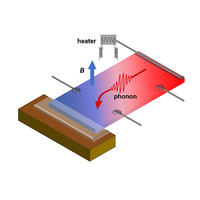
Phys. Rev. Lett. 135, 196302 (2025)
Condensed Matter and Materials
General First-Principles Approach to Crystals in Finite Magnetic Fields
Article | Condensed Matter and Materials | 2025-11-03 05:00 EST
Chengye Lü, Yingwei Chen, Yuzhi Wang, Zhihao Dai, Zhong Fang, Xin-Gao Gong, Quansheng Wu, and Hongjun Xiang
We introduce a general first-principles methodology for computing electronic structure in a finite uniform magnetic field that allows for an arbitrary rational magnetic flux and nonlocal pseudopotentials at a comparable time complexity to conventional plane-wave pseudopotential approaches in zero-fi…
Phys. Rev. Lett. 135, 196401 (2025)
Condensed Matter and Materials
Moiré-Induced Magnetoelectricity in Twisted Bilayer ${\mathrm{NiI}}_{2}$
Article | Condensed Matter and Materials | 2025-11-03 05:00 EST
Haiyan Zhu, Hongyu Yu, Weiqin Zhu, Guoliang Yu, Changsong Xu, and Hongjun Xiang
Twist-induced structural distortions induce ferroelectricity and polar magnetic topologies in bilayer NiI.
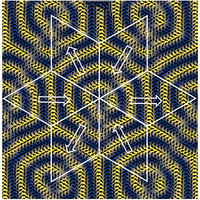
Phys. Rev. Lett. 135, 196701 (2025)
Condensed Matter and Materials
Physical Review X
A Polynomial-Time Classical Algorithm for Noisy Quantum Circuits
Article | 2025-11-03 05:00 EST
Thomas Schuster, Chao Yin, Xun Gao, and Norman Y. Yao
A new classical algorithm shows that noise restricts non-error-corrected quantum computational power more generally than previously recognized.
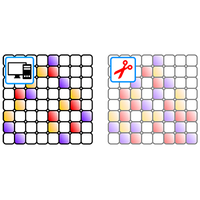
Phys. Rev. X 15, 041018 (2025)
arXiv
Dynamics of stochastic oscillator chains with harmonic and FPUT potentials
New Submission | Statistical Mechanics (cond-mat.stat-mech) | 2025-11-03 20:00 EST
Emilio N.M. Cirillo, Matteo Colangeli, Claudio Giberti, Lamberto Rondoni
Inspired by recent studies on deterministic oscillator models, we introduce a stochastic one-dimensional model for a chain of interacting particles. The model consists of $ N$ oscillators performing continuous-time random walks on the integer lattice $ \mathbb{Z}$ with exponentially distributed waiting times. The oscillators are bound by confining forces to two particles that do not move, placed at positions $ x_0$ and $ x_{N+1}$ , respectively, and they feel the presence of baths with given inverse temperatures: $ \beta_L$ to the left, $ \beta_B$ in the middle, and $ \beta_R$ to the right. Each particle has an index and interacts with its nearest neighbors in index space through either a quadratic potential or a Fermi-Pasta-Ulam-Tsingou type coupling. This local interaction in index space can give rise to effective long-range interactions on the spatial lattice, depending on the instantaneous configuration. Particle hopping rates are governed either by the Metropolis rule or by a modified version that breaks detailed balance at the interfaces between regions with different baths.
Statistical Mechanics (cond-mat.stat-mech), Mathematical Physics (math-ph), Probability (math.PR)
When Normality Tests Detect Equilibrium Distributions of Finite N-Body Systems
New Submission | Statistical Mechanics (cond-mat.stat-mech) | 2025-11-03 20:00 EST
The particle number $ N$ can be used as a quantitative gauge of non-Gaussianity. This idea extends to systems that are not literally finite by assigning them a notional $ N $ that captures the same deviation. For an ideal gas with $ N$ insufficiently large for the thermodynamic limit, the velocity distribution that maximises Havrda-Charvát entropy departs markedly from the Maxwell-Boltzmann (Gaussian) form obtained in that limit. We explore how five standard normality tests-Kolmogorov-Smirnov, Anderson-Darling, Cramér-von Mises, Jarque-Bera and Shapiro-Wilk-respond to samples drawn from this finite-$ N$ equilibrium distribution. A large-scale Monte-Carlo study maps the tests’ statistical power across system size $ N$ and sample size $ n$ , providing practical reference tables for deciding when finite-size effects remain detectable.
Statistical Mechanics (cond-mat.stat-mech)
Path-integral Monte Carlo estimator for the dipole polarizability of quantum plasma
New Submission | Mesoscale and Nanoscale Physics (cond-mat.mes-hall) | 2025-11-03 20:00 EST
Juha Tiihonen, David Trejo-Garcia, Tapio T. Rantala, Marco Ornigotti
We present a path-integral Monte Carlo estimator for calculating the dipole polarizability of interacting Coulomb plasma in the long-wavelength limit, i.e., the optical region. Unlike the conventional dynamic structure factor in reciprocal space, our approach is based on the real-space dipole autocorrelation function and is suited for long wavelengths and small cell sizes, including finite clusters. The simulation of thermal equilibrium in imaginary time has exact Coulomb interactions and Boltzmann quantum statistics. For reference, we demonstrate analytic continuation of the Drude model into the imaginary time and Matsubara series, showing perfect agreement with our data within ranges of finite temperatures and densities. Method parameters, such as the finite time-step and finite-size effects prove only modestly significant. Our method, here carefully validated against an exactly solvable reference, remains amenable to more interesting domains in higher-order optical response, quantum confinements and quantum statistical effects, and applications in plasmonics, heterogeneous plasmas and nonlinear optics, such as epsilon-near-zero materials.
Mesoscale and Nanoscale Physics (cond-mat.mes-hall), Plasma Physics (physics.plasm-ph), Quantum Physics (quant-ph)
10 pages, 5 figures
Distributing entanglement between distant semiconductor qubit registers using a shared-control shuttling link
New Submission | Mesoscale and Nanoscale Physics (cond-mat.mes-hall) | 2025-11-03 20:00 EST
Zarije Ademi, Marion Bassi, Cécile X. Yu, Sander L. de Snoo, Stefan D. Oosterhout, Amir Sammak, Lieven M. K. Vandersypen, Giordano Scappucci, Corentin Déprez, Menno Veldhorst
Semiconductor quantum processors have potential to scale to modular quantum computers, in which qubit registers are coupled by quantum links, enabling high connectivity and space for control circuitry. Individual spin-qubit registers have progressed to two-dimensional systems and execution of small quantum algorithms. Separately, high-fidelity spin shuttling has been demonstrated in linear channels defined by individual gate electrodes. Here, we realize the first shared-control shuttling link integrated between distant qubit registers to demonstrate quantum entanglement in a basic modular quantum processor based on hole spin qubits in germanium. We develop a protocol to compensate for spin-orbit-induced rotations during qubit transfer, allowing for shuttling between qubit registers separated by more than one micrometer in approximately a hundred nanoseconds. Combining local qubit operation with coherent shuttling, we generate Bell states formed by spins residing in separate registers. Characterizing them using quantum state tomography, we demonstrate entanglement between spin qubits in distant registers.
Mesoscale and Nanoscale Physics (cond-mat.mes-hall)
The authors Zarije Ademi and Marion Bassi contributed equally. The authors Corentin Déprez and Menno Veldhorst jointly supervised this work. Main text with 9 pages and 4 figures, supplementary materials with 22 pages and 14 figures, in a single file
Interpretable Artificial Intelligence (AI) Analysis of Strongly Correlated Electrons
New Submission | Strongly Correlated Electrons (cond-mat.str-el) | 2025-11-03 20:00 EST
Artificial Intelligence (AI) has become an exceptionally powerful tool for analyzing scientific data. In particular, attention-based architectures have demonstrated a remarkable capability to capture complex correlations and to furnish interpretable insights into latent, otherwise inconspicuous patterns. This progress motivates the application of AI techniques to the analysis of strongly correlated electrons, which remain notoriously challenging to study using conventional theoretical approaches. Here, we propose novel AI workflows for analyzing snapshot datasets from tensor-network simulations of the two-dimensional (2D) Hubbard model over a broad range of temperature and doping. The 2D Hubbard model is an archetypal strongly correlated system, hosting diverse intriguing phenomena including Mott insulators, anomalous metals, and high-$ T_c$ superconductivity. Our AI techniques yield fresh perspectives on the intricate quantum correlations underpinning these phenomena and facilitate universal omnimetry for ultracold-atom simulations of the corresponding strongly correlated systems.
Strongly Correlated Electrons (cond-mat.str-el), Disordered Systems and Neural Networks (cond-mat.dis-nn), Quantum Gases (cond-mat.quant-gas)
34 pages, 23 figures
Entropy transport in closed quantum many-body systems far from equilibrium
New Submission | Quantum Gases (cond-mat.quant-gas) | 2025-11-03 20:00 EST
J. Marijan, H. Strobel, M. K. Oberthaler, J. Berges
We investigate entropy transport for universal scaling phenomena in closed quantum many-body systems far from equilibrium. From spatially resolved experimental data of a spinor Bose gas, we demonstrate that entropy decreases on long-distance scales while it increases at short distances. A dynamical separation of scales leads to macrophysics with long-range order, which is insensitive to the highly entropic microphysical processes. Since the total von Neumann entropy is conserved on a fundamental level for the quantum system, our analysis reveals a reciprocal connection between the emergence of macroscopic structure and microscopic disorder. To illustrate the scope of this connection, we exemplify the universal phenomenon also in a relativistic quantum field theory calculation from first principles, which is relevant for particle physics and early-universe cosmology.
Quantum Gases (cond-mat.quant-gas), High Energy Physics - Theory (hep-th), Quantum Physics (quant-ph)
13 pages, 10 figures
Trapping-potential dependence of the unitary Fermi gas at the BCS-BEC crossover
New Submission | Quantum Gases (cond-mat.quant-gas) | 2025-11-03 20:00 EST
Silas R. Beane, Adèle Le Borgne, Domenico Orlando, Susanne Reffert
Cold-atom experiments which measure Fermi-gas properties near unitarity confine fermionic atoms to a region of space using trapping potentials of various shapes. The presence of a trapping potential introduces a new characteristic physical scale in the superfluid EFT which, inter alia, describes the acoustic branch of excitations in the far infrared well below the scale of the superfluid gap. In this EFT there is a clear hierarchy of scales, and corrections to the homogeneous system due to the trapping potential may be organized into three regions with distinct power counting that relies on both the EFT derivative expansion, and the WKB approximation, which is an expansion in gradients of the trapping potential. The energy spectrum of the superfluid system is obtained in each of the regions by explicit computation of the phonon-field fluctuations, and by the modifications to the dynamic structure factor due to the corresponding density fluctuations. The most significant deviations from linear dispersion due to the trapping potential are found in the far infrared region of the superfluid EFT.
Quantum Gases (cond-mat.quant-gas), High Energy Physics - Theory (hep-th), Nuclear Theory (nucl-th)
40 pages
Higher-dimensional Fermiology in bulk moiré metals
New Submission | Materials Science (cond-mat.mtrl-sci) | 2025-11-03 20:00 EST
Kevin P. Nuckolls, Nisarga Paul, Alan Chen, Filippo Gaggioli, Joshua P. Wakefield, Avi Auslender, Jules Gardener, Austin J. Akey, David Graf, Takehito Suzuki, David C. Bell, Liang Fu, Joseph G. Checkelsky
In the past decade, moiré materials have revolutionized how we engineer and control quantum phases of matter. Among incommensurate materials, moiré materials are aperiodic composite crystals whose long-wavelength moiré superlattices enable tunable properties without chemically modifying their layers. To date, nearly all reports of moiré materials have investigated van der Waals heterostructures assembled far from thermodynamic equilibrium. Here we introduce a conceptually new approach to synthesizing high-mobility moiré materials in thermodynamic equilibrium. We report a new family of foliated superlattice materials (Sr$ _6$ TaS$ _8$ )$ _{1+\delta}$ (TaS$ _2$ )$ _8$ that are exfoliatable van der Waals crystals with atomically incommensurate lattices. Lattice mismatches between alternating layers generate moiré superlattices, analogous to those of 2D moiré heterobilayers, that are coherent throughout these crystals and are tunable through their synthesis conditions without altering their chemical composition. High-field quantum oscillation measurements map the complex Fermiology of these moiré metals, which can be tuned via the moiré superlattice structure. We find that the Fermi surface of the structurally simplest moiré metal is comprised of over 40 distinct cross-sectional areas, the most observed in any material to our knowledge. This can be naturally understood by postulating that bulk moiré materials can encode electronic properties of higher-dimensional superspace crystals in ways that parallel well-established crystallographic methods used for incommensurate lattices. More broadly, our work demonstrates a scalable synthesis approach potentially capable of producing moiré materials for electronics applications and evidences a novel material design concept for accessing a broad range of physical phenomena proposed in higher dimensions.
Materials Science (cond-mat.mtrl-sci)
26 pages, 5 figures
MaterialsGalaxy: A Platform Fusing Experimental and Theoretical Data in Condensed Matter Physics
New Submission | Materials Science (cond-mat.mtrl-sci) | 2025-11-03 20:00 EST
Tiannian Zhu, Zhong Fang, Quansheng Wu, Hongming Weng
Modern materials science generates vast and diverse datasets from both experiments and computations, yet these multi-source, heterogeneous data often remain disconnected in isolated “silos”. Here, we introduce MaterialsGalaxy, a comprehensive platform that deeply fuses experimental and theoretical data in condensed matter physics. Its core innovation is a structure similarity-driven data fusion mechanism that quantitatively links cross-modal records - spanning diffraction, crystal growth, computations, and literature - based on their underlying atomic structures. The platform integrates artificial intelligence (AI) tools, including large language models (LLMs) for knowledge extraction, generative models for crystal structure prediction, and machine learning property predictors, to enhance data interpretation and accelerate materials discovery. We demonstrate that MaterialsGalaxy effectively integrates these disparate data sources, uncovering hidden correlations and guiding the design of novel materials. By bridging the long-standing gap between experiment and theory, MaterialsGalaxy provides a new paradigm for data-driven materials research and accelerates the discovery of advanced materials.
Materials Science (cond-mat.mtrl-sci)
18 pages, 5 figures. Accepted for publication in Chinese Physics B (24 October 2025)
Proximity-induced superconductivity and emerging topological phases in altermagnet-based heterostructures
New Submission | Superconductivity (cond-mat.supr-con) | 2025-11-03 20:00 EST
Ohidul Alam, Amartya Pal, Paramita Dutta, Arijit Saha
We present a theoretical framework for investigating superconducting proximity effect in altermagnet (AM)-superconductor (SC) heterostructures. In general, AMs, characterized by vanishing net magnetization but spin-split electronic spectra, provide a promising platform for realizing unconventional magnetic phases. We consider a two-dimensional $ d$ -wave AM proximity coupled to a three dimensional ordinary $ s$ -wave SC. By integrating out the superconducting degrees of freedom, we derive an effective Hamiltonian that describes the proximity-induced modifications in the AM layer in the form of a self-energy. We then derive an effective Green’s function to obtain the proximity-induced pairing amplitudes in the AM layer and classify the induced pairing amplitudes according to their parity, frequency, and spin. We find the presence of even-parity singlet and triplet pairing amplitudes in the AM layer. To achieve the odd-parity triplet components, important to realize topological superconductivity, we introduce a layer of Rashba spin-orbit coupling (RSOC) in the heterostructure. We analyse the band topology of this proximity-induced AM-RSOC layer and demonstrate the emergence of both weak and strong topological superconducting phases with edge-localized modes, characterized by winding number and Chern number. These findings highlight the role of AM-SC hybrid setup as a versatile platform for realizing odd-parity triplet pairings and engineering topological superconductivity in two-dimension.
Superconductivity (cond-mat.supr-con), Mesoscale and Nanoscale Physics (cond-mat.mes-hall)
15 pages and 10 figures; comments are welcome
Superdiffusion and anomalous fluctuations in chiral integrable dynamics
New Submission | Statistical Mechanics (cond-mat.stat-mech) | 2025-11-03 20:00 EST
Cristiano Muzzi, Devendra Singh Bhakuni, Marcello Dalmonte, Lenart Zadnik, Hernan B. Xavier
Symmetries strongly influence transport properties of quantum many-body systems, and can lead to deviations from the generic case of diffusion. In this work, we study the impact of time-reversal symmetry breaking on the transport and its universal aspects in integrable chiral spin ladders. We observe that the infinite-temperature spin transport is superdiffusive with a dynamical critical exponent z = 3/2 matching the one of the Kardar-Parisi-Zhang (KPZ) universality class, which also lacks the time reversal symmetry. However, we find that fluctuations of the net magnetization transfer deviate from the KPZ predictions. Moreover, the full probability distribution of the associated spin current obeys fluctuation symmetry despite broken time-reversal and space-reflection symmetries. To further investigate the role of conserved quantities, we introduce an integrable quantum circuit that shares the essential symmetries with the chiral ladder, and which exhibits analogous dynamical behaviour in the absence of energy conservation. Our work shows that time-reversal symmetry breaking is compatible with superdiffusion, but insufficient to stabilize the KPZ universality in integrable systems. This suggests that additional fundamental features are missing in order to identify the emergence of such dynamics in quantum matter.
Statistical Mechanics (cond-mat.stat-mech), Strongly Correlated Electrons (cond-mat.str-el), Quantum Physics (quant-ph)
12 pages, 4 figures
Enhancing Neural Network Backflow
New Submission | Strongly Correlated Electrons (cond-mat.str-el) | 2025-11-03 20:00 EST
Accurately describing the ground state of strongly correlated systems is essential for understanding their emergent properties. Neural Network Backflow (NNBF) is a powerful variational ansatz that enhances mean-field wave functions by introducing configuration-dependent modifications to single-particle orbitals. Although NNBF is theoretically universal in the limit of large networks, we find that practical gains saturate with increasing network size. Instead, significant improvements can be achieved by using a multi-determinant ansatz. We explore efficient ways to generate these multi-determinant expansions without increasing the number of variational parameters. In particular, we study single-step Lanczos and symmetry projection techniques, benchmarking their performance against diffusion Monte Carlo and NNBF applied to alternative mean fields. Benchmarking on a doped periodic square Hubbard model near optimal doping, we find that a Lanczos step, diffusion Monte Carlo, and projection onto a symmetry sector all give similar improvements achieving state-of-the-art energies at minimal cost. By further optimizing the projected symmetrized states directly, we gain significantly in energy. Using this technique we report the lowest variational energies for this Hamiltonian on $ 4\times 16$ and $ 4 \times 8$ lattices as well as accurate variance extrapolated energies. We also show the evolution of spin, charge, and pair correlation functions as the quality of the variational ansatz improves.
Strongly Correlated Electrons (cond-mat.str-el), Disordered Systems and Neural Networks (cond-mat.dis-nn), Computational Physics (physics.comp-ph)
11 pages, 8 figures
Generative diffusion modeling protocols for improving the Kikuchi pattern indexing in electron back-scatter diffraction
New Submission | Materials Science (cond-mat.mtrl-sci) | 2025-11-03 20:00 EST
Meghraj Prajapat, Alankar Alankar
Electron back-scatter diffraction (EBSD) has traditionally relied upon methods such as the Hough transform and dictionary Indexing to interpret diffraction patterns and extract crystallographic orientation. However, these methods encounter significant limitations, particularly when operating at high scanning speeds, where the exposure time per pattern is decreased beyond the operating sensitivity of CCD camera. Hence the signal to noise ratio decreases for the observed pattern which makes the pattern noisy, leading to reduced indexing accuracy. This research work aims to develop generative machine learning models for the post-processing or on-the-fly processing of Kikuchi patterns which are capable of restoring noisy EBSD patterns obtained at high scan speeds. These restored patterns can be used for the determination of crystal orientations to provide reliable indexing results. We compare the performance of such generative models in enhancing the quality of patterns captured at short exposure times (high scan speeds). An interesting observation is that the methodology is not data-hungry as typical machine learning methods.
Materials Science (cond-mat.mtrl-sci), Computer Vision and Pattern Recognition (cs.CV)
Nanomechanics of Shear Rate-Dependent Stiffening in Micellar Electrically Conductive Polymers
New Submission | Soft Condensed Matter (cond-mat.soft) | 2025-11-03 20:00 EST
Jingchen Wang, Tianqi Hu, Jingjie Yeo
Electrically conducting polymers with mechanical adaptability are essential for flexible electronics, yet most suffer structural degradation under rapid deformation. In this study, multiscale coarse-grained (MSCG) simulations are used to uncover the nanoscale origins of an unusual strain-rate-dependent stiffening in a poly(2-acrylamido-2-methyl-1-propanesulfonic acid) (PAMPSA)-polyaniline (PANI) blend. The self-assembled morphology consists of semi-crystalline PANI-rich micellar cores dispersed in a soft, viscoelastic PAMPSA matrix. At low shear rates, micelles migrate and coalesce into larger aggregates, enhancing local crystallinity and transient entanglement density while dissipating stress through matrix deformation. At high shear rates, micelles cannot reorganize quickly enough, leading to core dissociation and the emergence of highly aligned PANI filaments that directly bear the load, with PAMPSA serving as a weak but extended support phase. These contrasting regimes (densification-driven local alignment versus dissociation-driven global alignment) enable reversible mechanical stiffening across three orders of magnitude in shear rate. The results provide a molecular-level framework for designing solid-state polymers with tunable, rate-adaptive mechanical properties.
Soft Condensed Matter (cond-mat.soft), Materials Science (cond-mat.mtrl-sci)
The Anderson transition – a view from Krylov space
New Submission | Disordered Systems and Neural Networks (cond-mat.dis-nn) | 2025-11-03 20:00 EST
J. Clayton Peacock, Vadim Oganesyan, Dries Sels
The Krylov subspace expansion is a workhorse method for sparse numerical methods that has been increasingly explored as source of physical insight into many-body dynamics in recent years. We revisit the venerable Anderson model of localization in dimensions $ d=1, 2, 3, 4$ to construct local integrals of motion (LIOM) in Krylov space. These appear as zero eigenvalue edge states of an effective hopping problem in Krylov superoperator subspace, and can be analytically constructed, given the Lanczos coefficients. We exploit this idea, focusing on $ d=3$ , to study the manifestation of the disorder driven Anderson transition in the anatomy of LIOMs. We find that the increasing complexity of the Krylov operators results in a suppression of the fluctuations of the Lanczos coefficients. As such, one can study the phenomenology of the integrals of motion in the disorder averaged Krylov chain. We find edge states localized on vanishing fraction of Krylov space (of dimension $ D_K=V^2$ for cubes of volume $ V$ ), both in localized and extended phases. Importantly, in the localized phase, disorder induces powerlaw decaying dimerization in the (Krylov) hopping problem, producing stretched exponential decay of the LIOMs (in Krylov space) with a stretching exponent $ 1/2d$ . Metallic LIOMs are completely delocalized albeit across only $ \propto \sqrt{D_K}$ states). Critical LIOMs exhibit powerlaw decay with an exponent matching the expected fractal exponent.
Disordered Systems and Neural Networks (cond-mat.dis-nn), Quantum Physics (quant-ph)
9 pages, 7 figures
Engineering Biquadratic Interactions in Spin-1 Chains by Spin-1/2 Spacers
New Submission | Strongly Correlated Electrons (cond-mat.str-el) | 2025-11-03 20:00 EST
Yasser Saleem, Weronika Pasek, Marek Korkusinski, Moritz Cygorek, Pawel Potasz
Low-dimensional quantum systems host a variety of exotic states, such as symmetry-protected topological ground states in spin-1 Haldane chains. Real-world realizations of such states could serve as practical quantum simulators for quantum phases if the interactions can be controlled. However, many proposed models, such as the AKLT state, require unconventional forms of spin interactions beyond standard Heisenberg terms, which do not naturally emerge from microscopic (Coulomb) interactions. Here, we demonstrate a general strategy to induce a biquadratic term between two spin-1 sites and to tune its strength $ \beta$ by placing pairs of spin-1/2 spacers in between them. $ \beta$ is controlled by the ratio between Heisenberg couplings to and in between the spacer spins. Increasing this ratio first increases the magnitude of $ \beta$ and decreases the correlation length of edge states, but at a critical value of the ratio, we observe a quantum phase transition between two spin-liquid phases with hidden antiferromagnetic order. Detailed atomistic calculations reveal that chains of nanographene flakes with 22 and 13 atoms, respectively, which could be realized by state-of-the-art bottom-up growth technology, yield precisely the couplings required to approach the AKLT state. These findings deliver a blueprint for engineering unconventional interactions in bottom-up synthesized quantum simulators.
Strongly Correlated Electrons (cond-mat.str-el)
Thermoelectricity of moiré heavy fermions in MoTe2/WSe2 bilayers
New Submission | Strongly Correlated Electrons (cond-mat.str-el) | 2025-11-03 20:00 EST
Yichi Zhang, Wenjin Zhao, Zhongdong Han, Kenji Watanabe, Takashi Taniguchi, Jie Shan, Kin Fai Mak
Tunable Kondo lattice and heavy fermion physics have been recently reported in moiré materials, but most of the studies have focused on the electrical and magnetic properties. Quantitative thermoelectric measurements, which can reveal entropic information of the heavy fermions, have yet to be achieved. Here, we report a comprehensive thermoelectric study on the moiré heavy fermion phase realized in hole-doped angle-aligned MoTe2/WSe2 bilayers. By electrically gating the material to the Kondo lattice region of the phase diagram, we observe a sign change in the Seebeck coefficient near the Kondo coherence temperature, where the heavy fermion phase with an electron-like Fermi surface evolves into an itinerant Fermi liquid with a hole-like Fermi surface. We compare the results with the semiclassical Mott relation and discuss the observed discrepancies. In addition to the thermal dissociation of Kondo singlets in the heavy Fermi liquid, a sign change accompanied by a strong peak in the Seebeck coefficient is also observed near a Zeeman breakdown of the Kondo singlets, signaling an entropy accumulation. Our results provide entropic information on both the formation and breakdown of heavy fermions in moiré semiconductors.
Strongly Correlated Electrons (cond-mat.str-el), Mesoscale and Nanoscale Physics (cond-mat.mes-hall)
Rydberg excitons in Cu$_2$O at millikelvin temperatures
New Submission | Mesoscale and Nanoscale Physics (cond-mat.mes-hall) | 2025-11-03 20:00 EST
Julian Heckötter, David Janas, Marc Aßmann, Manfred Bayer
Rydberg excitons in the semiconductor Cu$ _2$ O have been observed in absorption experiments up to a principal quantum number of n = 28 at millikelvin temperatures [1]. Here, we extend the experimental parameter space by variing both temperature and excitation power. In particular, we show that the P excitons close to the band gap react more sensitively to an increase of the excitation power than states of the associated D exciton multiplet, even though the latter are located at comparatively higher energy. This finding is similar to the one observed when applying an external electric field, suggesting that the observed behavior arises from internal electric fields created by charged impurities that are optically ionized. At laser intensities below 1 $ \mu$ W/cm$ ^2$ , absorption lines of excitons with n=29 are observed.
Mesoscale and Nanoscale Physics (cond-mat.mes-hall)
5 pages, 4 figures
Characterizing Skyrmion Flow Phases with Principal Component Analysis
New Submission | Mesoscale and Nanoscale Physics (cond-mat.mes-hall) | 2025-11-03 20:00 EST
C.J.O. Reichhardt, D. McDermott, C. Reichhardt
Principal component analysis (PCA) is a powerful method that can identify patterns in large, complex data sets by constructing low-dimensional order parameters from higher-dimensional feature vectors. There are increasing efforts to use space-and-time-dependent PCA to detect transitions in nonequilibrium systems that are difficult to characterize with equilibrium methods. Here, we demonstrate that feature vectors incorporating the position and velocity information of driven skyrmions moving through random disorder permit PCA to resolve different types of disordered skyrmion motion as a function of driving force and the ratio of the Magnus force to the dissipation. Since the Magnus force creates gyroscopic motion and a finite Hall angle, skyrmions can exhibit a greater range of flow phases than what is observed in overdamped driven systems with quenched disorder. We show that in addition to identifying previously known skyrmion flow phases, PCA detects several additional phases, including different types of channel flow, moving fluids, and partially ordered states. Guided by the PCA analysis, we further characterize the disordered flow phases to elucidate the different microscopic dynamics and show that the changes in the PCA-derived order parameters can be connected to features in bulk transport measures, including the transverse and longitudinal velocity-force curves, differential conductivity, topological defect density, and changes in the skyrmion Hall angle as a function of drive. We discuss how asymmetric feature vectors can be used to improve the resolution of the PCA analysis, and how this technique can be extended to find disordered phases in other nonequilibrium systems with time-dependent dynamics.
Mesoscale and Nanoscale Physics (cond-mat.mes-hall), Statistical Mechanics (cond-mat.stat-mech)
19 pages, 18 figures
Atomistic Simulations of H-Cu Vacancy Cosegregation and H Diffusion in Cu Grain Boundary
New Submission | Materials Science (cond-mat.mtrl-sci) | 2025-11-03 20:00 EST
Vasileios Fotopoulos, Alexander L. Shluger
Hydrogen embrittlement remains a critical challenge in structural and electronic applications of copper (Cu) but its mechanism is still not fully understood. In this study, we combine density functional theory (DFT) and bond-order potential (BOP) simulations to determine the atomistic pathways for hydrogen adsorption/incorporation and fast interfacial diffusion at Cu grain boundaries (GBs), including its interaction with vacancies. Undercoordinated regions, such as surfaces and GBs, serve as preferential adsorption/incorporation sites for atomic hydrogen, especially in the presence of Cu vacancies. The presence of hydrogen in GB further enhances the segregation of Cu vacancies, leading to the formation of stable H-$ V_\mathrm{Cu}$ complexes with cosegregation energy gains of up to $ -0.8$ eV. Furthermore, our simulations reveal that the migration barriers for hydrogen within the GB networks are as low as $ 0.2$ eV and significantly lower than in bulk Cu ($ 0.42$ eV). The results presented in this paper suggest an atomistic mechanism that links $ H_2$ exposure to H accumulation in GBs, providing information on the early stages of hydrogen-induced degradation.
Materials Science (cond-mat.mtrl-sci)
Metallic electro-optic effects in topological chiral crystals
New Submission | Mesoscale and Nanoscale Physics (cond-mat.mes-hall) | 2025-11-03 20:00 EST
C. O. Ascencio, D. J. P. de Sousa, Tony Low
Topological chiral crystals have emerged as a fertile material platform for investigating optical phenomena derived from the distinctive Fermi surface Berry curvature and orbital magnetic moment textures around multifold chiral band crossings pinned at the time-reversal invariant momenta. In this work, by means of tight-binding model and first principles based calculations, we investigate metallic electro-optic (EO) responses stemming from the Berry curvature and orbital magnetic moment of Bloch electrons across 37 materials belonging to space group 198 (SG198). Previously thought to vanish in SG198, our findings reveal a nonzero Berry curvature dipole attributed to the energetic misalignment between topologically charged point nodes of opposite chirality. Moreover, we find that the recently predicted magnetoelectric EO effects, which arise from the interplay between the Berry curvature and magnetic moment on the Fermi surface, are readily accessible in BeAu under experimentally feasible electric biases.
Mesoscale and Nanoscale Physics (cond-mat.mes-hall), Materials Science (cond-mat.mtrl-sci)
Stability and Dynamics of Sn-based Halide Perovskites: Insights from MACE-MP-0 and Molecular Dynamics Simulations
New Submission | Materials Science (cond-mat.mtrl-sci) | 2025-11-03 20:00 EST
Thiago Puccinelli, Lucas Martin Farigliano, Gustavo Martini Dalpian
Tin-based halide perovskites have emerged as promising lead-free alternatives for optoelectronic applications, yet their structural stability and phase behavior at finite temperatures remain challenging to predict. Here, we assess the predictive capabilities of the foundational machine learning model MACE-MP-0 - trained on a broad chemical space and applied without system-specific fine-tuning - for the temperature-dependent behavior of CsSnBr3 and Cs2SnBr6. Molecular Dynamics simulations in the NpT ensemble were performed from 100 K to 500 K, and thermodynamic and structural descriptors including enthalpy, specific heat, radial distribution functions, translational order, bond angle distributions, and vibrational spectra were analyzed. Our results show that CsSnBr3 undergoes a low-temperature orthorhombic-to-cubic phase transition, evidenced by both the evolution of lattice parameters and subtle anomalies in enthalpy and specific heat, although the experimentally observed intermediate tetragonal phase is not captured. In contrast, Cs2SnBr6 remains cubic and maintains a more rigid octahedral framework across the entire temperature range. Overall, MACE-MP-0 qualitatively reproduces key thermal and structural features of these materials, highlighting its usefulness as a first step for studying new materials. For cases where capturing more subtle phase behavior is required, system-specific fine-tuning with Density Functional Theory data should be considered.
Materials Science (cond-mat.mtrl-sci)
Defect Engineered Hexagonal-Boron Nitride Enables Ionic Conduction for Lithium Metal Batteries
New Submission | Materials Science (cond-mat.mtrl-sci) | 2025-11-03 20:00 EST
Yecun Wu, Yan-Kai Tzeng, Hao Chen, Kun Xu, Gangbin Yan, Takashi Taniguchi, Kenji Watanabe, Arun Majumdar, Yi Cui, Steven Chu
The practical implementation of lithium-metal anodes has been hindered by uncontrollable dendrite formation and interfacial instability. This study presents a defect-engineering approach of a chemically stable and electrically insulating interfacial layer of hexagonal boron nitride (h-BN) that markedly enhances ionic conductivity through argon ion irradiation. Initially, the electrochemical performance from commercially available, large-area chemical vapor deposition (CVD)-grown h-BN films with industrial-scale argon ion implantation motivated our subsequent detailed investigations using lab-scale exfoliated single-crystal h-BN flakes. Integration of these exfoliated flakes into a hybrid microfluidic-microelectronic chip provided direct evidence that controlled vacancy defects transform h-BN into an efficient lithium-ion conductor while preserving its intrinsic electrical insulation. Experimental validation confirmed improved lithium-metal anode stability, achieving dendrite-free cycling with Li plating/stripping Coulombic efficiencies exceeding 99.5% about 1000 cycles. Further assemble of irradiated h-BN in lithium-sulfur batteries effectively mitigates the polysulfide shuttle effect, sustaining over 97% specific capacity around 300 cycles. These results establish a robust, scalable interface-engineering route for next-generation lithium-metal batteries that combine high ionic transport with excellent electrical insulation.
Materials Science (cond-mat.mtrl-sci)
Spin Dependence of Charge Dynamics and Group Velocity in Chiral Molecules
New Submission | Mesoscale and Nanoscale Physics (cond-mat.mes-hall) | 2025-11-03 20:00 EST
Riley Stuermer, Collin VanEssen, Jacob Byers, Keith Ferrer, Prasad Gudem, Diego Kienle, Jonas Fransson, Mani Vaidyanathan
Chiral molecules are known to preferentially select electrons with a particular spin state, an effect termed chirality-induced spin selectivity (CISS). In this work, the transient CISS dynamics in a chiral molecule are investigated through time-dependent quantum-transport simulations, an important step toward further understanding CISS and its application in devices such as magnetoresistive random access memories and spin-based quantum computers. We show that a nonzero spin polarization throughout the chiral molecule can be attributed to a spin-dependent group velocity of electrons. Contrary to the case where a chiral molecule is connected to a single lead, this spin polarization persists into the steady state when two leads are connected. We show that the simulated spin polarization qualitatively agrees with a reference experiment, as evidenced by the distinct magnetic-field signatures calculated from the spin polarization within a monolayer of chiral molecules.
Mesoscale and Nanoscale Physics (cond-mat.mes-hall)
Main text: 12 pages with 5 figures, supplemental material: 12 pages with 12 figures – submitted
Time-Resolved Photoemission Spectroscopy of Quantum Materials Using High Harmonic Generation: Probing Electron-Phonon Interactions and Non-Equilibrium Dynamics
New Submission | Strongly Correlated Electrons (cond-mat.str-el) | 2025-11-03 20:00 EST
Recent advancements in ultrafast laser systems and high harmonic generation (HHG) techniques have enabled time-resolved photoemission spectroscopy on femtosecond timescales, opening up unprecedented opportunities to explore quantum materials in both time and momentum space. In this review, we present recent representative studies utilizing HHG-laser-based time- and angle-resolved photoemission spectroscopy for a variety of quantum materials. We particularly highlight electron-phonon interactions and non-equilibrium dynamics in time and frequency domain, through which rich information about non-equilibrium electron-phonon couplings and related phenomena has been clearly revealed.
Strongly Correlated Electrons (cond-mat.str-el), Materials Science (cond-mat.mtrl-sci)
Prog. Surf. Sci. 100, 100795 (2025)
Kink in Stoner Factor as a Signature of Changing Magnetic Fluctuations in Organic Conductor $λ$-(BETS)$_2$GaCl$_4$
New Submission | Strongly Correlated Electrons (cond-mat.str-el) | 2025-11-03 20:00 EST
We have theoretically investigated the magnetic properties of the quasi-two-dimensional organic conductor $ \lambda$ -(BETS)$ 2$ GaCl$ 4$ using a multi-band Hubbard model and the two-particle self-consistent method. We have employed a four-band model, where each BETS molecule is considered as a site, and a two-band model, treating each BETS dimer as a site. Our results for the temperature dependence of the Stoner factor reveal a kink around $ T\mathrm{kink} \approx 5 \mathrm{meV}$ , indicating a change in the dominant magnetic fluctuations. Above $ T\mathrm{kink}$ , it shows a broad structure indicating smeared antiferromagnetic (AFM) fluctuations, while below $ T_\mathrm{kink}$ , the spin susceptibility peaks at a wavevector corresponding to spin-density-wave (SDW)-like fluctuations. As the intra-dimer transfer integral increases, the kink disappears, and the AFM fluctuations are enhanced. Our findings are consistent with experimental observations, which also report a change in magnetic properties from AFM to SDW-like fluctuations upon cooling.
Strongly Correlated Electrons (cond-mat.str-el)
4 pages, 4 figures
Plastic or Viscous? A Reappraisal of Yielding in Soft Matter
New Submission | Soft Condensed Matter (cond-mat.soft) | 2025-11-03 20:00 EST
Yogesh M. Joshi, Alexander Ya. Malkin
Many soft jammed materials, such as pastes, gels, concentrated emulsions, and suspensions, possess a threshold stress, known as yield stress, that must be exceeded to cause permanent deformation or flow. In rheology, the term plastic flow is commonly used to describe continuous flow (unbounded increase in strain with time) that a material undergoes above a yield stress threshold. However, in solid mechanics, plasticity refers to irreversible but finite, rate-independent deformation (strain that does not evolve with time). In addition, many soft materials exhibit viscosity bifurcation, a prominent thixotropic signature, which further complicates the definition and interpretation of yield stress. The threshold stress at which viscosity bifurcation occurs is also termed a yield stress, even though deformation below this threshold is not purely elastic, while above this threshold, the material flows homogeneously with a constant shear rate. This paper revisits these critical issues by analyzing the rheological and solid mechanics perspectives on plasticity. The insights presented here are intended to address certain terminological ambiguities for interpreting flow in soft jammed materials.
Soft Condensed Matter (cond-mat.soft), Mesoscale and Nanoscale Physics (cond-mat.mes-hall), Materials Science (cond-mat.mtrl-sci)
33 pages, 11 figures
ACS Engineering Au 2025, 5, 480-491
Crossover between intrinsic and temperature-assisted regimes in spin-orbit torque switching of antiferromagnetic order
New Submission | Materials Science (cond-mat.mtrl-sci) | 2025-11-03 20:00 EST
Takumi Matsuo, Tomoya Higo, Daisuke Nishio-Hamane, Takuya Matsuda, Ryota Uesugi, Hanshen Tsai, Kouta Kondou, Shinji Miwa, Yoshichika Otani, Satoru Nakatsuji
Intensive studies have been made on antiferromagnets as candidate materials for next generation memory bits due to their ultrafast dynamics reaching picosecond time scales. Recent demonstrations of electrical bidirectional switching of antiferromagnetic states have attracted significant attention. However, under the presence of significant Joule heating that destabilizes the magnetic order, the timescales associated with the switching can be limited to nanoseconds or longer. Here, we present the observation of a crossover in the switching behavior of the chiral antiferromagnet Mn3Sn by tuning the magnetic layer thickness. While Joule heating interferes with switching in thicker devices, we find clear signatures of an intrinsic spin-orbit torque mechanism as the thickness is reduced, avoiding the heating effect. The suppression of heating enables switching without significant attenuation of the readout signal using pulses shorter than those required by temperature-assisted mechanisms. The crossover into the spin-orbit torque switching behavior clarifies the potential for achieving ultrafast switching as expected from the picosecond spin dynamics of antiferromagnets. Our results lay the groundwork for designing antiferromagnetic memory devices that can operate at ultrafast timescales.
Materials Science (cond-mat.mtrl-sci)
Phase behaviour and defect structure of soft rods on a sphere
New Submission | Soft Condensed Matter (cond-mat.soft) | 2025-11-03 20:00 EST
Jaydeep Mandal, Hartmut Löwen, Prabal K. Maiti
Using particle-resolved molecular-dynamics simulations, we compute the phase diagram for soft repulsive spherocylinders confined on the surface of a sphere. While crystal (K), smectic (Sm), and isotropic (I) phases exhibit a stability region for any aspect ratio of the spherocylinders, a nematic phase emerges only beyond a critical aspect ratio lying between 6.0 and 7.0. As required by the topology of the confining sphere, the ordered phases exhibit a total orientational defect charge of +2. In detail, the crystal and smectic phases exhibit two +1 defects at the poles, whereas the nematic phase features four +1/2 defects which are connected along a great circle. For aspect ratios above the critical value, lowering the packing fraction drives a sequence of transitions: the crystal melts into a smectic phase, which then transforms into a nematic through the splitting of the +1 defects into pairs of +1/2 defects that progressively move apart, thereby increasing their angular separation. Eventually, at very low densities, orientational fluctuations stabilize an isotropic phase. Our simulations data can be experimentally verified in Pickering emulsions and are relevant to understand the morphogenesis in epithelial tissues.
Soft Condensed Matter (cond-mat.soft), Statistical Mechanics (cond-mat.stat-mech), Computational Physics (physics.comp-ph)
Submitted to the Journal of Chemical Physics
Absence of Parity Anomaly in Massive Dirac Fermions on a Lattice
New Submission | Strongly Correlated Electrons (cond-mat.str-el) | 2025-11-03 20:00 EST
The parity anomaly for Dirac fermions in two spatial dimensions has shaped perspectives in quantum field theory and condensed matter physics. In condensed matter it has evolved as a mechanism for half-quantized Hall responses in systems described by massive Dirac fermions. Here we reexamine the issue on a lattice and show that the half-quantized Hall conductivity is absent for massive Dirac fermions when lattice regularization is properly implemented and the translational invariant symmetry is taken into account. We realize that a single massive Dirac cone on a lattice always leads to an integer quantized Hall conductivity and to the half-quantized Hall conductivity only in the unphysical limit of infinite momentum cut-off. The half-quantized Hall conductivity appears with nonzero longitudinal conductance as a signature of a single massless Dirac cone on a lattice. Consequently, the parity anomaly is a property of massless Dirac fermions in a semimetal/metal, not of massive Dirac fermions in an insulator on a lattice.
Strongly Correlated Electrons (cond-mat.str-el), Mesoscale and Nanoscale Physics (cond-mat.mes-hall)
7 pages, no figure
High thermal conductivity of rutile-GeO$_2$ films grown by MOCVD: $52.9~\mathrm{W,m^{-1},K^{-1}}$
New Submission | Materials Science (cond-mat.mtrl-sci) | 2025-11-03 20:00 EST
Imteaz Rahaman, Michael E. Liao, Ziqi Wang, Eugene Y. Kwon, Rui Sun, Botong Li, Hunter D. Ellis, Bobby G. Duersch, Dali Sun, Jun Liu, Mark S. Goorsky, Michael A. Scarpulla, Kai Fu
Rutile germanium dioxide (r-GeO2) has recently emerged as a promising ultrawide-bandgap (UWBG) semiconductor owing to its wide bandgap (~4.4-5.1 eV), ambipolar doping potential, and high theoretical thermal conductivity. However, experimental data on the thermal conductivity of r-GeO2 epitaxial layers have not been reported, primarily due to challenges in phase control and surface roughness. Here, we report a high thermal conductivity of 52.9 +/- 6.6 W m^-1 K^-1 for high-quality (002) r-GeO2 films grown by metal-organic chemical vapor deposition (MOCVD) and characterized using time-domain thermoreflectance (TDTR). The phase control was achieved through a seed-driven stepwise crystallization (SDSC) approach, and the surface roughness was significantly reduced from 76 nm to 16 nm (locally as low as 1 A) via chemical mechanical polishing (CMP). These results highlight the promise of r-GeO2 as a UWBG oxide platform for power electronics applications.
Materials Science (cond-mat.mtrl-sci)
17 pages, 4 figures
Theoretical Investigation of Anomalous Hall and Nernst Responses in Potassium Tri Vanadium Pentantimonide
New Submission | Mesoscale and Nanoscale Physics (cond-mat.mes-hall) | 2025-11-03 20:00 EST
We present a theoretical study of the anomalous Nernst and Hall conductance in the Kagome metal potassium tri vanadium pentantimonide, based on a system Hamiltonian incorporating nearest neighbour and complex next nearest neighbour hopping, Rashba spin orbit coupling, an exchange field induced by magnetic proximity, and a charge density wave potential. Our analysis reveals that the Nernst conductivity exhibits a non monotonic temperature dependence. It increases with temperature, reaches a pronounced peak, and subsequently declines at higher temperatures due to thermal broadening, which diminishes the influence of Berry curvature. Notably, small shifts in the chemical potential can lead to dramatic changes in the Nernst signal enhancing its magnitude or even reversing its sign highlighting the system sensitivity to carrier density. We further explore the anomalous Hall behaviour within this framework. The band structure hosts multiple bands with nonzero Berry curvature, and preliminary Chern number calculations suggest weak topological features, namely, while not fully quantized, the system exhibits significant Berry curvature accumulation. Upon introducing momentum space winding, implemented via a momentum dependent phase in the complex hopping terms to mimic orbital magnetic flux, we observe that two bands acquire opposite Chern numbers. The remaining bands remain topologically trivial.
Mesoscale and Nanoscale Physics (cond-mat.mes-hall), Materials Science (cond-mat.mtrl-sci)
20 pages, 5 figures
First-principles design of excitonic insulators: A review
New Submission | Materials Science (cond-mat.mtrl-sci) | 2025-11-03 20:00 EST
The excitonic insulator (EI) is a more than 60-year-old theoretical proposal that yet remains elusive. It is a purely quantum phenomenon involving the spontaneous generation of excitons in quantum mechanics and the spontaneous condensation of excitons in quantum statistics. At this point, the excitons represent the ground state rather than the conventional excited state. Thus, the scarcity of candidate materials is a key factor contributing to the lack of recognized EI to date. In this review, we begin with the birth of EI, presenting the current state of the field and the main challenges it faces. We then focus on recent advances in the discovery and design of EIs based on the first-principles Bethe-Salpeter scheme, in particular the dark-exciton rule guided screening of materials. It not only opens up new avenues for realizing excitonic instability in direct-gap and wide-gap semiconductors, but also leads to the discovery of novel quantum states of matter such as half-EIs and spin-triplet EIs. Finally, we will look ahead to possible research pathways leading to the first recognized EI, both computationally and theoretically.
Materials Science (cond-mat.mtrl-sci), Mesoscale and Nanoscale Physics (cond-mat.mes-hall)
Chin. Phys. B 34, 097101 (2025)
The plastic flow of polycrystalline solids
New Submission | Materials Science (cond-mat.mtrl-sci) | 2025-11-03 20:00 EST
A polycrystalline solid is modelled as an ensemble of random irregular polyhedra filling the entire space occupied by the solid body, leaving no voids or flaws between them. Adjacent grains can slide with a relative velocity proportional to the local shear stress resolved in the plane common to the two sliding grains, provided it exceeds a threshold. The local forces associated to the continuous grain shape accommodation for preserving matter continuity are assumed much weaker. The model can be solved analytically and for overcritical conditions gives two regimes of deformation, plastic and superplastic. The plastic regime, from yield to fracture, is dealt with. Applications to nickel superalloys and stainless steels give impressive agreement with experiment. Most work of the last century relies on postulating pre–existent cracks and voids to explain plastic deformation and fracture. The present model gives much better results.
Materials Science (cond-mat.mtrl-sci)
Letter format. 5 pages
Ground states of a family of frustrated spin models for quasicrystals and their approximants
New Submission | Strongly Correlated Electrons (cond-mat.str-el) | 2025-11-03 20:00 EST
Many new families of quasicrystal-forming magnetic alloys have been synthesized and studied in recent years. For small changes of composition, the alloys can go from quasiperiodic to periodic (approximant crystals) while conserving most of the local atomic environments. Experiments show that many of the periodic approximants order at low temperatures, with clear signatures of ferromagnetic or antiferromagnetic transitions, and also in some cases undergo non-equilibrium spin glass transitions. In contrast, the quasicrystals are mostly found to be spin glasses. Systematically studying these alloys could help elucidate the role played by quasiperiodicity in (de)stabilizing long range magnetic order. In this work, we study cluster spin models with the aim of understanding the mechanisms behind various types of long range magnetic ordering in approximants and quasicrystals. These models embody key features of real systems, and to some extent are analytically tractable, both for periodic and quasiperiodic cases. For the quasicrystal, we describe two novel magnetic phases with quasiperiodic ordering. Our results should serve to motivate further studies with detailed numerical explorations of this family of models.
Strongly Correlated Electrons (cond-mat.str-el)
21 pages, 18 figures
Information geometry of perturbed gradient flow systems on hypergraphs: A perspective towards nonequilibrium physics
New Submission | Statistical Mechanics (cond-mat.stat-mech) | 2025-11-03 20:00 EST
Dimitri Loutchko, Keisuke Sugie, Tetsuya J Kobayashi
This article serves to concisely review the link between gradient flow systems on hypergraphs and information geometry which has been established within the last five years. Gradient flow systems describe a wealth of physical phenomena and provide powerful analytical technquies which are based on the variational energy-dissipation principle. Modern nonequilbrium physics has complemented this classical principle with thermodynamic uncertaintly relations, speed limits, entropy production rate decompositions, and many more. In this article, we formulate these modern principles within the framework of perturbed gradient flow systems on hypergraphs. In particular, we discuss the geometry induced by the Bregman divergence, the physical implications of dual foliations, as well as the corresponding infinitesimal Riemannian geometry for gradient flow systems. Through the geometrical perspective, we are naturally led to new concepts such as moduli spaces for perturbed gradient flow systems and thermodynamical area which is crucial for understanding speed limits. We hope to encourage the readers working in either of the two fields to further expand on and foster the interaction between the two fields.
Statistical Mechanics (cond-mat.stat-mech), Differential Geometry (math.DG), Dynamical Systems (math.DS), Chemical Physics (physics.chem-ph), Molecular Networks (q-bio.MN)
26 pages, 2 figures
Domain Growth and Aging in a Phase Separating Binary Fluid Confined Inside a Nanopore
New Submission | Soft Condensed Matter (cond-mat.soft) | 2025-11-03 20:00 EST
Saikat Basu, Suman Majumder, Raja Paul, Subir K. Das
Hydrodynamics is known to have strong effects on the kinetics of phase separation. There exist open questions on how such effects manifest in systems under confinement. Here, we have undertaken extensive studies of the kinetics of phase separation in a two-component fluid that is confined inside pores of cylindrical shape. Using a hydrodynamics-preserving thermostat, we carry out molecular dynamics simulations to obtain results for domain growth and aging for varying temperature and pore-width. We find that all systems freeze into a morphology where stripes of regions rich in one or the other component of the mixture coexist in a locked situation. Our analysis suggests that, irrespective of the temperature the growth of the average domain size, $ \ell(t)$ , prior to the freezing into stripped patterns, follows the power law $ \ell(t)\sim t^{2/3}$ , suggesting an inertial hydrodynamic growth, which typically is applicable for bulk fluids only in the asymptotic limit. Similarly, the aging dynamics, probed by the two-time order-parameter autocorrelation function, also exhibits a temperature-independent power-law scaling with an exponent $ \lambda \simeq 2.55$ , much smaller than what is observed for a bulk fluid.
Soft Condensed Matter (cond-mat.soft), Statistical Mechanics (cond-mat.stat-mech)
Single femtosecond laser pulse-driven ferromagnetic switching
New Submission | Mesoscale and Nanoscale Physics (cond-mat.mes-hall) | 2025-11-03 20:00 EST
Chen Xiao, Boyu Zhang, Xiangyu Zheng, Yuxuan Yao, Jiaqi Wei, Dinghao Ma, Yuting Gong, Rui Xu, Xueying Zhang, Yu He, Wenlong Cai, Yan Huang, Daoqian Zhu, Shiyang Lu, Kaihua Cao, Hongxi Liu, Pierre Vallobra, Xianyang Lu, Youguang Zhang, Bert Koopmans, Weisheng Zhao
Light pulses offer a faster, more energy-efficient, and direct route to magnetic bit writing, pointing toward a hybrid memory and computing paradigm based on photon transmission and spin retention. Yet progress remains hindered, as deterministic, single-pulse optical toggle switching has so far been achieved only with ferrimagnetic materials, which require too specific a rare-earth composition and temperature conditions for technological use. In mainstream ferromagnet–central to spintronic memory and storage–such bistable switching is considered fundamentally difficult, as laser-induced heating does not inherently break time-reversal symmetry. Here, we report coherent magnetization switching in ferromagnets, driven by thermal anisotropy torque with single laser pulses. The toggle switching behavior is robust over a broad range of pulse durations, from femtoseconds to picoseconds, a prerequisite for practical applications. Furthermore, the phenomenon exhibits reproducibility in CoFeB/MgO-based magnetic tunnel junctions with a high magnetoresistance exceeding 110%, as well as the scalability down to nanoscales with remarkable energy efficiency (17 fJ per 100-nm-sized bit). These results mark a notable step toward integrating opto-spintronics into next-generation memory and storage technologies.
Mesoscale and Nanoscale Physics (cond-mat.mes-hall), Materials Science (cond-mat.mtrl-sci), Applied Physics (physics.app-ph), Optics (physics.optics)
19 pages, 7 figures
Influence of Hydrogen-Incorporation on the Bulk Electronic Structure and Chemical Bonding in Palladium
New Submission | Materials Science (cond-mat.mtrl-sci) | 2025-11-03 20:00 EST
L. J. Bannenberg, F. García-Martínez, P. Lömker, R. Y. Engel, C. Schlueter, H. Schreuders, A. Navarathna, L. E. Ratcliff, A. Regoutz
Palladium hydride is a model system for studying metal-hydrogen interactions. Yet, its bulk electronic structure has proven difficult to directly probe, with most studies to date limited to surface-sensitive photoelectron spectroscopy approaches. This work reports the first in-situ ambient-pressure hard X-ray photoelectron spectroscopy (AP-HAXPES) study of hydrogen incorporation in Pd thin films, providing direct access to bulk chemical and electronic information at elevated hydrogen pressures. Structural characterisation by in-situ X-ray diffraction and neutron reflectometry under comparable conditions establishes a direct correlation between hydrogen loading, lattice expansion, and electronic modifications. Comparison with density functional theory (DFT) reveals how hydrogen stoichiometry and site occupancy govern the density of occupied states near the Fermi level. These results resolve long-standing questions regarding PdH and establish AP-HAXPES as a powerful tool for probing the bulk electronic structure of metal hydrides under realistic conditions.
Materials Science (cond-mat.mtrl-sci)
Salt crystallization and deliquescence triggered by humidity cycles in nanopores
New Submission | Soft Condensed Matter (cond-mat.soft) | 2025-11-03 20:00 EST
Hugo Bellezza, Marine Poizat, Olivier Vincent
We study the response of materials with nanoscale pores containing sodium chloride solutions, to cycles of relative humidity (RH). Compared to pure fluids, we show that these sorption isotherms display much wider hysteresis, with a shape determined by salt crystallization and deliquescence rather than capillary condensation and Kelvin evaporation. Both deliquescence and crystallization are significantly shifted compared to the bulk and occur at unusually low RH. We systematically analyze the effect of pore size and salt amount, and rationalize our findings using confined thermodynamics, osmotic effects and classical nucleation theory.
Soft Condensed Matter (cond-mat.soft), Mesoscale and Nanoscale Physics (cond-mat.mes-hall), Materials Science (cond-mat.mtrl-sci)
8 pages, 5 figures
Lattice dynamics in chiral tellurium by linear and circularly polarized Raman spectroscopy: crystal orientation and handedness
New Submission | Materials Science (cond-mat.mtrl-sci) | 2025-11-03 20:00 EST
Davide Spirito, Sergio Marras, Beatriz Martín-García
Trigonal tellurium (Te) has attracted researchers’ attention due to its transport and optical properties, which include electrical magneto-chiral anisotropy, spin polarization and bulk photovoltaic effect. It is the anisotropic and chiral crystal structure of Te that drive these properties, so the determination of its crystallographic orientation and handedness is key to their study. Here we explore the structural dynamics of Te bulk crystals by angle-dependent linearly polarized Raman spectroscopy and symmetry rules in three different crystallographic orientations. The angle-dependent intensity of the modes allows us to determine the arrangement of the helical chains and distinguish between crystallographic planes parallel and perpendicular to the chain axis. Furthermore, under different configurations of circularly polarized Raman measurements and crystal orientations, we observe the shift of two phonon modes only in the (0 0 1) plane. The shift is positive or negative depending on the handedness of the crystals, which we determine univocally by chemical etching. Our analysis of three different crystal faces of Te highlights the importance of selecting the proper orientation and crystallographic plane when investigating the transport and optical properties of this material. These results offer insight into the crystal structure and symmetry in other anisotropic and chiral materials, and open new paths to select a suitable crystal orientation when fabricating devices.
Materials Science (cond-mat.mtrl-sci), Mesoscale and Nanoscale Physics (cond-mat.mes-hall), Chemical Physics (physics.chem-ph), Optics (physics.optics)
Journal of Materials Chemistry C, 2024, 12, 2544-2551
High-performance thermochromic multilayer coatings with W-doped VO2 nanoparticles dispersed in SiO2 matrix prepared on glass at a low temperature
New Submission | Materials Science (cond-mat.mtrl-sci) | 2025-11-03 20:00 EST
Jaroslav Vlcek, Michal Kaufman, Elnaz M. Nia, Jiri Houska, Jiechao Jiang, Radomir Cerstvy, Stanislav Haviar, Efstathios I. Meletis
We report a high-performance thermochromic VO2-based coating prepared by using a three-step process, consisting of magnetron sputter depositions of SiO2 films and V-W films and their postannealing, on standard glass at a low substrate temperature of 350 °C without opening the vacuum chamber to atmosphere. It is formed by four layers of W-doped VO2 nanoparticles dispersed in SiO2 matrix. The coating exhibits a transition temperature of 33 °C with an integral luminous transmittance of 65.4% (low-temperature state) and 60.1% (high-temperature state), and a modulation of the solar energy transmittance of 15.3%. Such a combination of properties, together with the low temperature during preparation, fulfill the requirements for large-scale implementation on building glass and have not been reported yet.
Materials Science (cond-mat.mtrl-sci), Applied Physics (physics.app-ph)
Fate and origin of the quantum Otto heat engine based on the dissipative Dicke-Hubbard model
New Submission | Quantum Gases (cond-mat.quant-gas) | 2025-11-03 20:00 EST
The Dicke-Hubbard model, describing an ensemble of interacting atoms in a cavity, provides a rich platform for exploring collective quantum phenomena. However, its potential for quantum thermodynamic applications remains largely uncharted. Here, we study a quantum Otto heat engine whose working substance is a system governed by the Dicke-Hubbard Hamiltonian. Through the research on steady-state superradiance phase transitions, it is demonstrated that the steady-state synergistic mechanism under high and low temperature environments is the reason for the emergence of high-performance heat engines. By analyzing the influences of atom-light coupling strength, inter-cavity hopping strength and atom number on the working modes of quantum Otto cycle, it is clarified that the effective working regions of each working mode. This work has established a close connection between superradiance phase transition and the quantum thermodynamic applications. It not only deepens our understanding of the energy conversion mechanism in non-equilibrium quantum thermodynamics but also lays a theoretical foundation for the future experimental design of high-performance quantum Otto heat engines.
Quantum Gases (cond-mat.quant-gas)
10 pages, 6 figures
Hexagonal BeX (X: S, Te) monolayer as potential electrode material for alkali metal-ion batteries: A DFT perspective
New Submission | Materials Science (cond-mat.mtrl-sci) | 2025-11-03 20:00 EST
Hetvi Jadav, Sadhana Matth, Himanshu Pandey
Metal-ion batteries (MIBs) are essential for transitioning to a cleaner and more sustainable energy future. By employing the density functional formalism, we have investigated the hexagonal (h) monolayer of BeS and BeTe as electrode materials for alkali (Li and Na) MIBs. The structural and thermodynamic stability, adsorption of Li/Na atoms, density of states, diffusion, and migration of atoms, as well as capacity, are systematically investigated. The structures of h-BeS and h-BeTe remain stable upon the adsorption of adatoms, resulting in improved electronic conductivity of these monolayers. The climbing image-nudged elastic band calculations estimate a low diffusion barrier of 0.16 eV (0.01 eV) for Li (Na) in h-BeS and 0.20 eV (0.16 eV) for Li (Na) in h-BeTe. Additionally, a maximum storage capacity of 580 mAh g-1 for Li and 1305 mAh g-1 for Na in h-BeS, as well as 174 mAh g-1 for h-BeTe, is estimated for both metal ions.
Materials Science (cond-mat.mtrl-sci)
Density functional investigations on 2D-Be2C as an anode for alkali Metal-ion batteries
New Submission | Materials Science (cond-mat.mtrl-sci) | 2025-11-03 20:00 EST
Hetvi Jadav, Sadhana Matth, Himanshu Pandey
Metal-ion batteries are in huge demand to cope with the increasing need for renewable energy, especially in automobiles. In this work, we apply first-principle calculations to examine two-dimensional beryllium carbide (2D-Be2C) as a possible anode material for metal-ion (Na and K) batteries. 2D-Be2C is a semiconductor and becomes metallic by adsorbing metal ions. Negative adsorption energy indicates stable adsorption on the monolayer of Be2C. Alkali metal diffusion barrier and optimum path for minimum energy are studied within the framework of the climbing image nudged elastic band method. Here, six intermediate images are considered between the initial and final states. The lowest diffusion barriers for a single adsorbed Na and K atom are 0.016 and 0.026 eV, respectively. A maximum open circuit voltage of around 1 V is computed for K ions, whereas 0.5 V is for Na ions. Also, the maximum storage capacity of the Be2C monolayer is estimated at 1785 Ah/kg.
Materials Science (cond-mat.mtrl-sci)
Energy Storage 6 (2024) e70048
First-Order Spin-Reorientation Transition and Incomplete Softening of the Antiferromagnetic Resonance Mode in Multiferroic GdFe$_3$(BO$_3$)$_4$
New Submission | Strongly Correlated Electrons (cond-mat.str-el) | 2025-11-03 20:00 EST
I. N. Khoroshiy, S. A. Skorobogatov, S. E. Nikitin, I. A. Gudim, V. R. Titova, A. I. Pankrats
The multiferroic ferroborate GdFe$ _3$ (BO$ _3$ )$ _4$ with huntite-type structure exhibits magnetic ordering below T$ _N$ = 38 K and contains two magnetic subsystems associated with Gd and Fe ions. Competing anisotropies of these subsystems drive a spin reorientation transition at T$ _{SR}$ = 10.7 K, switching the ground state from easy-axis to easy-plane. Using antiferromagnetic resonance, we investigate the spin dynamics across this transition. The observed incomplete softening of a magnon mode during both field- and temperature-induced spin-reorientation transitions indicates the first-order nature of the phase transition, which is accompanied by a discontinuous jump in the effective anisotropy field. We reproduce this behavior using a simple model that attributes the jump in the anisotropy field to the presence of an effective fourth-order anisotropy constant, responsible for the discontinuous character of the transition. Remarkably, for in-plane magnetic fields, we identify a new AFMR mode that persists from 12 K up to T$ _N$ . This mode likely corresponds to the dynamics of a long period incommensurate state, previously detected by resonant elastic X-ray scattering.
Strongly Correlated Electrons (cond-mat.str-el)
19 pages, 15 figures
Size-dependent transformation patterns in NiTi tubes under tension and bending: Stereo digital image correlation experiments and modeling
New Submission | Materials Science (cond-mat.mtrl-sci) | 2025-11-03 20:00 EST
Aslan Ahadi, Elham Sarvari, Jan Frenzel, Gunther Eggeler, Stanisław Stupkiewicz, Mohsen Rezaee-Hajidehi
The dependence of transformation pattern in superelastic NiTi tubes on tube outer diameter D and wall-thickness t is investigated through quasi-static uniaxial tension and large-rotation bending experiments. The evolution of outer-surface strain fields is synchronized with global stress-strain and moment-curvature responses using a multi-magnification, high-resolution stereo digital image correlation system at 0.5-2x magnifications. The transformation patterns exhibit systematic size-dependent behaviors. Under tension and for a specific D, as the diameter-to-thickness ratio D/t decreases, a decreasing number of fat/diffuse helical bands emerge, in contrast to sharp/slim bands in thin tubes. Consequently, the austenite-martensite front morphology transitions from finely-fingered to coarsely-fingered with decreasing D/t. Below a characteristic D/t, front morphology no longer exhibits patterning and phase transformation proceeds via propagation of a finger-less front. Moreover, the transformation pattern exhibits an interrelation between D and D/t, where a front possessing diffuse fingers is observed in a thin but small tube. Under bending, both the global moment-curvature response and transformation pattern exhibit D- and D/t-dependence. While wedge-like martensite domains consistently form across all tube sizes, their growth is noticeably limited in smaller and thicker tubes due to geometrical constraints. A gradient-enhanced model of superelasticity is employed to analyze the distinct transformation patterns observed in tubes of various dimensions. The size-dependent behavior is explained based on the competition between bulk and interfacial energies, and the energetic cost of accommodating martensite fingers. By leveraging an axisymmetric tube configuration as a reference energy state, the extra energy associated with the formation of fingers is quantified.
Materials Science (cond-mat.mtrl-sci)
Snap, Crackle, and Pop: This is why the potential of mean force clashes with the fluctuation dissipation relation
New Submission | Statistical Mechanics (cond-mat.stat-mech) | 2025-11-03 20:00 EST
Fabian Koch, Tabita Wasmer, Tanja Schilling
We analyze the non-linear generalized Langevin equation which contains a thermodynamic force. We show that even for systems in thermal equilibrium the presence of the thermodynamic force implies that the auto-correlation function of the fluctuating force becomes non-stationary. We further illustrate that a standard coarse-graining procedure that neglects this fact predicts waiting-time distributions incompatible with the original, microscopic process. We conclude that one needs to proceed with care when adding thermodynamic driving forces to the Langevin equation.
Statistical Mechanics (cond-mat.stat-mech)
6 pages, 3 figures
Photoinduced excitonic magnetism in a multiorbital Hubbard system
New Submission | Strongly Correlated Electrons (cond-mat.str-el) | 2025-11-03 20:00 EST
Lei Geng, Sujay Ray, Philipp Werner
Multiorbital Hubbard models with Hund coupling and crystal-field splitting exhibit an instability toward spin-triplet excitonic order in the parameter regime characterized by strong local spin fluctuations. Upon chemical doping, two distinct types of excitonic ferromagnetism have been reported. Using steady-state nonequilibrium dynamical mean-field theory, we demonstrate that photo-doped half-filled systems can host nonthermal counterparts of these excitonic phases and exhibit a rich phase diagram in the space of photo-doping and crystal field splitting. Photo-doping a spin-triplet excitonic insulator provides a route towards nonequilibrium control of magnetic order.
Strongly Correlated Electrons (cond-mat.str-el)
On-chip cavity electro-acoustics using lithium niobate phononic crystal resonators
New Submission | Mesoscale and Nanoscale Physics (cond-mat.mes-hall) | 2025-11-03 20:00 EST
Jun Ji, Joseph G. Thomas, Zichen Xi, Liyang Jin, Dayrl P. Briggs, Ivan I. Kravchenko, Arya G. Pour, Liyan Zhu, Yizheng Zhu, Linbo Shao
Mechanical systems are pivotal in quantum technologies because of their long coherent time and versatile coupling to qubit systems. So far, the coherent and dynamic control of gigahertz-frequency mechanical modes mostly relies on optomechanical coupling and piezoelectric coupling to superconducting qubits. Here, we demonstrate on-chip cavity electro-acoustic dynamics using our microwave-frequency electrically-modulated phononic-crystal (PnC) resonators on lithium niobate (LN). Leveraging the high dispersion of PnC, our phononic modes space unevenly in the frequency spectrum, emulating atomic energy levels. Atomic-like transitions between different phononic modes are achieved by applying electrical fields to modulate phononic modes via nonlinear piezoelectricity of LN. Among two modes, we demonstrate Autler-Townes splitting (ATS), alternating current (a.c.) Stark shift, and Rabi oscillation with a maximum cooperativity of 4.18. Extending to three modes, we achieve non-reciprocal frequency conversions with an isolation up to 20 dB. Nonreciprocity can be tuned by the time delay between the two modulating pulses. Our cavity electro-acoustic platform could find broad applications in sensing, microwave signal processing, phononic computing, and quantum acoustics.
Mesoscale and Nanoscale Physics (cond-mat.mes-hall)
First-principles calculations of thermal transport at metal/silicon interfaces: evidence of interfacial electron-phonon coupling
New Submission | Materials Science (cond-mat.mtrl-sci) | 2025-11-03 20:00 EST
Michaël De San Féliciano, Christophe Adessi, Julien El Hajj, Nicolas Horny, François Detcheverry, Manuel Cobian, Samy Merabia
With the increasing miniaturization of electronic components and the need to optimize thermal management, it has become essential to understand heat transport at metal/semiconductor interfaces. While it has been recognized decades ago that an electron phonon channel may take place at metal-semiconductor interfaces, its existence is still controversial. Here, we investigate thermal transport at metal-silicon interfaces using the combination of first principles calculations and nonequilibrium Green’s function (NEGF). We explain how to correct NEGF formalism to account for the out of equilibrium nature of the energy carriers in the vicinity of the interface. The relative corrections to the equilibrium distribution are shown to arise from the spectral mean free paths of silicon and may reach 15 percents. Applying these corrections, we compare the predictions of NEGF to available experimental data for Au/Si, Pt/Si and Al/Si interfaces. Based on this comparison, we infer the value of the electron phonon interfacial thermal conductance by employing the two temperature model. We find that interfacial thermal transport at Au/Si interfaces is mainly driven by phonon phonon processes, and that electron phonon processes play a negligible role in this case. By contrast, for Al/Si interfaces, we show that phonon-phonon scattering alone can not explain the experimental values reported so far, and we estimate that the electron-phonon interfacial conductance accounts for one third of the total conductance. This work demonstrates the importance of the electron-phonon conductance at metal-silicon interfaces and calls for systematic experimental investigation of thermal transport at these interfaces at low temperatures. It paves the way for an accurate model to predict the conductance associated to the interfacial electron phonon channel.
Materials Science (cond-mat.mtrl-sci), Mesoscale and Nanoscale Physics (cond-mat.mes-hall)
accepted in Phys. Rev. B
Ground State Excitations and Energy Fluctuations in Short-Range Spin Glasses
New Submission | Disordered Systems and Neural Networks (cond-mat.dis-nn) | 2025-11-03 20:00 EST
We study the stability of ground states in the Edwards-Anderson Ising spin glass in dimensions two and higher against perturbations of a single coupling. After reviewing the concepts of critical droplets, flexibilities and metastates, we show that, in any dimension, a certain kind of critical droplet with space-filling (i.e., positive spatial density) boundary does not exist in ground states generated by coupling-independent boundary conditions. Using this we show that if incongruent ground states exist in any dimension, the variance of their energy difference restricted to finite volumes scales proportionally to the volume. This in turn is used to prove that a metastate generated by (e.g.) periodic boundary conditions is unique and supported on a single pair of spin-reversed ground states in two dimensions. We further show that a type of excitation above a ground state, whose interface with the ground state is space-filling and whose energy remains O(1) independent of the volume, as predicted by replica symmetry breaking, cannot exist in any dimension.
Disordered Systems and Neural Networks (cond-mat.dis-nn), Statistical Mechanics (cond-mat.stat-mech), Mathematical Physics (math-ph)
45 pages, 2 figures
Characterization of heat transfer in 3D CMOS structures using Sideband Scanning Thermal Wave Microscopy
New Submission | Other Condensed Matter (cond-mat.other) | 2025-11-03 20:00 EST
Valentin Fonck, Mohammadali Razeghi, Jean Spièce, Phillip Dobson, Jonathan Weaver, George Ridgard, Grayson M. Noah, Pascal Gehring
Efficient thermal management is critical for cryogenic CMOS circuits, where local heating can compromise device performance and qubit coherence. Understanding heat flow at the nanoscale in these multilayer architectures requires localized, high-resolution thermal probing techniques capable of accessing buried structures.
Here, we introduce a sideband thermal wave detection scheme for Scanning Thermal Microscopy, S-STWM, to probe deeply buried heater structures within CMOS dies. By extracting the phase of propagating thermal waves, this method provides spatially resolved insight into heat dissipation pathways through complex multilayer structures. Our approach enables quantitative evaluation of thermal management strategies, informs the design of cryo-CMOS circuits, and establishes a foundation for in situ thermal characterization under cryogenic operating conditions.
Other Condensed Matter (cond-mat.other)
Diffusion velocity modulus of self-propelled spherical and circular particles in the generalized Langevin approach
New Submission | Statistical Mechanics (cond-mat.stat-mech) | 2025-11-03 20:00 EST
This research provides a framework for describing the averaged modulus of the velocity reached by an accelerated self-propelled Brownian particle diffusing in a thermal fluid and constrained to a harmonic external potential. The system is immersed in a thermal bath of harmonic oscillators at a constant temperature, where its constituents also interact with the external field. The dynamics is investigated for a sphere and a disk, and is split into two stochastic processes. The first describes the gross-grained inner time-dependent self-velocity generated from a set of independent Ornstein-Uhlenbeck processes without the influence of the external field. This internal mechanism provides the initial velocity for the particle to diffuse in the fluid, which is implemented in a modified generalized Langevin equation as the second process. We find that the system exhibits spontaneous fluctuations in the diffusive velocity modulus due to the inner mechanism; however, as expected, the momentary diffusive velocity fluctuations fade out at large times. The internal propelled velocity module in spherical coordinates is derived, as well as the simulation of the different modules for both the sphere and the already known equations for a disk in polar coordinates.
Statistical Mechanics (cond-mat.stat-mech)
5 figures
Phase Transitions of Oscillating Droplets on Horizontally Vibrating Substrates
New Submission | Soft Condensed Matter (cond-mat.soft) | 2025-11-03 20:00 EST
King L. Ng, Luís H. Carnevale, Michał Klamka, Piotr Deuar, Tomasz Bobinski, Panagiotis E. Theodorakis
Droplet deformations caused by substrate vibrations are ubiquitous in nature and highly relevant for applications such as microreactors and single-cell sorting. The vibrations can induce droplet oscillations, a fundamental process that requires an in-depth understanding. Here, we report on extensive many-body dissipative particle dynamics simulations carried out to study the oscillations of droplets of different liquids on horizontally vibrating substrates, covering a wide range of vibration frequencies and amplitudes as well as substrate wettability. We categorize the phases observed for different parameter sets based on the capillary number and identify the transitions between the observed oscillation phases, which are characterized by means of suitable parameters, such as the angular momentum and vorticity of the droplet. The instability growth rate for oscillation phase II, which leads to highly asymmetric oscillations and eventual droplet breakup, is also determined. Finally, we characterize the state of the droplet for the various scenarios by means of the particle-particle and particle-substrate contacts. We find a steady-state scenario for phase I, metastable breathing modes for phase II, and an out-of-equilibrium state for phase III. Thus, we anticipate that this study provides much needed insights into a fundamental phenomenon in nature with significant relevance for applications.
Soft Condensed Matter (cond-mat.soft), Fluid Dynamics (physics.flu-dyn)
34 pages, 14 figures
Physics of Fluids 37, 104112 (2025)
Molecular ink-based synthesis of Bi(SzSe1-z)(IxBr1-x) solid solutions as tuneable materials for sustainable energy applications
New Submission | Materials Science (cond-mat.mtrl-sci) | 2025-11-03 20:00 EST
David Rovira, Ivan Caño, Cibran Lopez, Alejandro Navarro-Güell, José Miguel Asensi, Lorenzo Calvo-Barrio, Laura Garcia-Carreras, Xavier Alcobe, Luis Cerqueira, Victoria Corregidor, Yudania Sanchez, Sonia Lanzalaco, Alex Jimenez-Arquijo, Outman El Khouja, Jonathan W. Turnley, Rakesh Agrawal, Claudio Cazorla, Joaquim Puigdollers, Edgardo Saucedo
Quasi-one-dimensional (Q-1D) van der Waals chalcohalides have emerged as promising materials for advanced energy applications, combining tunable optoelectronic properties and composed by earth-abundant and non-toxic elements. However, their widespread application remains hindered by challenges such as anisotropic crystal growth, composition control and lack of knowledge on optoelectronic properties. A deeper understanding of the intrinsic limitations of these materials, as well as viable defect mitigation strategies like the engineering of solid solutions, is critical. This work presents a low-temperature synthesis route based on molecular ink deposition enabling direct crystallization of tunable Bi(SzSe1-z)(IxBr1-x) solid solutions without need for binary chalcogenide precursors. This approach yields phase-pure films with precise control over morphology, composition, and crystallographic orientation. XRD analysis and DFT calculations confirm the formation of homogeneous solid solutions, while optoelectronic measurements reveal the distinct roles of halogen and chalcogen anions in tuning bandgap energy and carrier type, with Se shifting downwards the conduction band. The versatility of this synthesis technique enables morphology control ranging from compact films to rod-shaped microcrystals, expanding the functional adaptability of these materials. These findings offer a foundational framework for defect engineering and the scalable integration of chalcohalides in next-generation energy technologies, including photovoltaics, photocatalysis, thermoelectrics, and chemical sensing.
Materials Science (cond-mat.mtrl-sci)
Extreme breakdown of the Einstein relation in liquid water under centrifugation
New Submission | Soft Condensed Matter (cond-mat.soft) | 2025-11-03 20:00 EST
Joseph F. Wild, Yihan Li, Keyue Liang, Aishwarya S. Gujarathi, Heng Chen, Alex N. Halliday, Stephen E. Cox, Yuan Yang
We present evidence that the Einstein relation (ER) breaks down completely in pure water and dilute aqueous solutions under strong centrifugation fields at 40 oC. Isotopologues (e.g., H2O-18) and solutes migrate at a speed of only 5% of that predicted based on the ER. The ER is restored with the addition of solutes above a transition concentration (ct). We further discovered a new scaling law between the solute’s partial molar density, the centrifugal acceleration, and ct, which can be quantitatively described by a two-phase model in analog to the Avrami model for phase transformation. The breakdown may stem from long-range dipole interactions or the hydrogen bond network in water, which are disrupted by the presence of solutes. This report shows that studying transport under centrifugation can be a new strategy to understand fundamental transport properties and complex interactions in liquids.
Soft Condensed Matter (cond-mat.soft)
Main text (11 pages) and Supporting information (20 pages)
Synthesis of organic-inorganic perovskite and all-inorganic lead-free double perovskite nanocrystals by femtosecond laser pulses
New Submission | Materials Science (cond-mat.mtrl-sci) | 2025-11-03 20:00 EST
Volodymyr Vasylkovskyi, Andrey Evlyukhin, Elena Schlein, Mykola Slipchenko, Roman Kiyan, Kestutis Kurselis, Vladimir Dyakonov, Boris Chichkov
Perovskite materials are at the forefront of modern materials science due to their exceptional structural, electronic, and optical properties. The controlled fabrication of perovskite nanostructures is crucial for enhancing their performance, stability, and scalability, directly impacting their applications in next-generation devices such as solar cells, LEDs, and sensors. Here, we present a novel, ligand-free approach to synthesize perovskite nanocrystals (NCs) with average sizes up to 100 nm, using femtosecond pulsed laser ablation (PLA) in ambient air without additional liquid media. We demonstrate this method for both organic-inorganic (methylamino lead) hybrid perovskites (MAPbX3, X = Cl, Br, I) and fully inorganic lead-free double perovskites (Cs2AgBiX6, X = Cl, Br), achieving high-purity NCs without stabilizing ligands - a critical advancement over conventional chemical synthesis methods. By tailoring laser parameters, we systematically elucidate the influence of perovskite composition (halide type, organic vs. inorganic cation, single versus double perovskite structure) on the ablation process and the resulting nanocrystal properties. Transmission electron microscopy and X-ray diffraction confirm the preservation of crystallinity, with MAPbX3 forming larger (approximately 90 nm) cubic NCs and Cs2AgBiX6 forming smaller (approximately 10 nm) rounded NCs. Photoluminescence spectroscopy reveals pronounced size-dependent blue shifts (17-40 nm) due to quantum confinement, particularly for Br and I containing perovskites. This clean, scalable, and versatile PLA approach not only provides direct access to high-purity, ligand-free perovskite NCs with tunable optical properties but also represents a significant advance in the fabrication of nanostructures, enabling the exploration of new perovskite-based optoelectronic and quantum devices.
Materials Science (cond-mat.mtrl-sci)
Learning viscoplastic constitutive behavior from experiments: II. Dynamic indentation
New Submission | Materials Science (cond-mat.mtrl-sci) | 2025-11-03 20:00 EST
Andrew Akerson, Aakila Rajan, Daniel Casem, Kaushik Bhattacharya
We continue the development of a method to accurately and efficiently identify the constitutive behavior of complex materials through full-field observations that we started in Akerson, Rajan and Bhattacharya (2024). We formulate the problem of inferring constitutive relations from experiments as an indirect inverse problem that is constrained by the balance laws. Specifically, we seek to find a constitutive behavior that minimizes the difference between the experimental observation and the corresponding quantities computed with the model, while enforcing the balance laws. We formulate the forward problem as a boundary value problem corresponding to the experiment, and compute the sensitivity of the objective with respect to the model using the adjoint method. In this paper, we extend the approach to include contact and study dynamic indentation. Contact is a nonholonomic constraint, and we introduce a Lagrange multiplier and a slack variable to address it. We demonstrate the method on synthetic data before applying it to experimental observations on rolled homogeneous armor steel and a polycrystalline aluminum alloy.
Materials Science (cond-mat.mtrl-sci)
First-Principles Study of Transition Metal Doped in 2D Polyaramid for Novel Material Modelling
New Submission | Materials Science (cond-mat.mtrl-sci) | 2025-11-03 20:00 EST
Ravi Trivedi, Chaithanya Purushottam Bhat, Shakti S. Ray, Debashis Bandyopadhyay
We present a first–principles density functional theory (DFT) study of transition metal (TM = Ti, Cr, Mn, Fe, Co, Ni) functionalized two–dimensional polyaramid (2DPA) to explore their structural, electronic, and magnetic properties. Mechanical parameters, such as bulk modulus, shear modulus, Young’s modulus, Poisson’s ratio, and Pugh ratio, together with phonon dispersion, confirm the mechanical and dynamic stability of all doped systems. Electronic structure analysis shows strong binding of Co, Cr, Fe, Ni, and Ti with formation energies between –1.15 eV and –2.96 eV, while Mn binds more weakly (–0.67 eV). TM doping introduces new electronic states that reduce the band gap, with Fe-doped 2DPA exhibiting the lowest value of 0.26 eV. The systems display predominantly ferromagnetic ordering, with magnetic moments of 1.14 {\mu}B (Co), 3.57 {\mu}B (Cr), 2.26 {\mu}B (Fe), 4.19 {\mu}B (Mn), and 1.62 {\mu}B (Ti). These results demonstrate that TM–doped 2DPA possesses tunable magnetic and electronic characteristics, highlighting its potential for spintronic applications.
Materials Science (cond-mat.mtrl-sci), Computational Physics (physics.comp-ph)
12 pages, 7 figures, Original work
Magnetic properties of $R$Rh$_6$Ge$_4$ ($R$ = Pr, Nd, Sm, Gd-Er) single crystals
New Submission | Strongly Correlated Electrons (cond-mat.str-el) | 2025-11-03 20:00 EST
Jiawen Zhang, Yongjun Zhang, Yuxin Chen, Zhaoyang Shan, Jin Zhan, Mingyi Wang, Yu Liu, Michael Smidman, Huiqiu Yuan
Single crystals of $ R$ Rh$ _6$ Ge$ _4$ ($ R$ = Pr, Nd, Sm, Gd - Er) were synthesized using a Bi flux and their physical properties were characterized by magnetization, resistivity, and specific heat measurements. These compounds crystallize in the noncentrosymmetric LiCo$ _6$ P$ _4$ -type structure (space group $ P\bar{6}m2$ ), where rare-earth atoms form a triangular lattice in the $ ab$ -plane and chains along the $ c$ -axis. PrRh$ _6$ Ge$ _4$ and ErRh$ _6$ Ge$ _4$ do not exhibit magnetic transitions above 0.4 K. NdRh$ _6$ Ge$ _4$ and SmRh$ _6$ Ge$ _4$ are ferromagnets, while GdRh$ _6$ Ge$ _4$ and DyRh$ _6$ Ge$ _4$ show antiferromagnetic transitions, \red{whereas HoRh$ _6$ Ge$ _4$ is a ferrimagnet}. In addition, DyRh$ _6$ Ge$ _4$ shows multiple transitions and magnetization plateaus when a magnetic field is applied along the $ c$ -axis. In SmRh$ _6$ Ge$ _4$ , like the Ce counterpart, the crystalline-electric field (CEF) effect leads to an easy plane anisotropy, while in other compounds it gives rise to a pronounced uniaxial anisotropy.
Strongly Correlated Electrons (cond-mat.str-el)
12 pages, 13 figures
Phys. Rev. B 112, 134454 (2025)
Kinematical and dynamical contrast of dislocations in thick GaN substrates observed by synchrotron-radiation X-ray topography under six-beam diffraction conditions
New Submission | Materials Science (cond-mat.mtrl-sci) | 2025-11-03 20:00 EST
Yongzhao Yao, Yoshiyuki Tsusaka, Yukari Ishikawa
Dislocations in a thick ammonothermal GaN substrate were investigated using synchrotron-radiation X-ray topography (SR-XRT) under six-beam diffraction conditions. The high brilliance of the synchrotron source enabled the observation of the super-Borrmann effect, which markedly enhanced the anomalous transmission of X-rays through the 350$ \mu$ m-thick crystal. Systematic variation of the deviation angle$ \Delta\omega$ revealed a clear transition from kinematical to dynamical diffraction, consistent with theoretical predictions based on dynamical diffraction theory. By selectively exciting five equivalent two-beam diffraction conditions near the six-beam configuration, the Burgers vectors of individual threading edge dislocations (TEDs) were determined according to the $ g\cdot b$ invisibility criterion. The measured dislocation image widths agreed well with calculated values derived from the extinction distance and $ |g\cdot b|$ dependence, confirming that most dislocations possess Burgers vectors containing an $ a$ -type component of $ \frac{1}{3}\langle 11\bar{2}0\rangle$ or $ \frac{2}{3}\langle 11\bar{2}0\rangle$ . These results demonstrate that SR-XRT under multibeam diffraction provides a powerful, nondestructive method for quantitative dislocation analysis in thick GaN crystals, offering valuable insights into defect structures critical for high-performance GaN-based electronic devices.
Materials Science (cond-mat.mtrl-sci)
Reducing the strain required for ambient-pressure superconductivity in bilayer nickelates
New Submission | Superconductivity (cond-mat.supr-con) | 2025-11-03 20:00 EST
Yaoju Tarn, Yidi Liu, Florian Theuss, Jiarui Li, Bai Yang Wang, Jiayue Wang, Vivek Thampy, Zhi-Xun Shen, Yijun Yu, Harold Y. Hwang
The remarkable discovery of high temperature superconductivity in bulk bilayer nickelates under high pressure has prompted the conjecture that epitaxial compressive strain might mimic essential aspects of hydrostatic pressure. The successful realization of superconductivity in films on SrLaAlO4 (001) (SLAO) supports this correspondence, yet it remains unclear whether the rich pressure-temperature phase diagram of bilayer nickelates can be systematically mapped (and studied at ambient pressure) as a function of epitaxial strain. To this end, experimental access near the elusive edge of the superconducting phase boundary would provide invaluable insight into the nature of the superconducting state and the ground state from which it emerges. It would also offer a benchmark for theoretical models. Here we report superconducting bilayer nickelates grown on LaAlO3 (001) (LAO), where the compressive strain required for ambient-pressure superconductivity is nearly halved to -1.2%. These films exhibit a superconducting onset above 10 K and reach zero resistance at 3 K, with normal-state transport properties differing from those of films grown on SLAO. Our results offer a new opportunity to probe emergent phenomena near the superconducting phase boundary in the strain-temperature phase diagram of bilayer nickelates.
Superconductivity (cond-mat.supr-con), Materials Science (cond-mat.mtrl-sci)
16 pages, 4 figures, 1 table, 42 references, 6 supplementary figures, 1 supplementary table
Poroelasticity in the presence of active fluids
New Submission | Soft Condensed Matter (cond-mat.soft) | 2025-11-03 20:00 EST
Riccardo Cavuoto (1 and 2), Stefania Scala (2 and 3), Giuseppe Mensitieri (3), Massimiliano Fraldi (1) ((1) Department of Neurosciences, Reproductive sciences and Dentistry, University of Naples Federico II, Naples, Italy, (2) Department of Structures for Engineering and Architecture, University of Naples Federico II, Naples, Italy, (3) Department of Chemical, Material and Production Engineering, University of Naples, Federico II, Naples, Italy)
This work presents a model for characterizing porous, deformable media embedded with magnetorheological fluids (MRFs). These active fluids exhibit tunable mechanical and rheological properties that can be controlled through the application of a magnetic field, which induces a phase transition from a liquid to a solid-like state. This transition profoundly affects both stress transmission and fluid flow within the composite, leading to a behaviour governed by a well-defined threshold that depends on the ratio between the pore size and the characteristic size of clusters of magnetic particles, and can be triggered by adjusting the magnetic field intensity. These effects were confirmed through an experimental campaign conducted on a prototype composite obtained by imbibing a selected MRF into commercial sponges. To design and optimize this new class of materials, a linear poroelastic formulation is proposed and validated through comparison with experimental results. The constitutive relationships, i.e. overall elastic constitutive tensor and permeability, of the model are updated from phenomenological observations, exploiting the experimental data obtained for both the pure fluid and the composite material. The findings demonstrate that the proposed simplified formulation is sufficiently robust to predict and optimize the behaviour of porous media containing MRFs. Such materials hold significant promise for a wide range of engineering applications, including adaptive exosuits for human tissue and joint rehabilitation, as well as innovative structural systems.
Soft Condensed Matter (cond-mat.soft), Materials Science (cond-mat.mtrl-sci)
17 pages, 8 figures
Evolution of Magnetoresistance in the magnetic topological semimetals NdSbxTe2-x
New Submission | Materials Science (cond-mat.mtrl-sci) | 2025-11-03 20:00 EST
Santosh Karki Chhetri, Rabindra Basnet, Krishna Pandey, Gokul Acharya, Sumaya Rahman, Md Rafique Un Nabi, Dinesh Upreti, Hugh O.H. Churchill, Jin Hu
Magnetic topological semimetals LnSbTe (Ln = lanthanide elements) provide a platform to study the interplay of structure, magnetism, topology, and electron correlations. Varying Sb and Te compositions in LnSbxTe2-x can effectively control the electronic, magnetic, and transport properties. Here, we report the evolution of transport properties with Sb and Te contents in NdSbxTe2-x, (0 < x < 1). Our work reveals nonmonotonic evolution in magnetoresistance with varying composition stoichiometry. Specifically, reducing Sb content x leads to strong negative magnetoresistance up to 99.9%. Such a strong magnetoresistance, which is likely attributed to the interplay between structure, magnetism, and electronic bands, establishes this material as a promising platform for investigating topological semimetal for future device applications.
Materials Science (cond-mat.mtrl-sci)
29 pages, 5 figures
Phys. Rev. B 112, 134443 (2025)
Local ion environment in polyamide membranes revealed by molecular dynamics
New Submission | Soft Condensed Matter (cond-mat.soft) | 2025-11-03 20:00 EST
Nathanael S. Schwindt, Anthony P. Straub, Michael F. Toney, Michael R. Shirts
In reverse osmosis (RO) and nanofiltration (NF) membranes, the polymer structure and interactions with solvent and solutes dictate the permeability and selectivity. However, these interactions have not been fully characterized within hydrated polymer membranes. In this study, we elucidate the local atomic neighborhood around ions within a RO membrane using molecular dynamics (MD). We built a MD model of a RO membrane closely following experimental synthesis and performed long time scale simulations of ions moving within the polymer. We find that the ion-oxygen nearest neighbor distance within the membrane is essentially the same as in solution, indicating that ions coordinate similarly in the confined membrane as in water. However, we do find that the average coordination number decreases in the polymer, which we attribute primarily to shifting the outer portion of the solvation shell beyond the cutoff, rather than being entirely stripped away. We find that cations bind tightly to both the carboxylate and amide oxygen atoms within the membrane. Even in ionized membranes, binding to amide oxygen atoms appears to play a substantial role in hindering ion mobility. Finally, we find that commonly used measures of ionic solvation structure such as coordination numbers do not fully capture the solvation structure, and we explore other measures such as the chemical composition of the nearest neighbors and the radial distribution function.
Soft Condensed Matter (cond-mat.soft)
29 pages main text, 41 pages supporting information, 8 figures in main text, 24 figures in supporting information
Quantum Hall correlations in tilted extended Bose-Hubbard chains
New Submission | Quantum Gases (cond-mat.quant-gas) | 2025-11-03 20:00 EST
Hrushikesh Sable, Subrata Das, Vito W. Scarola
We demonstrate characteristics of a bosonic fractional quantum Hall (FQH) state in a one-dimensional extended Bose-Hubbard model (eBHM) with a static tilt. In the large tilt limit, quenched kinetic energy leads to emergent dipole moment conservation, enabling mapping to a model generating FQH states. Using exact diagonalization, density matrix renormalization group, and an analytical transfer matrix approach, we analyze energy and entanglement properties to reveal FQH correlations. Our findings set the stage for the use of quenched kinetics in simple time-reversal invariant eBHMs to explore emergent phenomena.
Quantum Gases (cond-mat.quant-gas), Strongly Correlated Electrons (cond-mat.str-el)
7 pages, 4 figures (main text); 8 pages, 4 figures (supplemental material); Comments are welcome