CMP Journal 2025-10-31
Statistics
Nature Materials: 2
Nature Nanotechnology: 1
Nature Physics: 2
Physical Review Letters: 16
Physical Review X: 2
arXiv: 68
Nature Materials
IL-12-releasing nanoparticles for effective immunotherapy of metastatic ovarian cancer
Original Paper | Cancer immunotherapy | 2025-10-30 20:00 EDT
Ivan S. Pires, Gil Covarrubias, Victoria F. Gomerdinger, Coralie Backlund, Eduardo Nombera Bueno, Margaret M. Billingsley, Mae Pryor, Apoorv Shanker, Ezra Gordon, Shengwei Wu, Andrew J. Pickering, Mariane B. Melo, Heikyung Suh, Darrell J. Irvine, Paula T. Hammond
Immunotherapies such as immune checkpoint inhibitors are effective in treating several advanced cancers, but these treatments have had limited success in metastatic ovarian cancer. Here we engineered liposomal nanoparticles carrying a poly-ʟ-arginine/poly-ʟ-glutamate coating that promotes their binding and retention on the surface of ovarian cancer cells. Covalent anchoring of the potent immunostimulatory cytokine interleukin-12 (IL-12) to phospholipid headgroups of the liposome core enabled the polymer-coated particles to concentrate IL-12 in disseminated ovarian cancer tumours following intraperitoneal administration. Shedding of the layer-by-layer coating and serum-protein-mediated extraction of IL-12-conjugated lipids from the liposomal core over time enabled IL-12 to disseminate in the tumour bed following rapid nanoparticle localization in tumour nodules. Optimized IL-12-polymer-coated nanoparticles promoted robust T cell accumulation in ascites and tumours in mouse models, extending survival compared with free IL-12 and sensitizing tumours to immune checkpoint inhibitors, eliciting strong immune responses and immune memory. Overall, these findings support the potential of these polymer-coated nanoparticles for the sustained delivery of IL-12 to disseminated metastatic ovarian cancer.
Cancer immunotherapy, Drug delivery, Immunotherapy, Nanoparticles, Targeted therapies
Tumour priming by ultrasound mechanogenetics for CAR T therapy
Original Paper | Cancer immunotherapy | 2025-10-30 20:00 EDT
Chi Woo Yoon, Chunyang Song, Dung Ngo Minh Nguyen, Xi Yu, Linshan Zhu, Phuong Ho, Ziliang Huang, Gengxi Lu, Yuxuan Wang, Fan Wei, Yunjia Qu, Ali Zamat, Alexa Lewis, Ruimin Chen, Yushun Zeng, Priyankan Datta, Nan Sook Lee, Christina Jamieson, Bingfei Yu, K. Kirk Shung, Qifa Zhou, Longwei Liu, Yingxiao Wang
Cell-based cancer immunotherapy holds potential as a therapeutic approach, yet its application for solid tumour treatment remains challenging. Here we report a focused-ultrasound-based approach that mechanically induces the localized expression of CD19 antigen within a subpopulation of cells within solid tumours, which function as local ‘training centres’ to activate chimeric antigen receptor T cells. Activated chimeric antigen receptor T cells attack the whole cancer cell population near the tumour site, thus achieving cancer suppression. The system achieves targeted gene expression by integrating focused-ultrasound-triggered mechanical stimulation and the subsequent calcium response of cancer cells with a doxycycline-gated AND-logic genetic circuit, both of which need to be active for effective induction of CD19 expression. We validate the functionality of the approach in vitro, in organoids and in vivo, achieving direct control of user-designed gene expressions through FUS-mediated mechanical stimulation without the need of any cofactor, demonstrating the approach’s potential as a versatile platform for precisely controllable immunotherapy. Overall, our combinatorial approach offers a focused-ultrasound-controlled remote and non-invasive priming of solid tumours for effective and safe chimeric antigen receptor T cell immunotherapy via the induced production of clinically validated antigens.
Cancer immunotherapy, Synthetic biology
Nature Nanotechnology
Prevention of acute thrombosis with vascular endothelium antioxidative nanoscavenger
Original Paper | Drug delivery | 2025-10-30 20:00 EDT
Yixin Zhong, Qiankun Ni, Liandi Huang, Guangchao Qing, Fuxue Zhang, Ningqiang Gong, Hongyun Wu, Yukun Liao, Huiting Jiang, Zaiqian Tu, Zhifei Wang, Luksika Jiramonai, Haidong Zhu, Gao-Jun Teng, Xing-Jie Liang
Antiplatelet drugs have represented a milestone in treating patients at high risk of thrombosis. However, their clinical use remains limited by bleeding-associated risk and limited efficacy. Excessive reactive oxygen species (ROS) produced by damaged vascular endothelial cells have been shown to stimulate thrombosis. Here we propose that a ROS-chemotactic nanoscavenger (MDCP), formed by crosslinking melanin and catalase, prevents acute thrombosis by protecting vascular endothelial cells from oxidative stress. We demonstrate that treatment with MDCP inhibits ROS-induced apoptosis of endothelial cells, thereby maintaining endothelial integrity and preventing collagen exposure, which consequently prevents platelet activation and thrombosis. By avoiding direct interference with platelet function, this modulation of vascular redox homeostasis via MDCP provides a promising alternative antithrombotic strategy that addresses the bleeding risk of current clinical antithrombotic drugs.
Drug delivery, Nanoparticles
Nature Physics
Identifying universal spin excitations in candidate spin-1/2 kagome quantum spin liquid materials
Original Paper | Magnetic properties and materials | 2025-10-30 20:00 EDT
Aaron T. Breidenbach, Arthur C. Campello, Jiajia Wen, Hong-Chen Jiang, Daniel M. Pajerowski, Rebecca W. Smaha, Young S. Lee
A quantum spin liquid is an exotic quantum state of matter characterized by fluctuating spins that may exhibit long-range entanglement. Among the possible host candidates for a quantum spin liquid ground state, the S = 1/2 kagome lattice antiferromagnet is particularly promising. Here we measure a spin excitation spectrum consistent with a quantum spin liquid using high-resolution inelastic neutron scattering measurements on Zn-barlowite (ZnxCu4-x(OD)6FBr, x ≃ 0.80). We observe continuum scattering that matches earlier observations in herbertsmithite (ZnxCu4-x(OD)6Cl2, x ≃ 0.85), another prominent kagome quantum spin liquid candidate, which could represent a universal scattering process from spinon excitations. A detailed analysis of the spin-spin correlations, compared with density matrix renormalization group calculations with physically relevant Hamiltonian parameters, further indicates that the ground state is a quantum spin liquid. The measured spectra in Zn-barlowite are consistent with gapped behaviour. Comparison with a simple pair correlation model allows us to clearly distinguish intrinsic kagome correlations from impurity-induced correlations. Our results identify potential universal behaviour within this important family of quantum spin liquid candidate materials.
Magnetic properties and materials, Topological matter
Electron‒phonon‒photon excitation in steady nonlinear lasing
Original Paper | Condensed-matter physics | 2025-10-30 20:00 EDT
Fei Liang, Cheng He, Haohai Yu, Huaijin Zhang, Yan-Feng Chen
Electrons, phonons and photons are three particles or quasiparticles whose interactions and related elementary excitations are essential for understanding complex phenomena in condensed-matter physics. Paradigmatic examples include polarons arising from electron-phonon interactions and polaritons, from photon-phonon interactions. However, the overall excitation of direct coupling among the three has not been explored in experiments owing to significant mismatches in their energy and momentum scales. Here we realize steady-state electron‒phonon‒photon excitation via integrated lasing radiation and nonlinear conversion within a single crystal. Via our cavity design, we suppress strong spontaneous emission oscillation and realize weak multiphonon-coupled lasing, in which coherent phonons are created as energy offsets between electrons and photons. These dynamic phonons can self-adaptively heterodyne to generate the momentum required for the intracavity photon nonlinearity by selectively blocking the fundamental-wave laser. As evidence, we observe not only efficient and ultrabroadband continuous-wave second-harmonic generation in arbitrary directions but also flexible micrometre periodic lattice modulations induced by the heterodyning of inherent phonons with nanometre-scale wavelengths. This case represents simultaneous energy and momentum matching in a steady nonlinear lasing process.
Condensed-matter physics, Solid-state lasers
Physical Review Letters
Kerr Black Hole in a Uniform Bertotti-Robinson Magnetic Field: An Exact Solution
Article | Cosmology, Astrophysics, and Gravitation | 2025-10-31 06:00 EDT
Jiří Podolský and Hryhorii Ovcharenko
A new class of exact spacetimes in Einstein's gravity, which are Kerr black holes immersed in an external uniform magnetic (or electric) field that is oriented along the rotational axis, is presented. These are axisymmetric stationary solutions to the Einstein-Maxwell equations such that (unlike in …
Phys. Rev. Lett. 135, 181401 (2025)
Cosmology, Astrophysics, and Gravitation
Quantum Anomalous Hall Effect in Ferromagnetic Metals
Article | Condensed Matter and Materials | 2025-10-31 06:00 EDT
Yu-Hao Wan, Peng-Yi Liu, and Qing-Feng Sun
A three-band model with strong dephasing shows that robust quantized Hall plateaus persist even in metallic ferromagnets.
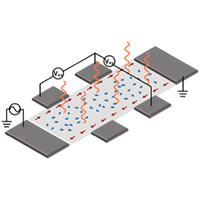
Phys. Rev. Lett. 135, 186302 (2025)
Condensed Matter and Materials
Coexistence of Insulatorlike Paramagnon and Metallic Spin-Orbit Exciton Modes in ${\mathrm{SrIrO}}_{3}$
Article | Condensed Matter and Materials | 2025-10-31 06:00 EDT
E. Paris, W. Zhang, Y. Tseng, A. Efimenko, C. Sahle, V. N. Strocov, E. Skoropata, K. Rolfs, T. Shang, J. Lyu, E. Pomjakushina, M. Medarde, H. M. Rønnow, B. Normand, M. Radovic, and T. Schmitt
In SrIrO, a paramagnon characteristic of an antiferromagnetic insulator, coexists with a dispersive spin-orbit exciton, characteristic of a metal.
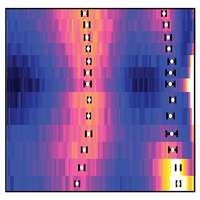
Phys. Rev. Lett. 135, 186506 (2025)
Condensed Matter and Materials
Transition from Optically Excited to Intrinsic Spin Polarization in ${\mathrm{WSe}}_{2}$
Article | Condensed Matter and Materials | 2025-10-31 06:00 EDT
S. Hedwig, G. Zinke, J. Braun, B. Arnoldi, A. Pulkkinen, J. Minár, H. Ebert, M. Aeschlimann, and B. Stadtmüller
Layered 2D van der Waals materials, such as transition metal dichalcogenides, are promising for nanoscale spintronic and optoelectronic applications. Harnessing their full potential requires understanding both intrinsic transport and the dynamics of optically excited spin and charge carriers, partic…
Phys. Rev. Lett. 135, 186903 (2025)
Condensed Matter and Materials
Non-Markovian Linear Vibrational Absorption Spectroscopy for Nonharmonic Bond Potentials: A Perturbative Approach
Article | Polymers, Chemical Physics, Soft Matter, and Biological Physics | 2025-10-31 06:00 EDT
Hélène Colinet, Florian N. Brünig, and Roland R. Netz
The dynamic coupling of a vibrating molecular bond to its responsive liquid environment can be described by non-Markovian friction in the framework of the generalized Langevin equation (GLE) and gives rise to line shifts as well as homogeneous and inhomogeneous spectral line broadening. By perturbat…
Phys. Rev. Lett. 135, 188002 (2025)
Polymers, Chemical Physics, Soft Matter, and Biological Physics
All-Sky Search for Individual Primordial Black Hole Bursts with LHAASO
Article | Cosmology, Astrophysics, and Gravitation | 2025-10-30 06:00 EDT
Zhen Cao et al. (LHAASO Collaboration)
Primordial black holes (PBHs) are hypothetical black holes with a wide range of masses that formed in the early Universe. As a result, they may play an important cosmological role and provide a unique probe of the early Universe. A PBH with an initial mass of approximately is expected to exp…
Phys. Rev. Lett. 135, 181005 (2025)
Cosmology, Astrophysics, and Gravitation
LHC as an Axion-Photon Collider
Article | Particles and Fields | 2025-10-30 06:00 EDT
Sergio Barbosa, Matheus Coelho, Sylvain Fichet, Gustavo Gil da Silveira, and Magno Machado
Researchers have proposed that exotic particles emitted by the Large Hadron Collider's relativistic beams might reveal themselves in collisions of their own.

Phys. Rev. Lett. 135, 181801 (2025)
Particles and Fields
Atomic Real-Space Imaging of Molecular Statics and Dynamics at Confined States
Article | Atomic, Molecular, and Optical Physics | 2025-10-30 06:00 EDT
Yusheng Liu (刘雨生), Liang Xu (许亮), Xiao Chen (陈晓), Ning Huang (黄宁), Mengmeng Ma (马蒙蒙), Huiqiu Wang (王挥遒), Bin Song (宋斌), Tao Cheng (程涛), Fei Wei (魏飞), and Boyuan Shen (申博渊)
Atomic imaging of molecules and intermolecular interactions is important for obtaining a deeper understanding of the related physics and chemistry. At a confined state in reticular matrix, molecular architecture can be stabilized for studying its static and dynamic behaviors, which is a milestone fo…
Phys. Rev. Lett. 135, 183001 (2025)
Atomic, Molecular, and Optical Physics
Photoionization Time Delays Probe Electron Correlations
Article | Atomic, Molecular, and Optical Physics | 2025-10-30 06:00 EDT
Mingxuan Li, Huiyong Wang, Rezvan Tahouri, Robin Weissenbilder, Jialong Li, Wentao Wang, Jiaao Cai, Xiaochun Hong, Xiaosen Shi, Liang-Wen Pi, David Busto, Mathieu Gisselbrecht, Kiyoshi Ueda, Philipp V. Demekhin, Anne L’Huillier, Jan Marcus Dahlström, Eva Lindroth, Dajun Ding, and Sizuo Luo
The photoelectric effect explained by Einstein is often regarded as a one-electron phenomenon, whereas the interaction of the escaping electron with other electrons, referred to as electron correlation, plays an important role in multielectron systems. In this Letter, we study the attosecond photoio…
Phys. Rev. Lett. 135, 183202 (2025)
Atomic, Molecular, and Optical Physics
Emergence of Chiral Order Driven by Quenched Disorder
Article | Condensed Matter and Materials | 2025-10-30 06:00 EDT
Coraline Letouzé, Pascal Viot, and Laura Messio
Quenched disorder can destroy magnetic order, for example, when a random field is applied in a two-dimensional Ising model. Even when an order exists in the presence of quenched disorder, it is usually only the survival of the order of the clean model. We present here a surprising phenomenon where a…
Phys. Rev. Lett. 135, 186504 (2025)
Condensed Matter and Materials
$λ$-Jellium Model for the Anomalous Hall Crystal
Article | Condensed Matter and Materials | 2025-10-30 06:00 EDT
Tomohiro Soejima (副島智大), Junkai Dong (董焌锴), Ashvin Vishwanath, and Daniel E. Parker
The jellium model is a paradigmatic problem in condensed matter physics, exhibiting a phase transition between metallic and Wigner crystal phases. However, its vanishing Berry curvature makes it ill suited for studying recent experimental platforms that combine strong interactions with nontrivial qu…
Phys. Rev. Lett. 135, 186505 (2025)
Condensed Matter and Materials
Quantum Hall Effect without Chern Bands
Article | Condensed Matter and Materials | 2025-10-30 06:00 EDT
Benjamin Michen and Jan Carl Budich
The quantum Hall effect was originally observed in a two-dimensional electron gas forming Landau levels when exposed to a strong perpendicular magnetic field and was later generalized to Chern insulators without net magnetization. Here, further extending the realm of the quantum Hall effect, we repo…
Phys. Rev. Lett. 135, 186603 (2025)
Condensed Matter and Materials
Single-Mode Magnon-Polariton Lasing and Amplification Controlled by Dissipative Coupling
Article | Condensed Matter and Materials | 2025-10-30 06:00 EDT
Zi-Qi Wang, Zi-Yuan Wang, Yi-Pu Wang, and J. Q. You
We demonstrate single-mode lasing of magnon polaritons in a cavity magnonic system enabled by dissipative coupling between two passive modes, microwave cavity mode and magnon mode in a ferrimagnetic spin ensemble. The cavity mode is partially compensated through a feedback circuit, which reduces its…
Phys. Rev. Lett. 135, 186704 (2025)
Condensed Matter and Materials
Nonreciprocal Spin-Glass Transition and Aging
Article | Statistical Physics; Classical, Nonlinear, and Complex Systems | 2025-10-30 06:00 EDT
Giulia Garcia Lorenzana, Ada Altieri, Giulio Biroli, Michel Fruchart, and Vincenzo Vitelli
A model representing two nonreciprocally coupled complex agents undergoes a finite-temperature phase transition from a static disordered phase to an oscillating amorphous phase, challenging the current belief that nonreciprocity destroys glassiness.
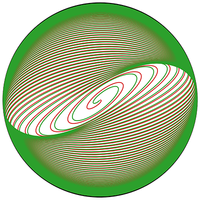
Phys. Rev. Lett. 135, 187402 (2025)
Statistical Physics; Classical, Nonlinear, and Complex Systems
Universal Roughness and the Dynamics of Urban Expansion
Article | Statistical Physics; Classical, Nonlinear, and Complex Systems | 2025-10-30 06:00 EDT
Ulysse Marquis, Oriol Artime, Riccardo Gallotti, and Marc Barthelemy
Urban sprawl reshapes cities, yet its quantitative laws remain elusive. Analyzing built-up expansion in 19 cities (1985-2015) with tools from surface growth physics in radial geometry, we reveal anisotropic, branchlike growth and a piecewise linear scaling between area and population. We uncover a r…
Phys. Rev. Lett. 135, 187403 (2025)
Statistical Physics; Classical, Nonlinear, and Complex Systems
Toughness of Double Network Hydrogels: The Role of Reduced Stress Propagation
Article | Polymers, Chemical Physics, Soft Matter, and Biological Physics | 2025-10-30 06:00 EDT
Samuel B. Walker and Suzanne M. Fielding
Double network hydrogels show remarkable mechanical performance, combining high strength and fracture toughness with sufficient stiffness to bear load, despite containing only a low density of cross-linked polymer molecules in water. We introduce a simple mesoscale model of a double network material…
Phys. Rev. Lett. 135, 188201 (2025)
Polymers, Chemical Physics, Soft Matter, and Biological Physics
Physical Review X
Emergent Dynamics of Active Elastic Microbeams
Article | | 2025-10-31 06:00 EDT
Q. Martinet, Y. I. Li, A. Aubret, E. Hannezo, and J. Palacci
Active solids--elastic materials built from energy-consuming parts--in the shape of microbeams rotate or oscillate and reveal tunable lifelike motion, paving the way for adaptive, shape-shifting materials and microscopic machines.

Phys. Rev. X 15, 041017 (2025)
Transition to Collective Motion in Nonreciprocal Active Matter: Coarse Graining Agent-Based Models into Fluctuating Hydrodynamics
Article | | 2025-10-30 06:00 EDT
David Martin, Daniel Seara, Yael Avni, Michel Fruchart, and Vincenzo Vitelli
Nonreciprocal interactions--where influence is not mutual--dramatically reshape the phenomenology of flocking in active matter. Competing species form dynamic, synchronized clusters with time-dependent motion in the thermodynamic limit.
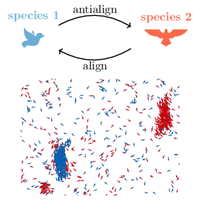
Phys. Rev. X 15, 041015 (2025)
arXiv
Scaling of the disorder operator at (3+1)D O(3) quantum criticality
New Submission | Strongly Correlated Electrons (cond-mat.str-el) | 2025-10-31 20:00 EDT
Xuyang Liang, Xiao-Chuan Wu, Zenan Liu, Zhe Wang, Zheng Yan, Dao-Xin Yao
The disorder operator, as an easily measured non-local observable, displays great potential in detecting intrinsic information of field theories. It has been systematically studied in 1d and 2d quantum systems, while the knowledge of 3d is still limited. The disorder operator associated with U(1) global symmetry exhibits rich geometric dependence on the shape of the spatial region at a quantum critical point, meanwhile, (3+1)D is the upper critical dimension for O(N) criticalities, both of which pose a challenge for exploring the disorder operator in high dimensions. In this work, we investigate the scaling behaviors of disorder operators in (3+1)D O(3) models through large-scale quantum Monte Carlo simulation combined with theoretical analysis. The universal contributions, such as the current central charge, have been revealed in our calculation, which establishes a concrete link between lattice simulations and continuum field theory. This work opens new avenues for experimental and numerical exploration of universal properties at quantum critical points in (3+1)D models.
Strongly Correlated Electrons (cond-mat.str-el)
11 pages, 6 figures
$\mathbb{Z}_2$ Universality of the Mott Transition
New Submission | Strongly Correlated Electrons (cond-mat.str-el) | 2025-10-31 20:00 EDT
Jinchao Zhao, Peizhi Mai, Gaurav Tenkila, Philip W. Phillips
We demonstrate that the Mott transition exhibits universal scaling as a consequence of the breaking of a $ \mathbb{Z}_2$ symmetry in momentum space. A direct consequence of this discrete symmetry breaking is the charge or Mott gap itself. From extensive numerics, we proffer that it is the charge compressibility that acts as the underlying order parameter as it is zero in the insulator and non-zero in the metallic state. Additionally, the Widom line (temperature of the extremum of the compressibility) obeys a universal scaling of $ T_m=0.39U$ deep into the insulating state directly from $ Z_2$ universality. Furthermore, the temperature at which the second derivative of the compressibility has a minimum is independent of lattice geometry, exhibiting a universal scaling of $ |U-U_c|^\alpha$ where $ \alpha\approx 1$ . Finally, our computational approach reproduces the key features of the doping dependence of the compressibility demonstrated in recent cold-atom quantum simulators of the Hubbard model, thereby corroborating our conclusions on $ \mathbb{Z}_2$ universality.
Strongly Correlated Electrons (cond-mat.str-el)
Predicting the adhesion and delamination strength of carbon films on metals by high-throughput ab initio calculations
New Submission | Materials Science (cond-mat.mtrl-sci) | 2025-10-31 20:00 EDT
Elisa Damiani, Margherita Marsili, Maria Clelia Righi
Diamond and diamond-like carbon (DLC) coatings are widely employed for their exceptional mechanical, thermal and chemical properties, but their industrial application is often limited by weak adhesion to metallic substrates. In this work, we employ a high-throughput ab initio approach to systematically investigate the adhesion of diamond-metal interfaces, combining a set of technologically relevant metals (Al, Ag, Au, Cr, Cu, Fe, Ir, Mg, Mo, Pt, Rh, Ti, V, W, Zn) with the C(111), C(111)-2x1 (Pandey reconstructed), C(110), C(100), that are most common in diamond and are representative of different types of bonds present in DLC. Thanks to our automated and accurate computational protocol for interface construction and characterization, databases are populated and relevant trends are identified on the effect of surface graphitization, ability to form carbides and metal reactivity on carbon film adhesion and delamination strength. Beyond capturing trends, our workflow yields predictive insights. Indeed, we found that adhesion energy scales with the geometric mean of the constituent surface energies, providing a simple descriptor for rapid screening; while comparing the work of separation with the metal’s cohesive energy anticipates the fracture location under tensile loading. A novel method based on g(r) analysis is introduced to identify when contact with a metal drives rehybridization of surface carbon from sp2 to sp3, the structural signature of improved resistance to delamination. These structural changes are mirrored by an electronic rearrangement at the interface, quantified by a charge-accumulation descriptor that strongly correlates with adhesion.
Materials Science (cond-mat.mtrl-sci)
Evaluation of Wafer-Scale SOT-MRAM for Analog Crossbar Array Applications
New Submission | Mesoscale and Nanoscale Physics (cond-mat.mes-hall) | 2025-10-31 20:00 EDT
Samuel Liu, Chen-Yu Hu, Xinyu Bao, Ming-Yuan Song, Jean Anne C. Incorvia
Analog crossbar arrays consisting of emerging memory devices can greatly alleviate the computational strain required by vector matrix multiplications for neural network applications. The ability to produce spin orbit torque-magnetic random-access memory (SOT-MRAM) at wafer-scale positions SOT-MRAM as a strong memory candidate. In this work, we fabricate and measure 300 mm-compatible SOT-MRAM with 150% tunnel magnetoresistance ratio, fast (2 ns) and low voltage (<1 V) operation, low energy dissipation (350 fJ), low write noise (0.1%), and low device-to-device variation of 10%. Through 2-bit quantization aware training and noisy training as mitigation techniques, the measured SOT-MRAM devices attain 95% on MNIST. The bi-stable anisotropy and stochastic switching of SOT-MRAM can additionally be leveraged for stochastic training of binary neural networks, able to reach ideal accuracy for a single device. Lastly, the devices were evaluated on implementation of probabilistic graph modeling and the interplay of tunnel magnetoresistance ratio, probability curve distribution, and conductance noise was shown to reduce potential errors in implementation. Through these results, SOT-MRAM is shown to be a uniquely effective candidate for implementation of crossbar accelerators in memory- and energy-limited applications, able to take advantage of stochastic operation and bi-stability to beneficial results in neural network applications.
Mesoscale and Nanoscale Physics (cond-mat.mes-hall)
Sweet-spot protection of hole spins in sparse arrays via spin-dependent magneto-tunneling
New Submission | Mesoscale and Nanoscale Physics (cond-mat.mes-hall) | 2025-10-31 20:00 EDT
Esteban A. Rodríguez-Mena, Biel Martínez, Ahmad Fouad Kalo, Yann-Michel Niquet, José C. Abadillo-Uriel
Recent advances in the scaling of spin qubits have led to the development of sparse architectures where spin qubits are distributed across multiple quantum dots. This distributed approach enables qubit manipulation through hopping and flopping modes, as well as protocols for spin shuttling to entangle spins beyond nearest neighbors. Therefore, understanding spin tunneling across quantum dots is fundamental for the improvement of sparse array encodings. Here, we develop a microscopic theory of a minimal sparse array formed by a hole in a double quantum dot. We show the existence of spin-dependent magnetic corrections to the tunnel couplings that help preserve existing sweet spots, even for quantum dots with different $ g$ -factors, and introduce new ones that are not accounted for in the simplest models. Our analytical and numerical results explain observed sweet spots in state-of-the-art shuttling and cQED experiments, are relevant to hopping and flopping modes, and apply broadly to sparse array encodings of any size.
Mesoscale and Nanoscale Physics (cond-mat.mes-hall)
10 pages, 5 figures + appendices
Beyond the Arcsine Law: Exact Two-Time Statistics of the Occupation Time in Jump Processes
New Submission | Statistical Mechanics (cond-mat.stat-mech) | 2025-10-31 20:00 EDT
Arthur Plaud, Olivier Bénichou
Occupation times quantify how long a stochastic process remains in a region, and their single-time statistics are famously given by the arcsine law for Brownian and Lévy processes. By contrast, two-time occupation statistics, which directly probe temporal correlations and aging, have resisted exact characterization beyond renewal processes. In this Letter we derive exact results for generic one-dimensional jump processes, a central framework for intermittent and discretely sampled dynamics. Using generalized Wiener-Hopf methods, we obtain the joint distribution of occupation time and position, the aged occupation-time law, and the autocorrelation function. In the continuous-time scaling limit, universal features emerge that depend only on the tail of the jump distribution, providing a starting point for exploring aging transport in complex environments.
Statistical Mechanics (cond-mat.stat-mech), Probability (math.PR)
6 pages + 32 pages of supplementary material
Theories of Superconducting Diode Effects
New Submission | Superconductivity (cond-mat.supr-con) | 2025-10-31 20:00 EDT
Daniel Shaffer, Alex Levchenko
Superconducting diode effects (SDE), both in bulk superconductors and in Josephson junctions, have garnered a lot of attention due to potential applications in classical and quantum computing, as well as superconducting sensors. Here we review various mechanisms that have been theoretically proposed for their realization. We first provide a brief historical overview and discuss the basic but subtle phenomenological Ginzburg-Landau theory of SDE, emphasizing the need to the simultaneous breaking of time-reversal and inversion symmetries. We then proceed to more microscopic treatments, focusing especially on implementations in noncentrosymmetric materials described by the Rashba-Zeeman model. Finally, we review proposals based on other condensed matter systems such as altermagnets, valley polarized and topological materials, and systems out of equilibrium.
Superconductivity (cond-mat.supr-con), Quantum Physics (quant-ph)
50 pages, 5 figures. Review article, comments and suggestions are welcome
Spatially Structured Entanglement from Nonequilibrium Thermal Pure States
New Submission | Statistical Mechanics (cond-mat.stat-mech) | 2025-10-31 20:00 EDT
Chen Bai, Mao Tian Tan, Bastien Lapierre, Shinsei Ryu
We study quantum quench dynamics in (1+1)-dimensional critical systems, starting from thermal pure states called crosscap states, and evolving them under spatially inhomogeneous Hamiltonians. The spatial inhomogeneity is introduced through a deformation of the Hamiltonian, expressed as linear combinations of the generators of the $ SL^{(q)}(2,\mathbb{R})$ subalgebra of the Virasoro algebra. We analyze the free massless Dirac fermion theory and holographic conformal field theory as prototypical examples of integrable and non-integrable dynamics. Consistent with general expectations, “Möbius-type” deformations lead to thermalization in the non-integrable case, and to periodic revivals in the integrable one. In contrast, “sine-square-type” and “displacement-type” deformations prevent both thermalization and scrambling, instead producing late-time, graph-like entanglement patterns. These patterns emerge from the interplay between the deformed Hamiltonian and the crosscap initial state and appear to be universal: they are determined solely by the deformation profile while remaining largely insensitive to microscopic details. Finally, we perform a holographic calculation in three-dimensional gravity using AdS$ _3$ /CFT$ _2$ , which reproduces the main features of our (1+1)-dimensional study.
Statistical Mechanics (cond-mat.stat-mech), Strongly Correlated Electrons (cond-mat.str-el), High Energy Physics - Theory (hep-th), Quantum Physics (quant-ph)
27+26 pages (single column), 14 figures
Mutual enhancement of altermagnetism and ferroelectricity
New Submission | Materials Science (cond-mat.mtrl-sci) | 2025-10-31 20:00 EDT
We consider theoretically the possibility of coexisting ferroelectric and metallic altermagnetic order, which has recently been predicted in insulating and semiconducting systems via ab initio calculations. Solving self-consistently a mean-field Hubbard model, accounting also for the energy cost of distorting the lattice to produce an electric polarization, our results show that metallic altermagnetism and ferroelectricity suppress or enhance each other depending on the doping level of the system. Close to half-filling, the system can lower its energy by becoming altermagnetic, but at the expense of losing the electric polarization. Away from half-filling, the coexistence of ferroelectricity and altermagnetism is much more robust toward an increase in the energy cost associated with the deformation of the lattice. Therefore, our results suggest that filling fractions corresponding to doping relatively far away from half-filling constitute the most promising regime to look for coexistent ferroelectricity and metallic altermagnetism with mutual enhancement. Moreover, we propose a way to electrically tune altermagnetism between nodal and nodeless phases as well as achieving coexistence of a nodal and nodeless phase for the two spin species.
Materials Science (cond-mat.mtrl-sci), Mesoscale and Nanoscale Physics (cond-mat.mes-hall)
Nonadiabatic and anharmonic effects in high-pressure H3S and D3S superconductors
New Submission | Superconductivity (cond-mat.supr-con) | 2025-10-31 20:00 EDT
Shashi B. Mishra, Elena R. Margine
Superconductivity in compressed H3S arises from the interplay between high-frequency phonons and a pronounced van Hove singularity near the Fermi level. Using first-principles calculations, we investigate the superconducting properties of H3S and D3S at 160 and 200 GPa, explicitly incorporating anharmonic lattice dynamics and first-order vertex corrections to electron-phonon (e-ph) interactions, thereby going beyond the Migdal approximation underlying conventional Migdal-Eliashberg theory. We find that both anharmonicity and nonadiabatic vertex corrections suppress the effective e-ph coupling and reduce the superconducting critical temperature (Tc). Calculations performed within the energy-dependent full-bandwidth Eliashberg formalism, including both anharmonic and vertex effects, yield Tc values in close agreement with experimental measurements for D3S at both pressures and for H3S at 200 GPa.
Superconductivity (cond-mat.supr-con), Materials Science (cond-mat.mtrl-sci)
10 pages, 5 figures
Selective Parametric Amplification of Degenerate Modes in Electrostatically Transduced Coupled Beam Resonators
New Submission | Mesoscale and Nanoscale Physics (cond-mat.mes-hall) | 2025-10-31 20:00 EDT
Vishnu Kumar, Nishta Arora, Bhargavi B.A., Akshay Naik, Saurabh A. Chandorkar
Parametric excitation in coupled mechanical systems has enabled advances in sensing, computation, and phonon control. The function of distinct phase modes using parametric driving remains insufficiently explored. Here, we investigate the nonlinear and parametric response of degenerate phase modes in a Double Ended Tuning Fork (DETF) resonator. Our measurements reveal pronounced nonlinearity and parametric amplification in the out-phase mode, attributed to the dominant contribution of the coupling beam, while the in-phase mode remains predominantly linear. Uniquely, we demonstrate parametric excitation through the coupling spring, enabling selective amplification and de-amplification controlled via the relative phase between harmonic and parametric drives. A parametric gain of $ \sim$ 13 dB is achieved in the out-phase mode, with phase-dependent modulation of amplification, indicating its suitability for signal processing, logic operations, and memory elements based on degenerate modes. These results establish a new approach to exploiting mode-specific nonlinear dynamics in coupled resonators for emerging applications in sensing and phononic control.
Mesoscale and Nanoscale Physics (cond-mat.mes-hall), Applied Physics (physics.app-ph)
20 pages, 7 figures
Evaluation of Structural Properties and Defect Energetics in Al$x$Ga${1-x}$N Alloys
New Submission | Materials Science (cond-mat.mtrl-sci) | 2025-10-31 20:00 EDT
Farshid Reza, Beihan Chen, Miaomiao Jin
Al$ _x$ Ga$ _{1-x}$ N alloys are essential for high-performance optoelectronic and power devices, yet the role of composition on defect energetics remains underexplored, largely due to the limitations of first-principles methods in modeling disordered alloys. To address this, we employ a machine learning interatomic potential (MLIP) to investigate the structural and defect-related physical properties in Al$ _x$ Ga$ _{1-x}$ N. The MLIP is first validated by reproducing the equation of state, lattice constants, and elastic constants of the binary endpoints, GaN and AlN, as well as known defect formation and migration energies from density functional theory and empirical potentials. We then apply the MLIP to evaluate elastic constants of AlGaN alloys, which reveals a non-linear relation with alloying effect. Our results reveal that nitrogen Frenkel pair formation energies and the migration barriers for nitrogen point defects are highly sensitive to the local chemical environment and migration path. In contrast, Ga and Al vacancy migration energies remain relatively insensitive to alloy composition, whereas their interstitial migration energies exhibit stronger compositional dependence. These results provide quantitative insight into how alloying influences defect energetics in AlGaN, informing defect engineering strategies for improved material performance.
Materials Science (cond-mat.mtrl-sci)
Geometric and Orbital Control of Correlated States in Small Hubbard Clusters
New Submission | Strongly Correlated Electrons (cond-mat.str-el) | 2025-10-31 20:00 EDT
Shivanshu Dwivedi, Kalum Palandage
Arrays of semiconductor quantum dots provide a powerful platform to design correlated quantum matter from the bottom up. We establish a predictive framework for engineering local electron pairing in these artificial molecules by systematically deploying three control levers: lattice geometry, orbital hybridization, and external electric fields. Using Hartree-Fock simulations on canonical 3D clusters from the tetrahedron (Z = 3) to the FCC lattice (Z = 12), at and near half-filling, we uncover three fundamental design principles. (i) Geometric Hierarchy: The resilience to Coulomb repulsion U is dictated by the coordination number Z, which controls kinetic delocalization. (ii) Orbital Hybridization: Counter-intuitively, inter-orbital hopping t_orb acts not as a simple suppressor of pairing, but as a sophisticated control knob that enhances double occupancy at moderate U by engineering the on-site energy landscape. (iii) Field Squeezing: An electric field robustly induces pairing by forcing charge localization, an effect most potent in low-connectivity clusters. These principles form a blueprint for deterministically targeting charge and spin correlations in quantum-dot-based quantum hardware.
Strongly Correlated Electrons (cond-mat.str-el), Computational Physics (physics.comp-ph)
Liquid anomalies and Fragility of Supercooled Antimony
New Submission | Materials Science (cond-mat.mtrl-sci) | 2025-10-31 20:00 EDT
Flavio Giuliani, Francesco Guidarelli Mattioli, Yuhan Chen, Daniele Dragoni, Marco Bernasconi, John Russo, Lilia Boeri, Riccardo Mazzarello
Phase-change materials (PCMs) based on group IV, V, and VI elements, such as Ge, Sb, and Te, exhibit distinctive liquid-state features, including thermodynamic anomalies and unusual dynamical properties, which are believed to play a key role in their fast and reversible crystallization behavior. Antimony (Sb), a monoatomic PCM with ultrafast switching capabilities, stands out as the only elemental member of this group for which the properties of the liquid and supercooled states have so far remained unknown. In this work, we use large-scale molecular dynamics simulations with a neural network potential trained on first-principles data to investigate the liquid, supercooled, and amorphous phases of Sb across a broad pressure-temperature range. We uncover clear signatures of anomalous behavior, including a density maximum and non-monotonic thermodynamic response functions, and introduce a novel octahedral order parameter that captures the structural evolution of the liquid. Moreover, extrapolation of the viscosity to the glass transition, based on configurational and excess entropies, indicates that Sb is a highly fragile material. Our results present a compelling new case for the connection between the liquid-state properties of phase-change materials and their unique ability to combine high amorphous-phase stability with ultrafast crystallization.
Materials Science (cond-mat.mtrl-sci)
23 pages, 26 figures
Revisiting and Accelerating the Basin Hopping Algorithm for Lennard-Jones Clusters: Adaptive and Parallel Implementation in Python
New Submission | Materials Science (cond-mat.mtrl-sci) | 2025-10-31 20:00 EDT
Oliver Carmona, Peter Ludwig Rodríguez-Kessler, Sebastián Salazar-Colores, Alvaro Muñoz-Castro
We present an adaptive and parallel implementation of the Basin Hopping (BH) algorithm for the global optimization of atomic clusters interacting via the Lennard-Jones (LJ) potential. The method integrates local energy minimization with adaptive step-size Monte Carlo moves and simultaneous evaluation of multiple trial structures, enabling efficient exploration of complex potential energy landscapes while maintaining a balance between exploration and refinement. Parallel evaluation of candidate structures significantly reduces wall-clock time, achieving nearly linear speedup for up to eight concurrent local minimizations. This framework provides a practical and scalable strategy to accelerate Basin Hopping searches, directly extendable to ab initio calculations such as density functional theory (DFT) on high-performance computing architectures.
Materials Science (cond-mat.mtrl-sci)
6 pages, 6 figures
Grokking in the Ising Model
New Submission | Disordered Systems and Neural Networks (cond-mat.dis-nn) | 2025-10-31 20:00 EDT
Karolina Hutchison, David Yevick
Delayed generalization, termed grokking, in a machine learning calculation occurs when the training accuracy approaches its maximum value long before the test accuracy. This paper examines grokking in the context of a neural network trained to classify 2D Ising model configurations.. We find, partially with the aid of novel PCA-based network layer analysis techniques, that the grokking behavior can be qualitatively interpreted as a phase transition in the neural network in which the fully connected network transforms into a relatively sparse subnetwork. This in turn reduces the confusion associated with a multiplicity of paths. The network can then identify the common features of the input classes and hence generalize to the recognition of previously unseen patterns.
Disordered Systems and Neural Networks (cond-mat.dis-nn)
Superconductor discovery in the emerging paradigm of Materials Informatics
New Submission | Superconductivity (cond-mat.supr-con) | 2025-10-31 20:00 EDT
Huan Tran, Hieu-Chi Dam, Christopher Kuenneth, Tuoc N. Vu, Hiori Kino
The last two decades have witnessed a tremendous number of computational predictions of hydride-based (phonon-mediated) superconductors, mostly at extremely high pressures, i.e., hundreds of GPa. These discoveries were heavily driven by Migdal-Éliashberg theory (and its first-principles computational implementations) for electron-phonon interactions, the key concept of phonon-mediated superconductivity. Dozens of predictions were experimentally synthesized and characterized, triggering not only enormous excitement in the community but also some debates. In this Article, we review the computational-driven discoveries and the recent developments in the field from various essential aspects, including the theoretical, computational, and, specifically, artificial intelligence (AI)/machine learning (ML) based approaches emerging within the paradigm of materials informatics. While challenges and critical gaps can be found in all of these approaches, AI/ML efforts specifically remain in its infant stage for good reasons. However, opportunities exist when these approaches can be further developed and integrated in concerted efforts, in which AI/ML approaches could play more important roles.
Superconductivity (cond-mat.supr-con), Materials Science (cond-mat.mtrl-sci)
Chem. Mater. 36, 10939-10966 (2024)
Hyperbolic Fracton Model, Subsystem Symmetry and Holography III: Extension to Generic Tessellations
New Submission | Strongly Correlated Electrons (cond-mat.str-el) | 2025-10-31 20:00 EDT
Yosef Shokeeb, Ludovic D.C. Jaubert, Han Yan
We generalize the Hyperbolic Fracton Model from the $ {5,4}$ tessellation to generic tessellations, and investigate its core properties: subsystem symmetries, fracton mobility, and holographic correspondence. While the model on the original tessellation has features reminiscent of the flat-space lattice cases, the generalized tessellations exhibit a far richer and more intricate structure. The ground-state degeneracy and subsystem symmetries are generated recursively layer-by-layer, through the inflation rule, but without a simple, uniform pattern. The fracton excitations follow exponential-in-distance and algebraic-in-lattice-size growing patterns when moving outward, and depend sensitively to the tessellation geometry, differing qualitatively from both type-I or type-II fracton model on flat lattices. Despite this increased complexity, the hallmark holographic features – subregion duality via Rindler reconstruction, the Ryu-Takayanagi formula for mutual information, and effective black hole entropy scaling with horizon area – remain valid. These results demonstrate that the holographic correspondence in fracton models persists in generic tessellations, and provide a natural platform to explore more intricate subsystem symmetries and fracton physics.
Strongly Correlated Electrons (cond-mat.str-el), High Energy Physics - Theory (hep-th), Quantum Physics (quant-ph)
High Resolution Polar Kerr Effect Studies of Cs3Sb5 and ScV6Sn6 Below the Charge Order Transition
New Submission | Strongly Correlated Electrons (cond-mat.str-el) | 2025-10-31 20:00 EDT
David R. Saykin, Qianni Jiang, Zhaoyu Liu, Chandra Shekhar, Claudia Felser, Jiun-Haw Chu, Aharon Kapitulnik
We report high resolution polar Kerr effect measurements on CsV3Sb5 and ScV6Sn6 single crystals in search for signatures of spontaneous polar Kerr effect (PKE) below the charge order transitions of these materials. Utilizing two separate zero-area loop Sagnac interferometers operating at 1550 nm and 830 nm wavelengths, we studied the temperature dependence of possible PKE after training with magnetic field. While a finite field Kerr measurement yielded optical rotation expected from the Pauli susceptibility of the itinerant carriers, no signal was detected at zero-field to within the noise floor limit of the apparatus of below $ \sim$ 100 nanoradians. Simultaneous coherent reflection measurements confirm the sharpness of the charge order transition in the same optical volume as the Kerr measurements. Application of strain to reveal a hidden flux-ordered magnetic state did not result in a finite Kerr effect.
Strongly Correlated Electrons (cond-mat.str-el)
Includes supplementary Information
Photoinduced Electronic Band Dynamics and Defect-mediated Surface Potential Evolution in PdSe$_2$
New Submission | Mesoscale and Nanoscale Physics (cond-mat.mes-hall) | 2025-10-31 20:00 EDT
Omar Abdul-Aziz, Manuel Tuniz, Wibke Bronsch, Fulvio Parmigiani, Federico Cilento, Daniel Wolverson, Charles J. Sayers, Giulio Cerullo, Claudia Dallera, Ettore Carpene, Paul H. M. van Loosdrecht, Hamoon Hedayat
We use time- and angle-resolved photoemission spectroscopy (TR-ARPES) combined with density functional theory to investigate ultrafast carrier dynamics in low-symmetry layered semiconducting PdSe$ _2$ . The indirect bandgap is determined to be 0.55eV. Following photoexcitation above this gap, we resolve a valence band shift and broadening, both lasting less than a picosecond, consistent with bandgap renormalization and carrier scattering, indicative of strong many-body interactions. Subsequently, hot carriers populate the conduction band minimum and are captured by defect states. A surface photovoltage (SPV) of $ \sim$ 67meV emerges, persisting for over 50~ps, driven by defect-assisted charge separation. The formation of native vacancies, promoted by the low-symmetry lattice, likely gives rise to the mid-gap states responsible for this long-lived SPV response. Detailed analysis of TR-ARPES spectra disentangles the contributions of bandgap renormalization, carrier scattering, defect states, and SPV. These findings establish PdSe$ _2$ as a prototypical layered quantum material exhibiting exotic photoresponses on ultrafast timescales.
Mesoscale and Nanoscale Physics (cond-mat.mes-hall), Strongly Correlated Electrons (cond-mat.str-el)
Effective-Hamiltonian reconstruction through Bloch-wave interferometry in bulk GaAs driven by strong THz fields
New Submission | Materials Science (cond-mat.mtrl-sci) | 2025-10-31 20:00 EDT
Qile Wu, Seamus D. O Hara, Joseph B. Costello, Loren N. Pfeiffer, Ken W. West, Mark S. Sherwin
Effective Hamiltonians are powerful tools for understanding the emergent phenomena in condensed matter systems. Reconstructing an effective Hamiltonian directly from experimental data is challenging due to the complex relationship between Hamiltonian parameters and observables. Complimentary to ARPES, which probes surface electronic properties, bulk-sensitive techniques based on HHG and HSG have shown strong potential for Hamiltonian reconstruction. Here, we reconstruct an effective three-band electron-hole Hamiltonian in bulk GaAs based on HSG. Based on previous understanding of HSG in bulk GaAs in terms of Bloch-wave interferometry, an analytic model is derived to quantitatively connect the Hamiltonian parameters with the measured sideband electric fields under strong, low-frequency THz fields. Assuming that the exciton reduced mass and the parameter that defines the hole Bloch wavefunctions in bulk GaAs are known from existing absorbance and HSG experiments, we show that the bandgap of GaAs, two dephasing constants associated with two electron-hole species, and an additional Hamiltonian parameter that determines the electron-hole reduced masses, can be simultaneously and unambiguously determined through Bloch-wave interferometry. We thus demonstrate the full capability of Hamiltonian reconstruction by combining absorbance spectroscopy and HSG experiments. We find that the extracted bandgap of GaAs is approximately 13,meV higher than the expected value based on previous absorbance measurements. Quantum kinetic analysis suggests that, in the HSG experiments, the electron-hole energy could have been renormalized through Fröhlich interaction that is modified by the strong THz fields. We also show that the energy threshold in emission of optical phonons can be suppressed by applying a strong THz field, leading to nearly constant dephasing rates.
Materials Science (cond-mat.mtrl-sci)
From Ferromagnet to Antiferromagnet: Dimensional Crossover in (111) SrRuO3 Ultrathin Films
New Submission | Strongly Correlated Electrons (cond-mat.str-el) | 2025-10-31 20:00 EDT
Zhaoqing Ding, Xuejiao Chen, Lei Liao, Zhen Wang, Zeguo Lin, Yuelong Xiong, Junzhou Wang, Fang Yang, Jiade Li, Peng Gao, Lifen Wang, Xuedong Bai, Xiaoran Liu, Jiandong Guo
SrRuO3 is a canonical itinerant ferromagnet, yet its properties in the extreme two-dimensional limit on a (111) crystal plane remain largely unexplored. Here, we demonstrate a complete transformation of its ground state driven by dimensional reduction. As the thickness of (111)-oriented SrRuO3 films is reduced to a few unit cells, the system transitions from a metallic ferromagnet to a semiconducting antiferromagnet. This emergent antiferromagnetism is evidenced by a vanishing magnetic remanence and most strikingly, by the appearance of an unconventional twelve-fold anisotropic magnetoresistance. First-principles calculations confirm that an A-type antiferromagnetic order is the stable ground state in the ultrathin limit. Our findings establish (111) dimensional engineering as a powerful route to manipulate correlated electron states and uncover novel functionalities for antiferromagnetic spintronics.
Strongly Correlated Electrons (cond-mat.str-el)
Theoretical design of the large topological magnetoelectric effect in the Co-intercalated NbS$_2$ structure
New Submission | Materials Science (cond-mat.mtrl-sci) | 2025-10-31 20:00 EDT
A triangular Co-ion lattice intercalated between 1-H NbS$ _2$ layers can exhibit a large anomalous Hall effect (AHE) due to the finite scalar spin chirality originating from the non-coplanar $ 3q$ ordering of Co spins. This large AHE occurs when the scalar spin chirality is uniform in all Co layers, as indeed found in the Co$ _{1/3}$ NbS$ _2$ case [Phys. Rev. Mater. 6, 024201 (2022)]. However, if the spin chirality were staggered with the opposite signs in the adjacent Co layers, the net AHE would disappear, yielding instead the topological magneto-electric effect. Here, we theoretically verify that a transverse electric field generates a finite orbital magnetization under such conditions, consistent with the axion-like coupling. Using first-principles calculations, we show that the resulting magneto-electric coupling, $ \alpha^{zz}$ can be as large as 0.9 $ e^2/2h$ . We also demonstrate that the inter-layer magnetic coupling in these materials can be tuned by strain, enabling the switching between the AHE and the axionic states.
Materials Science (cond-mat.mtrl-sci)
7 pages, 6 figures
A Review of AI-Driven Approaches for Nanoscale Heat Conduction and Radiation
New Submission | Materials Science (cond-mat.mtrl-sci) | 2025-10-31 20:00 EDT
Ziqi Guo, Daniel Carne, Krutarth Khot, Dudong Feng, Guang Lin, Xiulin Ruan
Heat conduction and radiation are two of the three fundamental modes of heat transfer, playing a critical role in a wide range of scientific and engineering applications ranging from energy systems to materials science. However, traditional physics-based simulation methods for modeling these processes often suffer from prohibitive computational costs. In recent years, the rapid advancements in Artificial Intelligence (AI) and machine learning (ML) have demonstrated remarkable potential in the modeling of nanoscale heat conduction and radiation. This review presents a comprehensive overview of recent AI-driven developments in modeling heat conduction and radiation at the nanoscale. We first discuss the ML techniques for predicting phonon properties, including phonon dispersion and scattering rates, which are foundational for determining material thermal properties. Next, we explore the role of machine-learning interatomic potentials (MLIPs) in molecular dynamics simulations and their applications to bulk materials, low-dimensional systems, and interfacial transport. We then review the ML approaches for solving radiative heat transfer problems, focusing on data-driven solutions to Maxwell’s equations and the radiative transfer equation. We further discuss the ML-accelerated inverse design of radiative energy devices, including optimization-based and generative model-based methods. Finally, we discuss open challenges and future directions, including data availability, model generalization, uncertainty quantification, and interpretability. Through this survey, we aim to provide a foundational understanding of how AI techniques are reshaping thermal science and guiding future research in nanoscale heat transfer.
Materials Science (cond-mat.mtrl-sci), Mesoscale and Nanoscale Physics (cond-mat.mes-hall)
Direct observation of the surface superconducting gap in the topological superconductor candidate β-PdBi2
New Submission | Superconductivity (cond-mat.supr-con) | 2025-10-31 20:00 EDT
Akifumi Mine, Takeshi Suzuki, Yigui Zhong, Sahand Najafzadeh, Kenjiro Okawa, Masato Sakano, Kyoko Ishizaka, Shik Shin, Takao Sasagawa, Kozo Okazaki
\beta-PdBi2 is one of the candidates for topological superconductors with a superconducting (SC) transition temperature (Tc) of 5.3 K, in which parity mixing of spin singlet and spin triplet has been anticipated, being crucial for the further understanding of relationship with inversion symmetry and parity mixing in the superconductivity. In this work, we measured the SC gap in high-quality single crystal of \beta-PdBi2 by using high-resolution laser angle-resolved photoemission spectroscopy below Tc. We found the isotropic SC gaps in momentum space for multiple bands, and observed that the difference between the SC gap of the topological surface bands and the bulk bands is about 0.1 meV, consistent with other experimental results. These direct and quantitative experimental results support the possibility of \beta-PdBi2 as a topological superconductor, characterized by unique crystal and electronic band structures.
Superconductivity (cond-mat.supr-con), Materials Science (cond-mat.mtrl-sci)
Invariants for (2+1)D bosonic crystalline topological insulators for all 17 wallpaper groups
New Submission | Strongly Correlated Electrons (cond-mat.str-el) | 2025-10-31 20:00 EDT
Vladimir Calvera, Naren Manjunath, Maissam Barkeshli
We study bosonic symmetry-protected topological (SPT) phases in (2+1) dimensions with symmetry $ G = G_{\text{space}}\times K$ , where $ G_{\text{space}}$ is a general wallpaper group and $ K=\text{U}(1),\mathbb{Z}_N, \text{SO}(3)$ is an internal symmetry. In each case we propose a set of many-body invariants that can detect all the different phases predicted from real space constructions and group cohomology classifications. They are obtained by applying partial rotations and reflections to a given ground state, combined with suitable operations in $ K$ . The reflection symmetry invariants that we introduce include double partial reflections', weak partial reflections’ and their relative' or twisted’ versions which also depend on $ K$ . We verify our proposal through exact calculations on ground states constructed using real space constructions. We demonstrate our method in detail for the groups p4m and p4g, and in the case of p4m also derive a topological effective action involving gauge fields for orientation-reversing symmetries. Our results provide a concrete method to fully characterize (2+1)D crystalline topological invariants in bosonic SPT ground states.
Strongly Correlated Electrons (cond-mat.str-el), Mesoscale and Nanoscale Physics (cond-mat.mes-hall), High Energy Physics - Theory (hep-th), Quantum Physics (quant-ph)
22 + 19 pages, 13 figures, 16 tables
Applications of Machine Learning in Polymer Materials: Property Prediction, Material Design, and Systematic Processes
New Submission | Materials Science (cond-mat.mtrl-sci) | 2025-10-31 20:00 EDT
This paper systematically reviews the research progress and application prospects of machine learning technologies in the field of polymer materials. Currently, machine learning methods are developing rapidly in polymer material research; although they have significantly accelerated material prediction and design, their complexity has also caused difficulties in understanding and application for researchers in traditional fields. In response to the above issues, this paper first analyzes the inherent challenges in the research and development of polymer materials, including structural complexity and the limitations of traditional trial-and-error methods. To address these problems, it focuses on introducing key basic technologies such as molecular descriptors and feature representation, data standardization and cleaning, and records a number of high-quality polymer databases. Subsequently, it elaborates on the key role of machine learning in polymer property prediction and material design, covering the specific applications of algorithms such as traditional machine learning, deep learning, and transfer learning; further, it deeply expounds on data-driven design strategies, such as reverse design, high-throughput virtual screening, and multi-objective optimization. The paper also systematically introduces the complete process of constructing high-reliability machine learning models and summarizes effective experimental verification, model evaluation, and optimization methods. Finally, it summarizes the current technical challenges in research, such as data quality and model generalization ability, and looks forward to future development trends including multi-scale modeling, physics-informed machine learning, standardized data sharing, and interpretable machine learning.
Materials Science (cond-mat.mtrl-sci)
55 pages, 6 tables, 9 figures, a systematic review on the research progress and application prospects of machine learning in polymer materials
Josephson effect with periodic order parameter
New Submission | Superconductivity (cond-mat.supr-con) | 2025-10-31 20:00 EDT
We investigate the Josephson effect in a two-dimensional superconducting system with a smoothly and periodically varying order parameter. The order parameter is modulated along one direction while remaining uniform in the perpendicular direction, leading to a spatially periodic superconducting phase. We show that the periodicity of the order parameter determines the winding number of the eigenfunctions, which serves as a topological characterization of the system. The winding number is calculated analytically and visualized through the trajectory of the corresponding three-dimensional Bloch vector. By solving the Bogoliubov-de Gennes equation, we obtain both plane-wave solutions describing bulk states and exponentially localized solutions that correspond to edge modes. The analytic bulk-edge connection is employed to identify the conditions under which the edge states emerge from the bulk spectrum. We find that the winding numbers depend on the boundary conditions, which differ between the plane-wave and exponential solutions. These results establish a direct connection between the spatial modulation of the order parameter, the topological structure of the eigenstates, and the emergence of edge modes in periodically modulated Josephson systems.
Superconductivity (cond-mat.supr-con), Quantum Physics (quant-ph)
9 pages, 4 figures
Hall-Type and Unidirectional Spin Pumping
New Submission | Mesoscale and Nanoscale Physics (cond-mat.mes-hall) | 2025-10-31 20:00 EDT
Ping Li, Chengyuan Cai, Tao Yu
Conventional spin pumping, driven by magnetization dynamics, is longitudinal since the pumped spin current flows normal to the interface between the ferromagnet and the conductor. We predict \textit{Hall-type/transverse} and \textit{unidirectional} spin pumping into conductors by near-field electromagnetic radiation emitted by, \textit{e.g.}, magnetization dynamics. The joint effect of the electric and magnetic fields results in a pure spin current flowing parallel to the interface, i.e., a Hall-type spin pumping, which is highly efficient due to the strong coupling to the electric field. Such a transverse spin current is unidirectional, with the spatial distribution controlled by the magnetization direction. Our finding reveals a robust approach for generating and manipulating spin currents in future low-dimensional spintronic and orbitronic devices.
Mesoscale and Nanoscale Physics (cond-mat.mes-hall)
7 pages, 5 figures
Melting line of silicon modelled with a machine-learning potential
New Submission | Soft Condensed Matter (cond-mat.soft) | 2025-10-31 20:00 EDT
In the present study we investigate the phase diagram of silicon within the framework of SNAP machine learning potential model. We show that the melting line of diamond phase of silicon is a linear function of pressure, which is in good agreement with experimental data. At the same time the melting temperature is strongly underestimated. Also, this model fails to predict the high pressure phases of silicon.
Soft Condensed Matter (cond-mat.soft)
Numerical Investigation of Single-Core to Split-Core Transitions in Nematic Liquid Crystals
New Submission | Soft Condensed Matter (cond-mat.soft) | 2025-10-31 20:00 EDT
Daniel Siebel-Cortopassi, Pei Liu
We analyze single-core and split-core defect structures in nematic liquid crystals within the Landau-de Gennes framework by studying minimizers of the associated energy functional. A bifurcation occurs at a critical temperature threshold, below which both split-core and single-core configurations are solutions to the Euler-Lagrange equation, with the split-core defect possessing lower energy. Above the threshold, the split-core configuration vanishes, leaving the single-core defect as the only stable solution. We analyze the dependence of such temperature threshold on the domain size and characterize the nature of the transition between the two defect types. We carry out a quantitative study of defect core sizes as functions of temperature and domain size for both single and split core defects.
Soft Condensed Matter (cond-mat.soft), Numerical Analysis (math.NA)
Exciton dynamics in equilibrium and nonequilibrium regimes
New Submission | Mesoscale and Nanoscale Physics (cond-mat.mes-hall) | 2025-10-31 20:00 EDT
The bound electron-hole pairs known as excitons govern the optical properties of insulating solids. While their behavior in equilibrium is well-understood theoretically, the nonequilibrium regime at high excitation densities-where phenomena like electron-hole liquids emerge - is less explored. This thesis presents a first-principles study of excitons in two-dimensional materials. We use the GW approximation and the Bethe-Salpeter equation to investigate their properties from equilibrium to nonequilibrium conditions. We first demonstrate how increasing photo-excited carrier density leads to a redshift-blueshift crossover of excitons. We then show that electron-phonon interactions critically modify optical spectra and exciton lifetimes at finite temperatures. Finally, we unify these effects to demonstrate the formation of an electron-hole liquid phase above a critical carrier density and below a critical temperature. Our work identifies how enhanced Coulomb interactions in two dimensions can stabilize this phase at significantly higher temperatures, proposing promising material candidates for observing these collective states.
Mesoscale and Nanoscale Physics (cond-mat.mes-hall), Materials Science (cond-mat.mtrl-sci), Computational Physics (physics.comp-ph), Optics (physics.optics)
Ph.D. Thesis
Stopping power of electron liquid for slow quantum projectiles
New Submission | Materials Science (cond-mat.mtrl-sci) | 2025-10-31 20:00 EDT
Vladimir U. Nazarov, E. K. U. Gross
We revisit the problem of deceleration of a charge moving in a medium. Going beyond the traditional approach, which relies on Ehrenfest dynamics, we treat the projectile fully quantum mechanically, on the same footing as the electrons of the target. In order to separate the dynamics of the projectile from that of the electrons, we employ the Exact Factorization method. We illustrate the resulting theory by applying it to the problem of the stopping power (SP) of a jellium-model metal for slowly moving charges. The quantum mechanical nature of particles manifests itself remarkably in the differences in the SP for projectiles of the same charge moving with the same velocity, but having different masses.
Materials Science (cond-mat.mtrl-sci)
27 pages, 3 figures
Phases and phase transtions in one-dimensional alternating mixed spin (1/2-1) chain: effects of frustration and anisotropy
New Submission | Strongly Correlated Electrons (cond-mat.str-el) | 2025-10-31 20:00 EDT
Soumya Satpathi, Suparna Sarkar, Swapan K. Pati
We investigate the phases and phase-transitions in one-dimensional alternating mixed-spin (1/2-1) chain in the presence of both frustration and anisotropy. Frustration is introduced via next-nearest- neighbor interactions, while single-ion anisotropy is incorporated at each lattice site. Our results show that moderate frustration can drive a phase transition from a ferrimagnetic state to an anti- ferromagnetic ground state. Remarkably, the presence of a weak easy-plane anisotropy destabilizes the ferrimagnetic order, also leading to the emergence of an antiferromagnetic phase. Interestingly, under strong frustration and anisotropy, the system exhibits signatures of a novel phase with spin density wave (SDW)-like modulation . We explore these anomalous phase transitions by employing exact diagonalization (ED) for small system sizes and the density matrix renormalization group (DMRG) method to characterize ground state properties for larger system sizes. We also inves- tigate the finite-temperature behavior across various phases using the ancilla-based time-evolving block decimation (TEBD) approach. The primary objective of this work is to elucidate the phase structure of alternating mixed-spin chains under the combined effects of frustration and anisotropy. The primary objective of this work is to elucidate the intricate interplay between frustration and anisotropy in identifying the exotic phases and phase-transitions in alternating mixed-spin chains. Our findings contribute to a deeper understanding of mixed-spin quantum systems and may offer insights for future theoretical and experimental studies.
Strongly Correlated Electrons (cond-mat.str-el)
Thermal Casimir effect in the spin-orbit coupled Bose gas
New Submission | Quantum Gases (cond-mat.quant-gas) | 2025-10-31 20:00 EDT
Marek Napiórkowski, Pawel Jakubczyk
We study the thermal Casimir effect in ideal Bose gases with spin-orbit (S-O) coupling of Rashba type below the critical temperature for Bose-Einstein condensation. In contrast to the standard situation involving no S-O coupling, the system exhibits long-ranged Casimir forces both in two and three dimensions ($ d=2$ and $ d=3$ ). We identify the relevant scaling variable involving the ratio $ D/\nu$ of the separation between the confining walls $ D$ and the S-O coupling magnitude $ \nu$ . We derive and discuss the corresponding scaling functions for the Casimir energy. In all the considered cases the resulting Casimir force is attractive and the S-O coupling $ \nu$ has impact on its magnitude. In $ d=3$ the exponent governing the decay of the Casimir force becomes modified by the presence of the S-O coupling, and its value depends on the orientation of the confining walls relative to the plane defined by the Rashba coupling. In $ d=2$ the obtained Casimir force displays singular behavior in the limit of vanishing $ \nu$
Quantum Gases (cond-mat.quant-gas), Statistical Mechanics (cond-mat.stat-mech), Quantum Physics (quant-ph)
Impact of AlN buffer thickness on electrical and thermal characteristics of AlGaN/GaN/AlN HEMTs
New Submission | Materials Science (cond-mat.mtrl-sci) | 2025-10-31 20:00 EDT
Minho Kim, Dat Q. Tran, Plamen P. Paskov, U.Choi, O.Nam, Vanya Darakchieva
We investigate the influence of AlN buffer thickness on the structural, electrical, and thermal properties of AlGaN/GaN high-electron mobility transistors (HEMTs) grown on semi-insulating SiC substrates by metal-organic chemical vapor deposition. X-ray diffraction and atomic force microscopy reveal that while thin AlN layers (120 nm) exhibit compressive strain and smooth step-flow surfaces, thicker single-layer buffers (550 nm) develop tensile strain and increased surface roughness. Multi-layer buffer structures up to 2 {\mu}m alleviate strain and maintain surface integrity. Low-temperature Hall measurements confirm that electron mobility decreases with increasing interface roughness, with the highest mobility observed in the structure with a thin AlN buffer. Transient thermoreflectance measurements show that thermal conductivity (ThC) of the AlN buffer increases with the thickness, reaching 188 W/m.K at 300 K for the 2 {\mu}m buffer layer, which is approximately 60% of the bulk AlN ThC value. These results highlight the importance of optimizing AlN buffer design to balance strain relaxation, thermal management, and carrier transport for high-performance GaN-based HEMTs.
Materials Science (cond-mat.mtrl-sci)
5 pages, 5 figures
Laser-Induced Commensurate-Incommensurate Transition of Charge Order in a Hubbard Superlattice
New Submission | Strongly Correlated Electrons (cond-mat.str-el) | 2025-10-31 20:00 EDT
Hua Chai, Zhenyu Cheng, Qinxin Hu, Zhongbing Huang, Xiang Hu, Xuedong Tian, Liang Du
We investigate the nonequilibrium dynamics of charge density waves in a pumped one-dimensional Hubbard superlattice with staggered onsite Coulomb interactions at half-filling, using time-dependent exact diagonalization. In equilibrium, the system exhibits commensurate charge correlations consistent with the superlattice periodicity. Under laser excitation, the charge correlation function exhibits distinct behaviors across four representative frequencies, spanning both linear and nonlinear optical regimes. Notably, we observe a laser-induced commensurate-to-incommensurate transition in the charge order, manifested by a shift in the peak wavevector of the charge structure factor. This transition is driven by sublattice-selective doublon-holon dynamics, where the laser frequency and intensity determine whether excitations predominantly destabilize the charge order on the weakly or strongly interacting sublattice. Our analysis of the excitation spectrum and site-resolved correlation dynamics reveals the underlying mechanisms of this transition. These results suggest a promising optical strategy for controlling charge order in superlattice-based quantum materials.
Strongly Correlated Electrons (cond-mat.str-el)
8 pages, 4 figures
High-temperature plasma in Casimir physics
New Submission | Materials Science (cond-mat.mtrl-sci) | 2025-10-31 20:00 EDT
Suman Kumar Panja, Mathias Boström
We present a short review of an unusual but important application for a high-temperature charged plasma. The unorthodox proposition was made by Ninham concerning a contribution from Casimir forces across high-temperature electron-positron plasma in nuclear interactions. The key message in the current work is how high temperatures ($ \sim10^{11}$ ,K) pop out as essential. Clearly, classical, semi-classical, and quantum considerations for the background media impact both the Casimir effect and the physics of stars and the Universe.
Materials Science (cond-mat.mtrl-sci), High Energy Physics - Phenomenology (hep-ph), Quantum Physics (quant-ph)
9 pages, “Physics, 2025, submitted”
Ultrafast many-body dynamics of dense Rydberg gases and ultracold plasma
New Submission | Quantum Gases (cond-mat.quant-gas) | 2025-10-31 20:00 EDT
Mario Großmann, Jette Heyer, Julian Fiedler, Markus Drescher, Klaus Sengstock, Philipp Wessels-Staarmann, Juliette Simonet
Within femtoseconds the strong light field of an ultrashort laser pulse can excite and ionize a few thousand atoms in an ultracold quantum gas. Here we investigate the rich many-body dynamics unfolding in a $ ^{87}$ Rb Bose-Einstein condensate after exposure to a single femtosecond laser pulse. By tuning the laser wavelength over the two-photon ionization threshold, we adjust the initial energy of the electrons and can thus investigate the transition from an ultracold plasma to a dense Rydberg gas.
Our experimental setup provides access to the kinetic energy of the released electrons, which allows us to distinguish between bound, free and plasma electrons. The large bandwidth of the ultrashort laser pulse makes it possible to overcome the Rydberg blockade which fundamentally limits the density in excitation schemes with narrow-band lasers.
To understand the many-body dynamics at the microscopic level, we employ molecular dynamics simulations where the electrons are modeled as individual particles including collisional ionization and recombination processes. We find that the ultrafast dynamics within the first few nanoseconds is responsible for the final distribution of free, bound and plasma electrons and agrees well with the experimental observation. We find distinctly different dynamics compared to the expected transition from an ultracold neutral plasma to a dense Rydberg gas.
Quantum Gases (cond-mat.quant-gas)
14 pages, 10 figures
Weak-Memory Dynamics in Discrete Time
New Submission | Statistical Mechanics (cond-mat.stat-mech) | 2025-10-31 20:00 EDT
Discrete dynamics arise naturally in systems with broken temporal translation symmetry and are typically described by first-order recurrence relations representing classical or quantum Markov chains. When memory effects induced by hidden degrees of freedom are relevant, however, higher-order discrete evolution equations are generally required. Focusing on linear dynamics, we identify a well-delineated weak-memory regime where such equations can, on an intermediate time scale, be systematically reduced to a unique first-order counterpart acting on the same state space. We formulate our results as a mathematical theorem and work out two examples showing how they can be applied to stochastic Floquet dynamics under coarse-grained and quantum collisional models.
Statistical Mechanics (cond-mat.stat-mech), Mesoscale and Nanoscale Physics (cond-mat.mes-hall), Quantum Physics (quant-ph)
Large electrocaloric strength in ferroelectric nematic liquid crystals with a tuneable operational temperature range
New Submission | Soft Condensed Matter (cond-mat.soft) | 2025-10-31 20:00 EDT
Diana I. Nikolova, Rachel Tuffin, Mengfan Guo, Neil D. Mathur, Xavier Moya, Peter Tipping, Richard J. Mandle, Helen F. Gleeson
The electrocaloric (EC) effect offers a promising energy-efficient and clean cooling technology. We present the first direct measurements of EC temperature change in a new family of EC fluids, ferroelectric nematic liquid crystals (FNLCs), demonstrating in two such materials temperature jumps of $ |{\Delta}T_j|$ ~ 0.2 K for field changes as low as $ {\Delta}E$ ~ 0.1 $ V {\mu}m^{-1}$ . Indirect measurements of adiabatic temperature change $ |{\Delta}T|$ confirm that these direct measurements are an underestimate and that $ {\Delta}E$ = 2 $ V {\mu}m^{-1}$ can induce up to $ |{\Delta}T|$ ~ 1.6 K, yielding EC strengths $ |{\Delta}T/{\Delta}E|$ up to 100% higher than incumbent materials. For temperature spans of 5-10 K, we predict a coefficient of performance of ~21-40. We find $ |{\Delta}T|$ ~ 1 K for >100 FNLCs that collectively span all temperatures between $ 0{^\circ}$ C and $ 100{^\circ}$ C. This, together with the new device concepts conceivable with fluid EC materials, offers huge potential for cooling applications.
Soft Condensed Matter (cond-mat.soft), Materials Science (cond-mat.mtrl-sci)
13 pages, 6 figures. Submitted to Nature Energy
Investigation of the intrinsic hidden spin texture and spin-state segregation in centrosymmetric monolayer dichalcogenide: effectiveness of the electric-field approach
New Submission | Materials Science (cond-mat.mtrl-sci) | 2025-10-31 20:00 EDT
Ameneh Deljouifar, Anita Yadav, Nataša Stojić, H. Rahimpour Soleimani, Nadia Binggeli
The emergence of hidden spin polarization in centrosymmetric nonmagnetic crystals due to local symmetry breaking has created new opportunities for potential spintronic applications and for enhancing our understanding of mechanisms to electrically manipulate spin-related phenomena. In this work, we investigate within density functional theory the properties of the hidden spin texture and spin-layer segregation in a prototype centrosymmetric dichalcogenide-monolayer material using an electric-field-based method. This method is shown to yield a precise and robust alternative to traditional layer-projected spin-polarization techniques for obtaining the intrinsic hidden spin textures in such materials. Moreover, it gives access at the same time to the spatial distribution within the monolayer of the individual spin-segregated states responsible for the hidden spin textures, not provided by other techniques. With this approach we determine and study the hidden spin textures of the upper valence bands of the PtTe2 monolayer together with the spatial behavior of the probability densities and spin polarization densities of the corresponding maximally segregated spin states. This combined study enabled by the electric-field method yields new insights into the mechanisms controlling the spin-layer segregation and resulting hidden spin texture in such systems. We also discuss the symmetry rules governing the shape in the Brillouin zone of the hidden spin texture, which can be straightforwardly predicted within the present framework.
Materials Science (cond-mat.mtrl-sci)
Preprint 19 pages, 9 figures; Supplemental Material 11 pages, 8 figures
Comput. Mater. Sci. 260, 114189 (2025)
Active chain spirograph: Dynamic patterns formed in extensible chains due to follower activity
New Submission | Soft Condensed Matter (cond-mat.soft) | 2025-10-31 20:00 EDT
Sattwik Sadhu, Nitin Kriplani, Anirban Sain, Raghunath Chelakkot
Follower activity results in a large variety of conformational and dynamical states in active chains and filaments. These states are formed due to the coupling between chain geometry and the local activity. We study the origin and emergence of such patterns in noiseless, flexible active chains. In the overdamped limit, we observed a range of dynamical steady states for different chain lengths ($ N$ ). The steady-state planar trajectories of the centre-of-mass of the chain include circles, periodic waves, and quasiperiodic, bound trajectories resembling spirographic patterns. In addition, out-of-plane initial configuration also leads to the formation of 3D structures, including globular and supercoiled helical structures. For the shortest chain with three segments $ (N=3)$ , the chain always moves in a circular trajectory. Such circular trajectories are also observed in the limit of large chain lengths $ (N \gg 1)$ . We analytically study the dynamical patterns in these two limiting cases, which show quantitative and qualitative matches with numerical simulations. Our analytical study also provides an estimate of the limiting $ N$ where the large chain length behaviour is expected. These analyses reveal the existence of such intricately periodic patterns in active chains, arising due to the follower activity.
Soft Condensed Matter (cond-mat.soft)
14 pages, 6 figures
Spin-orbit coupled spin-boson model : A variational analysis
New Submission | Statistical Mechanics (cond-mat.stat-mech) | 2025-10-31 20:00 EDT
Sudip Sinha, S. Sinha, S. Dattagupta
The spin-boson (SB) model is a standard prototype for quantum dissipation, which we generalize in this work, to explore the dissipative effects on a one-dimensional spin-orbit (SO) coupled particle in the presence of a sub-ohmic bath. We analyze this model by extending the well-known variational polaron approach, revealing a localization transition accompanied by an intriguing change in the spectrum, for which the doubly degenerate minima evolves to a single minimum at zero momentum as the system-bath coupling increases. For translational invariant system with conserved momentum, a continuous magnetization transition occurs, whereas the ground state changes discontinuously. We further investigate the transition of the ground state in the presence of harmonic confinement, which effectively models a quantum dot-like nanostructure under the influence of the environment. In both the scenarios, the entanglement entropy of the spin-sector can serve as a marker for these transitions. Interestingly, for the trapped system, a cat-like superposition state corresponds to maximum entanglement entropy below the transition, highlighting the relevance of the present model for studying the effect of decoherence on intra-particle entanglement in the context of quantum information processing.
Statistical Mechanics (cond-mat.stat-mech), Quantum Gases (cond-mat.quant-gas), Quantum Physics (quant-ph)
Magnetic Field-Controlled THz Modulation in Uniaxial Anisotropic Spin-Valves Emitters
New Submission | Materials Science (cond-mat.mtrl-sci) | 2025-10-31 20:00 EDT
Arseniy M. Buryakov, Anastasia V. Gorbatova, Pavel Y. Avdeev, Igor Yu. Pashen’kin, Maksim V. Sapozhnikov, Alexey A. Klimov, Elena D. Mishina, Vladimir L. Preobrazhensky
Uniaxial spintronic heterostructures constitute compact THz emitters under femtosecond excitation, with emission amplitude and polarization governed by the applied magnetic field. We demonstrate here efficient magnetically tunable THz amplitude control in ultrathin, exchange-biased Co/Pt/Co/IrMn spin valve heterostructures. Terahertz spintronic magnetometry resolves reversible switching between parallel and antiparallel magnetization states and correlates the high- and low-emission regimes with constructive and destructive interference of charge transients generated by the inverse spin Hall effect in the Pt spacer. A residual low-emission signal is traced to spin-to-charge conversion in IrMn. Phase inversion under front- versus back-side excitation confirms the ISHE origin, while a macrospin Landau-Lifshitz-Gilbert model reproduces the field dependence and separates layer-specific contributions. Together, these results define a wafer-compatible spin valve device architecture that enables efficient, low-field THz amplitude control.
Materials Science (cond-mat.mtrl-sci)
12 pages, 6 figures, 1 table, submitted to Light: Science & Applications
Bi-isotropic effects on hybrid surface polaritons in bilayer configurations
New Submission | Other Condensed Matter (cond-mat.other) | 2025-10-31 20:00 EDT
In this work, we investigate the bi-isotropic effects in the formation and tunability of hybrid surface polaritons in bilayer configurations. We consider a heterostructure composed of a medium with bi-isotropic constitutive relations and an AFM layer. Using the transfer matrix formalism, we derive general expressions for the dispersion relations of surface polaritonic modes, including the dependence on the bi-isotropic parameter, and analyze their coupling to bulk magnon-polaritons. As an illustration of application, we consider a heterostructure formed with Bi$ _{2}$ Se$ _{3}$ interfaced with antiferromagnetic (AFM) materials that support terahertz-frequency magnons, specifically Cr$ _{2}$ O$ _{3}$ and FeF$ _{2}$ . In the strong bi-isotropic coupling regime, the surface Dirac plasmon–phonon–magnon polariton (DPPMP) dispersion undergoes a pronounced redshift, accompanied by suppression of the characteristic anticrossing between the Dirac plasmon and the phonon. This effect, observed in all AFM materials considered, suggests a weakening of the hybrid interaction, possibly due to saturation or detuning mechanisms induced by increased $ \alpha$ . Furthermore, increasing the Fermi energy of the topological insulator enhances the surface plasmon and phonon contributions, inducing a blueshift of the DPPP branches and bringing them closer to resonance with the magnon mode, thereby increasing the hybridization strength. Intriguingly, this redshift partially compensates the blueshift induced by a higher Fermi level, restoring the system to a weak-coupling regime analogous to that observed at lower Fermi energies. Our findings reveal that both the Fermi level and the bi-isotropic response offer independent and complementary control parameters for tuning the strength of light–magnon coupling in TI/AFM heterostructures, with potential implications for reconfigurable THz spintronic and photonic devices.
Other Condensed Matter (cond-mat.other), Optics (physics.optics)
18 pages, 10 figures
Superconductivity in hyperbolic spaces: Cayley trees, hyperbolic continuum, and BCS theory
New Submission | Superconductivity (cond-mat.supr-con) | 2025-10-31 20:00 EDT
Mykhailo Pavliuk, Tomáš Bzdušek, Askar Iliasov
We investigate $ s$ -wave superconductivity in negatively curved geometries, focusing on Cayley trees and the hyperbolic plane. Using a self-consistent Bogoliubov-de Gennes approach for trees and a BCS treatment of the hyperbolic continuum, we establish a unified mean-field framework that captures the role of boundaries in hyperbolic spaces. For finite Cayley trees with open boundaries, the superconducting order parameter localizes at the edge while the interior can remain normal, leading to two distinct critical temperatures: $ T_\textrm{c}^\textrm{edge} > T_\textrm{c}^\textrm{bulk}$ . A corresponding boundary-dominated phase also emerges in hyperbolic annuli and horodisc regions, where radial variations of the local density of states enhance edge pairing. We also demonstrate that the enhancement of the density of states at the boundary is significantly more pronounced for the discrete tree geometry. Our results show that, owing to the macroscopic extent of the boundary, negative curvature can stabilize boundary superconductivity as a phase that persists in the thermodynamic limit on par with the bulk superconductivity. These results highlight fundamental differences between bulk and boundary ordering in hyperbolic matter, and provide a theoretical framework for future studies of correlated phases in negatively curved systems.
Superconductivity (cond-mat.supr-con), Strongly Correlated Electrons (cond-mat.str-el), High Energy Physics - Theory (hep-th), Mathematical Physics (math-ph)
22 pages, 13 figures
Understanding the swelling behavior of P(DMAA-co-MABP) copolymer in paper-based actuators
New Submission | Materials Science (cond-mat.mtrl-sci) | 2025-10-31 20:00 EDT
Catarina C. Ribeiro, Nele Link, Jan-Lukas Schäfer, Carina Breuer, Markus Biesalski, Robert W. Stark
As interest in sustainable materials grows, paper is being reimagined as a multifunctional substrate with significant potential for future technologies for innovative, environmentally friendly solutions. This study investigates the swelling behavior and environmental responsiveness of a copolymer, poly(N,N-dimethylacrylamide-co-4-methacryloyloxybenzophenone) (P(DMAA-co-MABP)), when applied to cellulosic paper for use in humidity-sensitive actuators. The copolymer’s swelling behavior was characterized using dynamic vapor sorption (DVS) and in-situ atomic force microscopy (AFM). DVS measurements demonstrated that the polymer coating significantly enhances the hygroscopic properties of the paper, while AFM revealed the polymer’s fast response to relative humidity (RH) changes, shown by immediate height adjustments, increased adhesion, and decreased stiffness at higher RH this http URL on polymer-modified paper-based bilayer actuators demonstrate that incorporating the hydrophilic P(DMAA-co-MABP) results in actuation in response to relative humidity variations between 10% and 90% RH. From these findings, two models were proposed to assess key mechanisms in the swelling behavior: the correlation between the heterogeneity in crosslinking and the polymer swelling behavior, and the correlation between polymer-paper interactions and the hygro-responsive bending behavior. Additionally, thermal analysis was performed by thermogravimetric analysis (TGA) and differential scanning calorimetry (DSC), providing a comprehensive profile of the copolymer’s behavior.
Materials Science (cond-mat.mtrl-sci), Soft Condensed Matter (cond-mat.soft)
Tunable Colloidal Synthesis Enabling μ-ARPES on Individual Two-dimensional Bismuth Nanocrystals
New Submission | Materials Science (cond-mat.mtrl-sci) | 2025-10-31 20:00 EDT
Fagui He, Yan Yan Grisan Qiu, Simone Mearini, Vitaliy Feyer, Kevin Oldenburg, Rostyslav Lesyuk, Christian Klinke
Two-dimensional bismuth (Bi) is a promising platform for quantum and energy technologies due to strong spin-orbit coupling, high thermoelectric efficiency, and magnetoresistance. However, scalable and flexible synthesis of high-quality Bi with fast research turnaround remains challenging. We report a controlled colloidal synthesis of Bi nanosheets with tunable lateral sizes (0.6 - 4.1 um), hexagonal shape, and a layered single-crystalline structure along the {00l} planes. The nanosheets exhibit excellent oxidation resistance and ambient stability. ARPES measurements on individual nanosheets reveal a band structure in excellent agreement with DFT calculations, confirming high crystal quality and uniformity. Our findings enable fast production and characterization of two-dimensional Bi, paving the way for fundamental studies and integration into next-generation quantum and energy devices.
Materials Science (cond-mat.mtrl-sci)
14 pages, 4 figures
Strain Engineering of Altermagnetic Symmetry in Epitaxial RuO$_2$ Films
New Submission | Materials Science (cond-mat.mtrl-sci) | 2025-10-31 20:00 EDT
Johnathas D. S. Forte, Seung Gyo Jeong, Anand Santhosh, Seungjun Lee, Bharat Jalan, Tony Low
The magnetic ground state of RuO$ _2$ has been under intense debate. Using first-principles calculations, we show that compressive strain along [001] direction stabilizes an altermagnetic phase in RuO$ _2$ thin films grown on (100) and (110) TiO$ _2$ substrates. We further identify that compressive strain enhances the density of states near the Fermi level, resulting in a Fermi surface instability and the emergence of altermagnetism. The magnitude of strain and the associated increase in the density of states can be tuned by varying the film thickness, as systematically confirmed by x-ray diffraction and photoemission spectroscopy measurements. Symmetry analysis further reveals that (100) RuO$ _2$ hosts an ideal altermagnetic order, whereas broken symmetry in (110) films leads to an uncompensated ferrimagnetic state. Finally, we discuss the effects of Hubbard $ U$ parameters and evaluate the realistic tunneling magnetoresistance of (100) RuO$ _2$ .
Materials Science (cond-mat.mtrl-sci)
5 pages, 4 figures
Dynamical control of Coulomb interactions and Hubbard bands in monolayer 1T-TaS$_2$
New Submission | Strongly Correlated Electrons (cond-mat.str-el) | 2025-10-31 20:00 EDT
Niklas Notter, Markus Aichhorn, Anna Galler
Monolayer 1T-TaS$ _2$ hosts a star-of-David charge-density wave (CDW) that stabilizes a low-temperature Mott-insulating state. Recent time-resolved spectroscopies indicate a coupling between the CDW amplitude mode and the electronic correlation strength, yet the role of the screened Coulomb interaction remains unclear. Using the constrained random-phase approximation, we show that the CDW amplitude modifies the bare and screened on-site interactions, leading to sizable variations in the effective Hubbard U. Our combined density functional and dynamical mean-field theory calculations reveal that the Hubbard bands shift in concert with the CDW amplitude, and that a reduced distortion drives a transition from a Mott insulator to a correlated metal. These results demonstrate a direct link between lattice distortions and Coulomb interactions in transition-metal dichalcogenides, providing a microscopic mechanism for light-induced control of correlated phases in two-dimensional quantum materials.
Strongly Correlated Electrons (cond-mat.str-el), Materials Science (cond-mat.mtrl-sci)
Controlled acoustic-driven vortex transport in coupled superfluid rings
New Submission | Quantum Gases (cond-mat.quant-gas) | 2025-10-31 20:00 EDT
A. Chaika, A. O. Oliinyk, I. V. Yatsuta, M. Edwards, N. P. Proukakis, T. Bland, A. I. Yakimenko
Atomtronic quantum sensors based on trapped superfluids offer a promising platform for high-precision inertial measurements where the dynamics of quantized vortices can serve as sensitive probes of external forces. We analytically investigate persistent current oscillations between two density-coupled Bose-Einstein condensate rings and show that the vortex dynamics is governed by low-energy acoustic excitations circulating through the condensate bulk. The oscillation frequency and damping rate are quantitatively predicted by a simplified hydrodynamic model, in agreement with Bogoliubov-de Gennes analysis and Gross-Pitaevskii simulations. We identify the critical dissipation separating persistent oscillations from overdamped vortex localization. Furthermore, we demonstrate that periodic modulation of the inter-ring barrier at resonant frequencies enables controlled vortex transfer even when the condensates are well separated in density. These results clarify the role of collective hydrodynamic modes in circulation transfer and establish a framework for employing vortex dynamics in atomtronic quantum technologies.
Quantum Gases (cond-mat.quant-gas)
13 pages, 9 figures
Local-moment magnetism in Mn-based pnictides
New Submission | Strongly Correlated Electrons (cond-mat.str-el) | 2025-10-31 20:00 EDT
Matteo Crispino, Niklas Witt, Tommaso Gorni, Giorgio Sangiovanni, Luca de’ Medici
We report a comprehensive study of electronic-correlation effects in Manganese-based antiferromagnetic pnictides BaMn$ _2$ Pn$ _2$ (Pn=P,As,Sb,Bi). Our density functional theory plus slave-spin mean-field simulations indicate that all the compounds lie on the strong-coupling side of an itinerant-to-localized moment crossover, corresponding to the critical interaction strength for the Mott transition in the high-temperature paramagnetic phase. We also show that the experimental Néel temperature of each compound scales with the distance from this crossover.
Strongly Correlated Electrons (cond-mat.str-el)
9 pages, 3 figures
Experimental Milestones Towards Majorana Braiding with Acoustic Metamaterials
New Submission | Mesoscale and Nanoscale Physics (cond-mat.mes-hall) | 2025-10-31 20:00 EDT
Jackson Saunders, Emil Prodan, Camelia Prodan
Here we show the first experimental implementation of the fully general Kitaev chain with complex-valued order parameter $ \Delta$ and site-varying synthetic chemical potential $ \mu$ , using a passive multilayer acoustic resonator design and fabrication. Our laboratory model faithfully reproduces the key symmetries and the topological phase diagram of the model, and displays robust Majorana-like edge modes spatially localized at smoothly engineered domain walls and energetically localized in the middle of the bulk spectral gap. We demonstrate precise control over mode positioning through smooth spatial variations of $ \mu$ , and validate the stability of the modes and of the spectral gap under continuous and complex variations of $ \Delta$ – both critical requirements for topological braiding operations. These results establish and validate the fundamental building blocks for experimental implementation of complete braiding protocols, opening concrete pathways toward accessible non-abelian physics and topologically protected information processing.
Mesoscale and Nanoscale Physics (cond-mat.mes-hall)
Stabilization of Metallic, Excitonic Insulator, and Superionic Phases in Helium-Rare Gas Compounds at Sub-Terapascal Pressures
New Submission | Materials Science (cond-mat.mtrl-sci) | 2025-10-31 20:00 EDT
Cong Liu, Jordi Boronat, Claudio Cazorla
Helium and rare gases (RG: Ne, Ar, Kr, Xe) are typically considered chemically inert, yet under the extreme pressures of planetary interiors they may form compounds with unexpected properties. Using crystal structure prediction and first-principles calculations, we mapped the phase diagram of binary He-RG systems up to $ 1$ TPa. We identify several previously unknown stoichiometric compounds that are both thermodynamically and vibrationally stable at sub-terapascal pressures, within the reach of modern high-pressure experiments. In particular, AHe$ _{2}$ and AHe (A: Ar, Kr, Xe) adopt previously unreported orthorhombic, hexagonal and cubic phases that remain stable over wide pressure ranges. We further find that He-Xe systems host metallic and excitonic insulator phases at pressures nearly an order of magnitude lower than those required for pure helium, offering a pathway to realize these exotic quantum states experimentally. Finite-temperature simulations also reveal superionic He-Xe phases, in which helium ions diffuse either anisotropically or isotropically depending on the host lattice. These findings constitute the first prediction of helium-based systems that combine metallicity and superionicity, with profound implications for energy transport and planetary dynamo processes. Overall, our results demonstrate that mixing helium with heavier rare gases provides an effective strategy to stabilize metallic, excitonic insulator, and superionic phases at experimentally accessible pressures, opening new research directions for condensed matter physics and planetary science.
Materials Science (cond-mat.mtrl-sci), Other Condensed Matter (cond-mat.other)
14 pages, 9 figures
Stochastic Resetting vs. Thermal Equilibration: Faster Relaxation, Different Destination
New Submission | Statistical Mechanics (cond-mat.stat-mech) | 2025-10-31 20:00 EDT
Nir Sherf, Remi Goerlich, Barak Hirshberg, Yael Roichman
Stochastic resetting is known for its ability to accelerate search processes and induce non-equilibrium steady states. Here, we compare the relaxation times and resulting steady states of resetting and thermal relaxation for Brownian motion in a harmonic potential. We show that resetting always converges faster than thermal equilibration, but to a different steady-state. The acceleration and the shape of the steady-state are governed by a single dimensionless parameter that depends on the resetting rate, the viscosity, and the stiffness of the potential. We observe a trade-off between relaxation speed and the extent of spatial exploration as a function of this dimensionless parameter. Moreover, resetting relaxes faster even when resetting to positions arbitrarily far from the potential minimum.
Statistical Mechanics (cond-mat.stat-mech)
Enzyme Active Bath Affects Protein Condensation
New Submission | Soft Condensed Matter (cond-mat.soft) | 2025-10-31 20:00 EDT
Kevin Ching, Anthony Estrada, Nicholas M Rubayiza, Ligesh Theeyancheri, Jennifer M. Schwarz, Jennifer L Ross
We investigate how an active bath of enzymes influences the liquid-liquid phase separation (LLPS) of a non-interacting condensing protein. The enzyme we choose to use as the active driver is urease, an enzyme that has been shown by several groups to exhibit enhanced diffusion in the presence of its substrate. The non-interacting LLPS protein is ubiquilin-2, a protein that condenses with increasing temperature and salt. Using a microfluidic device with semipermeable membranes, we create a chemostatic environment to maintain the substrate content to feed the enzymatic bath and remove the products of the chemical reaction. Thus, we isolate the physical enhanced fluctuations from the chemical changes of the enzyme activity. We also compare the results to controls without activity or in the presence of the products of the reaction. We find that the active bath is able to enhance droplet size, density, and concentration, implying that more ubiquilin-2 is in condensed form. This result is consistent with an interpretation that the active bath acts as an effective temperature. Simulations provide an underlying interpretation for our experimental results. Together, these findings provide the first demonstration that physical enzymatic activity can act as an effective temperature to modify LLPS behavior, with implications for intracellular organization in the enzymatically active cellular environment.
Soft Condensed Matter (cond-mat.soft), Biological Physics (physics.bio-ph)
20 pages, 10 figures
Giant orbital Zeeman effects in a magnetic topological van der Waals interphase
New Submission | Mesoscale and Nanoscale Physics (cond-mat.mes-hall) | 2025-10-31 20:00 EDT
Tobias Wichmann, Mirco Sastges, Keda Jin, Jose Martinez-Castro, Tom G. Saunderson, Dongwook Go, Honey Boban, Samir Lounis, Lukasz Plucinski, Markus Ternes, Yuriy Mokrousov, F. Stefan Tautz, Felix Lüpke
Van der Waals (vdW) heterostructures allow the engineering of electronic and magnetic properties by the stacking different two-dimensional vdW materials. For example, orbital hybridisation and charge transfer at a vdW interface may result in electric fields across the interface that give rise to Rashba spin-orbit coupling. In magnetic vdW heterostructures, this in turn can drive the Dzyaloshinskii-Moriya interaction which leads to a canting of local magnetic moments at the vdW interface and may thus stabilise novel 2D magnetic phases. While such emergent magnetic “interphases” offer a promising platform for spin-based electronics, direct spectroscopic evidence for them is still lacking. Here, we report Zeeman effects with Landé $ g$ -factors up to $ \approx230$ at the interface of graphene and the vdW ferromagnet Fe$ _3$ GeTe$ _2$ . They arise from a magnetic interphase in which local-moment canting and itinerant orbital moments generated by the non-trivial band topology of Fe$ _3$ GeTe$ _2$ conspire to cause a giant asymmetric level splitting when a magnetic field is applied. Exploiting the inelastic phonon gap of graphene, we can directly access the buried vdW interface to the Fe$ _3$ GeTe$ _2$ by scanning tunnelling spectroscopy. Systematically analyzing the Faraday-like screening of the tip electric field by the graphene, we demonstrate the tunability of the constitutional interface dipole, as well as the Zeeman effect, by tip gating. Our findings are supported by density functional theory and electrostatic modelling.
Mesoscale and Nanoscale Physics (cond-mat.mes-hall)
Fractional Chern insulators on cylinders: Tao-Thouless states and beyond
New Submission | Strongly Correlated Electrons (cond-mat.str-el) | 2025-10-31 20:00 EDT
Felix A. Palm, Chloé Van Bastelaere, Laurens Vanderstraeten
Topological phases in two-dimensional quantum lattice models are often studied on cylinders for revealing different topological properties and making the problem numerically tractable. This makes a proper understanding of finite-circumference effects crucial for reliably extrapolating the results to the thermodynamic limit. Using matrix product states, we investigate these effects for the Laughlin-1/2 phase in the Hofstadter-Bose-Hubbard model, which can be viewed as the lattice discretization of the bosonic quantum Hall problem in the continuum. We propose a scaling of the model’s parameters with the cylinder circumference that simultaneously approaches the continuum and thermodynamic limits. We find that different scaling schemes yield distinct topological signatures: we either retrieve a spontaneous formation of charge density wave ordering reminiscent of the Tao-Thouless states, known from the continuum problem on thin cylinders, or we find uniform states with a topological degeneracy that can be identified as minimally entangled states known from studies of chiral spin liquids on cylinders. Finally, we carry out a similar analysis of the non-Abelian Moore-Read phase in the same model. Our results clarify the role of symmetries in numerical studies of topologically ordered states on cylinders and highlight the role of lattice effects.
Strongly Correlated Electrons (cond-mat.str-el)
19 pages, 17 figures
Phases of Quasi-One-Dimensional Fractional Quantum (Anomalous) Hall - Superconductor Heterostructures
New Submission | Strongly Correlated Electrons (cond-mat.str-el) | 2025-10-31 20:00 EDT
Steffen Bollmann, Andreas Haller, Jukka I. Väyrynen, Thomas L. Schmidt, Elio J. König
Motivated by recent observations of fractional Chern insulators (FCIs) in the vicinity of superconducting (SC) phases, we study fractional quantum (anomalous) Hall-superconductor heterostructures in the presence of $ U(1)$ order-parameter fluctuations and particularly focus on the case of $ \nu = 2/3$ quantum Hall states leading to $ \mathbb Z_3$ parafermions. We first employ a phenomenological field theory to qualitatively determine the phase diagram. Furthermore, we generalize a previously established alternating pattern of superconductor and tunneling regions, coupled to fractional quantum Hall edge states, to map the problem onto a topological Josephson junction chain involving lattice parafermions. Using density matrix renormalization group simulations, we establish a phase diagram composed of Mott insulating phases and two different Luttinger liquids whose fundamental excitations carry charges 2e and $ 2e/3$ , respectively. In agreement with analytical considerations using conformal field theory, we numerically find transitions of Berezinskii-Kosterlitz-Thouless (BKT) type as well as a continuous $ \mathbb Z_3 \times U(1)$ second-order phase transition characterized by central charge c = 9/5. We finally extract information about a possible ground state degeneracy and comment on the stability of parafermionic edge states in the presence of fluctuations. These theoretical foundations can be expected to be of practical importance for gate-defined FCI-SC heterostructures in moiré materials, in which broad superconducting transitions indicative of strong order parameter fluctuations were observed.
Strongly Correlated Electrons (cond-mat.str-el)
22 pages, 10 figures, 2 table
Temperature dependent ferroelectricity in strained KTaO3 with machine learned force field
New Submission | Materials Science (cond-mat.mtrl-sci) | 2025-10-31 20:00 EDT
Yu Zhu, Luigi Ranalli, Taikang Chen, Wei Ren, Cesare Franchini
Ferroelectric materials are a class of dielectrics that exhibit spontaneous polarization which can be reversed under an external electric field. The emergence of ferroelectric order in incipient ferroelectrics is a topic of considerable interest from both fundamental and applied perspectives. Among the various strategies explored, strain engineering has been proven to be a powerful method for tuning ferroelectric polarization in materials. In the case of KTaO3, first principles calculations have suggested that strain can drive a ferroelectric phase transition. In this study, we investigate the impact of in-plane uniaxial and biaxial strain, ranging from 0% to 1%, on pristine KTaO3 to explore its potential for ferroelectricity induction via inversion symmetry breaking. By integrating density functional theory calculations with the stochastic self-consistent harmonic approximation assisted by on the fly machine learned force field, we obtain accurate structural information and dynamical properties under varying strain conditions while incorporating higher-order anharmonic effects. Employing the Berry phase method, we obtained the ferroelectric polarization of the strained structures over the entire temperature range up to 300 K. Our findings provide valuable insights into the role of strain in stabilizing ferroelectricity in KTaO3, offering guidance for future experimental and theoretical studies on strain-engineered ferroelectric materials.
Materials Science (cond-mat.mtrl-sci), Computational Physics (physics.comp-ph)
Probing Topological Phases in a Strongly Correlated Ladder Model via Entanglement
New Submission | Strongly Correlated Electrons (cond-mat.str-el) | 2025-10-31 20:00 EDT
Aminul Hussain, Nisa Ara, Rudranil Basu, Sudeshna Sen
The interplay between non-trivial band topology and strong electronic correlations is a central challenge in modern condensed matter physics. We investigate this competition on a two-leg ladder model with a p-wave-like hybridisation between the legs. This model hosts a symmetry-protected topological phase in its non-interacting limit. Using the density-matrix renormalisation group algorithm, we compute the comprehensive quantum phase diagram in the presence of a repulsive inter-leg density-density interaction. Our analysis, based on entanglement entropy and the entanglement spectrum, reveals a fascinating dichotomy in the stability of the topological phase. We find a non-trivial change in the value of the edge entanglement entropy as we include interaction. Furthermore, we find that the phase boundary separating a trivial insulator phase and a topological one with winding number two remains robustly pinned at its non-interacting location, irrespective of the interaction strength. Variation of the effective conformal field theory’s central charge near the critical line explains the robustness of the gap. In contrast, the transition to an insulating phase with winding number one is heavily renormalised, with the critical line shifting significantly as the interaction increases. By successfully mapping the phase diagram and identifying the distinct behaviours of the phase boundaries, our work clarifies how interactions can selectively preserve or destroy different aspects of a topological phase.
Strongly Correlated Electrons (cond-mat.str-el)
18 pages, 13 figures, 4 appendices
Emergence of charge-$4e$ superconductivity from 2D nematic superconductors
New Submission | Superconductivity (cond-mat.supr-con) | 2025-10-31 20:00 EDT
Xuan Zou, Zhou-Quan Wan, Hong Yao
Charge-$ 4e$ superconductivity is an exotic state of matter that may emerge as a vestigial order from a charge-$ 2e$ superconductor with multicomponent superconducting order parameters. Showing its emergence in a microscopic model from numerically-exact large-scale computations has been rare so far. Here, we propose a microscopic lattice model with a nematic superconducting ground state and show that it supports a rich set of vestigial phases at elevated temperature, including a charge-$ 4e$ phase and a quasi-long-range nematic phase, by performing large-scale Monte Carlo simulations. Combining theoretical analysis with Monte Carlo simulations, we uncover the nature of these phases and show that the phase transitions are governed by the proliferation of distinct topological defects: half superconducting vortices, $ (\tfrac{1}{2},\tfrac{1}{2})$ vortices, integer nematic vortices, and domain-wall excitations. In particular, we demonstrate that domain-wall proliferation is crucial for the quasi-nematic phase and should be carefully accounted for in phase transitions associated with vestigial charge-$ 4e$ order.
Superconductivity (cond-mat.supr-con), Strongly Correlated Electrons (cond-mat.str-el)
4.5 pages, 5 figures
Impact of hydrogenation on the structure, chemistry, and electrical properties of flame-synthesized carbon nanoparticle films
New Submission | Mesoscale and Nanoscale Physics (cond-mat.mes-hall) | 2025-10-31 20:00 EDT
Luca Basta, Francesca Picca, Pegah Darvehi, Vincenzo Pagliara, Alberto Aloisio, Mario Commodo, Patrizia Minutolo, Vito Mennella, Stefan Heun, Stefano Veronesi, Andrea D’Anna
The interaction between hydrogen atoms and carbon nanoparticles is a fundamental process governing the properties of carbonaceous materials in environments ranging from combustion systems to the interstellar medium. This study investigates the effects of controlled atomic hydrogen exposure on young and mature soot nanoparticles, generated in premixed ethylene-air flames, and deposited on substrates. We employed a multi-technique approach to characterize the chemical, mechanical, and electrical evolution of the films. In-situ infrared spectroscopy revealed non-monotonic behavior: an initial increase in aliphatic CH bonds was observed, followed by a decrease at higher hydrogen fluences. This was accompanied by a continuous decrease in the aromatic C=C signal. Atomic force microscopy showed a significant increase in the Young’s modulus of the film for both sample types after hydrogenation. This mechanical change was correlated with an increase in the I(D)/I(G) ratio from Raman spectroscopy. Furthermore, both macroscopic current vs. voltage and local scanning tunneling spectroscopy measurements demonstrated a notable increase in electrical conductivity. For single just-formed soot particles, moreover, a hydrogen-induced transformation from a semiconductive to a semi-metallic nature was observed. The collective evidence points towards an H-induced CC cross-linking mechanism within the nanoparticle films. We propose that atomic hydrogen facilitates the formation of radical sites, which promotes covalent bond formation between adjacent particles or molecular units, creating a more interconnected and rigid network, with smaller interlayer distance. These findings provide crucial insights into the structural evolution of carbonaceous materials in hydrogen-rich environments, with direct implications for understanding soot formation and for the tailored design of carbon-based materials.
Mesoscale and Nanoscale Physics (cond-mat.mes-hall), Materials Science (cond-mat.mtrl-sci)
Proceedings of the Combustion Institute 41 (2025) 105949
Single-fluid model for rotating annular supersolids and its experimental implications
New Submission | Quantum Gases (cond-mat.quant-gas) | 2025-10-31 20:00 EDT
Niccolò Preti, Nicolò Antolini, Charles Drevon, Pietro Lombardi, Andrea Fioretti, Carlo Gabbanini, Giovanni Ferioli, Giovanni Modugno, Giulio Biagioni
The famous two-fluid model of finite-temperature superfluids has been recently extended to de- scribe the mixed classical-superfluid dynamics of the newly discovered supersolid phase of matter. We show that for rigidly rotating supersolids one can derive a more appropriate single-fluid model, in which the seemingly classical and superfluid contributions to the motion emerge from a spatially varying phase of the global wavefunction. That allows to design experimental protocols to excite and detect the peculiar rotation dynamics of annular supersolids, including partially quantized supercurrents, in which each atom brings less than $ \hbar$ unit of angular momentum. Our results are valid for a more general class of density-modulated superfluids.
Quantum Gases (cond-mat.quant-gas), Atomic Physics (physics.atom-ph)
10 pages, 6 figures
Role of Phase Fluctuation in Dynamic Competition Between Charge Order and Superconductivity in Cuprates
New Submission | Strongly Correlated Electrons (cond-mat.str-el) | 2025-10-31 20:00 EDT
Mingu Kang, Pavel E. Dolgirev, Chao C. Zhang, Hoyoung Jang, Byungjune Lee, Minseok Kim, Sang-Youn Park, Ronny Sutarto, Eugene Demler, Jae-Hoon Park, John Y. T. Wei, Riccardo Comin
Phase fluctuations are a key factor distinguishing nonthermal (ultrafast) and thermal phase transitions. Charge order in cuprates is characterized by short-range coherence while competing with superconductivity, and as such, it provides a representative case to study the role of phase fluctuation in coupled order parameter dynamics. In this work, we investigated the intertwined evolution of charge order and superconductivity in cuprate/manganite heterostructures using time-resolved resonant X-ray scattering. The resulting dynamics are analyzed within a space- and time-dependent nonperturbative model capturing both amplitude and phase dynamics. At low fluence, photo-induced suppression of superconductivity results in a nonthermal enhancement of charge order, underscoring the dynamic competition between charge order and superconductivity. With increasing fluence, the slowing down of melting and recovery dynamics is observed, indicating a critical role of phase fluctuations. At high fluence, both charge order and superconductivity remain suppressed for an extended time window due to decoupling between amplitude and phase dynamics and the delayed recovery of phase coherence. Our work underscores the importance of phase fluctuation for understanding the dynamic competition between order parameters in cuprates.
Strongly Correlated Electrons (cond-mat.str-el)
19 pages, 7 figures
Spin Polarons in Flat Band Ferromagnets
New Submission | Strongly Correlated Electrons (cond-mat.str-el) | 2025-10-31 20:00 EDT
Saranesh Prembabu, Rahul Sahay, Stefan Divic, Ashvin Vishwanath
Spin polarons are bound states of electrons and spin-flips that form above spin polarized electronic this http URL bound states conventionally form in one of two settings: in frustrated lattices with dispersive bands – where the motion of an electron preferences binding a nearby spin-flip – or in topological flat bands – where the Chern number enforces an effective dipolar interaction between electrons and spin flips. In this work, we report the formation of a spin polaron in a context that doesn’t fall cleanly into either of these paradigms. In particular, we study the one-dimensional Mielke-Tasaki chain, a paradigmatic model of flat band ferromagnetism, which has an exact ferromagnetic ground state, trivial band topology, and quenched kinetic energy in its lowest band. Despite these features, our density matrix renormalization group simulations reveal the presence of spin polarons upon electron doping this model. More surprisingly, combining these numerics with analytic calculations, we show that polaron binding occurs when the interaction-induced kinetic energy of the model is zero – contrary to intuition from kinetic magnetism – and the glue binding the electrons and spin-flips arises from weak mixing with the model’s dispersive band – contrary to what occurs in topological flat bands. Our results open the doors to exploring how the quantum geometry of flat bands drives the formation of exotic charge carriers.
Strongly Correlated Electrons (cond-mat.str-el)
Resonating-valence-bond superconductor from small Fermi surface in twisted bilayer graphene
New Submission | Strongly Correlated Electrons (cond-mat.str-el) | 2025-10-31 20:00 EDT
Mechanism of superconductivity in twisted bilayer graphene (TBG) remains one of the central problems in strongly correlated topological systems. The most intriguing question is about the nature of the normal state: is the Cooper pair formed from small Fermi surface or large Fermi surface? In this work we point out the possibility of a symmetric pseudogap metal with small hole pockets, dubbed as second Fermi liquid (sFL). In the sFL phase at $ \nu=-2-x$ , there is a two-component picture: two electrons mainly localize on the AA sites and form a paired singlet due to anti-Hund’s coupling mediated by the optical phonon, while additional holes form small Fermi surfaces. The sFL phase corresponds to an intrinsically strongly interacting fixed point and violates the perturbative Luttinger theorem. We develop a unified framework to describe both a renormalized Fermi liquid (FL) and an sFL phase. We propose that the normal state of the TBG superconductor is the sFL phase, but it evolves toward the FL phase under increasing hole doping. The superconducting phase emerges from the sFL phase by transferring pairing of local moments to the mobile carriers. Interestingly, the superconducting gap can exhibit a nematic nodal $ p_x$ -pairing symmetry. This work provides, to our knowledge, the first unified theory that explains both the pseudogap metal above $ T_c$ and the two-gap nematic superconductivity below it.
Strongly Correlated Electrons (cond-mat.str-el)
15 pages, 9 figures