CMP Journal 2025-10-30
Statistics
Nature: 1
Nature Nanotechnology: 2
Science: 15
Physical Review Letters: 31
Physical Review X: 1
arXiv: 71
Nature
Experiments reveal extreme water generation during planet formation
Original Paper | Exoplanets | 2025-10-29 20:00 EDT
F. Miozzi, A. Shahar, E. D. Young, J. Wang, A. Steele, S. Borensztajn, S. M. Vitale, E. S. Bullock, N. Wehr, J. Badro
The most abundant type of planet discovered in the Galaxy has no analogue in our Solar System and is believed to consist of a rocky interior with an overlying thick H2 dominated envelope. Models have predicted that the reaction between the atmospheric hydrogen and the underlying magma ocean can lead to the production of significant amounts of water. The models suffer however from the current lack of experimental data on the reaction between hydrogen and silicate melt at high pressures and temperatures. Here we present novel experimental results designed to investigate this interaction. Laser heating diamond anvil cell experiments were conducted between 16 and 60 GPa at temperatures above 4000 K. We find that copious amounts of hydrogen dissolve into the silicate melt with a large dependence on temperature rather than pressure. We also find that the reduction of iron oxide leads to the production of significant amounts of water along with the formation of iron-enriched blebs. Altogether, the results predict that the typical processes attending planet formation will result in significant water production with repercussions for the chemistry and structure of the planetary interior as well as the atmosphere.
Exoplanets, Geochemistry
Nature Nanotechnology
Electrically driven heterostructured far-infrared wire lasers with integrated graphene plasmons
Original Paper | Lasers, LEDs and light sources | 2025-10-29 20:00 EDT
Alessandra Di Gaspare, Sara Ghayeb-Zamharir, Lianhe Li, Edmund H. Linfield, Alexander G. Davies, Jincan Zhang, Osman Balci, Andrea C. Ferrari, Miriam S. Vitiello
Photonic technologies that exploit surface plasmons in graphene can offer groundbreaking opportunities for the development of compact and inexpensive active photonic devices, owing to the unique combination of tight field localization, giant optical nonlinearities and electrostatic gating tuning. Here we take advantage of this unique combination of properties to engineer frequency up-converted, electrically driven, single-mode photonic sources in the 9.0-10.5 THz range, with an emission frequency entirely tunable by design. We excite plasmons confined in a multilayer graphene micro-ribbon grating within a distributed-feedback terahertz quantum cascade laser that incorporates a top supercapacitor to tune the graphene Fermi energy, demonstrating third harmonic generation. Our monolithic, electrically driven laser works in the inaccessible Reststrahlen band of its core III-V semiconductor heterostructure and shows a peak power of ~9 μW, laying the foundation of a new generation of plasmonic, nonlinear light-emitting sources.
Lasers, LEDs and light sources, Nanophotonics and plasmonics, Optical properties and devices
Superconductivity in substitutional Ga-hyperdoped Ge epitaxial thin films
Original Paper | Superconducting properties and materials | 2025-10-29 20:00 EDT
Julian A. Steele, Patrick J. Strohbeen, Carla Verdi, Ardeshir Baktash, Alisa Danilenko, Yi-Hsun Chen, Jechiel van Dijk, Frederik H. Knudsen, Axel Leblanc, David Perconte, Lianzhou Wang, Eugene Demler, Salva Salmani-Rezaie, Peter Jacobson, Javad Shabani
Doping-induced superconductivity in group-IV elements may enable quantum functionalities in material systems accessible with well-established semiconductor technologies. Non-equilibrium hyperdoping of group-III atoms into C, Si or Ge can yield superconductivity; however, its origin is obscured by structural disorder and dopant clustering. Here we report the epitaxial growth of hyperdoped Ga:Ge films and trilayer heterostructures by molecular-beam epitaxy with extreme hole concentrations (nh = 4.15 × 1021 cm-3, 17.9% Ga substitution) that yield superconductivity with a critical temperature of Tc = 3.5 K. Synchrotron-based X-ray absorption and scattering methods reveal that Ga dopants are substitutionally incorporated within the Ge lattice, introducing a tetragonal distortion to the crystal unit cell. Our findings, corroborated by first-principles calculations, suggest that the structural order of Ga dopants creates a narrow band for the emergence of superconductivity in Ge, establishing hyperdoped Ga:Ge as a low-disorder, epitaxial superconductor-semiconductor platform.
Superconducting properties and materials, Synthesis and processing
Science
Cortical glutamatergic and GABAergic inputs support learning-driven hippocampal stability
Research Article | 2025-10-30 03:00 EDT
Vincent Robert, Keelin O’Neil, Jason J. Moore, Shannon K. Rashid, Cara D. Johnson, Rodrigo G. De La Torre, Boris V. Zemelman, Claudia Clopath, Jayeeta Basu
Flexibility and stability of neuronal ensembles are crucial features of brain function. Little is known about how these properties of local circuits are influenced by long-range inputs. We show that lateral entorhinal cortex glutamatergic (LECGLU) and GABAergic (LECGABA) projections to CA3 recruit specific microcircuits that conjunctively provide stability to neuronal ensembles supporting learning. LECGLU drives excitation in CA3 but also substantial feedforward inhibition that prevents somatic and dendritic spikes. Conversely, LECGABA suppresses this local inhibition to disinhibit CA3 activity with compartment- and pathway-specificity by selectively boosting somatic output to integrated LECGLU and CA3 recurrent inputs. This synergy allows the stabilization of spatial representations relevant to learning, as both LECGLU and LECGABA control the formation and maintenance of CA3 place cells across contexts and over time.
Chimpanzees rationally revise their beliefs
Research Article | Comparative cognition | 2025-10-30 03:00 EDT
Hanna Schleihauf, Emily M. Sanford, Bill D. Thompson, Snow Zhang, Joshua Rukundo, Josep Call, Esther Herrmann, Jan M. Engelmann
The selective revision of beliefs in light of new evidence has been considered one of the hallmarks of human-level rationality. However, tests of this ability in other species are lacking. We examined whether and how chimpanzees (Pan troglodytes) update their initial belief about the location of a reward in response to conflicting evidence. Chimpanzees responded to counterevidence in ways predicted by a formal model of rational belief revision: They remained committed to their initial belief when the evidence supporting the alternative belief was weaker, but they revised their initial belief when the supporting evidence was stronger. Results suggest that this pattern of belief revision was guided by the explicit representation and weighing of evidence. Taken together, these findings indicate that chimpanzees metacognitively evaluate conflicting pieces of evidence within a reflective process.
Regional encoding of enteric nervous system responses to microbiota and type 2 inflammation
Research Article | Neuroimmunology | 2025-10-30 03:00 EDT
Peng Tan, Alok Jaiswal, Shane P. Murphy, Eric M. Brown, Hailey Wheeler, Chien-Wen Su, Emily P. Finan, Guadalupe J. Jasso, Hai Ning Shi, Daniel B. Graham, Toni M. Delorey, Jacques Deguine, Ramnik J. Xavier
Enteric neurons are essential regulators of intestinal physiology, yet their responses to varying microbial and immune environments along the intestinal tract and or during challenges remain poorly understood. In this study, we regionally profiled enteric neurons across gnotobiotic, allergic, and parasite-infected mice. Timing and complexity of microbial perturbations and type 2 inflammation result in motor neuron state shifts and alter multiple functionally distinct sensory neurons, including interleukin-13- and leukotriene-responsive Nmu-hi cells and Grp-hi neurons, which expand in germ-free colonic tissue and interact with Grpr+ interstitial cells of Cajal. Leveraging adeno-associated virus-based Perturb-seq, we identified Edf1 and Mitf as controllers of motor neuron state transition and gastrointestinal transit time, directly linking enteric neuron states to physiology.
Human RPA is an essential telomerase processivity factor for maintaining telomeres
Research Article | Molecular biology | 2025-10-30 03:00 EDT
Sourav Agrawal, Xiuhua Lin, Vivek Susvirkar, Michael S. O’Connor, Bianca L. Chavez, Victoria R. Tholkes, Grace P. Tauber, Qixiang He, Kaitlyn M. Abe, Xuhui Huang, Ci Ji Lim
Telomerase counteracts telomere shortening by repeatedly adding DNA repeats to chromosome ends. We identified the replication protein A (RPA) heterotrimer as a telomerase processivity factor critical for telomere maintenance. RPA stimulates telomerase processivity in vitro, and AlphaFold modeling predicts that RPA engages a telomerase surface distinct from the one bound by the shelterin subunit TPP1. Guided by these predictions, we engineered separation-of-function telomerase reverse transcriptase (TERT) mutants and found that the loss of RPA-mediated stimulation impairs telomere elongation, even when TPP1-POT1-mediated stimulation remains intact. Furthermore, short-telomere disease-associated TERT mutations reduce RPA-dependent telomerase stimulation, revealing a mechanistic link between impaired processivity and telomeropathies. Together, our findings establish human RPA as a key regulator of telomerase and offer molecular insights into telomere-related disease mechanisms.
FIGNL1 inhibits homologous recombination in BRCA2 deficient cells by dissociating RAD51 filaments
Research Article | Molecular biology | 2025-10-30 03:00 EDT
Raviprasad Kuthethur, Safa Nasrin VZ, Satheesh Kumar Sengodan, Carmen Fonseca, Stefan Braunshier, Nupur Nagar, Ananya Acharya, Xingde Wang, Arjan F. Theil, Oluwakemi Ibini, Eleni-Maria Manolika, Kelly de Koning, Julien Dessapt, Amélie Fradet-Turcotte, Joyce H. G. Lebbink, Roland Kanaar, Krishna Mohan Poluri, Shyam K. Sharan, Petr Cejka, Arnab Ray Chaudhuri
Homologous recombination (HR) deficiency upon Breast Cancer Gene 2 (BRCA2) loss arises from defects in the formation of RAD51 nucleoprotein filaments. We demonstrate that loss of the anti-recombinase Fidgetin Like 1 (FIGNL1) retains RAD51 loading at DNA double-stranded breaks (DSBs) in BRCA2-deficient cells, leading to genome stability, HR proficiency, and viability of BRCA2-deficient mouse embryonic stem cells. Mechanistically, we demonstrate that strand invasion and subsequent HR defects upon BRCA2 loss primarily arise from the unrestricted removal of RAD51 from DSB sites by FIGNL1, rather than from defective RAD51 loading. Furthermore, we identify that the MMS22L-TONSL complex interacts with FIGNL1 and is critical for HR in BRCA2/FIGNL1 double-deficient cells. These findings identify a pathway for tightly regulating RAD51 activity to promote efficient HR, offering insights into mechanisms of chemoresistance in BRCA2-deficient tumors.
Genomic architecture of egg mimicry and its consequences for speciation in parasitic cuckoos
Research Article | Evolution | 2025-10-30 03:00 EDT
Justin Merondun, Frode Fossøy, Swetlana Meshcheryagina, Phil Atkinson, Gennadiy Bachurin, Victor Bulyuk, Viktar Fenchuk, Mikhail Golovatin, Chris Hewson, Marcel Honza, Mikhail Markovets, Csaba Moskát, Gregory L. Owens, Petr Procházka, Yaroslav Red’kin, Jarkko Rutila, Michal Šulc, Kasper Thorup, Bård G. Stokke, Wei Liang, Jochen B. W. Wolf
Host-parasite arms races facilitate rapid evolution and can fuel speciation. Cuculus cuckoos are deceptive egg mimics that exhibit a broad diversity of counterfeit egg phenotypes, representing host-adapted subpopulations (gentes). Genome analysis of 298 common (Cuculus canorus) and 50 oriental cuckoos (Cuculus optatus) spanning 15 egg morphs revealed that eggshell background coloration is predominantly influenced by matrilineal genetic variation. Recurrent mitochondrial mutations and an ancient W chromosome-linked translocation of an autosomal assembly factor for respiratory complex I provide a tentative link between mitochondrial function and pigment synthesis through the heme pathway. Biparentally inherited loci contribute to phenotypic variation in both species, mainly for maculation. The evolutionary tug-of-war over a sex-limited, mimetic trait integrates autosomal components with the nonrecombining, matrilineal genome without catalyzing genome-wide divergence between gentes.
Diverse somatic genomic alterations in single neurons in chronic traumatic encephalopathy
Research Article | Neuroscience | 2025-10-30 03:00 EDT
Guanlan Dong, Chanthia C. Ma, Shulin Mao, Katherine Sun-Mi Brown, Samuel M. Naik, Gannon A. McDonough, Samadhi P. Wijethunga, Junho Kim, Samantha L. Kirkham, Diane D. Shao, Jonathan D. Cherry, Madeline Uretsky, Elizabeth Spurlock, Ann C. McKee, August Yue Huang, Michael B. Miller, Eunjung Alice Lee, Christopher A. Walsh
Chronic traumatic encephalopathy (CTE) is a neurodegenerative disease linked to exposure to repetitive head impacts (RHI), yet little is known about its pathogenesis. Applying two single-cell whole-genome sequencing methods to hundreds of neurons from prefrontal cortex of 15 individuals with CTE and 4 with RHI without CTE, we revealed increased somatic single-nucleotide variants in CTE, exhibiting a pattern previously reported in Alzheimer’s disease (AD). Furthermore, we discovered high burdens of somatic small insertions and deletions in a subset of CTE individuals, resembling a known pattern, ID4, also found in AD. Our results suggest that neurons in CTE experience stereotyped mutational processes shared with AD; the absence of similar changes in RHI neurons without CTE suggests that CTE involves mechanisms beyond RHI alone.
Global methane action pays for itself at least six times over
Research Article | Greenhouse gases | 2025-10-30 03:00 EDT
Thomas Stoerk, James Rising, Drew Shindell, Simon Dietz
We provide a comprehensive assessment of the economic benefits and costs of global methane emissions abatement, anchored on the Global Methane Pledge. We use an integrated assessment model to estimate avoided climate damages at the global and country levels, including quantification of tipping points and risk. We further estimate air-quality cobenefits and methane abatement costs. We find that global methane action would be highly beneficial, yielding a benefit-cost ratio of at least six. It would provide larger benefits in lower-income countries, and it would reduce tipping point intensity and risk. We provide estimates of the social cost of methane to compare with previous literature and show that these estimates imply that key economies, such as the United States, European Union, and China, should be self-interested to abate methane emissions substantially.
Glycolysis-compatible urethanases for polyurethane recycling
Research Article | Polymer recycling | 2025-10-30 03:00 EDT
Yanchun Chen, Jinyuan Sun, Kelun Shi, Tong Zhu, Ruifeng Li, Ruiqiao Li, Xiaomeng Liu, Xinying Xie, Chao Ding, Wen-Chao Geng, Jinwei Ren, Wenyu Shi, Yinglu Cui, Bian Wu
Recycling thermoset polyurethanes is hindered by their cross-linked structures and chemically stable urethane bonds. Although chemo-enzymatic approaches offer promise, known urethanases remain inefficient under industrial glycolysis conditions. Here, we present GRASE [graph neural network (GNN)-based recommendation of active and stable enzymes], a GNN-based framework that integrates self-supervised and supervised learning to identify efficient, glycolysis-compatible urethanases. Among these, AbPURase exhibited two orders of magnitude greater activity than previously known enzymes in 6 molar diethylene glycol, enabling near-complete depolymerization of commercial polyurethane at kilogram scale within 8 hours. Structural analysis revealed that a tightly packed hydrophobic core and proline-stabilized lid loop may confer AbPURase’s stability and efficiency in harsh solvents. This work highlights how deep learning accelerates the discovery of biocatalysts with industrial potential and addresses a critical barrier in polyurethane recycling.
Collateral effects of COVID-19 pandemic control on the US infectious disease landscape
Research Article | Epidemiology | 2025-10-30 03:00 EDT
Tobias S. Brett, Pejman Rohani
Using data from the United States Centers for Disease Control and Prevention (CDC) disease surveillance systems, we sought to quantify the indirect effects of the COVID-19 pandemic, and the possibility of lack of exposure to common pathogens resulting in immune deficits. Clustering analysis on pandemic-era time-series data identified pathogen groupings according to transmission mechanism. Counterfactual analysis, using Bayesian structural time-series (BSTS) modeling, confirmed that infectious diseases that are directly transmitted via airborne droplets (aerosols) experienced the greatest disruption to transmission. By contrast, sexually transmitted infections (STIs) experienced a smaller transient disruption, and increasing trends in incidence prepandemic appear to have been curtailed. Using epidemiological theory, we demonstrate that the observed magnitudes and durations of notifications deficits were determined by fundamental disease system properties, namely, the serial interval, basic reproductive number, and susceptible recruitment.
Electron accumulation across the perovskite layer enhances tandem solar cells with textured silicon
Research Article | Solar cells | 2025-10-30 03:00 EDT
Oussama Er-raji, Christoph Messmer, Rakesh R. Pradhan, Oliver Fischer, Vladyslav Hnapovskyi, Sofiia Kosar, Marco Marengo, Mathias List, Jared Faisst, José P. Jurado, Oleksandr Matiash, Hannu P. Pasanen, Adi Prasetio, Badri Vishal, Shynggys Zhumagali, Anil R. Pininti, Yashika Gupta, Clemens Baretzky, Esma Ugur, Christopher E. Petoukhoff, Martin Bivour, Erkan Aydin, Randi Azmi, Jonas Schön, Florian Schindler, Martin C. Schubert, Udo Schwingenschlögl, Frédéric Laquai, Ahmed A. Said, Juliane Borchert, Patricia S. C. Schulze, Stefaan De Wolf, Stefan W. Glunz
Reducing charge carrier transport losses, improving selectivity, and minimizing nonradiative recombination are essential for enhancing the efficiency and stability of perovskite/silicon tandem solar cells. We used a hybrid two-step perovskite deposition method that is compatible with industry-standard textured silicon, incorporating a perovskite surface treatment based on 1,3-diaminopropane dihydroiodide. The interaction of this molecule with the perovskite surface increased the majority charge carrier concentration at the electron-selective contact, which reduced interfacial recombination. Simultaneously, this field-effect passivation increased the electron concentration across the entire intrinsic perovskite absorber, which increased conductivity and reduced transport losses. Combined, this yields high-performance, fully textured perovskite/silicon tandem solar cells, achieving a 1-sun AM1.5G conversion efficiency of 33.1% with an open-circuit voltage of 2.01 volts and an extended outdoor stability in the Red Sea Coast.
Structural dissection of αβ-tubulin heterodimer assembly and disassembly by human tubulin-specific chaperones
Research Article | Protein chaperones | 2025-10-30 03:00 EDT
Yeonjae Seong, Hyunmin Kim, Kyumi Byun, Yeon-Woo Park, Soung-Hun Roh
Microtubule assembly requires a set of chaperones known as tubulin-binding cofactors (TBCs). We used cryo-electron microscopy to visualize how human TBCD, TBCE, TBCC, and guanosine triphosphatase (GTPase) Arl2 mediate αβ-tubulin assembly and disassembly. We captured multiple conformational states, revealing how TBCs orchestrate tubulin heterodimer biogenesis. TBCD stabilizes monomeric β-tubulin and scaffolds the other cofactors. Guanosine triphosphate (GTP) binding to Arl2 induces conformational changes that toggle the complex between assembly and disassembly. TBCD and TBCE guide α- and β-tubulin into a partially assembled interface, and TBCC, acting as a molecular clamp, completes the heterodimer. TBCD also functions as a GTPase activating protein for β-tubulin. β-tubulin GTP hydrolysis is coupled to Arl2’s GTPase activity, establishing a checkpoint that ensures that only fully matured heterodimers proceed. These findings provide a structural framework for tubulin heterodimer biogenesis and recycling, supporting cytoskeletal proteostasis.
The functional landscape of coding variation in the familial hypercholesterolemia gene LDLR
Research Article | 2025-10-30 03:00 EDT
Daniel R Tabet, Atina G Coté, Megan C Lancaster, Jochen Weile, Ashyad Rayhan, Iosifina Fotiadou, Nishka Kishore, Roujia Li, Da Kuang, Jennifer J. Knapp, Carmela Serio Carrero, Olivia Taverniti, Anna Axakova, Jack M.P. Castelli, Mohammad Majharul Islam, Shahin Sowlati-Hashjin, Aanshi Gandhi, Ranim Maaieh, Michael Garton, Kenneth Matreyek, Douglas M Fowler, Mafalda Bourbon, Simon G. Pfisterer, Andrew M. Glazer, Brett M Kroncke, Victoria N. Parikh, Euan A. Ashley, Joshua W. Knowles, Melina Claussnitzer, Elizabeth T. Cirulli, Robert A. Hegele, Dan M. Roden, Calum A. MacRae, Frederick P. Roth
Variants in the familial hypercholesterolemia gene LDLR–the most important genetic driver of cardiovascular disease–can raise circulating low-density lipoprotein (LDL) cholesterol concentrations and increase the risk of premature atherosclerosis. Definitive classifications are lacking for nearly half of clinically encountered LDLR missense variants, limiting interventions that reduce disease burden. Here, we tested the impact of ~17,000 (nearly all possible) LDLR missense coding variants on both LDLR cell-surface abundance and LDL uptake, yielding sequence-function maps that recapitulate known biochemistry, offer functional insights, and provide evidence for interpreting clinical variants. Functional scores correlated with hyperlipidemia phenotypes in prospective human cohorts and augmented polygenic scores to improve risk inference, highlighting the potential of this resource to accelerate familial hypercholesterolemia diagnosis and improve patient outcomes.
Conversion of syngas into olefins with high hydrogen atom economy
Research Article | Catalysis | 2025-10-30 03:00 EDT
Chang Gao, Wenlong Song, Huiqiu Wang, Xiao Chen, Chaojie Cui, Wangshu Hao, Ning Yan, Yuan Yang, Shenglong Yang, Hao Lv, Mingyu Ma, Xinli Lian, Ruixia Zhang, Weizhong Qian
In synthesizing olefins from syngas, low hydrogen atom economy (HAE), the fraction of reactant hydrogen in the hydrocarbon product, arises from hydrogen loss in water by-product. We report a sodium-modified FeCx@Fe3O4 core-shell catalyst coupling water-gas shift (WGS) with syngas-to-olefins (STO) to convert water into hydrogen in situ. HAE reaches about 66 to 83%, exceeding that of methanol-to-olefins (MTO, 50% upper limit). The approximately 95% carbon monoxide conversion and >75% olefin selectivity were simultaneously obtained. The coupling effect was validated by isotope tracing with deuterium oxide and blocking the WGS pathway, and the contribution of WGS was quantitatively evaluated. These results, using lower hydrogen to carbon monoxide ratios, implied that reducing steam consumption in the WGS reaction and reducing the overall output of carbon dioxide and wastewater enabled a sustainable STO process for potential industrialization.
Trace-level halogen blocks CO2 emission in Fischer-Tropsch synthesis for olefins production
Research Article | Catalysis | 2025-10-30 03:00 EDT
Yi Cai, Maolin Wang, Shu Zhao, Xi Liu, Junzhong Xie, Xing-Wu Liu, Yao Xu, Jie Zhang, Lingzhen Zeng, Fei Qian, Zirui Gao, Zeyan Cen, Xingchen Liu, Hong Wang, Bingjun Xu, Graham J. Hutchings, Yong Yang, Yong-Wang Li, Xiao-Dong Wen, Ding Ma
Sustainable production of fuels and olefins from syngas (carbon monoxide and hydrogen) through the Fischer-Tropsch synthesis process requires catalysts that deliver high selectivity, industrial productivity, and minimal carbon dioxide (CO2) emissions. Current industrial iron catalysts form substantial CO2 by-product that limits carbon efficiency. We report that introducing trace amounts [parts per million (ppm) level] of halogen-containing compounds into the feed gas can suppress CO2 formation using iron-based catalysts and boost olefin selectivity over paraffin and olefin productivity. Cofeeding 20 ppm bromomethane over an iron carbide catalyst decreased CO2 selectivity to <1% and increased olefin selectivity to ~85% among all carbon-containing products. Surface-bound halogens modulated the catalyst surface structure and selectively inhibited pathways responsible for CO2 generation and olefin hydrogenation. This strategy provides a simple, scalable, and broadly applicable route for carbon-efficient syngas conversion.
Physical Review Letters
All-Sky Search for Individual Primordial Black Hole Bursts with LHAASO
Article | Cosmology, Astrophysics, and Gravitation | 2025-10-30 06:00 EDT
Zhen Cao et al. (LHAASO Collaboration)
Primordial black holes (PBHs) are hypothetical black holes with a wide range of masses that formed in the early Universe. As a result, they may play an important cosmological role and provide a unique probe of the early Universe. A PBH with an initial mass of approximately is expected to exp…
Phys. Rev. Lett. 135, 181005 (2025)
Cosmology, Astrophysics, and Gravitation
LHC as an Axion-Photon Collider
Article | Particles and Fields | 2025-10-30 06:00 EDT
Sergio Barbosa, Matheus Coelho, Sylvain Fichet, Gustavo Gil da Silveira, and Magno Machado
Researchers have proposed that exotic particles emitted by the Large Hadron Collider's relativistic beams might reveal themselves in collisions of their own.
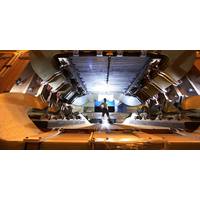
Phys. Rev. Lett. 135, 181801 (2025)
Particles and Fields
Atomic Real-Space Imaging of Molecular Statics and Dynamics at Confined States
Article | Atomic, Molecular, and Optical Physics | 2025-10-30 06:00 EDT
Yusheng Liu (刘雨生), Liang Xu (许亮), Xiao Chen (陈晓), Ning Huang (黄宁), Mengmeng Ma (马蒙蒙), Huiqiu Wang (王挥遒), Bin Song (宋斌), Tao Cheng (程涛), Fei Wei (魏飞), and Boyuan Shen (申博渊)
Atomic imaging of molecules and intermolecular interactions is important for obtaining a deeper understanding of the related physics and chemistry. At a confined state in reticular matrix, molecular architecture can be stabilized for studying its static and dynamic behaviors, which is a milestone fo…
Phys. Rev. Lett. 135, 183001 (2025)
Atomic, Molecular, and Optical Physics
Photoionization Time Delays Probe Electron Correlations
Article | Atomic, Molecular, and Optical Physics | 2025-10-30 06:00 EDT
Mingxuan Li, Huiyong Wang, Rezvan Tahouri, Robin Weissenbilder, Jialong Li, Wentao Wang, Jiaao Cai, Xiaochun Hong, Xiaosen Shi, Liang-Wen Pi, David Busto, Mathieu Gisselbrecht, Kiyoshi Ueda, Philipp V. Demekhin, Anne L’Huillier, Jan Marcus Dahlström, Eva Lindroth, Dajun Ding, and Sizuo Luo
The photoelectric effect explained by Einstein is often regarded as a one-electron phenomenon, whereas the interaction of the escaping electron with other electrons, referred to as electron correlation, plays an important role in multielectron systems. In this Letter, we study the attosecond photoio…
Phys. Rev. Lett. 135, 183202 (2025)
Atomic, Molecular, and Optical Physics
Emergence of Chiral Order Driven by Quenched Disorder
Article | Condensed Matter and Materials | 2025-10-30 06:00 EDT
Coraline Letouzé, Pascal Viot, and Laura Messio
Quenched disorder can destroy magnetic order, for example, when a random field is applied in a two-dimensional Ising model. Even when an order exists in the presence of quenched disorder, it is usually only the survival of the order of the clean model. We present here a surprising phenomenon where a…
Phys. Rev. Lett. 135, 186504 (2025)
Condensed Matter and Materials
$λ$-Jellium Model for the Anomalous Hall Crystal
Article | Condensed Matter and Materials | 2025-10-30 06:00 EDT
Tomohiro Soejima (副島智大), Junkai Dong (董焌锴), Ashvin Vishwanath, and Daniel E. Parker
The jellium model is a paradigmatic problem in condensed matter physics, exhibiting a phase transition between metallic and Wigner crystal phases. However, its vanishing Berry curvature makes it ill suited for studying recent experimental platforms that combine strong interactions with nontrivial qu…
Phys. Rev. Lett. 135, 186505 (2025)
Condensed Matter and Materials
Quantum Hall Effect without Chern Bands
Article | Condensed Matter and Materials | 2025-10-30 06:00 EDT
Benjamin Michen and Jan Carl Budich
The quantum Hall effect was originally observed in a two-dimensional electron gas forming Landau levels when exposed to a strong perpendicular magnetic field and was later generalized to Chern insulators without net magnetization. Here, further extending the realm of the quantum Hall effect, we repo…
Phys. Rev. Lett. 135, 186603 (2025)
Condensed Matter and Materials
Single-Mode Magnon-Polariton Lasing and Amplification Controlled by Dissipative Coupling
Article | Condensed Matter and Materials | 2025-10-30 06:00 EDT
Zi-Qi Wang, Zi-Yuan Wang, Yi-Pu Wang, and J. Q. You
We demonstrate single-mode lasing of magnon polaritons in a cavity magnonic system enabled by dissipative coupling between two passive modes, microwave cavity mode and magnon mode in a ferrimagnetic spin ensemble. The cavity mode is partially compensated through a feedback circuit, which reduces its…
Phys. Rev. Lett. 135, 186704 (2025)
Condensed Matter and Materials
Nonreciprocal Spin-Glass Transition and Aging
Article | Statistical Physics; Classical, Nonlinear, and Complex Systems | 2025-10-30 06:00 EDT
Giulia Garcia Lorenzana, Ada Altieri, Giulio Biroli, Michel Fruchart, and Vincenzo Vitelli
A model representing two nonreciprocally coupled complex agents undergoes a finite-temperature phase transition from a static disordered phase to an oscillating amorphous phase, challenging the current belief that nonreciprocity destroys glassiness.
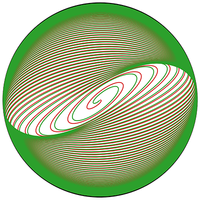
Phys. Rev. Lett. 135, 187402 (2025)
Statistical Physics; Classical, Nonlinear, and Complex Systems
Toughness of Double Network Hydrogels: The Role of Reduced Stress Propagation
Article | Polymers, Chemical Physics, Soft Matter, and Biological Physics | 2025-10-30 06:00 EDT
Samuel B. Walker and Suzanne M. Fielding
Double network hydrogels show remarkable mechanical performance, combining high strength and fracture toughness with sufficient stiffness to bear load, despite containing only a low density of cross-linked polymer molecules in water. We introduce a simple mesoscale model of a double network material…
Phys. Rev. Lett. 135, 188201 (2025)
Polymers, Chemical Physics, Soft Matter, and Biological Physics
Partial Independence Suffices to Rule Out Real Quantum Theory Experimentally
Article | Quantum Information, Science, and Technology | 2025-10-29 06:00 EDT
Mirjam Weilenmann, Nicolas Gisin, and Pavel Sekatski
The role of complex quantities in quantum theory has been puzzling physicists since the beginnings. It is, thus, natural to ask whether, in order to describe our experiments, the mathematical structure of the complex Hilbert spaces it is built on is really necessary. Recently, it was shown that this…
Phys. Rev. Lett. 135, 180201 (2025)
Quantum Information, Science, and Technology
Liouvillian Spectral Transition in Noisy Quantum Many-Body Scars
Article | Quantum Information, Science, and Technology | 2025-10-29 06:00 EDT
Jin-Lou Ma, Zexian Guo, Yu Gao, Zlatko Papić, and Lei Ying
Understanding the behavior of quantum many-body systems under decoherence is essential for developing robust quantum technologies. Here, we examine the fate of weak ergodicity breaking in systems hosting quantum many-body scars when subject to local pure dephasing--an experimentally relevant form of …
Phys. Rev. Lett. 135, 180401 (2025)
Quantum Information, Science, and Technology
Counterdiabatic Driving with Performance Guarantees
Article | Quantum Information, Science, and Technology | 2025-10-29 06:00 EDT
Jernej Rudi Finžgar, Simone Notarnicola, Madelyn Cain, Mikhail D. Lukin, and Dries Sels
Theorists have proposed a universal recipe for trying to quickly prepare a system in a desired ground state without exciting it.

Phys. Rev. Lett. 135, 180602 (2025)
Quantum Information, Science, and Technology
Offset Charge Dependence of Measurement-Induced Transitions in Transmons
Article | Quantum Information, Science, and Technology | 2025-10-29 06:00 EDT
Mathieu Féchant, Marie Frédérique Dumas, Denis Bénâtre, Nicolas Gosling, Philipp Lenhard, Martin Spiecker, Simon Geisert, Sören Ihssen, Wolfgang Wernsdorfer, Benjamin D’Anjou, Alexandre Blais, and Ioan M. Pop
A key challenge in achieving scalable fault tolerance in superconducting quantum processors is readout fidelity, which lags behind one- and two-qubit gate fidelity. A major limitation in improving qubit readout is measurement-induced transitions, also referred to as qubit ionization, caused by multi…
Phys. Rev. Lett. 135, 180603 (2025)
Quantum Information, Science, and Technology
Current Constraints on Cosmological Scenarios with Very Low Reheating Temperatures
Article | Cosmology, Astrophysics, and Gravitation | 2025-10-29 06:00 EDT
Nicola Barbieri, Thejs Brinckmann, Stefano Gariazzo, Massimiliano Lattanzi, Sergio Pastor, and Ofelia Pisanti
We present a comprehensive analysis of the effects of models with very low reheating scenarios [] on the cosmological observables and derive corresponding bounds on the reheating temperature. With respect to previous work, our Letter includes a more precise computation of neutrino distribu…
Phys. Rev. Lett. 135, 181003 (2025)
Cosmology, Astrophysics, and Gravitation
Scalable Architecture for Dark Photon Searches: Superconducting-Qubit Proof of Principle
Article | Cosmology, Astrophysics, and Gravitation | 2025-10-29 06:00 EDT
Runqi Kang, Qingqin Hu, Xiao Cai, Wenlong Yu, Jingwei Zhou, Xing Rong, and Jiangfeng Du
The dark photon is a well-motivated dark matter candidate that appears in many extensions of the standard model. A fundamental mass-range-sensitivity dilemma is always haunting the dark photon search experiments: resonant haloscopes have excellent sensitivity but are narrowband, while nonresonant ha…
Phys. Rev. Lett. 135, 181004 (2025)
Cosmology, Astrophysics, and Gravitation
Diagrammatic Derivation of Hidden Zeros and Exact Factorization of Pion Scattering Amplitudes
Article | Particles and Fields | 2025-10-29 06:00 EDT
Yang Li (李阳), Tianzhi Wang (王天志), Tomáš Brauner, and Diederik Roest
Pion scattering amplitudes were recently found to vanish on specific kinematic loci, and to factorize close to these loci into a product of two lower-point amplitudes of an extended theory. We propose a diagrammatic representation of pion amplitudes that makes their vanishing on the loci manifest di…
Phys. Rev. Lett. 135, 181601 (2025)
Particles and Fields
Measurement of $^{19}\mathrm{F}(p,αγ)^{16}\mathrm{O}$ Reaction Reopens the Fluorine Conundrums in Stars
Article | Nuclear Physics | 2025-10-29 06:00 EDT
X. D. Su et al.
Fluorine abundance in stars is a sensitive indicator of the physical conditions and processes occurring within their interiors. Recent extrapolated results on the fluorine destruction cross section suggested an increase of the astrophysical factor by several orders of magnitude at astro…
Phys. Rev. Lett. 135, 182701 (2025)
Nuclear Physics
Search for Exotic Spin-Dependent Interactions with Dressed Atoms
Article | Atomic, Molecular, and Optical Physics | 2025-10-29 06:00 EDT
Xiyu Liu, Wei Xiao, Meng Liu, Xiang Peng, Teng Wu, and Hong Guo
We present a method to engineer the Landé factor of alkali-metal atoms using spin-exchange collisions and nonresonant radio-frequency (rf) magnetic-field dressing. We analyze schemes with both linearly and circularly polarized rf dressing to generate dressed states, allowing the responses to magne…
Phys. Rev. Lett. 135, 183201 (2025)
Atomic, Molecular, and Optical Physics
Distributed Current Injection into a One-Dimensional Ballistic Edge Channel
Article | Condensed Matter and Materials | 2025-10-29 06:00 EDT
Kristof Moors, Christian Wagner, Helmut Soltner, Felix Lüpke, F. Stefan Tautz, and Bert Voigtländer
Criteria are identified that can discriminate between ballistic and resistive edge channels in multiterminal transport.
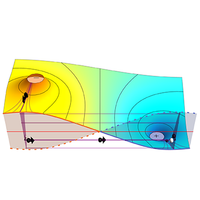
Phys. Rev. Lett. 135, 186301 (2025)
Condensed Matter and Materials
Polaronic Quasiparticles in the Valence-Transition Compound ${\mathrm{TmSe}}{1-x}{\mathrm{Te}}{x}$
Article | Condensed Matter and Materials | 2025-10-29 06:00 EDT
C.-H. Min, S. Müller, W. J. Choi, L. Dudy, V. Zabolotnyy, M. Heber, J. D. Denlinger, C.-J. Kang, M. Kalläne, N. Wind, M. Scholz, T. L. Lee, C. Schlueter, A. Gloskovskii, E. D. L. Rienks, V. Hinkov, H. Bentmann, Y. S. Kwon, F. Reinert, H.-D. Kim, and K. Rossnagel
Exotic quasiparticle states have been proposed in mixed-valent compounds exhibiting valence transitions. However, clear spectroscopic evidence identifying these states has remained elusive. Using synchrotron-based hard x-ray and extreme ultraviolet photoemission spectroscopy, we have probed the Tm
Phys. Rev. Lett. 135, 186501 (2025)
Condensed Matter and Materials
High-Temperature Superconductivity from Finite-Range Attractive Interaction
Article | Condensed Matter and Materials | 2025-10-29 06:00 EDT
Dmitry Miserev, Joel Hutchinson, Herbert Schoeller, Jelena Klinovaja, and Daniel Loss
In this Letter we consider -dimensional interacting Fermi liquids, and demonstrate that an attractive interaction with a finite range that is much greater than the Fermi wavelength breaks the conventional BCS theory of superconductivity. In contrast to the BCS prediction of a finite supercond…
Phys. Rev. Lett. 135, 186502 (2025)
Condensed Matter and Materials
Field Induced Density Wave in a Kagome Superconductor
Article | Condensed Matter and Materials | 2025-10-29 06:00 EDT
Md. Shafayat Hossain, Qi Zhang, Julian Ingham, Jinjin Liu, Sen Shao, Yangmu Li, Yuxin Wang, Bal K. Pokharel, Zi-Jia Cheng, Yu-Xiao Jiang, Maksim Litskevich, Byunghoon Kim, Xian Yang, Yongkai Li, Tyler A. Cochran, Yugui Yao, Dragana Popović, Zhiwei Wang, Ronny Thomale, Luis Balicas, and M. Zahid Hasan
On the kagome lattice, electrons benefit from the simultaneous presence of band topology, flat electronic bands, and Van Hove singularities, forming competing or cooperating orders. Understanding the interrelation between these distinct order parameters remains a significant challenge, leaving much …
Phys. Rev. Lett. 135, 186503 (2025)
Condensed Matter and Materials
From Fractionalization to Chiral Topological Superconductivity in a Flat Chern Band
Article | Condensed Matter and Materials | 2025-10-29 06:00 EDT
Daniele Guerci, Ahmed Abouelkomsan, and Liang Fu
Interacting electrons in a flat Chern band can form a chiral f-wave topological superconductor that hosts neutral Majorana fermion edge modes, in addition to fractional Chern insulators.

Phys. Rev. Lett. 135, 186601 (2025)
Condensed Matter and Materials
Flux Attachment Theory of Fractional Excitonic Insulators
Article | Condensed Matter and Materials | 2025-10-29 06:00 EDT
Steven Gassner, Ady Stern, and C. L. Kane
The search for fractional quantized Hall phases in the absence of a magnetic field has primarily targeted flat-band systems that mimic the features of a Landau level. In an alternative approach, the fractional excitonic insulator (FEI) has been proposed as a correlated electron-hole fluid that arise…
Phys. Rev. Lett. 135, 186602 (2025)
Condensed Matter and Materials
Coupling between Orbital and Spin Degrees of Freedom in Jahn-Teller Ions for ${\mathrm{Co}}{1-x}{\mathrm{Fe}}{x}{\mathrm{V}}{2}{\mathrm{O}}{4}$
Article | Condensed Matter and Materials | 2025-10-29 06:00 EDT
Minato Nakano, Taichi Kobayashi, and Takuro Katsufuji
It is found that a small distortion caused by magnetostriction and a structural phase transition caused by Jahn-Teller distortion are continuously connected in under variation of . Spin-orbit coupling in Jahn-Teller-active ions gives rise to this novel correlation between spins, o…
Phys. Rev. Lett. 135, 186701 (2025)
Condensed Matter and Materials
Observation of Chiral Magnon Band Splitting in Altermagnetic Hematite
Article | Condensed Matter and Materials | 2025-10-29 06:00 EDT
Qiyang Sun, Jiasen Guo, Dan Wang, Douglas L. Abernathy, Wei Tian, and Chen Li
Altermagnets, a new frontier for spintronics, represent a distinct magnet class with nonrelativistic splitting of both electronic and chiral magnon bands, yet experimental verification of their unique magnon dynamics remains scarce. In this Letter, inelastic neutron scattering experiments on …
Phys. Rev. Lett. 135, 186703 (2025)
Condensed Matter and Materials
Partial Information Rate Decomposition
Article | Statistical Physics; Classical, Nonlinear, and Complex Systems | 2025-10-29 06:00 EDT
Luca Faes, Laura Sparacino, Gorana Mijatovic, Yuri Antonacci, Leonardo Ricci, Daniele Marinazzo, and Sebastiano Stramaglia
Partial information decomposition (PID) is a principled and flexible method to unveil complex high-order interactions in multiunit network systems. Though being defined exclusively for random variables, PID is ubiquitously applied to multivariate time series taken as realizations of random processes…
Phys. Rev. Lett. 135, 187401 (2025)
Statistical Physics; Classical, Nonlinear, and Complex Systems
Rheologically Tuned Modes of Collective Transport in Active Viscoelastic Films
Article | Polymers, Chemical Physics, Soft Matter, and Biological Physics | 2025-10-29 06:00 EDT
Henning Reinken and Andreas M. Menzel
While many living biological media combine both viscous and elastic properties, most theoretical studies employ either purely fluid or solidlike descriptions. We here use a unified framework for active films on substrates capable of describing a range of viscoelastic behavior to explore the interpla…
Phys. Rev. Lett. 135, 188301 (2025)
Polymers, Chemical Physics, Soft Matter, and Biological Physics
Reentrant Transition to Collective Actuation in Active Solids with a Polarizing Field
Article | Polymers, Chemical Physics, Soft Matter, and Biological Physics | 2025-10-29 06:00 EDT
Paul Baconnier, Mathéo Aksil, Vincent Démery, and Olivier Dauchot
Collective actuation in active solids--the spontaneous coherent excitation of a few vibrational modes--emerges from feedback between structural deformations and the orientation of active forces. It is an excellent candidate as a basic mechanism for oscillatory dynamics and regulation in dense living s…
Phys. Rev. Lett. 135, 188302 (2025)
Polymers, Chemical Physics, Soft Matter, and Biological Physics
Ma and Cui Reply:
Article | | 2025-10-29 06:00 EDT
Yinfeng Ma and Xiaoling Cui
Phys. Rev. Lett. 135, 189301 (2025)
Physical Review X
Toward a Theory of Phase Transitions in Quantum Control Landscapes
Article | | 2025-10-29 06:00 EDT
Nicolò Beato, Pranay Patil, and Marin Bukov
Analytical and numerical tools adapted from statistical physics reveal phase transitions in quantum control landscapes, explaining when new optimal strategies emerge and guiding the design of more efficient quantum technologies.
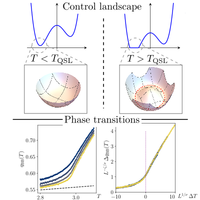
Phys. Rev. X 15, 041014 (2025)
arXiv
Impacting spheres: from liquid drops to elastic beads
New Submission | Soft Condensed Matter (cond-mat.soft) | 2025-10-30 20:00 EDT
Saumili Jana, John Kolinski, Detlef Lohse, Vatsal Sanjay
A liquid drop impacting a non-wetting rigid substrate laterally spreads, then retracts, and finally jumps off again. An elastic solid, by contrast, undergoes a slight deformation, contacts briefly, and bounces. The impact force on the substrate - crucial for engineering and natural processes - is classically described by Wagner’s (liquids) and Hertz’s (solids) theories. This work bridges these limits by considering a generic viscoelastic medium. Using direct numerical simulations, we study a viscoelastic sphere impacting a rigid, non-contacting surface and quantify how the elasticity number ($ El$ , dimensionless elastic modulus) and the Weissenberg number ($ Wi$ , dimensionless relaxation time) dictate the impact force. We recover the Newtonian liquid response as either $ El \to 0$ or $ Wi \to 0$ , and obtain elastic-solid behavior in the limit $ Wi \to \infty$ and $ El \ne 0$ . In this elastic-memory limit, three regimes emerge - capillary-dominated, Wagner scaling, and Hertz scaling - with a smooth transition from the Wagner to the Hertz regime. Sweeping $ Wi$ from 0 to $ \infty$ reveals a continuous shift from materials with no memory to materials with permanent memory of deformation, providing an alternate, controlled route from liquid drops to elastic beads. The study unifies liquid and solid impact processes and offers a general framework for the liquid-to-elastic transition relevant across systems and applications.
Soft Condensed Matter (cond-mat.soft), Fluid Dynamics (physics.flu-dyn)
11 pages, 6 figures, submitted to the journal “Soft Matter”
Spin Glass Dynamics on Complex Hardware Topologies: A Bond-Correlated Percolation Approach
New Submission | Statistical Mechanics (cond-mat.stat-mech) | 2025-10-30 20:00 EDT
Viviana Gómez, Gabriel Téllez, Fernando J. Gómez-Ruiz
Understanding how frustration and disorder shape relaxation in complex systems is a central problem in statistical physics and quantum annealing. Spin-glass models provide a natural framework to explore this connection, as their energy landscapes are governed by competing interactions and constrained topologies. We investigate the non-exponential relaxation behavior of spin glasses on network architectures relevant to quantum annealing hardware – such as finite size Chimera, Pegasus, and Zephyr graphs – where embedding constraints and finite connectivity strongly modulate the distribution of barriers and metastable states. This slow relaxation arises from the combined effects of frustration and disorder, which persist even beyond the conventional spin-glass transition. Within the Fortuin-Kasteleyn-Coniglio-Klein (FKCK) cluster formalism, the appearance of unfrustrated cluster regions gives rise to multiple relaxation scales, as distinct domains follow different dynamical pathways across a rugged energy landscape. This framework enables a more comprehensive characterization of spin-glass energy landscapes and offers valuable insight into how topological constraints and disorder jointly govern relaxation dynamics, providing quantitative benchmarks for evaluating the performance and limitations of quantum annealing architectures.
Statistical Mechanics (cond-mat.stat-mech), Quantum Physics (quant-ph)
Molecular simulations of Perovskites CsXI3 (X = Pb,Sn) Using Machine-Learning Interatomic Potentials
New Submission | Materials Science (cond-mat.mtrl-sci) | 2025-10-30 20:00 EDT
Atefe Ebrahimi, Franco Pellegrini, Stefano De Gironcoli
Cesium based halide perovskites, such as CsPbI3 and CsSnI3, have emerged as exceptional candidates for next generation photovoltaic and optoelectronic technologies, but their practical application is limited by temperature dependent phase transitions and structural instabilities. Here, we develop machine learning interatomic potentials within the LATTE framework to simulate these materials with near experimental accuracy at a fraction of the computational cost compared to previous computational studies. Our molecular dynamics simulations based on the trained MLIPs reproduce energies and forces across multiple phases, enabling large scale simulations that capture cubic tetragonal orthorhombic transitions, lattice parameters, and octahedral tilting with unprecedented resolution. We find that Pb based perovskites exhibit larger octahedral tilts and higher phase transition temperatures than Sn based analogues, reflecting stronger bonding and enhanced structural stability, whereas Sn based perovskites display reduced tilts and lower barriers, suggesting tunability through compositional or interface engineering. Beyond these systems, our work demonstrates that MLIPs can bridge first principles accuracy with simulation efficiency, providing a robust framework for exploring phase stability, anharmonicity, and rational design in next generation halide perovskites.
Materials Science (cond-mat.mtrl-sci), Applied Physics (physics.app-ph)
Improved operating voltage in InGaN-capped AlGaN-based DUV LEDs on bulk AlN substrates
New Submission | Materials Science (cond-mat.mtrl-sci) | 2025-10-30 20:00 EDT
H-W S. Huang, S. Agrawal, D. Bhattacharya, H.G. Xing, D. Jena
Better wall plug efficiency of deep-ultraviolet light emitting diodes (DUV-LEDs) requires simultaneous low resistivity p-type and n-type contacts, which is a challenging problem. In this study, the co-optimization of p-InGaN and n- AlGaN contacts for DUV LEDs are investigated. We find that using a thin 7%InGaN cap is effective in achieving ohmic p-contacts with specific contact resistivity of 3.10x10^{-5} this http URL^2. Upon monolithic integration of p- and n- contacts for DUV LEDs, we find that the high temperature annealing of 800C required for the formation of low resistance contacts to n-AlGaN severely degrades the p-InGaN layer, thereby reducing the hole concentration and increasing the specific contact resistivity to 9.72x10^{-4} this http URL^2. Depositing a SiO2 cap by plasma-enhanced atomic layer deposition (PE-ALD) prior to high temperature n-contact annealing restores the low p-contact resistivity, enabling simultaneous low-resistance p- and n-contacts. DUV-LEDs emitting at 268 nm fabricated with the SiO2 capping technique exhibit a 3.5 V reduction in operating voltage at a current level of 400 A/cm^2 and a decrease in differential ON-resistance from 6.4 this http URL^2 to 4.5 this http URL^2. This study highlights a scalable route to high-performance, high-Al-content bipolar AlGaN devices.
Materials Science (cond-mat.mtrl-sci), Applied Physics (physics.app-ph)
This manuscript has been submitted to Applied Physics Letters and is currently under review. The version posted here corresponds to the originally submitted manuscript prior to peer review
Emergence of Chimeras States in One-dimensional Ising model with Long-Range Diffusion
New Submission | Disordered Systems and Neural Networks (cond-mat.dis-nn) | 2025-10-30 20:00 EDT
Alejandro de Haro García, Joaquín J. Torres
In this work, we examine the conditions for the emergence of chimera-like states in Ising systems. We study an Ising chain with periodic boundaries in contact with a thermal bath at temperature T, that induces stochastic changes in spin variables. To capture the non-locality needed for chimera formation, we introduce a model setup with non-local diffusion of spin values through the whole system. More precisely, diffusion is modeled through spin-exchange interactions between units up to a distance R, using Kawasaki dynamics. This setup mimics, e.g., neural media, as the brain, in the presence of electrical (diffusive) interactions. We explored the influence of such non-local dynamics on the emergence of complex spatiotemporal synchronization patterns of activity. Depending on system parameters we report here for the first time chimera-like states in the Ising model, characterized by relatively stable moving domains of spins with different local magnetization. We analyzed the system at T=0, both analytically and via simulations and computed the system’s phase diagram, revealing rich behavior: regions with only chimeras, coexistence of chimeras and stable domains, and metastable chimeras that decay into uniform stable domains. This study offers fundamental insights into how coherent and incoherent synchronization patterns can arise in complex networked systems as it is, e.g., the brain.
Disordered Systems and Neural Networks (cond-mat.dis-nn), Statistical Mechanics (cond-mat.stat-mech), Neurons and Cognition (q-bio.NC)
26 pages, 8 figures
Observation of vector rogue waves in repulsive three-component atomic mixtures
New Submission | Quantum Gases (cond-mat.quant-gas) | 2025-10-30 20:00 EDT
G. A. Bougas, G. C. Katsimiga, S. Mossman, P. Engels, P. G. Kevrekidis, S. I. Mistakidis
We report the experimental observation of vector extensions of Peregrine solitons in highly particle-imbalanced, pairwise immiscible three-component repulsive Bose-Einstein condensates (BECs). The possibility of an effectively attractive character of the minority components is established by constructing a generalized reduction scheme for an imbalanced N -component setup with arbitrary interaction signs. These components may suffer intra- and inter-component modulation instability, which along with the presence of an attractive potential well induces the dynamical formation of highly reproducible vector rogue waves. Exploiting different Rb hyperfine states, it is possible to flexibly tune the effective interactions stimulating the realization of a plethora of vector rogue waves, including single and double Peregrine-like wave peaks. The experimental findings are in quantitative agreement with suitable three-dimensional mean-field simulations, while quasi-one-dimensional analysis of the non-polynomial Schrödinger model provides additional insights into the rogue wave characteristics.
Quantum Gases (cond-mat.quant-gas), Quantum Physics (quant-ph)
5 pages, 3 figures, 9 pages of Supplemental Material
Machine Learning the Entropy to Estimate Free Energy Differences without Sampling Transitions
New Submission | Soft Condensed Matter (cond-mat.soft) | 2025-10-30 20:00 EDT
Yamin Ben-Shimon, Barak Hirshberg, Yohai Bar-Sinai
Thermodynamic phase transitions, a central concept in physics and chemistry, are typically controlled by an interplay of enthalpic and entropic contributions. In most cases, the estimation of the enthalpy in simulations is straightforward but evaluating the entropy is notoriously hard. As a result, it is common to induce transitions between the metastable states and estimate their relative occupancies, from which the free energy difference can be inferred. However, for systems with large free energy barriers, sampling these transitions is a significant computational challenge. Dedicated enhanced sampling algorithms require significant prior knowledge of the slow modes governing the transition, which is typically unavailable. We present an alternative approach, which only uses short simulations of each phase separately. We achieve this by employing a recently developed deep learning model for estimating the entropy and hence the free energy of each metastable state. We benchmark our approach calculating the free energies of crystalline and liquid metals. Our method features state-of-the-art precision in estimating the melting transition temperature in Na and Al without requiring any prior information or simulation of the transition pathway itself.
Soft Condensed Matter (cond-mat.soft), Statistical Mechanics (cond-mat.stat-mech), Computational Physics (physics.comp-ph)
6 pages, 3 figures + appendix
Solute dispersion boosts the phoretic removal of colloids from dead-end pores
New Submission | Soft Condensed Matter (cond-mat.soft) | 2025-10-30 20:00 EDT
Yiran Li, Mobin Alipour, Amir Pahlavan
Predicting and controlling the transport of colloids in porous media is essential for a broad range of applications, from drug delivery to contaminant remediation. Chemical gradients are ubiquitous in these environments, arising from reactions, precipitation/dissolution, or salinity contrasts, and can drive particle motion via diffusiophoresis. Yet our current understanding mostly comes from idealized settings with sharply imposed solute gradients, whereas in porous media, flow disorder enhances solute dispersion, and leads to diffuse solute fronts. This raises a central question: does front dispersion suppress diffusiophoretic migration of colloids in dead-end pores, rendering the effect negligible at larger scales? We address this question using an idealized one-dimensional dead-end geometry. We derive an analytical model for the spatiotemporal evolution of colloids subjected to slowly varying solute fronts and validate it with numerical simulations and microfluidic experiments. Counterintuitively, we find that diffuseness of solute front enhances removal from dead-end pores: although smoothing reduces instantaneous gradient magnitude, it extends the temporal extent of phoretic forcing, yielding a larger cumulative drift and higher clearance efficiency than sharp fronts. Our results highlight that solute dispersion does not weaken the phoretic migration of colloids from dead-end pores, pointing to the potential relevance of diffusiophoresis at larger scales, with implications for filtration, remediation, and targeted delivery in porous media.
Soft Condensed Matter (cond-mat.soft), Fluid Dynamics (physics.flu-dyn), Geophysics (physics.geo-ph)
Energy-Conserving Contact Dynamics of Nonspherical Rigid-Body Particles
New Submission | Soft Condensed Matter (cond-mat.soft) | 2025-10-30 20:00 EDT
Haoyuan Shi, Christopher J. Mundy, Gregory K. Schenter, Jaehun Chun
Understanding the contact dynamics of nonspherical particles beyond the microscale is crucial for accurately modeling colloidal and granular systems, where shape anisotropy dictates structural organization and transport properties. In this paper, we introduce an energy-conserving contact dynamics framework for arbitrary convex rigid-body particles, integrating vertex-boundary interactions in 2D with vertex-surface and edge-edge detection in 3D. This formulation enables continuous force evaluation and strictly prevents particle overlap while conserving total energy during translational and rotational motion. Simulations of polygonal and polyhedral particles confirm the framework’s stability and demonstrate its capability to capture packing behavior, anisotropic diffusion, and equations of state. The framework establishes a robust and extensible foundation for investigating the nonequilibrium dynamics of complex nonspherical particle systems, with potential applications in colloidal self-assembly, granular flow, and hydrodynamics.
Soft Condensed Matter (cond-mat.soft), Computational Physics (physics.comp-ph)
Stabilisation of hBN/SiC Heterostructures with Vacancies and Transition-Metal Atoms
New Submission | Materials Science (cond-mat.mtrl-sci) | 2025-10-30 20:00 EDT
Arsalan Hashemi, Nima Ghafari Cherati, Sadegh Ghaderzadeh, Yanzhou Wang, Mahdi Ghorbani-Asl, Tapio Ala-Nissila
When two-dimensional atomic layers of different materials are brought into close proximity to form van der Waals (vdW) heterostructures, interactions between adjacent layers significantly influence their physicochemical properties. These effects seem particularly pronounced when the interface exhibits local order and near-perfect structural alignment, leading to the emergence of Moiré patterns. Using quantum mechanical density functional theory calculations, we propose a prototypical bilayer heterostructure composed of hexagonal boron nitride (hBN) and silicon carbide (SiC), characterized by a lattice mismatch of 18.77% between their primitive unit cells. We find that the removal of boron atoms from specific lattice sites can convert the interlayer interaction from weak vdW coupling to robust localized silicon-nitrogen covalent bonding. Motivated by this, we study the binding of transition-metal adatoms and formulate design guidelines to enhance surface reactivity, thereby enabling the controlled isolation of single-metal atoms. Our machine-learning-assisted molecular dynamics simulations confirm both dynamical stability and metal anchoring feasibility at finite temperatures. Our results suggest the hBN/SiC heterostructure as a versatile platform for atomically precise transition-metal functionalization, having potential for next-generation catalytic energy-conversion technologies.
Materials Science (cond-mat.mtrl-sci), Computational Physics (physics.comp-ph)
Flow-Induced Phase Separation for Active Brownian Particles in Four-Roll-Mill Flow
New Submission | Soft Condensed Matter (cond-mat.soft) | 2025-10-30 20:00 EDT
Soni D. Prajapati, Akshay Bhatnagar, Anupam Gupta
We investigate the collective dynamics of active Brownian particles (ABPs) subjected to a steady two-dimensional four-roll-mill flow using numerical simulations. By varying the packing fraction ($ \phi$ ), we uncover a novel flow-induced phase separation (FIPS) that emerges beyond a critical density ($ \phi \geq 0.6$ ). The mean-square displacement (MSD) exhibits an intermediate bump between ballistic and diffusive regimes, indicating transient trapping and flow-guided clustering. The effective diffusivity decreases quadratically with $ \phi$ , while the drift velocity remains nearly constant, demonstrating that large-scale transport is primarily dictated by the background flow. Number fluctuations show a crossover from normal to giant scaling, signaling the onset of long-range density inhomogeneities in the FIPS regime. Our findings provide new insights into the coupling between activity, crowding, and flow, offering a unified framework for understanding phase behavior in driven active matter systems.
Soft Condensed Matter (cond-mat.soft), Fluid Dynamics (physics.flu-dyn)
9 pages, 6 figures
Magneto-optical spectroscopy based on pump-probe strobe light
New Submission | Mesoscale and Nanoscale Physics (cond-mat.mes-hall) | 2025-10-30 20:00 EDT
Shihao Zhou, Yujie Zhu, Chunli Tang, Rui Sun, Junming Wu, Yuzan Xiong, Ingrid E. Russell, Yi Li, Dali Sun, Frank Tsui, Binbin Yang, Valentine Novosad, Jia-Mian Hu, Wencan Jin, Wei Zhang
We demonstrate a pump-probe strobe light spectroscopy for sensitive detection of magneto-optical dynamics in the context of hybrid magnonics. The technique uses a combinatorial microwave-optical pump-probe scheme, leveraging both the high-energy resolution of microwaves and the high-efficiency detection using optical photons. In contrast to conventional stroboscopy using a continuous-wave light, we apply microwave and optical pulses with varying pulse widths, and demonstrate magnetooptical detection of magnetization dynamics in Y3Fe5O12 films. The detected magneto-optical signals strongly depend on the characteristics of both the microwave and the optical pulses as well as their relative time delays. We show that good magneto-optical sensitivity and coherent stroboscopic character are maintained even at a microwave pump pulse of 1.5 ns and an optical probe pulse of 80 ps, under a 7 megahertz clock rate, corresponding to a pump-probe footprint of ~1% in one detection cycle. Our results show that time-dependent strobe light measurement of magnetization dynamics can be achieved in the gigahertz frequency range under a pump-probe detection scheme.
Mesoscale and Nanoscale Physics (cond-mat.mes-hall), Materials Science (cond-mat.mtrl-sci), Applied Physics (physics.app-ph)
14 pages, 10 figures
Trichome entanglement enhances damage tolerance in microstructured biocomposites
New Submission | Materials Science (cond-mat.mtrl-sci) | 2025-10-30 20:00 EDT
Israel Kellersztein, Mathieu Desgranges, Chiara Daraio
Achieving damage tolerance in composite materials remains a central challenge in materials science. Conventional strategies often rely on filler incorporation or chemical modification, which can limit energy dissipation and constrain structural stability. Here, we leverage the unique morphology of Spirulina trichomes to investigate a reinforcement mechanism based on physical filament entanglement. By comparing helical trichomes with their morphologically straightened counterparts, we isolate filament geometry as the key parameter governing mechanical performance. Trichome-based suspensions exhibit enhanced viscoelastic response and a threefold increase in yield stress. When processed via extrusion-based 3D printing using hydroxyethyl cellulose (HEC) as a matrix, entangled trichomes yield a 290% improvement in bending strength and a 15-fold enhancement in work of fracture. Fracture surface analysis reveals a transition from interfacial debonding and pull-out (in filaments) to crack propagation through the entangled network, indicating structure-mediated toughening. These findings establish trichome entanglement as a scalable, physically driven mechanism for enhancing damage tolerance through microstructural architecture.
Materials Science (cond-mat.mtrl-sci)
21 pages including supporting information, four figure in the main manuscript
Optical excitations and disorder in two-dimensional topological insulators
New Submission | Mesoscale and Nanoscale Physics (cond-mat.mes-hall) | 2025-10-30 20:00 EDT
Topological phases of matter have garnered significant interest over the past two decades for two main reasons: their identification, via topological invariants, relies on the quantum geometry of the Bloch states, bringing attention to an aspect of electronic band structure overlooked up to their discovery. Secondly, these classes of materials present electronic states with unusual properties, leading to exotic phenomena and making them relevant for potential applications. In this thesis we explore both fundamental and technological aspects of the first discovered topological phase: the topological insulator. To this end, we consider different models of topological insulators with a particular emphasis on Bismuth compounds, evaluating their viability for photovoltaic applications, and separately, the impact of structural disorder on their properties.
Mesoscale and Nanoscale Physics (cond-mat.mes-hall), Disordered Systems and Neural Networks (cond-mat.dis-nn)
Finite-Temperature Study of the Hubbard Model via Enhanced Exponential Tensor Renormalization Group
New Submission | Strongly Correlated Electrons (cond-mat.str-el) | 2025-10-30 20:00 EDT
The two-dimensional (2D) Hubbard model has long attracted interest for its rich phase diagram and its relevance to high-$ T_c$ superconductivity. However, reliable finite-temperature studies remain challenging due to the exponential complexity of many-body interactions. Here, we introduce an enhanced $ 1\text{s}^+$ eXponential Tensor Renormalization Group algorithm that enables efficient finite-temperature simulations of the 2D Hubbard model. By exploring an expanded space, our approach achieves two-site update accuracy at the computational cost of a one-site update, and delivers up to 50% acceleration for Hubbard-like systems, which enables simulations down to $ T!\approx!0.004t$ . This advance permits a direct investigation of superconducting order over a wide temperature range and facilitates a comparison with zero-temperature infinite Projected Entangled Pair State simulations. Finally, we compile a comprehensive dataset of snapshots spanning the relevant region of the phase diagram, providing a valuable reference for Artificial Intelligence-driven analyses of the Hubbard model and a comparison with cold-atom experiments.
Strongly Correlated Electrons (cond-mat.str-el), Superconductivity (cond-mat.supr-con)
10 pages, 5 figures for numerical results
Preliminary Demonstration of Diamond-GaN pn Diodes via Grafting
New Submission | Materials Science (cond-mat.mtrl-sci) | 2025-10-30 20:00 EDT
Jie Zhou, Yi Lu, Chenyu Wang, Luke Suter, Aaron Hardy, Tien Khee Ng, Kai Sun, Yifu Guo, Yang Liu, Tsung-Han Tsai, Xuanyu Zhou, Connor S Bailey, Michael Eller, Stephanie Liu, Zetian Mi, Boon S. Ooi, Matthias Muehle, Katherine Fountaine, Vincent Gambin, Jung-Hun Seo, Zhenqiang Ma
Ultrawide bandgap (UWBG) semiconductors exhibit exceptional electrical and thermal properties, offering strong potential for high power and high frequency electronics. However, efficient doping in UWBG materials is typically limited to either n type or p type, constraining their application to unipolar devices. The realization of pn junctions through heterogeneous integration of complementary UWBG or WBG semiconductors is hindered by lattice mismatch and thermal expansion differences. Here, we report the preliminary demonstration of diamond GaN heterojunction pn diodes fabricated via grafting. A single crystalline p plus diamond nanomembrane was integrated onto an epitaxially grown c plane n plus GaN substrate with an ultrathin ALD Al2O3 interlayer. The resulting diodes exhibit an ideality factor of 1.55 and a rectification ratio of over 1e4. Structural and interfacial properties were examined by AFM, XRD, Raman, and STEM, providing critical insights to guide further optimization of diamond GaN pn heterojunction devices.
Materials Science (cond-mat.mtrl-sci)
21 pages, 3 figures
Generalized Dynamical Duality of Quantum Particles in One Dimension
New Submission | Quantum Gases (cond-mat.quant-gas) | 2025-10-30 20:00 EDT
We prove a generalized dynamical duality for identical particles in one dimension (1D). Namely, 1D systems with arbitrary statistics – including bosons, fermions and anyons – approach the same momentum distribution after long-time expansion from a trap, provided they share the same scattering length for short-range interactions. This momentum distribution is uniquely given by the rapidities, or quasi-momenta, of the initial trapped state. Our results can be readily detected in quasi-1D ultracold gases with tunable s- and p-wave interactions.
Quantum Gases (cond-mat.quant-gas), Quantum Physics (quant-ph)
5+3 pages, 2 figures
Phonon dynamics and chiral modes in the two-dimensional square-octagon lattice
New Submission | Statistical Mechanics (cond-mat.stat-mech) | 2025-10-30 20:00 EDT
Chiral phonons, originally identified in two-dimensional hexagonal lattices and later extended to kagome, square, and other lattices, have been extensively studied as manifestations of broken inversion and time-reversal symmetries in vibrational dynamics. In this work, we investigate the vibrational dynamics of the two-dimensional square-octagon lattice using a spring-mass model with central-force interactions. The model incorporates mass contrast and variable coupling strengths among nearest, next-nearest, and third-nearest neighbors. From the dynamical matrix, we obtain the phonon dispersion relations and identify tunable phononic band gaps governed by both mass and spring-constant ratios. The angular dependence of phase and group velocities is analyzed to reveal the pronounced anisotropy inherent to this lattice geometry. We also examine the distinctive features of the square-octagon geometry, including flat-band anomalies in the density of states and anisotropic sound propagation induced by longer-range couplings. In addition, we explore the emergence of chiral phonons by introducing a time reversal symmetry-breaking term in the dynamical matrix, and to elucidate their optical signatures, we construct a minimal model to study infrared circular dichroism arising from chiral phonon modes.
Statistical Mechanics (cond-mat.stat-mech), Other Condensed Matter (cond-mat.other)
15 pages, 21 figures
A Universal Scaling Law for $T_c$ in Unconventional Superconductors
New Submission | Superconductivity (cond-mat.supr-con) | 2025-10-30 20:00 EDT
Way Wang, Zhongshui Ma, Hai-qing Lin
Understanding the pairing mechanism of unconventional superconductors remains a core challenge in condensed matter physics, particularly the ongoing debate over whether the related effects caused by electron-electron interactions unify various unconventional superconductors (UcSs). To address this challenge, it is necessary to establish a universal quantitative relationship for the superconducting transition temperature ($ T_c$ ), which can be directly obtained from experiments and correlated with microscopic parameters of different material systems. In this work, we establish a relation: $ N_{\text{CP}}\cdot k_{B}T_{c}^\star = \alpha\cdot U $ , where $ \alpha = 1/(16\pi)$ is a universal constant, $ k_B$ is the Boltzmann constant, $ T_{c}^\star$ is the maximal $ T_{c}$ , $ U$ is the on-site Coulomb interaction, and $ N_{\text{CP}}$ ($ \propto(\xi_0/a)^D$ ) quantifies the spatial extent of Cooper pairs ($ \xi_0$ ) relative to lattice parameter ($ a$ ) in $ D$ dimensions. The validity of this scaling relationship is empirically demonstrated, across a four order-of-magnitude $ T_c^\star$ range (0.08–133 K), by database from 173 different compounds spanning 13 different UcS families in over 500 experiments. The fact that the unified relationship is satisfied by different materials of different UcS families reveals that they may share superconducting mechanisms. In addition, the scaling relationship indicates the existence of a maximum $ T_{c}^\star$ determined by the minimum $ N_{\text{CP}}$ , providing a benchmark for theoretical and experimental exploration of high-temperature superconductivity.
Superconductivity (cond-mat.supr-con), Strongly Correlated Electrons (cond-mat.str-el)
Percolating Corrosion Pathways of Chemically Ordered NiCr Alloys in Molten Salts
New Submission | Materials Science (cond-mat.mtrl-sci) | 2025-10-30 20:00 EDT
Hamdy Arkoub, Jia-Hong Ke, Kaustubh Bawane, Miaomiao Jin
Recent experiments have shown that chemical ordering in NiCr alloys can significantly accelerate corrosion in molten salt environments. However, the underlying mechanisms remain poorly understood. Using reactive molecular dynamics and first-principles calculations, we show that long-range ordered Ni$ _2$ Cr in Ni-33at.%Cr alloys corrodes far more rapidly in FLiNaK salt at 800°C than short-range ordered or random solid solutions. This accelerated attack originates from percolating Cr pathways that enhance near-surface diffusion and a lowered energetic barrier for Cr dissolution, as confirmed by first-principles calculations. Contrary to earlier explanations that attributed this behavior to residual stresses, our stress-free simulations demonstrate that ordering alone accelerates the degradation. These results establish percolation as a critical link between chemical ordering and corrosion kinetics, offering a mechanistic basis for experimental observations.
Materials Science (cond-mat.mtrl-sci)
8 figures
Single-Shot All-Optical Switching in CoFeB/MgO Magnetic Tunnel Junctions
New Submission | Mesoscale and Nanoscale Physics (cond-mat.mes-hall) | 2025-10-30 20:00 EDT
Junta Igarashi, Sébastien Geiskopf, Takanobu Shinoda, Butsurin Jinnai, Yann Le Guen, Julius Hohlfeld, Shunsuke Fukami, Hideo Ohno, Jon Gorchon, Stéphane Mangin, Michel Hehn, Grégory Malinowski
We demonstrate single shot al optical switching (AOS) in rare earth free CoFeB/MgO magnetic tunnel junctions (MTJs), a material system widely adopted in spin transfer torque magnetic random access memory (STT MRAM). By tuning the capping layer thickness, we show that precise heat control enables deterministic magnetization reversal from parallel (P) to antiparallel (AP) state. Furthermore, we detect magnetization reversal in a micro scale MTJ device via the tunnel magnetoresistance (TMR) effect. Our findings suggest that ultrafast spin transport or dipolar interactions or a combination of both may play essential roles in the switching process. This work represents a significant step toward integrating AOS with MTJ technology.
Mesoscale and Nanoscale Physics (cond-mat.mes-hall), Materials Science (cond-mat.mtrl-sci), Optics (physics.optics)
7 pages, 7 figures
Contactless cavity sensing of superfluid stiffness in atomically thin 4Hb-TaS$_2$
New Submission | Superconductivity (cond-mat.supr-con) | 2025-10-30 20:00 EDT
Trevor Chistolini, Ha-Leem Kim, Qiyu Wang, Su-Di Chen, Luke Pritchard Cairns, Ryan Patrick Day, Collin Sanborn, Hyunseong Kim, Zahra Pedramrazi, Ruishi Qi, Takashi Taniguchi, Kenji Watanabe, James G. Analytis, David I. Santiago, Irfan Siddiqi, Feng Wang
The exceptional tunability of two-dimensional van der Waals materials offers unique opportunities for exploring novel superconducting phases. However, in such systems, the measurement of superfluid phase stiffness, a fundamental property of a superconductor, is challenging because of the mesoscopic sample size. Here, we introduce a contact-free technique for probing the electrodynamic response, and thereby the phase stiffness, of atomically thin superconductors using on-chip superconducting microwave resonators. We demonstrate this technique on 4Hb-TaS$ _2$ , a van der Waals superconductor whose gap structure under broken mirror symmetry is under debate. In our cleanest few-layer device, we observe a superconducting critical temperature comparable to that of the bulk. The temperature evolution of the phase stiffness features nodeless behavior in the presence of broken mirror symmetry, inconsistent with the scenario of nodal surface superconductivity. With minimal fabrication requirements, our technique enables microwave measurements across wide ranges of two-dimensional superconductors.
Superconductivity (cond-mat.supr-con), Mesoscale and Nanoscale Physics (cond-mat.mes-hall), Strongly Correlated Electrons (cond-mat.str-el)
Exotic Acoustic-Edge and Thermal Scaling in Disordered Hyperuniform Networks
New Submission | Soft Condensed Matter (cond-mat.soft) | 2025-10-30 20:00 EDT
We develop a first-principles theory for the vibrational density of states (VDOS) and thermal properties of network materials built on stationary correlated disordered point configurations. For scalar (mass–spring) models whose dynamical matrix is a distance-weighted graph Laplacian, we prove that the limiting spectral measure is the pushforward of Lebesgue measure by a Fourier symbol that depends only on the edge kernel (f) and the two-point statistics (g_2) (equivalently the structure factor (S)). For hyperuniform systems with small-$ k$ scaling (S(k)\sim k^\alpha) and compensated kernels, {the VDOS exhibits an algebraic \emph{pseudogap} at low frequency, (g(\omega)\sim \omega^{,2d/\beta-1}) with (\beta=\min{4,\alpha+2}), which implies a low-temperature specific heat (C(T)\sim T^{,2d/\beta}) and a heat-kernel decay (Z(t)\sim t^{-d/\beta}), defining a spectral dimension (d_s=2d/\beta).} This hyperuniformity-induced algebraic edge depletion could enable novel wave manipulation and low-temperature applications. Generalization to vector mechanical models and implications on material design are also discussed.
Soft Condensed Matter (cond-mat.soft), Statistical Mechanics (cond-mat.stat-mech)
Polar core vortex dynamics in disc-trapped homogeneous spin-1 Bose-Einstein condensates
New Submission | Quantum Gases (cond-mat.quant-gas) | 2025-10-30 20:00 EDT
Matthew Edmonds, Lewis A. Williamson, Matthew J. Davis
We study the dynamics of polar core vortices in the easy plane phase of an atomic spin-1 Bose-Einstein condensate confined in a two-dimensional disc potential. A single vortex moves radially outward due to its interaction with background flows that arise from boundary effects. Pairs of opposite sign vortices, which tend to attract, move either radially inward or outward, depending on their strength of attraction relative to boundary effects. Pairs of same sign vortices repel. Spiral vortex dynamics are obtained for same-sign pairs in the presence of a finite axial magnetization. We quantify the dynamics for a range of realistic experimental parameters, finding that the vortex dynamics are accelerated with increasing quadratic Zeeman energy, consistent with existing studies in planar systems.
Quantum Gases (cond-mat.quant-gas), High Energy Physics - Theory (hep-th), Pattern Formation and Solitons (nlin.PS)
13 pages, 8 figures. Comments welcome
A Geometric Pathway for Tuning Ferroelectric Properties via Polar State Reconfiguration
New Submission | Materials Science (cond-mat.mtrl-sci) | 2025-10-30 20:00 EDT
Hao-Cheng Thong, Bo Wu, Fan Hu, Pedro B. Groszewicz, Chen-Bo-Wen Li, Jun Chen, Mao-Hua Zhang, Dragan Damjanovic, Ben Xu, Ke Wang
We report the discovery of a geometric pathway for tuning ferroelectric properties through thermally driven reconfiguration between coexisting polar states in Li-substituted NaNbO3. Using first-principles density functional theory calculation and 7Li solid-state nuclear magnetic resonance spectroscopy measurement, we reveal that Li substitution creates two distinct polar configurations whose transformation under annealing enhances the Curie temperature and induces piezoelectric hardening. Our findings establish a geometrically-driven polar state reconfiguration mechanism, providing a general design principle for ferroics whereby macroscopic functional properties can be engineered via lattice geometry.
Materials Science (cond-mat.mtrl-sci)
Monte Carlo study on critical exponents of the classical Heisenberg model in ferromagnetic icosahedral quasicrystal
New Submission | Strongly Correlated Electrons (cond-mat.str-el) | 2025-10-30 20:00 EDT
Shinji Watanabe, Tsunetomo Yamada, Hiroyuki Takakura, Nobuhisa Fujita
Quasicrystals (QCs) lack three-dimensional periodicity of atomic arrangement but possess long-range structural order, which are distinct from periodic crystals and random systems. Here, we show how the ferromagnetic (FM) order arises in the icosahedral QC (i-QC) on the basis of the Monte Carlo simulation of the Heisenberg model on the Yb lattice of Cd$ _{5.7}$ Yb composed of regular icosahedrons. By finite-size scaling of the Monte Carlo data, we identified the critical exponents of the magnetization, magnetic susceptibility, and spin correlation length, $ \beta=0.508(30)$ , $ \gamma=1.361(59)$ , and $ \nu=0.792(17)$ , respectively. We confirmed that our data satisfy the hyperscaling relation and estimated the other critical exponents $ \alpha=-0.376(51)$ , $ \delta=3.68(23)$ , and $ \eta=0.282(65)$ . These results show a new universality class inherent in the i-QC, which is different from those in periodic magnets and spin glasses. In the i-QC, each Yb site at vertices of the regular icosahedrons is classified into 8 classes with respect to the coordination numbers of the nearest-neighbor and next-nearest-neighbor bonds. We revealed the FM-transition mechanism by showing that the difference in the local environment of each site is governed by cooperative evolution of spin correlations upon cooling, giving rise to the critical phenomena.
Strongly Correlated Electrons (cond-mat.str-el), Materials Science (cond-mat.mtrl-sci), Statistical Mechanics (cond-mat.stat-mech)
14 pages, 17 figures, 3 tables
Phys. Rev. Research 7 (2025) 043113
Temperature-Gradient Effects on Electric Double Layer Screening in Electrolytes
New Submission | Soft Condensed Matter (cond-mat.soft) | 2025-10-30 20:00 EDT
Temperature gradients drive asymmetric ion distributions via thermodiffusion (Soret effect), leading to deviations from the classical Debye–Hückel potential. We analyze non-isothermal electric double layers using dimensionless Soret coefficients $ \alpha_\pm$ (for cations and anions, respectively). Analytical solutions of the generalized Debye–Hückel equation show that, for $ \alpha_+ = \alpha_-$ , the potential is exactly described by a modified Bessel function, while the marginal case $ \alpha_\pm = 1$ exhibits algebraic decay. An effective screening length, $ \lambda_{\rm eff}$ , characterizes the near-electrode potential and increases with temperature, resulting in weaker screening on the hot side and stronger on the cold side for $ \alpha_\pm > -1$ . The differential capacitance is controlled by $ \alpha_\pm$ via $ \lambda_{\rm eff}$ , with its minimum coinciding with the potential of zero charge (PZC) even under a temperature gradient. These findings highlight the fundamental coupling between electrostatics and thermodiffusion in non-isothermal electrolytes.
Soft Condensed Matter (cond-mat.soft)
3 figures
Linear and isotropic magnetoresistance of Co$_{1-x}$Fe$_x$Si at x=0.2; 0.4; 0.65
New Submission | Strongly Correlated Electrons (cond-mat.str-el) | 2025-10-30 20:00 EDT
A.E. Petrova, S.Yu. Gavrilkin, V.A. Stepanov, S.S. Khasanov, Dirk Mensel, S.M. Stishov
We studied the magnetoresistance (MR) of well-characterized samples of Co$ _{1-x}$ Fe$ _x$ Si at x=0.2, 0.4, and 0.65 at temperatures between 1.8 and 100K and magnetic fields of 9T. The quasilinear dependence of MR on the magnetic field at low temperatures and the practically isotropic properties of MR in these compounds are tentatively attributed to the specifics of Weyl electron spectra and general disorder of the materials.
Strongly Correlated Electrons (cond-mat.str-el)
5 pages, 10 figures
Low-Gap Hf-HfOx-Hf Josephson Junctions for meV-Scale Particle Detection
New Submission | Superconductivity (cond-mat.supr-con) | 2025-10-30 20:00 EDT
Y. Balaji, M. Surendran, X. Li, A. Kemelbay, A. Gashi, C. Salemi, A. Suzuki, A. Tynes Hammack, A. Schwartzberg
Superconducting qubits have motivated the exploration of Josephson-junction technologies beyond quantum computing, with emerging applications in low-energy photon and phonon detection for astrophysics and dark matter searches. Achieving sensitivity at the THz (meV) scale requires materials with smaller superconducting gaps than those of conventional aluminum or niobium-based devices. Here, we report the fabrication and characterization of hafnium (Hf)-based Josephson junctions (Hf-HfOx-Hf), demonstrating Hf as a promising low-Tc material platform for ultra-low threshold single THz photon and single-phonon detection. Structural and chemical analyses reveal crystalline films and well-defined oxide barriers, while electrical transport measurements at both room and cryogenic temperatures exhibit clear Josephson behavior, enabling extraction of key junction parameters such as critical current, superconducting gap and normal-state resistance. This work presents the first comprehensive study of Hf-based junctions and their potential for next-generation superconducting detectors and qubit architectures leveraging low superconducting gap energies.
Superconductivity (cond-mat.supr-con), Quantum Physics (quant-ph)
Strain Engineering of Correlated Charge-Ordered Phases in 1T-TaS2
New Submission | Mesoscale and Nanoscale Physics (cond-mat.mes-hall) | 2025-10-30 20:00 EDT
Rafael Luque Merino, Felix Carrascoso, Eudomar Henríquez-Guerra, M. Reyes Calvo, Riccardo Frisenda, Andres Castellanos-Gomez
Strain engineering is a powerful strategy for controlling the structural and electronic properties of two-dimensional materials, particularly in systems hosting charge density wave (CDW) order. In this work, we apply uniaxial tensile and compressive strain to thin 1T-TaS2 flakes using a flexible, device-compatible platform, and systematically investigate the strain-dependent behavior of the nearly commensurate (NC) to incommensurate (IC) CDW phase transition. This transition is driven by Joule heating at room temperature. Electrical transport measurements reveal that both the switching threshold voltage and the resistance of the NC-CDW phase exhibit clear, reversible strain dependence. Furthermore, we identify a quadratic dependence between the strain-induced resistance change and the threshold voltage, confirming that piezoresistive modulation governs the strain-tunability of the phase transition. We demonstrate a room-temperature, electrically-readout strain and displacement sensor with threshold-like response in a programmable window. These results highlight the potential of 1T-TaS2 for on-chip sensing of strain and displacement.
Mesoscale and Nanoscale Physics (cond-mat.mes-hall), Materials Science (cond-mat.mtrl-sci)
Advanced structural characterization of single-walled carbon nanotubes with 4D-STEM
New Submission | Materials Science (cond-mat.mtrl-sci) | 2025-10-30 20:00 EDT
Antonin Louiset, Daniel Förster, Vincent Jourdain, Saïd Tahir, Nicola Vigano, Jean-Luc Rouvière, Christophe Bichara, Hanako Okuno
Single wall carbon nanotubes (SWCNT) exhibit remarkable optical and electrical properties making them one of the most promising materials for next generation electronic and optoelectronic devices. Their electronic properties strongly depend on their chirality, i.e., their structural configuration, as well as on the presence and nature of atomic defects. Currently, the lack of versatile and efficient structural characterization techniques limits SWCNT applications. Here, we report how four-dimensional scanning transmission electron microscopy (4D-STEM) can address critical challenges in SWCNT structural analysis. Using modern fast pixelated electron detectors, we were able to acquire rapidly a large number of low noise electron diffraction patterns of SWCNTs. The resulting 4D-STEM data allow to precisely determine the local chirality of multiple nanotubes at once, with limited electron dose (down to 1750 e-/Å^2) and nanometric spatial resolution (down to 3.1 nm). We also show how this approach enables to track the chirality along a single nanotube, while giving access to the strain distribution. Then, we report how 4D-STEM data enable to reconstruct high-resolution images with electron ptychography. With this second approach, structural information can be obtained with atomic scale spatial resolution allowing atomic defect imaging. Finally, we investigate how multi-slice electron ptychography could provide even further insight on nanotube defect structures thanks to its close to 3D imaging capabilities at atomic resolution.
Materials Science (cond-mat.mtrl-sci), Instrumentation and Detectors (physics.ins-det)
41 pages, 12 figures
Two Orders of Magnitude Enhancement in Oxide Ion Conductivity in Cu2P2O7 via Vanadium Substitution: A Pathway Toward SOFC Electrolytes
New Submission | Materials Science (cond-mat.mtrl-sci) | 2025-10-30 20:00 EDT
Bibhas Ghanta, Kuldeep Singh Chikara, Uttam Kumar Goutam, Anup Kumar Bera, Seikh Mohammad Yusuf
In the quest of green energy, Solid Oxide Fuel Cells (SOFC) have drawn considerable attention for chemical-to-electric energy conversion. In the present paper, we report an enhancement of ionic conductivity in Cu2P2-xVxO7 by vanadium substitution. The electrical (dc and ac conductivity, diffusivity, hopping rate, electric modulus and dielectric properties) and crystal structural properties of Cu2P2-xVxO7 (x = 0, 0.4, 0.6, 0.8 and 1) are investigated by impedance spectroscopy and neutron diffraction, respectively. X-ray photoelectron spectroscopy (XPS) study confirms the presence of Cu2+, P5+and V5+ mono-valence states. The dc conductivity results reveal a two orders of magnitude enhancement of ionic conductivity from ~3.81x10⁻⁵ S cm-1 for x =0 to ~2.08x10⁻³ S cm-1 for x =1 at 993 K, revealing a possible application in SOFCs. DC transport number studies reveal that the total conductivity is dominated by ionic conduction (> 95%). In addition, the diffusivity and hopping rate of oxide ions increase with increasing x. Besides, ac conductivity, electric modulus and dielectric properties have been investigated to illustrate the microscopic conduction mechanism. The derived results suggest that the mechanism for ionic conduction is the correlated barrier hopping (CBH) process. The soft-bond valence sum (BVS) analysis of the neutron diffraction patterns reveals the three-dimensional (3D) oxide ion conduction pathways within the crystal structure. The present study provides a pathway to enhance the ionic conductivity, as well as understanding of microscopic conduction mechanism, ionic conduction pathways and the role of crystal structure on the ionic conduction.
Materials Science (cond-mat.mtrl-sci)
35 pages, 12 figures, and 2 tables
ACS Appl. Energy Mater. (2025)
Immobile and mobile excitations of three-spin interactions on the diamond chain
New Submission | Strongly Correlated Electrons (cond-mat.str-el) | 2025-10-30 20:00 EDT
M. Bayer, M. Vieweg, K.P. Schmidt
We present a solvable one-dimensional spin-1/2 model on the diamond chain featuring three-spin interactions, which displays both, mobile excitations driving a second-order phase transition between an ordered and a $ \mathbb{Z}_2$ -symmetry broken phase, as well as non-trivial fully immobile excitations. The model is motivated by the physics of fracton excitations, which only possess mobility in a reduced dimension compared to the full model. We provide an exact mapping of this model to an arbitrary number of independent transverse-field Ising chain segments with open boundary conditions. The number and lengths of these segments correspond directly to the number of immobile excitations and their respective distances from one another. Furthermore, we demonstrate that multiple immobile excitations exhibit Casimir-like forces between them, resulting in a non-trivial spectrum.
Strongly Correlated Electrons (cond-mat.str-el), Quantum Physics (quant-ph)
19 pages, 4 figures
Colloidal quasi-2D Cs2AgBiBr6 double perovskite nanosheets: synthesis and application as high-performance photodetectors
New Submission | Materials Science (cond-mat.mtrl-sci) | 2025-10-30 20:00 EDT
Pannan I. Kyesmen, Eugen Klein, Brindhu Malani S, Rostyslav Lesyuk, Christian Klinke
The search for non-toxic lead-free halide perovskites that can compete with the lead-based counterparts has led to the emergence of double perovskites as potential candidates. Among many options, Cs2AgBiBr6 stands out as one of the most suitable eco-friendly materials for numerous optoelectronic applications. In this study, quasi-2D Cs2AgBiBr6 nanosheets (NSs) were prepared via the low-temperature injection colloidal synthesis and used to fabricate high-performance photodetectors in a transport-layer-free architecture. The reaction temperature and ligands played vital roles in the structural purity, shape, and size of the synthesized Cs2AgBiBr6 NSs. The fabricated NSs disclosed lateral sizes of up to 1.4 um and are only a few nanometers thick. The high-performance photodetectors fabricated using the Cs2AgBiBr6 NSs yielded a high detectivity (D) of 1.15\ast10^12 Jones, responsivity (R) of 121 mA/W, a notable on/off ratio of 2.39\ast10^4, and a fast rise and decay time of 857 and 829 us, respectively. The device demonstrates remarkable stability. Basically, it sustains its entire photocurrent after storage in ambient conditions for 80 days. This work showcases a pathway for the colloidal synthesis of quasi-2D Cs2AgBiBr6 lead-free double perovskite NSs with suitable properties for high-performance photodetection and other optoelectronic applications.
Materials Science (cond-mat.mtrl-sci)
23 pages, 5 figures, 1 table
Entanglement-enhanced correlation propagation in the one-dimensional SU($N$) Fermi-Hubbard model
New Submission | Quantum Gases (cond-mat.quant-gas) | 2025-10-30 20:00 EDT
Mathias Mikkelsen, Ippei Danshita
We investigate the dynamics of correlation propagation in the one-dimensional Fermi-Hubbard model with SU($ N$ ) symmetry when the replusive-interaction strength is quenched from a large value, at which the ground state is a Mott-insulator with $ 1/N$ filling, to an intermediate value. From approximate analytical insights based on a simple model that captures the essential physics of the doublon excitations, we show that entanglement in the initial state leads to collective enhancement of the propagation velocity $ v_{\text{SU}(N)}$ when $ N>2$ , becoming equal to the velocity of the Bose-Hubbard model in the large-$ N$ limit. These results are supported by numerical calculations of the density-density correlation in the quench dynamics for $ N=2,3,4,$ and $ 6$ .
Quantum Gases (cond-mat.quant-gas)
6 pages, 2 figures (Supplemental Material: 7 pages, 1 figure)
Thermodynamics of Biological Switches
New Submission | Statistical Mechanics (cond-mat.stat-mech) | 2025-10-30 20:00 EDT
Roger D. Jones, Achille Giacometti, Alan M. Jones
We derive a formulation of the First Law of nonequilibrium thermodynamics for biological information-processing systems by partitioning entropy in the Second Law into microscopic and mesoscopic components and by assuming that natural selection promotes optimal information processing and transmission. The resulting framework demonstrates how mesoscopic information-based subsystems can attain nonequilibrium steady states (NESS) sustained by external energy and entropy fluxes, such as those generated by ATP/ADP imbalances in vivo. Moreover, mesoscopic systems may reach NESS before microscopic subsystems, leading to ordered structures in entropy flow analogous to eddies in a moving stream.
Statistical Mechanics (cond-mat.stat-mech), Subcellular Processes (q-bio.SC)
One figure. Proceedings of Wivace2025. 10 pages
Terahertz Time-Domain Spectroscopy and Density Functional Theory Analysis of Low-Frequency Vibrational Modes of a Benzoxazolium-Coumarin Donor-π-Acceptor Chromophore
New Submission | Materials Science (cond-mat.mtrl-sci) | 2025-10-30 20:00 EDT
Sidhanta Sahu, Phalguna Krishna Das Vana, Anupama Chauhan, Poulami Ghosh, Vijay Sai Krishna Cheerala, Sanyam, C. N. Sundaresan, N. Kamaraju
To elucidate low-frequency vibrational modes that modulate intramolecular charge transfer (ICT), we investigate a benzoxazolium-coumarin (BCO+) donor-pi-acceptor derivative using transmission terahertz time-domain spectroscopy (THz-TDS). The retrieved complex refractive index reveals distinct modes at 0.62, 0.85, 1.30, 1.81, and 2.07 THz. Gas-phase density functional theory (DFT) agrees with these features and enables assignment of specific intramolecular motions. Together, THz-TDS and DFT identify characteristic low-frequency modes of BCO+ and suggest their connection to ICT-relevant nuclear motions, demonstrating that THz-TDS provides a sensitive probe of vibrational signatures in donor-pi-acceptor systems.
Materials Science (cond-mat.mtrl-sci), Optics (physics.optics)
this http URL and mode animations (this http URL) are provided as ancillary files
Self-organization, Memory and Learning: From Driven Disordered Systems to Living Matter
New Submission | Soft Condensed Matter (cond-mat.soft) | 2025-10-30 20:00 EDT
Muhittin Mungan, Eric Cl' ement, Damien Vandembroucq, Srikanth Sastry
Disordered systems subject to a fluctuating environment can self-organize into a complex history-dependent response, retaining a memory of the driving. In sheared amorphous solids, self-organization is established by the emergence of a persistent system of mechanical instabilities that can repeatedly be triggered by the driving, leading to a state of high mechanical reversibility. As a result of self-organization, the response of the system becomes correlated with the dynamics of its environment, which can be viewed as a sensing mechanism of the system’s environment. Such phenomena emerge across a wide variety of soft matter systems, suggesting that they are generic and hence may depend very little on the underlying specifics. We review self-organization in driven amorphous solids, concluding with a discussion of what self-organization in driven disordered systems can teach us about how simple organisms sense and adapt to their changing environments.
Soft Condensed Matter (cond-mat.soft), Disordered Systems and Neural Networks (cond-mat.dis-nn), Materials Science (cond-mat.mtrl-sci), Statistical Mechanics (cond-mat.stat-mech), Cell Behavior (q-bio.CB)
review article, 28 pages and 5 figures, to appear in the 2026 issue of Annual Reviews of Condensed Matter Physics
Flocking in weakly nonreciprocal mixtures
New Submission | Statistical Mechanics (cond-mat.stat-mech) | 2025-10-30 20:00 EDT
Charlotte Myin, Benoît Mahault
We show that weakly nonreciprocal alignment leads to large-scale structure formation in flocking mixtures. By combining numerical simulations of a binary Vicsek model and the analysis of coarse-grained continuum equations, we demonstrate that nonreciprocity destabilizes the ordered phase formed by mutually aligning or anti-aligning species in a large part of the phase diagram. For aligning populations, this instability results in one species condensing in a single band that travels within a homogeneous liquid of the other species. When interactions are anti-aligning, both species self-assemble into polar clusters with large-scale chaotic dynamics. In both cases, the emergence of structures is accompanied by the demixing of the two species, despite the absence of repulsive interactions. Our theoretical analysis allows us to elucidate the origin of the instability, and show that it is generic to nonreciprocal flocks.
Statistical Mechanics (cond-mat.stat-mech), Soft Condensed Matter (cond-mat.soft)
Stability of Planar Slits in Multilayer Graphite Crystals
New Submission | Mesoscale and Nanoscale Physics (cond-mat.mes-hall) | 2025-10-30 20:00 EDT
Alexander V. Savin, Artem P. Klinov
Using a two-dimensional coarse-grained chain model, planar slits in multilayer graphite crystals are simulated. It is shown that when covering a linear cavity on the flat surface of a graphite crystal with a multilayer graphene sheet, an open (unfilled slit) can form only if the cavity width does not exceed a critical value L_o (for width L>L_o, only a closed state of the slit is formed, with the cavity space filled by the covering sheet). The critical width of the open slit L_o increases monotonically with the number of layers K in the covering sheet. For a single-layer cavity, there is a finite critical value of its width L_o<3nm, while for two- and three-layer cavities, the maximum width of the open slit increases infinitely with increasing K as a power function K^\alpha with exponent 0<\alpha<1. Inside the crystal, two- and three-layer slits can have stable open states at any width. For a slit with width L>7.6nm, a stationary closed state is also possible, in which its lower and upper surfaces adhere to each other. Simulation of thermal oscillations showed that open states of two-layer slits with width L<15nm are always stable against thermal oscillations, while wider slits at T>400K transition from the open to the closed state. Open states of three-layer slits are always stable against thermal oscillations.
Mesoscale and Nanoscale Physics (cond-mat.mes-hall)
10 pages, 11 figures
The Microscopic Nature of Orbital Disorder in LaMnO$_{3}$
New Submission | Materials Science (cond-mat.mtrl-sci) | 2025-10-30 20:00 EDT
Bodoo Batnaran, Andrew L. Goodwin, Michael A. Hayward, Volker L. Deringer
We present a revised atomistic picture of the order-disorder transition in the archetypal orbital-ordered perovskite material, LaMnO$ _{3}$ . Our study uses machine-learning-driven molecular-dynamics simulations which describe the temperature evolution of pair distribution functions in close agreement with experiment. We find the orbital-disordered phase in LaMnO$ _{3}$ to comprise a mixture of differing structural distortions with and without inversion symmetry, implying a mixture of different orbital arrangements. These distortions are highly dynamic with an estimated lifetime of $ \sim 40$ fs at 1,000 K, and their fluctuations converge with the timescales of conventional thermal motion in the high-$ T$ phase - indicating that the electronic instability responsible for static Jahn-Teller distortions at low temperature instead drives phonon anharmonicity at high temperatures. Beyond LaMnO$ _{3}$ , our work opens an avenue for studying a wider range of correlated materials.
Materials Science (cond-mat.mtrl-sci), Chemical Physics (physics.chem-ph)
Effects of interlayer Dzyaloshinskii-Moriya interaction on the shape and dynamics of magnetic twin-skyrmions
New Submission | Mesoscale and Nanoscale Physics (cond-mat.mes-hall) | 2025-10-30 20:00 EDT
Tim Matthies, Levente Rózsa, Roland Wiesendanger, Elena Y. Vedmedenko
Magnetic skyrmions have been proposed as promising candidates for storing information due to their high stability and easy manipulation by spin-polarized currents. Here, we study how these properties are influenced by the interlayer Dzyaloshinskii–Moriya interaction (IL-DMI), which stabilizes twin-skyrmions in magnetic bilayers. We find that the spin configuration of the twin-skyrmion adapts to the direction of the IL-DMI by elongating or changing the helicities in the two layers. Driving the skyrmions by spin-polarized currents in the current-perpendicular-to-plane configuration, we observe significant changes either in the skyrmion velocity or in the skyrmion Hall angle depending on the current polarization. These findings unravel further prospects for skyrmion manipulation enabled by the IL-DMI.
Mesoscale and Nanoscale Physics (cond-mat.mes-hall), Materials Science (cond-mat.mtrl-sci)
A Topological Sum Rule for the Chirality of Carbon Nanotubes
New Submission | Mesoscale and Nanoscale Physics (cond-mat.mes-hall) | 2025-10-30 20:00 EDT
The electronic properties of carbon nanotubes are fundamentally governed by their chirality, specified by the integer indices (n,m). The lack of a predictive theory directly connecting the architecture of the nucleation cap to the resulting (n,m) has hindered the controlled synthesis of specific chiralities. Here, we derive a universal topological sum rule that quantifies this relationship. We show that (n,m) is uniquely determined by the sum of the coordinates of the six pentagons in the cap. The complete set of these coordinates, evaluated across rotationally symmetric lattice frames, fully defines the carbon cap structure. This rule establishes that chirality is encoded deterministically at nucleation, as any perturbation to the pentagon positions overwhelmingly leads to a predictable, quanti able, and entropically irreversible shift in (n,m). We further explain the preferential formation of the (126) nanotube by identifying a six-fold symmetric cap with epitaxial matching to the <111> catalyst facet. Our work provides a theoretical framework that redefines the field, shifting the focus from growth kinetics to deterministic nucleation programming and paving the way toward predictable synthesis.
Mesoscale and Nanoscale Physics (cond-mat.mes-hall)
Schrödinger-invariance in non-equilibrium critical dynamics
New Submission | Statistical Mechanics (cond-mat.stat-mech) | 2025-10-30 20:00 EDT
Malte Henkel, Stoimen Stoimenov
The scaling functions of single-time and two-time correlators in systems undergoing non-equilibrium critical dynamics with dynamical exponent $ {z}=2$ are predicted from a new time-dependent non-equilibrium representation of the Schrödinger algebra. These explicit predictions are tested and confirmed in the ageing of several exactly solvable models.
Statistical Mechanics (cond-mat.stat-mech), High Energy Physics - Theory (hep-th), Mathematical Physics (math-ph)
17 pages, 3 figures. Conference proceedings LT-16, based on arXiv:2504.16857, arXiv:2505.22301, arXiv:2509.11654. Improves by more long list of models
Finite-Temperature Ferroelectric Phase Transitions from Machine-Learned Force Fields
New Submission | Materials Science (cond-mat.mtrl-sci) | 2025-10-30 20:00 EDT
Kristoffer Eggestad, Ida C. Skogvoll, Øystein Gullbrekken, Benjamin A. D. Williamson, Sverre M. Selbach
Simulating finite temperature phase transitions from first-principles is computationally challenging. Recently, molecular dynamics (MD) simulations using machine-learned force fields (MLFFs) have opened a new avenue for finite-temperature calculations with near-first-principles accuracy. Here we use MLFFs, generated using on-the-fly training, to investigate structural phase transitions in four of the most well-studied ferroelectric oxides; BaTiO$ _3$ , PbTiO$ _3$ , LiNbO$ _3$ and BiFeO$ _3$ . Only using the 0 K ground state structure as input for the training, the resulting MLFFs can qualitatively predict all the main structural phases and phase transitions, while the quantitative results are sensitive to the choice of exchange correlation functional with PBEsol found to be more robust than LDA and r$ ^2$ SCAN. MD simulations also reproduce the experimentally observed order-disorder character of Ti displacements in BaTiO$ _3$ , the abrupt first order transitions of BiFeO$ _3$ and PbTiO$ _3$ , and the mixed order-disorder and displacive character of the ferroelectric transition in LiNbO$ _3$ . Finally, we discuss the potential and limitations of using MLFFs for simulating ferroelectric phase transitions.
Materials Science (cond-mat.mtrl-sci)
Strongly nonlinear Bernstein modes in graphene reveal plasmon-enhanced near-field magnetoabsorption
New Submission | Mesoscale and Nanoscale Physics (cond-mat.mes-hall) | 2025-10-30 20:00 EDT
I. Yahniuk, I.A. Dmitriev, A.L. Shilov, E. Mönch, M. Marocko, J. Eroms, D. Weiss, P. Sadovyi, B. Sadovyi, I. Grzegory, W. Knap, J. Gumenjuk-Sichevska, J. Wunderlich, D. A. Bandurin, S. D. Ganichev
Bernstein modes – hybrid magnetoplasmon excitations arising from the coupling between cyclotron motion and collective oscillations in two-dimensional electron systems – offer direct access to non-local electrodynamics. These modes can exhibit rich nonlinear behavior akin to strong-coupling phenomena in cavity quantum electrodynamics, but reaching nonlinear regime has remained experimentally challenging. Here we report the observation of nonlinear Bernstein modes in graphene using terahertz excitation with near-field enhancement from embedded metallic contacts. Photoresistance spectroscopy reveals sharp resonances at Bc/2 and Bc/3 that saturate at radiation intensities nearly an order of magnitude lower than the cyclotron resonance. We ascribe this to strong local heating of the electron gas due to resonant excitation of high-amplitude Bernstein magnetoplasmons, associated with a combination of the field-concentration effect of the near field and plasmonic amplification that is resonantly enhanced in the region of Bernstein gaps. Polarization-resolved measurements further confirm the near-field origin: Bernstein resonances are insensitive to circular helicity but strongly depend on the angle of linear polarization, in sharp contrast to the cyclotron resonance response. Our results establish graphene as a platform for nonlinear magnetoplasmonics, opening opportunities for strong-field manipulation of collective electron dynamics, out-of-equilibrium electron transport, and solid-state analogues of cavity quantum electrodynamics.
Mesoscale and Nanoscale Physics (cond-mat.mes-hall)
12 pages, 8 figures
The impact of fluctuations on particle systems described by Dean-Kawasaki-type equations
New Submission | Statistical Mechanics (cond-mat.stat-mech) | 2025-10-30 20:00 EDT
Nathan O. Silvano, Emilio Hernández-García, Cristóbal López
We study the role of fluctuations in particle systems modeled by Dean-Kawasaki-type equations, which describe the evolution of particle densities in systems with Brownian motion. By comparing microscopic simulations, stochastic partial differential equations, and their deterministic counterparts, we analyze four models of increasing complexity. Our results identify macroscopic quantities that can be altered by the conserved multiplicative noise that typically appears in the Dean-Kawasaki-type description. We find that this noise enhances front propagation in systems with density-dependent diffusivity, accelerates the onset of pattern formation in particle systems with nonlocal interactions, and reduces hysteresis in systems interacting via repulsive forces. In some cases, it accelerates transitions or induces structures absent in deterministic models. These findings illustrate that (conservative) fluctuations can have constructive and nontrivial effects, emphasizing the importance of stochastic modeling in understanding collective particle dynamics.
Statistical Mechanics (cond-mat.stat-mech)
10 pages, 5 figures
Strongly enhanced lifetime of higher-order bimerons and antibimerons
New Submission | Mesoscale and Nanoscale Physics (cond-mat.mes-hall) | 2025-10-30 20:00 EDT
Shiwei Zhu, Moritz A. Goerzen, Changsheng Song, Stefan Heinze, Dongzhe Li
Magnetic bimerons, similar to skyrmions, are topologically nontrivial spin textures characterized by topological charge $ Q$ . Most studies so far have focused on low-$ Q$ solitons ($ |Q| \leq 1$ ), such as skyrmions, bimerons, and vortices. Here, we present the first calculations of the lifetimes of high-$ Q$ bimerons and demonstrate that they are fundamentally more stable than high-$ Q$ skyrmions over a wide range of temperature. To obtain realistic results, our chosen system is an experimentally feasible van der Waals interface, Fe$ _3$ GeTe$ _2$ /Cr$ _2$ Ge$ _2$ Te$ _6$ . We show that the lifetimes of high-$ Q$ (anti)bimerons can exceed the lifetime of those with $ |Q|=1$ by 3 orders of magnitude. Remarkably, this trend remains valid even when extrapolated to room temperature (RT), as the lifetimes are dominated by entropy rather than energy barriers. This contrasts with high-$ Q$ skyrmions, whose lifetimes fall with $ |Q|$ near RT. We attribute this fundamental difference between skyrmions and bimerons to their distinct magnetic texture symmetries, which lead to different entropy-dominated lifetimes.
Mesoscale and Nanoscale Physics (cond-mat.mes-hall)
7 pages, 4 figures
Associative and Segregative Liquid-Liquid Phase Separation in Macromolecular Solutions
New Submission | Soft Condensed Matter (cond-mat.soft) | 2025-10-30 20:00 EDT
Remco Tuinier, Alvaro Gonzalez Garcia
We investigate liquid-liquid phase separation (LLPS) and interfacial properties of two LLPS modes: associative (ALLPS) and segregative (SLLPS). Analytical expressions for the critical point (CP) and binodal boundaries are derived and show excellent agreement with self-consistent field (SCF) lattice computations. Distinct thermodynamic features differentiate ALLPS from SLLPS: (1) in ALLPS, polymers co-concentrate within a single dense phase coexisting with a solvent-rich phase, whereas in SLLPS each polymer forms a separate phase; (2) the attractive interaction per monomer in ALLPS is strongly dependent on solvent quality, but solvent-independent in SLLPS; and (3) ALLPS binodals exhibit near-universal behavior, largely independent of solvent content. SCF results further show that interfacial tension increases and interfacial width decreases with distance from the CP. We provide scaling relations for both quantities are provided. Compared with SLLPS, ALLPS displays higher interfacial tension and a thinner interface, reflecting distinct molecular organization at the liquid-liquid boundary.
Soft Condensed Matter (cond-mat.soft), Chemical Physics (physics.chem-ph)
28 pages, 5 figures plus supplementary information
Dynamics of entanglement fluctuations and quantum Mpemba effect in the $ν=1$ QSSEP model
New Submission | Statistical Mechanics (cond-mat.stat-mech) | 2025-10-30 20:00 EDT
Angelo Russotto, Filiberto Ares, Pasquale Calabrese, Vincenzo Alba
We study the out-of-equilibrium dynamics of entanglement fluctuations in the $ \nu=1$ Quantum Symmetric Simple Exclusion Process, a free-fermion chain with hopping amplitudes that are stochastic in time but homogeneous in space. Previous work showed that the average entanglement growth after a quantum quench can be explained in terms of pairs of entangled quasiparticles performing random walks, leading to diffusive entanglement spreading. By incorporating the noise-induced statistical correlations between the quasiparticles, we extend this description to the full-time probability distribution of the entanglement entropy. Our generalized quasiparticle picture allows us to compute the average time evolution of a generic function of the reduced density matrix of a subsystem. We also apply our result to the entanglement asymmetry. This allows us to investigate the restoration of particle-number symmetry in the dynamics from initial states with no well-defined particle number, and the emergence of the quantum Mpemba effect.
Statistical Mechanics (cond-mat.stat-mech), Quantum Physics (quant-ph)
26 pages, 8 figures
Maximum Quantum Work at Criticality: Stirling Engines and Fibonacci-Lucas Degeneracies
New Submission | Statistical Mechanics (cond-mat.stat-mech) | 2025-10-30 20:00 EDT
Bastian Castirene, Martin HeV Groves, Francisco J. Peña, Eugenio E. Vogel, Patricio Vargas
Many-body effects and quantum criticality play a central role in determining the performance of quantum thermal machines. Although operating near a quantum critical point (QCP) is known to enhance engine performance, the precise thermodynamic conditions required to attain the Carnot efficiency limit remain unsettled. Here, we derive the exact conditions for a quantum Stirling engine to achieve Carnot efficiency when a QCP drives its working medium. In the low-temperature regime, where only the ground-state manifold is populated, the net work output is given by $ W = k_B \delta \ln (g_{\text{crit}}/g_0) $ with $ \delta = T_H - T_L $ , which directly yields the Carnot efficiency $ \eta_C = 1 - T_L/T_H $ , independent of microscopic details. Notably, whereas ideal Stirling cycles attain Carnot efficiency only with a perfect regenerator, here no regenerator is required because, at low temperatures, the thermal population remains confined to the degenerate ground state; this represents a clear quantum advantage over engines with classical working substances. We validate this universal result by recovering known behaviors in various quantum systems, including spin chains with Dzyaloshinskii-Moriya interactions and magnetic anisotropies. Applying the framework to the one-dimensional antiferromagnetic Ising model, we predict non-extensive scaling of the work output governed by Fibonacci and Lucas numbers for open chains and closed rings, respectively, which converges to classical extensivity in the thermodynamic limit. This analysis establishes a general and robust foundation for designing quantum thermal machines that reach the Carnot bound while delivering finite work.
Statistical Mechanics (cond-mat.stat-mech)
Chirality-Induced Spin Currents in a Fermi Gas
New Submission | Quantum Gases (cond-mat.quant-gas) | 2025-10-30 20:00 EDT
We observe and model spin currents arising from chirality and effective spin-exchange interactions in a weakly interacting $ ^6$ Li Fermi gas. Chirality is introduced by a static displacement between the center of the trapped atoms and the center of an applied magnetic bowl, which produces spatially varying spin rotation. Spin-selective spin current is observed via oscillations in the centers of mass of the spin-up and spin-down components, which appear to bounce off of or pass through one another, depending on the relative size of the chirality and s-wave spin scattering interactions. We show that this behavior obeys a driven oscillator equation with an effective spin-dependent driving force.
Quantum Gases (cond-mat.quant-gas)
12 pages, 7 figures
Quantum Spin Liquids Stabilized by Disorder in Non-Kramers Pyrochlores
New Submission | Strongly Correlated Electrons (cond-mat.str-el) | 2025-10-30 20:00 EDT
Marcus V. Marinho, Eric C. Andrade
This study investigates the emergence of quantum spin liquid phases in pyrochlore oxides with non-Kramers ions, driven by structural randomness that effectively acts as a transverse field, introducing quantum fluctuations on top of the spin ice manifold. This is contrary to the naive expectation that disorder favors phases with short-range entanglement by adjusting the spins with their local environment. Given this unusual situation, it is essential to assess the stability of the spin-liquid phase with respect to the disorder. To perform this study, a minimal model for disordered quantum spin ice, the transverse-field Ising model, is analyzed using a formulation of gauge mean-field theory (GMFT) directly in real space. This approach allows the inclusion of disorder effects exactly and provides access to non-perturbative effects. The analysis shows that the quantum spin ice remains remarkably stable with respect to disorder up to the transition to the polarized phase at high fields, indicating that it can occur in real materials. Moreover, the Griffiths region of enhanced disorder-induced fluctuations appears tiny and restricted to the immediate vicinity of this transition due to the uniqueness of the low-energy excitations of the problem. For most of the phase diagram, an average description of the disorder captures the physical behavior well, indicating that the inhomogeneous quantum spin ice behaves closely to its homogeneous counterpart.
Strongly Correlated Electrons (cond-mat.str-el), Disordered Systems and Neural Networks (cond-mat.dis-nn)
9 pages, 6 figures. Contribution to the Annalen der Physik, Collection: Advances in Strongly Correlated Systems
Renormalization group for deep neural networks: Universality of learning and scaling laws
New Submission | Disordered Systems and Neural Networks (cond-mat.dis-nn) | 2025-10-30 20:00 EDT
Gorka Peraza Coppola, Moritz Helias, Zohar Ringel
Self-similarity, where observables at different length scales exhibit similar behavior, is ubiquitous in natural systems. Such systems are typically characterized by power-law correlations and universality, and are studied using the powerful framework of the renormalization group (RG). Intriguingly, power laws and weak forms of universality also pervade real-world datasets and deep learning models, motivating the application of RG ideas to the analysis of deep learning. In this work, we develop an RG framework to analyze self-similarity and its breakdown in learning curves for a class of weakly non-linear (non-lazy) neural networks trained on power-law distributed data. Features often neglected in standard treatments – such as spectrum discreteness and lack of translation invariance – lead to both quantitative and qualitative departures from conventional perturbative RG. In particular, we find that the concept of scaling intervals naturally replaces that of scaling dimensions. Despite these differences, the framework retains key RG features: it enables the classification of perturbations as relevant or irrelevant, and reveals a form of universality at large data limits, governed by a Gaussian Process–like UV fixed point.
Disordered Systems and Neural Networks (cond-mat.dis-nn)
Free-energy REconstruction from Stable Clusters (FRESC): A new method to evaluate nucleation barriers from simulation
New Submission | Statistical Mechanics (cond-mat.stat-mech) | 2025-10-30 20:00 EDT
Adrian Llamas-Jaramillo, Ivan Latella, David Reguera
We present a simulation technique to evaluate the most important quantity for nucleation processes: the nucleation barrier, i.e. the free energy of formation of the critical cluster. The method is based on stabilizing a small cluster by simulating it in the NVT ensemble and using the thermodynamics of small systems to convert the properties of this stable cluster into the Gibbs free energy of formation of the critical cluster. We demonstrate this approach using condensation in a Lennard-Jones truncated and shifted fluid as an example, showing an excellent agreement with previous Umbrella Sampling simulations. The method is straightforward to implement, computationally inexpensive, requires only a small number of particles comparable to the critical cluster size, does not rely on the use of Classical Nucleation Theory, and does not require any cluster definition or reaction coordinate. All of these advantages hold the promise of opening the door to simulate nucleation processes in complex molecules of atmospheric, chemical or pharmaceutical interest that cannot be easily simulated with current techniques.
Statistical Mechanics (cond-mat.stat-mech)
9 pages, 9 figures
Coupling between vibration and Luttinger liquid in mechanical nanowires
New Submission | Mesoscale and Nanoscale Physics (cond-mat.mes-hall) | 2025-10-30 20:00 EDT
Zeyu Rao, Yue-Xin Huang, Guang-Can Guo, Ming Gong
The vibration of the mechanical nanowire coupled to photons via photon pressure and coupled to charges via the capacity has been widely explored in experiments in the past decades. This system is electrically neutral, thus its coupling to the other degrees of freedom is always challenging. Here, we show that the vibration can slightly change the nanowire length and the associated Fermi velocity, which leads to coupling between vibration and Luttinger liquid. We consider the transverse and longitudinal vibrations of the nanowires, showing that the transverse vibration is much more significant than the longitudinal vibration, which can be measured through the sizable frequency shift. We predict an instability of the vibration induced by this coupling when the frequency becomes negative at a critical temperature for the transverse vibrations in nanowires with low Fermi energy, which can be reached by tuning the chemical potential and magnetic field. The time-dependent oscillation of the conductance, which directly measures the Luttinger parameter, can provide evidence for this coupling. Our theory offers a new mechanism for exploring the coupling between the vibration and the electronic excitations, which may lead to intriguing applications in cooling and controlling the mechanical oscillators with currents.
Mesoscale and Nanoscale Physics (cond-mat.mes-hall)
7 pages, 4 figures
Combined ab initio and experimental study of phosphorus-based anti-wear additives interacting with iron and iron oxide
New Submission | Materials Science (cond-mat.mtrl-sci) | 2025-10-30 20:00 EDT
Francesca Benini, Paolo Restuccia, Sophie Loehlé, Quentin Arnoux, Maria Clelia Righi
The performance of phosphorus-based lubricant additives is governed by their adsorption, stability, and reactivity at the metal interface. In this study, we investigate the adsorption behavior and tribochemical stability of three additives: Octyl Acid Phosphate (OAP), Dibutyl Hydrogen Phosphite (DBHP), and Amine Neutralized Acid Phosphate (ANAP). These additives are studied on iron and hematite surfaces using both ab initio calculations and experimental analyses on steel. Simulations revealed that ANAP exhibited the strongest adsorption on iron, followed by DBHP, while OAP showed weaker interactions, though its chemisorption was enhanced on hematite via hydrogen loss. Under tribological conditions, the DBHP phosphite dissociated more readily than the other two phosphates molecules due to its lower phosphorus coordination, as confirmed by bond order analysis. Quartz crystal microbalance (QCM) measurements indicated significant differences in adsorption behavior across temperatures, with DBHP forming stable deposits, while ANAP exhibited poor retention, in agreement with ab initio molecular dynamics simulations. X-ray photoelectron spectroscopy (XPS) confirmed DBHP’s strong chemisorption and molecular dissociation, leading to increased phosphorus deposition. OAP, despite forming a phosphorus-based layer, caused a reduction in Fe oxide, consistent with its hydrogen release mechanism observed in simulations. These findings highlight the critical role of molecular structure and oxidation state in tribofilm formation and stability. Understanding these interactions at the atomic level provides valuable insights for designing high-performance lubricant additives for extreme operating conditions.
Materials Science (cond-mat.mtrl-sci)
Spin Seebeck Effect in Correlated Antiferromagnetic V2O3
New Submission | Mesoscale and Nanoscale Physics (cond-mat.mes-hall) | 2025-10-30 20:00 EDT
Renjie Luo, Tanner J. Legvold, Gage Eichman, Henry Navarro, Ali C. Basaran, Erbin Qiu, Ivan K. Schuller, Douglas Natelson
The spin Seebeck effect is useful for probing the spin correlations and magnetic order in magnetic insulators. Here, we report a strong longitudinal spin Seebeck effect (LSSE) in antiferromagnetic V2O3 thin films. The LSSE response at cryogenic temperatures increases as a function of the external magnetic field until it approaches saturation. The response at given power and field exhibits a non-monotonic temperature dependence, with a pronounced peak that shifts toward higher temperatures as the field increases. Furthermore, the magnitude of the LSSE signal decreases consistently with increasing thickness, implying that the bulk SSE dominates any interfacial contribution. This negative correlation between the SSE and the thickness implies that the magnon energy relaxation length in V2O3 is shorter than the thickness of our thinnest film, 50 nm, consistent with the strong spin-lattice coupling in this material.
Mesoscale and Nanoscale Physics (cond-mat.mes-hall), Strongly Correlated Electrons (cond-mat.str-el)
18 pages, 4 figures
Using Crossed Andreev Reflection to Split Electrons
New Submission | Mesoscale and Nanoscale Physics (cond-mat.mes-hall) | 2025-10-30 20:00 EDT
Austin Marga, Venkat Chandrasekhar
Mesoscopic systems possess shot noise in their currents due to the quantization of the conducting quasiparticles. Measurements of this shot noise are useful to study phenomena that do not manifest themselves in standard conductance or resistance measurements, such as the statistics of the conducting quasiparticles or quantum entanglement via Bell tests. The corresponding particle statistics can be determined via two particle quantum interference experiments, such as the Hong-Ou-Mandel effect which demonstrates a bunching effect for bosons or an anti-bunching effect in fermions. In superconducting proximity junctions, electrons incident on a superconductor can induce holes via crossed Andreev reflection (CAR) in spatially separated normal metal leads, where the resulting hole currents have nontrivial partition noise due to the four terminal configuration. These nonlocally generated currents, using a superconductor as a mesoscopic beam splitter, enable fabrication of mesoscopic analogs to quantum optics interferometers using metallic and superconducting films with multiport geometries.
Mesoscale and Nanoscale Physics (cond-mat.mes-hall)
4 pages, 2 figures
Spin-dependent anisotropic electron-phonon coupling in KTaO$_3$
New Submission | Materials Science (cond-mat.mtrl-sci) | 2025-10-30 20:00 EDT
Giulia Venditti, Francesco Macheda, Paolo Barone, José Lorenzana, Maria N. Gastiasoro
KTaO$ 3$ (KTO) is an incipient ferroelectric, characterized by a softening of the lowest transverse optical (TO) mode with decreasing temperature. Cooper pairing in the recently discovered KTO-based heterostructures has been proposed to be mediated by the soft TO mode. Here we study the electron coupling to the zone-center odd-parity modes of bulk KTO by means of relativistic Density Functional Perturbation Theory (DFPT). The coupling to the soft TO mode is by far the largest, with comparable contributions from both intraband and interband processes. Remarkably, we find that for this mode, spin-non-conserving matrix elements are particularly relevant. We develop a three-band microscopic model with spin-orbit coupled $ t{2g}$ orbitals that reproduces the main features of the ab initio results. For the highest energy band, the coupling can be understood as a “dynamical” isotropic Rashba effect. In contrast, for the two lowest bands, the Rashba-like coupling becomes strongly anisotropic. The DFPT protocol implemented here enables the calculation of the full electron-phonon coupling matrix projected onto any mode of interest, and it is easily applicable to other systems.
Materials Science (cond-mat.mtrl-sci), Superconductivity (cond-mat.supr-con)
19 pages, 11 figures
Optical Gain Through Metallic Electro-Optical Effects
New Submission | Mesoscale and Nanoscale Physics (cond-mat.mes-hall) | 2025-10-30 20:00 EDT
N. Roldan-Levchenko, D. J. P. de Sousa, C. O. Ascencio, J. D. S Forte, L. Martin-Moreno, T. Low
Optical gain is a critical process in today’s semiconductor technology and it is most often achieved via stimulated emission. In this theoretical study, we find a resonant TE mode in biased low-symmetry two-dimensional metallic systems which may lead to optical gain in the absence of stimulated emission. We do so by first modeling the optical conductivity using Boltzmann non-equilibrium transport theory and then simulating the scattering problem using a scattered-wave formalism. Assuming that the system may possess a Berry curvature dipole (BCD) and a non-zero Magnetoelectric tensor (MET), we find that the optical conductivity has a non-trivial dependence on the direction of the applied bias, which allows for probing the TE mode. After analyzing the system with one of each of the effects, we find that the resonant TE mode is only accessible when both effects are present. Further studies are necessary to find materials with a suitably large BCD and MET, in order to realize the predictions within this study.
Mesoscale and Nanoscale Physics (cond-mat.mes-hall)
13 pages, 5 figures
Fast high-fidelity baseband reset of a latched state for quantum dot qubit readout
New Submission | Mesoscale and Nanoscale Physics (cond-mat.mes-hall) | 2025-10-30 20:00 EDT
Piotr Marciniec, M. A. Wolfe, Tyler Kovach, J. Reily, Sanghyeok Park, Jared Benson, Mark Friesen, Benjamin D. Woods, Matthew J. Curry, Nathaniel C. Bishop, J. Corrigan, M. A. Eriksson
A common method for reading out the state of a spin qubit is by latching one logical qubit state, either $ |1\rangle$ or $ |0\rangle$ , onto a different, metastable charge state. Such a latched state can provide a superior charge sensing signal for qubit readout, and it can have a lifetime chosen to be long enough that the charge sensed readout can be high fidelity. However, the passive reset out of latched states is inherently long, which is not desirable. In this work, we demonstrate an on-demand, high fidelity (> 99%) re-initialization of a quantum dot qubit out of a latched readout state. The method is simple to apply as it involves a single baseband voltage pulse to a specific region in the quantum dot stability diagram where the relaxation time from the latched state to the ground state is over 50 times faster. We describe the mechanism for the reset process as well as the boundaries for the optimal reset region in the qubit gate voltage space.
Mesoscale and Nanoscale Physics (cond-mat.mes-hall), Quantum Physics (quant-ph)
Main text and appendices; 8 pages, 6 figures
Dual quantum locking: Dynamic coupling of hydrogen and water sublattices in hydrogen filled ice
New Submission | Materials Science (cond-mat.mtrl-sci) | 2025-10-30 20:00 EDT
Loan Renaud, Tomasz Poreba, Simone Di Cataldo, Alasdair Nicholls, Léon Andriambariarijaona, Maria Rescigno, Richard Gaal, Michele Casula, A. Marco Saitta, Livia Eleonora Bove
Hydrogen hydrates (HH) are a unique class of materials composed of hydrogen molecules confined within crystalline water frameworks. Among their multiple phases, the filled ice structures, particularly the cubic C2 phase, exhibit exceptionally strong host-guest interactions due to ultra-short H2-H2O distances and a 1:1 stoichiometry leading to two interpenetrated identical diamond-like sublattices, one comprised of water molecules, the other of hydrogen molecules. At high pressures, nuclear quantum effects involving both hydrogen molecules and the water lattice become dominant, giving rise to a dual-lattice quantum system. In this work, we explore the sequence of pressure- and temperature-driven phase transitions in HH, focusing on the interplay between molecular rotation, orientational ordering, lattice symmetry breaking and hydrogen bond symmetrization. Using a combination of computational modeling based on classical and path-integral molecular dynamics,
quantum embedding, and high pressure experiments, including Raman spectroscopy and synchrotron X-ray diffraction at low temperatures and high pressures, we identify signatures of quantum-induced ordering and structural transformations in the C2 phase. Our findings reveal that orientational ordering in HH occurs at much lower pressures than in solid hydrogen, by inducing structural changes in the water network and enhancing the coupling of water and hydrogen dynamics. This work provides new insights into the quantum behavior of hydrogen under extreme mechanochemical confinement and establishes hydrogen-filled ices as a promising platform for the design of hydrogen-rich quantum materials.
Materials Science (cond-mat.mtrl-sci)
ETH-monotonicity in two-dimensional systems
New Submission | Statistical Mechanics (cond-mat.stat-mech) | 2025-10-30 20:00 EDT
Nilakash Sorokhaibam, Anjan Daimari
We study a recently discovered property of many-body quantum chaotic systems called ETH-monotonicity in two-dimensional systems. Our new results further support ETH-monotonicity in these higher dimensional systems. We show that the flattening rate of the $ f$ -function is directly proportional to the number of degrees of freedom in the system, so as $ L^2$ where $ L$ is the linear size of the system, and in general, expected to be $ L^d$ where $ d$ is the spatial dimension of the system. We also show that the flattening rate is directly proportional to the particle (or hole) number for systems of same spatial size.
Statistical Mechanics (cond-mat.stat-mech), High Energy Physics - Theory (hep-th), Chaotic Dynamics (nlin.CD), Quantum Physics (quant-ph)
5 pages in Physical Review E style
Intrinsic emittance properties of an Fe-doped Beta-Ga2O3(010) photocathode: Ultracold electron emission at 300K and the polaron self-energy
New Submission | Materials Science (cond-mat.mtrl-sci) | 2025-10-30 20:00 EDT
Louis A. Angeloni, Ir-Jene Shan, J.H. Leach, W. Andreas Schroeder
Measurements of the spectral emission properties of an iron-doped Beta-Ga2O3(010) photocathode at 300K reveal the presence of ultracold electron emission with a 6meV mean transverse energy (MTE) in the 3.5-4.4eV photon energy range (282-354nm). This extreme sub-thermal photoemission signal is consistent with direct emission of electrons photoexcited from the Fe dopant states into the low effective mass and positive electron affinity primary conduction band, and it is superimposed on a stronger signal with a larger MTE associated with an (optical)phonon-mediated momentum resonant Franck-Condon (FC) emission process from a thermally populated and negative electron affinity upper conduction band. For photon energies above 4.5eV, a transition from a long to a short transport regime is forced by an absorption depth reduction to below 100nm and both MTE signals exhibit spectral trends consistent with phonon-mediated FC emission if the polaron formation self-energy is included in the initial photoexcited electron thermalization.
Materials Science (cond-mat.mtrl-sci), Accelerator Physics (physics.acc-ph), Applied Physics (physics.app-ph)
19 pages, 3 figures
Universal Random Matrix Behavior of a Fermionic Quantum Gas
New Submission | Quantum Gases (cond-mat.quant-gas) | 2025-10-30 20:00 EDT
Maxime Dixmerias, Giuseppe Del Vecchio Del Vecchio, Cyprien Daix, Joris Verstraten, Tim de Jongh, Bruno Peaudecerf, Pierre Le Doussal, Grégory Schehr, Tarik Yefsah
The pursuit of universal governing principles is a foundational endeavor in physics, driving breakthroughs from thermodynamics to general relativity and quantum mechanics. In 1951, Wigner introduced the concept of a statistical description of energy levels of heavy atoms, which led to the rise of Random Matrix Theory (RMT) in physics. The theory successfully captured spectral properties across a wide range of atomic systems, circumventing the complexities of quantum many-body interactions. Rooted in the fundamental principles of stochasticity and symmetry, RMT has since found applications and revealed universal laws in diverse physical contexts, from quantum field theory to disordered systems and wireless communications. A particularly compelling application arises in describing the mathematical structure of the many-body wavefunction of non-interacting Fermi gases, which underpins a complex spatial organization driven by Pauli’s exclusion principle. However, experimental validation of the counting statistics predicted in such systems has remained elusive. Here, we probe at the single-atom level ultracold atomic Fermi gases made of two interacting spin states, obtaining direct access to their counting statistics in situ. Our measurements show that, while the system is strongly attractive, each spin-component is extremely well described by RMT predictions based on Fredholm determinants. Our results constitutes the first experimental validation of the Fermi-sphere point process through the lens of RMT, and establishes its relevance for strongly-interacting systems.
Quantum Gases (cond-mat.quant-gas), Statistical Mechanics (cond-mat.stat-mech), Quantum Physics (quant-ph)
12 pages, 6 figures, 1 table
Critical exponents of fluid-fluid interfacial tensions near a critical endpoint in a nonwetting gap
New Submission | Statistical Mechanics (cond-mat.stat-mech) | 2025-10-30 20:00 EDT
Joseph O. Indekeu, Kenichiro Koga
Fluid three-phase equilibria, with phases $ \alpha, \beta, \gamma$ , are studied close to a tricritical point, analytically and numerically, in a mean-field density-functional theory with two densities. Employing Griffiths’ scaling for the densities, the interfacial tensions of the wet and nonwet interfaces are analysed. The mean-field critical exponent is obtained for the vanishing of the critical interfacial tension $ \sigma_{\beta\gamma}$ as a function of the deviation of the noncritical interfacial tension $ \sigma_{\alpha\gamma}$ from its limiting value at a critical endpoint $ \sigma_{\alpha,\beta\gamma}$ . In the wet regime, this exponent is $ 3/2$ as expected. In the nonwetting gap of the model, the exponent is again $ 3/2$ , except for the approach to the critical endpoint on the neutral line where $ \sigma_{\alpha\beta} = \sigma_{\alpha\gamma}$ . When this point is approached along any path with $ \sigma_{\alpha\beta} \neq \sigma_{\alpha\gamma}$ , or along the neutral line, $ \sigma_{\beta\gamma} \propto | \sigma_{\alpha\gamma} - \sigma_{\alpha,\beta\gamma}|^{3/4}$ , featuring an anomalous critical exponent $ 3/4$ , which is an exact result derived by analytic calculation and explained by geometrical arguments.
Statistical Mechanics (cond-mat.stat-mech), Soft Condensed Matter (cond-mat.soft)
J. Chem. Phys. 163, 144507 (2025)
When Heating Isn’t Cooling in Reverse: Nosé-Hoover Thermostat Fluctuations from Equilibrium Symmetry to Nonequilibrium Asymmetry
New Submission | Statistical Mechanics (cond-mat.stat-mech) | 2025-10-30 20:00 EDT
Hesam Arabzadeh, Brad Lee Holian
Recent laboratory experiments suggest an intrinsic asymmetry between heating and cooling, with heating occurring more efficiently. Two decades earlier, molecular dynamics (MD) simulations had examined a related setup - heating one side of a computational cell while cooling the other via distinct thermostats. We revisit those calculations, recapitulating the underlying theory and showing that earlier MD results already hinted at the observed laboratory asymmetry. Recent realizations of a simple two-dimensional single-particle model, thermostatted in $ x$ and $ y$ at different temperatures, reproduces key features: at equilibrium, thermostat variables were identical, but under nonequilibrium conditions, the heating variable is weaker than the cooling one. At the same time, MD simulations from four decades ago by Evans and Holian reported a surprising skew in the Nose–Hoover thermostat variable $ \xi$ under equilibrium - indicating a statistical bias in energy injection versus extraction. We revisit those results with exact reproduction of their setup. We show that when (1) the center-of-mass velocity is set to zero, (2) integration is done carefully with finite differencing, and (3) sampling is sufficiently long, the distribution of $ \xi$ is symmetric and Gaussian with zero mean, as predicted by theory and validated by two independent error estimates. However, in the two-temperature cell, the distribution of thermostat variables become asymmetric, the cold bath requires significantly stronger damping than the hot bath requires anti-damping, with $ \langle \xi_x \rangle / \langle \xi_y \rangle = -T_y/T_x$ . This exact analytic relation links thermostat effort to thermal bias and the negative rate of change in the entropy of the system. These results identify the microscopic origin of heating-cooling asymmetry as a genuine nonequilibrium effect, consistent with experimental findings.
Statistical Mechanics (cond-mat.stat-mech)
Crystallization Behavior of ZBLAN Glass Under Combined Thermal and Vibrational Effects: Part I – Experimental Investigation
New Submission | Materials Science (cond-mat.mtrl-sci) | 2025-10-30 20:00 EDT
Ayush Subedi, Anthony Torres, Jeff Ganley, Ujjwal Dhakal
ZBLAN glass is a promising material for infrared optical fibers due to its wide transmission window and low theoretical attenuation. However, its strong tendency to crystallize during processing limits optical performance. While microgravity environments have been shown to suppress crystallization, the role of mechanical vibration under normal gravity conditions remains poorly understood. This study systematically investigates the influence of vibration on the crystallization behavior of ZBLAN using a controlled heating and vibration apparatus. Samples were subjected to varied thermal and vibrational conditions, and their crystallization onset and morphological evolution were examined through optical microscopy, scanning electron microscopy (SEM), energy dispersive X-ray spectroscopy (EDS), and atomic force microscopy (AFM). Results show that vibration reduces the crystallization onset temperature, indicating enhanced atomic mobility and nucleation kinetics. Progressive morphological transitions from needle-like to bow-tie and feather-like crystals were observed with increasing temperature and vibration intensity. Surface roughness analysis corroborates these findings, revealing a significant increase in nanoscale roughness in crystallized regions. Although brief exposure duration and partial thermal decoupling introduced variability among samples, the overall results confirm that vibration acts as a direct facilitator of nucleation rather than a purely thermal effect. This work provides new insight into vibration-induced crystallization in fluoride glasses and establishes the experimental foundation for follow-up modeling and apparatus optimization studies under terrestrial and microgravity conditions.
Materials Science (cond-mat.mtrl-sci), Optics (physics.optics)
21 Figures
Spatially Inhomogeneous Triplet Pairing Order and Josephson Diode Effect Induced by Frustrated Spin Textures
New Submission | Superconductivity (cond-mat.supr-con) | 2025-10-30 20:00 EDT
We demonstrate that frustrated spin textures can generate anisotropic Josephson couplings between $ d$ -vectors that can stabilize spatially varying pairing orders in spin triplet superconductors. These couplings depend on the relative orientation of $ d$ -vectors, analogous to Dzyaloshinskii-Moriya and $ \Gamma$ -type interactions in magnetism, leading to an effective “pliability” of the pairing order that competes with superfluid stiffness. Such couplings cannot originate from spin-orbit coupling; rather, they can arise, for example, when itinerant electrons are coupled to a local exchange field composed of frustrated spin moments. Using a $ T$ -matrix expansion, we show that coupling to a local exchange field leads to an effective tunneling of itinerant electrons that is dependent on the underlying spin configurations at the barrier between superconducting grains. Furthermore, Josephson tunneling through frustrated spin textures can produce a Josephson diode effect. The diode effect originates either from nonvanishing spin chirality in the barrier, or from antisymmetric Josephson coupling between noncollinear $ d$ -vectors, both of which break inversion and time-reversal symmetries.
Superconductivity (cond-mat.supr-con), Strongly Correlated Electrons (cond-mat.str-el)
Long version of arXiv:2506.15661
Superconductivity in overdoped cuprates can be understood from a BCS perspective!
New Submission | Superconductivity (cond-mat.supr-con) | 2025-10-30 20:00 EDT
B.J. Ramshaw, Steven A. Kivelson
We summarize key experimental studies of the low energy properties of overdoped cuprate high temperature superconductors and conclude that a theoretical understanding of the “essential physics” is achievable in terms of a conventional Fermi-liquid treatment of the normal state, and a BCS mean-field treatment of the (d-wave) superconducting state. For this perspective to be consistent, it is necessary to posit that there is a crossover from a strongly correlated underdoped regime (where a different theoretical perspective is necessary) to the more weakly correlated overdoped regime. It is also necessary to argue that the various observed features of the overdoped materials that are inconsistent with this perspective can be attributed to the expected effects of the intrinsic disorder associated with most of the materials being solid state solutions (alloys). As a test of this idea, we make a series of falsifiable predictions concerning the expected behavior of “ideal” (disorder free) overdoped cuprates.
Superconductivity (cond-mat.supr-con), Strongly Correlated Electrons (cond-mat.str-el)
3 figures