CMP Journal 2025-10-29
Statistics
Nature: 21
Nature Nanotechnology: 3
Nature Physics: 3
Physical Review Letters: 26
Physical Review X: 2
arXiv: 73
Nature
Atomically resolved edges and defects in lead halide perovskites
Original Paper | Imaging techniques | 2025-10-28 20:00 EDT
Biao Yuan, Zeyu Wang, Shuchen Zhang, Christoph Hofer, Chuang Gao, Tamazouzt Chennit, Hongsheng Shi, Xiaoyan Wu, Yu Han, Letian Dou, Yi Yu, Timothy J. Pennycook
Although edges and defects constitute only a small fraction of crystalline materials, they exert an outsized impact on a material’s properties. Organic-inorganic halide perovskites are promising next-generation semiconductor materials with superior cost effectiveness and interesting optoelectronic properties1,2,3. However, clear images of their edges have remained challenging to obtain owing to their extreme sensitivity4,5. Using truly high-speed ultralow-dose four-dimensional scanning transmission electron microscopy with dose fractionation, we perform ptychography at, to our knowledge, the lowest-dose atomic resolution to date, revealing not only the detailed atomic structure of the edges of a halide perovskite but also their structural dynamics. A majority methylammonium (MA) and iodine (I) edge termination is observed in methylammonium lead iodide (MAPbI3), and the damage rate of its edges and internal defects is found to depend on the concentration and type of vacancies present, with a preponderance of I vacancies in particular correlating with higher rates of damage.
Imaging techniques, Phase-contrast microscopy, Solar cells, Transmission electron microscopy
Nanobody-based recombinant antivenom for cobra, mamba and rinkhals bites
Original Paper | Antibody therapy | 2025-10-28 20:00 EDT
Shirin Ahmadi, Nick J. Burlet, Melisa Benard-Valle, Alid Guadarrama-Martínez, Samuel Kerwin, Iara A. Cardoso, Amy E. Marriott, Rebecca J. Edge, Edouard Crittenden, Edgar Neri-Castro, Monica L. Fernandez-Quintero, Giang T. T. Nguyen, Carol O’Brien, Yessica Wouters, Konstantinos Kalogeropoulos, Suthimon Thumtecho, Tasja Wainani Ebersole, Camilla Holst Dahl, Emily U. Glegg-Sørensen, Tom Jansen, Kim Boddum, Evangelia Manousaki, Esperanza Rivera-de-Torre, Andrew B. Ward, J. Preben Morth, Alejandro Alagón, Stephen P. Mackessy, Stuart Ainsworth, Stefanie K. Menzies, Nicholas R. Casewell, Timothy P. Jenkins, Anne Ljungars, Andreas H. Laustsen
Each year, snakebite envenoming claims thousands of lives and causes severe injury to victims across sub-Saharan Africa, many of whom depend on antivenoms derived from animal plasma as their sole treatment option1. Traditional antivenoms are expensive, can cause adverse immunological reactions, offer limited efficacy against local tissue damage and are often ineffective against all medically relevant snake species2. There is thus an urgent unmet medical need for innovation in snakebite envenoming therapy. However, developing broad-spectrum treatments is highly challenging owing to the vast diversity of venomous snakes and the complex and variable composition of their venoms3. Here we addressed this challenge by immunizing an alpaca and a llama with the venoms of 18 different snakes, including mambas, cobras and a rinkhals, constructing phage display libraries, and identifying high-affinity broadly neutralizing nanobodies. We combined eight of these nanobodies into a defined oligoclonal mixture, resulting in an experimental polyvalent recombinant antivenom that was capable of neutralizing seven toxin families or subfamilies. This antivenom effectively prevented venom-induced lethality in vivo across 17 African elapid snake species and markedly reduced venom-induced dermonecrosis for all tested cytotoxic venoms. The recombinant antivenom performed better than a currently used plasma-derived antivenom and therefore shows considerable promise for comprehensive, continent-wide protection against snakebites by all medically relevant African elapids.
Antibody therapy, Preclinical research
A ductile solid electrolyte interphase for solid-state batteries
Original Paper | Batteries | 2025-10-28 20:00 EDT
Jinshuo Mi, Jun Yang, Likun Chen, Wenting Cui, Yuhang Li, Xufei An, Jiabin Ma, Ke Yang, Yaoshu Xie, Jie Biao, Yu Long, Huilin Ge, Bing Han, Ruohong Ke, Guanyou Xiao, Shendong Tan, Danfeng Zhang, Xing Cheng, Tingzheng Hou, Yan-Fei Huang, Ming Liu, Wei Lv, Lin Gan, Yan-Bing He, Quan-Hong Yang, Feiyu Kang
Solid-state lithium metal batteries are facing huge challenges under practical working conditions1,2. Even when the ionic conductivity of composite solid-state electrolytes is increased to 1 mS cm-1, it is still difficult to realize long-life cycling of solid-state batteries above a current density of 1 mA cm-2 and an areal capacity of 1 mAh cm-2 (ref. 3). The fundamental cause is the brittle nature of the solid-electrolyte interphase (SEI) with sluggish lithium-ion transport and the resulting lithium dendrites and severe side reactions. Here we report a ductile inorganic-rich SEI that retains its structural integrity while allowing easy ion diffusion at high current densities and areal capacities. The ductility of the SEI is ascribed to the Ag2S and AgF components, which are formed by a substitution reaction between Li2S/LiF in the SEI and AgNO3 in the dielectric composite electrolytes. Even at a high current density of 15 mA cm-2 and an areal capacity of 15 mAh cm-2, a symmetrical lithium cell with such an SEI has a long cycle life of over 4,500 hours. Furthermore, the ductile SEI also works over 7,000 hours at -30 °C, even under practical conditions of 5 mA cm-2 and 5 mAh cm-2.
Batteries
Evidence for improved DNA repair in long-lived bowhead whale
Original Paper | Cancer models | 2025-10-28 20:00 EDT
Denis Firsanov, Max Zacher, Xiao Tian, Todd L. Sformo, Yang Zhao, Gregory Tombline, J. Yuyang Lu, Zhizhong Zheng, Luigi Perelli, Enrico Gurreri, Li Zhang, Jing Guo, Anatoly Korotkov, Valentin Volobaev, Seyed Ali Biashad, Zhihui Zhang, Johanna Heid, Alexander Y. Maslov, Shixiang Sun, Zhuoer Wu, Jonathan Gigas, Eric C. Hillpot, John C. Martinez, Minseon Lee, Alyssa Williams, Abbey Gilman, Nicholas Hamilton, Ekaterina Strelkova, Ena Haseljic, Avnee Patel, Maggie E. Straight, Nalani Miller, Julia Ablaeva, Lok Ming Tam, Chloé Couderc, Michael R. Hoopmann, Robert L. Moritz, Shingo Fujii, Amandine Pelletier, Dan J. Hayman, Hongrui Liu, Yuxuan Cai, Anthony K. L. Leung, Zhengdong Zhang, C. Bradley Nelson, Lisa M. Abegglen, Joshua D. Schiffman, Vadim N. Gladyshev, Carlo C. Maley, Mauro Modesti, Giannicola Genovese, Mirre J. P. Simons, Jan Vijg, Andrei Seluanov, Vera Gorbunova
At more than 200 years, the maximum lifespan of the bowhead whale exceeds that of all other mammals. The bowhead is also the second-largest animal on Earth1, reaching over 80,000 kg. Despite its very large number of cells and long lifespan, the bowhead is not highly cancer-prone, an incongruity termed Peto’s paradox2. Here, to understand the mechanisms that underlie the cancer resistance of the bowhead whale, we examined the number of oncogenic hits required for malignant transformation of whale primary fibroblasts. Unexpectedly, bowhead whale fibroblasts required fewer oncogenic hits to undergo malignant transformation than human fibroblasts. However, bowhead whale cells exhibited enhanced DNA double-strand break repair capacity and fidelity, and lower mutation rates than cells of other mammals. We found the cold-inducible RNA-binding protein CIRBP to be highly expressed in bowhead fibroblasts and tissues. Bowhead whale CIRBP enhanced both non-homologous end joining and homologous recombination repair in human cells, reduced micronuclei formation, promoted DNA end protection, and stimulated end joining in vitro. CIRBP overexpression in Drosophila extended lifespan and improved resistance to irradiation. These findings provide evidence supporting the hypothesis that, rather than relying on additional tumour suppressor genes to prevent oncogenesis3,4,5, the bowhead whale maintains genome integrity through enhanced DNA repair. This strategy, which does not eliminate damaged cells but faithfully repairs them, may be contributing to the exceptional longevity and low cancer incidence in the bowhead whale.
Cancer models, Double-strand DNA breaks, Non-homologous-end joining, Senescence
Thiorphan reprograms neurons to promote functional recovery after spinal cord injury
Original Paper | Neural stem cells | 2025-10-28 20:00 EDT
E. A. van Niekerk, C. Marques de Freria, B. O. Mancarci, K. Groeniger, D. Kulinich, T. Riley, R. Kawaguchi, S. Okawa, T. Vokes, E. S. Rosenzweig, E. Sinopoulou, M. J. Castle, R. Huie, A. R. Ferguson, N. Kfoury-Beaumont, A. Khalessi, P. Pavlidis, M. H. Tuszynski
We previously identified an embryonic shift in the corticospinal motor neuronal transcriptome after spinal cord injury associated with successful axonal regeneration1. Exploiting this transcriptional regenerative ‘signature’, here we used in silico screens to identify small molecules that generate similar shifts in the transcriptome, and identified thiorphan–a neutral endopeptidase inhibitor–as a lead candidate. In a new adult motor cortex neuronal in vitro screen2, thiorphan increased neurite outgrowth 1.8-fold (P < 0.001). We then infused thiorphan into the central nervous system beginning 2 weeks after severe C5 spinal cord contusions and, when combined with a neural stem cell graft, thiorphan elicited significant improvements in forelimb function (P < 0.005) and corticospinal regeneration (P < 0.05). Extending clinical relevance, thiorphan significantly increased neurite outgrowth in primary cortical neuronal cultures from a 56-year-old human. These findings represent a new path for drug discovery, starting from in silico screens to proof-of-concept in adult human brain cultures.
Neural stem cells, Spinal cord injury
Building wet planets through high-pressure magma-hydrogen reactions
Original Paper | Early solar system | 2025-10-28 20:00 EDT
H. W. Horn, A. Vazan, S. Chariton, V. B. Prakapenka, S.-H. Shim
Close-in transiting sub-Neptunes are abundant in our Galaxy1. Planetary interior models based on their observed radius-mass relationship suggest that sub-Neptunes contain a discernible amount of either hydrogen (dry planets) or water (wet planets) blanketing a core composed of rocks and metal2. Water-rich sub-Neptunes have been believed to form farther from the star and then migrate inwards to their present orbits3. Here we report experimental evidence of reactions between warm, dense hydrogen fluid and silicate melt that release silicon from the magma to form alloys and hydrides at high pressures. We found that oxygen liberated from the silicate melt reacts with hydrogen, producing an appreciable amount of water up to a few tens of weight per cent, which is much greater than previously predicted based on low-pressure ideal gas extrapolation4,5. Consequently, these reactions can generate a spectrum of water contents in hydrogen-rich planets, with the potential to reach water-rich compositions for some sub-Neptunes, implying an evolutionary relationship between hydrogen-rich and water-rich planets. Therefore, detection of a large amount of water in exoplanet atmospheres may not be the optimal evidence for planet migration in the protoplanetary disk, calling into question the assumed link between composition and planet formation location.
Early solar system, Exoplanets, Geophysics, Giant planets, Mineralogy
Many-body interference in kagome crystals
Original Paper | Condensed-matter physics | 2025-10-28 20:00 EDT
Chunyu Guo, Kaize Wang, Ling Zhang, Carsten Putzke, Dong Chen, Maarten R. van Delft, Steffen Wiedmann, Fedor F. Balakirev, Ross D. McDonald, Martin Gutierrez-Amigo, Manex Alkorta, Ion Errea, Maia G. Vergniory, Takashi Oka, Roderich Moessner, Mark H. Fischer, Titus Neupert, Claudia Felser, Philip J. W. Moll
When electrons in metals act collectively, they enable emergent phenomena and electronic functionalities that transcend the behaviour of individual particles1. Coherent collective charge motion has so far been observed primarily in superconductors, in which it arises with the formation of Cooper pairs2,3. Here we report experimental evidence for coherent charge transport in the normal state of the kagome metal CsV3Sb5, indicative of a distinct collective electronic state. The signature is a set of magnetoresistance oscillations in mesoscopic crystalline pillars under in-plane magnetic fields, with a periodicity determined by the number of magnetic flux quanta h/e threading between adjacent kagome layers–effectively forming an interlayer Aharonov-Bohm interferometer. The cooperative nature of this phenomenon is evidenced by a non-analytic angular dependence characterized by abrupt transitions between discrete oscillation frequencies and its persistence over length scales that exceed the single-particle mean free path. Notably, the oscillation amplitude matches other anomalous electronic responses reported in CsV3Sb5, pointing to an underlying mechanism that establishes intrinsic coherence. These findings shed new light on the debated nature of correlated order in kagome metals and establish CsV3Sb5 as a platform for realizing long-range coherent charge transport in the absence of superconductivity–opening new directions for coherence in correlated electron systems beyond conventional models.
Condensed-matter physics, Electronic properties and materials
Plug-in strategy for resistance engineering inspired by potato NLRome
Original Paper | Genetic variation | 2025-10-28 20:00 EDT
Luyao Wang, Hongbo Li, Yuhang Ke, Ping Zhu, Yuying Li, Pei Wang, Haohao Liu, Yajie Li, Jingqi Chen, Shaoqun Zhou, Li Wan, Savithramma P. Dinesh-Kumar, Suomeng Dong, Sanwen Huang
Potato late blight, which is caused by Phytophthora infestans and was responsible for the Irish potato famine, remains a major threat to global food security1. Most late-blight resistance (R) genes encode nucleotide-binding leucine-rich repeat proteins (NLRs), but many have been overcome by the rapid evolution of P. infestans2. Deploying R genes through hybrid potato breeding3,4,5,6,7 offers a promising solution to manage late blight. Here we construct a section-wide NLRome comprising 39,211 NLR genes from 31 wild and 21 cultivated potato genomes, representing Solanum section Petota, the tuber-bearing clade. This includes newly sequenced genomes of seven wild species with strong resistance to late blight. Phylogenomic analyses reveal asymmetric patterns of evolution that distinguish sensor and helper NLRs. Mining of the NLRome enabled us to clone Rpi-cph1, a homologue of which has previously been identified only in American black nightshade, and Rpi-cjm1, a Toll/interleukin-1 receptor (TIR) domain-containing NLR against late blight. We show that non-canonical NLR integrated domains are widespread in the NLRome. Tracing their evolutionary trajectory enabled us to identify Rpi-brk1, an R gene that perceives a P. infestans effector through its heavy-metal-associated (HMA) domain. We find that incorporating the HMA domain into the potato NLR R1 broadens its resistance spectrum, suggesting that a domain ‘plug-in’ strategy could be used to engineer disease resistance. These findings provide a paradigm for R-gene discovery through comparative and evolutionary genomics, and a strategy for R-gene engineering.
Genetic variation, Genome evolution, Genomic analysis, Pattern recognition receptors in plants, Plant breeding
Ocean warming threatens the viability of 60% of Antarctic ice shelves
Original Paper | Climate and Earth system modelling | 2025-10-28 20:00 EDT
C. Burgard, N. C. Jourdain, C. Mosbeux, J. Caillet, P. Mathiot, C. Kittel
The disappearance of ice shelves, the floating margins of the Antarctic ice sheet that restrain the ice flow into the ocean1,2,3, would strongly accelerate the Antarctic contribution to sea-level rise4,5,6. Their viability in a warming world has motivated substantial work that focuses on the influence of the warming atmosphere7,8,9,10. Here we revisit the concept of ice-shelf viability in a holistic manner, taking into account mass loss due to both the atmosphere and the ocean to estimate when it becomes almost impossible for the ice shelves to maintain their present-day shape. We show that for a scenario in which global warming remains largely below 2 °C, only 1 out of 64 ice shelves will become likely non-viable by 2300. For a scenario in which global warming reaches nearly 12 °C by 2300, many ice shelves become non-viable once global warming exceeds 4.5 °C, loss that is mainly due to an increase in ocean-induced melt. By 2150 and 2300, 26 and 38 ice shelves, respectively, become likely non-viable. Loss of ice-sheet regions restrained by these 38 ice shelves represent a sea-level rise potential of 10 m. Our estimates are latest bounds for reaching non-viability, and ice-shelf collapse could occur even earlier, in particular owing to the synergy with hydrofracturing.
Climate and Earth system modelling, Cryospheric science, Environmental health
Helicase-mediated mechanism of SSU processome maturation and disassembly
Original Paper | Cryoelectron microscopy | 2025-10-28 20:00 EDT
Olga Buzovetsky, Sebastian Klinge
Eukaryotic ribosomal small subunit (SSU) assembly requires the SSU processome, a nucleolar precursor containing the RNA chaperone U3 small nucleolar RNA (snoRNA). The underlying molecular mechanisms of SSU processome maturation, remodelling, disassembly and RNA quality control, and the transitions between states remain unknown owing to a paucity of intermediates1,2,3. Here we report 16 native SSU processome structures alongside genetic data, revealing how two helicases, the Mtr4-exosome and Dhr1, are controlled for accurate and unidirectional ribosome biogenesis. Our data show how irreversible pre-ribosomal RNA degradation by the redundantly tethered RNA exosome couples the transformation of the SSU processome into a pre-40S particle, during which Utp14 can probe evolving surfaces, ultimately positioning and activating Dhr1 to unwind the U3 snoRNA and initiate nucleolar pre-40S release. This study highlights a paradigm for large dynamic RNA-protein complexes in which irreversible RNA degradation drives compositional changes and communicates these changes to govern enzyme activity while maintaining overall quality control.
Cryoelectron microscopy, RNA folding
A pangenome and pantranscriptome of hexaploid oat
Original Paper | Structural variation | 2025-10-28 20:00 EDT
Raz Avni, Nadia Kamal, Lidija Bitz, Eric N. Jellen, Wubishet A. Bekele, Tefera T. Angessa, Petri Auvinen, Oliver Bitz, Brian Boyle, Francisco J. Canales, Craig H. Carlson, Brett Chapman, Harmeet Singh Chawla, Yutang Chen, Dario Copetti, Samara Correia de Lemos, Viet Dang, Steven R. Eichten, Kathy Esvelt Klos, Amit M. Fenn, Anne Fiebig, Yong-Bi Fu, Heidrun Gundlach, Rajeev Gupta, Georg Haberer, Tianhua He, Matthias H. Herrmann, Axel Himmelbach, Catherine J. Howarth, Haifei Hu, Julio Isidro y Sánchez, Asuka Itaya, Jean-Luc Jannink, Yong Jia, Rajvinder Kaur, Manuela Knauft, Tim Langdon, Thomas Lux, Sofia Marmon, Vanda Marosi, Klaus F. X. Mayer, Steve Michel, Raja Sekhar Nandety, Kirby T. Nilsen, Edyta Paczos-Grzęda, Asher Pasha, Elena Prats, Nicholas J. Provart, Adriana Ravagnani, Robert W. Reid, Jessica A. Schlueter, Alan H. Schulman, Taner Z. Sen, Jaswinder Singh, Mehtab Singh, Nick Sirijovski, Nils Stein, Bruno Studer, Sirja Viitala, Shauna Vronces, Sean Walkowiak, Penghao Wang, Amanda J. Waters, Charlene P. Wight, Weikai Yan, Eric Yao, Xiao-Qi Zhang, Gaofeng Zhou, Zhou Zhou, Nicholas A. Tinker, Jason D. Fiedler, Chengdao Li, Peter J. Maughan, Manuel Spannagl, Martin Mascher
Oat grain is a traditional human food that is rich in dietary fibre and contributes to improved human health1,2. Interest in the crop has surged in recent years owing to its use as the basis for plant-based milk analogues3. Oat is an allohexaploid with a large, repeat-rich genome that was shaped by subgenome exchanges over evolutionary timescales4. In contrast to many other cereal species, genomic research in oat is still at an early stage, and surveys of structural genome diversity and gene expression variability are scarce. Here we present annotated chromosome-scale sequence assemblies of 33 wild and domesticated oat lines, along with an atlas of gene expression across 6 tissues of different developmental stages in 23 of these lines. We construct an atlas of gene-expression diversity across subgenomes, accessions and tissues. Gene loss in the hexaploid is accompanied by compensatory upregulation of the remaining homeologues, but this process is constrained by subgenome divergence. Chromosomal rearrangements have substantially affected recent oat breeding. A large pericentric inversion associated with early flowering explains distorted segregation on chromosome 7D and a homeologous sequence exchange between chromosomes 2A and 2C in a semi-dwarf mutant has risen to prominence in Australian elite varieties. The oat pangenome will promote the adoption of genomic approaches to understanding the evolution and adaptation of domesticated oats and will accelerate their improvement.
Structural variation
Mechanism of conductance control and neurosteroid binding in NMDA receptors
Original Paper | Cryoelectron microscopy | 2025-10-28 20:00 EDT
Hyunook Kang, Ruben Steigerwald, Elijah Z. Ullman, Max Epstein, Srinu Paladugu, Dennis C. Liotta, Stephen F. Traynelis, Hiro Furukawa
Ion-channel activity reflects a combination of open probability and unitary conductance1. Many channels display subconductance states that modulate signalling strength2,3, yet the structural mechanisms governing conductance levels remain incompletely understood. Here we report that conductance levels are controlled by the bending patterns of pore-forming transmembrane helices in the heterotetrameric neuronal channel GluN1a-2B N-methyl-D-aspartate receptor (NMDAR). Our single-particle electron cryomicroscopy (cryo-EM) analyses demonstrate that an endogenous neurosteroid and synthetic positive allosteric modulator (PAM), 24S-hydroxycholesterol (24S-HC), binds to a juxtamembrane pocket in the GluN2B subunit and stabilizes the fully open-gate conformation, where GluN1a M3 and GluN2B M3’ pore-forming helices are bent to dilate the channel pore. By contrast, EU1622-240 binds to the same GluN2B juxtamembrane pocket and a distinct juxtamembrane pocket in GluN1a to stabilize a sub-open state whereby only the GluN2B M3’ helix is bent. Consistent with the varying extents of gate opening, the single-channel recordings predominantly show full-conductance and subconductance states in the presence of 24S-HC and EU1622-240, respectively. Another class of neurosteroid, pregnenolone sulfate, engages a similar GluN2B pocket, but two molecules bind simultaneously, revealing a diverse neurosteroid recognition pattern. Our study identifies that the juxtamembrane pockets are critical structural hubs for modulating conductance levels in NMDAR.
Cryoelectron microscopy, Ion channels in the nervous system
Ultrasound-driven programmable artificial muscles
Original Paper | Acoustics | 2025-10-28 20:00 EDT
Zhan Shi, Zhiyuan Zhang, Justus Schnermann, Stephan C. F. Neuhauss, Nitesh Nama, Raphael Wittkowski, Daniel Ahmed
Muscular systems1, the fundamental components of mobility in animals, have sparked innovations across technological and medical fields2,3. Yet artificial muscles suffer from dynamic programmability, scalability and responsiveness owing to complex actuation mechanisms and demanding material requirements. Here we introduce a design paradigm for artificial muscles, utilizing more than 10,000 microbubbles with targeted ultrasound activation. These microbubbles are engineered with precise dimensions that correspond to distinct resonance frequencies. When stimulated by a sweeping-frequency ultrasound, microbubble arrays in the artificial muscle undergo selective oscillations and generate distributed point thrusts, enabling the muscle to achieve programmable deformation with remarkable attributes: a high compactness of approximately 3,000 microbubbles per mm2, a low weight of 0.047 mg mm-2, a substantial force intensity of approximately 7.6 μN mm-2 and fast response (sub-100 ms during gripping). Moreover, they offer good scalability (from micrometre to centimetre scale), exceptional compliance and many degrees of freedom. We support our approach with a theoretical model and demonstrate applications spanning flexible organism manipulation, conformable robotic skins for adding mobility to static objects and conformally attaching to ex vivo porcine organs, and biomimetic stingraybots for propulsion within ex vivo biological environments. The customizable artificial muscles could offer both immediate and long-term impact on soft robotics, wearable technologies, haptics and biomedical instrumentation.
Acoustics, Mechanical engineering
Sensory expectations shape neural population dynamics in motor circuits
Original Paper | Motor cortex | 2025-10-28 20:00 EDT
Jonathan A. Michaels, Mehrdad Kashefi, Jack Zheng, Olivier Codol, Jeffrey Weiler, Rhonda Kersten, Jonathan C. Lau, Paul L. Gribble, Jörn Diedrichsen, J. Andrew Pruszynski
The neural basis of movement preparation has been extensively studied during self-initiated actions, in which motor cortical activity during preparation shows a lawful relationship to the parameters of the subsequent action1,2. However, movements are regularly triggered or corrected on the basis of sensory inputs caused by disturbances to the body. Since such disturbances are often predictable, and since preparing for disturbances would make movements more prescise, we hypothesized that expectations about sensory inputs also influence preparatory activity in motor circuits. Here we show that when humans or monkeys are probabilistically cued about the direction of future mechanical perturbations, they incorporate sensory expectations into their movement preparation and improve their corrective responses. Using high-density neural recordings, we establish that sensory expectations are widespread across the brain, including the motor cortical areas involved in preparing self-initiated actions. The geometry of these preparatory signals in the neural population state is simple, and scales directly with the probability of each perturbation direction. After perturbation onset, a condition-independent signal shifts the neural state leading to rapid responses that initially reflect sensory expectations. Using neural networks coupled to a biomechanical model of the arm3, we show that this neural geometry emerges only when sensory inputs signal that a perturbation has occurred, before resolving the direction of the perturbation. Thus, just as preparatory activity sets the stage for self-initiated movement, it also configures motor circuits to respond efficiently to sensory inputs.
Motor cortex, Premotor cortex, Reflexes
Multi-omic profiling reveals age-related immune dynamics in healthy adults
Original Paper | Cellular immunity | 2025-10-28 20:00 EDT
Qiuyu Gong, Mehul Sharma, Marla C. Glass, Emma L. Kuan, Aishwarya Chander, Mansi Singh, Lucas T. Graybuck, Zachary J. Thomson, Christian M. LaFrance, Samir Rachid Zaim, Tao Peng, Lauren Y. Okada, Palak C. Genge, Katherine E. Henderson, Elisabeth M. Dornisch, Erik D. Layton, Peter J. Wittig, Alexander T. Heubeck, Nelson M. Mukuka, Julian Reading, Garrett Strawn, Teminijesu Titus-Adewunmi, Kathleen Abadie, Charles R. Roll, Veronica Hernandez, Vaishnavi Parthasarathy, Tyanna J. Stuckey, Blessing Musgrove, Elliott Swanson, Cara Lord, Morgan D. A. Weiss, Cole G. Phalen, Regina R. Mettey, Kevin J. Lee, John B. Johanneson, Erin K. Kawelo, Jessica Garber, Upaasana Krishnan, Megan Smithmyer, E. John Wherry, Laura A. Vella, Sarah E. Henrickson, Mackenzie S. Kopp, Adam K. Savage, Lynne A. Becker, Paul Meijer, Ernest M. Coffey, Jorg J. Goronzy, Mikael Sigvardsson, Cate Speake, Thomas F. Bumol, Ananda W. Goldrath, Troy R. Torgerson, Xiao-jun Li, Peter J. Skene, Jane H. Buckner, Claire E. Gustafson
The generation and maintenance of immunity is a dynamic process that is dependent on age1,2,3. Here, to better understand its progression, we profiled peripheral immunity in more than 300 healthy adults (25 to 90 years of age) using single-cell RNA sequencing, proteomics and flow cytometry, following 96 adults longitudinally across 2 years with seasonal influenza vaccination. The resulting resource generated a single-cell RNA-sequencing dataset of more than 16 million peripheral blood mononuclear cells with 71 immune cell subsets from our Human Immune Health Atlas and enabled us to interrogate how immune cell composition and states shift with age, chronic viral infection and vaccination. From these data, we demonstrate robust, non-linear transcriptional reprogramming in T cell subsets with age that is not driven by systemic inflammation or chronic cytomegalovirus infection. This age-related reprogramming led to a functional T helper 2 (TH2) cell bias in memory T cells that is linked to dysregulated B cell responses against highly boosted antigens in influenza vaccines. Collectively, this study reveals unique features of the immune ageing process that occur prior to advanced age and provides novel targets for age-related immune modulation. We provide interactive tools for exploring this extensive human immune health resource at https://apps.allenimmunology.org/aifi/insights/dynamics-imm-health-age/.
Cellular immunity, Systems biology, Transcriptomics, Vaccines
Energy flows reveal declining ecosystem functions by animals across Africa
Original Paper | Biodiversity | 2025-10-28 20:00 EDT
Ty Loft, Imma Oliveras Menor, Nicola Stevens, Robert Beyer, Hayley S. Clements, Luca Santini, Seth Thomas, Joseph A. Tobias, Yadvinder Malhi
A key challenge for ecological science is to understand how biodiversity loss is changing ecosystem structure and function at scales that are relevant for policy1. Almost all biodiversity metrics are challenging to disaggregate into animal-mediated ecosystem functions such as pollination, seed and nutrient dispersal, and predation. Here we adopt an ecosystem energetics approach2 as a physically meaningful method of translating animal species composition into a suite of ecosystem functions. Drawing on new datasets that estimate biodiversity intactness and species population densities3,4,5, we quantify historical changes to energy flows through mammal- and bird-mediated ecosystem functions across sub-Saharan Africa. In total, trophic energy flows have decreased by more than one-third. The pattern of decreasing function varies by historical biome, driven by arboreal birds and primates in forests, terrestrial herbivores in grassy systems, and burrowing mammals in arid systems. Functions performed by megafauna in particular have collapsed outside protected areas. Compared with other biodiversity metrics, an energetics approach highlights the ecological importance of smaller animals and keystone species. The results can help practitioners conserve and restore functionally diverse, energetically intact ecosystems across land uses and biomes. By relating biodiversity intactness to energy and material flows, ecosystem energetics can also advance efforts to integrate animal-driven functions into biosphere and earth system models, helping us to understand possible regional or planetary boundaries6 for biodiversity.
Biodiversity, Conservation biology, Ecosystem ecology, Macroecology
Multiple LDLR family members act as entry receptors for yellow fever virus
Original Paper | Viral pathogenesis | 2025-10-28 20:00 EDT
Zhenlu Chong, Sean Hui, Xueer Qiu, Sathvik Palakurty, Alan Sariol, Tomasz Kaszuba, Michael N. Nguyen, Pengfei Li, Saravanan Raju, Paige D. Hall, Christopher A. Nelson, Israel Baltazar-Perez, David A. Price, Paul W. Rothlauf, James E. Crowe, Sean P. J. Whelan, Daisy W. Leung, Gaya K. Amarasinghe, Adam L. Bailey, Daved H. Fremont, Michael S. Diamond
Infection by yellow fever virus (YFV), the prototype Orthoflavivirus, induces a febrile syndrome in humans that can progress to liver failure, haemorrhage and death1. Despite decades of study, the entry receptors for YFV remain unclear. Here, using a surface protein-targeted CRISPR-Cas9 screen, we identified LRP4, a low-density lipoprotein receptor (LDLR) family member, as a candidate entry receptor for YFV. Genetic ablation of LRP4 impaired YFV infection of cells and, reciprocally, complementation or ectopic expression of LRP4 increased infection. Related viruses in the YFV antigenic complex also showed LRP4-dependent infection. LRP4 promoted YFV entry into cells through LDLR type A (LA) domain binding to domain III of the YFV envelope protein. Soluble LRP4-Fc decoy receptors neutralized YFV infection in cell culture and reduced viral burden in vivo. As we observed residual YFV infection in LRP4-deficient cells, we evaluated whether other LDLR family members promote YFV entry. This approach identified LRP1 and VLDLR as additional receptors for YFV infection in cell culture. LRP1-Fc, LRP4-Fc and VLDLR-Fc decoys protected mice from YFV challenge, and LRP1-Fc decoys inhibited YFV infection and liver pathogenesis in mice engrafted with human hepatocytes. A genetic deficiency of LRP1 in primary human hepatocyte cultures also resulted in reduced YFV infection. Our findings establish a role for multiple LDLR family members in YFV entry, infection and pathogenesis, which has implications for receptor use and countermeasure development for multiple emerging orthoflaviviruses.
Viral pathogenesis, Virus-host interactions
Magnetotelluric evidence for a melt-rich magmatic reservoir beneath Mayotte
Original Paper | Geophysics | 2025-10-28 20:00 EDT
Pierre Wawrzyniak, Fabrice Gaillard, Sophie Hautot, Juan Andujar, Pascal Tarits, Laurent Arbaret, Samuel Guegan, David Sifré, Jean-François D’Eu, Jacques Deparis, Anne Lemoine, Isabelle Thinon, Sheldon Warden, Frédéric Dubois
The exact nature of crustal magmatic reservoirs is elusive as they cannot be sampled in situ. The traditional view that magma chambers contain essentially molten material has recently been replaced by the transcrustal magmatic system (TCMS), in which reservoirs are mostly composed of immobile magmatic crystals with a minute fraction of more mobile melt1,2,3, creating a ‘magmatic mush’3. Eruptions are possible if a significant portion of melt segregates into melt-rich lenses within the mush reservoir1,2,3. The TCMS concept is, however, a default model essentially justified by the absence of clear geophysical signatures of melt-rich magma chambers1,4, and by the rare and tentative estimates of the melt fraction in the crustal storage zones based on geochemical and textural analysis of eruptive products5,6. Here we image a bright electrical conductor at 23 ± 1 km below sea level beneath Mayotte island that we interpret as a magmatic reservoir, based on laboratory measurements of Mayotte’s melt conductivity. This large magmatic reservoir (more than 200 km3) contains a high melt fraction (22-42%). Such a crystal-to-liquid ratio matches the reconstructed differentiation paths7,8,9 producing the melts that recently erupted at Mayotte. This reservoir is possibly connected to the system that fed the large submarine eruption of Fani Maoré in 2018-201910.
Geophysics, Volcanology
Technological pathways for cost-effective steel decarbonization
Original Paper | Climate-change mitigation | 2025-10-28 20:00 EDT
Xinyi Wu, Jing Meng, Xi Liang, Laixiang Sun, D’Maris Coffman, Andreas Kontoleon, Dabo Guan
The iron and steel sector is central to national net-zero efforts but remains hard to abate1,2. Existing decarbonization roadmaps fail to guide technology choices for individual plants, given their heterogeneity and economic constraints3,4,5. Here, by integrating two global plant-level datasets and forecasted technology costs, we develop a model to identify the least-cost technology pathway for each plant worldwide in alignment with national carbon-neutrality targets. In the short term (pre-2030), energy efficiency improvements and scrap reuse are the cheapest decarbonization strategies, reducing cumulative global carbon dioxide (CO2) emissions by 7.8 Gt and 7.2 Gt at average costs of -US$8.5 tCO2-1 and US$0.3 tCO2-1, respectively. In the long term (after 2030), smelt reduction with carbon capture is expected to become technically mature and economically viable, achieving approximately 6.0 Gt of CO2 reductions at costs of US$7-15 tCO2-1 in Chinese plants and US$26-75 tCO2-1 in plants across Japan, Korea and Europe. After 2040, green-hydrogen-based steelmaking is estimated to contribute an additional 0.3 Gt of CO2 abatement in European plants at costs of US$27-44 tCO2-1. This study tailors plant-specific least-cost technology pathways that reconcile stakeholders’ economic interests with climate objectives, enabling actionable decarbonization strategies and supporting global net-zero targets.
Climate-change mitigation, Environmental economics
Origins of chromosome instability unveiled by coupled imaging and genomics
Original Paper | Chromosome segregation | 2025-10-28 20:00 EDT
Marco Raffaele Cosenza, Alice Gaiatto, Büşra Erarslan Uysal, Álvaro Andrades, Nina Luisa Sautter, Marina Simunovic, Michael Adrian Jendrusch, Sonia Zumalave, Tobias Rausch, Aliaksandr Halavatyi, Eva-Maria Geissen, Joshua Lucas Eigenmann, Thomas Weber, Patrick Hasenfeld, Eva Benito, Catherine Stober, Isidro Cortes-Ciriano, Andreas E. Kulozik, Rainer Pepperkok, Jan O. Korbel
Somatic chromosome instability results in widespread structural and numerical chromosomal abnormalities (CAs) during cancer evolution1,2,3. Although CAs have been linked to mitotic errors resulting in the emergence of nuclear atypia4,5,6,7, the underlying processes and rates of spontaneous CA formation in human cells are underexplored. Here we introduce machine-learning-assisted genomics and imaging convergence (MAGIC)–an autonomously operated platform that integrates live-cell imaging of micronucleated cells, machine learning on-the-fly and single-cell genomics to systematically investigate CA formation. Applying MAGIC to near-diploid, non-transformed cell lines, we track de novo CAs over successive cell cycles, highlighting the common role of dicentric chromosomes as initiating events. We determine the baseline CA mutation rate, which approximately doubles in TP53-deficient cells, and observe that chromosome losses arise more frequently than gains. The targeted induction of DNA double-strand breaks along chromosome arms triggers distinct CA processes, revealing stable isochromosomes, coordinated segregation and amplification of isoacentric segments in multiples of two, as well as complex CA outcomes, influenced by the chromosomal break location. Our data contrast de novo CA spectra from somatic mutational landscapes after selection occurred. The experimentation enabled by MAGIC advances the dissection of DNA rearrangement processes, shedding light on fundamental determinants of chromosomal instability.
Chromosome segregation, Genomic instability, High-throughput screening, Imaging
Electromagnetic interference shielding using metal and MXene thin films
Original Paper | Electrical and electronic engineering | 2025-10-28 20:00 EDT
Geosan Kang, Guhyeon Kwon, Jiwoon Jeon, Jisung Kwon, Myung-Ki Kim, Junpyo Hong, Albert S. Lee, Seongi Lee, Binhyung Lee, Yujin Kim, Moonkyu Lee, Sungjae Choi, Inhye Jeong, Chaeyoung Kang, Da-Ae Kim, Hyunmin Park, Young-Chang Joo, Hanwool Yeon
The electronic passivation of small-form-factor devices requires a fundamental change in electromagnetic interference (EMI) shielding, transitioning from bulky metal cans to conformal thin films1,2,3,4. However, reducing the thickness induces poor shielding performance associated with the skin depth of shielding materials5,6. To overcome the performance limitations of thin-film shields, absorption during multiple internal reflections should be driven7. For absorption during multiple internal reflections, pores have been intentionally introduced into shielding materials such as metals8,9,10,11,12 and two-dimensional (2D) titanium carbides/nitrides (MXenes)13,14,15,16,17,18,19. However, these approaches involve insufficient thinness, non-uniformity and/or processing incompatibility. Here we propose embedding non-porous MXene film into metal thin films to achieve unprecedented shielding performance at a thickness of just 1 μm (about 70 decibels; about 80 decibels at 1.9-μm thickness) without the limitations associated with porous structures. This exceptional performance in simple-stacked metal/MXene/metal structures, which deviates from the typical thickness dependency, arises from the formation of electromagnetic wave confinement walls at the interfaces, driven by the conductivity mismatch between the metal and MXene. The confined electromagnetic waves within the MXene ‘well’ are effectively attenuated through polarization loss, primarily driven by dipoles at the metal-MXene interfaces. Our embedded-MXene-in-metal shields provide conformal EMI protection for portable USB (Universal Serial Bus) 3.0 flash drives and flexible Schottky diodes. Our embedded-MXene-in-metal shields may open new avenues in packaging technologies, enabling EMI-free ubiquitous electronics.
Electrical and electronic engineering, Electronic devices, Two-dimensional materials
Nature Nanotechnology
Picosecond quantum transients in halide perovskite nanodomain superlattices
Original Paper | Single photons and quantum effects | 2025-10-28 20:00 EDT
Dengyang Guo, Thomas A. Selby, Simon Kahmann, Sebastian Gorgon, Linjie Dai, Milos Dubajic, Terry Chien-Jen Yang, Simon M. Fairclough, Thomas Marsh, Ian E. Jacobs, Baohu Wu, Renjun Guo, Satyawan Nagane, Tiarnan A. S. Doherty, Kangyu Ji, Cheng Liu, Yang Lu, Taeheon Kang, Capucine Mamak, Jian Mao, Peter Müller-Buschbaum, Henning Sirringhaus, Paul A. Midgley, Samuel D. Stranks
The high optoelectronic quality of halide perovskites makes them suitable for use in optoelectronic devices and, recently, in emerging quantum emission applications. Advancements in perovskite nanomaterials have led to the discovery of processes in which luminescence decay times are below 100 picoseconds, stimulating the exploration of even faster radiative rates for advanced quantum applications, which have only been realized in III-V materials grown using costly epitaxial growth methods. Here we discovered ultrafast quantum transients with timescales of around two picoseconds at low temperature in bulk formamidinium lead iodide films grown via scalable solution or vapour approaches. Using a multimodal strategy, combining ultrafast spectroscopy, optical and electron microscopy, we show that these transients originate from quantum tunnelling in nanodomain superlattices. The outcome of the transient decays, that is, photoluminescence, mirrors the photoabsorption of the states, with an ultranarrow linewidth at low temperature that can reach <2 nm (~4 meV). Localized correlation of the emission and structure reveals that the nanodomain superlattices are formed by alternating ordered layers of corner-sharing and face-sharing octahedra. This discovery opens new applications leveraging intrinsic quantum properties and demonstrates powerful multimodal approaches for quantum investigations.
Single photons and quantum effects, Structural properties
Gas-mediated defect engineering in earth-abundant Mn-rich layered oxides for non-aqueous sodium-based batteries
Original Paper | Batteries | 2025-10-28 20:00 EDT
Wenhua Zuo, Fucheng Ren, Pallab Barai, Dewen Hou, Shiyuan Zhou, Guanyi Wang, Tianyi Li, Xin Jia, Yan Qin, Zhenzhen Yang, Wenqian Xu, Yuzi Liu, Hanfei Yan, Yong S. Chu, Yong Yang, Venkat Srinivasan, Xianghui Xiao, Khalil Amine, Gui-Liang Xu
Gases are often by-products of battery materials during cell formation and degradation, affecting the cycle life and safety of rechargeable batteries. However, understanding gas-mediated (electro)-chemical reactions and nanoscale structural transformations during the synthesis of battery electrode materials remains challenging because of the lack of suitable characterization routes and the complexity of the interplay between thermodynamics and kinetics. Here we use operando synchrotron X-ray diffraction, in situ transmission X-ray microscopy and multiscale modelling to elucidate the reaction pathways and microstructural defect development of earth-abundant Mn-rich layered oxides as positive electrode materials for sodium-based batteries. In particular, we demonstrate the dominant role of CO2 over O2 and H2O(g) in modulating the competition between entropy and enthalpy during solid-state synthesis. Using Ni0.25Mn0.75CO3 as a model precursor, we reveal that CO2 generation favours the formation of entropy-driven metastable intermediates, suppresses closed pore/nanovoids formation and decreases chemical heterogeneity and residual lattice strain of Mn-rich layered oxides during the synthesis. This result motivates a fast-sintering strategy to promote CO2 release, which ultimately leads to improved chemo-mechanical and electrochemical stability of the Mn-rich positive electrodes when tested in non-aqueous Na metal coin cells.
Batteries, Characterization and analytical techniques, Materials for energy and catalysis
A modular mRNA platform for programmable induction of tumour-specific immunogenic cell death
Original Paper | Drug delivery | 2025-10-28 20:00 EDT
Songtao Dong, Shannon N. Tsai, Yue Xu, Fanglin Gong, Tiana L. Young, Nicholas C. Solek, David X. W. Chen, Lauren Healy, Margarita Savguira, Muye Zhou, Jingan Chen, Alex Golubovic, Rick X. Z. Lu, Tingzhen He, Bell X. Wu, Benjamin H. Lok, Housheng Hansen He, Bowen Li
Messenger RNA (mRNA) therapeutics hold great promise for oncology but their efficacy is limited by systemic off-target effects and immunosuppressive tumour microenvironments. Here we present TITUR, a tumour-customizable mRNA nanomedicine platform that integrates tumour-customizable ionizable lipids (TIs) and tumour-specific untranslated regions (TURs) to enhance tumour-selective mRNA delivery and expression. This dual-engineered approach enables the precise intratumoural expression of 4HB, an immunogenic cell death-inducing protein, while mitigating systemic toxicities. Using murine models of immunologically cold tumours, including melanoma and triple-negative breast cancer, TITUR-mediated 4HB delivery induced tumour-specific immunogenic cell death, remodelled the tumour microenvironment and enhanced immune cell infiltration. When combined with immune checkpoint inhibitors, 4HB TITUR suppressed primary and metastatic tumour growth, while also exhibiting vaccine-like properties by reducing tumour recurrence and eliciting systemic antitumour immunity. Furthermore, it demonstrated a superior safety profile compared with conventional mRNA delivery methods. Our data indicate that TITUR may serve as a versatile approach to address the limitations of current immunotherapies and support the development of personalized mRNA nanomedicines.
Drug delivery, Nanoparticles
Nature Physics
Obstacles regulate membrane tension propagation to enable localized mechanotransduction
Original Paper | Membrane biophysics | 2025-10-28 20:00 EDT
Frederic Català-Castro, Mayte Bonilla-Quintana, Neus Sanfeliu-Cerdán, Padmini Rangamani, Michael Krieg
Forces applied to cellular membranes lead to transient membrane tension gradients. The way membrane tension propagates away from the stimulus site into the membrane reservoir is a key property in cellular adaptation. However, it remains unclear how tension propagation in membranes is regulated and how it depends on the cell type. Here we investigate plasma membrane tension propagation in cultured Caenorhabditis elegans mechanosensory neurons. We show that tension propagation travels quickly and is restricted to a particular distance in neurites–projections from the cell body of a neuron. A biophysical model of tension propagation suggests that periodic obstacle density and arrangement play key roles in controlling the propagation of mechanical information. Our experiments show that tension propagation is strongly dependent on the intact actin and microtubule cytoskeleton, whereas membrane lipid properties have a minimal impact. In particular, organization of the α/β-spectrin network and the MEC-2 stomatin condensates in a periodic scaffold acts as barriers to tension propagation, limiting the spread of tension. Our findings suggest that restricting membrane tension propagation in space and time enables precise localized signalling, allowing a single neuron to process mechanical signals in multiple distinct domains and, thus, expanding its computational capacity.
Membrane biophysics, Membrane structure and assembly, Rheology
Hybrid Frenkel-Wannier excitons facilitate ultrafast energy transfer at a 2D-organic interface
Original Paper | Surfaces, interfaces and thin films | 2025-10-28 20:00 EDT
Wiebke Bennecke, Ignacio Gonzalez Oliva, Jan Philipp Bange, Paul Werner, David Schmitt, Marco Merboldt, Anna M. Seiler, Kenji Watanabe, Takashi Taniguchi, Daniel Steil, R. Thomas Weitz, Peter Puschnig, Claudia Draxl, G. S. Matthijs Jansen, Marcel Reutzel, Stefan Mathias
Two-dimensional transition metal dichalcogenides and organic semiconductors have emerged as promising material platforms for optoelectronic devices. Combining the two is predicted to yield emergent properties while retaining the advantages of each. In organic semiconductors, the optoelectronic response is typically dominated by localized Frenkel-type excitons, whereas transition metal dichalcogenides host delocalized Wannier-type excitons. However, much less is known about the characteristics of excitons at hybrid interfaces between these materials, which determine the possible energy- and charge-transfer pathways. Here we identify a hybrid exciton at one such interface using ultrafast momentum microscopy and many-body perturbation theory. We show that this hybrid exciton, formed predominantly via resonant Förster energy transfer, has both Frenkel- and Wannier-type contributions: intralayer electron-hole transitions within the organic semiconductor layer and interlayer transitions across the interface give rise to an exciton wavefunction with mixed character. This work advances our understanding of charge and energy transfer processes across 2D-organic heterostructures.
Surfaces, interfaces and thin films, Two-dimensional materials
The generalized quantum Stein’s lemma and the second law of quantum resource theories
Original Paper | Computational science | 2025-10-28 20:00 EDT
Masahito Hayashi, Hayata Yamasaki
The second law of thermodynamics is a fundamental concept in physics, characterizing the convertibility between thermodynamic states through a single function–entropy. An important question in quantum information theory has been whether an analogous second law can be established for resources in quantum information processing, such as entanglement. In 2008, a formulation was proposed, linking resource convertibility to the optimal performance of a variant of the quantum version of hypothesis testing. The proposal made use of the generalized quantum Stein’s lemma to characterize this optimal performance by a measure of quantum resources, the regularized relative entropy of resource. If this approach is valid, a second law for quantum resources can be established, with the regularized relative entropy of resource taking on the role of thermodynamic entropy. However, in 2023, a gap was found in the proof of the generalized Stein’s lemma. Here we provide an alternative proof of the generalized quantum Stein’s lemma under a smaller set of assumptions. Furthermore, we re-establish and extend the second law of quantum resource theories, applicable to both static resources of quantum states and dynamical resources represented by classical-quantum channels.
Computational science, Quantum information
Physical Review Letters
Partial Independence Suffices to Rule Out Real Quantum Theory Experimentally
Article | Quantum Information, Science, and Technology | 2025-10-29 06:00 EDT
Mirjam Weilenmann, Nicolas Gisin, and Pavel Sekatski
The role of complex quantities in quantum theory has been puzzling physicists since the beginnings. It is, thus, natural to ask whether, in order to describe our experiments, the mathematical structure of the complex Hilbert spaces it is built on is really necessary. Recently, it was shown that this…
Phys. Rev. Lett. 135, 180201 (2025)
Quantum Information, Science, and Technology
Liouvillian Spectral Transition in Noisy Quantum Many-Body Scars
Article | Quantum Information, Science, and Technology | 2025-10-29 06:00 EDT
Jin-Lou Ma, Zexian Guo, Yu Gao, Zlatko Papić, and Lei Ying
Understanding the behavior of quantum many-body systems under decoherence is essential for developing robust quantum technologies. Here, we examine the fate of weak ergodicity breaking in systems hosting quantum many-body scars when subject to local pure dephasing--an experimentally relevant form of …
Phys. Rev. Lett. 135, 180401 (2025)
Quantum Information, Science, and Technology
Offset Charge Dependence of Measurement-Induced Transitions in Transmons
Article | Quantum Information, Science, and Technology | 2025-10-29 06:00 EDT
Mathieu Féchant, Marie Frédérique Dumas, Denis Bénâtre, Nicolas Gosling, Philipp Lenhard, Martin Spiecker, Simon Geisert, Sören Ihssen, Wolfgang Wernsdorfer, Benjamin D’Anjou, Alexandre Blais, and Ioan M. Pop
A key challenge in achieving scalable fault tolerance in superconducting quantum processors is readout fidelity, which lags behind one- and two-qubit gate fidelity. A major limitation in improving qubit readout is measurement-induced transitions, also referred to as qubit ionization, caused by multi…
Phys. Rev. Lett. 135, 180603 (2025)
Quantum Information, Science, and Technology
Current Constraints on Cosmological Scenarios with Very Low Reheating Temperatures
Article | Cosmology, Astrophysics, and Gravitation | 2025-10-29 06:00 EDT
Nicola Barbieri, Thejs Brinckmann, Stefano Gariazzo, Massimiliano Lattanzi, Sergio Pastor, and Ofelia Pisanti
We present a comprehensive analysis of the effects of models with very low reheating scenarios [] on the cosmological observables and derive corresponding bounds on the reheating temperature. With respect to previous work, our Letter includes a more precise computation of neutrino distribu…
Phys. Rev. Lett. 135, 181003 (2025)
Cosmology, Astrophysics, and Gravitation
Scalable Architecture for Dark Photon Searches: Superconducting-Qubit Proof of Principle
Article | Cosmology, Astrophysics, and Gravitation | 2025-10-29 06:00 EDT
Runqi Kang, Qingqin Hu, Xiao Cai, Wenlong Yu, Jingwei Zhou, Xing Rong, and Jiangfeng Du
The dark photon is a well-motivated dark matter candidate that appears in many extensions of the standard model. A fundamental mass-range-sensitivity dilemma is always haunting the dark photon search experiments: resonant haloscopes have excellent sensitivity but are narrowband, while nonresonant ha…
Phys. Rev. Lett. 135, 181004 (2025)
Cosmology, Astrophysics, and Gravitation
Diagrammatic Derivation of Hidden Zeros and Exact Factorization of Pion Scattering Amplitudes
Article | Particles and Fields | 2025-10-29 06:00 EDT
Yang Li (李阳), Tianzhi Wang (王天志), Tomáš Brauner, and Diederik Roest
Pion scattering amplitudes were recently found to vanish on specific kinematic loci, and to factorize close to these loci into a product of two lower-point amplitudes of an extended theory. We propose a diagrammatic representation of pion amplitudes that makes their vanishing on the loci manifest di…
Phys. Rev. Lett. 135, 181601 (2025)
Particles and Fields
Search for Exotic Spin-Dependent Interactions with Dressed Atoms
Article | Atomic, Molecular, and Optical Physics | 2025-10-29 06:00 EDT
Xiyu Liu, Wei Xiao, Meng Liu, Xiang Peng, Teng Wu, and Hong Guo
We present a method to engineer the Landé factor of alkali-metal atoms using spin-exchange collisions and nonresonant radio-frequency (rf) magnetic-field dressing. We analyze schemes with both linearly and circularly polarized rf dressing to generate dressed states, allowing the responses to magne…
Phys. Rev. Lett. 135, 183201 (2025)
Atomic, Molecular, and Optical Physics
Polaronic Quasiparticles in the Valence-Transition Compound ${\mathrm{TmSe}}{1-x}{\mathrm{Te}}{x}$
Article | Condensed Matter and Materials | 2025-10-29 06:00 EDT
C.-H. Min, S. Müller, W. J. Choi, L. Dudy, V. Zabolotnyy, M. Heber, J. D. Denlinger, C.-J. Kang, M. Kalläne, N. Wind, M. Scholz, T. L. Lee, C. Schlueter, A. Gloskovskii, E. D. L. Rienks, V. Hinkov, H. Bentmann, Y. S. Kwon, F. Reinert, H.-D. Kim, and K. Rossnagel
Exotic quasiparticle states have been proposed in mixed-valent compounds exhibiting valence transitions. However, clear spectroscopic evidence identifying these states has remained elusive. Using synchrotron-based hard x-ray and extreme ultraviolet photoemission spectroscopy, we have probed the Tm
Phys. Rev. Lett. 135, 186501 (2025)
Condensed Matter and Materials
High-Temperature Superconductivity from Finite-Range Attractive Interaction
Article | Condensed Matter and Materials | 2025-10-29 06:00 EDT
Dmitry Miserev, Joel Hutchinson, Herbert Schoeller, Jelena Klinovaja, and Daniel Loss
In this Letter we consider -dimensional interacting Fermi liquids, and demonstrate that an attractive interaction with a finite range that is much greater than the Fermi wavelength breaks the conventional BCS theory of superconductivity. In contrast to the BCS prediction of a finite supercond…
Phys. Rev. Lett. 135, 186502 (2025)
Condensed Matter and Materials
Field Induced Density Wave in a Kagome Superconductor
Article | Condensed Matter and Materials | 2025-10-29 06:00 EDT
Md. Shafayat Hossain, Qi Zhang, Julian Ingham, Jinjin Liu, Sen Shao, Yangmu Li, Yuxin Wang, Bal K. Pokharel, Zi-Jia Cheng, Yu-Xiao Jiang, Maksim Litskevich, Byunghoon Kim, Xian Yang, Yongkai Li, Tyler A. Cochran, Yugui Yao, Dragana Popović, Zhiwei Wang, Ronny Thomale, Luis Balicas, and M. Zahid Hasan
On the kagome lattice, electrons benefit from the simultaneous presence of band topology, flat electronic bands, and Van Hove singularities, forming competing or cooperating orders. Understanding the interrelation between these distinct order parameters remains a significant challenge, leaving much …
Phys. Rev. Lett. 135, 186503 (2025)
Condensed Matter and Materials
From Fractionalization to Chiral Topological Superconductivity in a Flat Chern Band
Article | Condensed Matter and Materials | 2025-10-29 06:00 EDT
Daniele Guerci, Ahmed Abouelkomsan, and Liang Fu
We show that interacting electrons in a flat Chern band can form, in addition to fractional Chern insulators, a chiral -wave topological superconductor that hosts neutral Majorana fermion edge modes. Superconductivity emerges from an interaction-induced metallic state that exhibits anomalous Hall e…
Phys. Rev. Lett. 135, 186601 (2025)
Condensed Matter and Materials
Flux Attachment Theory of Fractional Excitonic Insulators
Article | Condensed Matter and Materials | 2025-10-29 06:00 EDT
Steven Gassner, Ady Stern, and C. L. Kane
The search for fractional quantized Hall phases in the absence of a magnetic field has primarily targeted flat-band systems that mimic the features of a Landau level. In an alternative approach, the fractional excitonic insulator (FEI) has been proposed as a correlated electron-hole fluid that arise…
Phys. Rev. Lett. 135, 186602 (2025)
Condensed Matter and Materials
Coupling between Orbital and Spin Degrees of Freedom in Jahn-Teller Ions for ${\mathrm{Co}}{1-x}{\mathrm{Fe}}{x}{\mathrm{V}}{2}{\mathrm{O}}{4}$
Article | Condensed Matter and Materials | 2025-10-29 06:00 EDT
Minato Nakano, Taichi Kobayashi, and Takuro Katsufuji
It is found that a small distortion caused by magnetostriction and a structural phase transition caused by Jahn-Teller distortion are continuously connected in under variation of . Spin-orbit coupling in Jahn-Teller-active ions gives rise to this novel correlation between spins, o…
Phys. Rev. Lett. 135, 186701 (2025)
Condensed Matter and Materials
Observation of Chiral Magnon Band Splitting in Altermagnetic Hematite
Article | Condensed Matter and Materials | 2025-10-29 06:00 EDT
Qiyang Sun, Jiasen Guo, Dan Wang, Douglas L. Abernathy, Wei Tian, and Chen Li
Altermagnets, a new frontier for spintronics, represent a distinct magnet class with nonrelativistic splitting of both electronic and chiral magnon bands, yet experimental verification of their unique magnon dynamics remains scarce. In this Letter, inelastic neutron scattering experiments on …
Phys. Rev. Lett. 135, 186703 (2025)
Condensed Matter and Materials
Probing a New Regime of Neutrino Self-Interactions with Astrophysical Neutrinos and the Relativistic Cosmic Neutrino Background
Article | Cosmology, Astrophysics, and Gravitation | 2025-10-28 06:00 EDT
Isaac R. Wang, Xun-Jie Xu, and Bei Zhou
Neutrino self-interactions beyond the standard model have profound implications in astrophysics and cosmology. In this Letter, we study an uncharted scenario in which one of the three neutrino species has a mass smaller than the temperature of the cosmic neutrino background. This results in a relati…
Phys. Rev. Lett. 135, 181002 (2025)
Cosmology, Astrophysics, and Gravitation
Revealing the Harmonic Structure of Nuclear Two-Body Correlations in High-Energy Heavy-Ion Collisions
Article | Nuclear Physics | 2025-10-28 06:00 EDT
Thomas Duguet, Giuliano Giacalone, Sangyong Jeon, and Alexander Tichai
Smashing nuclei at ultrarelativistic speeds and analyzing the momentum distribution of outgoing debris provides a powerful method to probe the many-body properties of the incoming nuclear ground states. Within a perturbative description of initial-state fluctuations in the quark-gluon plasma, we exp…
Phys. Rev. Lett. 135, 182301 (2025)
Nuclear Physics
Exact Perturbative Expansion of the Transport Coefficients of a Normal Low-Temperature Fermi Gas with Contact Interactions
Article | Atomic, Molecular, and Optical Physics | 2025-10-28 06:00 EDT
Pierre-Louis Taillat and Hadrien Kurkjian
We compute the shear viscosity, thermal conductivity, and spin diffusivity of a Fermi gas with short-range interactions in the Fermi liquid regime of the normal phase, that is, at temperatures much lower than the Fermi temperature and larger than the superfluid critical temperature . In line …
Phys. Rev. Lett. 135, 183402 (2025)
Atomic, Molecular, and Optical Physics
Quantum-Enhanced Interferometer for Multiphase Sensing
Article | Atomic, Molecular, and Optical Physics | 2025-10-28 06:00 EDT
Yanni Feng, Zhaoqing Zeng, Jialin Cheng, Zhaolin You, Huadong Lu, Zhihui Yan, Xiaojun Jia, Changde Xie, and Kunchi Peng
Quantum-enhanced interferometers have been widely used in single-parameter precision measurement, and multiparameter precision measurement is the building block of numerous sensing and imaging applications. However, it remains challenging to realize high-sensitivity multiparameter sensing without in…
Phys. Rev. Lett. 135, 183602 (2025)
Atomic, Molecular, and Optical Physics
Nonlocal Coherent Optical Nonlinearities of a Macroscopic Quantum System
Article | Atomic, Molecular, and Optical Physics | 2025-10-28 06:00 EDT
Albert Liu, Eric W. Martin, Jiaqi Hu, Zhaorong Wang, Hui Deng, and Steven T. Cundiff
The optical responses of solids are typically understood to be local in space. Whether locality holds for the optical response of a macroscopic quantum system has, however, been largely unexplored. Here, we use multidimensional coherent spectroscopy at the optical diffraction limit to demonstrate no…
Phys. Rev. Lett. 135, 183801 (2025)
Atomic, Molecular, and Optical Physics
Data-Driven Construction of a Generalized Kinetic Collision Operator from Molecular Dynamics
Article | Plasma and Solar Physics, Accelerators and Beams | 2025-10-28 06:00 EDT
Yue Zhao, Joshua Burby, Andrew Christlieb, and Huan Lei
We introduce a data-driven approach to learn generalized collision operators from molecular dynamics. Unlike conventional models (e.g., Landau), the present operator takes a symmetry-breaking form that depends not only on the relative velocity but also on the average velocity of the collision pair, …
Phys. Rev. Lett. 135, 185101 (2025)
Plasma and Solar Physics, Accelerators and Beams
Real-Time Edge Dynamics of Non-Hermitian Lattices
Article | Condensed Matter and Materials | 2025-10-28 06:00 EDT
Tian-Hua Yang and Chen Fang
We derive the asymptotic forms of the Green's function at the open edges of general non-Hermitian band systems in all dimensions in the longtime limit, using a modified saddle point approximation and the analytic continuation of the momentum. The edge dynamics is determined by the "dominant saddle p…
Phys. Rev. Lett. 135, 186401 (2025)
Condensed Matter and Materials
X-Ray Free-Electron Laser Observation of Giant and Anisotropic Magnetostriction in $β\text{-}{\mathrm{O}}_{2}$ at 110 Tesla
Article | Condensed Matter and Materials | 2025-10-28 06:00 EDT
Akihiko Ikeda, Yuya Kubota, Yuto Ishii, Xuguang Zhou, Shiyue Peng, Hiroaki Hayashi, Yasuhiro H. Matsuda, Kosuke Noda, Tomoya Tanaka, Kotomi Shimbori, Kenta Seki, Hideaki Kobayashi, Dilip Bhoi, Masaki Gen, Kamini Gautam, Mitsuru Akaki, Shiro Kawachi, Shusuke Kasamatsu, Toshihiro Nomura, Yuichi Inubushi, and Makina Yabashi
Magnetic fields in excess of 100 T produced using a portable generator reveal the giant and anisotropic magnetostriction in solid oxygen at high fields.
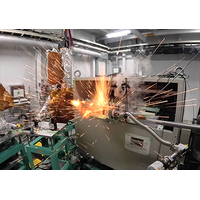
Phys. Rev. Lett. 135, 186702 (2025)
Condensed Matter and Materials
Robust Purely Optical Signatures of Floquet States in Laser-Dressed Crystals
Article | Condensed Matter and Materials | 2025-10-28 06:00 EDT
Vishal Tiwari, Roman Korol, and Ignacio Franco
Strong light-matter interactions can create nonequilibrium materials with on-demand novel functionalities. For periodically driven solids, the Floquet-Bloch theory provides the natural states to characterize the physical properties of these laser-dressed systems. However, signatures of such Floquet …
Phys. Rev. Lett. 135, 186901 (2025)
Condensed Matter and Materials
Acoustic Nanoparticle Trapping Is Driven by Synergy between Acoustic and Hydrodynamic Interactions
Article | Statistical Physics; Classical, Nonlinear, and Complex Systems | 2025-10-28 06:00 EDT
Alen Pavlič and Thierry Baasch
Fluid flow and acoustic waves act together to trap nanoparticles.
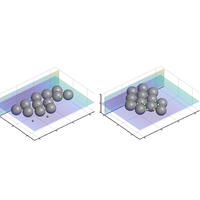
Phys. Rev. Lett. 135, 187201 (2025)
Statistical Physics; Classical, Nonlinear, and Complex Systems
Secular Dipolar Order of Nuclear Spins in Rotating Solids
Article | Polymers, Chemical Physics, Soft Matter, and Biological Physics | 2025-10-28 06:00 EDT
Kohei Suzuki and Kazuyuki Takeda
Nuclear spins' dipolar order is created under magic angle spinning through the first-order process made possible by simultaneous implementation of dipolar recoupling and adiabatic demagnetization in a reference frame reached out through nested transformations, first from the laboratory frame into th…
Phys. Rev. Lett. 135, 188001 (2025)
Polymers, Chemical Physics, Soft Matter, and Biological Physics
Confinement Reduces Surface Accumulation of Swimming Bacteria
Article | Polymers, Chemical Physics, Soft Matter, and Biological Physics | 2025-10-28 06:00 EDT
Da Wei, Shiyuan Hu, Tangmiao Tang, Yaochen Yang, Fanlong Meng, and Yi Peng
Many swimming bacteria naturally inhabit confined environments, yet how confinement influences their swimming behaviors remains unclear. Here, we combine experiments, continuum modeling, and particle-based simulations to investigate near-surface bacterial swimming in dilute suspensions under varying…
Phys. Rev. Lett. 135, 188401 (2025)
Polymers, Chemical Physics, Soft Matter, and Biological Physics
Physical Review X
Toward a Theory of Phase Transitions in Quantum Control Landscapes
Article | | 2025-10-29 06:00 EDT
Nicolò Beato, Pranay Patil, and Marin Bukov
Analytical and numerical tools adapted from statistical physics reveal phase transitions in quantum control landscapes, explaining when new optimal strategies emerge and guiding the design of more efficient quantum technologies.
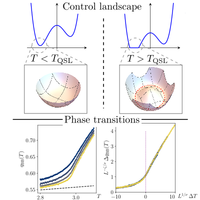
Phys. Rev. X 15, 041014 (2025)
Generalized Rényi Entropy Accumulation Theorem and Generalized Quantum Probability Estimation
Article | | 2025-10-28 06:00 EDT
Amir Arqand, Thomas A. Hahn, and Ernest Y.-Z. Tan
A unified framework combining entropy accumulation and quantum probability estimation provides tight, practical bounds on certified randomness generation, paving the way for simpler and stronger security analyses in quantum cryptography.
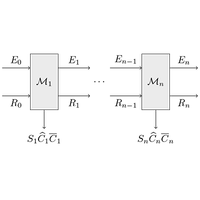
Phys. Rev. X 15, 041013 (2025)
arXiv
Surface Binding Energies for Amorphous Plagioclase Feldspar Calculated using Molecular Dynamics
New Submission | Materials Science (cond-mat.mtrl-sci) | 2025-10-29 20:00 EDT
Amanda Ricketts, Benjamin A. Clouter-Gergen, Anastasis Georgiou, Deborah Berhanu, Liam S. Morrissey
Despite the well-established presence of amorphous compounds on planetary bodies such as the Moon and Mercury due to space weathering, the direct effect of atomic arrangement on the surface binding energies (SBEs) of elements on these bodies remains largely unexplored. Accurate SBE values are essential for reliably predicting sputtering yields and the energy distribution of ejecta. Here, we use molecular dynamics simulations to quantify SBEs for the different elements sputtered from amorphous atomic arrangements of the plagioclase feldspar end members, albite and anorthite, and compare to their crystalline counterparts. Results show that while the mean elemental SBEs from amorphous surfaces are not significantly different from their crystalline counterparts, the random orientation in amorphous structures gives rise to a spectrum of bonding configurations, resulting in a distribution of SBEs with a wider range. This contrasts with the clearly discretized set of SBE values associated with the ordered atomic structure of crystalline surfaces. We then consider sputtering by H, He, and a solar wind combination of 96% H and 4% He. For each of these cases, we demonstrate that there is minimal difference (<10% for albite and <20% for anorthite) between the sputtering yields of amorphous and crystalline surfaces. We attribute these results to the presence of the same elemental bonds across different atomic arrangements, which leads to similar mean SBEs and, consequently, comparable sputtering yields.
Materials Science (cond-mat.mtrl-sci), Earth and Planetary Astrophysics (astro-ph.EP)
Onsiteability of Higher-Form Symmetries
New Submission | Strongly Correlated Electrons (cond-mat.str-el) | 2025-10-29 20:00 EDT
Yitao Feng, Yu-An Chen, Po-Shen Hsin, Ryohei Kobayashi
An internal symmetry in a lattice model is said to be onsiteable if it can be disentangled into an onsite action by introducing ancillas and conjugating with a finite-depth circuit. A standard lore holds that onsiteability is equivalent to being anomaly-free, which is indeed valid for finite 0-form symmetries in (1+1)D. However, for higher-form symmetries, these notions become inequivalent: a symmetry may be onsite while still anomalous. In this work, we clarify the conditions for onsiteability of higher-form symmetries by proposing an equivalence between onsiteability and the possibility of $ higher$ gauging. For a finite 1-form symmetry in (2+1)D, we show that the symmetry is onsiteable if and only if its ‘t Hooft anomaly satisfies a specific algebraic condition that ensures the symmetry can be 1-gauged. We further demonstrate that onsiteable 1-form symmetry in (2+1)D can always be brought into transversal Pauli operators by ancillas and circuit conjugation. In generic dimensions, we derive necessary conditions for onsiteability using lattice ‘t Hooft anomaly of higher-form symmetry, and conjecture a general equivalence between onsiteability and possibility of higher gauging on lattices.
Strongly Correlated Electrons (cond-mat.str-el), High Energy Physics - Theory (hep-th), Quantum Physics (quant-ph)
23 pages, 4 figures
Exact nematic and mixed magnetic phases driven by competing orders on the pyrochlore lattice
New Submission | Strongly Correlated Electrons (cond-mat.str-el) | 2025-10-29 20:00 EDT
Niccolò Francini, Lukas Schmidt, Lukas Janssen, Daniel Lozano-Gómez
Pyrochlore magnets are a paradigmatic example of three-dimensional frustrated systems and provide an excellent platform for studying a variety of exotic many-body phenomena, including spin liquids, nematic phases, fragmentation, and order by disorder. In recent years, increasing attention has been devoted to bilinear spin models on this lattice, where multiple magnetic phases can be degenerate in energy, often stabilizing unconventional magnetic states. In this work, we focus on one such model, parametrized by the interaction coupling $ J_{z\pm}$ , which defines a line in parameter space corresponding to the phase boundary between three distinct magnetic phases. Using a combination of analytical and numerical methods, we show that this model exhibits an order-by-disorder mechanism at low temperatures, giving rise to a \emph{mixed} magnetic phase. This represents the first realization of a $ \mathbf{q}=0$ long-range-ordered phase in a pyrochlore magnet characterized by two distinct order parameters, which we denote as the $ A_2 \oplus \psi_2$ phase. Furthermore, at $ J_{z\pm} = 1/\sqrt{2}$ , the model acquires a subextensive number of discrete symmetries, which preclude the stabilization of conventional long-range order and instead lead to the emergence of a novel nematic phase. We characterize this nematic phase, describe how its ground-state configurations are constructed, and analyze its stability at higher temperatures and under small deviations from $ J_{z\pm} = 1/\sqrt{2}$ .
Strongly Correlated Electrons (cond-mat.str-el), Statistical Mechanics (cond-mat.stat-mech)
28 pages, 23 figures, 3 tables
Free-Fermion Measurement-Induced Volume- to Area-Law Entanglement Transition in the Presence of Fermion Interactions
New Submission | Statistical Mechanics (cond-mat.stat-mech) | 2025-10-29 20:00 EDT
Matthew S. Foster, Haoyu Guo, Chao-Ming Jian, Andreas W. W. Ludwig
At a generic volume- to area-law entanglement transition in a many-body system, quantum chaos is arrested. We argue that this tends to imply the vanishing of a certain “mass” term in the field theory of the measurement-induced phase transition (MIPT) for monitored, interacting fermions. To explore this idea, we consider the MIPT with no conserved quantities that describes 1D monitored, interacting Majorana fermions in class DIII. We conjecture that the MIPT is the noninteracting DIII one in this case; the volume-law phase arises through the dangerously irrelevant mass. We propose numerical tests of our conjecture and analytically identify a candidate noninteracting critical point.
Statistical Mechanics (cond-mat.stat-mech), Disordered Systems and Neural Networks (cond-mat.dis-nn), Strongly Correlated Electrons (cond-mat.str-el), Quantum Physics (quant-ph)
9+5 pages, 2 figures
Tailoring Superconductivity with Two-Level Systems
New Submission | Superconductivity (cond-mat.supr-con) | 2025-10-29 20:00 EDT
Joshuah T. Heath, Alexander C. Tyner, S. Pamir Alpay, Peter Krogstrup, Alexander V. Balatsky
We investigate the impact of two-level systems (TLSs) on superconductivity, treating them as soft modes localised in real space. We show that these defects can either enhance or suppress the superconducting critical temperature, depending on their surface density and average frequency. Using thin-film aluminium as a case study, we quantitatively describe how TLSs modify both the critical temperature and the zero-temperature superconducting gap. Our results thus highlight new opportunities for tailoring material properties through TLS engineering.
Superconductivity (cond-mat.supr-con)
Main article: 8 pages, 5 figures. Supplemental material: 21 pages, 6 figures
Group word dynamics from local random matrix Hamiltonians and beyond
New Submission | Statistical Mechanics (cond-mat.stat-mech) | 2025-10-29 20:00 EDT
Klée Pollock, Jonathan D. Kroth, Jonathon Riddell, Thomas Iadecola
We study one dimensional quantum spin chains whose nearest neighbor interactions are random matrices that square to one. By employing free probability theory, we establish a mapping from the many-body quantum dynamics of energy density in the original chain to a single-particle hopping dynamics when the local Hilbert space dimension is large. The hopping occurs on the Cayley graph of an infinite Coxeter reflection group. Adjacency matrices on large finite clusters of this Cayley graph can be constructed numerically by leveraging the automatic structure of the group. The density of states and two-point functions of the local energy density are approximately computed and consistent with the physics of a generic local Hamiltonian: Gaussian density of states and thermalization of energy density. We then ask what happens to the physics if we modify the group on which the hopping dynamics occurs, and conjecture that adding braid relations into the group leads to integrability. Our results put into contact ideas in free probability theory, quantum mechanics of hyperbolic lattices, and the physics of both generic and integrable Hamiltonian dynamics.
Statistical Mechanics (cond-mat.stat-mech), High Energy Physics - Theory (hep-th), Quantum Physics (quant-ph)
20 pages, 17 figures. Comments welcome
Chiral gapped states are universally non-topological
New Submission | Strongly Correlated Electrons (cond-mat.str-el) | 2025-10-29 20:00 EDT
Xiang Li, Ting-Chun Lin, Yahya Alavirad, John McGreevy
We propose an operator generalization of the Li-Haldane conjecture regarding the entanglement Hamiltonian of a disk in a 2+1D chiral gapped groundstate. The logic applies to regions with sharp corners, from which we derive several universal properties regarding corner entanglement. These universal properties follow from a set of locally-checkable conditions on the wavefunction. We also define a quantity $ (\mathfrak{c}{\text{tot}}){\text{min}}$ that reflects the robustness of corner entanglement contributions, and show that it provides an obstruction to a gapped boundary. One reward from our analysis is that we can construct a local gapped Hamiltonian within the same chiral gapped phase from a given wavefunction; we conjecture that it is closer to the low-energy renormalization group fixed point than the original parent Hamiltonian. Our analysis of corner entanglement reveals the emergence of a universal conformal geometry encoded in the entanglement structure of bulk regions of chiral gapped states that is not visible in topological field theory.
Strongly Correlated Electrons (cond-mat.str-el), High Energy Physics - Theory (hep-th), Quantum Physics (quant-ph)
38+14 pages, 39 figures
Beyond Random Phase Approximation in electron-hole bilayer superfluidity
New Submission | Strongly Correlated Electrons (cond-mat.str-el) | 2025-10-29 20:00 EDT
Filippo Pascucci, Stefania De Palo, Sara Conti, David Neilson, Andrea Perali, Gaetano Senatore
We derive the normal and anomalous proper polarization functions and the screened Coulomb interactions in a two-dimensional superfluid electron-hole bilayer, including all first-order corrections beyond the Random Phase Approximation (RPA). This requires a modification of the perturbation method as first noted by Nozières and Schrieffer [1, 2]. We discuss the physical origin and magnitude of the first-order corrections in a superfluid system with long-range Coulomb interactions. Unlike conventional superconductivity, Migdal’s theorem does not apply here, so exchange vertex corrections cannot be neglected. The screened electron-electron, hole-hole, and electron-hole interactions in the superfluid state are evaluated as functions of the carrier density. We find that at low density, the strong cancellations between the normal and anomalous components that make screening of the interactions negligible, apply not only within RPA but also with the first-order corrections included. As the density is increased, the normal-anomalous cancellation weakens and screening becomes increasingly significant. We find that the first-order corrections amplify the normal-anomalous difference but only at large momenta exchanged in the two-particle scattering, so their effect on the interactions remains modest. We conclude that the superfluid state RPA is an excellent approximation for the screening and for the effective electron-hole pairing in this superfluid system over the range of densities up to the maximum of the superfluid gap.
Strongly Correlated Electrons (cond-mat.str-el), Superconductivity (cond-mat.supr-con)
Magnetic field-tuned magnetic order and metamagnetic criticality in non-stoichiometric CeAuBi$_2$
New Submission | Strongly Correlated Electrons (cond-mat.str-el) | 2025-10-29 20:00 EDT
H. Hodovanets, H. Kim, T. Metz, Y. Nakajima, C. J. Eckberg, K. Wang, J. Yong, S. R. Saha, J. Higgins, D. Graf, N. Butch, T. Vojta, J. Paglione
We present a detailed study of magnetization, resistivity, heat capacity, and X-ray and neutron powder diffraction measurements performed on single crystals of non-stoichiometric CeAuBi$ _2$ , Au deficiency 18$ %$ , a strongly correlated antiferromagnet with Néel temperature T$ _N$ = 13.2 K. Field-dependent magnetization measurements reveal a large magnetic anisotropy at low temperatures with an easy axis along the crystallographic c-axis, in which direction a spin-flop transition exhibits strong features in magnetization, specific heat, and resistivity at H$ _c$ = 75 kOe. The constructed temperature-field phase diagram connects this transition to the suppression of magnetic order, which evolves from a second-order nature into a first-order transition that bifurcates at the spin-flop into three transitions below 1 K. The smoothed nature of the metamagnetic transitions in non-stoichiometric CeAuBi$ _2$ is well described by an Ising model with weak quenched disorder, suggesting that the presence of Au vacancies is sufficient to smear the complex metamagnetic behavior and tune the critical behavior of magnetic order.
Strongly Correlated Electrons (cond-mat.str-el)
Metallic Electro-Optic Effect in Twisted Double-Bilayer Graphene
New Submission | Mesoscale and Nanoscale Physics (cond-mat.mes-hall) | 2025-10-29 20:00 EDT
D. J. P. de Sousa, N. Roldan-Levchenko, C. O. Ascencio, J. D. S. Forte, Paul M. Haney, Tony Low
Recent theoretical advances have highlighted the role of Bloch state intrinsic properties in enabling unconventional electro-optic (EO) phenomena in bulk metals, offering novel strategies for dynamic optical control in quantum materials. Here, we identify an alternative EO mechanism in bulk metallic systems that arises from the interplay between Berry curvature and the orbital magnetic moment of Bloch electrons. Focusing on twisted double-bilayer graphene (TDBG), we show that the enhanced intrinsic properties of moiré Bloch bands give rise to a sizable linear magnetoelectric EO response, a first-order, electric-field-induced non-Hermitian correction to the gyrotropic magnetic susceptibility. This mechanism dominates in $ C_{3z}$ -symmetric TDBG, where EO contributions originating from the Berry curvature dipole (BCD) are symmetry-forbidden. Our calculations reveal giant, gate-tunable linear and circular dichroism in the terahertz regime, establishing a robust and tunable platform for ultrafast EO modulation in two-dimensional materials beyond the BCD paradigm.
Mesoscale and Nanoscale Physics (cond-mat.mes-hall), Materials Science (cond-mat.mtrl-sci)
Observation of a pronounced Hebel-Slichter peak in the spin-lattice relaxation rate and implications for gap and pairing symmetry in LaNiGa$_2$
New Submission | Superconductivity (cond-mat.supr-con) | 2025-10-29 20:00 EDT
P. Sherpa, R. Hingorani, A. Menon, I. Vinograd, C. Chaffey, A. P. Dioguardi, R. Yamamoto, M. Hirata, F. Ronning, J. R. Badger, P. Klavins, R. R. P. Singh, V. Taufour, N. J. Curro
We report a pronounced Hebel-Slichter coherence peak in the zero field nuclear quadrupolar resonance (NQR) spin-lattice relaxation rate of the topological crystalline superconductor LaNiGa$ _2$ in the superconducting state. Previously, a two-band internally antisymmetric non-unitary triplet pairing (INT) state was proposed for this system, with equal spin-pairing and two distinct gaps associated with different spins. A detailed examination of the temperature dependence of the NQR data shows that the data best fit an INT model if the two gaps are equal and the model is unitary. Even a tiny non-unitarity with two unequal gaps causes the coherence peak to diminish rapidly and deviate from the data. On the other hand, the data are well-fit by a two-band singlet BCS-like pairing with two distinct gaps consistent with previous measurements. This raises doubts on the identification of non-unitary triplet-pairing with time-reversal symmetry breaking in this material.
Superconductivity (cond-mat.supr-con), Strongly Correlated Electrons (cond-mat.str-el)
6 pages, 3 figures
Stress in chromium thin films deposited by DC magnetron sputtering on grounded cupper and stainless-steel substrate holders
New Submission | Materials Science (cond-mat.mtrl-sci) | 2025-10-29 20:00 EDT
M.D. Medina, H.I. Giron, K. Paucar, A. Talledo, B.R. Pujada
Chromium thin films deposited on silicon substrates by DC magnetron sputtering were systematically investigated as a function of film thickness, using a DC power of 50 W and a post-deposition annealing temperature of 200 C. Two types of grounded substrate holders, copper and stainless steel, were employed to assess substrate-dependent effects. The intrinsic stress, determined by the wafer curvature method, decreases with increasing film thickness but increases with the annealing temperature. It is observed that for thinner as-deposited chromium films, the stress showed a pronounced irreversible increase when measured immediately after deposition and after several days of aging. Films deposited on copper holders consistently exhibited higher stress values than those grown on stainless steel holders. These observations suggest that the intrinsic stress in as-deposited films is linked to the growth mechanism, while the stress increase after annealing may be related to thermally active diffusion and structural relaxation. The higher stress in films grown on copper substrate holder can likely be associated with enhanced ion bombardment due to the higher electrical conductivity of copper.
Materials Science (cond-mat.mtrl-sci), Applied Physics (physics.app-ph)
8 pages, 4 figures, Meeting of Physics (Peru)
Convective Flows in Sheared Packings of Spherical Particles
New Submission | Soft Condensed Matter (cond-mat.soft) | 2025-10-29 20:00 EDT
Mehran Erfanifam, Mahnoush Madani, Reza Shaebani, Maniya Maleki
Understanding how granular materials respond to shear stress remains a central challenge in soft matter physics. We report direct observations of persistent granular convection in the bulk shear zones of spherical particle packings – a phenomenon previously associated primarily with particle shape anisotropy or boundary effects. By employing various bead-coloring techniques in a split-bottom geometry, we reveal internal flow fields within sheared granular packings. We find robust convective structures, strikingly governed by system geometry: at low filling heights, two counter-rotating convection rolls emerge, while at higher filling heights, a single dominant convection cell forms, featuring radially outward flow at the surface. This transition is driven by the height-dependent broadening of the shear zone, which introduces shear rate asymmetry across its flanks. Notably, the transition occurs entirely within the open shear band regime. These findings demonstrate the crucial role of system geometry for secondary flow formation in dense packings of frictional particles, with significant implications for geophysical flows and industrial processes.
Soft Condensed Matter (cond-mat.soft)
6 pages, 7 figures
Thickness dependent rare earth segregation in magnetron deposited NdCo$_{4.6}$ thin films studied by Xray reflectivity and Hard Xray photoemission
New Submission | Materials Science (cond-mat.mtrl-sci) | 2025-10-29 20:00 EDT
J. Díaz, J. Rodríguez-Fernández, J. Rubio-Zuazo
The magnetic anisotropy of amorphous NdCo$ _{4.6}$ compounds deposited by magnetron sputtering change with film thickness from in plane to out of plane anisotropy at thickness above 40 nm. Xray reflectivity measurements shows the progressive formation of an additional layer in between the 3 nm thick Si capping layer and the NdCo compound film. Hard Xray Photoemission spectroscoy (HAXPES) was used to analyze the composition and distribution of cobalt and neodymium at the top layers region of NdCo$ _{4.6}$ films of thickness ranging from 5 nm to 65 nm using 7 keV, 10 keV and 13 keV incident photon energies, with inelastic electron mean free paths ranging from 7.2 nm to 12.3 nm in cobalt. The atomic cobalt concentration of the alloy deduced from HAXPES measurements at the Nd 3d and Co 2p excitations results to be bellow the nominal value, changing with thickness and incident photon energy. This proves a segregation of the rare earth at the surface of the NdCo$ _{4.6}$ thin film which increases with thickness. The analysis of the background of the Co 2p and Nd 3d peaks was consistent with this conclusion. This demonstrates that neodymium incorporation in the cobalt lattice have a cost in energy which can be associated to strain due to the difference in volume between the two elements. The lowering of this strain energy will favor atomic anisotropic environments for neodymium that explains the perpendicular anisotropy and its thickness dependence of these thin film compounds.
Materials Science (cond-mat.mtrl-sci)
12 pages, 14 figures, regular paper
Relativistic Spin-momentum locking in altermagnets
New Submission | Materials Science (cond-mat.mtrl-sci) | 2025-10-29 20:00 EDT
Carmine Autieri, Amar Fakhredine
Spin-momentum locking in altermagnets has been deeply explored in the non-relativistic limit. Including spin-orbit coupling, altermagnets exhibit antisymmetric exchange interactions, leading to spin cantings. Therefore, the spin-momentum locking differs among the three spin components Sx, Sy, and Sz, forming the relativistic spin-momentum locking. We consider orthorhombic YVO3 and hexagonal MnTe. For YVO3, the relativistic locking comprises s-, dxy -, and dxz-wave. In MnTe, the dominant component Sy of MnTe inherits the polarized charge distribution and the non-relativistic spin-momentum locking bulk g-wave, but the breaking of the C6z rotational symmetry by the Neel vector lowers the symmetry from g-wave to d-wave. The relativistic spin-momentum locking for MnTe is composed of dxz-, dyz- and s-wave. Despite small magnitudes in real space, the canted spin components contribute significant spectral weight in k-space, impacting k-space properties such as the spin-Hall conductivity.
Materials Science (cond-mat.mtrl-sci)
7 pages, 4 figures
Ballistic transport in 1D Rashba systems in the context of Majorana nanowires
New Submission | Mesoscale and Nanoscale Physics (cond-mat.mes-hall) | 2025-10-29 20:00 EDT
Haining Pan, Jacob R. Taylor, Jay D. Sau, Sankar Das Sarma
Recent work on Majorana-bound states in semiconductor-superconductor hybrid structures has elucidated the key role of unintentional (and unknown) disorder (producing low-energy Andreev-bound states) in the system, which is detrimental to the emergence of Majorana-carrying topological superconductivity artificially engineered through the combination of superconductivity, Zeeman spin splitting, and Rashba spin-orbit coupling. In particular, the disorder must be smaller than the superconducting gap for the appearance of Majorana modes, but the disorder-induced appearance of subgap Andreev-bound states suppresses the Majorana modes. We theoretically investigate, as a function of disorder, the normal state ballistic transport properties of nanowires with and without superconductors in order to provide guidance on how to experimentally estimate the level of disorder. Experimentally, the superconductivity is suppressed simply by rotating the magnetic field appropriately, so both physics can be studied in the same set-up. In particular, the presence of spin-orbit coupling and Zeeman splitting produces a helical gap in the 1D electronic band structure, which should have clear signatures in ballistic transport unless these signatures are suppressed by disorder and/or Fabry-Pérot resonances associated with the finite wire sizes. Our work provides a benchmarking of when and what signatures of the putative helical gap (which is essential for the emergence of Majorana modes by leading to a single Fermi surface) could manifest in realistic nanowires.
Mesoscale and Nanoscale Physics (cond-mat.mes-hall)
13 pages, 5 figures
Nonlinear Layer Hall Effect and Detection of the Hidden Berry Curvature Dipole in $\mathcal{PT}$-Symmetric Antiferromagnetic Insulators
New Submission | Mesoscale and Nanoscale Physics (cond-mat.mes-hall) | 2025-10-29 20:00 EDT
Zhuo-Hua Chen, Hou-Jian Duan, Ming-Xun Deng, Rui-Qiang Wang
Recent experimental and theoretical studies have revealed the emergence of a linear layer Hall effect (LHE) induced by hidden Berry curvature in \textrm{MnBi}$ _{2}$ \textrm{Te}$ _{4}$ thin films. This phenomenon underscores the layer degree of freedom as a novel mechanism for generating Hall transport in layered materials, providing a new pathway to probe and manipulate the internal structure of fully compensated topological antiferromagnets (AFMs). In this work, we predict a nonlinear LHE in $ \mathcal{PT}$ -symmetric layered AFMs, which manifests as a detectable nonlinear Hall conductivity even with respect to the AFM order and odd with respect to the vertical electric field, in contrast to the linear LHE. Furthermore, we demonstrate that the nonlinear Hall currents induced by the hidden BCD and quantum metric dipole (QMD) obey distinct symmetries and flow in different directions. Our proposed nonlinear LHE establishes an experimentally advantageous framework for exclusively probing the hidden BCD quantum geometry.
Mesoscale and Nanoscale Physics (cond-mat.mes-hall)
4
Strong Intra- and Interchain Orbital Coupling Leads to Multiband and High Thermoelectric Performance in Na$_2$Au$X$ ($X$ = P, As, Sb, and Bi)
New Submission | Materials Science (cond-mat.mtrl-sci) | 2025-10-29 20:00 EDT
Zhonghao Xia, Zhilong Yang, Yali Yang, Kaile Ren, Jiangang He
The intrinsic coupling among electrical conductivity ($ \sigma$ ), Seebeck coefficient ($ S$ ), and lattice thermal conductivity ($ \kappa_{\mathrm{L}}$ ) imposes a fundamental limit on the dimensionless figure of merit $ ZT$ in thermoelectric (TE) materials. Increasing band degeneracy can effectively balance $ \sigma$ and $ S$ , enabling a high power factor (PF, $ S^{2}\sigma$ ). However, compounds with intrinsically large band degeneracy are scarce. Here, we present an unconventional strategy to realize elevated band degeneracy in zigzag-chain Na$ 2$ Au$ X$ ($ X$ = P, As, Sb, Bi) compounds by harnessing strong intra- and interchain orbital coupling. Pronounced hybridization between Au-$ d{z^{2}}$ and $ X$ -$ p_{z}$ orbitals along the Au–$ X$ zigzag chains, together with unexpectedly strong interchain $ X$ -$ p_{x}/p_{y}$ coupling, produces a highly dispersive, multivalley valence band structure that supports an exceptional PF. Concurrently, the intrinsically weak interchain interactions arising from the quasi-one-dimensional framework, together with the weakened Au–$ X$ and Au–Au bonds within the chains due to filling of $ p$ -$ d^{\ast}$ antibonding states, result in an ultralow $ \kappa_{\mathrm{L}}$ . First-principles calculations combined with Boltzmann transport theory predict that $ p$ -type Na$ 2$ AuBi achieves a PF of $ 63.9,\mu\mathrm{W},\mathrm{cm}^{-1},\mathrm{K}^{-2}$ , an ultralow $ \kappa{\mathrm{L}}$ of $ 0.49,\mathrm{W},\mathrm{m}^{-1},\mathrm{K}^{-1}$ , and a maximum $ ZT$ of $ 4.7$ along the zigzag-chain direction at $ 800,\mathrm{K}$ . This work establishes a new design paradigm for high-efficiency TE materials by exploiting substantial orbital overlap in structurally weakly bonded, quasi-one-dimensional systems, opening promising avenues for the discovery and engineering of next-generation high-performance TE materials.
Materials Science (cond-mat.mtrl-sci)
11 pages, 7 figures
Spin-dependent photoluminescence in carbon-based quantum dots
New Submission | Mesoscale and Nanoscale Physics (cond-mat.mes-hall) | 2025-10-29 20:00 EDT
Erin S. Grant, Joseph F. Olorunyomi, Sam C. Scholten, Islay O. Robertson, Amanda N. Abraham, Nandish H. Srikantamurthy, Billy J. Murdoch, Edwin L. H. Maye, Blanca del Rosal Rabes, Alexander J. Healey, Cara M. Doherty, Philipp Reineck, Xavier Mulet, Jean-Philippe Tetienne, David A. Broadway
The ability to modulate the photoluminescence (PL) of nanomaterials via spin-related effects is vital for many emerging quantum technologies, with nanoscale quantum sensing and imaging being particular areas of focus. Carbon-based quantum dots (CQDs) are among the most common forms of luminescent nanomaterials, appealing due to their ease of synthesis, tunability through organic chemistry, high brightness, and natural biocompatibility. However, the observation of room temperature, spin-dependent PL has remained elusive. Here we report on the observation of PL modulation of CQDs by magnetic fields ($ \sim 10$ mT) under ambient conditions. We synthesize a series of CQDs using 19 different amino acids, which have a range of PL emission spectra and exhibit a clear magneto-PL effect (up to $ \sim 1$ change). Furthermore, an electron spin resonance is detected in the PL with a g-factor of g $ \approx$ 2, suggesting a process similar to the radical pair mechanism is responsible. Finally, we show that the magneto-PL contrast decreases in the presence of paramagnetic species, which we attribute to an increase in magnetic noise-induced spin relaxation in the CQDs. Our work brings new functionalities to these commonly used and biocompatible luminescent nanoparticles, opening new opportunities for in situ quantum sensing and imaging of biological samples.
Mesoscale and Nanoscale Physics (cond-mat.mes-hall)
26 pages, 27 figures
Single impurity atom embedded in a dipolar two-soliton molecule as a qubit
New Submission | Quantum Gases (cond-mat.quant-gas) | 2025-10-29 20:00 EDT
S. M. Al-Marzoug, B. B. Baizakov, U. Al Khawaja, H. Bahlouli
We consider a single impurity atom trapped in a double well (DW) potential created by a dipolar two-soliton molecule in a quasi-one-dimensional geometry. By solving the eigenvalue problem for the impurity atom in the DW potential, we find that its ground and first excited states are well separated from higher excited states. This allows it to be approximated by a desirable two-level quantum system. Numerical simulations of the Schrödinger equation, governing impurity atom, demonstrate periodic oscillations in the probability of finding the impurity confined either to the left" or to the right” side of the DW potential. An analytic expression for the coherent oscillations of the population imbalance between the two wells of the DW potential has been derived using the two-mode approximation. Theoretical predictions of the mathematical model are in good agreement with the results of numerical simulations. Potential usage of the developed setup as a physical realization of ``qubit” has been discussed.
Quantum Gases (cond-mat.quant-gas)
8 pages, 5 figures
Variational Calculations of the Excited States of the Charged NV-center in Diamond Using a Hybrid Functional
New Submission | Materials Science (cond-mat.mtrl-sci) | 2025-10-29 20:00 EDT
Lei Sun, Elvar Örn Jónsson, Aleksei Ivanov, Ji Chen, Hannes Jónsson
The excited electronic states involved in the optical cycle preparation of a pure spin state of the negatively charged NV-defect in diamond are calculated using the HSE06 hybrid density functional and variational optimization of the orbitals. This includes the energy of the excited triplet as well as the two lowest singlet states with respect to the ground triplet state. In addition to the vertical excitation, the effect of structural relaxation is also estimated using analytical atomic forces. The lowering of the energy in the triplet excited state and the resulting zero-phonon line triplet excitation energy are both within 0.1 eV of the experimental estimates. An analogous relaxation in the lower energy singlet state using spin purified atomic forces is estimated to be 0.06 eV. These results, obtained with a hybrid density functional, improve on previously published results using local and semi-local functionals, which are known to underestimate the band gap. The good agreement with experimental estimates demonstrates how time-independent variational calculations of excited states using density functionals can give accurate results and, thereby, provide a powerful screening tool for identifying other defect systems as candidates for quantum technologies.
Materials Science (cond-mat.mtrl-sci), Computational Physics (physics.comp-ph)
Interplay between Cu diffusion and bonding anisotropy on the thermoelectric performance of double cation chalcohalides $CuBiSeX_{2} (X = Cl, Br)$
New Submission | Materials Science (cond-mat.mtrl-sci) | 2025-10-29 20:00 EDT
Manivannan Saminathan, Prakash Govindaraj, Hern Kim, Kowsalya Murugan, Kathirvel Venugopal
Double cation chalcohalide have recently been emerged as the interesting candidates for sustainable energy conversion applications, owing to their intrinsic chemical tunability, suitable band gap, and low thermal conductivity. With this motivation, the current study is designed to explore the structural, electron and phonon transport mechanism, and thermoelectric properties of $ CuBiSeX_{2} (X = Cl, Br)$ through density functional theory-based computations. The experimental feasibility of the compounds is ensured, and they are predicted to be thermally, dynamically, and mechanically stable. The distinct structural attributes coupled with suitable electronic band structure promotes the electron transport properties. Comprehensively, the delocalized Cu atom enhancing the phonon scattering process and the off-centred displacement of cations leading to bonding anharmonicity results ultra-low lattice thermal conductivity $ (\kappa_L)$ . Among these systems, $ CuBiSeCl_2$ exhibits low $ \kappa_L$ (0.24 $ W m^{-1} K^{-1}$ at 300 K) and superior thermoelectric performance (zT = 1.18 at 600 K), whereas $ CuBiSeBr_2$ ($ \kappa_L$ = 0.65 $ W m^{-1} K^{-1}$ at 300 K, zT = 0.68 at 600 K) demands further optimization. Overall, the study sheds light into the interplay between the Cu diffusion and bonding anisotropy in phonon propagation and establishes the potential of double-cation chalcohalides for mid-temperature thermoelectric applications.
Materials Science (cond-mat.mtrl-sci)
31 Pages, 9 Figures
Development of a 10.8-eV Tabletop Femtosecond Laser with Tunable Polarization for High-Resolution Angle-Resolved Photoemission Spectroscopy
New Submission | Materials Science (cond-mat.mtrl-sci) | 2025-10-29 20:00 EDT
Jisong Gao, Qiaoxiao Zhao, Wenbo Liu, Dong Li, Zhicheng Gao, Yudian Zhou, Xuegao Hu, Zhihao Cai, Zhilin Li, Youguo Shi, Peng Cheng, Zhaojun Liu, Lan Chen, Kehui Wu, Zhigang Zhao, Baojie Feng
The development of extreme ultraviolet sources is critical for advancing angleresolved photoemission spectroscopy (ARPES), a powerful technique for probing the electronic structure of materials. Here, we report the construction of a tabletop 10.8-eV femtosecond laser through cascaded third-harmonic generation, which operates at a repetition rate of 1 MHz and delivers a photon flux of approximately 1012 photons/s. The system achieves a high energy resolution of approximately 11.8 meV and tunable polarization. This flexibility enables detailed studies of orbitaland (pseudo)spin characteristics in quantum materials. We demonstrate the capabilities of this laser-ARPES system by investigating several prototypical materials, showcasing its potential for elucidating complex phenomena in quantum materials.
Materials Science (cond-mat.mtrl-sci), Optics (physics.optics)
Rev. Sci. Instrum. 96, 093004 (2025)
On distinguishability among cell-division models based on population and single-cell-level distributions
New Submission | Statistical Mechanics (cond-mat.stat-mech) | 2025-10-29 20:00 EDT
Vikas, Rahul Marathe, Anjan Roy
It is well known that the different cell-division models, such as Timer, Sizer, and Adder, can be distinguished based on the correlations between different single-cell-level quantities such as birth-size, division-time, division-size, and division-added-size. Here, we show that other statistical properties of these quantities can also be used to distinguish between them. Additionally, the statistical relationships and different correlation patterns can also differentiate between the different types of single-cell growth, such as linear and exponential. Further, we demonstrate that various population-level distributions, such as age, size, and added-size distributions, are indistinguishable across different models of cell division despite them having different division rules and correlation patterns. Moreover, this indistinguishability is robust to stochasticity in growth rate and holds for both exponential and linear growth. Finally, we show that our theoretical predictions are corroborated by simulations and supported by existing single-cell experimental data.
Statistical Mechanics (cond-mat.stat-mech), Soft Condensed Matter (cond-mat.soft), Biological Physics (physics.bio-ph)
44 pages, 15 figures
Vector Nematodynamics with Symmetry-driven Energy Exchange
New Submission | Soft Condensed Matter (cond-mat.soft) | 2025-10-29 20:00 EDT
We review inadequacy of existing nematodynamic theories and suggest a novel way of establishing relations between nematic orientation and flow based on the \emph{local} symmetry between simultaneous rotation of nematic alignment and flow, which establishes energy exchange between the the two without reducing the problem to near-equilibrium conditions and invoking Onsager’s relations. This approach, applied in the framework of the vector-based theory with a variable modulus, involves antisymmetric interactions between nematic alignment and flow and avoids spurious instabilities in the absence of an active inputs.
Soft Condensed Matter (cond-mat.soft), Fluid Dynamics (physics.flu-dyn)
4 pages, 0 figures
Edge Magnetism in Colloidal MoS2 Triangular Nanoflakes
New Submission | Materials Science (cond-mat.mtrl-sci) | 2025-10-29 20:00 EDT
Surender Kumar, Stefan Velja, Muhammad Sufyan Ramzan, Caterina Cocchi
The control of localized magnetic domains at the nanoscale holds great promise for next-generation spintronic applications. Colloidal transition metal dichalcogenides nanostructures are experimentally accessible and chemically tunable platforms for spintronics, deserving dedicated research to assess their potential. Here, we investigate from first principles free-standing triangular MoS2 nanoflakes with sulfur-terminated, hydrogen-passivated edges, to probe intrinsic spin behavior at varying side lengths. We find a critical edge length of approximately 1.5 nm separating nonmagnetic nanoflakes from larger ones with a magnetic ground state emerging from several, energetically competing spin configurations. In these systems, the magnetic activity is not uniformly distributed along the edges but localized on specific “magnetic islands” around molybdenum edge atoms. The localization of magnetic moments is robust even in non-equilateral nanoflake geometries, highlighting their intrinsic stability regardless of the (high) symmetry of the hosting structure. These findings establish that the S-terminated, H-passivated triangular MoS2 nanoflakes are a stable and experimentally accessible platform via colloidal synthesis for low-dimensional, next-generation spintronic devices.
Materials Science (cond-mat.mtrl-sci)
Evaluating the Performance of Direct Higher-Order Formulations in Combinatorial Optimization Problems
New Submission | Statistical Mechanics (cond-mat.stat-mech) | 2025-10-29 20:00 EDT
Kazuki Ikeuchi, Yoshiki Matsuda, Shu Tanaka
Ising machines, including quantum annealing machines, are promising next-generation computers for combinatorial optimization problems. However, due to hardware limitations, most Ising-type hardware can only solve objective functions expressed in linear or quadratic terms of binary variables. Therefore, problems with higher-order terms require an order-reduction process, which increases the number of variables and constraints and may degrade solution quality. In this study, we evaluate the effectiveness of directly solving such problems without order reduction by using a high-performance simulated annealing-based optimization solver capable of handling polynomial unconstrained binary optimization (PUBO) formulations. We compare its performance against a conventional quadratic unconstrained binary optimization (QUBO) solver on the same hardware platform. As benchmarks, we use the low autocorrelation binary sequence (LABS) problem and the vehicle routing problem with distance balancing, both of which naturally include higher-order interactions. Results show that the PUBO solver consistently achieves superior solution quality and stability compared to its QUBO counterpart, while maintaining comparable computational time and requiring no order-reduction compilation indicating potential advantages of directly handling higher-order terms in practical optimization problems.
Statistical Mechanics (cond-mat.stat-mech)
Unlocking Dynamic Luminescent Mapping of pH with Sustainable Lignin-Derived Carbon Dots with Multimodal Readout Capacity
New Submission | Materials Science (cond-mat.mtrl-sci) | 2025-10-29 20:00 EDT
Maja Szymczak, Jan Hočevar, Jernej Iskra, Darja Lisjak, Jelena Papan Djaniš, Lukasz Marciniak, Karolina Elzbieciak-Piecka
In this work, we demonstrate the use of CQDs synthesized from lignin - currently one of the most abundant and underutilized by-products of paper and pulp production - for advanced pH monitoring applications. The presented approach integrates green chemistry principles with an operator-friendly, low-cost, and practical solution for spatial and temporal pH measurement. CQDs functionalized with m-aminophenylboronic acid enable highly sensitive and reversible pH readouts through two complementary mechanisms: ratiometric monitoring of emission band intensities, and direct visual observation of colorimetric changes reflected in the CIE1931 chromaticity coordinates. The system achieves maximal sensitivities of 137 percent per pH unit and 49.5 percent per pH unit, respectively, while simultaneously maintaining high measurement resolution and full reproducibility of the readouts, placing it among the most effective CQD-based pH sensors reported to date. Here, we demonstrate the capability of 2D luminescent imaging of pH distributions, allowing for both spatially resolved and time-resolved monitoring. Employing just an excitation source, a digital camera or smartphone, and RGB channel analysis, the setup eliminates the necessity for specialized filters or sophisticated instrumentation. The combination of multimodal readout strategies with the capacity for large-area visualization establishes lignin-derived CQDs as a sustainable and practical platform for pH sensing. By simultaneously addressing the challenges of waste valorization and the demand for innovative sensing technologies, this solution fulfills the requirements of both environmentally responsible material design and next-generation pH sensor development.
Materials Science (cond-mat.mtrl-sci)
Identifying geometric third-order nonlinear transport in disordered materials
New Submission | Mesoscale and Nanoscale Physics (cond-mat.mes-hall) | 2025-10-29 20:00 EDT
Zhen-Hao Gong, Zhi-Hao Wei, Hai-Zhou Lu, X. C. Xie
In third-order nonlinear transport, a voltage can be measured in response to the cube of a driving current as a result of the quantum geometric effects, which has attracted tremendous attention. However, in realistic materials where disorder scattering also contributes to nonlinear transport, identifying the geometric mechanisms remains a challenge. We find a total of 20 mechanisms of third-order nonlinear transport by developing a comprehensive theory that treats the geometric effects and disorder scattering on an equal footing. More importantly, we find that 12 of these mechanisms can be unambiguously identified, by deriving a scaling law that expresses the third-order nonlinear Hall conductivity as a polynomial in the linear longitudinal conductivity. We apply this theory to identify the geometric mechanisms of third-order nonlinear transport in materials both with and without time-reversal symmetry, such as 2D materials, topological materials, and altermagnets. This theory further promotes nonlinear transport as a probe of geometric effects and phase transitions in quantum materials.
Mesoscale and Nanoscale Physics (cond-mat.mes-hall), Disordered Systems and Neural Networks (cond-mat.dis-nn), Materials Science (cond-mat.mtrl-sci)
8 pages, 3 figures, 1 table
Ultrastrong Magnon-Photon Coupling in Superconductor/Antiferromagnet/Superconductor Heterostructures at Terahertz Frequencies
New Submission | Superconductivity (cond-mat.supr-con) | 2025-10-29 20:00 EDT
V. M. Gordeeva, Yanmeng Lei, Xiyin Ye, G. A. Bobkov, A. M. Bobkov, Tao Yu, I. V. Bobkova
We predict the realization of ultrastrong coupling between magnons of antiferromagnets and photons in superconductor/antiferromagnet/superconductor heterostructures at terahertz frequencies, from both quantum and classical perspectives. The hybridization of the two magnon modes with photons strongly depends on the applied magnetic field: at zero magnetic field, only a single antiferromagnetic mode with a lower frequency couples to the photon, forming a magnon-polariton, while using a magnetic field activates coupling for both antiferromagnetic modes. The coupling between magnon and photon is ultrastrong with the coupling constant $ \sim$ 100 GHz exceeding 10% of the antiferromagnetic resonant frequency. The superconductor modulates the spin of the resulting magnon-polaritons and the group velocity, achieving values amounting to several tenths of the speed of light, which promises strong tunability of magnon transport in antiferromagnets by superconductors.
Superconductivity (cond-mat.supr-con), Mesoscale and Nanoscale Physics (cond-mat.mes-hall)
Signatures of superconducting pairing driven by electron-electron interactions in moiré WSe$_2$/WSe$_2$ homobilayer modelled by Hubbard Hamiltonian
New Submission | Superconductivity (cond-mat.supr-con) | 2025-10-29 20:00 EDT
Andrzej Biborski, Michał Zegrodnik
Strong evidence of unconventional superconductivity has been very recently reported experimentally in twisted transition metal dichalcogenide bilayer and gathered a significant amount of interest. Here we consider the Hubbard model on a triangular lattice describing the hole-doped moiré superlattice emerging in WSe$ _{2}$ /WSe$ {2}$ twisted homobilayer in the moderately correlated regime. By applying the Density Matrix Renormalization Group, we diagonalize the spin-valley-polarized Hamiltonian and show signatures of coexisting singlet and triplet pairings in the range of hole dopings and displacement fields reported in the experiments. In this view, we show that the superconductivity in the WSe$ {2}$ /WSe$ {2}$ twisted homobilayer is likely to be induced by electronic correlations and has a mixed-symmetry character. These predictions can shed light on the nature of the superconducting state observed in the twisted homobilayer of WSe$ {2}$ /WSe$ {2}$ . We also identify the emerging superconducting orders, which are $ d{xy}(d{x^2-y^2} \pm id{xy} )$ and $ p_y(p{x}\mp ip{y})$ for the singlet and triplet channels in the cylinder of width three(four), respectively.
Superconductivity (cond-mat.supr-con), Strongly Correlated Electrons (cond-mat.str-el)
Phys. Rev. B 112, (2025)
Soft and hard x-ray orbital-resolved photoemission study of a strongly correlated Cd-Ce quasicrystal approximant
New Submission | Strongly Correlated Electrons (cond-mat.str-el) | 2025-10-29 20:00 EDT
Goro Nozue, Hidenori Fujiwara, Satoru Hamamoto, Miwa Tsutsumi, Akane Ose, Takayuki Kiss, Atsushi Higashiya, Atsushi Yamasaki, Yuina Kanai-Nakata, Shin Imada, Masaki Oura, Kenji Tamasaku, Makina Yabashi, Tetsuya Ishikawa, Farid Labib, Shintaro Suzuki, Ryuji Tamura, Akira Sekiyama
We have investigated the orbital-dependent electronic states of Cd6Ce, a prototype of strongly correlated rare-earth-based Tsai-type quasicrystals and approximants (ACs) by soft and hard x-ray photoemission spectroscopy. Our results reveal that the 4f orbitals are predominantly hybridized with the valence-band electrons far from the Fermi level EF, in sharp contrast to the hybridization with conduction electrons at EF seen for the intermetallic Ce-based compounds. This anomalous hybridization effect is likely responsible for the unresolved magnetic ground state in Cd6Ce. These findings suggest that Cd-based ACs, some of which show the multi-step magnetic transitions, provide a new platform for investigating exotic magnetic properties that cannot be understood within the conventional framework of hybridization at EF.
Strongly Correlated Electrons (cond-mat.str-el), Materials Science (cond-mat.mtrl-sci)
8 pages, 5 figures
Quantum geometric magnetic monopole and two-phase superconductivity in CeRh$_2$As$_2$
New Submission | Superconductivity (cond-mat.supr-con) | 2025-10-29 20:00 EDT
Recent angle-resolved photoemission spectroscopy (ARPES) and density functional theory plus Hubbard $ U$ (DFT+$ U$ ) studies revealed that a heavy-fermion superconductor CeRh$ _2$ As$ 2$ exhibits van Hove singularities and the Dirac point near the Fermi level $ E{\mathrm F}$ , which are key signatures of strong-correlation effects and quantum geometry. We have constructed a two-dimensional 12-orbital \textit{Dirac-Anderson} model as an effective model for CeRh$ 2$ As$ 2$ . The band structure and Fermi-surface topology of the Dirac-Anderson model agree well with the ARPES data and the DFT+$ U$ calculations. We show that the quantum geometry strongly favors magnetic-monopole fluctuations because of the Dirac point at the $ M$ point. By solving the linearized Éliashberg equation, we demonstrate that the $ B{1u}$ and $ B{2g}$ representations, spin-triplet states originating from the Dirac point, exhibit the leading superconducting instabilities. By comparing the random-phase approximation and the fluctuation-exchange approximation, we further demonstrate that strong-correlation effects mitigate the influence of quantum geometry. The phase diagram of CeRh$ _2$ As$ _2$ under pressure is discussed in connection with the theoretical results.
Superconductivity (cond-mat.supr-con), Strongly Correlated Electrons (cond-mat.str-el)
10 pages, 5 figures
Viscous AC current-driven nanomotors
New Submission | Mesoscale and Nanoscale Physics (cond-mat.mes-hall) | 2025-10-29 20:00 EDT
Vladimir U. Nazarov, Tchavdar N. Todorov, E. K. U. Gross
The recent discovery that electrons in nano-scale conductors can act like a highly viscous liquid has triggered a surge of research activities investigating consequences of this surprising fact. Here we demonstrate that the electronic viscosity has an enormous influence on the operation of a prototypical AC-current-driven nano-motor. The design of this prototype consists of a diatomic molecule immersed in an otherwise homogeneous electron liquid which carries an AC current. The motion of the diatomic is determined by a subtle balance between the current-induced forces and electronic friction. By ab-initio time-dependent density-functional simulations we demonstrate that the diatomic performs a continuous rotation provided the amplitude and frequency of the imposed AC current lie within certain islands of stability. Outside these islands the nuclear motion is either chaotic or comes to a stand-still. The proposed design of the nano-motor is the conceptually simplest realization of the idea of an molecular waterwheel sandwiched between conducting leads
Mesoscale and Nanoscale Physics (cond-mat.mes-hall)
19 pages, 7 figures
Phase-Rotated Altermagnets as Chern Valves for Topological Transport
New Submission | Mesoscale and Nanoscale Physics (cond-mat.mes-hall) | 2025-10-29 20:00 EDT
Motivated by the emerging control of Berry-curvature textures in altermagnets, we explore a two-terminal configuration where a topological-insulator film is interfaced with two altermagnetic electrodes whose crystalline phases can be rotated independently. The proximity coupling imprints each momentum-dependent of the altermagnet spin texture onto the Dirac surface states, giving rise to an angular mass whose sign follows the lattice orientation. Adjusting the phase of one electrode redefines this mass pattern, thereby tuning the number and spatial distribution of chiral edge channels. This results in discrete conductance steps and a reversible inversion of the thermoelectric coefficient-achieved without external magnetic fields or net magnetization. A compact Dirac model captures both the quantized switching and its resilience to moderate disorder. Overall, this symmetry-driven mechanism provides a practical and low-dissipation route to programmable topological transport via lattice rotation.
Mesoscale and Nanoscale Physics (cond-mat.mes-hall)
13 pages, 1 Figure, 1 TOC
Bounds on Lorentz-violating parameters in magnetically confined 2D systems: A phenomenological approach
New Submission | Mesoscale and Nanoscale Physics (cond-mat.mes-hall) | 2025-10-29 20:00 EDT
We present a unified, SI-consistent framework to constrain minimal SME coefficients $ a_\mu$ and $ b_\mu$ using magnetically confined two-dimensional electron systems under a uniform magnetic field. Working in the nonrelativistic (Schrödinger–Pauli) limit with effective mass, we derive the radial problem for cylindrical geometries and identify how spatial components ($ \mathbf a,\mathbf b$ ) reshape the effective potential, via $ 1/r$ and $ r$ terms or spin-selective offsets, while scalar components ($ a_0,b_0$ ) act through a global energy shift and a spin-momentum coupling. Phenomenological upper bounds follow from requiring LV-induced shifts to lie below typical spectroscopic resolutions: $ |a_0|\lesssim\delta E$ , $ |b_z|\lesssim\delta E/\hbar$ , and compact expressions for $ |a_\varphi|$ and $ |b_0|$ that expose their dependence on device scales ($ r_0$ , $ B_0$ , $ \mu$ , $ m$ ). Dimensional analysis clarifies that, in this regime, spatial $ a_i$ carry momentum dimension and $ b_i$ carry inverse-time/length dimensions, ensuring gauge-independent, unit-consistent reporting. Finite-difference eigenvalue calculations validate the scaling laws and illustrate spectral signatures across realistic parameter sets. The results show that scalar sectors (notably $ a_0$ ) are tightly constrained by state-of-the-art $ \mu$ eV-resolution probes, while spatial and axial sectors benefit from spin- and $ m$ -resolved spectroscopy and geometric leverage, providing a reproducible pathway to test Lorentz symmetry in condensed-matter platforms.
Mesoscale and Nanoscale Physics (cond-mat.mes-hall), Quantum Physics (quant-ph)
12 pages, 4 figures, 6 tables
Observation of Hexagonal Close-Packed Water Ice at Extreme Pressures and Temperatures
New Submission | Materials Science (cond-mat.mtrl-sci) | 2025-10-29 20:00 EDT
Alexis Forestier, Gunnar Weck, Sandra Ninet, Gaston Garbarino, Mohamed Mezouar, Frédéric Datchi, Paul Loubeyre
The determination of the phase diagram of water ice under extreme conditions remains a fundamental challenge in high-pressure physics. While theoretical predictions have long suggested the existence of compact phases, such as face-centered cubic (fcc) and hexagonal close-packed (hcp) structures, yet only the fcc phase has been experimentally confirmed. Here, we report the first direct observation of a hcp ice phase using synchrotron x-ray diffraction in laser-heated diamond anvil cells. Between 80 and 200 GPa, we observe the coexistence of fcc and hcp ice, arising from stacking disorder in the fcc oxygen layers, similar to phenomena seen in compressed noble gases. Above 200 GPa, the hcp phase becomes dominant and is recovered at 300 K, indicating its increased thermodynamic stability at ultrahigh pressures. These findings not only expand our understanding of water’s complex behavior under extreme conditions but also may play a crucial role in the interiors of giant icy planets.
Materials Science (cond-mat.mtrl-sci), Other Condensed Matter (cond-mat.other)
Pair-breaking as the fundamental limit to persistent-current stabilization in fermionic superfluids
New Submission | Quantum Gases (cond-mat.quant-gas) | 2025-10-29 20:00 EDT
Buğra Tüzemen, Andrea Barresi, Gabriel Wlazłowski, Piotr Magierski, Klejdja Xhani
We study the stability of persistent currents in fermionic superfluids with impurities within the BCS regime by using time-dependent density functional theory. Unlike in Bose-Einstein condensates, we find that current stabilization by impurities is intrinsically limited by the pair-breaking threshold. Below the threshold, impurities enhance winding number stability, but pair-breaking continues to drive dissipation of the flow. Above this critical velocity, superflow destabilizes, emitting vortices. Impurities then govern vortex mobility and pinning, exhibiting regimes of collective pinning and hopping. Moreover, pinned vortices do not guarantee dissipationless flow due to ongoing pair-breaking. Our results identify pair breaking as the fundamental mechanism that sets the ultimate limit of persistent-current stability in fermionic superfluids, providing insights relevant to ultracold Fermi gases and neutron-star matter.
Quantum Gases (cond-mat.quant-gas)
Non-equilibrium correlation effects in spin transport through the 2D ferromagnet Fe$_4$GeTe$_2$
New Submission | Strongly Correlated Electrons (cond-mat.str-el) | 2025-10-29 20:00 EDT
Declan Nell, Stefano Sanvito, Andrea Droghetti
Understanding non-equilibrium spin transport through 2D ferromagnets is a theoretical challenge, as correlations produce a complex electronic structure with coexisting itinerant and localized electrons. We have developed a fully non-equilibrium ab initio method, combining density functional theory, dynamical mean-field theory, and non-equilibrium Green’s functions to investigate the transport in Fe$ _4$ GeTe$ _2$ , a prototypical high-temperature 2D ferromagnet. We show that, while spin transport remains essentially single-particle under moderate bias, inelastic spin-dependent scattering of carriers with particle-hole excitations drives a distinctive hot-correlated electron regime beyond a critical voltage. This regime is marked by incoherent features in both the electronic spectrum and the conductance, which are experimentally accessible. Our results demonstrates that material-specific many-body non-equilibrium methods are essential for a complete understanding of spin transport in 2D ferromagnets.
Strongly Correlated Electrons (cond-mat.str-el)
9 pages. 3 figures
Energy evolution in nanocrystalline iron driven by collision cascades
New Submission | Materials Science (cond-mat.mtrl-sci) | 2025-10-29 20:00 EDT
Ivan Tolkachev, Daniel R. Mason, Max Boleininger, Pui-Wai Ma, Felix Hofmann
Nanocrystalline materials are promising candidates for future fusion reactor applications, due to their high density of grain boundaries which may serve as sinks for irradiation induced defects. We use molecular dynamics to simulate collision cascades in nanocrystalline iron and compare these to collision cascades in initially defect free single crystals. We create nanocrystalline samples via Voronoi tessellation of initially randomly placed grain seeds and via severe plastic shearing. An irradiation induced annealing is observed whereby after ~ 2 displacements per atom (dpa), irradiation drives all simulation cells to a single crystalline state. Irradiation-induced defects that distort the lattice generate elastic strain, so we use excess potential energy as a measure of defect content. At low doses, the Voronoi samples feature a few large, low energy grains, whereas the sheared samples show many small, high energy grains due to the high defect and grain boundary content caused by severe deformation. As dose increases beyond 1 dpa however, all nanocrystalline samples converge to a similar behaviour. Excess potential energy mirrors this trend, plateauing above ~ 4 dpa. We hypothesise that the initially pristine cells will also reach a similar plateau after 5 dpa, which is seemingly confirmed by running a single instance of each cell type to 10 dpa. A model is developed to explain the energy evolution.
Materials Science (cond-mat.mtrl-sci)
Molecular Dynamics Study of Irradiation-Induced Defect and Dislocation Evolution in Strained Nickel
New Submission | Materials Science (cond-mat.mtrl-sci) | 2025-10-29 20:00 EDT
Maciej Wilczynski, Mark Fedorov, Tymofii Khvan, F. Javier Dominguez-Gutierrez, and Jacek Jagielski
Molecular dynamics (MD) simulations were performed to investigate the influence of mechanical strain on irradiation-induced defect and dislocation evolution in nickel single crystals subjected to cumulative overlapping 5 keV collision cascades at 300 K. The simulations reveal that tensile strain modifies the dynamics of defect generation and recovery, promoting stress-assisted defect mobility and enhancing defect survival compared to the unstrained case. The heat spike duration and intensity decrease systematically with increasing strain, indicating faster energy dissipation and altered defect recombination behavior under applied stress. Analysis of the dislocation structure shows that Shockley-type partial dislocations dominate the microstructural response, while Hirth and other dislocation types remain comparatively minor. Both the total and Shockley dislocation densities reach a saturation value of $ ~10^{16}m^{-2}$ , marking the establishment of a steady-state microstructure governed by the balance between dislocation accumulation and recovery. The evolution of the total dislocation density with strain is successfully described by the Kocks-Mecking model, demonstrating its applicability to strain-dependent irradiation effects in metallic systems
Materials Science (cond-mat.mtrl-sci)
Morphology, Polarization Patterns, Compression, and Entropy Production in Phase-Separating Active Dumbbell Systems
New Submission | Soft Condensed Matter (cond-mat.soft) | 2025-10-29 20:00 EDT
Lucio Mauro Carenza, Claudio Basilio Caporusso, Pasquale Digregorio, Antonio Suma, Giuseppe Gonnella, Massimiliano Semeraro
Polar patterns and topological defects are ubiquitous in active matter. In this paper, we study a paradigmatic polar active dumbbell system through numerical simulations, to clarify how polar patterns and defects emerge and shape evolution. We focus on the interplay between these patterns and morphology, domain growth, irreversibility, and compressibility, tuned by dumbbell rigidity and interaction strength. Our results show that, when separated through MIPS, dumbbells with softer interactions can slide one relative to each other and compress more easily, producing blurred hexatic patterns, polarization patterns extended across entire hexatically varied domains, and stronger compression effects. Analysis of isolated domains reveals the consistent presence of inward-pointing topological defects that drive cluster compression and generate non-trivial density profiles, whose magnitude and extension are ruled by the rigidity of the pairwise potential. Investigation of entropy production reveals instead that clusters hosting an aster (spiral) defect are characterized by a flat (increasing) entropy profile mirroring the underlying polarization structure, thus suggesting an alternative avenue to distinguish topological defects on thermodynamical grounds. Overall, our study highlights how interaction strength and defect-compression interplay affect cluster evolution in particle-based active models, and also provides connections with recent studies of continuum polar active field models.
Soft Condensed Matter (cond-mat.soft)
22 pages, 10 figures
Ultrafast recovery dynamics of dimer stripes in IrTe2
New Submission | Strongly Correlated Electrons (cond-mat.str-el) | 2025-10-29 20:00 EDT
M. Rumo, G. Kremer, M. Heber, N. Wind, C. W. Nicholson, K. Y. Ma, G. Brenner, F. Pressacco, M. Scholz, K.Rossnagel, F. O. von Rohr, D. Kutnyakhov, C. Monney
The transition metal dichalcogenide IrTe2 displays a remarkable series of first-order phase transitions below room temperature, involving lattice displacements as large as 20 percents of the initial bond length. This is nowadays understood as the result of strong electron-phonon coupling leading to the formation of local multicentre dimers that arrange themselves into one-dimensional stripes. In this work, we study the out-of-equilibrium dynamics of these dimers and track the time evolution of their population following an infrared photoexcitation using free-electron lased-based time-resolved X-ray photoemission spectroscopy. First, we observe that the dissolution of dimers is driven by the transfer of energy from the electronic subsystem to the lattice subsystem, in agreement with previous studies. Second, we observe a surprisingly fast relaxation of the dimer population on the timescale of a few picoseconds. By comparing our results to published ultrafast electron diffraction and angle-resolved photoemission spectroscopy data, we reveal that the long-range order needs tens of picoseconds to recover, while the local dimer distortion recovers on a short timescale of a few picoseconds.
Strongly Correlated Electrons (cond-mat.str-el)
17 pages, 4 figures
Low-energy magnons in the altermagnet $α$-MnTe
New Submission | Strongly Correlated Electrons (cond-mat.str-el) | 2025-10-29 20:00 EDT
K. Yu. Povarov, J. Wosnitza, S. Rößler, M. Schmidt, A. A. Tsirlin, S. A. Zvyagin
We report high-field electron spin resonance studies of the altermagnetic material $ \alpha$ -MnTe. In magnetic fields applied parallel to the triangular Mn$ ^{2+}$ layers we observed a single resonance line, corresponding to an antiferromagnetic resonance (AFMR) mode. The resonance fields of this excitation exhibit an isotropic behavior with $ g_\mathrm{eff}=2.01$ , which is close to the free-electron $ g$ -factor value and agrees with the absence of orbital momenta for the Mn$ ^{2+}$ ions. At low temperatures, the AFMR mode is remarkably sharp ($ \sim50$ mT for the full width at the half-maximum). This mode exhibits a noticeable broadening with increasing temperature, indicating the enhanced effect of magnon-magnon interactions. Based on this behavior, we estimate the strength of these interactions.
Strongly Correlated Electrons (cond-mat.str-el)
Main - 5 pages, 5 figures; Supplement - 1 page
Skyrmion-vortex pairing from duality
New Submission | Superconductivity (cond-mat.supr-con) | 2025-10-29 20:00 EDT
An interaction between ferromagnetic and superconducting order, to be realized in a 2d ferromagnetic superconductor, is proposed obeying necessary symmetry principles. This interaction allow us to formulate a duality, similar to the Boson-vortex duality in 2+1 dimensional superfluid. In the dual theory Skyrmion and vortex excitations interact with each other via an emergent gauge field. The static interaction potential is attractive for a Skyrmion and a vortex with opposite topological charges. This interaction can lead to formation of bound pairs of the mentioned topological excitations.
Superconductivity (cond-mat.supr-con), Statistical Mechanics (cond-mat.stat-mech), Strongly Correlated Electrons (cond-mat.str-el), High Energy Physics - Theory (hep-th)
Charge stripe and superconductivity tuned by interlayer interaction in a sign-problem-free bilayer extended Hubbard model
New Submission | Superconductivity (cond-mat.supr-con) | 2025-10-29 20:00 EDT
Runyu Ma, Zenghui Fan, Hongxin Liu, Tianxing Ma, Hai-Qing Lin
Competing orders represent a central challenge in understanding strongly correlated systems. In this work, we employ projector quantum Monte Carlo simulations to study a sign-problem-free bilayer extended Hubbard model. In this model, a charge stripe phase, characterized by a peak at momentum $ k_x=2\pi\delta$ is induced by highly anisotropic interlayer spin-exchange coupling $ J_z$ , and strongly suppressed upon introducing the spin-flip term $ J_\bot$ ; in contrast, (J_\perp) favors the emergence of interlayer pairing superconductivity. We further demonstrate that the anisotropy of the interlayer spin-exchange directly governs the competition between these two phases, while the on-site interaction (U) plays a complex role in tuning both the charge stripe and superconductivity. Our work identifies the key factors driving charge stripe formation, highlights the sensitivity of both the charge stripe and superconducting phases to interaction parameters, and thereby provides valuable insights into competing orders in strongly correlated systems.
Superconductivity (cond-mat.supr-con), Strongly Correlated Electrons (cond-mat.str-el)
6 pages and 6 figures
Anomalous enhancement of magnetism by nonmagnetic doping in the honeycomb-lattice antiferromagnet ErOCl
New Submission | Materials Science (cond-mat.mtrl-sci) | 2025-10-29 20:00 EDT
Yanzhen Cai, Mingtai Xie, Jing Kang, Weizhen Zhuo, Wei Ren, Xijing Dai, Anmin Zhang, Jianting Ji, Feng Jin, Zheng Zhang, Qingming Zhang
Tuning magnetic anisotropy through chemical doping is a powerful strategy for designing functional materials with enhanced magnetic properties. Here, we report an enhanced Er^3+ magnetic moment resulting from nonmagnetic Lu^3+ substitution in the honeycomb-lattice antiferromagnet ErOCl. Unlike the Curie-Weiss type divergence typically observed in diluted magnetic systems, our findings reveal a distinct enhancement of magnetization per Er^3+ ion under high magnetic fields, suggesting an unconventional mechanism. Structural analysis reveals that Lu^3+ doping leads to a pronounced contraction of the c axis, which is attributed to chemical pressure effects, while preserving the layered SmSI-type crystal structure with space group R-3m. High-resolution Raman spectroscopy reveals a systematic blueshift of the first and seventh crystalline electric field (CEF) excitations, indicating an increase in the axial CEF parameter B_2^0. This modification enhances the magnetic anisotropy along the c axis, leading to a significant increase in magnetization at low temperatures and under high magnetic fields, contrary to conventional expectations for magnetic dilution. Our work not only clarifies the intimate connection between magnetism and CEF in rare-earth compounds, but more importantly, it reveals a physical pathway to effectively tune magnetic anisotropy via anisotropic lattice distortion induced by chemical pressure.
Materials Science (cond-mat.mtrl-sci), Strongly Correlated Electrons (cond-mat.str-el)
12 pages, 4 figures
Physical Review B 112, 134448 (2025)
Thermally Assisted Supersolidity in a Dipolar Bose-Einstein Condensate
New Submission | Quantum Gases (cond-mat.quant-gas) | 2025-10-29 20:00 EDT
Changjian Yu, Jinbin Li, Kui-Tian Xi
Supersolidity in a dipolar Bose-Einstein condensate (BEC), which is the coexistence of crystalline density modulation and global phase coherence, emerges from the interplay of contact interactions, long-range dipole-dipole forces, and quantum fluctuations. Although realized experimentally, stabilizing this phase at zero temperature often requires high peak densities. Here we chart the finite-temperature phase behavior of a harmonically trapped dipolar BEC using an extended mean-field framework that incorporates both quantum (Lee-Huang-Yang) and thermal fluctuation effects. We find that finite temperature can act constructively: it shifts the supersolid phase boundary toward larger scattering lengths, lowers the density threshold for the onset of supersolidity, and broadens the stability window of modulated phases. Real-time simulations reveal temperature-driven pathways (crystallization upon heating and melting upon cooling) demonstrating the dynamical accessibility and path dependence of supersolid order. Moreover, moderate thermal fluctuations stabilize single-droplet states that are unstable at zero temperature, expanding the experimentally accessible parameter space. These results identify temperature as a key control parameter for engineering and stabilizing supersolid phases, offering realistic routes for their observation and control in dipolar quantum gases.
Quantum Gases (cond-mat.quant-gas), Pattern Formation and Solitons (nlin.PS), Quantum Physics (quant-ph)
8 pages, 5 figures
Strong quantum interaction between excitons bound by cavity photon exchange
New Submission | Other Condensed Matter (cond-mat.other) | 2025-10-29 20:00 EDT
Miguel S. Oliveira, Cristiano Ciuti
We theoretically predict the interaction between polaritonic excitations arising from the coupling of a cavity photon mode with bound to continuum intersubband transitions in a doped quantum well. The resulting exciton bound by photon exchange, recently demonstrated experimentally, exhibits a binding energy that can be continuously tuned by varying the cavity frequency. We show that polariton-polariton interactions, originating from both Coulomb interactions and Pauli blocking, can be dramatically enhanced by reducing the exciton binding energy, thereby increasing the effective Bohr radius along the growth direction. This regime is reminiscent of Rydberg atoms, where weak binding leads to strong quantum interactions. Our predictions indicate that this physics can give rise to giant quantum optical nonlinearities in the mid and far infrared, a spectral region that remains largely unexplored in quantum optics and offers exciting opportunities for both fundamental studies and applications.
Other Condensed Matter (cond-mat.other), Quantum Physics (quant-ph)
7 pages, 4 figures
Noise Estimation and Suppression in Quantitative EMCD Measurements
New Submission | Materials Science (cond-mat.mtrl-sci) | 2025-10-29 20:00 EDT
Hitoshi Makino, Bernd Rellinghaus, Sebastian Schneider, Axel Lubk, Darius Pohl
Quantitative electron magnetic circular dichroism (EMCD) in transmission electron microscopy (TEM) enables the measurement of magnetic moments with elemental and atomic site sensitivity, but its practical application is fundamentally limited by noise. This study presents a comprehensive methodology for noise estimation and suppression in EMCD measurements, demonstrated on Ti-doped barium hexaferrite lamellae. By employing a classical three-beam geometry and long-term acquisition of electron energy-loss spectra, we systematically analyze the signal-to-noise ratio (SNR) across individual energy channels using bootstrap statistics. A robust energy alignment procedure based on the neighboring Ba-M4,5 edges with an adequate energy upsampling is introduced to minimize systematic errors from energy misalignment. The impact of detector noise, particularly from CMOS-based EELS cameras, is evaluated through variance-to-mean analysis and described by the noise amplification coefficients, revealing that detector-amplified shot noise is the dominant noise source. We recommend a stricter SNR threshold for reliable EMCD detection and quantification, ensuring that critical spectral features such as the Fe-L2,3 peaks meet the requirements for quantitative analysis. The approach also provides a framework for determining the minimum electron dose necessary for valid measurements and can be generalized to scintillator-based or direct electron detectors. This work advances the reliability of EMCD as a quantitative tool for magnetic characterization at the nanoscale with unknown magnetic structures. The proposed procedures lay the groundwork for improved error handling and SNR optimization in future EMCD studies.
Materials Science (cond-mat.mtrl-sci), Instrumentation and Detectors (physics.ins-det)
Deep-Learning-Empowered Programmable Topolectrical Circuits
New Submission | Disordered Systems and Neural Networks (cond-mat.dis-nn) | 2025-10-29 20:00 EDT
Hao Jia, Shanglin Yang, Jiajun He, Shuo Liu, Haoxiang Chen, Ce Shang, Shaojie Ma, Peng Han, Ching Hua Lee, Zhen Gao, Yun Lai, Tie Jun Cui
Topolectrical circuits provide a versatile platform for exploring and simulating modern physical models. However, existing approaches suffer from incomplete programmability and ineffective feature prediction and control mechanisms, hindering the investigation of physical phenomena on an integrated platform and limiting their translation into practical applications. Here, we present a deep learning empowered programmable topolectrical circuits (DLPTCs) platform for physical modeling and analysis. By integrating fully independent, continuous tuning of both on site and off site terms of the lattice Hamiltonian, physics graph informed inverse state design, and immediate hardware verification, our system bridges the gap between theoretical modeling and practical realization. Through flexible control and adiabatic path engineering, we experimentally observe the boundary states without global symmetry in higher order topological systems, their adiabatic phase transitions, and the flat band like characteristic corresponding to Landau levels in the circuit. Incorporating a physics graph informed mechanism with a generative AI model for physics exploration, we realize arbitrary, position controllable on board Anderson localization, surpassing conventional random localization. Utilizing this unique capability with high fidelity hardware implementation, we further demonstrate a compelling cryptographic application: hash based probabilistic information encryption by leveraging Anderson localization with extensive disorder configurations, enabling secure delivery of full ASCII messages.
Disordered Systems and Neural Networks (cond-mat.dis-nn), Materials Science (cond-mat.mtrl-sci), Computational Physics (physics.comp-ph)
Strain Engineering of van Hove Singularity and Coupled Itinerant Ferromagnetism in Quasi-2D Oxide Superlattices
New Submission | Materials Science (cond-mat.mtrl-sci) | 2025-10-29 20:00 EDT
Seung Gyo Jeong, Minjae Kim, Jin Young Oh, Youngeun Ham, In Hyeok Choi, Seong Won Cho, Jihyun Kim, Huimin Jeong, Byungmin Sohn, Tuson Park, Suyoun Lee, Jong Seok Lee, Deok-Yong Cho, Bongjae Kim, Woo Seok Choi
Engineering van Hove singularities (vHss) near the Fermi level, if feasible, offers a powerful route to control exotic quantum phases in electronic and magnetic behaviors. However, conventional approaches, which rely primarily on chemical and electrical doping, focus mainly on local electrical or optical measurements, limiting their applicability to coupled functionalities. In this study, a vHs-induced insulator-metal transition coupled with a ferromagnetic phase transition was empirically achieved in atomically designed quasi-2D SrRuO3 (SRO) superlattices via epitaxial strain engineering, which has not been observed in conventional 3D SRO systems. Theoretical calculations revealed that epitaxial strain effectively modulates the strength and energy positions of vHs of specific Ru orbitals, driving correlated phase transitions in the electronic and magnetic ground states. X-ray absorption spectroscopy confirmed the anisotropic electronic structure of quasi-2D SRO modulated by epitaxial strain. Magneto-optic Kerr effect and electrical transport measurements demonstrated modulated magnetic and electronic phases. Furthermore, magneto-electrical measurements detected significant anomalous Hall effect signals and ferromagnetic magnetoresistance, indicating the presence of magnetically coupled charge carriers in the 2D metallic regime. This study establishes strain engineering as a promising platform for tuning vHss and resultant itinerant ferromagnetism of low-dimensional correlated quantum systems.
Materials Science (cond-mat.mtrl-sci), Strongly Correlated Electrons (cond-mat.str-el)
29 pages, 3 figures
published 2025
Crossover from self-trapped bound states to perturbative scattering in the Heisenberg-Kondo lattice model
New Submission | Strongly Correlated Electrons (cond-mat.str-el) | 2025-10-29 20:00 EDT
Tanmoy Mondal, Pinaki Majumdar
We map out the complete transport phase diagram of the ferromagnetic Heisenberg-Kondo lattice model in two dimensions. The model involves tight-binding electrons with hopping $ t$ , coupled to classical spins with coupling $ J’$ , while the spins have a nearest neighbour coupling $ J$ between them. We work with a fixed, small $ J/t$ , and study the temperature dependence of resistivity for varying electron density $ n$ and coupling $ J’/t$ . Our magnetic configurations are generated by exact diagonalisation-based Langevin dynamics, while the conductivity is computed using the Kubo formula on exact eigenstates. We work on lattices of size $ 20 \times 20$ and can access electron density down to $ n \sim 0.01$ . The electron system remains homogeneous either when the mean density is large or when the coupling $ J’$ is small. In these situations, the resistivity $ \rho(T)$ displays a monotonic increase with temperature and can be understood within a perturbative framework. However, at very low density $ n \lesssim 0.05$ , strong coupling $ J’/t \gtrsim 1$ , and for $ T \sim T_c$ , the electrons can locally polarise the magnetic state, create a trapping potential, and form a bound state in it. The resistivity associated with this polaronic phase is distinctly non-monotonic, with a peak near $ T_c$ . We establish the boundary that separates the many-body polaronic window from traditional scattering and extract a universal form for the resistivity in the scattering regime. We suggest the origin of the `excess resistivity’ in the polaronic regime in terms of an increasing fraction of localised states as the temperature tends to $ T_c$ . This pushes the mobility edge towards the chemical potential $ \mu$ and results in enhanced scattering of momentum states near $ k_F$ . While our specific results are in two dimensions, the phenomenology we uncover should be valid even in three dimensions.
Strongly Correlated Electrons (cond-mat.str-el)
10 pages, 12 figures
Dynamical typicality in classical lattice systems
New Submission | Statistical Mechanics (cond-mat.stat-mech) | 2025-10-29 20:00 EDT
Considering deterministic classical lattice systems with continuous variables, we show that, if the initial conditions are sampled according to a probability distribution in which the dynamical variables are statistically independent, the dynamical trajectory of any macroscopic observable is approximately the same for the vast majority of the states in the sample. Our proof relies on general concentration of measure results which provide tight bounds for the deviation from typical behavior in the case of large system sizes. The only condition that we assume for the dynamics is that the influence of a local perturbation in the initial state decays sufficiently fast with distance at any finite time. Our results are relevant, in particular, to classical Hamiltonian systems on a lattice. We apply our general results to a system of coupled rotors with long-range interactions, and report dynamical simulations which verify our findings.
Statistical Mechanics (cond-mat.stat-mech)
7 pages, 2 figures
Unsupervised Machine-Learning Pipeline for Data-Driven Defect Detection and Characterisation: Application to Displacement Cascades
New Submission | Materials Science (cond-mat.mtrl-sci) | 2025-10-29 20:00 EDT
Samuel Del Fré, Andrée de Backer, Christophe Domain, Ludovic Thuinet, Charlotte S. Becquart
Neutron irradiation produces, within a few picoseconds, displacement cascades that are sequences of atomic collisions generating point and extended defects which subsequently affects the long-term evolution of materials. The diversity of these defects, characterized morphologically and statistically, defines what is called the “primary damage”. In this work, we present a fully unsupervised machine learning (ML) workflow that detects and classifies these defects directly from molecular dynamics data. Local environments are encoded by the Smooth Overlap of Atomic Positions (SOAP) vector, anomalous atoms are isolated with autoencoder neural networks (AE), embedded with Uniform Man- ifold Approximation and Projection (UMAP) and clustered using Hierarchical Density-Based Spatial Clustering of Applications with Noise (HDBSCAN). Applied to 80 keV displacement cascades in Ni, Fe70Ni10Cr20, and Zr, the AE successfully identify the small fraction of outlier atoms that participate in defect formation. HDBSCAN then partitions the UMAP latent space of AE-flagged SOAP de- scriptors into well defined groups representing vacancy- and interstitial-dominated regions and, within each, separates small from large aggregates, assigning 99.7 % of outliers to compact physical motifs. A signed cluster-identification score confirms this separation, and cluster size scales with net defect counts (R2 > 0.89). Statistical cross analyses between the ML outlier map and several conventional detectors (centrosymmetry, dislocation extraction, etc.) reveal strong overlap and complementary coverage, all achieved without template or threshold tuning. This ML workflow thus provides an efficient tool for the quantitative mapping of structural anomalies in materials, particularly those arising from irradiation damage in displacement cascades.
Materials Science (cond-mat.mtrl-sci), Machine Learning (cs.LG)
22 pages, 1 graphical abstract, 7 figures, 4 tables
Motile Bacteria-laden Droplets Exhibit Reduced Adhesion and Anomalous Wetting Behavior
New Submission | Soft Condensed Matter (cond-mat.soft) | 2025-10-29 20:00 EDT
Sirshendu Misra, Sudip Shyam, Priyam Chakraborty, Sushanta K. Mitra
Hypothesis: Bacterial contamination of surfaces poses a major threat to public health. Designing effective antibacterial or self-cleaning surfaces requires understanding how bacteria-laden droplets interact with solid substrates and how readily they can be removed. We hypothesize that bacterial motility critically influences the early-stage surface interaction (i.e., surface adhesion) of bacteria-laden droplets, which cannot be captured by conventional contact angle goniometry. Experiments: Sessile droplets containing live and dead Escherichia coli (E. coli) were studied to probe their wetting and interfacial behavior. Contact angle goniometry was used to probe dynamic wetting, while a cantilever-deflection-based method was used to quantify adhesion. Internal flow dynamics were visualized using micro-particle image velocimetry (PIV) and analyzed statistically. Complementary sliding experiments on moderately wettable substrates were performed to assess contact line mobility under tilt. Findings: Despite lower surface tension, droplets containing live bacteria exhibited lower surface adhesion forces than their dead counterparts, with adhesion further decreasing at higher bacterial concentrations. Micro-PIV revealed that flagellated live E. coli actively resist evaporation-driven capillary flow via upstream migration, while at higher concentrations, collective dynamics emerge, producing spatially coherent bacterial motion despite temporal variability. These coordinated flows disrupt passive transport and promote depinning of the contact line, thereby reducing adhesion. Sliding experiments confirmed enhanced contact line mobility and frequent stick-slip motion in live droplets, even with lower receding contact angles and higher hysteresis. These findings provide mechanistic insight into droplet retention, informing the design of self-cleaning/antifouling surfaces.
Soft Condensed Matter (cond-mat.soft), Biological Physics (physics.bio-ph), Fluid Dynamics (physics.flu-dyn)
An efficient preconditioned conjugate-gradient solver for a two-component dipolar Bose-Einstein condensate
New Submission | Quantum Gases (cond-mat.quant-gas) | 2025-10-29 20:00 EDT
Weijing Bao, Zhenhao Wang, Jia-Rui Luo, Kui-Tian Xi
We develop a preconditioned nonlinear conjugate-gradient solver for ground states of binary dipolar Bose-Einstein condensates within the extended Gross-Pitaevskii equation including Lee-Huang-Yang corrections. The optimization is carried out on the product-of-spheres normalization manifold and combines a manifold-preserving analytic line search, derived from a second-order energy expansion and validated along the exact normalized path, with complementary Fourier-space kinetic and real-space diagonal (Hessian-inspired) preconditioners. The method enforces monotonic energy descent and exhibits robust convergence across droplet, stripe, and supersolid regimes while retaining spectrally accurate discretizations and FFT-based evaluation of the dipolar term. In head-to-head benchmarks against imaginary-time evolution on matched grids and tolerances, the solver reduces iteration counts by one to two orders of magnitude and overall time-to-solution, and it typically attains slightly lower energies, indicating improved resilience to metastability. We reproduce representative textures and droplet-stability windows reported for dipolar mixtures. These results establish a reliable and efficient tool for large-scale parameter scans and phase-boundary mapping, and for quantitatively linking numerically obtained metastable branches to experimentally accessible states.
Quantum Gases (cond-mat.quant-gas), Computational Physics (physics.comp-ph), Quantum Physics (quant-ph)
10 pages, 3 figures
Magnetic and phononic dynamics in the two-ladder quantum magnet (C5H9NH3)2CuBr4
New Submission | Strongly Correlated Electrons (cond-mat.str-el) | 2025-10-29 20:00 EDT
J. Philippe, F. Elson, T. Arh, S. Sanz, M. Metzelaars, D. W. Tam, O. K. Forslund, O. Shliakhtun, C. Jiang, J. Lass, M. D. Le, J. Ollivier, P. Bouillot, T. Giamarchi, M. Bartkowiak, D. G. Mazzone, P. Kögerler, M. Månsson, A. M. Läuchli, Y. Sassa, M. Janoschek, B. Normand, G. Simutis
In quantum magnetic materials it is common to observe both static and dynamic lattice effects on the magnetic excitation spectrum. Less common is to find that the magnetic correlations have a significant impact on the phonon spectrum. Can such an interplay occur in a structurally soft system with comparable elastic and magnetic energy scales? Here we study the metal-organic material (C5H9NH3)2CuBr4 (Cu-CPA), in which an explanation of the low-lying excitations depends crucially on a full understanding of both the spin and lattice subsystems. We report high-resolution neutron spectroscopy enabled by large, deuterated single-crystals that reveal how both sectors are affected by the recently discovered structural phase transition. By measuring over several Brillouin zones, we disentangle the vibrational contribution to the spectrum in order to obtain an accurate estimate of the quasi-one-dimensional magnetic signal. The low-energy magnetic excitations are dominated by two gaps, $ \Delta$ b = 0.41 meV and $ \Delta$ a = 0.55 meV, which contribute with equal intensity ratios, confirming that Cu-CPA realizes a two-ladder spin Hamiltonian, and we deduce the magnetic interaction parameters of both ladders. The phonon spectrum contains a highly localized mode at an anomalously low-energy around 2 meV. This characteristic frequency drops by approximately 5 percent as magnetic correlations become established with decreasing temperature, and we connect this behavior with the location and structure of the cyclopentylammonium rings.
Strongly Correlated Electrons (cond-mat.str-el)
Evolution of electronic and magnetic properties in Mn- and Co-alloyed ferromagnetic kagome metal Fe3Sn2
New Submission | Materials Science (cond-mat.mtrl-sci) | 2025-10-29 20:00 EDT
Prajwal M. Laxmeesha, Rajesh Dutta, Rajeev Kumar Rai, Sharup Sheikh, Michael F. DiScala, Uditha M. Jayathilake, Alexander Velič, Tarush Tandon, Christoph Klewe, Haile Ambaye, Timothy Charlton, Tien-Lin Lee, Eric A. Stach, Kemp W. Plumb, Alexander X. Gray, Steven J. May
Kagome metals are an intriguing class of quantum materials as the presence of both flat bands and Dirac points provides access to functional properties present in strongly correlated and topological materials. To fully harness these electronic features, the ability to tune the Fermi level relative to the band positions is needed. Here we explore the structural, electronic and magnetic impacts of substitutional alloying within ferromagnetic kagome metal Fe3Sn2 in thin films grown by molecular beam epitaxy. Transition metals Mn and Co are chosen as substitutes for Fe to reduce or increase the d-band electron count, thereby moving the Fermi level accordingly. We find that Co is not incorporated into the Fe3Sn2 structure but instead results in a two-phase Fe-Co and (Fe,Co)Sn composite. In contrast, Fe3-xMnxSn2 films are realized with x up to 1.0, retaining crystalline quality comparable to the parent phase. The incorporation of Mn repositions the flat bands relative to the Fermi level in a manner consistent with hole-doping, as revealed by hard x-ray photoemission and density functional theory. The Fe3-xMnxSn2 films retain room temperature ferromagnetism, with x-ray magnetic circular dichroism measurements confirming that the Fe and Mn moments are ferromagnetically aligned. The ability to hole-dope this magnetic kagome metal provides a platform for tuning properties such as anomalous Hall and Nernst responses.
Materials Science (cond-mat.mtrl-sci)
23 pages, 4 figures, submitted
Breaking Ion Clusters: Size Asymmetry for Faster Ion Transport in Polymer Electrolytes
New Submission | Soft Condensed Matter (cond-mat.soft) | 2025-10-29 20:00 EDT
Ganesh K Rajahmundry, Tarak K Patra
Solid polymer electrolytes (SPEs) are ion-containing solid materials composed of a polymer matrix that enables ionic transport while maintaining the mechanical stability. The conventional wisdom is that for a high ion concentration, ions microphase separate from the polymer matrix, resulting in poor conductivity. Instead, we show that a high ion size ratio promotes better mixing of the ions with the polymer matrix. Under these conditions, the ion-dipole moment interaction dominates over the ion-ion interaction and improves the ion dispersion in the polymer matrix. The ion size ratio is thus a key to tailor the properties of these materials with immediate relevance to the development of SPEs for energy storage devices.
Soft Condensed Matter (cond-mat.soft)
Tunable magnetism in 2D organic-ion-intercalated MnPS3 via molecule-dependent vacancy generation
New Submission | Materials Science (cond-mat.mtrl-sci) | 2025-10-29 20:00 EDT
Daniel Tezze, Jose M. Pereira, Dogukan Tutar, Maria Ramos, Jakub Regner, Pierluigi Gargiani, Frederik Schiller, Felix Casanova, Angel Alegria, Beatriz Martin-Garcia, Hasan Sahin, Zdenek Sofer, Maider Ormaza, Luis Hueso, Marco Gobbi
The magnetic properties of van der Waals materials are profoundly influenced by structural defects. The layered antiferromagnet MnPS3 offers a unique opportunity to explore defect-related magnetism, as Mn2+ vacancies can be generated by the intercalation of specific guest molecules. However, the effectiveness of this process in atomically thin flakes and the extent of the magnetic tunability remain unclear. Here, we show that the magnetic properties of MnPS3 can be tailored through the intercalation of different guest molecules. Notably, the insertion of four alkylammonium ions introduces different populations of Mn2+ vacancies, leading to a transition from the pristine antiferromagnetic state to more complex magnetic textures, including a ferrimagnetic state displaying a magnetic saturation of 1 uB/atom. Moreover, we show that the intercalation of few-nm-thick flakes also leads to the emergence of a ferrimagnetic response. This in-flake intercalation, which can be monitored in real time using optical microscopy, can be interrupted before completion, generating lateral heterostructures between pristine and intercalated areas. This approach opens the way to the use of partial intercalation to define regions with distinct magnetic properties within a single flake.
Materials Science (cond-mat.mtrl-sci)
Advanced Functional Materials, 35, 2412771 (2025)
Equilibrium Spin Polarization Arising From Chirality
New Submission | Strongly Correlated Electrons (cond-mat.str-el) | 2025-10-29 20:00 EDT
Pius M. Theiler, Matthew C. Beard
Chirality-induced spin selectivity (CISS) describes how chiral molecules and materials generate spin polarization even at thermal equilibrium. This observation has challenged established principles of microscopic reversibility and Onsager reciprocity. We resolve this paradox by formulating a pseudo-Hermitian quantum framework in which structural chirality and electron correlations are sufficient to produce CISS observables. Chirality enters through a non-local metric that couples spin and spatial motion, leading to real spectra, unitary evolution, and thermodynamic consistency. The framework predicts a chirality-induced spin magnetic ordering characterized by a spin–displacement order $ \langle \sigma \cdot x \rangle$ , which reconciles equilibrium spin polarization with detailed balance and explains the persistence of CISS in materials composed of light elements. We also derive generalized Onsager-Casimir relations that respect the observed parity ($ \mathcal{P}$ ) and time-reversal ($ \mathcal{T}$ ) breaking, while preserving combined $ \mathcal{PT}$ -symmetry. This approach establishes a coherent foundation for equilibrium CISS and provides a route to link chemical chirality with measurable spin-to-charge conversion effects.
Strongly Correlated Electrons (cond-mat.str-el)
17 pages, 3 figures
Enhanced Superconductivity in 2H-TaS2 Devices Through in-situ Molecular Intercalation
New Submission | Superconductivity (cond-mat.supr-con) | 2025-10-29 20:00 EDT
Jose M. Pereira, Daniel Tezze, Beatriz Martín-García, Fèlix Casanova, Maider Ormaza, Luis E. Hueso, Marco Gobbi
The intercalation of guest species into the gap of van der Waals materials often leads to the emergence of intriguing phenomena, such as superconductivity. While intercalation-induced superconductivity has been reported in several bulk crystals, reaching a zero-resistance state in flakes remains challenging. Here, we show a simple method for enhancing the superconducting transition in tens-of-nm thick 2H-TaS2 crystals contacted by gold electrodes through in-situ intercalation. Our approach enables measuring the electrical characteristics of the same flake before and after intercalation, permitting us to precisely identify the effect of the guest species on the TaS2 transport properties. We find that the intercalation of amylamine molecules into TaS2 flakes causes a suppression of the charge density wave and an increase in the superconducting transition, with an onset temperature above 3 K. Additionally, we show that a fully developed zero-resistance state can be achieved in flakes by engineering the conditions of the chemical intercalation. Our findings pave the way for the integration of chemically tailored intercalation compounds in scalable quantum technologies.
Superconductivity (cond-mat.supr-con), Materials Science (cond-mat.mtrl-sci)
ACS Appl. Mater. Interfaces 16, 41626-41632 (2024)
Accelerated relaxation and Mpemba-like effect for operators in open quantum systems
New Submission | Statistical Mechanics (cond-mat.stat-mech) | 2025-10-29 20:00 EDT
Pitambar Bagui, Arijit Chatterjee, Bijay Kumar Agarwalla
Quantum Mpemba effect occurs when a quantum system, residing far away from the steady state, relaxes faster than a relatively nearer state. We look for the presence of this highly counterintuitive effect in the relaxation dynamics of the operators within the open quantum system setting. Since the operators evolve under a non-trace preserving map, the trace distance of an operator is not a monotonically decaying function of time, unlike its quantum state counterpart. Consequently, the trace distance can not serve as a reliable measure for detecting the Mpemba effect in operator dynamics. We circumvent this problem by defining a \textit{dressed} distance between operators that decays monotonically with time, enabling a generalized framework to explore the Mpemba-like effect for operators. Applying the formalism to various open quantum system settings, we find that, interestingly, in the single qubit case, only accelerated relaxation of operators is possible, while genuine Mpemba-like effects emerge in higher-dimensional systems such as qutrits and beyond. Furthermore, we demonstrate the existence of Mpemba-like effects in nonlocal, non-equilibrium operators, such as current, in a double-quantum-dot setup. Our results, besides offering fundamental insight about the occurrence of the Mpemba-like effect under non-trace preserving dynamics, open avenues for new experimental studies where quicker relaxation of observables could be of significant interest.
Statistical Mechanics (cond-mat.stat-mech), Mesoscale and Nanoscale Physics (cond-mat.mes-hall), Quantum Physics (quant-ph)
11 pages, 5 figures
Density-driven scattering and valley splitting in undoped Si/SiGe two-dimensional electron system
New Submission | Mesoscale and Nanoscale Physics (cond-mat.mes-hall) | 2025-10-29 20:00 EDT
Lucky Donald Lyngdoh Kynshi, Umang Soni, Chithra H Sharma, Yu Cheng, Kristian Deneke, Robert Zierold, Shengqiang Zhou, Robert H Blick, Anil Shaji, Madhu Thalakulam
Undoped Si-SiGe two-dimensional electron gas (2DEG) provide an ideal platform for hosting quantum-dot spin-qubits owing enhanced spin dephasing times and compatibility with standard CMOS technology. The strained Si quantum well reduces the valley degeneracy into two closely spaced ones. The existence of a near-degenerate valley state act as a leakage channel and compromises gate fidelity. A robust and uniform valley splitting across the entire chip is crucial for achieving scalability in the architecture and reliability in operation. Imperfections such as broadened interfaces, alloy disorders and atomic steps significantly compromise the valley splitting. The associated scattering mechanisms play detrimental roles in the performance of the qubits. In this manuscript, exploiting low-temperature magnetotransport measurements, we investigate the scattering mechanisms and valley splitting in a high-mobility undoped Si-SiGe 2DEG. At lower carrier densities, transport is limited by remote impurity scattering, whereas at higher densities, background impurity scattering near the quantum well dominates. Both the transport and quantum lifetimes of the charge carriers increase with carrier concentration, due to the enhancement in the impurity screening. Magnetic-field-induced confinement effect also is found to improve the valley splitting. Current-biasing measurements reveals the role of carrier heating in the visibility of valley splitting and reveal a temperature limited valley splitting of approximately 100 micro-eV. These results provide critical insight into scattering-dominated regimes and valley splitting in undoped Si-SiGe, advancing its potential for silicon-based quantum devices.
Mesoscale and Nanoscale Physics (cond-mat.mes-hall)
22 pages
Comparative analysis of the lubrication performance of functionalized copolymers interacting with silicon, cobalt, and silver doped diamond-like carbon
New Submission | Materials Science (cond-mat.mtrl-sci) | 2025-10-29 20:00 EDT
Takeru Omiya, Enrico Pedretti, Pooja Sharma, Albano Cavaleiro, Arménio C. Serra, Jorge F. J. Coelho, Maria Clelia Righi, Fábio Ferreira
This study examines the tribological behavior of diamond-like carbon (DLC) coatings doped with silicon (Si), cobalt (Co), or silver (Ag) in the presence of an amine-functionalized block copolymer lubricant. Under boundary lubrication, Si-doped DLC (Si-DLC) exhibited the lowest coefficient of friction ($ \approx$ 0.045) and nearly 45% lower wear than undoped DLC. Co-DLC showed moderate improvement, while Ag-DLC provided no significant benefit. Cross-sectional FIB-TEM revealed thin tribofilms, 12-17 nm in thickness, on Si- and Co-doped surfaces. As reported for Si-DLC, these films incorporate copolymer-derived fragments, suggesting a similar composition for Co-DLC. These results indicate that dopant-polymer interactions are key to the development of self-organized boundary layers. To gain atomic-level insight, first-principles calculations were carried out on the adsorption of the dimethylaminoethyl methacrylate (DMAEMA) unit, the copolymer’s functional group. The calculated adsorption energies were $ -$ 2.27 to $ -$ 0.57 eV for Si-DLC, $ -$ 1.73 to $ -$ 1.49 eV for Co(0001), and $ -$ 1.21 to $ -$ 1.08 eV for Ag(111). The order of stability (Si $ >$ Co $ >$ Ag) was consistent with the experimental tribological ranking. Chemical bonding dominated for Si-DLC, while Ag showed mainly weak physisorption. Simulated pull-off forces further reflected this hierarchy, with N-Si bonds requiring about twice the force of N-Co and nearly five times that of N-Ag. The correspondence between adsorption strength and tribological response highlights the decisive role of dopant species in tribofilm formation. These findings provide guidance for designing durable low-friction surfaces in applications such as electric drivetrains and precision mechanical systems.
Materials Science (cond-mat.mtrl-sci)
Virtual Gates Enabled by Digital Surrogate of Quantum Dot Devices
New Submission | Mesoscale and Nanoscale Physics (cond-mat.mes-hall) | 2025-10-29 20:00 EDT
Alexander Lidiak, Jacob Swain, David L. Craig, Joseph Hickie, Yikai Yang, Federico Fedele, Jaime Saez-Mollejo, Andrea Ballabio, Daniel Chrastina, Giovanni Isella, Georgios Katsaros, Dominic T. Lennon, Vincent P. Michal, Erik M. Gauger, Natalia Ares
Advances in quantum technologies are often limited by slow device characterization, complex tuning require- ments, and scalability challenges. Spin qubits in electrostatically defined quantum dots provide a promising platform but are not exempt from these limitations. Simulations enhance our understanding of such devices, and in many cases, rapid feedback between measurements and simulations can guide the development of op- timal design and control strategies. Here, we introduce a modular, graph-based simulator that acts as a digital surrogate for a semiconductor quantum dot device, where computationally expensive processes are accelerated using deep learning. We demonstrate its potential by estimating crosstalk effects between gate electrodes and applying these estimates to construct virtual gates in a quantum dot device. We validate our approach through comparison with experiments on a double quantum dot defined in a Ge/SiGe heterostructure. We envision that this simulation framework will advance semiconductor-based quantum technologies by enabling more efficient design, characterization, and control of complex devices.
Mesoscale and Nanoscale Physics (cond-mat.mes-hall)
Flat bands in ultra-wide gap two-dimensional germanium dioxide
New Submission | Materials Science (cond-mat.mtrl-sci) | 2025-10-29 20:00 EDT
Rafael Franco Ribeiro Reis, Gabriel Elyas Gama Araujo, Danilo Kuritza, Alexandre Cavalheiro Dias, Andreia Luisa da Rosa, Renato Borges Pontes
We employ first principles density-functional theory (DFT) and the Bethe-Salpeter equation (BSE) in the framework of tight-binding based maximally localized Wannier functions (MLWF-TB) model to investigate the electronic and optical properties of free-standing two-dimensional (2D) germanium dioxide phases. All investigated 2D GeO2 polymorphs exhibit ultra-wide band gaps and strong excitonic effects, with flat O-p-derived valence bands tunable under strain. These features allow the design of flat band materials with ultra large electronic gaps in low-dimensional systems, making these materials promising for devices operation at higher voltages and temperatures than conventional semiconductor materials.
Materials Science (cond-mat.mtrl-sci), Mesoscale and Nanoscale Physics (cond-mat.mes-hall)
A light-induced charge order mode in a metastable cuprate ladder
New Submission | Strongly Correlated Electrons (cond-mat.str-el) | 2025-10-29 20:00 EDT
Hari Padma, Prakash Sharma, Sophia F. R. TenHuisen, Filippo Glerean, Antoine Roll, Pan Zhou, Sarbajaya Kundu, Arnau Romaguera, Elizabeth Skoropata, Hiroki Ueda, Biaolong Liu, Eugenio Paris, Yu Wang, Seng Huat Lee, Zhiqiang Mao, Mark P. M. Dean, Edwin W. Huang, Elia Razzoli, Yao Wang, Matteo Mitrano
We report the observation of an emergent charge order mode in the optically-excited cuprate ladder Sr$ _{14}$ Cu$ _{24}$ O$ _{41}$ . Near-infrared light in the ladder plane drives a symmetry-protected electronic metastable state together with a partial melting of the equilibrium charge order. Our time-resolved resonant inelastic x-ray scattering measurements at the upper Hubbard band reveal a gapless collective excitation dispersing from the charge-order wavevector up to 0.8 eV with a slope on the order of the quasiparticle velocity. These findings reveal a regime where correlated carriers acquire itinerant character at finite momentum, and charge order becomes dynamically fluctuating, offering a platform to explore light-induced pairing instabilities.
Strongly Correlated Electrons (cond-mat.str-el), Superconductivity (cond-mat.supr-con)
Main Text with 8 pages, 3 figures, and Supplementary Material with 13 pages, 7 figures
Bonding Character as a Descriptor for Huang-Rhys Factors in Optically Active Defects
New Submission | Mesoscale and Nanoscale Physics (cond-mat.mes-hall) | 2025-10-29 20:00 EDT
The electron phonon coupling of a defect characterized by its Huang Rhys (HR) factor is a crucial metric determining its excited-state dynamics, relevant to defect applications as qubits and quantum emitters. However, HR factors remain challenging to calculate from first principles, complicated by convergence issues in excited-state relaxation and time consuming phonon calculations. Even when calculated, HR factors lack a rational design principle. Here we show that an orbital-based descriptor can be used to rationalize and efficiently estimate HR factors. Combining this descriptor with a ground state deformation technique allows circumventing both excited state relaxation and full phonon calculations. Specifically, our descriptor for HR factors is constructed using bonding character differences obtained from ground state density functional theory, measured using crystal orbital Hamilton populations. We demonstrate this descriptor for prototypical hBN defects and the diamond NV center. This orbital-based descriptor can be potentially used in high throughput computational screening to identify ideal candidates of spin qubits and SPEs.
Mesoscale and Nanoscale Physics (cond-mat.mes-hall), Materials Science (cond-mat.mtrl-sci)
Long-range resonances in quasiperiodic many-body localization
New Submission | Disordered Systems and Neural Networks (cond-mat.dis-nn) | 2025-10-29 20:00 EDT
Ashirbad Padhan, Jeanne Colbois, Fabien Alet, Nicolas Laflorencie
We investigate long-range resonances in quasiperiodic many-body localized (MBL) systems. Focusing on the Heisenberg chain in a deterministic Aubry-André potential, we complement standard diagnostics by analyzing the structure of long-distance pairwise correlations at high energy. Contrary to the expectation that the ergodic-MBL transition in quasiperiodic systems should be sharper due to the absence of Griffiths regions, we uncover a broad unconventional regime at strong quasiperiodic potential, characterized by fat-tailed distributions of longitudinal correlations at long distance. This reveals the presence of atypical eigenstates with strong long-range correlations in a regime where standard diagnostics indicate stable MBL. We further identify these anomalous eigenstates as quasi-degenerate pairs of resonant cat states, which exhibit entanglement at long distance. These findings advance the understanding of quasiperiodic MBL and identify density-correlation measurements in ultracold atomic systems as a probe of long-range resonances.
Disordered Systems and Neural Networks (cond-mat.dis-nn), Quantum Gases (cond-mat.quant-gas), Strongly Correlated Electrons (cond-mat.str-el), Quantum Physics (quant-ph)
13 pages, 9 figures
Memory-induced long-range order drag
New Submission | Statistical Mechanics (cond-mat.stat-mech) | 2025-10-29 20:00 EDT
Yuan-Hang Zhang, Chesson Sipling, Massimiliano Di Ventra
Recent research has shown that memory, in the form of slow degrees of freedom, can induce a phase of long-range order (LRO) in locally-coupled fast degrees of freedom, producing power-law distributions of avalanches. In fact, such memory-induced LRO (MILRO) arises in a wide range of physical systems. Here, we show that MILRO can be transferred to coupled systems that have no memory of their own. As an example, we consider a stack of layers of spins with local feedforward couplings: only the first layer contains memory, while downstream layers are memory-free and locally interacting. Analytical arguments and simulations reveal that MILRO can indeed drag across the layers, enabling downstream layers to sustain intra-layer LRO despite having neither memory nor long-range interactions. This establishes a simple, yet generic mechanism for propagating collective activity through media without fine tuning to criticality, with testable implications for neuromorphic systems and laminar information flow in the brain cortex.
Statistical Mechanics (cond-mat.stat-mech), Disordered Systems and Neural Networks (cond-mat.dis-nn), Adaptation and Self-Organizing Systems (nlin.AO)
13 pages, 10 figures
Positive Feedback Drives Sharp Swelling of Polymer Brushes near Saturation
New Submission | Soft Condensed Matter (cond-mat.soft) | 2025-10-29 20:00 EDT
Simon Schubotz, Eva Bittrich, Holger Merlitz, Quinn A. Besford, Petra Uhlmann, Jens-Uwe Sommer, Günter K. Auernhammer
We resolve the Schröder paradox for PNiPAAm brushes, showing experimentally that swelling at 100% relative humidity (RH) matches the liquid state. This occurs via a sharp increase in swelling above 98%RH, a behavior standard models fail to explain. Our extended mean-field theory explains this via a positive feedback between swelling and solvent quality, driven by a concentration-dependent $ \chi$ parameter. The swelling isotherm quantitatively predicts the dynamic wetting crossover: the advancing contact angle at high velocities drops sharply as ambient humidity surpasses the 98%RH threshold.
Soft Condensed Matter (cond-mat.soft)