CMP Journal 2025-10-28
Statistics
Nature Materials: 1
Physical Review Letters: 22
Physical Review X: 1
arXiv: 100
Nature Materials
Geometry-driven polar antiferromagnetic metallicity in a double-layered perovskite cobaltate
Original Paper | Ferroelectrics and multiferroics | 2025-10-27 20:00 EDT
Yu Zhou, Xinyu Shu, Yang Zhang, Zhiwei Liu, Liangyang Liu, Kunhong Xiao, Shengchun Shen, Sijie Wu, Cong Li, Jianbing Zhang, Yingjie Lyu, Yongshun Wu, Houssam Sabri, Meng Wang, Di Yi, Tianxiang Nan, Guang-Ming Zhang, Qing He, Jiadong Zang, Luyi Yang, Shuyun Zhou, Hanghui Chen, Pu Yu
The coexistence of structural polarity and magnetism within a single material can give rise to coupled electromagnetic states, such as those observed in multiferroics. Unlike widely studied insulating polar materials, polar magnetic metals host unique coupling among their symmetry-breaking lattice distortions, spin order and intrinsic conductivity, offering a unique platform for emergent magnetotransport phenomena. Here we report a polar antiferromagnetic metallic state in the double-layered Ruddlesden-Popper perovskite Sr3Co2O7. The cobalt ions at different sublayers develop inequivalent ionic displacements, geometrically generating a polar state while preserving metallic conductivity. Furthermore, the quasi-two-dimensional crystalline architecture hosts an A-type antiferromagnetic order with the Néel vector along the c axis, stabilized by interlayer hybridization of Co-d orbitals. Strikingly, despite negligible remanent magnetization, we observe a notable zero-field anomalous Hall conductivity, ascribed to the coupling between antiferromagnetism and polarity. This work highlights the pivotal role of symmetry engineering and geometric distortion in layered perovskites for designing multifunctional quantum materials.
Ferroelectrics and multiferroics, Magnetic properties and materials
Physical Review Letters
Probing a New Regime of Neutrino Self-Interactions with Astrophysical Neutrinos and the Relativistic Cosmic Neutrino Background
Article | Cosmology, Astrophysics, and Gravitation | 2025-10-28 06:00 EDT
Isaac R. Wang, Xun-Jie Xu, and Bei Zhou
Neutrino self-interactions beyond the standard model have profound implications in astrophysics and cosmology. In this Letter, we study an uncharted scenario in which one of the three neutrino species has a mass smaller than the temperature of the cosmic neutrino background. This results in a relati…
Phys. Rev. Lett. 135, 181002 (2025)
Cosmology, Astrophysics, and Gravitation
Revealing the Harmonic Structure of Nuclear Two-Body Correlations in High-Energy Heavy-Ion Collisions
Article | Nuclear Physics | 2025-10-28 06:00 EDT
Thomas Duguet, Giuliano Giacalone, Sangyong Jeon, and Alexander Tichai
Smashing nuclei at ultrarelativistic speeds and analyzing the momentum distribution of outgoing debris provides a powerful method to probe the many-body properties of the incoming nuclear ground states. Within a perturbative description of initial-state fluctuations in the quark-gluon plasma, we exp…
Phys. Rev. Lett. 135, 182301 (2025)
Nuclear Physics
Exact Perturbative Expansion of the Transport Coefficients of a Normal Low-Temperature Fermi Gas with Contact Interactions
Article | Atomic, Molecular, and Optical Physics | 2025-10-28 06:00 EDT
Pierre-Louis Taillat and Hadrien Kurkjian
We compute the shear viscosity, thermal conductivity, and spin diffusivity of a Fermi gas with short-range interactions in the Fermi liquid regime of the normal phase, that is, at temperatures much lower than the Fermi temperature and larger than the superfluid critical temperature . In line …
Phys. Rev. Lett. 135, 183402 (2025)
Atomic, Molecular, and Optical Physics
Quantum-Enhanced Interferometer for Multiphase Sensing
Article | Atomic, Molecular, and Optical Physics | 2025-10-28 06:00 EDT
Yanni Feng, Zhaoqing Zeng, Jialin Cheng, Zhaolin You, Huadong Lu, Zhihui Yan, Xiaojun Jia, Changde Xie, and Kunchi Peng
Quantum-enhanced interferometers have been widely used in single-parameter precision measurement, and multiparameter precision measurement is the building block of numerous sensing and imaging applications. However, it remains challenging to realize high-sensitivity multiparameter sensing without in…
Phys. Rev. Lett. 135, 183602 (2025)
Atomic, Molecular, and Optical Physics
Nonlocal Coherent Optical Nonlinearities of a Macroscopic Quantum System
Article | Atomic, Molecular, and Optical Physics | 2025-10-28 06:00 EDT
Albert Liu, Eric W. Martin, Jiaqi Hu, Zhaorong Wang, Hui Deng, and Steven T. Cundiff
The optical responses of solids are typically understood to be local in space. Whether locality holds for the optical response of a macroscopic quantum system has, however, been largely unexplored. Here, we use multidimensional coherent spectroscopy at the optical diffraction limit to demonstrate no…
Phys. Rev. Lett. 135, 183801 (2025)
Atomic, Molecular, and Optical Physics
Data-Driven Construction of a Generalized Kinetic Collision Operator from Molecular Dynamics
Article | Plasma and Solar Physics, Accelerators and Beams | 2025-10-28 06:00 EDT
Yue Zhao, Joshua Burby, Andrew Christlieb, and Huan Lei
We introduce a data-driven approach to learn generalized collision operators from molecular dynamics. Unlike conventional models (e.g., Landau), the present operator takes a symmetry-breaking form that depends not only on the relative velocity but also on the average velocity of the collision pair, …
Phys. Rev. Lett. 135, 185101 (2025)
Plasma and Solar Physics, Accelerators and Beams
Real-Time Edge Dynamics of Non-Hermitian Lattices
Article | Condensed Matter and Materials | 2025-10-28 06:00 EDT
Tian-Hua Yang and Chen Fang
We derive the asymptotic forms of the Green's function at the open edges of general non-Hermitian band systems in all dimensions in the longtime limit, using a modified saddle point approximation and the analytic continuation of the momentum. The edge dynamics is determined by the "dominant saddle p…
Phys. Rev. Lett. 135, 186401 (2025)
Condensed Matter and Materials
X-Ray Free-Electron Laser Observation of Giant and Anisotropic Magnetostriction in $β\text{-}{\mathrm{O}}_{2}$ at 110 Tesla
Article | Condensed Matter and Materials | 2025-10-28 06:00 EDT
Akihiko Ikeda, Yuya Kubota, Yuto Ishii, Xuguang Zhou, Shiyue Peng, Hiroaki Hayashi, Yasuhiro H. Matsuda, Kosuke Noda, Tomoya Tanaka, Kotomi Shimbori, Kenta Seki, Hideaki Kobayashi, Dilip Bhoi, Masaki Gen, Kamini Gautam, Mitsuru Akaki, Shiro Kawachi, Shusuke Kasamatsu, Toshihiro Nomura, Yuichi Inubushi, and Makina Yabashi
Magnetic fields in excess of 100 T produced using a portable generator reveal the giant and anisotropic magnetostriction in solid oxygen at high fields.
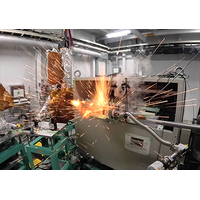
Phys. Rev. Lett. 135, 186702 (2025)
Condensed Matter and Materials
Robust Purely Optical Signatures of Floquet States in Laser-Dressed Crystals
Article | Condensed Matter and Materials | 2025-10-28 06:00 EDT
Vishal Tiwari, Roman Korol, and Ignacio Franco
Strong light-matter interactions can create nonequilibrium materials with on-demand novel functionalities. For periodically driven solids, the Floquet-Bloch theory provides the natural states to characterize the physical properties of these laser-dressed systems. However, signatures of such Floquet …
Phys. Rev. Lett. 135, 186901 (2025)
Condensed Matter and Materials
Acoustic Nanoparticle Trapping Is Driven by Synergy between Acoustic and Hydrodynamic Interactions
Article | Statistical Physics; Classical, Nonlinear, and Complex Systems | 2025-10-28 06:00 EDT
Alen Pavlič and Thierry Baasch
Fluid flow and acoustic waves act together to trap nanoparticles.
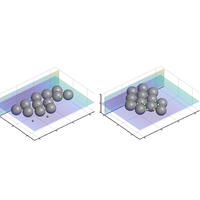
Phys. Rev. Lett. 135, 187201 (2025)
Statistical Physics; Classical, Nonlinear, and Complex Systems
Secular Dipolar Order of Nuclear Spins in Rotating Solids
Article | Polymers, Chemical Physics, Soft Matter, and Biological Physics | 2025-10-28 06:00 EDT
Kohei Suzuki and Kazuyuki Takeda
Nuclear spins' dipolar order is created under magic angle spinning through the first-order process made possible by simultaneous implementation of dipolar recoupling and adiabatic demagnetization in a reference frame reached out through nested transformations, first from the laboratory frame into th…
Phys. Rev. Lett. 135, 188001 (2025)
Polymers, Chemical Physics, Soft Matter, and Biological Physics
Confinement Reduces Surface Accumulation of Swimming Bacteria
Article | Polymers, Chemical Physics, Soft Matter, and Biological Physics | 2025-10-28 06:00 EDT
Da Wei, Shiyuan Hu, Tangmiao Tang, Yaochen Yang, Fanlong Meng, and Yi Peng
Many swimming bacteria naturally inhabit confined environments, yet how confinement influences their swimming behaviors remains unclear. Here, we combine experiments, continuum modeling, and particle-based simulations to investigate near-surface bacterial swimming in dilute suspensions under varying…
Phys. Rev. Lett. 135, 188401 (2025)
Polymers, Chemical Physics, Soft Matter, and Biological Physics
Nonequilibrium Thermodynamics of Precision through a Quantum-Centric Computation
Article | Quantum Information, Science, and Technology | 2025-10-27 06:00 EDT
Mario Motta, Antonio Mezzacapo, and Giacomo Guarnieri
Thermodynamic uncertainty relations (TURs) are a set of inequalities expressing a fundamental trade-off between precision and dissipation in nonequilibrium classical and quantum thermodynamic processes. TURs show that achieving low fluctuations in a thermodynamic quantity (e.g., heat or work) requir…
Phys. Rev. Lett. 135, 180601 (2025)
Quantum Information, Science, and Technology
Frequency-Noise-Insensitive Universal Control of Kerr-Cat Qubits
Article | Quantum Information, Science, and Technology | 2025-10-27 06:00 EDT
Lennart Maximilian Seifert, Connor T. Hann, and Kyungjoo Noh
We theoretically study the influence of frequency uncertainties on the operation of a Kerr-cat qubit. As the mean photon number increases, Kerr-cat qubits provide an increasing level of protection against phase errors induced by unknown frequency shifts during idling and rotations. However, realiz…
Phys. Rev. Lett. 135, 180801 (2025)
Quantum Information, Science, and Technology
Apparent $w<-1$ and a Lower ${S}_{8}$ from Dark Axion and Dark Baryons Interactions
Article | Cosmology, Astrophysics, and Gravitation | 2025-10-27 06:00 EDT
Justin Khoury, Meng-Xiang Lin, and Mark Trodden
We show that a simple coupling between dark energy and dark matter can simultaneously address two distinct hints at new physics coming from cosmological observations. The first is the recent evidence from the DESI project and supernovae observations that the dark energy equation of state is evolvi…
Phys. Rev. Lett. 135, 181001 (2025)
Cosmology, Astrophysics, and Gravitation
Observation of Temperature Effects on False Vacuum Decay in Atomic Quantum Gases
Article | Atomic, Molecular, and Optical Physics | 2025-10-27 06:00 EDT
Riccardo Cominotti, Cosetta Baroni, Chiara Rogora, Diego Andreoni, Giacomo Guarda, Giacomo Lamporesi, Gabriele Ferrari, and Alessandro Zenesini
Temperature plays a crucial role in metastable phenomena, not only by contributing to determine the state (phase) of a system, but also ruling the decay probability to more stable states. Such a situation is encountered in many different physical systems, ranging from chemical reactions to magnetic …
Phys. Rev. Lett. 135, 183401 (2025)
Atomic, Molecular, and Optical Physics
Time-Resolved and Superradiantly Amplified Unruh Effect
Article | Atomic, Molecular, and Optical Physics | 2025-10-27 06:00 EDT
Akhil Deswal, Navdeep Arya, Kinjalk Lochan, and Sandeep K. Goyal
We identify low-acceleration conditions under which the Unruh effect manifests as an early superradiant burst in a collection of excited atoms. The resulting amplified Unruh signal is resolved from the inertial signal both in time and intensity. We demonstrate theoretically that these conditions are…
Phys. Rev. Lett. 135, 183601 (2025)
Atomic, Molecular, and Optical Physics
Free Energy Source of the Mirror Instability: Nonresonant Particles
Article | Plasma and Solar Physics, Accelerators and Beams | 2025-10-27 06:00 EDT
Xudong Guo, Jinsong Zhao, Kristopher G. Klein, and Huasheng Xie
The mirror instability is a fundamental phenomenon in plasma physics. Given the historical discussion regarding the role of resonant particles in driving this instability--which is at odds with its presence in magnetohydrodynamic (MHD) models that only describe fluid plasma behavior--we seek to clarif…
Phys. Rev. Lett. 135, 185201 (2025)
Plasma and Solar Physics, Accelerators and Beams
Body-Centered-Cubic Phase Transformation in Gold at TPa Pressures
Article | Condensed Matter and Materials | 2025-10-27 06:00 EDT
Amy L. Coleman, Saransh Singh, Tom E. Lockard, Ian K. Ocampo, Amy E. Lazicki, Martin G. Gorman, Stefano Racioppi, Andrew G. Krygier, Christopher E. Wehrenberg, Rasool Ahmad, Marius Millot, Sebastien Hamel, Sirus Han, Mary Kate Ginnane, Damian C. Swift, Stanimir A. Bonev, Eva Zurek, Thomas S. Duffy, Jon H. Eggert, James McNaney, and Raymond F. Smith
In situ x-ray diffraction at both the National Ignition Facility and Omega-EP Laser Facility has been utilized to determine the crystallographic state of ramp and shock-ramp compressed gold up to 1.2 TPa ( atmospheres). In this Letter, we describe a series of experiments that e…
Phys. Rev. Lett. 135, 186101 (2025)
Condensed Matter and Materials
Water-Induced Current Determines Heat Generation during Double Layer Charging
Article | Condensed Matter and Materials | 2025-10-27 06:00 EDT
Liang Zeng, Nan Huang, and Guang Feng
Understanding heat generation during charging processes of electrical double layer (EDL) systems is crucial for electrochemical technologies in practical scenarios. Existing kinetic models, attributing heat to ionic transports, however, fail to capture experimentally observed thermal behaviors in ED…
Phys. Rev. Lett. 135, 186201 (2025)
Condensed Matter and Materials
Topological Temporal Boundary States in a Non-Hermitian Spatial Crystal
Article | Statistical Physics; Classical, Nonlinear, and Complex Systems | 2025-10-27 06:00 EDT
Ming-Wei Li, Jian-Wei Liu, Xulong Wang, Wen-Jie Chen, Guancong Ma, and Jian-Wen Dong
Periodic modulation of the material index in time opens momentum gaps. Such systems are regarded as the temporal analog of common spatial crystals, wherein the band gaps open in frequency space. Recent studies have also led to the theoretical prediction of topological temporal boundary states (TTBSs…
Phys. Rev. Lett. 135, 187101 (2025)
Statistical Physics; Classical, Nonlinear, and Complex Systems
Erratum: Persistence of Spin Coherence in a Crystalline Environment [Phys. Rev. Lett. 133, 056901 (2024)]
Article | | 2025-10-27 06:00 EDT
Gerald Curran, III, Zachary Rex, Casper Xallan Wilson, Luke J. Weaver, and Ivan Biaggio
Phys. Rev. Lett. 135, 189901 (2025)
Physical Review X
Generalized Rényi Entropy Accumulation Theorem and Generalized Quantum Probability Estimation
Article | | 2025-10-28 06:00 EDT
Amir Arqand, Thomas A. Hahn, and Ernest Y.-Z. Tan
A unified framework combining entropy accumulation and quantum probability estimation provides tight, practical bounds on certified randomness generation, paving the way for simpler and stronger security analyses in quantum cryptography.
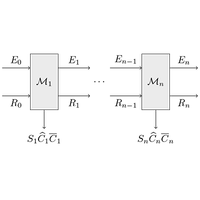
Phys. Rev. X 15, 041013 (2025)
arXiv
Study of the Molecular Level Mechanism of Nanoscale Alternating Current Electrohydrodynamic Flow
New Submission | Soft Condensed Matter (cond-mat.soft) | 2025-10-28 20:00 EDT
Sobin Alosious, Fiach Antaw, Matt Trau, Shern R. Tee, Debra J. Searles
This study investigates the molecular-level mechanism of Alternating Current Electrohydrodynamic (AC-EHD) flow in nanopores under high-frequency conditions, using molecular dynamics simulations. A gold-NaCl system with symmetric and asymmetric electrode configurations is used to analyze the flow patterns under high-frequency AC potentials. Our findings reveal localized heat generation near the electrode leading to a steep temperature gradient. An order parameter analysis explained that the heat generation is due to the periodic change in the alignment of water molecules under AC potential and that at these high frequencies the influence of Na$ ^+$ and Cl$ ^-$ ions are negligible. The heat generation and temperature gradient are found to increase with the applied AC frequency. Three different electrode configurations were studied by varying the size and distance between the electrodes. A net directional flow develops in the asymmetric electrode structures. A possible mechanism for this is proposed by analyzing the flow patterns using velocity and temperature profiles, order parameters, streamline plots and mean square displacements. Different forces acting on the fluid were identified such as buoyancy-driven convection due to temperature gradient, electrothermal effects influenced by the temperature-dependent properties of water, and Maxwell stress due to the non-uniform electric field. Moreover, the asymmetric electrode structure created an imbalance in these forces and generated a net directional flow. These findings suggest the existence of a form of nanoscale AC-EHD flow that operates in a frequency regime above that of conventional electroosmotic and electrothermal mechanisms and that, unlike these mechanisms, occurs independently of ionic concentration. Thereby this work provides insights for optimizing AC-EHD flow in nanoscale systems where precise fluid manipulation is critical.
Soft Condensed Matter (cond-mat.soft), Mesoscale and Nanoscale Physics (cond-mat.mes-hall), Computational Physics (physics.comp-ph), Fluid Dynamics (physics.flu-dyn)
27 pages, 11 figures
Beyond mechanochromism: Programmable multimodal actuation in cholesteric liquid crystal elastomer hollow fibers
New Submission | Soft Condensed Matter (cond-mat.soft) | 2025-10-28 20:00 EDT
Jiazhe Ma, John S. Biggins, Fan Feng, Zhongqiang Yang
Cholesteric liquid crystal elastomers (CLCEs) change color under strain, offering attractive prospects for smart textiles, soft robotics, and photonic devices. However, the helical structure of CLCEs averages out the exceptional anisotropy and soft elasticity of their nematic parents, leaving little scope for also using the director orientation to program their thermal or mechanical actuation. Here, we develop programmable CLCE hollow fibers via an anisotropic deswelling-assisted template method. By integrating dynamic boronic ester bond exchange with mechanical force/pneumatic pressure-induced liquid crystal mesogen orientation, we are able to make CLCE fibers with overall longitudinal, circumferential, and twisted directors, while preserving enough residual periodicity to maintain their structural color. Inflation of these fibers then yields a range of motions (expansion, contraction, elongation, and twisting) accompanied by synchronous adaptive color changes. To explain these motions, we derive a membrane balloon model based on the non-ideal neo-classical LCE energy with suitable CLCE director profiles. The model successfully captures all the key mechanical features, including non-monotonicity and sub-criticality as a function of inflationary pressure. We thus confirm that the fiber’s rich mechanochromic behavior originates from the combination of cholesteric color and nematic-like programmed soft elasticity. Our study thus transcends the limitations of traditional CLCE fibers by combining orientation encoding, soft elasticity, and pneumatic actuation to provide a new paradigm for the development of systems that change both shape and color in a bespoke and versatile way.
Soft Condensed Matter (cond-mat.soft)
Aggregates in fluidized beds: the effect of bonding angles on fluidization
New Submission | Soft Condensed Matter (cond-mat.soft) | 2025-10-28 20:00 EDT
Vinícius Pereira da Silva Oliveira, Danilo da Silva Borges, Erick de Moraes Franklin
Fluidized beds consist of solid particles suspended in a tube by an ascending fluid. In liquids, it is not rare that particles adhere to each other, decreasing the solid-liquid contact area and the ratio between the tube and grain diameters, deteriorating fluidization. We inquire into this problem by carrying out experiments with trios of spheres fluidized by water flows, the spheres being glued in predefined angles. In our tests, we used a 25.4-mm-ID (internal diameter) tube and 5.95-mm-diameter spheres, and we varied the angle of trios within 60$ ^{\circ}$ and 180$ ^\circ$ and water velocities within 0.027 and 0.210 m/s. Due to the small ratio between the diameters of the tube and spheres (approximately 4.3), the bed is prone to the formation of plugs and clogs. Our experiments show that elutriation, fluidization with plugs, glass transitions (amorphous static structures), packed beds, clogging, and a transitional clogged-plug regime can appear in the bed, depending on the bonding angles and water velocities. We report the relations between the bed height, bonding angles, and flow velocity, and show that they correlate with the granular temperature. We also show that an angle of 90$ ^\circ$ maximizes fluidization for a given fluid velocity, and we propose a regime map that organizes the different patterns based on the bonding angle and flow velocity. The proposed map can serve as a guide for selecting the fluid velocities in order to keep the bed fluidized at all times, helping in the design and operation of fluidized beds.
Soft Condensed Matter (cond-mat.soft)
AIP Advances, 15, 105016
Dynamic Phase Transitions in Mean-Field Ginzburg-Landau Models: Conjugate Fields and Fourier-Mode Scaling
New Submission | Statistical Mechanics (cond-mat.stat-mech) | 2025-10-28 20:00 EDT
Yelyzaveta Satynska, Daniel T. Robb
Dynamic phase transitions of periodically forced mean-field ferromagnets are often described by a single order parameter and a scalar conjugate field. Building from previous work, we show that, at the critical period $ P_c$ of the mean-field Ginzburg-Landau (MFGL) dynamics with energy $ F(m)=am^2+bm^4-hm$ , the correct conjugate field is the entire even-Fourier component part of the applied field. The correct order parameter is $ z_k=\sqrt{\bigl|,m_k^2-|m_{k,c}|^2,\bigr|}$ , where $ m_k$ is the $ k^{th}$ Fourier component of the magnetization m(t), and $ m_{k,c}$ is the $ k^{th}$ Fourier component at the critical period. Using high-accuracy limit-cycle integration and Fourier analysis, we first confirm that, for periodic fields that contain only odd components, the symmetry-broken branch below $ P_c$ exhibits $ z_k \propto \varepsilon^{1/2}$ (computationally tested for modes $ k\le30$ ), where $ \varepsilon=(P_c-P)/P_c$ . This provides strong evidence that the 1/2 scaling holds for all Fourier modes. We then find three robust facts: (1) Exactly at $ P_c$ , adding a small perturbation composed of even Fourier components with an overall field multiplier $ h_{mult}$ yields $ z_k \propto h_{mult}^{1/3}$ across many $ k$ . (2) Mode-resolved deviations obey a parity rule: $ |\delta m_{2n}| \propto h_{mult}^{1/3}$ and $ |\delta m_{2n+1}| \propto h_{mult}^{2/3}$ . (3) The same findings persist in MFGL models where an $ m^6$ replaces the $ m^4$ term and come with simple one-period integral criteria to locate $ P_c$ .
Statistical Mechanics (cond-mat.stat-mech), Computational Physics (physics.comp-ph)
7 pages, 8 figures. Preprint of the manuscript was submitted to the American Institute of Physics (AIP Publishing) journal on 7 Oct 2025; under review. Presenting at the Magnetism and Magnetic Materials (MMM2025) conference, Palm Beach, Florida, 10/27/2025 - 10/31/2025 (poster)
Vertex and front-tracking methods for the modeling of microstructure evolution at the solid state: a brief review
New Submission | Materials Science (cond-mat.mtrl-sci) | 2025-10-28 20:00 EDT
In mesoscopic scale microstructure evolution modeling, two primary numerical frameworks are used: Front-Capturing (FC) and Front-Tracking (FT) ones. FC models, like phase-field or level-set methods, indirectly define interfaces by tracking field variable changes. On the contrary, FT models explicitly define interfaces using interconnected segments or surfaces. In historical FT methodologies, Vertex models were first developed and consider the description of the evolution of polygonal structures in terms of the motion of points where multiple boundaries meet. Globally, FT-type approaches, often associated with Lagrangian movement, enhance spatial resolution in 3D surfacic and 2D lineic problems using techniques derived from finite element meshing and remeshing algorithms. These efficient approaches, by nature, are well adapted to physical mechanisms correlated to interface properties and geometries. They also face challenges in managing complex topological events, especially in 3D. However, recent advances highlight their potential in computational efficiency and analysis of mobility and energy properties, with possible applications in intragranular phenomena.
Materials Science (cond-mat.mtrl-sci), Computational Engineering, Finance, and Science (cs.CE)
Laser Patterning of Superhydrophobic transparent glass surfaces with anti-fogging and anti-icing applications
New Submission | Soft Condensed Matter (cond-mat.soft) | 2025-10-28 20:00 EDT
Laura Montes-Montañez, Fernando Nuñez-Galvez, Melania Sanchez-Villa, Luis A. Angurel, Heli Koivuluo-to, German F. de la Fuente, Víctor Trillaud, Philippe Steyer, Karine Masenelli-Varlot, Francisco J. Palomares, Ana Borrás, Agustín R. González-Elipe, Carmen López-Santos, Víctor Rico
This work addresses the fabrication of transparent glass surfaces with superior water-repellence (i.e., superhydrophobicity), and related functional properties such as omniphobicity, anti-fogging and anti-icing responses. Surfaces have been processed by means of mild femtosecond laser patterning combined with the grafting of fluorinated tethered molecules. Controlling the laser scan and ablation conditions permits the fabrication of under-design grooves with cross and lineal morphologies and separations between 10 and 500 um. These patterns provide a high transparency and repellence to liquids and ice over large areas. The best performance is obtained for cross or parallel line patterned glass with microgrooves separated by 100 um and 15 um depth thanks to 5 laser scanning repetitions. These surfaces present a stable Cassie-Baxter wetting state and very low ice-adhesion strength while keeping up to 80 % of optical transmittance in the visible region. Anti-fouling tests, along with freezing and thawing cycles on these surfaces, have demonstrated a remarkable and durable self-cleaning response, even under environmentally stressful conditions. Water condensation experiments conducted under atmospheric conditions, as well as in an environmental electron scanning microscope, have revealed important issues related to the formation of supercooled water droplets. These experiments show that the patterned breakdown of surface properties effectively prevents extensive fogging and water accumulation. This feature is particularly crucial for outdoors and low temperature applications where the preservation of transparency is essential.
Soft Condensed Matter (cond-mat.soft), Materials Science (cond-mat.mtrl-sci), Applied Physics (physics.app-ph)
29 pages, 10 main figures, 8 supporting figures, 1 main table, 5 supporting tables
Imaging magnetic flux trapping in lanthanum hydride using diamond quantum sensors
New Submission | Superconductivity (cond-mat.supr-con) | 2025-10-28 20:00 EDT
Yang Chen, Junyan Wen, Ze-Xu He, Jing-Wei Fan, Xin-Yu Pan, Cheng Ji, Huiyang Gou, Xiaohui Yu, Liucheng Chen, Gang-Qin Liu
Lanthanum hydride has attracted significant attention in recent years due to its signatures of superconductivity at around 250 K (1, 2). However, the megabar pressures required for synthesize and maintain its state present extraordinary challenges for experiments, particularly in characterizing its Meissner effect (3, 4). The nitrogen-vacancy (NV) center in diamond has emerged as a promising quantum probe to address this problem (5-8), but a gap remains between its working pressure and the pressure required to study the superconducting state of lanthanum hydride (9-12). In this work, using neon gas as the pressure transmitting medium, the working pressure of NV centers is extended to nearly 200 GPa. This quantum probe is then applied to study the Meissner effect of a LaH$ _{9.6}$ sample, synthesized by laser heating ammonia borane and lanthanum. A strong magnetic shielding effect is observed, with the transition temperature beginning at around 180 K and completing at 220 K. In addition, magnetic field imaging after field cooling reveals strong flux trapping and significant inhomogeneities within the sample. Our work provides compelling evidence for superconductivity in lanthanum hydride and highlights the importance of spatially resolved techniques in characterizing samples under ultrahigh pressure conditions.
Superconductivity (cond-mat.supr-con), Quantum Physics (quant-ph)
10 pages, 4 figures
Interlayer Pores Play a Limited Role in Diffusion Through Hydrated Na-MMT: Insights from a Multiscale, Experimentally Anchored Model
New Submission | Materials Science (cond-mat.mtrl-sci) | 2025-10-28 20:00 EDT
Yaoting Zhang, Mikaella Brillantes, Justine Kuczera, Keyvan Ferasat, Mia L. San Gabriel, Scott Briggs, Chang Seok Kim, George Opletal, Yuankai Yang, Jane Howe, Laurent K. Beland
This study investigates the interlayer diffusion dynamics in sodium montmorillonite (Na-MMT), a smectite clay with significant applications in environmental science, pharmaceuticals, and advanced materials. We present a multiscale computational framework that integrates atomistic simulations with mesoscale modelling to explore the influence of interlayer and free pores on water and ion diffusion under varying dry densities (0.8–1.3 g/cm$ ^3$ ). The model incorporates experimentally determined platelet size distributions and explicitly accounts for polydispersity and anisotropic transport. The study results reveal that interlayer pores contribute minimally to overall water diffusion at the studied dry densities. Water diffusion predominantly occurs through free pores, with diffusion scaling factors closely aligning with experimental tritium tracer measurements when interlayer throttling was considered. The study also highlights the anisotropic nature of diffusion in Na-MMT, with diffusion parallel-to-compaction being significantly slower than in the normal direction which is consistent with experiments. The computational model, validated against lattice Boltzmann simulations and experimental data, provides insights into the geometric tortuosity and pore size distribution of Na-MMT. Despite its limitations, such as the absence of three-water minima energy profiles and rigid platelet assumptions, the model offers a robust framework for understanding nanoconfined diffusion. Future work will focus on refining interlayer energy profiles and incorporating flexible platelet dynamics to enhance predictive accuracy with implications for optimizing materials in environmental, industrial, and biomedical applications.
Materials Science (cond-mat.mtrl-sci), Mesoscale and Nanoscale Physics (cond-mat.mes-hall)
Power- and time-dependent equivalent circuit models for waveform-selective metasurfaces with varying electromagnetic responses to repeated pulses at the same frequency
New Submission | Other Condensed Matter (cond-mat.other) | 2025-10-28 20:00 EDT
Ryuho Miyamoto, Hiroki Wakatsuchi
Waveform-selective metasurfaces offer unprecedented control over electromagnetic waves on the basis of pulse width. However, existing circuit models fail to capture the power-dependent behaviors of these metasurfaces, thereby limiting their use in practical applications. Here, for the first time, we present analytical equivalent circuit models that accurately predict both power- and time-dependent responses by incorporating voltage-dependent diode resistance through the Maclaurin series and Wright omega functions. As a result, the variations in the input power and time domain are effectively predicted theoretically. Moreover, our concept is successfully extended to different types of waveform-selective metasurfaces and increasingly complex scenarios, including repeated pulses and nonresonant frequencies. Thus, our equivalent circuit approach can readily explain and quantify the electromagnetic behaviors of waveform-selective metasurfaces. This strategy provides a high degree of control for addressing complex electromagnetic problems by leveraging pulse width as a tuning parameter, even at a fixed frequency.
Other Condensed Matter (cond-mat.other)
11 pages, 11 figures
Intertwined Orders, Quantum Criticality and Skyrmions in Tunable Topological Bands
New Submission | Strongly Correlated Electrons (cond-mat.str-el) | 2025-10-28 20:00 EDT
Xuepeng Wang, Johannes S. Hofmann, Debanjan Chowdhury
Skyrmions are emergent many-body excitations that lie at the heart of both multi-component quantum Hall-like systems and deconfined quantum criticality. In a companion article (X. Wang et al., arXiv:2507.22971), we studied a microscopic time-reversal symmetric model of tunable interacting Chern bands using numerically exact determinant quantum Monte Carlo calculations, and presented evidence for the emergence of robust skyrmion excitations. These charged excitations emerge in the vicinity of a many-body insulator at a commensurate filling of the Chern bands, and lead to the onset of superconductivity when doped away from the insulating phase. Here, we present quantum Monte-Carlo results and a complementary field-theoretical analysis for the quantum phase transition(s) that arise between the intertwined phases as a function of two distinct tuning parameters. Our numerical results are consistent with a single continuous quantum phase transition between an insulating Chern antiferromagnet and a fully gapped superconductor, with an emergent SO(5) symmetry at the putative critical point, highly suggestive of deconfined quantum (pseudo-)criticality. We also present a detailed comparison between the momentum-resolved spectral functions associated with the neutral collective modes, single electron and composite spin-polaron excitations obtained using a combination of Monte-Carlo computations and a Bethe-Salpeter analysis built on top of the self-consistent Hartree-Fock calculation. We end with a brief outlook on some of the interesting open problems.
Strongly Correlated Electrons (cond-mat.str-el), Superconductivity (cond-mat.supr-con)
20 pages, 10 figures
Impurity-induced topological decomposition
New Submission | Mesoscale and Nanoscale Physics (cond-mat.mes-hall) | 2025-10-28 20:00 EDT
Tianxing Shi, Chuhang Zhang, Liang Jin, Linhu Li
Controlling topological phases is a central goal in quantum materials and related fields, enabling applications such as robust transport and programmable edge states. Here we uncover a mechanism in which local on-site impurities act as knobs to decompose global topological properties in discrete steps. In non-Hermitian lattices with spectral winding topology, we show that each impurity sequentially reduces the winding number by one, which is directly manifested as a stepwise decomposition of quantized plateaus in the steady-state response. Based on this principle, we further develop a scheme that sequentially induces topological edge states under impurity control, in a class of Hermitian topological systems constructed by doubling the non-Hermitian ones. Our findings reveal a general scheme to tune global topological properties with local perturbations, establishing a universal framework for impurity-controlled topological phases and offering a foundation for future exploration of reconfigurable topological phenomena across diverse physical platforms.
Mesoscale and Nanoscale Physics (cond-mat.mes-hall), Quantum Physics (quant-ph)
18 pages, 11 figures, comments are welcome
Emergent Microrobotic Behavior of Active Flexicles in Complex Environments
New Submission | Soft Condensed Matter (cond-mat.soft) | 2025-10-28 20:00 EDT
Sophie Y. Lee, Philipp W.A. Schönhöfer, Sharon C. Glotzer
Collections of simple, self-propelled colloidal particles exhibit complex, emergent dynamical behavior, with promising applications in microrobotics. When confined within a deformable vesicle, self-propelled rods cluster and align, propelling the vesicle and inducing changes in the vesicle shape. We explore potential microrobotic capabilities of such vesicle-encapsulated particles, which form a composite particle system termed a flexicle'. Using molecular dynamics simulations, we demonstrate that the alignment of rods enables flexicles to locomote and respond adaptively to their physical environment. When encountering solid boundaries or obstacles, the rods reorient at the interface, triggering novel emergent behaviors such as crawling, corner-preferencing, wall climbing, and object-latching. These interactions and accompanying internal rod re-arrangement lead to spontaneous, temporary differentiation of the rods into latchers’ and `navigators’. This division of labor among the rods enables coordinated locomotion and environmental response. Our findings establish flexicles as a versatile platform for programmable, geometry-sensitive microrobotic behavior, offering a step toward autonomous colloidal robotics.
Soft Condensed Matter (cond-mat.soft)
25 pages (16 main manuscript; 9 SI), 13 figures (5 main figures; 8 SI figures)
Machine-learning-derived protocols for information-based work extraction from active particles
New Submission | Statistical Mechanics (cond-mat.stat-mech) | 2025-10-28 20:00 EDT
We propose and analyze a process that extracts useful work from a single active particle maintained at constant temperature in a harmonic potential by measuring the relative sign of the self-propulsion and the confining force and then adjusting the stiffness of the potential. First, we show analytically that useful work can be extracted by stepwise changes of the stiffness. Then, we use a machine learning procedure to find time-dependent stiffness change protocols. We find that these protocols involve discontinuous initial changes of the stiffness opposite to the expected direction resembling the jumps analytically found by Garcia-Millan et al. [Phys. Rev. Lett. 135, 088301 (2025)] in a different information-based work extraction process. The learned protocols allow to extract significantly larger amounts of useful work. The work extracted exceeds that allowed by the second law for feedback processes, which can be rationalized by the non-equilibrium character of the system considered.
Statistical Mechanics (cond-mat.stat-mech), Soft Condensed Matter (cond-mat.soft)
5 pages, 4 figures
Phase diagram of amorphous quantum spin Hall insulators
New Submission | Disordered Systems and Neural Networks (cond-mat.dis-nn) | 2025-10-28 20:00 EDT
In light of recent progress in the study of amorphous topological phases, we investigate the effects of structural disorder on the topological properties of a two-dimensional quantum spin Hall insulator modeled by the Bernevig-Hughes-Zhang Hamiltonian. Using a real-space formulation of the Z2 invariant for Dirac-type Hamiltonian, we map out the phase diagram as a function of disorder strength and the mass parameter. Our results reveal that under the influence of structural disorder, a system can either undergo a phase transition from a topologically non-trivial to a topologically trivial phase or from a trivial to non-trivial phase. Remarkably, in certain parameter regimes, the system exhibits a re-entrant behaviour: a topologically non-trivial phase in the perfect lattice undergoes a transition to a trivial state under the influence of weak disorder but re-emerges as the disorder strength is further increased. We corroborate these findings through analysis of the bulk-boundary correspondence and transport calculations.
Disordered Systems and Neural Networks (cond-mat.dis-nn)
Nonlinear magnetization dynamics as a route to nonreciprocal phases, spin superfluidity, and analogue gravity
New Submission | Mesoscale and Nanoscale Physics (cond-mat.mes-hall) | 2025-10-28 20:00 EDT
Vincent Flynn, Benedetta Flebus
The identification of platforms with independently tunable nonlinearity and non-Hermiticity promises a quantitative route to far-from-equilibrium universality across many-body systems. Here we show that a conventional ferromagnetic multilayer realizes this paradigm: balancing a dc drive against Gilbert damping stabilizes a chiral spin-superfluid limit cycle that spontaneously breaks spacetime-translation symmetry. The resulting superflow is intrinsically nonreciprocal: long-wavelength magnons of opposite chirality acquire asymmetric dispersions and propagate direction-selectively, realizing a spin-superfluid diode. This asymmetry is flow-borne - it reflects broken Galilean invariance and requires neither structural asymmetry nor finely tuned gain-loss balance. Linearized dynamics in the comoving superfluid frame are intrinsically pseudo-Hermitian and, in the long-wavelength sector, can be mapped to a (1+1)D wave equation on curved spacetime. Spatial modulation of the drive enables the generation of sonic horizons that parametrically squeeze magnons and produce Hawking-like particle-hole emission. Our results establish a tabletop route from nonlinear dissipative-driven magnetization dynamics to nonreciprocal transport, nonequilibrium phase transitions, and analogue-gravity kinematics.
Mesoscale and Nanoscale Physics (cond-mat.mes-hall), Quantum Physics (quant-ph)
11 pages, 4 figures
Altermagnetism, Kagome Flat Band, and Weyl Fermion States in Magnetically Intercalated Transition Metal Dichalcogenides
New Submission | Materials Science (cond-mat.mtrl-sci) | 2025-10-28 20:00 EDT
Avinash Sah, Ting-Yong Lim, Clayton Conner, Amarnath Chakraborty, Giovanni Vignale, Tay-Rong Chang, Pavlo Sukhachov, Guang Bian
Altermagnetic (AM) compounds have recently emerged as a promising platform for realizing unconventional quantum phases, enabled by their unique spin-split band structure at zero net magnetization. Here, we present a first-principles investigation of magnetically intercalated transition metal dichalcogenides (TMDs) of the form XY$ _4$ Z$ _8$ (X $ =$ Mn, Fe, Co, Ni, Cr, or V; Y $ =$ Nb or Ta; and Z $ =$ Se or S), identifying a subset of new versatile AM candidates. Our results establish a direct correlation between interatomic geometry, quantified by the ratio of interlayer to intralayer spacing, and the selection of magnetic ground states. Systems with A-type antiferromagnetic order exhibit momentum-dependent spin splitting consistent with AM behavior. Crucially, the combination of the AM spin-splitting and the spin-orbit coupling leads to the emergence of Weyl nodes together with the corresponding topological Fermi arc surface states. Moreover, we identify flat bands near the Fermi level that originate from the intercalant-induced formation of an effective kagome-like sublattice in the TMD layer. These results collectively establish magnetically intercalated TMDs as a promising platform for engineering altermagnetism, flat bands, and Weyl fermions within a single material family, facilitating the development of topological and spintronic applications.
Materials Science (cond-mat.mtrl-sci)
28 pages, 5 figures, 1 table
Emerging correlations between diffusing particles evolving via simultaneous resetting with memory
New Submission | Statistical Mechanics (cond-mat.stat-mech) | 2025-10-28 20:00 EDT
Denis Boyer, Satya N. Majumdar
We study the emergence of correlations between $ N$ components of the position of a diffusive walker in $ N$ dimensions that starts at the origin and resets to previously visited sites with certain probabilities. This is equivalent to $ N$ independent one-dimensional diffusive processes starting from the origin and being subject to simultaneous resetting to positions visited in the past. Resetting follows a memory kernel that interpolates between resetting to the origin only, and the preferential relocation model, a path-dependent process which is highly non-Markov. For weak memory, the correlation coefficient between two components of the $ N$ -dimensional process grows monotonously with time and tends at late times to a constant bounded by $ 1/5$ , the value corresponding to the non-equilibrium steady state of resetting to the origin. When memory is sufficiently long-ranged, the correlation is non-monotonous and reaches a maximum at a finite time before converging to its asymptotic value. These two regimes are separated by a critical memory parameter value. In the limiting case of the preferential relocation model, the components become uncorrelated at both short and long times, but the correlation vanishes logarithmically slowly at late times. The emergence of correlations through resetting can be described in a unified way in all cases by noticing that the processes are conditionally independent and identically distributed, even in the presence of memory. In the non-Markovian case, the conditioning parameter is the duration of a Brownian path composed of several parts of the full trajectory of a fixed duration $ t$ .
Statistical Mechanics (cond-mat.stat-mech)
16 pages, 4 figures
Magnetic transition in B2 Al-Cr-Co alloys
New Submission | Materials Science (cond-mat.mtrl-sci) | 2025-10-28 20:00 EDT
Haireguli Aihemaiti, Esmat Dastanpour, Shashank Chaturvedi, Shuo Huang, Anders Bergman, Levente Vitos
Using Density Functional Theory (DFT) calculations and Monte-Carlo (MC) simulations, we investigate the recently reported magnetic transition in B2 Al-Cr-Co alloys. The Cr sublattice is alloyed with different amounts of Co in the antiferromagnetic (AFM) B2 AlCr binary alloy and the resulting exchange interactions are analyzed within the Heisenberg Hamiltonian framework. DFT results reveal that at low Co concentrations the system favors the AFM order, while at high Co contents a transition to the ferromagnetic (FM) state is observed. Within the FM stability field, the Curie temperature (TC), obtained within the mean-field approximation, is below ~160 K and decreases with Co concentration. The calculated exchange parameters evolve systematically with Co content, and the trends are consistent with the DFT total energies. The magnetic configurations obtained from MC simulations follow the DFT results at low Cr levels but predict a spin-glass behavior for alloys containing more than 40 at.% Co on Cr sublattice. These findings provide a fundamental understanding of how the chemistry-driven changes in exchange interactions affect magnetism in the B2 Al-Cr-Co alloys.
Materials Science (cond-mat.mtrl-sci), Computational Physics (physics.comp-ph)
First-principles study of phase stability and magnetic properties of B2 AlCr, AlMn, AlFe, AlCo and AlNi aluminides
New Submission | Materials Science (cond-mat.mtrl-sci) | 2025-10-28 20:00 EDT
Haireguli Aihemaiti, Esmat Dastanpour, Anders Bergman, Levente Vitos
Using ab initio Density Functional Theory (DFT) calculations, we investigate the electronic structure, phase stability, and magnetic properties of equiatomic binary alloys between Al and 3d magnetic transition elements (Cr, Mn, Fe, Co, and Ni). Thermodynamically, all five binary aluminides are more stable in the ordered B2 phase than in the disordered body centered cubic phase, and Co is found to be the strongest B2 forming element with Al. The AlCo and AlNi compounds with B2 structure are verified to be non-magnetic, whereas AlFe turns out to be weakly magnetic, which is consistent with other DFT calculations employing similar exchange-correlation approximations. Magnetic simulations based on the Heisenberg Hamiltonian predict an antiferromagnetic ground state for the hypothetical B2 AlCr, which is also confirmed by direct DFT calculations. Doping AlCr with Co leads to an antiferromagnetic to ferromagnetic transition, where ferromagnetism is to a large extent attributed to Cr atoms. The phase stability and magnetic trends are explained using electronic structure arguments. The present findings contribute to a deeper understanding of the phase stability and magnetic properties of AlX binary alloys, providing insights into the formation mechanisms of the B2 structure with 3d magnetic transition metals.
Materials Science (cond-mat.mtrl-sci), Computational Physics (physics.comp-ph)
Unravelling the oxygen influence in cubic bixbyite In$_2$O$_3$ on Raman active phonon modes by isotope studies
New Submission | Materials Science (cond-mat.mtrl-sci) | 2025-10-28 20:00 EDT
Johannes Feldl, Roland Gillen, Janina Maultzsch, Alexandra Papadogianni, Joe Kler, Zbigniew Galazka, Oliver Bierwagen, Manfred Ramsteiner
In this study, we performed comprehensive investigations on the Raman active phonon modes in cubic bixbyite In$ _2$ O$ _3$ , an important oxide based, wide-bandgap semiconductor. Fundamental insights into the lattice dynamics are revealed, by determining the atomistic contribution to all modes and their frequencies by density functional perturbation theory calculations. Those simulations were performed for different compositions of $ ^{16}$ O and $ ^{18}$ O isotope ratios, including their pure states. An increasing red-shift of the mode frequencies with increasing $ ^{18}$ O content for all modes, due to the increased atomic mass, is revealed. For the seven lowest energy modes, this relative shift is below 1%, whereas for the remaining 15 higher energetic modes a shift of about 5.5% was identified. All modes have energy contributions of both indium and oxygen lattice sites, except for one, which corresponds to a pure oxygen vibrational state. Applying Raman spectroscopy, those results could be verified experimentally with excellent agreement. Investigated samples consisted of a bulk single crystal with $ ^{16}$ O isotopes and a MBE grown thin film as the $ ^{18}$ O sample. Time-of-flight secondary ion mass spectrometry confirms the purity of the oxygen isotope in the sample. These isotopologue studies allow for a direct experimental access to fundamental material properties in cubic In$ _2$ O$ _3$ by means of Raman spectroscopy. For example, we speculate, that the presence of oxygen vacancies in In$ 2$ O$ 3$ would result in a shift of modes that are dominated by O-vibrations, e. g., $ E{g}^{(4)}$ or $ A{g}^{(4)}$ , towards lower frequencies.
Materials Science (cond-mat.mtrl-sci)
Improved version available on the website of the Royal Society of Chemistry. See Journal reference
Journal of Materials Chemistry C, 2025
Highly Tunable Phonon Polaritons via Metal Intercalation
New Submission | Materials Science (cond-mat.mtrl-sci) | 2025-10-28 20:00 EDT
Mariia Stepanova, Minh Ngo, Mashnoon Alam Sakib, Wills Harris, Joshua Bocanegra, Ruqian Wu, Kristie J. Koski, Maxim R. Shcherbakov
Phonon polaritons in van der Waals crystals offer mid-infrared light confinement deep below the diffraction limit, making them promising for nanophotonics applications. However, the practical use of phonon polaritons remains limited, in part due to the lack of precise control over the phonon polariton dispersion, as crystal lattice vibrations are often inert to external stimuli. Here, we address this challenge by zerovalent metal intercalation of $ \alpha$ -MoO$ _3$ . Photo-induced force microscopy shows that introducing tin into the van der Waals gap modulates the phonon polariton dispersion by up to $ 38.5\pm0.5%$ , which is the highest amount of tunability among non-mechanical modulation approaches, to the best of our knowledge. Intercalation with various metal species preserves the phonon polariton lifetimes, while modulating the dielectric permittivity in agreement with the density functional theory and analytical calculations. Our results establish metal intercalation as a practical route to reconfigurable mid-infrared nanophotonics.
Materials Science (cond-mat.mtrl-sci), Mesoscale and Nanoscale Physics (cond-mat.mes-hall), Chemical Physics (physics.chem-ph), Optics (physics.optics)
23 pages, 4 figures, Supplementary information
Nonlinear phononic slidetronics
New Submission | Materials Science (cond-mat.mtrl-sci) | 2025-10-28 20:00 EDT
Pooja Rani, Dominik M. Juraschek
Van der Waals ferroelectrics are conventionally switched by sliding the different layers between stacking orders with opposing electric polarizations. Ultrashort laser pulses have been proposed to launch shear modes and induce switching, with often unfeasible large pulse energies however. Here, we demonstrate switching of ferroelectricity in bilayer hexagonal boron nitride through nonlinearly excited phonons. We show that the efficiencies of conventional coherent phonon excitation mechanisms, including infrared absorption and Raman scattering techniques, are too low to overcome the energy barrier separating the two ferroelectric states. We demonstrate instead that excitation of high-frequency intralayer modes leads to a tilting of the interlayer potential-energy landscape that enables changing the stacking order. Our results provide an avenue towards efficient phononic slidetronics, enabling ultrafast control of the stacking order in van der Waals materials.
Materials Science (cond-mat.mtrl-sci)
Highly Efficient Functionalization of hBN with Lithium Oxalate: A Multifunctional Platform for Composites, Ion Transport, and Spin Labeling
New Submission | Materials Science (cond-mat.mtrl-sci) | 2025-10-28 20:00 EDT
Bence G. Márkus, Anna Nyáry, Dávid Beke, Sivaviswa Radhakrishnan, Vignyatha R. Tatagari, Bradlee J. McIntosh, Changlong Chen, Balázs Zsirka, Mandefro Y. Teferi, Jens Niklas, Oleg G. Poluektov, Ira D. Bloom, Fulya Dogan, Margit Kovács, Ferenc Simon, Gábor Szalontai, Leon Shaw, László Forró, Károly Németh
The development of multifunctional solid-state materials is key to advancing lithium-ion batteries with enhanced safety and simplified architectures. Here, we report a scalable, highly efficient (near $ 100%$ ), solvent-free mechanochemical synthesis of hexagonal boron nitride (hBN) functionalized with lithium oxalate (Li$ _2$ C$ _2$ O$ _4$ ), yielding a novel lamellar composite that functions both as a lithium-ion conductor and separator. The high-energy milling process promotes exfoliation of hBN and covalent attachment of oxalate groups at edge and defect sites, forming a brown, nanocrystalline material with uniform lithium distribution. The composite exhibits room-temperature ionic and negligible electronic conductivity, thermal stability at least up to $ 350~^{\circ}$ C, and hosts stable free radicals enabling its use as a spin label. The synthesis produces no byproducts and can be extended towards lithium doping via secondary mechanochemical steps, creating highly doped, chemically stable phases that host additional Li for ionic conduction. These results introduce a new class of lithium-rich, boron nitride-based solids for solid-state batteries, combining ion conduction, mechanical robustness, and thermal resilience in a single material platform.
Materials Science (cond-mat.mtrl-sci)
Dynamics and formation of antiferromagnetic textures in MnBi$_2$Te$_4$ single crystal
New Submission | Materials Science (cond-mat.mtrl-sci) | 2025-10-28 20:00 EDT
M. G. Kim, S. Boney, L. Burgard, L. Rutowski, C. Mazzoli
We report coherent X-ray imaging of antiferromagnetic (AFM) domains and domain walls in MnBi$ _2$ Te$ _4$ , an intrinsic AFM topological insulator. This technique enables direct visualization of domain morphology without reconstruction algorithms, allowing us to resolve antiphase domain walls as distinct dark lines arising from the A-type AFM structure. The wall width is determined to be 550(30) nm, in good agreement with earlier magnetic force microscopy results. The temperature dependence of the AFM order parameter extracted from our images closely follows previous neutron scattering data. Remarkably, however, we find a pronounced hysteresis in the evolution of domains and domain walls: upon cooling, dynamic reorganizations occur within a narrow $ \sim$ 1 K interval below $ T_N$ , whereas upon warming, the domain configuration remains largely unchanged until AFM order disappears. These findings reveal a complex energy landscape in MnBi$ _2$ Te$ _4$ , governed by the interplay of exchange, anisotropy, and domain-wall energies, and underscore the critical role of AFM domain-wall dynamics in shaping its physical properties.
Materials Science (cond-mat.mtrl-sci), Strongly Correlated Electrons (cond-mat.str-el)
Reciprocal swimming in granular media: the role of jamming and swimmer inertia
New Submission | Soft Condensed Matter (cond-mat.soft) | 2025-10-28 20:00 EDT
We use particle simulations to reveal two distinct propulsion mechanisms for a scallop-like swimmer to locomote itself in granular media by reciprocally flapping its wings. Based on the discrete element method, we examine the kinematics and contact forces of particles near the swimmer to identify jamming effects induced by the swimmer in a frictional granular medium, which are less intense during the opening stroke than the closing. This broken symmetry is quantified by the difference in the number of strong particle contact forces formed during opening and closing, which shows a linear relation with the swimmer’s net displacement across various swimmer and medium configurations, all favoring the opening stroke. We identify a secondary propulsion mechanism in a dynamic regime with significant swimmer inertia, as the flapping period approaches the coasting time for a moving swimmer to come to rest under the medium resistance. In this case, the swimmer’s net displacement is correlated to the ratio between these two time scales, and the swimming direction favors the closing stroke due to the smaller medium resistance as the swimmer coasts with closed wings.
Soft Condensed Matter (cond-mat.soft), Fluid Dynamics (physics.flu-dyn)
Machine Learning Enables Optimization of Diamond for Quantum Applications
New Submission | Materials Science (cond-mat.mtrl-sci) | 2025-10-28 20:00 EDT
Dane W. deQuilettes, Eden Price, Linh M. Pham, Arthur Kurlej, Swaroop Vattam, Alexander Melville, Tom Osadchy, Boning Li, Guoqing Wang, Collin N. Muniz, Paola Cappellaro, Jennifer M. Schloss, Justin L. Mallek, Danielle A. Braje
Spins in solid-state materials, molecules, and other chemical systems have the potential to impact the fields of quantum sensing, communication, simulation, and computing. In particular, color centers in diamond, such as negatively charged nitrogen vacancy (NV$ ^-$ ) and silicon vacancy centers (SiV$ ^-$ ), are emerging as quantum platforms poised for transition to commercial devices. A key enabler stems from the semiconductor-like platform that can be tailored at the time of growth. The large growth parameter space makes it challenging to use intuition to optimize growth conditions for quantum performance. In this paper, we use supervised machine learning to train regression models using different synthesis parameters in over 100 quantum diamond samples. We train models to optimize NV$ ^-$ defects in diamond for high sensitivity magnetometry. Importantly, we utilize a magnetic-field sensitivity figure of merit (FOM) for NV magnetometry and use Bayesian optimization to identify critical growth parameters that lead to a 300% improvement over an average sample and a 55% improvement over the previous champion sample. Furthermore, using Shapley importance rankings, we gain new physical insights into the most impactful growth and post-processing parameters, namely electron irradiation dose, diamond seed depth relative to the plasma, seed miscut angle, and reactor nitrogen concentration. As various quantum devices can have significantly different material requirements, advanced growth techniques such as plasma-enhanced chemical vapor deposition (PE-CVD) can provide the ability to tailor material development specifically for quantum applications.
Materials Science (cond-mat.mtrl-sci), Quantum Physics (quant-ph)
18 pages, 4 main figures, 3 supporting figures
Berezinskii-Kosterlitz-Thouless Transition and Multifractal Critical Phase in Two-Dimensional Quantum Percolation
New Submission | Disordered Systems and Neural Networks (cond-mat.dis-nn) | 2025-10-28 20:00 EDT
W. S. Oliveira, J. Pimentel de Lima, F. A. Pinheiro, R. R. dos Santos
We present a numerical study of the two-dimensional quantum percolation model, revealing that a critical region with multifractal eigenstates mediates the transition from localized to delocalized states. By analyzing the mean level ratio and participation entropy, we identify two distinct transitions: a Berezinskii-Kosterlitz-Thouless (BKT) transition at the classical percolation threshold, separating the localized and critical phases, and a power-law-type transition at a larger concentration, marking the onset of full delocalization. The critical phase is characterized by multifractal eigenstates, as evidenced by the generalized fractal dimension and multifractal spectrum. Altogether, our results establish that in the marginal two-dimensional case, the Anderson impurity model and the quantum percolation model belong to different universality classes.
Disordered Systems and Neural Networks (cond-mat.dis-nn)
Electric-Field-Tunable Luttinger compensated antiferromagnetism in double CrCl2 chains
New Submission | Materials Science (cond-mat.mtrl-sci) | 2025-10-28 20:00 EDT
Deping Guo, Weihan Zhang, Canbo Zong, Cong Wang, Wei Ji
Luttinger compensated antiferromagnets (LcAFMs), combining spin polarization with vanishing net magnetization, offering distinct advantages for next-generation spintronic applications. Using first-principles calculations, we demonstrate that conventional antiferromagnetic CrCl2 double chains can be transformed into one-dimensional LcAFMs under an external electric field, exhibiting pronounced isotropic spin splitting. The magnitude of the splitting, as well as the band gap, can be effectively tuned by both in-plane and out-of-plane fields, thereby providing greater controllability than in two-dimensional counterparts. To further enhance the tunability, we design a nearly lattice-matched CrCl2/MoTe2 heterostructure and uncover that interfacial charge transfer generates a built-in electric field, inducing spin splitting comparable to that driven by external fields. These results establish interfacial engineering as a highly efficient route to realize and manipulate LcAFM states in low-dimensional magnets, expanding the design principles for spintronic functionalities at the nanoscale.
Materials Science (cond-mat.mtrl-sci)
Suppression of Thin-Film Thermal Conductivity due to Surface Roughness
New Submission | Materials Science (cond-mat.mtrl-sci) | 2025-10-28 20:00 EDT
Michimasa Morita, Junichiro Shiomi
Understanding thermal transport in silicon nanostructures is crucial for effective thermal management in semiconductor devices. In such nanostructures, boundary scattering can significantly reduce thermal conductivity. Diffusive boundary scattering explains the experimentally observed thickness dependence of thermal conductivity in thin films with thicknesses of tens of nanometers; however, introducing surface roughness further reduces the thermal conductivity, which falls far below the theoretical lower limit. In this study, we calculated the thermal conductivity and phonon transport properties of rough thin films with thicknesses of up to 25 nm using anharmonic lattice dynamics and investigated the mechanisms underlying the suppression of thermal conductivity arising from surface roughness. We found that in ultrathin films with rough surfaces, thermal conductivity was suppressed by a reduction in group velocity caused by hybridization with surface-localized modes, as well as a reduction in relaxation time due to the modulation of the anharmonic interatomic force constants of surface atoms. The reduction in group velocity significantly suppressed thermal conductivity across a wide range of thicknesses and surface-roughness values. In contrast, the reduction in relaxation time exhibited strong thickness dependence. Thus, this relaxation-time reduction should be considered in ultrathin films with roughness of approximately 0.1 nm and thicknesses below 5 nm. These thermal-conductivity suppression mechanisms due to surface roughness were not considered in the boundary-scattering model, resulting in an overestimation of the thermal conductivity of the roughened thin films by up to approximately 100%.
Materials Science (cond-mat.mtrl-sci)
Exact time-evolving resonant states for open double quantum-dot systems with spin degrees of freedom
New Submission | Mesoscale and Nanoscale Physics (cond-mat.mes-hall) | 2025-10-28 20:00 EDT
Akinori Nishino, Naomichi Hatano
We study time-evolving resonant states in an open double quantum-dot system, taking into account spin degrees of freedom as well as both on-dot and interdot Coulomb interactions. We exactly derived a non-Hermite effective Hamiltonian acting on the subspace of two quantum dots, where the non-Hermiticity arises from an effect of infinite external leads connected to the quantum dots. By diagonalizing the effective Hamiltonian, we identify four types of two-body resonant states. For the initial states of localized two electrons with opposite spins on the quantum dots, we exactly solve the time-dependent Schroedinger equation and obtain time-evolving two-body resonant states. The time-evolving resonant states are normalizable since their wave function grows exponentially only inside a finite space interval that expands in time with electron velocity. By using the exact solution, we analyze the survival and transition probabilities of localized two electrons on the quantum dots.
Mesoscale and Nanoscale Physics (cond-mat.mes-hall), Mathematical Physics (math-ph), Quantum Physics (quant-ph)
29 pages, 8 figures
Revealing Liquid-Gas Transitions with Finite-Size Scaling in Confined Systems
New Submission | Statistical Mechanics (cond-mat.stat-mech) | 2025-10-28 20:00 EDT
Chong Zha, Yanshuang Chen, Cheng-Ran Du, Peng Tan, Yuliang Jin
The application of an external field often renders empirical criteria for identifying liquid-gas phase transitions ambiguous. Here, we demonstrate that the finite-size scaling of the density profile provides a definitive criterion to distinguish liquid-gas coexistence from a single fluid phase in field-confined systems. Our scaling method collapses the density profiles of different system sizes onto a single master curve for a one-phase system, while causing the profiles to intersect at the interface in a two-phase system. We validate this theoretical proposal through experiments and simulations of two model systems: colloidal suspensions under gravity and/or two-dimensional complex plasmas confined by a central potential. Our method is broadly applicable for detecting liquid-gas phase transitions in laboratory systems where external fields are inherent.
Statistical Mechanics (cond-mat.stat-mech), Soft Condensed Matter (cond-mat.soft), Plasma Physics (physics.plasm-ph)
9 pages, 6 figures
Effects of successive annealing on high-field electrical transport and the upper critical field in S-substituted FeTe
New Submission | Superconductivity (cond-mat.supr-con) | 2025-10-28 20:00 EDT
Ryosuke Kurihara, Satoshi Hakamada, Masaki Kondo, Ryuji Okazaki, Masashi Tokunaga, Hiroshi Yaguchi
Since iron-based superconductors have been discovered, many scientists have focused on their characteristic properties, such as an unconventional mechanism and a high upper critical field. Sulphur-substituted FeTe compounds are one of the members of the iron-based superconductors; however, chemical processes, such as O$ _2$ annealing, are needed to induce superconductivity because of the existence of excess iron in as-grown crystals. Thus, the removal of excess iron and the obtaining of clean sulphur-substituted FeTe can play a key role in the understanding of the superconducting properties and the application to the superconducting devices. In this study, we present the successive annealing effects on sulphur-substituted FeTe compounds to investigate the electrical transport properties under high magnetic fields. Our measurements show that successive annealing processes improve the electrical transport properties in the superconducting states under magnetic fields. The removal of excess iron acting as magnetic impurities is indicated by the improvement of the upper critical field and its analysis.
Superconductivity (cond-mat.supr-con)
accepted in Superconductor Science and Technology (24 Oct. 2025)
Enhanced magnetic and optical properties of oxygen deficient TiO$_{2-δ}$ nanoparticles synthesized by environment-friendly green route using whole plant extract of Phyllanthus niruri
New Submission | Materials Science (cond-mat.mtrl-sci) | 2025-10-28 20:00 EDT
Latika Mishra, Vinod Kumar Dwivedi, Vishal Kumar Chakradhary, Akila G. Prabhudessai, Shamshun Nehar
We report magnetic, optical and oxidation states of oxygen deficient TiO$ _{2-\delta}$ nanoparticles (NPs) synthesized by environment-friendly green route using Phyllanthus niruri (PN) whole plant extract instead of leaf extract. Rietveld refinement of room temperature XRD pattern confirms the formation of pure phase anatase TiO$ _2$ crystals in a tetragonal structure with space group I41/amd. TEM and SEM microstructure shows agglomerated spherical shape NPs exhibiting average particle size $ \sim$ 35nm. FTIR result confirms the presence of biomolecules and functional group attached to the surface of TiO$ _2$ NPs. The core level XPS of O-1s and Ti-2p confirms the presence of oxygen vacancies that leads to the mixed oxidation states of Ti (Ti$ ^{4+}$ and Ti$ ^{3+}$ ). UV-vis result shows a strong absorption peak ($ \sim$ 250nm) along with reduced optical band gap energy E$ _g$ $ \sim$ 2.75eV, possibly arises due to the surface plasmon resonance (SPR) caused by lower band gap energy emerging from oxygen vacancies. Magnetization as a function of applied magnetic field shows ferromagnetic nature at room temperature [M$ _S$ $ \sim$ 0.029emu/g and H$ _C$ $ \sim$ 0.0143~T]. The observed ferromagnetic behaviour can be understood by virtual hopping of electrons from Ti$ ^{3+}$ (3d$ ^1$ ) to Ti$ ^{4+}$ (3d$ ^0$ )-sites, however, vice versa is prohibited.
Materials Science (cond-mat.mtrl-sci)
Surfaces and Interfaces 72, 107047 (2025)
Electromagnetic Responses of Vortex Lattices in Unconventional Superconductors
New Submission | Superconductivity (cond-mat.supr-con) | 2025-10-28 20:00 EDT
The electro-magnetic responses of ordered vortex lattices in unconventional superconductors
are studied in a high field approximation. In the cases with a vortex lattice formed within
the lowest Landau level of the superconducting order parameter (OP) such as a conventional
s-wave paired system with a single OP and a nonchiral spin triplet paired one with multiple
components of OPs, the vanishing of the superfluid stiffness for a gauge field disturbance
perpendicular to the applied uniform magnetic field is found to be ensured only for the vortex
lattice structures minimizing the free energy. The notion of the vanishing superfluid stiff ness ensured by minimization of the free energy is found to be satisfied in a more complex
d-wave pairing case where the vortex lattice in lower fields has an anisotropic structure de viated from the six-fold hexagonal symmetry. Interestingly, such an anisotropy in the vortex
lattice structure of a d-wave paired superconductor is reflected not in the resulting vortex flow
conductivities obtained after minimizing the free energy but in the elastic energy describing
the harmonic fluctuation around the vortex lattice state. Relevance of the obtained results to
the vortex pinning effects are discussed.
Superconductivity (cond-mat.supr-con)
24 pages, 4 figures
Reinforcement learning-guided optimization of critical current in high-temperature superconductors
New Submission | Materials Science (cond-mat.mtrl-sci) | 2025-10-28 20:00 EDT
Mouyang Cheng, Qiwei Wan, Bowen Yu, Eunbi Rha, Michael J Landry, Mingda Li
High-temperature superconductors are essential for next-generation energy and quantum technologies, yet their performance is often limited by the critical current density ($ J_c$ ), which is strongly influenced by microstructural defects. Optimizing $ J_c$ through defect engineering is challenging due to the complex interplay of defect type, density, and spatial correlation. Here we present an integrated workflow that combines reinforcement learning (RL) with time-dependent Ginzburg-Landau (TDGL) simulations to autonomously identify optimal defect configurations that maximize $ J_c$ . In our framework, TDGL simulations generate current-voltage characteristics to evaluate $ J_c$ , which serves as the reward signal that guides the RL agent to iteratively refine defect configurations. We find that the agent discovers optimal defect densities and correlations in two-dimensional thin-film geometries, enhancing vortex pinning and $ J_c$ relative to the pristine thin-film, approaching 60% of theoretical depairing limit with up to 15-fold enhancement compared to random initialization. This RL-driven approach provides a scalable strategy for defect engineering, with broad implications for advancing HTS applications in fusion magnets, particle accelerators, and other high-field technologies.
Materials Science (cond-mat.mtrl-sci), Superconductivity (cond-mat.supr-con), Machine Learning (cs.LG)
7 pages, 4 figures
Suppression of quantized heat flow by the dielectric response of a compressible strip at the quantum Hall edge
New Submission | Mesoscale and Nanoscale Physics (cond-mat.mes-hall) | 2025-10-28 20:00 EDT
Eugene V. Sukhorukov, Adrien Tomà
We develop a unified perturbative framework for energy transport along a chiral quantum Hall (QH) edge coupled to a disordered, compressible strip. Treating the strip as a generic linear response environment characterized by its retarded susceptibility $ \chi_q^R(k,\omega)$ , we derive leading-order interaction corrections to both the edge heat flux and the plasmon spectrum. Two complementary regimes are analyzed: (i) a gapped, local dielectric response with finite-range coupling, which yields a universal negative $ T^4$ correction to the quantized heat flux and a corresponding convex cubic term in the plasmon dispersion; and (ii) a hydrodynamic (diffusive) response with relaxation, producing a crossover from $ T^4$ to $ T^{3/2}$ scaling and a change of sign in the correction. The resulting backaction reduces the plasmon group velocity and can suppress the apparent thermal conductance by an amount consistent with experiment. Importantly, the total heat flux remains quantized: the apparent deficit in the plasmon contribution corresponds to an induced energy flow within the compressible strip, representing a form of heat drag between chiral and nonchiral modes. The framework thus provides a microscopic and quantitatively plausible explanation of the ``missing heat flux’’ anomaly observed at QH edges and links its transport signature to the nonlinearity of the plasmon spectrum.
Mesoscale and Nanoscale Physics (cond-mat.mes-hall), Disordered Systems and Neural Networks (cond-mat.dis-nn), Quantum Physics (quant-ph)
Electric Field-Induced Kerr Rotation on Metallic Surfaces
New Submission | Mesoscale and Nanoscale Physics (cond-mat.mes-hall) | 2025-10-28 20:00 EDT
Farzad Mahfouzi, Mark D. Stiles, Paul M. Haney
We use a combination of density functional theory calculations and optical modeling to establish that the electric field-induced Kerr rotation in metallic thin films has contributions from both non-equilibrium orbital moment accumulation (arising from the orbital Edelstein effect) and a heretofore overlooked surface Pockels effect. The Kerr rotation associated with orbital accumulation has been studied in previous works and is largely due to the dc electric field-induced change of the electron distribution function. In contrast, the surface Pockels effect is largely due to the dc field-induced change to the wave functions. Both of these contributions arise from the dual mirror symmetry breaking from the surface and from the dc applied field. Our calculations show that the resulting Kerr rotation is due to the dc electric field modification of the optical conductivity within a couple of nanometers from the surface, consistent with the dependence on the local mirror symmetry breaking at the surface. For thin films of Pt, our calculations show that the relative contributions of the orbital Edelstein and surface Pockels effects are comparable, and that they have different effects on Kerr rotation of $ s$ and $ p$ polarized light, $ \theta_K^s$ and $ \theta_K^p$ . The orbital Edelstein effect yields similar values of $ \theta_K^s$ and $ \theta_K^p$ , while the surface Pockels effect leads to opposing values of $ \theta_K^s$ and $ \theta_K^p$ .
Mesoscale and Nanoscale Physics (cond-mat.mes-hall), Other Condensed Matter (cond-mat.other), Applied Physics (physics.app-ph), Computational Physics (physics.comp-ph), Optics (physics.optics)
18 pages, 10 figures
Paradoxical Topological Soliton Lattice in Anisotropic Frustrated Chiral Magnets
New Submission | Materials Science (cond-mat.mtrl-sci) | 2025-10-28 20:00 EDT
Sayan Banik, Nikolai S. Kiselev, Ashis K. Nandy
Two-dimensional chiral magnets are known to host a variety of skyrmions, characterized by an integer topological charge. However, these systems typically favor uniform lattices as a thermodynamically stable phase composed of either skyrmions (Q = -1) or antiskyrmions (Q = 1). In isotropic chiral magnets, skyrmion-antiskyrmion coexistence is typically transient due to mutual annihilation, making the observation of a stable, long-range ordered lattice a significant challenge. Here, we address this challenge by demonstrating a skyrmion-antiskyrmion lattice as a magnetic field-induced topological ground state in chiral magnets with competing anisotropic interactions, specifically Dzyaloshinskii-Moriya and frustrated exchange interactions. This unique lattice exhibits a net-zero global topological charge due to the balanced populations of skyrmions and antiskyrmions. Furthermore, density functional theory and spin-lattice simulations identify 2Fe/InSb(110) as an ideal candidate material for realizing this phase. This finding reveals new possibilities for manipulating magnetic solitons and establishes anisotropic frustrated chiral magnets as a promising material class for future spintronic applications.
Materials Science (cond-mat.mtrl-sci)
Excitation of Confined Bulk Plasmons in metallic nanoparticles by penetrating electron beams within a non-local analytical approach
New Submission | Mesoscale and Nanoscale Physics (cond-mat.mes-hall) | 2025-10-28 20:00 EDT
Mattin Urbieta, Edu Ogando, Alberto Rivacoba, Javier Aizpurua, Nerea Zabala
Using a linear hydrodynamic model (HDM) we investigate theoretically the interaction between penetrating electron beams and sub-5 nm metallic spherical nanoparticles (NPs), and provide an analytical expression of the electron energy loss (EEL) probability including non-local effects in the response of the confined electron gas. We focus on the characterization of the longitudinal plasmon excitations, or confined bulk plasmons (CBPs), which cannot be addressed within local dielectric frameworks, and show that their excitation is highly sensitive to the impact parameter and kinetic energy of the incident electron beam, as well as to the NP’s size. In contrast to the local approach, our decription captures a blueshift of the bulk plasmon envelope (BPE) with decreasing NP size and a blueshift with increasing impact parameter. Moreover, it predicts a threshold impact parameter, or minimum electron path inside the NP, to efficiently activate a set of CBPs. Exploiting the multipolar description of the CBPs we identify the underlying symmetry rules governing their excitation by electron beams, and correlate the observed blueshift of the BPE for increasing impact parameters with the excitation of higher-order CBPs. Dispersion of the CBPs with decreasing NP sizes further increases this impact parameter dependent blueshift of the BPE and also explains the decrease in the impact parameter threshold.
Mesoscale and Nanoscale Physics (cond-mat.mes-hall)
Sensitive detection of the Rydberg transition in trapped electrons on liquid helium using radio-frequency reflectometry
New Submission | Mesoscale and Nanoscale Physics (cond-mat.mes-hall) | 2025-10-28 20:00 EDT
Jui-Yin Lin, Tomoyuki Tani, Mikhail Belianchikov, Denis Konstantinov
Radio-frequency reflectometry, which probes small changes in the electrical impedance of a device, provides a useful method for sensitive and fast detection of dynamic processes in quantum systems. Here, we use this method to detect excitation of the quantized motional (Rydberg) states of trapped electrons on liquid helium. The Rydberg transition in an ensemble of electrons is detected by a change in the impedance of an rf circuit in response to a pulsed-modulated microwave excitation. The result is compared with an independent impedance measurement on the same electron system modulated by an electrostatic potential and with a numerical simulation using the Green’s function method. Additionally, it is found that the rf response to the Rydberg resonance can be strongly enhanced by a resonant mode of the electron collective motion. Our results suggest that the observed response to the Rydberg resonance must be attributed to the lateral motion of microwave-excited electrons rather than the quantum capacitance associated with their vertical displacement, as was recently reported. Our theoretical analysis based on the solution of the master equation shows that the quantum capacitance would show a response which is drastically different from what is observed in the experiments.
Mesoscale and Nanoscale Physics (cond-mat.mes-hall), Quantum Physics (quant-ph)
20 pages, 17 figures
Magnetoelectric effect of multiferroic metals
New Submission | Materials Science (cond-mat.mtrl-sci) | 2025-10-28 20:00 EDT
Zefei Han, Haojin Wang, Yuanchang Li
Much is known about the magnetoelectric effect of multiferroic insulators, yet little is understood about multiferroic metals. In this work, we employ first-principles calculations to identify the sliding van der Waals bilayer $ 1T$ -NbTe$ _2$ as a multiferroic metal, where in-plane metallicity coexists with out-of-plane polarization and magnetism. It exhibits linear magnetoelectric response, originating from direct spin-charge interactions as a result of external field-modulated Fermi energy, which differs from the spin-charge-lattice or spin-orbit coupling mechanisms in multiferroic insulators. We derive a universal formula for magnetoelectric coupling parameters of multiferroic metals, which highlights the crucial role of interlayer dielectric permittivity in enhancing performance. Our work provides insights for exploring magnetoelectric coupling mechanisms and designing functional materials with strong magnetoelectric coupling.
Materials Science (cond-mat.mtrl-sci), Mesoscale and Nanoscale Physics (cond-mat.mes-hall)
Bidirectional Photoinduced Carrier Transfer in Fluorinated Quasi-2D Perovskites Governing Enhanced Photocurrent Generation
New Submission | Materials Science (cond-mat.mtrl-sci) | 2025-10-28 20:00 EDT
Soumya Halder, Koushik Gayen, Nagendra S. Kamath, Suman Kalyan Pal
Quasi-two-dimensional (quasi-2D) metal halide perovskites exhibit rich phase heterogeneity that profoundly influences light-matter interactions and charge transport. However, the fundamental mechanisms governing carrier transfer across distinct phases remain poorly understood. Here, we demonstrate effective electron-hole separation in fluorinated multilayered quasi-2D perovskite films nominally prepared for three layers, using femtosecond transient absorption spectroscopy. The films are revealed to comprise a heterogeneous phase distribution (with 1, 2, 3 layers and bulk) naturally stacked along the growth direction. Our ultraviolet photoelectron spectroscopy (UPS) measurements, show the type-two band alignment between the small-n (layer number) phases and the bulk. This alignment drives charge separation via both direct and sequential carrier transfer mechanisms, whereby electrons preferentially migrate into the bulk domains while holes accumulate in the small-n layers, extending even to single layer phase-a process only rarely observed in previous studies. The nearly symmetric transfer times of electrons and holes yield an efficient and balanced spatial separation of carriers. Global target analysis employing a carrier transfer model quantitatively reproduces the spectral evolution, providing a rigorous validation of the mechanism. Nonetheless, we found photocurrent enhancement in the diode devices of this quasi-2D perovskite as a consequence of the efficient transfer of photocarriers in the opposite directions. This work delivers a comprehensive picture of interphase charge transfer in fluorinated quasi-2D perovskites and highlights strategies to engineer directional separation pathways for high-performance photovoltaic, optoelectronic, and quantum devices.
Materials Science (cond-mat.mtrl-sci)
Light induced Berezinskii-Kosterlitz-Thouless transition in Superconducting Films
New Submission | Superconductivity (cond-mat.supr-con) | 2025-10-28 20:00 EDT
Tien-Tien Yeh, Evan Wilson, Mikael Fogelström, Alexander Balatsky
We report a light-driven non-equilibrium vortex Berezinskii-Kosterlitz-Thouless (BKT) transition in a superconductor. We use a time-dependent Ginzburg-Landau model to demonstrate vortex-antivortex deconfinement via light induced fields. The transformation occurs independently of thermal fluctuations and is viewed as a quantum phase transition. The resulting phase map mirrors QCD phase diagram, delineating confined, premelted, and fully deconfined vortex phases. The nature of these phases is discussed. Transitions between phases are governed by light induced depairing and phase fluctuations, establishing a new class of light-induced topological transitions.
Superconductivity (cond-mat.supr-con)
Normal Dirac Semimetal Phase and Zeeman-Induced Topological Fermi Arc in PtSr5
New Submission | Materials Science (cond-mat.mtrl-sci) | 2025-10-28 20:00 EDT
Inkyou Lee, Churlhi Lyi, Youngkuk Kim
Pt-Sr binary intermetallics encompass a broad range of stoichiometries and crystal structures, stabilized by complex bonding and multivalent chemistry. The Sr-rich end member, PtSr5, is recently identified via artificial-intelligence-guided materials design as a body-centered tetragonal compound (I4/m). Using first-principles calculations, we show that PtSr5 hosts a Dirac semimetal phase with trivial Z2 topology, classified as a normal Dirac semimetal. A symmetry-indicator analysis based on parity eigenvalues at the eight time-reversal-invariant momenta confirms that all Z2 invariants-evaluated on time-reversal-invariant two-dimensional subspaces of momentum space with a direct band gap-are trivial, thereby establishing the topologically trivial nature of the Dirac semimetal phase. Nonetheless, our calculations reveal that applying an external Zeeman magnetic field along the z-axis drives the system into a Weyl semimetal phase, as corroborated by characteristic changes in the computed surface states. This work demonstrates the tunability of topological phases in PtSr5 via external perturbations and highlights the effectiveness of AI-based materials exploration in discovering new quantum materials.
Materials Science (cond-mat.mtrl-sci)
The Gravitational Aspect of Information: The Physical Reality of Asymmetric “Distance”
New Submission | Statistical Mechanics (cond-mat.stat-mech) | 2025-10-28 20:00 EDT
Tomoi Koide, Armin van de Venn
We demonstrate that when a Brownian bridge is physically constrained to be canonical, its time evolution becomes identical to an m-geodesic on the statistical manifold of Gaussian distributions. This finding provides strong evidence that, akin to general relativity where free particles follow geodesics, purely random processes also follow straight lines" defined by the geometry of information. This geometric principle is a direct consequence of the dually flat structure inherent to information geometry, originating from the asymmetry of informational distance” (divergence) leading to the violation of metric compatibility. Our results suggest a geometric foundation for randomness and open the door to an equivalence principle for information.
Statistical Mechanics (cond-mat.stat-mech), Information Theory (cs.IT), General Relativity and Quantum Cosmology (gr-qc), High Energy Physics - Phenomenology (hep-ph), Statistics Theory (math.ST), Quantum Physics (quant-ph)
9 pages, no figure
Hilbert Space Fragmentation in Hardcore Bose and Fermi Hubbard Models on Generalized Lieb Lattices
New Submission | Strongly Correlated Electrons (cond-mat.str-el) | 2025-10-28 20:00 EDT
We study the Hilbert space fragmentation (HSF) in hardcore Bose and Fermi Hubbard models in the framework of the restricted spectrum generating algebra (RSGA). We present a family of hardcore Bose-Hubbard models with repulsive density-density interactions on a generalized Lieb lattice. We show that this system possesses the RSGA structure in the large interaction strength limit, exhibiting quantum HSF. It allows us to construct a set of exact condensate eigenstates, possessing off diagonal long-range order. Based on numerical simulations conducted on several representative lattices, we demonstrate the existence of weak fragmentations when the constraints are not exact. As applications, we also studied the connection between HSF and RSGA in modified fermionic Hubbard models, where the {\eta}-pairing states are shown to be energy towers, acting as quantum scars.
Strongly Correlated Electrons (cond-mat.str-el)
Entropy of the cell fluid model with Curie-Weiss interaction
New Submission | Statistical Mechanics (cond-mat.stat-mech) | 2025-10-28 20:00 EDT
R.V. Romanik, O.A. Dobush, M.P. Kozlovskii, I.V. Pylyuk, M.A. Shpot
Entropy of the cell fluid model with Curie-Weiss interaction is obtained in analytical form as a function of temperature and chemical potential. A parametric equation is derived representing the entropy as a function of density. Features of both the entropy per particle and the entropy per cell are investigated at the entropy-density and entropy-chemical potential planes. The considered cell model is a multiple-occupancy model and possesses an infinite sequence of first-order phase transitions at sufficiently low temperatures. We find that the entropy exhibits pronounced minima at around integer-valued particle densities, which may be a generic feature of multiple-occupancy models.
Statistical Mechanics (cond-mat.stat-mech)
Coulomb correlated multi-particle states of weakly confining GaAs quantum dots
New Submission | Mesoscale and Nanoscale Physics (cond-mat.mes-hall) | 2025-10-28 20:00 EDT
We compute the electronic and emission properties of Coulomb-correlated multi-particle states (X$ ^0$ , X$ ^\pm$ , XX) in weakly confining GaAs/AlGaAs quantum dots using an 8-band $ \mathbf{k}!\cdot!\mathbf{p}$ model coupled to continuum elasticity and configuration interaction (CI). We evaluate polarization-resolved oscillator strengths and radiative rates both in the dipole approximation (DA) and in a quasi-electrostatic beyond-dipole (BDA) longitudinal formulation implemented via a Poisson reformulation exactly equivalent to the dyadic Green-tensor kernel. For the dots studied, BDA yields lifetimes in quantitative agreement with experiment, e.g., $ \tau^X=0.279,\mathrm{ns}$ vs $ 0.267,\mathrm{ns}$ (exp.) and $ \tau^{XX}=0.101,\mathrm{ns}$ vs $ 0.115,\mathrm{ns}$ (exp.). The framework also reproduces electric-field tuning of the multi-particle electronic structure and emission – including the indistinguishability inferred from $ P=\tau^X/(\tau^X+\tau^{XX})$ – and we assess sensitivity to CI-basis size and to electron-electron and hole-hole exchange.
Mesoscale and Nanoscale Physics (cond-mat.mes-hall)
Free energy of the gas of spin 1/2 fermions beyond the second order and the Stoner phase transition
New Submission | Quantum Gases (cond-mat.quant-gas) | 2025-10-28 20:00 EDT
Oskar Grocholski, Piotr H. Chankowski
In the previous work we have developed a systematic thermal (imaginary time) perturbative expansion and applying it to the relevant effective field theory computed, up to the second order in the interaction, the free energy $ F$ of the diluted gas of (nonrelativistic) spin $ 1/2$ fermions interacting through a spin-independent repulsive two-body potential. Here we extend this computations to higher orders: assuming that the only relevant parameter specifying the interaction potential is the $ s$ -wave scattering length $ a_0$ , we compute the complete order $ (k_{\rm F}a_0)^3$ ($ k_{\rm F}$ is the Fermi wave vector) contribution to the system’s free energy as a function of the numbers $ N_+$ and $ N_-$ of spin up and spin down fermions (i.e. as a function of its polarization) and the temperature $ T$ . We also extend the computation beyond a fixed order by resumming the contributions to $ F$ of two infinite sets of Feynman diagrams: the so called particle-particle rings and the particle-hole rings. We find that including the second one of these two contributions has a dramatic consequence for the transition of the system from the paramagnetic to the ferromagnetic phase (the so called Stoner phase transition): in this approximation the phase transition simply disappears.
Quantum Gases (cond-mat.quant-gas)
Switching between Skyrmions and Yoshimori Spin Spirals via Li Absorption in Janus Magnets
New Submission | Materials Science (cond-mat.mtrl-sci) | 2025-10-28 20:00 EDT
Xinyuan Jiang, Jian Wu, Weiyi Pan
Chiral magnetic textures have attracted considerable attention owing to their topological properties and potential applications in spintronic devices. Here, we employ first-principles calculations together with atomic spin dynamics simulations to explore the switching between skyrmions and Yoshimori-type spin spirals induced by Li adsorption in Janus two-dimensional (2D) CrTeSe. We show that selective Li adsorption on either the Se- or Te-terminated surface stabilizes distinct magnetic phases: Li adsorption on the Se side favors a Yoshimori-type spin spiral, whereas adsorption on the Te side stabilizes the skyrmionic state. This contrast originates from site-dependent modifications of exchange interactions, magnetic anisotropy (MA), and the Dzyaloshinskii-Moriya interaction (DMI). In addition, the response of magnetic textures to out-of-plane magnetic fields differs strongly between the two systems. These results demonstrate that surface adsorption provides an effective strategy for reversible control of chiral magnetic states in 2D magnets, while also offering fundamental insights into the competing interactions that govern the stability of skyrmions and Yoshimori spin spirals. Our findings highlight the potential of Janus 2D materials as a versatile platform for engineering tunable spintronic devices.
Materials Science (cond-mat.mtrl-sci), Mesoscale and Nanoscale Physics (cond-mat.mes-hall)
Novel A2CrH6 (A = Ca, Sr, Ba) hydrides explored by first-principles calculations for hydrogen storage applications
New Submission | Materials Science (cond-mat.mtrl-sci) | 2025-10-28 20:00 EDT
Zakaria El Fatouaki, El Mustapha Hrida, Abderahhim Jabar, Abdellah Tahiri, Mohamed Idiri
A theoretical study of a number of properties of A2CrH6 (where A = Ba, Sr, and Ca) hydride perovskites with the Cambridge Serial Total Energy Package (CASTEP). These include structural, hydrogen storage, mechanical, phonon, thermodynamic, electronic, and optical properties. The lattice constants of the compounds studied are in the range from 7.220 Å to 8.082 Å, and they exhibit stable cubic crystal structures. Negative formation energies, elastic constants, phonon dispersion and AIMD simulations testify to their thermodynamic, mechanical, dynamic and thermal stability, respectively. For the perovskite hydrides Ba2CrH6, Sr2CrH6 and Ca2CrH6, the corresponding specific hydrogen storage capacities are 1.82 wt.%, 2.69 wt.%, and 4.37 wt.%, respectively. Among these compounds, Sr2CrH6 exhibits the lowest applicable hydrogen desorption temperature, at 463.7 K. The electronic bands show remarkable spin activity, demonstrating that the change of A2+ cation (where A = Ca, Sr, and Ba) immediately influences the spin polarization and electronic behavior of hydride perovskites. On the basis of the elastic moduli studied, the mechanical behavior determines that Ca2CrH6 is the strongest material. The present results highlight the potential of A2CrH6 (A = Ca, Sr, and Ba) perovskite hydrides, in particular Ca2CrH6, for applications in advanced energy systems and hydrogen storage, as well as for electrical and optoelectronic devices.
Materials Science (cond-mat.mtrl-sci)
40 pages, 12 figures, 7 tables. Submitted to International Journal of Hydrogen Energy
Deterministic single-photon source with on-chip 5.6 GHz acoustic clock
New Submission | Mesoscale and Nanoscale Physics (cond-mat.mes-hall) | 2025-10-28 20:00 EDT
Alexander S. Kuznetsov, Meysam Saeedi, Zixuan Wang, Klaus Biermann
Scalable solid state single-photon sources (SPSs) with triggered single-photon emission rates exceeding a few GHz would aid in the wide technological adoption of photonic quantum technologies. We demonstrate triggering of a quantum dot (QD) single photon emission using dynamic Purcell effect induced at a frequency of several GHz by acoustic strain. To this end, InAs QDs are integrated in a hybrid photon-phonon patterned microcavity, where the density of optical states is tailored by the lateral confinement of photons in um-sized traps defined lithographically in the microcavity spacer. The single-photon character of the emission form a QD in a trap is confirmed by measuring single-photon statistics. We demonstrate modulation of the QD transition energy in a trap with a frequency up to 14 GHz by monochromatic longitudinal bulk acoustic phonons generated by piezoelectric transducers. For the modulation frequency of 5.6 GHz, corresponding to the acoustic mode of the microcavity, the QD energy is periodically shifted through a spectrally narrow confined photonic mode leading to an appreciable enhancement of the QD emission due to the dynamic Purcell effect. The platform thus enables the implementation of scalable III-V-based SPSs with on-chip tunable acoustic clocks with frequencies that can exceed several GHz under continuous wave optical excitation.
Mesoscale and Nanoscale Physics (cond-mat.mes-hall), Optics (physics.optics), Quantum Physics (quant-ph)
Beyond the Lowest Landau Level: Unlocking More Robust Fractional States Using Flat Chern Bands with Higher Vortexability
New Submission | Strongly Correlated Electrons (cond-mat.str-el) | 2025-10-28 20:00 EDT
Yitong Zhang, Siddhartha Sarkar, Xiaohan Wan, Daniel E. Parker, Shi-Zeng Lin, Kai Sun
Enhancing the many-body gap of a fractional state is crucial for realizing robust fractional excitations. For fractional Chern insulators, existing studies suggest that making flat Chern bands closely resemble the lowest Landau level (LLL) seems to maximize the excitation gap, providing an apparently optimal platform. In this work, we demonstrate that deforming away from the LLL limit can, in fact, produce substantially larger FQH gaps. Using moiré flat bands with strongly non-Landau-level wavefunctions, we show that the gap can exceed that of the LLL by more than two orders of magnitude for short-range interactions and by factors of two to three for long-range interactions. This enhancement is generic across Abelian FCI states and follows a universal enhancement factor within each hierarchy. Using the Landau level framework, we identify the amplification of pseudopotentials as the microscopic origin of the observed enhancement. This finding demonstrates that pseudopotential engineering can substantially strengthen fractional topological phases. We further examined non-Abelian states and found that, within finite-size resolution, this wavefunction construction method can also be used to manipulate and enhance the gap for certain interaction parameters.
Strongly Correlated Electrons (cond-mat.str-el)
Wertheim association theory for ion pairing in electrolytes: effect of neutral clusters
New Submission | Soft Condensed Matter (cond-mat.soft) | 2025-10-28 20:00 EDT
Patrick B. Warren, Andrew J. Masters
We address the problem of the vapor-liquid phase transition in the restricted primitive model (RPM) using Wertheim’s statistical associating fluid theory to capture the effects of ion pairing which dominate the low-temperature vapor phase. For this we employ a reference system in which ion-pairing is suppressed by a judicious modification of the interaction between unlike charges from 1/r to erf(kappa r)/r, where kappa is a state-dependent parameter chosen so that the Helmholtz free energy A is at a null point (dA/d(kappa) = 0). Unlike the original RPM, this reference fluid admits real solutions to the hypernetted-chain (HNC) closure of the Ornstein-Zernike equations over a wide range of densities and temperatures. In the present study, we go beyond previous work [M. Li, Ph.D. thesis, University of Manchester (2011)] to allow for isodesmic assembly of ion pairs into neutral clusters. We find this has the potential to improve significantly the agreement with the Monte-Carlo results for the RPM vapor phase boundary. We can also match recent results on anomalous underscreening in the RPM [Härtel et al., Phys. Rev. Lett. 130, 108202 (2023)] assuming that only the free ions contribute to the screening length.
Soft Condensed Matter (cond-mat.soft), Statistical Mechanics (cond-mat.stat-mech)
14 pages, 12 figures, RevTeX 4.2
Universal decay of (conditional) mutual information in gapped pure- and mixed-state quantum matter
New Submission | Strongly Correlated Electrons (cond-mat.str-el) | 2025-10-28 20:00 EDT
Jinmin Yi, Kangle Li, Chuan Liu, Zixuan Li, Liujun Zou
For spin and fermionic systems in any spatial dimension, we establish that the superpolynomial decay behavior of mutual information and conditional mutual information is a universal property of gapped pure- and mixed-state phases, i.e., all systems in such a phase possess this property if one system in this phase possesses this property. We further demonstrate that the (conditional) mutual information indeed decays superpolynomially in a large class of phases, including chiral phases. As a byproduct, we sharpen the notion of mixed-state phases.
Strongly Correlated Electrons (cond-mat.str-el), Quantum Gases (cond-mat.quant-gas), Mathematical Physics (math-ph), Quantum Physics (quant-ph)
7+17 pages, 3+3 figures
Machine-Learning-Guided Insights into Solid-Electrolyte Interphase Conductivity: Are Amorphous Lithium Fluorophosphates the Key?
New Submission | Materials Science (cond-mat.mtrl-sci) | 2025-10-28 20:00 EDT
Peichen Zhong, Kristin A. Persson
Despite decades of study, the identity of the dominant \ce{Li+}-conducting phase within the inorganic SEI of Li-ion batteries remains unresolved. While the mosaic model describes LiF/\ce{Li2O}/\ce{Li2CO3} nanocrystallites within a disordered matrix, these crystalline phases inherently offer limited ionic conductivity. Growing evidence suggests that interfaces, grain boundaries, and amorphous phases may instead host the primary fast-ion pathways. Motivated by mixed-anion electrolyte decomposition products, we combine diffusion-based generative structure prediction with machine-learning interatomic potentials (MLIPs) to interrogate lithium difluorophosphate (\ce{LiPO2F2}), a key decomposition product of phosphorus- and fluorine-containing electrolytes. We identify a stable crystalline polymorph and, through MLIP-accelerated molecular dynamics, show that the amorphous counterpart is more conductive, with projected room-temperature $ \sigma$ $ \approx$ 0.18 mS cm$ ^{-1}$ and $ E_\mathrm{a}$ $ \approx$ 0.40 eV. This enhancement is attributed to structural disorder, which flattens the Li site-energy landscape, and to a low formation energy for Li-interstitial defects, which supplies additional mobile carriers. We present mixed-anion, amorphous Li–P–O–F phases as promising candidates for the \ce{Li+}-conducting medium of the inorganic SEI, offering a path forward for engineering improved battery interfaces.
Materials Science (cond-mat.mtrl-sci), Computational Physics (physics.comp-ph)
AQCat25: Unlocking spin-aware, high-fidelity machine learning potentials for heterogeneous catalysis
New Submission | Materials Science (cond-mat.mtrl-sci) | 2025-10-28 20:00 EDT
Omar Allam, Brook Wander, Aayush R. Singh
Large-scale datasets have enabled highly accurate machine learning interatomic potentials (MLIPs) for general-purpose heterogeneous catalysis modeling. There are, however, some limitations in what can be treated with these potentials because of gaps in the underlying training data. To extend these capabilities, we introduce AQCat25, a complementary dataset of 13.5 million density functional theory (DFT) single point calculations designed to improve the treatment of systems where spin polarization and/or higher fidelity are critical. We also investigate methodologies for integrating new datasets, such as AQCat25, with the broader Open Catalyst 2020 (OC20) dataset to create spin-aware models without sacrificing generalizability. We find that directly tuning a general model on AQCat25 leads to catastrophic forgetting of the original dataset’s knowledge. Conversely, joint training strategies prove effective for improving accuracy on the new data without sacrificing general performance. This joint approach introduces a challenge, as the model must learn from a dataset containing both mixed-fidelity calculations and mixed-physics (spin-polarized vs. unpolarized). We show that explicitly conditioning the model on this system-specific metadata, for example by using Feature-wise Linear Modulation (FiLM), successfully addresses this challenge and further enhances model accuracy. Ultimately, our work establishes an effective protocol for bridging DFT fidelity domains to advance the predictive power of foundational models in catalysis.
Materials Science (cond-mat.mtrl-sci), Machine Learning (cs.LG)
32 pages, 17 figures
Nonlinear optical quantum theory of demagnetization in L1$_0$ FePt and FePd
New Submission | Materials Science (cond-mat.mtrl-sci) | 2025-10-28 20:00 EDT
G. P. Zhang, Y. H. Bai, Thomas F. George
It is now well established that a laser pulse can demagnetize a
ferromagnet. However, for a long time, it has not had an analytic
theory because it falls into neither nonlinear optics (NLO) nor
magnetism. Here we attempt to fill this gap by developing a
nonlinear optical theory centered on the spin moment, instead of
the more popular susceptibility. We first employ group theory to
pin down the lowest order of the nonzero spin moment in a
centrosymmetric system to be the second order, where the
second-order density matrix contains four terms of sum frequency
generation (SFG) and four terms of difference frequency generation
(DFG). By tracing over the product of the density matrix and the
spin matrix, we are now able to compute the light-induced spin
moment. We apply our theory to FePt and FePd, two most popular
magnetic recording materials with identical crystal and electronic
structures. We find that the theory can clearly distinguish the
difference between those two similar systems. Specifically, we
show that FePt has a stronger light-induced spin moment than FePd,
in agreement with our real-time ultrafast demagnetization
simulation and the experimental results. Among all the possible
NLO processes, DFGs produce the largest spin moment change, a
manifestation of optical rectification. Our research lays a solid
theoretical foundation for femtomagnetism, so the light-induced spin moment reduction can now be computed and compared among
different systems, without time-consuming real-time calculations,
representing a significant step forward.
Materials Science (cond-mat.mtrl-sci)
14 pages
Benchmarking Universal Machine Learning Interatomic Potentials for Elastic Property Prediction
New Submission | Materials Science (cond-mat.mtrl-sci) | 2025-10-28 20:00 EDT
Universal machine learning interatomic potentials have emerged as efficient tool for material simulation fields,yet their reliability for elastic property prediction remains unclear. Here we present a systematic benchmark of four uMLIPs-MatterSim, MACE, SevenNet, and CHGNet-against theoretical data for nearly 11,000 elastically stable materials from the Materials Project database. The results show SevenNet achieves the highest accuracy,MACE and MatterSim balance accuracy with efficiency, while CHGNet performs less effectively overall. This benchmark establishes a framework for guiding model selection and advancing uMLIPs in mechanical property applications.
Materials Science (cond-mat.mtrl-sci)
8 5 figures
Mastering energy landscapes via liquid liquid phase separation to program active supramolecular coassembly from the nano to macro scale
New Submission | Soft Condensed Matter (cond-mat.soft) | 2025-10-28 20:00 EDT
Yuanhao Wu, Alexander van Teijlingen, Julie Watts, Zhiquan Yu, Shanshan Su, Jose Carlos RodriguezCabello, Lihi Abramovich, Tell Tuttle, Alvaro Mata
The energy landscape dictates pathways and outcomes in supramolecular selfassembly, yet harnessing it from the nano to the macro scales remains a major challenge. Here, we demonstrate liquid liquid phase separation (LLPS) as a powerful tool to navigate and engineer the energy landscapes of coassembly systems comprising disordered proteins and peptides. We quantitatively map the energy barriers and transition states governing structural transitions, enabling predictive on off control of assembly and hierarchical order from nano to macro scales. By integrating supramolecular biofabrication, we achieve spatially organized architectures with life like non equilibrium behaviour. Crucially, assembly stability and scalable selfsorting are shown to depend on accessing minimum energy states, regardless of whether the co assembled structures are disordered or ordered. This work establishes energy landscape mediation via LLPS as a general framework for designing lifelike, hierarchically structured materials.
Soft Condensed Matter (cond-mat.soft), Materials Science (cond-mat.mtrl-sci), Chemical Physics (physics.chem-ph)
20pages,6figrues
Mind the Gap - Imaging Buried Interfaces in Twisted Oxide Moirés
New Submission | Materials Science (cond-mat.mtrl-sci) | 2025-10-28 20:00 EDT
Harikrishnan KP, Xin Wei, Chia-Hao Lee, Dasol Yoon, Yonghun Lee, Kevin J. Crust, Yu-Tsun Shao, Ruijuan Xu, Jong-Hoon Kang, Ce Liang, Jiwoong Park, Harold Y. Hwang, David A. Muller
The ability to tune electronic structure in twisted stacks of layered, two-dimensional (2D) materials has motivated the exploration of similar moiré physics with stacks of twisted oxide membranes. Due to the intrinsic three-dimensional (3D) nature of bonding in many oxides, achieving atomic-level coupling is significantly more challenging than in 2D van der Waals materials. Although clean interfaces with atomic level proximity have been demonstrated in ceramic bicrystals using high-temperature and high-pressure processing to facilitate atomic diffusion that flattens rough interfaces, such conditions are not readily accessible when bonding oxide membranes. This study shows how topographic mismatch due to surface roughness of the membranes can restrict atomic-scale proximity at the interface to isolated patches even after obvious issues of contaminants and amorphous interlayers are eliminated. In hybrid interfaces between a chemically inert 2D material and an oxide membrane, the reduced ability of the 2D material to conform to the membrane’s step-terrace topography also limits atomic-scale contact. In all these material systems, the interface morphology is best characterized using cross-sectional imaging and is necessary to corroborate investigations of interlayer coupling. When imaging the bicrystal in projection, conventional through-focal imaging is found to be relatively insensitive to the buried interface, whereas electron ptychography reliably resolves structural variations on the order of a nanometer. These findings highlight interface roughness as a key challenge for the field of oxide twistronics and emphasizes the need for reliable characterization methods.
Materials Science (cond-mat.mtrl-sci), Mesoscale and Nanoscale Physics (cond-mat.mes-hall), Strongly Correlated Electrons (cond-mat.str-el)
27 pages, 6 figures, 13 supplementary figures
Effects of particle-hole fluctuations on the superfluid transition in two-dimensional atomic Fermi gases
New Submission | Quantum Gases (cond-mat.quant-gas) | 2025-10-28 20:00 EDT
Junru Wu, Zongpu Wang, Lin Sun, Kaichao Zhang, Chuping Li, Yuxuan Wu, Pengyi Chen, Dingli Yuan, Qijin Chen
Proper treatment of the many-body interactions is of paramount importance in our understanding of strongly correlated systems. Here we investigate the effects of particle-hole fluctuations on the Berezinskii-Kosterlitz-Thouless (BKT) transition in two-dimensional Fermi gases throughout the entire BCS-BEC crossover. We include self-consistently in the self energy treatment the entire particle-hole $ T$ matrix, which constitutes a renormalization of the bare interaction that appears in the particle-particle scattering $ T$ matrix, leading to a screening of the pairing interaction and hence a dramatic reduction of the pairing gap and the transition temperature. The BKT transition temperature $ T_\text{BKT}$ is determined by the critical phase space density, for which the pair density and pair mass are determined using a pairing fluctuation theory, which accommodates self-consistently the important self-energy feedback in the treatment of finite-momentum pairing fluctuations. The screening strength varies continuously from its maximum in the BCS limit to essentially zero in BEC limit. In the unitary regime, it leads to an interaction-dependent shift of $ T_\text{BKT}$ towards the BEC regime. This shift is crucial in an attempt to explain experimental data quantitatively, which often depends on the interaction strength. Our findings are consistent with available experimental results in the unitary and BEC regimes and with quantum Monte Carlo simulations in the BCS and unitary regimes.
Quantum Gases (cond-mat.quant-gas)
10 pages, 6 figures
Amplified Photocurrent in Heterojunctions comprising Nano-rippled Zinc Oxide and Perovskite-inspired Cs3Cu2I5
New Submission | Materials Science (cond-mat.mtrl-sci) | 2025-10-28 20:00 EDT
Si Hyeok Yang, Lim Kyung Oh, Na Young Lee, Dong Ho Lee, Sang Min Choi, Bowon Oh, Yun Ji Park, Yunji Cho, Jaesel Ryu, Hongki Kim, Sang-Hyun Chin, Yeonjin Yi, Myungkwan Song, Han Seul Kim, Jin Woo Choi
Molecular zero-dimensional (0D) halide perovskite-inspired cesium copper iodide (Cs3Cu2I5) is a highly promising candidate for optoelectronic applications due to their low toxicity, high stability, and intense blue emission. However, their intrinsically poor electrical conductivity, stemming from isolated conductive copper iodide tetrahedra by cesium atoms, severely limits charge transport which poses a critical challenge for optoelectronic applications. In this study, we propose a novel strategy to overcome this limitation by utilizing precisely optimized zinc oxide nanoripple structures within a lateral Cs3Cu2I5 photodetector (PD) architecture featuring interdigitated electrodes (IDEs). The ZnO nanoripple was systematically tuned to improve the percolation paths, providing efficient routes for photogenerated carriers to migrate to the IDEs. Consequently, the optimized heterojunctions comprising Cs3Cu2I5 and ZnO exhibited superior photocurrent compared to the pristine Cs3Cu2I5 counterparts. This nanostructure-mediated charge transport engineering strategy for lateral structured PDs offers a new pathway for utilizing low-conductivity 0D materials for conventional optoelectronics, next-generation Internet of Things sensor networks, and plausibly biosensing applications.
Materials Science (cond-mat.mtrl-sci)
17 pages, 6 figures
LightPFP: A Lightweight Route to Ab Initio Accuracy at Scale
New Submission | Materials Science (cond-mat.mtrl-sci) | 2025-10-28 20:00 EDT
Wenwen Li, Nontawat Charoenphakdee, Yong-Bin Zhuang, Ryuhei Okuno, Yuta Tsuboi, So Takamoto, Junichi Ishida, Ju Li
Atomistic simulation methods have evolved through successive computational levels, each building upon more fundamental approaches: from quantum mechanics to density functional theory (DFT), and subsequently, to machine learning interatomic potentials (MLIPs). While universal MLIPs (u-MLIPs) offer broad transferability, their computational overhead limits large-scale applications. Task-specific MLIPs (ts-MLIPs) achieve superior efficiency but require prohibitively expensive DFT data generation for each material system. In this paper, we propose LightPFP, a data-efficient knowledge distillation framework. Instead of using costly DFT calculations, LightPFP generates a distilled ts-MLIP by leveraging u-MLIP to generate high-quality training data tailored for specific materials and utilizing a pre-trained light-weight MLIP to further enhance data efficiency. Across a broad spectrum of materials, including solid-state electrolytes, high-entropy alloys, and reactive ionic systems, LightPFP delivers three orders of magnitude faster model development than conventional DFT-based methods, while maintaining accuracy on par with first-principles predictions. Moreover, the distilled ts-MLIPs further sustain the computational efficiency essential for large-scale molecular dynamics, achieving 1-2 orders of magnitude faster inference than u-MLIPs. The framework further enables efficient precision transfer learning, where systematic errors from the u-MLIP can be corrected using as few as 10 high-accuracy DFT data points, as demonstrated for MgO melting point prediction. This u-MLIP-driven distillation approach enables rapid development of high-fidelity, efficient MLIPs for materials science applications.
Materials Science (cond-mat.mtrl-sci), Computational Physics (physics.comp-ph)
15 pages, 10 figures
Heat measurement of quantum interference
New Submission | Mesoscale and Nanoscale Physics (cond-mat.mes-hall) | 2025-10-28 20:00 EDT
Christoforus Dimas Satrya, Aleksandr S. Strelnikov, Luca Magazzù, Yu-Cheng Chang, Rishabh Upadhyay, Joonas T. Peltonen, Bayan Karimi, Jukka P. Pekola
Quantum coherence plays a key role in the operation and performance of quantum heat engines and refrigerators. Despite its importance for the fundamental understanding in quantum thermodynamics and its technological implications, coherence effects in heat transport have not been observed previously. Here, we measure quantum features in the heat transfer between a qubit and a thermal bath in a system formed of a driven flux qubit galvanically coupled to a $ \lambda/4$ coplanar-waveguide resonator that is coupled to a heat reservoir. This thermal bath is a normal-metal mesoscopic resistor, whose temperature can be measured and controlled. We detect interference patterns in the heat current due to driving-induced coherence. In particular, resonance peaks in the heat transferred to the bath are found at driving frequencies which are integer fractions of the resonator frequency. A selection rule on the even/odd parity of the peaks holds at the qubit symmetry point. We present a theoretical model based on Floquet theory that captures the experimental results. The studied system provides a platform for studying the role of coherence in quantum thermodynamics. Our work opens the possibility to demonstrate a true quantum thermal machine where heat is measured directly.
Mesoscale and Nanoscale Physics (cond-mat.mes-hall), Superconductivity (cond-mat.supr-con), Quantum Physics (quant-ph)
33 pages and 11 figures
Topological Control of Transition Metal Networks for Reversible High-Capacity Li-rich Cathodes
New Submission | Materials Science (cond-mat.mtrl-sci) | 2025-10-28 20:00 EDT
Changming Ke, Yudi Yang, Minjun Wang, Jianhui Wang, Shi Liu
Developing high-energy-density batteries is essential for advancing sustainable energy technologies. However, leading cathode materials such as Li-rich oxides, including Li$ _2$ MnO$ _3$ , suffer from capacity loss due to irreversible oxygen release and structural degradation, both consequences of the oxygen redox activity that also enables their high capacity. The atomic-scale mechanisms behind this degradation, and whether it can be made reversible, remain open questions. Here, using submicrosecond-scale molecular dynamics simulations with first-principles accuracy, we directly visualize the entire charge-discharge cycle of Li$ _2$ MnO$ _3$ , uncovering the full lifecycle of the O$ _2$ -filled nanovoids responsible for degradation and identifying the critical size limit for voids to remain fully repairable upon discharge. Our results reveal that the topology of the Mn cation network is the key factor governing void growth, coalescence, and reparability. Based on a structural topology-informed design principle, we computationally develop a novel Li$ _2$ MnO$ _3$ structure featuring a Mn lattice with a Kagome-like pattern, demonstrating full electrochemical reversibility even under extreme 80% delithiation. Our work establishes a new paradigm for designing high-energy cathodes, shifting the focus from mitigating damage to engineering inherent stability through atomic-level topological control of transition metal network.
Materials Science (cond-mat.mtrl-sci), Chemical Physics (physics.chem-ph)
20 pasges, 5 figures
Thermal Transport in Ag8TS6 (T= Si, Ge, Sn) Argyrodites: An Integrated Experimental, Quantum-Chemical, and Computational Modelling Study
New Submission | Materials Science (cond-mat.mtrl-sci) | 2025-10-28 20:00 EDT
Joana Bustamante, Anupama Ghata, Aakash A. Naik, Christina Ertural, Katharina Ueltzen, Wolfgang G. Zeier, Janine George
Argyrodite-type Ag-based sulfides combine exceptionally low lattice thermal and high ionic conductivity, making them promising candidates for thermoelectric and solid-state energy applications. In this work, we studied Ag8TS6 (T= Si, Ge, Sn) argyrodite family by combining chemical-bonding analysis, lattice vibrational properties simulation, and experimental measurements to investigate their structural and thermal transport properties. Furthermore, we propose a two-channel lattice-dynamics model based on Grüneisen-derived phonon lifetimes and compare it to an approach using machine-learned interatomic potentials. Both approaches are able to predict thermal conductivity in agreement with experimental lattice thermal conductivities along the whole temperature range, highlighting their potential suitability for future high-throughput predictions. Our findings also reveal a relationship between bond heterogeneity arising from weakly bonded Ag+ ions and occupied antibonding states in Ag-S and Ag-Ag interactions and strong anharmonicity, including large Grüneisen parameters, and low sound velocities, which are responsible for the low lattice thermal conductivity of Ag8SnS6, Ag8GeS6, and Ag8SiS6. We furthermore show that thermal and ionic conductivities in all three compounds are independent of each other and can likely be tuned individually.
Materials Science (cond-mat.mtrl-sci)
THz mixing of high-order harmonics using $YBa_2Cu_3O_{7-δ}$ nanobridges
New Submission | Superconductivity (cond-mat.supr-con) | 2025-10-28 20:00 EDT
Núria Alcalde-Herraiz (1), Alessia Garibaldi (1,2), Karn Rongrueangkul (1), Alexei Kalaboukhov (1), Floriana Lombardi (1), Sergey Cherednichenko (3), Thilo Bauch (1) ((1) Quantum Device Physics Laboratory, Department of Microtechnology and Nanoscience, Chalmers University of Technology, (2) Department of Clinical Neuroscience, Institute of Neuroscience and Physiology, University of Gothenburg, (3) Terahertz and Millimeter Wave Laboratory, Department of Microtechnology and Nanoscience, Chalmers University of Technology)
Superconducting materials are a key for technologies enabling a large number of devices including THz wave mixers and single photon detectors, though limited at very low temperatures for conventional superconductors. High temperature operation could in principle be offered using cuprate superconductors. However, the complexity of the material in thin film form, the extremely short coherence length and material stability, have hindered the realization of THz devices working at liquid nitrogen temperatures. $ YBa_2Cu_3O_{7-{\delta}}$ (YBCO) nanodevices have demonstrated non-linear properties typical of Josephson-like behavior, which have the potential for the mixing of AC signals in the THz range due to the large superconducting energy gap. Here, we present AC Josephson functionalities for terahertz waves utilizing Abrikosov vortex motion in nanoscale-confined fully planar YBCO thin film bridges. We observe Shapiro step-like features in the current voltage characteristics when irradiating the device with monochromatic sub-THz waves (100 GHz to 215 GHz) at 77 K. We further explore these nonlinear effects by detecting THz high-order harmonic mixing for signals from 200 GHz up to 1.4 THz using a local oscillator at 100 GHz. Our results open a path to an easy-fabricated HTS nonlinear nanodevice based on dimensional confinement suitable for terahertz applications.
Superconductivity (cond-mat.supr-con), Instrumentation and Detectors (physics.ins-det)
Universal Relations in Long-range Quantum Spin Chains
New Submission | Quantum Gases (cond-mat.quant-gas) | 2025-10-28 20:00 EDT
Ning Sun, Lei Feng, Pengfei Zhang
Understanding the emergence of novel collective behaviors in strongly interacting systems lies at the heart of quantum many-body physics. Valuable insight comes from examining how few-body correlations manifest in many-body systems, embodying the ``from few to many’’ philosophy. An intriguing example is the set of universal relations in ultracold atomic gases, which connect a wide range of observables to a single quantity known as the contact. In this Letter, we demonstrate that universal relations manifest in a distinct class of quantum many-body systems, long-range quantum spin chains, which belong to a completely new universality class. Using effective field theory and the operator product expansion, we establish connections between the asymptotic behavior of equal-time spin correlation functions, the dynamical structure factor, and the contact density. The theoretical predictions for equal-time correlators are explicitly verified through numerical simulations based on matrix product states. Our results could be readily tested in state-of-the-art trapped-ion systems.
Quantum Gases (cond-mat.quant-gas), Quantum Physics (quant-ph)
5 pages, 5 figures, + supplemental material
Exploring high-dimensional random landscapes: from spin glasses to random matrices, passing through simple chaotic systems
New Submission | Disordered Systems and Neural Networks (cond-mat.dis-nn) | 2025-10-28 20:00 EDT
High-dimensional random landscapes underlie phenomena as diverse as glassy physics and optimization in machine learning, and even their simplest toy models already display extraordinarily rich behavior. This thesis aims to deepen our understanding of that behavior, by combining landscape-based approaches, via the Kac-Rice formalism, with dynamical approaches, paying special attention to both systems with reciprocal and with non-reciprocal interactions. After surveying core techniques and results through the spherical p-spin model, this thesis delivers three main advances: (i) exact dynamic-static comparison in a solvable class of models with non-reciprocal interactions, pinpointing differences and similarities of the two approaches; (ii) a stability-based calculation of the mean number of fixed points (i.e., annealed complexity) of the Sompolinsky-Crisanti-Sommers random neural network, for any level of non-reciprocity; (iii) two approaches to probe the barriers and the distribution of deep local minima in the landscape of the p-spin model; (iv) some results on the overlaps among eigenvectors of spiked, correlated random matrices, which are useful to explore the geometry of energy landscapes. Together, these results sharpen our understanding of these systems, while providing new tools and opening new doors for future research directions.
Disordered Systems and Neural Networks (cond-mat.dis-nn)
Doctoral thesis
Unveiling the delicate hidden conditions at the interface of 2D materials by advanced atomic force microscopy
New Submission | Materials Science (cond-mat.mtrl-sci) | 2025-10-28 20:00 EDT
Yanyan Geng, Chang Li, Shuo Mi, Manyu Wang, Xinen Han, Huiji Hu, Yunzhen Wang, Haojie You, Shumin Meng, Hanxiang Wu, Jianfeng Guo, Shiyu Zhu, Yanjun Li, Yasuhiro Sugawara, Sabir Hussain, Fei Pang, Rui Xu, Zhihai Cheng
The delicate interfacial conditions and behaviors play critical roles in determining the valuable physical properties of two-dimensional materials and their heterostructures on substrates. However, directly probing these complex interface conditions remains challenging. Here, we reveal the complex in-plane strain and out-of-plane bonding interface conditions in strain-engineered WS2 flakes by combined dual-harmonic electrostatic force microscopy (DH-EFM) and scanning microwave impedance microscopy (sMIM). A significant contradiction is observed between the intrinsically compressive-strain-induced larger bandgap (lower electrical conductivity) detected by DH-EFM, and the higher electrical conductivity measured by sMIM. Comparative electrical conductivity measurements under different sMIM modes demonstrate that this contradiction arises from the tip-loading-force-induced dynamic puckering effect, which is modulated by interfacial bonding strength. Furthermore, the accumulation and release of electrical conductivity during forward/backward sMIM-contact measurements further confirmed the dynamic puckering effect, revealing the difference in interface conditions between open ring and closed ring regions of WS2. This work resolves the correlation between electrical properties and interface conditions, providing insights for interface-engineered devices.
Materials Science (cond-mat.mtrl-sci)
21 pages, 5 figures
Robust and tuneable ion selectivity in vermiculite membranes intercalated with unexchangeable ions
New Submission | Soft Condensed Matter (cond-mat.soft) | 2025-10-28 20:00 EDT
Zhuang Liu, Yumei Tan, Jianhao Qian, Min Cao, Eli Hoenig, Guowei Yang, Fengchao Wang, Francois M. Peeters, Yi-Chao Zou, Liang-Yin Chu, Marcelo Lozada-Hidalgo
Membranes selective to ions of the same charge are increasingly sought for wastewater processing and valuable element recovery. However, while narrow channels are known to be essential, other membrane parameters remain difficult to identify and control. Here we show that Zr$ ^{4+}$ , Sn$ ^{4+}$ , Ir$ ^{4+}$ , and La$ ^{3+}$ ions intercalated into vermiculite laminate membranes become effectively unexchangeable, creating stable channels, one to two water layers wide, that exhibit robust and tuneable ion selectivity. Ion permeability in these membranes spans five orders of magnitude, following a trend dictated by the ions’ Gibbs free energy of hydration. Unexpectedly, different intercalated ions lead to two distinct monovalent ion selectivity sequences, despite producing channels of identical width. The selectivity instead correlates with the membranes’ stiffness and the entropy of hydration of the intercalated ions. These results introduce a new ion selectivity mechanism driven by entropic and mechanical effects, beyond classical size and charge exclusion.
Soft Condensed Matter (cond-mat.soft), Materials Science (cond-mat.mtrl-sci), Chemical Physics (physics.chem-ph)
Low-temperature scaling laws in unconventional flat-band superconductors
New Submission | Superconductivity (cond-mat.supr-con) | 2025-10-28 20:00 EDT
Maximilian Buthenhoff, Yusuke Nishida
In flat-band superconductors, the electron pairing is strongly enhanced so that the critical temperature scales linearly with the interaction strength. Identifying the governing pairing mechanism in flat-band superconducting systems is therefore a central task, which may be constrained by experimental probes via low-temperature scaling measurements. A key observable underlying the Meissner effect and the resulting divergent DC conductivity is the superfluid weight. While it is well established that the minimal quantum metric provides the dominant contribution to the superfluid weight in conventional superconductors with isolated flat bands, recent studies indicate that the unconventional pairing can generate additional nonlocal quantum geometric terms. This motivates us to derive the low-temperature scaling law of the superfluid weight in two-dimensional flat-band superconductors with sufficiently isolated bands. In particular, we consider the gap function with point or line nodes classified by the Weierstrass preparation theorem. Beyond the superfluid weight, we additionally deliver explicit low-temperature scaling laws of the order parameter, the tunneling conductance, the specific heat, the Sommerfeld coefficient, and the spin-lattice relaxation rate to provide complementary experimental discriminants of the underlying pairing symmetry. The implications of our results are also elucidated by applying them to a selection of superconducting states in $ C_{6v}$ -symmetric systems.
Superconductivity (cond-mat.supr-con), Strongly Correlated Electrons (cond-mat.str-el)
14 pages
Physics-informed diffusion models for extrapolating crystal structures beyond known motifs
New Submission | Materials Science (cond-mat.mtrl-sci) | 2025-10-28 20:00 EDT
Andrij Vasylenko, Federico Ottomano, Christopher M. Collins, Rahul Savani, Matthew S. Dyer, Matthew J. Rosseinsky
Discovering materials with previously unreported crystal frameworks is key to achieving transformative functionality. Generative artificial intelligence offers a scalable means to propose candidate crystal structures, however existing approaches mainly reproduce decorated variants of established motifs rather than uncover new configurations. Here we develop a physics-informed diffusion method, supported by chemically grounded validation protocol, which embeds descriptors of compactness and local environment diversity to balance physical plausibility with structural novelty. Conditioning on these metrics improves generative performance across architectures, increasing the fraction of structures outside 100 most common prototypes up to 67%. When crystal structure prediction (CSP) is seeded with generative structures, most candidates (97%) are reconstructed by CSP, yielding 145 (66%) low-energy frameworks not matching any known prototypes. These results show that while generative models are not substitutes for CSP, their chemically informed, diversity-guided outputs can enhance CSP efficiency, establishing a practical generative-CSP synergy for discovery-oriented exploration of chemical space.
Materials Science (cond-mat.mtrl-sci), Machine Learning (cs.LG)
Rabi oscillations of a monolayer quantum emitter driven through its excited state
New Submission | Mesoscale and Nanoscale Physics (cond-mat.mes-hall) | 2025-10-28 20:00 EDT
Victor N. Mitryakhin, Ivan A. Solovev, Alexander Steinhoff, Jaewon Lee, Martin Esmann, Ana Predojević, Christopher Gies, Christian Schneider
The interaction of a quantum two-level system with a resonant driving field results in the emergence of Rabi oscillations, which are the hallmark of a controlled manipulation of a quantum state on the Bloch sphere. This all-optical coherent control of solid-state two-level systems is crucial for quantum applications. In this work we study Rabi oscillations emerging in a WSe2 monolayer-based quantum dot. The emitter is driven coherently using picosecond laser pulses to a higher-energy state, while photoluminescence is probed from the ground state. The theoretical treatment based on a three-level exciton model reveals the population transfer between the exciton ground and excited states coupled by Coulomb interaction. Our calculations demonstrate that the resulting exciton ground state population can be controlled by varying driving pulse area and detuning which is evidenced by the experimental data. Our results pave the way towards the coherent control of quantum emitters in atomically thin semiconductors, a crucial ingredient for monolayer-based high-performance, on-demand single photon sources.
Mesoscale and Nanoscale Physics (cond-mat.mes-hall), Quantum Physics (quant-ph)
A platform for zero-field isolated skyrmions: 4$d$/Co atomic bilayers on Re(0001)
New Submission | Materials Science (cond-mat.mtrl-sci) | 2025-10-28 20:00 EDT
Moinak Ghosh, Stefan Heinze, Souvik Paul
Using first-principles density functional theory (DFT) combined with atomistic spin simulations, we explore the possibility of realizing zero-field isolated skyrmions in three 4$ d$ /Co atomic bilayers – Rh/Co, Pd/Co, and Ru/Co – grown on the Re(0001) surface. Our investigation employs an extended atomistic spin model, which goes beyond the standard model by including the multi-spin higher-order exchange interactions (HOI) in addition to the Heisenberg pairwise exchange interaction, Dzyaloshinskii-Moriya interaction (DMI), and magnetocrystalline anisotropy energy (MAE). All magnetic interactions of the extended spin model are calculated using DFT. The phase diagram obtained from atomistic spin simulations based on this spin model for Rh/Co and Pd/Co on Re(0001) reveals that isolated skyrmions emerge spontaneously on the ferromagnetic background even in the absence of an external magnetic field. The radius of zero-field isolated skyrmions in Rh/Co/Re(0001) is around 6 nm, whereas the radius of those skyrmions in Pd/Co/Re(0001) is about 12 nm. Transition-state theory calculations show that the skyrmions are protected by substantial energy barriers, approximately 150 meV, which predominantly arise from DMI, with a small contribution from the HOI interactions. The height of the barriers suggests that skyrmions could be observed in low-temperature experiments. Based on this work, we propose 4$ d$ /Co bilayers on Re(0001) as a new platform to realize nanoscale zero-field isolated skyrmions.
Materials Science (cond-mat.mtrl-sci)
Design principles for amorphous solid-state electrolytes
New Submission | Materials Science (cond-mat.mtrl-sci) | 2025-10-28 20:00 EDT
Qifan Yang, Xiao Fu, Xuhe Gong, Jingchen Lian, Liqi Wang, Ruijuan Xiao, Yong-Sheng Hu, Hong Li
Amorphous solid-state electrolytes (SSEs) offer unique advantages for next-generation batteries, but their rational design is hindered by an unclear structure-property relationship. This study establishes universal design principles through atomistic simulations of 32 amorphous Li-M-X systems (M = B, Al, Si, P; X = F, Cl, Br, I, O, S, Se, N). We identify four structure types governed by a rule that saturated M-X groups with more negative charges preferentially form M-X-M chains, identify paddle-wheel and cooperative migration as two favorable transport mechanisms that are significantly enhanced in amorphous structures. We also pinpoint Oxides and fluorides as optimal for electrochemical and hydrolytic stability, and reveal bulk modulus as a simple predictor for $ Li^+$ mobility. These insights are integrated into a practical design diagram, providing a novel and valuable framework for advancing high-performance amorphous SSEs.
Materials Science (cond-mat.mtrl-sci)
Memory-controlled random bit generator
New Submission | Statistical Mechanics (cond-mat.stat-mech) | 2025-10-28 20:00 EDT
Mateusz Wiśniewski, Jakub Spiechowicz
Nowadays a bit is no longer a mere abstraction but a physical quantity whose manipulation governs both operation of modern technologies and theoretical frontiers of fundamental science. In this work we propose a setup in which the memory time can be utilized to control the generation and storage of binary information. In particular, we consider a nonequilibrium Brownian particle immersed in a viscoelastic environment and dwelling in a spatially periodic potential. We interpret its average velocity as a bit and show that depending on the memory time characterizing the viscoelastic bath the particle can be either in one of two stable states representing the bit values or in a chaotic state in which the information is erased and a new bit can be generated. We analyze randomness of the so obtained bit sequence and assess the stability of the produced values. Our study provides a blueprint for storing and processing information in a microscopic system using its memory.
Statistical Mechanics (cond-mat.stat-mech), Mesoscale and Nanoscale Physics (cond-mat.mes-hall), Soft Condensed Matter (cond-mat.soft)
in press in New Journal of Physics
All-Altermagnetic Tunnel Junction of RuO2/NiF2/RuO2
New Submission | Materials Science (cond-mat.mtrl-sci) | 2025-10-28 20:00 EDT
Emerging altermagnets offer a promising avenue for spintronics, yet their integration into magnetic tunnel junctions has been hindered by reliance on ferromagnetic electrodes (introducing stray fields) or limited functionality (non-tunable magnetoresistance without spin filtering). Here, we propose an all-altermagnetic tunnel junction (AAMTJ) paradigm composed exclusively of altermagnets-exemplified by experiment-feasible RuO2/NiF2/RuO2. Giant tunneling magnetoresistance of 11704%, and high spin-filtering of ~90% in both spin channels are achieved. This architecture unlocks tunable multistate magnetoresistance and spin filtering via magnetization control of electrode and barrier, stemming from their synergistic and antagonistic alignments of momentum-dependent altermagnetic spin-splitting. Our AAMTJ inherently exhibits low consumption and no stray field, with nonrelativistic spin splitting and zero magnetic moment, combining advantages of both ferromagnetic and antiferromagnetic tunnel junctions. This AAMTJ paradigm provides a realistically versatile platform to develop revolutionarily potential of altermagnets for reconfigurable magnetic memory devices.
Materials Science (cond-mat.mtrl-sci), Applied Physics (physics.app-ph), Computational Physics (physics.comp-ph)
16 pages, 5 figures
General Strategy for Large Nernst Coefficient
New Submission | Materials Science (cond-mat.mtrl-sci) | 2025-10-28 20:00 EDT
Junya Endo, Hiroyasu Matsuura, Manfred Sigrist, Masao Ogata
We propose a general strategy for enhancing the anomalous Nernst coefficient based on the Sommerfeld-Bethe relation. This approach provides a systematic framework for understanding the small anomalous Nernst coefficients typically observed in ferromagnets and identifies conditions under which substantial enhancements can be realized. We further introduce simplified models that exhibit large Nernst coefficients as offering illustrative examples.
Materials Science (cond-mat.mtrl-sci)
12 pages, 4 figures
Estimating applied potentials in cold atom lattice simulators
New Submission | Quantum Gases (cond-mat.quant-gas) | 2025-10-28 20:00 EDT
Cold atoms in optical lattices are a versatile and highly controllable platform for quantum simulation, capable of realizing a broad family of Hubbard models, and allowing site-resolved readout via quantum gas microscopes. In principle, arbitrary site-dependent potentials can also be implemented; however, since lattice spacings are typically below the diffraction limit, precisely applying and calibrating these potentials remains challenging. Here, we propose a simple and efficient experimental protocol that can be used to measure any potential with high precision. The key ingredient in our protocol is the ability in some atomic species to turn off interactions using a Feshbach resonance, which makes the evolution easy to compute. Given this, we demonstrate that collecting snapshots from the time evolution of a known, easily prepared initial state is sufficient to accurately estimate the potential. Our protocol is robust to state preparation errors and uncertainty in the hopping rate. This paves the way toward precision quantum simulation with arbitrary potentials.
Quantum Gases (cond-mat.quant-gas), Quantum Physics (quant-ph)
7 pages, 5 figures
Effectiveness of cardinality-return weighted maximum independent set approach for financial portfolio optimization
New Submission | Statistical Mechanics (cond-mat.stat-mech) | 2025-10-28 20:00 EDT
Keita Takahashi, Tetsuro Abe, Yasuhito Nakamura, Ryo Hidaka, Shuta Kikuchi, Shu Tanaka
The portfolio optimization problem is a critical issue in asset management and has long been studied. Markowitz’s mean-variance model has fundamental limitations, such as the assumption of a normal distribution for returns and sensitivity to estimation errors in input parameters. In this research, we propose a novel graph theory-based approach, the cardinality-return weighted maximum independent set (CR-WMIS) model, to overcome these limitations. The CR-WMIS model pursues the optimization of both return and risk characteristics. It integrates the risk diversification effect by selecting the largest number of weakly correlated stocks, a feature of the maximum independent set (MIS) model, with the weighting effect based on expected returns from the weighted maximum independent set (WMIS) model. We validated the effectiveness of the proposed method through a five-year backtesting simulation (April 2019 - March 2024) using real market data from the S&P 500. For this task, we employed a simulated-bifurcation-based solver for finding high-quality solutions to large-scale combinatorial optimization problems. In our evaluation, we conducted a comprehensive risk assessment, which has not been sufficiently explored in previous MIS and WMIS studies. The results demonstrate that the CR-WMIS model exhibits superiority in both return and risk characteristics compared to the conventional MIS and WMIS models, as well as the market index (S&P 500). This study provides a practical portfolio optimization method that overcomes the theoretical limitations of the mean-variance model, contributing to both the advancement of academic theory and the support of practical investment decision-making.
Statistical Mechanics (cond-mat.stat-mech)
16 pages, 9 figures
User-defined Electrostatic Potentials in DFT Supercell Calculations: Implementation and Application to Electrified Interfaces
New Submission | Materials Science (cond-mat.mtrl-sci) | 2025-10-28 20:00 EDT
Samuel Mattoso, Jing Yang, Florian Deißenbeck, Ahmed Abdelkawy, Christoph Freysoldt, Stefan Wipperman, Mira Todorova, Jörg Neugebauer
Introducing electric fields into density functional theory (DFT) calculations is essential for understanding electrochemical processes, interfacial phenomena, and the behavior of materials under applied bias. However, applying user-defined electrostatic potentials in DFT is nontrivial and often requires direct modification to the specific DFT code. In this work, we present an implementation for supercell DFT calculations under arbitrary electric fields and discuss the required corrections to the energies and forces. The implementation is realized through the recently released VASP-Python interface, enabling the application of user-defined fields directly within the standard VASP software and providing great flexibility and control. We demonstrate the application of this approach with diverse case studies, including molecular adsorption on electrified surfaces, field ion microscopy, electrochemical solid-water interfaces, and implicit solvent models.
Materials Science (cond-mat.mtrl-sci)
31 pages, 8 figures
Elastic modeling and total energy calculations of the structural characteristics of “free-standing”,periodic, pseudomorphic GaN/AlN superlattices
New Submission | Materials Science (cond-mat.mtrl-sci) | 2025-10-28 20:00 EDT
Th. Karakostas, Ph. Komninou, V. Pontikis
The strain states of the components of pseudomorphic superlattices can be accurately modeled analytically through the application of linear elasticity. In this particular case of GaN/AlN ‘free-standing’ superlattices, the predictions derived from elastic modeling have been compared with total energy calculations of several systems made of components with varying thicknesses. We demonstrate that the elastic predictions for the lattice constants of the components align with the values obtained from their total energy counterparts, within the limits of computational errors and uncertainties. Furthermore, a phenomenological analysis of the elastic energy stored in the superlattices facilitates the evaluation of the excess energies associated with the interfaces present in these systems. The results mentioned above are briefly contrasted with findings reported in previous literature.
Materials Science (cond-mat.mtrl-sci), Computational Physics (physics.comp-ph)
13 pages, 6 figures
Ground-state phase diagram of S = 1/2 Heisenberg model on 2D square-hexagon-octagon lattice
New Submission | Strongly Correlated Electrons (cond-mat.str-el) | 2025-10-28 20:00 EDT
Yumeng Luo, Yuehong Li, Mengfan Jiang, Muwei Wu, Jian-Jian Yang, Dao-Xin Yao, Han-Qing Wu
Using stochastic series expansion quantum Monte Carlo method and density matrix renormalization group, we study the ground-state phase diagram of $ S=1/2$ Heisenberg model on 2D square-hexagon-octagon (SHO) lattice. In this model, we consider two kinds of nearest-neighbor interaction (intra-hexagon interaction $ J_1$ and inter-hexagon $ J_2$ ) and the selected third nearest-neighbor interaction $ J_3$ along $ x$ direction. From our calculations, there are five phases in the parameters regime $ 0<\lambda_1=J_2/J_1<4, 0<\lambda_2=J_3/J_1<4$ , including a Néel antiferromagentic phase, a Haldane-like symmetry protected topological phase, a hexagon phase and two dimer phases. In the Haldane-like SPT phase, we characterized its topological nature using the degeneracy of ground-state energy under open boundary condition and the entanglement spectrum. To characterize the phase boundaries, we use spin stiffness and Binder cumulant to do the comprehensive finite-size scalings. From data collapse, the critical behaviors of all the nonmagnetic phases to the antiferromagnetic phase belong to the 3D $ O(3)$ Heisenberg universality class. As a theoretical exploration, our work establishes a foundational framework for understanding 2D magnetism on the SHO lattice.
Strongly Correlated Electrons (cond-mat.str-el)
8 pages, 8 figures
fair_data.py: implementing FAIR data compliance in Tribchem
New Submission | Materials Science (cond-mat.mtrl-sci) | 2025-10-28 20:00 EDT
Lucrezia Berghenti, Elisa Damiani, Margherita Marsili, Maria Clelia Righi
The increasing complexity and volume of data generated by high-throughput computational materials science require robust tools to ensure their accessibility, reproducibility, and reuse. In particular, integrating the FAIR Guiding Principles (Findable, Accessible, Interoperable, and Reusable) into computational workflows is essential to enable open science practices. TribChem is an open source Python software developed for the automated simulation of solid-solid interfaces using density functional theory (DFT). While TribChem already incorporates several FAIR-aligned features, we present here a dedicated FAIR utility designed to transform TribChem results into FAIR-compliant datasets. This utility comprises two tools: this http URL, which automatically generates standardized machine- and human-readable outputs from the TribChem database, and this http URL, which facilitates efficient data extraction through a keyword-based interface. In this paper we show the capabilities of the fair utility with examples for bulk, surface, and interface systems. The implementation allows seamless integration with public repositories such as Zenodo, paving the way for reproducible research and fostering data-driven materials discovery.
Materials Science (cond-mat.mtrl-sci)
Quantum fluctuations determine the spin-flop transition in hematite
New Submission | Strongly Correlated Electrons (cond-mat.str-el) | 2025-10-28 20:00 EDT
Tobias Dannegger, Imre Hagymási, Levente Rózsa, Ulrich Nowak
Magnetic phase transitions between ordered phases are often understood on the basis of semi-classical spin models. Deviations from the classical description due to the quantum nature of the atomic spins as well as quantum fluctuations are usually treated as negligible if long-range order is preserved, and are rarely quantified for actual materials. Here, we demonstrate that a fully quantum-mechanical framework is required for a quantitatively correct description of the spin-flop transition in the insulating altermagnet hematite between the collinear antiferromagnetic and the weakly ferromagnetic spin-flop phase at low temperature. By applying both exact diagonalization and density-matrix renormalization group theory to the quantum Heisenberg Hamiltonian, we show how a quantum-mechanical treatment of an ab initio parametrized spin model can significantly improve the predicted low-temperature spin-flop field over a classical description when compared to measurements. Our results imply that quantum fluctuations have a measurable influence on selecting the ground state of a system out of competing ordered magnetic phases at low temperature.
Strongly Correlated Electrons (cond-mat.str-el), Materials Science (cond-mat.mtrl-sci)
6 pages, 4 figures
Probabilistic Computing Optimization of Complex Spin-Glass Topologies
New Submission | Disordered Systems and Neural Networks (cond-mat.dis-nn) | 2025-10-28 20:00 EDT
Fredrik Hasselgren, Max O. Al-Hasso, Amy Searle, Joseph Tindall, Marko von der Leyen
Spin glass systems as lattices of disordered magnets with random interactions have important implications within the theory of magnetization and applications to a wide-range of hard combinatorial optimization problems. Nevertheless, despite sustained efforts, algorithms that attain both high accuracy and efficiency remain elusive. Due to their topologies being low-$ k$ -partite such systems are well suited to a probabilistic computing (PC) approach using probabilistic bits (P-bits). Here we present complex spin glass topologies solved on a simulated PC realization of an Ising machine. First, we considered a number of three dimensional Edwards-Anderson cubic spin-glasses randomly generated as well as found in the literature as a benchmark. Second, biclique topologies were identified as a likely candidate for a comparative advantage compared to other state-of-the-art techniques, with a range of sizes simulated. We find that the number of iterations necessary to find solutions of a given quality has constant scaling with system size past a saturation point if one assumes perfect parallelization of the hardware. Therefore a PC architecture can trade the computational depth of other methods for parallelized width by connecting a number of P-bits that scales linearly in system size. This constant scaling is shown to persist across a number of solution qualities, up to a certain limit beyond which resource constraints limited further investigation. The saturation point varies between topologies and qualities and becomes exponentially hard in the limit of finding the ground truth. Furthermore we demonstrate that our PC architecture can solve spin-glass topologies to the same quality as the most advanced quantum annealer in minutes, making modest assumptions about their implementation on hardware.
Disordered Systems and Neural Networks (cond-mat.dis-nn), Emerging Technologies (cs.ET), Quantum Physics (quant-ph)
16 pages, 5 figures
Interrelation between precisions on integrated currents and on recurrence times in Markov jump processes
New Submission | Statistical Mechanics (cond-mat.stat-mech) | 2025-10-28 20:00 EDT
Alberto Garilli, Diego Frezzato
For Markov jump processes on irreducible networks with finite number of sites, we derive a general and explicit expression of the squared coefficient of variation for the net number of transitions from one site to a connected site in a given time window of observation (i.e., an `integrated current’ as dynamical output). Such expression, which in itself is particularly useful for numerical calculations, is then elaborated to obtain the interrelation with the precision on the intrinsic timing of the recurrences of the forward and backward transitions. In biochemical ambits, such as enzyme catalysis and molecular motors, the precision on the timing is quantified by the so-called randomness parameter and the above connection is established in the long time limit of monitoring and for an irreversible site-site transition; the present extension to finite time and reversibility adds a new dimension. Some kinetic and thermodynamic inequalities are also derived.
Statistical Mechanics (cond-mat.stat-mech)
10 pages, 2 figures
Physical Review E, Vol. 112, Issue 4, 044141 (2025)
Non-Markovian quantum Mpemba effect in strongly correlated quantum dots
New Submission | Strongly Correlated Electrons (cond-mat.str-el) | 2025-10-28 20:00 EDT
Harnessing non-Markovian effects has emerged as a resource for quantum control, where a structured environment can act as a quantum memory. We investigate the quench dynamics from specific initial states to equilibrium steady states in strongly correlated quantum dot systems. The distance between quantum states is quantified using the Bures metric, which endows the space of reduced density matrices with a Riemannian geometric structure. Using the numerically exact hierarchical equations of motion (HEOM) method, we demonstrate a quantum Mpemba effect arising from non-Markovianity. This effect is characterized by a relaxation slowdown due to information backflow from the bath to the system, which induces a pronounced memory effect. We show that the emergence of the non-Markovian quantum Mpemba effect on the approach to a strongly correlated steady state is determined by the interplay between the initial-state-dependent non-Markovianity and the initial geometric distance between states. Our results underscore the critical role of memory effects in quantum quench dynamics and suggest new pathways for controlling anomalous relaxation in open quantum systems.
Strongly Correlated Electrons (cond-mat.str-el)
Thermoelectric transport and the role of different scattering processes in the half-Heusler NbFeSb
New Submission | Materials Science (cond-mat.mtrl-sci) | 2025-10-28 20:00 EDT
Bhawna Sahni, Yao Zhao, Zhen Li, Rajeev Dutt, Patrizio Graziosi, Neophytos Neophytou
We perform an ab initio computational investigation of the electronic and thermoelectric transport properties of one of the best performance half-Heusler (HH) alloys, NbFeSb. We use Boltzmann Transport equation while taking into account the full energy/momentum/band dependence of all relevant electronic scattering rates, i.e. with acoustic phonons, non-polar optical phonons (intra- and inter-valley), polar optical phonons (POP), and ionized impurity scattering (IIS). We use a highly efficient and accurate computational approach, where the scattering rates are derived using only a few ab initio extracted matrix elements, while we account fully for intra-/inter valley/band transitions, screening from both electrons and holes, and bipolar transport effects. Our computed thermoelectric power-factor (PF) values show good agreement with experiments across densities and temperatures, while they indicate the upper limit of PF performance for this material. We show that the polar optical phonon and ionized impurity scattering (importantly including screening), influence significantly the transport properties, whereas the computationally expensive non-polar phonon scattering part (acoustic and non-polar optical) is somewhat weaker, especially for electrons, and at lower to intermediate temperatures. This insight is relevant in the study of half-Heusler and other polar thermoelectric materials in general. Although we use NbFeSb as an example, the method we employ is material agnostic and can be broadly applied efficiently for electronic and thermoelectric materials in general, with more than 10x reduction in computational cost compared to fully ab initio methods, while retaining ab-initio accuracy.
Materials Science (cond-mat.mtrl-sci)
dynsight: an Open Python Platform for Simulation and Experimental Trajectory Data Analysis
New Submission | Materials Science (cond-mat.mtrl-sci) | 2025-10-28 20:00 EDT
Simone Martino, Matteo Becchi, Andrew Tarzia, Daniele Rapetti, Giovanni M. Pavan
The study of complex many-body systems through the analysis of the trajectories of dynamically moving and interacting units is a non-trivial task. The workflow for extracting meaningful information from raw trajectory data typically involves several interconnected steps: (i) identifying and tracking objects, and resolving their trajectories (for example, in experimental systems where these are not automatically available as in molecular simulations); (ii) translating the trajectories into data that are easier to handle and analyze using suitable descriptors; and (iii) extracting meaningful information from these data. Each of these tasks often requires substantial programming skills, the use of different types of representations or methods, and the development of interfaces between them. Despite the progress made by new tools targeting individual steps, integrating them under a common framework would lower the barrier to use (especially for diverse communities of users), reduce fragmentation, and ultimately facilitate the development of new approaches in trajectory data analysis. To this end, we introduce dynsight, an open Python platform that streamlines the extraction and analysis of time-series data from simulation or experimentally resolved trajectories. Dynsight simplifies workflows, enhances accessibility, and supports the analysis of time-series and trajectory data to unravel the dynamic complexity of systems across different scales. Dynsight is open source (available at this http URL) and can be easily installed using pip.
Materials Science (cond-mat.mtrl-sci)
DeFecT-FF: Accelerated Modeling of Defects in Cd-Zn–Te-Se-S Compounds Combining High-Throughput DFT and Machine Learning Force Fields
New Submission | Materials Science (cond-mat.mtrl-sci) | 2025-10-28 20:00 EDT
Md Habibur Rahman, Arun Mannodi-Kanakkithodi
We developed DeFecT-FF, a framework for predicting the energies and ground-state configurations of native point defects, extrinsic dopants, impurities, and defect complexes in zincblende-phase Cd/Zn-Te/Se/S compounds relevant to CdTe-based solar cells. The framework combines high-throughput DFT data with crystal graph-based machine learning force fields (MLFFs) trained to reproduce DFT energies and forces. Alloying at Cd or Te sites offers a route to tune the electronic and defect properties of CdTe absorbers for improved solar efficiency. Given the vast number of possible defect types, charge states, and symmetry-breaking configurations, traditional DFT approaches are computationally prohibitive. Our dataset includes GGA-PBE and HSE06-optimized structures for bulk, alloyed, interface, and grain-boundary systems. Using active learning, we expanded the dataset and trained MLFFs to accurately predict energies across charge states. The model enabled rapid screening and discovery of new low-energy defect configurations, validated through HSE06 calculations with spin-orbit coupling. The DeFecT-FF framework is publicly available as a nanoHUB tool, allowing users to upload crystallographic files, automatically generate defects, and compute defect formation energies versus Fermi level and chemical potentials, greatly reducing the need for expensive DFT simulations.
Materials Science (cond-mat.mtrl-sci), Disordered Systems and Neural Networks (cond-mat.dis-nn)
Magnetic-field controlled organic spintronic memristor for neural network computation
New Submission | Mesoscale and Nanoscale Physics (cond-mat.mes-hall) | 2025-10-28 20:00 EDT
Tongxin Chen, Yinyu Nie, Yafei Hao, Shengchun Shen, Jiajun Pan, Xiaoguang Li, Yuan Lu
Memristors are emerging as key electronic components that retain resistance states without power. Their non-volatile nature and ability to mimic synaptic behavior make them ideal for next-generation memory technologies and neuromorphic computing systems inspired by the human brain. In this study, we present a novel organic spintronic memristor based on a La0.67Sr0.33MnO3 (LSMO)/poly(vinylidene fluoride) (PVDF)/Co heterostructure, exhibiting biologically inspired synaptic behavior. Driven by fluorine atom migration within the PVDF layer, the device demonstrates both long-term depression (LTD) and long-term potentiation (LTP) under controlled electrical polarization. Distinctively, the resistance states can also be modulated by an external magnetic field via the tunneling magnetoresistance (TMR) effect, introducing a non-electrical means of tuning synaptic plasticity. This magnetic control mechanism enables multi-state modulation without compromising device performance or endurance. Furthermore, convolutional neural network (CNN) simulations incorporating this magnetic tuning capability reveal enhanced pattern recognition accuracy and improved training stability, especially at high learning rates. These findings underscore the potential of organic spintronic memristors as high-performance, low-power neuromorphic elements, particularly suited for applications in flexible and wearable electronics.
Mesoscale and Nanoscale Physics (cond-mat.mes-hall)
Scattering of a massive quantum vortex-dipole from an obstacle
New Submission | Quantum Gases (cond-mat.quant-gas) | 2025-10-28 20:00 EDT
Alice Bellettini, Enrico Ortu, Vittorio Penna
In binary mixtures of Bose-Einstein condensates, massive-vortex dipoles can arise, and undergo scattering processes against obstacles. These show an intriguing dynamics, governed by the strongly nonlinear character of the quantum vortex motion, where we are able to highlight the effects of the boundaries. We first characterize such scattering dynamics via some point-like models, for the cases of an unbounded plane and a confined geometry. Within this framework, we find two fundamental scattering behaviors of a vortex dipole, the “fly-by” and the “go-around” processes. By plotting the deflection angle of the dipole versus the impact parameter we are able to quantify the transition between different scattering behaviors. We then are able to introduce an analytical distinction of the two scenarios, basing on the point-like model for the plane geometry. Furthermore, another interesting result shows the emergence of an on-average massless dynamics whenever the nonlinear interactions with the obstacle become negligible. Alongside, we investigate the quantum dipole scattering via the numerical simulation of two coupled Gross-Pitaevskii equations, describing the quantum mixture at a mean-field level. In this way, we benchmark the point-like model against the mean-field simulations.
Quantum Gases (cond-mat.quant-gas)
22 pages, 19 figures
Prediction of a topological phase transition in exchange alternating spin-1 nanographene chains
New Submission | Mesoscale and Nanoscale Physics (cond-mat.mes-hall) | 2025-10-28 20:00 EDT
João C. G. Henriques, Yelko del Castillo, Ricardo Segundo, Jan Phillips, Joaquín Fernández-Rossier
The use of magnetic nanographenes as building blocks for artificial spin lattices is enabling the exploration of flagship model Hamiltonians of one-dimensional quantum magnetism with an unprecedented degree of control. The spin-1 Heisenberg model, incorporating both linear and quadratic exchange interactions, was first realized using [3]-triangulenes, where the hallmark Haldane phase with spin fractionalization was observed. Later, the spin-1/2 Heisenberg Hamiltonian with exchange alternation was realized with Clar’s goblets, where two additional topological phases were identified. Here we show that spin-1 nanographenes can also be used to explore the topological phase transition between the Haldane phase and a dimerized phase predicted for spin-1 chains with bond-alternation. We first study how the boundary of the phase transition is modified by non-linear exchange, known to be present in spin-1 nanographenes, using density matrix renormalization group (DMRG). Combining multiconfigurational with first-principles calculations, we propose two candidates to realize different topological phases of the model: a recently synthesized extended Clar’s goblet, and a passivated [4]-triangulene. Moreover, we show how these two phases can be identified experimentally using inelastic electron tunneling spectroscopy (IETS). This work paves the way for the experimental realization of these topological phases, which can be locally probed with scanning tunneling microscopy.
Mesoscale and Nanoscale Physics (cond-mat.mes-hall), Materials Science (cond-mat.mtrl-sci)
11 pages, 5 figures, 1 table
Potential-based formalism for electrodynamics of media with weak spatial dispersion
New Submission | Other Condensed Matter (cond-mat.other) | 2025-10-28 20:00 EDT
In this work, we develop a potential-based formalism for Maxwell’s equations in isotropic media with weak spatial dispersion within the electric quadrupole-magnetic dipole approximation. We introduce an operator form of the constitutive relations along with a modified Lorenz gauge condition, which enables the derivation of decoupled generalized wave equations for electromagnetic potentials. For time-harmonic processes, we derive the representation of general solution for these equations as a combination of solutions to Helmholtz-type equations, whose parameters are determined by both standard and hyper-susceptibilities of the medium. We show that the proposed approach can be extended to more general constitutive relations and it provides a convenient framework for solving various applied problems. Specifically, using a derived closed-form solution for the problem of plane wave incidence on a planar interface, we demonstrate that a correct definition of the Poynting vector within the multipole theory must incorporate quadrupole effects – an aspect overlooked in some previous works that has led to inconsistent results. We further establish the necessity of accounting for both propagated and evanescent longitudinal components in reflected and transmitted waves. The presence of these components, which follow directly from the general solution for electromagnetic potentials, is essential for satisfying all classical and additional boundary conditions in media with quadrupolar response (e.g., in metamaterials or quadrupolar liquid mixtures). The complete set of these boundary conditions is derived based on the least action principle, ensuring variational consistency with the field equations and generalizing previously known formulations of multipole theory.
Other Condensed Matter (cond-mat.other)
High-Efficiency Thermoelectric Transport in Aharonov-Bohm-Casher Rings
New Submission | Mesoscale and Nanoscale Physics (cond-mat.mes-hall) | 2025-10-28 20:00 EDT
Diego García, Sergio Arias, Rosa López
Quantum heat engines are nanoscale devices that convert heat into work by exploiting quantum effects, such as coherence and interference. Previous studies of these devices did not consider spin-dependent effects, which can influence the thermoelectric performance of the engine. In this work, we study the thermoelectric behavior of a quantum heat engine based on an Aharonov-Bohm ring - a mesoscopic ring where electrons exhibit interference depending on the magnetic flux it encloses - incorporating Rashba spin-orbit interaction (SOI), which couples the electron’s motion and spin. We find that Rashba SOI enhances the figure of merit $ ZT$ , measure of the engine’s conversion efficiency. Our results suggest that controlling spin-dependent interference could lead to improvements in the fabrication of efficient thermoelectric devices.
Mesoscale and Nanoscale Physics (cond-mat.mes-hall)
Coupling-induced universal dynamics in bilayer two-dimensional Bose gases
New Submission | Quantum Gases (cond-mat.quant-gas) | 2025-10-28 20:00 EDT
En Chang, Vijay Pal Singh, Abel Beregi, Erik Rydow, Ludwig Mathey, Christopher J. Foot, Shinichi Sunami
The emergence of order in many-body systems and the associated self-similar dynamics governed by dynamical scaling laws is a hallmark of universality far from equilibrium. Measuring and classifying such nontrivial behavior for novel symmetry classes remains challenging. Here, we realize a well-controlled interlayer coupling quench in a tunable bilayer two-dimensional Bose gas, driving the system to an ordered phase. We observe robust self-similar dynamics and a universal critical exponent consistent with diffusion-like coarsening, driven by vortex and antivortex annihilation induced by the interlayer coupling. Our results extend the understanding of universal dynamics in many-body systems and provide a robust foundation for quantitative tests of nonequilibrium effective field theories.
Quantum Gases (cond-mat.quant-gas), Atomic Physics (physics.atom-ph)
Solution to a Quantum Impurity Model for Moiré Systems: Fermi Liquid, Pairing, and Pseudogap
New Submission | Strongly Correlated Electrons (cond-mat.str-el) | 2025-10-28 20:00 EDT
Yi-Jie Wang, Geng-Dong Zhou, Hyunsung Jung, Seongyeon Youn, Seung-Sup B. Lee, Zhi-Da Song
Recent theoretical and experimental studies have revealed the co-existence of heavy and light electrons in magic-angle multilayer graphene, which form a periodic lattice of Anderson impurities hybridizing with Dirac semi-metals. This work demonstrates that nontrivial features – pairing potential, pseudogap, and continuous quantum phase transitions – already appear at the single-impurity level, if valley-anisotropic anti-Hund’s interactions ($ J_S$ , $ J_D$ ) are included, favoring either a singlet ($ J_S>J_D$ ) or a valley doublet ($ J_D>J_S$ ) impurity configuration. We derive a complete phase diagram and analytically solve the impurity problem at several fixed points using bosonization and refermionization techniques. When $ J_D>J_S,J_D>0$ , the valley doublet only couples via pair-hopping processes to the conduction electrons, in sharp contrast to the conventional Kondo scenario. Upon increasing $ J_D$ , there is a quantum phase transition of the BKT universality class, from a Fermi liquid to an anisotropic doublet phase, the latter exhibiting power-law susceptibilities with non-universal exponents. On the other hand, when $ J_S>J_D,J_S>0$ , increasing $ J_S$ induces a second-order phase transition from Fermi liquid to a local singlet phase, which involves a non-Fermi liquid as an intermediate fixed point. Near the transition towards the anisotropic doublet (local singlet) phase, the renormalized interaction of the Fermi liquid becomes attractive, favoring doublet (singlet) pairing. Based on analytic solutions, we construct ansatz for the impurity spectral function and correlation self-energy, which account for the pseudogap accompanying side peaks, found in recent spectroscopic measurements and a DMFT study. In particular, we obtain a non-analytic V-shaped spectral function with non-universal exponents in the anisotropic doublet phase. All results are further verified by NRG calculations.
Strongly Correlated Electrons (cond-mat.str-el)
75 pages, 11 figures