CMP Journal 2025-10-25
Statistics
Physical Review Letters: 4
arXiv: 62
Physical Review Letters
Wideband Covariance Magnetometry below the Diffraction Limit
Article | Quantum Information, Science, and Technology | 2025-10-24 06:00 EDT
Xuan Hoang Le, Pavel E. Dolgirev, Piotr Put, Eric L. Peterson, Arjun Pillai, Alexander A. Zibrov, Eugene Demler, Hongkun Park, and Mikhail D. Lukin
We experimentally demonstrate a method for measuring correlations of wideband magnetic signals with spatial resolution below the optical diffraction limit. Our technique employs two nitrogen-vacancy (NV) centers in diamond as nanoscale magnetometers, spectrally resolved by inhomogeneous optical tran…
Phys. Rev. Lett. 135, 170803 (2025)
Quantum Information, Science, and Technology
Optimal and Feasible Contextuality-Based Randomness Generation
Article | Quantum Information, Science, and Technology | 2025-10-24 06:00 EDT
Yuan Liu and Ravishankar Ramanathan
Semi-device-independent randomness generation protocols based on Kochen-Specker contextuality offer the attractive features of compact devices, high rates, and ease of experimental implementation over fully device-independent (DI) protocols. Here, we investigate this paradigm and derive four results…
Phys. Rev. Lett. 135, 170805 (2025)
Quantum Information, Science, and Technology
Reconciliation between Neutron Skin Thickness from PREX-2 Experiment and Neutron-Star Tidal Polarizability from GW170817 Event: The Key Role of Symmetry Energy Curvature
Article | Nuclear Physics | 2025-10-24 06:00 EDT
Z. Y. Guan (管中原) and Y. F. Niu (牛一斐)
A tension between the tidal deformability inferred from neutron star merger GW170818 and the neutron skin measurement of Pb by the PREX-2 experiment has been resolved.
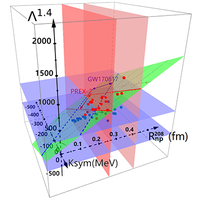
Phys. Rev. Lett. 135, 172701 (2025)
Nuclear Physics
Dissipative Phase Transition in the Two-Photon Dicke Model
Article | Atomic, Molecular, and Optical Physics | 2025-10-24 06:00 EDT
Aanal Jayesh Shah, Peter Kirton, Simone Felicetti, and Hadiseh Alaeian
We explore the dissipative phase transition of the two-photon Dicke model, a topic that has garnered significant attention recently. Our analysis reveals that while single-photon loss does not stabilize the intrinsic instability in the model, the inclusion of two-photon loss restores stability, lead…
Phys. Rev. Lett. 135, 173602 (2025)
Atomic, Molecular, and Optical Physics
arXiv
High Strain Rate Behavior of Liquid Crystal Elastomers
New Submission | Soft Condensed Matter (cond-mat.soft) | 2025-10-24 20:00 EDT
Adeline Wihardja, Juan Carlos Nieto Fuentes, Daniel Rittel, Kaushik Bhattacharya
Liquid crystal elastomers are rubbery solids that couple liquid crystalline order and deformation. This coupling leads to properties that are attractive for a number of applications in soft robotics and energy absorption. This paper is motivated by the latter application, and provides a systematic experimental study of a particular class of liquid crystal elastomers – the isotropic genesis polydomain liquid crystal elastomers – over a wide range of strain rates. An important aspect of this study is a novel tensile drop-tower that enables tensile strain rates of 100 s$ ^{-1}$ that are important to application but previously inaccessible. The paper also extends a recently proposed constitutive model to the high strain rate regime, and shows that it can be fit to describe the observed behavior across the spectrum of examined behavior.
Soft Condensed Matter (cond-mat.soft), Materials Science (cond-mat.mtrl-sci)
20 pages, 13 figures, 2 tables
Excitonic correlations in the system of gated metallic wires with the applied Zeeman magnetic field
New Submission | Strongly Correlated Electrons (cond-mat.str-el) | 2025-10-24 20:00 EDT
We have studied the electron-electron interactions in the system composed of two metallic wires, placed in the external magnetic and electric fields. The interactions between the electrons in the wires have been taken into account within the usual Hubbard model. We have considered both half-filling and partial-filling limits for the occupation of the atomic lattice sites. We show the existence of the excitonic pairing in this low-dimensional system and calculate the excitonic order parameter in different electron-electron interaction regime, magnetic field and temperature. We demonstrate that the usual Hubbard-$ U$ interaction leads to strong electron localization which enhance the local antiferromagnetic order in the system.
Strongly Correlated Electrons (cond-mat.str-el)
12 pages, 8 figures
J. Appl. Phys., 135, 224302 (2024)
Canted antiferromagnetism and excitonic order in gated double-layer graphene
New Submission | Strongly Correlated Electrons (cond-mat.str-el) | 2025-10-24 20:00 EDT
We study the effects of the electron-electron interactions on the excitonic properties and charge-density modulations in the AB stacked double-layer (DL) graphene, placed in the external gate-potential $ V$ . The coexistence of the canted antiferromagnetic order and excitonic pairing gap has been studied with the help of the generalized Hubbard model. We calculate the chemical potential $ \mu$ , the average charge density difference between the layers $ \delta{\bar{n}}$ , the antiferromagnetic gap-function $ \Delta_{\rm AFM}$ and the excitonic order parameters $ \Delta_{\sigma}$ in the zero temperature limit. We found that the excitonic pairing order parameter has a larger energy scale than the canted antiferromagnetic gap-function. The charge neutrality, in the DL graphene system, occurs only in the absence of the external gate-potential $ V$ . Moreover, we have shown that the values of the antiferromagnetic gap-function $ \Delta_{\rm AFM}$ and excitonic order parameter $ \Delta_{\sigma}$ are always increasing at the large values of inter-layer Coulomb interaction, while they are decreasing for large values of the applied gate-potential $ V$ .
Strongly Correlated Electrons (cond-mat.str-el)
10 pages, 5 figures
Phys. Rev. B, 108, 075147 (2023)
A unified picture of phonon anomalies in crystals and glasses
New Submission | Materials Science (cond-mat.mtrl-sci) | 2025-10-24 20:00 EDT
Phonon spectra in solids often display anomalies that defy the simple Debye law, most prominently the van Hove singularity in crystals and the boson peak in glasses. Although traditionally regarded as distinct, both features are increasingly recognized as sharing a common physical origin. In a recent work, G. Ding et al. (Nat. Phys. 2025) propose a resonant-damping model that unifies these anomalies within a single framework. By coupling phonon damping to vibrational softening, their theory explains why some materials exhibit van Hove peaks, others boson peaks, and many show both. This advance extends earlier ideas and theories of Baggioli and Zaccone on the competition between phonon propagation and damping, while also connecting to microscopic mechanisms such as nonaffine motions in glasses. The resonant-damping paradigm thus offers a promising step toward a unified understanding of vibrational anomalies across ordered and disordered solids.
Materials Science (cond-mat.mtrl-sci), Disordered Systems and Neural Networks (cond-mat.dis-nn), Soft Condensed Matter (cond-mat.soft), Statistical Mechanics (cond-mat.stat-mech), Quantum Physics (quant-ph)
News and Views on G. Ding et al., Nat. Phys. (2025). this https URL
SCIENCE CHINA Physics, Mechanics & Astronomy Volume 69, Issue 2: 226131 (2026)
Temperley-Lieb integrable models and fusion categories
New Submission | Strongly Correlated Electrons (cond-mat.str-el) | 2025-10-24 20:00 EDT
Matthew Blakeney, Luke Corcoran, Marius de Leeuw, Balazs Pozsgay, Eric Vernier
We show that every fusion category containing a non-invertible, self-dual object $ a$ gives rise to an integrable anyonic chain whose Hamiltonian density satisfies the Temperley-Lieb algebra. This spin chain arises by considering the projection onto the identity channel in the fusion process $ a\otimes a$ . We relate these models to Pasquier’s construction of ADE lattice models. We then exploit the underlying Temperley-Lieb structure to discuss the spectrum of these models and argue that these models are gapped when the quantum dimension of $ a$ is greater than 2. We show that for fusion categories where the dimension is close to 2, such as the Fib$ \times$ Fib and Haagerup fusion categories, the finite size effects are large and they can obscure the numerical analysis of the gap.
Strongly Correlated Electrons (cond-mat.str-el), Statistical Mechanics (cond-mat.stat-mech), High Energy Physics - Theory (hep-th), Mathematical Physics (math-ph), Exactly Solvable and Integrable Systems (nlin.SI)
27 pages
Quantum Hall to Chiral Spin Liquid transition in a Triangular Lattice Hofstadter-Hubbard Model
New Submission | Strongly Correlated Electrons (cond-mat.str-el) | 2025-10-24 20:00 EDT
Cesar A. Gallegos, Rafael M. Magaldi, Andrew Millis, Steven R. White
We investigate the weak interaction integer quantum Hall (IQH) phase, the intermediate interaction phase identified as a chiral spin liquid (CSL) and the transition between them in the triangular lattice Hofstadter-Hubbard model at a density of one electron per site in an orbital magnetic field corresponding to one-quarter flux per plaquette. Our primary tool is the finite system density matrix renormalization group (DMRG) method with both interaction-strength scan and fixed interaction techniques for cylinders of circumference 3, 5, and 7 and lengths up to 240. For the IQH phase, we use single particle exact diagonalization to clarify finite size effects, including an excess charge on the edges of our cylinders, and the limitations of entanglement spectra degeneracies on small circumference cylinders. For both phases, we use DMRG to study the entanglement spectra, the entanglement entropy, and the effect of flux insertion on charge and spin pumping, all of which show key differences between the two phases. To study the transition, we use interaction-strength scans extending between the two phases, and apply a scaling data collapse of a bond-dimerization order parameter to extract critical exponents. We also extract critical behavior from the divergence of correlation lengths on the IQH side, measuring decay away from edges of both the dimerization order parameter and transverse edge currents. The critical behavior and exponents are consistent with an Ising transition in 1+1 dimensions. Finally, we obtain excited states in various quantum number sectors finding that the gap to a charge neutral momentum $ \pi$ excitation corresponding to fluctuations of the dimerization order parameter closes in the vicinity of the critical point but gaps to other excitations remain large.
Strongly Correlated Electrons (cond-mat.str-el)
12+4 pages, 12+7 figures
Coupled imbibition and evaporation of droplets deposited on a nanoporous layer
New Submission | Soft Condensed Matter (cond-mat.soft) | 2025-10-24 20:00 EDT
Joachim Trosseille, Hugo Bellezza, Olivier Vincent
Liquids in hydrophilic pores of nanoscale dimensions have capillary pressures so large that they can theoretically climb several kilometers against gravity. But droplets deposited on thin nanoporous layers form imbibition fronts that stop advancing at typically a fraction of a millimeter, because of evaporation. Recently, there has been growing interest in such droplet infiltration dynamics, either as a way to study the behavior of confined fluids, or in connection with applications e.g. in water harvesting, printing, chemical delivery, actuating, sensing, etc. Here, we investigate theoretically and experimentally the spontaneous imbibition and evaporation of sessile liquid droplets into a thin porous layer with pores of nanometric dimensions (mesopores) and its dependency on the imposed relative humidity (RH). Theoretically, we provide a unified analytical approach to describe the dynamics of the imbibition annulus (halo), which corrects for a neglected coupling between imbibition and evaporation fluxes, describes halos of arbitrary dimensions with respect to droplet size, and incorporates confinement-induced thermodynamic shifts (Kelvin effect). Experimentally, we show that the timescales of halo formation diverge at a critical RH, due to the Kelvin effect. Our analysis also shows an apparent divergence of the imbibition coefficient, which cannot be explained by standard capillary models. This observation suggests an important role of vapor transport and condensation along the porous surface. Globally, our results indicate that droplet infiltration in porous layers involve complex couplings, and that one should be cautious when interpreting halo dynamics data. Our study also suggests RH as a powerful control parameter for tuning droplet imbibition behavior and infiltration patterns.
Soft Condensed Matter (cond-mat.soft), Materials Science (cond-mat.mtrl-sci), Fluid Dynamics (physics.flu-dyn)
28 pages, 11 figures (submitted)
Dimensionality-Changing Transition from a Non-Fermi Liquid to a Spin-Solid in a Multichannel Kondo Lattice
New Submission | Strongly Correlated Electrons (cond-mat.str-el) | 2025-10-24 20:00 EDT
Simon Martin, Marcin Raczkowski, Fakher F. Assaad, Tarun Grover
A multichannel Kondo system, where a single quantum spin couples to multiple channels of an electronic bath, provides one of the simplest examples of a zero-dimensional non-Fermi liquid. It is natural to ask: what happens when an extensive number of such systems are coupled together? A simple renormalization group argument implies that in a chain of SU(N) multichannel quantum systems, where each spin is coupled to its own bath of K channels, the individual spins dynamically decouple at low energy when N>K, resulting in a ‘sliding’ non-Fermi liquid. Using Quantum Monte Carlo (QMC) simulations, we find evidences of a continuous, ‘dimensionality-changing’ phase transition out of this non-Fermi liquid into a valence-bond solid phase as the intersite coupling is increased. Remarkably, at the critical point, correlations exhibit a power-law behavior even along the direction in which the spins are coupled, indicating the breakdown of dynamical decoupling at the transition. We also develop an RG scheme to understand the universal aspects of this transition.
Strongly Correlated Electrons (cond-mat.str-el), Quantum Physics (quant-ph)
7+19 pages, 4+8 figures
Quantum geometry and impurity sensitivity of superconductors without time-reversal symmetry: application to rhombohedral graphene and altermagnets
New Submission | Superconductivity (cond-mat.supr-con) | 2025-10-24 20:00 EDT
Denis Sedov, Mathias S. Scheurer
Analyzing the consequences of the quantum geometry induced by the momentum dependence of Bloch states has emerged as a very rich and active field in condensed matter physics. For instance, for the superfluid stiffness or the pairing mechanism, these geometric aspects can play an important role. We here demonstrate that quantum geometry can also be essential for the disorder sensitivity of a superconductor, in particular when time-reversal symmetry is broken in the normal-state Bloch Hamiltonian. We derive a general expression for the behavior of the critical temperature $ T_c$ involving weighted (anti-)commutators of the superconducting order parameter and impurity matrix elements, which includes both wave-function effects and kinetic pair breaking due to broken time-reversal symmetry in the dispersion. We analyze how the former effects lead to “quantum geometric pair breaking”, where any superconductor becomes susceptible to microscopically non-magnetic impurities, and formally relate it to the maximum possible localization of two-particle Wannier states. Further, in the presence of kinetic pair breaking, impurities can also enhance pairing, leading to an overall more complex, non-monotonic behavior of $ T_c$ with impurity concentration. We also analyze the fate of finite-momentum pairing. Our results are directly relevant to rhombohedral graphene, twisted MoTe$ _2$ , and superconducting altermagnets.
Superconductivity (cond-mat.supr-con)
Approach to equilibrium for a particle interacting with a harmonic thermal bath
New Submission | Statistical Mechanics (cond-mat.stat-mech) | 2025-10-24 20:00 EDT
Federico Bonetto, Alberto Mario Maiocchi
We study the long time evolution of the position-position correlation function $ C_{\alpha,N}(s,t)$ for a harmonic oscillator (the {\it probe}) interacting via a coupling $ \alpha$ with a large chain of $ N$ coupled oscillators (the {\it heat bath}). At $ t=0$ the probe and the bath are in equilibrium at temperature $ T_P$ and $ T_B$ , respectively. We show that for times $ t$ and $ s$ of the order of $ N$ , $ C_{\alpha,N}(s,t)$ is very well approximated by its limit $ C_{\alpha}(s,t)$ as $ N\to\infty$ . We find that, if the frequency $ \Omega$ of the probe is in the spectrum of the bath, the system appears to thermalize, at least at higher order in $ \alpha$ . This means that, at order 0 in $ \alpha$ , $ C_\alpha(s,t)$ equals the correlation of a probe in contact with an ideal stochastic {\it thermostat}, that is forced by a white noise and subject to dissipation. In particular we find that $ \lim_{t\to\infty} C_\alpha(t,t)=T_B/\Omega^2$ while that $ \lim_{\tau\to\infty} C_\alpha(\tau,\tau+t)$ exists and decays exponentially in $ t$ . Notwithstanding this, at higher order in $ \alpha$ , $ C_{\alpha}(s,t)$ contains terms that oscillate or vanish as a power law in $ |t-s|$ . That is, even when the bath is very large, it cannot be thought of as a stochastic thermostat. When the frequency of the bath is far from the spectrum of the bath, no thermalization is observed.
Statistical Mechanics (cond-mat.stat-mech), Mathematical Physics (math-ph)
39 pages
Quantum localization in incommensurate tight-binding chains
New Submission | Disordered Systems and Neural Networks (cond-mat.dis-nn) | 2025-10-24 20:00 EDT
We explore quantum localization phenomena in a system of two coupled tight-binding chains with incommensurate periods. Employing the inverse participation ratio as a measure of localization, we investigate the effects of geometric incommensurability and external magnetic fields. Numerical results reveal the existence of a mobility edge in the spectrum characterized by an abrupt onset of localization in higher-energy states. We find that localization tends to be enhanced by a weak magnetic field, whereas a strong field delocalizes most states.
Disordered Systems and Neural Networks (cond-mat.dis-nn), Mesoscale and Nanoscale Physics (cond-mat.mes-hall)
13 pages, 13 figures
Dynamics of Majorana Fermions on a Quantum Computer
New Submission | Strongly Correlated Electrons (cond-mat.str-el) | 2025-10-24 20:00 EDT
Yuxiao Hang, Rosa Di Felice, Aiichiro Nakano, Stephan Haas
The study of quasiparticle dynamics is central to understanding non-equilibrium phenomena in quantum many-body systems. Direct simulation of such dynamics on quantum hardware has been limited by circuit depth and noise constraints. In this work, we use a recently developed constant-depth circuit algorithm to examine the real-time evolution of site-resolved magnetization in a transverse-field Ising chain on noisy intermediate-scale quantum devices. By representing each spin as a pair of Majorana fermions, we identify two distinct dynamical regimes governed by the relative strength of spin interaction. Furthermore, we show how local impurities can serve as probes of Majorana modes, acting as dynamical barriers in the weak coupling regime. These results demonstrate that constant-depth quantum circuits provide a viable route for studying quasiparticle propagation and for probing Majorana signatures on currently available quantum processors.
Strongly Correlated Electrons (cond-mat.str-el)
Defect configuration of an active nematic around a circular obstacle
New Submission | Soft Condensed Matter (cond-mat.soft) | 2025-10-24 20:00 EDT
Hiroki Matsukiyo, Jun-ichi Fukuda
Nematic liquid crystal is a complex fluid whose constituents have an anisotropic shape and exhibit orientational order. A class of active matter which exhibits orientational order, e.g., cell populations, is called active nematic. A singularity of the orientational field, called a topological defect, is a robust structure which cannot be removed by continuum deformations. This robustness plays an important role in, e.g., the process of morphogenesis. To enhance the understanding of the behavior of active nematic, it is important to understand the behavior of topological defects. In this paper, we study the configuration of topological defects of a two-dimensional active nematic around a circular obstacle. In the case of a passive nematic liquid crystal, the equilibrium configuration of defects can be easily identified by the method of image charges. In the case of an active nematic, however, one must take account of the flow field generated by active constituents, and the problem of identifying the defect configuration becomes complicated. In this study, we perform numerical simulations and investigate how the stationary defect configuration deviates from the passive case. Furthermore, we carry out a theoretical calculation based on an analytical expression relating the defect velocity with the force exerted on the defect. Our theoretical calculation qualitatively reproduces the simulation results. Our study may be applied to describing the behaviour of e.g. cell populations in the presence of obstacles, and has the potential to benefit related fields, e.g., developmental biology.
Soft Condensed Matter (cond-mat.soft)
Correlation between magnetism and lattice dynamics for cubic FeGe under pressure
New Submission | Superconductivity (cond-mat.supr-con) | 2025-10-24 20:00 EDT
R.A. Tonacatl-Monez, R. Heid, O. De la Peña-Seaman
This first-principles study investigates the structural, electronic, lattice dynamical properties, and electron-phonon coupling in ferromagnetic cubic B20 FeGe under applied pressure. The implemented spin-scaling exchange-correlation (ssxc) approach allowed to modify the magnetic moment and ferromagnetic phase energetics using a single scaling parameter, thereby yielding an adjustment of the critical pressure ($ p_c$ ) to its experimental value. The ssxc scheme resulted in a subtle energy shift of the electronic bands in the spin-up channel, and reduced the magnetic moment, bringing it closer to the experimentally reported value. Application of the ssxc approach to phonon dispersion and electron-phonon interaction resulted in a slight mitigation of the pronounced softening and large linewidths of the lowest-frequency acoustic branch close to the $ R$ -point, typically observed with standard DFT calculations. With increasing pressure, phonon anomaly and linewidths diminish significantly and practically disappear at $ p_c$ and beyond. This trend parallels the pressure dependence of the magnetic moment. A comparative analysis of the electronic joint density of states with the phonon linewidths revealed that the momentum dependence of linewidths around the $ R$ -point closely follow the momentum dependence of the electron-phonon matrix elements. This indicates that the correlation between magnetic moment and linewidths under applied pressure originates from the electron-phonon matrix elements, presenting a distinct scenario compared to other B20 family members, where nesting plays a more dominating role.
Superconductivity (cond-mat.supr-con), Materials Science (cond-mat.mtrl-sci)
Accepted for publication in this http URL.: Condens. Matter
Fabrication and Structural Analysis of Trilayers for Tantalum Josephson Junctions with Ta$_2$O$_5$ Barriers
New Submission | Superconductivity (cond-mat.supr-con) | 2025-10-24 20:00 EDT
Raahul Potluri, Rohin Tangirala, Sage Bauers, Alejandro Barrios, Praveen Kumar, Peter V. Sushko, David P. Pappas, Serena Eley
Tantalum (Ta) has recently emerged as a promising low-loss material, enabling record coherence times in superconducting qubits. This enhanced performance is largely attributed to its stable native oxide, which is believed to host fewer two-level system (TLS) defects key $ -$ contributors to decoherence in superconducting circuits. Nevertheless, aluminum oxide (AlO$ _x$ ) remains the predominant choice for Josephson junction barriers in most qubit architectures. In this study, we systematically investigate various techniques for forming high-quality oxide layers on $ \alpha$ -phase tantalum ($ \alpha$ -Ta) thin films, aiming to develop effective Josephson junction barriers. We explore thermal oxidation in a tube furnace, rapid thermal annealing, as well as plasma oxidation of both room-temperature and heated Ta films, and propose a mechanistic picture of the underlying oxidation mechanisms. All methods yield Ta$ _2$ O$ _5$ , the same compound as tantalum’s native oxide. Among these, plasma oxidation produces the smoothest and highest-quality oxide layers, making it particularly well-suited for Josephson junction fabrication. Furthermore, we demonstrate the successful epitaxial growth of $ \alpha$ -Ta atop oxidized $ \alpha$ -Ta films, paving the way for the realization of trilayer Ta/Ta-O/Ta Josephson junctions with clean, low-loss interfaces.
Superconductivity (cond-mat.supr-con), Materials Science (cond-mat.mtrl-sci), Quantum Physics (quant-ph)
Circuit-based cavity magnonics in the ultrastrong and deep-strong coupling regimes
New Submission | Mesoscale and Nanoscale Physics (cond-mat.mes-hall) | 2025-10-24 20:00 EDT
Takahiro Chiba, Ryunosuke Suzuki, Takashi Otaki, Hiroaki Matsueda
We theoretically study nonperturbative strong-coupling phenomena in cavity magnonics systems in which the uniform magnetization dynamics (magnons) in a ferromagnet is coupled to the microwave magnetic field (photons) of a single LC resonator. Starting from an effective circuit model that accounts for the magnetization dynamics described by the Landau-Lifshitz-Gilbert equation, we show that a nontrivial frequency shift emerges in the ultrastrong and deep-strong coupling regimes, whose microscopic origin remains elusive within a purely classical framework. The circuit model is further quantized to derive a minimal quantum mechanical model for generic cavity magnonics, which corresponds to a two-mode version of the Hopfield Hamiltonian and explains the mechanism of the frequency shifts found in the {\it classical} circuit model. We also formulate the relation between the frequency shift and quantum quantities, such as the ground-state particle number, quantum fluctuations associated with the Heisenberg uncertainty principle, and entanglement entropy, providing a nondestructive means to experimentally access to these quantum resources. By utilizing soft magnons in an anisotropic ferromagnet, we further demonstrate that these quantum quantities diverge at the zeros of the magnon band edges as a function of the external magnetic field. This work paves the way for cavity magnonics beyond the conventional strong coupling regime.
Mesoscale and Nanoscale Physics (cond-mat.mes-hall), Materials Science (cond-mat.mtrl-sci), Applied Physics (physics.app-ph), Quantum Physics (quant-ph)
16 pages, 11 figures, accepted for publication in Physical Review B
Good Enough is Better: Feasibility vs. Pareto-Optimality in Alloy Design
New Submission | Materials Science (cond-mat.mtrl-sci) | 2025-10-24 20:00 EDT
Cayden Maguire, Christofer Hardcastle, Trevor Hastings, Raymundo Arróyave, Brent Vela
In alloy design, the search for candidate materials is often framed as an optimization problem, with the goal of identifying Pareto-optimal solutions across multiple objectives. However, Pareto-optimal solutions do not necessarily satisfy all minimum performance thresholds required for practical deployment. An alternative approach is to treat alloy design as a constraint satisfaction problem, in which the goal is to identify any solution that meets all bare minimum requirements across multiple quantities of interest. These approaches have yet to be benchmarked against each other in the context of realistic alloy design problems. In this work, we demonstrate that, in realistic alloy design campaigns involving multiple objectives and constraints, the constraint satisfaction framework yields a higher likelihood of finding viable alloys than optimization-based approaches. Furthermore, constraint-satisfaction approaches find the first viable alloy solutions earlier than optimization. Our results suggest that focusing on feasibility rather than optimality can lead to more actionable outcomes in materials discovery, particularly in highly constrained applications.
Materials Science (cond-mat.mtrl-sci)
11 pages, under review
Intrinsic Non-linearity of Josephson Junctions as an Alternative Origin of the Missing First Shapiro Step
New Submission | Mesoscale and Nanoscale Physics (cond-mat.mes-hall) | 2025-10-24 20:00 EDT
Lei Xu, Shuhang Mai, Manzhang Xu, Xue Yang, Lihong Hu, Xinyi Zheng, Sicheng Zhou, Siyuan Zhou, Bingbing Tong, Xiaohui Song, Jie Shen, Zhaozheng Lyu, Ziwei Dou, Xiunian Jing, Fanming Qu, Peiling Li, Guangtong Liu, Li Lu
The missing first Shapiro step in microwave-irradiated Josephson junctions has been widely interpreted as a hallmark of Majorana bound states. However, conventional mechanisms like junction underdamping or Joule heating can produce similar signatures. Here, we demonstrate that the intrinsic non-linear current-voltage characteristic of low-to-moderate transparency junctions can also suppress the first step, accompanied by distinctive zigzag boundaries between the zeroth and first step at intermediate driving frequencies. Microwave measurements on Al/WTe2 junctions and numerical simulations of a non-linear resistively and capacitively shunted junction model reveal the first step collapse induced by switching jumps of current, together with zigzag features absent in scenarios solely driven by finite \b{eta} or Joule heating. This zigzag signature therefore provides a crucial diagnostic tool, emphasizing the necessity of comprehensive analysis of microwave spectra before attributing the absence of the first Shapiro step to Majorana physics.
Mesoscale and Nanoscale Physics (cond-mat.mes-hall)
18 pages, 4 figures
Domain wall induced topological Hall effect in the chiral-lattice ferromagnet Fe$_x$TaS$_2$
New Submission | Materials Science (cond-mat.mtrl-sci) | 2025-10-24 20:00 EDT
Sk Jamaluddin, Warit Nisaiyok, Yu Zhang, Hari Bhandari, Brian A. Francisco, Peter E. Siegfried, Fehmi Sami Yasin, Tianyi Wang, Abhijeet Nayak, Mohamed El Gazzah, Resham Babu Regmi, June Ho Yeo, Liuyan Zhao, J. F. Mitchell, Yong-Tao Cui, Nirmal J. Ghimire
Magnetic topology and its associated emergent phenomena are central to realizing intriguing quantum states and spintronics functionalities. Designing spin textures to achieve strong and distinct electrical responses remains a significant challenge. Layered transition metal dichalcogenides offer a versatile platform for tailoring structural and magnetic properties, enabling access to a wide spectrum of topological magnetic states. Here, we report a domain-wall-driven, large, and tunable topological Hall effect (THE) in a non-centrosymmetric intercalated transition metal dichalcogenides series Fe$ _x$ TaS$ _2$ . By systematically varying the Fe intercalation level, we exert precise control over the magnetic ground states, allowing manipulation of the topological Hall effect. Real-space magnetic force microscopy (MFM) provides direct evidence of periodic magnetic stripe domain formation, confirming the microscopic origin of the observed topological transport phenomena. Our findings establish a promising way for tuning the topology of domains to generate substantial electromagnetic responses in layered magnetic materials.
Materials Science (cond-mat.mtrl-sci)
Kondo breakdown induced by the non-Hermitian complex hybridization
New Submission | Strongly Correlated Electrons (cond-mat.str-el) | 2025-10-24 20:00 EDT
Kazuki Yamamoto, Masaya Nakagawa, Norio Kawakami
Recently, a non-Hermitian Anderson impurity model with one-body loss has been studied in [Phys. Rev. B 111, 125157 (2025)}], and it has been demonstrated that the renormalization effect generated by strong correlations counterintuitively changes the nature of dissipation into an emergent many-body dissipation that causes a Kondo breakdown. In a closely related context, it is also known that two-body loss in a non-Hermitian Kondo model triggers the Kondo breakdown. To elucidate the essence of these phenomena, we study the Anderson impurity model with a non-Hermitian complex hybridization as an effective model that provides a simple understanding of the Kondo breakdown. Using the slave-boson mean-field theory, we show that this model can explain the Kondo breakdown with a single complex parameter. Furthermore, we provide the exact Bethe ansatz solutions that support the results obtained by the slave-boson mean-field theory. Finally, we point out that the Lehmann representation for the non-Hermitian Green function cannot be obtained by the analytic continuation to the complex energy upon the Kondo breakdown, where the analyticity of the non-Hermitian Green function in the half-complex-$ \omega$ plane no longer holds.
Strongly Correlated Electrons (cond-mat.str-el), Mesoscale and Nanoscale Physics (cond-mat.mes-hall), Quantum Gases (cond-mat.quant-gas), Quantum Physics (quant-ph)
18 pages, 4 figures
Microscopic evidence of a field-induced critical spin-liquid state in a frustrated metal
New Submission | Strongly Correlated Electrons (cond-mat.str-el) | 2025-10-24 20:00 EDT
I. Ishant, Z. Guguchia, V. Fritsch, O. Stockert, M. Majumder
A field-induced quantum spin liquid (QSL) state is an extraordinary phenomenon, hitherto unobserved in metallic frustrated compounds. Recent bulk measurements have revealed intriguing field-induced magnetic states in metallic frustrated CePdAl. However, the nature of these field-induced states, potentially including a QSL state, remains unclear due to the lack of detailed microscopic investigation. To elucidate these field-induced states, we employed the transverse-field muon spin relaxation/rotation (TF-$ \mu$ SR) technique, applying various magnetic fields parallel to the c-axis in single-crystalline CePdAl over a broad temperature range (100K-100mK). Our $ \mu$ SR data indicate that field-induced low-temperature states for fields B$ \leq B_{c2}(=3.4T)$ exhibit long-range magnetic order, whereas for B>$ B_{c2}$ they yield contrasting behavior. Notably, at 3.75 T, the transverse relaxation rate ($ \lambda_T$ ) diverges following a power-law dependence below 800mK along with an indication of finite frustration, whereas the Knight shift is temperature independent. These observations corroborate the signature of a critical spin-liquid (CSL) with antiferromagnetic spin fluctuations. Furthermore, at 4.3 T, a non-Fermi liquid state is observed where frustration is absent. This comprehensive microscopic study strongly suggests the existence of a CSL state in a metallic frustrated system.
Strongly Correlated Electrons (cond-mat.str-el)
6 pages, 4 figures
Soft Phonon Charge-Density Wave Formation in the Kagome Metal KV$_3$Sb$_5$
New Submission | Superconductivity (cond-mat.supr-con) | 2025-10-24 20:00 EDT
Yifan Wang, Chenchao Xu, Zhimian Wu, Huachen Rao, Zhaoyang Shan, Yi Liu, Guanghan Cao, Michael Smidman, Ming Shi, Huiqiu Yuan, Tao Wu, Xianhui Chen, Chao Cao, Yu Song
A range of of unusual emergent behaviors have been reported in the charge-density wave (CDW) state of the $ A$ V$ _3$ Sb$ _5$ ($ A=~$ K, Rb, Cs) kagome metals, including a CDW formation process without soft phonons, which points to an unconventional CDW mechanism. Here, we use inelastic x-ray scattering to show that the CDW in KV$ _3$ Sb$ 5$ forms via phonons that soften to zero energy at the CDW ordering vector ($ L$ -point) around $ T{\rm CDW}=78$ ~K. These soft phonons exhibit a remarkable in-plane anisotropy, extending over a much larger momentum range along $ L$ -$ A$ relative to $ L$ -$ H$ , which leads to diffuse scattering common among $ A$ V$ _3$ Sb$ _5$ . Using first-principles calculations, we find that the momentum-dependent electron-phonon coupling (EPC) is peaked at $ L$ and exhibits the same in-plane anisotropy as the phonon softening. Conversely, the electronic susceptibility is not peaked at $ L$ and shows the opposite in-plane anisotropy. Our findings favor momentum-dependent EPC as the driving mechanism of the CDW in KV$ _3$ Sb$ _5$ , with a CDW formation process similar to that of transition metal dichalcogenides.
Superconductivity (cond-mat.supr-con), Strongly Correlated Electrons (cond-mat.str-el)
submitted to journal in July 2025
Electric field induced Berry curvature dipole and non-linear anomalous Hall effect in higher wave symmetric unconventional magnets
New Submission | Mesoscale and Nanoscale Physics (cond-mat.mes-hall) | 2025-10-24 20:00 EDT
Srimayi Korrapati, Snehasish Nandy, Sumanta Tewari
We investigate the second-order anomalous Hall response in two-dimensional higher-wave-symmetric magnets, including the recently discovered class of collinear magnets known as altermagnets, when subjected to a symmetry-breaking external electric field. In these systems, the first- and second-order anomalous Hall responses mediated by the first- and second-order multipoles of the Berry curvature over the occupied states vanish by symmetry. However, a symmetry-breaking dc electric field can induce a nonzero Berry curvature dipole by coupling to a nonvanishing quantum metric, also known as the Berry connection polarizability. An applied ac electric field can then generate a finite nonlinear transverse Hall effect characterized by a second harmonic response. We discuss this remarkable effect in a class of higher-order-symmetric unconventional magnets (of $ p$ , $ d$ , $ f$ , $ g$ , $ i$ symmetry), including the subclass of altermagnets. We demonstrate that the electric-field-induced anomalous Hall effect in the higher-wave-symmetric magnets can serve not only as a probe of the underlying quantum metric of the occupied states but also as a means to distinguish the even ($ d$ -,$ g$ -wave) and odd ($ p$ -wave) order parameter symmetries defined on the square lattice.
Mesoscale and Nanoscale Physics (cond-mat.mes-hall)
9 pages, 3 figures
Non-relativistic spin splitting: Features and Functionalities
New Submission | Materials Science (cond-mat.mtrl-sci) | 2025-10-24 20:00 EDT
Recently, spin splitting of non-relativistic origin in compensated antiferromagnets has drawn growing attention in condensed matter research. Although many materials, now known to exhibit such spin splitting, have been studied for decades, their manifestation along non-high-symmetry momentum directions initially hindered their recognition. In recent years, significant progress has been made in uncovering the symmetry principles that allow non-relativistic spin splitting in the absence of net magnetization, revealing the unconventional physics arising from their coexistence. In this review, we provide a concise overview of non-relativistic spin splitting in compensated antiferromagnets with various spin configurations, including collinear, coplanar, and non-coplanar spin arrangements. We summarize practical identification guidelines, highlight characteristic features in electronic band structures, and discuss the emerging functionalities, with an emphasis on promising directions for future exploration.
Materials Science (cond-mat.mtrl-sci)
17 pages, 9 figures
Emergent Massless Dirac Fermions in Moiré Bands of Bilayer Graphene/hBN Superlattice
New Submission | Mesoscale and Nanoscale Physics (cond-mat.mes-hall) | 2025-10-24 20:00 EDT
Mohit Kumar Jat, Kenji Watanabe, Takashi Taniguchi, Aveek bid
A superlattice of multilayer graphene and hBN has proven to be a promising pathway for engineering electronic band structures and topologies. In this work, we experimentally demonstrate the role of hBN alignment in inducing topological band reconstruction in bilayer graphene (BLG) superlattices. Our study establishes that while the primary band retains its massive chiral naure, the secondary bands host massless, chiral fermions. Magnetotransport measurements, including Quantum Hall, temperature-dependent Shubnikov-de Haas oscillations, and Berry phase analysis, confirm the distinct topological nature of these bands. A significantly reduced Fermi velocity in the moiré secondary band indicates band flattening induced by the moiré potential. Our study provides a pathway for controlling topological quantum transport in BLG/hBN superlattices.
Mesoscale and Nanoscale Physics (cond-mat.mes-hall), Materials Science (cond-mat.mtrl-sci)
Phase Separation in Kitaev Chain
New Submission | Superconductivity (cond-mat.supr-con) | 2025-10-24 20:00 EDT
Kitaev chain is a one-dimensional spinless fermion model that has $ p$ -wave superconducting (SC) states and Majorana zero modes at the edge. Usually this model is analyzed by taking only SC order parameter (OP) into account, but the situation significantly changes when OPs other than the SCOP are included. It turns out that the SC state in the latter case is prone to phase separation for moderate to strong attractiive interactions.
Superconductivity (cond-mat.supr-con)
6 pages, 3 figures
Temporal Renormalization and the Critical-like Behavior in Supercooled Liquids
New Submission | Statistical Mechanics (cond-mat.stat-mech) | 2025-10-24 20:00 EDT
D. M. Zhang, D. Y. Sun, X. G. Gong
Inspired by the Kadanoff transformation in the standard renormalization group theory, we propose a temporal renormalization scheme. A Boltzmann factor that explicitly depends on the renormalized timescale is constructed, permitting thermodynamic quantities to be evaluated self-consistently across different timescales. By applying the scheme to the long-time dynamics of supercooled liquids, we uncover critical-like behaviors of supercooled liquid with three characteristic renormalization timescales: At the first timescale s_{\alpha}, the system appears to be “thermodynamically frozen”, i.e., the energy fluctuation becomes temperature-independent throughout the supercooled regime. At the second timescale s_{\beta}, the third-order moment of energy distribution reaches a maximum, and s_{\beta} is nearly temperature-independent. At the third timescale s_{\gamma}, the third-order moment of energy distribution passes through a minimum, and s_{\gamma} diverges as a power law s_{\gamma}=(T-T_{c})^(-{\gamma}). The scaling relations may reveal an intrinsic behavior in supercooled liquids, highlighting their unique feature. The current findings also demonstrate that temporal renormalization provides a powerful lens for investigating the timescale-specific dynamics.
Statistical Mechanics (cond-mat.stat-mech), Soft Condensed Matter (cond-mat.soft)
Highly Rectifying Cubic Copper Iron Sulfides p-n Junction Diode Fabricated by Anodic Oxidation
New Submission | Materials Science (cond-mat.mtrl-sci) | 2025-10-24 20:00 EDT
Yoshimine Kato, Tomoaki Nakamura, Katsuya Komorita, Kungen Teii
Rectification properties of semiconductor p-n junction diodes are the basic and important characteristics for electronic device evaluation, especially for novel semiconductor materials. Today’s semiconductor devices’ fabrication and integration processes require multibillion-dollar investments and are desired to be reduced or simplified. Therefore, low-cost and non-toxic base metal materials with simple fabrication methods are desired for the future semiconductor industry. Recently, copper-based sulfides have been studied for semiconductor devices such as thermoelectric, photovoltaic, or water-splitting applications. Here, a highly rectifying p-n diode of a cubic (disordered) phase Cu4Fe5S8 polycrystal with a zincblende-like structure fabricated by a simple/low-cost wet process is shown. It is found that the Cu4Fe5S8 diode shows the highest rectification ratio in the order of 106 with a large forward current density of 15 Acm-2 (@1.5 V forward bias) at room temperature among the other compounds of copper iron sulfide devices. This remarkable and stable diode characteristic obtained by the p-type layer anodically grown on the sintered n-type cubic-Cu4Fe5S8 can bring the industry closer to low-cost semiconductor manufacturing. These results open a platform of novel semiconductor materials such as cubic-Cu4Fe5S8 with further superior crystal growth and conductive characteristics.
Materials Science (cond-mat.mtrl-sci)
27 pages, 5 figures
Nonergodic extended phase for waves in three dimensions
New Submission | Disordered Systems and Neural Networks (cond-mat.dis-nn) | 2025-10-24 20:00 EDT
Marcus Prado, Romain Bachelard, Robin Kaiser, Felipe A. Pinheiro
Wave transport in complex media is determined by the nature of quasimodes at the microscopic level. In three dimensional disordered media, waves generally undergo a phase transition from diffusion to Anderson localization, characterized by exponentially localized modes. A remarkable exception are electromagnetic waves, whose vector-like nature prevents Anderson localization to occur. Here we demonstrate that both scalar and vector (electromagnetic) waves exhibit a non-ergodic extended phase characterized by fractal quasimodes, for a broad range of disorder strengths. While electromagnetic waves remain in the non-ergodic extended phase at high disorder strength, scalar waves eventually enter a localized regime. These results pave the way for the engineering of anomalous wave transport phenomena in disordered media without spatial correlations.
Disordered Systems and Neural Networks (cond-mat.dis-nn), Optics (physics.optics)
Critical fluctuations and conserved dynamics in a strange ferromagnetic metal
New Submission | Strongly Correlated Electrons (cond-mat.str-el) | 2025-10-24 20:00 EDT
Jin Zhan, Yongjun Zhang, Jiawen Zhang, Yu Liu, Zhiyong Nie, Yuxin Chen, Lin Jiao, Yashar Komijani, Michael Smidman, Frank Steglich, Piers Coleman, Huiqiu Yuan
The origin of the strange metallic behavior observed in a wide range of quantum materials is an open challenge to condensed matter physics. Historically, strange metals were uniquely associated with antiferromagnetic quantum critical points (QCPs), but a new generation of materials reveals their association with uniform order parameters, such as ferromagnetism, valley or nematic order, suggesting a deeper common denominator. At a QCP, order parameter fluctuations are characterized by the dynamical critical exponent $ z$ , which quantifies the space-time scaling asymmetry. Here, we report the observation of a divergence in the Grüneisen ratio at the QCP of the strange-metal ferromagnet CeRh$ _6$ Ge$ _4$ with a dynamical critical exponent $ z=3$ , signaling that the underlying quantum singularity involves a conserved degree of freedom. Yet the magnetization of this easy-plane ferromagnet is not conserved. We argue that the $ z=3$ strange criticality requires a description beyond the Landau paradigm, proposing a link with the gauge modes of the small-to-large Fermi surface transition and the associated gauge charge of the delocalizing heavy electrons.
Strongly Correlated Electrons (cond-mat.str-el)
7 pages, 4 figures
Self-diffusion in confined systems
New Submission | Statistical Mechanics (cond-mat.stat-mech) | 2025-10-24 20:00 EDT
Manuel Mayo, María Isabel García de Soria, Pablo Maynar, José Javier Brey
The self-diffusion process of a hard sphere fluid confined by two parallel plates separated by a distance on the order of the particle diameter is studied. The starting point is a closed kinetic equation for the distribution function that takes into account the effects of the confinement and that is valid in the low-density limit. From it, the Boltzmann-Lorentz equation that describes the dynamics of some tagged particles when the whole system is in equilibrium is derived. An equation that describes the diffusion in the directions parallel to the walls is deduced by applying the Zwanzig-Mori projection technique to the Boltzmann-Lorentz equation, obtaining an explicit expression for the self-diffusion coefficient that depends on the height of the system. A very good agreement between its theoretical prediction and Molecular Dynamics simulation results is obtained for the whole range of heights.
Statistical Mechanics (cond-mat.stat-mech), Disordered Systems and Neural Networks (cond-mat.dis-nn), Mesoscale and Nanoscale Physics (cond-mat.mes-hall)
31 pages, 9 figures. Accepted in Physical Review E
Predictive Indicator of Critical Point in Equilibrium and Nonequilibrium Magnetic Systems
New Submission | Statistical Mechanics (cond-mat.stat-mech) | 2025-10-24 20:00 EDT
Tianyi Zhang, Caihua Wan, Xiufeng Han
Determining critical points of phase transitions from partial data is essential to avoid abrupt system collapses and reducing experimental or computational costs. However, the complex physical systems and phase transition phenomena have long hindered the development of unified approaches applicable to both equilibrium and nonequilibrium phase transitions. In this work, we propose predictive indicators to determine critical points in equilibrium and nonequilibrium magnetic systems based on frequency-dependent response function. For equilibrium phase transition, such as magnetization switching under magnetic field, the static magnetization response function to a perturbing magnetic field diverges at the critical field, serving as a noise-resilient predictive indicator that also reflects the transition order and critical exponents. In contrast, for nonequilibrium phase transition, such as magnetization switching driven by spin-transfer torque, static response fails to signal criticality. Instead, the dynamic response at ferromagnetic resonance frequency diverges at the critical point, which is also robust against thermal noise. We further demonstrate that these static and dynamic indicators can be unified in the frame of first-order linear differential systems, offering a generalizable strategy for predicting criticality in both equilibrium and nonequilibrium transitions.
Statistical Mechanics (cond-mat.stat-mech), Other Condensed Matter (cond-mat.other)
Polymorphic self-poisoning in poly(lactic acid): a new phenomenon in polymer crystallization
New Submission | Soft Condensed Matter (cond-mat.soft) | 2025-10-24 20:00 EDT
Shu-Gui Yang, Xiang-bing Zeng, Feng Liu, Goran Ungar
Self-poisoning (SP) is ubiquitous in polymer crystallization, but has so far manifested itself visibly only as minima in growth rate vs. temperature in either monodisperse systems where e.g. unstable folded chains obstruct crystallization of stable extended chains, or in periodically segmented chains where unstable stems with n-1 segments disturb deposition of stable stems with n segments. Here we report a new type of self-poisoning found in poly(lactic acid) (PLA), where a less stable crystal form (alpha’) disturbs growth of the stable form (alpha). While alpha requires strict up-down order of the polar chains, alpha’ does not, hence is kinetically favoured. Unexpectedly, below the temperature of the growth rate minimum the lamellar thickness increases rather than drops, as in all other reported cases of polymer crystallization with decreasing temperature. A growth rate equation model is developed, giving good match with experiments, but revealing an unexpectedly low fold surface free energy of alpha’ form. Due to SP of alpha, most practical fast-cooling processing gives the low-modulus alpha’-form grown close to Tg, explaining generally poor mechanical properties of the bio-friendly PLA.
Soft Condensed Matter (cond-mat.soft)
12 pages, 4 figures and 1 table in main text + 3 pages end matter with 1 additional figure and derivation of the growth rate equation
Unlock Anionic Behavior of Calcium Through Pressure Engineering
New Submission | Materials Science (cond-mat.mtrl-sci) | 2025-10-24 20:00 EDT
Yang Lv, Junwei Li, Jianfu Li, Yong Liu, Jianan Yuan, 1 Jiani Lin, Saori Kawaguchi-Imada, Qingyang Hu, Xiaoli Wang
An isolated calcium (Ca) atom has empty d-orbitals under ambient conditions. However, s-d band hybridization has been observed in both elemental Ca and compounds by manipulating thermodynamic conditions. Here, we reveal that the Ca 3d-band can even capture electrons from halogen atoms under pressure, exhibiting anionic behaviors in iodides. We predict a CsCl-type monovalent CaI at above 50 GPa by employing first-principles structural searching and successfully identified the phase at 84 GPa using in situ X-ray diffraction. We further reveal that, due to the effect of orbital broadening, unusual charge transfer from the 5p orbitals of I to the 3d orbitals of Ca in CaI, gradually reverses the ionicity of Ca and becomes the anionic ICa at 485 GPa. Multivalent Ca stabilizes a set of metallic iodides with eight- to ten-fold iodine hyper-coordination. Our findings demonstrate that the valence states of Ca can vary from negative to +2, suggesting much greater complexity of Ca chemistry under ultrahigh pressures.
Materials Science (cond-mat.mtrl-sci)
Thermoelectric properties of interacting double quantum dots
New Submission | Mesoscale and Nanoscale Physics (cond-mat.mes-hall) | 2025-10-24 20:00 EDT
We investigate the thermoelectric transport properties of an interacting parallel double quantum dot in the Coulomb-blockade regime. Building on an analytical solution based on an equation-of-motion technique, we extend the formalism for the asymmetrically coupled situation and provide compact closed-form expressions for steady-state currents together with the differential conductance, Seebeck coefficient, and thermal conductance. We determine the operating points that maximize efficiency and output power of the system, clarifying their relation to standard near-equilibrium ZT expressions. We further study the thermal rectification in both the open- and closed-circuit configurations and derive an expression for the open-circuit case. Interaction-induced resonances are understood in terms of the poles of the resulting Green’s function, generating gate and bias dependent regions of enhanced efficiency at finite power, negative differential thermal conductance, and finite thermal rectification.
Mesoscale and Nanoscale Physics (cond-mat.mes-hall), Strongly Correlated Electrons (cond-mat.str-el)
13 pages, 7 figures
PBr3 Adsorption and Dissociation on the Si(100) Surface
New Submission | Materials Science (cond-mat.mtrl-sci) | 2025-10-24 20:00 EDT
Vladimir M. Shevlyuga, Yulia A. Vorontsova, Tatiana V. Pavlova
The adsorption of PBr3 on the Si(100)-2$ \times$ 1 surface was studied by scanning tunneling microscopy (STM) and density functional theory (DFT). The PBr3 molecule completely dissociates on the Si(100) surface at room temperature into P and Br atoms. In most cases, the dissociated molecule was observed in STM on three neighboring Si dimers. DFT calculations confirm that the PBr3 molecule can completely dissociate at room temperature. After annealing the sample to 400$ ^{\circ}$ C, phosphorus is incorporated into silicon, as evidenced by the Si atoms ejected to the surface. These findings are useful for the insertion of individual phosphorus atoms into silicon by PBr3 adsorption through a halogen mask.
Materials Science (cond-mat.mtrl-sci)
5 pages, 4 figures
The Journal of Physical Chemistry C, 127, 8978 (2023)
Vacancy diffusion on a brominated Si(100) surface: Critical effect of the dangling bond charge state
New Submission | Materials Science (cond-mat.mtrl-sci) | 2025-10-24 20:00 EDT
T. V. Pavlova, V. M. Shevlyuga
Silicon dangling bonds (DBs) on an adsorbate-covered Si(100) surface can be created in a scanning tunneling microscope (STM) with high precision required for a number of applications. However, vacancies containing DBs can diffuse, disrupting precisely created structures. In this work, we study the diffusion of Br vacancies on a Si(100)-2$ \times$ 1-Br surface in an STM under typical imaging conditions. In agreement with previous work, Br vacancies diffuse at a positive sample bias voltage. Here, we demonstrated that only vacancies containing a positively charged DB hop across the two atoms of a single Si dimer, while vacancies containing neutral and negatively charged DBs do not. Calculations based on the density functional theory confirmed that positively charged Br (and Cl) vacancies have a minimum activation barrier. We propose that diffusion operates by both one-electron and two-electron mechanisms depending on the applied voltage. Our results show that the DB charge has a critical effect on the vacancy diffusion. This effect should be taken into account when imaging surface structures with charged DBs, as well as when studying the diffusion of other atoms and molecules on the Si(100) surface with vacancies in an adsorbate layer.
Materials Science (cond-mat.mtrl-sci)
7 pages, 6 figures
The Journal of Chemical Physics, 157, 124705 (2022)
Ultralow-Cost magnetocaloric compound for Cryogenic Cooling
New Submission | Materials Science (cond-mat.mtrl-sci) | 2025-10-24 20:00 EDT
Wei Liu, Benjamin Theisel, Yulia Klunnikova, Konstantin Skokov, Oliver Gutfleisch
Cost-effective materials are essential for large-scale deployment. The emerging magnetocaloric hydrogen liquefaction technology could transform the liquid hydrogen industry due to its potential in achieving higher efficiency. Most studies of the cryogenic magnetocaloric effect (MCE) have focused on resource-critical rare-earth-based compounds. Here we report on an ionic magnetocaloric compound FeCl$ _2$ which is based on ultralow-cost elements, as a candidate working material for hydrogen liquefaction. FeCl$ _2$ shows both inverse and conventional MCE. From 0 to 1.5 T, the inverse effect yields a positive magnetic entropy change ($ \Delta S_T$ ) of about 5 J/kg/K near 20 K, then declines toward zero at higher fields. In contrast, the conventional (negative) response strengthens with field. The $ \Delta S_T$ reaches 18.6 J/kg/K near 20 K in magnetic fields of 5 T. This value exceeds most light rare-earth-based compounds and approaches that of heavy rare-earth-based compounds. In magnetic fields of 5 T, the adiabatic temperature change reaches about 3.6 K. The large $ \Delta S_T$ , along with the low cost of the elements in FeCl$ _2$ , are prerequisites for inexpensive industrial-scale production, giving the prospect of a practical magnetocaloric candidate for hydrogen liquefaction in the 20 $ \sim$ 77 K temperature window.
Materials Science (cond-mat.mtrl-sci)
Metallic island array as synthetic quantum matter: fractionalized entropy and thermal transport
New Submission | Strongly Correlated Electrons (cond-mat.str-el) | 2025-10-24 20:00 EDT
Nitay Hurvitz, Gleb Finkelstein, Eran Sela
The surprisingly rich physics of a single Coulomb-blockaded metallic island, when coupled to quantum Hall edge channels, is now well established – giving rise to charge fractionalization and multi-channel quantum impurity behavior. Here, we show that qualitatively new physics emerges in arrays of such elements. We consider a 1D chain of $ N$ metallic islands, focusing on thermodynamic signatures such as quantized entropy and anomalous thermal conductance. Universal and robust behavior emerges for energy scales smaller than the charging energy of the islands. In particular, we demonstrate that for the bulk filling factor of $ \nu=1$ , the islands could support a finite heat flow without temperature difference between them. Upon pinching the array with a quantum point contact, we predict an entropy change that scales with the number of islands as $ \Delta S = \frac{1}{2}k_B \log (N+1)$ , which can be measured using charge detection. This fractional entropy suggests the emergence of a novel type of excitations in the array.
Strongly Correlated Electrons (cond-mat.str-el)
9 pages, 5 figures
Transitions between liquid crystalline phases investigated by dielectric and infra-red spectroscopies
New Submission | Soft Condensed Matter (cond-mat.soft) | 2025-10-24 20:00 EDT
Aleksandra Deptuch, Natalia Osiecka-Drewniak, Anna Paliga, Natalia Górska, Anna Drzewicz, Katarzyna Chat, Mirosława D. Ossowska-Chruściel, Janusz Chruściel
The liquid crystalline 11OS5 compound, forming the nematic phase and a few smectic phases, is investigated by broadband dielectric spectroscopy and infra-red spectroscopy. The dielectric relaxation times, ionic conductivity, and positions of infra-red absorption bands corresponding to selected intra-molecular vibrations are determined as a function of temperature in the range from isotropic liquid to a crystal phase. The correlation coefficient matrix and k-means cluster analysis of infra-red spectra are tested for detection of phase transitions. The density-functional theory calculations are carried out for interpretation of experimental infra-red spectra. The performance of various basis sets and exchange-correlation functionals is compared, including both agreement of scaled calculated band positions with experimental values and computational time. The inter-molecular interactions in the crystal phase are inferred from the experimental IR spectra and density-functional theory calculations for dimers in head-to-head and head-to-tail configurations. The experimental temperature dependence of the C=O stretching band suggests that the head-to-tail configuration in a crystal phase is more likely. A significant slowing down of the flip-flop relaxation process is observed at the transition between the smectic C and hexagonal smectic X phases.
Soft Condensed Matter (cond-mat.soft)
Predicting the 3D microstructure of SOFC anodes from 2D SEM images using stochastic microstructure modeling and CNNs
New Submission | Materials Science (cond-mat.mtrl-sci) | 2025-10-24 20:00 EDT
Léon F. Schröder, Sabrina Weber, Lukas Fuchs, Volker Schmidt, Benedikt Prifling
The 3D microstructure of solid oxide fuel cell anodes significantly influences their electrochemical performance, but conventional methods for acquiring high-resolution microstructural 3D data such as focused ion beam scanning electron microscopy (FIB-SEM) are costly in both time and resources. In contrast, obtaining 2D images, such as from scanning electron microscopy (SEM), is more accessible, though typically providing insufficient information to accurately characterize the 3D microstructure. To address this challenge, we propose a novel approach that predicts the 3D microstructure from 2D SEM images. The presented method utilizes a low-parametric 3D model from stochastic geometry to generate a large number of virtual 3D microstructures and employs a physics-based SEM simulation tool to obtain the corresponding 2D SEM images. By systematically varying the underlying model parameters, a large dataset can be generated to train convolutional neural networks (CNNs). By doing so, we can statistically reconstruct the 3D microstructure from 2D SEM images by drawing realizations from the stochastic 3D model using the predicted model parameters. In addition, we conducted an error analysis on key geometrical descriptors to quantitatively evaluate the accuracy and reliability of this stereological prediction tool.
Materials Science (cond-mat.mtrl-sci)
Unveiling the Dimensionality of Networks of Networks
New Submission | Statistical Mechanics (cond-mat.stat-mech) | 2025-10-24 20:00 EDT
Lorenzo Grimaldi, Pablo Villegas, Alessandro Vezzani, Raffaella Burioni, Davide Cassi, Andrea Gabrielli
“Every object that biology studies is a system of systems.” (François Jacob, 1974). Most networks feature intricate architectures originating from tinkering, a repetitive use of existing components where structures are not invented but reshaped. Still, linking the properties of primitive components to the emergent behavior of composite networks remains a key open challenge. Here, by composing scale-invariant networks, we show how tinkering decouples Fiedler and spectral dimensions, hitherto considered identical, providing valuable insights into mesoscopic and macroscopic collective regimes.
Statistical Mechanics (cond-mat.stat-mech), Disordered Systems and Neural Networks (cond-mat.dis-nn), Physics and Society (physics.soc-ph)
7 pages and 4 figures
Sub-10 nm Quantification of Spin and Orbital Magnetic Moment Across the Metamagnetic Phase Transition in FeRh Using EMCD
New Submission | Mesoscale and Nanoscale Physics (cond-mat.mes-hall) | 2025-10-24 20:00 EDT
Jan Hajduček, Veronica Leccese, Ján Rusz, Jon Ander Arregi, Alexey Sapozhnik, Jáchym Štindl, Francesco Barantani, Paolo Cattaneo, Antoine Andrieux, Vojtěch Uhlíř, Fabrizio Carbone, Thomas LaGrange
Electron magnetic circular dichroism (EMCD) in transmission electron microscopy (TEM) enables element-specific measurement of spin and orbital magnetic moments, analogous to X-ray magnetic circular dichroism (XMCD). While the EMCD technique offers unmatched spatial resolution, its quantitative accuracy remains under scrutiny, particularly in beam-splitter geometries with convergent probes. Here, we systematically evaluate the limits of quantitative EMCD analysis using the first-order magnetostructural transition in the functional phase-change material FeRh as a tunable magnetic reference. Unlike previous EMCD studies primarily focused on elemental ferromagnets such as Fe, we demonstrate its applicability to a correlated material exhibiting coupled structural and magnetic order. We demonstrate that the extracted orbital-to-spin moment ratio ($ m_\text{L}/m_\text{S}$ ) remains consistent with XMCD benchmarks for TEM probes down to approximately 6 nm, thereby establishing the validity range for reliable quantification. For nm-sized probes with higher convergence angles, we observe an enhanced $ m_\text{L}/m_\text{S}$ , which we attribute to a combination of instrumental factors and sensitivity to nanoscale heterogeneity within the probed volume. Our results confirm that EMCD provides quantitative agreement with macroscale techniques under suitable conditions, while uniquely enabling spatially confined measurements of local magnetic moments in functional magnetic materials, and allowing the study of interfacial, defect-mediated, or phase-separated magnetism that is inaccessible to photon-based methods.
Mesoscale and Nanoscale Physics (cond-mat.mes-hall), Materials Science (cond-mat.mtrl-sci)
Preprint
The effects of high-temperature ion-irradiation on early-stage grain boundaries serrations formation in Ni-based alloys
New Submission | Materials Science (cond-mat.mtrl-sci) | 2025-10-24 20:00 EDT
M. Frelek-Kozak, K. Mulewska, M. Wilczopolska, D. Kalita, W. Chrominski, A. Zaborowska, L. Kurpaska, J. Jagielski
Nickel based superalloys display outstanding properties such as excellent creep strength, remarkable fracture toughness parameters, and corrosion resistance. For this reason, Ni based materials are considered as materials dedicated to the IV generation of nuclear reactors. Although these materials seem promising candidates, their radiation resistance and impact of radiation damage on the deformation mechanism are still not fully understood. In this work, two commercially available nickel based alloys, Hastelloy X and Haynes 230, were investigated. Structural and mechanical properties have been described by means of SEM and EBSD, TEM, and nanoindentation tests. Radiation damage has been performed by Ar ion with energy 320keV with two doses up to 12dpa. Obtained results have revealed a hardening effect for both levels of damage. However, more intensive effects were observed for Hastelloy X. Moreover, a significant change in precipitates morphology in Hastelloy X has been observed. It has been proposed that structural differences between both alloys determine the type of occurring radiation induced processes. Excess energy deposited into materials structure during ion irradiation can lower the temperature of nucleation of high temperature phases, which initiates the formation of grain boundary serrations.
Materials Science (cond-mat.mtrl-sci)
Materials Characterization, Volume 203, September 2023, 113060
Quantifying robustness and locality of Majorana bound states in interacting systems
New Submission | Mesoscale and Nanoscale Physics (cond-mat.mes-hall) | 2025-10-24 20:00 EDT
William Samuelson, Juan Daniel Torres Luna, Sebastian Miles, A. Mert Bozkurt, Martin Leijnse, Michael Wimmer, Viktor Svensson
Protecting qubits from perturbations is a central challenge in quantum computing. Topological superconductors with separated Majorana bound states (MBSs) provide a strong form of protection that only depends on the locality of perturbations. While the link between MBS separation, robust degeneracy, and protected braiding is well understood in non-interacting systems, recent experimental progress in short quantum-dot-based Kitaev chains highlights the need to establish these connections rigorously for interacting systems. We do this by defining MBSs from many-body ground states and show how their locality constrains their coupling to an environment. This, in turn, quantifies the protection of the energy degeneracy and the feasibility of non-abelian braiding.
Mesoscale and Nanoscale Physics (cond-mat.mes-hall), Quantum Physics (quant-ph)
17 pages, 5 figures
Local Density of States as a Probe of Multifractality in Quasiperiodic Moiré Materials
New Submission | Disordered Systems and Neural Networks (cond-mat.dis-nn) | 2025-10-24 20:00 EDT
Ricardo Oliveira, Nicolau Sobrosa, Pedro Ribeiro, Bruno Amorim, Eduardo V. Castro
Quasiperiodic moiré materials provide a new platform for realizing critical electronic states, yet a direct and experimentally practical method to characterize this criticality has been lacking. We show that a multifractal analysis of the local density of states (LDOS), accessible via scanning tunneling microscopy, offers an unambiguous signature of criticality from a single experimental sample. Applying this approach to a one-dimensional quasiperiodic model, a stringent test case due to its fractal energy spectrum, we find a clear distinction between the broad singularity spectra $ f\left(\alpha\right)$ of critical states and the point-like spectra of extended states. We further demonstrate that these multifractal signatures remain robust over a wide range of energy broadenings relevant to experiments. Our results establish a model-independent, experimentally feasible framework for identifying and probing multifractality in the growing family of quasiperiodic and moiré materials.
Disordered Systems and Neural Networks (cond-mat.dis-nn)
6 pages, 3 figures
Low-temperature electron dephasing rates indicate magnetic disorder in superconducting TiN films
New Submission | Superconductivity (cond-mat.supr-con) | 2025-10-24 20:00 EDT
A. I. Lomakin, E. M. Baeva, N. A. Titova, A. V. Semenov, A. V. Lubenchenko, M. A. Kirsanova, S. A. Evlashin, S. Saha, S. Bogdanov, A. I. Kolbatova, G. N. Goltsman
We investigate electron transport and phase-breaking processes in thin titanium nitride (TiN) films of epitaxial quality. Previous studies show that a minute surface magnetic disorder significantly reduces the critical temperature ($ T_\mathrm{c}$ ) and broadens the superconducting transition as the film thickness and device size decrease. We measure electron dephasing rates via magnetoresistance from $ T_\mathrm{c}$ to $ \sim 4T_\mathrm{c}$ in various-thickness TiN films. Electron dephasing occurs on the picosecond timescale and is nearly independent of temperature, differing from the expected inelastic scattering due to the electron-phonon and electron-electron interactions near $ T_\mathrm{c}$ , which occur over a nanosecond timescale. We propose spin-flip scattering as a possible additional phase-breaking mechanism. The significant increase in the dephasing rate for the thinnest film indicates that magnetic disorder resides near the surface of naturally oxidized films. Our research suggests that magnetic disorder may be a significant contributor to RF dissipation in superconducting devices based on TiN.
Superconductivity (cond-mat.supr-con), Materials Science (cond-mat.mtrl-sci), Applied Physics (physics.app-ph)
18 pages, 4 figures, accepted for publication in Applied Physics Letters
Monte Carlo Sampling for Wave Functions Requiring (Anti)Symmetrization
New Submission | Strongly Correlated Electrons (cond-mat.str-el) | 2025-10-24 20:00 EDT
Koyena Bose, Steven H. Simon, Ajit C. Balram
Many strongly correlated states, such as those arising in the fractional quantum Hall effect and spin liquids, are described by wave functions obtained by dividing particles into multiple clusters, constructing a readily evaluable wave function in each cluster, and (anti)symmetrizing across these clusters. We introduce a method to compute quantities such as energies and correlators, using Monte Carlo simulations for these states. Our framework overcomes the factorial scaling of explicit (anti)symmetrization, allowing for studies of systems beyond the reach of exact diagonalization.
Strongly Correlated Electrons (cond-mat.str-el), Mesoscale and Nanoscale Physics (cond-mat.mes-hall)
7 pages, 10 figures
Time-braiding phase of anyons tied to the nonuniversal scaling dimension
New Submission | Mesoscale and Nanoscale Physics (cond-mat.mes-hall) | 2025-10-24 20:00 EDT
Aleksander Latyshev, Ines Safi
We use a braiding nonequilibrium fluctuation dissipation relation linking the DC noise to the response function inferred from the braiding constraint in the time-domain with a phase $ \theta$ within the UNEPT (Unified Non equilibrium Perturbative Theory). By applying the Kramers-Krönig relations, we obtain an integral equation connecting DC current and noise that involves $ \theta$ . By specifying to thermal states so that noise is Poissonian, we find an analytical solution for the DC current via the Wiener-Hopf technique. It reveals that the time-braiding phase is determined by the scaling dimension~$ \delta$ . This questions the universality of $ \theta$ that can reflect the microscopic edge dynamics, in contrast to the topologically protected braiding phase in the space domain.
Mesoscale and Nanoscale Physics (cond-mat.mes-hall), Strongly Correlated Electrons (cond-mat.str-el), Quantum Physics (quant-ph)
6 pages; 1 figure
Aging in the Flow Dynamics of Dense Suspensions of Contactless Microparticles
New Submission | Soft Condensed Matter (cond-mat.soft) | 2025-10-24 20:00 EDT
Jesús Fernández, Loïc Vanel, Antoine Bérut
This study demonstrates that the free-surface flow dynamics of dense piles of contactless silica microparticles depend on the resting period prior to flow. Microfluidic rotating drum experiments reveal that longer resting times lead to delayed flow onsets and reduced flow velocities, both evolving logarithmically with the resting time. These aging-like effects are more pronounced for thermally driven creep flows in piles with initial tilting angle below the athermal angle of repose, in contrast to piles initially tilted above this repose angle, where gravity-driven flows tend to gradually erase aging effects. Moreover, we show that the packing fraction does not change during the resting period, and that aging occurs in both monodisperse and polydisperse piles, indicating that crystallization is not required for the time-dependent behavior to appear. Remarkably, vigorous agitation that re-disperses the particles fully restores the piles to their initial state, demonstrating that the observed effects are not due to sample degradation. These findings evidence a form of aging in quiescent suspensions intermediate between colloidal and granular media, where thermal fluctuations, still significant relative to particle weight, progressively stabilize the system, making it more resistant to flow and deformation.
Soft Condensed Matter (cond-mat.soft), Fluid Dynamics (physics.flu-dyn)
10 pages main article, 2 pages Sup. Mat., 13 figures
Systematic study of multi-magnon binding energies in the FM-AFM $J_1$-$J_2$ chain
New Submission | Strongly Correlated Electrons (cond-mat.str-el) | 2025-10-24 20:00 EDT
We present a systematic study of multi-magnon bound states (MBSs) in the spin-$ \tfrac{1}{2}$ FM-AFM $ J_1$ -$ J_2$ chain under magnetic fields using the density-matrix renormalization group method. As a quantitative measure of stability, we compute the magnon binding energy $ E_{\rm b}(M,p)$ for bound clusters of size $ p$ over wide ranges of the frustration ratio $ J_2/|J_1|$ and the normalized magnetization $ M/M_{\rm s}$ . Near saturation, we benchmark our data against the analytic two-magnon result and map out a clear hierarchy of $ p$ -magnon states, whose phase boundaries follow an empirical scaling $ J_{2,{\rm c}}(p;p!+!1)/|J_1|!\approx!0.34,p^{-2.3}$ for large $ p$ . We further quantify the relation between the most stable $ p$ and the zero-field pitch angle $ \theta$ , verifying the conjectured inequality $ 1/p>\theta/\pi>1/(p+1)$ up to $ p \lesssim 9$ . The binding energy shows pronounced suppression as $ J_2/|J_1|!\to!1/4^+$ and, for some frustration values, attains a maximum below full saturation, indicating that partial depolarization enhances bound-magnon mobility. Close to the FM instability, $ E_{\rm b}(M_{\rm s},p)$ exhibits an empirical power-law vanishing consistent with a quantum-Lifshitz scenario. Our results provide a comprehensive, experimentally relevant map of MBS stability across field and frustration, offering concrete guidance for inelastic probes in quasi-one-dimensional magnets.
Strongly Correlated Electrons (cond-mat.str-el)
9 pages, 7 figures
Computational Design Rules for Helical Aromatic Foldamers: $π-π$ Stacking, Solvent Effects, and Conformational Stability
New Submission | Mesoscale and Nanoscale Physics (cond-mat.mes-hall) | 2025-10-24 20:00 EDT
Kseniia Storozheva, Anastasia Markina, Vladik Avetisov
Molecular-scale materials with bistable behavior and tunable properties are increasingly relevant for next-generation nanoscale electronic devices. Helical foldamers are promising candidates, but their structural and mechanical properties are highly sensitive to conformational stability and environmental conditions. A systematic methodology based on quantum-chemical calculations is proposed for assessing solvent-dependent mechanical behavior, combining analysis of $ \pi-\pi$ stacking interactions, conformational energetics, and environmental effects. Using this methodology we identified simple design principles for the rapid screening of new compounds, allowing evaluation of their conformational stability and effective mechanical rigidity. Applying these principles, we identify a modified helical aromatic foldamer that exhibits improved mechanical and stability characteristics compared to the initial reference compound.
Mesoscale and Nanoscale Physics (cond-mat.mes-hall)
20 pages, 6 figures
Kinetics of Peierls dimerization transition: Machine learning force-field approach
New Submission | Statistical Mechanics (cond-mat.stat-mech) | 2025-10-24 20:00 EDT
Ho Jang, Yang Yang, Gia-Wei Chern
We present a machine learning (ML) force-field framework for simulating the non-equilibrium dynamics of charge-density-wave (CDW) order driven by the Peierls instability. Since the Peierls distortion arises from the coupling between lattice displacements and itinerant electrons, evaluating the adiabatic forces during time evolution is computationally intensive, particularly for large systems. To overcome this bottleneck, we develop a generalized Behler-Parrinello neural-network architecture – originally formulated for ab initio molecular dynamics – to accurately and efficiently predict forces from local structural environments. Using the locality of electronic responses, the resulting ML force field achieves linear scaling efficiency while maintaining quantitative accuracy. Large-scale dynamical simulations using this framework uncover a two-stage coarsening behavior of CDW domains: an early-time regime characterized by a power-law growth $ L \sim t^{\alpha}$ with an effective exponent $ \alpha \approx 0.7$ , followed by a crossover to the Allen-Cahn scaling $ L \sim \sqrt{t}$ at late times. The enhanced early-time coarsening is attributed to anisotropic domain-wall motion arising from electron-mediated directional interactions. This work demonstrates the promise of ML-based force fields for multiscale dynamical modeling of condensed-matter lattice models.
Statistical Mechanics (cond-mat.stat-mech), Strongly Correlated Electrons (cond-mat.str-el), Chemical Physics (physics.chem-ph), Computational Physics (physics.comp-ph)
20 pages, 9 figures
Conductance Anomaly in a Partially Open Adiabatic Quantum Point Contact
New Submission | Mesoscale and Nanoscale Physics (cond-mat.mes-hall) | 2025-10-24 20:00 EDT
We demonstrate that conductance anomalies can arise in a clean, adiabatic quantum point contact when a channel is partially open. Even for a smooth barrier potential, backscattering induces Friedel oscillations that, via electron interactions, generate a singular correction to the conductance. This correction is maximized when the channel is half-open, resulting in a reduction of conductance. In addition, a magnetic field applied perpendicular to the spin-orbit axis modifies the single-particle spectrum, resulting in conductance oscillations via Fabry-Pérot-type interference, as well as a non-monotonic field dependence of the anomaly. Our findings reveal a universal mechanism by which interactions modify the conductance of an ideal partially open channel and offer a possible explanation for the anomalous features observed in experiments.
Mesoscale and Nanoscale Physics (cond-mat.mes-hall)
17 pages, 12 figures
Enhancement of Curie Temperature in Ferromagnetic Insulator-Topological Insulator Heterostructures
New Submission | Strongly Correlated Electrons (cond-mat.str-el) | 2025-10-24 20:00 EDT
Murod Mirzhalilov, Nandini Trivedi, Mohit Randeria
We theoretically analyze the topological insulator (TI) surface state mediated interactions between local moments in a proximate 2D ferromagnetic insulator (FMI) motivated by recent experiments that show a significant increase in the Curie temperature Tc of FMI-TI heterostructures. Such interactions have been investigated earlier with a focus on dilute magnetic dopants in TIs. Our problem involves a dense set of moments for which we find that the short range Bloembergen-Rowland interaction, arising from virtual particle-hole transitions between the valence and conduction bands, dominates over the oscillatory Ruderman-Kittel-Kasuya-Yosida (RKKY) interaction. We show that the Tc enhancement is proportional to the Van Vleck susceptibility and that the spin-momentum locking of surface states leads to out-of-plane ferromagnetic order in the FMI. We investigate how the hybridization between top and bottom surfaces in a thin TI film impacts Tc enhancement, and show how our results can help understand recent experiments on atomically thin Cr2Te3-(Bi,Sb)2Te3.
Strongly Correlated Electrons (cond-mat.str-el)
Universal breathing mode scaling in harmonically trapped Fermi gases
New Submission | Quantum Gases (cond-mat.quant-gas) | 2025-10-24 20:00 EDT
We derive universal, experiment ready analytic laws for the breathing (monopole) mode of harmonically trapped Fermi gases. Within a fixed hyperangular channel $ s>0$ , contact-weighted products of associated Laguerre polynomials reduce to an elementary gamma ratio, yielding: (i) a level resolved fractional breathing mode shift with scaling $ \delta\omega/(2\omega)\propto Q^{-1}$ , where $ Q\equiv 2q+s+1$ , with $ q$ the radial quantum number; (ii) a first order quantum anomaly correction involving exactly two intermediate states, producing a $ Q^{-2}$ falloff of the leaked monopole strength with an explicit prefactor; and (iii) a closed form finite temperature average exhibiting a low-$ T$ plateau and a $ 1/T$ high-$ T$ tail. We also obtain a mixed anomaly\nobreakdash-quartic correction for weak anharmonicity. All expressions become parameter free after a single per-channel calibration of the Tan contact $ \lambda_s$ at $ q=0$ .
Quantum Gases (cond-mat.quant-gas)
8 pages, RevTex, two-columns, 4 figures
Nanoscale Mapping of Transition Metal Ordering in Individual LiNi0.5Mn1.5O4 Particles Using 4D-STEM ACOM Technique
New Submission | Materials Science (cond-mat.mtrl-sci) | 2025-10-24 20:00 EDT
Gozde Oney, Fayçal Adrar, Junhao Cao, Chunyang Zhang, Muriel Véron, Matthieu Bugnet, Emmanuelle Suard, Jacob Olchowka, Laurence Croguennec, François Weill, Arnaud Demortière
The electrochemical performance of the spinel LiNi0.5Mn1.5O4, a high-voltage positive electrode material for Li-ion batteries, is influenced by the transition metal arrangement in the octahedral network, leading to disordered (Fd m S.G.) and ordered3 (P4332 S.G.) structures. However, widely used techniques lack the spatial resolution necessary to elucidate the ordering phenomenon at the particle scale. Using the 4D-STEM technique, we present the first direct observation of ordering distribution in individual LiNi0.5Mn1.5O4 particles with nanometric spatial resolution. We propose a quantification method for the local degree of ordering based on the ratio of ordered to disordered spinel lattices along the particle thickness extracted from electron diffraction spot intensities. In an ordered spinel LiNi0.5Mn1.5O4, the transition metal ordering is consistently observed throughout the primary particle. However, the extent of ordering in the spinel phase depends on its distribution at the particle scale, a factor influenced by the annealing conditions. The 4D-STEM analysis elucidates the boundary between highly-ordered and low-ordered LiNi0.5Mn1.5O4 particles.
Materials Science (cond-mat.mtrl-sci)
Angular dependence and powder average of resonant inelastic X-ray scattering
New Submission | Materials Science (cond-mat.mtrl-sci) | 2025-10-24 20:00 EDT
Myrtille O. J. Y Hunault, Timothy G. Burrow, Fabien Besnard, Amélie Juhin, Christian Brouder
Resonant Inelastic X-ray scattering (RIXS) is a synchrotron-based spectroscopy that has seen growing interest across a range of scientific disciplines beyond fundamental physics. The interpretation of experimental RIXS data requires theoretical calculations based on the Kramers-Heisenberg formula. However, due to the dependence of RIXS on both the incident and scattered photon properties, a tractable treatment of the angular dependence in this formula has been lacking. In this work, within the electric dipole approximation, we determine the number of fundamental spectra contributing to the RIXS cross-section for all crystallographic point groups. We then derive a general expression for the RIXS cross-section of isotropic samples such as un-textured powders, homogeneous glasses or liquids, explicitly accounting for the polarization and propagation directions of both the incident and scattered photons. Simplified forms of the RIXS expressions are subsequently obtained for most common point groups. Finally, we demonstrate the applicability of our formalism through a case study of uranium 3d4f RIXS.
Materials Science (cond-mat.mtrl-sci)
22 pages
Berry Curvature Dipole-induced Non-linear Hall Effect in Oxide Heterostructures
New Submission | Materials Science (cond-mat.mtrl-sci) | 2025-10-24 20:00 EDT
Nesta Benno Joseph, Arka Bandyopadhyay, Ajit C. Balram, Awadhesh Narayan
The observation of non-linear Hall effects in time-reversal invariant systems has established the intriguing role of band topology beyond Berry curvature in determining transport phenomena. Many of these non-linear responses owe their origin to the Berry curvature dipole (BCD), which, like the Berry curvature (monopole), is also an electronic band structure effect, but is routinely strongly constrained by crystalline symmetries. Here, we propose non-centrosymmetric transition metal oxide heterostructures as promising platforms for realizing and tuning BCD-induced non-linear Hall effects. Specifically, we investigate superlattices of the form $ (\mathrm{Ba(Os,Ir)}\mathrm{O}_3)_n/(\mathrm{BaTiO}_3)_4$ ($ n{=}1, 2$ ), comprising metallic perovskite layers ($ \mathrm{BaOsO_3}$ or $ \mathrm{BaIrO_3}$ ) sandwiched between insulating ferroelectric $ \mathrm{BaTiO_3}$ (BTO). The ferroelectric distortion in BTO breaks inversion symmetry of the superlattice, giving rise to a finite BCD with two symmetry-allowed components of equal magnitude and opposite sign. Our first-principles calculations demonstrate that the magnitude of the BCD – and consequently the nonlinear Hall response – can be effectively tuned by varying the number of metallic layers or the choice of the B-site cation in these $ \mathrm{ABO_3}$ perovskites. Since Rashba splitting and ferroelectric distortion in these systems are readily controllable via an external electric field or strain, the non-linear Hall response in these materials can be directly engineered. Our findings establish non-centrosymmetric oxide perovskite heterostructures as a versatile platform for exploring and manipulating BCD-driven non-linear transport phenomena.
Materials Science (cond-mat.mtrl-sci)
Trapping, manipulating and probing ultracold atoms: a quantum technologies tutorial
New Submission | Quantum Gases (cond-mat.quant-gas) | 2025-10-24 20:00 EDT
Louise Wolswijk, Luca Cavicchioli, Giuseppe Vinelli, Mauro Chiarotti, Ludovica Donati, Marcia Frometa Fernandez, Diego Hernández Rajkov, Christian Mancini, Paolo Vezio, Tianwei Zhou, Giulia Del Pace, Chiara Mazzinghi, Nicolò Antolini, Leonardo Salvi, Vladislav Gavryusev
Engineered ultracold atomic systems are a valuable platform for fundamental quantum mechanics studies and the development of quantum technologies. At near zero absolute temperature, atoms exhibit macroscopic phase coherence and collective quantum behavior, enabling their use in precision metrology, quantum simulation, and even information processing. This review provides an introductory overview of the key techniques used to trap, manipulate, and detect ultracold atoms, while highlighting the main applications of each method. We outline the principles of laser cooling, magnetic and optical trapping, and the most widely used techniques, including optical lattices and tweezers. Next, we discuss the manipulation methods of atomic internal and external degrees of freedom, and we present atom interferometry techniques and how to leverage and control interatomic interactions. Next, we review common ensemble detection strategies, including absorption and fluorescence imaging, state-selective readout, correlation and quantum non-demolition measurements and conclude with high-resolution approaches. This review aims to provide newcomers to the field with a broad understanding of the experimental toolkit that underpins research in ultracold atom physics and its applications across quantum science and technology.
Quantum Gases (cond-mat.quant-gas), Atomic Physics (physics.atom-ph), Quantum Physics (quant-ph)
Anomalous Hall effect in rhombohedral graphene
New Submission | Mesoscale and Nanoscale Physics (cond-mat.mes-hall) | 2025-10-24 20:00 EDT
Vera Mikheeva, Daniele Guerci, Daniel Kaplan, Elio J. König
Motivated by recent experiments on rhombohedral stacked multilayer graphene and the observation of the anomalous Hall effect in a spontaneous spin-valley polarized quarter metal state, we calculate the anomalous Hall conductivity for this system in the presence of two types of impurities: weak and dense as well as sparse and strong. Our calculation of $ \sigma_{xy}$ is based on the Kubo-Streda diagrammatic approach. In a model with Gaussian disorder applicable to weak dense impurities, this involves all non-crossing diagrams (intrinsic, side-jump and Gaussian skew-scattering contributions) and additionally diagrams with two intersecting impurities, X and $ \Psi$ , representing diffractive skew-scattering processes. A “Mercedes star” diagram (non-Gaussian skew scattering) is furthermore included to treat in the case of strong, sparse impurities. We supplement our asymptotically exact analytical solutions for an isotropic model without warping effects by semi-numerical calculations accounting perturbatively for warping, which plays a crucial role in the low-energy band structure.
Mesoscale and Nanoscale Physics (cond-mat.mes-hall), Strongly Correlated Electrons (cond-mat.str-el), Superconductivity (cond-mat.supr-con)
20 pages, 5 figures
Charge-density waves and stripes in quarter metals of graphene heterostructures
New Submission | Mesoscale and Nanoscale Physics (cond-mat.mes-hall) | 2025-10-24 20:00 EDT
Motivated by recent experiments, here we identify valley-coherent charge-density wave (VC-CDW) order in the non-degenerate quarter-metal for the entire family of chirally-stacked $ n$ layer graphene, encompassing rhombohedral multi-layer, Bernal bilayer, and monolayer cousins. Besides the hallmark broken translational symmetry, yielding a modulated charge-density over an enlarged unit-cell with a characteristic $ 2{\bf K}$ periodicity, where $ \pm {\bf K}$ are the valley momenta, this phase lacks the three-fold ($ C_3$ ) rotational symmetry but only for even integer $ n$ . The VC-CDW then represents a stripe order, as observed in hexalayer graphene [arXiv:2504.05129], but preserves the $ C_3$ symmetry for odd $ n$ as observed in trilayer graphene [Nat. Phys. 20, 1413 (2024) and arXiv: 2411.11163]. From a universal Clifford algebraic argument, we establish that the VC-CDW and an anomalous Hall order can lift the residual valley degeneracy of an antiferromagnetically ordered spin-polarized half-metal, when these systems are subject to perpendicular displacement fields, with only the latter one displaying a hysteresis in off-diagonal resistivity, as observed in all the systems with $ 2 \leq n \leq 6$ . We showcase a confluence of VC-CDW and anomalous Hall orders within the quarter-metal, generically displaying a regime of coexistence, separating the pure phases.
Mesoscale and Nanoscale Physics (cond-mat.mes-hall), Strongly Correlated Electrons (cond-mat.str-el), Superconductivity (cond-mat.supr-con)
8 Pages and 3 Figures (Supplemental Material as Ancillary file)