CMP Journal 2025-10-23
Statistics
Nature Physics: 1
Nature Reviews Physics: 1
Science: 20
Physical Review Letters: 13
Physical Review X: 1
arXiv: 63
Nature Physics
Synchronization in rotating supersolids
Original Paper | Condensed-matter physics | 2025-10-22 20:00 EDT
Elena Poli, Andrea Litvinov, Eva Casotti, Clemens Ulm, Lauritz Klaus, Manfred J. Mark, Giacomo Lamporesi, Thomas Bland, Francesca Ferlaino
Synchronization is a widespread phenomenon in natural and engineered systems, governing the emergence of collective dynamics in different domains including biology and classical and quantum physics. In quantum many-body systems, synchronization has emerged as a tool to probe out-of-equilibrium behaviour and internal correlations. Supersolids–quantum phases that combine crystalline order and superfluidity–offer a platform to explore synchronization in systems with coexisting broken symmetries. Here we investigate the dynamics of a dipolar supersolid subjected to external rotation. We show that, above a critical driving frequency, the crystal revolution undergoes a sudden synchronization with the rotating field seeded by the nucleation of quantized vortices, hallmark of superfluidity. This transition reflects the interplay between the solid-like and superfluid responses of the system. By comparing simulations of the extended Gross-Pitaevskii equation with experimental observations, we demonstrate that synchronization can serve as a dynamical indicator for vortex nucleation. This approach provides a complementary method to determine the critical rotation frequency for vortex formation in supersolids.
Condensed-matter physics, Quantum fluids and solids, Quantum physics
Nature Reviews Physics
Balancing innovation and safety in FLASH radiotherapy
Review Paper | Applied physics | 2025-10-22 20:00 EDT
Magdalena Bazalova-Carter, Emil Schüler, Anthony Mascia, Marcel van Herk
FLASH radiotherapy, a new ultra-high dose rate modality, promises to improve cancer treatment by decreasing normal-tissue toxicity while maintaining effective tumour control. Unlike conventional radiotherapy, which delivers radiation over minutes, FLASH operates on sub-second timescales, which presents unique opportunities and challenges. Key aspects of FLASH radiotherapy development discussed in this Review include advances in treatment planning, dosimetry and beam delivery systems. Innovative strategies for real-time imaging and quality assurance are essential to address the complexities of ultra-fast delivery. We emphasize the importance of integrating safety measures and robust clinical protocols to achieve the transformative potential of FLASH radiotherapy.
Applied physics, Biological physics, Biophysics
Science
Active learning framework leveraging transcriptomics identifies modulators of disease phenotypes
Research Article | 2025-10-23 03:00 EDT
Benjamin DeMeo, Charlotte Nesbitt, Samuel A. Miller, Daniel B. Burkhardt, Inna Lipchina, Doris Fu, Peter Holderreith, David Kim, Sergey Kolchenko, Artur Szalata, Ishan Gupta, Christine Kerr, Thomas Pfefer, Raziel Rojas-Rodriguez, Sunil Kuppassani, Laurens Kruidenier, Parul B. Doshi, Mahdi Zamanighomi, James J. Collins, Alex K. Shalek, Fabian J. Theis, Mauricio Cortes
Phenotypic drug screening remains constrained by the vastness of chemical space and technical challenges scaling experimental workflows. To overcome these barriers, computational methods have been developed to prioritize compounds, but they rely on either single-task models lacking generalizability or heuristic-based genomic proxies that resist optimization. We designed an active deep-learning framework that leverages omics to enable scalable, optimizable identification of compounds that induce complex phenotypes. Our generalizable algorithm outperformed state-of-the-art models on classical recall, translating to a 13-17x increase in phenotypic hit-rate across two hematological discovery campaigns. Combining this algorithm with a lab-in-the-loop signature refinement step, we achieved an additional two-fold increase in hit-rate and molecular insights. In sum, our framework enables efficient phenotypic hit identification campaigns, with broad potential to accelerate drug discovery.
Observation of the distribution of nuclear magnetization in a molecule
Research Article | Nuclear physics | 2025-10-23 03:00 EDT
S. G. Wilkins, S. M. Udrescu, M. Athanasakis-Kaklamanakis, R. F. Garcia Ruiz, M. Au, I. Belošević, R. Berger, M. L. Bissell, A. A. Breier, A. J. Brinson, K. Chrysalidis, T. E. Cocolios, R. P. de Groote, A. Dorne, K. T. Flanagan, S. Franchoo, K. Gaul, S. Geldhof, T. F. Giesen, D. Hanstorp, R. Heinke, T. Isaev, Á. Koszorús, S. Kujanpää, L. Lalanne, G. Neyens, M. Nichols, H. A. Perrett, J. R. Reilly, L. V. Skripnikov, S. Rothe, B. van den Borne, Q. Wang, J. Wessolek, X. F. Yang, C. Zülch
Precise experimental control and interrogation of molecules and calculations of their structure are enriching the investigation of nuclear and particle physics phenomena. Molecules containing heavy, octupole-deformed nuclei, such as radium, are of particular interest. Here, we report precision laser spectroscopy measurements and theoretical calculations of the structure of the radioactive radium monofluoride molecule 225Ra19F. Our results reveal fine details of the short-range electron-nucleus interaction, indicating the high sensitivity of this molecule to the distribution of magnetization, within the radium nucleus. These results provide a stringent test of the description of the electronic wave function inside the nuclear volume, highlighting the suitability of these molecules for investigating subatomic phenomena.
Unsaturated fat alters clock phosphorylation to align rhythms to the season in mice
Research Article | Circadian rhythms | 2025-10-23 03:00 EDT
Daniel C. Levine, Rasmus H. Reeh, Thomas McMahon, Thomas Mandrup-Poulsen, Ying-Hui Fu, Louis J. Ptáček
The circadian clock maintains synchrony between biological processes and light/dark cycles by integrating environmental cues. How the clock adapts to seasonal variations in the environment is incompletely understood. We found that a high-fat diet increased phosphorylation of the clock protein PERIOD2 (PER2) on serine 662 (S662), which was necessary and sufficient for regulating phase shifting of daily locomotor activity to entrain to seasonal light cycles. PER2-S662 phosphorylation correlated with genome-wide expression pathways that regulate polyunsaturated fatty acid (PUFA) conversion into oxylipins in the hypothalamus. Partial hydrogenation of dietary PUFAs increased hypothalamic PER2-S662 phosphorylation and entrainment to a summer photoperiod in control mice, but not in mice for which PER2-S662 could not be phosphorylated. PER2-S662 phosphorylation is influenced by, and alters the regulation of, unsaturated fat to control circadian phase shifting across the seasons.
Invasion impacts in terrestrial ecosystems: Global patterns and predictors
Research Article | Invasive species | 2025-10-23 03:00 EDT
Madhav P. Thakur, Zhizhuang Gu, Mark van Kleunen, Xuhui Zhou
Biological invasions can alter ecosystems, yet their impacts vary across ecological contexts. Using a global meta-analysis of 775 studies (2223 effect sizes) in terrestrial systems, we show that the most consistent negative impacts are reductions in native plant diversity caused by invasive plants and increases in greenhouse gas emissions driven by both invasive plants and animals. However, evidence of publication bias suggests the latter should be interpreted with caution. Invader residence time emerged as a key predictor: Longer residence times intensified the negative effects of invasive plants on native diversity, whereas impacts on soil abiotic properties tended to weaken over time. Our synthesis reveals that some properties, such as native plant diversity, remain persistently sensitive to invasion, whereas others are more variable as invasions persist.
Positive affective contagion in bumble bees
Research Article | Evolutionary cognition | 2025-10-23 03:00 EDT
José E. Romero-González, Zhenwei Zhuo, Lulu Chen, Chaoyang Peng, Cwyn Solvi, Fei Peng
Affective contagion, a core component of empathy, has been widely characterized in social vertebrates but its existence in any invertebrate is unknown. Using a cognitive bias paradigm we demonstrate positive affective contagion in bumble bees. After being trained on colored flowers with different reinforcements, bees that interacted with a conspecific in a positive affective state were quicker and more likely than controls to land on ambiguous colored flowers, indicating the transfer of a positive judgment bias between bees. Additional observations and experiments showed that affect could be transmitted between bees without physical contact, i.e., through visual modality alone. Our findings suggest that affective contagion may be an evolutionarily widespread mechanism present in both social vertebrates and social insects.
Nematode telomerase RNA hitchhikes on introns of germline-up-regulated genes
Research Article | Molecular biology | 2025-10-23 03:00 EDT
Yutaka Takeda, Masahiro Onoguchi, Fumiya Ito, Io Yamamoto, Shunsuke Sumi, Tatsuyuki Yoshii, Morié Ishida, Eriko Kajikawa, Jingjing Zhang, Osamu Nishimura, Mitsutaka Kadota, Shunsuke Tagami, Takefumi Kondo, Hirohide Saito, Michiaki Hamada, Hiroki Shibuya
Telomerase is a ribonucleoprotein complex that elongates telomeric DNA, ensuring germline immortality. In this study, we identified the Caenorhabditis elegans telomerase RNA component 1 (terc-1), as the first known telomerase RNA expressed as an intronic long noncoding RNA (lncRNA), embedded in an intron of germline-up-regulated gene nmy-2. terc-1 undergoes splicing, polyadenylation, and nuclear RNA exosome-dependent maturation, stabilized by H/ACA small nucleolar ribonucleoproteins, thus co-opting the H/ACA small nucleolar RNA (snoRNA) biogenesis machinery. Mutations in terc-1 led to progressive telomere shortening and sterility in successive generations. Artificially transplanting the nmy-2 intron into the introns of germline-expressed genes but not non-germline-expressed genes restored germline immortality, highlighting the importance of genomic context. Our findings suggest that nematode telomerase RNA is a snoRNA-like intronic lncRNA that exploits the introns of germline-up-regulated genes to ensure species survival.
Predicting protein-protein interactions in the human proteome
Research Article | Structure prediction | 2025-10-23 03:00 EDT
Jing Zhang, Ian R. Humphreys, Jimin Pei, Jinuk Kim, Chulwon Choi, Rongqing Yuan, Jesse Durham, Siqi Liu, Hee-Jung Choi, Minkyung Baek, David Baker, Qian Cong
Protein-protein interactions (PPIs) are essential for biological function. Coevolutionary analysis and deep-learning (DL)-based protein structure prediction have enabled comprehensive PPI identification in bacteria and yeast, but these approaches have had limited success for the more complex human proteome. We overcame this challenge by enhancing the coevolutionary signals with sevenfold-deeper multiple sequence alignments harvested from 30 petabytes of unassembled genomic data and developing a new DL network trained on augmented datasets of domain-domain interactions from 200 million predicted protein structures. We systematically screened 200 million human protein pairs and predicted 17,849 interactions with an expected precision of 90%, of which 3631 interactions were not identified in previous experimental screens. Three-dimensional models of these predicted interactions provide numerous hypotheses about protein function and mechanisms of human diseases.
Drought-induced peatland carbon loss exacerbated by elevated CO2 and warming
Research Article | Climate feedbacks | 2025-10-23 03:00 EDT
Quan Quan, Jian Zhou, Paul J. Hanson, Daniel Ricciuto, Stephen D. Sebestyen, David J. Weston, Jeffrey P. Chanton, Rachel M. Wilson, Joel E. Kostka, Yu Zhou, Ning Wei, Lifen Jiang, Melanie A. Mayes, Jonathan M. Stelling, Andrew D. Richardson, Mirindi Eric Dusenge, Danielle Way, Jeffrey M. Warren, Yiqi Luo
Extreme drought events are predicted to increase with climate change, yet their impacts on ecosystem carbon dynamics under warming and elevated carbon dioxide (eCO2) remain unclear. In a peatland experiment with five warming treatments each under ambient carbon dioxide (aCO2) and eCO2 (+500 parts per million), a 2-month extreme drought in 2021 reduced net ecosystem productivity by 444.0 ± 65.8 and 736.6 ± 57.8 grams of carbon per square meter at +9°C under aCO2 and eCO2, respectively–228.6 ± 56.8% and 381.9 ± 83.4% of the reduction at +0°C under aCO2. This exacerbation was driven by warming-induced water table decline, prolonged low water tables, and CO2-enhanced substrate availability through increased plant carbon inputs. Findings indicate that future climate will greatly amplify carbon loss during extreme drought, reinforcing positive carbon-climate feedbacks.
Late-surviving New Mexican dinosaurs illuminate high end-Cretaceous diversity and provinciality
Research Article | Paleontology | 2025-10-23 03:00 EDT
Andrew G. Flynn, Stephen L. Brusatte, Alfio Alessandro Chiarenza, Jorge García-Girón, Adam J. Davis, C. Will Fenley, Caitlin E. Leslie, Ross Secord, Sarah Shelley, Anne Weil, Matthew T. Heizler, Thomas E. Williamson, Daniel J. Peppe
It has long been debated whether non-avian dinosaurs went extinct abruptly or gradually at the end-Cretaceous (66 million years ago), because their fossil record at this time is mostly limited to northern North America. We constrain a dinosaur-rich unit to the south, the Naashoibito Member in New Mexico, to the very latest Cretaceous (~66.4 to 66.0 million years), preserving some of the last-known non-avian dinosaurs. Ecological modeling shows that North American terrestrial vertebrates maintained high diversity and endemism in the latest Cretaceous and early Paleogene, with bioprovinces shaped by temperature and geography. This counters the notion of a low-diversity cross-continental fauna and suggests that dinosaurs were diverse and partitioned into regionally distinct assemblages during the final few hundred thousand years before the end-Cretaceous asteroid impact.
Duck-billed dinosaur fleshy midline and hooves reveal terrestrial clay-template “mummification”
Research Article | 2025-10-23 03:00 EDT
Paul C. Sereno, Evan T. Saitta, Daniel Vidal, Nathan Myhrvold, María Ciudad Real, Stephanie L. Baumgart, Lauren L. Bop, Tyler M. Keillor, Marcus Eriksen, Kraig Derstler
Two “mummies” of the end-Cretaceous, duck-billed dinosaur Edmontosaurus annectens preserve a fleshy crest over the neck and trunk, an interdigitating spike row over the hips and tail, and hooves capping the toes of the hind feet. A battery of tests shows that all the fossilized integument (skin, spike, hoof) are preserved as a thin (< 1mm) clay template that formed on the surface of a buried carcass during decay prior to loss of all soft tissues and organic compounds. Unlike the underlying permineralized skeletal bone, the integument renderings of these “dinosaur mummies” are preserved as a thin external clay mask, a templating process documented previously only in anoxic marine settings.
Engineering high Pockels coefficients in thin-film strontium titanate for cryogenic quantum electro-optic applications
Research Article | Optical materials | 2025-10-23 03:00 EDT
Anja Ulrich, Kamal Brahim, Andries Boelen, Michiel Debaets, Ahmed Khalil, Conglin Sun, Yishu Huang, Sandeep Seema Saseendran, Marina Baryshnikova, Paola Favia, Thomas Nuytten, Stefanie Sergeant, Kasper Van Gasse, Bart Kuyken, Kristiaan De Greve, Clement Merckling, Christian Haffner
Pockels materials are notable for their strong electro-optic interaction and rapid response times and are therefore used extensively in optical communications. However, at cryogenic temperatures, Pockels coefficients are reduced in many materials optimized for room-temperature operation, which is a major hurdle for emerging quantum technologies. Here, we show that strontium titanate (SrTiO3) can be engineered to exhibit a Pockels coefficient of 345 picometers per volt at 20 hertz at cryogenic temperatures, a value twice as high as any other thin-film electro-optic material. By adjusting the stoichiometry, we were able to increase the Curie temperature and realize a ferroelectric phase yielding a high Pockels coefficient, so far with limited optical losses of decibels per centimeter. Our findings position SrTiO3 as a promising material for cryogenic quantum photonics applications.
Heat-driven functional extinction of Caribbean Acropora corals from Florida’s Coral Reef
Research Article | Coral reefs | 2025-10-23 03:00 EDT
Derek P. Manzello, Ross Cunning, Richard F. Karp, Andrew C. Baker, Erich Bartels, Ryan Bonhag, Alexandra Borreil, Amanda Bourque, Kristen T. Brown, Andrew W. Bruckner, Bryce Corbett, Martine D’Alessandro, Craig Dahlgren, Jenna Dilworth, Erick Geiger, David S. Gilliam, Maya Gomez, Grace Hanson, Cailin Harrell, Dalton Hesley, Lindsay K. Huebner, Carly D. Kenkel, Hanna R. Koch, Joe Kuehl, Ilsa B. Kuffner, Mark C. Ladd, Sophia Lee, Kathryn C. Lesneski, Amanda Lewan, Diego Lirman, Gang Liu, Shayle B. Matsuda, Phanor H. Montoya-Maya, Jennifer Moore, Erinn M. Muller, Ken Nedimyer, John Everett Parkinson, Rob Ruzicka, Jason Spadaro, Blake L. Spady, Jennifer Stein, Joseph D. Unsworth, Cory Walter, Alexandra D. E. Wen, Dana E. Williams, Sara D. Williams, Olivia M. Williamson
In 2023, a record-setting marine heat wave triggered the ninth mass coral bleaching event on Florida’s Coral Reef (FCR). We examined spatial patterns of heat exposure along the ~560-kilometer length of FCR and the mortality of two ecologically important, critically endangered reef-building corals. Sea surface temperatures were ≥31°C for an average of 40.7 days, leading to heat exposures 2.2- to fourfold higher than all prior years on record. In the Florida Keys and Dry Tortugas, 97.8 to 100% of the Acropora palmata and Acropora cervicornis colonies died. Mortality was lower offshore southeast Florida (37.9%), reflecting cooler temperatures in this region. Since the late 1970s, multiple stressors had already reduced the ecological relevance of Acropora in Florida, but the 2023 heat wave marks their functional extinction from FCR.
Glucosylation of endogenous haustorium-inducing factors underpins kin avoidance in parasitic plants
Research Article | Plant parasitism | 2025-10-23 03:00 EDT
Lei Xiang, Songkui Cui, Simon B. Saucet, Moe Takahashi, Shoko Inaba, Bing Xie, Mario Schilder, Shota Shimada, Mengqi Cui, Yanmei Li, Mutsumi Watanabe, Yuki Tobimatsu, Harro J. Bouwmeester, Takayuki Tohge, Ken Shirasu, Satoko Yoshida
Parasitic plants rarely attack themselves, suggesting the existence of a kin-avoidance mechanism. In the root parasitic plant Phtheirospermum japonicum, prehaustorium formation is triggered by host-secreted haustorium-inducing factors (HIFs), but it is unresponsive to its own exudates. Here we report the identification of the spontaneous prehaustorium 1 (spoh1) mutant, which forms prehaustoria without external host signals. spoh1 harbors a point mutation in the gene encoding uridine diphosphate-glucosyltransferase UGT72B1, an enzyme that glucosylates and thereby inactivates phenolic HIFs. PjUGT72B1 has a different substrate specificity than its ortholog of the host Arabidopsis. Introduction of PjUGT72B1 into Arabidopsis reduced prehaustorium induction activity, indicating that UGT72B1 regulates haustorium induction by hosts. Our findings suggest that Orobanchaceae hemiparasitic plants have evolved kin-avoidance mechanisms through the glucosylation of endogenous HIFs.
Quantum critical electro-optic and piezo-electric nonlinearities
Research Article | Optical materials | 2025-10-23 03:00 EDT
Christopher P. Anderson, Giovanni Scuri, Aaron Chan, Sungjun Eun, Alexander D. White, Geun Ho Ahn, Christine Jilly, Amir Safavi-Naeini, Kasper Van Gasse, Lu Li, Jelena Vučković
Although electro-optic (EO) nonlinearities are essential for many quantum and classical photonics applications, a major challenge is inefficient modulation in cryogenic environments. Guided by the connection between phase transitions and nonlinearity, we identify the quantum paraelectric perovskite SrTiO3 as a strong cryogenic EO [>500 picometers per volt (pm/V)] and piezo-electric material (>90 picocoulombs per newton) at T = 5 K, at frequencies to at least 1 megahertz. Furthermore, by tuning SrTiO3 toward quantum criticality, we more than double the EO and piezo-electric effects, demonstrating a linear Pockels coefficient above 1000 pm/V. Our results probe the link between quantum phase transitions, dielectric susceptibility, and nonlinearity, unlocking opportunities in cryogenic optical and mechanical systems and providing a framework for discovering new nonlinear materials.
Nonlinear wave dynamics on a chip
Research Article | Fluid dynamics | 2025-10-23 03:00 EDT
Matthew T. Reeves, Walter W. Wasserman, Raymond A. Harrison, Igor Marinković, Nicole Luu, Andreas Sawadsky, Yasmine L. Sfendla, Glen I. Harris, Warwick P. Bowen, Christopher G. Baker
Shallow-water waves are a notable example of nonlinear hydrodynamics, giving rise to phenomena such as tsunamis and undular waves. These dynamics are typically studied in hundreds-of-meters-long wave flumes. In this work, we demonstrate a chip-scale wave flume, which exploits nanometer-thick superfluid helium films and optomechanical interactions to achieve nonlinearities surpassing those of extreme terrestrial flows. Measurements reveal wave steepening, shock fronts, and solitary wave fission–nonlinear behaviors predicted in superfluid helium but never directly observed. Our approach enables lithography-defined wave flume geometries, optomechanical control of hydrodynamic properties, and orders-of-magnitude faster measurements than terrestrial flumes. This approach combining quantum fluids and nanophotonics provides a platform to explore complex wave dynamics at the microscale.
Escherichia coli with a 57-codon genetic code
Research Article | Synthetic biology | 2025-10-23 03:00 EDT
Wesley E. Robertson, Fabian B. H. Rehm, Martin Spinck, Raffael L. Schumann, Rongzhen Tian, Wei Liu, Yangqi Gu, Askar A. Kleefeldt, Cicely F. Day, Kim C. Liu, Yonka Christova, Jérôme F. Zürcher, Franz L. Böge, Jakob Birnbaum, Linda van Bijsterveldt, Jason W. Chin
The near-universal genetic code uses 64 codons to encode the 20 canonical amino acids and protein synthesis. Here, we designed and generated Escherichia coli with a 4-megabase synthetic genome in which we replaced known occurrences of six sense codons and a stop codon with synonymous codons. The resulting organism, Syn57, uses 55 codons to encode the 20 canonical amino acids.
Ancient origin of an urban underground mosquito
Research Article | Mosquito genetics | 2025-10-23 03:00 EDT
Yuki Haba, PipPop Consortium‡, Petra Korlević, Erica McAlister, Mara K. N. Lawniczak, Molly Schumer, Noah H. Rose, Carolyn S. McBride
Understanding how life is adapting to urban environments represents an important challenge in evolutionary biology. In this work, we investigate a widely cited example of urban adaptation, Culex pipiens form molestus, also known as the London Underground mosquito. Population genomic analysis of ~350 contemporary and historical samples counters the popular hypothesis that molestus originated belowground in London <200 years ago. Instead, we show that molestus first adapted to human environments aboveground in the Mediterranean or Middle East over the course of more than 1000 years, possibly in association with ancient agricultural civilizations of the Middle East. Our results highlight the role of early human society in priming taxa for contemporary urban evolution. They also provide insight into whether and how molestus contributes to West Nile virus transmission in modern cities.
Room-temperature charge localization in ion-coupled bilayer transistors
Research Article | Solid-state physics | 2025-10-23 03:00 EDT
Mengyu Gao, Hanyu Hong, Sicheng Fan, Tomojit Chowdhury, Zehra Naqvi, Jingyuan Ge, Ce Liang, Yu Han, Nathan P. Guisinger, Yuqing Qiu, Dong Hyup Kim, Suriyanarayanan Vaikuntanathan, Chong Liu, Jiwoong Park
Controlling the localization of mobile charges in solids enables the discovery of correlated physical phenomena, but applying it for the development of next-generation electronics requires achieving such control under practical conditions. In this study, we report room-temperature, switchable charge localization in high-quality bilayer transistors that comprise a monolayer of molecular crystal on top of a monolayer semiconductor. By using an ion gate, we selectively populated either localized molecular states or semiconductor band states, achieving complete localization from mobile charges at densities up to 3 × 10¹³ per square centimeter. This transition was energetically stabilized by the formation of coupled electron-ion dipoles, which could be tuned through Coulomb engineering. These properties further enabled single-band ambipolar transistor operation without substitutional dopants, demonstrating the potential of electron-ion correlations for practical electronic applications.
Liquid-state dipolarcaloric refrigeration cycle with nitrate-based salts
Research Article | 2025-10-23 03:00 EDT
Seonggon Kim, Jae Hyeon Shin, Gil Jeong, Dae Young Jung, Jiachen Li, Zhenyuan Xu, Ruzhu Wang, Yong Tae Kang
Environmental burden of vapor compression refrigeration has driven interest in alternatives. Caloric refrigeration cycles offer a path forward but most rely on solid-state materials with limited temperature lift, low performance, and poor fluidity, which hinder scalability. We introduce a liquid-phase dipolarcaloric refrigeration cycle utilizing endothermic dissolution of nitrate-based salts regenerated via electrodialysis. This cycle achieves large adiabatic temperature changes and high coefficients of performance. We identify effective salt-water pairs and validate the cycle experimentally, supported by thermodynamic modeling. Among these, ammonium nitrate is suited for refrigeration, while potassium nitrate is appropriate for air conditioning. The system uses abundant, low-cost materials, and its fluidic nature ensures efficient heat transfer and scalability. This work establishes dipolarcaloric cooling as a viable alternative for environmentally responsible refrigeration.
Robust epitaxy of single-crystal transition-metal dichalcogenides on lanthanum-passivated sapphire
Research Article | Epitaxial films | 2025-10-23 03:00 EDT
Xilu Zou, Yuanyuan Zhao, Dongxu Fan, Shengqiang Wu, Yushu Wang, Caiqi Zou, Yuliang Bian, Lei Liu, Lang Wu, Zhoushuo Han, Wenjie Sun, Yuefeng Nie, Junfeng Gao, Shitong Zhu, Yi Shi, Taotao Li, Feng Ding, Xinran Wang
Two-dimensional (2D) transition-metal dichalcogenide (TMDC) semiconductors are promising materials for beyond-silicon electronics, but the growth of single-crystalline TMDCs has been limited to small wafer sizes in laboratory settings. We report the epitaxy of 150-millimeter single-crystalline TMDC wafers on lanthanum-passivated c-plane sapphire. The single atomic layer of lanthanum reduces the surface symmetry and increases the energy difference between antiparallel domains by as much as 200 times, leading to unidirectional domain alignment. We grew single-crystalline molybdenum disulfide (MoS2), molybdenum diselenide (MoSe2), tungsten disulfide (WS2), and tungsten diselenide (WSe2) by means of both chemical vapor deposition (CVD) and metal-organic CVD processes. Wafer-scale spectroscopies and device measurements demonstrate the exceptional quality and uniformity of 150-millimeter TMDCs, with average mobility of 110 and 131 square centimeters per volt per second for MoS2 and WSe2, respectively, at room temperature.
Physical Review Letters
Coexistence of Continuous-Variable Quantum Key Distribution and Classical Data over 120 km Fiber
Article | Quantum Information, Science, and Technology | 2025-10-23 06:00 EDT
Adnan A. E. Hajomer, Ivan Derkach, Vladyslav C. Usenko, Ulrik L. Andersen, and Tobias Gehring
Data protected by quantum physics have been sent alongside classical data through 120 km of optical fiber.

Phys. Rev. Lett. 135, 170804 (2025)
Quantum Information, Science, and Technology
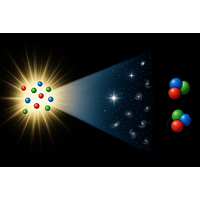
Warm Inflation with the Standard Model
Article | Cosmology, Astrophysics, and Gravitation | 2025-10-23 06:00 EDT
Kim V. Berghaus, Marco Drewes, and Sebastian Zell
An axionlike coupling between the inflaton field and the standard-model gluons could directly induce warm inflation.
Phys. Rev. Lett. 135, 171002 (2025)
Cosmology, Astrophysics, and Gravitation
First Event-by-Event Identification of Cherenkov Radiation from Sub-Mev Particles in Liquid Argon
Article | Particles and Fields | 2025-10-23 06:00 EDT
A. A. Aguilar-Arevalo et al. (CCM Collaboration)
This Letter reports the event-by-event observation of Cherenkov light from sub-MeV electrons in a high scintillation light-yield liquid argon detector by the coherent CAPTAIN-Mills (CCM) experiment. The CCM200 detector, located at Los Alamos National Laboratory, instruments seven tons (fiducial volu…
Phys. Rev. Lett. 135, 171804 (2025)
Particles and Fields
Computation and Verification of Spectra for Non-Hermitian Systems
Article | Quantum Information, Science, and Technology | 2025-10-22 06:00 EDT
Catherine Drysdale, Matthew Colbrook, and Michael T. M. Woodley
We establish a connection between quantum mechanics and computation, revealing fundamental limitations for algorithms computing spectra, especially in non-Hermitian settings. Introducing the concept of locally trivial pseudospectra, we show such assumptions are necessary for spectral computation. Lo…
Phys. Rev. Lett. 135, 170202 (2025)
Quantum Information, Science, and Technology
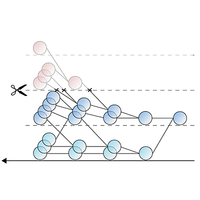
Classically Estimating Observables of Noiseless Quantum Circuits
Article | Quantum Information, Science, and Technology | 2025-10-22 06:00 EDT
Armando Angrisani, Alexander Schmidhuber, Manuel S. Rudolph, M. Cerezo, Zoë Holmes, and Hsin-Yuan Huang
Estimation of observables of quantum circuits exhibiting chaotic and locally scrambling behavior is classically tractable across all geometries.
Phys. Rev. Lett. 135, 170602 (2025)
Quantum Information, Science, and Technology
Stimulated Emission or Absorption of Gravitons by Light
Article | Cosmology, Astrophysics, and Gravitation | 2025-10-22 06:00 EDT
Ralf Schützhold
A proposed scheme for emitting gravitons in a verifiable earth-bound experiment may serve as a probe for quantum gravity.

Phys. Rev. Lett. 135, 171501 (2025)
Cosmology, Astrophysics, and Gravitation
Hitting the Thermal Target for Leptophilic Dark Matter at Future Lepton Colliders
Article | Particles and Fields | 2025-10-22 06:00 EDT
Cari Cesarotti and Gordan Krnjaic
We study future lepton collider prospects for testing predictive models of leptophilic dark matter (DM) candidates with a thermal origin. We calculate experimental milestones for testing the parameter space compatible with freeze-out and the associated collider signals at past, present, and future f…
Phys. Rev. Lett. 135, 171802 (2025)
Particles and Fields
Interaction Induced Anderson Transition in a Kicked One Dimensional Bose Gas
Article | Atomic, Molecular, and Optical Physics | 2025-10-22 06:00 EDT
H. Olsen, P. Devillard, G. Aupetit-Diallo, P. Vignolo, and M. Albert
We investigate the Lieb-Liniger model of one-dimensional bosons subjected to periodic kicks. In both the noninteracting and strongly interacting limits, the system undergoes dynamical localization, leading to energy saturation at long times. However, for finite interactions, we reveal an interaction…
Phys. Rev. Lett. 135, 173403 (2025)
Atomic, Molecular, and Optical Physics
Pump with Broadband Probe Experiments for Single-Shot Measurements of Plasma Conditions and Crossed-Beam Energy Transfer
Article | Plasma and Solar Physics, Accelerators and Beams | 2025-10-22 06:00 EDT
A. Longman, R. Muir, D. E. Mittelberger, E. S. Grace, C. Goyon, G. F. Swadling, G. E. Kemp, T. Chapman, S. Maricle, N. Vanartsdalen, A. Linder, T. Dumbacher, K. Zoromski, B. C. Stuart, F. Albert, J. E. Heebner, and P. Michel
A novel technique for measuring plasma conditions using monochromatic pump-broadband-probe laser interactions has been experimentally demonstrated. Originally proposed in Ludwig et al. [Phys. Plasmas 26, 113108 (2019)], this method utilizes crossed-beam energy transfer between the broadband probe an…
Phys. Rev. Lett. 135, 175103 (2025)
Plasma and Solar Physics, Accelerators and Beams
Variational Diagrammatic Monte Carlo Built on Dynamical Mean-Field Theory
Article | Condensed Matter and Materials | 2025-10-22 06:00 EDT
Yueyi Wang and Kristjan Haule
We develop a variational perturbation expansion around dynamical mean-field theory (DMFT) that systematically incorporates nonlocal correlations beyond the local correlations treated by DMFT. We apply this approach to investigate how the DMFT critical temperature is suppressed from its mean-field va…
Phys. Rev. Lett. 135, 176501 (2025)
Condensed Matter and Materials
Exchange Surface Spin Waves in Type-A van der Waals Antiferromagnets
Article | Condensed Matter and Materials | 2025-10-22 06:00 EDT
Zhoujian Sun, Fuxiang Li, Gerrit E. W. Bauer, and Ping Tang
Surface waves, the evanescent solutions of the wave equation at planar discontinuities, are of fundamental importance in surface physics, optics, phononics, electronics, and magnetism. Here, we predict that van der Waals antiferromagnets support surface spin waves that are unique by their extreme (n…
Phys. Rev. Lett. 135, 176702 (2025)
Condensed Matter and Materials
Hallmarks of Ballistic Terahertz Magnon Currents in an Antiferromagnetic Insulator
Article | Condensed Matter and Materials | 2025-10-22 06:00 EDT
Hongsong Qiu, Oliver Franke, Yuanzhe Tian, Zdeněk Kašpar, Reza Rouzegar, Oliver Gueckstock, Ji Wu, Maguang Zhu, Biaobing Jin, Yongbing Xu, Tom S. Seifert, Di Wu, Piet W. Brouwer, and Tobias Kampfrath
Efficient transport of spin angular momentum is expected to play a crucial role in future spintronic devices, which will potentially operate at frequencies reaching the terahertz range. On the other hand, antiferromagnetic insulators exhibit significant potential for facilitating ultrafast pure spin…
Phys. Rev. Lett. 135, 176703 (2025)
Condensed Matter and Materials
Disentangling the Effects of Curvature and Misorientation on the Shrinkage Behavior of Loop-Shaped Grain Boundaries
Article | Polymers, Chemical Physics, Soft Matter, and Biological Physics | 2025-10-22 06:00 EDT
Fabrizio Camerin, Susana Marín-Aguilar, Tim Griffioen, Mathieu G. Baltussen, Roel P. A. Dullens, Berend van der Meer, and Marjolein Dijkstra
The material properties of polycrystals are strongly affected by the evolution and coarsening of their internal grain structures. Yet, studying this process is challenging due to the complex interactions within grain boundary networks. Here, we systematically investigate the shrinkage of isolated lo…
Phys. Rev. Lett. 135, 178202 (2025)
Polymers, Chemical Physics, Soft Matter, and Biological Physics
Physical Review X
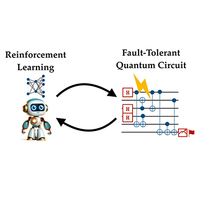
Quantum Circuit Discovery for Fault-Tolerant Logical State Preparation with Reinforcement Learning
Article | | 2025-10-22 06:00 EDT
Remmy Zen, Jan Olle, Luis Colmenarez, Matteo Puviani, Markus Müller, and Florian Marquardt
Using reinforcement learning to design fault-tolerant quantum circuits leads to efficient logical state preparation schemes with fewer gates and flag qubits than human-designed methods, advancing quantum error correction.
Phys. Rev. X 15, 041012 (2025)
arXiv
Revisiting entropies: formal properties and connections between Boltzmann-Gibbs, Tsallis and Rényi
New Submission | Statistical Mechanics (cond-mat.stat-mech) | 2025-10-23 20:00 EDT
Kelvin dos Santos Alves, Rogerio Teixeira Cavalcanti
The aim of the present paper is to present a careful and accessible discussion of the formal aspects of Boltzmann-Gibbs and Tsallis entropies. We begin with a brief overview of Boltzmann-Gibbs entropy, highlighting its main properties and the uniqueness theorems formulated by Shannon and Khinchin. Once these foundational results are established, we introduce the framework of nonadditive statistical mechanics, defining Tsallis entropy, discussing its properties and uniqueness theorem, and contrasting it with the results from additive statistical mechanics. We also show that, in an appropriate limit, the Boltzmann-Gibbs results are recovered. The article concludes with a brief discussion of Rényi entropy and its connections to the previously defined entropic forms.
Statistical Mechanics (cond-mat.stat-mech)
In Portuguese
Revista Brasileira de Ensino de Fisica, vol. 47, e20250151 (2025)
Haerter-Shastry kinetic magnetism and metallicity in the triangular Hubbard model
New Submission | Strongly Correlated Electrons (cond-mat.str-el) | 2025-10-23 20:00 EDT
Sogoud Sherif, Prakash Sharma, Aman Kumar, Hitesh J. Changlani
The fermionic Hubbard model, when combined with the ingredient of frustration, associated with the breaking of particle-hole symmetry, harbors a rich phase diagram. Aspects of theoretical findings associated with the nature of magnetism and metallicity, in a diverse set of parameter regimes, are now being actively investigated in triangular Hubbard cold atom and solid-state (moiré) based emulators. Building on the theoretical work of Haerter and Shastry [Phys. Rev. Lett. 95,087202 (2005)], we explore the impact of kinetically frustrated magnetism, a phenomenon where antiferromagnetic order emerges without any underlying magnetic interactions, at finite hole density. We numerically study the infinite-$ U$ triangular Hubbard model using the density matrix renormalization group algorithm and estimate the extent of stability of the kinetically induced $ 120^{\circ}$ antiferromagnetic state to hole doping. Beyond the Haerter-Shastry regime, we find an intermediate phase with multimer (involving multiple correlated spins) stripes that eventually gives way to a paramagnet. We also find evidence of gapless charge excitations (metallicity) throughout the phase diagram for finite hole density. We discuss the implications at large, but finite and realistic values of $ U/t$ , and investigate whether kinetic magnetism and superexchange collaborate or compete.
Strongly Correlated Electrons (cond-mat.str-el), Materials Science (cond-mat.mtrl-sci)
14 pages, 11 figures, 4 appendices, Comments welcome
Helical phases and Bogoliubov Fermi surfaces probed by superconducting diode effects
New Submission | Superconductivity (cond-mat.supr-con) | 2025-10-23 20:00 EDT
Zekun Zhuang, Daniel Shaffer, Jaglul Hasan, Alex Levchenko
Noncentrosymmetric superconductors (NCSs) with Rashba spin-orbit coupling (SOC) and in-plane magnetic fields have emerged as natural platforms for realizing both the bulk superconducting diode effect (SDE) and the Josephson diode effect (JDE) - phenomena characterized by unequal critical currents in opposite directions due to the simultaneous breaking of time-reversal and inversion symmetries. Using the quasiclassical Eilenberger formalism, we systematically investigate both the bulk SDE and the JDE in a clean NCS with Rashba SOC and in-plane magnetic fields. For the bulk system, we find that the diode efficiency can nominally approach its maximal value at the critical endpoint of the first-order Lifshitz transition between weak and strong helical phases featuring finite-momentum Cooper pairs, the latter marked by the emergence of Bogolyubov Fermi surfaces (BFSs). In a Josephson junction, we show that finite-momentum pairing in the superconducting leads is the dominant mechanism behind the JDE in short junctions, whereas in long junctions it is primarily governed by the Zeeman field in the normal region. In the long-junction regime, the diode efficiency additionally oscillates between positive and negative values as a function of magnetic field at low fields, providing a route toward a highly tunable Josephson diode. At higher fields, the onset of BFSs in the strong helical phase leads to a sharp suppression of both the JDE and the Josephson current when the current direction is aligned with momenta along the BFS, resulting in strong anisotropy. We propose that this anisotropy in the Josephson current offers an alternative method for detecting BFSs, applicable to systems with or without a JDE.
Superconductivity (cond-mat.supr-con)
19 pages, 10 figures
Ferro-spinetic Altermagnets from Electronic Correlations
New Submission | Strongly Correlated Electrons (cond-mat.str-el) | 2025-10-23 20:00 EDT
Toshihiro Sato, Mengli Hu, Ion Cosma Fulga, Oleg Janson, Jorge I. Facio, Alessandro Stroppa, Fakher F. Assaad, Jeroen van den Brink
Altermagnets are fully compensated collinear antiferromagnets that lack the combined time-reversal and translation symmetry. Here we show that their symmetry allows for a switchable ferro-spinetic polarization - the spin analogue of ferroelectricity - in a direction dictated by the lattice symmetry. We demonstrate this effect first in its purest form in an interacting altermagnetic fermion model, in which a many-body chiral symmetry forbids any charge polarization. Our quantum Monte Carlo simulations reveal edge-localized, reversible spin accumulations fully consistent with this symmetry locking. Breaking the chiral symmetry releases the charge sector: a ferroelectric polarization emerges orthogonal to the ferro-spinetic one, yielding mutually perpendicular switchable spin- and charge-polarized responses. We identify Mn-based metal-organic frameworks as realistic hosts for this effect, offering a practical route for experimental verification.
Strongly Correlated Electrons (cond-mat.str-el), Materials Science (cond-mat.mtrl-sci)
7 pages, 6 figures, Supplemental Material
Magnon scattering and transduction in Coulomb-coupled quantum Hall ferromagnets
New Submission | Mesoscale and Nanoscale Physics (cond-mat.mes-hall) | 2025-10-23 20:00 EDT
Alexander Canright, Deepak Iyer, Matthew S. Foster
The magnetization field of a quantum Hall ferromagnet (QHFM) can host a variety of spin textures, including skyrmions and magnons. When projected into the lowest Landau level with $ \nu = 1$ filling, the topological (Pontryagin) charge density of the magnetization field is proportional to the electric charge density, allowing for long-range spin-spin interactions. Inspired by recent experimental developments that enable all-electrical magnon generation and detection, in this work we theoretically demonstrate two phenomena that can occur due to Coulomb interactions that are unique to QHFMs: magnons can scatter off of point charges at a distance, and skyrmions can act as transmitters and receivers for magnons to be transduced between separate layers of a bilayer QHFM. The latter Coulomb-mediated spin drag effect occurs at arbitrary distance and could facilitate long-range magnonics, such as detection of spin waves for future experiments in 2D materials.
Mesoscale and Nanoscale Physics (cond-mat.mes-hall), Strongly Correlated Electrons (cond-mat.str-el)
12 pages, 9 figures
Loop Charges and Fragmentation in Pairwise Difference Conserving Circuits
New Submission | Statistical Mechanics (cond-mat.stat-mech) | 2025-10-23 20:00 EDT
Pavel Orlov, Cheryne Jonay, Tomaž Prosen
In this work, we introduce a broad class of circuits, or quantum cellular automata, which we call ‘pairwise-difference-conserving circuits’ (PDC). These models are characterized by local gates that preserve the pairwise difference of local operators (e.g. particle number). Such circuits can be de- fined on arbitrary graphs in arbitrary dimensions for both quantum and classical degrees of freedom. A key consequence of the PDC construction is the emergence of an extensive set of loop charges associated with closed walks of even length on the graph. These charges exhibit a one-dimensional character reminiscent of 1-form symmetries and lead to strong Hilbert-space fragmentation. As a case study, we analyze a quasi one-dimensional ladder geometry, where we characterize all dynam- ically disconnected sectors by the loop-charge symmetries, providing a complete decomposition of the Hilbert space. For the ladder geometry, we observe clear signatures of nonergodic dynamics even within the largest symmetry sector.
Statistical Mechanics (cond-mat.stat-mech)
10 pages, 10 figures
Decoding optoelectronic behavior in X$_3$BI$_3$ antiperovskite derivatives through many-body perturbation theory
New Submission | Materials Science (cond-mat.mtrl-sci) | 2025-10-23 20:00 EDT
Ayan Chakravorty, Surajit Adhikari, Priya Johari
Antiperovskite derivatives have emerged as promising candidates for optoelectronic applications. However, due to the significant computational cost, their excitonic and polaronic properties remain underexplored despite being critical for optoelectronic performance. Here, we present the structural, electronic, optical, excitonic, and polaronic properties of a series of antiperovskite derivatives with the chemical formula X$ _{3}$ BI$ _{3}$ (X = Ca, Sr; B = P, As, Sb, Bi) using state-of-the-art first-principles calculations. All the compounds exhibit direct bandgaps with G$ _{0}$ W$ _{0}$ @PBE bandgap ranging from 2.42 to 3.02 eV, optimal for efficient light absorption with minimal energy loss. Exciton binding energies (0.258-0.318 eV) indicate moderate Coulomb attraction, favoring exciton dissociation. Employing the Feynman polaron model, we established the polaronic properties, where weak to intermediate carrier-phonon coupling was observed, with polaron mobilities reaching values up to 37.19 cm$ ^{2}$ V$ ^{-1}$ s$ ^{-1}$ . These properties establish X$ _{3}$ BI$ _{3}$ materials as viable candidates for next-generation optoelectronic devices.
Materials Science (cond-mat.mtrl-sci)
10 pages, 4 figures, 4 tables
iDART: Interferometric Dual-AC Resonance Tracking nano-electromechanical mapping
New Submission | Mesoscale and Nanoscale Physics (cond-mat.mes-hall) | 2025-10-23 20:00 EDT
J. Bemis, F. Wunderwald, U. Schroeder, X. Xu, A. Gruverman, R. Proksch
Piezoresponse force microscopy (PFM) has established itself as a very successful and reliable imaging and spectroscopic tool for measuring a wide variety of nanoscale electromechanical functionalities. Quantitative imaging of nanoscale electromechanical phenomena requires high sensitivity while avoiding artifacts induced by large drive biases. Conventional PFM often relies on high voltages to overcome optical detection noise, leading to various non-ideal effects including electrostatic crosstalk, Joule heating, and tip-induced switching. To mitigate this situation, we introduce interferometrically detected, resonance-enhanced dual AC resonance tracking (iDART), which combines femtometer-scale displacement sensitivity of quadrature phase differential interferometry with contact resonance amplification. Through this combination, iDART achieves 10x or greater signal-to-noise improvement over current state of the art PFM approaches including both single frequency interferometric PFM or conventional, resonance enhanced PFM using optical beam detection. In this work, we demonstrate a >10x improvement of imaging sensitivity on PZT and Y-HfO. Switching spectroscopy shows similar improvements, where further demonstrates reliable hysteresis loops at small biases, mitigating nonlinearities and device failures that can occur at higher excitation amplitudes. These results position iDART as a powerful approach for probing conventional ferroelectrics with extremely high signal to noise down to weak piezoelectric systems, extending functional imaging capabilities to thin films, 2D ferroelectrics, beyond-CMOS technologies and bio-materials.
Mesoscale and Nanoscale Physics (cond-mat.mes-hall), Materials Science (cond-mat.mtrl-sci)
Sliding Disassembly of van der Waals Heterostructures
New Submission | Mesoscale and Nanoscale Physics (cond-mat.mes-hall) | 2025-10-23 20:00 EDT
Jordan Pack, Karl V. Falb, Sanat Ghosh, Xuehao Wu, Keng Tou Chu, Florie Mesple, Ellis Thompson, Zhuquan Zhang, Carolin Gold, Kenji Watanabe, Takashi Taniguchi, Dmitri N. Basov, A. N. Pasupathy, Matthew Yankowitz, Cory R. Dean, Aravind Devarakonda
Many recent advances in our understanding of two-dimensional (2D) electron systems stem from van der Waals (vdW) heterostructures. The assembly process relies on the weak bonding across interfaces between layered vdW compounds, making it possible to construct exceptionally clean heterostructures from chemically and structurally distinct materials - a challenging task for traditional thin-film growth techniques. Here we demonstrate an additional, dynamic degree of freedom afforded by vdW interfaces, wherein we use microstructured polymer stamps to disassemble and reconfigure vdW heterostructures by sliding. We apply this technique to alter the dielectric environment of monolayer graphene, perform scanning tunneling microscopy on semiconducting and air-sensitive monolayers, and manipulate strain-sensitive moiré materials. Together these demonstrations suggest a new paradigm for assembling and dynamically modifying van der Waals heterostructures, with the potential to reveal new insights into 2D electron systems.
Mesoscale and Nanoscale Physics (cond-mat.mes-hall)
16 pages, 9 figures, 3 supplemental videos
First-principles calculation of electronic and topological properties of low-dimensional tellurium
New Submission | Materials Science (cond-mat.mtrl-sci) | 2025-10-23 20:00 EDT
Gabriel Elyas Gama Araujo, Andreia Luisa da Rosa
We employ first-principles density-functional theory to investigate the structural, thermodynamic, electronic, and topological properties of tellurium in its various dimensional forms: bulk trigonal tellurium (Te-I), two-dimensional (2D) monolayers $ \alpha$ -Te, $ \beta$ -Te and one-dimensional helical nanowire (Te-h). A softening of the acoustic phonon modes is seen in most of the 2D phases, suggesting a tendency to structural distortions or phase transitions under small perturbations. The trigonal 3D Te-I structure is characterized as a narrow-gap semiconductor hosting Weyl nodes at high-symmetry locations in the Brillouin zone, which is supported by the characteristic spin texture seen in momentum space, where spins align radially, forming Berry monopoles. This topological feature, along with the observation of Weyl phonons is attributed to inversion symmetry breaking and strong SOC. Ultrathin Te-h nanowires also exhibit signatures of Weyl nodes and presents a considerable energy gap under SOC. On the other hand, the two-dimensional monolayers $ \alpha$ -Te, $ \beta$ -Te, are classified as topologically trivial, as indicated by their topological invariants, which arises from the preservation of both spatial inversion and time-reversal symmetries in these systems. The potential for inducing topological phase transitions via external perturbations suggest that these monolayers are promising candidates for engineered Weyl phases or other topological states. We demonstrate that tellurium and its low-dimensional derivatives are versatile materials that exhibit a broad range of electronic and phononic phenomena intrinsically linked to chirality and symmetry breaking. The tunability of their electronic and topological properties places tellurium as a promising material platform for the exploration and application of Weyl physics in next-generation electronic and optoelectronic technologies.
Materials Science (cond-mat.mtrl-sci), Strongly Correlated Electrons (cond-mat.str-el)
Inter-orbital spin-triplet superconductivity from altermagnetic fluctuations
New Submission | Strongly Correlated Electrons (cond-mat.str-el) | 2025-10-23 20:00 EDT
Chen Lu, Chuang Li, Chao Cao, Huiqiu Yuan, Fu-Chun Zhang, Lun-Hui Hu
Altermagnetic (AM) fluctuations are a new class of collinear spin fluctuations whose role in mediating superconductivity faces a fundamental tension: their $ \Gamma$ -point peak favors intra-orbital spin-triplet pairing, while their spin compensation favors inter-orbital singlets. Here, we demonstrate that inversion-symmetry-broken AM fluctuations generically resolve this competition in favor of spin-triplet pairing. As a proof of concept, we study a minimal two-orbital model with two van Hove singularities. The broken inversion symmetry induces momentum-orbital locking: the same orbital dominates at opposite momenta, enhancing the triplet channel. Crucially, a subdominant fluctuation channel arising from inter-van-Hove nesting provides an internal Josephson coupling that locks the phase difference between triplet pairs on different orbitals. We find this coupling changes sign ($ +$ to $ -$ ) upon a crossover from AM-dominant to ferromagnetic-dominant fluctuations. The resulting $ \pi$ -phase difference manifests as a $ \tau_z$ -type order parameter, $ c_{k,1\uparrow}c_{-k,1\uparrow} - c_{k,2\uparrow}c_{-k,2\uparrow}$ . Although intra-orbital in the original basis, its orbital-nontrivial character, as manifested by its equivalence to inter-orbital pairing under rotation, defines a general \textit{inter-orbital spin-triplet superconductivity}. This state is distinct from the $ \tau_0$ -triplet pairing mediated by ferromagnetic fluctuations, as evidenced by the canceled intra-orbital supercurrent in a Josephson junction between them.
Strongly Correlated Electrons (cond-mat.str-el), Superconductivity (cond-mat.supr-con)
5 pages, 5 figures. Comments are welcome
Learning noisy tissue dynamics across time scales
New Submission | Soft Condensed Matter (cond-mat.soft) | 2025-10-23 20:00 EDT
Ming Han, John Devany, Michel Fruchart, Margaret L. Gardel, Vincenzo Vitelli
Tissue dynamics play a crucial role in biological processes ranging from wound healing to morphogenesis. However, these noisy multicellular dynamics are notoriously hard to predict. Here, we introduce a biomimetic machine learning framework capable of inferring noisy multicellular dynamics directly from experimental movies. This generative model combines graph neural networks, normalizing flows and WaveNet algorithms to represent tissues as neural stochastic differential equations where cells are edges of an evolving graph. This machine learning architecture reflects the architecture of the underlying biological tissues, substantially reducing the amount of data needed to train it compared to convolutional or fully-connected neural networks. Taking epithelial tissue experiments as a case study, we show that our model not only captures stochastic cell motion but also predicts the evolution of cell states in their division cycle. Finally, we demonstrate that our method can accurately generate the experimental dynamics of developmental systems, such as the fly wing, and cell signaling processes mediated by stochastic ERK waves, paving the way for its use as a digital twin in bioengineering and clinical contexts.
Soft Condensed Matter (cond-mat.soft), Machine Learning (cs.LG), Biological Physics (physics.bio-ph), Quantitative Methods (q-bio.QM)
15 pages, 6 figures
On the relationship between equilibria and dynamics in large, random neuronal networks
New Submission | Disordered Systems and Neural Networks (cond-mat.dis-nn) | 2025-10-23 20:00 EDT
Xiaoyu Yang, Giancarlo La Camera, Gianluigi Mongillo
We investigate the equilibria of a random model network exhibiting extensive chaos. In this regime, a large number of equilibria is present. They are all saddles with low-dimensional unstable manifolds. Surprisingly, despite network’s connectivity being completely random, the equilibria are strongly correlated and, as a result, they occupy a very small region in the phase space. The attractor is inside this region. This geometry explains why the collective states sampled by the dynamics are dominated by correlation effects and, hence, why the chaotic dynamics in these models can be described by a fractionally-small number of collective modes.
Disordered Systems and Neural Networks (cond-mat.dis-nn)
Many-Body Perturbation Theory for Driven Dissipative Quasiparticle Flows and Fluctuations
New Submission | Strongly Correlated Electrons (cond-mat.str-el) | 2025-10-23 20:00 EDT
Thomas Blommel, Enrico Perfetto, Gianluca Stefanucci, Vojtech Vlcek
We present a unified many-body perturbation theory for open quantum systems, that treats dissipation, correlations, and external driving on equal footing. Using a Keldysh-Lindblad formalism, we introduce diagrammatic treatment of dissipative interaction lines representing quasiparticle flows and fluctuations. Two new Feynman rules render the evaluation of dissipative diagrams compact and systematically improvable, while preserving the Keldysh and anti-Hermitian symmetries of the closed-system theory. Consequently, the structure of the Kadanoff-Baym equations (KBE) remains unchanged, enabling existing numerical methods to be directly applied. To illustrate this, we derive dissipative versions of the second Born and GW approximations, identifying the physical content of the self-energy components. Moreover, we demonstrate that time-linear approximations to the full KBE retain their closed structure and can be efficiently used to simulate relaxation and decoherence dynamics. This framework establishes a general route toward first-principles modeling of correlated, driven, and dissipative quantum materials.
Strongly Correlated Electrons (cond-mat.str-el), Materials Science (cond-mat.mtrl-sci)
Control of out-of-plane anti-damping spin torque with a canted ferromagnetic spin source
New Submission | Mesoscale and Nanoscale Physics (cond-mat.mes-hall) | 2025-10-23 20:00 EDT
Xiaoxi Huang, Daniel A. Pharis, Hang Zhou, Zishen Tian, Thow Min Jerald Cham, Kyoungjun Lee, Yilin Evan Li, Chaoyang Wang, Yuhan Liang, Maciej Olszewski, Di Yi, Chang-Beom Eom, Darrell G. Schlom, Lane W. Martin, Ding-Fu Shao, Daniel C. Ralph
To achieve efficient anti-damping switching of nanoscale magnetic memories with perpendicular magnetic anisotropy using spin-orbit torque requires that the anti-damping spin-orbit torque have a strong out-of-plane component. The spin anomalous Hall effect and the planar Hall effect spin current produced by a ferromagnetic layer are candidate mechanisms for producing such an out-of-plane anti-damping torque, but both require that the magnetic moment of the spin source layer be canted partly out of the sample plane at zero applied magnetic field. Here we demonstrate such a canted configuration for a ferromagnetic SrRuO3 layer and we characterize all vector components of the torque that it produces, including non-zero out-of-plane anti-damping torques. We verify that the out-of-plane spin component can be tuned by the orientation of magnetic moment, with significant contributions from both the spin anomalous Hall effect and the planar Hall effect spin current.
Mesoscale and Nanoscale Physics (cond-mat.mes-hall), Materials Science (cond-mat.mtrl-sci)
Dynamical mean field approach to associative memory model with non-monotonic transfer functions
New Submission | Disordered Systems and Neural Networks (cond-mat.dis-nn) | 2025-10-23 20:00 EDT
Yoshiyuki Kabashima, Kazushi Mimura
The Hopfield associative memory model stores random patterns in synaptic couplings according to Hebb’s rule and retrieves them through gradient descent on an energy function. This conventional setting, where neurons are assumed to have monotonic transfer functions, has been central to understanding associative memory. Morita (1993), however, showed that introducing non-monotonic transfer functions can dramatically enhance retrieval performance. While this phenomenon has been qualitatively examined, a full quantitative theory remains elusive due to the difficulty of analysis in the absence of an underlying energy function. In this work, we apply dynamical mean-field theory to the discrete-time synchronous retrieval dynamics of the non-monotonic model, which succeeds in accurately characterizing its macroscopic dynamical properties. We also derive conditions for retrieval states, and clarify their relation to previous studies. Our results provide new insights into the non-equilibrium retrieval dynamics of associative memory models.
Disordered Systems and Neural Networks (cond-mat.dis-nn)
27 pages, 9 figures
Transient Absorption Spectroscopy of NbOI$_2$
New Submission | Materials Science (cond-mat.mtrl-sci) | 2025-10-23 20:00 EDT
Salman Ahsanullah, Neema Rafizadeh, Hui Zhao
NbOI$ _2$ has recently emerged as a new van der Waals material combining semiconducting behavior with intrinsic in plane ferroelectricity and pronounced transport and optical anisotropy. However, its photocarrier dynamics remain largely unexplored. Here we report transient absorption spectroscopy of NbOI$ _2$ using femtosecond pump probe reflectance measurements. A pronounced transient absorption feature is observed near the 2.34 eV excitonic resonance, arising from photocarrier induced excitonic energy shifts and saturation. The decay dynamics reveal an exciton lifetime of several tens of picoseconds and show density-dependent behavior consistent with exciton exciton annihilation, yielding an annihilation coefficient of 0.09 cm$ ^2$ s$ ^{-1}$ , which is comparable to that in monolayer transition metal dichalcogenides. Polarization resolved measurements further reveal a pronounced in-plane anisotropy in the transient response that follows the linear absorption anisotropy. These findings provide fundamental insight into photocarrier dynamics in NbOI$ _2$ and establish key parameters for understanding and exploiting its optoelectronic behavior.
Materials Science (cond-mat.mtrl-sci)
Calculating the Luttinger liquid parameter for an interacting Kitaev chain quantum simulator
New Submission | Strongly Correlated Electrons (cond-mat.str-el) | 2025-10-23 20:00 EDT
Troy Losey, Jin Zhang, S.-W. Tsai
In this work, we introduce a solid-state platform for building quantum simulators using implanted spin centers in solid-state materials. We build upon the proposal for an $ S=1$ chain of spin centers coupled through the magnetic dipole-dipole interaction and subjected to an external magnetic field as a quantum simulator for critical floating phases. We introduce another magnetic field and map the system to the interacting Kitaev chain. This setup, tunable through the applied fields and the orientation of the spin centers within the crystal, exhibits a variety of rich quantum behavior which notably includes floating phases, a $ Z_2$ symmetry-breaking phase, and lines of both Berezinskii-Kosterlitz-Thouless (BKT) and Pokrovsky-Talapov transitions. Furthermore, we employ several novel methods to calculate the Luttinger liquid parameter in our model with incommensurate correlations. We find that these methods provide a route to identify BKT transitions with less computational resources than utilizing entanglement entropy and central charge.
Strongly Correlated Electrons (cond-mat.str-el), Quantum Physics (quant-ph)
13 pages, 7 figures
High-Efficiency Nonrelativistic Charge-Spin Conversion in X-Type Antiferromagnets
New Submission | Materials Science (cond-mat.mtrl-sci) | 2025-10-23 20:00 EDT
Jiabin Wang, Wancheng Zhang, Yong Liu, Rui Xiong, Zhenhua Zhang, Zhihong Lu
Altermagnets have attracted considerable interest for their capacity to generate spin splitting while preserving zero net magnetization. This work proposes a distinct class of antiferromagnetic materials, termed X-type antiferromagnets, which are shown to produce more efficient $ \cal T$ -odd spin currents than altermagnets along specific crystallographic directions due to their unique Fermi surface geometry. The spin current polarization is controlled by the Néel vector orientation. In the (110)-oriented $ \beta-\mathrm{Fe}_2\mathrm{PO}_5$ , the Fermi surface exhibits a $ d$ -wave altermagnetic-like characteristic and becomes compressed into an approximately X-shaped $ d$ -wave configuration, yielding highly efficient $ \cal T$ -odd spin currents with a charge-to-spin conversion efficiency reaching 90%. Moreover, when the Néel vector is tilted via unit cell selection or external means, the system generates out-of-plane spin-polarized currents with efficiencies substantially exceeding those of known ferromagnets, altermagnets, noncollinear antiferromagnets, and low-symmetry materials. The highly efficient charge-spin conversion in X-type antiferromagnets provides a novel and highly effective spin source system for the development of low-power spintronic devices.
Materials Science (cond-mat.mtrl-sci), Computational Physics (physics.comp-ph)
Synthesizability Prediction of Crystalline Structures with a Hierarchical Transformer and Uncertainty Quantification
New Submission | Materials Science (cond-mat.mtrl-sci) | 2025-10-23 20:00 EDT
Danial Ebrahimzadeh, Sarah Sharif, Yaser Mike Banad
Predicting which hypothetical inorganic crystals can be experimentally realized remains a central challenge in accelerating materials discovery. SyntheFormer is a positive-unlabeled framework that learns synthesizability directly from crystal structure, combining a Fourier-transformed crystal periodicity (FTCP) representation with hierarchical feature extraction, Random-Forest feature selection, and a compact deep MLP classifier. The model is trained on historical data from 2011 through 2018 and evaluated prospectively on future years from 2019 to 2025, where the positive class constitutes only 1.02 per cent of samples. Under this temporally separated evaluation, SyntheFormer achieves a test area under the ROC curve of 0.735 and, with dual-threshold calibration, attains high-recall screening with 97.6 per cent recall at 94.2 per cent coverage, which minimizes missed opportunities while preserving discriminative power. Crucially, the model recovers experimentally confirmed metastable compounds that lie far from the convex hull and simultaneously assigns low scores to many thermodynamically stable yet unsynthesized candidates, demonstrating that stability alone is insufficient to predict experimental attainability. By aligning structure-aware representation with uncertainty-aware decision rules, SyntheFormer provides a practical route to prioritize synthesis targets and focus laboratory effort on the most promising new inorganic materials.
Materials Science (cond-mat.mtrl-sci), Machine Learning (cs.LG)
The Superconducting Transition due to the spontaneous Interlayer Loop Current fluctuations
New Submission | Superconductivity (cond-mat.supr-con) | 2025-10-23 20:00 EDT
Zenghui Fan, Runyu Ma, Stefano Chesi, Congjun Wu, Tianxing Ma
Loop currents, as an orbital magnetism, have been proposed as a possible fluctuation mechanism for superconducting pairing, which always remains elusive. Here, we investigate the role of an interlayer loop current fluctuation in mediating superconductivity using an unbiased bilayer $ t-J_{\perp}-V$ model via sign-problem-free projector quantum Monte Carlo simulations. The model spontaneously generates the interlayer loop current by breaking time-reversal and translational symmetries, favored by interlayer Coulomb repusion. With hole doping, the loop current is rapidly suppressed, while its fluctuations give rise to an interlayer $ s$ -wave superconductivity. Our results establish a phase diagram to demonstrate a superconducting transition due to the interlayer loop current fluctuations. It also provides possible insights into some physics related to bilayer nickelates, with which it shares a similar structure and a large interlayer spin exchange.
Superconductivity (cond-mat.supr-con), Strongly Correlated Electrons (cond-mat.str-el)
MAIN TEXT: 7 pages, 5 figures; SUPPLEMENTARY MATERIALS(attached in the end): 2 pages, 4 figures
Mapping the twist angle dependence of quasi-Brillouin zones in doubly aligned graphene/BN heterostructures
New Submission | Mesoscale and Nanoscale Physics (cond-mat.mes-hall) | 2025-10-23 20:00 EDT
Jorge Vallejo Bustamante, Viet-Hung Nguyen, Liam S. Farrar, Kenji Watanabe, Takashi Taniguchi, Dominique Mailly, Jean-Christophe Charlier, Rebeca Ribeiro-Palau
When monolayer graphene is crystallographically aligned to hexagonal boron nitride (BN), a moiré superlattice is formed, producing characteristic satellite Dirac peaks in the electronic band structure. Aligning a second BN layer to graphene creates two coexisting moiré patterns, which can interfere to produce periodic, quasi-periodic or non-periodic superlattices, depending on their relative alignment. Here, we investigate one of the simplest realizations of such a double-moiré structure, graphene encapsulated between two BN layers, using dynamically rotatable van der Waals heterostructures. Our setup allows \textit{in situ} control of the top BN alignment while keeping the bottom BN fixed. By systematically mapping the charge transport as a function of BN angular alignment, we identify the simultaneous signatures of the original moirés, super-moirés, and a third set of features corresponding to quasi-Brillouin zones (qBZ) formed when the system’s periodicity becomes ill-defined. Comparing our measurements with theoretical models, we provide the first experimental mapping of the qBZs as a function of angular alignment. Our results establish a direct experimental link between moiré interference and qBZ formation, opening new avenues for engineering electronic structures in multi-aligned 2D heterostructures.
Mesoscale and Nanoscale Physics (cond-mat.mes-hall)
Main: 8 pages, 4 figures Supplementary: 12 pages, 13 figures
Exciton thermal radiation from structure-sorted carbon nanotube membranes
New Submission | Materials Science (cond-mat.mtrl-sci) | 2025-10-23 20:00 EDT
Akiteru Takahashi, Kaichi Teranishi, Shonosuke Takaichi, Taishi Nishihara, Yuhei Miyauchi
Owing to their small binding energies, excitons in bulk semiconductors typically exhibit a sharp optical peak at low temperatures only. This limitation can be overcome by single-walled carbon nanotubes (SWCNTs) and other low-dimensional semiconductors with highly enhanced exciton binding energies. Exciton thermal radiation, which can potentially be exploited for selective thermal emission and energy harvesting, has been recently observed in individual SWCNTs heated under photoirradiation. However, whether macroscale-SWCNT assemblies can emit exciton thermal radiation under conduction heating remains unclear and constitutes an important challenge for practical applications. Herein, we observed peaked exciton thermal radiation from structure-sorted SWCNT membranes. Transmission spectroscopy showed robust exciton resonance at high temperatures, resulting in clear exciton resonance in the thermal radiation band. The absolute emissivity spectra of the membranes were determined at 850 K. Exciton dominance suppresses the contribution of thermal free carriers to the infrared absorption/emission spectra, maintaining the transparency below the optical gap even at elevated temperatures. These phenomena are not observed in bulk semiconductors, highlighting the structure-sorted SWCNT membranes as unique semiconductors leveraging stable exciton resonances at elevated temperatures.
Materials Science (cond-mat.mtrl-sci)
29 pages, 9 figrues
Synergistic effects of rare-earth doping on the magnetic properties of orthochromates: A machine learning approach
New Submission | Materials Science (cond-mat.mtrl-sci) | 2025-10-23 20:00 EDT
Guanping Xu, Zirui Zhao, Muqing Su, Hai-Feng Li
Multiferroic materials, particularly rare-earth orthochromates (RECrO$ 3$ ), have garnered significant interest due to their unique magnetic and electric-polar properties, making them promising candidates for multifunctional devices. Although extensive research has been conducted on their antiferromagnetic (AFM) transition temperature (N$ \acute{\textrm{e}}$ el temperature, $ T\textrm{N}$ ), ferroelectricity, and piezoelectricity, the effects of doping and substitution of rare-earth (RE) elements on these properties remain insufficiently explored. In this study, convolutional neural networks (CNNs) were employed to predict and analyze the physical properties of RECrO$ 3$ compounds under various doping scenarios. Experimental and literature data were integrated to train machine learning models, enabling accurate predictions of $ T\textrm{N}$ , besides remanent polarization ($ P_\textrm{r}$ ) and piezoelectric coefficients ($ d_{33}$ ). The results indicate that doping with specific RE elements significantly impacts $ T_\textrm{N}$ , with optimal doping levels identified for enhanced performance. Furthermore, high-entropy RECrO$ _3$ compounds were systematically analyzed, demonstrating how the inclusion of multiple RE elements influences magnetic properties. This work establishes a robust framework for predicting and optimizing the properties of RECrO$ _3$ materials, offering valuable insights into their potential applications in energy storage and sensor technologies.
Materials Science (cond-mat.mtrl-sci), Applied Physics (physics.app-ph), Computational Physics (physics.comp-ph)
Lattice Unitarity: Saturated Collisional Resistivity of Strongly Interacting Metals
New Submission | Quantum Gases (cond-mat.quant-gas) | 2025-10-23 20:00 EDT
Frank Corapi, Robyn T. Learn, Benjamin Driesen, Antoine Lefebvre, Xavier Leyronas, Frédéric Chevy, Cora J. Fujiwara, Joseph H. Thywissen
We investigate the interaction-induced resistivity of ultracold fermions in a three-dimensional optical lattice. In situ observations of transport dynamics enable the determination of real and imaginary conductivity (or resistivity). In the strongly interacting metallic regime, we observe a striking saturation of the current-dissipation rate to a value independent of the interaction strength. This behavior is quantitatively captured by a dissipation model that uses a renormalized two-body scattering matrix. The highest observed dissipation rates approach, but do not reach, the unitarity bound on two-body scattering in the lattice, owing to momentum dispersion. We further measure the temperature dependence of resistivity in the strongly interacting limit and compare it to the predicted asymptotic behaviors. These results provide a clear microscopic understanding of bounded resistivity of low-density metals, thus providing a useful benchmark for studies of strongly correlated atomic and electronic systems.
Quantum Gases (cond-mat.quant-gas), Atomic Physics (physics.atom-ph)
6+6 pages, 4+2 figures
Anisotropic collapse of electronic correlations in the ferromagnet UGe$_2$ under high magnetic field
New Submission | Strongly Correlated Electrons (cond-mat.str-el) | 2025-10-23 20:00 EDT
K. Somesh, T. Thebault, V. Taufour, D. Aoki, F. Duc, G. Knebel, D. Braithwaite, W. Knafo
We present electrical-resistivity measurements on the prototypical heavy-fermion ferromagnet UGe$ _2$ under pulsed magnetic field up to 60T. An anisotropic field-induced suppression of the electronic correlations is revealed. The electrical resistivity strongly decreases when a magnetic field $ \mathbf{H}$ is applied along the easy magnetic axis $ \mathbf{a}$ , while it remains almost unchanged when $ \mathbf{H}$ is applied along the hard magnetic axes $ \mathbf{b}$ and $ \mathbf{c}$ . The field-induced destabilization of the ferromagnetic state is also anisotropic: the anomaly at the Curie temperature $ T_C$ disappears in fields higher than $ \gtrsim1$ ~T for $ \mathbf{H}\parallel\mathbf{a}$ and in fields higher than $ \gtrsim20$ ~T for $ \mathbf{H}\parallel\mathbf{b},\mathbf{c}$ . At temperatures below 2K, we observe quantum oscillations in fields larger than 50~T applied along $ \mathbf{b}$ , which support the presence of a two-dimensional Fermi surface similar to that previously observed at low fields.
Strongly Correlated Electrons (cond-mat.str-el)
9 pages, 5 figures + Supplemental Material (6 pages, 7 figures)
Pairing Symmetry Crossover from $d$-wave to $s_{\pm}$-wave in a Bilayer Nickelate Driven by Hund’s Coupling and Crystal Field Splitting
New Submission | Strongly Correlated Electrons (cond-mat.str-el) | 2025-10-23 20:00 EDT
Yicheng Xiong, Yanmei Cai, Tianxing Ma
The pairing symmetry of the recently discovered bilayer nickelate superconductor La$ 3$ Ni$ 2$ O$ 7$ is a subject of intense debate in condensed matter physics, with the two leading theoretical candidates being a sign-reversing $ s{\pm}$ -wave and a $ d$ -wave state. To investigate its ground-state properties in the intermediate coupling regime which is critical for real materials, we construct a two-orbital bilayer Hubbard model and employ the constrained-path quantum Monte Carlo method for large-scale simulations. By systematically calculating ground-state pairing correlation functions across parameter spaces, we map its pairing symmetry phase diagram. We find that an increasing Hund’s coupling selectively enhances the interlayer $ s{\pm}$ -wave pairing while suppressing the intralayer $ d$ -wave pairing. Similarly, a larger crystal field splitting drives a transition from $ d$ -wave- to $ s{\pm}$ -wave-dominant states. Further analysis reveals that the strength of the intralayer $ d$ -wave pairing is strongly correlated with the $ (\pi, \pi)$ antiferromagnetic spin fluctuations, which are in turn effectively suppressed by a large crystal field splitting, thereby weakening the $ d$ -wave pairing channel. Additionally, the dominant pairing symmetry transition region roughly overlaps with the inversion of orbital occupancy response to Hubbard $ U$ , suggesting an intrinsic link between pairing competition and orbital physics. Our results indicate that, within the parameter regime relevant to the actual material, the $ s_{\pm}$ -wave is the most probable pairing symmetry.
Strongly Correlated Electrons (cond-mat.str-el)
9 pages, 6 figures
Three-dimensional formulation of curved nematic shells
New Submission | Soft Condensed Matter (cond-mat.soft) | 2025-10-23 20:00 EDT
In soft matter, the phase of nematic liquid crystals can be made from anisotropic molecules in single component materials, or as a suspension of mesoscopic nematogens. The later offers more versatility in the experimental design of complex shapes, in particular thin curved shells, and is often found in biological systems at multiple scales from cells to tissues. Here, we investigate theoretically the transition from three-dimensional nematics to a two-dimensional description restricted to a tangent plane, using a mean-field approach. We identify a transition from first to second order isotropic-nematic transition in presence of weak tangential anchoring. Then, we clarify the conditions under which a two-dimensional description of thin nematic shells is relevant. Nonetheless, using the example of active nematic stress, we identify physical differences between two- and three-dimensional descriptions in curved geometry. Finally, we construct a thin film approximation of nematohydrodynamics for a nematic shell in contact with a curved substrate. All together, those results show that a tangential restriction of nematic orientation must be used with care in presence of curvature, activity, or weak anchoring boundary conditions.
Soft Condensed Matter (cond-mat.soft), Biological Physics (physics.bio-ph)
Lattice-reflection symmetry in tensor-network renormalization group with entanglement filtering in two and three dimensions
New Submission | Statistical Mechanics (cond-mat.stat-mech) | 2025-10-23 20:00 EDT
Tensor-network renormalization group (TNRG) is an efficient real-space renormalization group method for studying the criticality in both classical and quantum lattice systems. Exploiting symmetries of a system in a TNRG algorithm can simplify the implementation of the algorithm and can help produce correct tensor RG flows. Although a general framework for considering a global on-site symmetry has been established, it is still unclear how to incorporate a lattice symmetry like rotation or reflection in TNRG. As a first step for lattice symmetries, we propose a method to incorporate the lattice-reflection symmetry in the context of a TNRG with entanglement filtering in both two and three dimensions (2D and 3D). To achieve this, we write down a general definition of lattice-reflection symmetry in tensor-network language. Then, we introduce a transposition trick for exploiting and imposing the lattice-reflection symmetry in two basic TNRG operators: projective truncations and entanglement filtering. Using the transposition trick, the detailed algorithms of the TNRG map in both 2D and 3D are laid out, where the lattice-reflection symmetry is preserved and imposed. Finally, we demonstrate how to construct the linearization of the TNRG maps in a given lattice-reflection sector, with the help of which it becomes possible to extract scaling dimensions in each sector separately. Our work paves the way for understanding the lattice-rotation symmetry in TNRG.
Statistical Mechanics (cond-mat.stat-mech), High Energy Physics - Theory (hep-th), Computational Physics (physics.comp-ph), Quantum Physics (quant-ph)
35 pages, 5 figures and 4 tables
Spin injection and emission helicity switching in a 2D perovskite/WSe2 heterostructure
New Submission | Materials Science (cond-mat.mtrl-sci) | 2025-10-23 20:00 EDT
Jakub Jasinski, Francesco Gucci, Thomas Brumme, Swaroop Palai, Armando Genco, Alessandro Baserga, Jonas D. Ziegler, Takashi Taniguchi, Kenji Watanabe, Mateusz Dyksik, Christoph Gadermaier, Michal Baranowski, Duncan K. Maude, Alexey Chernikov, Giulio Cerullo, Agnieszka Kuc, Stefano Dal Conte, Paulina Plochocka, Alessandro Surrente
The initialization and control of a long-lived spin population in lead halide perovskites are prerequisites for their use in spintronic applications. Here, we demonstrate circular polarization of the interlayer exciton emission in a (BA)2PbI4/WSe2 monolayer heterostructure. The helicity of this emission is controlled by tuning the energy of the excitation laser through the manifold of exciton resonances of the WSe2 monolayer, together with an emerging interlayer absorption feature of the heterostructure. Theoretical calculations show that this resonance arises from hybridized (BA)2PbI4/WSe2 states in the valence band. This hybrid character enables its observation in both linear absorption and ultrafast pump-probe spectroscopies, and plays a key role in controlling the sign of the helicity of the interlayer exciton emission. The tunable spin polarization demonstrated here, with the WSe2 monolayer effectively acting as a tunable spin filter, represents an important step toward the use of 2D perovskites in opto-spintronic applications.
Materials Science (cond-mat.mtrl-sci)
Relation between structure and functionality in photosynthetic antenna complex of green sulfur bacteria: efficiency under natural sunlight pumping
New Submission | Mesoscale and Nanoscale Physics (cond-mat.mes-hall) | 2025-10-23 20:00 EDT
Alessia Valzelli, Francesco Mattiotti, ianshu Cao, G. Luca Celardo
Large-scale simulations of light-matter interaction in natural photosynthetic antenna complexes of the Chlorobium Tepidum green sulfur bacteria (GSB) containing more than one hundred thousand chlorophyll molecules, comparable with natural size, have been performed. Here we have modeled the entire process of the exciton energy transfer, from sunlight absorption to exciton trapping in the reaction centers (RCs) in presence of a thermal bath. The energy transfer has been analyzed using the radiative non-Hermitian Hamiltonian and solving the rate equations for the populations. Sunlight pumping has been modeled as black-body radiation with an attenuation factor that takes the Sun-Earth distance into account. Cylindrical structures typical of GSB antenna complexes, and the dimeric baseplate comparable to natural size have been considered. Our analysis shows that under natural sunlight, in photosynthetic antennae of GSB the number of excitations reaching the RC per unit time matches the RC closure rate and the internal efficiency shows values close to $ \sim 80%$ . We also considered cylindrical structures where the orientation of the dipoles does not reflect the natural one. Specifically, we vary continuously the angle of the transition dipole with respect to the cylinder main axis, focusing on the case where all dipoles are parallel to the cylinder axis. We also consider the important case where the dipoles are randomly oriented. In all cases the light-harvesting efficiency is lower than in the natural structure, showing the high sensitivity of light harvesting to the specific orientation of the dipole moments. Our results allow for a better understanding of the relationship between structure and functionality in photosynthetic antennae of GSB and could drive the design of efficient light-harvesting devices.
Mesoscale and Nanoscale Physics (cond-mat.mes-hall)
Monte Carlo study of the $O(2)$-invariant $ϕ^4$ theory with a cubic perturbation in three dimensions
New Submission | Statistical Mechanics (cond-mat.stat-mech) | 2025-10-23 20:00 EDT
We study the $ 2$ -component $ \phi^4$ model on the simple cubic lattice in the presence of a cubic, or equivalently, a $ \mathbb{D}_4$ invariant perturbation. To this end, we perform Monte Carlo simulations in conjunction with a finite size scaling analysis of the data. We follow previous work on the $ 3$ -component case. We study the RG flow from the decoupled Ising fixed point into the $ O(2)$ -invariant one and towards the fluctuation induced first order transition. To this end we study the behavior of phenomenological couplings. At the $ O(2)$ -invariant fixed point we obtain the estimate $ Y_4=-0.1118(10)$ of the RG-exponent of the perturbation. Note that the small modulus of $ Y_4$ means that the RG flow is slow. Hence, in order to interpret experiments or Monte Carlo simulations of lattice models, which are effectively described by the $ \phi^4$ model with a cubic term, we have to consider the RG flow beyond the neighborhood of the fixed points.
Statistical Mechanics (cond-mat.stat-mech), High Energy Physics - Lattice (hep-lat), High Energy Physics - Theory (hep-th)
49 pages, 12 figures
Discrete Shift and Polarization from Response to Symmetry Defects in Interacting Topological Phases
New Submission | Strongly Correlated Electrons (cond-mat.str-el) | 2025-10-23 20:00 EDT
Lu Zhang, Min Long, Yuxuan Zhang, Zi Yang Meng, Xue-Yang Song
We extend the previous study of extracting crystalline symmetry-protected topological invariants to the correlated regime. We construct the interacting Hofstadter model defined on square lattice with the rotation and translation symmetry defects: disclination and dislocation. The model realizes Chern insulator and the charge density wave state as one tunes interactions. Employing the density matrix renormalization group (DMRG) method, we calculate the excess charge around the defects and find that the topological invariants remain quantized in both phases, with the topological quantity extracted to great precision. This study paves the way for utilizing matrix product state, and potentially other quantum many-body computation methods, to efficiently study crystalline symmetry defects on 2D interacting lattice systems.
Strongly Correlated Electrons (cond-mat.str-el)
11 pages, 9 figures
Active high-entropy photocatalyst designed by incorporating alkali metals to achieve d0+d10+s0 cationic configurations and wide electronegativity mismatch
New Submission | Materials Science (cond-mat.mtrl-sci) | 2025-10-23 20:00 EDT
Jacqueline Hidalgo-Jimenez, Taner Akbay, Tatsumi Ishihara, Kaveh Edalati
Photocatalytic hydrogen (H2) production and carbon dioxide (CO2) conversion to methane (CH4) are considered promising solutions for reducing CO2 emissions. However, the development of highly active photocatalysts is essential to efficiently drive these reactions without harming the environment. In this study, we introduce a strategy that incorporates elements with both low and high electronegativities into catalysts based on transition metals, thereby enhancing both reactant adsorption and charge transfer. This strategy is implemented in a high-entropy oxide (HEO) by adding cesium, an alkali metal with very low electronegativity, and gallium, a metal with high electronegativity, to transition metals titanium, niobium and tantalum. The resulting oxide, TiNbTaGaCsO9 with a large concentration of oxygen vacancies, exhibits strong light absorption, a low bandgap and a suitable band structure for both hydrogen evolution and CO2 conversion. Compared to HEOs with only d0 or d0+d10 cationic configurations, the synthesized oxide with a wide electronegativity difference and mixed d0+d10+s0 cationic configurations shows significantly higher activity for both H2 and CH4 production, even without using a cocatalyst. These results demonstrate a design strategy for creating highly active HEOs containing alkali metals by taking advantage of the electronegativity mismatch across the periodic table.
Materials Science (cond-mat.mtrl-sci)
Counting, Computing, and Pattern Recognition with Self-Assembling Non-Reciprocal DNA Tiles
New Submission | Soft Condensed Matter (cond-mat.soft) | 2025-10-23 20:00 EDT
Tim E. Veenstra, René van Roij, Marjolein Dijkstra
Harnessing the intrinsic dynamics of physical systems for information processing opens new avenues for computation embodied in matter. Using simulations of a model system, we show that assemblies of DNA tiles capable of self-organizing into multiple target structures can perform basic computational tasks analogous to those of finite-state automata when equipped with programmable non-reciprocal interactions that drive controlled dynamical transitions between these structures. By establishing design rules for multifarious self-assembly while budgeting the energy input required to drive these non-equilibrium transitions, we demonstrate that these systems can execute a wide variety of tasks including counting, computing modulo functions, and recognizing specific input patterns. This framework integrates memory, sensing, and actuation within a single physical platform, paving the way toward energy-efficient physical computation embedded in materials ranging from DNA and enzymes to proteins and colloids.
Soft Condensed Matter (cond-mat.soft), Statistical Mechanics (cond-mat.stat-mech)
Practical algorithm for simulating thermal pure quantum states
New Submission | Strongly Correlated Electrons (cond-mat.str-el) | 2025-10-23 20:00 EDT
Wei-Bo He, Yun-Tong Yang, Hong-Gang Luo
The development of novel quantum many-body computational algorithms relies on robust benchmarking. However, generating such benchmarks is often hindered by the massive computational resources required for exact diagonalization or quantum Monte Carlo simulations, particularly at finite temperatures. In this work, we propose a new algorithm for obtaining thermal pure quantum states, which allows efficient computation of both mechanical and thermodynamic properties at finite temperatures. We implement this algorithm in our open-source C++ template library, Physica. Combining the improved algorithm with state-of-the-art software engineering, our implementation achieves high performance and numerical stability. As an example, we demonstrate that for the $ 4 \times 4$ Hubbard model, our method runs approximately $ 10^3$ times faster than $ \mathcal{H}\Phi$ 3.5.2. Moreover, the accessible temperature range is extended down to $ \beta = 32$ across arbitrary doping levels. These advances significantly push forward the frontiers of benchmarking for quantum many-body systems.
Strongly Correlated Electrons (cond-mat.str-el), Computational Physics (physics.comp-ph)
Fock space fragmentation in quenches of disordered interacting fermions
New Submission | Disordered Systems and Neural Networks (cond-mat.dis-nn) | 2025-10-23 20:00 EDT
Ishita Modak, Rajesh Narayanan, Ferdinand Evers, Soumya Bera
Hilbert space fragmentation, as it is currently investigated, primarily originates from specific kinematic constraints or emergent conservation laws in many-body systems with translation invariance. It leads to non-ergodic dynamics and possible breakdown of the eigenstate thermalization hypothesis. Here, we demonstrate that also in disordered systems, such as the XXZ model with random on-site fields, fragmentation appears as a natural concept offering fresh perspectives, for example, on many-body delocalization (MBdL). Specifically, we split the Fock-space into subspaces, potential-energy shells, which contain the accessible phase space for the relaxation of a quenched initial state. In this construction, dynamical observables reflect properties of the shell geometry, e.g., the drastic sample-to-sample fluctuations observed in the weak disorder regime, $ W<W_c$ , represent fluctuations of the mass of the shell. Upon crossing over from weak to strong disorder, $ W>W_c$ , the potential-energy shell decays into fragments; we argue that, unlike percolation, fragmentation is a strong-coupling scenario with turn-around flow: $ W_c(L)$ diverges with increasing system size. We conjecture that the slowing down of the relaxation dynamics reported in traditional MBdL studies is (essentially) a manifestation of Fock-space fragmentation introduced here.
Disordered Systems and Neural Networks (cond-mat.dis-nn), Statistical Mechanics (cond-mat.stat-mech), Strongly Correlated Electrons (cond-mat.str-el), Quantum Physics (quant-ph)
5+5 pages, 5+7 figures
Intrinsic nonlinear Hall effect beyond Bloch geometry
New Submission | Materials Science (cond-mat.mtrl-sci) | 2025-10-23 20:00 EDT
The theory of the intrinsic Hall effect, both linear and nonlinear, is rooted in a geometry which is defined in the Bloch-vector parameter space; the formal expressions are mostly derived from semiclassical concepts. When disorder and interaction are considered there is no Bloch vector to speak of; one needs a more general quantum geometry, defined in a different parameter space. Such higher-level geometrical formulation of the intrinsic Hall effect provides very compact expressions, which have the additional virtue – in the Bloch special case – of yielding the known results in a straightforward way: the logic is not concealed by the algebra.
Materials Science (cond-mat.mtrl-sci)
4 pages, no figures
Applied electric and magnetic field effects on the bandgap formation and antiferromagnetic ordering in AA-stacked Bilayer Graphene
New Submission | Strongly Correlated Electrons (cond-mat.str-el) | 2025-10-23 20:00 EDT
In this study, we consider a two-layer graphene structure stacked in the AA form and exposed to the influence of two different electric fields applied to different layers. The graphene layers are also subjected to an external magnetic field perpendicular to the planes of the layers. We investigate the possible effects of the applied in-plane fields and the magnetic field on excitonic pairing, antiferromagnetic order, and the chemical potential. Simultaneously, we analyze the effects of the interlayer Coulomb interaction potential on the physical properties of the considered system. We demonstrate that the application of planar electric fields leads to the formation of an unusually large bandgap in the electronic band structure, which is not typical for AA-stacked bilayer graphene. We discuss various values of the applied electric field potentials and show their influence on the electronic band structure of the system. Additionally, we identify the existence of a critical value of the magnetic field above which Wigner crystallization-like effect is present for the electrons, also affecting the excitonic gap in one spin channel. The results obtained in this study could be important for applications of AA-stacked bilayer graphene as a large band-gap material.
Strongly Correlated Electrons (cond-mat.str-el)
20 pages, 15 figures
Physica E: Low-dimensional Systems and Nanostructures, 171, 116235 (2025)
Quantum Monte Carlo study of low-dimensional Fermi fluids of dipolar atoms
New Submission | Quantum Gases (cond-mat.quant-gas) | 2025-10-23 20:00 EDT
Clio Johnson, Neil D. Drummond, James P. Hague, Calum MacCormick
Fermionic cold atoms in optical traps provide viable quantum simulators of correlation effects in electronic systems. For dressed Rydberg atoms in two-dimensional traps with out-of-plane dipole moments, a realistic model of the pairwise interaction is of repulsive dipolar $ 1/r^3$ form at long range, softened to a constant at short range. This study provides parameterizations of fixed-node diffusion Monte Carlo energy data for ferromagnetic (one-component) and paramagnetic (two-component) two-dimensional homogeneous Fermi fluids of interacting dipolar atoms. We find itinerant ferromagnetism to be unstable within our parameter spaces for dipolar interactions both with and without softening. Our parameterization of the energy as a function of density will enable density functional theory to support experimental studies of inhomogeneous fermionic cold atom systems.
Quantum Gases (cond-mat.quant-gas), Computational Physics (physics.comp-ph)
14 pages, 7 figures
Demonstrating Real Advantage of Machine-Learning-Enhanced Monte Carlo for Combinatorial Optimization
New Submission | Disordered Systems and Neural Networks (cond-mat.dis-nn) | 2025-10-23 20:00 EDT
Luca Maria Del Bono, Federico Ricci-Tersenghi, Francesco Zamponi
Combinatorial optimization problems are central to both practical applications and the development of optimization methods. While classical and quantum algorithms have been refined over decades, machine learning-assisted approaches are comparatively recent and have not yet consistently outperformed simple, state-of-the-art classical methods. Here, we focus on a class of Quadratic Unconstrained Binary Optimization (QUBO) problems, specifically the challenge of finding minimum energy configurations in three-dimensional Ising spin glasses. We use a Global Annealing Monte Carlo algorithm that integrates standard local moves with global moves proposed via machine learning. We show that local moves play a crucial role in achieving optimal performance. Benchmarking against Simulated Annealing and Population Annealing, we demonstrate that Global Annealing not only surpasses the performance of Simulated Annealing but also exhibits greater robustness than Population Annealing, maintaining effectiveness across problem hardness and system size without hyperparameter tuning. These results provide, to our knowledge, the first clear and robust evidence that a machine learning-assisted optimization method can exceed the capabilities of classical state-of-the-art techniques in a combinatorial optimization setting.
Disordered Systems and Neural Networks (cond-mat.dis-nn), Statistical Mechanics (cond-mat.stat-mech), Artificial Intelligence (cs.AI), Machine Learning (cs.LG), Computational Physics (physics.comp-ph)
13 main pages, 6 main figures. 4 supplementary pages, 2 supplementary figures
Triple-core structure of the double-core vortex in superfluid $^3$He-B
New Submission | Other Condensed Matter (cond-mat.other) | 2025-10-23 20:00 EDT
The order parameter of superfluid $ ^3$ He involves nine complex components, and the multicomponent structure allows quantized vortices in superfluid $ ^3$ He to have complicated cores. One of the vortices found in the B phase is the double-core vortex, which has been often described as a pair of two half-quantum vortices (HQVs) connected by a domain wall. Our numerical calculations of the core structure suggest an alternative representation of the vortex as a combination of three vortices, one in each component of the spin-triplet superfluid. Based on the results we present a qualitative analytical model for the triple-core structure of the double-core vortex. Additionally we numerically calculate the structure of a double-core vortex stretched between pinning sites, and show that the HQV picture becomes more applicable when separation between subcores becomes large.
Other Condensed Matter (cond-mat.other)
10 pages, 2 figures
Thermal Hall conductivity of semi-metallic graphite dominated by ambipolar phonon drag
New Submission | Mesoscale and Nanoscale Physics (cond-mat.mes-hall) | 2025-10-23 20:00 EDT
Qiaochao Xiang, Xiaokang Li, Xiaodong Guo, Zengwei Zhu, Kamran Behnia
It is now known that in addition to electrons, other quasi-particles such as phonons and magnons can also generate a thermal Hall signal. Graphite is a semimetal with extremely mobile charge carriers of both signs and a large lattice thermal conductivity. We present a study of the thermal Hall effect in highly oriented pyrolytic graphite (HOPG) samples with electronic, phononic and phonon drag contributions to the thermal Hall signal. The measured thermal Hall conductivity ($ \kappa_{xy}$ ) is two orders of magnitude higher than what is expected by electronic carriers according to the electrical Hall conductivity and the Wiedemann-Franz law, yielding a record Hall Lorenz number of $ 164.9\times10^{-8}V^2 K^{-2}$ ($ \sim$ 67$ L_0$ ) - the largest ever observed in a metal. The temperature dependence of the thermal Hall conductivity significantly differs from its longitudinal counterpart, ruling out a purely phononic origin of the non-electronic component. Based on the temperature dependence and the amplitudes of the Seebeck and Nernst responses, we demonstrate that ambipolar phonon drag dominates the thermal Hall response of graphite.
Mesoscale and Nanoscale Physics (cond-mat.mes-hall), Strongly Correlated Electrons (cond-mat.str-el)
6 pages, 3 figures
Time crystalline solitons and their stochastic dynamics in a driven-dissipative ϕ^4 model
New Submission | Statistical Mechanics (cond-mat.stat-mech) | 2025-10-23 20:00 EDT
Periodical driven systems provide unique opportunities to investigate the dynamics of topological structures far from equilibrium. In this paper, we report a time-crystalline soliton (TCS) state in a driven-dissipative $ \phi^4$ model. This state exhibits spontaneous breaking of discrete time-translational symmetry alongside spatial soliton behavior. During time evolution, the soliton pattern periodically oscillates between kink and anti-kink configurations. We further study TCS dynamics under noise, demonstrating that soliton random walk can induce a dynamical transition between two distinct $ Z_2$ symmetry-breaking time-crystalline phases in time domain. Finally, we examine the annihilation of two spatially separated TCSs under noise. Importantly, in contrast to the confined behavior of time-crystalline monopoles reported in [Phys. Rev. Lett. 131, 056502 (2023)], the dynamics of time-crystalline solitons is deconfined despite the nonequilibrium nature of our model: the statistically averaged annihilation time scales as a power law with the solitons’ initial separation.
Statistical Mechanics (cond-mat.stat-mech), Computational Physics (physics.comp-ph)
5 figures
Universal non-Hermitian valley filtering via uniform dissipation
New Submission | Mesoscale and Nanoscale Physics (cond-mat.mes-hall) | 2025-10-23 20:00 EDT
Sijie Yue, Wentao Xie, Kai Shao, Hong-yu Zou, Bingbing Wang, Hong-xiang Sun, Y. X. Zhao, Wei Chen, Haoran Xue
Valley, as a ubiquitous degree of freedom in lattices, has found wide applications in both electronic and classical-wave devices in recent years. However, achieving valley-polarized states, a prerequisite for valley-based operations, still remains challenging. Here, we propose and experimentally demonstrate a universal non-Hermitian mechanism for valley filtering using only uniform background dissipation, which creates a propagation length contrast between valleys through their intrinsic group velocity differences. We implement this concept in an acoustic crystal, observing switchable and robust valley polarization of sound through large-scale field mapping. Remarkably, our approach is solely based on uniform loss, without the need for any special lattice structures, tailored excitations, or external fields. We further provide designs of our non-Hermitian valley filter on photonic and electronic platforms. Our results offer a simple and effective solution to valley-polarized state generation and may advance the development of novel valley-based devices in both classical and quantum regimes.
Mesoscale and Nanoscale Physics (cond-mat.mes-hall), Optics (physics.optics)
Atomic displacements drive flat band formation and lateral electron and hole separation in near-60 degree twisted MoSe2/WSe2 bilayers
New Submission | Materials Science (cond-mat.mtrl-sci) | 2025-10-23 20:00 EDT
Madeleine Phillips, C. Stephen Hellberg
Transition metal dichalcogenide (TMD) bilayers with an interlayer twist exhibit a moire super-period, whose effects can manifest in both structural and electronic properties. Atomic displacements can lead to reconstruction into domains of aligned stacking, and flat bands can form that may host correlated electron states. In heterobilayers angular mismatch is nearly unavoidable, so understanding the consequences of an interlayer twist is essential. Using ab initio density functional theory, we find that in near-60 degree twisted MoSe2/WSe2 bilayers valence and conduction band flat bands emerge at ~3 degree twist. Despite relatively limited reconstruction at these angles, atomic displacement creates a polarization gradient that forms a confining potential, localizing and laterally separating electrons and holes within the moire supercell. Excitons formed from flat band electrons and holes should therefore have not only the out-of-plane dipole moment familiar from MoSe2/WSe2 interlayer excitons, but an in-plane dipole moment as well.
Materials Science (cond-mat.mtrl-sci), Mesoscale and Nanoscale Physics (cond-mat.mes-hall)
Main manuscript: 21 pages, 5 figures. Supplementary information: 12 pages, 11 figures
Direct visualization of gate-tunable flat bands in twisted double bilayer graphene
New Submission | Mesoscale and Nanoscale Physics (cond-mat.mes-hall) | 2025-10-23 20:00 EDT
Souvik Sasmal (1), Ryan Muzzio (1), Ahmed Khalifa (1)Paulina Majchrzak (2), Alfred J.H. Jones (3), I-Hsuan Kao (1)Kenji Watanabe (4), Takashi Taniguchi (5), Simranjeet Singh (1), Eli Rotenberg (6), Aaron Bostwick (6), Chris Jozwiak (6), Søren Ulstrup (3), Shubhayu Chatterjee (1), Jyoti Katoch (1) ((1) Department of Physics, Carnegie Mellon University, Pittsburgh, USA, (2) Department of Applied Physics, Stanford University, Stanford, CA, USA, (3) Department of Physics and Astronomy, Aarhus University, Aarhus C, Denmark, (4) Research Center for Electronic and Optical Materials, National Institute for Materials Science, Tsukuba, Japan, (5) Research Center for Materials Nanoarchitectonics, National Institute for Materials Science, Tsukuba, Japan, (6) Advanced Light Source, E. O. Lawrence Berkeley National Laboratory, Berkeley, CA, USA)
The symmetry-broken correlated states in twisted double bilayer graphene (TDBG) can be tuned via several external knobs, including twist angle, displacement field, and carrier density. However, a direct, momentum-resolved characterization of how these parameters reshape the flat-band structure remains limited. In this study, we employ micro focused angle-resolved photoemission spectroscopy to investigate the flat-band dispersion of TDBG at a twist angle of 1.6, systematically varying the displacement field and carrier density via electrostatic gating. We directly observe multiple flat moir’e minibands near charge neutrality, including a flat remote valence band residing below the low-energy flat-band manifold. Furthermore, the dominant Coulomb repulsive energy over the flat- band bandwidth suggests favorable conditions for the emergence of interaction-driven correlated phenomena in TDBG. These findings establish that the formation and evolution of flat bands in TDBG arises from the interplay between the electron filling and the displacement field.
Mesoscale and Nanoscale Physics (cond-mat.mes-hall), Strongly Correlated Electrons (cond-mat.str-el)
Single-Scale Magnetoelastic Landau Quantization: Thermodynamics, Quantum Oscillations, and Metrology
New Submission | Mesoscale and Nanoscale Physics (cond-mat.mes-hall) | 2025-10-23 20:00 EDT
Denise Assafrão, Faizuddin Ahmed, Edilberto O. Silva
We develop a unified, single-scale description of thermodynamics and quantum oscillations in electronic systems with a uniform areal density of screw dislocations under a uniform magnetic field. A single tunable gap, $ \hbar|\omega_{eff}|$ with $ \omega_{eff}=\omega_{c}+\omega_{cl}$ , organizes all equilibrium observables obtained from a compact harmonic-oscillator partition function: free energy, internal energy, entropy, heat capacity, magnetization, magnetic susceptibility, and magnetocaloric responses collapse onto universal hyperbolic kernels in $ x=\hbar|\omega_{eff}|/(2k_{B}T)$ . We identify a compensated-field regime where the transverse gap closes and the heat capacity reaches an equipartition plateau, providing a sharp signature of magnetoelastic interference. In transport and torque, the same scale rigidly shifts the Hall fan and compresses the $ 1/B$ period of de Haas-van Alphen and Shubnikov-de Haas oscillations when expressed in $ 1/B_{eff}$ , enabling a phase-unwarping protocol that metrologizes the dislocation density from a single field sweep. In mesoscopic samples, boundary corrections to the Landau degeneracy generate finite-size calorimetric oscillations that diagnose the effective magnetic length. Moderate disorder and weak interactions preserve the kernel structure while smoothing amplitudes. We outline an experimental roadmap combining on-chip calorimetry, torque magnetometry, and transport, and discuss device-level opportunities in caloritronics and strain engineering, magnetocaloric microcooling, magnetoelastic heat switching, and dilatometric transduction, where the single scale $ \hbar|\omega_{eff}|$ enables rational design and optimization.
Mesoscale and Nanoscale Physics (cond-mat.mes-hall), Quantum Physics (quant-ph)
35 pages, 23 figures
DFT-informed Design of Radiation-Resistant Dilute Ternary Cu Alloys
New Submission | Materials Science (cond-mat.mtrl-sci) | 2025-10-23 20:00 EDT
Vaibhav Vasudevan (1), Thomas Schuler (2), Pascal Bellon (1), Robert Averback (1) ((1) Materials Research Laboratory, University of Illinois Urbana-Champaign, Urbana, IL, (2) Université Paris-Saclay, CEA, Service de recherche en Corrosion et Comportement des Matériaux, SRMP, Gif-sur-Yvette, France)
This research establishes a systematic, high-throughput computational framework for designing radiation-resistant, dilute ternary copper-based alloys by addition of solutes that bind to vacancies and reduce their mobility, thus promoting interstitial-vacancy recombination. The first challenge in developing alloys by this method is mitigating the vacancy-mediated solute drag effect, since density functional theory (DFT) calculations show that solutes that bind strongly to vacancies are also rapidly dragged to point-defect sinks, and thus removed from the matrix. To overcome this issue, two types of solutes are added to the Cu matrix: A first solute with a strong vacancy binding energy (B-type species) and another solute that binds to ‘B’ and is a slow diffuser in Cu (C-type species). Using DFT, 21 synergistic solute pairs are screened, with ‘B’=Zr, Ge, Sn and ‘C’=Fe, Co, Mo, Ni, Nb, W, Cr. Two promising alloys, Cu(Zr,Co) and Cu(Zr,Fe) are then investigated in detail in the dilute regime. Diffusion and solute drag in these alloys are modeled using the kinetic cluster expansion approach (KineCluE) under irradiation conditions. It is shown that strong Zr-‘C’ thermodynamic binding, especially between Zr and Co, significantly reduces the mobility of Zr solute and suppresses the vacancy-mediated solute drag. Using an analytical framework for the standard five-jump frequency model for diffusion in binary alloys, it is found that vacancy-Zr-Co triplets disrupt the kinetic circuits that promote solute drag in the binary alloy by raising the dissociation barrier for the vacancy from the solute.
Materials Science (cond-mat.mtrl-sci)
Adaptive Ising machine based on phase-locking of an auto-oscillator to a bi-harmonic external driving with noise
New Submission | Mesoscale and Nanoscale Physics (cond-mat.mes-hall) | 2025-10-23 20:00 EDT
Eleonora Raimondo, Andrea Grimaldi, Vasyl Tyberkevych, Riccardo Tomasello, Anna Giordano, Mario Carpentieri, Andrei Slavin, Massimo Chiappini, Giovanni Finocchio
We introduce a universal theory of phase auto-oscillators driven by a bi harmonic signal (having frequency components close to single and double of the free-running oscillator frequency) with noise. With it, we show how deterministic phase locking and stochastic phase slips can be continuously tuned by varying the relative amplitudes and frequencies of the driving components. Using, as an example, a spin-torque nano-oscillator, we numerically validate this theory by implementing a deterministic Ising machine paradigm, a probabilistic one, and dual-mode operation of the two. This demonstration introduces the concept of adaptive Ising machines (AIM), a unified oscillator-based architecture that dynamically combines both regimes within the same hardware platform by properly tuning the amplitudes of the bi-harmonic driving relative to the noise strength. Benchmarking on different classes of combinatorial optimization problems, the AIM exhibits complementary performance compared to oscillator based Ising machines and probabilistic Ising machines, with adaptability to the specific problem class. This work introduces the first OIM capable of transitioning between deterministic and probabilistic computation taking advantage of a proper design of the trade-off between the strength of phase-locking of an auto-oscillator to a bi harmonic external driving and noise, opening a path toward scalable, CMOS compatible hardware for hybrid optimization and inference.
Mesoscale and Nanoscale Physics (cond-mat.mes-hall)
Dara: Automated multiple-hypothesis phase identification and refinement from powder X-ray diffraction
New Submission | Materials Science (cond-mat.mtrl-sci) | 2025-10-23 20:00 EDT
Yuxing Fei, Matthew J. McDermott, Christopher L. Rom, Shilong Wang, Gerbrand Ceder
Powder X-ray diffraction (XRD) is a foundational technique for characterizing crystalline materials. However, the reliable interpretation of XRD patterns, particularly in multiphase systems, remains a manual and expertise-demanding task. As a characterization method that only provides structural information, multiple reference phases can often be fit to a single pattern, leading to potential misinterpretation when alternative solutions are overlooked. To ease humans’ efforts and address the challenge, we introduce Dara (Data-driven Automated Rietveld Analysis), a framework designed to automate the robust identification and refinement of multiple phases from powder XRD data. Dara performs an exhaustive tree search over all plausible phase combinations within a given chemical space and validates each hypothesis using a robust Rietveld refinement routine (BGMN). Key features include structural database filtering, automatic clustering of isostructural phases during tree expansion, peak-matching-based scoring to identify promising phases for refinement. When ambiguity exists, Dara generates multiple hypothesis which can then be decided between by human experts or with further characteriztion tools. By enhancing the reliability and accuracy of phase identification, Dara enables scalable analysis of realistic complex XRD patterns and provides a foundation for integration into multimodal characterization workflows, moving toward fully self-driving materials discovery.
Materials Science (cond-mat.mtrl-sci), Software Engineering (cs.SE), Data Analysis, Statistics and Probability (physics.data-an)
Stochastic dynamics of quasiparticles in the hard rod gas
New Submission | Statistical Mechanics (cond-mat.stat-mech) | 2025-10-23 20:00 EDT
Seema Chahal, Indranil Mukherjee, Abhishek Dhar, Herbert Spohn, Anupam Kundu
We consider a one-dimensional gas of hard rods, one of the simplest examples of an interacting integrable model. It is well known that the hydrodynamics of such integrable models can be understood by viewing the system as a gas of quasiparticles. Here, we explore the dynamics of individual quasiparticles for a variety of initial conditions of the background gas. The mean, variance, and two-time correlations are computed exactly and lead to a picture of quasiparticles as drifting Brownian particles. For the case of a homogeneous background, we show that the motion of two tagged quasiparticles is strongly correlated, and they move like a rigid rod at late times. Apart from a microscopic derivation based on the mapping to point particles, we provide an alternate derivation which emphasizes that quasiparticle fluctuations are related to initial phase-space fluctuations, which are carried over in time by Euler scale dynamics. For the homogeneous state, we use the Brownian motion picture to develop a Dean-Kawasaki-type fluctuating hydrodynamic theory, formally having the same structure as that derived recently by Ferrari and Olla. We discuss differences with existing proposals on the hydrodynamics of hard rods and some puzzles.
Statistical Mechanics (cond-mat.stat-mech)
41 pages, 6 figures
Spin-Locked Helical Currents and Pure Spin Pumping in Altermagnetic Nanotubes
New Submission | Mesoscale and Nanoscale Physics (cond-mat.mes-hall) | 2025-10-23 20:00 EDT
We show that rolling a two-dimensional altermagnet into a nanotube turns it into a spin-programmable chiral nanosolenoid with two reciprocal, SOC-free functionalities. (i) Direct: injecting a single-spin-polarized current produces a steady helical current whose handedness is locked to the spin orientation, yielding opposite axial magnetic fields for opposite spins. (ii) Inverse: a time-varying axial flux Phi(t) induces a circumferential Faraday field E_theta = -(dPhi/dt)/(2 pi R) that drives equal-magnitude, opposite-sign axial charge currents in the two spin channels, Iz^up = - Iz^down, thereby pumping a pure spin current Is = (hbar/2e)(Iz^up - Iz^down) with zero net charge flow. Both effects arise from the interplay between momentum-odd spin polarization inherent to altermagnets and the screw symmetry of the rolled geometry, and persist in the complete absence of spin-orbit coupling. Using V2Se2O as a prototype, first-principles calculations reveal spin-dependent chiral wave functions near both the conduction- and valence-band edges. These results establish a nonrelativistic route toward compact spin-controlled flux generators and charge-neutral spin injectors in light-element materials without static magnetic bias.
Mesoscale and Nanoscale Physics (cond-mat.mes-hall), Materials Science (cond-mat.mtrl-sci)
Temperature-invariant magneto-optical Kerr effect in a noncollinear antiferromagnet
New Submission | Strongly Correlated Electrons (cond-mat.str-el) | 2025-10-23 20:00 EDT
Camron Farhang, Weihang Lu, Yuchuan Yao, Pratap Pal, Shaofeng Han, Jian-Guo Zheng, Hua Chen, Chang-Beom Eom, Jing Xia
The anomalous Hall effect and magneto-optical Kerr effect have traditionally been associated with ferromagnets, but recent studies reveal their presence in noncollinear antiferromagnets due to nonzero Berry curvature despite negligible net magnetization. However, Hall measurements often show strong temperature dependence caused by extrinsic scattering, complicating quantitative analysis, and temperature invariance of the Kerr effect remains unconfirmed. Here we employ epitaxial, stoichiometric Mn3NiN single crystal films and perform polar Kerr measurements at an infrared 1550 nm telecommunication wavelength, demonstrating a spontaneous Kerr signal that remains stable within a few percent across a 200 Kelvin range below the Néel temperature. This temperature-invariant Kerr effect contrasts with the strongly temperature-dependent Hall effect and confirms the intrinsic nature of Berry curvature in these materials. Our findings establish infrared Kerr effect as a reliable, local probe of Berry curvature in noncollinear antiferromagnets, facilitating quantitative characterization and advancing antiferromagnetic spintronic applications.
Strongly Correlated Electrons (cond-mat.str-el), Optics (physics.optics)
Opto-electronic and kinetic properties of defect states in FA0.7Cs0.3Pb(I0.9Br0.1)3 thin films
New Submission | Materials Science (cond-mat.mtrl-sci) | 2025-10-23 20:00 EDT
L. Kopprio, J. Caram, S. Le Gall, F. Ventosinos, L. Gil-Escrig, H. J. Bolink, C. Longeaud, J-P. Kleider, J. Schmidt
Despite the remarkable success in increasing the efficiency and stability of perovskite solar cells over the last decade, the underlying defect landscape of halide perovskites remains unclear. Some charged defects in perovskites migrate in response to an applied electric field, which complicates their characterization with standard techniques. We combine thermal admittance spectroscopy (TAS) with lateral photoconductivity-based methods, such as the thermal steady-state photocurrent (SSPC) and the steady-state photocarrier grating (SSPG), to estimate the kinetic and electrical properties of defects in thin films of vacuum-deposited FA$ _{0.7}$ Cs$ _{0.3}$ Pb(I$ _{0.9}$ Br$ _{0.1}$ )$ _3$ perovskite. The experimental results are consistent with exponential band tails states coming from the lattice disorder, an acceptor-like Gaussian distribution 0.21~eV below the conduction band and approximately equal concentrations of donors and acceptors ($ 1.7\times10^{17}$ cm$ ^{-3}$ ). One of the dopants has room temperature mobility of $ (0.5{-}1)\times10^{-7}$ cm$ ^2$ V$ ^{-1}$ s$ ^{-1}$ with a thermal activation energy of 0.28–0.40 eV.
Materials Science (cond-mat.mtrl-sci)
Point-contact Andreev reflection spectroscopy of layered superconductors with device-integrated diamond anvil cells
New Submission | Superconductivity (cond-mat.supr-con) | 2025-10-23 20:00 EDT
Che-hsuan Ku, Omargeldi Atanov, King Yau Yip, Wenyan Wang, Siu Tung Lam, Jiayu Zeng, Wei Zhang, Zheyu Wang, Lingfei Wang, Tsz Fung Poon, Rolf Lortz, Swee K. Goh
Superconductors that can be mechanically exfoliated are an interesting platform for exploring superconducting properties tuned by layer thickness. These layered superconductors are also expected to exhibit sensitivity to applied pressure. While pressure has been demonstrated to be an effective way of tuning bulk superconductors, analogous studies on superconducting thin flakes have been limited due to technical challenges. In particular, spectroscopic measurements under pressure remain insufficiently explored. In this work, we functionalized the diamond anvil cell technique for point-contact Andreev reflection spectroscopy (PCAR) measurement on thin-flake materials under pressure, offering the opportunity to obtain spectroscopic information on superconductivity. To validate the feasibility of this method, we have conducted PCAR measurements on iron-selenide thin flakes to extract temperature-dependent superconducting gap values under ambient and high pressure. Combine with the proven magnetotransport capability, our method provides a conceptually simple tool for a detailed examination of thin-flake superconductors under pressure.
Superconductivity (cond-mat.supr-con), Strongly Correlated Electrons (cond-mat.str-el)
8 pages, 7 figures, Editor’s Pick
Rev. Sci. Instrum. 96, 103902 (2025)
Accelerating Moment Tensor Potentials through Post-Training Pruning
New Submission | Materials Science (cond-mat.mtrl-sci) | 2025-10-23 20:00 EDT
Zijian Meng, Karim Zongo, Matthew Thoms, Ryan Eric Grant, Laurent Karim Béland
Moment Tensor Potentials (MTPs) are machine-learning interatomic potentials whose basis functions are typically selected using a level-based scheme that is data-agnostic. We introduce a post-training, cost-aware pruning strategy that removes expensive basis functions with minimal loss of accuracy. Applied to nickel and silicon-oxygen systems, it yields models up to seven times faster than standard MTPs. The method requires no new data and remains fully compatible with current MTP implementations.
Materials Science (cond-mat.mtrl-sci)
16 pages, 5 figures Software available from this https URL
Two parameter scaling of conductance in quantum Hall effect
New Submission | Mesoscale and Nanoscale Physics (cond-mat.mes-hall) | 2025-10-23 20:00 EDT
Yurii G. Arapov, Svetlana V. Gudina, Vladimir N. Neverov, Nikita S. Sandakov, Nina G. Shelushinina
After a brief survey of theoretical concepts for the two-parameter scaling theory in the integer quantum Hall effect regime, a comprehensive set of early, recent and new experimental results on constructing scaling diagrams for conductance in 2D semiconductor structures, as well as in graphene is displayed. A comparative analysis of scaling diagrams obtained from experimental data with calculated ones is carried out.
Mesoscale and Nanoscale Physics (cond-mat.mes-hall)
29 pages, 15 figures
Flexel ecosystem: simulating mechanical systems from entities with arbitrarily complex mechanical responses
New Submission | Soft Condensed Matter (cond-mat.soft) | 2025-10-23 20:00 EDT
Paul Ducarme, Bart Weber, Martin van Hecke, Johannes T.B. Overvelde
Nonlinearities and instabilities in mechanical structures have shown great promise for embedding advanced functionalities. However, simulating structures subject to nonlinearities can be challenging due to the complexity of their behavior, such as large shape changes, effect of pre-tension, negative stiffness and instabilities. While traditional finite element analysis is capable of simulating a specific nonlinear structure quantitatively, it can be costly and cumbersome to use due to the high number of degrees of freedom involved. We propose a framework to facilitate the exploration of highly nonlinear structures under quasistatic conditions. In our framework, models are simplified by introducing `flexels’, elements capable of intrinsically representing the complex mechanical responses of compound structures. By extending the concept of nonlinear springs, flexels can be characterized by multi-valued response curves, and model various mechanical deformations, interactions and stimuli, e.g., stretching, bending, contact, pneumatic actuation, and cable-driven actuation. We demonstrate that the versatility of the formulation allows to model and simulate, with just a few elements, complex mechanical systems such as pre-stressed tensegrities, tape spring mechanisms, interaction of buckled beams and pneumatic soft gripper actuated using a metafluid. With the implementation of the framework in an easy-to-use Python library, we believe that the flexel formulation will provide a useful modeling approach for understanding and designing nonlinear mechanical structures.
Soft Condensed Matter (cond-mat.soft)
5 main figures
Extracting transport coefficients from local ground-state currents
New Submission | Quantum Gases (cond-mat.quant-gas) | 2025-10-23 20:00 EDT
Felix A. Palm, Alexander Impertro, Monika Aidelsburger, Nathan Goldman
Transport properties are central to characterizing quantum matter, yet their extraction typically requires external forcing and time-resolved measurements. In this work, we propose a scheme to access transport coefficients directly from measurements of local, static ground-state currents – quantities readily accessible in quantum-engineered platforms. By exploiting the exponential decay of correlations in gapped systems and the finite velocity of correlation spreading, we demonstrate that the local Hall response can be reconstructed from a small set of quasi-local current observables. We derive explicit relations connecting these static observables to a practical local Chern marker, and introduce a scalable digital protocol for measuring the required generalized currents in cold-atom quantum simulators. Numerical simulations of a non-interacting Chern insulator validate our approach. Moreover, the scheme extends naturally to fractional Chern insulators and other strongly correlated systems, even at finite temperature, offering a broadly applicable route to probing transport in engineered quantum matter.
Quantum Gases (cond-mat.quant-gas), Mesoscale and Nanoscale Physics (cond-mat.mes-hall), Strongly Correlated Electrons (cond-mat.str-el)
10 pages, 6 figures
Soft Mode Origin of Charge Ordering in Superconducting Kagome CsV$_3$Sb$_5$
New Submission | Superconductivity (cond-mat.supr-con) | 2025-10-23 20:00 EDT
Philippa Helen McGuinness, Fabian Henssler, Manex Alkorta, Mark Joachim Graf von Westarp, Artem Korshunov, Alexei Bosak, Daisuke Ishikawa, Alfred Q. R. Baron, Michael Merz, Amir-Abbas Haghighirad, Maia G. Vergniory, Sofia-Michaela Souliou, Rolf Heid, Ion Errea, Matthieu Le Tacon
Charge-density-wave (CDW) order and superconductivity coexist in the kagome metals AV$ _3$ Sb$ _5$ (A=K, Cs, Rb), raising fundamental questions about the mechanisms driving their intertwined phases. Here we combine high-resolution inelastic X-ray scattering with first-principles calculations to uncover the origin of CDW formation in CsV$ _3$ Sb$ _5$ . Guided by structure factor analysis, we identify a soft phonon mode along the reciprocal M-L direction, with the strongest effect at the L point, where the elastic scattering intensity also grows most rapidly upon cooling. First-principles calculations incorporating lattice anharmonicity and electron-phonon coupling reproduce these observations and establish a soft-mode instability at the L point as the driving mechanism of CDW formation. Despite the weakly first-order character of the transition, our results unambiguously demonstrate that the CDW in CsV$ _3$ Sb$ _5$ originates from a softened phonon, clarifying its microscopic origin and highlighting the central role of lattice dynamics in kagome metals.
Superconductivity (cond-mat.supr-con), Strongly Correlated Electrons (cond-mat.str-el)
25 pages, 5 figures
Hexa-Graphyne: A Transparent and Semimetallic 2D Carbon Allotrope with Distinct Optical Properties
New Submission | Materials Science (cond-mat.mtrl-sci) | 2025-10-23 20:00 EDT
Jhionathan de Lima, Cristiano Francisco Woellner
Herein, we conduct a comprehensive investigation of Hexa-graphyne (HXGY), a planar carbon allotrope formed by distorted hexagonal and rectangular rings incorporating sp and sp$ ^2$ -hybridized carbon atoms. First-principles calculations confirm its energetic, dynamical and thermal stability (up to at least 1000 K). Regarding its band structure, this material exhibits a semimetallic nature. It exhibits high mechanical compliance, with a Young’s modulus approximately 13 times lower and a Poisson’s ratio nearly 4 times higher than those of graphene. The optical response is marked by strong ultraviolet absorption, high infrared reflectivity, and pronounced transparency in the visible-light range. Raman and infrared spectra exhibit sharp and well-separated peaks, providing a clear signature of acetylenic linkage stretching vibrations. Nanoribbon structures derived from HXGY show distinct electronic behaviors depending on the edge termination type and width. These findings highlight the HXGY potential for nanoelectronic and optoelectronic applications.
Materials Science (cond-mat.mtrl-sci)
Krylov space dynamics of ergodic and dynamically frozen Floquet systems
New Submission | Strongly Correlated Electrons (cond-mat.str-el) | 2025-10-23 20:00 EDT
Luke Staszewski, Asmi Haldar, Pieter W. Claeys, Alexander Wietek
In isolated quantum many-body systems periodically driven in time, the asymptotic dynamics at late times can exhibit distinct behavior such as thermalization or dynamical freezing. Understanding the properties of and the convergence towards infinite-time (nonequilibrium) steady states however remains a challenging endeavor. We propose a physically motivated Krylov space perspective on Floquet thermalization which offers a natural framework to study rates of convergence towards steady states and, simultaneously, an efficient numerical algorithm to evaluate infinite-time averages of observables within the diagonal ensemble. The effectiveness of our algorithm is demonstrated by applying it to the periodically driven mixed-field Ising model, reaching system sizes of up to 30 spins. Our method successfully resolves the transition between the ergodic and dynamically frozen phases and provides insight into the nature of the Floquet eigenstates across the phase diagram. Furthermore, we show that the long-time behavior is encoded within the localization properties of the Ritz vectors under the Floquet evolution, providing an accurate diagnostic of ergodicity.
Strongly Correlated Electrons (cond-mat.str-el), Statistical Mechanics (cond-mat.stat-mech)
9 pages, 6 figures