CMP Journal 2025-10-22
Statistics
Nature: 22
Nature Materials: 2
Nature Nanotechnology: 1
Nature Physics: 2
Nature Reviews Materials: 1
Physical Review Letters: 31
Physical Review X: 1
arXiv: 65
Nature
Discovering state-of-the-art reinforcement learning algorithms
Original Paper | Computational science | 2025-10-21 20:00 EDT
Junhyuk Oh, Greg Farquhar, Iurii Kemaev, Dan A. Calian, Matteo Hessel, Luisa Zintgraf, Satinder Singh, Hado van Hasselt, David Silver
Humans and other animals use powerful reinforcement learning (RL) mechanisms that have been discovered by evolution over many generations of trial and error. By contrast, artificial agents typically learn using hand-crafted learning rules. Despite decades of interest, the goal of autonomously discovering powerful RL algorithms has proven elusive7-12. In this work, we show that it is possible for machines to discover a state-of-the-art RL rule that outperforms manually-designed rules. This was achieved by meta-learning from the cumulative experiences of a population of agents across a large number of complex environments. Specifically, our method discovers the RL rule by which the agent’s policy and predictions are updated. In our large-scale experiments, the discovered rule surpassed all existing rules on the well-established Atari benchmark and outperformed a number of state-of-the-art RL algorithms on challenging benchmarks that it had not seen during discovery. Our findings suggest that the RL algorithms required for advanced artificial intelligence may soon be automatically discovered from the experiences of agents, rather than manually designed.
Computational science, Computer science
Classical theories of gravity produce entanglement
Original Paper | General relativity and gravity | 2025-10-21 20:00 EDT
Joseph Aziz, Richard Howl
The unification of gravity and quantum mechanics remains one of the most profound open questions in science. With recent advances in quantum technology, an experimental idea first proposed by Richard Feynman1 is now regarded as a promising route to testing this unification for the first time. The experiment involves placing a massive object in a quantum superposition of two locations and letting it gravitationally interact with another mass. If the two objects subsequently become entangled, this is considered unambiguous evidence that gravity obeys the laws of quantum mechanics. This conclusion derives from theorems that treat a classical gravitational interaction as a local interaction capable of transmitting only classical, not quantum, information2,3,4,5,6,7,8. Here we extend the description of matter used in these theorems to the full framework of quantum field theory, finding that theories with classical gravity can then transmit quantum information and, thus, generate entanglement through physical, local processes. The effect scales differently to that predicted by theories of quantum gravity, and so it gives information on the parameters and form of the experiment required to robustly provide evidence for the quantum nature of gravity.
General relativity and gravity, Quantum information
Optimization by decoded quantum interferometry
Original Paper | Computer science | 2025-10-21 20:00 EDT
Stephen P. Jordan, Noah Shutty, Mary Wootters, Adam Zalcman, Alexander Schmidhuber, Robbie King, Sergei V. Isakov, Tanuj Khattar, Ryan Babbush
Achieving superpolynomial speed-ups for optimization has long been a central goal for quantum algorithms1. Here we introduce decoded quantum interferometry (DQI), a quantum algorithm that uses the quantum Fourier transform to reduce optimization problems to decoding problems. When approximating optimal polynomial fits over finite fields, DQI achieves a superpolynomial speed-up over known classical algorithms. The speed-up arises because the algebraic structure of the problem is reflected in the decoding problem, which can be solved efficiently. We then investigate whether this approach can achieve a speed-up for optimization problems that lack an algebraic structure but have sparse clauses. These problems reduce to decoding low-density parity-check codes, for which powerful decoders are known2,3. To test this, we construct a max-XORSAT instance for which DQI finds an approximate optimum substantially faster than general-purpose classical heuristics, such as simulated annealing. Although a tailored classical solver can outperform DQI on this instance, our results establish that combining quantum Fourier transforms with powerful decoding primitives provides a promising new path towards quantum speed-ups for hard optimization problems.
Computer science, Quantum information
Enteropathogenic bacteria evade ROCK-driven epithelial cell extrusion
Original Paper | Immunology | 2025-10-21 20:00 EDT
Giovanni Luchetti, Marin V. Miner, Rachael M. Peterson, William P. Scott, Praveen Krishnamoorthy, Eric M. Kofoed, Angel G. Jimenez, Hua Zhang, Man Wah Tan, Rohit Reja, Tommy K. Cheung, Elizabeth Skippington, Yuxin Liang, Christopher M. Rose, Nobuhiko Kayagaki, Kim Newton, Isabella Rauch, Vishva M. Dixit
Diverse pathogen-encoded virulence factors disable apoptosis, pyroptosis or necroptosis, the host cell death programs that remove infected cells1. In the intestine, the extrusion of infected cells into the lumen for elimination provides an additional layer of host defence, but no virulence mechanisms that target the cytoskeletal changes required are known2. Here we show that the Escherichia coli ubiquitin ligase NleL is an inhibitor of intestinal epithelial cell (IEC) extrusion, targeting caspase-4, ROCK1 and ROCK2 for proteasomal degradation. Genetic deletion of Rock1 and Rock2 from cultured IECs diminished inflammasome-induced IEC extrusion. Moreover, mice with Rock1- and Rock2-deficient IECs were less effective than wild-type mice at constraining the numbers of Citrobacter rodentium in the colon. Notably, NleL-deficient C. rodentium triggered more IEC extrusion than did wild-type C. rodentium, resulting in diminished colonization of the colon in infected mice. Our work highlights a host-pathogen arms race focused on dynamic regulation of the host epithelial barrier.
Immunology, Microbiology
Deterministic soliton microcombs in Cu-free photonic integrated circuits
Original Paper | Frequency combs | 2025-10-21 20:00 EDT
Xinru Ji, Xurong Li, Zheru Qiu, Rui Ning Wang, Marta Divall, Andrey Gelash, Grigory Lihachev, Tobias J. Kippenberg
Chip-scale optical frequency combs based on microresonators (microcombs) have provided access to optical combs with GHz-to-THz repetition rates, broad bandwidth, compact form factors and compatibility with wafer-scale manufacturing1. Si3N4 photonic integrated circuits emerged as a leading platform and have been used in nearly all system-level demonstrations so far, ranging from optical communications2, parallel lidar3, optical frequency synthesis4, low-noise microwave generation5 to parallel convolutional processing6. Yet, transitioning to real-world deployment outside laboratories has been compounded by the difficulty of deterministic soliton microcomb generation, primarily due to strong thermal instabilities. Although a variety of techniques have been developed to initiate soliton generation, including pulsed pumping, fast scanning and auxiliary-laser pumping7,8,9,10,11, these techniques do not eliminate thermal effects and often compromise microcomb performance, either by adding additional complexity or by reducing the accessible soliton existence range. Here we overcome thermal effects and demonstrate deterministic soliton generation in Si3N4 photonic integrated circuits. We trace thermal effects to unexpected copper impurities within the waveguides, which originate from residual contaminants in CMOS-grade Si wafers and are gettered into Si3N4 during fabrication. By developing copper removal techniques, we substantially reduce copper concentration and thereby mitigate thermal effects. We demonstrate successful dissipative Kerr soliton generation with arbitrary laser scanning profiles and slow laser scanning. Our techniques can be readily applied to front-end-of-line processing of Si3N4 devices in foundries, removing a key obstacle to the deployment of soliton microcomb technology.
Frequency combs, Integrated optics, Optics and photonics
A metallic p-wave magnet with commensurate spin helix
Original Paper | Magnetic properties and materials | 2025-10-21 20:00 EDT
Rinsuke Yamada, Max T. Birch, Priya R. Baral, Shun Okumura, Ryota Nakano, Shang Gao, Motohiko Ezawa, Takuya Nomoto, Jan Masell, Yuki Ishihara, Kamil K. Kolincio, Ilya Belopolski, Hajime Sagayama, Hironori Nakao, Kazuki Ohishi, Takashi Ohhara, Ryoji Kiyanagi, Taro Nakajima, Yoshinori Tokura, Taka-hisa Arima, Yukitoshi Motome, Moritz M. Hirschmann, Max Hirschberger
Antiferromagnetic states with a spin-split electronic structure give rise to spintronic, magnonic and electronic phenomena despite (near-)zero net magnetization1,2,3,4,5,6,7. The simplest odd-parity spin splitting–p wave–was originally proposed to emerge from a collective instability in interacting electron systems8,9,10,11,12. Recent theory has identified a distinct route to realize p-wave spin-split electronic bands without strong correlations13,14, termed p-wave magnetism. Here we demonstrate an experimental realization of a metallic p-wave magnet. The odd-parity spin splitting of delocalized conduction electrons arises from their coupling to an antiferromagnetic texture of localized magnetic moments: a coplanar spin helix whose magnetic period is an even multiple of the chemical unit cell, as revealed by X-ray scattering experiments. This texture breaks space-inversion symmetry but approximately preserves time-reversal symmetry up to a half-unit-cell translation–thereby fulfilling the symmetry conditions for p-wave magnetism. Consistent with theoretical predictions, our p-wave magnet shows a characteristic anisotropy in the electronic conductivity13,14,15. Relativistic spin-orbit coupling and a tiny spontaneous net magnetization further break time-reversal symmetry, resulting in a giant anomalous Hall effect (Hall conductivity >600 S cm-1, Hall angle >3%), for an antiferromagnet. Our model calculations show that the spin-nodal planes found in the electronic structure of p-wave magnets are readily gapped by a small perturbation to induce the anomalous Hall effect. We establish metallic p-wave magnets as an ideal platform to explore the functionality of spin-split electronic states in magnets, superconductors, and in spintronic devices.
Magnetic properties and materials, Spintronics, Topological matter
Oxidative potential of atmospheric particles in Europe and exposure scenarios
Original Paper | Atmospheric chemistry | 2025-10-21 20:00 EDT
Cécile Tassel, Jean-Luc Jaffrezo, Pamela Dominutti, Kaspar R. Daellenbach, Sophie Darfeuil, Rhabira Elazzouzi, Paolo Laj, Anouk Marsal, Takoua Mhadhbi, Vy Ngoc Thuy Dinh, Céline Voiron, Stephan Houdier, Marc Durif, Mélodie Chatain, Florie Francony, Julie Cozic, Guillaume Salque Moreton, Meryll Le Quilleuc, Véronique Ghersi, Grégory Gille, Boualem Mesbah, Evdokia Stratigou, Manuela Zublena, Henri Diémoz, Andrés Alastuey, Barbara D’Anna, Nicolas Marchand, Sébastien Conil, Valérie Gros, Marloes F. van Os, Imre Salma, Nikolaos Mihalopoulos, Griša Močnik, Katja Džepina, Katarzyna Styszko, Christoph Hüglin, Xavier Querol, André S. H. Prévôt, Olivier Favez, Valérie Siroux, Gaëlle Uzu
Atmospheric particulate matter (PM), a public health concern worldwide, is at present regulated according to its mass concentration1. However, it is increasingly thought that mass concentration may not fully capture the physicochemical properties of PM linked to its health impact2. Consequently, it has been suggested to further investigate the adequacy of this metric as an unequivocal indicator of PM health effects3,4,5. The new European regulation on air quality introduced oxidative potential (OP) as a recommended parameter to be monitored at supersites1, to explore further deciphering information about PM reactivity and health impacts6,7. Here we use a database of almost 11,500 OP measurements from 43 locations across parts of Europe that were analysed with the two most commonly used OP assays8, OPAA and OPDTT, with a standardized protocol9,10. We find high spatial variability of OP across Europe, strongly influenced by site type, such as urban or rural. Accounting for OP alongside PM mass suggests that further improvements in urban air quality may require consideration, particularly near roads, where volumetric OP of PM10 exceeds background levels by a factor of 2.4 to 3.1, depending on the assay used. Analysis of mitigation strategies shows that traffic is a key source to target for effectively reducing OP in cities, whereas comprehensive reductions in PM from both traffic and biomass burning are required to also meet World Health Organization mass guidelines. Although the epidemiological evidence for OP health impacts is still evolving2,8, our findings may help inform the interpretation of future work.
Atmospheric chemistry, Public health
Myocardial reprogramming by HMGN1 underlies heart defects in trisomy 21
Original Paper | Development | 2025-10-21 20:00 EDT
Sanjeev S. Ranade, Feiya Li, Sean Whalen, Angelo Pelonero, Lin Ye, Yu Huang, Abigail Brand, Tomohiro Nishino, Rahul Mital, Ryan M. Boileau, Frances Koback, Arun Padmanabhan, Victoria Yu, Bastien Cimarosti, Diana Presas-Ramos, Alexander F. Merriman, Langley Grace Wallace, Annie Nguyen, Nikolaos Poulis, Mauro W. Costa, Casey A. Gifford, Katherine S. Pollard, Deepak Srivastava
Congenital heart defects (CHDs) are the most common developmental abnormalities, affecting around 1% of live births1. Aneuploidy causes around 15% of CHDs, with trisomy 21 (also known as Down syndrome) being the most frequent form2. CHDs occur in around 50% of cases of Down syndrome, with an approximately 1,000-fold enrichment of atrioventricular canal (AVC) defects that disrupt the junction between the atria and ventricles3,4. The AVC contains unique myocardial cells that are essential for valvuloseptal development; however, the specific combination of dosage-sensitive genes on chromosome 21 that are responsible for Down syndrome-associated CHDs have remained unknown. Here, using human pluripotent stem cell and mouse models of Down syndrome, we identify HMGN1, a nucleosome-binding epigenetic regulator encoded on chromosome 21, as a key contributor to these defects. Single-cell transcriptomics showed that trisomy 21 shifts human AVC cardiomyocytes towards a ventricular cardiomyocyte state. A CRISPR-activation single-cell RNA droplet sequencing (CROP-seq) screen of chromosome 21 genes expressed during heart development revealed that HMGN1 upregulation mimics this shift, whereas deletion of one HMGN1 allele in trisomic cells restored normal gene expression. In a mouse model of trisomy 21, a similar transcriptional shift of AVC cardiomyocytes was restored by a reduction in Hmgn1 dosage, leading to rescue of valvuloseptal defects. These findings identify HMGN1 as a dosage-sensitive modulator of AVC development and cardiac septation in Down syndrome. This study offers a paradigm for dissecting aneuploidy-associated pathogenesis using isogenic systems to map causal genes in complex genetic syndromes.
Development, Organogenesis
A circular economy approach for the global lithium-ion battery supply chain
Original Paper | Climate-change policy | 2025-10-21 20:00 EDT
Mengyu Zhai, Yufeng Wu, Shaonan Tian, Haoran Yuan, Bin Li, Xubiao Luo, Guohe Huang, Yupeng Fu, Mengye Zhu, Yifan Gu, Wei Huan, Yu Dai, Huaidong Wang, Liming Yang, Xiaofei Yin, Gongqi Liu, Zhi Li, Jing Gu, Yazhuo Wang, Yong Chen, Tieyong Zuo
The lithium-ion battery supply chain is critical for global decarbonization1,2, yet its geographically dispersed production stages pose substantial challenges for carbon management3,4. Here we developed a lithium cycle computable general equilibrium (LCCGE) model, integrating life-cycle thinking with global economic dynamics to systematically assess decarbonization pathways. Our analysis reveals a notable ‘value-emission paradox’ across the supply chain: downstream cathode production generates 42.56% of economic value from 34.82% of emissions, whereas upstream mining accounts for 38.52% of total emissions from only 18.78% of the value. A comprehensive scenario analysis shows that, although consumer-oriented recycling can reduce global emission intensity by 16.30% in 2060, it is far surpassed by integrated strategies. The highest global emission reduction (35.87%) is achieved by combining cross-regional cooperation on technology and trade with regionally tailored domestic circular economy policies. This synergistic approach proves highly effective in key manufacturing economies, yielding potential emission reductions of 39.14% in the USA, 37.28% in the European Union and 42.35% in China. By revealing the synergy of combining environmental, technological and trade levers through both global collaboration and local adaptation, our work provides a blueprint for decarbonizing complex global supply chains and establishes a framework for analysing their sustainability analysis.
Climate-change policy, Environmental economics, Environmental social sciences
Transcriptional interferences ensure one olfactory receptor per ant neuron
Original Paper | Gene regulation | 2025-10-21 20:00 EDT
Bogdan Sieriebriennikov, Olena Kolumba, Aurore de Beaurepaire, Jennifer Wu, Valentina Fambri, Eva Bardol, Yuwei Zhong, Ildar Gainetdinov, Danny Reinberg, Hua Yan, Claude Desplan
To ensure specificity, sensory neurons must select and express a single receptor from often vast gene families, adhering to the rule of ‘one receptor per neuron’. For example, each olfactory sensory neuron in mammals expresses only one odorant receptor (Or) gene1,2. In Drosophila, which has about 60 Or genes, this selection is deterministic3. By contrast, mice face the challenge of choosing one Or gene from over 1,000 options4. They solve this through a complex system of stochastic choices5,6,7,8,9. Ants also possess many Or genes, most of which are organized into tandem arrays similar to those in mammals, but their regulatory mechanisms have evolved independently. Here we show that, in the ant Harpegnathos saltator, each olfactory sensory neuron activates a single promoter within an Or gene array, producing a mature capped and polyadenylated mRNA. While the promoters of downstream genes in the array are inactive, all downstream genes are nonetheless transcribed due to transcriptional readthrough from the active promoter, probably caused by inefficient RNA polymerase II termination. This readthrough appears to suppress downstream promoters through transcriptional interference, resulting in aberrant non-capped transcripts that are not translated, ensuring that only the active gene is expressed. Simultaneously, long antisense transcription originating from the chosen Or promoter covers upstream genes, presumably silencing them. Ants therefore appear to have evolved a unique transcriptional-interference-based mechanism to express a single OR protein from an array of Or genes with functionally similar promoters.
Gene regulation, Neuronal development, Transcription
Designing allosteric modulators to change GPCR G protein subtype selectivity
Original Paper | Receptor pharmacology | 2025-10-21 20:00 EDT
Madelyn N. Moore, Kelsey L. Person, Valeria L. Robleto, Abigail R. Alwin, Campbell L. Krusemark, Noah Foster, Caroline Ray, Asuka Inoue, Michael R. Jackson, Michael J. Sheedlo, Lawrence S. Barak, Ezequiel Marron Fernandez de Velasco, Steven H. Olson, Lauren M. Slosky
G-protein-coupled receptors (GPCRs) convert extracellular signals into intracellular responses by signalling through 16 subtypes of Gα proteins and two β-arrestin proteins. Biased compounds–molecules that preferentially activate a subset of these proteins–engage therapy-relevant pathways more selectively1 and promise to be safer, more effective medications than compounds that uniformly activate all pathways2. However, the determinants of bias are poorly understood, and we lack rationally designed molecules that select for specific G proteins. Here, using the prototypical class A GPCR neurotensin receptor 1 (NTSR1), we show that small molecules that bind to the intracellular GPCR-transducer interface change G protein coupling by subtype-specific and predictable mechanisms, enabling structure-guided drug design. We find that the intracellular, core-binding compound SBI-553 switches the G protein preference of NTSR1 through direct intermolecular interactions3,4,5, promoting or preventing association with specific G protein subtypes. Modifications to the SBI-553 scaffold produce allosteric modulators with distinct G protein selectivity profiles. Selectivity profiles are probe independent, conserved across species and translate to differences in activity in vivo. Our studies show that G protein selectivity can be tailored with small changes to a single chemical scaffold targeting the receptor-transducer interface. Moreover, given that this pocket is broadly conserved, our findings could provide a strategy for pathway-selective drug discovery that is applicable to the diverse GPCR superfamily.
Receptor pharmacology
SARS-CoV-2 mRNA vaccines sensitize tumours to immune checkpoint blockade
Original Paper | Cancer immunotherapy | 2025-10-21 20:00 EDT
Adam J. Grippin, Christiano Marconi, Sage Copling, Nan Li, Chen Braun, Cole Woody, Elliana Young, Priti Gupta, Min Wang, Annette Wu, Seong Dong Jeong, Dhruvkumar Soni, Frances Weidert, Chao Xie, Eden Goldenberg, Andrew Kim, Chong Zhao, Anna DeVries, Paul Castillo, Rishabh Lohray, Michael K. Rooney, Benjamin R. Schrank, Yifan Wang, Yifan Ma, Enoch Chang, Ramez Kouzy, Kyle Dyson, Jordan Jafarnia, Nina Nariman, Gregory Gladish, Jacob New, Ada Argueta, Diana Amaya, Nagheme Thomas, Andria Doty, Joe Chen, Nikhil Copling, Gabriel Alatrash, Julie Simon, Alicia Bea Davies, William Dennis, Richard Liang, Jeff Lewis, Xiong Wei, Waree Rinsurongkawong, Ara A. Vaporciyan, Andrew Johns, Ashley Aaroe, Sanu Abraham, Lee Andrews II, Kiran K. Badami, Janna A. Baganz, Pratibha Bajwa, Gregory R. Barbosa, Hannah C. Beird, Kristy Brock, Elizabeth M. Burton, Juan Cata, Caroline Chung, Catherine Claussen, John Crommett, Michael Cutherell, Bouthaina Dabaja, Hiba Dagher, Kevin M. Daniels, Mary Domask, Giulio Draetta, Paul Edelkamp Jr, Sarah Fisher, Katy Elizabeth French, Andrew Futreal, Maria Gaeta, Myrna Godoy, Drew Goldstein, Jillian Gunther, Kate Hutcheson, David Jaffray, Jeff Jin, Teny Matthew John, Trey Kell, Mark Knafl, Rayson C. Kwan, J. Jack Lee, Jennifer Litton, Kevin W. McEnery, Mary McGuire, Benjamin Mescher, Tejo Musunuru, Mayoora Muthu, Joseph Nates, Craig S. Owen, Priyadharshini Padmakumar, Nicholas Palaskas, Jay J. Patel, Sabitha Prabhakaran, Lucas Ramsey, Vinod Ravi, Cristhiam Rojas Hernandez, Bilja Sajith, Paul A. Scheet, Stephanie Schmidt, Kenna R. Shaw, Sanjay Shete, Daniel P. Shoenthal, Lessley J. Stoltenberg, Hussein Tawbi, Anastasia Turin, Samir Unni, Benju Vicknamparampil, Max C. Weber, John Weinstein, Scott Eric Woodman, Mark C. Wozny, Carol Wu, Jia Wu, James C. Yao, Chingyi Young, Emily Yu, Steven Zatorski, Thomas A. Aloia, John Cuenca Trujillo, Christopher Gibbons, Anai Kothari, Ishwaria Subbiah, Phillip Thompson, Jack Lee, Ji-Hyun Lee, Ryan Sun, Padmanee Sharma, Hai Tran, Jianjun Zhang, Don L. Gibbons, Jennifer Wargo, Betty Y. S. Kim, John V. Heymach, Hector R. Mendez-Gomez, Wen Jiang, Elias J. Sayour, Steven H. Lin
Immune checkpoint inhibitors (ICIs) extend survival in many patients with cancer but are ineffective in patients without pre-existing immunity1,2,3,4,5,6,7,8,9. Although personalized mRNA cancer vaccines sensitize tumours to ICIs by directing immune attacks against preselected antigens, personalized vaccines are limited by complex and time-intensive manufacturing processes10,11,12,13,14. Here we show that mRNA vaccines targeting SARS-CoV-2 also sensitize tumours to ICIs. In preclinical models, SARS-CoV-2 mRNA vaccines led to a substantial increase in type I interferon, enabling innate immune cells to prime CD8+ T cells that target tumour-associated antigens. Concomitant ICI treatment is required for maximal efficacy in immunologically cold tumours, which respond by increasing PD-L1 expression. Similar correlates of vaccination response are found in humans, including increases in type I interferon, myeloid-lymphoid activation in healthy volunteers and PD-L1 expression on tumours. Moreover, receipt of SARS-CoV-2 mRNA vaccines within 100 days of initiating ICI is associated with significantly improved median and three-year overall survival in multiple large retrospective cohorts. This benefit is similar among patients with immunologically cold tumours. Together, these results demonstrate that clinically available mRNA vaccines targeting non-tumour-related antigens are potent immune modulators capable of sensitizing tumours to ICIs.
Cancer immunotherapy, Cancer therapeutic resistance, Melanoma, Non-small-cell lung cancer, RNA vaccines
A global coral phylogeny reveals resilience and vulnerability through deep time
Original Paper | Climate-change impacts | 2025-10-21 20:00 EDT
Claudia Francesca Vaga, Andrea M. Quattrini, Isabela Galvão de Lossio e Seiblitz, Danwei Huang, Zheng Bin Randolph Quek, Jarosław Stolarski, Stephen Douglas Cairns, Marcelo Visentini Kitahara
Global climate change and its consequences for the symbiosis between corals and microalgae are impacting coral reefs worldwide–ecosystems that support more than one-quarter of marine species and sustain nearly one billion people1,2,3. Understanding how stony corals, the primary architects of both shallow and deep reef ecosystems, responded to past environmental challenges is key to predicting their future4. Here we describe a time-calibrated molecular phylogenetic analysis that includes hundreds of newly sequenced coral taxa, and sheds light on the deep-time evolution of scleractinian corals. We date the emergence of the most recent common ancestor of Scleractinia to about 460 million years ago and infer that it was probably a solitary, heterotrophic and free-living organism–or one that could reproduce through transverse division–thriving in both shallow and deep waters. Our analyses suggest that symbiosis with photosynthetic dinoflagellates was established around 300 million years ago and spurred coral diversification. However, only a few photosymbiotic lineages survived major environmental disruptions in the Mesozoic era. By contrast, solitary, heterotrophic corals with flexible depth and substrate preferences appear to have thrived in the deep sea despite these environmental disturbance events. Even though ongoing environmental changes are expected to severely affect shallow reefs5, our finding that stony corals have shown resilience throughout geological history offers hope for the persistence of some lineages in the face of climate and other environmental changes.
Climate-change impacts, Marine biology, Molecular evolution, Phylogenetics, Population genetics
Joint neutrino oscillation analysis from the T2K and NOvA experiments
Original Paper | Experimental particle physics | 2025-10-21 20:00 EDT
S. Abubakar, M. A. Acero, B. Acharya, P. Adamson, N. Anfimov, A. Antoshkin, E. Arrieta-Diaz, L. Asquith, A. Aurisano, D. Azevedo, A. Back, N. Balashov, P. Baldi, B. A. Bambah, E. F. Bannister, A. Barros, A. Bat, K. Bays, R. Bernstein, T. J. C. Bezerra, V. Bhatnagar, B. Bhuyan, J. Bian, A. C. Booth, R. Bowles, B. Brahma, C. Bromberg, N. Buchanan, A. Butkevich, S. Calvez, J. M. Carceller, T. J. Carroll, E. Catano-Mur, J. P. Cesar, R. Chirco, B. C. Choudhary, A. Christensen, M. F. Cicala, T. E. Coan, T. Contreras, A. Cooleybeck, D. Coveyou, L. Cremonesi, G. S. Davies, P. F. Derwent, P. Ding, Z. Djurcic, K. Dobbs, M. Dolce, D. Dueñas Tonguino, E. C. Dukes, A. Dye, R. Ehrlich, E. Ewart, P. Filip, M. J. Frank, H. R. Gallagher, A. Giri, R. A. Gomes, M. C. Goodman, R. Group, A. Habig, F. Hakl, J. Hartnell, R. Hatcher, J. M. Hays, M. He, K. Heller, V. Hewes, A. Himmel, T. Horoho, A. Ivanova, B. Jargowsky, I. Kakorin, A. Kalitkina, D. M. Kaplan, A. Khanam, B. Kirezli, J. Kleykamp, O. Klimov, L. W. Koerner, L. Kolupaeva, R. Kralik, A. Kumar, C. D. Kuruppu, V. Kus, T. Lackey, K. Lang, P. Lasorak, J. Lesmeister, A. Lister, J. Liu, J. A. Lock, M. MacMahon, S. Magill, W. A. Mann, M. T. Manoharan, M. Manrique Plata, M. L. Marshak, M. Martinez-Casales, V. Matveev, B. Mehta, M. D. Messier, H. Meyer, T. Miao, W. H. Miller, S. R. Mishra, R. Mohanta, A. Moren, A. Morozova, W. Mu, L. Mualem, M. Muether, K. Mulder, D. Myers, D. Naples, S. Nelleri, J. K. Nelson, R. Nichol, E. Niner, A. Norman, A. Norrick, H. Oh, A. Olshevskiy, T. Olson, M. Ozkaynak, A. Pal, J. Paley, L. Panda, R. B. Patterson, G. Pawloski, R. Petti, R. K. Plunkett, J. C. C. Porter, L. R. Prais, A. Rafique, V. Raj, M. Rajaoalisoa, B. Ramson, B. Rebel, E. Robles, P. Roy, O. Samoylov, M. C. Sanchez, S. Sánchez Falero, P. Shanahan, P. Sharma, A. Sheshukov, Shivam, A. Shmakov, W. Shorrock, S. Shukla, I. Singh, P. Singh, V. Singh, S. Singh Chhibra, D. K. Singha, A. Smith, J. Smolik, P. Snopok, N. Solomey, A. Sousa, K. Soustruznik, M. Strait, L. Suter, A. Sutton, S. Swain, C. Sweeney, A. Sztuc, N. Talukdar, P. Tas, T. Thakore, J. Thomas, E. Tiras, M. Titus, Y. Torun, D. Tran, J. Trokan-Tenorio, J. Urheim, P. Vahle, Z. Vallari, K. J. Vockerodt, A. V. Waldron, M. Wallbank, T. K. Warburton, C. Weber, M. Wetstein, D. Whittington, D. A. Wickremasinghe, J. Wolcott, S. Wu, W. Wu, W. Wu, Y. Xiao, B. Yaeggy, A. Yahaya, A. Yankelevich, K. Yonehara, S. Zadorozhnyy, J. Zalesak, R. Zwaska, K. Abe, S. Abe, H. Adhkary, R. Akutsu, H. Alarakia-Charles, Y. I. Alj Hakim, S. Alonso Monsalve, L. Anthony, S. Aoki, K. A. Apte, T. Arai, T. Arihara, S. Arimoto, Y. Ashida, E. T. Atkin, N. Babu, V. Baranov, G. J. Barker, G. Barr, D. Barrow, P. Bates, L. Bathe-Peters, M. Batkiewicz-Kwasniak, N. Baudis, V. Berardi, L. Berns, S. Bhattacharjee, A. Blanchet, A. Blondel, P. M. M. Boistier, S. Bolognesi, S. Bordoni, S. B. Boyd, C. Bronner, A. Bubak, M. Buizza Avanzini, J. A. Caballero, F. Cadoux, N. F. Calabria, S. Cao, S. Cap, D. Carabadjac, S. L. Cartwright, M. P. Casado, M. G. Catanesi, J. Chakrani, A. Chalumeau, D. Cherdack, A. Chvirova, J. Coleman, G. Collazuol, F. Cormier, A. A. L. Craplet, A. Cudd, D. D’ago, C. Dalmazzone, T. Daret, P. Dasgupta, C. Davis, Yu. I. Davydov, P. de Perio, G. De Rosa, T. Dealtry, C. Densham, A. Dergacheva, R. Dharmapal Banerjee, F. Di Lodovico, G. Diaz Lopez, S. Dolan, D. Douqa, T. A. Doyle, O. Drapier, K. E. Duffy, J. Dumarchez, P. Dunne, K. Dygnarowicz, A. Eguchi, J. Elias, S. Emery-Schrenk, G. Erofeev, A. Ershova, G. Eurin, D. Fedorova, S. Fedotov, M. Feltre, L. Feng, D. Ferlewicz, A. J. Finch, M. D. Fitton, C. Forza, M. Friend, Y. Fujii, Y. Fukuda, Y. Furui, J. García-Marcos, A. C. Germer, L. Giannessi, C. Giganti, M. Girgus, V. Glagolev, M. Gonin, R. González Jiménez, J. González Rosa, E. A. G. Goodman, K. Gorshanov, P. Govindaraj, M. Grassi, M. Guigue, F. Y. Guo, D. R. Hadley, S. Han, D. A. Harris, R. J. Harris, T. Hasegawa, C. M. Hasnip, S. Hassani, N. C. Hastings, Y. Hayato, I. Heitkamp, D. Henaff, Y. Hino, J. Holeczek, A. Holin, T. Holvey, N. T. Hong Van, T. Honjo, M. C. F. Hooft, K. Hosokawa, J. Hu, A. K. Ichikawa, K. Ieki, M. Ikeda, T. Ishida, M. Ishitsuka, A. Izmaylov, N. Jachowicz, S. J. Jenkins, C. Jesús-Valls, M. Jia, J. J. Jiang, J. Y. Ji, T. P. Jones, P. Jonsson, S. Joshi, C. K. Jung, M. Kabirnezhad, A. C. Kaboth, H. Kakuno, J. Kameda, S. Karpova, V. S. Kasturi, Y. Kataoka, T. Katori, Y. Kawamura, M. Kawaue, E. Kearns, M. Khabibullin, A. Khotjantsev, T. Kikawa, S. King, V. Kiseeva, J. Kisiel, A. Klustová, L. Kneale, H. Kobayashi, L. Koch, S. Kodama, M. Kolupanova, A. Konaka, L. L. Kormos, Y. Koshio, K. Kowalik, Y. Kudenko, Y. Kudo, A. Kumar Jha, R. Kurjata, V. Kurochka, T. Kutter, L. Labarga, M. Lachat, K. Lachner, J. Lagoda, S. M. Lakshmi, M. Lamers James, A. Langella, D. H. Langridge, J.-F. Laporte, D. Last, N. Latham, M. Laveder, L. Lavitola, M. Lawe, D. Leon Silverio, S. Levorato, S. V. Lewis, B. Li, C. Lin, R. P. Litchfield, S. L. Liu, W. Li, A. Longhin, A. Lopez Moreno, L. Ludovici, X. Lu, T. Lux, L. N. Machado, L. Magaletti, K. Mahn, K. K. Mahtani, M. Mandal, S. Manly, A. D. Marino, D. G. R. Martin, D. A. Martinez Caicedo, L. Martinez, M. Martini, T. Matsubara, R. Matsumoto, V. Matveev, C. Mauger, K. Mavrokoridis, N. McCauley, K. S. McFarland, C. McGrew, J. McKean, A. Mefodiev, G. D. Megias, L. Mellet, C. Metelko, M. Mezzetto, S. Miki, V. Mikola, E. W. Miller, A. Minamino, O. Mineev, S. Mine, J. Mirabito, M. Miura, S. Moriyama, S. Moriyama, P. Morrison, Th. A. Mueller, D. Munford, A. Muñoz, L. Munteanu, Y. Nagai, T. Nakadaira, K. Nakagiri, M. Nakahata, Y. Nakajima, K. D. Nakamura, Y. Nakano, S. Nakayama, T. Nakaya, K. Nakayoshi, C. E. R. Naseby, D. T. Nguyen, V. Q. Nguyen, K. Niewczas, S. Nishimori, Y. Nishimura, Y. Noguchi, T. Nosek, F. Nova, J. C. Nugent, H. M. O’Keeffe, L. O’Sullivan, R. Okazaki, W. Okinaga, K. Okumura, T. Okusawa, N. Onda, N. Ospina, L. Osu, Y. Oyama, V. Paolone, J. Pasternak, D. Payne, T. Peacock, M. Pfaff, L. Pickering, B. Popov, A. J. Portocarrero Yrey, M. Posiadala-Zezula, Y. S. Prabhu, H. Prasad, F. Pupilli, B. Quilain, P. T. Quyen, E. Radicioni, B. Radics, M. A. Ramirez, R. Ramsden, P. N. Ratoff, M. Reh, G. Reina, C. Riccio, D. W. Riley, E. Rondio, S. Roth, N. Roy, A. Rubbia, L. Russo, A. Rychter, W. Saenz, K. Sakashita, S. Samani, F. Sánchez, E. M. Sandford, Y. Sato, T. Schefke, C. M. Schloesser, K. Scholberg, M. Scott, Y. Seiya, T. Sekiguchi, H. Sekiya, T. Sekiya, D. Seppala, D. Sgalaberna, A. Shaikhiev, M. Shiozawa, Y. Shiraishi, A. Shvartsman, N. Skrobova, K. Skwarczynski, D. Smyczek, M. Smy, J. T. Sobczyk, H. Sobel, F. J. P. Soler, A. J. Speers, R. Spina, A. Srivastava, P. Stowell, Y. Stroke, I. A. Suslov, A. Suzuki, S. Y. Suzuki, M. Tada, S. Tairafune, A. Takeda, A. Teklu, Y. Takeuchi, H. K. Tanaka, H. Tanigawa, V. V. Tereshchenko, N. Thamm, C. Touramanis, N. Tran, T. Tsukamoto, M. Tzanov, Y. Uchida, M. Vagins, M. Varghese, I. Vasilyev, G. Vasseur, E. Villa, U. Virginet, T. Vladisavljevic, T. Wachala, D. Wakabayashi, H. T. Wallace, J. G. Walsh, L. Wan, D. Wark, M. O. Wascko, A. Weber, R. Wendell, M. J. Wilking, C. Wilkinson, J. R. Wilson, K. Wood, C. Wret, J. Xia, K. Yamamoto, T. Yamamoto, C. Yanagisawa, Y. Yang, T. Yano, N. Yershov, U. Yevarouskaya, M. Yokoyama, Y. Yoshimoto, N. Yoshimura, R. Zaki, A. Zalewska, J. Zalipska, G. Zarnecki, J. Zhang, X. Y. Zhao, H. Zheng, H. Zhong, T. Zhu, M. Ziembicki, E. D. Zimmerman, M. Zito, S. Zsoldos
The landmark discovery that neutrinos have mass and can change type (or flavour) as they propagate–a process called neutrino oscillation1,2,3,4,5,6–has opened up a rich array of theoretical and experimental questions being actively pursued today. Neutrino oscillation remains the most powerful experimental tool for addressing many of these questions, including whether neutrinos violate charge-parity (CP) symmetry, which has possible connections to the unexplained preponderance of matter over antimatter in the Universe7,8,9,10,11. Oscillation measurements also probe the mass-squared differences between the different neutrino mass states (Δm2), whether there are two light states and a heavier one (normal ordering) or vice versa (inverted ordering), and the structure of neutrino mass and flavour mixing12. Here we carry out the first joint analysis of datasets from NOvA13 and T2K14, the two currently operating long-baseline neutrino oscillation experiments (hundreds of kilometres of neutrino travel distance), taking advantage of our complementary experimental designs and setting new constraints on several neutrino sector parameters. This analysis provides new precision on the (\Delta {m}{32}^{2}) mass difference, finding (2.4{3}{-0.03}^{+0.04}\times 1{0}^{-3},{ {\rm{eV}}}^{2}) in the normal ordering and (-2.4{8}_{-0.04}^{+0.03}\times 1{0}^{-3},{ {\rm{eV}}}^{2}) in the inverted ordering, as well as a 3σ interval on δCP of [-1.38π, 0.30π] in the normal ordering and [-0.92π, -0.04π] in the inverted ordering. The data show no strong preference for either mass ordering, but notably, if inverted ordering were assumed true within the three-flavour mixing model, then our results would provide evidence of CP symmetry violation in the lepton sector.
Experimental particle physics, Particle physics
Mapping Plasmodium transitions and interactions in the Anopheles female
Original Paper | Entomology | 2025-10-21 20:00 EDT
Yan Yan, Lisa H. Verzier, Elaine Cheung, Federico Appetecchia, Sandra March, Ailsa R. Craven, Esrah Du, Alexandra S. Probst, Tasneem A. Rinvee, Laura E. de Vries, Jamie Kauffman, Sangeeta N. Bhatia, Elisabeth Nelson, Naresh Singh, Duo Peng, W. Robert Shaw, Flaminia Catteruccia
The human malaria parasite, Plasmodium falciparum, relies exclusively on Anopheles mosquitoes for transmission. Once ingested during blood feeding, most parasites die in the mosquito midgut lumen or during epithelium traversal1. How surviving ookinetes interact with midgut cells and form oocysts remains poorly understood, yet these steps are essential to initiate a remarkable growth process culminating in the production of thousands of infectious sporozoites2. Here, using single-cell RNA sequencing of both parasites and mosquito cells across different developmental stages and metabolic conditions, we unveil key transitions and mosquito-parasite interactions that occur in the midgut. Functional analyses uncover processes that regulate oocyst growth and identify the Plasmodium transcription factor PfSIP2 as essential for sporozoite infection of human hepatocytes. Combining shared mosquito-parasite barcode analysis with confocal microscopy, we reveal that parasites preferentially interact with midgut progenitor cells during epithelial crossing, potentially using their basal location as an exit landmark. Additionally, we show tight connections between extracellular late oocysts and surrounding muscle cells that may ensure parasite adherence to the midgut. We confirm our major findings in several mosquito-parasite combinations, including field-derived parasites. Our study provides fundamental insight into the molecular events that characterize previously inaccessible biological transitions and mosquito-parasite interactions, and identifies candidates for transmission-blocking strategies.
Entomology, Malaria, Parasitology, Transcriptomics
Cryogenic X-ray photoelectron spectroscopy for battery interfaces
Original Paper | Batteries | 2025-10-21 20:00 EDT
Sanzeeda Baig Shuchi, Giulio D’Acunto, Philaphon Sayavong, Solomon T. Oyakhire, Kenzie M. Sanroman Gutierrez, Juliet Risner-Jamtgaard, Il Rok Choi, Yi Cui, Stacey F. Bent
Understanding the chemical environment of pristine interfaces is a long-sought goal in electrochemistry, materials science and surface science. A substantial understanding of one such interface, the solid electrolyte interphase (SEI) in lithium anodes, originates from X-ray photoelectron spectroscopy (XPS)1,2. However, room temperature (RT) combined with ultrahigh vacuum (UHV) can induce major SEI evolution from reactions and volatilization during XPS1,2. Thus, a technique is necessary for SEI stabilization. Here we develop cryogenic (cryo)-XPS with immediate plunge freezing and demonstrate SEI preservation. We discover substantially different SEI speciation and a thicker pristine SEI with cryo-XPS, free from RT-associated thickness reduction and alterations to important species, including LiF and Li2O, in UHV. This new access to pristine SEI composition enables performance correlations across diverse electrolyte chemistries. Primarily, we highlight the necessity of studying sensitive interfaces under cryogenic conditions.
Batteries, Characterization and analytical techniques
Bottom-up design of Ca2+ channels from defined selectivity filter geometry
Original Paper | Calcium channels | 2025-10-21 20:00 EDT
Yulai Liu, Connor Weidle, Ljubica Mihaljević, Joseph L. Watson, Zhe Li, Le Tracy Yu, Sagardip Majumder, Andrew J. Borst, Kenneth D. Carr, Ryan D. Kibler, Tamer M. Gamal El-Din, William A. Catterall, David Baker
Native ion channels play key roles in biological systems, and engineered versions are widely used as chemogenetic tools and in sensing devices1,2. Protein design has been harnessed to generate pore-containing transmembrane proteins, but the design of selectivity filters with precise arrangements of amino acid side chains specific for a target ion, a crucial feature of native ion channels3, has been constrained by the lack of methods for placing the metal-coordinating residues with atomic-level precision. Here we describe a bottom-up RFdiffusion-based approach to construct Ca2+ channels from defined selectivity filter residue geometries, and use this approach to design symmetric oligomeric channels with Ca2+ selectivity filters having different coordination numbers and different geometries at the entrance of a wider pore buttressed by multiple transmembrane helices. The designed channel proteins assemble into homogeneous pore-containing particles and, for both tetrameric and hexameric ion-coordinating configurations, patch-clamp experiments show that the designed channels have higher conductances for Ca2+ than for Na+ and other divalent ions (Sr2+ and Mg2+) that are eliminated after mutation of selectivity filter residues. Cryogenic electron microscopy indicates that the design method has high accuracy: the structure of the hexameric Ca2+ channel is nearly identical to that of the design model. Our bottom-up design approach now enables the testing of hypotheses relating filter geometry to ion selectivity by direct construction, and provides a roadmap for creating selective ion channels for a wide range of applications.
Calcium channels, Protein design, Proteins
Observation of constructive interference at the edge of quantum ergodicity
Original Paper | Quantum information | 2025-10-21 20:00 EDT
Dmitry A. Abanin, Rajeev Acharya, Laleh Aghababaie-Beni, Georg Aigeldinger, Ashok Ajoy, Ross Alcaraz, Igor Aleiner, Trond I. Andersen, Markus Ansmann, Frank Arute, Kunal Arya, Abraham Asfaw, Nikita Astrakhantsev, Juan Atalaya, Ryan Babbush, Dave Bacon, Brian Ballard, Joseph C. Bardin, Christian Bengs, Andreas Bengtsson, Alexander Bilmes, Sergio Boixo, Gina Bortoli, Alexandre Bourassa, Jenna Bovaird, Dylan Bowers, Leon Brill, Michael Broughton, David A. Browne, Brett Buchea, Bob B. Buckley, David A. Buell, Tim Burger, Brian Burkett, Nicholas Bushnell, Anthony Cabrera, Juan Campero, Hung-Shen Chang, Yu Chen, Zijun Chen, Ben Chiaro, Liang-Ying Chih, Desmond Chik, Charina Chou, Jahan Claes, Agnetta Y. Cleland, Josh Cogan, Saul Cohen, Roberto Collins, Paul Conner, William Courtney, Alexander L. Crook, Ben Curtin, Sayan Das, Laura De Lorenzo, Dripto M. Debroy, Sean Demura, Michel Devoret, Agustin Di Paolo, Paul Donohoe, Ilya Drozdov, Andrew Dunsworth, Clint Earle, Alec Eickbusch, Aviv Moshe Elbag, Mahmoud Elzouka, Catherine Erickson, Lara Faoro, Edward Farhi, Vinicius S. Ferreira, Leslie Flores Burgos, Ebrahim Forati, Austin G. Fowler, Brooks Foxen, Suhas Ganjam, Gonzalo Garcia, Robert Gasca, Élie Genois, William Giang, Craig Gidney, Dar Gilboa, Raja Gosula, Alejandro Grajales Dau, Dietrich Graumann, Alex Greene, Jonathan A. Gross, Hanfeng Gu, Steve Habegger, John Hall, Ikko Hamamura, Michael C. Hamilton, Monica Hansen, Matthew P. Harrigan, Sean D. Harrington, Stephen Heslin, Paula Heu, Oscar Higgott, Gordon Hill, Jeremy Hilton, Sabrina Hong, Hsin-Yuan Huang, Ashley Huff, William J. Huggins, Lev B. Ioffe, Sergei V. Isakov, Justin Iveland, Evan Jeffrey, Zhang Jiang, Xiaoxuan Jin, Cody Jones, Stephen Jordan, Chaitali Joshi, Pavol Juhas, Andreas Kabel, Dvir Kafri, Hui Kang, Amir H. Karamlou, Kostyantyn Kechedzhi, Julian Kelly, Trupti Khaire, Tanuj Khattar, Mostafa Khezri, Seon Kim, Robbie King, Paul V. Klimov, Andrey R. Klots, Bryce Kobrin, Alexander N. Korotkov, Fedor Kostritsa, Robin Kothari, John Mark Kreikebaum, Vladislav D. Kurilovich, Elica Kyoseva, David Landhuis, Tiano Lange-Dei, Brandon W. Langley, Pavel Laptev, Kim-Ming Lau, Loïck Le Guevel, Justin Ledford, Joonho Lee, Kenny Lee, Yuri D. Lensky, Shannon Leon, Brian J. Lester, Wing Yan Li, Alexander T. Lill, Wayne Liu, William P. Livingston, Aditya Locharla, Erik Lucero, Daniel Lundahl, Aaron Lunt, Sid Madhuk, Fionn D. Malone, Ashley Maloney, Salvatore Mandrà, James M. Manyika, Leigh S. Martin, Orion Martin, Steven Martin, Yossi Matias, Cameron Maxfield, Jarrod R. McClean, Matt McEwen, Seneca Meeks, Anthony Megrant, Xiao Mi, Kevin C. Miao, Amanda Mieszala, Zlatko Minev, Reza Molavi, Sebastian Molina, Shirin Montazeri, Alexis Morvan, Ramis Movassagh, Wojciech Mruczkiewicz, Ofer Naaman, Matthew Neeley, Charles Neill, Ani Nersisyan, Hartmut Neven, Michael Newman, Jiun How Ng, Anthony Nguyen, Murray Nguyen, Chia-Hung Ni, Murphy Yuezhen Niu, Logan Oas, Thomas E. O’Brien, William D. Oliver, Alex Opremcak, Kristoffer Ottosson, Andre Petukhov, Alex Pizzuto, John Platt, Rebecca Potter, Orion Pritchard, Leonid P. Pryadko, Chris Quintana, Ganesh Ramachandran, Chandrasekhar Ramanathan, Matthew J. Reagor, John Redding, David M. Rhodes, Gabrielle Roberts, Eliott Rosenberg, Emma Rosenfeld, Pedram Roushan, Nicholas C. Rubin, Negar Saei, Daniel Sank, Kannan Sankaragomathi, Kevin J. Satzinger, Alexander Schmidhuber, Henry F. Schurkus, Christopher Schuster, Thomas Schuster, Michael J. Shearn, Aaron Shorter, Noah Shutty, Vladimir Shvarts, Volodymyr Sivak, Jindra Skruzny, Spencer Small, Vadim Smelyanskiy, W. Clarke Smith, Rolando D. Somma, Sofia Springer, George Sterling, Doug Strain, Jordan Suchard, Philippe Suchsland, Aaron Szasz, Alex Sztein, Douglas Thor, Eifu Tomita, Alfredo Torres, M. Mert Torunbalci, Abeer Vaishnav, Justin Vargas, Sergey Vdovichev, Guifre Vidal, Benjamin Villalonga, Catherine Vollgraff Heidweiller, Steven Waltman, Shannon X. Wang, Brayden Ware, Kate Weber, Travis Weidel, Tom Westerhout, Theodore White, Kristi Wong, Bryan W. K. Woo, Cheng Xing, Z. Jamie Yao, Ping Yeh, Bicheng Ying, Juhwan Yoo, Noureldin Yosri, Grayson Young, Adam Zalcman, Chongwei Zhang, Yaxing Zhang, Ningfeng Zhu, Nicholas Zobrist
The dynamics of quantum many-body systems is characterized by quantum observables that are reconstructed from correlation functions at separate points in space and time1,2,3. In dynamics with fast entanglement generation, however, quantum observables generally become insensitive to the details of the underlying dynamics at long times due to the effects of scrambling. To circumvent this limitation and enable access to relevant dynamics in experimental systems, repeated time-reversal protocols have been successfully implemented4. Here we experimentally measure the second-order out-of-time-order correlators (OTOC(2))5,6,7,8,9,10,11,12,13,14,15,16,17,18 on a superconducting quantum processor and find that they remain sensitive to the underlying dynamics at long timescales. Furthermore, OTOC(2) manifests quantum correlations in a highly entangled quantum many-body system that are inaccessible without time-reversal techniques. This is demonstrated through an experimental protocol that randomizes the phases of Pauli strings in the Heisenberg picture by inserting Pauli operators during quantum evolution. The measured values of OTOC(2) are substantially changed by the protocol, thereby revealing constructive interference between Pauli strings that form large loops in the configuration space. The observed interference mechanism also endows OTOC(2) with high degrees of classical simulation complexity. These results, combined with the capability of OTOC(2) in unravelling useful details of quantum dynamics, as shown through an example of Hamiltonian learning, indicate a viable path to practical quantum advantage.
Quantum information, Quantum simulation
Non-van der Waals superlattices of carbides and carbonitrides
Original Paper | Synthesis and processing | 2025-10-21 20:00 EDT
Qi Zhao, Zhiguo Du, Kunpeng Si, Zian Xu, Ziming Wang, Qi Zhu, Yuxuan Ye, Xinping Wu, Genqing Wang, Guanhui Gao, Yongji Gong, Li Song, Peizhe Tang, Shubin Yang
Artificial superlattices, constructed from atomic layers such as graphene using layer-by-layer periodic stacking or sequential epitaxial growth, have emerged as a versatile platform for developing new materials with properties surpassing the existing materials1,2,3. However, the explored superlattices are predominantly van der Waals (vdW) superlattices, constrained by weak interface coupling4,5. Here we present an efficient synthetic protocol that achieves a family of non-vdW superlattices of carbides and carbonitrides, featuring hydrogen bonding between layers through a stiffness-mediated rolling-up strategy. The crucial step involves customizing the bending stiffness of the atomic layers derived from MAX phases by creating metal vacancies in MX slabs, triggering their ordered rolling-up under rapid flexural deformation. Unlike vdW superlattices, our non-vdW superlattices with hydrogen bonding afford robust interlayer electronic coupling with highly concentrated charge carriers (1022 cm-3). Consequently, our superlattices exhibit a notable electrical conductivity of about 30,000 S cm-1, which is around 22 times that of the counterparts. When used in electromagnetic interference shielding, the optimal non-vdW superlattice film demonstrates a remarkable shielding effectiveness of 124 dB, surpassing that of any known synthetic materials with comparable thickness. The non-vdW superlattices are anticipated to markedly broaden the material platform, offering variable compositions and crystal structures for new developments in artificially stacked systems.
Synthesis and processing, Two-dimensional materials
Integration of hunger and hormonal state gates infant-directed aggression
Original Paper | Neural circuits | 2025-10-21 20:00 EDT
Mingran Cao, Rachida Ammari, Maxwell X. Chen, Patty Wai, Bradley B. Jamieson, Swang Liang, Basma F. A. Husain, Aashna Sahni, Nathalie Legrave, Irene Salgarella, James MacRae, Molly Strom, Johannes Kohl
Social behaviour is substantially shaped by internal physiological states. Although progress has been made in understanding how individual states such as hunger, stress or arousal modulate behaviour1,2,3,4,5,6,7,8,9, animals experience multiple states at any given time10. The neural mechanisms that integrate such orthogonal states–and how this integration affects behaviour–remain poorly understood. Here we report how hunger and oestrous state converge on neurons in the medial preoptic area (MPOA) to shape infant-directed behaviour. We find that hunger promotes pup-directed aggression in normally non-aggressive virgin female mice. This behavioural switch occurs through the inhibition of MPOA neurons, driven by the release of neuropeptide Y from Agouti-related peptide-expressing neurons in the arcuate nucleus (ArcAgRP neurons). The propensity for hunger-induced aggression is set by reproductive state, with MPOA neurons detecting changes in the progesterone to oestradiol ratio across the oestrous cycle. Hunger and oestrous state converge on hyperpolarization-activated cyclic nucleotide-gated (HCN) channels, which sets the baseline activity and excitability of MPOA neurons. Using microendoscopy imaging, we confirm these findings in vivo, revealing that MPOA neurons encode a state for pup-directed aggression. This work provides a mechanistic understanding of how multiple physiological states are integrated to flexibly control social behaviour.
Neural circuits, Social behaviour
Video‐rate tunable colour electronic paper with human resolution
Original Paper | Metamaterials | 2025-10-21 20:00 EDT
Ade Satria Saloka Santosa, Yu-Wei Chang, Andreas B. Dahlin, Lars Österlund, Giovanni Volpe, Kunli Xiong
As demand for immersive experiences grows, displays with smaller sizes and higher resolutions are being viewed increasingly closer to the human eye1. As the size of emitting pixels shrinks, the intensity and uniformity of their emission are degraded while colour cross-talk and fabrication complexity increase, making ultra-high-resolution imaging challenging2,3,4. By contrast, electronic paper, which uses ambient light for visibility, can maintain high optical contrast regardless of pixel size, but cannot achieve high resolution5,6. Here we demonstrate electronic paper with electrically tunable metapixels down to 560 nm in size (>25,000 pixels per inch) consisting of WO3 nanodisks, which undergo a reversible insulator-to-metal transition on electrochemical reduction. This transition enables dynamic modulation of the refractive index and optical absorption, allowing precise control over reflectance and contrast at the nanoscale. By using this effect, the metapixels can achieve pixel densities approaching the visual resolution limit when the display size matches the pupil diameter, which we refer to as retina electronic paper. Our technology also demonstrates full-colour video capability (>25 Hz), high reflectance (80%), strong optical contrast (50%), low energy consumption (0.5-1.7 mW cm-2) and support for anaglyph 3D display, highlighting its potential as a next-generation solution for immersive virtual reality systems.
Metamaterials
Neuroendocrine control of calcium mobilization in the fruit fly
Original Paper | Behavioural genetics | 2025-10-21 20:00 EDT
Naoki Okamoto, Yosuke Mizuno, Akira Watanabe, Hiroshi Kohsaka, Ryusuke Niwa
Calcium (Ca2+) is an essential mineral that must be strictly regulated to support numerous physiological activities1,2. Extracellular fluid Ca2+ is regulated in vertebrates through endocrine systems that manage the vast Ca2+ reservoir in the bones3,4,5,6, but the Ca2+ regulatory mechanisms used by invertebrates, which lack bones, remain largely unclear. Here we identified a potent peptide hormone, Capa, which is responsible for regulating extracellular fluid Ca2+ levels in the fruit fly Drosophila melanogaster. Capa-deficient larvae exhibit low haemolymph Ca2+ levels, resulting in reduced locomotion and induced elongated pupae that mimic those of animals reared on a Ca2+-free diet. Capa secreted from specific neurosecretory cells acts on specialized Ca2+ storage compartments in the anterior Malpighian tubules, elevating haemolymph Ca2+. This endocrine mechanism governing Ca2+ regulation in terrestrial invertebrates resembles the parathyroid hormone system in vertebrates.
Behavioural genetics, Bone, Calcium and vitamin D, Homeostasis, Neuroendocrinology
Nature Materials
Intermediate phase evolution for stable and oriented evaporated wide-bandgap perovskite solar cells
Original Paper | Materials chemistry | 2025-10-21 20:00 EDT
Zijing Dong, Jingcong Hu, Xiao Guo, Zhuojie Shi, Haijie Chen, Yunluo Wang, Ran Luo, Julian A. Steele, Zachary Degnan, Eduardo Solano, Qilin Zhou, Nikhil Kalasariya, Nengxu Li, Tao Wang, Jinxi Chen, Ling Kai Lee, Yuduan Wang, Jia Li, Martin Stolterfoht, Manling Sui, Yue Lu, Yi Hou
Efficient wide-bandgap perovskite solar cells have pushed tandem efficiencies to 34.9%, reinforcing their promise for next-generation photovoltaics. However, their commercial adoption is hindered by stability issues of wide-bandgap perovskites, especially under high-temperature maximum power point tracking conditions. Here we report the stabilization of ~1.7-eV wide-bandgap perovskites via intermediate phase evolution, enabling a self-guided crystal-growth mode. A CsI2Br intermediate phase forms during early stage deposition, directing the oriented growth of polycrystalline films with unique texturing. Atomic-scale scanning transmission electron microscopy reveals that the CsI2Br ((1\bar{2}3)) facet, with a 2.9-Å interplanar spacing, matches the perovskite (200) facet, guiding coherent {100} growth. This results in enhanced crystallinity, with a 2-order-magnitude increase in the (100) diffraction intensity and a reduced full-width at half-maximum from 0.249° to 0.148°, compared with solution-processed films. The resulting solar cells exhibit outstanding thermal and operational stability, maintaining performance under maximum power point tracking for over 3,000 h at room temperature and over 500 h at 110 °C, with a projected lifetime of ~70,000 h. With 21.37% power conversion efficiency and >84% fill factor, this work presents a compelling route towards stable, high-efficiency tandem photovoltaics.
Materials chemistry, Solar cells
Interleaved bond frustration in a triangular lattice antiferromagnet
Original Paper | Magnetic properties and materials | 2025-10-21 20:00 EDT
S. J. Gomez Alvarado, J. R. Chamorro, D. Rout, J. Hielscher, Sarah Schwarz, Caeli Benyacko, M. B. Stone, V. Ovidiu Garlea, A. R. Jackson, G. Pokharel, R. Gomez, B. R. Ortiz, Suchismita Sarker, L. Kautzsch, L. C. Gallington, R. Seshadri, Stephen D. Wilson
Frustration of long-range order via lattice geometry amplifies fluctuations and generates ground states that are highly sensitive to perturbations. Traditionally, geometric frustration is used to engineer unconventional magnetic states; however, the charge degree of freedom and bond order can be similarly frustrated. Finding materials that host both frustrated magnetic and bond networks holds promise for engineering structural and magnetic states with the potential of coupling to one another via either magnetic or strain fields. Here we identify an unusual instance of this coexistence in the triangular lattice antiferromagnets LnCd3P3 (Ln = lanthanides). These compounds feature two-dimensional planes of unique trigonal planar CdP3 units with an underlying bond instability that is frustrated via emergent kagome ice correlations. This bond instability is interleaved in between layers of frustrated magnetic moments. Our results establish LnCd3P3 as a rare materials class in which frustrated magnetism is embedded within a dopable semiconductor with a frustrated bond order instability.
Magnetic properties and materials, Phase transitions and critical phenomena
Nature Nanotechnology
Black phosphorus nanosheets boost mitochondrial oxidative phosphorylation improving immunotherapy outcomes
Original Paper | Nanotechnology in cancer | 2025-10-21 20:00 EDT
Yuedi Yang, Mingda Zhao, Jiadong Li, Ruiling Xu, Jie Liang, Qing Jiang, Xingchen Peng, Aiping Tong, Li Min, Yunfeng Lin, Xingdong Zhang, Yujiang Fan, Yong Sun
Regulating intracellular phosphorus may affect multiple biosynthetic processes and modulate cancer cell progression. Here we show that exogenous PEGylated black phosphorus nanosheets (BPP) are metabolized into phosphate in tumor cells, where they boost mitochondrial oxidative phosphorylation. This results in the modulation of several signalling pathways, with the attenuation of prosurvival gene expression and reduction in PD-L1 protein expression in melanoma cells, leading to impaired cancer progression. We also reveal that BPP promote the activation of immune regulation, confirmed by the increased proinflammatory cytokine content in serum, high expression of tumour-infiltrating lymphocyte CD8+ T cells and lower expression of CD4+ regulatory T cells in tumour and lymph nodes. In the spleen, BPP mediate a significant increase in the concentration of effector memory CD8+ T cells, inducing a ‘positive regulation’ of the immune microenvironment. The introduction of a PD-1/PD-L1 inhibitor further enhances the immunopotentiation effect. These findings may define BPP as a dual-function tumour chemotherapeutic and immunopotentiator.
Nanotechnology in cancer, Two-dimensional materials
Nature Physics
Individual solid-state nuclear spin qubits with coherence exceeding seconds
Original Paper | Quantum information | 2025-10-21 20:00 EDT
James O’Sullivan, Jaime Travesedo, Louis Pallegoix, Zhiyuan W. Huang, Patrick Hogan, Alexandre S. May, Boris Yavkin, Sen Lin, Ren-Bao Liu, Thierry Chaneliere, Sylvain Bertaina, Philippe Goldner, Daniel Estève, Denis Vion, Patrick Abgrall, Patrice Bertet, Emmanuel Flurin
The ability to coherently control and read out qubits is a crucial requirement for any quantum processor. Individual nuclear spins in solid-state systems have been used as long-lived qubits with control and readout performed using individual electron spin ancilla qubits that can be addressed either electrically or optically. Here we present a platform for quantum information processing, consisting of 183W nuclear spin qubits adjacent to an Er3+ impurity in a CaWO4 crystal coupled to a superconducting resonator. We study two nuclear spin qubits with ({T}_{2}^{* }) of 0.8(2) s and 1.2(3) s, and T2 of 3.4(4) s and 4.4(6) s, respectively. The nuclear spin state influences the number of photons emitted after repeated excitation of the Er3+ electron ancilla spin qubit, enabling quantum non-demolition readout using a single microwave photon detector. Using stimulated Raman driving on the coupled electron-nuclear-spin system, we implement all-microwave one- and two-qubit gates on a timescale of a few milliseconds, and prepare a decoherence-protected Bell state. Our results position this platform as a potential route towards quantum processing using nuclear spins.
Quantum information, Qubits, Single photons and quantum effects
Entanglement theory with limited computational resources
Original Paper | Computational science | 2025-10-21 20:00 EDT
Lorenzo Leone, Jacopo Rizzo, Jens Eisert, Sofiene Jerbi
The precise quantification of the limits to manipulating quantum resources lies at the core of quantum information theory. However, standard information-theoretic analyses do not consider the actual computational complexity involved in performing certain tasks. Here we address this issue within the realm of entanglement theory, finding that accounting for computational efficiency substantially changes what can be achieved using entangled resources. We consider two key figures of merit: the computational distillable entanglement and the computational entanglement cost. These measures quantify the optimal rates of entangled bits that can be extracted from or used to dilute many identical copies of n-qubit bipartite pure states, using computationally efficient local operations and classical communication. We demonstrate that computational entanglement measures diverge considerably from their information-theoretic counterparts. Whereas the information-theoretic distillable entanglement is determined by the von Neumann entropy of the reduced state, we show that the min-entropy governs the computationally efficient setting. On the other hand, computationally efficient entanglement dilution requires maximal consumption of entangled bits, even for nearly unentangled states. Furthermore, in the worst-case scenario, even when an efficient description of the state exists and is fully known, one gains no advantage over state-agnostic protocols. Our findings establish sample-complexity bounds for measuring and testing the von Neumann entropy, fundamental limitations on efficient state compression and efficient local tomography protocols.
Computational science, Quantum information, Theoretical physics
Nature Reviews Materials
Graphite: the new critical mineral
Review Paper | Batteries | 2025-10-21 20:00 EDT
Sohini Bhattacharyya, Soumyabrata Roy, Xiaodong Lin, Nicolo Campagnol, Alexandru Vlad, Pulickel M. Ajayan
Graphite is the backbone of the lithium-ion battery industry owing to its indispensability as the primary anode material, making it a critical mineral in the global shift to clean energy. Natural graphite supply remains geographically concentrated with sluggish mining scalability, leading to an escalation in supply-chain vulnerabilities. Consequently, synthetic graphite, preferred for its purity and performance, is gaining traction, although its production remains energy intensive and reliant on fossil fuel derivatives, undercutting sustainability goals. The future of graphite hinges on two game-changing developments: green synthesis from renewable carbon sources and efficient recycling of spent anodes. Although emerging synthesis methods such as biomass-derived precursors, plasma processing and microwave-assisted graphitization show promise, their industrial scalability remains a challenge. At the same time, advanced recycling technologies could transform spent graphite into a viable secondary source, reducing dependence on virgin materials. As the demand for this critical mineral surges, innovation in production and recycling will be key to balancing performance, cost and environmental impact. Additionally, support in the form of policies, market incentives and economic frameworks is crucial to fostering an ecosystem for sustainable graphite sourcing, green manufacturing and circular value chains.
Batteries, Energy security
Physical Review Letters
Stimulated Emission or Absorption of Gravitons by Light
Article | Cosmology, Astrophysics, and Gravitation | 2025-10-22 06:00 EDT
Ralf Schützhold
A proposed scheme for emitting gravitons in a verifiable earth-bound experiment may serve as a probe for quantum gravity.

Phys. Rev. Lett. 135, 171501 (2025)
Cosmology, Astrophysics, and Gravitation
Hitting the Thermal Target for Leptophilic Dark Matter at Future Lepton Colliders
Article | Particles and Fields | 2025-10-22 06:00 EDT
Cari Cesarotti and Gordan Krnjaic
We study future lepton collider prospects for testing predictive models of leptophilic dark matter (DM) candidates with a thermal origin. We calculate experimental milestones for testing the parameter space compatible with freeze-out and the associated collider signals at past, present, and future f…
Phys. Rev. Lett. 135, 171802 (2025)
Particles and Fields
Exchange Surface Spin Waves in Type-A van der Waals Antiferromagnets
Article | Condensed Matter and Materials | 2025-10-22 06:00 EDT
Zhoujian Sun, Fuxiang Li, Gerrit E. W. Bauer, and Ping Tang
Surface waves, the evanescent solutions of the wave equation at planar discontinuities, are of fundamental importance in surface physics, optics, phononics, electronics, and magnetism. Here, we predict that van der Waals antiferromagnets support surface spin waves that are unique by their extreme (n…
Phys. Rev. Lett. 135, 176702 (2025)
Condensed Matter and Materials
Hallmarks of Ballistic Terahertz Magnon Currents in an Antiferromagnetic Insulator
Article | Condensed Matter and Materials | 2025-10-22 06:00 EDT
Hongsong Qiu, Oliver Franke, Yuanzhe Tian, Zdeněk Kašpar, Reza Rouzegar, Oliver Gueckstock, Ji Wu, Maguang Zhu, Biaobing Jin, Yongbing Xu, Tom S. Seifert, Di Wu, Piet W. Brouwer, and Tobias Kampfrath
Efficient transport of spin angular momentum is expected to play a crucial role in future spintronic devices, which will potentially operate at frequencies reaching the terahertz range. On the other hand, antiferromagnetic insulators exhibit significant potential for facilitating ultrafast pure spin…
Phys. Rev. Lett. 135, 176703 (2025)
Condensed Matter and Materials
State – entanglement-witness contraction
Article | Quantum Information, Science, and Technology | 2025-10-21 06:00 EDT
Albert Rico
We construct linear and nonlinear entanglement witnesses, by tensoring and partial tracing existing states and witnesses. We show that little shared quantum resources allow one to employ decomposable witnesses to obtain larger ones detecting locally undistillable states and find analytic witnesses f…
Phys. Rev. Lett. 135, 170201 (2025)
Quantum Information, Science, and Technology
Scaling Theory of Fading Ergodicity
Article | Quantum Information, Science, and Technology | 2025-10-21 06:00 EDT
Rafał Świętek, Miroslav Hopjan, Carlo Vanoni, Antonello Scardicchio, and Lev Vidmar
In most noninteracting quantum systems, the scaling theory of localization predicts one-parameter scaling flow in both ergodic and localized regimes. A corresponding scaling theory of many-body ergodicity breaking is still missing. Here, we introduce a scaling theory of ergodicity breaking in intera…
Phys. Rev. Lett. 135, 170401 (2025)
Quantum Information, Science, and Technology
Semigroup Influence Matrices for Nonequilibrium Quantum Impurity Models
Article | Quantum Information, Science, and Technology | 2025-10-21 06:00 EDT
Michael Sonner, Valentin Link, and Dmitry A. Abanin
We introduce a framework for describing the real-time dynamics of quantum impurity models out of equilibrium which is based on the influence matrix approach. By replacing the dynamical map of a large fermionic quantum environment with an effective semigroup influence matrix (SGIM) which acts on a re…
Phys. Rev. Lett. 135, 170402 (2025)
Quantum Information, Science, and Technology
Measurement-Induced Lévy Flights of Quantum Information
Article | Quantum Information, Science, and Technology | 2025-10-21 06:00 EDT
Igor Poboiko, Marcin Szyniszewski, Christopher J. Turner, Igor V. Gornyi, Alexander D. Mirlin, and Arijeet Pal
We explore a model of free fermions in one dimension, subject to frustrated (noncommuting) local measurements across adjacent sites, which resolves the fermions into nonorthogonal orbitals, misaligned from the underlying lattice. For maximal misalignment, superdiffusive behavior emerges from the van…
Phys. Rev. Lett. 135, 170403 (2025)
Quantum Information, Science, and Technology
Minimizing Dissipation via Interacting Environments: Quadratic Convergence to Landauer Bound
Article | Quantum Information, Science, and Technology | 2025-10-21 06:00 EDT
Patryk Lipka-Bartosik and Martí Perarnau-Llobet
We explore the fundamental limits on thermodynamic irreversibility when cooling a quantum system in the presence of a finite-size reservoir. First, we prove that, for any noninteracting -particle reservoir, the entropy production decays at most linearly with . Instead, we derive a cooling protoc…
Phys. Rev. Lett. 135, 170404 (2025)
Quantum Information, Science, and Technology
Tile Codes: High-Efficiency Quantum Codes on a Lattice with Boundary
Article | Quantum Information, Science, and Technology | 2025-10-21 06:00 EDT
Vincent Steffan, Shin Ho Choe, Nikolas P. Breuckmann, Francisco Revson Fernandes Pereira, and Jens Niklas Eberhardt
A new family of 2D-local quantum LDPC code outperforms the rotated surface code by over a factor of 12.

Phys. Rev. Lett. 135, 170601 (2025)
Quantum Information, Science, and Technology
Temporal Asymmetry in Entanglement Distillation
Article | Quantum Information, Science, and Technology | 2025-10-21 06:00 EDT
Yuhang Li, Junjing Xing, Dengke Qu, Huixia Gao, Lei Xiao, Jin-Ming Liu, Yunlong Xiao, and Peng Xue
Entanglement, while central to quantum technologies, suffers from fragility when exposed to realistic noise. Conventional entanglement distillation tackles this by treating the noisy outputs of an entangling channel as static resources, applying local operations and classical communication after the…
Phys. Rev. Lett. 135, 170801 (2025)
Quantum Information, Science, and Technology
Near-Perfect Broadband Quantum Memory Enabled by Intelligent Spin-Wave Compaction
Article | Quantum Information, Science, and Technology | 2025-10-21 06:00 EDT
Jinxian Guo, Zeliang Wu, Guzhi Bao, Peiyu Yang, Yuan Wu, L. Q. Chen, and Weiping Zhang
A new approach stores and retrieves quantum states with record reliability, paving the way for improved quantum information processing.
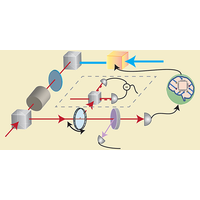
Phys. Rev. Lett. 135, 170802 (2025)
Quantum Information, Science, and Technology
Search for QCD Coupled Axion Dark Matter with Data from the MICROSCOPE Space Experiment
Article | Cosmology, Astrophysics, and Gravitation | 2025-10-21 06:00 EDT
Jordan Gué, Peter Wolf, and Aurélien Hees
Axion dark matter coupled via QCD induces a nonzero differential acceleration between test masses of different composition. Tests of the equivalence principle, like the recent MICROSCOPE space mission, are sensitive to such a signal. We use the final released data of the MICROSCOPE experiment to sea…
Phys. Rev. Lett. 135, 171001 (2025)
Cosmology, Astrophysics, and Gravitation
Late-Time Tails in Nonlinear Evolutions of Merging Black Holes
Article | Cosmology, Astrophysics, and Gravitation | 2025-10-21 06:00 EDT
Marina De Amicis, Hannes R. Rüter, Gregorio Carullo, Simone Albanesi, C. Melize Ferrus, Keefe Mitman, Leo C. Stein, Vitor Cardoso, Sebastiano Bernuzzi, Michael Boyle, Nils Deppe, Lawrence E. Kidder, Jordan Moxon, Alessandro Nagar, Kyle C. Nelli, Harald P. Pfeiffer, Mark A. Scheel, William Throwe, Nils L. Vu, and An𝚤l Zenginoğlu
We uncover late-time gravitational-wave tails in fully nonlinear dimensional numerical relativity simulations of merging black holes, using the highly accurate spec code. We achieve this result by exploiting the strong magnification of late-time tails due to binary eccentricity, recently observe…
Phys. Rev. Lett. 135, 171401 (2025)
Cosmology, Astrophysics, and Gravitation
Observation of ${D}^{+}→{K}{S}^{0}{π}^{0}{μ}^{+}{ν}{μ}$, Test of Lepton Flavor Universality, and First Angular Analysis of ${D}^{+}→{\overline{K}}^{*}(892{)}^{0}{ℓ}^{+}{ν}_{ℓ}$
Article | Particles and Fields | 2025-10-21 06:00 EDT
M. Ablikim et al. (BESIII Collaboration)
We report a study of the semileptonic decays (, ) based on of collision data collected at the center-of-mass energy of 3.773 GeV with the BESIII detector. The decay is observed for the first time, with a branching fraction of …
Phys. Rev. Lett. 135, 171801 (2025)
Particles and Fields
Identified Hadron Production at Hadron Colliders in Next-to-Next-to-Leading-Order QCD
Article | Particles and Fields | 2025-10-21 06:00 EDT
Michał Czakon, Terry Generet, Alexander Mitov, and Rene Poncelet
In this Letter we calculate for the first time the next-to-next-to leading order (NNLO) QCD corrections to identified hadron production at hadron colliders. The inclusion of the NNLO correction has an important impact on all observables considered in this Letter. Higher order corrections reduce scal…
Phys. Rev. Lett. 135, 171902 (2025)
Particles and Fields
${q}_{T}$ Slicing with Multiple Jets
Article | Particles and Fields | 2025-10-21 06:00 EDT
Rong-Jun Fu, Rudi Rahn, Ding Yu Shao, Wouter J. Waalewijn, and Bin Wu
Modern collider phenomenology requires unprecedented precision for the theoretical predictions, for which slicing techniques provide an essential tool at next-to-next-to-leading order (NNLO) in the strong coupling. The most popular slicing variable is based on the transverse momentum of a color-s…
Phys. Rev. Lett. 135, 171903 (2025)
Particles and Fields
Toward a Microscopic Description of Nucleus-Nucleus Collisions
Article | Nuclear Physics | 2025-10-21 06:00 EDT
Matteo Vorabbi, Michael Gennari, Paolo Finelli, Carlotta Giusti, and Petr Navrátil
We present the first results of a comprehensive microscopic approach to describe nucleus-nucleus elastic collisions by means of an optical potential derived at first order in multiple-scattering theory and computed by folding the projectile and target nuclear densities with the nucleon-nucleon mat…
Phys. Rev. Lett. 135, 172501 (2025)
Nuclear Physics
Chiral Symmetry and Peripheral Neutron-$α$ Scattering
Article | Nuclear Physics | 2025-10-21 06:00 EDT
Yilong Yang (杨一龙), Evgeny Epelbaum, Jie Meng (孟杰), Lu Meng (孟璐), and Pengwei Zhao (赵鹏巍)
We propose and demonstrate that peripheral neutron- scattering at low energies can serve as a sensitive and clean probe of the long-range three-nucleon forces. To this aim, we perform ab initio quantum Monte Carlo calculations using two- and three-nucleon interactions derived in chiral effective fi…
Phys. Rev. Lett. 135, 172502 (2025)
Nuclear Physics
Solitons in Arbitrary Dimensions Stabilized by Photon-Mediated Interactions
Article | Atomic, Molecular, and Optical Physics | 2025-10-21 06:00 EDT
Haoqing Zhang, Anjun Chu, Chengyi Luo, James K. Thompson, and Ana Maria Rey
We propose a scheme to generate solitons in arbitrary dimensions, in a matter-wave interferometer, without the need of quantum degeneracy. In our setting, solitons emerge by balancing the single-particle dispersion with engineered cavity-mediated exchange interactions between two wave packets, which…
Phys. Rev. Lett. 135, 173402 (2025)
Atomic, Molecular, and Optical Physics
Open Transmission Channels in Multimode Fiber Cavities with Random Mode Mixing
Article | Atomic, Molecular, and Optical Physics | 2025-10-21 06:00 EDT
Guy Pelc, Shay Guterman, Rodrigo Gutiérrez-Cuevas, Arthur Goetschy, Sébastien M. Popoff, and Yaron Bromberg
The transport of light in disordered media is governed by open transmission channels, which enable nearly complete transmission of the incident power, despite low average transmission. Extensively studied in diffusive media and chaotic cavities, open channels exhibit unique properties such as univer…
Phys. Rev. Lett. 135, 173801 (2025)
Atomic, Molecular, and Optical Physics
Exceptional Points and Lasing Thresholds: When Lower-Q Modes Win
Article | Atomic, Molecular, and Optical Physics | 2025-10-21 06:00 EDT
Julius Kullig, Qi Zhong, Jan Wiersig, and Ramy El-Ganainy
One of the most fundamental questions in laser physics is the following: Which mode of an optical cavity will reach the lasing threshold first when gain is applied? Intuitively, the answer appears straightforward: When a particular mode is both temporally well confined (i.e., exhibits the highest qu…
Phys. Rev. Lett. 135, 173802 (2025)
Atomic, Molecular, and Optical Physics
Stable Small Plasmas at the Density Limit in the W7-X Stellarator
Article | Plasma and Solar Physics, Accelerators and Beams | 2025-10-21 06:00 EDT
A. Pandey, T. S. Pedersen, G. Fuchert, T. Szepesi, D. Zhang, T. Stange, A. Buzas, T. Romba, F. Reimold, V. Perseo, S. Kwak, G. Kocsis, G. Cseh, T. Gonda, G. Schlisio, M. Hirsch, N. Chaudhary, and W7-X team
Experiments in the Wendelstein 7-X (W7-X) stellarator with plasma density beyond the established density limit in stellarators [Scalings of energy confinement and density limit in stellarator/heliotron devices, Nucl. Fusion 30, 11 (1990).] resulted in unusual, reduced size, fully radiative plasmas l…
Phys. Rev. Lett. 135, 175101 (2025)
Plasma and Solar Physics, Accelerators and Beams
Revealing the Structure and Dynamics of Self-Generated Electric and Magnetic Fields Near Plasma Stagnation in Laser-Driven Hohlraums
Article | Plasma and Solar Physics, Accelerators and Beams | 2025-10-21 06:00 EDT
J. A. Pearcy, G. D. Sutcliffe, T. M. Johnson, B. L. Reichelt, S. G. Dannhoff, J. Kuniumune, Y. Lawrence, B. Foo, M. Gatu-Johnson, J. A. Frenje, R. D. Petrasso, and C. K. Li
Triparticle radiography combined with a reconstruction algorithm simultaneously recovers the spatiotemporal evolution of self-generated electric and magnetic fields in laser-driven hohlraum experiments.
Phys. Rev. Lett. 135, 175102 (2025)
Plasma and Solar Physics, Accelerators and Beams
Observation of Giant Nernst Plateau in Ideal 1D Weyl Phase
Article | Condensed Matter and Materials | 2025-10-21 06:00 EDT
Y. Zhang, J. Q. Cai, Peng-Lu Zhao, Q. Li, Y. C. Qian, Y. Y. Lv, Y. B. Chen, Q. Niu, Hai-Zhou Lu, J. L. Zhang, and M. L. Tian
The search for a giant Nernst effect beyond conventional mechanisms offers advantages for developing advanced thermoelectric devices and understanding charge-entropy conversion. Here, we study the Seebeck and Nernst effects in across a broad range of magnetic fields. Remarkably, the Nernst eff…
Phys. Rev. Lett. 135, 176601 (2025)
Condensed Matter and Materials
Photonic Flat Landau Levels Induced by Antisymmetric Nonuniform Pseudomagnetic Fields
Article | Condensed Matter and Materials | 2025-10-21 06:00 EDT
Xiao Zhang, Li Liang, Kai Shao, Feifei Li, Biaobing Jin, Huabing Wang, Yin Poo, Wei Chen, and C. T. Chan
Pseudomagnetic fields (PMFs) have been proven useful for generating Landau levels and controlling wave propagation in classical wave systems. Recently, photonic flat Landau levels residing near the and points induced by PMFs have been realized through uniaxial gradient deformations of superlatt…
Phys. Rev. Lett. 135, 176602 (2025)
Condensed Matter and Materials
Symmetry-Forbidden Intraband Transitions Leading to Ultralow Gilbert Damping in van der Waals Ferromagnets
Article | Condensed Matter and Materials | 2025-10-21 06:00 EDT
Weizhao Chen, Yu Zhang, Yi Liu, and Zhe Yuan
Based upon first-principles calculations, we report ultralow Gilbert damping in two-dimensional (2D) van der Waals ferromagnets. The low damping occurs at weak scattering because mirror symmetry prohibits intraband transitions. The monotonic dependence on the electronic scattering rate suggests the …
Phys. Rev. Lett. 135, 176704 (2025)
Condensed Matter and Materials
Spin-Orbital Altermagnetism
Article | Condensed Matter and Materials | 2025-10-21 06:00 EDT
Zi-Ming Wang, Yang Zhang, Song-Bo Zhang, Jin-Hua Sun, Elbio Dagotto, Dong-Hui Xu, and Lun-Hui Hu
Altermagnetism is a newly discovered magnetic phase, characterized by nonrelativistic spin splitting that has been experimentally observed. Here, we introduce a framework dubbed "spin-orbital altermagnetism" to achieve spin-orbital textures in altermagnetic materials. We identify two distinct classe…
Phys. Rev. Lett. 135, 176705 (2025)
Condensed Matter and Materials
Fully Flat Bands in a Photonic Dipolar Kagome Lattice
Article | Condensed Matter and Materials | 2025-10-21 06:00 EDT
Han-Rong Xia, Ziyao Wang, Yunrui Wang, Zhen Gao, and Meng Xiao
A photonic kagome lattice with tunable dipoles achieves fully flat, dispersionless bands yielding robust light localization and new routes to interaction-enhanced phenomena.

Phys. Rev. Lett. 135, 176902 (2025)
Condensed Matter and Materials
Facilitating a 3D Granular Flow with an Obstruction
Article | Polymers, Chemical Physics, Soft Matter, and Biological Physics | 2025-10-21 06:00 EDT
Abhijit Sinha, Jackson Diodati, Narayanan Menon, Shubha Tewari, and Shankar Ghosh
Ensuring a smooth rate of efflux of particles from an outlet without unpredictable clogging events is crucial in processing powders and grains. We show by experiments and simulations that an obstacle placed near the outlet can greatly suppress clog formation in a 3-dimensional granular flow; this co…
Phys. Rev. Lett. 135, 178201 (2025)
Polymers, Chemical Physics, Soft Matter, and Biological Physics
Flocking Phase Separation in Inertial Active Matter
Article | Polymers, Chemical Physics, Soft Matter, and Biological Physics | 2025-10-21 06:00 EDT
Nan Luo, Longfei Li, Mingcheng Yang, and Yi Peng
A large population of motile agents can display remarkable collective behaviors. Here, we study collective motion of inertia-dominated macroscopic agents using a model system of millimeter-sized magnetic rollers with tunable motile behaviors. In this system, we observe first-order flocking phase sep…
Phys. Rev. Lett. 135, 178301 (2025)
Polymers, Chemical Physics, Soft Matter, and Biological Physics
Physical Review X
Collective Modes in Multilayer $\mathrm{Graphene}/α\text{-}{\mathrm{RuCl}}_{3}$ Heterostructures
Article | | 2025-10-21 06:00 EDT
Samuel L. Moore, Miguel Sánchez Sánchez, M. C. Strasbourg, Y. Shao, J. Pack, Y. Wang, D. J. Rizzo, B. S. Jessen, Matthew Cothrine, David G. Mandrus, Takashi Taniguchi, Kenji Watanabe, K. S. Burch, C. R. Dean, J. Hone, M. Fogler, A. J. Millis, A. Rubio, P. J. Schuck, T. Stauber, and D. N. Basov
A new, gate-free, highly tunable platform for controlling charge-carrier density in multilayer graphene reveals how phonons and plasmons in the material respond to unexplored extremes of doping and electric fields.
Phys. Rev. X 15, 041011 (2025)
arXiv
The Meissner effect in superconductors: emergence versus reductionism
New Submission | Superconductivity (cond-mat.supr-con) | 2025-10-22 20:00 EDT
The Meissner effect, the expulsion of magnetic field from the interior of a metal entering the superconducting state, is arguably the most fundamental property of superconductors, discovered in 1933. The conventional theory of superconductivity developed in 1957 is generally believed to fully explain the Meissner effect. We will review the arguments that support this consensus, rooted in the concept of emergence. However, recent work has shown that there are questions related to momentum conservation in the process of magnetic field expulsion that have not been addressed within the conventional theory. Within a reductionist approach, it has been proposed that those questions can only be resolved by introducing physics that is not part of the conventional theory, namely that there is radial motion of electric charge in the transition process. This is consistent with the behavior of classical plasmas, where motion of magnetic field lines is always associated with motion of charges. We review how this approach explains puzzles associated with momentum transfer between electrons and ions in the Meissner effect. Whether or not radial charge motion is associated with the Meissner effect has fundamental implications regarding superconductivity mechanisms in materials and regarding strategies to search for new materials with higher superconducting transition temperatures. Therefore, adjudication of this question is urgent and important.
Superconductivity (cond-mat.supr-con)
24 pages, 24 figures, 117 references. Comments are welcome, in particular on missing essential references
XDXD: End-to-end crystal structure determination with low resolution X-ray diffraction
New Submission | Materials Science (cond-mat.mtrl-sci) | 2025-10-22 20:00 EDT
Jiale Zhao, Cong Liu, Yuxuan Zhang, Chengyue Gong, Zhenyi Zhang, Shifeng Jin, Zhenyu Liu
Determining crystal structures from X-ray diffraction data is fundamental across diverse scientific fields, yet remains a significant challenge when data is limited to low resolution. While recent deep learning models have made breakthroughs in solving the crystallographic phase problem, the resulting low-resolution electron density maps are often ambiguous and difficult to interpret. To overcome this critical bottleneck, we introduce XDXD, to our knowledge, the first end-to-end deep learning framework to determine a complete atomic model directly from low-resolution single-crystal X-ray diffraction data. Our diffusion-based generative model bypasses the need for manual map interpretation, producing chemically plausible crystal structures conditioned on the diffraction pattern. We demonstrate that XDXD achieves a 70.4% match rate for structures with data limited to 2.0~Å resolution, with a root-mean-square error (RMSE) below 0.05. Evaluated on a benchmark of 24,000 experimental structures, our model proves to be robust and accurate. Furthermore, a case study on small peptides highlights the model’s potential for extension to more complex systems, paving the way for automated structure solution in previously intractable cases.
Materials Science (cond-mat.mtrl-sci), Artificial Intelligence (cs.AI), Machine Learning (cs.LG)
Non-invertible bosonic chiral symmetry on the lattice
New Submission | Strongly Correlated Electrons (cond-mat.str-el) | 2025-10-22 20:00 EDT
Lukasz Fidkowski, Cenke Xu, Carolyn Zhang
In this work we realize the 3 + 1 dimensional non-invertible $ {\mathbb{Z}}_N$ chiral symmetry generator as an operator in a many body lattice Hilbert space. A crucial ingredient in our construction is the use of infinite dimensional $ U(1)$ rotor site Hilbert spaces. Specifically, our Hilbert space is that of a $ U(1)$ lattice gauge theory coupled to a charge $ 1$ scalar in the Villain formulation, which allows for direct access to monopoles and for a simple definition of a magnetic $ {\mathbb{Z}}_N$ one-form symmetry $ Z^{(1)}_m$ , at the lattice Hamiltonian level. We construct the generator of the $ {\mathbb{Z}}_N$ chiral symmetry as as a unitary operator in the subspace of $ Z^{(1)}_m$ -invariant states, and show that it cannot be extended to the entire Hilbert space while preserving locality and unitarity. Using a lattice-level duality based on gauging $ Z^{(1)}_m$ , we find a dual description of this subspace, as the subspace of a charge $ 1/N$ gauge theory invariant under an electric one-form symmetry $ Z^{(1)}_e$ . We show that in this dual formulation, the chiral symmetry generator does extend unitarily to the entire Hilbert space, but has a mixed anomaly with the $ Z^{(1)}_e$ symmetry.
Strongly Correlated Electrons (cond-mat.str-el), High Energy Physics - Theory (hep-th)
Interplay of Noise and Reservoir-induced Decoherence in Persistent Currents
New Submission | Mesoscale and Nanoscale Physics (cond-mat.mes-hall) | 2025-10-22 20:00 EDT
Samudra Sur, Thierry Giamarchi
Persistent current is a hallmark of quantum phase coherence. We study the fate of the persistent current in a non-equilibrium setting, where a tight-binding ring is subjected to stochastic disorder as well as a fermionic reservoir attached to each site. We evaluate the current using Keldysh technique and find that it exhibits non-monotonic behavior, suggesting two distinct mechanisms of decoherence. While coupling to the reservoirs introduces a coherence length scale given by the inverse of the coupling strength, the other mechanism is more subtle and driven by the ratio of noise strength to reservoir coupling. The interplay of noise and reservoir constitutes a purely non-equilibrium steady state with a flatter distribution function that we effectively describe using classical rate equations. We discuss possibilities of realizing our findings in ultracold-atom experiments.
Mesoscale and Nanoscale Physics (cond-mat.mes-hall), Quantum Gases (cond-mat.quant-gas), Statistical Mechanics (cond-mat.stat-mech), Quantum Physics (quant-ph)
7+4 pages, 4 figures
First-passage properties of the jump process with a drift. The general case
New Submission | Statistical Mechanics (cond-mat.stat-mech) | 2025-10-22 20:00 EDT
We study the first-passage properties of a jump process with constant drift where jump amplitudes and inter-arrival times follow arbitrary light-tailed distributions with smooth densities. Using a mapping to an effective discrete-time random walk, we identify three regimes determined by the drift strength: survival (weak drift), absorption (strong drift), and critical. We derive explicit expressions for exponential decay rates in the survival and absorption regimes, and characterize algebraic decay at the critical point. We also obtain asymptotic behavior of the mean first-passage time, number of jumps, and their variances for processes starting either close to the origin or far from it.
Statistical Mechanics (cond-mat.stat-mech), Mathematical Physics (math-ph), Probability (math.PR)
55 pages, 11 figures
Magnus Induced Magnetic Diode Effect in Skyrmion Systems
New Submission | Mesoscale and Nanoscale Physics (cond-mat.mes-hall) | 2025-10-22 20:00 EDT
J. C. Bellizotti Souza, C. J. O. Reichhardt, C. Reichhardt, A. Saxena
We show that skyrmions can exhibit what we call a magnetic diode effect, where there is a nonreciprocal response in the transport when the magnetic field is reversed. This effect can be achieved for skyrmions moving in a channel with a sawtooth potential on one side and a reversed sawtooth potential on the other side. We consider the cases of both spin-transfer torque (STT) and spin-orbit torque (SOT) driving. When the magnetic field is held fixed, the velocity response of the skyrmion is the same for current applied in either direction for both STT and SOT driving, so there is no current diode effect. When the magnetic field is reversed, under STT driving the velocity of the skyrmion reverses and its absolute value changes. Under SOT driving, the velocity remains in the same direction but drops to a much lower value, resulting in negative differential conductivity. For a fixed current, we find a nonreciprocal skyrmion velocity as a function of positive and negative applied fields, in analogy to the velocity-current curves observed in the usual diode effect. The nonreciprocity is generated by the Magnus force, which causes skyrmions to interact preferentially with one side of the channel. Since the channel sides have opposite asymmetry, a positive magnetic field can cause the skyrmion to interact with the “hard” asymmetry side of the channel, while a negative magnetic field causes the skyrmion to interact with the easy asymmetry side. This geometry could be used to create new kinds of magnetic-field-induced diode effects that can be harnessed in new types of skyrmion-based devices.
Mesoscale and Nanoscale Physics (cond-mat.mes-hall)
7 pages, 10 figures
Simplifying Generation of Special Quasirandom Structures with ATAT Using Interactive Online Interface – SimplySQS
New Submission | Materials Science (cond-mat.mtrl-sci) | 2025-10-22 20:00 EDT
Miroslav Lebeda, Jan Drahokoupil, Petr Vlčák, Šimon Svoboda, Axel van de Walle
The special quasirandom structure (SQS) method is a widely used approach for modeling random alloys with periodic boundary conditions. Among available implementations, the Alloy Theoretic Automated Toolkit (ATAT) mcsqs module remains one of the most established tools for SQS generation. However, its command-line operation and input file preparation often present a steep learning curve, particularly for students and researchers without programming experience. To lower these barriers, we have developed SimplySQS (this http URL), an online, browser-based interactive interface that automates the preparation, execution, and analysis of ATAT mcsqs outputs. SimplySQS allows users to upload or import structures from databases (MP, AFLOW, COD), configure compositions and supercells via guided forms, automatically generate ATAT input and batch scripts, and visualize results such as convergence behavior, correlation functions, and radial distribution functions. The best SQS outputs can be exported in standard formats (POSCAR, CIF, LMP, XYZ). By simplifying setup and minimizing file-handling errors, SimplySQS broadens access to ATAT mcsqs, making SQS generation more approachable for beginners while streamlining workflows for experienced users. The workflow is illustrated on the perovskite series Pb1-xSrxTiO3 (PSTO, including PbTiO3 (PTO) and SrTiO3 (STO)), where an all-in-one batch script generated with SimplySQS was used to obtain SQSs across the composition range. The resulting structures were subsequently optimized using the MACE MATPES-r2SCAN-0 universal machine-learning interatomic potential (MLIP) to predict evolution of lattice parameters. The MLIP accurately reproduced the cubic-to-tetragonal transition near x = 0.5, with lattice parameters deviating by less than 1 % in the cubic (x > 0.5) and 3 % in the tetragonal (x < 0.5) regions.
Materials Science (cond-mat.mtrl-sci)
Benchmarking 34 OpenKIM Nickel Potentials with an Emphasis on Surfaces and Extended Defects
New Submission | Materials Science (cond-mat.mtrl-sci) | 2025-10-22 20:00 EDT
Matthew Thoms (1), Hao Sun (2), Laurent Karim Béland (1) ((1) Queen’s University, (2) Liaoning Academy of Materials)
We present an automated benchmarking suite for face-centered-cubic (FCC) nickel that evaluates 47 quantitative metrics spanning both standard tests (equation of state, elastic constants, surface energies and phonons) and application-specific scenarios such as defect formation and migration, grain boundaries, step edges, close-range interactions, and vacancy cluster energetics. Using this framework, we assess 34 interatomic potentials from the OpenKIM repository, including pairwise, embedded-atom, modified-embedded-atom, angular-dependent, and spectral neighbor analysis potentials (SNAP). Results are compared against ab initio benchmarks compiled from the literature. Most potentials accurately reproduce lattice parameters, elastic constants, and surface energies, whereas predictive accuracy degrades for migration barriers and short-range compression. Principal-component analysis identifies correlated property groups and a partially orthogonal component associated with migration and short-range physics, revealing Pareto trade-offs between accuracy domains. SNAP models occupy the lowest-error frontier, although several embedded-atom potentials remain competitive across many metrics. The framework provides a reproducible baseline for potential selection, highlights systematic limitations across formalisms, and supports benchmarking-in-the-loop strategies for developing next-generation machine-learning potentials for Ni and Ni-based alloys.
Materials Science (cond-mat.mtrl-sci)
38 pages, 10 figures, to be submitted to computational materials science, code available at this https URL
Oxidation State Dynamics and Emerging Patterns in Magnetite
New Submission | Materials Science (cond-mat.mtrl-sci) | 2025-10-22 20:00 EDT
Emre Gürsoy, Gregor B. Vonbun-Feldbauer, Robert H. Meißner
Magnetite is an important mineral with many interesting applications related to its magnetic, electrical and thermal properties. Typically studied by electronic structure calculations, these methods are unable to capture the complex ion dynamics at relevant temperatures, time and length scales. We present a hybrid Monte Carlo/Molecular Dynamics (MC/MD) method based on iron oxidation state exchange for accurate atomistic modelling of bulk magnetite, magnetite surfaces and nanoparticles that captures the complex ionic dynamics. By comparing oxidation state patterns with those obtained from density functional theory, we confirmed the accuracy of our approach. Lattice distortions leading to the stabilisation of excess charges and a critical surface thickness at which the oxidation states transition from ordered to disordered were observed. This simple yet efficient approach paves the way for elucidating aspects of oxidation state ordering of inverse spinel structures in general and battery materials in particular.
Materials Science (cond-mat.mtrl-sci)
The Journal of Physical Chemistry Letters 14 (2023) 6800-6807
Transitions driven by multibody interactions in an effective model of active matter
New Submission | Statistical Mechanics (cond-mat.stat-mech) | 2025-10-22 20:00 EDT
Thibaut Arnoulx de Pirey, Frédéric van Wijland
When out-of-equilibrium particles interact by means of pairwise forces, their stationary distribution in general exhibits many-body interactions. In the particular case of active particles, it has been shown numerically that the Motility Induced Phase Separation cannot be explained by the effective attraction emerging from two isolated particles, thereby highlighting the role of multibody interactions. In this work, we study the thermodynamics of the Fox-UCNA approximation for active particles interacting by means of pairwise repulsive forces. Working at large space dimension we establish that multibody interactions up to infinite order are instrumental in giving rise to such collective phenomena as phase transitions. We recover a MIPS-like first order transition, but also find a liquid-liquid transition at somewhat lower persistence times. This new transition is connected to a spin glass phase of orientational-like degrees of freedom with disordered interactions set by the particle positions themselves.
Statistical Mechanics (cond-mat.stat-mech)
First-Principles Investigation of the Physical and Thermoelectric Properties of Chalcogenide Compounds for Waste-Heat Recovery
New Submission | Materials Science (cond-mat.mtrl-sci) | 2025-10-22 20:00 EDT
Md Hasan Shahriar Rifat, Tanvir Khan, K.M. Mehedi Hassan
Improving energy efficiency by recovering waste heat and providing thermal protection is of high technological importance. This work investigates the chalcogenide compounds CdGa2Te4 and ZnGa2Te4 using density functional theory and BoltzTraP2 calculations. Both materials are dynamically stable, brittle, and elastically anisotropic. Electronic structure calculations show direct band gaps that range from 1.0 to 2.2 electronvolt. Carrier effective masses are favorable, with CdGa2Te4 showing light electrons equal to 0.21 times the free electron mass and ZnGa2Te4 showing moderately heavy carriers equal to 0.39 times the free electron mass. Thermoelectric transport calculations yield large Seebeck coefficients of about 108 to 119 microvolt per kelvin. The thermoelectric figure of merit ZT increases from about 0.4 at 50 K to about 0.78 at 800 kelvin, indicating promising thermoelectric performance. For thermal barrier coating applications, both compounds combine ultralow lattice thermal conductivity with moderate melting points around 790 to 850 K and small thermal expansion coefficients, which helps resist thermal stress. Overall, CdGa2Te4 and ZnGa2Te4 are multifunctional materials suitable for efficient waste heat recovery and durable thermal barrier operation below 900 K.
Materials Science (cond-mat.mtrl-sci)
33 pages, 10 figures
Highly efficient quantum Stirling engine using multilayer Graphene
New Submission | Statistical Mechanics (cond-mat.stat-mech) | 2025-10-22 20:00 EDT
Bastian Castorene, Francisco J. Peña, Eric Suarez, Caio Lewenkopf, Martin HvE Groves, Natalia Cortés, Patricio Vargas
In this work, quantum Stirling engines based on monolayer, AB-stacked bilayer, and ABC-stacked trilayer graphene under perpendicular magnetic fields are analyzed. Performance maps of the useful work ((\eta W)) reveal a robust optimum at low magnetic fields and moderately low temperatures, with all stackings capable of reaching Carnot efficiency under suitable configurations. The AB bilayer achieves this across the broadest parameter window while sustaining finite work, the monolayer exhibits highly constrained regimes, and the trilayer shows smoother trends with sizable (\eta W). These results identify multilayer graphene, particularly the AB bilayer, as a promising platform for efficient Stirling engines, while also highlighting the versatility of the monolayer in realizing all four operational regimes of the Stirling cycle.
Statistical Mechanics (cond-mat.stat-mech)
9 Figures
A Hall viscosity for skyrmion via magnon interaction
New Submission | Mesoscale and Nanoscale Physics (cond-mat.mes-hall) | 2025-10-22 20:00 EDT
We identify a Hall viscosity term directly from the Dzyaloshinskii-Moriya interaction (DMI), that breaks parity symmetry, in the skyrmion motion of insulating magnets by time-averaging the magnon contribution to all orders. The viscosity term is proportional to the skyrmion charge. Skyrmion Hall angle shows significant dependence on the skyrmion shape and size, the ratio of exchange over DMI parameters, while roughly independent of the Gilbert damping parameter. The Hall angles have the same magnitude for opposite skyrmion charges. We speculate a velocity-dependent Hall viscosity contribution to seek asymmetric Hall angles for the opposite charges.
Mesoscale and Nanoscale Physics (cond-mat.mes-hall), Materials Science (cond-mat.mtrl-sci), High Energy Physics - Theory (hep-th)
5+5 pages with 2 figures
Geometric Field Theory for Elastohydrodynamics of Cosserat Rods
New Submission | Soft Condensed Matter (cond-mat.soft) | 2025-10-22 20:00 EDT
Mingjia Yan, Mohamed Warda, Balázs Németh, Lukas Kikuchi, Ronojoy Adhikari
Slender structures are ubiquitous in biological and physical systems, from bacterial flagella to soft robotic arms. The Cosserat rod provides a mathematical framework for slender bodies that can stretch, shear, twist and bend. In viscous fluid environments at low Reynolds numbers - as encountered in soft matter physics, biophysics, and soft continuum robotics - inertial effects become negligible, and hydrodynamic forces are well approximated by Stokes friction. We demonstrate that the resulting elastohydrodynamic equations of motion, when formulated using Cartan’s method of moving frames, possess the structure of a geometric field theory in which the configuration field takes values in SE(3), the Lie group of rigid body motions. This geometric formulation yields coordinate-independent equations that are manifestly invariant under spatial isometries and naturally suited to constitutive modeling based on Curie’s principle. We derive integrability conditions that determine when constitutive laws can be derived from an energy functional, thereby distinguishing between passive and active material responses. We also obtain the beam limit for small deformations. Our results establish a unified geometric framework for the nonlinear mechanics of slender structures in slow viscous flow and enable efficient numerical solutions.
Soft Condensed Matter (cond-mat.soft), Mathematical Physics (math-ph)
1st version, 12 pages, 2 figures, 1 table, comments welcome by email
Inverse proximity effect in thin-film superconductor/magnet heterostructures with metallic and insulating magnets
New Submission | Superconductivity (cond-mat.supr-con) | 2025-10-22 20:00 EDT
V. A. Bobkov, G. A. Bobkov, I. V. Bobkova
Proximity effect in thin-film superconductor (S)/magnet heterostructures with different types of magnets including ferromagnets, antiferromagnets and altermagnets is widely considered in the framework of an effective model, where the heterostructure is replaced by a homogeneous superconductor in the presence of a homogeneous exchange field of a corresponding type. Here we study the extent to which such a model is actually applicable to ballistic thin-film superconductor/magnetic heterostructures. In particular, a comparative analysis of thin-film superconductor/magnetic metal and superconductor/magnetic insulator heterostructures is performed. Metallic and insulating ferromagnets (FM, FI) and altermagnets (AM, AI) are considered. It is shown that in the S/FI and S/AI heterostructures the the proximity effect creates a well-defined spin splitting of the electronic spectra in the S layer. Thus, they are well described by the effective model. At the same time, the proximity effect in S/FM and S/AM heterostructures also creates a spin splitting of the spectra of the S layer, but it has a chaotic spectral and spatial distribution and unpredictable amplitude and, in general, cannot be detected via the spin splitting of the superconducting density of states. Thus, the effective model is not applicable to such heterostructures. Nevertheless, we demonstrate that they support well-pronounced triplet correlations and, thus, can be used for spintronics applications.
Superconductivity (cond-mat.supr-con)
Elastohydrodynamic instabilities of a soft robotic arm in a viscous fluid
New Submission | Soft Condensed Matter (cond-mat.soft) | 2025-10-22 20:00 EDT
Mohamed Warda, Ronojoy Adhikari
The design and control of soft robots operating in fluid environments requires a careful understanding of the interplay between large elastic body deformations and hydrodynamic forces. Here we show that this interplay leads to novel elastohydrodynamic instabilities in a clamped soft robotic arm driven terminally by a constant pressure in a viscous fluid. We model the arm as a Cosserat rod that can stretch, shear and bend. We obtain invariant, geometrically exact, non-linear equations of motion by using Cartan’s method of moving frames. Stability to small perturbations of a straight rod is governed by a non-Hermitian linear operator. Eigenanalysis shows that stability is lost through a Hopf bifurcation with the increase of pressure above a first threshold. A surprising return to stability is obtained with further increase of pressure beyond a second threshold. Numerical solutions of the non-linear equations, using a geometrically exact spectral method, confirms stable limit-cycle oscillations between these two pressure thresholds. An asymptotic analysis in the beam limit rationalizes these results analytically. This counterintuitive sequence of bifurcations underscores the subtle nature of the elastohydrodynamic coupling in Cosserat rods and emphasizes their importance for the control of the viscous dynamics of soft robots.
Soft Condensed Matter (cond-mat.soft), Mathematical Physics (math-ph), Classical Physics (physics.class-ph)
Probing Hidden Symmetry and Altermagnetism with Sub-Picometer Sensitivity via Nonlinear Transport
New Submission | Strongly Correlated Electrons (cond-mat.str-el) | 2025-10-22 20:00 EDT
Subin Mali, Yufei Zhao, Yu Wang, Saugata Sarker, Yangyang Chen, Zixuan Li, Jun Zhu, Ying Liu, Venkatraman Gopalan, Binghai Yan, Zhiqiang Mao
X-ray and neutron diffraction are foundational tools for determining crystal structures, but their resolution limits can lead to misassignments, especially in materials with subtle distortions or competing phases. Here, we demonstrate the use of nonlinear transport as a complementary approach to uncover hidden crystal symmetries, using the strongly correlated Ca$ _3$ Ru$ _2$ O$ _7$ as a case study. Below 48 K (T$ _S$ ), where the magnetic moments of the antiferromagnetic phase reorient from the a- to the b-axis, leading to a pseudogap opening, our measurements, with support of DFT, reveal a previously overlooked lower-symmetry phase. This is manifested by the emergence of longitudinal nonlinear resistance (NLR) along the b-axis below T$ _S$ , providing direct evidence of combined translational and time-reversal symmetry breaking. This response also suggests a transformation from a conventional antiferromagnet into an altermagnet. The lower-symmetry phase arises from a subtle lattice distortion (~0.1 pm) associated with the magnetic transition at T$ _S$ , below the detection limit of conventional diffraction. Moreover, this NLR below T$ _S$ is accompanied by a nonlinear Hall effect, both of which are enhanced by the large quantum metric associated with Weyl chains near the Fermi surface. Our findings demonstrate nonlinear transport as a sensitive probe of hidden symmetry breaking and altermagnetism, complementing and extending beyond the reach of traditional diffraction and spectroscopic techniques.
Strongly Correlated Electrons (cond-mat.str-el), Materials Science (cond-mat.mtrl-sci)
20 pages, 5 figures, Supplementary information available upon request
Altermon: a magnetic-field-free parity protected qubit based on a narrow altermagnet Josephson junction
New Submission | Mesoscale and Nanoscale Physics (cond-mat.mes-hall) | 2025-10-22 20:00 EDT
Sakineh Vosoughi-nia, Michał P. Nowak
Altermagnets provide a new route to engineer superconducting circuits without magnetic fields. We theoretically study the Andreev bound state (ABS) spectrum of a finite-width altrmagnet-based Josephson junction and show how the $ d$ -wave altermagnetic symmetry and geometric confinement shape its low-energy excitations. We find a clear distinction between the two $ d$ -wave symmetries: $ d_{x^2-y^2}$ order produces spin splitting, whereas $ d_{xy}$ order preserves spin degeneracy and exhibits splitting of the ABS spectrum induced by intermode hybridization. Leveraging these novel features, we propose applying a transverse electric field to tune the system and realize a magnetic-field-free, parity-protected superconducting qubit that we call altermon.
Mesoscale and Nanoscale Physics (cond-mat.mes-hall), Superconductivity (cond-mat.supr-con)
Anisotropic-Strain Control of The Magnetic Structure in Mn\textsubscript{3}GaN
New Submission | Materials Science (cond-mat.mtrl-sci) | 2025-10-22 20:00 EDT
Roman Malyshev, Ingeborg-Helene Svenum, Sverre M. Selbach, Thomas Tybell
A first principles study is conducted to explore the changes in the magnetic structure of Mn\textsubscript{3}GaN under anisotropic biaxial strain. Mn\textsubscript{3}GaN is an antiperovskite with a structure similar to that of an ideal cubic perovskite. Several manganese nitride antiperovskites including Mn\textsubscript{3}GaN were reported to have a frustrated noncollinear antiferromagnetic structure. Successful electric switching of its magnetic structure has been reported. Furthermore, despite a cubic lattice symmetry, the magnetic symmetry is rhombohedral, allowing a piezomagnetic response. Tensile biaxial strain has been shown to produce a net magnetic moment by inducing in-plane spin canting. Compressive biaxial strain has been used to induce a spin-polarized ferro- or ferrimagnetic phase. In this study, anisotropic strain in the (001) plane is applied, outlining a magnetic phase diagram that can predict the properties when growing Mn\textsubscript{3}GaN thin films on noncubic substrates. The lattice vectors along the a and b crystallographic axes are strained by -5% to 5% in percentwise increments in all permutations. An extensive phase diagram is mapped, revealing multiple combinations of strain applied to the two lattice vectors that result in a ferro- or ferrimagnetic transition. Unlike previous results, not only strictly compressive strain on both lattice vectors, but combinations of tensile and compressive strain, as well as uniaxial strain, are seen producing the magnetic phase transitions. Furthermore, while biquadratic strain was seen producing a net moment in the [110] direction under tensile strain and [\bar{1}\bar{1}0] under compressive strain, anisotropic strain allows tuning the direction of the net magnetization.
Materials Science (cond-mat.mtrl-sci), Strongly Correlated Electrons (cond-mat.str-el)
15 pages, 3 figures
MACE Foundation Models for Lattice Dynamics: A Benchmark Study on Double Halide Perovskites
New Submission | Materials Science (cond-mat.mtrl-sci) | 2025-10-22 20:00 EDT
Jack Yang, Ziqi Yin, Lei Ao, Sean Li
Recent developments in materials informatics and artificial intelligence has led to the emergence of foundational energy models for material chemistry, as represented by the suite of MACE-based foundation models, bringing a significant breakthrough in universal potentials for inorganic solids. As to all method developments in computational materials science, performance benchmarking against existing high-level data with focusing on specific applications, is critically needed to understand the limitations in the models, thus facilitating the ongoing improvements in the model development process, and occasionally, leading to significant conceptual leaps in materials theory. Here, using our own published DFT (Density Functional Theory) database of room-temperature dynamic stability and vibrational anharmonicity for $ \sim2000$ cubic halide double perovskites, we benchmarked the performances of four different variants of the MACE foundation models for screening the dynamic stabilities of inorganic solids. Our analysis shows that, as anticipated, the model accuracy improves with more training data. The dynamic stabilities of weakly anharmonic materials (as predicted by DFT) are more accurately reproduced by the foundation model, than those highly anharmonic and dynamically unstable ones. The predominant source of error in predicting the dynamic stability arises predominantly from the amplification of errors in atomic forces when predicting the harmonic phonon properties through the computation of the Hessian matrix, less so is the contribution from possible differences in the range of the configurational spaces that are sampled by DFT and the foundation model in molecular dynamics. We hope that our present findings will stimulate future works towards more physics-inspired approaches in assessing the accuracy of foundation models for atomistic modelling.
Materials Science (cond-mat.mtrl-sci), Chemical Physics (physics.chem-ph)
21 pages, 17 figures
Chirality/Axiality-Induced Axiality/Chirality via Surface Polarization
New Submission | Strongly Correlated Electrons (cond-mat.str-el) | 2025-10-22 20:00 EDT
Satoru Hayami, Rikuto Oiwa, Akane Inda
In condensed matter physics, a broad spectrum of physical characteristics, such as chirality, axiality, and polarity, arises as a direct consequence of the underlying symmetry of the system. We here theoretically investigate the effective coupling between chirality and axiality at their domain boundaries, mediated by polarity. Based on symmetry considerations and model analyses, we propose the concept of chirality-induced axiality via surface polarization, which refers to a phenomenon where the handedness of chirality selects an axial moment with a particular orientation by lowering its energy at the surface. We further establish the inverse process, termed axiality-induced chirality via surface polarization, whereby axiality in turn dictates the preferred chirality. These reciprocal couplings open a new pathway for stabilizing single-domain states of chirality and axiality. They further imply interfacial functionalities, including the selective adsorption of chiral and axial molecules.
Strongly Correlated Electrons (cond-mat.str-el), Mesoscale and Nanoscale Physics (cond-mat.mes-hall)
6 pages, 4 figures, accepted for publication in J. Phys. Soc. Jpn
Interatomic potential development for topological insulator Bi1-xSbx and its dislocation by force-following active learning
New Submission | Materials Science (cond-mat.mtrl-sci) | 2025-10-22 20:00 EDT
Moon-ki Choi, Daniel Palmer, Harley T. Johnson
We introduce a force following active learning algorithm that integrates density functional theory DFT with the Gaussian Approximation Potential GAP framework to develop a robust interatomic potential IP for a dislocation in a topological insulator Bi1xSbx. Starting from an initial potential IP0 trained on unit cell data from strained Bi Sb binaries our active learning approach iteratively refines the IP during a structural relaxation. In each cycle if the force error uncertainty of any atom near the dislocation core exceeds a threshold value the IPi is efficiently retrained IPi to IPi1 by incorporating DFT computed forces and energies of atoms near the high uncertainty atom. This strategy ensures that the relaxation process maintains a low force error until full convergence is achieved. Consequently the final IP here IP5 has two capabilities 1 it reproduces the relaxation pathway observed during the active learning process unlike the initial IP0 which lacks prior dislocation core knowledge and 2 it captures the lattice and elastic properties of Bi Sb binaries across a range of Sb concentrations. We also evaluate dislocation properties Peierls stresses and dislocation generation by compression to assess the performance of the trained potential IP5.
Materials Science (cond-mat.mtrl-sci)
Zero-Dimensional Stacking Domains Enable Strong-Ductile Synergy in Additive Manufactured Titanium
New Submission | Materials Science (cond-mat.mtrl-sci) | 2025-10-22 20:00 EDT
Wenjing Zhang, Jizhe Cui, Xiaoyang Wang, Shubo Zhang, Yan Chong, Andy Godfrey, Nobuhiro Tsuji, Kai Wang, Rong Hu, Jing Xue, Junyu Chen, Gang Fang, Rong Yu, Wei Liu
Alloying by addition of oxygen interstitials during additive manufacturing provides new routes to strengthen and toughen metals and alloys. The underlying mechanisms by which such interstitial atoms lead to enhanced properties remain, however, unclear, not least due a lack of quantitative atomic-scale models linking microstructure to properties. Here using quasi-3D imaging based on multi-slice electron ptychography, we reveal the importance of a new type of interstitial-character lattice defect, namely zero-dimensional stacking domains (ZDSDs), present in high density in AM-processed oxygen-modulated pure titanium. These ZDSDs promote slip diversity, and support intense work hardening, enabling a three-fold enhancement in both strength and ductility in Ti-0.45O compared to conventional pure Ti. The work demonstrates the potential for using interstitial solutes to enhance mechanical properties in a range of critical engineering alloys.
Materials Science (cond-mat.mtrl-sci)
All-Electrical Self-Switching of van der Waals Chiral Antiferromagnet
New Submission | Mesoscale and Nanoscale Physics (cond-mat.mes-hall) | 2025-10-22 20:00 EDT
Junlin Xiong, Jiawei Jiang, Yanwei Cui, Han Gao, Ji Zhou, Zijia Liu, KuiKui Zhang, Shaobo Cheng, Kehui Wu, Sang-Wook Cheong, Kai Chang, Zhongkai Liu, Hongxin Yang, Shi-Jun Liang, Bin Cheng, Feng Miao
Antiferromagnets have garnered significant attention due to their negligible stray field and ultrafast magnetic dynamics, which are promising for high-density and ultrafast spintronic applications. Their dual functionality as both spin sources and information carriers could enable all-electrical self-induced switching of antiferromagnetic order, offering great potential for ultra-compact spintronic devices. However, related progress is still elusive. Here, we report the deterministic switching of chiral antiferromagnetic orders induced by charge current at zero external magnetic field in the van der Waals (vdW) magnetically intercalated transition metal dichalcogenide CoTa3S6. This system exhibits strong interactions between cobalt atom magnetic moment lattice and itinerant electrons within the metallic layers, as demonstrated by temperature-dependent angle-resolved photoemission, scanning tunneling spectroscopy, and topological Nernst effect measurements. Notably, the itinerant-localization interactions lead to current-induced chiral spin orbit torques as well as Ruderman-Kittel-Kasuya-Yosida (RKKY) exchange torques that interact with the localized magnetic moments, facilitating all-electrical switching of the chiral magnetic order in the CoTa3S6 flake. Our work opens a promising avenue for manipulating antiferromagnetic orders by delicately engineering the synergistic interactions between magnetic moments and itinerant electrons.
Mesoscale and Nanoscale Physics (cond-mat.mes-hall), Materials Science (cond-mat.mtrl-sci)
Spin gaps in Transition Metal Dichalcogenide Nanoribbons with atomic Adsorbates
New Submission | Mesoscale and Nanoscale Physics (cond-mat.mes-hall) | 2025-10-22 20:00 EDT
Joshua O. Aggrey, Leonard Bleiziffer, Frank Hagelberg
Edge-functionalized Transition Metal dichalcogenide nanoribbons of the zigzag type (zTMDCNRs) are explored in terms of their spin transmission properties. Specifically, systems of the type 5-zWXYNR + nA (X, Y = S, Se; n = 0, 1, 2; A = H, B, C, N, O), involving five rows of a zWXY unit, are investigated as transmission elements between semi-infinite electrodes, to identify atomic adsorbates and adsorption conditions for maximizing the spin polarization of current traversing the ribbons. Janus counterparts of these units, asymmetric structures comprising a transition metal layer sandwiched by two different chalcogen layers, are included in this study. In all cases considered, density functional theory (DFT) modeling, involving the hybrid Heyd-Scuseria-Ernzerhof (HSE) exchange-correlation functional, is combined with the non-equilibrium Green’s function (NEGF) approach to determine both spin and charge transport properties. The effect of the selected atomic absorbates on the geometric, electronic, and magnetic properties of 5-zWXYNR (X, Y = S, Se) is evaluated. A protocol to assess the spin-filtering capacity of 5-zWXYNR + nad as a function of the nature and the density of atomic adsorbates, is formulated in terms of band structure analysis of the respective electrode units. Spin gaps emerging close to the Fermi energy of the electrode are shown to provide an effective predictor for the degree of current spin polarization achieved by any of the transmission systems studied here. For any adsorbate configuration considered, ferromagnetic (FM) as well as antiferromagnetic (AFM) ordering is examined, and the impact of the magnetic phase on the spin transport properties is discussed. A spin-selective negative differential resistance effect is identified for specific nanoribbon systems.
Mesoscale and Nanoscale Physics (cond-mat.mes-hall)
Fluctuations in first passage times and utility of resetting protocol in biochemical systems with two-state toggling
New Submission | Statistical Mechanics (cond-mat.stat-mech) | 2025-10-22 20:00 EDT
Hillol Kumar Barman, Pathik Das, Syed Yunus Ali
Interesting theoretical problems of target search or threshold crossing, formally known as {\it first passage}, often arise in both diffusive transport problems as well as problems of chemical reaction kinetics. We study three systems following different chemical kinetics, and are special as they {\it toggle between two states}: (i) a population dynamics of cells with auto-catalytic birth and intermittent toxic chemical-induced forced death, (ii) a bond cluster model representing membrane adhesion to extracellular matrix under a fluctuating load, and (iii) a model of gene transcription with a regulated promoter switching between active and inactive states. Each of these systems has a target state to attain, which defines a first passage problem – namely, population becoming extinct, complete membrane detachment, or mRNA count crossing a threshold. We study the fluctuations in first passage time and show that it is interestingly {\it non-monotonic} in all these cases, with increasing strength of bias towards the target. We also study suitable {\it stochastic resetting} protocols to expedite first passage for these systems, and show that there is a re-entrant transition of the efficacy of this protocol in all the three cases, as a function of the bias. The exact analytical condition for these transitions predicted in earlier literature is verified here through simulations.
Statistical Mechanics (cond-mat.stat-mech)
J. Phys. Chem. B 2025
Floquet engineering enabled by charge density wave transition
New Submission | Materials Science (cond-mat.mtrl-sci) | 2025-10-22 20:00 EDT
Fei Wang, Xuanxi Cai, Teng Xiao, Changhua Bao, Haoyuan Zhong, Wanying Chen, Tianyun Lin, Tianshuang Sheng, Xiao Tang, Hongyun Zhang, Pu Yu, Zhiyuan Sun, Shuyun Zhou
Floquet engineering has emerged as a powerful approach for dynamically tailoring the electronic structures of quantum materials through time-periodic light fields generated by ultrafast laser pulses. The light fields can transiently dress Bloch electrons, creating novel electronic states inaccessible in equilibrium. While such temporal modulation provides dynamic control, spatially periodic modulations, such as those arising from charge density wave (CDW) order, can also dramatically reconstruct the band structure through real-space symmetry breaking. The interplay between these two distinct forms of modulation-temporal and spatial-opens a new frontier in electronic-phase-dependent Floquet engineering. Here we demonstrate this concept experimentally in the prototypical CDW material 1T-TiSe$ _2$ . Using time- and angle-resolved photoemission spectroscopy (TrARPES) with mid-infrared pumping, we observe a striking pump-induced instantaneous downshift of the valence band maximum (VBM), which is in sharp contrast to the subsequent upward shift on picosecond timescale associated with CDW melting. Most remarkably, the light-induced VBM downshift is observed exclusively in the CDW phase and only when the pump pulse is present, reaching maximum when pumping near resonance with the CDW gap. These observations unequivocally reveal the critical role of CDW in the Floquet engineering of TiSe$ _2$ . Our work demonstrates how time-periodic drives can synergistically couple to spatially periodic modulations to create non-equilibrium electronic states, establishing a new paradigm for Floquet engineering enabled by spontaneous symmetry breaking.
Materials Science (cond-mat.mtrl-sci)
GoodRegressor: A General-Purpose Symbolic Regression Framework for Physically Interpretable Materials Modeling
New Submission | Materials Science (cond-mat.mtrl-sci) | 2025-10-22 20:00 EDT
GoodRegressor, a general-purpose, C++-based symbolic regression framework for interpretable materials modeling, is presented. The workflow consists of five modules, parser, designer, curator, regressor, and designer (as a post-process), that systematically explore descriptor combinations, nonlinear transformations, and interaction terms to construct compact and physically interpretable models. Applied to oxygen-ion conductors, the framework successfully predicts activation energies and Arrhenius prefactors with high accuracy ($ R^2=0.804$ and $ R^2=0.723$ , respectively) and reveals clear physical trends linking ionic transport (particularly activation energy) to coordination environment, elastic moduli, and lattice flexibility. GoodRegressor bridges data-driven prediction and physical understanding, providing a transparent and extensible platform for symbolic regression applicable across diverse materials systems.
Materials Science (cond-mat.mtrl-sci), Computational Physics (physics.comp-ph)
Chemical States and Local Structure in Cu-Deficient CuInSe2 Thin Films: Insights into Engineering and Bandgap Narrowing
New Submission | Materials Science (cond-mat.mtrl-sci) | 2025-10-22 20:00 EDT
Ahmed Yousef Mohamed, Byoung Gun Han, Hyeonseo Jang, Jun Oh Jeon, Yejin Kim, Haeseong Jang, Min Gyu Kim, Kug-Seung Lee, Deok-Yong Cho
The Cu-deficient CuxInSe2 (x larger than 0.3) phase can be stabilized as a thin film. A uniform Cu-deficient composition with a chalcopyrite structure was obtained by the precision engineering of a two-step synthesis process involving electron-beam evaporation and Se vapor deposition. Detailed structural and chemical analyses were performed employing various X-ray and microscopic techniques to demonstrate that the chemical states and local structure in the Cu-Se-In tetrahedral networks change with the loss of Cu, the In-Se bond becomes shorter, and the In ions become excessively oxidized without phase separation. Moreover, the results indicate that the bandgap narrowing is primarily attributed to the reconstruction of In3+d 5s orbital states. The bandgap narrows from 1.51 eV to 1.4 eV, which is optimal for the photon absorber. Therefore, cation-deficient selenide is promising for stable nontoxic photovoltaics with tunable bandgaps.
Materials Science (cond-mat.mtrl-sci)
J. Mater. Chem. C, 11, 12016 (2023)
Aqueous Preparation of CsPbBr3 Perovskite Nanocrystals Under Ambient Conditio
New Submission | Materials Science (cond-mat.mtrl-sci) | 2025-10-22 20:00 EDT
Zhaoyi Du, Jiewen Wei, Ding Ding, Martina Rimmele, Yueyao Dong, Weitao Qian, Davide Nodari, Francesco Furlan, Edoardo Angela, George Morgan, Peter Akinshin, William Rodriguez Kazeem, Gwilherm Kerherve, Adam V. Marsh, Martin Heeney, Thomas J. Macdonald, Saif A. Haque, Nicola Gasparini, David J. Payne, Martyn A. McLachlan
Metal halide perovskites (MHPs) have had a profound impact on numerous emerging optoelectronic technologies, achieving performance metrics that rival or exceed incumbent materials. This impact is underpinned by the exceptional properties of MHPs, including tuneable band gaps, high absorption coefficients, long carrier diffusion lengths and combined with uncomplicated synthesis methods. However, current MHP production relies on the toxic solvents, which pose significant environmental and health risks. Moreover, these methods often require complex multi component solvent systems and thermal processing to achieve the desired material phases, further hindering scalability and sustainability. Overcoming these challenges is critical to the future development of MHP-based technologies. Overcoming these challenges is critical to the future development of MHP-based technologies. Here, we present a novel water-based solvent system and synthetic approach for the preparation of size-controlled CsPbBr3 perovskite nanocrystals in ambient air and at room temperature. The photoluminescence quantum yield (PLQY) of CsPbBr3 erovskite nanocrystals (PNCs) exceeds 60 precent. To demonstrate the light to current conversion ability of our PNCs a series of photoconductors were prepared, with the best performing devices achieving a specific detectivity (D\ast) of 1.2 x 10^11 Jones. Thus, this green, scalable, and low-cost approach offers a sustainable pathway for precise size and compositional control of MHP nanocrystals, opening new possibilities for environmentally friendly optoelectronic applications.
Materials Science (cond-mat.mtrl-sci)
Dynamically generating superflow in a bosonic ring via phase imprinting
New Submission | Quantum Gases (cond-mat.quant-gas) | 2025-10-22 20:00 EDT
Phase imprinting enables the dynamic generation of superflow in bosonic atoms, effectively overcoming traditional limitations such as vortex number constraints and heating effects. However, the mechanisms underlying superflow formation remain insufficiently understood. In this work, we reveal these mechanisms by studying the time evolution of the transferred total angular momentum and the quantized current throughout the phase imprinting process, achieved through numerically solving the time-dependent Schrödinger and Gross-Pitaevskii equations. We demonstrate that the Bose gas dynamically acquires angular momentum through the density depletion induced by the phase imprinting potential, whereas quantized currents emerge from azimuthal phase slips accompanied by complete density depletions. Regarding the impact of system parameters, such as interactions, we find that interactions hinder superflow formation, as the azimuthal density distribution becomes less susceptible to the phase imprinting potential. Our findings offer microscopic insights into the dynamic development of superflow during the phase imprinting process and provide valuable guidance for ongoing experimental efforts.
Quantum Gases (cond-mat.quant-gas)
6 pages, 3 figures, published version
Chin. Phys. B 34, 106701 (2025)
KVASIR: A backscattering neutron spectrometer for hard condensed matter at ESS
New Submission | Strongly Correlated Electrons (cond-mat.str-el) | 2025-10-22 20:00 EDT
Amalie F. Davidsen, Kristine M. L. Krighaar, Pascale P. Deen, and Kim Lefmann
We present the instrument concept for KVASIR, a backscattering indirect time-of-flight neutron spectrometer for the European Spallation Source (ESS). KVASIR will probe low lying excitations of single crystal hard condensed matter that many advanced technologies rely upon. The instrument is simultaneously optimized for high resolution of energy-and momentum transfer, while ensuring perturbation by high magnetic fields. Detailed ray tracing simulations, considering the true geometry and aberrations of the analyser configuration have been performed. The proposed concept has room for polarisation analysis and extreme sample environments. Inelastic neutron scattering studies of single crystal hard condensed matter, with a particular focus on quantum, at yet unseen spatial and dynamic precision under extreme conditions are hereby enabled.
Strongly Correlated Electrons (cond-mat.str-el), Quantum Physics (quant-ph)
15 pages, 13 figures
Ideal Nodal-Sphere Semimetal in the Three-Dimensional Boron Allotrope CT-B$_{24}$
New Submission | Materials Science (cond-mat.mtrl-sci) | 2025-10-22 20:00 EDT
Xiao-jing Gao, Yanfeng Ge, Yan Gao
Nodal-sphere semimetals (NSSMs), featuring spherical band degeneracies in momentum space, constitute a fascinating class of topological materials. However, their realization in real materials is severely hampered by discrete crystallographic symmetry constraints, often resulting in gapped ``pseudo’’ nodal spheres. Here, combining first-principles calculations and symmetry analysis, we predict a new three-dimensional boron allotrope, CT-B$ _{24}$ , as a nearly ideal NSSM. Its structural stability is systematically confirmed by phonon calculations, \textit{ab initio} molecular dynamics simulations at 600K, and elastic constant analysis. Notably, the electronic structure of CT-B$ _{24}$ exhibits two bands crossing linearly near the Fermi level, forming a quasi-nodal sphere around the $ \Gamma$ point. The maximum energy gap is merely 0.008meV, which is two orders of magnitude smaller than the gaps reported in previous pseudo-NSSMs. Furthermore, the (001) surface hosts pronounced drumhead-like surface states located outside the projected nodal sphere, providing distinct signatures detectable by angle-resolved photoemission spectroscopy (ARPES). The nodal sphere also demonstrates remarkable robustness and tunability under external strain, driving a topological phase transition from an NSSM to a Dirac semimetal and finally to a trivial insulator. Our work not only presents a superior material platform for exploring nodal-sphere physics but also suggests potential for strain-tunable topological devices.
Materials Science (cond-mat.mtrl-sci)
5 figures
Overparametrization bends the landscape: BBP transitions at initialization in simple Neural Networks
New Submission | Disordered Systems and Neural Networks (cond-mat.dis-nn) | 2025-10-22 20:00 EDT
Brandon Livio Annesi, Dario Bocchi, Chiara Cammarota
High-dimensional non-convex loss landscapes play a central role in the theory of Machine Learning. Gaining insight into how these landscapes interact with gradient-based optimization methods, even in relatively simple models, can shed light on this enigmatic feature of neural networks. In this work, we will focus on a prototypical simple learning problem, which generalizes the Phase Retrieval inference problem by allowing the exploration of overparametrized settings. Using techniques from field theory, we analyze the spectrum of the Hessian at initialization and identify a Baik-Ben Arous-Péché (BBP) transition in the amount of data that separates regimes where the initialization is informative or uninformative about a planted signal of a teacher-student setup. Crucially, we demonstrate how overparameterization can bend the loss landscape, shifting the transition point, even reaching the information-theoretic weak-recovery threshold in the large overparameterization limit, while also altering its qualitative nature. We distinguish between continuous and discontinuous BBP transitions and support our analytical predictions with simulations, examining how they compare to the finite-N behavior. In the case of discontinuous BBP transitions strong finite-N corrections allow the retrieval of information at a signal-to-noise ratio (SNR) smaller than the predicted BBP transition. In these cases we provide estimates for a new lower SNR threshold that marks the point at which initialization becomes entirely uninformative.
Disordered Systems and Neural Networks (cond-mat.dis-nn), Statistical Mechanics (cond-mat.stat-mech), Spectral Theory (math.SP), Machine Learning (stat.ML)
22 pages, 7 figures
Granular fluid in an arbitrary external potential: spontaneous convection, self-phoresis
New Submission | Soft Condensed Matter (cond-mat.soft) | 2025-10-22 20:00 EDT
The hydrodynamic stationary states of a granular fluid are addressed theoretically when subject to energy injection and a time-independent, but otherwise arbitrary external potential force. When the latter is not too symmetrical in a well defined sense, we show that a quiescent stationary state does not exist, rather than simply being unstable and, correspondingly, a steady convective state emerges spontaneously. We also unveil an unexpected connection of this feature with the self-diffusiophoresis of catalytically active particles: if an intruder in the granular fluid is the source of the potential, it will self-propel according to a recently proposed mechanism that lies beyond linear response theory, and that highlights the role of the intrinsic nonequilibrium nature of the state of the granular bath. In both scenarios, a state-dependent characteristic length of the granular fluid is identified which sets the scale at which the induced flow is the largest.
Soft Condensed Matter (cond-mat.soft)
The manuscript proper and the supplemental material appear merged consecutively in a single PDF file
Fingerprints of cluster-based Haldane and bound-magnon states in a spin-1 Heisenberg diamond chain
New Submission | Statistical Mechanics (cond-mat.stat-mech) | 2025-10-22 20:00 EDT
Azam Zoshki, Hamid Arian Zad, Katarina Karlova, Jozef Strecka
We investigate magnetic and thermodynamic properties of a spin-1 Heisenberg diamond chain in a magnetic field using a combination of analytical and numerical methods including the variational approach, exact diagonalization, density-matrix renormalization group, localized-magnon theory, and quantum Monte Carlo simulations. In the unfrustrated regime, the model exhibits a quantum ferrimagnetic phase that captures key magnetic features of the nickel-based polymeric compound [Ni3(OH)2(C4H2O4)(H2O)4].2H2O such as a at minimum in the temperature dependence of the susceptibility times temperature product and an intermediate one-third magnetization plateau. In the frustrated regime, we uncover a rich variety of unconventional quantum phases including uniform and cluster-based Haldane states, fragmented monomer-dimer phase, and bound-magnon crystals. Analysis of the adiabatic temperature change and magnetic Gruneisen parameter reveals an enhanced magnetocaloric effect near field-induced transitions between these exotic quantum phases. Additionally, we demonstrate that the frustrated spin-1 diamond chain can operate as an efficient working medium of a quantum Stirling engine, which approaches near-optimal efficiency when driven into these unconventional quantum states.
Statistical Mechanics (cond-mat.stat-mech), Strongly Correlated Electrons (cond-mat.str-el), Quantum Physics (quant-ph)
17 pages, 13 figures
Robust Material Properties in Epitaxial In$_2$Te$_3$ Thin Films Across Varying Thicknesses
New Submission | Materials Science (cond-mat.mtrl-sci) | 2025-10-22 20:00 EDT
Maximilian Buchta, Felix Hoff, Lucas Bothe, Niklas Penner, Christoph Ringkamp, Thomas Schmidt, Timo Veslin, Ka Lei Mak, Jonathan Frank, Dasol Kim, Matthias Wuttig
Sesqui-chalcogenides serve as a critical bridge between traditional semiconductors and quantum materials, offering significant potential in applications such as thermoelectrics, phase change memory, and topological insulators. While considerable attention has been focused on antimony- and bismuth-based compounds, characterized by substantial property changes upon reduction in film thickness, indium containing sesqui-chalcogenides like In$ _2$ Te$ _3$ are emerging as promising candidates for photovoltaics and electronic devices. However, the effects of film thickness on the properties of In$ _2$ Te$ _3$ remain largely unexplored. In this study, we investigate high-quality In$ _2$ Te$ _3$ thin films grown by molecular beam epitaxy on Si(111) substrates across a thickness range from 2.7 nm to 24 nm. We employ X-ray diffraction, reflective high-energy electron diffraction and atomic force microscopy to analyze both the crystal structure and film morphology. Additionally, we utilize broadband optical spectroscopy alongside femtosecond pump-probe measurements and Raman spectroscopy to assess optical and vibrational properties, respectively. Our analysis reveals that material properties exhibit minimal dependence on film thickness, contrasting sharply with behavior observed in other chalcogenides such as Sb$ _2$ Te$ _3$ , Bi$ _2$ Se$ _3$ , or GeTe. This phenomenon can be attributed to covalent bonding present in In$ _2$ Te$ _3$ , which differs from those in its antimony- and bismuth-containing counterparts.
Materials Science (cond-mat.mtrl-sci)
Persistence of Layer-Tolerant Defect Levels in ReS2
New Submission | Materials Science (cond-mat.mtrl-sci) | 2025-10-22 20:00 EDT
Nikhilesh Maity, Shibu Meher, Manoj Dey, Abhishek Kumar Singh
Defects in two-dimensional (2D) semiconductors play a decisive role in determining their electronic, optical, catalytic and quantum properties. Understanding how defect energy levels respond to variations in layer thickness is essential for achieving reproducible and scalable device performance. We report the persistence of layer-tolerant defect levels in rhenium disulfide (ReS2), where both donor- and acceptor-type charge transition levels remain nearly unchanged from monolayer to bulk in both AA and AB stacking. The associated two-level quantum system also retains its character across thicknesses, enabling ReS2 to serve as a platform for layer-tolerant single-photon emitters. The invariance arises from the interplay between electronic energy minimization and structural relaxation, which together counteract quantum confinement and reduced dielectric screening. Additionally, the intrinsically weak interlayer coupling in ReS2 plays a crucial role. Our findings uncover the microscopic origin of this unique behavior, distinguishing ReS2 from other transitionmetal dichalcogenides and highlighting its potential for thickness-independent optoelectronic and quantum photonic applications.
Materials Science (cond-mat.mtrl-sci)
Uncovering critical temperature dependence in Heusler magnets via explicit machine learning
New Submission | Materials Science (cond-mat.mtrl-sci) | 2025-10-22 20:00 EDT
Jean-Baptiste Morée (1), Juba Bouaziz (1 and 2), Ryotaro Arita (2) ((1) RIKEN Center for Emergent Matter Science, Wako, Saitama, Japan, (2) Department of Physics, University of Tokyo, Bunkyo-ku, Tokyo, Japan)
We employ interpretable explicit machine learning to analyze the material dependence of the magnetic transition temperature $ T_c$ in ferromagnetic and ferrimagnetic Heusler compounds. For around 200 compounds, we consider both experimental $ T_c$ and calculated $ T_c$ using \textit{ab initio} determination of magnetic interactions together with a Monte-Carlo solution. We use the hierarchical dependence extraction (HDE) procedure [Morée and Arita, Phys. Rev. B 110, 014502 (2024)] to extract the dependencies of $ T_c$ on chemical proportions and magnetic moments from the main order to the higher order, and construct an explicit expression of $ T_c$ from these dependencies. The main results are: (a) $ T_c$ is mainly controlled by the proportions of Fe, Co, and Mn, and increases with these proportions, consistent with previous machine learning analyses of ferromagnetic materials. (b) The HDE describes $ T_c$ with an accuracy that is comparable to that of other machine learning procedures. (c) The HDE expression of $ T_c$ can be interpreted as a generalized order parameter that increases with increasing magnetization amplitude, in qualitative agreement with various theories of phase transitions. These results strengthen our understanding of the material dependence of $ T_c$ in collinear Heusler magnets and motivate the further use of HDE in material design.
Materials Science (cond-mat.mtrl-sci)
14 pages, 7 figures, 1 table
Semiconductor-Semimetal Transition in van der Waals Carbyne Crystals
New Submission | Mesoscale and Nanoscale Physics (cond-mat.mes-hall) | 2025-10-22 20:00 EDT
Daniele Barettin, Stella V. Kavokina, Evgeny L. Ivchenko, Alexey V. Kavokin
Freestanding van der Waals crystals made of single-atom carbon chains (carbynes) have been recently realized technologically. Here we investigate their electronic and optical properties experimentally, by continuous-wave and time-resolved photoluminescence spectroscopy, and theoretically. Employing a fully three-dimensional tight-binding formalism benchmarked against density functional theory calculations we predict the semimetal-semiconductor transition to occur in van der Waals carbyne crystals composed by the chains of about 42 atoms long. The semiconductor phase is characterized by a hyperbolic van Hove singularity which gives rise to unconventional hyperbolic exciton states. Experimentally, we access the semiconductor phase, where resonant features associated with hyperbolic excitons are clearly visible. The exciton oscillator strength is found to be strongly sensitive to the length of carbon chains: our experiments show that it decreases with the increasing chain length. This tendency, confirmed by the theoretical modeling, manifests the evolution of the hyperbolic exciton state on the way to the semiconductor-semimetal crossover. Our approach accounts for the actual crystalline geometry, including alternating intra-chain hoppings and inter-chain couplings. By fitting tight-binding dispersions to density functional theory data we extract consistent parameters and establish a comprehensive framework for the physics of carbyne crystals. This study paves the way towards efficient band-gap engineering in ultimate one-dimensional carbon crystals.
Mesoscale and Nanoscale Physics (cond-mat.mes-hall)
Fibonacci-Engineered Spin and Charge Thermoelectrics in a Long Range Su-Schrieffer-Heeger Chain: A Pathway to Giant Figure of Merit
New Submission | Mesoscale and Nanoscale Physics (cond-mat.mes-hall) | 2025-10-22 20:00 EDT
Ranjini Bhattacharya, Souvik Roy
In this work, we present a novel investigation into the spin-dependent thermoelectric performance of an extended Su-Schrieffer-Heeger (SSH) model, showcasing for the first time how its intrinsic spin filtration mechanism can be strategically harnessed to function as an efficient spin thermoelectric generator. By introducing a Fibonacci-type aperiodic modulation in the onsite energies, we engineer a deterministic disorder that mimics realistic aperiodic systems and profoundly influences transport characteristics. Furthermore, we incorporate both nearest-neighbor (NN) and next-nearest-neighbor (NNN) hopping amplitudes with tunable cosine dependencies, enabling us to meticulously explore the intricate interplay between these hopping processes and its implications on thermoelectric behavior. Our analysis reveals a remarkable enhancement in the dimensionless thermoelectric figure of merit ZT for both charge and spin transport channels, under carefully optimized conditions. Notably, the spin thermoelectric response exhibits distinct advantages, opening a new frontier in the design of next-generation thermoelectric materials and devices. This qualitative study not only deepens our understanding of aperiodic topological systems but also establish a foundational framework for exploiting spin-based thermoelectricity in low-dimensional platforms.
Mesoscale and Nanoscale Physics (cond-mat.mes-hall)
17 pages, 18 figures, Accepted in Journal of Applied Physics
Imaging atoms in real-space with elemental selectivity
New Submission | Materials Science (cond-mat.mtrl-sci) | 2025-10-22 20:00 EDT
Tip functionalization in AFM allows imaging organic nano-structures with sub-molecular resolution. Here, recent progress by using atomically defined copper-oxide tips is discussed. With their outstanding rigidity and elemental selectivity on metal-oxide surfaces, these probes constitute a powerful approach for the atomic-scale characterization of metal-oxide surfaces and a major step towards standardized scanning probe microscopy.
Materials Science (cond-mat.mtrl-sci)
Bunsen-Magazin 2025, 3, 108-111
Large deviations in the many-body localization transition: The case of the random-field XXZ chain
New Submission | Disordered Systems and Neural Networks (cond-mat.dis-nn) | 2025-10-22 20:00 EDT
Greivin Alfaro Miranda, Fabien Alet, Giulio Biroli, Leticia F. Cugliandolo, Nicolas Laflorencie, Marco Tarzia
The effect of rare system-wide resonances in the many-body localization (MBL) transition has recently attracted significant attention. They are expected to play a prominent role in the stability of the MBL phase, prompting the development of new theoretical frameworks to properly account for their statistical weight. We employ a method based on an analogy with mean-field disordered glassy systems to characterize the statistics of transmission amplitudes between distant many-body configurations in Hilbert space, and apply it to the random-field XXZ spin chain. By introducing a Lagrange multiplier, which formally plays the role of an effective temperature controlling the influence of extreme outliers in the heavy-tailed distribution of propagators, we identify three distinct regimes: (i) an ergodic phase with uniform spreading in Hilbert space, (ii) an intermediate regime where delocalization is driven by rare, disorder-dependent long-range resonances, and (iii) a robust MBL phase where such resonances cannot destabilize localization. We derive a finite-size phase diagram in the disorder–interaction plane both in the spin and in the Anderson basis that quantitatively agrees with recent numerical results based on real-space spin-spin correlation functions. We further demonstrate that even infinitesimal interactions can destroy the Anderson insulator at finite disorder, with the critical disorder remaining finite down to small interaction strengths. By visualizing resonant transmission pathways on the Hilbert space graph, we provide a complementary perspective to real-space and spectral probes, revealing how the destabilization of the MBL phase at finite sizes stems from the emergence of resonant paths that become progressively rarer and shorter-ranged deep in the localized phase.
Disordered Systems and Neural Networks (cond-mat.dis-nn), Statistical Mechanics (cond-mat.stat-mech), Strongly Correlated Electrons (cond-mat.str-el), Quantum Physics (quant-ph)
Stability Criteria and Optoelectronic Properties of Mg3ZBr3 (Z = As, Sb, Bi) Perovskites for Evaluating the Performance in PIN Photo Diode
New Submission | Materials Science (cond-mat.mtrl-sci) | 2025-10-22 20:00 EDT
Md Mohiuddin, Mohammed Mehedi Hasan, Alamgir Kabir
The toxicity and stability issues of lead-based perovskites motivate the search for non-toxic, durable alternatives. This work examines lead-free $ \mathrm{Mg_3ZBr_3}$ ($ Z=\mathrm{As,Sb,Bi}$ ) halide perovskites as optoelectronic materials, with emphasis on $ \mathrm{Mg_3AsBr_3}$ and $ \mathrm{Mg_3SbBr_3}$ . First-principles calculations establish cubic $ Pm\bar{3}m$ frameworks stabilized by strong Mg–Br linkages, and indirect band gaps of $ 2.0645,\mathrm{eV}$ for $ \mathrm{Mg_3AsBr_3}$ and $ 1.6533,\mathrm{eV}$ for $ \mathrm{Mg_3SbBr_3}$ obtained using hybrid functionals. Optical spectra show a rapid rise in absorption above the gap and an increasing static dielectric response along $ \mathrm{As}\rightarrow\mathrm{Sb}\rightarrow\mathrm{Bi}$ , indicating strengthened light–matter coupling. Phonon dispersions lack imaginary branches, confirming dynamical stability, and exhibit large mode anharmonicity (Grüneisen signatures) consistent with soft-lattice heat transport. Moving down the pnictogen series expands the lattice and lowers the Goldschmidt tolerance factor, while enhanced pnictogen–Br $ p$ -orbital hybridization and stereochemically active $ n\mathrm{s}^{2}$ lone pairs (Sb, Bi) narrow the band gap and increase the optical dielectric response. Elastic analyses confirm Born stability and moderate stiffness, with Hill-averaged bulk moduli decreasing from approximately $ 44,\mathrm{GPa}$ ($ \mathrm{Mg_3AsBr_3}$ ) to $ 35,\mathrm{GPa}$ ($ \mathrm{Mg_3BiBr_3}$ ). Drift–diffusion $ p$ –$ i$ –$ n$ simulations qualitatively track band-edge-limited spectra, aligning with the computed gaps. Together, these results position these materials as promising lead-free candidates for stable thin-film photodiode and photovoltaic applications.
Materials Science (cond-mat.mtrl-sci), Computational Physics (physics.comp-ph)
This manuscript has been submitted to ACS Energy Materials for possible publication
Multiferroic-like Excitation in Ferroelectrics
New Submission | Materials Science (cond-mat.mtrl-sci) | 2025-10-22 20:00 EDT
Multiferroics are materials with coexisting electric and magnetic orders that are of central importance for fundamental research and applications in sensor and information technologies. However, intrinsic multiferroics that operate at room temperature remain rare due to an apparent incompatibility between magnetism and ferroelectricity. Here we predict that a pure ferroelectric hosts multiferroic-like quasiparticles that simultaneously carry \emph{static} magnetic and electric dipoles. The electric dipole moment emerges from the parity-odd anharmonicity of the ferroelectric dynamics, while the magnetic moment has both paramagnetic and diamagnetic origins generated by circularly polarized transverse fluctuations of the ferroelectric polarization. In contrast to the established dynamical multiferroicity" of conventional phonons, which involve only \emph{oscillating} electric dipoles, these multiferron” modes produce a colossal electric-field-tunable second-harmonic optical response as well as a magnetoelectric cross coupling. Multiferrons open a new route toward nonlinear THz optical applications and offer multiferroic functionalities in simple ferroelectrics.
Materials Science (cond-mat.mtrl-sci)
Defect Landscape of Orthorhombic Ba$_2$In$_2$O$_5$ from First-Principles Calculations: The Role of Oxygen Interstitials
New Submission | Materials Science (cond-mat.mtrl-sci) | 2025-10-22 20:00 EDT
The brownmillerite-type oxide Ba$ _2$ In$ _2$ O$ _5$ (BIO) is a potential candidate as an electrolyte material for mixed ionic-electronic conduction in solid oxide fuel cells. Despite its structural relation to perovskite oxides, the defect chemistry of BIO has remained largely unexplored. Using Density Functional Theory within the generalized gradient approximation, complemented by selected hybrid-functional calculations, we evaluate the formation energies, charge transition levels, and concentrations as a function of oxygen partial pressure of vacancies, oxygen interstitials, Frenkel pairs, and substitutional Cr doping. Our results reveal that oxygen vacancies and interstitials dominate the intrinsic defect landscape. Among the interstitials, we identify stable dumbbell configurations that remain neutral across the entire band gap. Other interstitial configurations show charged states and become the prevailing compensating defect at high oxygen partial pressures. For extrinsic doping, we find that Cr preferentially substitutes at the tetrahedral In site and behaves as a donor. Its negative formation energies suggest the formation of secondary phases, possibly the tetragonal Cr-doped BIO. These results provide a first picture of the thermodynamics of intrinsic and extrinsic defects in BIO and set the stage for future investigations into the tetragonal phase and the diffusion dynamics of oxygen vacancies and interstitials.
Materials Science (cond-mat.mtrl-sci)
First-Principles Investigation of Sr2PrSbO6 Double Perovskite: An Emerging Aspirant for Electrocatalysis, Plasmonic, Photonics, Thermoelectric and Solar Cell Applications
New Submission | Materials Science (cond-mat.mtrl-sci) | 2025-10-22 20:00 EDT
In this study, we investigate the structural properties, chemical stability, and electronic, optical, and thermoelectric properties of $ \mathrm{Sr_2PrSbO_6}$ using first-principles calculations based on Density Functional Theory (DFT). The goal of this study is to evaluate its potential contribution to next-generation electrocatalysts, optoelectronic devices, and thermoelectric systems. The structural optimization reveals that $ \mathrm{Sr_2PrSbO_6}$ crystallizes in a stable cubic perovskite structure with space group $ Fm\bar{3}m$ . The calculated formation energy indicates high thermodynamic stability, confirming the viability of $ \mathrm{Sr_2PrSbO_6}$ for practical applications. The electronic band structure calculations show that $ \mathrm{Sr_2PrSbO_6}$ is a wide bandgap semiconductor with a direct bandgap of $ 3.488~\mathrm{eV}$ at the $ \Gamma$ -point. The calculated density of states (DOS) indicates significant contributions from O $ 2p$ , Sb $ 5p$ , and Pr $ 5d$ orbitals. Optical property calculations, including the dielectric function and absorption coefficient, reveal strong absorption in the UV regions, making $ \mathrm{Sr_2PrSbO_6}$ a promising candidate for optoelectronic applications such as UV light-emitting diodes (LEDs) and photovoltaic-thermoelectric (PV-TE) tandem systems. At room temperature, the calculated dimensionless quantity $ ZT$ is $ 0.33$ , which indicates this material as a possible candidate for thermoelectric applications. Our results will serve as a benchmark for future experimental and theoretical research on the properties of this material.
Materials Science (cond-mat.mtrl-sci), Computational Physics (physics.comp-ph)
22 pages, 5 figures. Manuscript in preparation
Hamiltonian learning quantum magnets with dynamical impurity tomography
New Submission | Mesoscale and Nanoscale Physics (cond-mat.mes-hall) | 2025-10-22 20:00 EDT
Netta Karjalainen, Greta Lupi, Rouven Koch, Adolfo O. Fumega, Jose L. Lado
Nanoscale engineered spin systems, ranging from spins on surfaces to nanographenes, provide flexible platforms to realize entangled quantum magnets from a bottom up approach. However, assessing the quantum many-body Hamiltonian realized in a specific experiment remains an exceptional open challenge, due to the difficulty of disentangling competing terms accounting for the many-body excitations. Here, we demonstrate a machine learning strategy to learn a quantum many-body spin Hamiltonian from scanning spectroscopy measurements of spin excitations. Our methodology leverages the spatially-resolved reconstruction of the many-body excitations induced by depositing quantum impurities next to the quantum magnet. We demonstrate that our algorithm allows us to predict long-range Heisenberg exchange interactions, anisotropic exchange, as well as antisymmetric Dzyaloshinskii-Moriya interaction, including in the presence of sizable noise. Our methodology establishes defect-induced spatially-resolved dynamical excitations in quantum magnets as a powerful strategy to understand the nature of quantum spin many-body models.
Mesoscale and Nanoscale Physics (cond-mat.mes-hall), Strongly Correlated Electrons (cond-mat.str-el)
10 pages, 5 figures
Donor doping-regulated dislocation plasticity across the length scale in SrTiO3
New Submission | Materials Science (cond-mat.mtrl-sci) | 2025-10-22 20:00 EDT
Chukwudalu Okafor, Kohei Takahara, Svetlana Korneychuk, Isabel Huck, Sebastian Bruns, Ruoqi Li, Yan Li, Karsten Durst, Atsutomo Nakamura, Xufei Fang
Donor doping as a form of point defect engineering is a popular strategy for tuning the physical properties of functional oxides. The renewed interest in dislocation-tuned functional properties in ceramics requires a deeper understanding of point defect-dislocation interactions. Here, we study the room-temperature dislocation plasticity of donor-doped (0.05 wt% and 0.5 wt% Nb as dopants) single-crystal SrTiO3 across the length scale, using a combinatorial mechanical deformation approach including nanoindentation (nano-/microscale), Brinell indentation (mesoscale), and uniaxial bulk compression (macroscale). Compared to the nominally undoped sample, Nb-doped SrTiO3 exhibits higher nanoindentation pop-in load and lower indentation creep rates, suggesting less favored dislocation nucleation and motion. Under cyclic Brinell indentation, the discrete slip traces on the 0.5 wt% Nb-doped sample indicate suppressed dislocation multiplication. Extending to bulk compression, 0.5 wt% Nb-doped samples exhibit ~50% higher yield strength compared to that of the nominally undoped sample. We further validated the findings by comparing with an acceptor (Fe)-doped single crystal with equivalent doping concentrations. This length-scale bridging approach consistently reveals suppressed dislocation nucleation, multiplication, and motion in the 0.5 wt% Nb-doped samples. These insights underline the importance of dislocation-defect chemistry on the mechanical behavior of functional oxides.
Materials Science (cond-mat.mtrl-sci)
Non-Arrhenius Li-ion transport and grain-size effects in argyrodite solid electrolytes
New Submission | Materials Science (cond-mat.mtrl-sci) | 2025-10-22 20:00 EDT
Yongliang Ou, Lena Scholz, Sanath Keshav, Yuji Ikeda, Marvin Kraft, Sergiy Divinski, Rafael Gómez-Bombarelli, Wolfgang G. Zeier, Felix Fritzen, Blazej Grabowski
Argyrodite solid electrolytes, such as Li$ _6$ PS$ _5$ Cl, exhibit some of the highest known superionic conductivities. Yet, the mechanistic understanding of Li$ ^+$ transport in realistic argyrodite microstructures – where atomic-scale mechanisms interplay with continuum-scale dynamics at grain boundaries – remains limited. Here, we resolve Li$ ^+$ transport in silico by developing accurate machine-learning potentials via closed-loop active learning and embedding the potentials in a multiscale modeling framework that integrates molecular dynamics with finite element simulations. We show that bulk diffusion barriers scale linearly with anion radius. Grain boundaries have opposite effects depending on the bulk – enhancing Li$ ^+$ diffusion in low-diffusivity phases but suppressing it in fast-diffusing ones. Simulations of polycrystalline Li$ _6$ PS$ _5$ I reveal non-Arrhenius transport behaviors consistent with experiments. Grain-size-dependent predictions indicate that grain refinement improves intergranular contacts in argyrodites without compromising superionic conductivity, while nanosizing can activate ionic transport in electrolytes lacking intrinsic superionic behavior. Our findings highlight the decisive role of microstructure in developing solid electrolytes.
Materials Science (cond-mat.mtrl-sci)
Main text: 25 pages, 4 figures, 9 extended figures, 1 table, 1 extended table; Supplementary information: 8 pages, 4 figures
Cavity modification of magnetoplasmon mode through coupling with intersubband polaritons
New Submission | Mesoscale and Nanoscale Physics (cond-mat.mes-hall) | 2025-10-22 20:00 EDT
Lucy L. Hale, Daniele De Bernardis, Stephan Lempereur, Lianhe H. Li, A. Giles Davies, Edmund H. Linfield, Trevor Blaikie, Chris Deimert, Zbigniew R. Wasilewski, Iacopo Carusotto, Jean-Michel Manceau, Mathieu Jeannin, Raffaele Colombelli, Jérôme Faist, Giacomo Scalari
We investigate the coupling of a multi-mode metal-insulator-metal cavity to a two-dimensional electron gas (2DEG) in a quantum well in the presence of a strong magnetic field. The TM cavity mode is strongly hybridized with an intersubband transition of the 2DEG, forming a polaritonic mode in the ultrastrong coupling regime, while the TE mode remains an almost purely cavity mode. The magnetoplasmon excitation emerging from the presence of the magnetic field couples with both TM and TE modes, exhibiting different coupling strengths and levels of spatial field inhomogeneity. While the strong homogeneity of the bare TE mode gives rise to the standard anticrossing of strong coupling, the inhomogeneous polaritonic TM mode is shown to activate an observable Coulombic effect in the spectral response, often referred to as non-locality. This experiment demonstrates a cavity-induced modification of the 2DEG response and offers a new route to probing the effect of Coulomb interactions in ultrastrongly coupled systems via reshaping of their cavity mode profiles.
Mesoscale and Nanoscale Physics (cond-mat.mes-hall), Materials Science (cond-mat.mtrl-sci)
Modeling Polaron Excitations and Stabilization Mechanisms in Conjugated Polymers
New Submission | Materials Science (cond-mat.mtrl-sci) | 2025-10-22 20:00 EDT
Vishal Jindal, Scott T. Milner
Charge carriers in organic semiconductors form polarons, which are self-localized states stabilized by interactions with their environment. Using a dielectric-stabilized tight-binding model parameterized from first-principles calculations, we compute ground and excited polaron states in poly(3-hexylthiophene) (P3HT). Our results quantitatively reproduce key mid-infrared absorption features, notably the chain-length-dependent shift of the intrachain polaron excitation peak (peak B) and its variation between regioregular and regiorandom P3HT. Comparison to an alternative stabilization mechanism based on local ring distortions reveals that dielectric polarization dominates polaron formation, as ring distortions yield insufficient binding and excitation energies inconsistent with experiments. These findings clarify the microscopic origin of polarons in conjugated polymers and provide a predictive framework linking polaron energetics to spectroscopic observables, advancing the understanding of charge transport in organic semiconductors.
Materials Science (cond-mat.mtrl-sci)
Hydrogen redistribution in Zr-base cladding under gradients in temperature and stress
New Submission | Materials Science (cond-mat.mtrl-sci) | 2025-10-22 20:00 EDT
Lars O. Jernkvist, Ali R. Massih
Computational models are used here for simulating diffusion-controlled redistribution of hydrogen that is picked up by zirconium-base nuclear fuel cladding during light water reactor operation. Axial localization of hydrogen, leading to localized precipitation of zirconium hydrides at lower-temperature regions near interpellet gaps, is studied with a bespoke model, while radial diffusion, leading to formation of a densely hydrided rim subjacent to the waterside oxide layer, is studied with a more general model. The calculated results are compared with experimental observations and similar computational studies reported in the literature. The results underline the importance of hydrogen redistribution with regard to local embrittlement of the cladding tubes.
Materials Science (cond-mat.mtrl-sci)
12 pages, 5 figures, 28th International Conference on Structural Mechanics in Reactor Technology, Toronto, Canada, August 10-15, 2025
Modulated symmetries from generalized Lieb-Schultz-Mattis anomalies
New Submission | Strongly Correlated Electrons (cond-mat.str-el) | 2025-10-22 20:00 EDT
Hiromi Ebisu, Bo Han, Weiguang Cao
Symmetries rigidly delimit the landscape of quantum matter. Recently uncovered spatially modulated symmetries, whose actions vary with position, enable excitations with restricted mobility, while Lieb-Schultz-Mattis (LSM) type anomalies impose sharp constraints on which lattice phases are realizable. In one dimensional a spin chain, gauging procedures have linked modulated symmetry to LSM type anomaly, but a general understanding beyond 1D remains incomplete. We show that spatially modulated symmetries and their associated dipole algebras naturally emerge from gauging ordinary symmetries in the presence of generalized LSM type anomalies. We construct explicit lattice models in two and three spatial dimensions and develop complementary field theoretic descriptions in arbitrary spatial dimensions that connect LSM anomaly inflow to higher-group symmetry structures governing the modulated symmetries. Our results provide a unified, nonperturbative framework that ties together LSM constraints and spatially modulated symmetries across dimensions.
Strongly Correlated Electrons (cond-mat.str-el), High Energy Physics - Lattice (hep-lat), High Energy Physics - Theory (hep-th), Mathematical Physics (math-ph), Quantum Physics (quant-ph)
41 pages, 9 figures
Geometric control of the moire twist angle in heterobilayer flakes
New Submission | Mesoscale and Nanoscale Physics (cond-mat.mes-hall) | 2025-10-22 20:00 EDT
Prathap Kumar Jharapla, Nicolas Leconte, Zhiren He, Guru Khalsa, Jeil Jung
We demonstrate a finite twist-angle stabilization mechanism in lattice-mismatched 2D heterobilayers, which results from the geometric alignment between the flake edges and its moire pattern. Using atomistic simulations of graphene on hexagonal boron nitride flakes with diameters of up to $ \sim 2500$ Å, we identify robust metastable angles at $ \sim 0.61^\circ$ for armchair and $ \sim1.89^\circ$ for zigzag-edged flakes, tunable via in-plane heterostrain. This locking mechanism, which relies on energy barriers that are an order of magnitude larger than those of nearby metastable twist angles, provides a geometric route to precision twist-angle control of two-dimensional heterostructures and to understand the self-orientation of macroscopic flakes.
Mesoscale and Nanoscale Physics (cond-mat.mes-hall)
8 pages, 5 figures
Tuning Superconductivity in Sputtered W0.75Re0.25 Thin Films
New Submission | Superconductivity (cond-mat.supr-con) | 2025-10-22 20:00 EDT
F. Colangelo, F. Avitabile, Z. Makhdoumi Kakhaki, A. Kumar, A. Di Bernardo, C. Bernini, A. Martinelli, A. Nigro, C. Cirillo, C. Attanasio
W0.75Re0.25, in its bulk form, has been shown to be an interesting superconducting material due to its multiple crystalline phases, each exhibiting distinct superconducting characteristics. However, little is known about how these phases manifest in thin-film form, where deposition conditions and dimensionality are critical aspects. Here, we investigate superconducting W0.75Re0.25 thin films deposited via UHV dc magnetron sputtering. In order to tune the crystalline phase of the films, we further explored the effect of incorporating N2 during the deposition. The superconducting and normal-state properties as a function of deposition conditions were investigated, revealing the role of the crystal phase on the film transport properties.
Superconductivity (cond-mat.supr-con)
Extinction Coefficients of CdSe, CdS, and CdTe Nanoplatelets in Solution: A Practical Tool for Concentration Determination
New Submission | Mesoscale and Nanoscale Physics (cond-mat.mes-hall) | 2025-10-22 20:00 EDT
Michael H. Stewart, Michael W. Swift, Farwa Awan, Liam Burke, Christopher M. Green, Barbara A. Marcheschi, Igor L. Medintz, Todd D. Krauss, Alexander L. Efros
Semiconductor nanoplatelets possess exceptional optical properties that make them promising candidates for next-generation optoelectronic applications. However, unlike quantum dots where absorption spectroscopy alone can determine both size and concentration, nanoplatelets present a significant characterization challenge: the absorption peak position reveals only thickness, providing no information about lateral dimensions or concentration. This limitation forces researchers to rely on time-consuming and costly elemental analysis techniques for complete sample characterization. Here, we present an experimentally verified theoretical framework that predicts the frequency-dependent absorption coefficient of randomly oriented CdSe, CdS, and CdTe nanoplatelets, enabling concentration determination from absorption measurements and lateral size estimates. Our model shows that the integrated absorption coefficient depends universally on nanoplatelet surface area and thickness, yielding a practical tool to extract concentrations without laborious elemental analysis. This approach bridges the characterization gap between quantum dots and nanoplatelets, offering a streamlined method for rapid sample analysis that could accelerate nanoplatelet research and applications.
Mesoscale and Nanoscale Physics (cond-mat.mes-hall), Optics (physics.optics)
13 pages, 3 figures. Supporting Information: 12 pages, 3 figures
Flat quasicrystalline tilings in terms of density wave approach
New Submission | Soft Condensed Matter (cond-mat.soft) | 2025-10-22 20:00 EDT
Aleksey S. Roshal, Olga V. Konevtsova, Sergei B. Rochal
Classical Landau theory considers structural phase transitions and crystallization as a condensation of several critical density waves whose wave vectors are symmetrically equivalent. Analyzing the simplest nonequilibrium Landau potentials obtained for decagonal and dodecagonal cases, we derive constraints on the phases of the critical waves and deduce two pairs of flat tilings that are the simplest from the viewpoint of our theory. Each pair corresponds to the same irreducible interference pattern: the vertices of the first and second tilings are located at its minima and maxima, respectively. The first decagonal pair consists of the Penrose P1 tiling and the Tie and Navette one. The second pair is represented by dodecagonal tiling of squares, triangles, and shields, and previously unidentified one formed by regular dodecagons and identical deformed pentagons. Surprisingly, the proposed method for finding extrema of interference patterns provides a straightforward way to generate the Penrose tiling P3 and its more complicated analogues with 2n-fold symmetries. Within Landau theory, we discuss the assembly of the square-triangular tiling and its relationship with the dodecagonal tiling that includes shields. Then we develop a nonequilibrium assembly approach that is based on Landau theory and allows us to produce tilings with random phason strain characteristic of quasicrystals. Interestingly, the approach can generate tilings without or with a minimum number of defective tiles. Examples of real systems rationalized within Landau theory are considered as well. Finally, the derivation of other tilings arising from the reducible interference patterns is discussed, and the relative complexity of non-phenomenological interactions required for the assembly of decagonal and dodecagonal structures is analyzed.
Soft Condensed Matter (cond-mat.soft)
14 pages, 7 figures, accepted to Physical Review B
Interplay of Magnetism, Band Gap Tuning, Optical, and Thermoelectric Responses in Fe-Doped YMnO$_3$: Insights from First-Principles Calculations
New Submission | Materials Science (cond-mat.mtrl-sci) | 2025-10-22 20:00 EDT
Kazi Mazba Kamal, Alamgir Kabir
The hexagonal multiferroic oxide YMnO$ _3$ has demonstrated applications in various fields and is widely researched due to its interesting properties. Since Mn(3d)–O(2p) interactions predominate close to the Fermi level, doping in the B-site (Mn) with Fe provides a way to modulate the band gap and magnetic order of YMnO$ _3$ . The need for a lead-free ferroelectric material with a narrow band gap is crucial for absorbing a wide range of the solar spectrum. Density functional theory calculations were carried out using GGA and meta-GGA (for an accurate description of the band gap) exchange correlation functional for the Fe-doped YMnO$ _3$ multiferroics. Various magnetic configurations were analyzed, finding collinear G-type AFM as the least energy state. The hexagonal lattice is retained after Fe doping with slight distortions and a change in lattice constants. Fe doping reduces spin frustration and induces magnetization, while reducing the band gap from 1.88 eV for pure to 1.19 eV for a 25 percent doping concentration. Additionally, Fe doping exhibits an enhanced dielectric response, characterized by an increase in the static dielectric constant and the presence of strong absorption peaks in the visible and UV energy ranges. Thermoelectric studies illustrate enhanced conductivity due to increased charge carriers induced by doping. In summary, first-principles predictions of structural, electronic, optical, and transport behavior in Fe-doped YMnO$ _3$ provide a foundation for tailoring this oxide in photovoltaic, thermoelectric, and optoelectronic applications.
Materials Science (cond-mat.mtrl-sci)
28 pages, 9 figures
Self-Consistent Model for Gate Control of Narrow-, Broken-, and Inverted-Gap (Topological) Heterostructures
New Submission | Mesoscale and Nanoscale Physics (cond-mat.mes-hall) | 2025-10-22 20:00 EDT
Maximilian Hofer, Christopher Fuchs, Moritz Siebert, Christian Berger, Lena Fürst, Martin Stehno, Steffen Schreyeck, Hartmut Buhmann, Tobias Kießling, Wouter Beugeling, Laurens W. Molenkamp
Even small electrostatic potentials can dramatically influence the band structure of narrow-, broken-, and inverted-gap materials. A quantitative understanding often necessitates a self-consistent Hartree approach. The valence and conduction band states strongly hybridize and/or cross in these systems. This makes distinguishing between electrons and holes impossible and the assumption of a flat charge carrier distribution at the charge neutrality point hard to justify. Consequently the wide-gap approach often fails in these systems. An alternative is the full-band envelope-function approach by Andlauer and Vogl, which has been implemented into the open-source software package kdotpy (arXiv:2407.12651). We show that this approach and implementation gives numerically stable and quantitatively accurate results where the conventional method fails by modeling the experimental subband density evolution with top-gate voltage in thick (26 nm - 110 nm), topologically inverted HgTe quantum wells. We expect our openly-available implementation to greatly benefit the investigation of narrow-, broken-, and inverted-gap materials.
Mesoscale and Nanoscale Physics (cond-mat.mes-hall), Computational Physics (physics.comp-ph)
Fermi arcs for generic nodal points hosting monopoles or dipoles
New Submission | Mesoscale and Nanoscale Physics (cond-mat.mes-hall) | 2025-10-22 20:00 EDT
Fermi arcs represent the surface states at the boundary of a three-dimensional topological semimetal with the vacuum, illustrating the notion of bulk-boundary correspondence playing out in real materials. Their special character is tied up with the topological charges carried by the nodes of the semimetal in the momentum space, where two or more bands cross. In fact, they are constrained to begin and end on the perimeters of the projections of the Fermi surfaces of the bands tangentially, signalling their mixing with the bulk states. The number of Fermi arcs grazing onto the tangents of the outermost projection about a given node also reflects the magnitude of the charge at the node (equalling the Berry-curvature monopole), revealing the intrinsic topology of the underlying bandstructure, which can be visualised in experiments like ARPES. Here we take upon the task of unambiguously characterising the analytical structure of these states for generic nodal points, (1) whose degeneracy might be twofold or multifold; and (2) the associated bands might exhibit isotropic or anisotropic, linear- or nonlinear-in-momentum dispersion. Moreover, we also address the question of whether we should get any Fermi arcs at all for topological nodes carrying zero values of monopoles, but representing ideal dipoles.
Mesoscale and Nanoscale Physics (cond-mat.mes-hall), High Energy Physics - Theory (hep-th)
14 pages, 6 figures
Scale-bridging dislocation plasticity in MgO at room temperature
New Submission | Materials Science (cond-mat.mtrl-sci) | 2025-10-22 20:00 EDT
Jiawen Zhang, Zhangtao Li, Yuwei Zhang, Hendrik Holz, James P. Best, Oliver Preuß, Zhenyong Chen, Yinan Cui, Xufei Fang, Wenjun Lu
Dislocations in ceramics have gained renewed research interest contrasting the traditional belief that ceramics are brittle. Understanding dislocation mechanics in representative oxides is beneficial for effective dislocation engineering. Here, we use MgO single crystals with mechanically seeded dislocation densities from 10^12 to ~10^15 m-2 to investigate the mechanical behavior such as yield and fracture. Nano-/micro-pillar compression tests reveal a dislocation density-dependent yield strength, mediated by the varying dominating dislocation mechanisms from nucleation to multiplication/motion. The dislocation-seeded samples can achieve a much-improved compressive plastic strain beyond ~70%, with a high yield strength of ~2.35 GPa (diameter of ~400 nm). Complementary bulk compression tests, along with digital image correlation (DIC), demonstrate a consistent dislocation-mediated deformation and a notable size effect, with bulk samples exhibiting much reduced yield strength (120 MPa) compared to the nano-/micro-pillars. Using three-dimensional Discrete Dislocation Dynamics (3D-DDD) simulation, we further underline the dislocation avalanche and work hardening during compression. This study provides new insights into dislocation-mediated plasticity in MgO across the length scale with tunable dislocation densities.
Materials Science (cond-mat.mtrl-sci)
Vector spin polarization evolution determined in an entangled muon-fluorine system under pulsed excitation
New Submission | Strongly Correlated Electrons (cond-mat.str-el) | 2025-10-22 20:00 EDT
Dipranjan Chatterjee, Benjamin M. Huddart, Hank C. H. Wu, Dharmalingam Prabhakaran, Alex Louat, Stephen P. Cottrell, Stephen J. Blundell
A spin-polarized muon implanted into a fluoride forms a coupled F–$ \mu$ –F complex in which the muon spin and neighbouring fluorine nuclear spins become entangled. Here we apply radio-frequency (RF) excitation to this coupled system and use the three-dimensional distribution of emitted positrons to reconstruct the time-dependent evolution of the muon spin polarization. This three-dimensional readout, using single spin detection, is not possible in a single NMR experiment and demonstrates significant advantages that are achieved by using RF muon techniques. We demonstrate the application of this vector-readout method to the experimental observation of a muon spin echo signal that is controlled by the dipolar coupling to fluorine, as well as to a double resonance experiment, in which we use pulses tuned to separate frequencies to address both the muon and fluorine spins. This targeted approach, in which selective RF pulses can control the muon spin and other spins to which it is coupled, provides a novel route for probing systems of entangled spins.
Strongly Correlated Electrons (cond-mat.str-el), Quantum Physics (quant-ph)
An Encoder-Decoder Foundation Chemical Language Model for Generative Polymer Design
New Submission | Materials Science (cond-mat.mtrl-sci) | 2025-10-22 20:00 EDT
Harikrishna Sahu, Wei Xiong, Anagha Savit, Shivank S Shukla, Rampi Ramprasad
Traditional machine learning has advanced polymer discovery, yet direct generation of chemically valid and synthesizable polymers without exhaustive enumeration remains a challenge. Here we present polyT5, an encoder-decoder chemical language model based on the T5 architecture, trained to understand and generate polymer structures. polyT5 enables both property prediction and the targeted generation of polymers conditioned on desired property values. We demonstrate its utility for dielectric polymer design, seeking candidates with dielectric constant >3, bandgap >4 eV, and glass transition temperature >400 K, alongside melt-processability and solubility requirements. From over 20,000 generated promising candidates, one was experimentally synthesized and validated, showing strong agreement with predictions. To further enhance usability, we integrated polyT5 within an agentic AI framework that couples it with a general-purpose LLM, allowing natural language interaction for property prediction and generative design. Together, these advances establish a versatile and accessible framework for accelerated polymer discovery.
Materials Science (cond-mat.mtrl-sci), Soft Condensed Matter (cond-mat.soft)
Instabilities of a Generalized Gross-Neveu Quantum Criticality
New Submission | Strongly Correlated Electrons (cond-mat.str-el) | 2025-10-22 20:00 EDT
We study the instabilities to the conformal critical point of an exactly solvable family of Gross-Neveu models. Using conformal field theory techniques, we construct the zero-temperature phase diagram and identify the superconducting and ferromagnetic phases that destabilize the critical point. Both instabilities appear only when the fermions are strongly renormalized, above a critical anomalous dimension. A higher fermion anomalous dimension also raises the critical degree of time-reversal-symmetry breaking required to suppress superconductivity, indicating that pairing becomes more robust with stronger renormalization.
Strongly Correlated Electrons (cond-mat.str-el)
6 pages, 3 figures