CMP Journal 2025-10-21
Statistics
Nature Physics: 1
Physical Review Letters: 21
Physical Review X: 1
arXiv: 102
Nature Physics
Magnetic Hofstadter cascade in a twisted semiconductor homobilayer
Original Paper | Condensed-matter physics | 2025-10-20 20:00 EDT
Benjamin A. Foutty, Aidan P. Reddy, Carlos R. Kometter, Kenji Watanabe, Takashi Taniguchi, Trithep Devakul, Benjamin E. Feldman
Transition metal dichalcogenide moiré homobilayers have emerged as a platform in which magnetism, strong correlations and topology are intertwined. In a large magnetic field, the energetic alignment of states with different spin in these systems is dictated by both strong Zeeman splitting and the structure of the Hofstadter’s butterfly spectrum, yet the latter has been difficult to probe experimentally. Here we observe a cascade of magnetic phase transitions in a twisted WSe2 homobilayer using local thermodynamic measurements. We interpret these transitions as the filling of individual Hofstadter subbands, enabling us to extract the structure and connectivity of the Hofstadter spectrum for a single spin. The onset of magnetic transitions is independent of twist angle, indicating that the exchange interactions of the component layers are only weakly modified by the moiré potential. By contrast, the magnetic transitions are associated with changes in the insulating states at commensurate filling. Our work achieves a spin-resolved measurement of Hofstadter’s butterfly despite overlapping states and disentangles the role of material properties and moiré superlattices in stabilizing the correlated ground states.
Condensed-matter physics, Electronic properties and materials, Topological matter
Physical Review Letters
Scaling Theory of Fading Ergodicity
Article | Quantum Information, Science, and Technology | 2025-10-21 06:00 EDT
Rafał Świętek, Miroslav Hopjan, Carlo Vanoni, Antonello Scardicchio, and Lev Vidmar
In most noninteracting quantum systems, the scaling theory of localization predicts one-parameter scaling flow in both ergodic and localized regimes. A corresponding scaling theory of many-body ergodicity breaking is still missing. Here, we introduce a scaling theory of ergodicity breaking in intera…
Phys. Rev. Lett. 135, 170401 (2025)
Quantum Information, Science, and Technology
Semigroup Influence Matrices for Nonequilibrium Quantum Impurity Models
Article | Quantum Information, Science, and Technology | 2025-10-21 06:00 EDT
Michael Sonner, Valentin Link, and Dmitry A. Abanin
We introduce a framework for describing the real-time dynamics of quantum impurity models out of equilibrium which is based on the influence matrix approach. By replacing the dynamical map of a large fermionic quantum environment with an effective semigroup influence matrix (SGIM) which acts on a re…
Phys. Rev. Lett. 135, 170402 (2025)
Quantum Information, Science, and Technology
Measurement-Induced Lévy Flights of Quantum Information
Article | Quantum Information, Science, and Technology | 2025-10-21 06:00 EDT
Igor Poboiko, Marcin Szyniszewski, Christopher J. Turner, Igor V. Gornyi, Alexander D. Mirlin, and Arijeet Pal
We explore a model of free fermions in one dimension, subject to frustrated (noncommuting) local measurements across adjacent sites, which resolves the fermions into nonorthogonal orbitals, misaligned from the underlying lattice. For maximal misalignment, superdiffusive behavior emerges from the van…
Phys. Rev. Lett. 135, 170403 (2025)
Quantum Information, Science, and Technology
Minimizing Dissipation via Interacting Environments: Quadratic Convergence to Landauer Bound
Article | Quantum Information, Science, and Technology | 2025-10-21 06:00 EDT
Patryk Lipka-Bartosik and Martí Perarnau-Llobet
We explore the fundamental limits on thermodynamic irreversibility when cooling a quantum system in the presence of a finite-size reservoir. First, we prove that, for any noninteracting -particle reservoir, the entropy production decays at most linearly with . Instead, we derive a cooling protoc…
Phys. Rev. Lett. 135, 170404 (2025)
Quantum Information, Science, and Technology
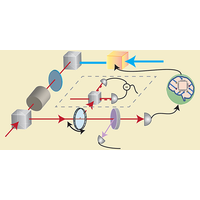
Near-Perfect Broadband Quantum Memory Enabled by Intelligent Spin-Wave Compaction
Article | Quantum Information, Science, and Technology | 2025-10-21 06:00 EDT
Jinxian Guo, Zeliang Wu, Guzhi Bao, Peiyu Yang, Yuan Wu, L. Q. Chen, and Weiping Zhang
A new approach stores and retrieves quantum states with record reliability, paving the way for improved quantum information processing.
Phys. Rev. Lett. 135, 170802 (2025)
Quantum Information, Science, and Technology
Late-Time Tails in Nonlinear Evolutions of Merging Black Holes
Article | Cosmology, Astrophysics, and Gravitation | 2025-10-21 06:00 EDT
Marina De Amicis, Hannes R. Rüter, Gregorio Carullo, Simone Albanesi, C. Melize Ferrus, Keefe Mitman, Leo C. Stein, Vitor Cardoso, Sebastiano Bernuzzi, Michael Boyle, Nils Deppe, Lawrence E. Kidder, Jordan Moxon, Alessandro Nagar, Kyle C. Nelli, Harald P. Pfeiffer, Mark A. Scheel, William Throwe, Nils L. Vu, and An𝚤l Zenginoğlu
We uncover late-time gravitational-wave tails in fully nonlinear dimensional numerical relativity simulations of merging black holes, using the highly accurate spec code. We achieve this result by exploiting the strong magnification of late-time tails due to binary eccentricity, recently observe…
Phys. Rev. Lett. 135, 171401 (2025)
Cosmology, Astrophysics, and Gravitation
Toward a Microscopic Description of Nucleus-Nucleus Collisions
Article | Nuclear Physics | 2025-10-21 06:00 EDT
Matteo Vorabbi, Michael Gennari, Paolo Finelli, Carlotta Giusti, and Petr Navrátil
We present the first results of a comprehensive microscopic approach to describe nucleus-nucleus elastic collisions by means of an optical potential derived at first order in multiple-scattering theory and computed by folding the projectile and target nuclear densities with the nucleon-nucleon mat…
Phys. Rev. Lett. 135, 172501 (2025)
Nuclear Physics
Chiral Symmetry and Peripheral Neutron-$α$ Scattering
Article | Nuclear Physics | 2025-10-21 06:00 EDT
Yilong Yang (杨一龙), Evgeny Epelbaum, Jie Meng (孟杰), Lu Meng (孟璐), and Pengwei Zhao (赵鹏巍)
We propose and demonstrate that peripheral neutron- scattering at low energies can serve as a sensitive and clean probe of the long-range three-nucleon forces. To this aim, we perform ab initio quantum Monte Carlo calculations using two- and three-nucleon interactions derived in chiral effective fi…
Phys. Rev. Lett. 135, 172502 (2025)
Nuclear Physics
Solitons in Arbitrary Dimensions Stabilized by Photon-Mediated Interactions
Article | Atomic, Molecular, and Optical Physics | 2025-10-21 06:00 EDT
Haoqing Zhang, Anjun Chu, Chengyi Luo, James K. Thompson, and Ana Maria Rey
We propose a scheme to generate solitons in arbitrary dimensions, in a matter-wave interferometer, without the need of quantum degeneracy. In our setting, solitons emerge by balancing the single-particle dispersion with engineered cavity-mediated exchange interactions between two wave packets, which…
Phys. Rev. Lett. 135, 173402 (2025)
Atomic, Molecular, and Optical Physics
Open Transmission Channels in Multimode Fiber Cavities with Random Mode Mixing
Article | Atomic, Molecular, and Optical Physics | 2025-10-21 06:00 EDT
Guy Pelc, Shay Guterman, Rodrigo Gutiérrez-Cuevas, Arthur Goetschy, Sébastien M. Popoff, and Yaron Bromberg
The transport of light in disordered media is governed by open transmission channels, which enable nearly complete transmission of the incident power, despite low average transmission. Extensively studied in diffusive media and chaotic cavities, open channels exhibit unique properties such as univer…
Phys. Rev. Lett. 135, 173801 (2025)
Atomic, Molecular, and Optical Physics
Exceptional Points and Lasing Thresholds: When Lower-Q Modes Win
Article | Atomic, Molecular, and Optical Physics | 2025-10-21 06:00 EDT
Julius Kullig, Qi Zhong, Jan Wiersig, and Ramy El-Ganainy
One of the most fundamental questions in laser physics is the following: Which mode of an optical cavity will reach the lasing threshold first when gain is applied? Intuitively, the answer appears straightforward: When a particular mode is both temporally well confined (i.e., exhibits the highest qu…
Phys. Rev. Lett. 135, 173802 (2025)
Atomic, Molecular, and Optical Physics
Stable Small Plasmas at the Density Limit in the W7-X Stellarator
Article | Plasma and Solar Physics, Accelerators and Beams | 2025-10-21 06:00 EDT
A. Pandey, T. S. Pedersen, G. Fuchert, T. Szepesi, D. Zhang, T. Stange, A. Buzas, T. Romba, F. Reimold, V. Perseo, S. Kwak, G. Kocsis, G. Cseh, T. Gonda, G. Schlisio, M. Hirsch, N. Chaudhary, and W7-X team
Experiments in the Wendelstein 7-X (W7-X) stellarator with plasma density beyond the established density limit in stellarators [Scalings of energy confinement and density limit in stellarator/heliotron devices, Nucl. Fusion 30, 11 (1990).] resulted in unusual, reduced size, fully radiative plasmas l…
Phys. Rev. Lett. 135, 175101 (2025)
Plasma and Solar Physics, Accelerators and Beams
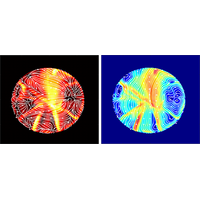
Revealing the Structure and Dynamics of Self-Generated Electric and Magnetic Fields Near Plasma Stagnation in Laser-Driven Hohlraums
Article | Plasma and Solar Physics, Accelerators and Beams | 2025-10-21 06:00 EDT
J. A. Pearcy, G. D. Sutcliffe, T. M. Johnson, B. L. Reichelt, S. G. Dannhoff, J. Kuniumune, Y. Lawrence, B. Foo, M. Gatu-Johnson, J. A. Frenje, R. D. Petrasso, and C. K. Li
Triparticle radiography combined with a reconstruction algorithm simultaneously recovers the spatiotemporal evolution of self-generated electric and magnetic fields in laser-driven hohlraum experiments.
Phys. Rev. Lett. 135, 175102 (2025)
Plasma and Solar Physics, Accelerators and Beams
Observation of Giant Nernst Plateau in Ideal 1D Weyl Phase
Article | Condensed Matter and Materials | 2025-10-21 06:00 EDT
Y. Zhang, J. Q. Cai, Peng-Lu Zhao, Q. Li, Y. C. Qian, Y. Y. Lv, Y. B. Chen, Q. Niu, Hai-Zhou Lu, J. L. Zhang, and M. L. Tian
The search for a giant Nernst effect beyond conventional mechanisms offers advantages for developing advanced thermoelectric devices and understanding charge-entropy conversion. Here, we study the Seebeck and Nernst effects in across a broad range of magnetic fields. Remarkably, the Nernst eff…
Phys. Rev. Lett. 135, 176601 (2025)
Condensed Matter and Materials
Photonic Flat Landau Levels Induced by Antisymmetric Nonuniform Pseudomagnetic Fields
Article | Condensed Matter and Materials | 2025-10-21 06:00 EDT
Xiao Zhang, Li Liang, Kai Shao, Feifei Li, Biaobing Jin, Huabing Wang, Yin Poo, Wei Chen, and C. T. Chan
Pseudomagnetic fields (PMFs) have been proven useful for generating Landau levels and controlling wave propagation in classical wave systems. Recently, photonic flat Landau levels residing near the and points induced by PMFs have been realized through uniaxial gradient deformations of superlatt…
Phys. Rev. Lett. 135, 176602 (2025)
Condensed Matter and Materials
Fully Flat Bands in a Photonic Dipolar Kagome Lattice
Article | Condensed Matter and Materials | 2025-10-21 06:00 EDT
Han-Rong Xia, Ziyao Wang, Yunrui Wang, Zhen Gao, and Meng Xiao
A photonic kagome lattice with tunable dipoles achieves fully flat, dispersionless bands yielding robust light localization and new routes to interaction-enhanced phenomena.

Phys. Rev. Lett. 135, 176902 (2025)
Condensed Matter and Materials
Facilitating a 3D Granular Flow with an Obstruction
Article | Polymers, Chemical Physics, Soft Matter, and Biological Physics | 2025-10-21 06:00 EDT
Abhijit Sinha, Jackson Diodati, Narayanan Menon, Shubha Tewari, and Shankar Ghosh
Ensuring a smooth rate of efflux of particles from an outlet without unpredictable clogging events is crucial in processing powders and grains. We show by experiments and simulations that an obstacle placed near the outlet can greatly suppress clog formation in a 3-dimensional granular flow; this co…
Phys. Rev. Lett. 135, 178201 (2025)
Polymers, Chemical Physics, Soft Matter, and Biological Physics
Flocking Phase Separation in Inertial Active Matter
Article | Polymers, Chemical Physics, Soft Matter, and Biological Physics | 2025-10-21 06:00 EDT
Nan Luo, Longfei Li, Mingcheng Yang, and Yi Peng
A large population of motile agents can display remarkable collective behaviors. Here, we study collective motion of inertia-dominated macroscopic agents using a model system of millimeter-sized magnetic rollers with tunable motile behaviors. In this system, we observe first-order flocking phase sep…
Phys. Rev. Lett. 135, 178301 (2025)
Polymers, Chemical Physics, Soft Matter, and Biological Physics
First Observation of Quantum Correlations in ${e}^{+}{e}^{-}→XD\overline{D}$ and $C$-Even Constrained $D\overline{D}$ Pairs
Article | Particles and Fields | 2025-10-20 06:00 EDT
M. Ablikim et al. (BESIII Collaboration)
The study of meson pairs produced with quantum correlations gives direct access to parameters that are challenging to measure in other systems. In this Letter, the existence of quantum correlations due to charge-conjugation symmetry are demonstrated in pairs produced through the processes
Phys. Rev. Lett. 135, 171901 (2025)
Particles and Fields
Creating and Melting a Supersolid by Heating a Quantum Dipolar System
Article | Atomic, Molecular, and Optical Physics | 2025-10-20 06:00 EDT
R. Bombín, J. Boronat, F. Mazzanti, and J. Sánchez-Baena
Recent experiments have shown that raising the temperature of a dipolar gas under certain conditions leads to a transition to a supersolid state. Here, we employ the path integral Monte Carlo method, which exactly accounts for both thermal and correlation effects, to study that phenomenology in a sy…
Phys. Rev. Lett. 135, 173401 (2025)
Atomic, Molecular, and Optical Physics
Design and Theory of Switchable Linear Magnetoelectricity by Ferroelectricity in Type-I Multiferroics
Article | Condensed Matter and Materials | 2025-10-20 06:00 EDT
Hui-Min Zhang, Cheng-Ao Ji, Tong Zhu, Hongjun Xiang, Hiroshi Kageyama, Shuai Dong, James M. Rondinelli, and Xue-Zeng Lu
We present a comprehensive theoretical investigation of magnetoelectric (ME) coupling mechanisms in 19 altermagnetic and 4 ferrimagnetic type-I multiferroics using electronic band structure calculations with spin-orbit coupling, a first-principles ME response framework, and spin-space-group theory a…
Phys. Rev. Lett. 135, 176701 (2025)
Condensed Matter and Materials
Physical Review X
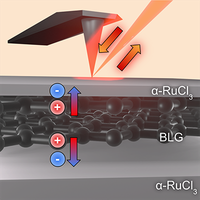
Collective Modes in Multilayer $\mathrm{Graphene}/α\text{-}{\mathrm{RuCl}}_{3}$ Heterostructures
Article | | 2025-10-21 06:00 EDT
Samuel L. Moore, Miguel Sánchez Sánchez, M. C. Strasbourg, Y. Shao, J. Pack, Y. Wang, D. J. Rizzo, B. S. Jessen, Matthew Cothrine, David G. Mandrus, Takashi Taniguchi, Kenji Watanabe, K. S. Burch, C. R. Dean, J. Hone, M. Fogler, A. J. Millis, A. Rubio, P. J. Schuck, T. Stauber, and D. N. Basov
A new, gate-free, highly tunable platform for controlling charge-carrier density in multilayer graphene reveals how phonons and plasmons in the material respond to unexplored extremes of doping and electric fields.
Phys. Rev. X 15, 041011 (2025)
arXiv
Intrinsic Maximum Light Absorption in Laser-Field-Driven Growth of Highly Ordered Silicon Nanowire Arrays
New Submission | Mesoscale and Nanoscale Physics (cond-mat.mes-hall) | 2025-10-21 20:00 EDT
We provide direct experimental evidence for a state-selection principle in a far-from-equilibrium system. Using the laser-driven growth of silicon nanowires as a uniquely clean and quantifiable platform, we show that a long-range ordered array emerges as the system spontaneously selects the periodicity that maximizes its collective light absorption. This establishes a direct, measurable link between a maximum dissipation/absorption principle and emergent structural order. Our results thus offer a concrete test for models of non-equilibrium self-organization.
Mesoscale and Nanoscale Physics (cond-mat.mes-hall), Adaptation and Self-Organizing Systems (nlin.AO)
4 figures, 12pages
Near-field radiative heat transfer in the dual nanoscale regime between polaritonic membranes
New Submission | Mesoscale and Nanoscale Physics (cond-mat.mes-hall) | 2025-10-21 20:00 EDT
Livia Correa McCormack, Lei Tang, Mathieu Francoeur
The enhancement and attenuation of near-field radiative heat transfer between polaritonic SiC, SiN and SiO2 subwavelength membranes is analyzed. Fluctuational electrodynamics simulations combined with a modal analysis show that all membranes support corner and edge modes, which can induce a large 5.1-fold enhancement for SiC and a 2.1-fold attenuation for SiO2 of the heat transfer coefficient with respect to that between infinite surfaces. The enhancement or attenuation is directly related to material losses which reduce the density of available electromagnetic states between the membranes.
Mesoscale and Nanoscale Physics (cond-mat.mes-hall), Computational Physics (physics.comp-ph)
30 pages, 4 figures, 6 supplementary figures
Engineering phase-frustration induced flat bands in an aza-triangulene covalent Kagome lattice
New Submission | Materials Science (cond-mat.mtrl-sci) | 2025-10-21 20:00 EDT
Yuyi Yan, Fujia Liu, Weichen Tang, Han Xuan Wong, Boyu Qie, Steven G. Louie, Felix R. Fischer
Pi-conjugated covalent organic frameworks (COFs) provide a versatile platform for the realization of designer quantum nanomaterials. Strong electron-electron correlation within these artificial lattices can give rise to exotic phases of matter. Their experimental realization however requires precise control over orbital symmetry, charge localization, and band dispersion all arising from the effective hybridization between molecular linkers and nodes. Here, we present a modular strategy for constructing diatomic Kagome lattices from aza-[3]triangulene (A[3]T) nodes, in which a D3h symmetric ground state is stabilized through resonance contributions from a cumulenenic linker. First-principles density-functional theory and scanning tunnelling spectroscopy reveal that the hybridization of a sixfold degenerate set of edge-localized Wannier functions in the unit cell gives rise to orbital-phase frustration-induced non-trivial flat bands. These results establish a general design principle for engineering orbital interactions in organic lattices and open a pathway toward programmable COF-based quantum materials with correlated electronic ground states.
Materials Science (cond-mat.mtrl-sci), Other Condensed Matter (cond-mat.other), Soft Condensed Matter (cond-mat.soft)
28 pages, 4 figues, 10 supporting information figures
Deterministic nanofabrication of quantum dot-circular Bragg grating resonators with high process yield using in-situ electron beam lithography
New Submission | Mesoscale and Nanoscale Physics (cond-mat.mes-hall) | 2025-10-21 20:00 EDT
Avijit Barua, Kartik Gaur, Leo J. Roche, Suk In Park, Priyabrata Mudi, Sven Rodt, Jin-Dong Song, Stephan Reitzenstein
The controlled integration of quantum dots (QDs) as single-photon emitters into quantum light sources is essential for the implementation of large-scale quantum networks. In this study, we employ the deterministic in-situ electron-beam lithography (iEBL) nanotechnology platform to integrate individual QDs with high accuracy and process yield into circular Bragg grating (CBG) resonators. Notably, CBG devices comprising just 3 to 4 rings exhibit photon extraction efficiencies comparable to those of structures with more rings. This facilitates faster fabrication, reduces the device footprint, and enables compatibility with electrical contacting. To demonstrate the scalability of this process, we present results of 95 optically active QD-CBG devices fabricated across two lithography sessions. These devices exhibit bright, narrow-linewidth single-photon emission with excellent optical quality. To evaluate QD placement accuracy, we apply a powerful characterization technique that combines cathodoluminescence (CL) mapping and scanning electron microscopy. Statistical analysis of these devices reveals that our iEBL approach enables high alignment accuracy and a process yield of over >90% across various CBG geometries. Our findings highlight a reliable route toward the scalable fabrication of high-performance QD-based single-photon sources for use in photonic quantum technology applications.
Mesoscale and Nanoscale Physics (cond-mat.mes-hall), Applied Physics (physics.app-ph)
Confinement-Induced One-Dimensional Magnetism in CrSBr Chains via Carbon Nanotube Encapsulation
New Submission | Materials Science (cond-mat.mtrl-sci) | 2025-10-21 20:00 EDT
Diego López-Alcalá, Alberto M. Ruiz, Andrei Shumilin, José J. Baldoví
Encapsulating low-dimensional magnetic materials within carbon nanotubes (CNTs) offers a compelling route to stabilize unconventional magnetic states and engineer quantum functionalities at the limit of miniaturization. In this work, we systematically investigate the structural, electronic, and magnetic properties of one-dimensional (1D) CrSBr chains encapsulated within CNTs using density functional theory (DFT) and spin dynamics simulations. We demonstrate the structural stability of CrSBr@CNT, where confinement and charge transfer cooperate to stabilize ferromagnetism in the 1D limit, which persists up to 50 K. These findings position CrSBr@CNT as a model platform for realizing 1D magnetism and establish CNT encapsulation as a powerful strategy for exploring emergent quantum spin phenomena and engineering nanoscale spintronic devices.
Materials Science (cond-mat.mtrl-sci)
Finite temperature magnetic interactions from first principles
New Submission | Strongly Correlated Electrons (cond-mat.str-el) | 2025-10-21 20:00 EDT
Ravi Kaushik, Ryota Ono, Sergey Artyukhin
Density functional theory has demonstrated remarkable predictive power in calculating magnetic properties at zero temperature. At finite temperatures, thermally excited phonons may affect magnetism. Efficient ab-initio methods to calculate the temperature dependence of magnetic exchange interactions are still lacking despite the importance of room temperature magnetism for applications. Exchange is controlled by an interplay between metal-ligand hybridization, Hubbard repulsion, band gap, interatomic distances and bond angles, all of which change with temperature. Here we present a method to calculate the exchange interactions at finite temperatures from first principles using only two supercell calculations and quantify these mechanisms. Changes in bond angles and the band gap are identified as a primary factors. In NiO with 180-degree bonds exchange decreases with temperature, while in Cr$ _2$ O$ _3$ with the bond angles away from 180 degrees the exchange increases by 10% at room temperature.
Strongly Correlated Electrons (cond-mat.str-el), Materials Science (cond-mat.mtrl-sci)
6 pages, 3 figures
Absorbed power in ultracold polarized Fermi mixtures at normal-superfluid separation phase: Mass-imbalanced effect
New Submission | Quantum Gases (cond-mat.quant-gas) | 2025-10-21 20:00 EDT
Considering ultracold spin-imbalanced Fermi-Fermi mixtures with different spin up and down masses, the absorbed power, subject to an external perturbation with low frequency, has been calculated. The system is composed of spin-up quasiparticles and spin-down quasiholes. The average chemical potential and energy gap have also been numerically calculated via applying different fixed interaction strengths and masses, and then by solving coupled differential equations characterized by Hartree-Fock potential for the spin species, as well as that of the phase separation (PS), leading to imbalance chemical potential. The dependence of the imbalance and average chemical potential in PS regime, to the polarization of the normal component, mass ratios, and interaction strengths are analyzed. Examining density of states (DOS), and by applying the Fermi golden rule at finite temperatures, the absorbed power has accordingly been calculated as a function of temperature, interaction strength, and mass ratio. Finally, the behavior of absorbed power versus frequency has been investigated.
Quantum Gases (cond-mat.quant-gas)
32 pages, 17 figures
Exceptional Antimodes in Multi-Drive Cavity Magnonics
New Submission | Materials Science (cond-mat.mtrl-sci) | 2025-10-21 20:00 EDT
Mawgan A. Smith, Ryan D. McKenzie, Alban Joseph, Robert L. Stamps, Rair Macêdo
Driven-dissipative systems provide a natural setting for the emergence of exceptional points – i.e. non-Hermitian degeneracies where eigenmodes coalesce. These points are important for applications such as sensing, where enhanced sensitivity is required, and exhibit interesting and useful phenomena that can be controlled with experimentally accessible parameters. In this regard a four-port, three-mode, cavity-magnonics platform is demonstrated in which two microwave excitations can be precisely phase shifted and/or attenuated relative to one another. Destructive interference between the hybridised cavity-magnon modes is shown to give rise to antimodes (antiresonances) in the transmission spectrum, enabling coherent perfect extinction of the outgoing signals at selected ports. This interference can be used to actively tune the position and properties of exceptional points, without the fine tuning conventionally required to obtain exceptional points. Such controllable, interference-based engineering of exceptional points provides a practical and flexible pathway toward next-generation, high-sensitivity sensing devices operating at microwave frequencies.
Materials Science (cond-mat.mtrl-sci), Applied Physics (physics.app-ph), Optics (physics.optics), Quantum Physics (quant-ph)
Coherent and Dynamic Small Polaron Delocalization in CuFeO$_{2}$
New Submission | Materials Science (cond-mat.mtrl-sci) | 2025-10-21 20:00 EDT
Jocelyn L. Mendes, Srijan Bhattacharyya, Chengye Huang, Jonathan M. Michelsen, Isabel M. Klein, Finn Babbe, Thomas Sayer, Tianchu Li, Jason K. Cooper, Hanzhe Liu, Naomi S. Ginsberg, Andrés Montoya-Castillo
Small polarons remain a significant bottleneck in the realization of efficient devices using transition metal oxides. Routes to engineer small polaron coupling to electronic states and lattice modes to control carrier localization remain unclear. Here, we measure the formation of small polarons in CuFeO$ _{2}$ using transient extreme ultraviolet reflection spectroscopy and compare it to theoretical predictions in realistically parameterized Holstein models, demonstrating that polaron localization depends on its coupling to the high-frequency versus low-frequency components of the phonon bath. We measure that small polaron formation occurs on a comparable ~100 fs timescale to other Fe(III) compounds. After formation, a dynamic delocalization of the small polaron occurs through a coherent lattice expansion between Fe-O layers and charge-sharing with surrounding Fe(IV) states. Our simulations of polaron formation dynamics reveal that two major factors dictate polaron formation timescales: phonon density and reorganization energy distributions between acoustic and optical modes, matching experimental findings. Our work provides a detailed, real-time observation of how electronic-structural coupling in a polaron-host material can be leveraged to suppress polaronic effects for various applications.
Materials Science (cond-mat.mtrl-sci), Chemical Physics (physics.chem-ph)
15 pages, 26 figures
Laning Transitions in Pattern Forming Driven Binary Systems with Competing Interactions
New Submission | Soft Condensed Matter (cond-mat.soft) | 2025-10-21 20:00 EDT
C. Reichhardt, C.J.O. Reichhardt
A binary system of particles that move in opposite directions under an applied field can exhibit disordered states as well as laned states where the particles organize into oppositely moving high-mobility lanes to reduce collisions. Previous studies of laning transitions generally focused on particles with purely repulsive interactions. Here, we examine laning transitions for oppositely moving pattern-forming systems of particles with competing attractive and repulsive interactions, which in equilibrium form crystal, stripe, and bubble states. In addition to multiple types of laned states, we find jammed crystals, stripes, and bubbles, and generally observe a much richer variety of phases compared to the purely repulsive system. In the stripe forming regime, the system can dynamically reorder into oppositely moving stripes that are aligned in the direction of the drive. The bubble phase can produce strongly polarized jammed states of elongated bubbles where particles in the individual bubbles segregate to opposite sides of the bubbles. We also find disordered states, segregated laned bubble states where the bubbles pass each other in lanes, and segregated bubbles that move through one another. In the compact bubble regime, we obtain a plastic bubble state in which the oppositely driven particles remain trapped in the bubbles but the bubbles move past each other at a slow velocity due to a net imbalance in the bubble population. At higher drives, individual particles begin to jump from bubble to bubble. We show that the different phases and the transitions between them produce signatures in the velocity-force and differential mobility curves. We demonstrate that the critical force for escaping from the jammed state is nonmonotonic, with stripes exhibiting the lowest unjamming force.
Soft Condensed Matter (cond-mat.soft), Statistical Mechanics (cond-mat.stat-mech)
14 pages, 24 figures
Cavity-induced coherent magnetization and polaritons in altermagnets
New Submission | Strongly Correlated Electrons (cond-mat.str-el) | 2025-10-21 20:00 EDT
Mohsen Yarmohammadi, Libor Šmejkal, James K. Freericks
Altermagnets feature antiparallel spin sublattices with $ d$ -, $ g$ -, or $ i$ -wave spin order, yielding nonrelativistic spin splitting without net magnetization. We show that embedding a two-dimensional $ d$ -wave altermagnet in a driven optical cavity induces a finite, tunable magnetization. Coherent photon driving couples selectively to electronic sublattices, and the resulting altermagnets’ symmetry-broken spin texture yields a pronounced steady-state spin imbalance – coherent magnetization – absent in conventional antiferromagnets for the same lattice configuration. A mean-field Lindblad analysis reveals the dominance of quadratic over linear couplings. In the strong-coupling regime, distinct polariton signatures emerge in the steady state of induced magnetization. This work demonstrates cavity control of altermagnets for spintronic applications.
Strongly Correlated Electrons (cond-mat.str-el), Materials Science (cond-mat.mtrl-sci)
8 pages, 4 figures
Emergent nonlocal interactions induced by quantized gauge fields in topological systems
New Submission | Mesoscale and Nanoscale Physics (cond-mat.mes-hall) | 2025-10-21 20:00 EDT
We study fermionic and bosonic systems coupled to a real or synthetic static gauge field that is quantized, so the field itself is a quantum degree of freedom and can exist in coherent superposition. A natural example is electrons on a quantum ring encircling a quantized magnetic flux (QMF) generated by a superconducting current. We show that coupling to a common QMF gives rise to an emergent interaction between particles with no classical analog, as it is topological and nonlocal (independent of interparticle distance). Moreover, the interaction persists even when the particles lie in a nominally field-free region, with the vector potential mediating the interaction. We analyze several one- and two-dimensional model systems, encompassing both real and synthetic gauge fields. These systems exhibit unusual behavior, including strong nonlinearities, non-integer Chern numbers, and quantum phase transitions. Furthermore, synthetic gauge fields offer high tunability and can reach field strengths that are difficult to realize with real magnetic fields, enabling engineered nonlinearities and interaction profiles.
Mesoscale and Nanoscale Physics (cond-mat.mes-hall), Quantum Physics (quant-ph)
22 pages and 10 figures
Infrared Absorption and Laser Spectroscopy of Ho$^{3+}$ Doped K$_2$YF$_5$ Microparticles
New Submission | Materials Science (cond-mat.mtrl-sci) | 2025-10-21 20:00 EDT
Pakwan Chanprakhon, Michael F. Reid, Jon-Paul R. Wells
High-resolution absorption and laser spectroscopy are used to determine electronic energy levels for Ho$ ^{3+}$ ions in K$ _2$ YF$ _5$ microparticles. A total of 72 crystal-field energy levels, distributed among 8 multiplets, are assigned. This optical data is used for crystal-field modelling of the electronic structure of Ho$ ^{3+}$ in K$ _2$ YF$ _5$ . Partially-resolved hyperfine splittings are accurately reproduced by the model. The temperature dependence of the fluorescent lifetime of the $ ^5$ F$ _5$ multiplet is measured and the temperature dependence of the non-radiative relaxation is modelled by a five-phonon process. Preliminary measurements of infra-red to visible upconversion in microparticles co-doped with Ho$ ^{3+}$ and Yb$ ^{3+}$ is reported.
Materials Science (cond-mat.mtrl-sci), Atomic Physics (physics.atom-ph), Quantum Physics (quant-ph)
Optical Materials 163, 116938 (2025)
Electron Localization in Non-Compact Covalent Bonds Captured by the r2SCAN+V Approach
New Submission | Materials Science (cond-mat.mtrl-sci) | 2025-10-21 20:00 EDT
Yubo Zhang, Da Ke, Rohan Maniar, Timo Lebeda, Peihong Zhang, Jianwei Sun, John P. Perdew
In density functional theory, the SCAN (Strongly Constrained and Appropriately Normed) and r2SCAN functionals significantly improve over generalized gradient approximation functionals such as PBE (Perdew-Burke-Ernzerhof) in predicting electronic, magnetic, and structural properties across various materials, including transition-metal compounds. However, there remain puzzling cases where SCAN and r2SCAN underperform, such as in calculating the band structure of graphene, the magnetic moment of Fe, the potential energy curve of the Cr2 molecule, and the bond length of VO2. This research identifies a common characteristic among these challenging materials: non-compact covalent bonding through s-s, p-p, or d-d electron hybridization. While SCAN and r2SCAN excel at capturing electron localization at local atomic sites, they struggle to accurately describe electron localization in non-compact covalent bonds, resulting in a biased improvement. To address this issue, we propose the r2SCAN+V approach as a practical modification that improves accuracy across all the tested materials. The parameter V is 4 eV for metallic Fe, but substantially lower for the other cases. Our findings provide valuable insights for the future development of advanced functionals.
Materials Science (cond-mat.mtrl-sci), Computational Physics (physics.comp-ph)
14 pages, 6 figures
Stacking-tunable multiferroic states in bilayer ScI2
New Submission | Materials Science (cond-mat.mtrl-sci) | 2025-10-21 20:00 EDT
Yaxin Pan, Chongze Wang, Shuyuan Liu, Fengzhu Ren, Chang Liu, Bing Wang, Jun-Hyung Cho
Two-dimensional(2D) multiferroic materials hold significant promise for advancing the miniaturization and integration of nanodevices. In this study, we demonstrate that 2D bilayer ScI2, which exhibits ferromagnetic(FM) ordering within each layer, enables the tuning of interlayer magnetic coupling, ferroelectricity, and valley polarization through interlayer sliding and rotation. Our first-principles calculations show that the AA stacking configuration induces antiferromagnetic (AFM) interlayer coupling, while a 180 rotation of one layer (resulting in the antialigned AA stacking) leads to FM interlayer coupling. Moreover, the interlayer magnetic coupling can be switched between AFM and FM by translating the stacking configuration: FM in the aligned AB and BA configurations, and AFM in the antialigned AB and BA configurations. This switching behavior is driven by variations in superexchange interactions due to orbital hopping between layers. Notably, the aligned stacking exhibits ferroelectricity upon sliding, which is induced by interlayer orbital hybridization and the resulting asymmetric charge redistribution, with maximal ferroelectric behavior occurring at the AB and BA stacking configurations. Additionally, for the AB and BA stackings, spontaneous valley polarization emerges from the manipulation of the spin orientation toward the out-of-plane direction. This valley polarization arises due to inversion symmetry breaking, either through ferroelectricity (in the AB and BA stackings) or AFM interlayer coupling , in combination with spin-orbit coupling. These results highlight the intricate interplay between magnetism, ferroelectricity, and valley polarization in bilayer ScI2, with each property being tunable via stacking configuration.
Materials Science (cond-mat.mtrl-sci)
7 figures
Entropy production and irreversibility in the linearized stochastic Amari neural model
New Submission | Disordered Systems and Neural Networks (cond-mat.dis-nn) | 2025-10-21 20:00 EDT
Dario Lucente, Giacomo Gradenigo, Luca Salasnich
One among the most intriguing results coming from the application of statistical mechanics to the study of brain is the understanding that it, as a dynamical system, is inherently out of equilibrium. In the realm of non-equilibrium statistical mechanics and stochastic processes the standard observable computed to discriminate whether a system is at equilibrium or not is the entropy produced along the dynamics. For this reason we present here a detailed calculation of the entropy production in the Amari model, a coarse-grained model of the brain neural network, consisting in an integro-differential equation for the neural activity field, when stochasticity is added to the original dynamics. Since the way to add stochasticity is always to some extent arbitrary, i.e., in particular for coarse-grained models, there is no general prescription to do it, we precisely investigate the interplay between the noise properties and the original model features, discussing in which cases the stationary state is of thermal equilibrium and which cases is out of equilibrium, providing explicit and simple formulas. We also show how, following for the derivation the particular case considered, how the entropy production rate is related to the variation in time of the Shannon entropy of the system.
Disordered Systems and Neural Networks (cond-mat.dis-nn)
15 pages
Rigidity transition in polydisperse shear-thickening suspensions
New Submission | Soft Condensed Matter (cond-mat.soft) | 2025-10-21 20:00 EDT
Sourav Kumar Singh, Vishant Tyagi, Aritra Santra
Shear thickening suspensions of non-Brownian polydisperse particles are simulated in 2D using a discrete element method based algorithm (LF-DEM) at high packing fractions ($ \phi$ ) and large non-dimensional stresses ($ \sigma$ ). Rigidity analysis of the stress induced particle clusters is carried out using \textit{pebble game} algorithm for polydisperse suspensions and compared with the statistically equivalent bidisperse systems. A critical value of the packing fraction, $ \phi_c$ , close to the shear jamming transition, $ \phi_J^{\mu}$ , ($ \phi_c<\phi_J^{\mu}$ ) is obtained where rigid particle clusters begin to grow sharply. The growth is found to be characterized by a critical transition of an order parameter ($ f_\text{rig}$ ), defined by the fraction of rigid particles which scales as, $ f_\text{rig}\sim (\phi-\phi_c)^{\beta}$ for $ \phi>\phi_c$ , and by the susceptibility scaling, $ \chi_\text{rig}\sim|\phi-\phi_c |^{-\gamma}$ , with exponents $ \beta=1/8$ and $ \gamma=7/4$ , which are consistent with the critical exponents in 2D Ising model. The variations of $ f_\text{rig}$ and $ \chi_\text{rig}$ in polydisperse suspensions are found to be identical to that of the statistically equivalent bidisperse suspensions. Finite size scaling analysis shows a divergence of correlation length near $ \phi_c$ following critical exponent $ \nu=1.64$ , consistent with the 2D continuum percolation transition. Furthermore, $ \phi_c$ and $ \phi_J^{\mu}$ are found to vary non-monotonically with polydispersity index and depend on the particle stiffness.
Soft Condensed Matter (cond-mat.soft)
Vacancy-concentration-dependent thermal stability of fcc-(Ti,Al)Nx predicted via chemical-environment-sensitive diffusion activation energies
New Submission | Materials Science (cond-mat.mtrl-sci) | 2025-10-21 20:00 EDT
Ganesh Kumar Nayak, David Holec, Jochen M. Schneider
Thermal decomposition of metastable fcc-(Ti,Al)Nx limits the lifetime of coated components. While energetic decomposition aspects can be modelled reliably, the inherent variability of chemical environment-dependent diffusion activation energies remains systematically unexplored. Here, we predict an activation energy range (envelope) for mass transport in varying chemical environments, reflecting the vacancy concentration range fcc-(Ti0.5Al0.5)1-xNx with x = 0.47, 0.5, 0.53. The stoichiometric compound shows maximum thermal stability, consistent with experimental data. Metal vacancies decrease the average migration energy, while metal and nitrogen vacancies reduce barriers via lattice strain relaxation, enhancing mobility. The strong chemical environment dependence challenges conclusions from single-point activation energy data.
Materials Science (cond-mat.mtrl-sci)
Surface Reactivity in Low Temperature Deposited Amorphous/Crystalline SnO2 Thin Films: Chemisorbed Oxygen Activity and CO Oxidation Pathways Revealed by In Situ XPS and Mass Spectrometry
New Submission | Materials Science (cond-mat.mtrl-sci) | 2025-10-21 20:00 EDT
Engin Ciftyurek, Zheshen Li, Klaus Schierbaum
This study investigates two critical aspects of the gas sensing mechanism in metal oxide sensors: (1) the conditions that maximize chemisorbed oxygen concentration as a function of temperature and oxygen partial pressure, and (2) which surface oxygen species (chemisorbed or lattice-bound) are primarily responsible for interaction with carbon monoxide (CO). SnO2 thin films, deposited at temperatures as low as 60 C and exhibiting mixed amorphous-crystalline phases with open, tortuous porosity, were evaluated for CO sensing at 200 C. Comprehensive characterization using EIS, MS, XPS, TEM, and sensor tests revealed a strong correlation between high sensing performance and the structural/electronic features of the defect rich low-temperature-deposited SnO2. Electrochemical impedance spectroscopy (EIS) was employed to identify the optimal sensing temperature. Mass spectroscopy (MS) used to analyze the exhaust gases after sensing reactions. The films exhibited oxygen under-stoichiometry and high concentrations of chemisorbed oxygen species. In situ XPS under 1 mbar (10000 ppm) O2 and CO exposures showed that chemisorbed oxygen, not lattice oxygen, was actively involved in CO oxidation, as further confirmed by CO2 detection via Mass spectroscopy (MS). Quantitative analysis revealed dynamic surface chemical status alternations, emphasizing the pivotal role of chemisorbed oxygen in the sensing mechanism at 200 C.
Materials Science (cond-mat.mtrl-sci)
15 pages, 7 Figures, Original Research Paper
Marginal Influence of Anomalous Josephson Current on Odd-Frequency Spin-Triplet Pairing in Ferromagnetic Josephson Diodes
New Submission | Superconductivity (cond-mat.supr-con) | 2025-10-21 20:00 EDT
We examine how an anomalous Josephson current influences odd-frequency superconducting correlations in two distinct Josephson junction geometries. The first configuration consists of two ferromagnetic layers sandwiched between conventional s-wave superconductors, with the magnetization vectors of the ferromagnets misaligned. The second involves three ferromagnetic layers embedded between two s-wave superconductors, with their magnetizations oriented along the x-, y-, and z-axes, respectively. In the first case, where the anomalous Josephson current is absent, odd-frequency spin-triplet correlations develop pronounced peaks at finite magnetization strengths in both the tunneling and transparent limits, while the equal-spin triplet component exhibits zeros at finite magnetizations in the transparent regime. In the second configuration, where an anomalous Josephson current is present, similar peaks in odd-frequency spin-triplet pairing appear at finite magnetizations under both transport regimes, and the spatial profile of these correlations remains largely unaffected by the current\rq{}s presence. The Josephson diode efficiency is finite and attains its maximum at magnetization values corresponding to the peaks of the anomalous current. Overall, our results demonstrate that the anomalous Josephson current has only a marginal effect on odd-frequency spin-triplet pairing, suggesting that the emergence of odd-frequency correlations and the Josephson diode effect are largely independent phenomena, contrary to some earlier conjectures.
Superconductivity (cond-mat.supr-con), Applied Physics (physics.app-ph), Quantum Physics (quant-ph)
10 pages, 7 figures, 1 table
High harmonic generation light source with polarization selectivity and sub-100-$μ$m beam size for time- and angle-resolved photoemission spectroscopy
New Submission | Mesoscale and Nanoscale Physics (cond-mat.mes-hall) | 2025-10-21 20:00 EDT
Haoyuan Zhong, Xuanxi Cai, Changhua Bao, Fei Wang, Tianyun Lin, Yudong Chen, Sainan Peng, Lin Tang, Chen Gu, Zhensheng Tao, Hongyun Zhang, Shuyun Zhou
High-quality ultrafast light sources are critical for developing advanced time- and angle-resolved photoemission spectroscopy (TrARPES). While the application of high harmonic generation (HHG) light sources in TrARPES has increased significantly over the past decade, the optimization of the HHG probe beam size and selective control of the light polarization, which are important for TrARPES measurements, have been rarely explored. In this work, we report the implementation of high-quality HHG probe source with an optimum beam size down to 57 $ \mu$ m $ \times$ 90 $ \mu$ m and selective light polarization control, together with mid-infrared (MIR) pumping source for TrARPES measurements using a 10 kHz amplifier laser. The selective polarization control of the HHG probe source allows to enhance bands with different orbital contributions or symmetries, as demonstrated by experimental data measured on a few representative transition metal dichalcogenide materials (TMDCs) as well as topological insulator Bi$ _2$ Se$ _3$ . Furthermore, by combining the HHG probe source with MIR pumping at 2 $ \mu$ m wavelength, TrARPES on a bilayer graphene shows a time resolution of 140 fs, allowing to distinguish two different relaxation processes in graphene. Such high-quality HHG probe source together with the MIR pumping expands the capability of TrARPES in revealing the ultrafast dynamics and light-induced emerging phenomena in quantum materials.
Mesoscale and Nanoscale Physics (cond-mat.mes-hall), Optics (physics.optics)
15 pages, 5 figures
Ultrafast Sci. 4, 0063 (2024)
Growth, discovery and characterization of single crystalline Eu$_{0.8}$Pt$6$Al${15.8}$
New Submission | Materials Science (cond-mat.mtrl-sci) | 2025-10-21 20:00 EDT
Juan Schmidt, Oliver Janka, Jutta Kösters, Sergey L. Bud’ko, Paul C. Canfield
We report the discovery of a ternary compound, Eu$ _{0.8}$ Pt$ _6$ Al$ _{15.8}$ . We determine its chemical and structural characteristics based on energy-dispersive X-ray spectroscopy as well as both powder and single-crystal X-ray diffraction, demonstrating that it crystallizes in a hexagonal structure type EuPt$ _6$ Al$ _{16}$ with no reported structural analog. The electronic and magnetic properties are characterized by temperature- and field-dependent magnetization, and temperature-dependent resistance measurements, revealing that the Eu$ ^{2+}$ magnetic moments order antiferromagnetically below 2.8 K.
Materials Science (cond-mat.mtrl-sci), Other Condensed Matter (cond-mat.other)
7 pages, 7 figures, 2 tables
Space-time Floquet operator: Non-reciprocity and fractional topology of space-time crystals
New Submission | Other Condensed Matter (cond-mat.other) | 2025-10-21 20:00 EDT
Abhijeet Melkani, Jayson Paulose
We introduce a space-time Floquet operator, a generalization of the conventional Floquet operator, that captures the long-time behavior of space-time crystals - systems where spatial and temporal periodicities are intrinsically intertwined. Unlike the standard Floquet operator, which describes evolution over a full time period, the space-time Floquet operator evolves the system over a fraction of the period, thereby resolving finer details of its dynamics. Its eigenmode spectrum defines a space-time band structure that unfolds conventional Floquet bands to respect the intertwined crystal symmetry in reciprocal wavevector-frequency space. We relate the topology of these space-time bands to quantized transport phenomena, such as Bloch oscillations and adiabatic charge transport, and uncover a fractional version of the latter. We also demonstrate how nonreciprocal parametric resonances are naturally anticipated by our framework. The approach applies broadly to both classical and quantum systems with space-time symmetry, including non-Hermitian crystals.
Other Condensed Matter (cond-mat.other)
Femtosecond photo-induced displacive phase transition in Sb$_{2}$Te (group 2) phase-change material
New Submission | Materials Science (cond-mat.mtrl-sci) | 2025-10-21 20:00 EDT
Zhipeng Huang, Xinxin Cheng, Hazem Daoud, Wen-Xiong Song, R. J. Dwayne Miller, R. Kramer Campen
Two classes of Phase Change Materials (PCMs) have emerged as the best candidates for applications requiring the fast reading and writing of data: GeTe-Sb$ _{2}$ Te$ _{3}$ pseudobinary alloys (group 1) and doped Sb-Te compounds near the eutectic composition Sb$ _{70}$ Te$ _{30}$ (group 2). Both material classes undergo reversible switching between a low-resistance opaque crystalline phase and a high-resistance but less absorbing amorphous phase through heating, electrical, or optical pulses, achieving (sub-)nanosecond switching speeds. While group 1 compounds are employed in current generation devices and relatively well studied, model systems in group 2 compounds have been found to crystallize more rapidly and thus offer the perspective of improved devices. Despite their superior crystallization speed (SET process), to this point there have been no ultrafast experimental studies on crystallized PCMs of group 2 for the RESET process. Here we perform ultrafast electron diffraction and femtosecond resolved sum frequency non-linear spectroscopy on Peierls distorted Sb$ _{2}$ Te crystallized thin films (PCM of group 2) following femtosecond optical pulse irradiation. We observe a pump-induced structural change on two distinct timescales: responses with characteristic timescales of $ \approx$ 300 fs and 2ps. We quantified the experimental result by a coherent displacement and the Debye-Waller effect. In particular, the $ \approx$ 300 fs UED signal results from the ultrafast release of the Peierls distortion through non-thermal coherent Sb displacement, while the 2ps response reflects electron-lattice equilibrium. These results reveal the ultrafast non-thermal structural dynamics of Sb$ _{2}$ Te and suggest energy-efficient switching of group 2 PCMs should be possible on femtosecond time scales.
Materials Science (cond-mat.mtrl-sci)
Reciprocal swimming in viscoelastic granular hydrogels
New Submission | Soft Condensed Matter (cond-mat.soft) | 2025-10-21 20:00 EDT
Hongyi Xiao, Jing Wang, Achim Sack, Ralf Stannarius, Thorsten Pöschel
We experimentally study a scallop-like swimmer with reciprocally flapping wings in a nearly frictionless, cohesive granular medium consisting of hydrogel spheres. Significant locomotion is found when the swimmer’s flapping frequency matches the inverse relaxation time of the material. Remarkably, the swimmer moves in the opposite direction compared to its motion in a cohesion-free granular material of hard plastic spheres. At higher or lower frequencies, we observe no motion of the swimmer, apart from a short initial transient phase. X-ray radiograms reveal that the wing motions create low-density zones, which in turn give rise to a hysteresis in drag and propulsion forces. This time-dependent effect, combined with the swimmer’s inertia, accounts for locomotion at intermediate frequencies.
Soft Condensed Matter (cond-mat.soft), Fluid Dynamics (physics.flu-dyn)
Graph Neural Network for Unified Electronic and Interatomic Potentials: Strain-tunable Electronic Structures in 2D Materials
New Submission | Materials Science (cond-mat.mtrl-sci) | 2025-10-21 20:00 EDT
Moon-ki Choi, Daniel Palmer, Harley T. Johnson
We introduce UEIPNet, an equivariant graph neural network designed to predict both interatomic potentials and tight-binding (TB) Hamiltonians for an atomic structure. The UEIPNet is trained using density functional theory calculations followed by Wannier projection to predict energies and forces as node-level targets and Wannier-projected TB matrices as edge-level targets. This enables physically consistent modeling of coupled mechanical electronic responses with near-DFT accuracy. Trained on bilayer graphene and monolayer MoS2 DFT data, UEIPNet captures key deformation-electronic effects: in twisted bilayer graphene, it reveals how interlayer spacing, in-plane strain, and out-of-plane corrugation drive isolated flat-band formation, and further shows that modulating substrate interaction strength can generate flat bands even away from the magic angle. For monolayer MoS2, the UEIPNet accurately reproduces phonon dispersions, strain-dependent band-gap evolution, and local density of states modulations under non-uniform strain. The UEIPNet offers a generalized, efficient, and scalable framework for studying deformation-electronic coupling in large-scale atomistic systems, bridging classical atomistic simulations and electronic-structure calculations.
Materials Science (cond-mat.mtrl-sci)
Finite-temperature signatures of underlying superconductivity in the electron-doped Hubbard model
New Submission | Superconductivity (cond-mat.supr-con) | 2025-10-21 20:00 EDT
Wen O. Wang, Thomas P. Devereaux
We perform numerically exact determinant quantum Monte Carlo simulations of the Hubbard model and analyze pairing tendencies by evaluating correlation functions at the imaginary-time midpoint ($ \tau=\beta/2$ ), which suppresses high-frequency weight and emphasizes low-energy physics. Using this diagnostic, we identify clear finite-temperature signatures of underlying $ d$ -wave superconductivity for electron doping, while finding no clear indication upon cooling for hole doping. Our analysis enables direct comparison with ground-state DMRG, revealing consistent real-space pairing patterns. These results provide a practical route to bridge the gap between finite-temperature and ground-state numerically exact simulations of the Hubbard model despite the fermion sign problem.
Superconductivity (cond-mat.supr-con), Strongly Correlated Electrons (cond-mat.str-el)
15 pages, 4 figures. Supplementary Materials: 14 pages, 10 figures
Electromagnetic drag in partly gated 2d electron system via highly confined screened plasmons
New Submission | Other Condensed Matter (cond-mat.other) | 2025-10-21 20:00 EDT
I.M. Moiseenko, D.A. Svintsov, Zh.A. Devizorova
Generation of photocurrent via photon drag effect enables very fast light detection with response time limited by momentum relaxation. At the same time, photon drag in bulk uniform samples is small by the virtue of small photon momentum. We show that the edge of metal gate placed above a two-dimensional electron system (2DES) provides highly non-uniform electromagnetic field that enhances the drag effect. We study the drag photovoltage using an exact solution of diffraction problem for 2DES with semi-infinite metal gate. We show that the only non-trivial dimensionless parameters governing the drag responsivity are the 2DES conductivity scaled by the free-space impedance {\eta} and gate-2DES separation scaled by the incident wavelength d/{\lambda}0. For radiation with electric field polarized orthogonal to the gate edge, the responsivity is maximized for inductive 2d conductivity with Im{\eta} ~ 1 and Re{\eta} << 1, and becomes very small for the capacitive 2d conductivity. The electromagnetic ponderomotive force pushes the charge carriers under the gate at arbitrary 2d conductivity, and the force direction is opposite to that at metal-2DES lateral contact. These patterns are explained by the dominant role of gated 2d plasmons in the formation of PDE photovoltage.
Other Condensed Matter (cond-mat.other)
7 pages, 5 figures
Probing wetting properties with self-propelled droplets
New Submission | Soft Condensed Matter (cond-mat.soft) | 2025-10-21 20:00 EDT
Bernardo Boatini, Cristina Gavazzoni, Leonardo Gregory Brunnet, Carolina Brito
Wetting phenomena are relevant in several technological applications, particularly those involving hydrophobic or hydrophilic surfaces. Many substrates support multiple wetting states depending on surface conditions or droplet history, a behavior known as metastability. This feature is crucial both for its theoretical complexity and for its relevance in practical applications that rely on controlling metastable states. While several experimental and computational techniques have been developed to study metastability, they tend to be complex or computationally expensive. In this work, we introduce an alternative approach based on concepts from active matter physics. We investigate the wetting behavior of a droplet placed on a pillared surface using a 3-state Cellular Potts model with a polarity term that mimics a self-propelled droplet. Applying this model to a pillared substrate with known metastable wetting states, we demonstrate that increasing activity enables the droplet to traverse free energy barriers, explore consecutive metastable states, and eventually suppress metastability entirely. Our results show that activity reduces the disparity between dry and wet states and provides a reliable framework for identifying and quantifying metastability through contact angle measurements.
Soft Condensed Matter (cond-mat.soft)
Soft Matter, 2025,21, 7034-7041
Surface-induced ordering and continuous breaking of translational symmetry in conjugated polymers
New Submission | Soft Condensed Matter (cond-mat.soft) | 2025-10-21 20:00 EDT
Anton Sinner, Alexander J. Much, Oleksandr Dolynchuk
Surface-induced liquid crystalline phase transitions evoke fundamental interest and can provide deeper insight into the nature of low-dimensional phase transitions. Board-like conjugated polymers are particularly interesting because they exhibit novel sanidic liquid crystalline mesophases that remain largely unexplored. Specifically, although preferential molecular orientation near the free surface has been observed in films of conjugated polymers, the mechanism of its formation remains unclear. Here, we use grazing-incidence X-ray scattering to monitor the formation and breaking of positional order in situ in thin films of two conjugated polymers representative of two classes: polythiophenes and polydiketopyrrolopyrroles. Our results reveal that the surface induces positional order in films of both conjugated polymers through the formation of a highly oriented, sanidic disordered mesophase at the surface. This ordering process continues upon cooling and undergoes multiple liquid crystalline transitions into more ordered phases, both at the surface and in the bulk, which can compete with each other. The positional smectic-like order parameter exhibits continuous temperature dependence near the transition, signifying a continuous breaking of translational symmetry by the surface. Theoretical analysis enables us to accurately describe the order parameter when critical behavior is considered.
Soft Condensed Matter (cond-mat.soft), Statistical Mechanics (cond-mat.stat-mech)
Understanding the Structural Origin of Chirality in Magic-Size Semiconductor Nanoclusters through Self-Assembly Simulations
New Submission | Materials Science (cond-mat.mtrl-sci) | 2025-10-21 20:00 EDT
Hongjin Du, Ellery J. Hendrix, Richard D. Robinson, Julia Dshemuchadse
Semiconductor magic-size clusters (MSCs) are atomically precise nanoparticles exhibiting unique size-dependent properties, but their ultrasmall dimensions hinder structural characterization, limiting our understanding of their formation and stability. A few MSC structures have been fully resolved, revealing either bulk-like zincblende-type structures or a range of non-bulk-like motifs. Here we use a computational model to investigate the relationship between cluster size and atomic structure in zincblende-forming II-VI and III-V semiconductors. Firstly, we find that all non-bulk-like MSCs in these systems exhibit the same distorted icosahedral motif that is intrinsically chiral. Secondly, we reproduce these MSC geometries in small-cluster self-assembly simulations and discover that their chirality emerges from the geometric frustration and symmetry breaking in arranging tetrahedral bonding environments into an icosahedral topology. Overall, this work reproduces experimentally reported motifs without system-specific parameterization, establishes the structural origin of chirality in MSCs, and provides design principles for predicting new cluster geometries.
Materials Science (cond-mat.mtrl-sci)
15 pages, 5 figures, 59 references
Structure and stability of 7:3 rare earth oxide-phosphates: a combined ab initio and experimental study
New Submission | Materials Science (cond-mat.mtrl-sci) | 2025-10-21 20:00 EDT
Ligen Wang, Konrad Burkmann, Sergey V. Ushakov, Edric X. Wang, Jared Matteucci, Mara Scheuermann, Erik Melnitschuk, Robert Glaum, Hongwu Xu, Elizabeth J. Opila, Alexandra Navrotsky, Qi-Jun Hong
Rare earth oxide-phosphates (REOPs) form a largely unexplored family of refractory lanthanides and yttrium compounds with general formula RExOy(PO4)z. They are of interest for applications ranging from thermal barrier coatings to catalysts and magnetic materials. At least four REOPs phases were experimentally identified with RE/P ratios from 7:3 to 6:1, however the structures were solved only for 3:1 phases (RE3O3(PO4)). In this work we report the structure for the 7:3 phases (RE7O6(PO4)3) derived by ab initio analysis of models based on previously reported oxide-vanadate analogues. The most stable structures for all 7:3 REOPs were found to be isotypic, adopting monoclinic symmetry with space group P21/c. The structures were validated by comparison of their powder X-ray diffraction patterns to those of synthesized La, Pr, Nd, Sm, Eu, Gd and Tb 7:3 phases (Rietveld refinement for all except Tb). Ab initio analysis of thermodynamic stability showed that all 7:3 REOPs are unstable at 0 K toward decomposition to REPO4 and RE3PO7 or RE2O3. The entropy contribution stabilizes RE7O6(PO4)3 phases for light rare earth elements above 1000 K, however, starting with Dy, computationally predicted stabilization temperature is higher than estimated melting points of RE7O6(PO4)3, which is consistent with observed synthesis pattern.
Materials Science (cond-mat.mtrl-sci)
Semiconducting nanotubes derived from a rectangular graphyne: a DFT study
New Submission | Materials Science (cond-mat.mtrl-sci) | 2025-10-21 20:00 EDT
Wjefferson Henrique da Silva Brandão, Anderson Gomes Vieira, Jonathan da Rocha Martins, Andrea Latgé, Marcelo Lopes Pereira Junior, Eduardo Costa Girão
Proposing new ways to organize carbon in 2D nanomaterials has been a relevant strategy in the search for systems with targeted properties for different applications. One focus is the study of fully sp$ ^2$ non-graphitic networks, with successfully synthesized examples. Hybrid sp-sp$ ^2$ systems of the graphyne family are a related approach, and many systems have the honeycomb lattice as a base model. However, other examples have been inspired by other lattices as the recently proposed r$ \gamma$ GY sheet, which features a semiconducting behavior with highly localized \emph{quasi}-1D states. Here, we investigate how to tune r$ \gamma$ GY properties by folding this sheet into nanotube forms. We elucidate mechanisms that determine their electronic structure by means of density functional theory calculations, as well as we identify the interplay involving chirality, diameter, and the emergence of dispersive/localized frontier states on gap modulation through simple extrapolated methods.
Materials Science (cond-mat.mtrl-sci)
12 pages, 9 figures
A unified framework for divergences, free energies, and Fokker-Planck equations
New Submission | Statistical Mechanics (cond-mat.stat-mech) | 2025-10-21 20:00 EDT
Anna L. F. Lucchi, Jean H. Y. Passos, Max Jauregui, Renio S. Mendes
Many efforts have been made to explore systems that show significant deviations from predictions related to the standard statistical mechanics. The present work introduces a unified formalism that connects divergences, generalized free energies, generalized Fokker-Planck equations, and H-theorem. This framework is applied here in a range of scenarios, illustrating both established and novel results. In many cases, the approach begins with a free energy functional that explicitly includes a potential energy term, leading to a direct relation between this energy and the stationary solution. Conversely, when a divergence is used as free energy, the associated Fokker-Planck-like equation lacks any explicit dependence on the potential energy, depending instead on the stationary solution. To restore a potential-based interpretation, an additional relation between the stationary solution and the potential energy must be imposed. This duality underlines the flexibility of the formalism and its capacity to adapt to systems where the potential energy is unknown or unnecessary.
Statistical Mechanics (cond-mat.stat-mech), Mathematical Physics (math-ph)
42 pages. Accepted for publication in Physica A
Efficient small-cell sampling for machine-learning potentials of multi-principal element alloys
New Submission | Materials Science (cond-mat.mtrl-sci) | 2025-10-21 20:00 EDT
Yan Liu, Jiantao Wang, Hongkun Deng, Yan Sun, Xing-Qiu Chen, Peitao Liu
Multi-principal element alloys (MPEAs) exhibit exceptional properties but face significant challenges in developing accurate machine-learning potentials (MLPs) due to their vast compositional and configurational complexity. Here, we introduce an efficient small-cell sampling (SCS) method, which allows for generating diverse and representative training datasets for MPEAs using only small-cell structures with just one and two elements, thereby bypassing the computational overhead of iterative active learning cycles and large-cell density functional theory calculations. The efficacy of the method is carefully validated through principal component analysis, extrapolation grades evaluation, and root-mean-square errors and physical properties assessment on the TiZrHfCuNi system. Further demonstrations on TiZrVMo, CoCrFeMnNi, and AlTiZrNbHfTa systems accurately reproduce complex phenomena including phase transitions, chemical orderings, and thermodynamic properties. This work establishes an efficient one-shot protocol for constructing high-quality training datasets across multiple elements, laying a solid foundation for developing universal MLPs for MPEAs.
Materials Science (cond-mat.mtrl-sci)
21 pages, 16 figures (including SM)
Functional renormalization group for classical liquids without recourse to hard-core reference systems: A study of three-dimensional Lennard-Jones liquids
New Submission | Soft Condensed Matter (cond-mat.soft) | 2025-10-21 20:00 EDT
Takeru Yokota, Jun Haruyama, Osamu Sugino
In our previous work [Phys. Rev. E 104, 014124 (2021)], we developed a method for analyzing classical liquids using the functional renormalization group (FRG) without relying on a hard-core reference system. In this paper, we extend that method to three-dimensional liquids. We describe an efficient approach for performing the spatial integrals that appear in the renormalization group equations, which is essential for realizing numerical calculations in three dimensions. As a demonstration of our method, we present its application to the Lennard-Jones liquid. By calculating thermodynamic quantities and the pair distribution function near the critical point, we find that, compared with integral equation methods, the FRG approach preserves thermodynamic consistency much more effectively and more accurately reproduces the results of molecular dynamics simulations. Moreover, we successfully capture characteristic phase-transition phenomena with FRG, such as the softening of pressure near the critical temperature. Our results suggest that FRG can provide a more accurate framework for describing classical liquids than conventional methods such as integral equation theories.
Soft Condensed Matter (cond-mat.soft), Statistical Mechanics (cond-mat.stat-mech), High Energy Physics - Theory (hep-th)
12 pages, 7 figures
Fractional Quantum Multiferroics from Coupling of Fractional Quantum Ferroelectricity and Altermagnetism
New Submission | Materials Science (cond-mat.mtrl-sci) | 2025-10-21 20:00 EDT
M. Q. Dong, B. Liu, Z. H. Dai, Zhi-Xin Guo, Hongjun Xiang, Xin-Gao Gong
Multiferroics, which combine ferroelectric and magnetic order, offer a transformative platform for next-generation electronic devices. However, the intrinsic competition between the mechanisms driving ferroelectricity and magnetism in single-phase materials severely limits their performance, typically resulting in weak magnetoelectric coupling at room temperature. Here, we propose a solution to this long-standing challenge through the novel concept of fractional quantum multiferroics (FQMF), where strong magnetoelectric coupling is naturally realized by coupling fractional quantum ferroelectricity (FQFE) with altermagnetism (AM). Symmetry analysis shows that reversing the FQFE polarization necessarily inverts the AM spin splitting under parity-time ($ \mathcal{PT}$ ) or time-reversal ($ \mathcal{T}\tau$ ) operations. A minimal tight-binding model reproduces this effect, demonstrating electrically driven spin control without rotating the Néel vector. First-principles calculations further identify a broad family of candidate materials in two and three dimensions including bulk MnTe, Cr$ _2$ S$ _3$ , Mn$ _4$ Bi$ _3$ NO$ _{15}$ and two-dimensional AB$ _2$ bilayers such as MnX$ _2$ (X=Cl, Br, I), CoCl$ _2$ , CoBr$ _2$ , and FeI$ _2$ . Notably, MnTe exhibits a high Néel temperature ($ \sim$ 300 K) and a large electrically switchable spin splitting ($ \sim$ 0.8 eV), demonstrating room-temperature magnetoelectric performance that surpasses that of conventional multiferroics. To further showcase the technological potential, we propose an electric-field-controlled FQMF tunnel junction based on MnTe that achieves tunneling magnetoresistance exceeding 300%. This work establishes FQMF as a distinct and promising route to achieving room-temperature strong magnetoelectric coupling, opening a new avenue for voltage-controlled spintronics.
Materials Science (cond-mat.mtrl-sci)
13 pages, 4 figures
Switchable axionic magnetoelectric effect via spin-flop transition in topological antiferromagnets
New Submission | Mesoscale and Nanoscale Physics (cond-mat.mes-hall) | 2025-10-21 20:00 EDT
Yiliang Fan, Rongxiang Zhu, Tongshuai Zhu, Jianzhou Zhao, Huaiqiang Wang, Haijun Zhang
The MnBi$ _2$ Te$ _4$ material family has emerged as a key platform for exploring magnetic topological phases, most notably exemplified by the experimental realization of the axion insulator state. While spin dynamics are known to significantly influence the axion state, a profound understanding of their interplay remains elusive. In this work, we employ an antiferromagnetic spin-chain model to demonstrate that an external magnetic field induces extrinsic perpendicular magnetic anisotropy. We find that an in-plane field stabilizes the antiferromagnetic order, whereas an out-of-plane field destabilizes it and triggers spin-flop transitions. Remarkably, near the surface spin-flop transition in even-layer MnBi$ _2$ Te$ _4$ films, the axion insulator state undergoes a sharp switching behavior accompanied by distinct magnetoelectric responses. Furthermore, we propose that this switchable axionic magnetoelectric effect can be utilized to convert alternating magnetic field signals into measurable square-wave magneto-optical outputs, thereby realizing an axionic analog of a zero-crossing detector. Our findings could open a pathway toward potential applications of axion insulators in next-generation spintronic devices.
Mesoscale and Nanoscale Physics (cond-mat.mes-hall)
7 pages, 4 figures
Automatic Refinement of Force Fields Based on Phase Diagrams
New Submission | Statistical Mechanics (cond-mat.stat-mech) | 2025-10-21 20:00 EDT
Bin Jin, Bin Han, Wei Feng, Kuang Yu, Shenzhen Xu
Exact characterization of phase transitions requires sufficient configurational sampling, necessitating efficient and accurate potential energy surfaces. Molecular force fields with computational efficiency and physical interpretability are desirable but challenging to refine for complex interactions. To address this, we propose a force field refinement strategy with phase diagrams as top-down optimization targets based on automatic differentiation. Using gas-liquid co-existence as a paradigm, we employ an enhanced sampling technique and design a differentiable loss function to evaluate force fields’ depiction of phase diagrams. The refined force fields produce gas-liquid phase diagrams matching well with targets for two modeling systems, which confirms our approach as an effective automated force field development framework for phase transition studies.
Statistical Mechanics (cond-mat.stat-mech)
Tuning macroscopic phase frustration in multiorbital superconductors
New Submission | Superconductivity (cond-mat.supr-con) | 2025-10-21 20:00 EDT
Time-reversal symmetry-breaking (TRSB) superconductivity has been reported in a growing number of materials. In some cases, TRSB arises naturally from chiral superconductivity, but in many low-symmetry systems this explanation is not viable. In these latter cases, TRSB is often attributed to phase frustration among multiple superconducting gaps on different Fermi surfaces. Yet, the microscopic conditions enabling such frustration remain poorly understood. Here, inspired by the TRSB reported in the superconducting state of iron-based materials, we demonstrate that a minimal two-orbital model can support a TRSB superconducting state via phase frustration. We identify the key microscopic parameters that stabilize TRSB in d-electron systems with orthorhombic symmetry and provide a framework to systematically enlarge the region of parameter space within which TRSB is expected in materials with other electronic content and crystalline symmetries. Our results offer a simple and experimentally relevant route to understand and control TRSB in multiorbital superconductors.
Superconductivity (cond-mat.supr-con), Strongly Correlated Electrons (cond-mat.str-el)
4 pages, 2 figures,
Phase diagrams of spin-2 Floquet spinor Bose-Einstein condensates
New Submission | Quantum Gases (cond-mat.quant-gas) | 2025-10-21 20:00 EDT
Yanling Pan, Qi Li, Gongping Zheng, Yongping Zhang
We propose the realization of a spin-2 Floquet spinor Bose-Einstein condensate via Floquet engineering of the quadratic Zeeman energy. In the Floquet system, the coupling strengths of all angular-momentum-conserving spin-flip processes are renormalized by driving-parameter-dependent Bessel functions. Such Floquet-engineered interactions significantly enriches possible ground states in homogeneous gases. The resulting phase diagrams, which map the distributions of these possible ground states, are presented in the space of the driving parameters.
Quantum Gases (cond-mat.quant-gas)
Photoinduced melting dynamics and collective mode in a correlated charge-order system
New Submission | Strongly Correlated Electrons (cond-mat.str-el) | 2025-10-21 20:00 EDT
We theoretically investigate the transient spectral function during the photoinduced melting of charge order in a correlated electron system, to unravel the dynamical processes triggered by different initial excitations. We employ a one-dimensional interacting spinless fermion model introducing a pulsed laser light, and perform a comparative study by the Hartree-Fock approximation and by the exact diagonalization method to numerically solve the time-dependent Schrödinger equation. We find characteristic behavior in the transient spectral function, whose features strongly depend on the pump light frequency $ \omega_p$ . When $ \omega_p$ is resonant with the collective phase mode of frequency $ \Omega_c\simeq \Delta_{\rm CO}/2$ , where $ \Delta_{\rm CO}$ is the charge gap, the transient spectral function exhibits a photoinduced in-gap weight which triggers large responses. With increasing the laser intensity, the development of in-gap weight directly turns into the collapse of the gap. This charge-order destabilization process is in sharp contrast to the case of $ \omega_p>\Delta_{\rm CO}$ , where the photoirradiation induces interband electron-hole excitations giving rise to a shrinkage of the gap. The impact of quantum fluctuations and spatial inhomogeneity on the photoinduced dynamics is also discussed.
Strongly Correlated Electrons (cond-mat.str-el)
8 pages, 9 figures
New perspective on symmetry breaking in an antiferromagnetic chain: Spin-selective transport and NDR phenomenon
New Submission | Mesoscale and Nanoscale Physics (cond-mat.mes-hall) | 2025-10-21 20:00 EDT
Prabhab Patra, Santanu K. Maiti
The primary requirement for achieving spin-selective electron transfer in a nanojunction possessing a magnetic system with zero net magnetization is to break the symmetry between the up and down spin sub-Hamiltonians. Circumventing the available approaches, in the present work, we put forward a new mechanism for symmetry breaking by introducing a bias drop along the functional element. To demonstrate this, we consider a magnetic chain with antiparallel alignment of neighboring magnetic moments. The junction is modeled within a tight-binding framework, and spin-dependent transmission probabilities are evaluated using wave-guide theory. The corresponding current components are obtained through the Landauer-Büttiker formalism. Selective spin currents, exhibiting a high degree of spin polarization, are obtained over a wide bias region. Moreover, the bias-dependent transmission profile exhibits negative differential resistance (NDR), another important aspect of our study. We examine the results under three different potential profiles, one linear and two non-linear, and in each case, we observe a favorable response. This work may offer a new route for designing efficient spintronic devices based on bias-controlled magnetic systems with vanishing net magnetization.
Mesoscale and Nanoscale Physics (cond-mat.mes-hall)
9 pages, 11 figures (comments are welcome)
Deep Learning Accelerated First-Principles Quantum Transport Simulations at Nonequilibrium State
New Submission | Mesoscale and Nanoscale Physics (cond-mat.mes-hall) | 2025-10-21 20:00 EDT
Zili Tang, Xiaoxin Xie, Guanwen Yao, Ligong Zhang, Xiaoyan Liu, Xing Zhang, Liu Fei
The non-equilibrium Green’s function method combined with density functional theory (NEGF-DFT) provides a rigorous framework for simulating nanoscale electronic transport, but its computational cost scales steeply with system size. Recent artificial intelligence (AI) approaches have sought to accelerate such simulations, yet most rely on conventional machine learning, lack atomic resolution, struggle to extrapolate to larger systems, and cannot predict multiple properties simultaneously. Here we introduce DeepQT, a deep-learning framework that integrates graph neural networks with transformer architectures to enable multi-property predictions of electronic structure and transport without manual feature engineering. By learning key intermediate quantities of NEGF-DFT, the equilibrium Hamiltonian and the non-equilibrium total potential difference, DeepQT reconstructs Hamiltonians under both equilibrium and bias conditions, yielding accurate transport predictions. Leveraging the principle of electronic nearsightedness, DeepQT generalizes from small training systems to much larger ones with high fidelity. Benchmarks on graphene, MoS2, and silicon diodes with varied defects and dopants show that DeepQT achieves first-principles accuracy while reducing computational cost by orders of magnitude. This scalable, transferable framework advances AI-assisted quantum transport, offering a powerful tool for next-generation nanoelectronic device design.
Mesoscale and Nanoscale Physics (cond-mat.mes-hall)
32 pages, 5 figures
Temperature Dependence of the Momentum-Resolved Static Spin Susceptibility in a Mott-Proximate Cuprate Model
New Submission | Strongly Correlated Electrons (cond-mat.str-el) | 2025-10-21 20:00 EDT
This paper presents the temperature dependence of the static spin susceptibility at $ \mathbf{q} = (\pi, \pi)$ and $ \mathbf{q} = (\pi, 0)$ in a Mott-proximate cuprate model with an antinodal pseudogap – a model system for high-temperature superconducting (HTSC) cuprates.
The results show the susceptibility onset temperature tracks the critical temperature ($ T_c$ ) of HTSCs with a comparable scale across the electron filling factor. Also, as the electron filling decreases and the chemical potential approaches the antinodal van Hove region, the susceptibility at $ \mathbf{q}=(\pi,0)$ – the axial particle-hole response – grows markedly.
The emergence of cuprate superconductivity correlates with a suppression of low-energy antinodal spin response and associated particle-hole excitations, which would otherwise dephase $ d$ -wave pairing, commonly attributed to spin fluctuations. In this context, the pseudogap partially suppresses antinodal spectral weight near $ \omega = 0$ , thereby reducing the low-$ \omega$ particle-hole phase space.
Strongly Correlated Electrons (cond-mat.str-el), Superconductivity (cond-mat.supr-con)
12 pages, 11 figures
Micro-displacement tensor
New Submission | Soft Condensed Matter (cond-mat.soft) | 2025-10-21 20:00 EDT
Giuseppe Zurlo, Lev Truskinovsky
We propose an extended kinematics of nominally elastic continuum solids allowing one to describe their mechanical interaction with micro-scale loading devices. The main new ingredient is the concept of a micro-displacement tensor which extends the conventional description of the deforming elastic solids in terms of macroscopic displacement vectors. We show that micro-displacement tensors are particularly useful in dealing with active incompatibility acquisition and its subsequent passive relaxation. We use the proposed approach to describe the energetics of surface deposition while accounting for the presence of micro-mechanical this http URL illustrate the effectiveness of the new conceptual scheme we present two case studies: crystallization from a melt resulting in pre-stress, and winding of a coil with controlled pre-stretch.
Soft Condensed Matter (cond-mat.soft), Mathematical Physics (math-ph)
Impact of Random Bond Disorder on Quantum Skyrmions in a spin-half Quantum Heisenberg Model
New Submission | Strongly Correlated Electrons (cond-mat.str-el) | 2025-10-21 20:00 EDT
We investigate the impact of random bond disorder on quantum skyrmions using a spin-half quantum Heisenberg model on the square lattice with Dzyaloshinskii-Moriya interaction, Heisenberg anisotropy, and boundary-pinned magnetic field. Utilizing the neural network quantum state technique, we explore the influence of disorder on spin textures, topological properties, and quantum entanglement. We show that the disorder reduces the stability of quantum skyrmions, ultimately causing them to collapse at high disorder strengths. In addition, our results reveal two key insights. First, the presence of disorder, rather than simply degrading skyrmion order, significantly enhances local quantum entanglement, as evidenced by the rise in second Rényi entropy. Second, our calculations show that the topological entanglement entropy calculated using the second Rényi entropy remains negligible across all the disorder strengths. This suggests long-range entanglement is absent and the skyrmion phase is not detectable using this specific probe. Overall, our work provides new insights into how disorder constructively influences quantum materials.
Strongly Correlated Electrons (cond-mat.str-el)
12 pages, 12 figures
Three-Stage Synthesis of a Cobalt-Embedded Graphene-like Carbon Framework with Long-Range Atomic Order
New Submission | Materials Science (cond-mat.mtrl-sci) | 2025-10-21 20:00 EDT
G.G. Ryzhkova, I.Yu. Kurochkin, T.N. Rudneva, A.V. Zotov, A.V. Moiseenko, G.M. Zirnik, D.A. Vinnik, V.I. Korepanov
We report a three-stage synthesis of a hybrid metal-carbon 2D material, in which cobalt atoms are covalently embedded in the graphene-like carbon (GLC) matrix. The resulting material (CoGLC) exhibits a distinctive XRD pattern indicative of the ordered arrangement of cobalt atoms in the layers. Furthermore, we demonstrate the fabrication of surfactant-free conductive inks from CoGLC via electrochemical exfoliation, making it a promising candidate for applications in in flexible electronics, spintronics or electrocatalysis.
Materials Science (cond-mat.mtrl-sci)
Intermediate-Band Formation in Tm3+-doped Ca2SnO4: A Wide-Gap Oxide Host for Visible-Light Absorption and Energy Applications
New Submission | Materials Science (cond-mat.mtrl-sci) | 2025-10-21 20:00 EDT
Shah Hussain, Sikander Azam, Umme Habiba, Qaiser Rafiq, Amin Ur Rahman, Hamada H. Amer, Yasir Saeed
Rare earth doping is an effective way to convert chemically stable oxides into multifunctional materials with coupled electronic, optical, and magnetic properties. We present first principles calculations of pristine and Tm3+ doped Ca2SnO4 to understand how localized 4f states change the structural, electronic, magnetic, and optical behavior of the host. Pristine Ca2SnO4 is a mechanically stable, wide band gap insulator with mostly ionic covalent bonding and diamagnetic character. Replacing Ca2+ with Tm3+ introduces several key changes: (i) localized Tm 4f states create intermediate levels inside the wide gap, reducing the optical band gap; (ii) exchange and spin orbit interactions generate strong local magnetic moments and spin asymmetry near the conduction band; (iii) electron localization function analysis shows enhanced covalency and electron pockets that stabilize luminescent centers; and (iv) the optical response shows visible range absorption, refractive index features, and low energy plasmon peaks while maintaining high energy dielectric stability. These effects make Tm doped Ca2SnO4 a mechanically robust, optically tunable, and magnetically active oxide phosphor suitable for red emission, intermediate band photovoltaics, and spin photon coupling. More broadly, our results show how targeted rare earth substitution can enable multifunctionality in wide gap stannates and guide the design of next generation spintronic photonic oxides.
Materials Science (cond-mat.mtrl-sci), Computational Physics (physics.comp-ph)
Magnon edge states of skyrmion crystal in non-uniform magnetic field
New Submission | Strongly Correlated Electrons (cond-mat.str-el) | 2025-10-21 20:00 EDT
A regular lattice of magnetic skyrmions is the ground state of thin ferromagnetic films with Dzyaloshinskii-Moriya interaction in a relatively wide range of external magnetic fields. It was previously theoretically shown that upon the increase of magnetic field a topological transition in the magnon spectrum of such skyrmion crystal (SkX) may occur. Non-uniform magnetic field may lead to localized magnon states emerging at the interface between two half-planes of SkX. Using semiclassical quantization and the stereographic projection approach, we study such appearing edge states both in a full band structure calculation and in simplified effective model. The latter effective model described by extended Dirac equation is applicable to two relevant magnon bands near $ \Gamma$ point. We show that both the chirality of emerging edge states and the degree of its localization at the interface is controlled by magnetic field profile. We demonstrate that the localization length may be as small as a few inter-skyrmion distances.
Strongly Correlated Electrons (cond-mat.str-el)
9 pages, 5 figures
A first-principles investigation of the diffusivities of oxygen and oxygen defects in ThO$_2$
New Submission | Materials Science (cond-mat.mtrl-sci) | 2025-10-21 20:00 EDT
A comprehensive analysis is presented for the diffusivity of oxygen defects and oxygen self-diffusion in ThO$ -2$ . The migration energy and diffusivity of oxygen defects with nominal charges have been investigated using density functional theory and phonon simulations. The pathway for the lowest migration energy barrier of oxygen vacancies was found to be along the $ \langle 100 \rangle$ direction. Neutral and non-neutral oxygen interstitials exhibited direct (interstitial) and indirect (interstitialcy) migration, respectively. The vacancy migration barrier was found to be lowest for the highest charge, while for interstitials, it is lowest when the charge is lowest. The attempt frequencies of defects were calculated using the Eyring and Vineyard theories. These frequencies displayed a similar dependence on the defect charge as the activation barriers. The charge-averaged diffusivity of vacancies and interstitials were also computed. Across all temperatures, the average vacancy diffusivity was found to be greater than that of interstitial, indicating that oxygen vacancies are more mobile than interstitials. Oxygen self- and chemical diffusion coefficients were analyzed by combining the defect diffusivities with the concentrations computed using an equilibrium defect thermodynamics. The self-diffusion coefficient of oxygen was found to rise with temperatures and lower oxygen pressures. The contributions of various defects to self-diffusion of oxygen were subsequently examined. In the normal to high oxygen pressure range, at all temperatures, it is found that interstitials contribute most to oxygen diffusion in ThO2. At low oxygen pressures, vacancies with highest charge state were found to dominate oxygen diffusion. The chemical diffusion coefficient of oxygen was further computed, which was found to increase with temperature and decrease with hypo-stoichiometry in ThO2 to a plateau value.
Materials Science (cond-mat.mtrl-sci)
43 pages, 10 figures
Coherent terahertz control of metastable magnetization in FePS3
New Submission | Materials Science (cond-mat.mtrl-sci) | 2025-10-21 20:00 EDT
Batyr Ilyas, Tianchuang Luo, Honglie Ning, Emil Vinas Bostrom, Alexander von Hoegen, Jaena Park, Junghyun Kim, Je-Geun Park, Angel Rubio, Nuh Gedik
The crystal lattice governs the emergent electronic, magnetic, and optical properties of quantum materials, making structural tuning through strain, pressure, or chemical substitution a key approach for discovering and controlling novel quantum phases. Beyond static modifications, driving specific lattice modes with ultrafast stimuli offers a dynamic route for tailoring material properties out of equilibrium. However, achieving dynamic coherent control of the nonequilibrium phases via resonant excitation of lattice coherences remains largely unexplored. Such manipulation enables non-volatile, on demand amplification and suppression of order parameters on femtosecond timescales, necessary for next generation optoelectronic ultrafast computation. In this study, we demonstrate coherent phononic control of a newly discovered, light-induced metastable magnetization in the van der Waals antiferromagnet FePS3. By using a sequence of terahertz (THz) pulses, we modulate the magnetization amplitude at the frequencies of phonon coherences, whose infrared-active nature and symmetries are further revealed by polarization- and field-strength-dependent measurements. Furthermore, our two-dimensional THz spectroscopy, in tandem with first-principles numerical simulations, shows that these phonons nonlinearly displace a Raman active phonon, which induces the metastable net magnetization. These findings not only clarify the microscopic mechanism underlying the metastable state in FePS3 but also establish vibrational coherences in solids as a powerful tool for ultrafast quantum phase control, enabling manipulation of material functionalities far from equilibrium.
Materials Science (cond-mat.mtrl-sci), Other Condensed Matter (cond-mat.other)
19 pages, 4 figures
Quantum spin-tensor Hall effect protected by pseudo time-reversal symmetry
New Submission | Mesoscale and Nanoscale Physics (cond-mat.mes-hall) | 2025-10-21 20:00 EDT
Ya-Jie Wu, Tong Li, Junpeng Hou
The celebrated family of the Hall effect plays a fundamental role in modern physics. Starting from the anomalous Hall effect (AHE) and the quantum AHE (QAHE) with broken time-reversal symmetry (TRS) to their spinful generalizations, including spin Hall effect (SHE) and quantum SHE (QSHE) protected by TRS, they reveal rich transport and topological phenomena. However, in larger-spin $ S$ ($ S>1/2$ ) systems, besides charge current and spin current, there arise higher-rank spin-tensor currents. Recent work has uncovered an interesting spin-tensor Hall effect with spin-tensor currents in these larger-spin systems. Taking a step further, this work discovers a new class of topological states of matter dubbed \textit{quantum spin-tensor Hall} (QSTH) insulators with broken TRS, and their nontrivial topology is protected by a unique \textit{pseudo-TRS}. Most strikingly, QSTH insulators exhibit a quantized rank-2 spin-tensor Hall conductivity, whereas both charge (rank-0) and spin (rank-1) conductivities vanish. We also fully characterize their topological properties and highlight the physical interpretations via the underlying connections to QSHE. Our work enriches the family of the famous Hall effects and sheds light on the intriguing topological state of matter in larger-spin systems. It further offers new avenues toward spin-tensor-tronics and low-power atomtronics.
Mesoscale and Nanoscale Physics (cond-mat.mes-hall), Quantum Gases (cond-mat.quant-gas)
9 pages, 6 figures, accepted by PRB
Collisional relaxation in shielded dipolar molecular gases
New Submission | Quantum Gases (cond-mat.quant-gas) | 2025-10-21 20:00 EDT
Reuben R. W. Wang, John L. Bohn
We discuss the influence of collisions on the dynamics of an ultracold gas whose constituents interact via dipolar forces. This dynamics is governed by the elastic scattering cross section of the molecules, which is to some extent under the experimentalist’s control. We compare side-by-side several different situations, highlighting their similarities and differences. These situations are collisions between: 1) point dipoles; 2) electric-field-shielded polar molecules; and 3) microwave-shielded polar molecules, including the effect of microwave ellipticity.
Quantum Gases (cond-mat.quant-gas), Atomic Physics (physics.atom-ph), Quantum Physics (quant-ph)
34 pages, 12 figures
High-Field Torque Magnetometry on the Kagome Antiferromagnet Karpenkoite
New Submission | Strongly Correlated Electrons (cond-mat.str-el) | 2025-10-21 20:00 EDT
Hibiki Kunisawa, Ryuya Watanabe, Jun-ichi Yamaura, Yoshimitsu Kohama, Toshihiro Nomura
We report torque magnetometry results on single crystals of karpenkoite Co3(V2O7)(OH)2 2H2O, a model candidate for the kagome antiferromagnet. No field-induced phase transition is detected up to 45 T for B||c and B||a. Instead, the torque reveals a continuous spin reorientation toward saturation, most likely governed by a dominant Dzyaloshinskii-Moriya interaction.
Strongly Correlated Electrons (cond-mat.str-el)
6 pages, 1 figure
Exploring transition pathways in the Landau-Brazovskii model
New Submission | Materials Science (cond-mat.mtrl-sci) | 2025-10-21 20:00 EDT
Zhiyi Zhang, Gang Cui, Kai Jiang, An-Chang Shi, Pingwen Zhang, Jianyuan Yin, Lei Zhang
The Landau-Brazovskii model provides a theoretical framework for describing various phases arising from competing short- and long-range interactions in many physical systems. In this work, we investigate phase transitions among various ordered phases within the three-dimensional Landau-Brazovskii model. We construct the phase diagram of this model, which encompasses eight distinct phases, and systematically compute the transition pathways connecting various metastable and stable states using the Landau-Brazovskii saddle dynamics. Along each transition pathway, the critical nucleus is identified with some detailed analyses of its shape, energy barrier, and Hessian eigenvalues. Furthermore, we explore how the transition state is influenced by model parameters, revealing systematic trends in critical nucleus sizes and energy barrier heights. Our results provide a comprehensive characterization of the nucleation mechanisms within the Landau-Brazovskii model and offer valuable insights into the structural transformations of modulated-phase systems.
Materials Science (cond-mat.mtrl-sci)
Zero resistance when metals mixed with insulators
New Submission | Superconductivity (cond-mat.supr-con) | 2025-10-21 20:00 EDT
Ya-Dong Gu, Ji-Hai Yuan, Zhi-An Ren
A false zero resistance behavior was observed during our study on the search of superconductivity in Ge-doped GaNb4Se8. This zero resistance was proved to be caused by open-circuit in multi-phase samples comprised of metals and insulators by measuring with four-probe method. The evidence strongly suggests that the reported superconductivity in hydrides should be carefully re-checked.
Superconductivity (cond-mat.supr-con), Materials Science (cond-mat.mtrl-sci)
7 pages, 2 figures
Digitization Can Stall Swarm Transport: Commensurability Locking in Quantized-Sensing Chains
New Submission | Soft Condensed Matter (cond-mat.soft) | 2025-10-21 20:00 EDT
Caroline N. Cappetto, Penelope Messinger, Kaitlyn S. Yasumura, Miro Rothman, Tuan K. Do, Gao Wang, Liyu Liu, Robert H. Austin, Shengkai Li, Trung V. Phan
We present a minimal model for autonomous robotic swarms in one- and higher-dimensional spaces, where identical, field-driven agents interact pairwise to self-organize spacing and independently follow local gradients sensed through quantized digital sensors. We show that the collective response of a multi-agent train amplifies sensitivity to weak gradients beyond what is achievable by a single agent. We discover a fractional transport phenomenon in which, under a uniform gradient, collective motion freezes abruptly whenever the ratio of intra-agent sensor separation to inter-agent spacing satisfies a number-theoretic commensurability condition. This commensurability locking persists even as the number of agents tends to infinity. We find that this condition is exactly solvable on the rationals – a dense subset of real numbers – providing analytic, testable predictions for when transport stalls. Our findings establish a surprising bridge between number theory and emergent transport in swarm robotics, informing design principles with implications for collective migration, analog computation, and even the exploration of number-theoretic structure via physical experimentation.
Soft Condensed Matter (cond-mat.soft)
Deep Learning-Based Extraction of Promising Material Groups and Common Features from High-Dimensional Data: A Case of Optical Spectra of Inorganic Crystals
New Submission | Materials Science (cond-mat.mtrl-sci) | 2025-10-21 20:00 EDT
Akira Takahashi, Yu Kumagai, Arata Takamatsu, Fumiyasu Oba
We report an interpretation method for deep learning models that allows us to handle high-dimensional spectral data in materials science. The proposed method uses feature extraction and clustering analysis to categorize materials into classes based on similarities in both spectral data and chemical characteristics such as elemental composition and atomic arrangement. As a demonstration, we apply this method to an atomistic line graph neural network (ALIGNN) model trained on first-principles calculation data of 2,681 metal oxides, chalcogenides, and related compounds for optical absorption spectrum prediction. Our analysis reveals key elemental species and their coordination environments that influence optical absorption onset characteristics. The method proposed herein is broadly applicable to the classification and interpretation of diverse spectral data, extending beyond the optical absorption spectra of inorganic crystals.
Materials Science (cond-mat.mtrl-sci)
PorousGen: An Efficient Algorithm for Generating Porous Structures with Accurate Porosity and Uniform Density Distribution
New Submission | Soft Condensed Matter (cond-mat.soft) | 2025-10-21 20:00 EDT
This work presents a novel algorithm for generating porous structures as an alternative to the PoreSpy program suite. Unlike PoreSpy, which often produces structures whose porosity deviates from the target value, our proposed algorithm generates structures whose porosity closely matches the specified input, within a defined error margin. Furthermore, parallel computation enables efficient generation of large-scale structures, while memory usage is reduced compared to PoreSpy. To evaluate performance, structures were generated using both PoreSpy and the proposed method with parameters corresponding to X-ray ptychography experiments. The porosity mismatch in PoreSpy led to a relative error exceeding 20% in the computed gas diffusion coefficients, whereas our method reproduced the experimental values within 5%. These results demonstrate that the proposed method provides an efficient, high-precision approach for generating porous structures and supports reliable prediction of material properties. The program called PorousGen is publicly available under the MIT License from this https URL.
Soft Condensed Matter (cond-mat.soft)
15 pages, 5 figures
Achieving Empirical Potential Efficiency with DFT Accuracy: A Neuroevolution Potential for the $α$-Fe–C–H System
New Submission | Materials Science (cond-mat.mtrl-sci) | 2025-10-21 20:00 EDT
Fan-Shun Meng, Shuhei Shinzato, Zhiqiang Zhao, Jun-Ping Du, Lei Gao, Zheyong Fan, Shigenobu Ogata
A neuroevolution potential (NEP) for the ternary $ \alpha$ -Fe–C–H system was developed based on a database generated from spin-polarized density functional theory (DFT) calculations, achieving empirical potential efficiency with DFT accuracy. At the same power consumption, simulation speeds using NEP are comparable to, or even faster than, those with bond order potentials. The NEP achieves DFT-level accuracy across a wide range of scenarios commonly encountered in studies of $ \alpha$ -Fe- and $ \alpha$ -Fe–C under hydrogen environments. The NEP enables large-scale atomistic simulations with DFT-level accuracy at the cost of empirical potentials, offering a practical tool to study hydrogen embrittlement in steel.
Materials Science (cond-mat.mtrl-sci), Applied Physics (physics.app-ph)
16 pages, 7 figures
Dissociative Mechanism from NH3 and CH4 on Ni-Doped Graphene: Tuning Electronic and Optical Properties
New Submission | Materials Science (cond-mat.mtrl-sci) | 2025-10-21 20:00 EDT
A. Aligayev, U. Jabbarli, U. Samadova, F. J. Dominguez-Gutierrez, S. Papanikolaou, Qing Huang
In this study, we employ a multi-scale computational modeling approach, combining density functional theory (DFT) and self-consistent charge density functional tight binding (SCC-DFTB), to investigate hydrogen (H2) production and dissociation mechanisms from ammonia (NH3) and methane (CH4) on pristine and nickel-doped graphene. These two-dimensional materials hold significant potential for applications in advanced gas sensing and catalysis. Our analysis reveals that Ni-doped graphene, validated through work function calculations, is a promising material for gas separation and hydrogen production. The samples with adsorbed molecules are characterized by calculating chemical potential, chemical hardness, electronegativity, electrophilicity, vibrational frequencies, adsorbtion and Gibbs energies by DFT calculations. Methane molecules preferentially adsorb at the hexagonal ring centers of graphene, while ammonia inter-acts more strongly with carbon atoms, highlighting distinct molecular doping mechanisms for CH4 and NH3. Dynamic simulations show that CH4 splits into CH3+H, with Ni-doped graphene facilitating enhanced hydrogen transmission, while NH3 dissociates into NH2+H, which may lead to N2H4 formation. Our non-equilibrium Green’s function (NEGF) simulations demonstrate increased H-atom transmission on Ni-doped graphene during gas interactions. These findings suggest that Ni-doped graphene is superior to pristine graphene for applications in gas separation, hydrogen production, and high-sensitivity sensors.
Materials Science (cond-mat.mtrl-sci)
Optimal transport by a Lagrangian dynamics of population distribution
New Submission | Disordered Systems and Neural Networks (cond-mat.dis-nn) | 2025-10-21 20:00 EDT
Babak Benam, Abolfazl Ramezanpour
Human mobility, enabled by diverse transportation modes, is fundamental to urban functionality. Studying these movements across scales-from microscopic to macroscopic-yields valuable insights into urban dynamics. Local adaptation and (self-)organization in such systems are expected to result in dynamical behaviors that are represented by stationary trajectories of an appropriate effective action. In this study we develop a Lagrangian dynamical model for movement processes, using local population functions as the coordinate variables. An efficient gradient descent algorithm is introduced to estimate the optimal Lagrangian parameters minimizing a local error function of the dynamical process. We show that even a quadratic Lagrangian, incorporating dissipation, effectively captures the dynamics of synthetic and empirical movement data. The inferred models reveal that inertia and dissipation are of comparable importance, while interactions and randomness in the movements induce significant qualitative changes in model parameters. Our results provide an interpretable and generative model for human mobility, with potential applications in movement prediction.
Disordered Systems and Neural Networks (cond-mat.dis-nn), Statistical Mechanics (cond-mat.stat-mech)
19 pages, 7 figures
Micro-crystal GaAs array sub-cells for Si tandem solar cells
New Submission | Materials Science (cond-mat.mtrl-sci) | 2025-10-21 20:00 EDT
James P. Connolly (GeePs), Ahmed Nejim, Alexandre Jaffré (GeePs), J Alvarez (IPVF, GeePs), Kleider J.P. (GeePs), Denis Mencaraglia (GeePs), Laurie Dentz (C2N), Geraldine Hallais (C2N), Frédéric Hamouda (C2N), Laetitia Vincent (C2N), Daniel Bouchier (C2N), Charles Renard (C2N)
This work reports optical and electronic numerical modelling of a novel emerging structure which is the GaAs nanocrystal on Si tandem solar cell by epitaxial lateral overgrowth, a technique which allows defect free material growth. The techniqueconsists of creating nucleation sites in a silicon surface SiO2 layer and initiating growth of nanoscalescale seeds, whereby strain energy remains below the Matthews-Blakeslee strain relaxation limit. This leads to AlxGaAs growth in micro-crystals without generation of material defects. The focus of this presentation is optical and electrical modelling of nanocrystals for applications in the very active field of silicon based multijunction solar cells, and design of a AlxGaAs/Si two terminal tandem, for compositions ranging from x=0 to x=30% in absorber layers. We present a model of the complete structure in two dimensions, consisting of a Al xGaAs high bandgap subcell connected with a tunnel junction to the low bandgap Si junction. The elaboration of models is described, with an emphasis on the AlxGaAs crystal featuring a non-planar pn-junction, and a focus on the optical properties of this lattice of micrometric AlGaAs crystals and in particular their light trapping properties from the resulting surface texture. The question of AlxGaAs surface coverage is addressed, given that neighbouring AlxGaAs crystals have different crystal orientations on a (111) Si surface, such that any coalescence of neighbour AlxGaAs crystals leads to crippling defects at their interface. The result is that some high energy incident light above the AlxGaAs bandgap is nevertheless transmitted directly to the Si cell, such that the resulting photogenerated carriers thermalise to the Silicon bandgap, and result in a loss of efficiency. The interface between AlxGaAs and Si subcells is addressed, with an emphasis on current transport efficiency through the nanoseeds and tunnelling currents through appropriately designed SiO2 buffer layers. This work therefore presents a theoretical framework for evaluating the potential of AlxGaAs nanocrystal growth on Si for light trapping, for GaAs silicon two terminal tandem cell performance including tunnel junctions, and provides models and design rules for efficient AlxGaAs microcrystal arrays as high bandgap subcells for tandem solar cells on silicon.
Materials Science (cond-mat.mtrl-sci)
EUPVSEC 2025 42nd European Photovoltaic Solar Energy Conference and Exhibition, WIP Renewable Energies, Sep 2025, Bilbao, Spain
Real space decay of flat band projectors from compact localized states
New Submission | Mesoscale and Nanoscale Physics (cond-mat.mes-hall) | 2025-10-21 20:00 EDT
Yeongjun Kim, Sergej Flach, Alexei Andreanov
Flatbands (FB) with compact localized eigenstates (CLS) fall into three main categories, controlled by the algebraic properties of the CLS set: orthogonal, linearly independent, linearly dependent (singular). A CLS parametrization allows us to continuously tune a linearly independent FB into a limiting orthogonal or a linearly dependent (singular) one. We derive the asymptotic real space decay of the flat band projectors for each category. The linearly independent FB is characterized by an exponentially decaying projector and a corresponding localization length $ \xi$ , all dressed by an algebraic prefactor. In the orthogonal limit, the localization length is (\xi=0), and the projector is compact. The singular FB limit corresponds to (\xi \rightarrow \infty) with an emerging power law decay of the projector. We obtain analytical estimates for the localization length and the algebraic power law exponents depending on the dimension of the lattice and the number of bands involved. Numerical results are in excellent agreement with the analytics. Our results are of relevance for the understanding of the details of the FB quantum metric discussed in the context of FB superconductivity, the impact of disorder, and the response to local driving.
Mesoscale and Nanoscale Physics (cond-mat.mes-hall)
Exploration of the hysteresis of martensite-austenite transition in bulk \b{eta}-Cu-Zn-Al single crystals
New Submission | Materials Science (cond-mat.mtrl-sci) | 2025-10-21 20:00 EDT
O. Goisot, H. vanLandeghem, R. Haettel, F. Robaut, O. Robach, L. Porcar, M. Verdier
Improvement of functional and structural fatigue endurance for applications of ferroelastic materials requires an optimization of their composition. A strategy for finding alloy compositions that minimize the transformation hysteresis is necessary. We propose an experimental high throughput methodology to explore the model \b{eta}-Cu-Zn-Al system. It is based on an original route to process bulk gradient composition single crystals to investigate fine variation of composition range coupled with local measurements of the austenite-martensite microstructure by light microscopy during the transformation. The latter method is compared with differential scanning calorimetry measurements. The methodology is applied in an Al-richer range of composition of standard CuZnAl SMA where a minimum of transformation hysteresis is observed.
Materials Science (cond-mat.mtrl-sci)
9 pages, 6 figures
Ab-initio force prediction for single molecule force spectroscopy made simple
New Submission | Materials Science (cond-mat.mtrl-sci) | 2025-10-21 20:00 EDT
Pooja Bhat, Wafa Maftuhin, Michael Walter
Bond rupture under the action of external forces is induced by temperature fluctuations. We show that measured forces from single molecule force spectroscopy experiments can be predicted from two quantities describing the bond that are the barrier to break the bond in absence of force as well as the maximal force the bond can withstand. The former can be obtained by a force free transition state calculation and the latter is determined by a simple constrained ge- ometry simulates forces (COGEF) calculation. Considering experimental temperature and force loading rate allows the prediction of measured bond rupture forces from a closed expression with very good accuracy.
Materials Science (cond-mat.mtrl-sci)
Financial Interactions and Collective States Banks, Investors and Firms
New Submission | Other Condensed Matter (cond-mat.other) | 2025-10-21 20:00 EDT
Pierre Gosselin (IF), Aïleen Lotz
In a previous paper, we applied a field formalism to analyze capital allocation and accumulation within a microeconomic framework of investors and firms. The financial connections were modeled by a field of stakes, representing the links between agents. We showed that the resulting collective states were composed of interconnected groups of agents defined by their connections, their returns and disposable capital. However, within this framework, the collective states exhibited structural instability, as capital shortages in specific sectors could trigger cascades of defaults. The present model refines this framework by introducing a third type of agent, banks, a type of investor that can create money through loans. We show that money creation neither eliminates systemic instability nor prevents the emergence of defaults. In fact, the effect of banks on system stability and defaults is ambiguous: When banks favor firms over investors, money creation stabilizes the system by providing the necessary capital to prevent initial defaults, whereas when banks favor investors over firms, investors’ influence is strengthened, potentially amplifying instability and defaults. Moreover, regardless of whether they favor investors or firms, banks may facilitate the propagation of defaults once they have started. Ultimately, because banks are themselves investors, the emergence of highly capitalized, high-return banks can directly generate instability in the system. Beyond these mechanisms, the analysis reveals the structural limits of macroprudential regulation. Highly capitalized, high-return investors and banks may appear more diversified and resilient, yet they constitute the primary source of endogenous instability. The model thus highlights that systemic fragility is inherent to the very structure of financial interdependence and capital flows.
Other Condensed Matter (cond-mat.other)
The first positive position of a lattice random walk
New Submission | Statistical Mechanics (cond-mat.stat-mech) | 2025-10-21 20:00 EDT
Claude Godrèche, Jean-Marc Luck
The distribution of the first positive position reached by a random walker starting at the origin is central to the analysis of extremes and records in one-dimensional random walks. In this work, we present a detailed and self-contained analytical study of this distribution for symmetric finite-range lattice walks, whose steps are drawn from a distribution supported on finitely many integers.
Statistical Mechanics (cond-mat.stat-mech), Probability (math.PR)
25 pages, 3 figures
Chemically tailored planar defect phases in the Ta-Fe μ-phase
New Submission | Materials Science (cond-mat.mtrl-sci) | 2025-10-21 20:00 EDT
Christina Gasper, Nisa Ulumuddin, Siyuan Zhang, Sang-Hyeok Lee, Christina Scheu, Benjamin Berkels, Zhuocheng Xie, Sandra Korte-Kerzel
Intermetallics often exhibit complex crystal structures, which give rise to intricate defect structures that critically influence their mechanical and functional properties. Despite studies on individual defect types, a comprehensive understanding of the defect landscape in {\mu}-phases, a class of topologically close-packed phases, remains elusive. In this study, we investigated the planar defect structures in the Ta-Fe {\mu}-phase across a compositional range of 46 to 58 at.% Ta using electron microscopy and density functional theory calculations. Electron backscatter diffraction and high-resolution scanning transmission electron microscopy reveal a transition from basal twin boundaries and planar faults containing C14 TaFe2 Laves phase layers at a low Ta content to pyramidal {1\bar{1}02} twins at a higher Ta content. Density functional theory calculations of defect formation energies confirm a chemical potential-driven stabilisation of Laves phase lamellae. The prevalence of pyramidal twins in Ta-rich {\mu}-phase samples is attributed to the competitive nature of different planar defects during solidification. A defect landscape for {\mu}-phases is proposed, illustrating the interplay between site occupancy, dislocation types and planar faults across the chemical potential space. These findings provide fundamental insights into defect engineering in structurally complex intermetallics and open pathways for optimising material properties through chemical tuning.
Materials Science (cond-mat.mtrl-sci)
A Computational Study for Screening High-Selectivity Inhibitors in Area-Selective Atomic Layer Deposition on Amorphous Surfaces
New Submission | Materials Science (cond-mat.mtrl-sci) | 2025-10-21 20:00 EDT
Gijin Kim, Purun-hanul Kim, Suk Gyu Hahm, Myongjong Kwon, Byungha Park, Changho Hong, Seungwu Han
Area-selective atomic layer deposition (AS-ALD) is an emerging technology in semiconductor manufacturing. However, accurately understanding inhibitor reactivity on surfaces remains challenging, particularly when the substrate is amorphous. In this study, we employ density functional theory (DFT) to investigate reaction pathways and quantify the reactivity of (N,N-dimethylamino)trimethylsilane (DMATMS) and ethyltrichlorosilane (ETS) at silanol (-OH), siloxane (-O-), amine (-NH2), and imide (-NH-) sites on both amorphous and crystalline silicon oxide and silicon nitride surfaces. Notably, both molecules exhibit greater reactivity toward terminal sites (-OH and -NH2) on amorphous surfaces compared to crystalline counterparts. For bridge sites, -O- and -NH-, multiple reaction pathways are identified, with bridge-cleavage reactions being the predominant mechanism, except for DMATMS reactions with nitride surfaces. The reactivity of DMATMS with -NH- sites is comparable to that with -NH2, with both reactions yielding volatile products. This study underscores the importance of amorphous surface modeling in reliably predicting inhibitor adsorption and reactivity on realistic surfaces. Moreover, we outline a computational screening approach that accounts for site-specific precursor-inhibitor interactions, enabling efficient and rational theoretical design of AS-ALD precursor-inhibitor pairs.
Materials Science (cond-mat.mtrl-sci)
27 pages, 5 figures, 1 table. Supplementary information included as ancillary file (+9 pages)
Interplay of spin orbit interaction and Andreev reflection in proximized quantum dots
New Submission | Mesoscale and Nanoscale Physics (cond-mat.mes-hall) | 2025-10-21 20:00 EDT
Bogdan R. Bułka, Tadeusz Domański, Karol I. Wysokiński
We investigate a hybrid device, consisting of two quantum dots proximized by a BCS superconductor and coupled to two external normal electrodes. Assuming charge tunneling between quantum dots through the spin-flip processes, we study the molecular Andreev bound states appearing in the proximized quantum dots. We show that the spin-orbit coupling induces four quasiparticle states. For the appropriate set of model parameters, two of these internal quasiparticles merge, forming the zero-energy state. Under such circumstances, we obtain fully spin-polarized versions of the Majorana quasiparticles, localized on different quantum dots. This situation occurs solely when the spin-orbit interaction is equally strong to the magnitude of crossed Andreev reflections, i.e. in the sweet spot. Otherwise, these processes are competitive, as indicated in expectation values of the corresponding order parameters. We analyze signatures of such competition manifested under the nonequilibrium conditions, for various configurations of bias voltage. In particular, for the symmetric bias voltage between the normal electrodes and the Cooper pair splitter bias configuration we reveal duality in the transport properties. Charge transport through the zero-energy state at the sweet spot is contributed by perfectly entangled electrons with an (almost) ideal transmission. Transport studies would thus enable empirical detection of the molecular quasiparticle states and the efficiency of dissipation processes caused by the external normal electrodes.
Mesoscale and Nanoscale Physics (cond-mat.mes-hall)
12 pages, 5 figures
Geometry-Driven Charge and Spin Transport in $\beta12$ Borophene Quantum Dots
New Submission | Mesoscale and Nanoscale Physics (cond-mat.mes-hall) | 2025-10-21 20:00 EDT
Seyed Mahdi Mastoor, Amirhossein Ahmadkhan Kordbacheh
Theoretical research has been conducted to study how geometry affects charge and spin transport in $ \beta\mathrm{12}$ borophene quantum dots, which are confined systems. The study examined two distinct central regions, which included a circular disc and a regular hexagonal area that connected to semi-infinite zigzag and armchair borophene nanoribbon leads. The system was described by a five-band tight-binding Hamiltonian parameterized using first-principles data, and the transport properties were calculated within the non-equilibrium Green’s function framework. Spin resolved transmissions and spin polarization were computed for a range of lead widths and proximity-induced exchange field strengths. The analysis revealed distinct transport characteristics determined by geometry and edge configuration: armchair-connected structures exhibited broader and more stable fully spin-polarized windows compared with zigzag-connected counterparts. Furthermore, critical lead-width thresholds ($ \approx 1.01$ nm for zigzag and $ \approx 0.87$ nm for armchair) and a moderate exchange field above which complete spin filtering occurs were identified. The results highlight the strong influence of edge termination and confinement geometry on transport properties and provide useful design guidelines for developing borophene-based nanoscale spintronic devices.
Mesoscale and Nanoscale Physics (cond-mat.mes-hall), Materials Science (cond-mat.mtrl-sci), Computational Physics (physics.comp-ph), Quantum Physics (quant-ph)
Attaining the Ground State of Kagome Artificial Spin Ice via Ultrafast Site-Specific Laser Annealing
New Submission | Mesoscale and Nanoscale Physics (cond-mat.mes-hall) | 2025-10-21 20:00 EDT
D. Pecchio, S. Sahoo, V. Scagnoli, L. J. Heyderman
Artificial spin ices (ASIs) provide a versatile platform to explore magnetic frustration and emergent phenomena. However, in kagome ASI, experimental access to the ground state remains elusive due to dynamical freezing. Here, we demonstrate a deterministic and rewritable approach to attain the ground state using ultrafast, site-selective laser annealing. By engineering sublattice-dependent optical absorption through selective capping of the nanomagnets with Cr or utilizing different nanomagnet thicknesses, we achieve selective partial demagnetization of one sublattice under a sub-coercive magnetic field, driving the system into the ground state in a single switching step. Magnetic force microscopy reveals nearly perfect long-range ordering, while heat-transfer simulations confirm the sublattice-selective excitation mechanism. This work establishes an ultrafast method to attain the kagome ASI ground state, which does not require a modification of the geometry of the ASI or the materials used for the individual nanomagnets. Beyond ground-state writing, this site-selective activation provides an important tool for controlling the magnetic states, which is important for applications such as reconfigurable magnonic crystals, neuromorphic computing and programmable nanomagnetic logic.
Mesoscale and Nanoscale Physics (cond-mat.mes-hall)
5 figures
Breakdown of hydrodynamics in a one-dimensional cold gas
New Submission | Statistical Mechanics (cond-mat.stat-mech) | 2025-10-21 20:00 EDT
Taras Holovatch, Yuri Kozitsky, Krzysztof Pilorz, Yurij Holovatch
The following model is studied analytically and numerically: point particles with masses $ m,\mu,m, \dots$ ($ m\geq\mu$ ) are distributed over the positive half-axis. Their dynamics is initiated by giving a positive velocity to the particle located at the origin; in its course the particles undergo elastic collisions. We show that, for certain values of $ m/\mu$ , starting from the initial state where the particles are equidistant the system evolves in a hydrodynamic way: (i) the rightmost particle (blast front) moves as $ t^{\delta}$ with $ \delta < 1$ ; (ii) recoiled particles behind the front enter the negative half-axis; (iii) the splatter – the particles with locations $ x\leq 0$ – moves in the ballistic way and eventually takes over the whole energy of the system. These results agree with those obtained in S. Chakraborti et al, SciPost Phys. 2022, 13, 074, for $ m/\mu=2$ and random initial particle positions. At the same time, we explicitly found the collection of positive numbers $ {\mathcal{M}_i, i \in \mathbf{N} }$ such that, for $ m/\mu = \mathcal{M}_i$ , $ i\leq 700$ , the following holds: (a) the splatter is absent; (b) the number of simultaneously moving particles is at most three; (c) the blast front moves in the ballistic way. However, if, similarly as in S. Chakraborti et al, the particle positions are sampled from a uniformly distributed ensemble, for $ m/\mu = \mathcal{M}_i$ the system evolves in a hydrodynamic way.
Statistical Mechanics (cond-mat.stat-mech), Chaotic Dynamics (nlin.CD)
5 pages, 4 figures
Electrical properties of PbS films doped with iodine by chemical bath deposition
New Submission | Materials Science (cond-mat.mtrl-sci) | 2025-10-21 20:00 EDT
T.B. Charikova, A.Yu. Pavlova, M.R. Popov, A.V. Pozdin, L.N. Maskaeva
We present the results of measurements of bulk current-voltage (I-V) characteristics and local surface I-V characteristics by atomic force microscopy (AFM) of iodine-doped PbS films. It is established that bulk I-V curves of both undoped and iodine-doped PbS films demonstrate a linear (ohmic) U(I) dependence. The tipe of local surface I-V characteristics is ohmic at the concentration range of the dopant 0<[NH4I]<=0.10 M and becomes rectifying at [NH4I]>=0.15 M, which is determined by a decrease in the size and a change in the shape of the film grains, as well as a decrease in the surface roughness of the film. An increase in the iodine content in the PbS(I) films leads to nonlinear dependences of the microscopic characteristics and photoelectric parameters of the PbS(I) films. A sharp decrease in the diffusion coefficient, the beginning of an increase in the charge carrier lifetime, a maximum in voltage sensitivity and specific detectability are observed in the PbS(I) film chemically deposited from a reaction mixture containing [NH4I] = 0.15 M. This indicates that the optimalconcentration of iodine in the film is 2.7 at.%.
Materials Science (cond-mat.mtrl-sci), Mesoscale and Nanoscale Physics (cond-mat.mes-hall)
15 pages, 7 figures, 2 tables
Memory as activity: pattern formation in a conserved scalar field
New Submission | Soft Condensed Matter (cond-mat.soft) | 2025-10-21 20:00 EDT
Vaishnavi Gajendragad, Suropriya Saha
We explore the concept of memory in scalar active matter systems, focusing on the collective dynamics of particles whose interactions depend on their evolutionary history rather than on their present configuration. We do so by introducing the idea of an active particle whose velocity acquires an active contribution that depends on its past trajectory suitably weighted by a memory kernel. The memory kernel is unrelated to the thermal noise acting on the particle, meaning that the particle breaks detailed balance at the microscopic level. The number density of these active particles is described by a Cahn-Hilliard equation, which typically describes passive phase separation, suitably modified to account for this particular non-equilibrium effect. Through theory and simulations we establish the novel emergent features of the model and use the example of time delayed interactions to highlight the novel pattern-forming abilities of the model.
Soft Condensed Matter (cond-mat.soft)
Enhanced Superconducting Diode Effect in the Asymmetric Hatsugai-Kohmoto Model
New Submission | Superconductivity (cond-mat.supr-con) | 2025-10-21 20:00 EDT
The superconducting diode effect (SDE), characterized by a nonreciprocal supercurrent, has attracted significant attention in recent years due to its potential applications. However, most studies have focused on weakly correlated models, leaving the impact of strong electron-electron interactions on the SDE largely unexplored. In this work, we bridge this gap by investigating the SDE in asymmetric band metals with Hatsugai-Kohmoto (HK) interaction, which are exactly solvable due to their locality in Bloch momentum space. Through a combination of low-energy analysis and a numerical self-consistent approach, we demonstrate that HK interaction can enhance the SDE’s quality factor. Our findings shed light on the role of strong electron-electron correlations in shaping the SDE.
Superconductivity (cond-mat.supr-con), Strongly Correlated Electrons (cond-mat.str-el)
Ion transport through differently charged nanoporous membranes: from a single nanopore to multi-nanopores
New Submission | Soft Condensed Matter (cond-mat.soft) | 2025-10-21 20:00 EDT
Hongwen Zhang, Bowen Ai, Zekun Gong, Tianyi Sui, Zuzanna S. Siwy, Yinghua Qiu
Nanoporous membranes, leveraging their high-throughput characteristics, have been widely applied in fields such as molecular separation and energy conversion. Due to interpore interactions, besides the applied voltage and solution environment, the ion transport properties in porous membranes are influenced by the pore number and spacing. Here, to understand and control the transport properties of nanopore arrays, we systematically investigate the ion transport characteristics through membranes with different charge properties, pore numbers, and interpore distances. Using numerical simulations, we analyzed local ionic concentrations and electric potential in nanopore arrays containing nanopores with uniformly charged walls as well as unipolar diodes i.e., pores containing a junction between a charged zone and a neutral zone, and showed significant ion concentration polarization (ICP) for all studied cases. As the number of pores increased and the interpore spacing decreased, the enhanced interpore interactions through ICP led to a greater deviation of the total ionic current from the linear superposition of single-pore currents. Conversely, in bipolar nanopores whose walls contain a junction between positively and negatively charged zones ICP becomes negligible, and interpore interactions are substantially reduced. Furthermore, for membranes with various charge properties, the total current through nanopore arrays presents different quantitative dependence on the pore number under varying pore spacings. Our findings clarify the mechanism of interpore interactions in modulating ion transport through porous membranes, providing critical insights for designing nanofluidic devices based on nanopore arrays, such as nanopore-array sensors.
Soft Condensed Matter (cond-mat.soft), Chemical Physics (physics.chem-ph)
39 pages, 10 figures
Analytical Chemistry, 2025, 97 (35): 19218-19231
Hybridization in van der Waals epitaxy of PtSe2/h-BN and PtSe2/graphene heterostructures
New Submission | Materials Science (cond-mat.mtrl-sci) | 2025-10-21 20:00 EDT
Meryem Bouaziz, Samir El Masaoudi, Aymen Mahmoudi, Eva Desgue, Marco Pala, Pavel Dudin, Mathieu G. Silly, Julien Chaste, Fabrice Oehler, Pierre Legagneux, Jose Avila, Iann C. Gerber, Abdelkarim Ouerghi
Van der Waals (vdW) heterostructures, which combine bi-dimensional materials of different properties, enable a range of quantum phenomena. Here, we present a comparative study between the electronic properties of mono- and bi-layer of platinum diselenide (PtSe2) grown on hexagonal boron nitride (h-BN) and graphene substrates using molecular beam epitaxy (MBE). Using angle-resolved photoemission spectroscopy (ARPES) and density functional theory (DFT), the electronic structure of PtSe2/graphene and PtSe2/h-BN vdW heterostructures are investigated in systematic manner. In contrast to PtSe2/h-BN, the electronic structure of PtSe2/graphene reveals the presence of interlayer hybridization between PtSe2 and the graphene, which is evidenced by minigap openings in the {\pi}-band of graphene. Furthermore, our measurements show that the valence band maximum (VBM) of monolayer PtSe2 is located at the {\Gamma} point with different binding energies of about -0.9 eV and -0.55 eV relative to the Fermi level on h-BN and graphene and substrates, respectively. Our results represent a significant advance in the understanding of electronic hybridization between TMDs and different substrates, and they reaffirm the crucial role of the substrate in any nanoelectronic applications based on van der Waals heterostructures.
Materials Science (cond-mat.mtrl-sci)
Néel-Vector-Orientation Induced Intrinsic Half-Metallicity in Two-Dimensional Altermagnets
New Submission | Mesoscale and Nanoscale Physics (cond-mat.mes-hall) | 2025-10-21 20:00 EDT
Xin Chen, Jin Zou, Lipeng Song, Wei Sun, Yiwen Wu, Luyao Zhu, Xu Cheng, Duo Wang, Biplab Sanyal
Altermagnets combine zero net magnetization with giant spin splitting, enabling spin-polarized transport without strong spin-orbit coupling (SOC). Deterministically selecting the conducting spin channel, however, requires breaking the 90 degree rotation and time-reversal antisymmetry (C4zT). Using standard axial vector transformation rules as preliminaries, we show that in monolayer Ta2TeSeO this can be achieved naturally and tuned in a symmetry efficient way by rotating the Neel vector. Without considering the Neel vector, Ta2TeSeO has one pair of mirror protected spin polarized Weyl points in each spin channel. Aligning the Neel vector along the crystallographic x or y direction breaks the mirror symmetry Mx or My, inducing selective mirror symmetry breaking that keeps one spin sector gapless and opens a gap in the opposite spin, yielding fully spin polarized transport. The C2z symmetry breaking makes the preserved two Weyl points inequivalent, turning the half semimetal into a half metallic state. The same orientation selective symmetry reduction applies to lattice vibrations, implying phonon chirality splitting. Owing to the near degenerate in plane anisotropy, reversible zero moment switching is achievable with minute in plane strain or weak magnetic fields, and the lattice coupling suggests control by circularly polarized light. The mechanism extends to other two dimensional decorated Lieb altermagnets lacking horizontal mirror Mz, providing a general low power route to spin filtering and logic.
Mesoscale and Nanoscale Physics (cond-mat.mes-hall), Materials Science (cond-mat.mtrl-sci), Computational Physics (physics.comp-ph)
Discrete Differential Geometry for Simulating Nonlinear Behaviors of Flexible Systems: A Survey
New Submission | Soft Condensed Matter (cond-mat.soft) | 2025-10-21 20:00 EDT
Dezhong Tong, Andrew Choi, Jiaqi Wang, Weicheng Huang, Zexiong Chen, Jiahao Li, Xiaonan Huang, Mingchao Liu, Huajian Gao, K. Jimmy Hsia
Flexible slender structures such as rods, ribbons, plates, and shells exhibit extreme nonlinear responses bending, twisting, buckling, wrinkling, and self contact, that defy conventional simulation frameworks. Discrete Differential Geometry (DDG) has emerged as a geometry first, structure preserving paradigm for modeling such behaviors. Unlike finite element or mass spring methods, DDG discretizes geometry rather than governing equations, allowing curvature, twist, and strain to be defined directly on meshes. This approach yields robust large deformation dynamics, accurate handling of contact, and differentiability essential for inverse design and learning based control. This review consolidates the rapidly expanding landscape of DDG models across 1D and 2D systems, including discrete elastic rods, ribbons, plates, and shells, as well as multiphysics extensions to contact, magnetic actuation, and fluid structure interaction. We synthesize applications spanning mechanics of nonlinear instabilities, biological morphogenesis, functional structures and devices, and robotics from manipulation to soft machines. Compared with established approaches, DDG offers a unique balance of geometric fidelity, computational efficiency, and algorithmic differentiability, bridging continuum rigor with real time, contact rich performance. We conclude by outlining opportunities for multiphysics coupling, hybrid physics data pipelines, and scalable GPU accelerated solvers, and by emphasizing DDG role in enabling digital twins, sim to real transfer, and intelligent design of next generation flexible systems.
Soft Condensed Matter (cond-mat.soft)
26 pages, 8 figures
Chiral soft mode transition driven by strain in ferroelectric bubble domains
New Submission | Materials Science (cond-mat.mtrl-sci) | 2025-10-21 20:00 EDT
Urmimala Dey, Natalya S. Fedorova, Jorge Íñiguez-González, Hugo Aramberri
Chirality in solids is attracting growing attention as a potential ferroic order, yet virtually no paradigmatic example of a soft-mode achiral-to-chiral phase transition has been firmly established to date. Here we identify ferroelectric bubble domains as a model system that undergoes a strain-driven achiral-to-chiral transition exhibiting the hallmarks of spontaneous symmetry breaking. Using second-principles atomistic simulations, we uncover chiral phonon modes in ferroelectric/dielectric superlattices that soften under epitaxial strain following textbook soft-mode behaviour. The transition is accompanied by a change in topological character, highlighting an interplay between chirality and topology in these systems. This work provides a concrete step towards establishing chirality as a genuine ferroic order in solids.
Materials Science (cond-mat.mtrl-sci)
Macroscopic fluctuation-response theory and its use for gene regulatory networks
New Submission | Statistical Mechanics (cond-mat.stat-mech) | 2025-10-21 20:00 EDT
Timur Aslyamov, Krzysztof Ptaszyński, Massimiliano Esposito
Gaussian macroscopic fluctuation theory underpins the understanding of noise in a broad class of nonequilibrium systems. We derive exact fluctuation-response relations linking the power spectral density of stationary fluctuations to the linear response of stable nonequilibrium steady states. Both of these can be determined experimentally and used to reconstruct the kernel of the linearized dynamics and the diffusion matrix, and thus any features of the Gaussian theory. We apply our theory to gene regulatory networks with negative feedback, and derive an explicit internal-external noise decomposition of the power spectral density for any networks, including cross-correlations.
Statistical Mechanics (cond-mat.stat-mech), Biological Physics (physics.bio-ph)
On chaotic regimes of conductivity behavior in the tight-binding approximation
New Submission | Materials Science (cond-mat.mtrl-sci) | 2025-10-21 20:00 EDT
We investigate the probability of detecting the most nontrivial conductivity behavior regimes in metals whose electron spectrum is described by the tight-binding approximation. These regimes are associated with the emergence of highly complex electron trajectories on the Fermi surface and correspond to a nontrivial (scaling) behavior of the conductivity tensor in strong magnetic fields. The geometry of such trajectories, as well as the corresponding conductivity regimes, have been well studied theoretically; however, they have not yet been observed experimentally. The results of our study allow us, in particular, to estimate the probability of their occurrence and to indicate the conditions for their possible detection for a wide class of conductors.
Materials Science (cond-mat.mtrl-sci)
12 pages, 17 figures, revtex
Sub-unit cell engineering of CrVO$_3$ superlattice thin films
New Submission | Materials Science (cond-mat.mtrl-sci) | 2025-10-21 20:00 EDT
Claudio Bellani, Simon Mellaerts, Wei-Fan Hsu, Koen Schouteden, Alberto Binetti, Arno Annys, Zezhong Zhang, Nicolas Gauquelin, Johan Verbeeck, Jesús López-Sánchez, Adolfo del Campo, Soon-Gil Jung, Tuson Park, Michel Houssa, Jean-Pierre Locquet, Jin Won Seo
Ordered corundum oxides introduce new prospects in the field of functional oxides thin films, complementing the more widely studied class of ABO$ _3$ perovskites. In this work, we take advantage of the layer-by-layer growth regime to fabricate epitaxial CrVO$ _3$ superlattice thin films with atomic-scale accuracy on the periodic arrangement of Cr and V layers. By means of X-ray diffraction, scanning transmission electron microscopy and Raman spectroscopy, we confirm the thickness control in the sub-unit cell scale, alternating 3, 2 or 1 single atomic layers of Cr$ _2$ O$ _3$ and V$ _2$ O$ _3$ . For the first time, we stabilize the ilmenite phase of CrVO$ _3$ (space group R-3) and compare the functional properties of the thin film with those calculated by density functional theory. This novel approach to the growth of ordered corundum oxides opens the path towards the stabilization of new complex oxides with tailored properties by varying the composition and the superlattice period, ultimately broadening the family of functional rhombohedral oxides.
Materials Science (cond-mat.mtrl-sci)
This manuscript is currently under review at Communications Materials
Design and theory of switchable linear magnetoelectricity by ferroelectricity in Type-I multiferroics
New Submission | Materials Science (cond-mat.mtrl-sci) | 2025-10-21 20:00 EDT
Hui-Min Zhang, Cheng-Ao Ji, Tong Zhu, Hongjun Xiang, Hiroshi Kageyama, Shuai Dong, James M. Rondinelli, Xue-Zeng Lu
We present a comprehensive theoretical investigation of magnetoelectric (ME) coupling mechanisms in 19 altermagnetic and 4 ferrimagnetic Type-I multiferroics using electronic band structure calculations with spin-orbit coupling, a first-principles ME response framework, and spin-space-group theory analysis. We formulate a universal scheme for realizing nonvolatile ME coupling in Type-I multiferroics, where two distinct pathways emerge, each dictated by spin-space symmetry. The first pathway is associated with switching of the spin splitting or the now familiar spin-momentum locking in reciprocal space, characteristic of some altermagnetic mul-tiferroics that exhibit coexisting antiferromagnetism and ferroelectricity. The second pathway involves real-space magnetization switching via electric polarization reversal, characterized by switchable components of the linear ME tensor, despite the traditionally weak coupling in Type-I systems due to the independent origins of magnetism and ferroelectricity. We demonstrate that these two intrinsic ME coupling mechanisms are mutually exclusive and propose thermodynami-cally stable compounds for experimentation. Our findings establish general design principles for controlling robust nonvolatile ME effects in multiferroic materials.
Materials Science (cond-mat.mtrl-sci)
Machine learning method to determine concentrations of structural defects in irradiated materials
New Submission | Materials Science (cond-mat.mtrl-sci) | 2025-10-21 20:00 EDT
Landon Johnson, Walter Malone, Jason Rizk, Renai Chen, Tammie Gibson, Michael W. D. Cooper, Galen T. Craven
The formation and subsequent growth of structural defects in an irradiated material can strongly influence the material’s performance in technological and industrial applications. Predicting how the growth of defects affects material performance is therefore a pressing problem in materials science. One common computational approach that is used to examine defect growth is cluster dynamics, a method which employs a system of mean-field rate equations to track the time evolution of concentrations of individual defect types. However, the computational complexity of performing cluster dynamics can limit its practical implementation, specifically in the context of exploring a broad set of physical conditions corresponding to, for example, different temperatures and pressures. Here, we present a machine learning approach to circumvent the computational challenges of performing cluster dynamics while maintaining high accuracy in the prediction of defect concentrations. The method is illustrated on the nuclear material uranium nitride but is broadly applicable to other materials. The developed data-driven method is shown to accurately capture complex correlations between material properties, temperature, irradiation conditions, and the concentration of defects.
Materials Science (cond-mat.mtrl-sci)
Comput. Mater. Sci. 242, 113079 (2024)
A conjecture on the lower bound of the length-scale critical exponent $ν$ at continuous phase transitions
New Submission | Statistical Mechanics (cond-mat.stat-mech) | 2025-10-21 20:00 EDT
Andrea Pelissetto, Ettore Vicari
A fundamental issue in the renormalization-group (RG) theory of critical phenomena concerns the allowed values of critical exponents that are consistent with the continuous nature of a phase transition. Here we conjecture a lower bound for the length-scale exponent $ \nu$ that should hold at continuous transitions associated with $ d$ -dimensional Landau-Ginzburg-Wilson (LGW) $ \Phi^4$ theories with a multicomponent scalar field $ \varphi_i$ (including some extensions with fermionic and gauge fields). If $ \Delta_\varphi=(d-2+\eta)/2$ is the dimension of the order parameter – $ \varphi_i$ in LGW models – and $ \Delta_\varepsilon=d-1/\nu$ is the RG dimension of the energy operator $ \varepsilon$ , which can be identified with $ [\sum_i \varphi_i^2]$ (the squared field with a proper subtraction of the mixing with the identity), we conjecture the inequality $ \Delta_\varepsilon - 2 \Delta_\varphi\ge 0$ , which implies $ 1/\nu \le 2-\eta$ and $ \gamma = (2-\eta)\nu\ge 1$ . These inequalities are supported by general arguments for lattice models, exact relations for two-dimensional minimal conformal field theories, and are consistent with all known (numerical, perturbative, and exact) results for LGW $ \Phi^4$ theories. In particular, since unitarity requires $ \eta\ge 0$ , the above inequality implies $ \nu\ge 1/2$ for unitary theories. This lower bound is more restrictive than the bound $ \nu > 1/d$ , which is derived by noting that $ \nu=1/d$ is the expected behavior at first-order transitions.
Statistical Mechanics (cond-mat.stat-mech), High Energy Physics - Lattice (hep-lat), High Energy Physics - Theory (hep-th)
16 pages
Spontaneous rotation and propulsion of suspended capsules in active nematics
New Submission | Soft Condensed Matter (cond-mat.soft) | 2025-10-21 20:00 EDT
Júlio P. A. Santos, Margarida M. Telo da Gama, Rodrigo C. V. Coelho
We investigate the dynamics of elastic capsules suspended in two-dimensional active nematic fluids using lattice Boltzmann simulations. The capsules, modeled as flexible membranes enclosing active internal regions, exhibit a rich variety of behaviors shaped by their geometry and the interplay between internal and external activity. Circular capsules with active interiors undergo persistent rotation driven by internally confined +1/2 topological defects. Axisymmetric capsules, such as boomerangs, develop directed motion along their axis of symmetry due to unbalanced active forces generated by defect distributions near their boundaries. We further show that capsule flexibility suppresses motility and rotation, as active stresses are dissipated into shape deformations. These findings reveal how shape, deformability, and defect dynamics cooperate to produce emergent motility in soft active matter, with potential applications in the design of microswimmers and drug delivery vehicles.
Soft Condensed Matter (cond-mat.soft), Computational Physics (physics.comp-ph), Fluid Dynamics (physics.flu-dyn)
Technical Review of spin-based computing
New Submission | Mesoscale and Nanoscale Physics (cond-mat.mes-hall) | 2025-10-21 20:00 EDT
Hidekazu Kurebayashi, Giovanni Finocchio, Karin Everschor-Sitte, Jack C. Gartside, Tomohiro Taniguchi, Artem Litvinenko, Akash Kumar, Johan Åkerman, Eleni Vasilaki, Kemal Selçuk, Kerem Y. Çamsarı, Advait Madhavan, Shunsuke Fukami
Spin-based computing is emerging as a powerful approach for energy-efficient and high-performance solutions to future data processing hardware. Spintronic devices function by electrically manipulating the collective dynamics of the electron spin, that is inherently non-volatile, nonlinear and fast-operating, and can couple to other degrees of freedom such as photonic and phononic systems. This review explores key advances in integrating magnetic and spintronic elements into computational architectures, ranging from fundamental components like radio-frequency neurons/synapses and spintronic probabilistic-bits to broader frameworks such as reservoir computing and magnetic Ising machines. We discuss hardware-specific and task-dependent metrics to evaluate the computing performance of spin-based components and associate them with physical properties. Finally, we discuss challenges and future opportunities, highlighting the potential of spin-based computing in next-generation technologies.
Mesoscale and Nanoscale Physics (cond-mat.mes-hall)
27 pages, 5 figures
deGennes-Suzuki-Kubo Quantum Ising Mean Field Dynamics: Applications to Quantum Hysteresis, Heat Engines and Annealing
New Submission | Statistical Mechanics (cond-mat.stat-mech) | 2025-10-21 20:00 EDT
Soumyaditya Das, Soumyajyoti Biswas, Muktish Acharyya, Bikas K. Chakrabarti
We briefly review the early development of the mean-field dynamics for cooperatively interacting quantum many-body systems, mapped to pseudo-spin (Ising-like) systems. We start with (Anderson, 1958) pseudo-spin mapping of the BCS (1957) Hamiltonian of superconductivity, reducing it to a mean-field Hamiltonian of XY (or effectively Ising) model in a transverse field. Then we get the mean-field estimate for the equilibrium gap in the ground state energy at different temperatures (gap disappearing at the transition temperature), which fits Landau’s (1949) phenomenological theory of superfluidity. We then present in detail a general dynamical extension of the mean-field theory of quantum Ising systems (in a transverse field), following de Gennes’ (1963) decomposition of the mean field into orthogonal classical cooperative (longitudinal) component and the quantum (transverse) component, with each of the components following Suzuki-Kubo (1968) mean-field dynamics. Next we discuss its applications to quantum hysteresis in Ising magnets (in presence of oscillating transverse field), to quantum heat engines (employing transverse Ising model as working fluid), and to the quantum annealing of the Sherrington-Kirkpatrick (1975) spin glass by tuning down (to zero) the transverse field which provided us a very fast computational algorithm leading to ground state energy values converging to the best known analytic estimate for the model. Finally, we summarize the main results obtained and conclude about the effectiveness of the de Gennes-Suzuki-Kubo mean-field equations for the study of various dynamical aspects of quantum condensed matter systems.
Statistical Mechanics (cond-mat.stat-mech)
12 pages, 9 figures
Broad-Range Tuning of Ferroelectric Switching of LaxBi1-xFeO3 Epitaxial Films via Digital Doping using Off-Axis Co-Sputtering
New Submission | Materials Science (cond-mat.mtrl-sci) | 2025-10-21 20:00 EDT
Katelyn Lazareno, Christopher Chae, Becky Haight, Shams Jabin, Rachel Steinhardt, John J. Plombon, Siddharth Rajan, Patrick M. Woodward, Jinwoo Hwang, Fengyuan Yang
To investigate the scope of ferroelectric behavior in La-substituted BiFeO3 films, LaxBi1-xFeO3 epitaxial films were synthesized using off-axis co-sputtering on SrTiO3(001) and DyScO3(110) substrates with a SrRuO3 bottom electrode layer. A digital-doping deposition method was used to enable precise control and continuous tuning of La concentration in high-quality LaxBi1-xFeO3 films across a wide range of x = 0.05-0.60, which was systematically investigated using piezoresponse force microscopy. Robust and reversible out-of-plane ferroelectric switching has been observed up to x = 0.35, while films with x $ \geq$ 0.37 exhibit no measurable ferroelectric behavior, indicating a sharp ferroelectric-to-paraelectric phase transition between x = 0.35 and 0.37. This represents the highest reported La concentration in LaxBi1-xFeO3 films that retains ferroelectric ordering, highlighting opportunities to engineer ferroelectric and multiferroic properties in complex oxide heterostructures.
Materials Science (cond-mat.mtrl-sci)
15 pages, 4 figures
Anomalous terahertz nonlinearity in disordered s-wave superconductor close to the superconductor-insulator transition
New Submission | Superconductivity (cond-mat.supr-con) | 2025-10-21 20:00 EDT
Hao Wang, Jiayu Yuan, Hongkai Shi, Haojie Li, Xiaoqing Jia, Xiaohui Song, Liyu Shi, Tianyi Wu, Li Yue, Yangmu Li, Kui Jin, Dong Wu, Jianlin Luo, Xinbo Wang, Tao Dong, Nanlin Wang
Detection of the Higgs mode in superconductors using nonlinear terahertz spectroscopy is a key area of interest in condensed matter physics. We investigate the influence of disorder on the nonlinear terahertz response and the Higgs mode in NbN thin films with varying Ioffe-Regel parameters ($ k_Fl$ ). In strongly disordered films near the superconductor-insulator transition (SIT), we observe an anomalous third-harmonic generation (THG) signal above $ T_c$ , which is absent in both cleaner superconducting and non-superconducting counterparts. The persistence of this normal-state THG signal in a high magnetic field excludes superconducting fluctuations as its origin. Below $ T_c$ , the THG intensity increases sharply, indicating a dominant contribution from the driven Higgs mode. The THG spectrum of the strongly disordered sample exhibits a broadened, multi-peak structure, which we attribute to quantum path interference between distinct channels involving unpaired electrons and Cooper pairs within emergent superconducting islands. Our findings not only demonstrate how disorder tunes the nonlinear terahertz response but also uncover a strong coupling between electrons responsible for normal-state THG and the superconducting Higgs mode below $ T_c$ in strongly disordered samples.
Superconductivity (cond-mat.supr-con)
General Purpose Inverse Design of Heterogeneous Finite-Sized Assemblies
New Submission | Soft Condensed Matter (cond-mat.soft) | 2025-10-21 20:00 EDT
Livia A. J. Guttieres, Ryan K. Krueger, Remi Drolet, Michael P. Brenner
Designing heterogeneous, self-assembling systems is a central challenge in soft matter and biology. We present a framework that uses gradient-based optimization to invert an analytical yield calculation, tuning systems toward target equilibrium yields. We design systems ranging from simple dimers to temperature-controlled shells to polymerizing systems, achieving precise control of self- and non-self-limiting assemblies. By operating directly on closed-form calculations, our framework bypasses trajectory-based instabilities and enables efficient optimization in otherwise challenging regimes.
Soft Condensed Matter (cond-mat.soft), Applied Physics (physics.app-ph)
6 pages, 4 figures
Giant thermal modulation via a semiconductor-superconductor photonic field-effect heat transistor
New Submission | Mesoscale and Nanoscale Physics (cond-mat.mes-hall) | 2025-10-21 20:00 EDT
Sebastiano Battisti, Matteo Pioldi, Alessandro Paghi, Giorgio De Simoni, Alessandro Braggio, Giulio Senesi, Lucia Sorba, Francesco Giazotto
We present a groundbreaking demonstration of thermal modulation in a field-effect-controllable semiconductor-superconductor hybrid structure, wherein the heating mechanism is exclusively radiative. The architecture comprises two reservoirs separated by $ \sim 1$ mm and interconnected via a completely non-galvanic electrical circuit, enabling the transfer of black-body radiation from the hot to the cold reservoir. Our device utilizes a superconducting Josephson field-effect transistor to achieve magnetic-field-free gate-tunable regulation of heat currents within the circuit. While prior studies have indicated the potential for electrostatic modulation of thermal transport properties, our framework demonstrates a temperature modulation of up to $ \sim 45$ mK, exceeding prior findings by more than an order of magnitude. Furthermore, it proves a thermal transimpedance of $ \sim 20$ mK/V at a bath temperature of $ 30$ mK. The development of such systems holds substantial promise for advancing heat management and routing in quantum chips and radiation sensors, as it enables precise nonlocal control of heat flow towards a designated structure, even when the heat source is distant and non-galvanically coupled.
Mesoscale and Nanoscale Physics (cond-mat.mes-hall), Superconductivity (cond-mat.supr-con)
24 pages, 8 figures
Hydrogenated Aluminum Doped Zinc Oxide as Highly Transparent and Passivating Indium-Free Recombination Junction for TOPCon-Based Bottom Cell
New Submission | Materials Science (cond-mat.mtrl-sci) | 2025-10-21 20:00 EDT
Gökhan Altıner, Jons Bolding, Yiğit Mert Kaplan, Floor Souren, Hindrik de Vries, Raşit Turan, Hisham Nasser
Tandem solar cells offer a promising alternative to exceed the efficiency limits of single-junction silicon photovoltaics, yet they require high-performance recombination junctions that are transparent, passivating, and electrically efficient. Indium tin oxide (ITO), which is conventionally used as a recombination junction material, faces challenges related to indium scarcity and sputter-induced damage. This work investigates hydrogenated aluminum-doped zinc oxide (AZO:H) deposited by spatial atomic layer deposition (s-ALD) as a viable indiumfree alternative for TOPCon-based bottom cells. The deposited AZO:H films demonstrate excellent transparency, exceeding 90% in the 380-1200 nm wavelength range. When applied to n-TOPCon surfaces with an AlOx capping layer, the stack achieves an outstanding passivation quality, indicated by implied open-circuit voltage (iVoc) values up to 734 mV after annealing. The AlOx capping layer proved crucial for enhancing thermal stability by preventing hydrogen effusion at higher temperatures. While the contact resistivity was high for the 20 nm thick films tested, the combination of superior optical and passivation properties establishes spatial ALD-deposited AZO:H as a highly promising material for creating efficient and indiumfree recombination junctions in next-generation tandem solar cells.
Materials Science (cond-mat.mtrl-sci), Mesoscale and Nanoscale Physics (cond-mat.mes-hall)
5 pages, 3 figures
Curvature instability of an active gel growing on a wavy membrane
New Submission | Soft Condensed Matter (cond-mat.soft) | 2025-10-21 20:00 EDT
Kristiana Mihali, Dennis Wörthmüller, Pierre Sens
Cell shape changes are largely controlled by the actin cytoskeleton, a dynamic filament network beneath the plasma membrane. Several cell types can form extended free-standing protrusions not supported by an extracellular substrate or matrix, and regulated by proteins that modulate cytoskeletal dynamics in a way sensitive to the curvature of the cell membrane. We develop a theoretical model for the mechanics of a free-standing viscous actin network growing on a corrugated membrane. The model couples the dynamics of the viscous active gel with membrane deformation and the recruitment of curvature-sensitive actin nucleators. We show that an actin layer polymerising uniformly on the membrane always exerts a stabilising effect that reduces membrane deformation. However, curvature-sensitive actin nucleator proteins can render the membrane linearly unstable, depending on the interplay between membrane and actin dynamics, giving rise to spontaneous membrane deformation which could initiate extended free-standing cellular protrusion.
Soft Condensed Matter (cond-mat.soft), Biological Physics (physics.bio-ph), Cell Behavior (q-bio.CB)
The advancement of Brillouin Light Scattering with the assistance of nanoplasmonic structures. Enhancement and amplification
New Submission | Other Condensed Matter (cond-mat.other) | 2025-10-21 20:00 EDT
E. Bortchagovsky, A.V. Chumak, V. Lozovski
Brillouin light scattering (BLS) is a key technique in studying magnonic systems, but its sensitivity is often limited. While nanoplasmonic systems can enhance BLS through near-field effects, we propose a novel approach for additional amplification. In this conceptual paper, we show how to actively supply energy to a surface collective electromagnetic resonance (SCR) supported by a sparse layer of metal nanoparticles on a magnetic film. Proposed methods are designed to significantly amplify the efficiency of surface-enhanced Brillouin light scattering without increasing the intensity of the primary excitation. In the proposed scheme, the pump extends the propagation length of the SCR, leading directly to BLS amplification. We analyze the conditions for such amplification, with numerical estimates indicating a potential gain of more than an order of magnitude in the surface-wave amplitude. This gain far surpasses the modest increase achievable through passive enhancement alone. These findings outline a practical pathway to achieving BLS amplification in integrated magnonic platforms.
Other Condensed Matter (cond-mat.other), Optics (physics.optics)
15 pages, 6 figures
Active polymers translocate faster in confinement
New Submission | Soft Condensed Matter (cond-mat.soft) | 2025-10-21 20:00 EDT
K. R. Prathyusha, Paulami Sarkar, Justin Xu, Saad Bhamla
Living organisms employ diverse strategies to navigate confined environments. Inspired by translocation observations on California blackworms (\textit{Lumbriculus variegatus}), we combine biological experiments and active-polymer simulations to examine how confinement and stiffness govern translocation. Active filaments translocate fastest when the channel width is comparable to their diameter, with escape time determined by propulsion speed, filament length, and channel geometry. In wider channels, activity and flexibility induce reorientation-dominated conformational changes that prolong escape. A single dimensionless ratio linking confinement to stiffness captures the transition from axis-aligned escape with short wall deflections for stiffer filaments, to reorientation-controlled motion with blob-like shapes for flexible filaments. These results provide a unified physical framework for active translocation in confinement and suggest design principles for flexible robotic filaments in complex environments.
Soft Condensed Matter (cond-mat.soft)
11 Pages, 8 Figures
Thickness of epithelia on wavy substrates: measurements and continuous models
New Submission | Soft Condensed Matter (cond-mat.soft) | 2025-10-21 20:00 EDT
Nicolas Harmand, Julien Dervaux, Christophe Poulard, Sylvie Hénon
We measured the thickness of MDCK epithelia grown on substrates with a sinusoidal profile. We show that while at long wavelength the profile of the epithelium follows that of the substrate, at short wavelengths cells are thicker in valleys than on ridges. This is reminiscent of the so-called « healing length » in the case of a thin liquid film wetting a rough solid substrate. We explore the ability of continuum mechanics models to account for these observations. Modeling the epithelium as a thin liquid film, with surface tension, does not fully account for the measurements. Neither does modeling the epithelium as a thin incompressible elastic film. On the contrary, the addition of an apical active stress gives satisfactory agreement with measurements, with one fitting parameter, the ratio between the active stress and the elastic modulus.
Soft Condensed Matter (cond-mat.soft), Biological Physics (physics.bio-ph), Tissues and Organs (q-bio.TO)
Eur. Phys. J. E (2022) 45:53
Mott vs Kondo: Influence of Various Density Functional Based Methods on the Ce Isostructural Phase Transition Mechanism
New Submission | Strongly Correlated Electrons (cond-mat.str-el) | 2025-10-21 20:00 EDT
Brenden W. Hamilton, Alexander R. Muñoz, Travis E. Jones, Benjamin T. Nebgen
The cerium iso-structural phase transition (gamma to alpha) is dominated by f-electron localization changes that results in a magnetic ordering change and a volume collapse. Generally, these physics are difficult to capture with ab initio and first principles methods. However, previous works have shown various methods to be successful in predicting at least some of the physics of the gamma to alpha phase transition. Therefore, here, we perform a broad survey of density functional based methods across three levels of theory and types of functions (GGA, MetaGGA, and Hybrid functionals) and compare the results, focusing on hydrostatic compression across the phase boundary at zero Kelvin. For the methods that best reproduce experimental results, we directly probe the predicted mechanisms and frame the results in the Mott/Kondo debate, assessing how the underlying methods and assumptions of different functionals can assess the physical drivers in the phase transition, providing insight into the governing dynamics of this unique phase transition.
Strongly Correlated Electrons (cond-mat.str-el), Materials Science (cond-mat.mtrl-sci)