CMP Journal 2025-10-16
Statistics
Nature Nanotechnology: 1
Nature Physics: 1
Science: 20
Physical Review Letters: 34
Physical Review X: 2
arXiv: 68
Nature Nanotechnology
Moving Abrikosov vortex lattices generate sub-40-nm magnons
Original Paper | Magnetic properties and materials | 2025-10-15 20:00 EDT
Oleksandr V. Dobrovolskiy, Qi Wang, Denis Yu. Vodolazov, Roland Sachser, Michael Huth, Sebastian Knauer, Alexander I. Buzdin
Magnons, the quasi-particles of spin waves, are promising candidates for developing wave-based computing and hybrid quantum technologies. However, generating short-wavelength magnons through microwave excitation becomes increasingly challenging because the excitation efficiency decreases as the antenna size shrinks. Here we demonstrate an alternative approach and generate magnons in a Co-Fe strip using magnetic flux quanta, that is, Abrikosov vortices, moving in an adjacent Nb-C superconductor at velocities exceeding 1 km s-1. The moving vortex lattice acts on the magnetic layer via both static and dynamic stray fields. Our experiments showcase the unidirectional excitation of sub-40-nm wavelength magnons and their coherent interaction with the moving vortices. In turn, the Nb-C sustains its low-resistive state because the magnon creation removes energy from the superconductor. This discovery enables high-speed on-chip electrically driven magnon generation and validates an alternative means of magnon excitation. Our approach could be adapted to other wave excitations, such as surface acoustic waves, for integration into advanced electronic and hybrid quantum systems.
Magnetic properties and materials, Single photons and quantum effects
Nature Physics
Electrons herald non-classical light
Original Paper | Matter waves and particle beams | 2025-10-15 20:00 EDT
Germaine Arend, Guanhao Huang, Armin Feist, Yujia Yang, Jan-Wilke Henke, Zheru Qiu, Hao Jeng, Arslan Sajid Raja, Rudolf Haindl, Rui Ning Wang, Tobias J. Kippenberg, Claus Ropers
Free electrons are a universal source of electromagnetic fields, and fundamentally their quantized energy exchange may facilitate generating tunable quantum light. Because the quantum features of the emitted radiation are encoded in the joint electronic and photonic state, they can only be revealed by a measurement accessing both subsystems. Here we demonstrate the coherent parametric generation of such non-classical states of light by free electrons. Investigating electron-photon correlations, we show that the quantized electron energy loss heralds the number of photons generated in a dielectric waveguide. In Hanbury Brown-Twiss measurements, we observe an electron-heralded single-photon state using antibunching intensity correlation, whereas two-quantum energy losses of individual electrons yield pronounced two-photon coincidences. Our results will enable the tailored preparation of higher-number Fock and other optical quantum states on the basis of controlled interactions with free-electron beams.
Matter waves and particle beams, Micro-optics, Single photons and quantum effects, Transmission electron microscopy
Science
Electrically controlled interlayer trion fluid in electron-hole bilayers
Research Article | 2d materials | 2025-10-16 03:00 EDT
Ruishi Qi, Qize Li, Zuocheng Zhang, Sudi Chen, Jingxu Xie, Yunbo Ou, Zhiyuan Cui, David D. Dai, Andrew Y. Joe, Takashi Taniguchi, Kenji Watanabe, Sefaattin Tongay, Alex Zettl, Liang Fu, Feng Wang
The combination of repulsive and attractive Coulomb interactions in a quantum electron-hole (e-h) fluid can produce correlated phases of multiparticle charge complexes, such as excitons, trions, and biexcitons. We report an experimental realization of an electrically controlled interlayer trion fluid in van der Waals heterostructures. In strongly coupled e-h bilayers, electrons and holes spontaneously form three-particle trion bound states. The interlayer trions can assume 1e-2h and 2e-1h configurations. We show that the two holes in 1e-2h trions form a spin-singlet with a spin gap of approximately one milli-electron volt. By electrostatic gating, the equilibrium state can be continuously tuned into an exciton fluid, a trion fluid, an exciton-trion mixture, or a trion-charge mixture. Our work demonstrates a platform to study correlated phases of tunable Bose-Fermi mixtures.
An equilibrium trion liquid in atomic double layers
Research Article | 2d materials | 2025-10-16 03:00 EDT
Phuong X. Nguyen, Raghav Chaturvedi, Liguo Ma, Patrick Knuppel, Kenji Watanabe, Takashi Taniguchi, Kin Fai Mak, Jie Shan
A trion is a bound state of two electrons and one hole or two holes and one electron. To date, trions have been observed only as optically excited states in doped semiconductors. We report the emergence of an equilibrium trion liquid in Coulomb-coupled molybdenum diselenide (MoSe2) and tungsten diselenide (WSe2) monolayers. By electrically tuning the hole density in WSe2 to be two times the electron density in MoSe2, we generated equilibrium interlayer trions with binding energy in the milli-electron volt energy scale at temperatures two orders of magnitude below the Fermi temperature. We observed a density-tuned phase transition to an electron-hole plasma, spin-singlet correlations for the constituent holes, and Zeeman field-induced dissociation of the trions. Our results pave the way for exploration of the correlated phases of composite particles in solids.
A mosaic of modular variation at a single gene underpins convergent plumage coloration
Research Article | Pigmentation | 2025-10-16 03:00 EDT
Dave Lutgen, Valentina Peona, Madeline A. Chase, Niloofar Alaei Kakhki, Fritjof Lammers, Stacey G. de Souza, Anne-Lyse Ducrest, Marta Burri, Pavlos Andriopoulos, Sifiso M. Lukhele, Michaella Moysi, Elizabeth Yohannes, Abdin Abbasov, Tamer Albayrak, Mansour Aliabadian, Nicolas Auchli, Vasileios Bontzorlos, Ioulios Christoforou, José Luis Copete, Egidio Fulco, Jesus T. Garcia, Zura Javakhishvili, Anna Kazazou, Fumin Lei, Yang Liu, Nika Paposhvili, Robert Patchett, Áron Péter, Raphael Ritter, Attila D. Sándor, Fabian Schneider, Petar Shurulinkov, Sergey Sklyarenko, Borut Stumberger, Abulfaz Tagiyev, Alessia Uboldi, Nikitas Vogiatzis, Fanny Taborsak-Lines, Joel Gruselius, Liqun Yao, Catherine L. Peichel, Alexander Suh, Pierre-Alexandre Gagnaire, Alexander N. G. Kirschel, Manuel Schweizer, Holger Schielzeth, Reto Burri
The reshuffling of genomic variation from multiple origins is an important contributor to phenotypic diversification, yet insights into the evolutionary trajectories of this combinatorial process and their interplay with genetic architecture remain scarce. We show that convergent plumage color evolution in wheatears involves a monogenic architecture with modular variation introgressed at the agouti signaling protein (ASIP) locus. Introgression of a new transposable element insertion and linked protein-coding variation underpin a transspecific throat color polymorphism, which stable isotopes suggest is associated with alternative foraging niches. Cointrogression of linked regulatory ASIP variation resulted in mantle color convergence in one species, whereas convergent color evolution at the genus level required new variation. Our results demonstrate evolutionary trajectories from introgressed variation realized within the constraints of a monogenic architecture.
Constraints on lepton number violation with the 2 tonne · year CUORE Dataset
Research Article | 2025-10-16 03:00 EDT
CUORE Collaboration*†
Matter-antimatter asymmetry underlines the incompleteness of the current understanding of particle physics. Neutrinoless double-beta decay (0vββ) may help explain this asymmetry, while unveiling the Majorana nature of the neutrino. The CUORE experiment searches for 0vββ of 130Te using a tonne-scale cryogenic calorimeter operated at milli-kelvin temperatures. We report no evidence of 0vββ and place a lower limit on the half-life of T1/2 > 3.5 × 1025 years (90% C.I.) with over 2 tonne·year TeO2 exposure. The tools and techniques developed for this result and the 5 year stable operation of nearly 1000 detectors demonstrate crucial infrastructure for a future-generation experiment capable of searching for 0vββ across multiple isotopes.
Defensive fungal symbiosis on insect hindlegs
Research Article | Animal symbiosis | 2025-10-16 03:00 EDT
Takanori Nishino, Minoru Moriyama, Hiromi Mukai, Masahiko Tanahashi, Takahiro Hosokawa, Hsin-Yi Chang, Shuji Tachikawa, Naruo Nikoh, Ryuichi Koga, Chih-Horng Kuo, Takema Fukatsu
Dinidorid stinkbugs were reported to possess a conspicuous tympanal organ on female hindlegs. In this study, we show that this organ is specialized to retain microbial symbionts rather than to perceive sound. The organ’s surface is not membranous but consists of porous cuticle in which each pore connects to glandular secretory cells. In reproductive females, the hindleg organ is covered with fungal hyphae that grow from the pores. Upon oviposition, the females transfer the fungi from the organ to the eggs, where the hyphae physically protect the eggs against wasp parasitism. The fungi comprise a diversity of mostly low-pathogenicity Cordycipitaceae.
Mapping early human blood cell differentiation using single-cell proteomics and transcriptomics
Research Article | Proteomics | 2025-10-16 03:00 EDT
Benjamin Furtwängler, Nil Üresin, Sabrina Richter, Mikkel Bruhn Schuster, Despoina Barmpouri, Henrietta Holze, Anne Wenzel, Kirsten Grønbæk, Kim Theilgaard-Mönch, Fabian J. Theis, Erwin M. Schoof, Bo T. Porse
Single-cell RNA sequencing (scRNA-seq) has facilitated the characterization of cell state heterogeneity and recapitulation of differentiation trajectories. However, the exclusive use of messenger RNA (mRNA) measurements comes at the risk of missing important biological information. We leveraged recent technological advances in single-cell proteomics by mass spectrometry (scp-MS) to generate an scp-MS dataset of an in vivo differentiation hierarchy encompassing >2500 human CD34+ hematopoietic stem and progenitor cells. Through integration with scRNA-seq, we identified proteins important for stem cell function, which were not indicated by their mRNA transcripts. Further, we showed that modeling translation dynamics can infer cell progression during differentiation and explain substantially more protein variation from mRNA than linear correlation. Our work offers a framework for single-cell multiomics studies across biological systems.
Mesoscale volumetric fluorescence imaging at nanoscale resolution by photochemical sectioning
Research Article | Imaging | 2025-10-16 03:00 EDT
Wei Wang, Xiongtao Ruan, Gaoxiang Liu, Daniel E. Milkie, Wenping Li, Eric Betzig, Srigokul Upadhyayula, Ruixuan Gao
Optical nanoscopy of intact biological specimens has been transformed by recent advancements in hydrogel-based tissue clearing and expansion, enabling the imaging of cellular and subcellular structures with molecular contrast. However, existing high-resolution fluorescence microscopes are physically limited by objective-to-specimen distance, which prevents the study of whole-mount specimens without physical sectioning. To address this challenge, we developed a photochemical strategy for spatially precise sectioning of specimens. By combining serial photochemical sectioning with lattice light-sheet imaging and petabyte-scale computation, we imaged and reconstructed axons and myelin sheaths across entire mouse olfactory bulbs at nanoscale resolution. An olfactory bulb-wide analysis of myelinated and unmyelinated axons revealed distinctive patterns of axon degeneration and de-/dysmyelination in the neurodegenerative brain, highlighting the potential for peta- to exabyte-scale super-resolution studies using this approach.
Architectural immunity: Ants alter their nest networks to prevent epidemics
Research Article | Infectious disease | 2025-10-16 03:00 EDT
Luke Leckie, Mischa Sinha Andon, Katherine Bruce, Nathalie Stroeymeyt
In animal groups, spatial structure shapes social interaction patterns, thereby influencing the transmission of infectious diseases. Active modifications to the spatial environment could therefore be a potent tool to mitigate epidemic risk. We tested whether Lasius niger ants modify their nest architecture in response to pathogens by introducing control- or pathogen-treated individuals into nest-digging groups and monitoring three-dimensional nest morphogenesis. Pathogen exposure led to architectural changes, including faster nest growth, increased interentrance distance, transmission-inhibitory changes in nest network topology, and reduced chamber centrality. Simulations confirmed that these changes reduced transmission and highlighted a synergy between architectural and behavioral responses to disease. These results provide evidence for architectural immunity in a social animal and offer insights into how spatial organization can be leveraged to decrease epidemic susceptibility.
“Kiss-shrink-run” unifies mechanisms for synaptic vesicle exocytosis and hyperfast recycling
Research Article | Cell biology | 2025-10-16 03:00 EDT
Chang-Lu Tao, Chong-Li Tian, Yun-Tao Liu, Zhen-Hang Lu, Lei Qi, Xiao-Wei Li, Chao Li, Xuefeng Shen, Min-Ling Gu, Wen-Lan Huang, Shuo Liu, Lei-Qing Yang, Zhenghan Liao, Xiaomin Ma, Jing Wu, Jianyuan Sun, Peiyi Wang, Pak-Ming Lau, Z. Hong Zhou, Guo-Qiang Bi
Synaptic vesicle (SV) exocytosis underpins neuronal communication, yet its nanoscale dynamics remain poorly understood owing to limitations in visualizing rapid events in situ. Here, we used optogenetics-coupled, time-resolved cryo-electron tomography to capture SV exocytosis in rat hippocampal synapses. Within 4 milliseconds of synaptic activation, SVs transiently “kiss” the plasma membrane, forming a ~4-nanometer lipidic fusion pore flanked by putative soluble NSF-attachment protein receptor (SNARE) complexes and then rapidly “shrink” to approximately half of their original surface area. By 70 milliseconds, most shrunken SVs recycle via a “run-away” pathway, whereas others collapse into the presynaptic membrane. Ultrafast endocytosis retrieves the expanded presynaptic membrane after 100 milliseconds. These findings reveal a “kiss-shrink-run” mechanism of SV exocytosis and hyperfast recycling, reconciling conflicting models and elucidating the efficiency and fidelity of synaptic transmission.
Drought intensity and duration interact to magnify losses in primary productivity
Research Article | Plant ecology | 2025-10-16 03:00 EDT
Timothy Ohlert, Melinda D. Smith, Scott L. Collins, Alan K. Knapp, Jeffrey S. Dukes, Osvaldo Sala, Kate D. Wilkins, Seth M. Munson, Maggie I. Anderson, Meghan L. Avolio, Anping Chen, Meghan T. Hayden, Martin C. Holdrege, Ingrid J. Slette, Peter Wilfahrt, Claus Beier, Lauchlan H. Fraser, Anke Jentsch, Michael E. Loik, Yiqi Luo, Fernando T. Maestre, Richard P. Phillips, Sally A. Power, Laura Yahdjian, Qiang Yu, Angel Chen, Andrew J. Felton, Laureano A. Gherardi, Nicholas J. Lyon, Hamed Abdoli, Mehdi Abedi, Juan Alberti, Antonio I. Arroyo, Heidi Asbjornsen, Harald Auge, Seton Bachle, Michael Bahn, David C. Bartholomew, Amgaa Batbaatar, Taryn L. Bauerle, Karen H. Beard, Kai Behn, Ilka Beil, Lucio Biancari, Irmgard Blindow, Viviana Florencia Bondaruk, Elizabeth T. Borer, Edward W. Bork, Carlos Martin Bruschetti, Kerry M. Byrne, James F. Cahill, Dianela A. Calvo, Michele Carbognani, Cameron N. Carlyle, Karen Castillioni, Miguel Castillo-Garcia, Manjunatha H. Chandregowda, Scott X. Chang, Jeff Chieppa, Amber C. Churchill, Marcus Vinicius Cianciaruso, Amanda L Cordeiro, Sara A. O. Cousins, Daniela F. Cusack, Sven Dahlke, Pedro Daleo, Lee H. Dietterich, Maren Dubbert, Nico Eisenhauer, T’ai G. W. Forte, Flavia A. Funk, Darcy Galiano, Aaron C. Greenville, Liebao Han, Siri Vatsø Haugum, Yann Hautier, Andy Hector, Hugh A. L. Henry, Daniela Hoss, Forest Isbell, Samuel E. Jordan, Yuguang Ke, Eugene F. Kelly, Sally E. Koerner, Juergen Kreyling, György Kröel-Dulay, Alicia I. Kröpfl, Angelika Kübert, Andrew Kulmatiski, Eric G. Lamb, Klaus Steenberg Larsen, Steven Lee, Smriti Pehim Limbu, Anja Linstädter, Shirong Liu, Grisel Longo, Alejandro Loydi, Junwei Luan, F. Curtis Lubbe, Andrey V. Malyshev, Cameron D. McIntire, Daniel B. Metcalfe, Malesela Vincent Mokoka, Akira S. Mori, Edwin Mudongo, Gregory S. Newman, Uffe N. Nielsen, Raúl Ochoa-Hueso, Rory C. O’Connor, Romà Ogaya, Gastón R. Oñatibia, Ildikó Orbán, Brooke B. Osborne, Rafael Otfinowski, Meelis Pärtel, Jesús Pascual, Josep Peñuelas, Pablo L. Peri, David S. Pescador, Guadalupe Peter, Alessandro Petraglia, Catherine Picon-Cochard, Valério D. Pillar, Juan M. Piñeiro-Guerra, Laura Weber Ploughe, Robert M. Plowes, Cristy Portales-Reyes, Suzanne M. Prober, Yolanda Pueyo, Golsa Rahmati, Sasha C. Reed, Dana Aylén Rodríguez, William E. Rogers, Christiane Roscher, David W. Rowley, Ana M. Sánchez, Bráulio A. Santos, Michael P. Schellenberg, Michael Scherer-Lorenzen, Eric W. Seabloom, Ruonan Shen, Baoku Shi, Lara Souza, Andreas Stampfli, Rachel J. Standish, Marcelo Sternberg, Wei Sun, Marie Sünnemann, Michelle Tedder, Tyson J. Terry, Pål Thorvaldsen, Katja Tielbörger, Maud Tissink, Matthew A. Vadeboncoeur, Alejandro Valdecantos, Liesbeth van den Brink, Vigdis Vandvik, Liv Guri Velle, Svenja Wanke, Glenda M. Wardle, Cunzheng Wei, Christiane Werner, Georg Wiehl, Jennifer L. Williams, Amelia A. Wolf, Honghui Wu, Chong Xu, Xuechen Yang, Yadong Yang, Jenifer L. Yost, Alyssa L. Young, Ping Yue, Juan M. Zeberio, Michaela Zeiter, Haiyang Zhang, Juntao Zhu, Xiaoan Zuo
As droughts become longer and more intense, impacts on terrestrial primary productivity are expected to increase progressively. Yet, some ecosystems appear to acclimate to multiyear drought, with constant or diminishing reductions in productivity as drought duration increases. We quantified the combined effects of drought duration and intensity on aboveground productivity in 74 grasslands and shrublands distributed globally. Ecosystem acclimation with multiyear drought was observed overall, except when droughts were extreme (i.e., ≤1-in-100-year likelihood of occurrence). Productivity losses after four consecutive years of extreme drought increased by ~2.5-fold compared with those of the first year. These results portend a foundational shift in ecosystem behavior if drought duration and intensity increase, from maintenance of reduced functioning over time to progressive and profound losses of productivity when droughts are extreme.
Global mean sea level over the past 4.5 million years
Research Article | Global sea level | 2025-10-16 03:00 EDT
Peter U. Clark, Jeremy D. Shakun, Yair Rosenthal, David Pollard, Steven W. Hostetler, Peter Köhler, Patrick J. Bartlein, Jonathan M. Gregory, Chenyu Zhu, Daniel P. Schrag, Zhengyu Liu, Nicklas G. Pisias
Changes in global mean sea level (GMSL) during the late Cenozoic remain uncertain. We use a reconstruction of changes in δ18O of seawater to reconstruct GMSL since 4.5 million years ago (Ma) that accounts for temperature-driven changes in the δ18O of global ice sheets. Between 4.5 and 3 Ma, sea level highstands remained up to 20 m above present whereas the first lowstands below present suggest onset of Northern Hemisphere glaciation at 4 Ma. Intensification of global glaciation occurred from 3 Ma to 2.5 Ma, culminating in lowstands similar to the Last Glacial Maximum lowstand at 21,000 years ago and that reoccurred throughout much of the Pleistocene. We attribute the middle Pleistocene transition in ice sheet variability (1.2 Ma to 0.62 Ma) to modulation of 41-thousand-year (kyr) obliquity forcing by an increase in ~100-kyr CO2 variability.
Structural basis of T-loop-independent recognition and activation of CDKs by the CDK-activating kinase
Research Article | 2025-10-16 03:00 EDT
Victoria I. Cushing, Amy J. S. McGeoch, Sophie L. Williams, Theodoros I. Roumeliotis, Junjie Feng, Lucy M. Dan, Jyoti S. Choudhary, Norman E. Davey, Basil J. Greber
Cyclin-dependent kinases (CDKs) are prototypical regulators of the cell cycle. The CDK-activating kinase (CAK) acts as a master regulator of CDK activity by catalyzing the activating phosphorylation of CDKs on a conserved threonine residue within the regulatory T-loop. However, structural data illuminating the mechanism by which the CAK recognizes and activates CDKs have remained elusive. Here, we determine high-resolution structures of the CAK in complex with CDK2 and CDK2-cyclin A2 by cryogenic electron microscopy. Our structures reveal a T-loop-independent kinase-kinase interface with contributions from both kinase lobes. Computational analysis and structures of CAK in complex with CDK1-cyclin B1 and CDK11 indicate that these structures represent the general architecture of CAK-CDK complexes. These results advance our mechanistic understanding of cell cycle regulation and kinase signaling cascades.
Flexible nanoelectronics reveal arrhythmogenesis in transplanted human cardiomyocytes
Research Article | 2025-10-16 03:00 EDT
Junya Aoyama, Ren Liu, Xinhe Zhang, Anthony Y. Zhu, Pichayathida Luanpaisanon, Nivedhitha Velayutham, Jessica C. Garbern, Fang Cao, Irving Barrera, Hannah Fandl, Morgan Sokol, Satvik Dasariraju, Eun Seok Gil, Elton Aleksi, Toshi Amanuma, Jeffrey J. Saucerman, Fei Chen, Jia Liu, Richard T. Lee
The transplantation of human induced pluripotent stem cell-derived cardiomyocytes (hiPSC-CMs) offers a potential treatment for heart failure, but arrhythmogenic automaticity arising from transplanted cells can arise. In this study, we investigated the effects of RADA16, a clinically approved self-assembling peptide that forms nanofibers after injection, on the vascularization, myofibril structure, and electrophysiological adaptation of hiPSC-CMs transplanted into rat hearts. RADA16 accelerated the transition of hiPSC-CMs toward adult-like gene expression profiles, enhanced sarcomere organization, and improved vascularization in the transplanted site. Flexible mesh nanoelectronics revealed fibrillation of transplanted hiPSC-CMs within the beating recipient heart, and RADA16 dramatically reduced the automaticity of hiPSC-CMs. Our findings demonstrate the potential of self-assembling nanofibers to advance cardiac cell therapy and how flexible mesh nanoelectronics technology could improve safety.
Head-direction cells as a neural compass in bats navigating outdoors on a remote oceanic island
Research Article | Neuroscience | 2025-10-16 03:00 EDT
Shaked Palgi, Saikat Ray, Shir R. Maimon, Yuval Waserman, Liron Ben-Ari, Tamir Eliav, Avishag Tuval, Chen Cohen, Julius D. Keyyu, Abdalla I. Ali, Henrik Mouritsen, Liora Las, Nachum Ulanovsky
Animals and humans rely on their navigation skills to survive. However, spatial neurons in the brain’s “navigation circuit” had not previously been studied under real-world conditions. We conducted an electrophysiological study of spatial neurons in the wild: We recorded head-direction cells from the presubiculum of bats flying unconstrained and navigating outdoors on a remote oceanic island. These neurons represented the bats’ orientation stably across the island’s entire geographical scale and irrespective of the dynamics of the Moon and the Milky Way. The directional tuning stabilized over several nights from the first exploration of the island. These results imply that head-direction cells can serve as a learned, reliable neural compass for real-world navigation–highlighting the power of taking neuroscience out into the wild.
Durable, pure water-fed, anion-exchange membrane electrolyzers through interphase engineering
Research Article | Electrochemistry | 2025-10-16 03:00 EDT
Shujin Hou, Archana Sekar, Yang Zhao, Minkyoung Kwak, Juhyun Oh, Kelvin Kam-Yun Li, Peiyao Wu, Ryan T. Hannagan, Valeria Cartagena, Anthony C. Ekennia, Hui Duan, Michael J. Zachman, Joelle Frechette, Gregory M. Su, Balsu Lakshmanan, Yushan Yan, Thomas F. Jaramillo, Shannon W. Boettcher
Anion-exchange membrane water electrolyzers (AEMWEs) promise scalable, low-cost hydrogen production but are limited by the electrochemical instability of their anode ionomers. We report interphase engineering using inorganic-containing molecular additives that coassemble with ionomer, enabling pure water-fed AEMWEs to operate with a degradation rate <0.5 millivolt per hour at 2.0 amperes per square centimeter and 70°C–a >20-fold durability improvement. Analysis of different additives and ionomers shows that the stabilization mechanism involves cross-links between metal oxo/hydroxo oligomers and ionomers. Under operation, the inorganic additive enriches, forming an interphase near the water-oxidation catalyst that passivates the anode ionomer against continuous degradation while maintaining mechanical integrity and hydroxide conductivity. This additive-based interphase-engineering strategy provides a path to durable AEMWEs that operate without supporting electrolytes and is adaptable across diverse catalysts and ionomers for electrochemical technologies.
High-resolution spatial mapping of cell state and lineage dynamics in vivo with PEtracer
Research Article | Lineage tracing | 2025-10-16 03:00 EDT
Luke W. Koblan, Kathryn E. Yost, Pu Zheng, William N. Colgan, Matthew G. Jones, Dian Yang, Arhan Kumar, Jaspreet Sandhu, Alexandra Schnell, Dawei Sun, Can Ergen, Reuben A. Saunders, Xiaowei Zhuang, William E. Allen, Nir Yosef, Jonathan S. Weissman
Charting the spatiotemporal dynamics of cell fate determination in development and disease is a long-standing objective in biology. Here, we present the design, development, and extensive validation of PEtracer, a prime editing (PE)-based, evolving lineage tracing technology compatible with both single-cell sequencing and multimodal imaging methodologies, created to jointly profile cell state and lineage in dissociated cells or while preserving cellular context in tissues with high spatial resolution. Using PEtracer coupled with MERFISH spatial transcriptomic profiling in a syngeneic mouse model of tumor metastasis, we reconstructed the growth of individually seeded tumors in vivo and uncovered distinct modules of cell-intrinsic and -extrinsic factors that coordinate tumor growth. More generally, PEtracer enables systematic characterization of cell state and lineage relationships in intact tissues over biologically relevant temporal and spatial scales.
Visible light-driven stereodivergent allylation of cyclic hemiacetals with butene for polypropionate synthesis
Research Article | Organic chemistry | 2025-10-16 03:00 EDT
Hiroyasu Nakao, Mirja Md Mahamudul Hassan, Yusuke Nakamura, Moe Toyobe, Masahiro Higashi, Harunobu Mitsunuma, Motomu Kanai
Catalytically transforming abundant hydrocarbon feedstocks into structurally complex, high-value molecules is a pivotal yet challenging goal in organic synthesis. The key difficulty lies in the simultaneous activation of chemically inert feedstocks and precise stereochemical control. Here, we report a catalytic stereodivergent allylation of unprotected cyclic hemiacetal aldols with butene, enabling the programmable synthesis of polypropionates–privileged structural motifs prevalent in biologically active compounds, including pharmaceuticals. This visible light-driven, selective transformation exhibits broad functional group compatibility, furnishing 1,3-polyols with multiple contiguous stereocenters in high yield and stereochemical fidelity. Moreover, this method provides a concise and practical route to key natural product intermediates with minimal protection-deprotection sequences. This strategy has the potential to streamline polypropionate synthesis while reducing the time, cost, and environmental impact.
The total synthesis of (-)-spiroaspertrione A: A divinylcyclopropane rearrangement approach
Research Article | Organic chemistry | 2025-10-16 03:00 EDT
Wenbo Huang, Lu Pan, Heng Zhao, Fabian Schneider, Tanja Gaich
The rise of multidrug-resistant pathogens poses a major threat to global health, with methicillin-resistant Staphylococcus aureus (MRSA) among the most challenging. One promising approach to overcoming resistance is using small molecules that resensitize MRSA to existing drugs. Here, we report the enantioselective total synthesis of one such promising candidate, (-)-spiroaspertrione A, a complex meroterpenoid of the andiconin family. This natural product has long eluded synthesis because of its densely functionalized polycyclic backbone. Our route features a stereoselective Diels-Alder cycloaddition, followed by a key divinylcyclopropane rearrangement forming the spirobicyclo[3.2.2]nonane core, which proved to be reversible and was further investigated by density functional theory calculations. Strategic late-stage functionalization of the compact cage architecture enabled access to the natural product and provided evidence for a plausible biosynthetic relationship with (-)-aspermerodione.
Synthesis of triple stranded porphyrin nanobelts
Research Article | Organic chemistry | 2025-10-16 03:00 EDT
Arnau Rodríguez-Rubio, He Zhu, Ka Man Cheung, Igor Rončević, Lene A. Gödde, Janko Hergenhahn, Joshua L. Field, Prakhar Gupta, Wojciech Stawski, Henrik Gotfredsen, Joseph Straw, Matthew Edmondson, James N. O’Shea, Alex Saywell, Harry L. Anderson
Molecular nanobelts are fascinating analogs of carbon nanotubes. Their rigid geometries and strongly coupled π-electrons have the potential to generate a wave function resembling that of a quantum ring. Here, we report the synthesis of triple stranded nanobelts consisting of 8 to 12 edge-fused porphyrin units with diameters of 21 to 32 angstroms. We synthesized these nanobelts by nickel-mediated coupling of meso-bromoporphyrins to form singly linked nanorings, followed by oxidation with gold(III) chloride. Experimental 1H nuclear magnetic resonance spectra, supported by computational simulations, revealed that belts containing odd numbers of porphyrins, with circuits of 90 or 110 π-electrons, display global aromatic ring currents, whereas even-numbered belts, with 80, 100, or 120 π-electrons, are globally antiaromatic.
Biocatalytic, asymmetric radical hydrogenation of unactivated alkenes
Research Article | 2025-10-16 03:00 EDT
Jaicy Vallapurackal, Rajib Mandal, Justin Bossenbroek, Aris V. Rubio, Ethan Poladian, James D. Collings, Cesar Torres, Matthew Hendrickson, Julian Morales, Max B. Lyons, Kyle Schultz, Hannah S. Shafaat, K. N. Houk, Soumitra V. Athavale
Alkene hydrogenation is a cornerstone of chemical synthesis, yet enzymatic strategies remain limited to electron deficient substrates via hydride transfer. Using heme enzymes, we unlock a hydrogenation pathway for the asymmetric reduction of unactivated olefins. A silane promoted heme-cysteine redox cycle in the active site catalyzes sequential hydrogen atom transfer to challenging scaffolds including 1,1-disubstituted as well as tri- and tetrasubstituted alkenes. The evolved enzymes are promiscuous, oxygen-tolerant, utilize earth-abundant iron, and can operate on gram scale under ambient conditions. Orthogonal hydrogen atom sources enable site-divergent asymmetric isotope labeling. Mechanistic and computational studies support a stepwise radical process. Our work introduces a biochemical approach for stereoselective olefin reduction and provides a platform for next-generation biocatalytic hydrogenation.
Physical Review Letters
Hawking Evaporation and the Fate of Black Holes in Loop Quantum Gravity
Article | Cosmology, Astrophysics, and Gravitation | 2025-10-16 06:00 EDT
Idrus Husin Belfaqih, Martin Bojowald, Suddhasattwa Brahma, and Erick I. Duque
A recent covariant formulation, that includes nonperturbative effects from loop quantum gravity (LQG) as self-consistent effective models, has revealed the possibility of nonsingular black hole solutions. The new framework makes it possible to couple scalar matter to such LQG black holes and derive …
Phys. Rev. Lett. 135, 161501 (2025)
Cosmology, Astrophysics, and Gravitation
$η$ and ${η}^{‘}$ Production in $J/ψ$ Radiative Decays from Quantum Chromodynamics
Article | Particles and Fields | 2025-10-16 06:00 EDT
Mischa Batelaan, Jozef J. Dudek, and Robert G. Edwards (for the Hadron Spectrum Collaboration)
We present a first principles calculation within quantum chromodynamics (QCD) of the radiative decays of the into the light pseudoscalar mesons and . Within a lattice computation we obtain the transition form factors as a function of photon virtuality from the timelike region, accessible exp…
Phys. Rev. Lett. 135, 161904 (2025)
Particles and Fields
Generalized Indefinite Causal Orders in an Integrated Quantum Switch
Article | Quantum Information, Science, and Technology | 2025-10-15 06:00 EDT
Yaohao Deng, Shuheng Liu, Xiaojiong Chen, Zhaorong Fu, Jueming Bao, Yun Zheng, Qihuang Gong, Qiongyi He, and Jianwei Wang
Indefinite causal order (ICO), a striking feature of quantum mechanics, has attracted broad theoretical and experimental interest. While ICO holds promise for quantum information processing, akin to quantum entanglement, its experimental realization and rigorous verification remain fundamental chall…
Phys. Rev. Lett. 135, 160202 (2025)
Quantum Information, Science, and Technology
Multimode Cavity QED Ising Spin Glass
Article | Quantum Information, Science, and Technology | 2025-10-15 06:00 EDT
Brendan P. Marsh, David Atri Schuller, Yunpeng Ji, Henry S. Hunt, Giulia Z. Socolof, Deven P. Bowman, Jonathan Keeling, and Benjamin L. Lev
Ultracold atoms in a multimode cavity form an equilibrium spin glass.
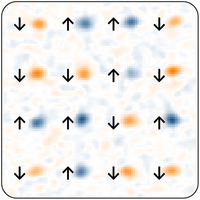
Phys. Rev. Lett. 135, 160403 (2025)
Quantum Information, Science, and Technology
Lindbladian Simulation with Logarithmic Precision Scaling via Two Ancillas
Article | Quantum Information, Science, and Technology | 2025-10-15 06:00 EDT
Wenjun Yu, Xiaogang Li, Qi Zhao, and Xiao Yuan
Quantum computers promise efficient simulation of Lindbladian dynamics in open quantum systems, with broad applications in quantum chemistry, quantum error correction, and quantum state preparation. However, simulating open systems is more challenging than simulating closed systems, inherently requi…
Phys. Rev. Lett. 135, 160602 (2025)
Quantum Information, Science, and Technology
First Limits on Light Dark Matter Interactions in a Low Threshold Two-Channel Athermal Phonon Detector from the TESSERACT Collaboration
Article | Cosmology, Astrophysics, and Gravitation | 2025-10-15 06:00 EDT
T. K. Bui et al. (TESSERACT Collaboration)
We present results of a search for spin-independent dark matter-nucleus interactions in a by 1 mm thick (0.233 g) high-resolution silicon athermal phonon detector operated above ground. For interactions in the substrate, this detector achieves an rms baseline energy resolution of
Phys. Rev. Lett. 135, 161002 (2025)
Cosmology, Astrophysics, and Gravitation
Fermion-Boson Stars as Attractors in Fuzzy Dark Matter and Ideal Gas Dynamics
Article | Cosmology, Astrophysics, and Gravitation | 2025-10-15 06:00 EDT
Iván Alvarez-Rios, Francisco S. Guzmán, and Jens Niemeyer
In the context of fuzzy dark matter (FDM) we study the core formation in the presence of an ideal gas (IG). Our analysis is based on the solution of the Schrödinger-Poisson-Euler system of equations that drives the evolution of FDM together with a compressible IG, both coupled through the gravitatio…
Phys. Rev. Lett. 135, 161003 (2025)
Cosmology, Astrophysics, and Gravitation
Resolving the Negative Effective Neutrino Mass Parameter with Cosmic Birefringence
Article | Cosmology, Astrophysics, and Gravitation | 2025-10-15 06:00 EDT
Toshiya Namikawa
The recent measurement of baryonic acoustic oscillations by the Dark Energy Spectroscopic Instrument reveals a mild tension with observations of the cosmic microwave background (CMB) within the standard cold dark matter () cosmological model. This discrepancy leads to a preference for a total …
Phys. Rev. Lett. 135, 161004 (2025)
Cosmology, Astrophysics, and Gravitation
Semiclassical Wormholes toward Typical Entangled States
Article | Particles and Fields | 2025-10-15 06:00 EDT
Javier M. Magán, Martin Sasieta, and Brian Swingle
What do the typical entangled states of two black holes look like? Do they contain semiclassical interiors? We approach these questions constructively, providing ensembles of states that densely explore the black hole Hilbert space. The states contain very long Einstein-Rosen caterpillars: semiclass…
Phys. Rev. Lett. 135, 161601 (2025)
Particles and Fields
Study of $ϕ→K\overline{K}$ and ${K}{S}^{0}-{K}{L}^{0}$ Asymmetry in the Amplitude Analysis of ${D}{s}^{+}→{K}{S}^{0}{K}_{L}^{0}{π}^{+}$ Decays
Article | Particles and Fields | 2025-10-15 06:00 EDT
M. Ablikim et al. (BESIII Collaboration)
Using annihilation data corresponding to a total integrated luminosity of collected at center-of-mass energies between 4.128 and 4.226 GeV with the BESIII detector, we provide the first amplitude analysis and absolute branching fraction measurement of the hadronic decay .…
Phys. Rev. Lett. 135, 161902 (2025)
Particles and Fields
Open $B$-Hadron Production at Hadron Colliders in QCD at Next-to-Next-to-Leading-Order and Next-to-Next-to-Leading-Logarithmic Accuracy
Article | Particles and Fields | 2025-10-15 06:00 EDT
Michał Czakon, Terry Generet, Alexander Mitov, and Rene Poncelet
We report on a calculation of open heavy-flavor production at hadron colliders which extends to next-to-next-to-leading order (NNLO) accuracy the classic NLO-accurate formalism developed almost 30 years ago under the acronym FONLL. The approach retains the exact heavy-flavor mass dependence at low t…
Phys. Rev. Lett. 135, 161903 (2025)
Particles and Fields
Extracting the Speed of Sound in Heavy-Ion Collisions: A Study of Quantum-Initiated Fluctuations and Thermalization
Article | Nuclear Physics | 2025-10-15 06:00 EDT
Yu-Shan Mu, Jing-An Sun, Li Yan, and Xu-Guang Huang
The thermalization of quark-gluon plasma created in heavy-ion collisions is crucial for understanding its behavior as a relativistic fluid and the thermodynamic properties of the quantum chromodynamics (QCD). This study investigates the role of fluctuations in the relationship between transverse mom…
Phys. Rev. Lett. 135, 162301 (2025)
Nuclear Physics
$^{208}\mathrm{Pb}$ Nuclear Charge Radius Revisited: Closing the Fine-Structure-Anomaly Gap
Article | Atomic, Molecular, and Optical Physics | 2025-10-15 06:00 EDT
Zewen Sun, Konstantin A. Beyer, Zoia A. Mandrykina, Igor A. Valuev, Christoph H. Keitel, and Natalia S. Oreshkina
A comprehensive reevaluation of the root-mean-square nuclear charge radius is presented for the doubly magic extracted from muonic spectroscopy measurements. By integrating rigorous theoretical quantum electrodynamics calculations, state-of-the-art numerical methods, and a systematic reanalysi…
Phys. Rev. Lett. 135, 163002 (2025)
Atomic, Molecular, and Optical Physics
Attosecond Optical Orientation
Article | Atomic, Molecular, and Optical Physics | 2025-10-15 06:00 EDT
Lauren B. Drescher, Nicola Mayer, Kylie Gannan, Jonah R. Adelman, and Stephen R. Leone
Circularly polarized light offers opportunities to probe symmetry-dependent properties of matter such as chirality and spin. Circular-dichroic measurements typically require further intrinsic or extrinsic breaking of symmetry by, e.g., enantiomeric excess, orientation, magnetic fields, or direction-…
Phys. Rev. Lett. 135, 163201 (2025)
Atomic, Molecular, and Optical Physics
Addressing the Correlation of Stokes-Shifted Photons Emitted from Two Quantum Emitters
Article | Atomic, Molecular, and Optical Physics | 2025-10-15 06:00 EDT
Adrián Juan-Delgado, Jean-Baptiste Trebbia, Ruben Esteban, Quentin Deplano, Philippe Tamarat, Rémi Avriller, Brahim Lounis, and Javier Aizpurua
In resonance fluorescence excitation experiments, light emitted from solid-state quantum emitters is typically filtered to eliminate the laser photons, ensuring that only red-shifted Stokes photons are detected. However, theoretical analyses of the fluorescence intensity correlation often model emit…
Phys. Rev. Lett. 135, 163602 (2025)
Atomic, Molecular, and Optical Physics
Femtosecond and Attosecond Phase-Space Correlations in Few-Particle Photoelectron Pulses
Article | Plasma and Solar Physics, Accelerators and Beams | 2025-10-15 06:00 EDT
Rudolf Haindl, Valerio Di Giulio, Armin Feist, and Claus Ropers
Electrostatic repulsion between electrons usually impairs the performance of electron microscopes. Now it can be turned into an advantage.
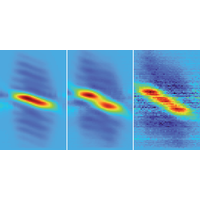
Phys. Rev. Lett. 135, 165002 (2025)
Plasma and Solar Physics, Accelerators and Beams
Selective Excitation of Collective Modes in Multiband Superconductor ${\mathrm{MgB}}_{2}$
Article | Condensed Matter and Materials | 2025-10-15 06:00 EDT
Jiayu Yuan, Liyu Shi, Tiequan Xu, Yue Wang, Zizhao Gan, Hao Wang, Tianyi Wu, Dong Wu, Tao Dong, and Nanlin Wang
Recent developments in nonequilibrium and nonlinear terahertz (THz) spectroscopies have significantly advanced the understanding of collective excitations in superconductors. However, there is ongoing debate regarding the identification of Higgs, Leggett modes, and BCS charge fluctuations in the two…
Phys. Rev. Lett. 135, 166002 (2025)
Condensed Matter and Materials
Superconductivity at 28 K in Sodium Graphite Intercalation Compound under High Pressure
Article | Condensed Matter and Materials | 2025-10-15 06:00 EDT
Guangchen Ma, Yingying Wang, Zefang Wang, Yuki Nakamoto, Katsuya Shimizu, Guangtao Liu, Mi Zhou, Hongbo Wang, Pengyue Gao, and Yanming Ma
The discovery of 15.1 K superconductivity in first-stage reignited interest in searching for high-temperature superconductors in graphite intercalation compounds (GICs). However, despite nearly two decades of intensive research, progress in exploring high-temperature superconductivity in GIC ma…
Phys. Rev. Lett. 135, 166003 (2025)
Condensed Matter and Materials
Quantitative Role of Phonons and Elasticity in Tuning Uniaxial Negative Thermal Expansion of $M{\mathrm{Zr}}_{2}(M=\mathrm{Fe},\mathrm{Co},\text{ }\mathrm{and}\text{ }\mathrm{Ni})$
Article | Condensed Matter and Materials | 2025-10-15 06:00 EDT
Meng Xu, Qilong Gao, Yongqiang Qiao, Kaiyue Zhao, Andrea Sanson, Qiang Sun, Changtian Wang, Alessandro Venier, Francesco d’Acapito, Matt Tucker, Yuzhu Song, Chang Zhou, Xianran Xing, and Jun Chen
Elucidating the mechanisms of negative thermal expansion (NTE) not only identifies the determining factors of this phenomenon but also provides guidance for the precise regulation of the coefficient of thermal expansion (CTE). However, accurately quantifying these determining factors during CTE modu…
Phys. Rev. Lett. 135, 166101 (2025)
Condensed Matter and Materials
Imaging Sublattice Cooper-Pair Density Waves in Monolayer $1\text{ }\text{ }{T}^{‘}\text{-}{\text{MoTe}}_{2}$
Article | Condensed Matter and Materials | 2025-10-15 06:00 EDT
Fang-Jun Cheng, Cong-Cong Lou, Ai-Xi Chen, Li-Xuan Wei, Yu Liu, Bo-Yuan Deng, Fangsen Li, Ziqiang Wang, Qi-Kun Xue, Xu-Cun Ma, and Can-Li Song
Unconventional superconductors that spontaneously break space-group symmetries of their underlying crystal lattice are distinguished by spatial modulations of superconducting order parameter. These states have recently captured significant attention in various strongly correlated materials, where th…
Phys. Rev. Lett. 135, 166201 (2025)
Condensed Matter and Materials
Transition from Near-Field to Extreme Near-Field Radiative Heat Transfer
Article | Condensed Matter and Materials | 2025-10-15 06:00 EDT
F. Geesmann, P. Thurau, S. Rodehutskors, T. Ziehm, L. Worbes, S.-A. Biehs, and A. Kittel
The radiative heat transfer in the extreme near-field regime, i.e., for distances below 10 nm, remains poorly understood. There are competing experimental results in this regime, with some in good agreement with theoretical predictions, while others report drastically elevated heat fluxes, orders of…
Phys. Rev. Lett. 135, 166202 (2025)
Condensed Matter and Materials
Electrically Detected Magnetic Resonance in Ambipolar Polymer Field-Effect Transistors
Article | Condensed Matter and Materials | 2025-10-15 06:00 EDT
Zichen Wang, Ilia Kulikov, Tarig Mustafa, Sam Schott, Remington L. Carey, Jan Behrends, and Henning Sirringhaus
Electron spin resonance can provide unique insights into charge transport processes in organic semiconductors in a regime in which charge motion determines spin relaxation. In particular, electrically detected magnetic resonance (EDMR) probes directly the changes in charge transport properties that …
Phys. Rev. Lett. 135, 166301 (2025)
Condensed Matter and Materials
Superdiffusive Transport in Chaotic Quantum Systems with Nodal Interactions
Article | Condensed Matter and Materials | 2025-10-15 06:00 EDT
Yu-Peng Wang, Jie Ren, Sarang Gopalakrishnan, and Romain Vasseur
We introduce a class of interacting fermionic quantum models in dimensions with nodal interactions that exhibit superdiffusive transport. We establish nonperturbatively that the nodal structure of the interactions gives rise to long-lived quasiparticle excitations that result in a diverging diffus…
Phys. Rev. Lett. 135, 166303 (2025)
Condensed Matter and Materials
Unconventional Hall Effect in Gapless Superconductors: Transverse Supercurrent Converted from Normal Current
Article | Condensed Matter and Materials | 2025-10-15 06:00 EDT
Miaomiao Wei, Longjun Xiang, Fuming Xu, Bin Wang, and Jian Wang
A normal metal proximitized by a superconductor can exhibit a gapless superconducting state characterized by segmented Fermi surfaces, as confirmed experimentally. In this state, quasiparticle states remain gapless along one direction, while a superconducting gap opens in the perpendicular direction…
Phys. Rev. Lett. 135, 166304 (2025)
Condensed Matter and Materials
Identifying Electronic Doorway States in Secondary Electron Emission from Layered Materials
Article | Condensed Matter and Materials | 2025-10-15 06:00 EDT
A. Niggas, M. Hao, P. Richter, F. Simperl, F. Blödorn, M. Cap, J. Kero, D. Hofmann, A. Bellissimo, J. Burgdörfer, T. Seyller, R. A. Wilhelm, F. Libisch, and W. S. M. Werner
Experiments coupled with DFT calculations uncover signatures of resonances that act as doorway states for low-energy electron emission in layered materials.
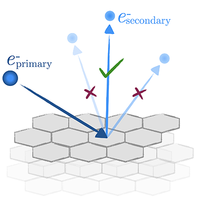
Phys. Rev. Lett. 135, 166401 (2025)
Condensed Matter and Materials
Shot Noise of Photocurrents in Magnetic Quantum Materials
Article | Condensed Matter and Materials | 2025-10-15 06:00 EDT
Xinyue Liu, Longjun Xiang, Yaqing Yang, Fuming Xu, Jun Chen, Lei Zhang, and Jian Wang
Recently, the dc shot noise (DSN) of photocurrents has been proposed as its complementary probe to quantify the nonmagnetic gapped quantum materials. In this Letter, we have discovered two novel DSN terms that are crucial for understanding the properties of magnetically insulating quantum materials:…
Phys. Rev. Lett. 135, 166702 (2025)
Condensed Matter and Materials
Magnon-Magnon Interaction Induced by Nonlinear Spin-Wave Dynamics
Article | Condensed Matter and Materials | 2025-10-15 06:00 EDT
Matteo Arfini, Alvaro Bermejillo-Seco, Artem Bondarenko, Clinton A. Potts, Yaroslav M. Blanter, Herre S. J. van der Zant, and Gary A. Steele
We experimentally and theoretically demonstrate that nonlinear spin-wave dynamics can induce an effective resonant interaction between nonresonant magnon modes in a yttrium iron garnet disk. Under strong pumping near the ferromagnetic resonance mode, we observe a spectral splitting that emerges with…
Phys. Rev. Lett. 135, 166703 (2025)
Condensed Matter and Materials
Topologically Tunable Polaritons Based on a Two-Dimensional Crystal in a Photonic Lattice
Article | Condensed Matter and Materials | 2025-10-15 06:00 EDT
L. Lackner, O. A. Egorov, A. Ernzerhof, C. Bennenhei, V. N. Mitryakhin, G. Leibeling, F. Eilenberger, S. Tongay, U. Peschel, M. Esmann, and C. Schneider
Structured optical cavities have advanced as a powerful test bed to study lattice Hamiltonians in general, and topological phenomena in particular. The in situ tuning of topological modes, enabled via substantial modifications of emulated lattice potentials, has remained out of experimental reach du…
Phys. Rev. Lett. 135, 166901 (2025)
Condensed Matter and Materials
Phase Matching of High Harmonic Generation in Twisted van der Waals Crystals
Article | Condensed Matter and Materials | 2025-10-15 06:00 EDT
Chenjun Ma, Chen Huang, Yilong You, Huazhan Liu, Zhitong Ding, Mingchao Ding, Chang Liu, Jin Zhang, Guixin Li, Zhipei Sun, Shiwei Wu, Chaojie Ma, Enge Wang, Hao Hong, and Kaihui Liu
A strategy for phase matching high-harmonic generation with arbitrary harmonic orders in crystals enables the development of ultrashort-wavelength and ultrafast-pulse laser sources in tabletop systems.
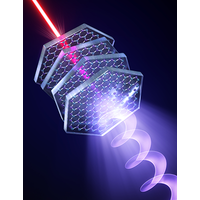
Phys. Rev. Lett. 135, 166902 (2025)
Condensed Matter and Materials
Photomagnetic-Chiral Anisotropy Mediated by Chirality-Driven Asymmetric Spin Splitting
Article | Condensed Matter and Materials | 2025-10-15 06:00 EDT
Tianwei Ouyang, Hang Su, Wanning Zhang, Yingying Duan, Yuxi Fang, Shunai Che, and Yizhou Liu
Photomagnetic effects (PMEs), intrinsic to transition metals, arise from the interaction between light-induced angular momentum and electronic spin. These effects are suppressed in noble metals with high symmetry and electron density. Introducing chiral structures can induce photomagnetic-chiral ani…
Phys. Rev. Lett. 135, 166903 (2025)
Condensed Matter and Materials
Nested Stochastic Resetting: Nonequilibrium Steady States and Exact Correlations
Article | Statistical Physics; Classical, Nonlinear, and Complex Systems | 2025-10-15 06:00 EDT
Henry Alston, Callum Britton, and Thibault Bertrand
Stochastic resetting breaks detailed balance and drives the formation of nonequilibrium steady states. Here, we consider a chain of diffusive processes that interact unilaterally: at random time intervals, the process stochastically resets to the instantaneous value of . We derive analy…
Phys. Rev. Lett. 135, 167101 (2025)
Statistical Physics; Classical, Nonlinear, and Complex Systems
Principled Model Selection for Stochastic Dynamics
Article | Statistical Physics; Classical, Nonlinear, and Complex Systems | 2025-10-15 06:00 EDT
Andonis Gerardos and Pierre Ronceray
Complex dynamical systems, from macromolecules to ecosystems, are often modeled by stochastic differential equations. To learn such models from data, a common approach involves sparse selection among a large function library. However, we show that overfitting arises not just from individual model co…
Phys. Rev. Lett. 135, 167401 (2025)
Statistical Physics; Classical, Nonlinear, and Complex Systems
Dynamical Phase Transitions in Nonequilibrium Networks
Article | Statistical Physics; Classical, Nonlinear, and Complex Systems | 2025-10-15 06:00 EDT
Jiazhen Liu, Nathaniel M. Aden, Debasish Sarker, and Chaoming Song
Dynamical phase transitions (DPTs) characterize critical changes in system behavior occurring at finite times, providing a lens to study nonequilibrium phenomena beyond conventional equilibrium physics. While extensively studied in quantum systems, DPTs have remained largely unexplored in classical …
Phys. Rev. Lett. 135, 167402 (2025)
Statistical Physics; Classical, Nonlinear, and Complex Systems
Spontaneous Emergence of Run-and-Tumble-Like Dynamics in a Robotic Analog of Chlamydomonas: Experiment and Theory
Article | Polymers, Chemical Physics, Soft Matter, and Biological Physics | 2025-10-15 06:00 EDT
Somnath Paramanick, Umashankar Pardhi, Harsh Soni, and Nitin Kumar
Run-and-tumble (RT) motion is commonly observed in flagellated microswimmers, arising from synchronous and asynchronous flagellar beating. One such example is a biflagellated alga, called Chlamydomonas reinhardtii. Its flagellar synchronization is not only affected by hydrodynamic interactions but a…
Phys. Rev. Lett. 135, 168301 (2025)
Polymers, Chemical Physics, Soft Matter, and Biological Physics
Physical Review X
Clustering of Conditional Mutual Information and Quantum Markov Structure at Arbitrary Temperatures
Article | | 2025-10-16 06:00 EDT
Tomotaka Kuwahara
Quantum systems at equilibrium are more localized than previously thought when looked at through the lens of conditional mutual information, a key way of measuring three-part correlations.

Phys. Rev. X 15, 041010 (2025)
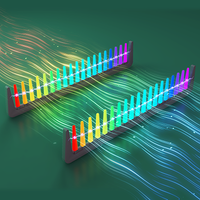
Entangled Dual-Comb Spectroscopy
Article | | 2025-10-15 06:00 EDT
Abdulkarim Hariri, Shuai Liu, Haowei Shi, Quntao Zhuang, Xudong Fan, and Zheshen Zhang
Entangled dual-comb spectroscopy combines a classical comb with an entangled quantum comb to suppress photon noise, achieving faster, more precise measurements than classical methods and enabling advanced sensing and metrology applications.
Phys. Rev. X 15, 041009 (2025)
arXiv
Vacuum tunneling of vortices in two-dimensional $^4$He superfluid films
New Submission | Quantum Gases (cond-mat.quant-gas) | 2025-10-16 20:00 EDT
Michael J. Desrochers, Dominic Marchand, P.C.E. Stamp
At low temperature T we expect vacuum tunneling processes to occur in superfluid $ ^{4}$ He films. We distinguish between extrinsic processes, in which single vortices nucleate by tunneling off boundaries in the system, and intrinsic processes, in which vortex/anti-vortex pairs nucleate far from boundaries. It is crucial to incorporate the varying effective mass of the vortex in tunneling calculations. The intrinsic processes are the superfluid analogue of the Schwinger mechanism in quantum field theory; here they appear as a quantum phase transition at T = 0, driven by an external supercurrent. We calculate the tunneling rate for these processes, and describe a means of testing the predictions using a specific vortex counting experiment.
Quantum Gases (cond-mat.quant-gas), Other Condensed Matter (cond-mat.other), Quantum Physics (quant-ph)
M.J. Desrochers, D.J.J. Marchand, & P.C.E. Stamp, Vacuum tunneling of vortices in two-dimensional 4He superfluid films, Proc. Natl. Acad. Sci. U.S.A. 122 (36) e2421273122, (2025)
The Kitaev-AKLT model
New Submission | Strongly Correlated Electrons (cond-mat.str-el) | 2025-10-16 20:00 EDT
Inspired by the Affleck-Kennedy-Lieb-Tasaki (AKLT) model, we present exact solutions for a spin-1 chain with Kitaev-like couplings. We consider an expanded Kitaev model with bilinear and biquadratic terms. At an exactly solvable point, the Hamiltonian can be reexpressed as a sum of projection operators. Unlike the AKLT model where projectors act on total spin, we project onto components of spin along the bond direction. This leads to exponential ground state degeneracy, expressed in terms of fractionalized spin-$ \frac{1}{2}$ objects. Each ground state can be expressed concisely as a matrix product state. We construct a phase diagram by varying the relative strength of bilinear and biquadratic terms. The fractionalized states provide a qualitative picture for the spin-1 Kitaev model, yielding approximate forms for the ground state and low-lying excitations.
Strongly Correlated Electrons (cond-mat.str-el)
4 pages + supplement, 5 + 4 figures
Multi-Q spin-valley order in twisted WSe2
New Submission | Strongly Correlated Electrons (cond-mat.str-el) | 2025-10-16 20:00 EDT
Arthur Bril, Nai Chao Hu, Nick Bultinck
We report on a study of the interacting phase diagram of $ 3.65^\circ$ -twisted WSe$ _2$ at moiré hole filling $ \nu=1$ , in which we find previously-overlooked types of magnetism. Specifically, in part of the phase diagram we obtain a magnetic order parameter which modulates in space with four different non-zero wave vectors, corresponding to the three $ M$ -points and one $ K$ -point of the moiré Brillouin zone. These multi-Q orders, which can be coplanar or non-coplanar, are continuous deformations of the $ 120^\circ$ spin-valley anti-ferromagnet (AFM), where the unit cell has expanded by a factor of four. Interestingly, we find that the multi-Q states are stabilized for experimentally relevant values of interaction strength and displacement field, and are accompanied by a softening of the spin fluctuations near the $ M$ -points of the moiré
Strongly Correlated Electrons (cond-mat.str-el)
14 pages, 8 figures
Exotic Surface Stripe Orders in Correlated Kagome Metal CsCr3Sb5
New Submission | Strongly Correlated Electrons (cond-mat.str-el) | 2025-10-16 20:00 EDT
Yunxing Li, Peigen Li, Taimin Miao, Rui Xu, Yongqing Cai, Neng Cai, Bo Liang, Han Gao, Hanbo Xiao, Yongzhen Jiang, Jiefeng Cao, Fangyuan Zhu, Hongkun Wang, Jincheng Xie, Jingcheng Li, Zhongkai Liu, Chaoyu Chen, Yunwei Zhang, X. J. Zhou, Dingyong Zhong, Huichao Wang, Jianwei Huang, Donghui Guo
The newly discovered kagome superconductor CsCr3Sb5 exhibits distinct features with flat bands and unique magnetism, providing a compelling platform for exploring novel quantum states of correlated electron systems. Emergent charge order in this material is a key for understanding unconventional superconductivity, but it remains unexplored at the atomic scale and the underlying physics is elusive. Here, we identify and unreported stripe orders on the surface which are distinct from the bulk and investigate the underlying bulk electronic properties using a combination of scanning tunneling microscopy (STM), angle-resolved photoemission spectroscopy (ARPES) and density functional theory (DFT) calculations. Specifically, a mixture of 2a0 \ast a0 and 3a0 \ast a0 stripe order is found on Cs-terminated surface while 4a0 \ast root3a0 stripe order is found on the Sb-terminated surface. The electronic spectra exhibit strongly correlated features resembling that of high temperature superconductors, with kagome flat bands lying about 330 meV above EF, suggesting that the electron correlations arise from Coulomb interactions and Hund’s coupling. Moreover, a distinct electron-boson coupling mode is observed at approximately 100 meV. These findings provide new insights into the interplay between surface and bulk charge orders in this strongly correlated kagome system.
Strongly Correlated Electrons (cond-mat.str-el), Materials Science (cond-mat.mtrl-sci), Superconductivity (cond-mat.supr-con)
21 pages, 5 figures
Polarization dependency in Resonant Inelastic X-Ray Scattering
New Submission | Strongly Correlated Electrons (cond-mat.str-el) | 2025-10-16 20:00 EDT
Michelangelo Tagliavini, Fabian Wenzel, Maurits W. Haverkort
Resonant Inelastic X-Ray Scattering (RIXS) is a well-established tool for probing excitations in a wide range of materials. The measured spectra strongly depend on the scattering geometry, via its influence on the polarization of the incoming and outgoing light. By employing a tensor representation of the 4-point response function that governs the RIXS intensity, we disentangle the experimental geometry from the intrinsic material properties. In dipole-dipole RIXS processes and low-symmetry crystals, up to 81 linearly independent fundamental spectra can be measured as a function of light polarization. However, for crystals or molecules with symmetry, the number of independent fundamental spectra that define the RIXS tensor is significantly reduced.
This work presents a systematic framework for determining the number of fundamental spectra and expressing the RIXS tensor in terms of these fundamental components. Given a specific experimental geometry, the measured spectrum can be represented as a linear combination of these fundamental spectra. To validate our approach, we performed calculations for different point group symmetries, both with and without an applied magnetic field. Within the same framework, we derived expressions for powder spectra in momentum-independent processes and spectra obtained using Bragg spectrometers. This formalism provides a valuable toolkit for optimizing experiment planning, data interpretation, and RIXS simulation.
Strongly Correlated Electrons (cond-mat.str-el)
Random packing fraction of binary convex and similar hyperparticles with small size difference: Statistical geometry approaches to excluded volume
New Submission | Soft Condensed Matter (cond-mat.soft) | 2025-10-16 20:00 EDT
In this paper the random packing fraction of binary similar hyperparticles with small size difference in D-dimensional Euclidean space RD is studied using two statistical geometry approaches. These geometric approaches, concerning orientation geometry and integral geometry, yield the excluded volume of particle pairs. The excluded volume of rectangles, based on orientation geometry, in Euclidean space R2 is used to derive an explicit equation for the bidisperse packing fraction, which is compatible with the expression published previously. Next, the excluded volume of pairs of convex particles in D = 2, 3 and 4 resulting from integral geometry are presented. These excluded volumes are identical with the specific ones for (sphero-)cylinders (D = 3) and rectangles (D = 2), derived by orientation geometry. Furthermore, these excluded volumes contain geometric measures: particle volume, surface area, mean curvature and the second quermassintegral. This allows the derivation of closed-form and generic expressions for the random packing fraction of binary convex hyperparticles in Euclidean spaces R2 , R3 and R4.
Soft Condensed Matter (cond-mat.soft)
9 pages, 1 figure, 3 tables
Incommensurate Twisted Bilayer Graphene: emerging quasi-periodicity and stability
New Submission | Strongly Correlated Electrons (cond-mat.str-el) | 2025-10-16 20:00 EDT
Ian Jauslin, Vieri Mastropietro
We consider a lattice model of Twisted Bilayer Graphene (TBG). The presence of incommensurate angles produces an emerging quasi-periodicity manifesting itself in large momenta Umklapp interactions that almost connect the Dirac points. We rigorously establish the stability of the semimetallic phase via a Renormalization Group analysis combined with number theoretical properties of irrationals, similar to the ones used in Kolmogorov-Arnold-Moser (KAM) theory for the stability of invariant tori. The interlayer hopping is weak and short ranged and the angles are chosen in a large measure set. The result provides a justification, in the above regime, to the effective continuum description of TBG in which large momenta interlayer interactions are neglected.
Strongly Correlated Electrons (cond-mat.str-el), Mathematical Physics (math-ph)
Structure of solutions to continuous constraint satisfaction problems through the statistics of wedged and inscribed spheres
New Submission | Disordered Systems and Neural Networks (cond-mat.dis-nn) | 2025-10-16 20:00 EDT
The study of random landscapes has long relied on counting stationary points: metastable states and the barriers between them. However, this method is useless for describing flat regions, common in constraint satisfaction problems. We introduce a characterization of flat regions by counting the number of spheres that can be uniquely inserted into them, either by wedging spheres of fixed radius or by inscribing spheres of variable radius. The ratio of these counts constrains the topology of the solution space. We apply this characterization to the spherical perceptron and show the existence of at least two topological regimes.
Disordered Systems and Neural Networks (cond-mat.dis-nn), Statistical Mechanics (cond-mat.stat-mech), Probability (math.PR)
Emergent spin Hall quantization and high-order van Hove singularities in square-octagonal MA$_2$Z$_4$
New Submission | Materials Science (cond-mat.mtrl-sci) | 2025-10-16 20:00 EDT
Rahul Verma, Yash Vardhan, Hsin Lin, Bahadur Singh
Quantum spin Hall (QSH) insulators are versatile platforms for exploring exotic quantum phases, especially when combined with high-order van Hove singularities (VHSs) that enhance electron correlations. However, perfect spin Hall quantization is often hindered by spin mixing from strong spin-orbit coupling, and the emergence of such VHSs is highly sensitive to material-specific electronic structures. Here, we predict a class of seven-layered square-octagonal MA$ _2$ Z$ _4$ (M = Mo/W, A = Si/Ge, Z = Pnictogen) isomers that host a robust, large-gap QSH phase with nearly quantized spin Hall conductivity and intrinsic high-order VHSs. Topological and symmetry analyses reveal that compounds with Z = P, As, and Sb are $ \mathbb{Z}_2$ nontrivial with spin Chern number $ C_s = 1$ and support $ S_z$ -polarized edge states, while those with Z = N are trivial insulators. The QSH phase features an $ S_z$ -conserving spin Hamiltonian consistent with an emergent spin $ \mathrm{U}(1)$ quasi-symmetry, yielding spin Hall conductivity $ \sim 2e^2/h$ . Notably, MA$ _2$ (As, Sb)$ _4$ compounds exhibit quasi-flat bands near the Fermi level in the inverted regime, with WSi$ _2$ Sb$ _4$ additionally hosting four high-order VHSs at generic momentum points. These results position square-octagonal MA$ _2$ Z$ _4$ materials as robust QSH insulators for realizing quantized spin Hall conductivity and correlated topological phases, including fractionalized states and possibly non-Abelian anyons.
Materials Science (cond-mat.mtrl-sci)
The Infra-Red Road to Quantum Gravity
New Submission | Quantum Gases (cond-mat.quant-gas) | 2025-10-16 20:00 EDT
Samin Tajik, Michael. j. Desrochers, Philip C.E. Stamp
We review work in areas ranging from condensed matter physics to quantum gravity, with the following interconnected questions in mind: (i) what is the nature of the vacuum in condensed matter systems, in quantum field theory, and in classical and quantum gravity; (ii) how do analogies between these systems work, how well do they work, and how useful are they; (iii) what modifications can we make to quantum mechanics to deal with quantum gravity, and (iv) how and why low-energy theories of quantum gravity are, in our view, the right way to make progress in this field. We use many different examples to illustrate our arguments.
Quantum Gases (cond-mat.quant-gas), General Relativity and Quantum Cosmology (gr-qc), Quantum Physics (quant-ph)
Time is length in self-similar logarithmic aging of physically cross-linked semiflexible polymer networks
New Submission | Soft Condensed Matter (cond-mat.soft) | 2025-10-16 20:00 EDT
Patrick Ilg, Clarisse Luap, Martin Kröger
Physical aging in polymers is a fundamental yet poorly understood phenomenon, as diverse macromolecular systems exhibit remarkably similar slow dynamics. Through molecular dynamics simulations of physically crosslinked networks composed of semiflexible polymers, we identify a previously unexplored class of self-similar aging. The network undergoes ultra-slow coarsening characterized by a logarithmically growing mesh size, $ L(t)\sim \ln t$ , which governs the spatial organization, cohesive and bending energies, and the aging dynamics of the system. This single time-dependent length scale defines an internal clock, giving rise to spatio- temporal self-similarity of both structure and dynamics - offering a perspective on aging in soft and disordered materials.
Soft Condensed Matter (cond-mat.soft), Disordered Systems and Neural Networks (cond-mat.dis-nn), Materials Science (cond-mat.mtrl-sci)
7 pages, 7 figures
Phys. Rev. Lett. 135, 158101 (2025)
Dynamical breaking of inversion symmetry and strong second harmonic generation with nonlinear phonons
New Submission | Mesoscale and Nanoscale Physics (cond-mat.mes-hall) | 2025-10-16 20:00 EDT
We show how crystalline inversion symmetry can be dynamically broken by optical phonons with generic, hardening Kerr-like non-linearities. The symmetry-broken state is reached through a parametric instability that can be accessed by driving close to half the phonon resonance. After the onset of the instability, the system settles to a steady state with inversion-symmetry breaking phonon trajectories and strong second harmonic generation. The time averaged positions of the atoms are displaced relative to equilibrium in the steady state, resulting in a rectification of the driving signal.
Mesoscale and Nanoscale Physics (cond-mat.mes-hall), Materials Science (cond-mat.mtrl-sci), Other Condensed Matter (cond-mat.other), Strongly Correlated Electrons (cond-mat.str-el), Pattern Formation and Solitons (nlin.PS)
Photostriction-Driven Phase Transition in Layered Chiral NbOX$_2$ Crystals: Electrical-Field-Controlled Enantiomer Selectivity
New Submission | Materials Science (cond-mat.mtrl-sci) | 2025-10-16 20:00 EDT
Jorge Cardenas-Gamboa, Martin Gutierrez-Amigo, Aritz Leonardo, Gregory A. Fiete, Juan L. Mañes, Jeroen van den Brink, Claudia Felser, Maia G. Vergniory
Chiral crystals offer an unique platform for controlling structural handedness through external stimuli. However, the ability to select between structural enantiomers remains challenging, both theoretically and experimentally. In this work, we demonstrate a two-step pathway for enantiomer selectivity in layered chiral NbOX$ _2$ (X = Cl, Br, I) crystals based on photostriction-driven phase transitions. Ab-initio simulations reveal that optical excitation is capable of inducing a structural phase transition in NbOX$ _2$ from the monoclinic ($ C2$ ) ground state to the higher-symmetry ($ C2/m$ ) structure. In the resulting transient high-symmetry state, an applied electric field breaks the residual inversion-symmetry degeneracy, selectively stabilizing one enantiomeric final state configuration over the other. Our results establish a combined optical-electrical control scheme for chiral materials, enabling reversible and non-contact enantiomer selection with potential applications in ultrafast switching, optoelectronics, and chiral information storage.
Materials Science (cond-mat.mtrl-sci)
13 pages, 7 figures
Emergent domain topology in the multiferroic hexagonal manganites
New Submission | Materials Science (cond-mat.mtrl-sci) | 2025-10-16 20:00 EDT
Aaron Merlin Müller, Lukas Heckendorn, Manfred Fiebig, Thomas Lottermoser
Emergent topological phenomena in multiferroic materials arise from the intricate coupling between structural, electric, and magnetic order parameters. Hexagonal manganites provide a paradigmatic platform for such studies. These compounds exhibit a strongly coupled distortive-improper ferroelectric order, arising from trimerizing lattice distortions, and a 120° noncollinear antiferromagnetic spin structure. While their two-dimensional domain topology has been extensively studied, the full three-dimensional multiferroic domain architecture has remained largely unexplored, mainly due to the experimental challenges of probing bulk structures beyond surfaces. Here, we employ a Landau free-energy framework combined with large-scale phase-field simulations to reveal the intricate three-dimensional multiferroic domain network of hexagonal manganites. We demonstrate that the coupling between the structural and antiferromagnetic order parameters gives rise to a rich variety of three-dimensional topological features. In particular, these features give rise to an attraction between different types of domain walls. Moreover, we identify bifurcations of vortex-like lines at domain-wall intersections, a phenomenon that can exist only in three dimensions and fundamentally alters the topology of the domain network. Our results provide a comprehensive theoretical basis for understanding three-dimensional domain interactions in multiferroics and highlight the essential role of dimensionality in coupling improper ferroelectricity, magnetism, and topology in hexagonal manganites.
Materials Science (cond-mat.mtrl-sci)
High Stability Mechanical Frequency Sensing beyond the Linear Regime
New Submission | Mesoscale and Nanoscale Physics (cond-mat.mes-hall) | 2025-10-16 20:00 EDT
Sofia C. Brown, Ravid Shaniv, Ruomu Zhang, Chris Reetz, Cindy A. Regal
Sensing via a mechanical frequency shift is a powerful measurement tool, and, therefore, understanding and mitigating frequency noise affecting mechanical resonators is imperative. Thermomechanical noise fundamentally limits mechanical frequency stability, and its impact can be reduced with increased coherent amplitude of mechanical motion. However, large enough actuation places the resonator in the nonlinear (Duffing) regime, where conversion of amplitude noise (AM) into frequency noise (FM) can worsen sensor performance. Here, we present an experimentally straightforward method to evade this amplitude tradeoff in micromechanical sensors. Combining knowledge of the Duffing coefficients with readily available amplitude measurements, we avoid AM-FM conversion. Our approach uses dual-mechanical-mode operation on a tensioned thin-film resonator to set a baseline thermomechanically-limited stability by eliminating correlated single-mode frequency drifts. Thus, we cleanly observe AM-FM conversion at high drive, and reduce it using our method. The resulting high-stability operation beyond the linear regime contrasts long-standing perspectives in the field.
Mesoscale and Nanoscale Physics (cond-mat.mes-hall)
10 pages, 6 figures
Entanglement spectrum of gapless topological phases: a case study with topological superconductors
New Submission | Strongly Correlated Electrons (cond-mat.str-el) | 2025-10-16 20:00 EDT
Using bulk gapless topological superconductors in both 1d and 2d as free fermion model examples, we demonstrate the power of subsystem correlation spectrum (the spectrum of correlation matrix), or equivalently the entanglement spectrum for the case of free fermions, in characterizing the topology of the non-trivial ground state. For the systems considered, we show that signatures of the lowenergy spectrum, including both the edge modes and the bulk modes, appear in the correlation spectrum, albeit with different behaviors. This work generalizes the 2d Li-Haldane entanglement spectrum characterization of topological edge states to 2d topological systems with gapless bulk.
Strongly Correlated Electrons (cond-mat.str-el), Superconductivity (cond-mat.supr-con), Quantum Physics (quant-ph)
6 pages + reference, 5 figures
Adiabatic Elimination in Relativistic Stochastic Mechanics
New Submission | Statistical Mechanics (cond-mat.stat-mech) | 2025-10-16 20:00 EDT
We investigate the adiabatic elimination of fast variables in relativistic stochastic mechanics, which is analyzed in the equation of motion and in the distribution function, with relativistic corrections explicitly derived. A new dimensionless parameter is introduced to characterize the timescale. The adiabatic elimination is also compared with the path integral coarse graining, which is more general yet computationally demanding.
Statistical Mechanics (cond-mat.stat-mech), General Relativity and Quantum Cosmology (gr-qc)
24 pages, 6 figures
Reciprocal Space Attention for Learning Long-Range Interactions
New Submission | Materials Science (cond-mat.mtrl-sci) | 2025-10-16 20:00 EDT
Hariharan Ramasubramanian, Alvaro Vazquez-Mayagoitia, Ganesh Sivaraman, Atul C. Thakur
Machine learning interatomic potentials (MLIPs) have revolutionized the modeling of materials and molecules by directly fitting to ab initio data. However, while these models excel at capturing local and semi-local interactions, they often prove insufficient when an explicit and efficient treatment of long-range interactions is required. To address this limitation, we introduce Reciprocal-Space Attention (RSA), a framework designed to capture long-range interactions in the Fourier domain. RSA can be integrated with any existing local or semi-local MLIP framework. The central contribution of this work is the mapping of a linear-scaling attention mechanism into Fourier space, enabling the explicit modeling of long-range interactions such as electrostatics and dispersion without relying on predefined charges or other empirical assumptions. We demonstrate the effectiveness of our method as a long-range correction to the MACE backbone across diverse benchmarks, including dimer binding curves, dispersion-dominated layered phosphorene exfoliation, and the molecular dipole density of bulk water. Our results show that RSA consistently captures long-range physics across a broad range of chemical and materials systems. The code and datasets for this work is available at this https URL
Materials Science (cond-mat.mtrl-sci), Machine Learning (cs.LG), Chemical Physics (physics.chem-ph), Computational Physics (physics.comp-ph)
13 pages including references with 6 figures and 1 table
Macroscopic Self-Trapping and Dynamical Phase Transition in Momentum Space Bose-Einstein Condensates
New Submission | Quantum Gases (cond-mat.quant-gas) | 2025-10-16 20:00 EDT
Colby Schimelfenig, Federico Serrano, Corey Halverson, Annesh Mukhopadhyay, Qingze Guan, Peter Engels
Self-trapping is a hallmark phenomenon of nonlinear dynamics. It has significant applications in modern physics, including band structure engineering, phase transition dynamics, quantum metrology, and more. Dilute-gas Bose-Einstein condensates (BECs), in which self-trapping can arise from interatomic interactions, are a prime testbed for probing nonlinear dynamics. In this Letter, we report the observation of self-trapping in a spin-orbit coupled BEC subjected to a stationary optical lattice. We employ Raman-induced spin-orbit coupling, complemented by a matching optical lattice that facilitates coupling between momentum eigenstates of the spin-orbit coupled system. By ramping the Raman detuning, we probe atomic current flow between these eigenstates and identify a clear distinction between a delocalized mixed state and a self-trapped regime. Following a quench of the Raman detuning, the time-averaged atomic current exhibits non-analytic behavior across the transition between these two regimes in certain parameter ranges, signaling a dynamical phase transition in the system.
Quantum Gases (cond-mat.quant-gas), Atomic Physics (physics.atom-ph), Quantum Physics (quant-ph)
main (5 pages, 4 figures) and supplement (4 pages, 4 figures)
Static and dynamical properties of quadrupolar quantum droplets in quasi-2D condensates
New Submission | Quantum Gases (cond-mat.quant-gas) | 2025-10-16 20:00 EDT
Wei-qi Xia, Xiao-ting Zheng, Xiao-wei Chen, Gui-hua Chen
Quantum droplets, stabilized by beyond-mean-field effects, represent a novel state of matter in quantum many-body systems. While previous studies have focused primarily on dipolar and contact-interacting systems, quadrupolar condensates remain relatively unexplored. In this work, we explore the formation, structural properties, and dynamical behaviors of quantum droplets in a two-component quadrupolar Bose-Einstein condensate confined to a quasi-two-dimensional geometry. Analytical results obtained via the Thomas-Fermi approximation predict flat-topped density profiles and linear scaling between effective area and particle number. These predictions are corroborated by numerical simulations, which also reveal the saturation of peak density and chemical potential at large norm. Furthermore, vortex quantum droplets exhibit anisotropic elliptical morphologies due to the directional nature of QQIs, with their aspect ratios significantly tunable by varying the particle number and quadrupolar interaction strength. Collision dynamics demonstrate rich behavior modulated by velocity and topology: ground-state droplets transition from inelastic merging to quasi-elastic scattering and quantum penetration, while vortex droplets exhibit phase-induced repulsion, fragmentation, and topologically protected tunneling. These findings offer a comprehensive understanding of how higher-order interactions and quantum fluctuations govern the formation and stability of quadrupolar droplets. This work lays a theoretical foundation for experimental realization and opens new directions for exploring anisotropic quantum fluids, topological excitations, and applications in quantum sensing and simulation.
Quantum Gases (cond-mat.quant-gas), Pattern Formation and Solitons (nlin.PS)
14 pages, 7 figures. published in Chaos, Solitons & Fractals
Chaos, Solitons & Fractals Volume 201, Part 3, December 2025, 117400
From elastic to inelastic deformation of a dipolar supersolid
New Submission | Quantum Gases (cond-mat.quant-gas) | 2025-10-16 20:00 EDT
Qiaomei Zhao, Xingdong Zhao, Jieli Qin
Due to its peculiar superfluid-crystal duality feature, supersolid has received great research interest. Recently, researchers have paid much attention to its elastic response properties; however, the inelastic deformation has barely been explored. In this work, we study the transition from elastic to inelastic deformation of a dipolar supersolid Bose-Einstein condensate trapped in a box potential (i.e., a dipolar supersolid with finite size). We obtained the stationary supersolid states (both ground and excited) of the system, and examined the relation between the supersolid size and the number of unit cells it can accommodate, which can essentially help us to understand the dynamical responses of the supersolid during a dilation or compression process. We found that within a certain dilation or compression extent, the supersolid can retain its original crystal structure, that is, it endures an elastic deformation; however, when the extent exceeds a critical threshold, the original crystal structure of the supersolid will be disrupted, which signifies an inelastic deformation. Furthermore, we both analytically and numerically determined the critical point of the transition from elastic to inelastic deformation, and mapped out a phase diagram. These results open up new territory in the research of supersolid mechanical properties, and may find applications in quantum material science and quantum-based technologies.
Quantum Gases (cond-mat.quant-gas)
Phys. Rev. A 112, 043311(2025)
Optimization of Transferable Interatomic Potentials for Glasses toward Experimental Properties
New Submission | Disordered Systems and Neural Networks (cond-mat.dis-nn) | 2025-10-16 20:00 EDT
Ruoxia Chen, Kai Yang, Morten M. Smedskjaer, N. M. Anoop Krishnan, Jaime Marian, Fabian Rosner
The accuracy of molecular simulations is fundamentally limited by the interatomic potentials that govern atomic interactions. Traditional potential development, which relies heavily on ab initio calculations, frequently struggles to reproduce the experimentally observed properties that govern real material behavior. To address this challenge, we present a machine learning-driven, active-learning optimization framework for optimizing classical interatomic potentials to reproduce experimental properties. Our method, here showcased on soda-lime borosilicate glasses, targets both global (density) and local (boron coordination) structural features across a wide range of compositions. By combining a surrogate model with iterative active learning, the framework efficiently explores a five-dimensional parameter space using only 400 molecular dynamics simulations over 17 iterations, making it highly data-efficient and eliminating the need for extensive simulation campaigns. Two transferable parameter sets are identified, each demonstrating good agreement with experimental measurements, including glass density, fraction of four-fold boron, and X-ray structure factor. The framework effectively captures and manages inherent trade-offs between structural objectives and compositional regimes, providing insights into the coordination behavior of boron in complex glass networks. The resulting classical force fields are generalizable and do not require reparameterization for individual compositions. Altogether, this work offers a scalable and experimentally grounded approach for developing transferable interatomic potentials suitable for a broad range of materials, including multi-component glass systems, and beyond.
Disordered Systems and Neural Networks (cond-mat.dis-nn)
Flat bands in condensed-matter systems – perspective for magnetism and superconductivity
New Submission | Superconductivity (cond-mat.supr-con) | 2025-10-16 20:00 EDT
There is a recent upsurge of interests in flat bands in condensed-matter systems and the consequences for magnetism and superconductivity. This article highlights the physics, where peculiar quantum-mechanical mechanisms for the physical properties such as flatband ferromagnetism and flatband superconductivity that arise when the band is not trivially flat but has a strange Hilbert space with non-orthogonalisable Wannier states, which goes far beyond just the diverging density of states. Peculiar wavefunctions come from a quantum-mechanical interference and entanglement. Interesting phenomena become even remarkable when many-body interactions are introduced, culminating in flatband superconductivity as well as flatband ferromagnetism. Flatband physics harbours a very wide range physics indeed, extending to non-equilibrium physics in laser illumination, where Floquet states for topologcial superconductivity is promoted in flatbands. While these are theoretically curious, possible candidates for the flatband materials are beginning to emerge, which is also described. These provide a wide and promising outlook.
Superconductivity (cond-mat.supr-con), Strongly Correlated Electrons (cond-mat.str-el)
63 pages, 43 figures
First-Principles Exploration of Pentagonal TiN$_8$ and MoN$_8$ Monolayers as New Magnetic Topological Insulator
New Submission | Materials Science (cond-mat.mtrl-sci) | 2025-10-16 20:00 EDT
Zheng Wang, Beichen Ruan, Zhuoheng Li, Shu-Shen Lyu, Kaixuan Chen
The quest for robust, intrinsically magnetic topological materials exhibiting the quantum anomalous Hall (QAH) effect is a central challenge in condensed matter physics and the application of revolutionary electronics. However, progress has been hampered by the limited number of candidate materials, which often suffer from poor stability and complex synthesis. Here, we introduce a new paradigm by exploring the emergent magnetism and nontrivial band topology in the largely overlooked family of two-dimensional (2D) pentagonal MN$ _8$ monolayers. Employing first-principles calculations, we reveal that these systems host out-of-plane ferromagnetic ground states, a key feature that unlocks nontrivial topological properties driven by the localized $ d$ -orbitals of the embedded transition metals. Remarkably, we identify TiN$ _8$ as a QAH insulator characterized by a Chern number of $ C=-1$ . Even more strikingly, MoN$ _8$ is predicted to be a rare high-Chern-number QAH insulator, boasting a Chern number of $ C=2$ . Our findings establish the penta-MN$ _8$ family as a fertile and versatile platform for realizing exotic topological quantum states. This work not only significantly expands the material landscape for magnetic topological insulators but also provides a solid theoretical foundation for designing next-generation spintronic and quantum computing devices.
Materials Science (cond-mat.mtrl-sci), Computational Physics (physics.comp-ph)
Energetic Origins of Competing Deformation Modes in Metastable Titanium Alloys
New Submission | Materials Science (cond-mat.mtrl-sci) | 2025-10-16 20:00 EDT
Ganlin Chen, Deepak V Pillai, Yufeng Zheng, Liang Qi
Metastable alloys, such as $ \beta$ -phase titanium (Ti) alloys with a body-centered cubic (BCC) lattice, can exhibit exceptional mechanical properties through the interplay of multiple deformation mechanisms – diffusionless phase transformations, deformation twinning, and conventional dislocation slip. However, understanding how these mechanisms compete or cooperate across a wide range of metastable alloys and loading conditions remains a fundamental challenge. Here, we employ molecular dynamics (MD) simulations to investigate the nucleation behavior of competing deformation modes in metastable $ \beta$ -Ti alloys as a function of temperature, composition, and loading conditions. We reveal that twinning pathways emerge through reversible transformations between the $ \beta$ phase and the orthorhombic $ \alpha”$ phase, in agreement with crystallographic theories. Quantitative analyses demonstrate that the dominant deformation mechanisms and preferred twinning-plane orientations are governed by two key energetic parameters: the free energy barrier for homogeneous $ \beta \leftrightarrow \alpha”$ transformations and the misfit strain energy along specific phase boundaries. These energetic quantities vary systematically with thermodynamic and mechanical conditions, thereby rationalizing the deformation mode transitions observed in both simulations and experiments. These energetic metrics offer a physically grounded and computationally tractable basis for designing next-generation metastable alloys.
Materials Science (cond-mat.mtrl-sci)
34 pages,8 figures
Melting phase relation of seifertite and pyrite-type SiO2 determined by machine learning potentials
New Submission | Materials Science (cond-mat.mtrl-sci) | 2025-10-16 20:00 EDT
Doyoon Park, Xin Deng, Jie Deng
Silica (SiO2) is fundamental to both industrial technology and planetary science, yet the phase relations of its high-pressure polymorphs remain poorly constrained. Here, we develop two machine learning potentials (MLPs) for SiO2 that faithfully represent the SCAN and PBEsol exchange-correlation functionals over a wide temperature (1000-10000 K) and pressure (100-400 GPa) range using deep neural networks. With large-scale two-phase simulations powered by these potentials, we determine the melting curves of seifertite and pyrite-type SiO2 and infer the solid-solid phase boundary between these two phases. The SCAN functional, which captures intermediate-range van der Waals interactions, reproduces structural and thermodynamic properties with high fidelity, predicting melting temperatures 6-10 % higher and a seifertite to pyrite-type transition pressure 22 % higher than the PBEsol. The strongly negative Clapeyron slope (-6.1 MPa/K) of this transition suggests that mantle convection could be highly layered in super-Earth exoplanets, potentially affecting their long-term thermal evolution and habitability.
Materials Science (cond-mat.mtrl-sci), Geophysics (physics.geo-ph)
Thermal and Electrical Properties of (Cr,Mo,Ta,V,W)C High-Entropy Carbide Ceramics
New Submission | Materials Science (cond-mat.mtrl-sci) | 2025-10-16 20:00 EDT
Ali Sarikhani, Steven M. Smith, Suzana Filipovic, William G. Fahrenholtz, Gregory E. Hilmas
The synthesis and characterization, along with the resulting properties, of fully dense ((\mathrm{Cr, Mo, Ta, V, W})\mathrm{C}) high-entropy carbide ceramics were studied. The ceramics were synthesized from metal oxide and carbon powders by carbothermal reduction, followed by spark plasma sintering at various temperatures for densification. Increasing the densification temperature resulted in grain growth and an increase in the lattice parameter. Thermal diffusivity increased linearly with testing temperature, resulting in thermal conductivity values ranging from approximately (7\mathrm{W,m^{-1},K^{-1}}) at room temperature to (12\mathrm{W,m^{-1},K^{-1}}) at (200^\circ\mathrm{C}). Measured heat capacity values matched theoretical estimates made using the Neumann–Kopp rule. Room-temperature electrical resistivity decreased from (137) to (120\mu\Omega\cdot\mathrm{cm}) as the excess carbon decreased from (5.4) to (0.1\mathrm{vol%}), suggesting an enhanced electronic contribution to thermal conductivity as excess carbon decreased. All specimens exhibited a Vickers hardness of approximately (29\mathrm{GPa}) under a (0.49~\mathrm{N}) load. These results underscore the tunability of this high-entropy carbide system.
Materials Science (cond-mat.mtrl-sci)
Demon’s variational principle for informational active matter
New Submission | Soft Condensed Matter (cond-mat.soft) | 2025-10-16 20:00 EDT
Kento Yasuda, Kenta Ishimoto, Shigeyuki Komura
The interplay between information, dissipation, and control is reshaping our understanding of thermodynamics in feedback-regulated systems. We develop the informational Onsager-Machlup principle, a generalized variational framework that unifies energetic, dissipative, and informational contributions within a single formalism. This framework introduces a conditioned Onsager-Machlup integral to quantify path entropy under specified memory states and enables the derivation of cumulant generating functions for arbitrary observables in systems with measurement and feedback. Applying this principle to a minimal model of an information-driven swimmer, where feedback adaptively modulates viscous drag based on velocity measurements, we obtain analytical expressions for the mean velocity and higher-order cumulants. Here, we show that information-based feedback can sustain persistent motion even in dissipative environments, establishing a theoretical foundation for informational active matter and providing a systematic route for designing feedback-powered engines operating far from equilibrium.
Soft Condensed Matter (cond-mat.soft), Statistical Mechanics (cond-mat.stat-mech)
Symmetry Transitions Beyond the Nanoscale in Pressurized Silica Glass
New Submission | Disordered Systems and Neural Networks (cond-mat.dis-nn) | 2025-10-16 20:00 EDT
Zhen Zhang, Zhencheng Xie, Walter Kob
Silica is the paradigmatic network glass-former and understanding its response to pressure is essential for comprehending the mechanical properties of silica-based materials and the behavior of silicate melts in the Earth’s interior. While pressure-induced changes in the short-range structure - particularly the breakdown of tetrahedral symmetry - have been well documented, structural transformations on larger length scales, important for many material properties, remain poorly understood. Here, we numerically investigate the three-dimensional structure of silica glass as a function of compression up to $ P \approx 100$ ~GPa. Using a novel many-body correlation function, we reveal a complex medium-range order: While for $ P \lesssim 10$ ~GPa, one finds tetrahedral, octahedral, and cubic symmetries, the structure at higher $ P$ s exhibits alternating cubic and octahedral particle arrangements. The $ P$ -dependence of the corresponding structural correlation length displays two distinct maxima, which permits to rationalize the anomalous compressibility of silica. The identified complex structural organization on intermediate range scales is the result of a pressure-and scale-dependent interplay between directional bonding, packing efficiency, and network stiffness. Since these competing effects are common in network glass-formers, the identified three-dimensional medium-range order, and hence the physical properties of the glass, are expected to be universal features of such materials under extreme conditions.
Disordered Systems and Neural Networks (cond-mat.dis-nn), Materials Science (cond-mat.mtrl-sci), Soft Condensed Matter (cond-mat.soft)
The nature of polar distortions in ferroelectrics
New Submission | Materials Science (cond-mat.mtrl-sci) | 2025-10-16 20:00 EDT
Hong Jian Zhao, Laurent Bellaiche, Yanming Ma
Polar distortion, the collective off-center displacements of atoms, is a fingerprint of a ferroelectric that governs its properties and functionalities. Since the 1970s, the concepts of proper, improper and triggered ferroelectrics have been established to shed light on a diversity of polar distortion mechanisms. Such concepts assign a single nature to polar distortion and are helpful to interpret how polar distortions occur in conventional ferroelectrics such as barium titanate. However, applying these concepts to complex ferroelectrics (e.g., polar orthorhombic hafnia) is notoriously challenging and can yield highly controversial arguments. Here we resolve this issue by developing a tailor-made graph theory for clarifying the nature of polar distortions in complex ferroelectrics, which emphasizes that polar distortions in such ferroelectrics usually exhibit multiple natures among proper, improper and triggered characteristics. We demonstrate the robustness of our theory by working with perovsktie superlattices and polar orthorhombic hafnia (i.e., two representative cases). We successfully identify the mixed proper-improper nature in perovsktite superlattices and reconcile the controversy on polar orthorhombic hafnia by confirming its mixed trigger-improper nature. Our work will definitely lead to a revisitation of concepts in ferroelectric physics and provide opportunities for discovering novel ferroelectrics and related phenomena.
Materials Science (cond-mat.mtrl-sci)
8 pages, 6 figures
Towards Universal Material Property Prediction with Deep Learning and Single-Descriptor electronic Density
New Submission | Materials Science (cond-mat.mtrl-sci) | 2025-10-16 20:00 EDT
Feng Chen, Shu Li, Xin Chen, Dennis Wong, Biplab Sanyal, Duo Wang
Owing to its high scalability and computational efficiency, machine learning methods have been increasingly integrated into various scientific research domains, including ab initio-based materials design. It has been demonstrated that, by incorporating modern machine learning algorithms, one can predict material properties with practically acceptable accuracy. However, one of the most significant limitations that restrict the widespread application of machine learning is its lack of transferability, as a given framework is typically applicable only to a specific property. The origin of this limitation is rooted in the fact that a material’s properties are determined by multiple degrees of freedom – and their complex interplay – associated with nuclei and electrons, such as atomic type, structural symmetry, and the number and quantum states of the valence electrons, among others. The inherent complexity rules out the possibility of a single machine learning framework providing a full description of these critical quantities. In this paper, we develop a universal machine learning framework based solely on a physically grounded and theoretically rigorous descriptor – electronic charge density. Our framework not only enables accurate prediction of eight different material properties (with R$ ^2$ values up to 0.94), but also demonstrates outstanding multi-task learning capability, as prediction accuracy improves when more target properties are incorporated into a single training process, thereby indicating excellent transferability. These results represent a significant step toward realizing the long-standing goal of a universal machine learning framework for the unified prediction of all material properties.
Materials Science (cond-mat.mtrl-sci), Computational Physics (physics.comp-ph)
18pages, 5 figures
Colossal Cryogenic Electro-Optic Response Through Metastability in Strained BaTiO$_{3}$ Thin Films
New Submission | Materials Science (cond-mat.mtrl-sci) | 2025-10-16 20:00 EDT
Albert Suceava, Sankalpa Hazra, Aiden Ross, Ian Reed Philippi, Dylan Sotir, Brynn Brower, Lei Ding, Yingxin Zhu, Zhiyu Zhang, Himirkanti Sarkar, Saugata Sarker, Yang Yang, Suchismita Sarker, Vladimir A. Stoica, Darrell G. Schlom, Long-Qing Chen, Venkatraman Gopalan
The search for thin film electro-optic (EO) materials that can retain superior performance under cryogenic conditions has become critical for quantum computing. Barium titanate thin films show large linear EO coefficients in the tetragonal phase at room temperature, which is severely degraded down to ~200 pm V$ ^{-1}$ in the rhombohedral phase at cryogenic temperatures. There is immense interest in manipulating these phase transformations and retaining superior EO properties down to liquid helium temperature. Utilizing the thermodynamic theory of optical properties, a large low-temperature EO response is designed by engineering the energetic competition between different ferroelectric phases, leading to a low-symmetry monoclinic phase with a massive EO response. The existence of this phase is demonstrated in a strain-tuned BaTiO$ _{3}$ thin film that exhibits a linear EO coefficient of 2516 +/- 100 pm V$ ^{-1}$ at 5 K, which is an order of magnitude higher than the best reported performance thus far. Importantly, the EO coefficient increases by 100x during cooling, unlike the conventional films, where it degrades. Further, at the lowest temperature, significant higher order EO responses also emerge. These results represent a new framework for designing materials with property enhancements by stabilizing highly tunable metastable phases with strain.
Copyright 2025 The Author(s). Advanced Materials published by Wiley-VCH GmbH. This is an open access article under the terms of the Creative Commons Attribution License, which permits use, distribution and reproduction in any medium, provided the original work is properly cited. (A. Suceava, S. Hazra, A. Ross, et al. “Colossal Cryogenic Electro-Optic Response Through Metastability in Strained BaTiO3 Thin Films.” Adv. Mater. (2025): e07564. this https URL)
Materials Science (cond-mat.mtrl-sci)
44 pages, 4 figures, supplemental document included
Surface Properties of Ga-Cu Based Liquid-Metal Alloys: Impact of Cu Dilution Topography and Reaction Conditions
New Submission | Materials Science (cond-mat.mtrl-sci) | 2025-10-16 20:00 EDT
Tzung-En Hsieh, Michael S. Moritz, Andreas Mölkner, Christoph Wichmann, Johannes Frisch, Julien Steffen, Caiden J. Parker, Vaishnavi Krishnamurthi, Torben Daeneke, Hans-Peter Steinrück, Andreas Görling, Christian Papp, Marcus Bär
We studied the surface properties of Ga-Cu based liquid metal alloys, a promising material system for supported catalytically active liquid metal solutions (SCALMS). The impact of Cu dilution in the (liquid) Ga matrix is in-detail investigated by X-ray and UV photoelectron spectroscopy (XPS/UPS) and Machine-Learned-Force Field (ML-FF) calculations. With decreasing Cu content, microscopic and macroscopic Ga-Cu model samples exhibit a shift of the Cu 2p core level line to higher binding energies (Eb) as well as a correspondingly shifted and narrowed d-band with respect to pure Cu, which we ascribe to site isolation. To study the property evolution of Ga-Cu at SCALMS reaction conditions, i.e., where Cu is present in liquid Ga, additional XPS measurements were performed between 100 and 500 oC. The observed Cu 2p shift to lower Eb is tentatively ascribed to changes in the local environment with increasing temperature, i.e. bond elongation, which is corroborated by ML-FF simulations. The increased Cu surface content at low temperatures is attributed to the presence of crystallized Cu-rich intermetallic compounds, as evidenced by transmission electron microscopy images. In an attempt to generalize the findings for filled d-band transition metals (TMs) in liquid Ga also Ga-Ag and Ga-Au model systems were investigated. The observed insights may be another step of paving the way for an insight-driven development of low-temperature melting liquid metals for heterogeneous catalysis.
Materials Science (cond-mat.mtrl-sci), Chemical Physics (physics.chem-ph)
Isothermal Annealing Effects on $β$-Relaxations and Crystallization Behaviors in Amorphous GeTe
New Submission | Materials Science (cond-mat.mtrl-sci) | 2025-10-16 20:00 EDT
Arune Makareviciute, Qun Yang, Tomoki Fujita, Oliver Gross, Nico Neuber, Maximilian Frey, Jens Moesgaard, Cecile Chaxel, Julian Pries, Mads Ry Vogel Jørgensen, Frederik Holm Gjørup, Matthias Wuttig, Hai-bin Yu, Jiangjing Wang, Shuai Wei
A secondary $ \beta$ -relaxation process is often the dominant source of atomic dynamics below $ T_\mathrm{g}$ in many glass forming systems. Recent studies reported the presence of $ \beta$ -relaxations in amorphous phase-change materials (PCMs) and showed that suppressing the $ \beta$ -relaxation via annealing in Ge$ _{15}$ Sb$ _{85}$ can effectively slow down its crystallization kinetics. Yet, when Sb is replaced by Te, similar annealing protocol has little effect on the Te-rich alloy Ge$ _{15}$ Te$ _{85}$ . Here, we investigate amorphous GeTe that is a Sb-free PCM, but with faster crystallization kinetics than Ge$ _{15}$ Te$ _{85}$ . Using powder mechanical dynamic spectroscopy, we observe a clear reduction of the excess-wing in the loss modulus upon isothermal annealing, indicating a suppression of its $ \beta$ -relaxation. Ultrafast calorimetric analysis and time-resolved optical reflectivity measurements show that, whereas as-deposited GeTe exhibit stochastic crystallization behaviors, annealed samples crystallize more slowly with reduced stochasticity. Synchrotron X-ray scattering experiments reveal reinforced Peierls-like distortions in the amorphous structure after annealing, and demonstrate that, even if annealing introduces nucleation sites, it nonetheless slows down crystallization kinetics. These finding suggests that, in annealed GeTe, crystallization is limited by crystal growth rate, which is retarded through the suppression of $ \beta$ -relaxation.
Materials Science (cond-mat.mtrl-sci)
Tuning the non-linear interactions of hybrid interlayer excitons in bilayer MoS2 via electric fields
New Submission | Materials Science (cond-mat.mtrl-sci) | 2025-10-16 20:00 EDT
Mathias Federolf, Alexander Steinhoff, Monika Emmerling, Matthias Florian, Christian Schneider, Sven Höfling
Hybrid interlayer excitons in bilayer MoS2 are a promising platform for nonlinear optics due to their intrinsic dipolar character, which combines in-plane and out-ofplane dipole moments. In this work, we directly probe the nonlinear exciton-exciton interactions of hybrid interlayer excitons. By applying an external out-of-plane electric field, we polarize the excitons to enhance their mutual dipolar interactions, thereby deliberately favoring these repulsive contributions over competing attractive manybody corrections. We furthermore establish a fully microscopic theoretical description of these effects to explain the core experimental results. The tuning results in a significantly larger blueshift compared to the zero-field case and perspectively opens an avenue to even switch between repulsive and attractive interaction potentials. Our findings establish that strong nonlinearities can be tuned via an external electric field, providing a new degree of control over exciton interactions beyond density tuning alone.
Materials Science (cond-mat.mtrl-sci)
Spin-Selective Second-Order Topological Insulators Enabling Cornertronics in 2D Altermagnets
New Submission | Mesoscale and Nanoscale Physics (cond-mat.mes-hall) | 2025-10-16 20:00 EDT
Ning-Jing Yang, Zhigao Huang, Jian-Min Zhang
Recent progress in spintronics within the paradigm of altermagnets (AMs) opens new avenues for next-generation electronic device design. Here, we establish a spin-corner locking mechanism that generates second-order topological states in two-dimensional (2D) altermagnetic systems, through effective model analysis. Remarkably, the breaking of Mxy symmetry under uniaxial strain creates spin-resolved corner modes, driving the system into a corner-polarized second-order topological insulator (CPSOTI). Beyond critical strain, a topological phase transition to quantum anomalous Hall insulator occurs with quantized conductance. Through first-principles calculations, we identify two experimentally viable candidates for 2D intrinsic AM CrO and Cr$ _2$ Se$ _2$ O – which host robust CPSOTI. Moreover, we construct the topological phase diagram of CrO and predict the existence of an altermagnetic Weyl semimetal phase. Our findings open technological avenues in altermagnetism and higher-order topology, while providing opportunities for coupling topological spintronics with cornertronics.
Mesoscale and Nanoscale Physics (cond-mat.mes-hall), Materials Science (cond-mat.mtrl-sci)
17 pages,4 figures
Wettability from Diffusion: A Universal Molecular Scaling Law
New Submission | Soft Condensed Matter (cond-mat.soft) | 2025-10-16 20:00 EDT
Quantifying wettability at the nanoscale remains challenging, as macroscopic contact-angle measurements fail to capture the molecular interactions that define hydrophilic and hydrophobic behavior. We derive an analytical relation linking the water contact angle to the lateral diffusion of interfacial molecules, establishing a quantitative connection between microscopic dynamics and macroscopic wettability. Molecular dynamics simulations confirm that the ratio of interfacial to bulk diffusion uniquely determines the contact angle across the full hydrophilic-hydrophobic spectrum. This diffusion-based formulation eliminates the need for droplet geometries or free-energy sampling, enabling quantitative assessment of wetting directly from short ab-initio molecular dynamics trajectories. The approach provides a universal and efficient route to evaluate surface affinity in reactive, defective, or confined environments.
Soft Condensed Matter (cond-mat.soft), Statistical Mechanics (cond-mat.stat-mech)
Evolution of the superconductivity in pressurized La3-xSmxNi2O7
New Submission | Superconductivity (cond-mat.supr-con) | 2025-10-16 20:00 EDT
Qingyi Zhong, Junfeng Chen, Zhengyang Qiu, Jingyuan Li, Xing Huang, Peiyue Ma, Mengwu Huo, Hongliang Dong, Hualei Sun, Meng Wang
Motivated by the discovery of superconductivity in bilayer La$ _3$ Ni$ _2$ O$ 7$ at 80 K and the increased superconducting transition temperature, $ T\text{c}$ , up to 92 K in single crystals of La$ _2$ SmNi$ _2$ O$ _7$ under pressure, we systematically study the effect of Sm doping on the superconductivity and structure of La$ _{3-x}$ Sm$ _x$ Ni$ _2$ O$ _7$ (0 $ \leq$ x $ \leq$ 1.5) under pressure. Experimental investigations in polycrystalline samples reveal that Sm doping monotonically decreases the lattice constants $ c$ and $ a$ , thereby enhancing crystal structure distortion and leading to an evolution of the metallic ground state in La$ _3$ Ni$ _2$ O$ _7$ to an insulating state in La$ _{1.5}$ Sm$ _{1.5}$ Ni$ 2$ O$ 7$ . The maximum onset $ T\text{c}$ in compounds $ x=0.9$ and 1.5 is 89 K, while the pressure that drives the emergence of superconductivity is higher for higher doping levels. The results suggest that the enhancement of $ T\text{c}$ in La$ _{3-x}$ Sm$ _x$ Ni$ _2$ O$ _7$ is mainly affected by the compressed $ c$ lattice before saturation, and the structure transition is critical for the emergence of superconductivity. Our experimental results provide insight into the influence of elemental substitution on nickelate superconductors, offering a means to increase the transition temperature further.
Superconductivity (cond-mat.supr-con), Strongly Correlated Electrons (cond-mat.str-el)
8 pages, 4 figures
Hybrid light-matter boundaries of graphene in a chiral cavity
New Submission | Mesoscale and Nanoscale Physics (cond-mat.mes-hall) | 2025-10-16 20:00 EDT
Volker Karle, Oriana K. Diessel, Vasil Rokaj, Ceren B. Dağ
Recent advances in chiral cavities that can couple coherently to two-dimensional materials have opened a powerful route to reshape electronic topology without an external drive. Here we establish the bulk-boundary correspondence for graphene embedded in a circularly polarized cavity. By combining exact diagonalization (ED) of zigzag ribbons, a semi-analytic T-matrix for half-infinite lattices, and analytical insights from a Dirac-Jaynes-Cummings model, we show that (i) every light-matter interaction-induced gap hosts pairs of unidirectional light-matter edge currents depending on the Chern number of the band while some of them are even bright; (ii) these chiral states persist throughout the entire photon ladder; and (iii) their dispersion, localization length and photon distribution exhibit a universal scaling controlled by the light-matter interaction. Time-evolution simulations further demonstrate that a dark electronic edge excitation can be converted into a bright and unidirectionally propagating current, that remains coherent over long time scales. Our results predict an experimental signature of the hybrid band topology and a blueprint for reconfigurable chiral channels in next-generation quantum-optical devices.
Mesoscale and Nanoscale Physics (cond-mat.mes-hall), Materials Science (cond-mat.mtrl-sci), Quantum Physics (quant-ph)
Physical models of embryonic epithelial healing: A review
New Submission | Soft Condensed Matter (cond-mat.soft) | 2025-10-16 20:00 EDT
Rafael Almada, Nuno Araújo, Pedro Patrício
Embryonic healing in epithelial tissues is distinct from adult wound healing, as it lacks inflammatory responses or immune cell recruitments, making it ideal to test models of wound healing driven primarily by epithelial dynamics. Many models have been developed to describe this process, ranging from simple mechanistic models to more elaborate multiscale simulations. We review different classes of physical models, from discrete to continuum models, and how they address key questions about the mechanics, signaling, and coordination of cells during wound closure. We highlight tensions between model complexity and interpretability and discuss recent efforts to bridge gaps across scales. Finally, we identify directions for hybrid modeling and model-experiment integration that could push forward our understanding of epithelial repair in development and disease.
Soft Condensed Matter (cond-mat.soft), Statistical Mechanics (cond-mat.stat-mech), Biological Physics (physics.bio-ph)
37 pages, 2 figures
Spatial patterning of force centers controls folding pathways of active elastic networks
New Submission | Soft Condensed Matter (cond-mat.soft) | 2025-10-16 20:00 EDT
We study the effect of the spatial distribution of active force dipoles on the folding pathways and mechanical stability of rigid-elastic networks using Langevin dynamics simulations. While it has been shown in Majumdar et al., J. Chem. Phys. 163, 114902 (2025) that a sharp collapse transition is evident in triangular (elastic) bead-spring networks under the action of contractile (or extensile) force dipoles distributed randomly across the network, here, we show that when the spatial distribution is correlated, e.g., like a patch in the center (active core'' model) or a band-like distribution along the periphery (active periphery’’ model), the network undergoes only a partial decrease in size even at large forces, thereby showing an enhanced mechanical stability just from a spatial rearrangement of the active dipoles. Further, an active periphery network shows higher mechanical stability initially, for a range of forces, beyond which the active core network becomes more stable. Deformation in the network becomes irreversible beyond a threshold force, which depends on the type of distribution; for a uniform distribution of active dipoles, the irreversibility threshold almost coincides with the critical collapse point, it decreases for the active core system, and is decreased further for the active periphery system. It is shown that irreversibility arises due to plastic deformations in the form of crease formation which is not reversible even after the force is turned off or reversed. The folding pathways depend weakly on the temporal stochasticity of the active links, but are highly sensitive to any defects (missing bonds) in the network. Our findings, therefore, suggest active force localization (or delocalization) as a prime method to dynamically alter the mechanical stability and reversibility of the underlying elastic network.
Soft Condensed Matter (cond-mat.soft)
Angular Emission Properties of Strained Transition-Metal Dichalcogenides
New Submission | Materials Science (cond-mat.mtrl-sci) | 2025-10-16 20:00 EDT
Lee Grimberg, Svyatoslav Kostyukovets, Moshe G. Harats
Monolayers of transition-metal dichalcogenides have shown that uniaxial strain changes both the photoluminescence emission energy and intensity. The changes are attributed to the band-structure evolution under tensile strain where both the bandgap decreases and a direct-to-indirect transition occurs. This was shown for relatively high strains, whereas this is not the case at low strain values $ <1%$ in which in this work, we observe the erratic dependency of the photoluminescence intensity at low strain values as a function of strain. We find that the dominant physical property is the dependence of the optical-dipole emission on the curvature of the substrate. We validate the behavior of the photoluminescence intensity with experimental angular emission spectroscopy (k-space imaging). These findings are supported by Finite-Difference Time-Domain simulations, in agreement with the experimental data. Our findings present the importance of choosing the right substrate for flexible devices based on transition-metal dichalcogenides.
Materials Science (cond-mat.mtrl-sci), Mesoscale and Nanoscale Physics (cond-mat.mes-hall), Optics (physics.optics)
15 pages, 5 figures
Integration of imprint-free and low coercivity ferroelectric BaTiO3 thin films on silicon
New Submission | Materials Science (cond-mat.mtrl-sci) | 2025-10-16 20:00 EDT
Jingtian Zhao, Beatriz Noheda, Martin F. Sarott
Highly-crystalline ferroelectric oxides integrated on Si hold great promise for energy-efficient memory and logic technologies. Exploiting epitaxial strain engineering in these materials is, however, severely hampered on Si, where the large structural mismatch often results in an inferior interfacial quality and causes a degradation of the ferroelectric switching characteristics. In this work, we present the growth of single-crystalline BaTiO3 thin films on Si, exhibiting imprint-free switching, low coercivity, high remanent polarization, and no fatigue for over $ 10^{10}$ switching cycles. We accomplish this via the insertion of a SrSn1-xTixO3 layer on SrTiO3-buffered Si. This layer serves as a pseudo substrate that alleviates the thermal strain that the Si substrates imposes on the BaTiO3 layer, while simultaneously providing moderate compressive strain that stabilizes a pure out-of-plane polarization. Thus, our work paves the way toward the fabrication of Si-compatible, low-power-consuming ferroelectric devices for non-volatile memory applications.
Materials Science (cond-mat.mtrl-sci)
Submitted manuscript, 23 pages, 4 figures
Computational Insights into Defect Induced Modulation in Electronic Properties of 2D Nitride Monolayers
New Submission | Materials Science (cond-mat.mtrl-sci) | 2025-10-16 20:00 EDT
Shreya G. Sarkar, Kuneh Parag Shah, Brahmananda Chakraborty
Two-dimensional (2D) nitride materials such as hexagonal boron nitride (h-BN), graphitic carbon nitride (g-C$ _3$ N$ _4$ ), and beryllonitrene (BeN$ _4$ ) have emerged as promising candidates for next generation electronic, optoelectronic, and energy applications due to their unique structural and electronic properties. This study presents a systematic investigation of the effects of vacancy defect, specifically the role of nitrogen and constituent atom vacancies on the electronic properties of these materials. Our findings reveal that the introduction of nitrogen vacancies significantly alters the electronic characteristics of these materials. In h-BN, the presence of a nitrogen monovacancy significantly lowers the work function from 5.97 eV to 3.45 eV, one of the lowest values reported for any 2D material. Additionally, this defect reduces the band gap from 4.6 eV to 0.64 eV, driving the material toward half-metallic behavior. This is accompanied by the emergence of flat bands near the Fermi level, indicative of strong electron-electron interactions. In g-C$ _3$ N$ _4$ , nitrogen vacancies lead to a decrease in work function and band gap, with double nitrogen vacancies rendering the material nearly metallic. In BeN$ _4$ , nitrogen vacancies result in minimal charge redistribution and a slight increase in work function, highlighting the material’s unique electronic behavior. These results underscore the potential of vacancy engineering in tuning the electronic properties of 2D nitride materials, offering avenues for the design of materials with tailored work functions and band gaps for applications in optoelectronics, spintronics, and catalysis.
Materials Science (cond-mat.mtrl-sci), Other Condensed Matter (cond-mat.other)
38 pages, 10 figures with supporting information of 20 pages,14 figures
Nonequilibrium steady states in bead-spring models: Entropy production and probability distributions
New Submission | Statistical Mechanics (cond-mat.stat-mech) | 2025-10-16 20:00 EDT
Jetin E Thomas, Ramandeep S. Johal
We study non-equilibrium models comprising of beads connected by springs. The system is coupled to two thermal baths kept at different temperatures. We derive the steady state probability distributions of positions of the bead for the one-bead system in the underdamped case. We employ the recently proposed technique of an effective temperature, along with numerical simulations to solve the Langevin equations and obtain their corresponding probability distributions. It is observed that the marginal probability distributions in the position are independent of mass. We also obtain theoretically and numerically the rate of entropy production for the one-bead system. The probability distribution of the positions in the two-beads system are obtained theoretically and numerically, both in the underdamped and overdamped case. Lastly, we discuss the notion of ergodicity and have tested the convergence of the time-averaging and the ensemble-averaging protocols.
Statistical Mechanics (cond-mat.stat-mech)
10 pages, 12 figures
Magnetically controllable nonlinear valley Hall effect in centrosymmetric ferromagnets
New Submission | Mesoscale and Nanoscale Physics (cond-mat.mes-hall) | 2025-10-16 20:00 EDT
Ruijing Fang, Jie Zhang, Zhichao Zhou, Xiao Li
Valley Hall effect is fundamental to valleytronics and provides a promising avenue for advancing information technology. While conventional valley Hall effect requires the inversion symmetry breaking, the recently proposed nonlinear valley Hall (NVH) effect removes the symmetry constraint, and broaden material choices. However, existing studies are limited to nonmagnetic materials without spin involvement and rely on external strain to break rotational symmetry. Here, to address these limitations, we design a magnetically controllable NVH effect in centrosymmetric ferromagnets, by the tight-binding model and first-principles calculations. The model calculations demonstrate nonvanishing NVH conductivities can emerge in pristine hexagonal lattice without external strain, with the magnitude, sign, and spin polarization of the conductivities being all dependent on the magnetization orientation. The effect thus generates various spin-polarized valley Hall currents, characterized by distinct combinations of current direction and spin polarization. First-principle results on a ferromagnetic VSi$ _2$ N$ _4$ bilayer confirm considerable NVH conductivities and their dependence on the magnetization. The magnetically controllable NVH effect unlocks the potential of centrosymmetric magnets for valleytronics, and offer opportunities for novel spintronic and valleytronic devices.
Mesoscale and Nanoscale Physics (cond-mat.mes-hall), Materials Science (cond-mat.mtrl-sci)
6 pages, 4 figures
Buckling and flat bands in twisted bilayer graphene
New Submission | Mesoscale and Nanoscale Physics (cond-mat.mes-hall) | 2025-10-16 20:00 EDT
Jannes van Poppelen, Annica M. Black-Schaffer
Magic-angle twisted bilayer graphene (TBG) with its flat bands provides a rich platform for exploring emergent electronic orders. Similarly, periodically buckled monolayer graphene has been proposed as a tunable alternative for realizing flat bands. Here, we investigate the combined effect of buckling and twisting in bilayer graphene. We find that periodic buckling in large-angle TBG initially enhances band flattening compared to monolayer graphene, but for sufficiently strong buckling, it instead increases the band dispersion. This occurs both because of the presence of interlayer coupling, which reduces the in-plane kinetic energy, and due to the opening of a gap at the Dirac point resulting from inversion-symmetry breaking. Additionally, we find that buckling-induced band flattening competes with twist-induced band flattening. While the former breaks sublattice symmetry, generating a sublattice polarization, the latter prefers to preserve it. This prevents buckling from generating even flatter bands at the magic angle. Nevertheless, we find that buckled TBG can exhibit flatter bands than pristine TBG over a wide range of twist angles, with a flatness similar to that of pristine magic-angle TBG.
Mesoscale and Nanoscale Physics (cond-mat.mes-hall)
10 pages, 7 figures
Magnetomechanical Coupling in Ferronematic Phases: Influence of Spindle-Shaped Nanodopants on Liquid Crystalline Order
New Submission | Soft Condensed Matter (cond-mat.soft) | 2025-10-16 20:00 EDT
Karin Koch, Joachim Landers, Damian Günzing, Hajnalka Nádasi, Heiko Wende, Alexey Eremin, Annette M. Schmidt
Ferronematic phases, composed of liquid crystals doped with magnetic nanoparticles, exhibit unique magnetomechanical coupling effects that are of interest for responsive materials. In this study, we investigate the influence of spindle-shaped {\alpha}-Fe_2O_3 nanoparticles functionalized with a mesogen-decorated polymer brush on the phase behavior and field-induced transitions of a nematic host (5CB). Differential scanning calorimetry (DSC), refractometry, and dielectric spectroscopy reveal a non-monotonic dependence of the nematic-isotropic transition temperature on particle concentration, indicating a competition between stabilizing and destabilizing effects. The order parameter increases with increasing nanoparticle content, in contrast to non-magnetic reference systems, suggesting an alignment effect induced by the magnetic rather than the geometric anisotropy axis of the dopants. Capacitance measurements of the Freedericksz transition show a pronounced shift in threshold fields, with a critical concentration marking a transition to enhanced magnetic responsiveness. Additional information on nanospindle diffusion correlated to the direction-dependent flow of the nematic host was inferred from comparison of Moessbauer spectroscopy and rheology data. Our findings provide insights into the interplay of magnetic and geometric anisotropy in ferronematic systems and highlight their potential for applications in tunable soft matter devices.
Soft Condensed Matter (cond-mat.soft)
Interplay of magnetic and thermodynamic responses in the kagome-triangular system
New Submission | Strongly Correlated Electrons (cond-mat.str-el) | 2025-10-16 20:00 EDT
Zixuan Jia, Lufeng Zhang, Qingzhuo Duan, Zenghui Fan, Jingyao Wang, Bing Huang, Tianxing Ma
Inspired by the recent experimental progress in pyrochlore derivative \ce{RE3Sb3A2O14 (A=Mg, Zn)}, we investigate the Hubbard model on the kagome lattice with an additional hopping $ t’/t$ , which enables continuous interpolation between the kagome and triangular lattices by using determinant quantum Monte Carlo simulations. We analyze the evolution of magnetic correlations and thermodynamic responses across different values of $ t’/t$ and on-site interaction $ U$ . It is found that increasing $ t’/t$ suppresses short-range antiferromagnetic correlations, while the next-nearest-neighbor correlations exhibit a sign change near $ t’/t \approx 0.3 \text{–} 0.4$ . Within this regime, the specific heat shows a pronounced low-temperature peak, indicating an emergent spin-related energy scale. Increasing $ U$ enhances magnetic correlations and shifts the associated $ t’/t$ crossover points to larger values. We also discuss the sign problem to clarify which parameter region of our numerical simulations is accessible and reliable. Our results uncover the competition between frustration and correlations and the interplay of magnetic and thermodynamic responses in the kagome lattice, providing insights into correlated states in frustrated materials.
Strongly Correlated Electrons (cond-mat.str-el)
8 pages, 6 figures
Unraveling the Corrosion Mechanism of Boro-Alumino-Phospho-Silicate Glass: Advanced Insights from Solid-State NMR Spectroscopy
New Submission | Materials Science (cond-mat.mtrl-sci) | 2025-10-16 20:00 EDT
Muhammad Amer Khan, Lili Hu, Shubin Chen, Yongchun Xu, Jinjun Ren
Corrosion mechanism of minerals and glass is a critical study domain in geology and materials science, vital for comprehending material durability under various environmental conditions. Despite decades of extensive study, a core aspect of these mechanisms - specifically, the formation of amorphous alteration layers upon exposure to aqueous environments - remains controversial. In this study, the corrosion behavior of a boro-alumino-phospho-silicate glass (BAPS) was investigated using advanced solid-state nuclear magnetic resonance (SSNMR) and SEM techniques. The results reveal a uniform nanoscale phase separation into Al-P-rich and Al-Si-rich domains. During corrosion, the Al-P-rich domain undergoes gelation, whereas the Al-Si-rich domain remains vitreous, forming a gel layer comprised of both phases. Although SEM images show a sharp gel/glass interface - suggestive of a dissolution-precipitation mechanism - the phase coexistence within the gel layer provides definitive evidence against such a mechanism. Instead, we propose an in situ transformation mechanism governed by chemical reactions, involving: (i) preferential hydrolysis of Al-P-rich domain leading to porous gel regions; (ii) retention of Al-Si glass domains within the gel layer, with water infiltrating inter-network spaces; and (iii) selective leaching of phosphorus over aluminum, leading to reorganization of the gel network.
Materials Science (cond-mat.mtrl-sci), Chemical Physics (physics.chem-ph)
Ultrafast exciton polaron dynamics in 2D Ruddlesden Popper lead halide perovskites
New Submission | Materials Science (cond-mat.mtrl-sci) | 2025-10-16 20:00 EDT
Anirban Mondal, Kwang Jin Lee, Seungmin Lee, Oui Jin Oh, Myeongsam Jen, Jun Hong Noh, Jong Min Lim, Minhaeng Cho
Two dimensional Ruddlesden Popper (2D) RP hybrid perovskites exhibit substantially higher chemical and structural stability than their three dimensional (3D) counterparts, positioning them as promising candidates for next generation optoelectronics. While quasiparticle dynamics in 3D perovskites are well studied, their 2D analogues remain comparatively underexplored. Here we systematically investigate the branching, dynamics, and interactions of free excitons (FEs) and exciton polarons EPs in monolayer 2D RP perovskites using visible range femtosecond transient absorption TA spectroscopy. We prepared monolayer 2D RP perovskite thin films with varied organic spacers and distinct fabrication routes for comparative analysis. We find that the EP binding energy is 50 65 meV in (BA)2PbI4 and 37 39 meV in (PEA)2PbI4, consistent with spacer layer dependent coupling as corroborated by FTIR. We reveal a dynamic equilibrium between FEs and EPs that persists for tens of picoseconds. Notably, the TA signatures differ by fabrication route films from the newly developed process show weaker Auger annihilation and a reduced hot phonon bottleneck than those from the conventional route trends consistent with fewer traps and impurities in the former. Coupled rate equation modeling reproduces the transients and quantifies the processes of hot carrier relaxation, exciton exciton annihilation, exciton phonon coupling, and FE EP interconversion. These results demonstrate that the chemical synthetic process (fabrication route) and spacer choice significantly influence EP stability and population balance, offering practical levers for engineering ultrafast photophysics in 2D perovskites and guiding the design of advanced optoelectronic devices.
Materials Science (cond-mat.mtrl-sci), Chemical Physics (physics.chem-ph)
Quasi-adiabatic thermal ensemble preparation in the thermodynamic limit
New Submission | Statistical Mechanics (cond-mat.stat-mech) | 2025-10-16 20:00 EDT
We investigate a quasi-adiabatic thermal process for preparing finite-temperature ensembles in the thermodynamic limit. The process gradually transforms a thermal ensemble of a noninteracting system into that of an interacting system of interest over a finite operation time, with the temperature controlled by parameters associated with the entropy of the initial state. We analyze this process in both nonintegrable and integrable spin chains with translational invariance. For the nonintegrable case, numerical simulations show that the thermal properties of local observables are accurately reproduced with a single parameter in the high temperature regime, although the operation time increases exponentially with precision. In contrast, for the integrable transverse-field Ising model, we analytically show that an extensive number of parameters tied to local conserved quantities is generally necessary, and that the operation time increases linearly with system size, diverging in the thermodynamic limit. These results clarify the potential and limitations of the quasi-adiabatic thermal process for an ensemble preparation and highlight the role of integrability in determining its efficiency.
Statistical Mechanics (cond-mat.stat-mech), Quantum Physics (quant-ph)
8 pages, 4 figures
Statistical Structure of Charge Disorder in Si/SiGe Quantum Dots
New Submission | Mesoscale and Nanoscale Physics (cond-mat.mes-hall) | 2025-10-16 20:00 EDT
Saeed Samadi, Łukasz Cywiński, Jan A. Krzywda
Properties of quantum dot based spin qubits have significant inter-device variability due to unavoidable presence of various types of disorder in semiconductor nanostructures. A significant source of this variability is charge disorder at the semiconductor-oxide interface, which causes unpredictable, yet, as we show here, correlated fluctuations in such essential properties of quantum dots like their mutual tunnel couplings, and electronic confinement energies. This study presents a systematic approach to characterize and mitigate the effects of such disorder. We utilize finite element modeling of a Si/SiGe double quantum dot to generate a large statistical ensemble of devices, simulating the impact of trapped interface charges. This work results in a predictive statistical model capable of generating realistic artificial data for training machine learning algorithms. By applying Principal Component Analysis to this dataset, we identify the dominant modes through which disorder affects the multi-dimensional parameter space of the device. Our findings show that the parameter variations are not arbitrary, but are concentrated along a few principal axes - this http URL are significant correlations between many properties of the devices.
We finally compare that against control modes generated by sweeping the gate voltages, revealing limitations of the plunger-only control. This work provides a framework for enhancing the controllability and operational yield of spin qubit devices, by systematically addressing the nature of electrostatic disorder that leads to statistical correlations in properties of double quantum dots.
Mesoscale and Nanoscale Physics (cond-mat.mes-hall), Quantum Physics (quant-ph)
GitHub Repository: this https URL
Stochastic gyration driven by dichotomous noises
New Submission | Statistical Mechanics (cond-mat.stat-mech) | 2025-10-16 20:00 EDT
Timothée Herbeau, Leonid Pastur, Pascal Viot, Gleb Oshanin
We consider stochastic dynamics of a particle on a plane in presence of two noises and
a confining parabolic potential - an analog of the experimentally-relevant Brownian Gyrator (BG) model. In contrast to the standard BG model, we suppose here that the time-evolution of the position components is driven not by Gaussian white-noises, but by two statistically-independent dichotomous noises. We calculate analytically the position variances and cross-correlations, as well as the mean angular momentum, which permits us to establish the conditions in which a spontaneous rotational motion of the particle around the origin takes place. We also present a numerical analysis of the mean angular velocity.
Lastly, we
calculate analytically some marginal position probability density functions revealing a remarkably rich behavior that emerges in such a system of two coupled linear stochastic differential equations. We show that depending on the values of parameters characterizing noises these distributions approach the steady-state forms defined on a finite support, having very unusual shapes, possessing multiple maxima and minima, plateaus and exhibiting a discontinuous behavior.
Statistical Mechanics (cond-mat.stat-mech)
45 pages, 18 figures
First-order phase transition driven by competing charge-order fluctuations in 1T’-TaTe$_{2}$
New Submission | Strongly Correlated Electrons (cond-mat.str-el) | 2025-10-16 20:00 EDT
S. K. Mahatha, A. Kar, J. Corral-Sertal, Josu Diego, A. Korshunov, C.-Y. Lim, F. K. Diekmann, D. Subires, J. Phillips, T. Kim, D. Ishikawa, G. Marini, I. Vobornik, Ion Errea, S. Rohlf, M. Kalläne, V. Bellini, A. Q. R. Baron, Adolfo O. Fumega, A. Bosak, V. Pardo, K. Rossnagel, S. Blanco-Canosa
First-order phase transitions, characterized by a discontinuous change in the order parameter, are intriguing phenomena in condensed matter physics. However, the underlying, material-specific, microscopic mechanisms often remain unclear. Here, we unveil a high-temperature incommensurate charge-order precursor with the wave vector $ \mathbf{q}^\ast = (0, \frac{1}{4}+\delta, \frac{1}{2})$ in the 1T’ phase of TaTe$ 2$ , which competes with fluctuating high-temperature Ta trimer bonding states at $ \mathbf{q}\mathrm{CO} =(0, \frac{1}{3}, 0)$ . The precursor state follows the temperature dependence of the hidden incommensurability of the $ \textit{quasi}$ -1D nested Fermi surface. In contrast, the low-temperature commensurate charge order at $ \mathbf{q}\mathrm{CO}$ , characterized by a charge disproportionation of the inequivalent Ta sites, appears to be driven by local chemical bonding. Dynamical lattice calculations identify an imaginary optical mode at $ \mathbf{q}^\ast$ , involving an in-plane vibration of the Ta atoms forming a chain-like structure that renormalizes below $ T\mathrm{CO}$ . Our experimental and theoretical observations suggest that the controversial first-order phase transition, as captured by phenomenological Ginzburg-Landau theory, results from the competition between two order parameters: one involving Fermi surface nesting and the other involving local chemical bonding.
Strongly Correlated Electrons (cond-mat.str-el), Materials Science (cond-mat.mtrl-sci)
Evidence for a field-induced Lifshitz transition in the Weyl semimetal CeAlSi
New Submission | Strongly Correlated Electrons (cond-mat.str-el) | 2025-10-16 20:00 EDT
M. M. Piva, T. Helm, J. C. Souza, K. R. Pakuszewski, C. Adriano, P. G. Pagliuso, M. Nicklas
The Weyl semimetal CeAlSi crystallises in the noncentrosymmetric tetragonal space group $ I4_1md$ and exhibits ferromagnetic order below 8 K, thereby breaking both spatial inversion and time-reversal symmetries. This unique combination of properties establishes CeAlSi as a model system for studying the interplay between non-trivial topological states and strong electron correlations. In this work, we report observations of Shubnikov-de Haas oscillations in the electrical resistivity under magnetic fields up to 68 T applied parallel to the [001] crystallographic axis. Our measurements reveal an abrupt change in the oscillation frequencies near 14 T, which is indicative of a field-induced Lifshitz transition. Additionally, our results are consistent with the ferromagnetic order bringing the Weyl nodes closer to the Fermi level in CeAlSi. Furthermore, they suggest that the RKKY interaction plays an important role.
Strongly Correlated Electrons (cond-mat.str-el), Materials Science (cond-mat.mtrl-sci)
10 pages
J. Phys.: Condens. Matter 37, 415704 (2025)
Momentum-Resolved Spectroscopy of Superconductivity with the Quantum Twisting Microscope
New Submission | Mesoscale and Nanoscale Physics (cond-mat.mes-hall) | 2025-10-16 20:00 EDT
Yuval Waschitz, Ady Stern, Yuval Oreg
We develop a theoretical framework for probing superconductivity with momentum resolution using the quantum twisting microscope (QTM), a planar tunneling device where a graphene tip is rotated relative to a two-dimensional sample. Due to in-plane momentum conservation, the QTM directly measures the superconducting spectral function along well-defined trajectories in momentum space. The relative intensities of electron and hole excitations encode the Bogoliubov coherence factors, revealing the momentum dependence of the pairing magnitude. Three $ C_{3z}$ -related tunneling channels enable direct detection of rotational symmetry breaking, as well as nodal points in the superconducting order parameter. We apply our framework to superconductivity within the Bistritzer-MacDonald model of noninteracting electrons and the Topological Heavy Fermion model, which accounts for electron-electron interactions. Together, these capabilities establish the QTM as a direct probe of the pairing symmetry and microscopic origin of superconductivity in two-dimensional materials.
Mesoscale and Nanoscale Physics (cond-mat.mes-hall), Superconductivity (cond-mat.supr-con)
24 pages, 12 figures
Anisotropic self-assembly of soft particles mediated by elliptically polarized AC fields
New Submission | Soft Condensed Matter (cond-mat.soft) | 2025-10-16 20:00 EDT
Carlos Eduardo Estanislau, Thiago Colla, Christos N. Likos
Attractive dipole interactions can be induced between equally charged soft nanoparticles under the influence of AC electric fields. The combination of charge repulsion and dipole attraction, along with different screening responses from an underlying electrolyte, lead to complex aggregations ranging from chain-like formation for linear polarizations to isotropic planar structures in the case of circular polarizations. In this work, we analyze the role of varying field anisotropies in these self-assembled structures. To this end, the formalism previously developed for the coarse-grained interactions of soft particles in the presence of linear [T.Colla {\it et al.}, ACS Nano {\bf 12}, 4321-4337 (2018)] and circular [M.Reich {\it et al.}, Soft Matter {\bf 21}, 1516-1528 (2025)] field polarizations is naturally extended to incorporate elliptical polarizations of arbitrary asymmetries. A rich variety of self-assembly formations is found at intermediate field anisotropies, thus bridging the gap between linear and circular field-induced self-assembly scenarios.
Soft Condensed Matter (cond-mat.soft)
48 pages, 9 figures
Analysis and Prediction of Dark Current Mechanisms in Si:P Blocked Impurity Band (BIB) Infrared Detectors
New Submission | Disordered Systems and Neural Networks (cond-mat.dis-nn) | 2025-10-16 20:00 EDT
Mengyang Cui, Hongxing Qi, Chengduo Hu, Qing Li
We investigated the nonlinear phenomena observed in the dark current of BIB (blocked-impurity-band) infrared detectors, including negative differential resistance (NDR) and current oscillations. Our analysis systematically elucidated the intrinsic transport mechanisms in optimized devices, revealing that these anomalies arise from current path clustering induced by structural disorder and impurity band conduction dynamics. Notably, the simulated current-voltage (I-V) characteristics demonstrated strong agreement with experimental measurements across a wide bias range, confirming the validity of our proposed physical this http URL, we developed a transformer-based predictive model using experimental dark current datasets. The model achieved robust performance metrics and this framework enables rapid prediction of dark current trends under varying operational conditions, providing actionable insights for detector optimization.
Disordered Systems and Neural Networks (cond-mat.dis-nn)
Excitonic optical absorption in strained monolayer CrSBr
New Submission | Mesoscale and Nanoscale Physics (cond-mat.mes-hall) | 2025-10-16 20:00 EDT
Maurício F. C. Martins Quintela, Guilherme J. Inacio, Miguel Sá, Giovanni Cistaro, Alberto M. Ruiz, José J. Baldoví, Juan J. Palacios, Antonio Picón
Recently, the isolation of 2D magnetic materials has opened several avenues for possible new ap- plications in spintronics. Among these materials, CrSBr has sparked interest due to its relatively high Curie temperature, highly anisotropic lattice structure, and high structural stability. These properties ran along others shared by any atomically thin material such as its outstanding defor- mation capacity and a strong optical response dominated by excitonic effects. The combination of these properties provides a fairly uncharted playground where to explore the interplay between magnetism and optical excitations. Here, we focus our attention on the theoretical optical response of CrSBr under several distinct strain configurations, analyzing the resulting changes to both the excitonic peaks and overall shape of the diagonal components of the linear conductivity tensor.
Mesoscale and Nanoscale Physics (cond-mat.mes-hall)
13 pages, 8 figures
Excitonic correlations in the equilibrium and voltage-biased bilayer Hubbard model: multi-orbital two-particle self-consistent approach
New Submission | Strongly Correlated Electrons (cond-mat.str-el) | 2025-10-16 20:00 EDT
Jiawei Yan, Jonas B. Profe, Yuta Murakami, Philipp Werner
We develop a nonequilibrium multi-orbital extension of the two-particle self-consistent theory and apply it to the bilayer Hubbard model as a minimal platform to investigate correlation effects in the presence of interlayer interactions and tunneling. The method determines vertex corrections in the spin and charge channels self-consistently at the two-particle level, thereby avoiding the spurious finite-temperature phase transitions that limit dynamical mean-field theory in two dimensions. We derive the spectral self-energy and implement the framework directly on the real-frequency axis within the Keldysh nonequilibrium Green’s function formalism, enabling the treatment of both equilibrium and non-equilibrium steady states without relying on numerical analytic continuation. As an application, we demonstrate that a pseudogap can emerge in the bilayer Hubbard model when spin, charge, or excitonic fluctuations become sufficiently strong. Instabilities in different channels are also evaluated in an unbiased manner across the parameter space. Remarkably, we find that the excitonic susceptibility grows with increasing interlayer bias, before it gets suppressed at large biases by the charge imbalance between the layers. This work establishes a versatile and computationally efficient framework for investigating correlated multi-orbital systems under nonequilibrium conditions.
Strongly Correlated Electrons (cond-mat.str-el)
14 pages, 5 figures
Strain-induced Moiré Reconstruction and Memorization in Two-Dimensional Materials without Twist
New Submission | Materials Science (cond-mat.mtrl-sci) | 2025-10-16 20:00 EDT
Nazmul Hasan, Tara Peña, Aditya Dey, Dongyoung Yoon, Zakaria Islam, Yue Zhang, Maria Vitoria Guimaraes Leal, Arend M. van der Zande, Hesam Askari, Stephen M. Wu
Two-dimensional (2D) materials with a twist between layers exhibit a moiré interference pattern with larger periodicity than any of the constituent layer unit cells. In these systems, a wealth of exotic phases appear that result from moiré-dependent many-body electron correlation effects or non-trivial band topology. One problem with using twist to generate moiré interference has been the difficulty in creating high-quality, uniform, and repeatable samples due to fabrication through mechanical stacking with viscoelastic stamps. Here we show, a new method to generate moiré interference through the controlled application of layer-by-layer strain (heterostrain) on non-twisted 2D materials, where moiré interference results from strain-induced lattice mismatch without twisting or stacking. Heterostrain generation is achieved by depositing stressed thin films onto 2D materials to apply large strains to the top layers while leaving layers further down less strained. We achieve deterministic control of moiré periodicity and symmetry in non-twisted 2D multilayers and bilayers, with 97% yield, through varying stressor film force (film thickness X film stress) and geometry. Moiré reconstruction effects are memorized after the removal of the stressor layers. Control over the strain degree-of-freedom opens the door to a completely unexplored set of unrealized tunable moiré geometric symmetries, which may now be achieved in a high-yield and user-skill independent process taking only hours. This technique solves a long-standing throughput bottleneck in new moiré quantum materials discovery and opens the door to industrially-compatible manufacturing for 2D moiré-based electronic or optical devices.
Materials Science (cond-mat.mtrl-sci)
Scalable and deterministic construction of moiré superlattice in 2D materials using stressor films
New Submission | Materials Science (cond-mat.mtrl-sci) | 2025-10-16 20:00 EDT
Yu-Mi Wu, Sihun Lee, Yufeng Xi, Stephen D. Funni, Saif Siddique, Natalie L. Williams, Giovanni Sartorello, Hesam Askari, Judy J. Cha
Moiré superlattice in two-dimensional (2D) materials provides a powerful platform to engineer emergent electronic states, yet the construction of moiré superlattices remains lab-scale, involving much trial and error and with little control. Here, we demonstrate the construction of a heterostrain-induced moiré superlattice in transition metal dichalcogenides using a scalable process that deterministically induces strain to 2D materials. By applying patterned thin-film stressors and probing the resulting structures with scanning transmission electron microscopy, we directly resolve the induced heterostrain, lattice deformations, and stacking variations that produce the moiré superlattice. We find that uniaxial and biaxial heterostrain give rise to distinct moiré patterns, including stripes and distorted hexagonal patterns. With this approach, we create in-plane polar distortions and thus in-plane polarization at the domain boundaries of the moiré superlattice in MoS$ _2$ . The deterministic and scalable construction of moiré patterns using a well-established scalable process opens opportunities to design new moiré geometries in 2D materials.
Materials Science (cond-mat.mtrl-sci)
21 pages, 5 figures
Breaking of scale invariance in a strongly dipolar 2D Bose gas
New Submission | Quantum Gases (cond-mat.quant-gas) | 2025-10-16 20:00 EDT
Haoting Zhen, Yifei He, Sampriti Saha, Mithilesh K. Parit, Mingchen Huang, Nicolò Defenu, Gyu-Boong Jo
Two-dimensional (2D) dipolar atomic gases present unique opportunities for exploring novel quantum phases due to their anisotropic and long-range interactions. However, the behavior of strongly dipolar Bose gases in 2D remains unclear, especially when dipoles are tilted. Here, we demonstrate the creation and characterization of strongly dipolar 2D condensates in a quasi-2D harmonic trap with tunable dipole orientation. By investigating scale invariance properties through breathing collective mode measurements, we observe significant breaking of scale invariance when dipoles are tilted in-plane indicating the dominance of the nonlocal dipole-dipole interactions (DDIs) in this regime. Interestingly, the breaking of the scale invariant dynamics is accompanied by an increase in quantum fluctuations, as shown by comparison with mean-field and beyond mean-field theoretical studies. Our experiments also reveal that at critical tilt angles around 70°, stripe-type density modulations emerge, suggesting the presence of a roton spectrum in 2D, while the system still shows hydrodynamic nature with the phase-locking breathing behavior. This observation elucidates the many-body effect induced by DDIs in 2D, thus marking a crucial step toward realizing 2D supersolids and other exotic quantum phases.
Quantum Gases (cond-mat.quant-gas), Other Condensed Matter (cond-mat.other), Quantum Physics (quant-ph)
6 pages,4 figures
Structural origin of resonant diffraction in RuO$_2$
New Submission | Strongly Correlated Electrons (cond-mat.str-el) | 2025-10-16 20:00 EDT
Connor A Occhialini, Christie Nelson, Alessandro Bombardi, Shiyu Fan, Raul Acevedo-Esteves, Riccardo Comin, Dmitri N Basov, Maki Musashi, Masashi Kawasaki, Masaki Uchida, Hoydoo You, John Mitchell, Valentina Bisogni, Claudio Mazzoli, Jonathan Pelliciari
We report Ru L$ _3$ -edge resonant X-ray diffraction studies on single crystal and (001) epitaxial films of RuO$ _2$ . We investigate the distinct $ \mathbf{Q} = (100)$ and $ (001)$ reflections as a function of incident energy, azimuthal angle, and temperature. The results show that the observed resonant diffraction in RuO$ _2$ is fully consistent with a resonant charge anisotropy signal of structural origin permitted by the parent (non-magnetic) rutile $ P4_2/mnm$ space group. These results significantly constrain the magnetic contribution to the resonant diffraction signal and indicate the unlikely existence of $ \mathbf{k} = 0$ antiferromagnetic order in RuO$ _2$ .
Strongly Correlated Electrons (cond-mat.str-el)
Optical Response of Graphene Quantum Dots in the Visible Spectrum: A Combined DFT-QED Approach
New Submission | Mesoscale and Nanoscale Physics (cond-mat.mes-hall) | 2025-10-16 20:00 EDT
J. Olivo, J. Blengino Albrieu, Mauro Cuevas
We propose a model based on density functional theory (DFT) and quantum electrodynamics (QED) to study the dynamical characteristics of graphene quantum dots (GQDs). We assume the GQD edges are saturated with hydrogen atoms, effectively making it a polycyclic aromatic hydrocarbon (PAH) such as coronene. By combining the GQD spectrum calculated from a time-dependent DFT (TDDFT) with the dynamical behavior of a QD model derived from QED, we calculate the main optical characteristics of the GQD, such as its transition frequencies, the dipole moment associated to each of those transitions, life-time and the population dynamics of the molecular levels. Owing to the close match between the calculated spectrum and experimental results, our results represent a significant contribution to research on quantum treatments of light-matter interactions in realistic 2D nanomaterials.
Mesoscale and Nanoscale Physics (cond-mat.mes-hall), Optics (physics.optics)
Resonant diffraction and photoemission inconsistent with altermagnetism in epitaxial RuO$_2$ films
New Submission | Materials Science (cond-mat.mtrl-sci) | 2025-10-16 20:00 EDT
Benjamin Z. Gregory, Neha Wadehra, Shuyuan Zhang, Yi Wu, Samuel Poage, Jörg Strempfer, Asish K. Kundu, Anil Rajapitamahuni, Elio Vescovo, Anita Verma, Betül Pamuk, Jacob Ruf, Hari Nair, Nathaniel J. Schreiber, Kaveh Ahadi, Kyle M. Shen, Darrell G. Schlom, Andrej Singer
Excitement about the magnetic and electronic properties of RuO$ _2$ is growing, fueled by reports of antiferromagnetism, strain-induced superconductivity, and its recent classification as a member of a newly proposed magnetic class, altermagnets, with RuO$ _2$ widely regarded as the paradigmatic example. Nevertheless, the magnetic ground state of RuO$ _2$ remains contentious, as several recent experiments report no evidence of magnetic order. To address this discrepancy, we performed resonant elastic scattering measurements on a series of epitaxial RuO$ _2$ thin films grown on the (100)-plane of TiO$ _2$ substrates across a range of strain states. Leveraging full polarization control and azimuthal scans of the structurally forbidden 100 Bragg reflection, we systematically tested for signatures of colinear antiferromagnetic order. We found that the resonant elastic scattering signal in RuO$ _2$ thin films likely originates from anisotropic charge scattering, not long-range antiferromagnetic order. Using angle-resolved photoemission spectroscopy we uncover a band structure without altermagnetic band splitting that is consistent with a nonmagnetic phase. Similarly, anisotropic magnetoresistance results show no evidence of magnetism. The combination of three independent measurements suggests the absence of altermagnetism in RuO$ _2$ .
Materials Science (cond-mat.mtrl-sci)
Structure and magnetism of MnGe thin films grown with a non-magnetic CrSi template
New Submission | Materials Science (cond-mat.mtrl-sci) | 2025-10-16 20:00 EDT
B. D. MacNeil, J. S. R. McCoombs, D. Kalliecharan, J. Myra, M. Pula, J. F. Britten, G. B. G. Stenning, K. Gupta, G. M. Luke, T. L. Monchesky
We report on a novel method to grow B20 MnGe thin films which employs an ultrathin CrSi template layer on Si(111). This layer is expected to be non-magnetic, in contrast to MnSi and FeGe buffer layers that have been used previously, allowing an investigation of the intrinsic properties the MnGe in the ultrathin film limit without the influence of a neighboring magnetic layer. Single-phase MnGe(111) films were grown with thicknesses between 2 and 40 nm, which exhibited low interfacial roughnesses on the order of 0.6 nm. The films crystallized in a B20 structure with a small rhombohedral distortion. Magnetometry measurements in out-of-plane fields are consistent with a conical state. However, an unexpected remanent moment develops below 35 K, concomitant with features in the field dependence of the transport data. This provides indirect evidence for the presence of a low-temperature phase which has been identified by others as either a triple-Q topological spin-hedgehog lattice, or a multi-domain single-Q conical state.
Materials Science (cond-mat.mtrl-sci), Strongly Correlated Electrons (cond-mat.str-el)
13 pages, 11 figures