CMP Journal 2025-04-04
Statistics
Nature Physics: 1
Nature Reviews Materials: 1
Science: 7
Physical Review Letters: 16
Physical Review X: 1
arXiv: 51
Nature Physics
Shape-recovering liquids
Original Paper | Colloids | 2025-04-03 20:00 EDT
Anthony Raykh, Joseph D. Paulsen, Alex McGlasson, Chaitanya Joshi, Timothy J. Atherton, Hima Nagamanasa Kandula, David A. Hoagland, Thomas P. Russell
Binding particles to an interface between immiscible liquids to reduce interfacial tension underpins the emulsification and phase behaviour of composite liquid systems. Nevertheless, we found that the strong binding and two-dimensional assembly of ferromagnetic particles at a liquid-liquid interface not only suppresses emulsification but also increases interfacial tension. Consequently, the particle-stabilized interface in a cylindrical vessel rapidly and reproducibly adopts the shape of a Grecian urn after vigorous agitation. The suppression of emulsification, the rapid formation of a stable, non-planar equilibrium interface shape and the increase in interfacial tension all originate from attractive in-plane dipolar magnetic interactions between the particles.
Colloids, Fluids, Self-assembly, Surfaces, interfaces and thin films, Wetting
Nature Reviews Materials
Molecular design for low-cost organic photovoltaic materials
Review Paper | Optical materials | 2025-04-03 20:00 EDT
Ni Yang, Shaoqing Zhang, Yong Cui, Jianqiu Wang, Shuohan Cheng, Jianhui Hou
The development of low-cost and high-performance organic photovoltaic (OPV) materials is currently a major focus of research in the OPV field because the material costs of state-of-the-art OPV cells are prohibitive for industrialization. When analysing state-of-the-art OPV materials, including polymer electron donors and small-molecule electron acceptors, the main prerequisites for high photovoltaic performance, including optoelectronic and morphological properties, are quite clear. However, low-cost materials, consisting of simpler building blocks with fewer chemical substitution positions, present challenges in simultaneously obtaining desirable optoelectronic and morphological properties. In this Review, we first summarize key factors in the molecular design of high-performance OPV materials. Subsequently, we discuss research progress and challenges faced in the molecular design of low-cost materials. Finally, we outline key thoughts and insights related to the molecular design of future low-cost OPV materials with a focus on efficiency and stability.
Optical materials, Polymers, Solar cells
Science
Nonlinear sound-sheet microscopy: Imaging opaque organs at the capillary and cellular scale
Research Article | Ultrasound imaging | 2025-04-04 03:00 EDT
Baptiste Heiles, Flora Nelissen, Rick Waasdorp, Dion Terwiel, Byung Min Park, Eleonora Munoz Ibarra, Agisilaos Matalliotakis, Tarannum Ara, Pierina Barturen-Larrea, Mengtong Duan, Mikhail G. Shapiro, Valeria Gazzola, David Maresca
Light-sheet fluorescence microscopy has revolutionized biology by visualizing dynamic cellular processes in three dimensions. However, light scattering in thick tissue and photobleaching of fluorescent reporters limit this method to studying thin or translucent specimens. In this study, we applied nondiffractive ultrasound beams in conjunction with a cross-amplitude modulation sequence and nonlinear acoustic reporters to enable fast and volumetric imaging of targeted biological functions. We reported volumetric imaging of tumor gene expression at the cubic centimeter scale using genetically encoded gas vesicles and localization microscopy of cerebral capillary networks using intravascular microbubble contrast agents. Nonlinear sound-sheet microscopy provides a ~64× acceleration in imaging speed, ~35× increase in imaged volume, and ~4× increase in classical imaging resolution compared with the state of the art in biomolecular ultrasound.
Exogenous RNA surveillance by proton-sensing TRIM25
Research Article | Molecular biology | 2025-04-04 03:00 EDT
Myeonghwan Kim, Youngjoon Pyo, Seong-In Hyun, Minseok Jeong, Yeon Choi, V. Narry Kim
Exogenous messenger RNAs (mRNAs) require cellular machinery for delivery and translation but also encounter inhibitory factors. To investigate their regulation, we performed genome-wide CRISPR screens with in vitro-transcribed mRNAs in lipid nanoparticles (LNPs). Heparan sulfate proteoglycans (HSPGs) and vacuolar adenosine triphosphatase (V-ATPase) were identified as mediators of LNP uptake and endosomal escape, respectively. TRIM25–an RNA binding E3 ubiquitin ligase–emerged as a key suppressor inducing turnover of both linear and circular mRNAs. The endoribonucleases N4BP1 and KHNYN, along with the antiviral protein ZAP, act redundantly in TRIM25-dependent surveillance. TRIM25 specifically targets mRNAs delivered by endosomes, and its RNA affinity increases at acidic pH, suggesting activation by protons released from ruptured endosomes. N1-methylpseudouridine modification reduces TRIM25’s RNA binding, helping RNAs evade its suppressive effect. This study comprehensively maps cellular pathways regulating LNP-mRNAs, offering insights into RNA immunity and therapeutics.
Homogeneous-heterogeneous bifunctionality in Pd-catalyzed vinyl acetate synthesis
Research Article | Catalysis | 2025-04-04 03:00 EDT
Deiaa M. Harraz, Kunal M. Lodaya, Bryan Y. Tang, Yogesh Surendranath
Presently, mechanistic paradigms in catalysis generally posit that the active species remains either homogeneous or heterogeneous throughout the reaction. In this work, we show that a prominent industrial process, palladium (Pd)-catalyzed vinyl acetate synthesis, proceeds via interconversion of heterogeneous Pd(0) and homogeneous Pd(II) during catalysis, with each species playing a complementary role. Using electrochemical probes, we found that heterogeneous, nanoparticulate Pd(0) serves as an active oxygen reduction electrocatalyst to furnish the high potential required for corrosion to form homogeneous Pd(II), which then catalyzes selective ethylene acetoxylation with reformation of heterogeneous Pd(0). Inhibiting the corrosion of Pd(0) to Pd(II) by galvanic protection results in reversible poisoning of catalysis, evincing the essential role of phase conversion in this catalytic cycle. These results highlight how dynamic phase interconversion can harness and couple complementary reactivity across molecular and material active sites.
Osteoarthritis treatment via the GLP-1-mediated gut-joint axis targets intestinal FXR signaling
Research Article | Osteoarthritis | 2025-04-04 03:00 EDT
Yuanheng Yang, Cong Hao, Tingying Jiao, Zidan Yang, Hui Li, Yuqing Zhang, Weiya Zhang, Michael Doherty, Chuying Sun, Tuo Yang, Jiatian Li, Jing Wu, Mengjiao Zhang, Yilun Wang, Dongxing Xie, Tingjian Wang, Ning Wang, Xi Huang, Changjun Li, Frank J. Gonzalez, Jie Wei, Cen Xie, Chao Zeng, Guanghua Lei
Whether a gut-joint axis exists to regulate osteoarthritis is unknown. In two independent cohorts, we identified altered microbial bile acid metabolism with reduced glycoursodeoxycholic acid (GUDCA) in osteoarthritis. Suppressing farnesoid X receptor (FXR)–the receptor of GUDCA–alleviated osteoarthritis through intestine-secreted glucagon-like peptide 1 (GLP-1) in mice. GLP-1 receptor blockade attenuated these effects, whereas GLP-1 receptor activation mitigated osteoarthritis. Osteoarthritis patients exhibited a lower relative abundance of Clostridium bolteae, which promoted the formation of ursodeoxycholic acid (UDCA), a precursor of GUDCA. Treatment with C. bolteae and Food and Drug Administration-approved UDCA alleviated osteoarthritis through the gut FXR-joint GLP-1 axis in mice. UDCA use was associated with lower risk of osteoarthritis-related joint replacement in humans. These findings suggest that orchestrating the gut microbiota-GUDCA-intestinal FXR-GLP-1-joint pathway offers a potential strategy for osteoarthritis treatment.
A geological timescale for bacterial evolution and oxygen adaptation
Research Article | Evolution | 2025-04-04 03:00 EDT
Adrián A. Davín, Ben J. Woodcroft, Rochelle M. Soo, Benoit Morel, Ranjani Murali, Dominik Schrempf, James W. Clark, Sandra Álvarez-Carretero, Bastien Boussau, Edmund R. R. Moody, Lénárd L. Szánthó, Etienne Richy, Davide Pisani, James Hemp, Woodward W. Fischer, Philip C. J. Donoghue, Anja Spang, Philip Hugenholtz, Tom A. Williams, Gergely J. Szöllősi
Microbial life has dominated Earth’s history but left a sparse fossil record, greatly hindering our understanding of evolution in deep time. However, bacterial metabolism has left signatures in the geochemical record, most conspicuously the Great Oxidation Event (GOE). We combine machine learning and phylogenetic reconciliation to infer ancestral bacterial transitions to aerobic lifestyles, linking them to the GOE to calibrate the bacterial time tree. Extant bacterial phyla trace their diversity to the Archaean and Proterozoic, and bacterial families prior to the Phanerozoic. We infer that most bacterial phyla were ancestrally anaerobic and adopted aerobic lifestyles after the GOE. However, in the cyanobacterial ancestor, aerobic metabolism likely predated the GOE, which may have facilitated the evolution of oxygenic photosynthesis.
Human high-order thalamic nuclei gate conscious perception through the thalamofrontal loop
Research Article | Neuroscience | 2025-04-04 03:00 EDT
Zepeng Fang, Yuanyuan Dang, An’an Ping, Chenyu Wang, Qianchuan Zhao, Hulin Zhao, Xiaoli Li, Mingsha Zhang
Human high-order thalamic nuclei activity is known to closely correlate with conscious states. However, it is not clear how those thalamic nuclei and thalamocortical interactions directly contribute to the transient process of human conscious perception. We simultaneously recorded stereoelectroencephalography data from the thalamic nuclei and prefrontal cortex (PFC), while patients with implanted electrodes performed a visual consciousness task. Compared with the ventral nuclei and PFC, the intralaminar and medial nuclei presented earlier and stronger consciousness-related activity. Transient thalamofrontal neural synchrony and cross-frequency coupling were both driven by the θ phase of the intralaminar and medial nuclei during conscious perception. The intralaminar and medial thalamic nuclei thus play a gate role to drive the activity of the PFC during the emergence of conscious perception.
Integrating multiple evidence streams to understand insect biodiversity change
Review | Insect decline | 2025-04-04 03:00 EDT
Rob Cooke, Charlotte L. Outhwaite, Andrew J. Bladon, Joseph Millard, James G. Rodger, Zhaoke Dong, Ellie E. Dyer, Siobhan Edney, John F. Murphy, Lynn V. Dicks, Cang Hui, J. Iwan Jones, Tim Newbold, Andy Purvis, Helen E. Roy, Ben A. Woodcock, Nick J. B. Isaac
Insects dominate animal species diversity yet face many threats from anthropogenic drivers of change. Many features of insect ecology make them a challenging group, and the fragmented state of knowledge compromises our ability to make general statements about their status. In this Review, we discuss the challenges of assessing insect biodiversity change. We describe how multiple lines of evidence–time series, spatial comparisons, experiments, and expert opinion–can be integrated to provide a synthesis overview of how insect biodiversity responds to drivers. Applying this approach will generate testable predictions of insect biodiversity across space, time, and changing drivers. Given the urgency of accelerating human impacts across the environment, this approach could yield a much-needed rapid assessment of insect biodiversity change.
Physical Review Letters
Mechanical Multiplexer of Nuclear Spin States
Research article | Quantum information architectures & platforms | 2025-04-03 06:00 EDT
Hiroyuki Chudo, Naoto Yokoi, Mamoru Matsuo, Kazuya Harii, Jun Suzuki, Masaki Imai, Masahiro Sato, Sadamichi Maekawa, and Eiji Saitoh
A spin $1/2$ is the simplest system that has been believed to support a single two-level quantum system, represented by a single resonance. We experimentally demonstrate that a spin-$1/2$ nucleus of $^{19}\mathrm{F}$ in ${\mathrm{C}}{6}{\mathrm{F}}{6}$ exhibits an extra resonance corresponding to the emergence of the states, by mechanically rotating a sample and a coil in nuclear magnetic resonance (NMR) measurements. On the basis of the Floquet formalism, we identify the emergence of the extra two-level state due to the temporal periodicity generated by the mechanical rotation (mechanical spin multiplexing) and derive an operator algebra analogous to the planar rotor algebra in an effective description of the system. The observed multiplexing allows a single spin $1/2$ to carry more than two states and potentially enabling the processing of multiple quantum bits on a single spin.
Phys. Rev. Lett. 134, 130603 (2025)
Quantum information architectures & platforms, Quantum information with solid state qubits, Qudits, Spin dynamics, Floquet systems, Nuclear magnetic resonance
Individual Assembly of Two-Species Rydberg Molecules Using Optical Tweezers
Research article | Atomic & molecular processes in external fields | 2025-04-03 06:00 EDT
Alexander Guttridge, Tom R. Hepworth, Daniel K. Ruttley, Aileen A. T. Durst, Matthew T. Eiles, and Simon L. Cornish
We present a new approach to investigating Rydberg molecules by demonstrating the formation and characterization of individual ${\mathrm{Rb}}^{\ast}\mathrm{Cs}$ Rydberg molecules using optical tweezers. By employing single-atom detection of Rb and Cs, we observe molecule formation via correlated loss of both species and study the formation dynamics with single-particle resolution. We control the interatomic distances by manipulating the relative wave function of atom pairs using the tweezer intensity, optimizing the coupling to molecular states and exploring the effect of the tweezer on these states. Additionally, we demonstrate molecule association with atoms trapped in separate tweezers, paving the way for state-selective assembly of polyatomic molecules. The observed binding energies, molecular alignment, and bond lengths are in good agreement with theory. Our approach is broadly applicable to Rydberg tweezer platforms, expanding the range of available molecular systems and enabling the integration of Rydberg molecules into existing quantum science platforms.
Phys. Rev. Lett. 134, 133401 (2025)
Atomic & molecular processes in external fields, Cold and ultracold molecules, Dipolar Rydberg atoms, Photoassociation, Rydberg atoms & molecules, Optical tweezers
Bright and Dark States of Light: The Quantum Origin of Classical Interference
Research article | Cavity quantum electrodynamics | 2025-04-03 06:00 EDT
Celso J. Villas-Boas, Carlos E. Máximo, Paulo J. Paulino, Romain P. Bachelard, and Gerhard Rempe
Classical theory asserts that several electromagnetic waves cannot interact with matter if they interfere destructively to zero, whereas quantum mechanics predicts a nontrivial light-matter dynamics even when the average electric field vanishes. Here, we show that in quantum optics, classical interference emerges from collective bright and dark states of light, i.e., particular cases of two-mode binomial states, which are entangled superpositions of multimode photon-number states. This makes it possible to explain wave interference using the particle description of light and the superposition principle for linear systems only. It also sheds new light on an old debate concerning the origin of complementarity.
Phys. Rev. Lett. 134, 133603 (2025)
Cavity quantum electrodynamics, Interference & diffraction of light, Light-matter interaction, Quantum interference effects, Quantum optics, Trapped ions, Cavity resonators, Jaynes-Cummings model, Two-level models
Noise Constraints for Nonlinear Exceptional Point Sensing
Research article | Nonlinear optics | 2025-04-03 06:00 EDT
Xu Zheng and Y. D. Chong
A rigorous analysis of noise-nonlinearity interplay at exceptional points reveals new challenges for non-Hermitian sensing.
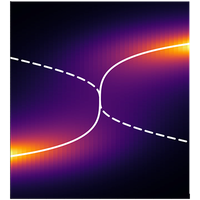
Phys. Rev. Lett. 134, 133801 (2025)
Nonlinear optics, Non-Hermitian systems
Universal Scaling Laws for a Generic Swimmer Model
Research article | Biological fluid dynamics | 2025-04-03 06:00 EDT
Bruno Ventéjou, Thibaut Métivet, Aurélie Dupont, and Philippe Peyla
We introduce a minimal model of a swimmer without body deformation based on force and torque dipoles which allows accurate and efficient 3D Navier-Stokes calculations. Our model can reproduce swimmer propulsion for a large range of Reynolds numbers and generate wake vortices in the inertial regime, reminiscent of the flow generated by the flapping tail of real fish. We perform a numerical exploration of the model from low to high Reynolds numbers and obtain universal laws using scaling arguments. Collecting data from a wide variety of microswimmers, we show that our theoretical scaling laws compare very well with experimental swimming performances across the different hydrodynamic regimes, from Stokes to turbulent flows. The simple design of our generic swimmer model paves the way for efficient large-scale simulations of hundreds of individuals, crucial for understanding collective effects within assemblies of aquatic animals.
Phys. Rev. Lett. 134, 134002 (2025)
Biological fluid dynamics, Locomotion, Swimming
Melting, Bubblelike Expansion, and Explosion of Superheated Plasmonic Nanoparticles
Research article | Laser-induced cavitation | 2025-04-03 06:00 EDT
Simon Dold et al.
We report on time-resolved coherent diffraction imaging of gas-phase silver nanoparticles, strongly heated via their plasmon resonance. The x-ray diffraction images reveal a broad range of phenomena for different excitation strengths, from simple melting over strong cavitation to explosive disintegration. Molecular dynamics simulations fully reproduce this behavior and show that the heating induces rather similar trajectories through the phase diagram in all cases, with the very different outcomes resulting solely from whether and where the stability limit of the metastable superheated liquid is crossed.
Phys. Rev. Lett. 134, 136101 (2025)
Laser-induced cavitation, Liquid-gas phase transition, Nanoclusters, Nanoparticles, Coherent X-ray scattering, Molecular dynamics, X-ray imaging
Anomalous Acoustocurrent within Quantum Hall Plateaus
Research article | Fractional quantum Hall effect | 2025-04-03 06:00 EDT
Renfei Wang, Xiao Liu, Mengmeng Wu, Yoon Jang Chung, Adbhut Gupta, Kirk W. Baldwin, Mansour Shayegan, Loren Pfeiffer, Xi Lin, and Yang Liu
We systematically study the acoustocurrent of two-dimensional electron systems in the integer and fractional quantum Hall regimes using surface acoustic waves. We are able to separate the coexisting acoustic scattering and drag, when phonons induce a drag current and tune the electron conductivity, respectively. At large acoustic power, the drag current is finite when the system is compressible and exhibits minima when incompressible quantum Hall states appear. Surprisingly, it exhibits anomalously large bipolar spikes within the quantum Hall plateaus while it vanishes linearly with reduced acoustic power at compressible phases. The current peaks reverse their polarity at the two flanks of exact integer or fractional fillings, consistent with the opposite electric charge of the quasiparticle and quasihole.
Phys. Rev. Lett. 134, 136504 (2025)
Fractional quantum Hall effect, Integer quantum Hall effect, Quantum Hall effect, Two-dimensional electron system, Surface acoustic wave
Direct Measurement of Topological Invariants through Temporal Adiabatic Evolution of Bulk States in the Synthetic Brillouin Zone
Research article | Acoustic metamaterials | 2025-04-03 06:00 EDT
Zhao-Xian Chen, Yuan-Hong Zhang, Xiao-Chen Sun, Ruo-Yang Zhang, Jiang-Shan Tang, Xin Yang, Xue-Feng Zhu, and Yan-Qing Lu
Mathematically, topological invariants arise from the parallel transport of eigenstates on the energy bands, which, in physics, correspond to the adiabatic dynamical evolution of transient states. It determines the presence of boundary states, while lacking direct measurements. Here, we develop time-varying programmable coupling circuits between acoustic cavities to mimic the Hamiltonians in the Brillouin zone, with which excitation and adiabatic evolution of bulk states are realized in a unit cell. By extracting the Berry phases of the bulk band, topological invariants, including the Zak phase for the SSH model and the Chern number for the AAH model, are obtained convincingly. The bulk state evolution also provides insight into the topological charges of the newly developed non-Abelian models, which are also verified by observing the adiabatic eigenframe rotation. Our Letter not only provides a general recipe for telling various topological invariants but also sheds light on transient acoustic wave manipulations.
Phys. Rev. Lett. 134, 136601 (2025)
Acoustic metamaterials, Topological phase transition, Topological insulators, Bloch wave theory, Non-Abelian models, Tight-binding model
Impact of Planar Defects on the Reversal Time of Single Magnetic Domain Nanoparticles
Research article | Magnetism | 2025-04-03 06:00 EDT
Hugo Bocquet, Armin Kleibert, and Peter M. Derlet
Recent experimental investigations of individual magnetic nanoparticles reveal a diverse range of magnetic relaxation times which cannot be explained by considering their size, shape, and surface anisotropy, suggesting other factors associated with the internal microstructure of the particles are at play. In this Letter, we apply Langer’s theory of thermal activation to fcc Co nanoparticles exhibiting single domain magnetism, whose experimentally observed microstructure contain planar defects. Our analytical derivation yields an expression for the activation rate as a function of the particle size and the defect fraction, enabling a quantitative understanding of the experimental findings. These dependencies, which are exponential for both the Arrhenius exponential and its prefactor, demonstrate the critical role that structural defects can play in the magnetic stability of nanoparticles.
Phys. Rev. Lett. 134, 136702 (2025)
Magnetism, Thermal properties, Nanoparticles, Landau-Lifschitz-Gilbert equation
Zeeman Split Kramers Doublets in Spin-Supersolid Candidate ${\mathrm{Na}}{2}\mathrm{BaCo}({\mathrm{PO}}{4}{)}_{2}$
Research article | Magnetic interactions | 2025-04-03 06:00 EDT
T. I. Popescu, N. Gora, F. Demmel, Z. Xu, R. Zhong, T. J. Williams, R. J. Cava, G. Xu, and C. Stock
${\mathrm{Na}}{2}\mathrm{BaCo}({\mathrm{PO}}{4}{)}{2}$ is a triangular antiferromagnet that displays highly efficient adiabatic demagnetization cooling [Junsen Xiang et al., Nature (London) 625, 270 (2024)] near a quantum critical point at ${\mu }{0}{H}{c}\sim 1.6\text{ }\text{ }\mathrm{T}$, separating a low-field magnetically disordered from a high-field fully polarized ferromagnetic phase. We apply high resolution backscattering neutron spectroscopy in an applied field to study the magnetic excitations near ${\mu }{0}{H}{c}$. At large fields we observe ferromagnetic fluctuations that gradually transition to being overdamped in energy below ${\mu }{0}{H}{c}$ where the magnetism is spatially disordered. We parametrize the excitations in the high-field polarized phase in terms of coupled Zeeman split Kramers doublets originating from the presence of spin-orbit coupling. On reducing the field, the splitting between the Kramers doublets is reduced and if done adiabatically, provides a mechanism for reducing temperature. On lowering the applied field through the ${\mu }{0}{H}_{c}$ the excitations characterize a textured phase that we suggest is inefficient for cooling. Low temperature disordered frustrated magnets built on Kramers doublets with nearby quantum critical points provide a route for efficient magnetocalorics.
Phys. Rev. Lett. 134, 136703 (2025)
Magnetic interactions, Magnetic phase transitions, Spin-orbit coupling
Topological Defect Mediated Helical Phase Reorientation by Uniaxial Stress
Research article | Defects | 2025-04-03 06:00 EDT
Tae-Hoon Kim, Haijun Zhao, Brandt A. Jensen, Liqin Ke, and Lin Zhou
Strain engineering enables precise, energy-efficient control of nanoscale magnetism. However, unlike well-studied strain-dislocation interactions in mechanical deformation, the spatial evolution of strain-induced spin rearrangement remains poorly understood. Using in situ Lorentz transmission electron microscopy, we manipulate and observe helical domain reorientation under quantitatively applied uniaxial tensile stress. Our findings reveal striking similarity to plastic deformation in metals, where the critical stress for propagation vector ($\mathbit{Q}$) reorientation depends on its angle with the stress direction. Magnetic defects mediate reorientation via ‘’break-and-reconnect’’ or ‘’dislocation gliding–annihilation’’ processes. Simulations confirm that strain-induced anisotropic Dzyaloshinskii-Moriya interaction may play a key role. These insights advance strain-driven magnetism and offer a promising route for energy-efficient magnetic nanophase control in next-generation information technology.
Phys. Rev. Lett. 134, 136704 (2025)
Defects, Magnetic anisotropy, Magnetic interactions, Magnetic order, Magnetic texture, Magnetism, Micromagnetism, Microstructure, Topological materials
Domain Wall Reactions in Multiple-Order Parameter Ferroelectrics
Research article | Domain wall motion | 2025-04-03 06:00 EDT
Songsong Zhou, Shihan Qin, and Andrew M. Rappe
Ferroelectric polarization switching resembles a chemical reaction where domain walls undergo synthesis, decomposition, and exchange reactions.
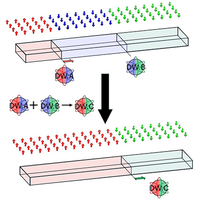
Phys. Rev. Lett. 134, 136802 (2025)
Domain wall motion, Ferroelectricity, Ferroelectrics, First-principles calculations
Bound States to Bands in the Continuum in Cylindrical Granular Crystals
Research article | Bound states in the continuum | 2025-04-03 06:00 EDT
Yeongtae Jang, Seokwoo Kim, Dongwoo Lee, Eunho Kim, and Junsuk Rho
We theoretically investigate and experimentally demonstrate that genuine bound states in the continuum (BICs)—polarization-protected BICs—can be completely localized within compact solid resonators. This bound mode is realized in a highly tunable mechanical system made of cylindrical granular crystals, where tuning the contact boundaries enables the in situ transition from the BICs to quasi-BICs in a controllable manner. Since a single-particle resonator can itself support BICs, these bound states can extend to form bound bands within periodic structures composed of such resonators. We experimentally demonstrate the emergence of a quasibound (flat) band in a finite chain with broken resonator symmetry, using a laser Doppler vibrometer. Remarkably, we show that all cylindrical resonators within the entire chain exhibit high-$Q$ and dispersionless resonance.
Phys. Rev. Lett. 134, 136901 (2025)
Bound states in the continuum, Mechanical metamaterials
Electromagnetic Raman Enhancement Beyond Gap Limit
Research article | Light-matter interaction | 2025-04-03 06:00 EDT
Qi-hang Zhang, Kai Liu, Kang Qin, Shao-jie Fu, Jun Du, Yan-qing Lu, Yong-yuan Zhu, Yan-feng Chen, and Xue-jin Zhang
A new electromagnetic enhancement mechanism of surface-enhanced Raman scattering (SERS) provides larger values of the SERS enhancement factor and also makes possible the measurement of large molecules, such as biological macromolecules.
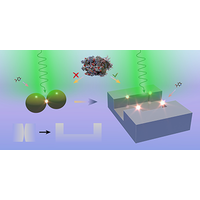
Phys. Rev. Lett. 134, 136902 (2025)
Light-matter interaction, Metamaterials, Near-field optics, Plasmonics
Active Fluids Form System-Spanning Filamentary Networks
Research article | Dynamics of phase separation | 2025-04-03 06:00 EDT
Paarth Gulati, Fernando Caballero, and M. Cristina Marchetti
Recent experimental realizations of liquid-liquid phase separation of active liquid crystals have offered an insight into the interaction between phase separation, ubiquitous in soft matter and biology, and chaotic active flows. In this Letter, we use continuum theory to examine phase separation of an active liquid crystal and a passive fluid and report two new results. First, we provide an analytical derivation of the activity-induced suppression of the phase boundary of the coexistence region—a result first reported in simulations and experiments. We show that the shift in the critical point is a result of the balance between self-stirring active flows and phase-separating diffusive fluxes. Second, we show that this same balance is responsible for dramatically changing the morphology of the phase separated state, resulting in the emergence of a new mixed active phase consisting of a dynamical filamentous active network that invades the entire system area, trapping droplets of passive material. This structure exists even for very low volume fractions of active material. Our work provides an important step towards the goal of understanding how to use activity as a new handle for sculpting interfaces.
Phys. Rev. Lett. 134, 138301 (2025)
Dynamics of phase separation, Active nematics
Epithelial Layer Fluidization by Curvature-Induced Unjamming
Research article | Cell migration | 2025-04-03 06:00 EDT
Margherita De Marzio, Amit Das, Jeffrey J. Fredberg, and Dapeng Bi
The transition of an epithelial layer from a stationary, quiescent state to a highly migratory, dynamic state is required for wound healing, development, and regeneration. This transition, known as the unjamming transition (UJT), is responsible for epithelial fluidization and collective migration. Previous theoretical models have primarily focused on the UJT in flat epithelial layers, neglecting the effects of strong surface curvature characteristic of the epithelium in vivo. In this Letter, we investigate the role of surface curvature on tissue plasticity and cellular migration using a vertex model embedded on a spherical surface. Our findings reveal that increasing curvature promotes the UJT by reducing the energy barriers to cellular rearrangements. Higher curvature favors cell intercalation, mobility, and self-diffusivity, resulting in epithelial structures that are malleable and migratory when small, but become more rigid and stationary as they grow. Together, these results provide a conceptual framework to better understand how cell shape, cell propulsion, and tissue geometry contribute to tissue malleability, remodeling, and stabilization.
Phys. Rev. Lett. 134, 138402 (2025)
Cell migration, Jamming, Morphogenesis, Epithelial cells, Tissues
Physical Review X
Passive Environment-Assisted Quantum Communication with GKP States
Research article | Quantum channels | 2025-04-03 06:00 EDT
Zhaoyou Wang and Liang Jiang
Specially structured quantum states enable direct quantum communication through highly lossy channels, overcoming conventional limits. This approach could enhance quantum networks and transduction efficiency.
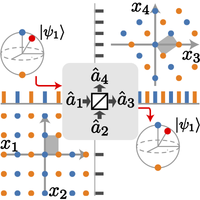
Phys. Rev. X 15, 021003 (2025)
Quantum channels, Quantum error correction, Quantum information processing with continuous variables, Quantum information with hybrid systems
arXiv
Intermittent shot noise generating 1/f fluctuations
New Submission | Statistical Mechanics (cond-mat.stat-mech) | 2025-04-04 20:00 EDT
When the rate of shot noise is controlled by on-off states we speak of intermittent shot noise. The on-off states lead to alternately occurring clusters of events and intermissions, respectively. We derive the power spectrum of the intermittent shot noise by applying the Wiener-Khinchin theorem. Besides reduced shot noise, we obtain excess noise, which depends on the parameters of the on-off states. We calculate the excess noise for power-law distributed on-states; within the scaling region, the excess noise is excellently approximated by C/f^b. The behavior of the slope b and of the amplitude C in dependence of the on-off times is investigated. For large scaling regions we find a preference for a pure 1/f shape. Finally, we regard the variance of events occurring within a time interval. In the presence of 1/f fluctuations, the variance of counts attains extreme values which are accompanied by an extreme property of slope b.
Statistical Mechanics (cond-mat.stat-mech)
13 pages, 13 figures, research paper
Investigation of electronic energy levels in a weak ferromagnetic oxygen-deficient BiFeO2.85 thick film using absorption and X ray photoelectron spectroscopic studies
New Submission | Materials Science (cond-mat.mtrl-sci) | 2025-04-04 20:00 EDT
Ramachandran Balakrishnan, Ambesh Dixit, Mamidanna Sri Ramachandra Rao
We grew a 2 micron thick film of single-phase BiFeO3 on a Si (100) substrate by pulsed laser deposition with a substrate temperature of 575 oC and an oxygen partial pressure of 0.06 mbar. X ray diffraction analysis indicated that the film exhibits textured growth along the (110) plane and possesses a rhombohedral R3c structure. Investigations using scanning electron microscopy and atomic force microscopy revealed an average grain size of about 300 nm and a surface roughness of 18 nm for the film. Energy dispersive X ray analysis estimated the composition of the film to be BiFeO2.85. Temperature- and magnetic field dependent magnetization measurements demonstrated weak ferromagnetic properties in the BiFeO2.85 film, with a non-zero spontaneous magnetization at H = 0 Oe across the temperature range of 2 to 300 K. Furthermore, the exchange bias field (HEB) of the film changed from the positive exchange bias field (+HEB = +6.45 Oe) at 200 K to a negative field (-HEB = -8.12 Oe) at 100 K, indicating a shift in macroscopic magnetism from antiferromagnetic to weak ferromagnetic order below 200 K. Elemental analysis via X-ray photoelectron spectroscopy revealed that the Fe ions in the BiFeO2.85 film are in a 3+ valence state, and a peak feature at 532.1 eV confirmed the presence of induced oxygen vacancies. UV visible NIR and valence band spectroscopic studies showed that the direct band-gap energy, and the separation between the valence band maximum and Fermi energy were approximately 2.27 eV and 0.9 eV, respectively, which are red-shifted when compared to its bulk form.
Materials Science (cond-mat.mtrl-sci)
39 pages, 13 figures, Accepted for publication in Surface and Interface Analysis Journal
Negative and positive anisotropic thermal expansion in 2D fullerene networks
New Submission | Mesoscale and Nanoscale Physics (cond-mat.mes-hall) | 2025-04-04 20:00 EDT
We find a design principle for tailoring thermal expansion properties in molecular networks. Using 2D fullerene networks as a representative system, we realize positive thermal expansion along intermolecular double bonds and negative thermal expansion along intermolecular single bonds by varying the structural frameworks of molecules. The microscopic mechanism originates from a combination of the framework’s geometric flexibility and its transverse vibrational characteristics. Based on this insight, we find molecular networks beyond C$ _{60}$ with tunable thermal expansion. These findings shed light on the fundamental mechanisms governing thermal expansion in molecular networks towards rational materials design.
Mesoscale and Nanoscale Physics (cond-mat.mes-hall), Materials Science (cond-mat.mtrl-sci), Atomic and Molecular Clusters (physics.atm-clus), Chemical Physics (physics.chem-ph), Computational Physics (physics.comp-ph)
6 pages, 4 figures
Grotthuss-type oxygen hole polaron transport in desodiated Na$_{2}$Mn$_3$O$_7$
New Submission | Materials Science (cond-mat.mtrl-sci) | 2025-04-04 20:00 EDT
Polarons are quasiparticles that arise from the coupling of electrons or holes with ionic vibrations in polarizable materials. Typically, they are either localized at a single atomic site or delocalized over multiple sites. However, after the desodiation of Na$ _{2}$ Mn$ _{3}$ O$ _{7}$ , we identify a rare split-hole polaron, where a single hole is shared between two adjacent oxygen atoms rather than fully localized or delocalized. We present a density functional theory (DFT) study on the migration and transport properties of these oxygen hole polarons in NaMn$ _{3}$ O$ _{7}$ and Na$ _{1.5}$ Mn$ _{3}$ O$ _{7}$ . Our calculations reveal that the split polaron configuration near a sodium vacancy is the ground state, while the localized polaron acts as the transition state. Migration occurs via a stepwise charge transfer mechanism along the $ b$ -axis, where the split-hole polaron transitions through a localized hole state. This transport behavior closely resembles the Grotthuss mechanism, which describes proton transport in H$ {2}$ O. We compute the polaron mobility as $ \mu$ = 1.37 $ \times$ 10$ ^{-5}$ cm$ ^2$ /(V$ \cdot$ s) with an energy barrier of 242 meV. Using the Mulliken-Hush theory, we determine the electronic coupling parameter $ V{AB}$ = 0.87 eV. A similar migration mechanism is observed in Na$ _{1.5}$ Mn$ _{3}$ O$ _{7}$ , where the split polaron remains more stable than in the localized state. This study provides the first theoretical investigation of split-hole polaron migration, offering new insights into the charge transport of exotic polaronic species in materials with implications for a wide range of functional materials including battery cathodes, thermoelectrics, photocatalysts, and next-generation optoelectronic devices.
Materials Science (cond-mat.mtrl-sci)
One-dimensional conduction channels in the correlated Mott NiS2 arising from obstructed Wannier charges
New Submission | Strongly Correlated Electrons (cond-mat.str-el) | 2025-04-04 20:00 EDT
Mikel Iraola, Haojie Guo, Fabio Orlandi, Sebastian Klemenz, Martina Soldini, Sandra Sajan, Pascal Manuel, Jeroen van den Brink, Titus Neupert, Miguel M. Ugeda, Leslie M. Schoop, Maia G. Vergniory
NiS2, a compound characterized by its pyrite structure, uniquely bridges the realms of strong correlation physics and topology. While bulk NiS2 is known to be a Mott or charge-transfer insulator, its surface displays anomalous metallic behavior and finite conductivity. Using high-resolution neutron scattering data and symmetry analysis, we propose a refined description of NiS2’s magnetic phases by introducing a novel model for its ground state. Combined with high-resolution scanning tunneling microscopy and spectroscopy (STM/STS), we unveil the presence of edge states in both Ni- and S-terminated surfaces, which exhibit remarkable resilience to external magnetic fields. Although both types of edge states exhibit similar properties, only the edge states at the Ni termination populate the vicinity of the Fermi level and, therefore contribute to the surface conductivity. Utilizing ab initio methods combined with a topological quantum chemistry analysis, we attribute these edge states to obstructed atomic charges originating from bulk topology. Overall, this work not only deepens our understanding of NiS2 but also lays a robust experimental and theoretical foundation for further exploration of the interplay between one-dimensional step-edge states and the Wannier obstruction in correlated materials.
Strongly Correlated Electrons (cond-mat.str-el)
Engineering 2D Surface Patterns with the VicCa Model
New Submission | Materials Science (cond-mat.mtrl-sci) | 2025-04-04 20:00 EDT
Marta A. Chabowska, Magdalena A. Załuska-Kotur
We employed the VicCA model to investigate the influence of step-edge potential on nucleation and pattern formation, aiming to gain deeper insights into island formation and growth. Our study explores fractal structures governed by general cellular automaton (CA) rules, as well as compact structures shaped by density-dependent attachment mechanisms. We demonstrate that modifications to the CA framework have a significant impact on surface patterning, emphasizing the critical role of adatom attachment rules and the substantial effect of potential well depth on the resulting surface morphology.
Materials Science (cond-mat.mtrl-sci)
17 pages, 7 figures, submitted to J. Cryst. Growth
Topological Phase Transition in the Two-Leg Hubbard Model: Emergence of the Haldane Phase via Diagonal Hopping and Strong Interactions
New Submission | Strongly Correlated Electrons (cond-mat.str-el) | 2025-04-04 20:00 EDT
João Pedro Gama D’Elia, Thereza Paiva
We investigate the two-leg Hubbard model with diagonal hopping to explore the interplay between geometrical frustration and strong electron-electron interactions. Using the Density Matrix Renormalization Group (DMRG) method, we demonstrate the emergence of a topological Haldane phase, which results explicitly from the complementary effects of diagonal hopping-induced frustration and strong on-site Coulomb repulsion. The topological phase transition from a trivial insulator to the nontrivial Haldane phase is characterized by significant changes in magnetic properties, edge correlations, and the appearance of a nonzero string order parameter. Furthermore, we confirm the topological nature of this phase through a detailed analysis of the spin gap and entanglement spectrum, demonstrating clear signatures of symmetry-protected topological order.
Strongly Correlated Electrons (cond-mat.str-el), Quantum Gases (cond-mat.quant-gas)
12 pages, 16 figures
Exploring non-collinear magnetic ground states in tetragonal Mn$_2$-based Heusler compounds
New Submission | Materials Science (cond-mat.mtrl-sci) | 2025-04-04 20:00 EDT
Jorge Cardenas-Gamboa, Edouard Lesne, Arthur Ernst, Maia G. Vergniory, Paul McClarty, Claudia Felser
Heusler compounds constitute a large family of intermetallic materials notable for their wide variety of properties such as magnetism, multi-ferroicity, nontrivial band topology, superconductivity and so on. Among their magnetic properties one finds a tremendous variety of states from simple ferromagnetism to skyrmion crystals. In most Mn$ _2$ -based Heuslers the magnetism is typically collinear. An exception is Mn$ _2$ RhSn in which an unusual ground state with magnetic canting and a temperature-induced spin re-orientation into the collinear ferrimagnetic phase has been reported from experiments. In this work, we employ first-principles calculations and mean field theory to provide a simple account of the unusual phase diagram in this magnet. We also highlight Weyl points in the computed band structure of \mrs\ and the resulting Fermi arcs.
Materials Science (cond-mat.mtrl-sci)
8 pages, 6 figures
Homes’ Law and Universal Planckian Relaxation
New Submission | Strongly Correlated Electrons (cond-mat.str-el) | 2025-04-04 20:00 EDT
A. Shekhter, M. K. Chan R. D. McDonald, N. Harrison
According to Zaanen’s interpretation of Homes’ empirical law~[Zaanen, {\it Nature} {\bf 430}, 512 (2004)], the superconducting transition temperatures in the cuprates are high because their metallic states are as viscous as quantum mechanics permits. Here, we show that Homes’ law in fact implies three key points: (i) the resistivity is linear in temperature in the normal state near the transition temperature; (ii) the dimensionless coefficient of proportionality of the relaxation rate with temperature is of order unity – the so-called universal Planckian relaxation rate; and (iii) the logarithmically broad applicability of this law arises from an unusually wide range of effective masses throughout the cuprate phase diagram. In fact, a universal Planckian relaxation rate implies Homes’ law only if the mechanism of mass renormalization is independent of the Planckian relaxation.
Strongly Correlated Electrons (cond-mat.str-el)
3 pages and 1 figure
Decoupling Coherent and Particle-like Phonon Transport through Bonding Hierarchy in Soft Superionic Crystals
New Submission | Materials Science (cond-mat.mtrl-sci) | 2025-04-04 20:00 EDT
Wenjie Xiong, Hao Huang, Yu Wu, Xinji Xu, Geng Li, Zonglin Gu, Shuming Zeng
Within the framework of the unified theory thermal transport model, the competing contributions of coherent and incoherent terms create a trade-off relationship, posing substantial challenges to achieving a reduction in overall $ \rm \kappa_L$ . In this work, we theoretically demonstrate that the superionic crystals X$ _6$ Re$ _6$ S$ _8$ I$ _8$ (X = Rb, Cs) exhibit ultralow glass-like and particle-like thermal conductivities. The weak interactions between free alkali metal ions X$ ^+$ (X = Rb, Cs) and I$ ^-$ anions induce pronounced lattice anharmonicity, which enhances phonon scattering and suppresses group velocities, thereby reducing the particle-like thermal conductivity ($ \rm \kappa_p$ ). Concurrently, the significant bonding heterogeneity within the [Re$ _6$ S$ _8$ I$ _6$ ]$ ^{4-}$ clusters promotes phonon dispersion flattening and low-frequency phonon localization. The resulting discretized phonon flat bands substantially diminish the glass-like thermal conductivity ($ \rm \kappa_c$ ). At room temperature, the total $ \rm \kappa_L$ of X$ _6$ Re$ _6$ S$ _8$ I$ _8$ (X = Rb, Cs) falls below 0.2 Wm$ ^{-1}$ K$ ^{-1}$ . Furthermore, the bonding characteristics between X$ ^+$ and I$ ^{-1}$ anions induce an anomalous cation mass-independent stiffening of low-frequency phonon branches in this system, resulting in counterintuitive thermal transport behavior. This work elucidates fundamental mechanisms governing heat transfer in ultralow $ \rm \kappa_L$ materials and establishes novel pathways for transcending conventional thermal conductivity limitations.
Materials Science (cond-mat.mtrl-sci)
Frequency Dependent Magnetic Susceptibility and the $q^2$ effective conductivity tensor
New Submission | Mesoscale and Nanoscale Physics (cond-mat.mes-hall) | 2025-04-04 20:00 EDT
We apply a microscopic formalism for the calculation of material response properties to the problem of the generalization of a first-principles, i.e based on the energy spectrum and geometric properties of the Bloch functions, derivation of the AC magnetic susceptibility. We find that the AC susceptibility forms only a part of the $ q^2$ – where $ q$ is the wavevector of the applied field – effective conductivity tensor, and many additional response tensors characterizing both electric and magnetic multipole moments response to electromagnetic fields and their derivatives must be included to create the full gauge-invariant response. As was seen with the DC magnetic susceptibility and optical activity (characterized by the linear in $ q$ contribution to the conductivity) one must be careful with the diagonal elements of the Berry connection. To our knowledge this is the only derivation of such a result general for crystalline insulators, with both atomic like' contributions and itinerant contributions’ due to overlap of atomic orbitals and non-flat bands. Additionally, quantities familiar from quantum geometry like the Berry connection, curvature, and quantum metric appear extensively.
Mesoscale and Nanoscale Physics (cond-mat.mes-hall)
Experimental evidence of non-equilibrium phase separation in supercritical fluids
New Submission | Soft Condensed Matter (cond-mat.soft) | 2025-04-04 20:00 EDT
Juho Lee, Yeonguk Kim, Jong Dae Jang, Changwoo Do, Min Young Ha, Gunsu Yun
Supercritical fluids (SCFs) have long been considered homogeneous and structureless, yet recent studies suggest the existence of transient, liquid-like clusters under dynamic processes. In this study, we provide experimental evidence of semi-stable non-equilibrium phase separation in SCFs through opacity measurements and small-angle neutron scattering (SANS). By investigating the thermophysical properties of helium, argon, and krypton during adiabatic expansion, we show that cooling dynamics vary significantly among species, influencing cluster formation. Neutron scattering measurements reveal distinct variations in signal intensity, supporting that the clusters slowly dissolve into the background with a surprisingly long time scale of tens of minutes. Given that SCFs in industrial applications frequently experience dynamic, non-equilibrium conditions rather than in strict thermodynamic equilibrium, our results provide crucial insights with potential implications for advanced material processing, energy systems, and chemical engineering.
Soft Condensed Matter (cond-mat.soft)
17 pages, 6 figures
Extended Hybridization Expansion Solver for Impurity Models with Retarded Interactions
New Submission | Strongly Correlated Electrons (cond-mat.str-el) | 2025-04-04 20:00 EDT
Lei Gu, Jia Luo, Ruqian Wu, Guoping Zhao
We extend the continuous-time hybridization expansion solver to a general form, where the hybridization function and retarded interaction are treated on equal footing. Correlation functions can now be directly obtained via functional derivatives with respect to the bosonic propagators, similar to the measurement of Green’s functions. We devise a combinatorial scheme of measuring the correlation function, whose efficiency partially emulates that of the Green’s function measurement. The algorithm and numerical methods are validated through application to an impurity model involving both electron-phonon coupling and exchange interactions, a case where the previous hybridization expansion algorithm is not applicable. Our improvement of the hybridization expansion solver promotes its applicability in studies of electron-phonon coupling, the extended dynamical mean field theory, and the dual boson method.
Strongly Correlated Electrons (cond-mat.str-el), Materials Science (cond-mat.mtrl-sci)
22 pages, 5 figures
Two-stage evolution of magnetic correlations in spiral spin liquid material, Ca${10}$Cr${7}$O$_{28}$
New Submission | Strongly Correlated Electrons (cond-mat.str-el) | 2025-04-04 20:00 EDT
Changhyun Koo, Jaena Park, Johannes Werner, Suheon Lee, Christian Balz, A.T.M. Nazmul Islam, Yugo Oshima, Bella Lake, Kwang-Yong Choi, Rüdiger Klingeler
We present an X-band and tunable high-frequency/high-field electron spin resonance (HF-ESR) study of single-crystalline Ca$ _{10}$ Cr$ {7}$ O$ {28}$ , which constitutes alternating antiferromagnetic and ferromagnetic kagome bilayers. At high temperatures, a phonon-assisted relaxation process is evoked to account for the pronounced increase of the linewidth in an exchange-narrowing regime ($ k{\rm B}T\gg J$ ). In contrast, at low temperatures ($ k{\rm B}T\lesssim J$ ), a power-law behavior in line narrowing is observed. Our data reveal two distinct power-law regimes for the linewidth which crossover at $ T^\ast\approx 7.5$ ~K. Notably, the intriguing evolution of the ESR linewidth in this alternating kagome bilayer system with opposite sign of exchange interactions highlights distinct spin dynamics compared to those in a uniform kagome antiferromagnet.
Strongly Correlated Electrons (cond-mat.str-el)
7 pages, 6 figures
Phys. Rev. B 111, 125144 (2025)
In situ and real-time ultrafast spectroscopy of photoinduced reactions in perovskite nanomaterials
New Submission | Mesoscale and Nanoscale Physics (cond-mat.mes-hall) | 2025-04-04 20:00 EDT
Gi Rim Han, Mai Ngoc An, Hyunmin Jang, Noh Soo Han, JunWoo Kim, Kwang Seob Jeong, Tai Hyun Yoon, Minhaeng Cho
Employing two synchronized mode-locked femtosecond lasers and interferometric detection of the pump-probe spectra – referred to as asynchronous and interferometric transient absorption (AI-TA) – we have developed a method for broad dynamic range and rapid data acquisition. Using AI-TA, we examined photochemical changes during femtosecond pump-probe experiments on all-inorganic cesium lead halide nanomaterials, including perovskite nanocrystals (PeNCs) and nanoplatelets (PeNPLs). The laser pulse train facilitates photoreactions while allowing real-time observation of charge carrier dynamics. In PeNCs undergoing halide anion photo-substitution, transient absorption spectra showed increasing bandgap energy and faster relaxation dynamics as the Cl/Br ratio increased. For colloidal PeNPLs, continuous observation revealed both spectral and kinetic changes during the light-induced coalescence of nanoplatelets, by analyzing temporal segments. This integrated technique not only deepens understanding of exciton dynamics and environmental influences in perovskite nanomaterials but also establishes AI-TA as a transformative tool for real-time observation of photochemical dynamics.
Mesoscale and Nanoscale Physics (cond-mat.mes-hall), Materials Science (cond-mat.mtrl-sci), Chemical Physics (physics.chem-ph)
Exact characterization of anisotropic properties in confined hard-sphere systems
New Submission | Soft Condensed Matter (cond-mat.soft) | 2025-04-04 20:00 EDT
We investigate a quasi-one-dimensional (Q1D) system of hard spheres confined within a cylindrical pore so narrow that only nearest-neighbor interactions are possible. By mapping the Q1D system onto a one-dimensional polydisperse mixture of nonadditive hard rods, we obtain exact thermodynamic and structural properties, including the radial distribution function, which had remained elusive in previous studies. We derive analytical expressions for limiting cases, such as small pore diameters, virial coefficients, and extreme pressures. Additionally, we identify a transition in the anisotropic pressure components, where the transverse pressure surpasses the longitudinal one at high densities if the pore diameter exceeds a critical threshold. Finally, we analyze spatial correlations in particle arrangements and fluctuations in radial positioning, providing insight into the emergence of ordering in confined systems.
Soft Condensed Matter (cond-mat.soft), Statistical Mechanics (cond-mat.stat-mech), Classical Physics (physics.class-ph)
15 pages, 8 figures
CrystalFormer-RL: Reinforcement Fine-Tuning for Materials Design
New Submission | Materials Science (cond-mat.mtrl-sci) | 2025-04-04 20:00 EDT
Reinforcement fine-tuning has instrumental enhanced the instruction-following and reasoning abilities of large language models. In this work, we explore the applications of reinforcement fine-tuning to the autoregressive transformer-based materials generative model CrystalFormer (arXiv:2403.15734) using discriminative machine learning models such as interatomic potentials and property prediction models. By optimizing reward signals-such as energy above the convex hull and material property figures of merit-reinforcement fine-tuning infuses knowledge from discriminative models into generative models. The resulting model, CrystalFormer-RL, shows enhanced stability in generated crystals and successfully discovers crystals with desirable yet conflicting material properties, such as substantial dielectric constant and band gap simultaneously. Notably, we observe that reinforcement fine-tuning enables not only the property-guided novel material design ability of generative pre-trained model but also unlocks property-driven material retrieval from the unsupervised pre-training dataset. Leveraging rewards from discriminative models to fine-tune materials generative models opens an exciting gateway to the synergies of the machine learning ecosystem for materials.
Materials Science (cond-mat.mtrl-sci), Machine Learning (cs.LG), Computational Physics (physics.comp-ph)
8 pages, 6 figures
Weak Itinerant Ferromagnetism (WIFM) in MAX phase compound Cr${1.9}$Fe${0.1}$GeC
New Submission | Strongly Correlated Electrons (cond-mat.str-el) | 2025-04-04 20:00 EDT
Suman Mondal, Mohamad Numan, Kurt Kummer, Sawada Masahiro, Subham Majumdar
Magnetic MAX phase compounds are important materials for studying the two-dimensional magnetism because of their layered crystallographic structure. The hexagonal MAX phase compound Cr$ _2$ GeC is a Pauli paramagnet, and here we report the induction of an ordered magnetic state by doping Fe at the Cr site. Induced magnetism for small doping concentrations (indicated as 5% and 2.5%) is found to have a weak itinerant ferromagnetic character. The Rhodes-Wolhfarth ratio is found to be 13.29, while the coefficient of electronic heat capacity ($ \Gamma$ ) is 27 mJ-mol$ ^{-1}$ K$ ^{-2}$ for Cr$ _{1.9}$ Fe$ _{0.1}$ GeC. Our x-ray magnetic circular dichorism measurement confirms that the magnetic moment arises from the Fe atom only, and Cr has negligible contribution towards the ordered moment. Our critical analysis indicates that the magnetic phase transition in Cr$ _{1.9}$ Fe$ _{0.1}$ GeC follows mean field theory.
Strongly Correlated Electrons (cond-mat.str-el)
Response of magnetic particle to rotating magnetic field in viscoelastic fluid
New Submission | Soft Condensed Matter (cond-mat.soft) | 2025-04-04 20:00 EDT
Han Gao, Zhiyuan Zhao, Masao Doi, Ye Xu
The rotational dynamics of a freely suspended ferromagnetic particle in viscoelastic fluid subjected to a rotating magnetic field is studied by experiments and theory. Our result reveals that when the characteristic relaxation time of the fluid is much smaller than the inverse critical field frequency, the particle’s rotation behavior aligns with that in Newtonian fluids. Increasing the relaxation time enhances the time-averaged rotation frequency of the particle that undergo asynchronous rotation. Moreover, the critical frequency is shown to scale linearly with the magnetic field intensity and inversely with the fluid’s zero-shear viscosity. Our work is expected to guide precise manipulation of ferromagnetic particles in biomedical systems where viscoelastic environments dominate.
Soft Condensed Matter (cond-mat.soft), Fluid Dynamics (physics.flu-dyn)
Dislocation-density based crystal plasticity: stability and attractors in slip rate driven processes
New Submission | Materials Science (cond-mat.mtrl-sci) | 2025-04-04 20:00 EDT
Jalal Smiri, Oğuz Umut Salman, Ioan R. Ionescu
Dislocation-density based crystal plasticity (CP) models are introduced to account for the microstructral changes throughout the deformation process, enabling more quantitative predictions of the deformation process compared to slip-system resistance-based plasticity models. In this work, we present a stability analysis of slip rate driven processes for some established dislocation density-based models, including the Kocks and Mecking (KM) model and its variants. Our analysis can be generalized to any type of dislocation density model, providing a broader framework for understanding the stability of such systems. Interestingly, we demonstrate that even size-independent models can exhibit size-dependent effects through variations in initial dislocation density. Notably, the initial dislocation density significantly influences material hardening or softening responses. To further explore these phenomena, we conduct numerical simulations of micro-pillar compression using an Eulerian crystal plasticity framework. Our results show that dislocation-density-based CP models effectively capture microstructural evolution in small-scale materials, offering critical insights for the design of miniaturized mechanical devices and advanced materials in nanotechnology.
Materials Science (cond-mat.mtrl-sci), Mesoscale and Nanoscale Physics (cond-mat.mes-hall), Computational Physics (physics.comp-ph)
Designing optimal elastic filaments for viscous propulsion
New Submission | Soft Condensed Matter (cond-mat.soft) | 2025-04-04 20:00 EDT
Mariia Dvoriashyna, Eric Lauga
The propulsion of many eukaryotic cells is generated by flagella, flexible slender filaments that are actively oscillating in space and time. The dynamics of these biological appendages have inspired the design of many types of artificial microswimmers. The magnitude of the filament’s viscous propulsion depends on the time-varying shape of the filament, and that shape depends in turn on the spatial distribution of the bending rigidity of the filament. In this work, we rigorously determine the relationship between the mechanical (bending) properties of the filament and the viscous thrust it produces using mathematical optimisation. Specifically, by considering a model system (a slender elastic filament with an oscillating slope at its base), we derive the optimal bending rigidity function along the filament that maximises the time-averaged thrust produced by the actuated filament. Instead of prescribing a specific functional form, we use functional optimisation and adjoint-based variational calculus to formally establish the link between the distribution of bending rigidity and propulsion. The optimal rigidities are found to be stiff near the base, and soft near the distal end, with a spatial distribution that depends critically on the constraints used in the optimisation procedure. These findings may guide the optimal design of future artificial swimmers.
Soft Condensed Matter (cond-mat.soft), Biological Physics (physics.bio-ph)
Finite steady-state current defies non-Hermitian many-body localization
New Submission | Disordered Systems and Neural Networks (cond-mat.dis-nn) | 2025-04-04 20:00 EDT
Pietro Brighi, Marko Ljubotina, Federico Roccati, Federico Balducci
Non-Hermitian many-body localization (NH MBL) has emerged as a possible scenario for stable localization in open systems, as suggested by spectral indicators identifying a putative transition for finite system sizes.
In this work, we shift the focus to dynamical probes, specifically the steady-state spin current, to investigate transport properties in a disordered, non-Hermitian XXZ spin chain. Through exact diagonalization for small systems and tensor-network methods for larger chains, we demonstrate that the steady-state current remains finite and decays exponentially with disorder strength, showing no evidence of a transition up to disorder values far beyond the previously claimed critical point. Our results reveal a stark discrepancy between spectral indicators, which suggest localization, and transport behavior, which indicates delocalization. This highlights the importance of dynamical observables in characterizing NH MBL and suggests that traditional spectral measures may not fully capture the physics of non-Hermitian systems.
Additionally, we observe a non-commutativity of limits in system size and time, further complicating the interpretation of finite-size studies. These findings challenge the existence of NH MBL in the studied model and underscore the need for alternative approaches to understand localization in non-Hermitian settings.
Disordered Systems and Neural Networks (cond-mat.dis-nn), Statistical Mechanics (cond-mat.stat-mech), Quantum Physics (quant-ph)
Optimal first-passage times of active Brownian particles under stochastic resetting
New Submission | Soft Condensed Matter (cond-mat.soft) | 2025-04-04 20:00 EDT
Yanis Baouche, Christina Kurzthaler
We study the first-passage-time (FPT) properties of an active Brownian particle under stochastic resetting to its initial configuration, comprising its position and orientation, to reach an absorbing wall in two dimensions. Coupling a perturbative approach for low Péclet numbers, measuring the relative importance of self-propulsion with respect to diffusion, with the renewal framework for the stochastic resetting process, we derive analytical expressions for the survival probability, the FPT probability density, and the associated low-order moments. Depending on their initial orientation, the minimal mean FPT for active particles to reach the boundary can both decrease and increase relative to the passive counterpart. The associated optimal resetting rates depend non-trivially on the initial distance to the boundary due to the intricate interplay of resetting, rotational Brownian noise, and active motion.
Soft Condensed Matter (cond-mat.soft), Statistical Mechanics (cond-mat.stat-mech), Biological Physics (physics.bio-ph)
Rigid m-percolation in limited-valence gels
New Submission | Soft Condensed Matter (cond-mat.soft) | 2025-04-04 20:00 EDT
J. C. Neves, J. M. Tavares, N. A. M. Araújo, C. S. Dias
Determining the onset of rigidity in gels is a fundamental challenge with significant practical implications across different applications. Limited-valence, or patchy-particle systems have proven to be a valuable model to study the relationship between microscopic interactions and macroscopic mechanical properties. It has been suggested that the emergence of rigidity coincides with the formation of an infinitely spanning cluster of particles with at least three bonds. This work explores this hypothesis, its implications, and its broader applicability across a range of system parameters, by associating the emergence of rigidity with m-percolation transition for m=3. The properties of m-percolation are developed using a mean-field theoretical approach validated with numerical simulations, and used to build phase and rigidity diagrams for different particle valences of both single-component systems and binary mixtures of patchy particles. The difference between connectivity and rigidity percolation thresholds is found to reduce with increasing valence, providing an explanation for the challenges encountered in experimental attempts to distinguish isotropic connectivity percolation from the onset of rigidity. For binary mixtures, we found a robust minimum average valence, below which the gel is never rigid.
Soft Condensed Matter (cond-mat.soft)
Tilted dipolar bosons in the quasi-2D regime: from liquid stripes to droplets
New Submission | Quantum Gases (cond-mat.quant-gas) | 2025-04-04 20:00 EDT
We characterize a system of tilted dipoles in a quasi two-dimensional (flattened) geometry and in the thermodynamic limit. We consider a finite trapping in the z-axis achievable in current experiments. We compute the phase diagram of the system at its equilibrium density for high tilting angles, where it becomes self-bound, and a striped liquid state emerges. To characterize the system, we perform a variational calculation, which is benchmarked with the solution of the extended Gross-Pitaevskii equation. We connect the phenomenology in the thermodynamic limit to the physics of the finite-size system, provide parameters for the realization of potentially supersolid striped states and study the critical number for dipolar droplet formation. Our results are helpful to guide potential experiments in the study of dipolar atoms in quasi two-dimensional geometries in the dipole-dominated regime.
Quantum Gases (cond-mat.quant-gas)
12 pages, 11 figures
An all-electrical scheme for valley polarization in graphene
New Submission | Mesoscale and Nanoscale Physics (cond-mat.mes-hall) | 2025-04-04 20:00 EDT
Sachchidanand Das, Abhiram Soori
We propose an all-electrical setup for achieving valley polarization in graphene. The setup consists of a finite graphene sheet connected to normal metal electrodes on both sides, with the junctions aligned along the zigzag edges while the armchair edges remain free. Each normal metal has two terminals, and when a bias is applied at one terminal while keeping the other three grounded, valley polarization arises due to transverse momentum matching between graphene and the normal metal. The valley polarization is maximized when the Fermi wave vector of the normal metal is approximately half the separation between the $ K$ and $ K’$ valleys in graphene. We analyze the dependence of conductance and valley polarization on system parameters such as the width and length of the graphene sheet, as well as the chemical potentials of graphene and the normal metal. The conductance through graphene increases with its width, while an increase in length initially reduces the conductance before leading to oscillatory behavior due to Fabry-Pérot interference. The valley polarization efficiency decreases with increasing graphene length due to inter-valley mixing from back-and-forth reflections within the graphene region. Furthermore, we investigate the impact of disorder in graphene and find that while conductance near the Dirac point increases with disorder strength due to enhanced density of states, valley polarization efficiency decreases due to intervalley scattering. Our results provide insights into controlling valley polarization in graphene-based devices for valleytronic applications.
Mesoscale and Nanoscale Physics (cond-mat.mes-hall)
7 pages, 7 captioned figures
An Overview of Josephson Junctions Based QPUs
New Submission | Superconductivity (cond-mat.supr-con) | 2025-04-04 20:00 EDT
Omid Mohebi, Alireza Hesam Mohseni
Quantum processing units (QPUs) based on superconducting Josephson junctions promise significant advances in quantum computing. However, they face critical challenges. Decoherence, scalability limitations, and error correction overhead hinder practical, fault-tolerant implementations. This paper investigates these issues by exploring both fundamental quantum phenomena and practical engineering challenges. We analyze key quantum mechanical principles such as superposition, entanglement, and decoherence that govern the behavior of superconducting qubits. We also discuss quantum tunneling, Cooper pair formation, and the operational mechanics of Josephson junctions in detail. Additionally, we present a comparative analysis with alternative architectures, including ion trap and photonic systems. This comparison highlights the unique advantages and trade-offs of Josephson junction-based QPUs. Our findings emphasize the critical role of material innovations and optimized control techniques. These advances are essential for mitigating noise and decoherence and for realizing robust, scalable quantum computing.
Superconductivity (cond-mat.supr-con), Emerging Technologies (cs.ET), Quantum Physics (quant-ph)
21 Pages, 3 Figures
A complimentary impedance spectroscopy biosensing method with graphene
New Submission | Materials Science (cond-mat.mtrl-sci) | 2025-04-04 20:00 EDT
Munis Khan, Ivan Mijakovic, Santosh Pandit, August Yurgens
We present a method where a bioactive functional layer on an electrically conductive thin film with high sheet resistance can be effectively used for complementary electrochemical impedance spectroscopy biosensing. The functional layer’s properties, such as double-layer capacitance and charge-transfer resistance, influence the complex impedance of the thin film in direct contact with the layer. These measurements can be performed using a simple low-frequency setup with a lock-in amplifier. When graphene is used as the resistive thin film, the signal may also include contributions from graphene’s quantum capacitance, which is sensitive to charge transfer to and from the graphene. Unlike in traditional graphene biosensors, changes in electrolyte properties over time, such as those caused by the dissolution of ambient gases, do not significantly affect AC measurements. This technique supports biosensor miniaturization, ensures stable operation, and provides reliable biomarker detection with a high signal-to-noise ratio.
Materials Science (cond-mat.mtrl-sci), Applied Physics (physics.app-ph), Biological Physics (physics.bio-ph)
21 pages, 6 figures
RAFFLE: Active learning accelerated interface structure prediction
New Submission | Materials Science (cond-mat.mtrl-sci) | 2025-04-04 20:00 EDT
Ned Thaddeus Taylor, Joe Pitfield, Francis Huw Davies, Steven Paul Hepplestone
Interfaces between materials play a crucial role in the performance of most devices. However, predicting the structure of a material interface is computationally demanding due to the vast configuration space, which requires evaluating an unfeasibly large number of highly complex structures. We introduce RAFFLE, a software package designed to efficiently explore low-energy interface configurations between any two crystals. RAFFLE leverages physical insights and genetic algorithms to intelligently sample the configuration space, using dynamically evolving 2-, 3-, and 4-body distribution functions as generalised structural descriptors. These descriptors are iteratively updated through active learning, which inform atom placement strategies. RAFFLE’s effectiveness is demonstrated across a diverse set of systems, including bulk materials, intercalation structures, and interfaces. When tested on bulk aluminium and MoS$ _2$ , it successfully identifies known ground-state and high-pressure phases. Applied to intercalation systems, it predicts stable intercalant phases. For Si|Ge interfaces, RAFFLE identifies intermixing as a strain compensation mechanism, generating reconstructions that are more stable than abrupt interfaces. By accelerating interface structure prediction, RAFFLE offers a powerful tool for materials discovery, enabling efficient exploration of complex configuration spaces.
Materials Science (cond-mat.mtrl-sci), Disordered Systems and Neural Networks (cond-mat.dis-nn)
27 pages (main article), 15 pages (supplementary), 9 figures (main article), 11 figures (supplementary), for associated software, see this https URL
Superconductivity in the Medium-Entropy/High-Entropy Re-based Alloys with a Non-Centrosymmetric $α$-Mn Lattice
New Submission | Superconductivity (cond-mat.supr-con) | 2025-04-04 20:00 EDT
Kuan Li, Longfu Li, Lingyong Zenga, Yucheng Li, Rui Chen, Peifeng Yu, Kangwang Wang, Zaichen Xiang, Tian Shang, Huixia Luo
Medium or high-entropy alloys (MEAs-HEAs) and rhenium-based compounds with a non-centrosymmetric (NC) structure have received a lot of attention for offering a fertile soil in search for unconventional superconductivity. Here, five previously unreported NC Re-based MEA-HEA superconductors with an $ \alpha$ -Mn lattice are successfully synthesized, with their superconducting transition temperatures (Tcs) ranging from 4 to 5 K. An increase in the superconducting transition temperature (Tc) can be achieved by modulating the valence electron count (VEC) through compositional adjustments. Magnetization measurements confirm that all the synthesized Re-based MEA-HEAs are bulk type-II superconductors. Specific heat analysis reveals that the superconducting state of these HEAs can be well described by a single-gap s-wave model. Our results show that the Kadowaki-Woods ratio of these $ \alpha$ -Mn MEA/HEA superconductors are close to the typical value of heavy fermion compounds, suggesting the existence of strong electronic correlation. These findings provide promising material platforms to study the role of high disorder in the origin of superconductivity in the NC MEAs-HEAs.
Superconductivity (cond-mat.supr-con)
Superconductor Science and Technology, 2025
Aging of ring polymeric topological glass formers via thermal quench
New Submission | Soft Condensed Matter (cond-mat.soft) | 2025-04-04 20:00 EDT
Arabinda Behera, Projesh Roy, Pinaki Chaudhuri, Satyavani Vemparala
We investigate the dynamical response of glass-forming systems composed of topologically constrained ring polymers subjected to an instantaneous thermal quench, employing large-scale molecular dynamics simulations. We demonstrate that the onset of glassiness depends on polymer stiffness, with increased rigidity enhancing configurational constraints and delaying structural relaxation. In the glassy regime, the system exhibits hallmark aging characteristics, as evidenced by two-time correlation functions, namely the mean square displacement and self-intermediate scattering function, which display a clear dependence on the waiting time following the thermal quench. The extracted relaxation timescale ($ \tau_\alpha$ ) follows an approximate simple aging scenario with waiting time ($ t_w$ ), described by $ \tau_\alpha \sim t_w^b$ , where $ 0.8 < b < 0.93$ . Finally, we analyze the threading of rings during the thermal quench, demonstrating that both increased and persistent threading correlate with the emergence of glassiness. Moreover, the threading persistence timescale exhibits a strong correlation with the structural relaxation timescale. Our study thus provides a comprehensive view of structural relaxation and aging in dense ring polymer systems, highlighting the critical roles of topological constraints and polymer stiffness in governing non-equilibrium glassy dynamics.
Soft Condensed Matter (cond-mat.soft)
10 pages, 8 figures
Enhanced coherent terahertz emission from critical superconducting fluctuations in YBa$_2$Cu$3$O${6.6}$
New Submission | Superconductivity (cond-mat.supr-con) | 2025-04-04 20:00 EDT
D. Nicoletti, M. Rosenberg, M. Buzzi, M. Fechner, M. H. Michael, P. E. Dolgirev, E. Demler, R. A. Vitalone, D. N. Basov, Y. Liu, S. Nakata, B. Keimer, A. Cavalleri
Coherent terahertz (THz) emission is emerging as a powerful new tool to probe symmetry breakings in quantum materials. This method relies on second order optical nonlinearities and is complementary to second harmonic generation spectroscopy. Here, we report coherent THz emission from Josephson plasmons in underdoped YBa$ _2$ Cu$ _3$ O$ _{6+x}$ , and find that the amplitude of the emitted field increases dramatically close to the superconducting transition temperature, $ T_C$ . We show theoretically how emission is enhanced by critical superconducting fluctuations, a nonlinear analogue of critical opalescence. This observation is expected to be of general importance for the study of many thermal and quantum phase transitions.
Superconductivity (cond-mat.supr-con), Strongly Correlated Electrons (cond-mat.str-el)
33 pages, 10 figures
Quasi-periodic moiré patterns and dimensional localization in three-dimensional quasi-moiré crystals
New Submission | Quantum Gases (cond-mat.quant-gas) | 2025-04-04 20:00 EDT
Recent advances in spin-dependent optical lattices [Meng et al., Nature \textbf{615}, 231 (2023)] have enabled the experimental implementation of two superimposed three-dimensional lattices, presenting new opportunities to investigate \textit{three-dimensional moiré physics} in ultracold atomic gases. This work studies the moiré physics of atoms within a spin-dependent cubic lattice with relative twists along different directions. It is discovered that dimensionality significantly influences the low-energy moiré physics. From a geometric perspective, this manifests in the observation that moiré patterns, generated by rotating lattices along different axes, can exhibit either periodic or quasi-periodic behavior–a feature not present in two-dimensional systems. We develop a low-energy effective theory applicable to systems with arbitrary rotation axes and small rotation angles. This theory elucidates the emergence of quasi-periodicity in three dimensions and demonstrates its correlation with the arithmetic properties of the rotation axes. Numerical analyses reveal that these quasi-periodic moiré potentials can lead to distinctive dimensional localization behaviors of atoms, manifesting as localized wave functions in planar or linear configurations.
Quantum Gases (cond-mat.quant-gas)
Main text: 5 pages, 3 figures. Comments are welcome!
Topological signatures of collective dynamics and turbulent-like energy cascades in active granular matter
New Submission | Soft Condensed Matter (cond-mat.soft) | 2025-04-04 20:00 EDT
Zihan Zheng, Cunyuan Jiang, Yangrui Chen, Matteo Baggioli, Jie Zhang
Active matter refers to a broad class of non-equilibrium systems where energy is continuously injected at the level of individual ``particles.” These systems exhibit emergent collective behaviors that have no direct thermal-equilibrium counterpart. Their scale ranges from micrometer-sized swarms of bacteria to meter-scale human crowds. In recent years, the role of topology and self-propelled topological defects in active systems has garnered significant attention, particularly in polar and nematic active matter. Building on these ideas, we investigate emergent collective dynamics in apolar active granular fluids. Using granular vibrators as a model experimental system of apolar active Brownian particles in a dry environment, we uncover a distinctive three-stage time evolution arising from the intricate interplay between activity and inelastic interactions. By analyzing the statistics, spatial correlations, and dynamics of vortex-like topological defects in the displacement vector field, we demonstrate their ability to describe and predict this intrinsic collective motion. Furthermore, we show that topological defects play a crucial role in the development of a turbulent-like inverse energy cascade, where kinetic energy transfers across different length scales over time. As the system evolves, the power scaling of the energy transfer increases with the duration of observation. Our findings demonstrate how topological concepts can be applied to predict macroscopic collective phenomena in apolar active matter. This establishes a direct link between microscopic topological dynamics and large-scale behaviors in active granular fluids.
Soft Condensed Matter (cond-mat.soft)
Native defects, hydrogen impurities, and metal dopants in CeO$_2$
New Submission | Materials Science (cond-mat.mtrl-sci) | 2025-04-04 20:00 EDT
Khang Hoang, Michelle D. Johannes
Ceria (CeO$ 2$ ) is a material of significant technological importance. A detailed understanding of the material’s defect physics and chemistry is key to understanding and optimizing its properties. Here, we report a hybrid density-functional study of native point defects, hydrogen impurities, and metal dopants in CeO$ 2$ . We find that electron polarons ($ \eta{\rm Ce}^-$ ) and oxygen vacancies ($ V{\rm O}^{2+}$ ) are the dominant native defects under conditions ranging from extreme oxidizing to highly reducing. Hydrogen is stable either in the hydroxyl (H$ _i^+$ ) or hydride (H$ _{\rm O}^+$ ) structure but the substitutional H$ _{\rm O}^+$ is energetically more favorable than H$ _i^+$ only under highly reducing conditions. The interstitial H$ _i^+$ is highly mobile in the bulk. Yttrium (Y) is energetically most favorable at the substitutional Ce site. Copper (Cu) and nickel (Ni) can be incorporated at the substitutional site and/or an interstitial site, depending on actual conditions during preparation, and the dopants can exist in different charge and spin states. In light of the results, we discuss electronic and ionic conduction and the effects of metal doping on the formation of electron polarons and oxygen vacancies.
Materials Science (cond-mat.mtrl-sci)
9 pages, 8 figures
Single-Particle Dispersion and Density of States of the Half-Filled 2D Hubbard Model
New Submission | Strongly Correlated Electrons (cond-mat.str-el) | 2025-04-04 20:00 EDT
Gabe Schumm, Shiwei Zhang, Anders W. Sandvik
Implementing an improved method for analytic continuation and working with imaginary-time correlation functions computed using quantum Monte Carlo simulations, we resolve the single-particle dispersion relation and the density of states (DOS) of the two-dimensional Hubbard model at half-filling. At intermediate interactions of $ U/t = 4,6$ , we find quadratic dispersion around the gap minimum at wave-vectors $ \mathbf{k} = (\pm \pi/2, \pm \pi/2)$ (the $ \Sigma$ points). We find saddle points at $ \mathbf{k} = (\pm \pi,0),(0,\pm \pi)$ (the X points) where the dispersion is quartic, leading to a sharp DOS maximum above the almost flat ledge arising from the states close to $ \Sigma$ . The fraction of quasi-particle states within the ledge is $ n_{\rm ledge} \approx 0.15$ . Upon doping, within the rigid-band approximation, these results support Fermi pockets around the $ \Sigma$ points, with states around the X points becoming filled only at doping fractions $ x \ge n_{\rm ledge}$ . The high density of states and the associated onset of $ (\pi,\pi)$ scattering may be an important clue for a finite minimum doping level for superconductivity in the cuprates.
Strongly Correlated Electrons (cond-mat.str-el)
5 pages, 3 figures
Valley and Spin Polarized States in Bernal Bilayer Graphene
New Submission | Strongly Correlated Electrons (cond-mat.str-el) | 2025-04-04 20:00 EDT
R. David Mayrhofer, Andrey V. Chubukov
We present the results for the evolution of the Fermi surfaces under variation of number density and displacement field for spin and valley-polarized states in Bernal bilayer graphene (BBG) using a realistic form of the electronic dispersion with trigonal warping terms. Earlier studies without trigonal warping have found discrete half-metal and quarter-metal states with full spin and/or valley polarization and complete depletion of some of the Fermi surfaces. We show that when trigonal warping terms are included in the dispersion, partially polarized states with large but non-complete polarization and with both majority and minority carriers present, emerge at small doping, as seen in the experimental data. We show the results when the intervalley and intravalley interactions are equal as well as when they are unequal.
Strongly Correlated Electrons (cond-mat.str-el), Mesoscale and Nanoscale Physics (cond-mat.mes-hall)
27 pages, 15 figures
Self-bound monolayer crystals of ultracold polar molecules
New Submission | Quantum Gases (cond-mat.quant-gas) | 2025-04-04 20:00 EDT
Matteo Ciardi, Kasper Rønning Pedersen, Tim Langen, Thomas Pohl
We investigate the physics of ultracold dipolar molecules using path-integral quantum Monte Carlo simulations, and construct the complete phase diagram extending from weak to strong interactions and from small to mesoscopic particle numbers. Our calculations predict the formation of self-bound quantum droplets at interaction strengths lower than previously anticipated. For stronger interactions, the droplet continuously loses superfluidity as correlations develop, and is eventually found to undergo a transition to a crystalline monolayer that remains self-bound without external confinement. The spontaneous formation of such two-dimensional phases from a three-dimensional quantum gas is traced back to the peculiar anisotropic form of the dipole-dipole interaction generated by microwave-dressing of rotational molecular states. For sufficiently large particle numbers, crystallization takes place for comparably low interaction strengths that do not promote two-body bound states and should thus be observable in ongoing experiments without limitations from three-body recombination.
Quantum Gases (cond-mat.quant-gas), Statistical Mechanics (cond-mat.stat-mech), Atomic Physics (physics.atom-ph), Quantum Physics (quant-ph)
11 pages, 9 figures
High Chern numbers and topological flat bands in high-field polarized Kitaev magnets on the star lattice
New Submission | Strongly Correlated Electrons (cond-mat.str-el) | 2025-04-04 20:00 EDT
The geometrically frustrated Kitaev magnets are demonstrated to be fertile playgrounds that allow for the occurrence of exotic phenomena, including topological phases and the thermal Hall effect. Notwithstanding the established consensus that the field-polarized phase in the honeycomb-lattice Kitaev magnet hosts topological magnons exhibiting Chern numbers $ C = \pm1$ , the nature of magnon excitations in Kitaev magnets on the star lattice, a triangle-decorated honeycomb lattice, has rarely been explored primarily due to its complicated geometry. To this end, we study the band topology of magnons on the star lattice in the presence of a strong out-of-plane magnetic field using linear spin-wave theory. By calculating the Chern numbers of magnon bands, we find that topological phase diagrams are predominantly composed of two distinct topological phases whose Chern numbers are different by a sign in inverse order. Remarkably, each phase is characterized by a high Chern number of either $ +2$ or $ -2$ . In addition, several topological flat bands with large flatness are identified. The two phases are separated by a dozen narrow topological high-Chern-number segments, whose region shrinks as the magnetic field increases and vanishes eventually. We also find that the thermal Hall conductivity approaches zero at certain parameters, and it changes (keeps) its sign when crossing the topological phase-transition points (flat-band points).
Strongly Correlated Electrons (cond-mat.str-el), Materials Science (cond-mat.mtrl-sci)
9+3 pages, 7+6 figures, 1 table
Monitored Fluctuating Hydrodynamics
New Submission | Statistical Mechanics (cond-mat.stat-mech) | 2025-04-04 20:00 EDT
Sarang Gopalakrishnan, Ewan McCulloch, Romain Vasseur
We introduce a hydrodynamic framework for describing monitored classical stochastic processes. We study the conditional ensembles for these monitored processes – i.e., we compute spacetime correlation functions conditioned on a fixed, typical measurement record. In the presence of global symmetries we show that these conditional ensembles can undergo measurement-induced ``sharpening’’ phase transitions as a function of the monitoring rate; moreover, even weak monitoring can give rise to novel critical phases, derived entirely from a classical perspective. We give a simple hydrodynamic derivation of the known charge-sharpening transition for diffusive many-body quantum systems. We show that although the unmonitored symmetric and asymmetric exclusion processes are in different universality classes of transport, their conditional ensembles flow to the same fixed point with emergent relativistic invariance under monitoring. On the other hand, weakly monitored systems with non-Abelian symmetries enter a novel strongly coupled fixed point with non-trivial dynamical exponent, which we characterize. Our formalism naturally accounts for monitoring general observables, such as currents or density gradients, and allows for a direct calculation of information-theoretic diagnostics of sharpening transitions, including the Shannon entropy of the measurement record.
Statistical Mechanics (cond-mat.stat-mech), Disordered Systems and Neural Networks (cond-mat.dis-nn), Quantum Physics (quant-ph)
12 pages
Parity violation as enforced symmetry breaking in 3D fermionic topological order
New Submission | Strongly Correlated Electrons (cond-mat.str-el) | 2025-04-04 20:00 EDT
Shang-Qiang Ning, Yang Qi, Chenjie Wang, Zheng-Cheng Gu
Symmetry can be intrinsically broken in topological phases due to inherent incompatibilities, a phenomenon known as enforced symmetry breaking (ESB) in the framework of topological order. In our previous work, we developed a systematic framework to understand ESB within 2D invertible topological order. Meanwhile, the origin of parity violation in the Standard Model remains one of the most profound mysteries in physics, with no clear explanation to date. In this study, we explore the ESB of parity symmetry by three-dimensional fermionic topological order (fTO), offering potential insights into the origins of parity violation. As the simplest example, here we consider an fTO related to the intrinsic interacting fermionic SPT phase protected by $ Z_2^f\times Z_2\times Z_8$ symmetry in three dimensions. We show that time-reversal symmetry (TRS) with $ {T}^2=1$ on physical fermions is incompatible with such fTO; then, through the so-called crystalline equivalence principle, we show that the parity symmetry is also incompatible with it. In comparison, conventional TRS with $ {T}^2={P}_f$ remains compatible to this fTO. We also discuss a general framework to study the ESB phenomenon for 3D fTO.
Strongly Correlated Electrons (cond-mat.str-el), Superconductivity (cond-mat.supr-con), High Energy Physics - Phenomenology (hep-ph), High Energy Physics - Theory (hep-th)
5+4 pages, 1 figure and 3+1 tables. Comment and suggestion are welcome
Inequivalence of the low-density insulating state and quantum Hall insulating states in a strongly correlated two-dimensional electron system
New Submission | Strongly Correlated Electrons (cond-mat.str-el) | 2025-04-04 20:00 EDT
M. Yu. Melnikov, D. G. Smirnov, A. A. Shashkin, S.-H. Huang, C. W. Liu, S. V. Kravchenko
We find that the behaviors of the voltage-current characteristics as one enters the low-density insulating state and integer quantum Hall insulating states in the ultra-clean two-dimensional electron system in SiGe/Si/SiGe quantum wells are qualitatively different. The double-threshold voltage-current curves, representative of electron solid formation at low densities, are not observed in the quantum Hall regime, which does not confirm the existence of a quasi-particle quantum Hall Wigner solid and indicates that quasi-particles near integer filling do not form an independent subsystem.
Strongly Correlated Electrons (cond-mat.str-el), Mesoscale and Nanoscale Physics (cond-mat.mes-hall)
arXiv admin note: substantial text overlap with arXiv:2409.06686
Universal low-density power laws of the dc conductivity and Hall constant in the self-consistent Born approximation
New Submission | Strongly Correlated Electrons (cond-mat.str-el) | 2025-04-04 20:00 EDT
Giacomo Morpurgo, Christophe Berthod, Thierry Giamarchi
The dc conductivity tensor of two-dimensional one-band metals with weak pointlike disorder and magnetic field is studied in the self-consistent Born approximation, with special emphasis on the regime of low carrier density. In this theory, the Kubo conductivity is a functional of the electron dispersion and local (momentum-independent) electron self-energy, which is itself a causal functional of the dispersion and disorder strength. We obtain exact closed expressions for the asymptotic low-density conductivities at zero temperature in the form of power laws of the density and disorder strength with universal exponents. The crossover to the semiclassical regime of high density is studied numerically, as well as the temperature dependence. Our model and results may be relevant to interpret linear magneto-transport experiments performed in the metallic regime of gated two-dimensional semiconductors.
Strongly Correlated Electrons (cond-mat.str-el)
14 pages, 9 figures
Symmetry protected topological wire in a topological vacuum
New Submission | Mesoscale and Nanoscale Physics (cond-mat.mes-hall) | 2025-04-04 20:00 EDT
Subrata Pachhal, Adhip Agarwala
Symmetry-protected topological phases host gapless modes at their boundary with a featureless environment of the same dimension or a trivial vacuum. In this study, we explore their behavior in a higher-dimensional environment, which itself is non-trivial - a topological vacuum. In particular, we embed a one-dimensional topological wire within a two-dimensional Chern insulator, allowing the zero-dimensional edge modes of the wire to interplay with the surrounding chiral boundary states created by the environment. In contrast to a trivial vacuum, we show depending on the nature of low energy modes, the topology of the environment selectively influences the topological phase transitions of the wire. Interestingly, such selectivity leads to scenarios where the environment trivializes the wire and even induces topological character in an otherwise trivial phase - an example of `proximity-induced topology’. Using both numerical and analytical approaches, we establish the general framework of such embedding and uncover the role of symmetries in shaping the fate of low-energy theories. Our findings will provide a deeper understanding of heterostructural topological systems, paving the way for their experimental exploration.
Mesoscale and Nanoscale Physics (cond-mat.mes-hall), Strongly Correlated Electrons (cond-mat.str-el), High Energy Physics - Theory (hep-th)
24 pages, 13 figures, 4 tables
Roton Superconductivity from Loop-Current Chern Metal on the Kagome Lattice
New Submission | Strongly Correlated Electrons (cond-mat.str-el) | 2025-04-04 20:00 EDT
Zhan Wang, Keyu Zeng, Ziqiang Wang
Motivated by the evidence for time-reversal symmetry (TRS) breaking in nonmagnetic kagome metals AV3Sb5, a novel electronic order of persistent orbital loop-current (LC) has been proposed for the observed charge density wave (CDW) state. The LC order and its impact on the succeeding superconducting (SC) state are central to the new physics of the kagome materials. Here, we show that the LC order fundamentally changes the nature of the pairing instability and the SC state, leading to an extraordinary topological superconductor, dubbed as a roton superconductor. In a single-orbital model on the kagome lattice near van Hove filling, the LC CDW is a Chern metal, realizable in concrete models, with a partially filled Chern band hosting three Chern Fermi pockets (CFPs). We show that Cooper pairing of quasiparticles on the CFPs is described by three SC components coupled by complex Josephson couplings due to LC. The pairing instability is determined by the eigenvalues of the complex representation of the cubic group. We show that the Josephson phase is controlled by the discrete quantum geometry associated with the sublattice permutation group. A small LC can produce a large Josephson phase that drives the leading SC instability to a roton superconductor, where the internal phases of the three SC components are locked at 120^\circ and loop supercurrents circulate around an emergent vortex-antivortex lattice with pair density modulations. We demonstrate by self-consistent calculations the properties of the roton superconductor and make theoretical predictions related to the recent experimental evidence for an exotic SC state in CsV3Sb5 exhibiting TRS breaking, anisotropic SC gap, pair density wave modulations, and charge-6e flux quantization. These findings are also relevant for the interplay between the orbital-driven anomalous Hall and SC states in other systems such as the moire structures.
Strongly Correlated Electrons (cond-mat.str-el), Superconductivity (cond-mat.supr-con)
16+2 pages, 11 figures
Anomalous vortex Hall effect in a ferromagnet/superconductor heterostructure
New Submission | Superconductivity (cond-mat.supr-con) | 2025-04-04 20:00 EDT
Weideng Sun, Przemyslaw Swatek, Yihong Fan, Hwanhui Yun, Deyuan Lyu, K. Andre Mkhoyan, Jian-Ping Wang, Gang Qiu
The coexistence of superconductivity and ferromagnetism is a fascinating and complex phenomenon in condensed matter physics, as these two states are typically mutually exclusive due to their competing spin configurations. However, the interplay between these two orders through the proximity effect has been a subject of intense research as it opens up possibilities for novel technological applications. Here, we report the coexistence of superconductivity and ferromagnetism in superconducting {\delta}-TaN/ferromagnetic CoFeB heterostructures grown by facing-target sputtering. Superconducting states are comprehensively investigated, with evidence of strong correlation between the superconducting and ferromagnetic order parameters. In particular, we observed an anomalous Hall signal without the presence of the magnetic field in the mixed state of the superconducting transition near the critical temperature. Systematic characterizations of the Hall resistance under varying temperatures and magnetic fields attribute this behavior to the vortex Hall effect (VHE), whereby superconducting vortices in the mixed state undergo transverse motions near the critical temperature. Unlike previously reported VHEs in conventional type-II superconductors, the anomalous VHE in TaN is induced by the stray field in the underlying CoFeB layers. The concurrency of strong spin-orbit coupling, the superconductivity in the TaN layer, and the highly spin-polarized ferromagnetic ordering in the CoFeB layer offers new insights into proximity-induced vortex dynamics and the design of novel superconducting spintronic devices.
Superconductivity (cond-mat.supr-con), Mesoscale and Nanoscale Physics (cond-mat.mes-hall), Materials Science (cond-mat.mtrl-sci)
Learning dynamics on the picosecond timescale in a superconducting synapse structure
New Submission | Superconductivity (cond-mat.supr-con) | 2025-04-04 20:00 EDT
Ken Segall, Leon Nichols, Will Friend, Steven B. Kaplan
Conventional Artificial Intelligence (AI) systems are running into limitations in terms of training time and energy. Following the principles of the human brain, spiking neural networks trained with unsupervised learning offer a faster, more energy-efficient alternative. However, the dynamics of spiking, learning, and forgetting become more complicated in such schemes. Here we study a superconducting electronics implementation of a learning synapse and experimentally measure its spiking dynamics. By pulsing the system with a superconducting neuron, we show that a superconducting inductor can dynamically hold the synaptic weight with updates due to learning and forgetting. Learning can be stopped by slowing down the arrival time of the post-synaptic pulse, in accordance with the Spike-Timing Dependent Plasticity paradigm. We find excellent agreement with circuit simulations, and by fitting the turn-on of the pulsing frequency, we confirm a learning time of 16.1 +/- 1 ps. The power dissipation in the learning part of the synapse is less than one attojoule per learning event. This leads to the possibility of an extremely fast and energy-efficient learning processor.
Superconductivity (cond-mat.supr-con), Disordered Systems and Neural Networks (cond-mat.dis-nn)
Non-linear elasticity effects and stratification in brushes of branched polyelectrolytes
New Submission | Soft Condensed Matter (cond-mat.soft) | 2025-04-04 20:00 EDT
Inna O. Lebedeva (1,2), Oleg V. Shavykin (3), Igor M. Neelov (3), Ekaterina B. Zhulina (3,4), Frans A. M. Leermakers (5), Oleg V. Borisov (1,3,4) ((1) Institut des Sciences Analytiques et de Physico-Chimie pour l’Environnement et les Matériaux, CNRS UPPA, (2) Peter the Great <a href=”http://St.Petersburg“ rel=”external noopener nofollow” class=”link-external link-http”>this http URL</a> State Polytechnic University, (3) <a href=”http://St.Petersburg“ rel=”external noopener nofollow” class=”link-external link-http”>this http URL</a> National University of Informational Technologies Mechanics and Optics, (4) Institute of Macromolecular Compounds of the Russian Academy of Sciences, (5) Physical Chemistry and Soft Matter Wageningen University)
Brushes formed by arm-tethered starlike polyelectrolytes may exhibit internal segregation into weakly and strongly extended populations (stratified two-layer structure) when strong ionic intermolecular repulsions induce stretching of the tethers up to the limit of their extensibility. We propose an approximate Poisson-Boltzmann theory for analysis of the structure of the stratified brush and compare it with results of numerical self-consistent field modelling. Both analytical and numerical models point to formation of a narrow cloud of counterions (internal double electrical layer) localized inside stratified brush at the boundary between the layers.
Soft Condensed Matter (cond-mat.soft)
21 pages, 9 figures, published in The Journal of Chemical Physics
J. Chem. Phys. 7 December 2019; 151 (21): 214902
Logarithmic entanglement lightcone from eigenstate correlations in the many-body localised phase
New Submission | Disordered Systems and Neural Networks (cond-mat.dis-nn) | 2025-04-04 20:00 EDT
Ratul Thakur, Bikram Pain, Sthitadhi Roy
We investigate the operator entanglement of the time-evolution operator through the framework of eigenstate correlations. Focusing on strongly disordered quantum many-body systems in the many-body localised (MBL) regime, we analyse the operator entanglement across various spatiotemporal cuts, revealing the logarithmic lightcone of entanglement spreading. We demonstrate that this logarithmic lightcone arises directly from a hierarchy of energyscales and lengthscales encoded in eigenstate correlations. By characterising the statistics of these hierarchical scales, we develop a microscopic theory for the spatiotemporal structure of entanglement spreading in MBL systems – without invoking phenomenological constructs such as $ \ell$ -bits. This approach reveals the fundamental connection between eigenstate correlations and the emergent entanglement structure in MBL systems.
Disordered Systems and Neural Networks (cond-mat.dis-nn), Quantum Gases (cond-mat.quant-gas), Statistical Mechanics (cond-mat.stat-mech), Quantum Physics (quant-ph)
12 pages, 8 figures
Observation of non-Hermitian dislocation bound states and dislocation skin effects
New Submission | Mesoscale and Nanoscale Physics (cond-mat.mes-hall) | 2025-04-04 20:00 EDT
Jia-Xin Zhong, Bitan Roy, Yun Jing
The confluence of Non-Hermitian (NH) topology and crystal defects has culminated significant interest, yet its experimental exploration has been limited due to the challenges involved in design and measurements. Here, we showcase experimental observation of NH dislocation bound states (NHDS) and the dislocation-induced NH skin effect in two-dimensional acoustic NH Chern lattices. By embedding edge dislocations in such acoustic lattices and implementing precision-controlled hopping and onsite gain/loss via active meta-atoms, we reveal robust defect-bound states localized at dislocation cores within the line gap of the complex energy spectrum. These NHDS survive against moderate NH perturbations but gradually delocalize and merge with the bulk (skin) states as the system arrives at the shore of fostering exceptional points in the Brillouin zone under periodic (open) boundary conditions. Furthermore, our experiments demonstrate that the dislocation core can feature weak NH skin effects when its direction is perpendicular to the Burgers vector in periodic systems. Our findings pave an experimental pathway for probing NH topology via lattice defects and open new avenues for defect-engineered topological devices.
Mesoscale and Nanoscale Physics (cond-mat.mes-hall), Classical Physics (physics.class-ph), Quantum Physics (quant-ph)
6 pages, 5 figures, 1 supplementary material
Bubbles in a box: Eliminating edge nucleation in cold-atom simulators of vacuum decay
New Submission | Quantum Gases (cond-mat.quant-gas) | 2025-04-04 20:00 EDT
Alexander C. Jenkins, Hiranya V. Peiris, Andrew Pontzen
The decay of metastable ‘false vacuum’ states via bubble nucleation plays a crucial role in many cosmological scenarios. Cold-atom analog experiments will soon provide the first empirical probes of this process, with potentially far-reaching implications for early-Universe cosmology and high-energy physics. However, an inevitable difference between these analog systems and the early Universe is that the former have a boundary. We show, using a combination of Euclidean calculations and real-time lattice simulations, that these boundaries generically cause rapid bubble nucleation on the edge of the experiment, obscuring the bulk nucleation that is relevant for cosmology. We demonstrate that implementing a high-density ‘trench’ region at the boundary completely eliminates this problem, and recovers the desired cosmological behavior. Our findings are relevant for ongoing efforts to probe vacuum decay in the laboratory, providing a practical solution to a key experimental obstacle.
Quantum Gases (cond-mat.quant-gas), Cosmology and Nongalactic Astrophysics (astro-ph.CO), General Relativity and Quantum Cosmology (gr-qc), High Energy Physics - Phenomenology (hep-ph), High Energy Physics - Theory (hep-th)
13 pages, 6 figures, comments welcome